Gearbox Repair Clutch Friction Plate Suppliers and Manufacturers
Source 26 verified suppliers for Gearbox Repair Clutch Friction Plate components. Compare key dimensions including Henan and Zhejiang origins, ISO 9001 certification, and response times under 3 hours. Review pricing and MOQs to identify the right partner for your transmission needs.
Updated
Suppliers List
Zhengzhou Cooper Industry Co., Ltd.
- Trading Company
- Henan, China
- Lead time30 days
- Avg. response≤ 2h
Main productsVehicle Parts & Accessories,Construction Machinery Attachments,Bus Spare Parts,Truck Spare Parts,Engine Parts
Main marketsAfrica(43.00%), Western Europe(14.00%), North America(14.00%), Mid East(10.00%), Southeast Asia(7.00%), Oceania(6.00%), South America(6.00%)
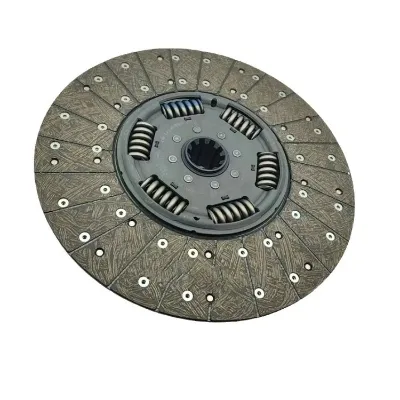
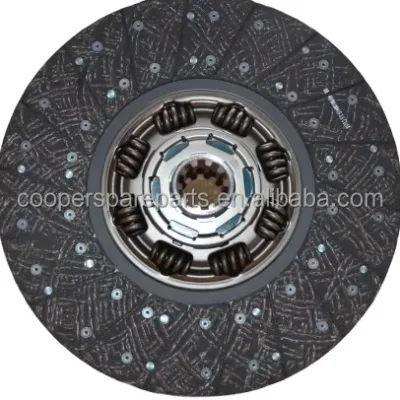
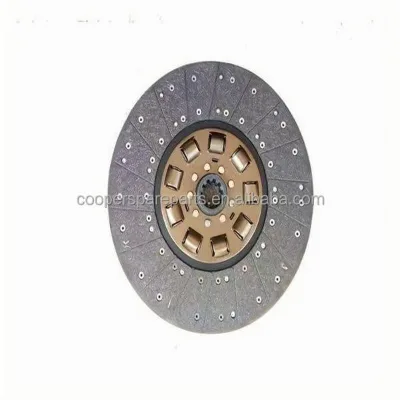
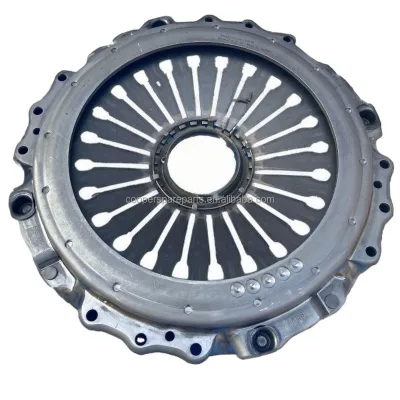
High Quality Dual Clutch Automatic Shifting System Truck & Car Friction Clutch Plates From China
$150.00 - $200.00
MOQ: 99 sets
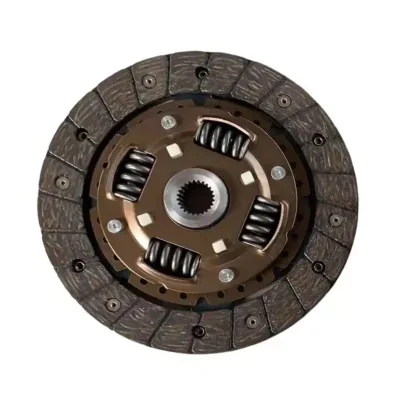

Hangzhou Xiaoai Mechanical Equipment Factory
- Manufacturer/Factory
- China Zhejiang
- Lead time23 days
- Avg. response≤ 2h
Main productsFriction Material, Bicycle Parts, Metal Parts
Main marketsSouth America,North America,Western Europe


Automatic Transmission Friction Plate Gear Box Automotive Friction Disc Clutch Plate
$10.00 - $25.00
MOQ: 100 kg


- Verified by SGS
- Manufacturer/Factory
- China Zhejiang
- Lead time45 days
- Avg. response≤ 3h
Main productsFriction Disc, Racing Disc, Clutch Button, Clutch Facing, Clutch Disc, Rivets
Main marketsSouth America,Eastern Europe,Mid East,North America,Southeast Asia,Eastern Asia,Oceania,Western Europe,Africa


Transmission Friction Disc Clutch Kit Friction Plate Clutch Plate for Construction Machinery
$1.00 - $10.00
MOQ: 100 Pieces


Tengteng Transmission System (Shanghai) Co., Ltd.
- Verified by TUVRHEINLAND
- Trading Company,Manufacturer/Factory
- China Shanghai
- Lead time23 days
- Avg. response≤ 2h
Main productsPaper Based Friction Plate, Friction Plate, Auto Spare Parts, Automobile Parts, Automobile Products, Car Accessories, Car Parts, Auto Accessories, Torque Converter Wafer
Main marketsSouth America,Eastern Europe,Mid East,North America,Southeast Asia,Western Europe


722.6 Gearbox Transmission Automatic Transmission Clutch Friction Plate Kit for
$0.90 - $2.00
MOQ: 100 Pieces

K114 K115 Automatic Transmission Friction Plate Clutch Kit Friction Repair Kit
$0.90 - $2.00
MOQ: 100 Pieces

F4a51 Clutch Friction Plate Kit for Automobile Gearbox 148*1.70*30t Friction Disc
$0.90 - $2.00
MOQ: 100 Pieces
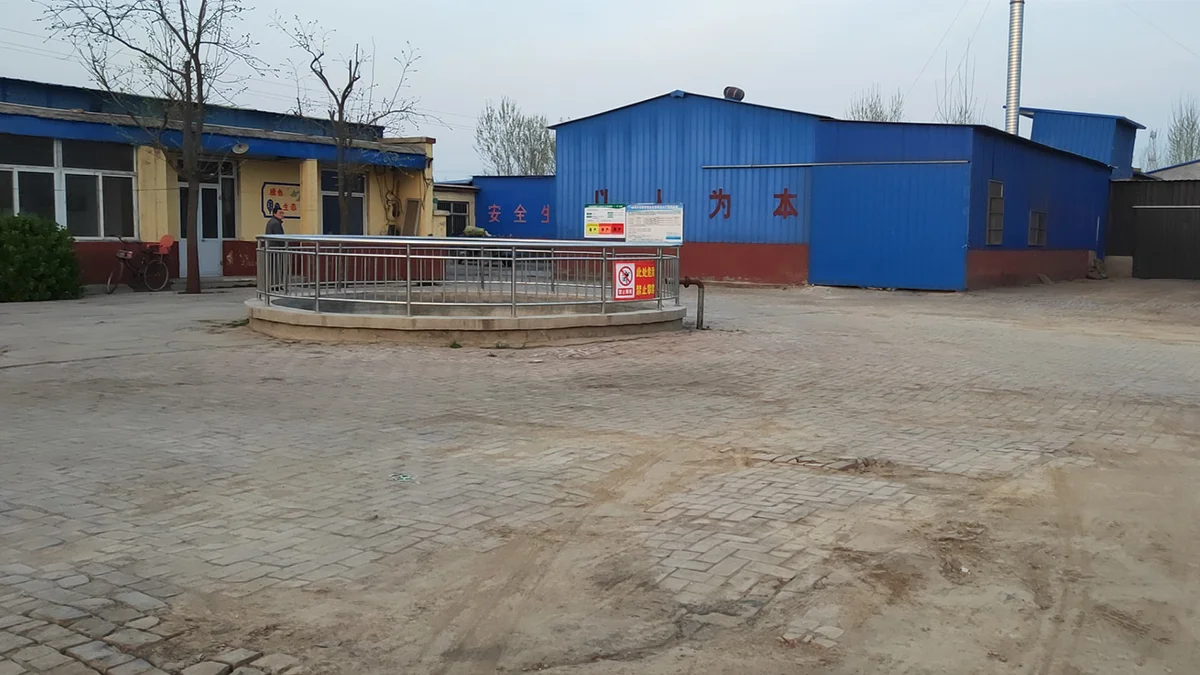
Shenzhou Tuohang Machinery Fittings Factory
- Manufacturer, Trading Company
- hebei, China
- Lead time15 days
- Avg. response≤ 4h
Main productsMetal stampings,Metal tensile parts,Brake band assembly,Friction plate
Main marketsWestern Europe(20.00%), Oceania(20.00%), Domestic Market(5.00%), South Asia(5.00%), Southern Europe(5.00%), Northern Europe(5.00%), Central America(5.00%), South America(5.00%), Eastern Asia(5.00%), Mid East(5.00%), North America(5.00%), Africa(5.00%), Southeast Asia(5.00%), Eastern Europe(5.00%)
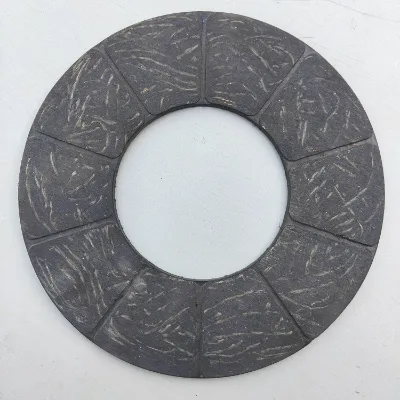
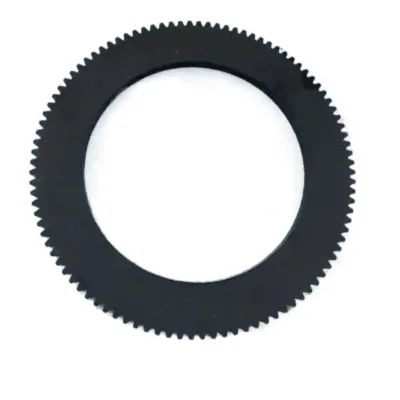
Toothed Clutch Plate with High Friction Coefficient Supports CustomizationClutch Plate
$26.87 - $28.68
MOQ: 100
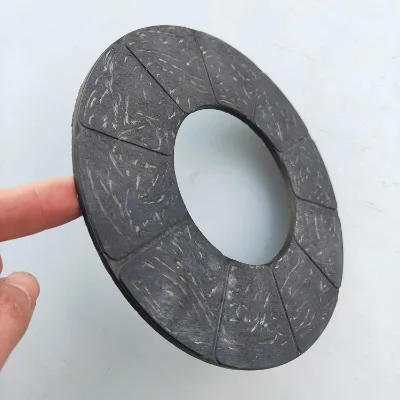
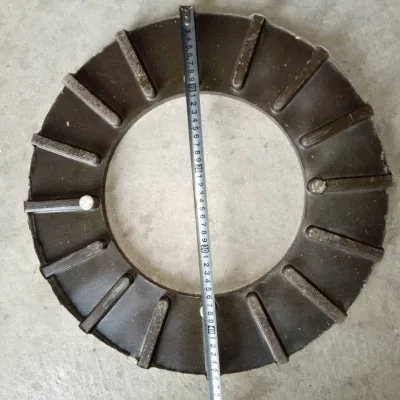
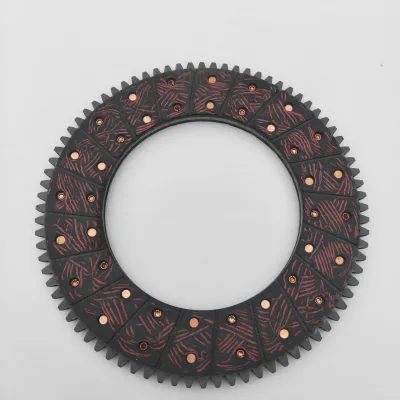
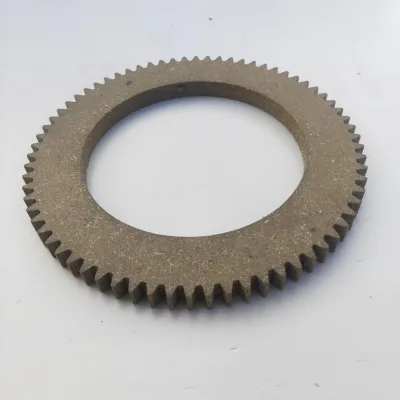
High Quality Friction Plate of Clutch Push Plate Drilling RigFriction Discclutch
$168.65 - $186.67
MOQ: 100
Guangzhou Hengfu Tengfei Auto Parts Co., Ltd.
- Verified by SGS Group
- Trading Company
- Lead time30 days
- Avg. response≤ 2h
Main productsGearbox Accessories
Main marketsNorth America(20%), Southeast Asia(10%), Mid East(10%)
Guangzhou Chuangyu Industrial And Trade Co., Ltd.
- Verified by TüVRheinland
- Trading Company
- Lead time30 days
- Avg. response≤ 6h
Main productsOil Seal, Seal Kit, Transmission Kit, Transmission Parts, Electronic Steering Rack
Main marketsSoutheast Asia(20%), North America(15%), South America(15%)
Shandong Tianfu International Trade Co.,ltd.
- Trading Company
- Shandong, China
- Lead time0 days
- Avg. response≤ 4h
Main productsLoader parts,Engine parts,loader torque converter,loader transmission,Torque converter transmission assembly
Main marketsMid East(20.00%), Africa(20.00%), Northern Europe(20.00%), South Asia(10.00%), Southeast Asia(10.00%), Western Europe(10.00%), Eastern Asia(10.00%)
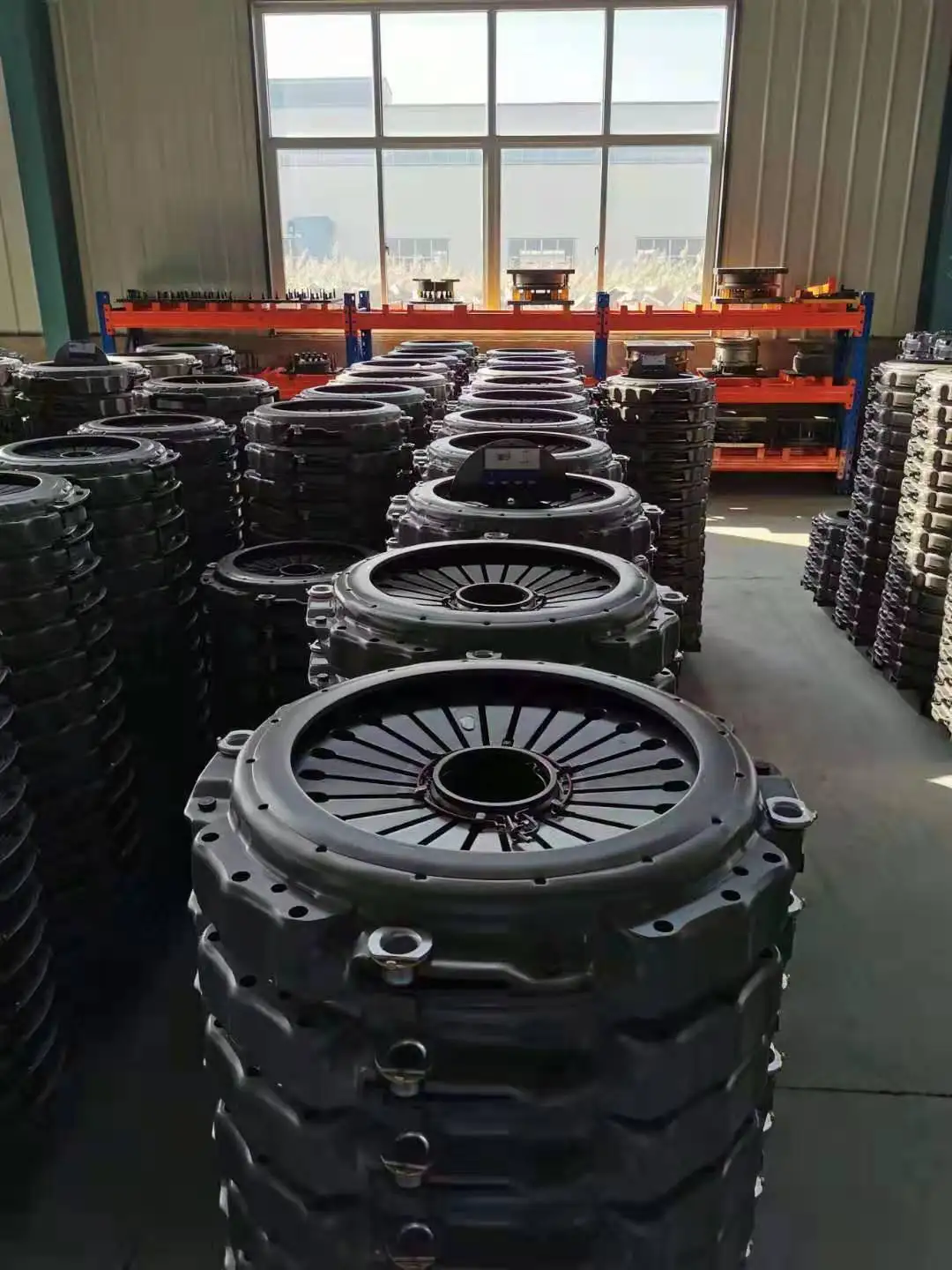
Hejian Huashun Auto Parts Co., Ltd.
- Manufacturer, Trading Company
- Hebei, China
- Lead time30 days
- Avg. response≤ 1h
Main productsCLUTCH,CAR PARTS,DISC,BEARING,PLATEN
Main marketsNorthern Europe(40.00%), Mid East(20.00%), Southeast Asia(20.00%), North America(10.00%), Africa(10.00%)
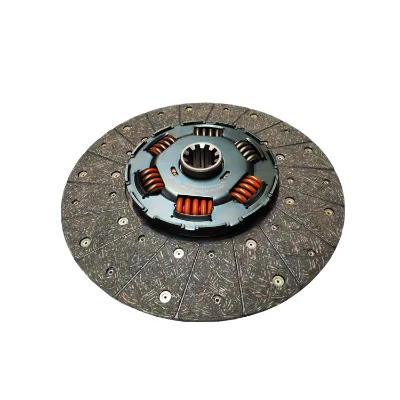
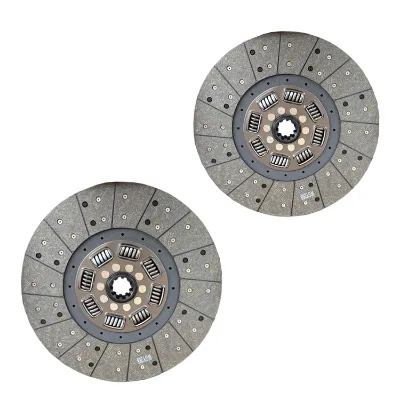
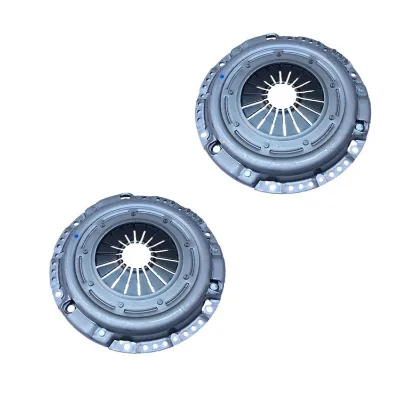
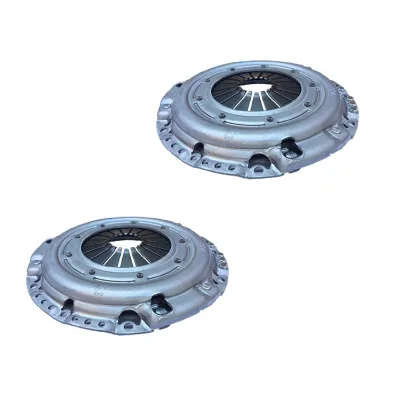
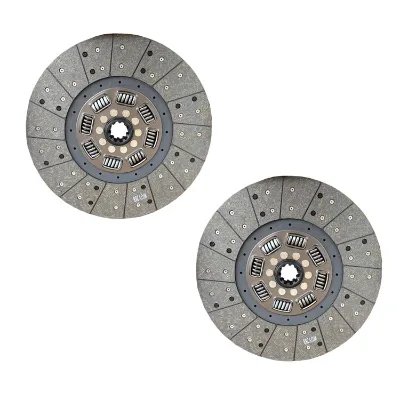
Factory Sale Various Three-stage Shock Absorption Clutch Plate Parts Clutch Discs
$50.00 - $120.00
MOQ: 10 pieces
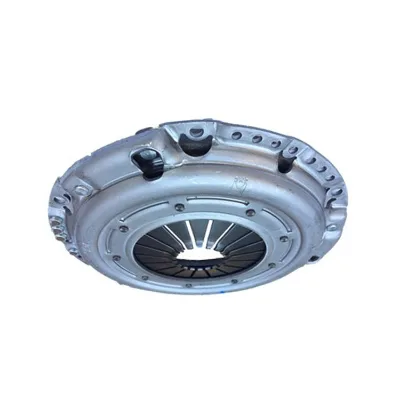

GREEN POWER INDUSTRY CO.LIMITED
- Verified by TUVRHEINLAND
- Trading Company
- China Zhejiang
- Lead time30 days
- Avg. response≤ 25h
Main productsBrake Pad, Brake Block, Brake Lining Roll, Brake Shoe, Brake Lining, Clutch Over, Clutch Facing, Clutch Button, Clutch Disc, Motorcycle Brake Lining
Main marketsSoutheast Asia/ Mideast

Jinan Licheng Automotive Parts Co., Ltd.
- Combined
- China Shandong
- Lead time15 days
- Avg. response≤ 1h
Main productsClutch Disc, Clutch Cover, Clutch Pressure Plate, Auto Clutch Parts, Trucks Auto Parts, Heavyduty Spare Parts, Automotive Spare Parts, Clutch Auto Parts, Transmission Auto Parts, Transmission Auto Clutch
Main marketsSoutheast Asia/ Mideast,Domestic


Anti-Burning Friction Clutch Friction Plate Clutch Plate Clutch Disc for Truck Parts
$9.00 - $12.70
MOQ: 10 Pieces


395mm Friction Material Clutch Pressure Plate Clutch Kits Engine Spare Parts for France Auto Parts
$9.00 - $13.00
MOQ: 20 Pieces

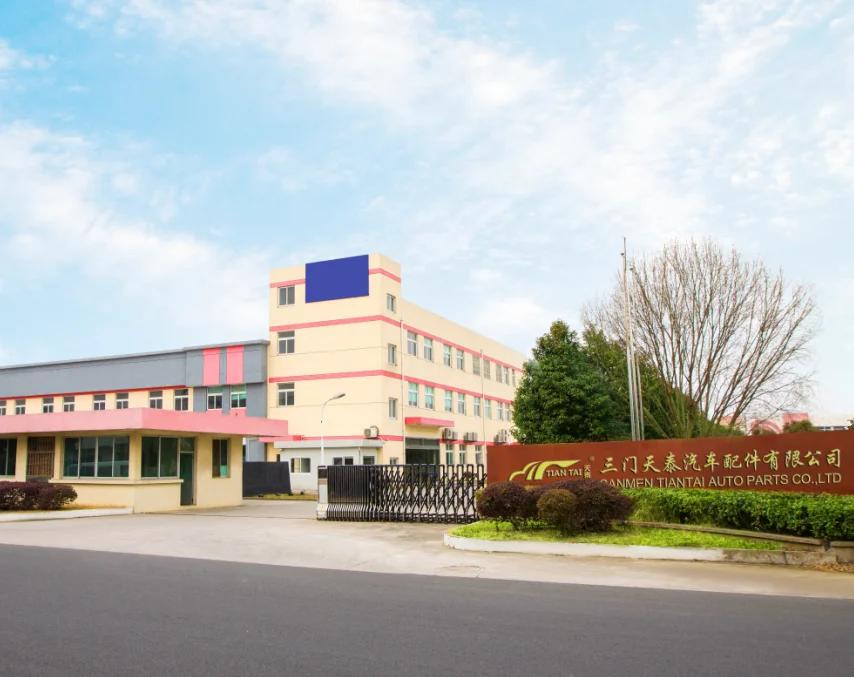
Sanmen Tiantai Auto Parts Co., Ltd.
- Manufacturer
- Zhejiang, China
- Lead time0 days
- Avg. response≤ 5h
Main productsClutch Button,Clutch rivet,Paper-based friction materials,Tractor friction plate
Main marketsNorth America(60.00%), South America(20.00%), Africa(10.00%), Eastern Europe(10.00%)

China Auto Baofeng (Guangzhou) Auto Parts Co., Ltd.
- Trading Company
- Guangdong, China
- Lead time3 days
- Avg. response≤ 9h
Main productsZF INA LUK FAG BOSCH BorgWarner,PIERBURG DIVITIAE BGOE,LEMFORDER Continental BREMBO,VW AUDI PORSCHE BMW BENZ,MAHLE BENSO VALEO
Main marketsMid East(30.00%), Southeast Asia(20.00%), Domestic Market(15.00%), North America(15.00%), Africa(15.00%), South Asia(5.00%)

Hejian Dali Automotive Parts Co., Ltd
- Verified by SGS
- Combined
- China Hebei
- Lead time15 days
- Avg. response≤ 5h
Main productsClutch Disc, Clutch Cover, Clutch Kit, Clutch Bearing, Clutch Facing, Brake Linings, Adjustment Arm, Brake Chamber
Main marketsDomestic


Hot Sale Automatic Release Bearing with Truck Parts Clutch Disc Clutch Plate
$70.00 - $85.00
MOQ: 1 Pieces


Yichun Mark Auto Parts Manufacturing Co., Ltd.
- Manufacturer
- Jiangxi, China
- Lead time30 days
- Avg. response≤ 2h
Main productsTruck Clutch Disc/Car Clutch
Main marketsSouth America(50.00%), Domestic Market(30.00%), Africa(10.00%), Eastern Europe(10.00%)
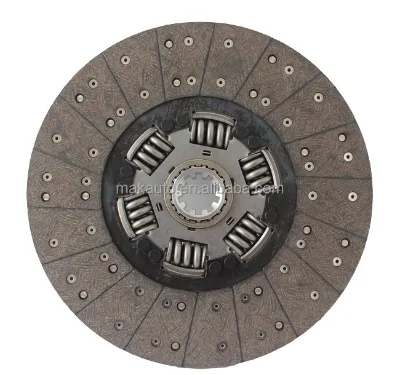
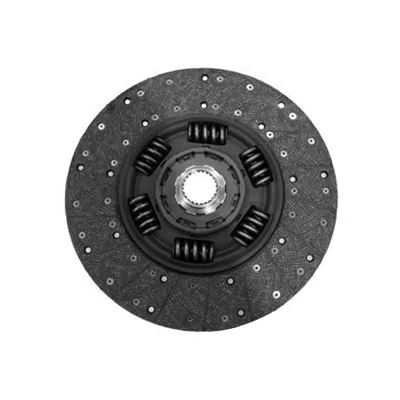
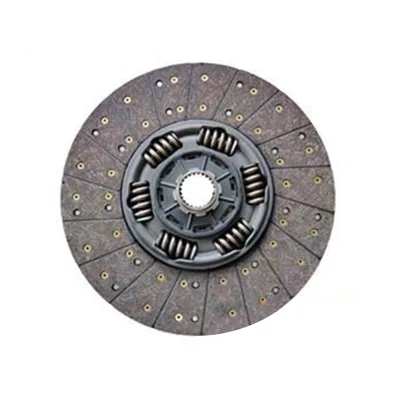
1878003839 Original Clutch Friction Disc Original Auto Transmission System Part for SCANIA
$60.00 - $68.00
MOQ: 1 pieces
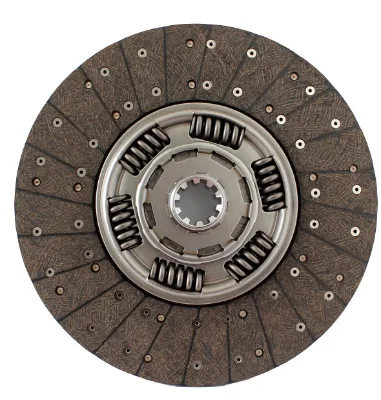
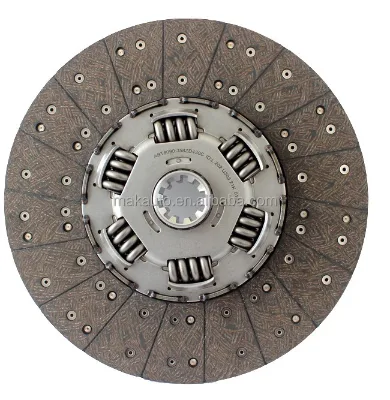
$82.366 - $87.5132
MOQ: 1 pieces

ZHEJIANG KOOYING AUTO PARTS CO., LTD.
- Verified by SGS
- Combined
- China Zhejiang
- Lead time15 days
- Avg. response≤ 7h
Main productsAuto Parts
Main marketsSoutheast Asia/ Mideast
Guangzhou Shanhai Auto Parts Co., Ltd
- Verified by SGS
- Trading Company
- China Guangdong
- Lead time15 days
- Avg. response≤ 2h
Main productsAutomatic Transmission, Valve Body, Clutch, Transmission Computer, Ransmission Solenoid Valve
Main marketsAustralia

Df727 Gearbox Clutch Friction Plates Set - Premium Quality Transmission Replacement Parts
$30.00 - $32.00
MOQ: 1 Pieces


Hejian Hua Wei Auto Part Co., Ltd.
- Manufacturer, Trading Company
- Hebei, China
- Lead time7 days
- Avg. response≤ 3h
Main productsclutch disc,clutch dplate,clutch cover,bearing,cable
Main marketsDomestic Market(20.00%), Africa(20.00%), Southeast Asia(15.00%), South Asia(15.00%), Mid East(10.00%), South America(10.00%), Eastern Asia(10.00%)

Jiangsu Great Industrials (group) Corp. Ltd.
- Trading Company
- Jiangsu, China
- Lead time35 days
- Avg. response≤ 4h
Main productsClutch Cover,Clutch Disc,Brake Pad,Brake Shoe,Auto Belt
Main marketsSouth America(20.00%), Mid East(20.00%), North America(10.00%), Eastern Asia(10.00%), Africa(10.00%), Southeast Asia(10.00%), Eastern Europe(10.00%), Western Europe(5.00%), Oceania(5.00%)
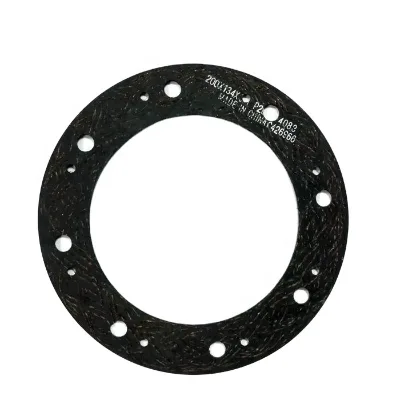
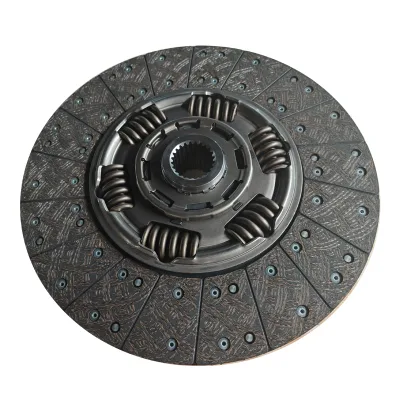
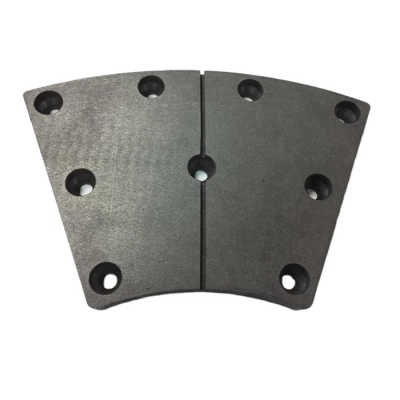
Heavy Truck Parts 1878006129 Friction Pressure Plate Clutch for Europe RENAULT Trucks
$67.9523
MOQ: 50 Minimum
Shandong Libang Auto Parts Co., Ltd.
- Verified by SGS Group
- Manufacturer, Trading Company
- Lead time30 days
- Avg. response≤ 1h
Main productsHOWO Parts, SINOTRUK Parts, Chinese Truck Parts, Semi-Trailer Parts, Truck Brake Pad
Main marketsAfrica(40%), Southeast Asia(20%), Eastern Europe(20%)
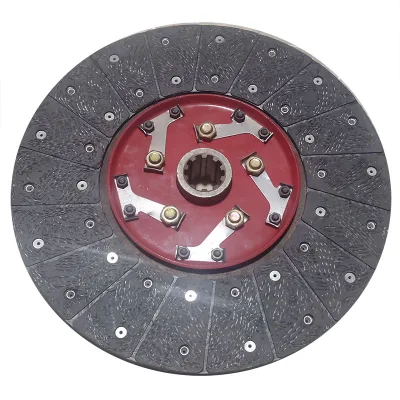
New Arrival Truck Clutch Parts Clutch Plate Pressure Plate and Disc for SCANIA
$2.00 - $3.00
MOQ: 4 pieces
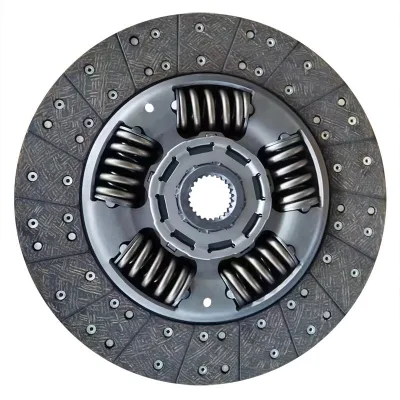
New Clutch Plate Set Clutch Disc and Pressure Plate for Mercedes Benz Trucks Cars
$2.0478 - $3.0709
MOQ: 4 pieces
Hebei Xiangdie Auto Parts Co., Ltd
- Manufacturer, Trading Company
- Hebei, China
- Lead time15 days
- Avg. response≤ 6h
Main productsclutch disc,clutch cover,brake chamber,facing,shock absorber
Main marketsSoutheast Asia(15.00%), Mid East(15.00%), South Asia(10.00%), Eastern Asia(10.00%), Domestic Market(5.00%), South America(5.00%), Southern Europe(5.00%), Northern Europe(5.00%), Central America(5.00%), Western Europe(5.00%), Eastern Europe(5.00%), North America(5.00%), Oceania(5.00%), Africa(5.00%)
Guangzhou Xinwei Trade Co., Ltd.
- Manufacturer, Trading Company
- Guangdong, China
- Lead time30 days
- Avg. response≤ 1h
Main productsTransmission,Differential,Transfer case,engine,Beach bike differential
Main marketsMid East(20.00%), North America(10.00%), South America(10.00%), Africa(10.00%), Eastern Asia(10.00%), Central America(10.00%), Northern Europe(10.00%), Domestic Market(10.00%), Southeast Asia(5.00%), South Asia(5.00%)
Hejian Yujie Machinery Fittings Factory
- Manufacturer, Trading Company
- Hebei, China
- Lead time20 days
- Avg. response≤ 2h
Main productsClutch Disc,clutch cover,clutch bearing,coupling,CLUTCH KIT
Main marketsDomestic Market(20.00%), Eastern Asia(15.00%), South America(10.00%), Mid East(10.00%), Africa(10.00%), Southeast Asia(10.00%), North America(10.00%), Eastern Europe(5.00%), Northern Europe(5.00%), Western Europe(5.00%)
Taizhou Huashuai Auto Parts Co., Ltd
- Verified by Intertek
- Manufacturer, Trading Company
- Lead time30 days
- Avg. response≤ 8h
Main productsClutch Disc, Clutch Cover, Clutch Bearing, CV Joint, Driving Shaft
Main marketsAfrica(30%), Mid East(30%), Domestic Market(20%)
Guangzhou Transpeed Auto Technology Co., Ltd.
- Verified by SGS Group
- Manufacturer, Trading Company
- Lead time5 days
- Avg. response≤ 4h
Main productsAutomatic Transmission Parts, Transmission Piston, Transmission Master Kit, Transmission Oil Filter, Transmission Valve Body
Main marketsSouth America(15%), Eastern Europe(15%), Southeast Asia(15%)
Guizhou Xinyuda Industrial Co., Ltd.
- Trading Company
- Guizhou, China
- Lead time3 days
- Avg. response≤ 3h
Main productsPower Steering Pump,Gear Knob,Switch,Intake Pipe
Main marketsSouthern Europe(15.00%), Central America(15.00%), Eastern Europe(15.00%), Domestic Market(5.00%), South Asia(5.00%), Northern Europe(5.00%), Western Europe(5.00%), South America(5.00%), Eastern Asia(5.00%), Mid East(5.00%), North America(5.00%), Oceania(5.00%), Africa(5.00%), Southeast Asia(5.00%)
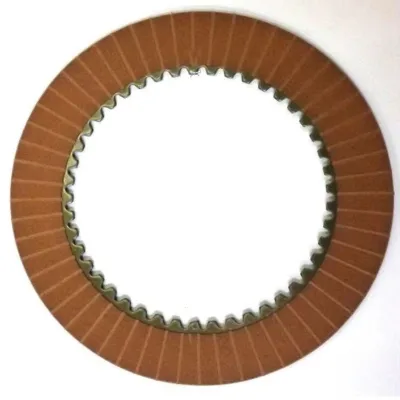
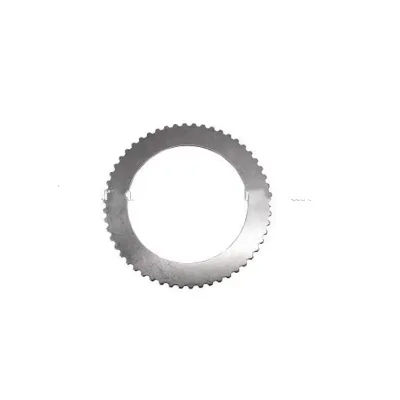


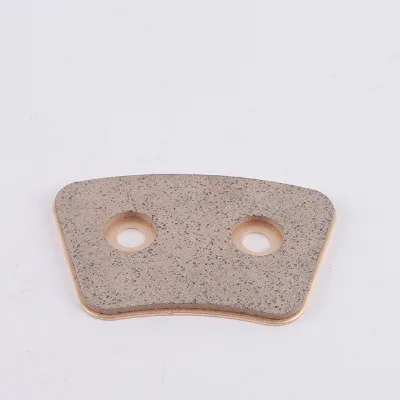
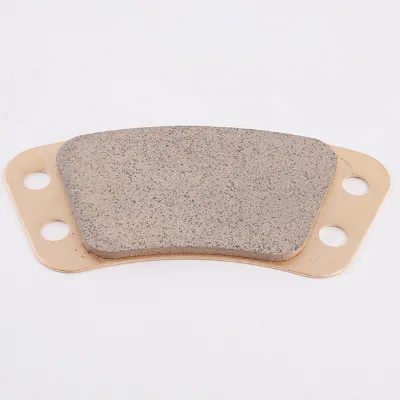


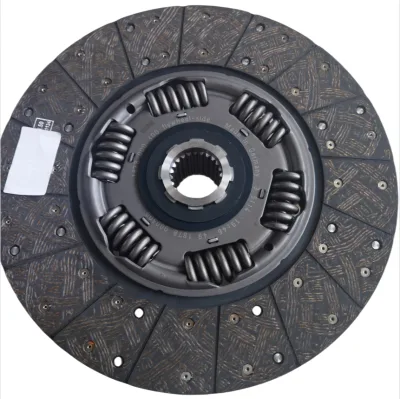
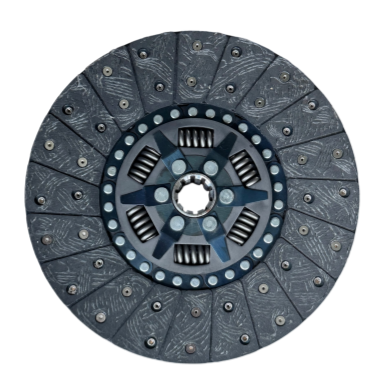
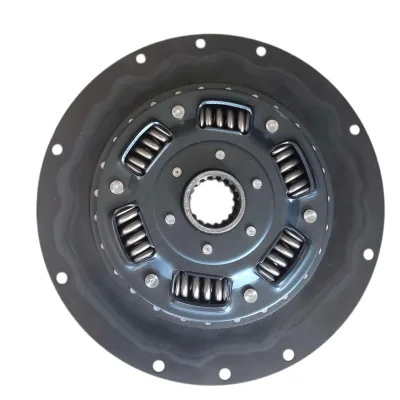
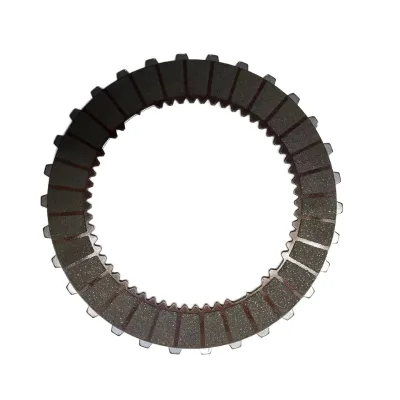
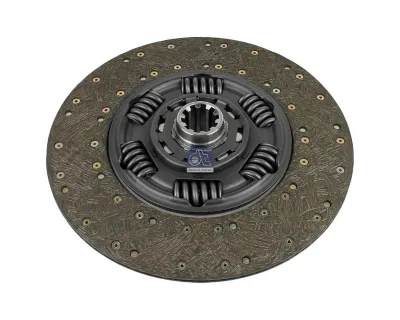
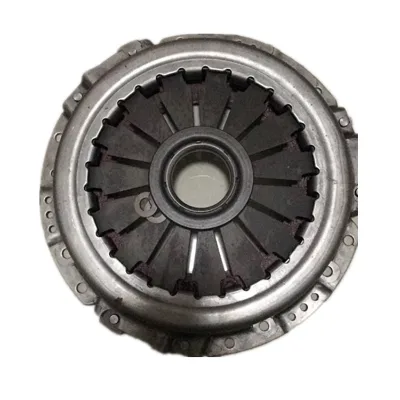
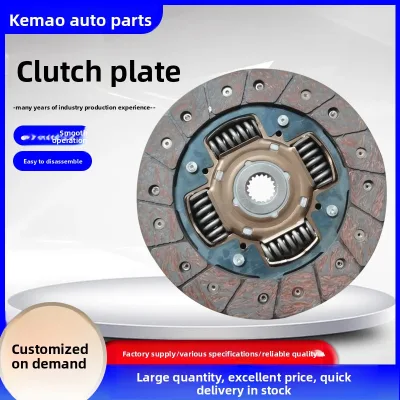
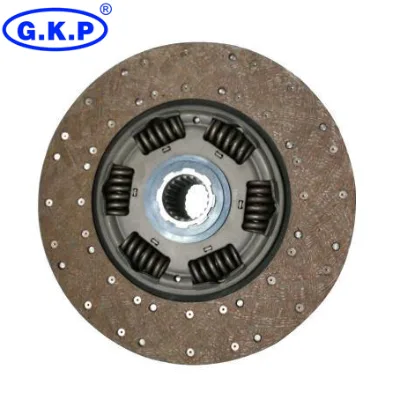
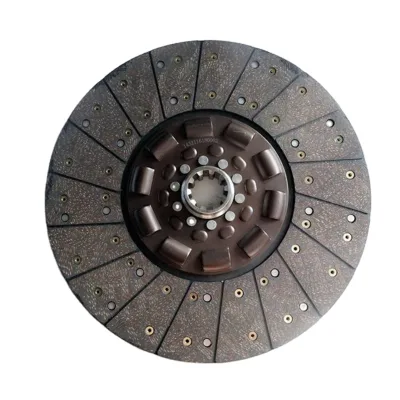
Comprehensive Sourcing Guide
Gearbox Repair Clutch Friction Plate Supplier Concentration and Factory Types
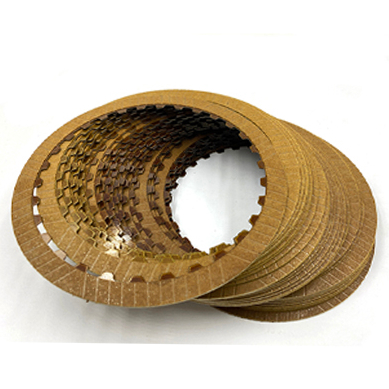
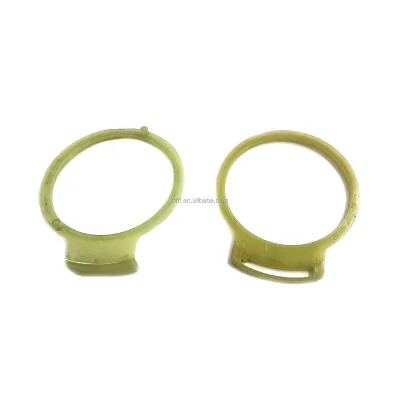
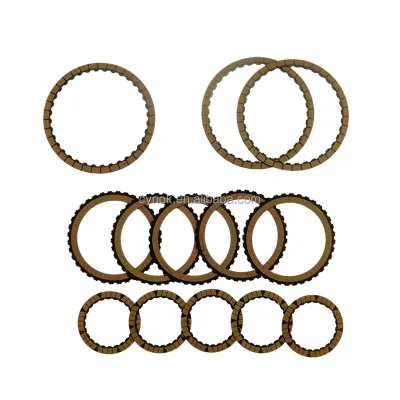
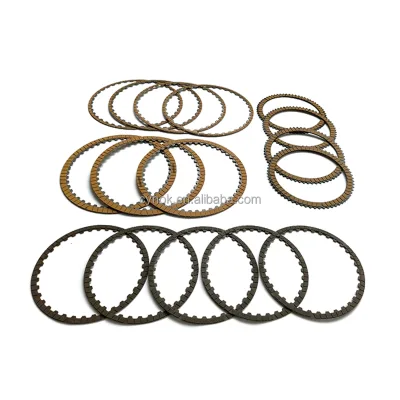
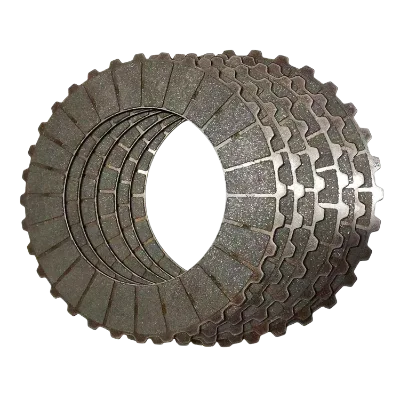
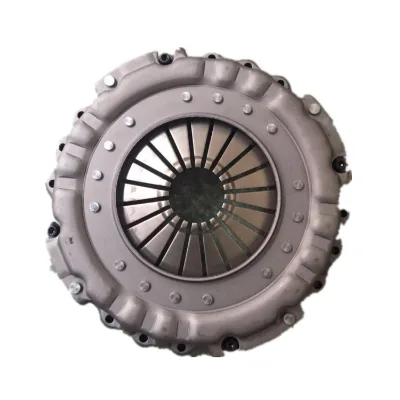
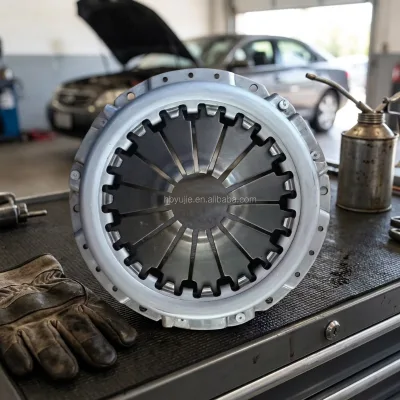
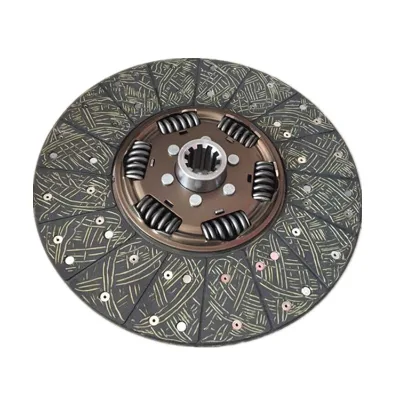
The current supplier landscape for gearbox repair clutch friction plates reveals a distinct split between trading companies and direct manufacturers, each offering different value propositions for procurement teams. Data indicates that a significant portion of available suppliers are classified as trading companies, primarily located in Henan, China. These entities often aggregate products from various workshops, focusing on vehicle parts, construction machinery attachments, and bus spare parts. Their inventory frequently includes clutch plates and pressure plates compatible with specific brands like Yu-tong, Zhong-tong, and Howo, catering to both bus and truck applications. The presence of these trading firms suggests a hub of distribution activity in Henan, where supply chains are optimized for rapid assembly and dispatch rather than raw material processing. Buyers seeking ready-to-ship components for immediate repair needs may find these intermediaries useful for consolidating orders from multiple small manufacturers into a single shipment.
Conversely, other segments of the market are dominated by manufacturer-factories, such as those situated in Zhejiang, China. These facilities are equipped with OEM capabilities and hold certifications like ISO 9001, indicating a focus on standardized quality control and custom production runs. The main products for these factories often include friction materials, metal parts, and specialized bicycle or automotive components, suggesting a broader industrial base beyond just automotive transmission parts. The distinction is critical because trading companies may offer lower minimum order quantities and faster response times for small batches, while manufacturers provide greater control over specifications, material composition, and long-term supply consistency. Understanding this dichotomy allows buyers to align their sourcing strategy with their volume requirements and quality assurance needs, ensuring they engage with the right type of partner for their specific gearbox repair projects.
How to Verify Gearbox Repair Clutch Friction Plate Suppliers
Verifying the legitimacy and capability of suppliers requires a multi-layered approach that goes beyond surface-level product listings. Buyers should prioritize suppliers who display third-party verification badges, such as SGS, which serves as an independent confirmation of the company’s operational status and business scope. Additionally, checking for system certifications like ISO 9001 is essential for identifying manufacturers who adhere to international quality management standards. These credentials are particularly important for friction plates, as the material consistency directly impacts transmission performance and safety. Suppliers who can provide detailed product attributes, such as specific OE numbers, size dimensions, and material classifications, demonstrate a higher level of technical transparency. Buyers must cross-reference these claims with the supplier’s company type; for instance, a trading company claiming to be a manufacturer with ISO certification should be scrutinized for potential misrepresentation.
Response time and lead time metrics also serve as indirect indicators of supplier reliability and operational efficiency. A supplier with a response time of under two hours and a lead time of around twenty-three days suggests a streamlined operation with active inventory management or efficient production scheduling. In contrast, suppliers with longer response times or lead times exceeding forty-five days may indicate capacity constraints or less responsive customer service teams. Buyers should also examine the product evidence provided, looking for detailed specifications such as warranty periods, condition status, and application details. For example, a three-month warranty on clutch plates is a common offering, but buyers should verify if this warranty is backed by the manufacturer or merely a seller’s policy. Requesting sample units before committing to large orders allows buyers to physically inspect the friction material quality, rivet integrity, and overall build, ensuring the product meets the rigorous demands of gearbox repair applications.
What to Compare Across Gearbox Repair Clutch Friction Plate Suppliers
When evaluating multiple suppliers, buyers must compare key commercial and operational dimensions to identify the most suitable partner for their needs. Price ranges vary significantly across the market, with some suppliers offering clutch plates between thirty and fifty dollars, while others price similar items between one hundred and two hundred dollars. These discrepancies often reflect differences in material quality, brand compatibility, and order volume. Minimum order quantities (MOQ) are another critical factor; some suppliers require a minimum of one unit, catering to small repair shops, while others mandate orders of ninety-nine or one hundred units, targeting larger distributors or fleet maintenance operations. Buyers should align their procurement volume with the supplier’s MOQ to avoid unnecessary inventory costs or stockouts. Additionally, comparing the main products offered by each supplier helps determine if they specialize in the specific transmission models or vehicle types required, such as heavy-duty trucks versus passenger buses.
Lead times and response speeds are vital for maintaining supply chain continuity, especially in the repair sector where downtime is costly. Suppliers with lead times of thirty days or less are preferable for urgent orders, while those with longer lead times may require advance planning. Response times under two hours indicate a supplier’s readiness to address technical queries or resolve issues promptly. Buyers should also assess the customization capabilities of manufacturers, as some offer OEM services and custom sizes, which are crucial for non-standard gearbox repairs. The presence of specific product attributes, such as OE numbers and detailed size specifications, facilitates easier matching with existing inventory or repair manuals. By systematically comparing these factors, buyers can create a weighted scoring matrix that balances cost, speed, quality, and flexibility, ensuring a data-driven selection process that minimizes risk and maximizes value for their gearbox repair operations.
Common Gearbox Repair Clutch Friction Plate Sourcing Risks
Sourcing clutch friction plates carries inherent risks related to quality consistency and compatibility, which can lead to costly failures if not properly managed. One major risk is the variation in material composition; friction plates must withstand high heat and torque, and substandard materials can lead to premature wear or transmission slippage. Buyers must be cautious of suppliers who provide vague product descriptions or lack detailed technical specifications. Another risk is the mismatch between the claimed brand compatibility and the actual product fitment. For instance, a clutch plate marketed for a specific bus model may not fit due to minor dimensional differences, leading to installation delays and additional costs. Buyers should verify the OE numbers and size dimensions provided by the supplier against their own technical requirements to ensure precise compatibility. Additionally, the warranty terms offered by suppliers may vary, and some may have restrictive conditions that limit recourse in case of defects.
Logistical and communication risks also pose significant challenges in international sourcing. Suppliers with longer lead times or poor response times may fail to meet tight delivery schedules, disrupting repair operations. There is also the risk of miscommunication regarding packaging and shipping details, which can result in damaged goods upon arrival. Buyers should ensure that suppliers use appropriate packaging, such as cartons on pallets, to protect the friction plates during transit. Furthermore, the lack of standardized testing results for friction materials can make it difficult to assess product performance objectively. Buyers should request test reports or certification documents, such as CE or RoHS, to verify that the products meet relevant safety and environmental standards. By identifying and mitigating these risks through thorough due diligence and clear communication, buyers can protect their interests and ensure a smooth sourcing process for gearbox repair components.
Gearbox Repair Clutch Friction Plate Regional Sourcing and Logistics
Regional sourcing strategies play a crucial role in optimizing logistics and reducing lead times for gearbox repair clutch friction plates. Suppliers located in Henan, China, often benefit from established industrial clusters that specialize in vehicle parts and construction machinery attachments. This concentration of suppliers can facilitate faster production cycles and easier coordination for buyers sourcing from multiple vendors in the same region. However, buyers must also consider the logistical implications of shipping from different regions, such as Zhejiang, which may have different port access and shipping routes. Understanding the geographic distribution of suppliers allows buyers to consolidate shipments or select suppliers based on proximity to their primary shipping ports, thereby reducing freight costs and transit times. Additionally, regional suppliers may have better knowledge of local customs regulations and documentation requirements, streamlining the export process.
Logistics planning should also account for the specific packaging requirements of friction plates, which are sensitive to moisture and physical damage. Suppliers in different regions may use varying packaging standards, so buyers should specify their packaging preferences clearly in the purchase order. For example, some suppliers use carton packaging on pallets, which is suitable for container shipping, while others may use individual box packaging. Buyers should also consider the impact of seasonal factors on logistics, such as peak shipping seasons or holiday periods, which can affect lead times and freight rates. By aligning their sourcing strategy with the regional strengths of suppliers and planning logistics carefully, buyers can ensure timely delivery of high-quality clutch friction plates, supporting efficient gearbox repair operations and minimizing downtime for their customers.
Gearbox Repair Clutch Friction Plate Commercial Terms and Order Planning
Effective order planning and negotiation of commercial terms are essential for securing favorable conditions when sourcing gearbox repair clutch friction plates. Buyers should clearly define their order volume, delivery schedule, and quality requirements in the initial inquiry to receive accurate quotations and lead times. Negotiating payment terms, such as using escrow services or letters of credit, can provide financial security and ensure that suppliers fulfill their obligations before payment is released. Buyers should also discuss warranty terms and return policies, ensuring that they have recourse in case of defective products. Additionally, clarifying the responsibilities for shipping and insurance is crucial to avoid unexpected costs. For example, buyers should determine whether the supplier offers FOB or CIF pricing, which affects who bears the risk and cost of transportation.
Long-term order planning can lead to better pricing and priority service from suppliers. Buyers who commit to regular, recurring orders may qualify for volume discounts or preferential lead times. Establishing a clear communication channel with the supplier’s sales and technical teams can facilitate smoother transactions and quicker resolution of issues. Buyers should also maintain a record of supplier performance, including response times, product quality, and delivery accuracy, to inform future sourcing decisions. By adopting a structured approach to commercial terms and order planning, buyers can build strong, reliable relationships with suppliers, ensuring a steady supply of high-quality clutch friction plates for their gearbox repair needs. This strategic focus on commercial details helps mitigate risks and enhances the overall efficiency of the procurement process.
FAQs
What is the typical lead time for gearbox clutch friction plates?
Manufacturers in China generally require 23 to 45 days for production and delivery. Specific timelines depend on order volume and customization needs. Trading companies may offer faster turnaround times around 30 days. Buyers should confirm exact schedules with suppliers before placing orders to ensure timely project completion.
What is the minimum order quantity for clutch friction plates?
Minimum order quantities vary significantly by supplier type. Some manufacturers require a minimum of 100 units for standard friction discs. Others may accept orders as low as one unit for testing purposes. Trading companies often set thresholds around 99 units. Buyers should verify specific MOQs directly with potential suppliers.
Where are these clutch friction plates typically manufactured?
Most suppliers are located in Henan, China, specializing in vehicle parts and accessories. Some manufacturers operate in Zhejiang, China, focusing on friction materials and metal parts. These regions provide established supply chains for automotive transmission components. Buyers can filter results by location to prioritize suppliers near their logistics hubs.
What certifications are available for clutch friction plates?
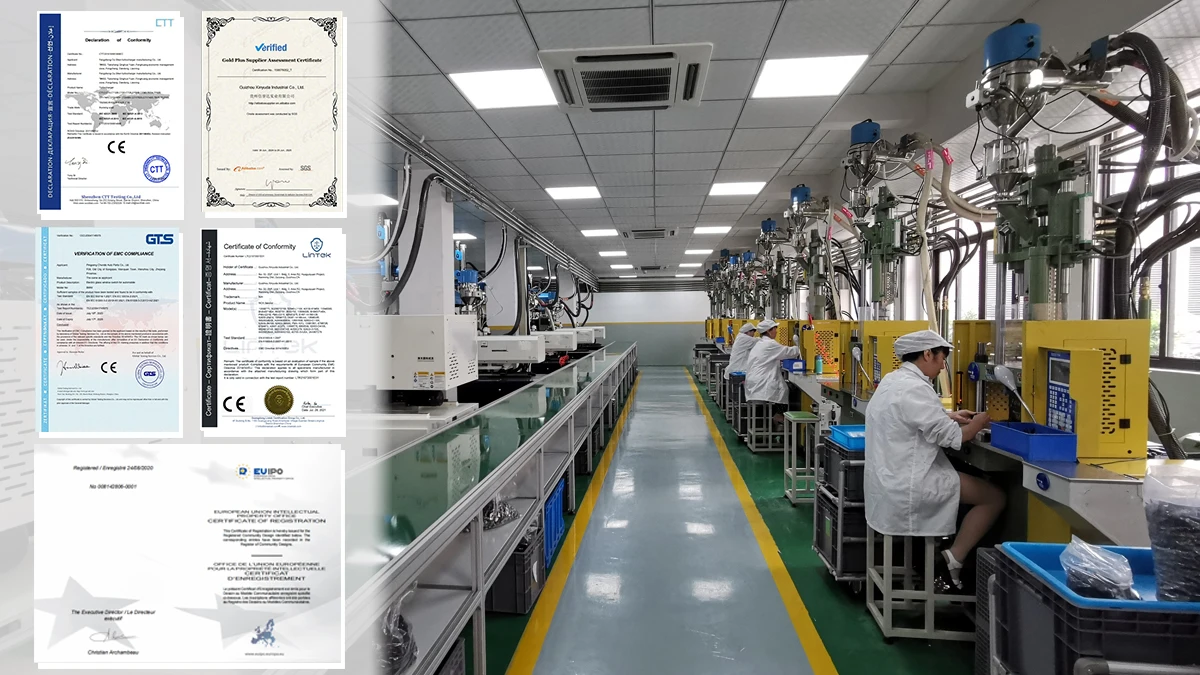
Many suppliers hold ISO 9001 certification for quality management systems. Products often carry CE and RoHS certifications for safety and environmental compliance. Some items are verified by SGS for quality assurance. Buyers should request valid certificates to ensure products meet international standards and regulatory requirements for their specific markets.
What is the price range for clutch friction plates?
Prices typically range from $10 to $350 per unit depending on specifications. Basic friction discs may cost between $10 and $25. High-performance clutch covers or complete repair kits can reach $300 to $350. Prices vary based on material quality, brand fitment, and order volume. Buyers should compare quotes from multiple suppliers for accurate budgeting.
How quickly do suppliers respond to inquiries?
Response times generally range from 1 to 3 hours for active suppliers. Some manufacturers respond within one hour, while others take up to three hours. Faster response times often indicate better customer service capabilities. Buyers should prioritize suppliers with quick response rates to ensure efficient communication throughout the sourcing and negotiation process.
What warranty is provided for clutch friction plates?
Standard warranties typically cover three months for new clutch plates and related components. This period applies to manufacturing defects and material quality issues. Buyers should confirm warranty terms explicitly with suppliers before purchase. Extended warranty options may be available for bulk orders or specific high-quality product lines.