Source Gearbox Repair Clutch Friction Plate for Bus, Truck, Harvester
Find and compare 30 listings for Gearbox Repair Clutch Friction Plate compatible with buses, trucks, and harvesters. Options include ISO9001 certified parts made from carbon steel, with delivery times around 25 days and various packing methods available for global sourcing.
Updated
Key considerations
Products List
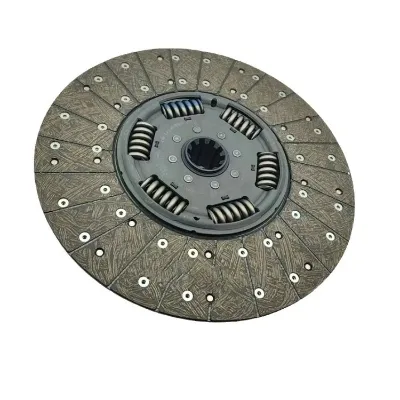
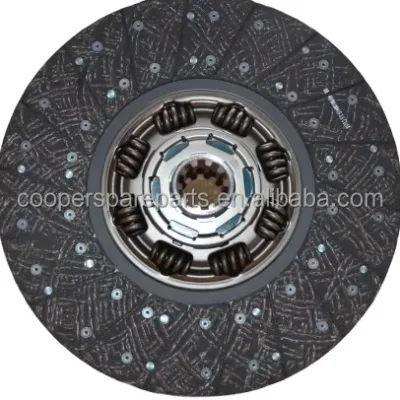
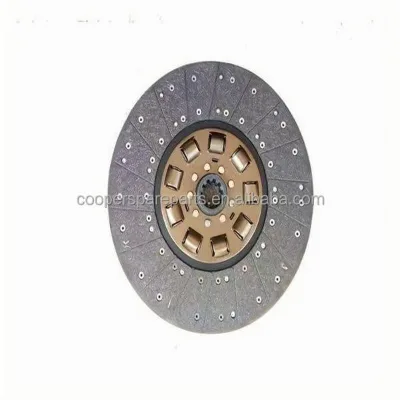
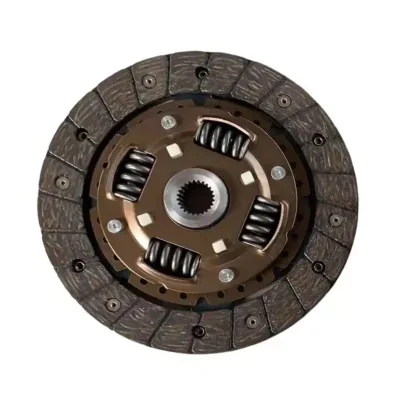


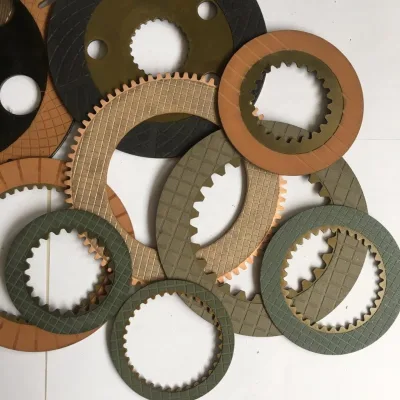


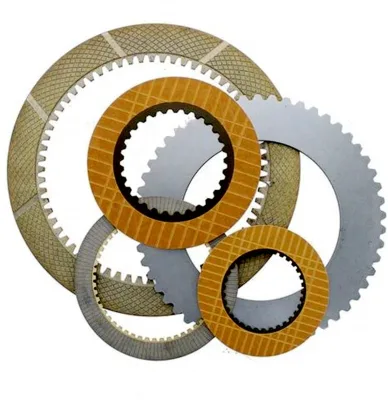
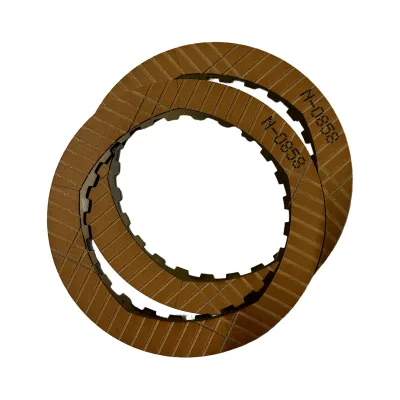


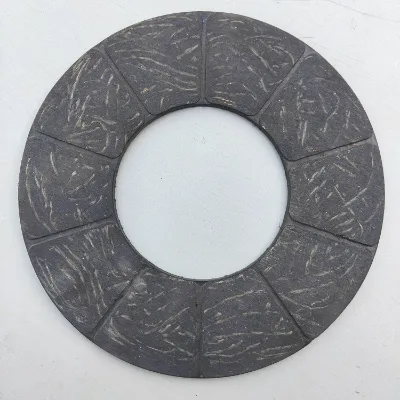
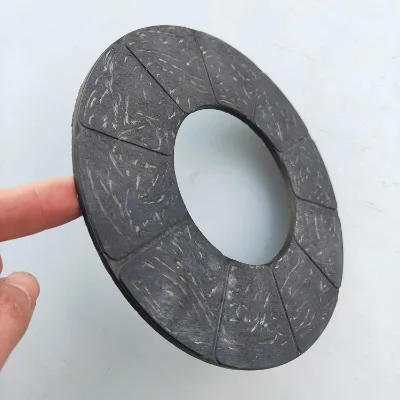
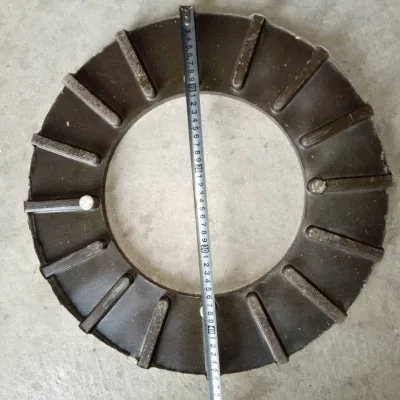
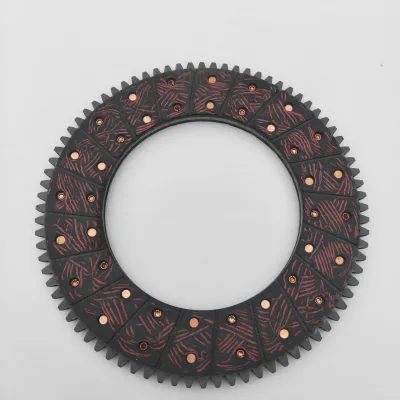
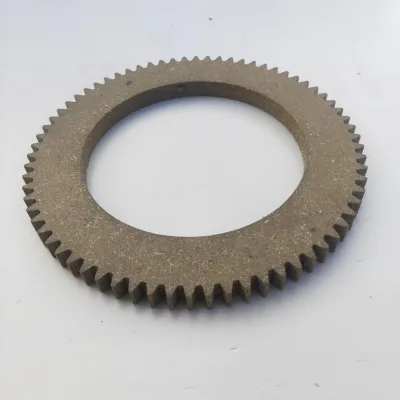
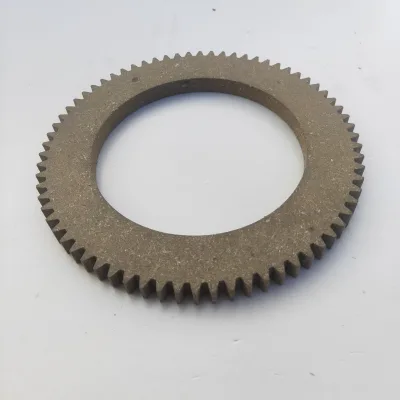
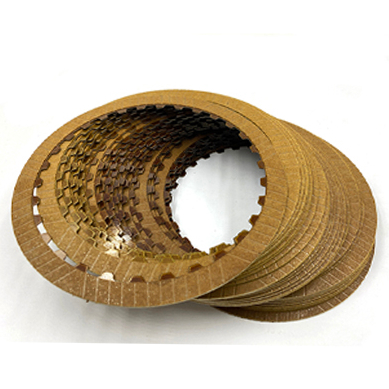
Comprehensive Sourcing Guide
Gearbox Repair Clutch Friction Plate Sourcing Guide
Procurement professionals must first distinguish between the specific component types available in the current market, as listings often conflate clutch plates with complete clutch covers or electrical system parts. The observed inventory includes items explicitly labeled as "Clutch plate" and "Clutch Disc" designed for heavy-duty applications like buses and trucks, alongside distinct "Electrical System" components that may not serve the same mechanical function. Buyers should verify that the listed "Transmission Model" matches a "Gear Boxes System" rather than a generic electrical assembly to ensure the part is suitable for gearbox repair.
When evaluating product listings, attention must be paid to the stated "Car Fitment" and "Car Model" to avoid mismatches between the part and the vehicle. The data indicates a strong presence of parts for "Bus" and "Truck" applications, with specific brands like "yu-tong" and "Howo" appearing in the supply chain. It is critical to confirm whether the item is a "Friction Clutch" or a "Wet Multi-Disc Electromagnetic Clutch," as the working mode and application requirements differ significantly for agricultural machinery versus heavy transport vehicles.
Product Scope and Observed Listing Signals
Buyers should scrutinize the physical dimensions and material composition to ensure compatibility with existing transmission assemblies. The observed specifications list a size of "43035010*38.5" and a material of "Carbon Steel," which are critical parameters for structural integrity under high torque. Since the "Condition" is listed as "New," purchasers must verify that the "Color" and "Classification" align with the original equipment manufacturer's requirements to prevent premature wear or installation failures in the field.
Commercial signals such as "Selling Units" and "Customization" availability provide insight into the flexibility of the supply chain for specific fleet needs. While some listings offer "Single item" sales, others indicate "Customized size" options, suggesting that standard off-the-shelf inventory may not cover all niche repair scenarios. The "Purpose" is generally stated as "for replace/repair," but buyers must confirm if the part is intended for "Heavy Duty Trucks" or "Harvester" usage, as the stress profiles for these applications vary drastically.
Technical Specifications to Verify
Verification of the "OE NO." and "prod_model" is essential to guarantee that the replacement part fits the specific transmission architecture of the target vehicle. The data includes identifiers such as "01.02.03" and "331/16520," which serve as primary reference points for cross-referencing with existing vehicle service manuals. Procurement teams should prioritize suppliers who can explicitly map these numbers to the "Transmission System Parts" category to avoid ordering components that are mechanically incompatible with the gearbox.
The "Working Mode" and "Power Source" specifications must align with the operational environment of the machinery being serviced. Listings mention "Diesel" as a power source and "Power Combining" as a working mode, which are relevant for heavy-duty and agricultural contexts. Buyers must ensure that the "Driving System Parts" and "Steering System Parts" are not confused with the clutch assembly, as the "Electrical System Parts" like the "Starting System" require entirely different verification protocols and safety checks.
Compliance and Safety Documentation
Safety and regulatory compliance are paramount when sourcing parts for commercial vehicles and agricultural machinery operating in international markets. The observed certifications include "ISO9001," "CE," and "RoHS," which indicate adherence to quality management and environmental standards. Procurement officers should request valid certificates for these specific standards to ensure the supplier maintains a consistent quality control process, particularly for parts used in the "Middle East" and other high-demand regions.
Documentation regarding the "Warranty" and "Delivery Time" provides a baseline for risk management and operational planning. A "3months" warranty period is observed, which sets a clear expectation for the supplier's confidence in the product's durability. Buyers must verify if the "Delivery Time" of "25days" is consistent with their production schedules and whether the "prod_packing," such as "Wooden Box" or "Caton in Pallet," meets the safety requirements for long-distance shipping to prevent damage during transit.
Cost Drivers and Commercial Terms
The price range of "0.7-486.87" USD reflects significant variation based on the complexity of the component and the specific vehicle application. Lower-cost items may be standard friction plates, while higher-priced units likely include specialized electromagnetic systems or custom-engineered parts for heavy-duty trucks. Buyers should analyze the "MOQ" range of "1-800" to determine if the supplier can accommodate their order volume without inflating unit costs through excessive minimum order requirements.
Commercial terms regarding "Customization" and "Industry Focus" directly influence the final landed cost and lead time. Suppliers offering "Customized size" or focusing on "Agricultural" sectors may charge a premium for tailored solutions compared to those providing standard "Clutch Cover" units. It is vital to clarify if the "Main Market" designation impacts pricing structures, as parts destined for specific regions may incur additional logistics or compliance costs that are not immediately visible in the base listing price.
Supplier Qualification and Quality Control
Assessing the supplier's origin and production capabilities is a critical step in mitigating supply chain risks. The "Place of Origin" is consistently listed as "Henan, China," a region known for manufacturing automotive components, but buyers should verify the specific factory's capacity to handle "High-Quality" claims. The presence of "Brand Name" variations like "yu-tong" and "Zhong-tong" suggests a competitive market, yet the actual manufacturing entity behind these labels requires due diligence to ensure consistent quality.
Quality control processes should be validated through the "Certification" status and the "Condition" of the goods upon arrival. Since the "Product Name" varies from "Clutch plate" to "Plate, 90A 2.2," buyers must ensure that the "Quality" assurance protocols are robust enough to handle these diverse product lines. Inspecting the "prod_packing" details, such as "Caton in Pallet," can also serve as an indicator of the supplier's attention to detail and their ability to protect the "New" condition of the parts during storage and shipment.
Long-Term Procurement Checks
Establishing a reliable supply chain requires ongoing monitoring of the "Lead Time" and "Delivery Time" consistency over multiple orders. The observed "25days" delivery window should be tracked to ensure it remains stable, especially when scaling orders to meet the "MOQ" of up to 800 units. Procurement teams must maintain a record of performance against these timelines to identify any potential bottlenecks that could disrupt fleet maintenance schedules or agricultural harvesting operations.
Long-term viability also depends on the supplier's ability to support "replace/repair" needs with consistent part availability and technical support. Buyers should verify if the "Customization" options remain available as the fleet or machinery ages and requires non-standard replacements. Regular audits of the "Certification" status and "Quality" reports will ensure that the supplier continues to meet the "ISO9001" and other relevant standards, safeguarding the operational integrity of the "Gear Boxes System" over the long term.
FAQs
What is the warranty period for these clutch plates?
The warranty period is 3 months for the new clutch plates. This coverage applies to the product condition and quality assurance provided by the supplier. Buyers should verify specific terms during procurement to ensure the warranty aligns with their operational needs and repair requirements.
Which certifications do the clutch plates hold?
The clutch plates hold ISO9001, CE, and RoHS certifications. These standards confirm compliance with quality management and environmental regulations. Buyers can rely on these documented certifications to verify supplier credibility and product safety for international shipping and regulatory compliance in various markets.
What is the typical lead time for delivery?
The typical delivery time is 25 days for these clutch plates. This lead time applies to standard orders and may vary based on customization requests. Buyers should plan their procurement schedule accordingly to ensure timely arrival of parts for bus and truck maintenance operations.
Can the clutch plates be customized for specific models?
Yes, customization is available for these clutch plates. Buyers can request specific sizes or modifications to fit unique vehicle requirements. This flexibility allows for tailored solutions for bus and truck applications, ensuring optimal performance and compatibility with existing transmission systems and mechanical setups.
What is the minimum order quantity for these parts?
The minimum order quantity ranges from 1 to 800 units. This flexibility supports both small repair needs and large fleet maintenance projects. Buyers can select quantities that match their inventory requirements, ensuring efficient procurement without excessive stockpiling or supply chain disruptions for ongoing operations.
Where are these clutch plates manufactured?
These clutch plates are manufactured in Henan, China. The origin ensures access to established industrial supply chains and manufacturing capabilities. Buyers can leverage this location for sourcing high-quality components, considering logistics and shipping options to optimize delivery times and costs for their specific regional needs.