Geography Learning School Notebook Suppliers and Manufacturers
Compare 28 verified suppliers offering Geography Learning School Notebook products with varying lead times, certifications, and customization options. Review response times and MOQs to select the right factory for your school stationery needs; review the available evidence before requesting comparable quotations from suitable candidates.
Updated
Suppliers List

- Verified by BV
- Manufacturer/Factory
- China Shandong
- Lead time0 days
- Avg. response≤ 15h
Main productsNotebook, Book Printing, Pacakging Boxes, Children Book, Diaries, Organizers, Calendars, Notepads, Note Book, Hardcover Book

Custom Paper Writing Student Composition Stationery Exercise School Notebook
$0.10 - $0.20
MOQ: 100000 Pieces


- Verified by BV
- Trading Company
- China Guangdong
- Lead time30 days
- Avg. response≤ 9h
Main productsPromotional Gift, USB Flash Drive, Power Bank, Towel, Umbrella, Drink Bottle, Key Ring, Note Book, Trampoline Socks, Plush Toy
Main marketsSouth America,Southeast Asia/ Mideast,Europe,Australia,North America

Shenzhen Longyin Printing Packing Co., Ltd.
- Verified by SGS
- Trading Company
- China Guangdong
- Lead time15 days
- Avg. response≤ 4h
Main marketsSouth America,Africa,Southeast Asia/ Mideast,East Asia(Japan/ South Korea),Domestic,Europe,Australia,North America
Hohhot Xinze Technology Co., Ltd.
- Trading Company
- Inner Mongolia, China
- Lead time30 days
- Avg. response≤ 17h
Main productsPaper Shredder, Binding machine, Scanner gun
Main marketsDomestic Market(100.00%)

Jinjiang Jiayi Supply Chain Management Co., Ltd.
- Verified by BV
- Trading Company
- China Fujian
- Lead time30 days
- Avg. response≤ 2h
Main productsGift, Shoe, Garment, Machine
Main marketsDomestic
Hefei Skyfly Enterprise Co., Ltd.
- Verified by Intertek
- Manufacturer, Trading Company
- Lead time30 days
- Avg. response≤ 2h
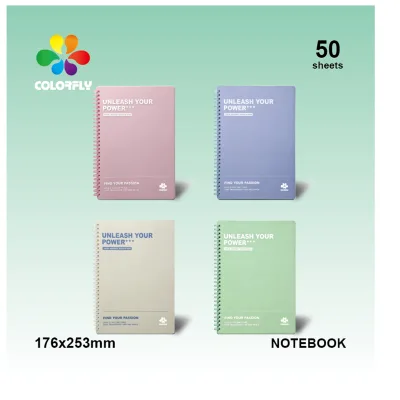
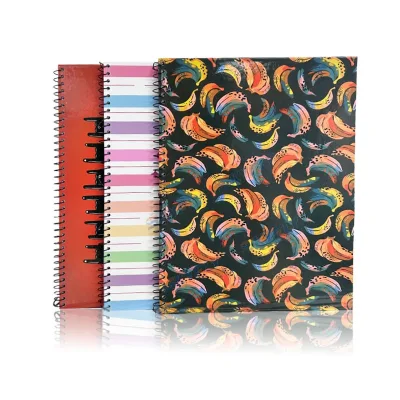
Main productsExercise Book, Notebook, PU Leather Book, Book Printing, Paper Bag Printing
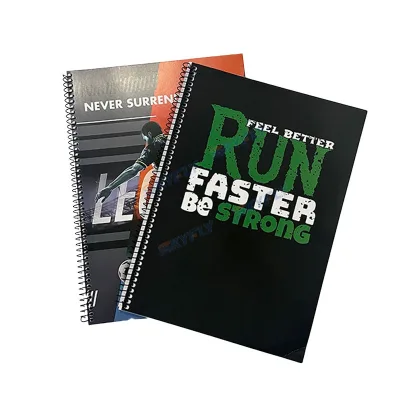
Waterproof Spiral Notebooks Suitable for Outdoor School Activities Office Field Work
$0.3613 - $0.4647
MOQ: 40 pieces
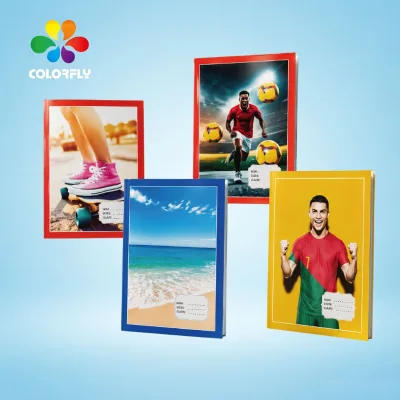
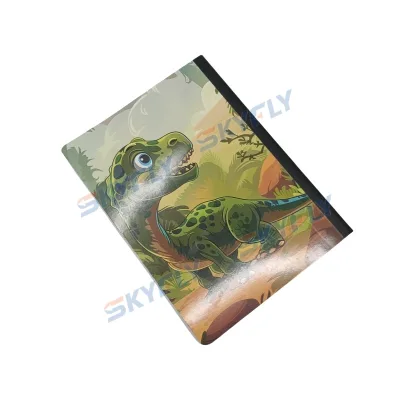
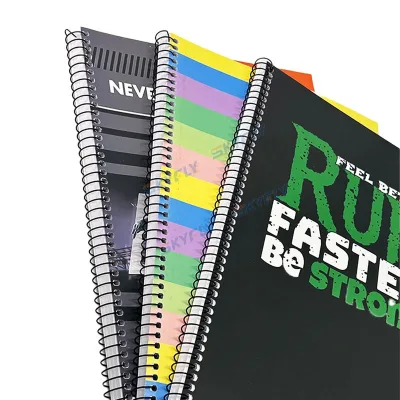
Spiral Notebooks with Pen Holder Convenient for On-the-Go Note Taking in School Office
$0.3688 - $0.4737
MOQ: 40000 pieces
$0.35 - $0.45
MOQ: 40000 pieces

Guangzhou Zhongtian Paper Product Co., Ltd.
- Verified by TUVRHEINLAND
- Trading Company,Manufacturer/Factory,Group Corporation
- China Guangdong
- Lead time38 days
- Avg. response≤ 4h
Main productsBible, Book, Children Book, Paper Box, Jigsaw Puzzle, Notebook Printing, Board Game, Calendar, Paper Bags, Seed Paper Cards
Main marketsSouth America,Eastern Europe,Mid East,North America,Southeast Asia,Oceania,Western Europe,Africa


Composition Book Exercise Notebook for School Office Manufacturer Custom Logo
$0.48 - $0.70
MOQ: 1000 Pieces


Wenzhou Bonvan Stationery & Gifts Co., Ltd.
- Trading Company
- Lead time旺季: "1 - 10000":30,"> 10000":"To be negotiated", 淡季: "1 - 10000":30,"> 10000":"To be negotiated"
- Avg. response≤ 4h
Main productsMarkers, Pens, School Stationery, Office Stationery, Art Material
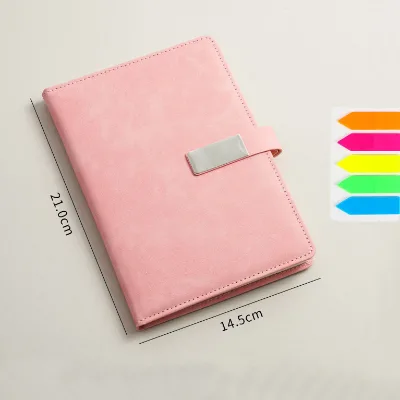
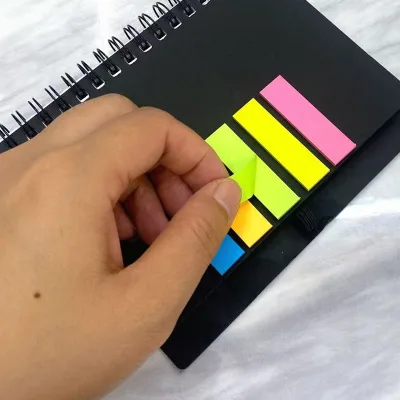
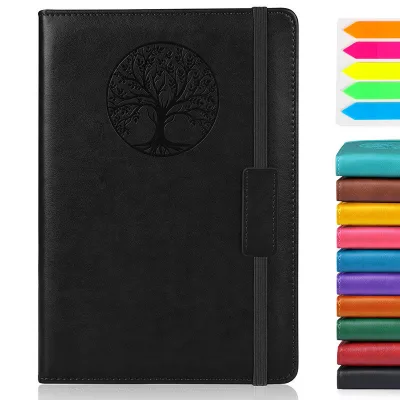
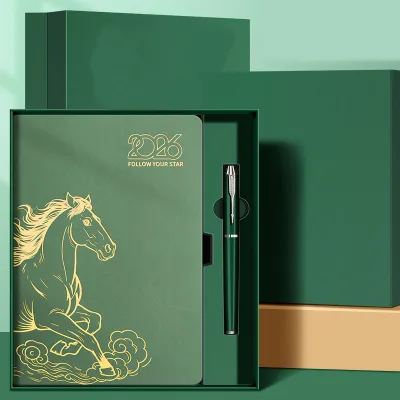
Notebook for Student School Supplies 2026 Study Planner Notebook with Custom Pages
$1.9667 - $3.6216
MOQ: 500 Minimum
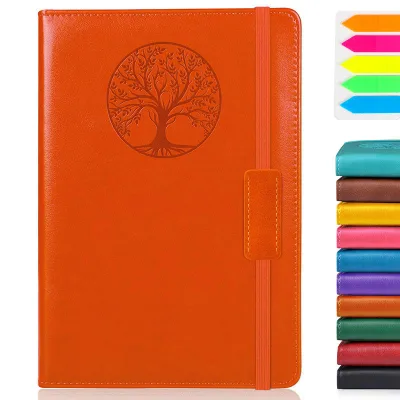
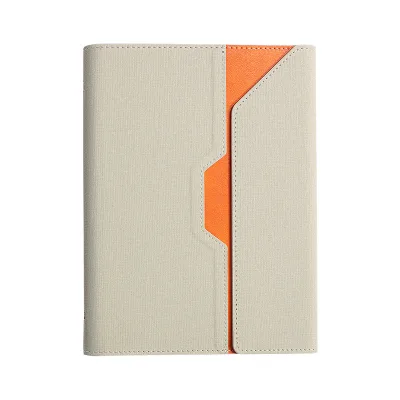

- Verified by SGS
- Manufacturer/Factory
- China Hubei
- Lead time23 days
- Avg. response≤ 7h
Main productsA4 Paper, A4 Copy Paper, Paper, Sticky Note, Pad, Notepad, Memo Pad, Office Supply, Paper Stationery, Color Paper
Main marketsSouth America,Eastern Europe,Mid East,North America,Southeast Asia,Eastern Asia,Oceania,Western Europe,Africa
Hangzhou Keteng Trade Co., Ltd.
- Verified by SGS Group
- Trading Company
- Lead time12 days
- Avg. response≤ 2h
Main productsStationery, Paper Box, Paper Bags, Packaging Bags, Promotion Gifts
Main marketsNorth America(50%), Oceania(15%), Western Europe(15%)
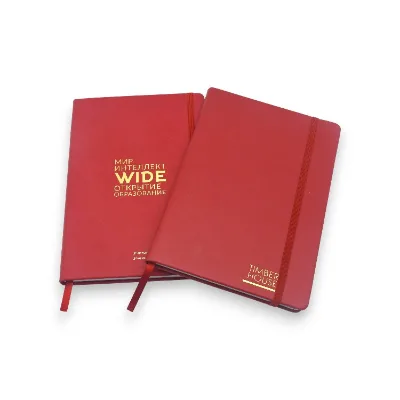
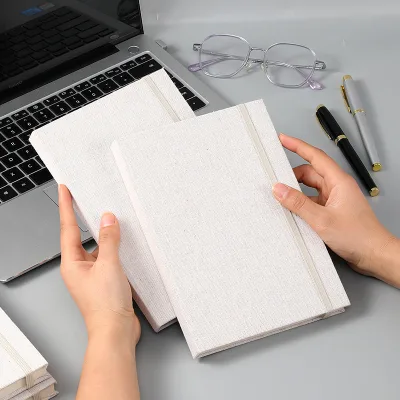
A5 Student Planner Notebook with 80 Pages for Study Organization and Daily Scheduling
$1.5545 - $2.9021
MOQ: 200 pieces
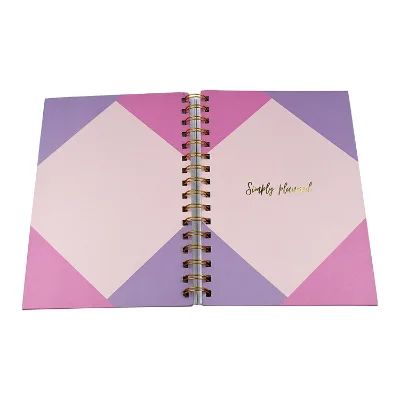
Student A5 Spiral Notebook with 50 Pages for School and Study - Eco-Friendly Paper and Light Weight
$2.6937 - $3.4192
MOQ: 500 pieces

Hefei Colorfly Stationery Co., Ltd.
- Verified by SGS
- Combined
- China Anhui
- Lead time30 days
- Avg. response≤ 13h
Main productsExercise Book, Notebook, Spiral Notebook, Composition Book, Copy Book, Soft Cover Notebook, Stationery Set, Drawing Book, PP Exercise Book, Counter Book
Main marketsAfrica,Southeast Asia/ Mideast
Shenzhen HBCInternational Trade Co., Ltd.
- Trading Company
- Guangdong, China
- Lead time0 days
- Avg. response≤ 2h
Main productsGift Sets, Business Gift Set, Promotional Bags&Travel, Promotional Apparel, Metal Crafts
Main marketsNorth America(50.00%), Domestic Market(30.00%), Northern Europe(20.00%)

Wenzhou Yanhe Technology Co., Ltd.
- Verified by BV
- Combined
- China Zhejiang
- Lead time30 days
- Avg. response≤ 6h
Main productsNotebook
Main marketsSouth America,Africa,Southeast Asia/ Mideast,East Asia(Japan/ South Korea),Europe,Australia,North America

FUZHOU SHOO-IN IMP & EXP CO., LTD.
- Verified by SGS
- Trading Company
- China Fujian
- Lead time15 days
- Avg. response≤ 6h
Main productsSports Wear, Promotional Gift, Lanyards, Badges, Caps, Sports Training Products, Sports Balls, Tennis Accessories, Golf Accessories, Pet Products
Main marketsEast Asia(Japan/ South Korea),North America
HonorHope (Zhengzhou) Technology Industrial Co., Ltd.
- Manufacturer, Trading Company
- Henan, China
- Lead time15 days
- Avg. response≤ 14h
Main productsPaper Bag,Gift Box,Calendar,Nowoven bag,Notebook
Main marketsMid East(30.00%), North America(20.00%), Western Europe(15.00%), South America(10.00%), Eastern Europe(5.00%), Eastern Asia(5.00%), Southeast Asia(5.00%), Oceania(5.00%), Africa(5.00%)
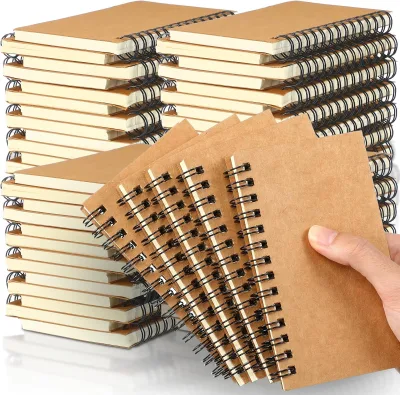
The Language Learners Notebook for Vocabulary Lists and Grammar Practice
$0.80 - $1.00
MOQ: 500 pieces
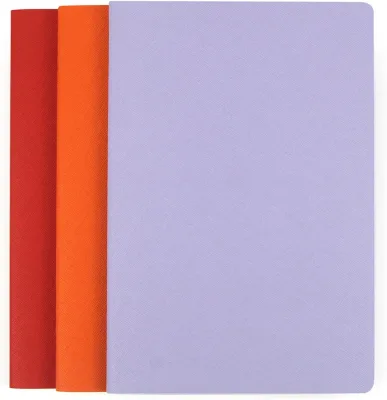
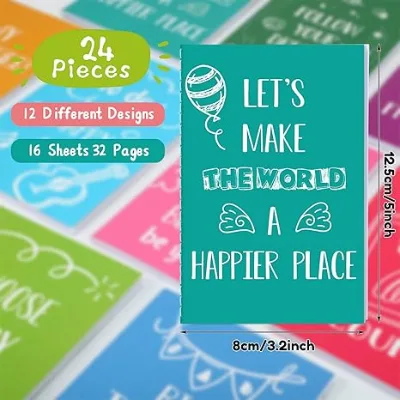
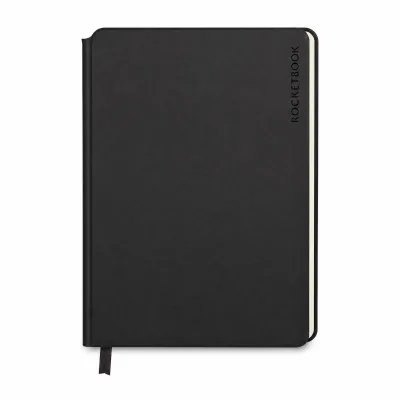
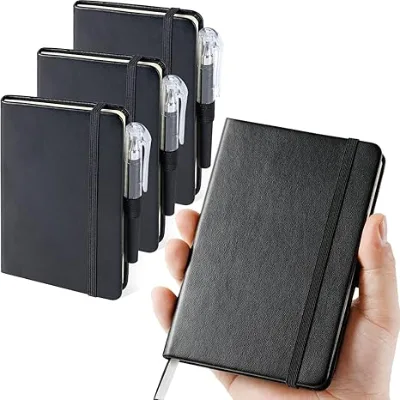
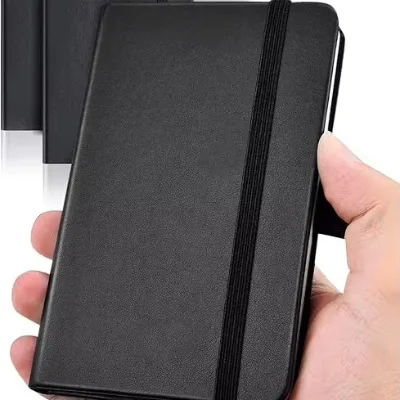
Pocket Notebook, Small Notebook, 2-Pack Total 320 Pages,3.7" X 5.7" Pocket Notebook
$0.89
MOQ: 1000 Minimum
Wenzhou Base Camp Cultural Goods Co., Ltd.
- Manufacturer, Trading Company
- Zhejiang, China
- Lead time20 days
- Avg. response≤ 3h
Main productsNotebook,Yearly Calendar
Main marketsDomestic Market(100.00%), South Asia(100.00%), Southern Europe(100.00%), Northern Europe(100.00%), Central America(100.00%), Western Europe(100.00%), Eastern Asia(100.00%), Mid East(100.00%), Oceania(100.00%), Africa(100.00%), Southeast Asia(100.00%), Eastern Europe(100.00%), South America(100.00%), North America(100.00%)
Zhenyin (hangzhou) Digital Printing Co., Ltd.
- Verified by Intertek
- Trading Company
- Lead time0 days
- Avg. response≤ 2h
Main productsNotebooks, Paper Card, Paper Bricks, Paper Boxes, Sticky Notes Cube
Main marketsDomestic Market(50%), North America(20%), Southeast Asia(12%)

Guangzhou Vitality Manufacturing&Export Co., Ltd
- Verified by CTI
- Trading Company
- China Guangdong
- Lead time15 days
- Avg. response≤ 4h
Main productsNotebook, Exercise Book, School Cloth, Textbook, School Bag, Pens, Stationery Set, Ruler Set, Calculator, Jigsaw Puzzle
Main marketsSouth America,Africa,Southeast Asia/ Mideast

School Student 100 Sheets Composition Notebook for Stationery Supplier
$0.518 - $0.598
MOQ: 18600 Pieces

Custom Logo Spiral Paper Cover Notebook for Kids Teenagers School Supply
$0.299 - $0.439
MOQ: 5000 Pieces

OEM Printing Factory Premium Quality Hardcover Notebook for School and Office
$0.99 - $1.99
MOQ: 1000 Pieces

Ningbo Sentu Art&Craft Co., Ltd
- Verified by SGS
- Trading Company
- China Zhejiang
- Lead time60 days
- Avg. response≤ 3h
Main productsChildren Card Book, Puzzle, DIY Toy Set, Children Scratch Set, Children Water-Painting Book, Calendar, Note Books, Sticky Note
Main marketsSoutheast Asia/ Mideast,Europe
Hefei Xinghua Printing Co., Ltd.
- Manufacturer, Trading Company
- Anhui, China
- Lead time0 days
- Avg. response≤ 6h
Main productsBook Printing, Boutique Packaging Box
Main marketsNorth America(60.00%), Africa(40.00%)
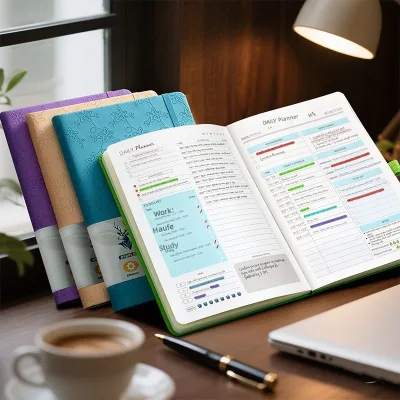
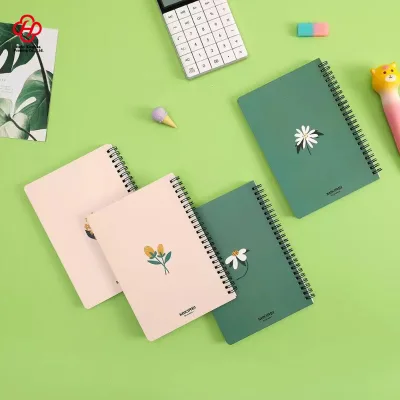
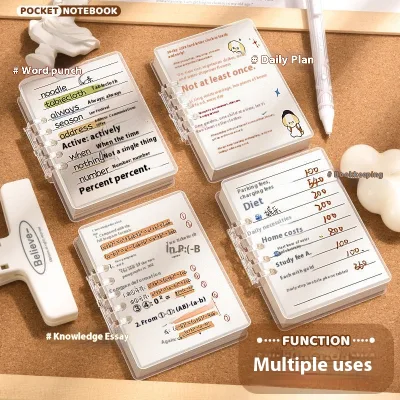
$0.1036 - $0.2189
MOQ: 500 Minimum
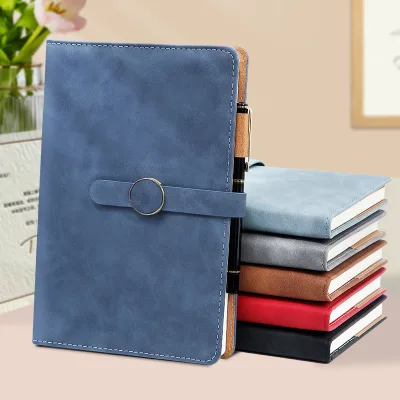
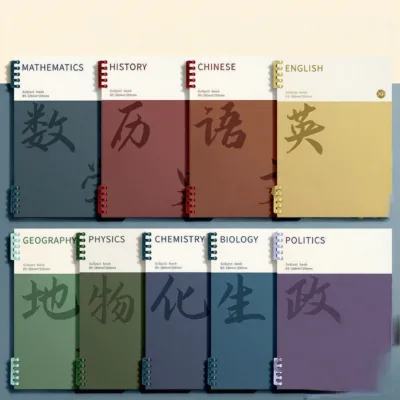

- Verified by SGS
- Trading Company
- China Shaanxi
- Lead time15 days
- Avg. response≤ 4h
Main productsBusiness Gift Set, Corporate Gift Set, Promotion Gift Set, Notebook Gift Set, Weeding Gift Set for Guests, Birthday Gift Set, Gift Sets, Custom Gift Set, Notebook with Pen, Gifts
Main marketsAfrica,Southeast Asia/ Mideast,Europe,Australia,North America

Business Notebook with Pen and Colorful Logo for School and Business Place
$3.60 - $4.70
MOQ: 50 Pieces


Notebook Journal Planner Notebooks with Pen for School Stationery Business Corporate Gift Set
$3.54 - $4.99
MOQ: 100 pieces

- Trading Company
- Henan, China
- Lead time0 days
- Avg. response≤ 1h
Main productsWriting Notebook,Ballpoint Pen,School&Office Supply,Pencil Case & Bag,Desk Organizer
Main marketsNorth America(35.00%), Northern Europe(15.00%), Western Europe(13.00%), Eastern Europe(10.00%), Oceania(7.00%), Domestic Market(5.00%), Africa(5.00%), Mid East(3.00%), Central America(2.00%), Southeast Asia(2.00%), Southern Europe(1.00%), South America(1.00%), South Asia(0.80%), Eastern Asia(0.20%)
Hefei Colorfly Stationery Co., Ltd.
- Verified by SGS Group
- Manufacturer, Trading Company
- Lead time30 days
- Avg. response≤ 6h
Main productsExercise Book, Notebook, PU leather Book
Main marketsAfrica(40%), Mid East(15%), Domestic Market(10%)
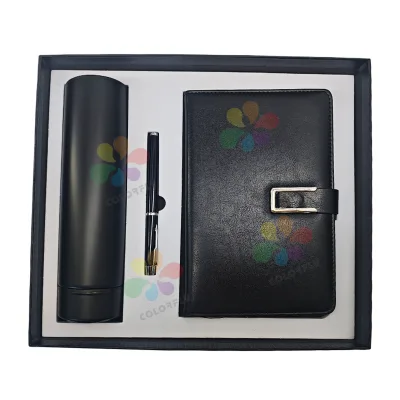
A5 Size PU Notebook with Custom Embossed Logo, Daily Planner for School or Office Use
$1.0313 - $2.0626
MOQ: 500 pieces
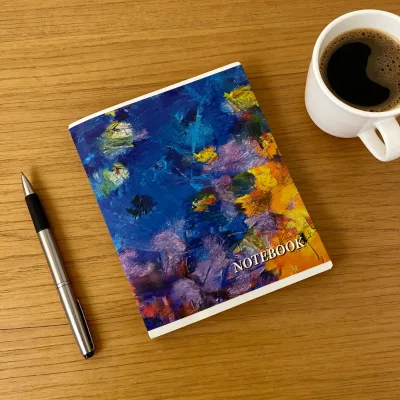
$0.0308 - $0.0513
MOQ: 50 pieces
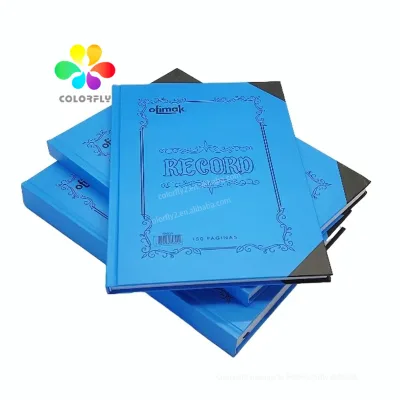
Good Design High Quality Hardcover Notebook Cheaper Price with Customized Service for School
$0.30 - $0.60
MOQ: 100000 pieces

Shanghai David International Trade Co., Ltd.
- Verified by TUVRHEINLAND
- Combined
- China Shanghai
- Lead time15 days
- Avg. response≤ 10h
Main productsPromotional Gifts, Gift Sets, Tshirts, Hats, Hot Packs, Hot Cold Packs, Ice Packs, Bags, Umbrellas, Water Bottles
Main marketsSouth America,Africa,Southeast Asia/ Mideast,East Asia(Japan/ South Korea),Domestic,Europe,Australia,North America

HonorHope (Zhengzhou) Technology Industrial Co., Ltd.
- Verified by CTI
- Manufacturer/Factory,Group Corporation
- China Henan
- Lead time0 days
- Avg. response≤ 14h
Main productsPacking Box and Bag, Gift and Craft Production, Office Supplier, Greeting Cards and Envelopes, Business Envelopes and Paper, Notebook and Pad, Hangtag and Label, Calenders, Printing Books and Catalogs, Custom Shopping Bag
Dongyang Mengchen Stationery Co., Ltd.
- Trading Company
- Zhejiang, China
- Lead time7 days
- Avg. response≤ 2h
Main productsNoteBook,Gel Pen,Stickers,Learn stationery,File collection
Main marketsDomestic Market(30.00%), Eastern Asia(15.00%), South Asia(10.00%), Southeast Asia(10.00%), Western Europe(10.00%), North America(10.00%), South America(5.00%), Central America(3.00%), Southern Europe(3.00%), Northern Europe(3.00%), Oceania(2.00%), Eastern Europe(2.00%), Mid East(2.00%), Africa(1.00%)
Ningbo Instyle Import And Export Co., Ltd.
- Verified by SGS Group
- Trading Company
- Lead time30 days
- Avg. response≤ 2h
Main productsMetal Dies, Clear Stamps, Stencils, Embossing Folder/Box Kit, Sticker
Main marketsNorth America(40%), South America(20%), South Asia(15%)
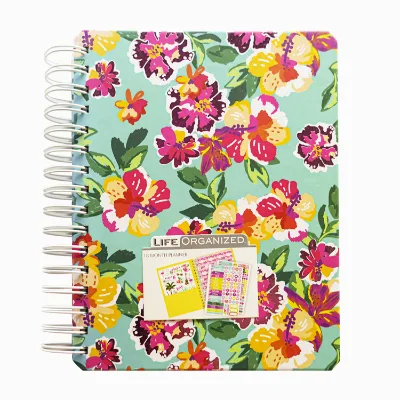
$0.9279 - $1.5455
MOQ: 100 pieces
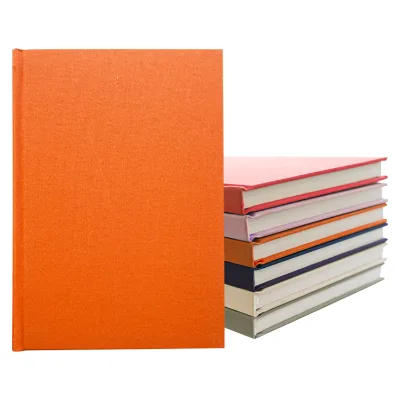
$0.727 - $0.8319
MOQ: 100 pieces
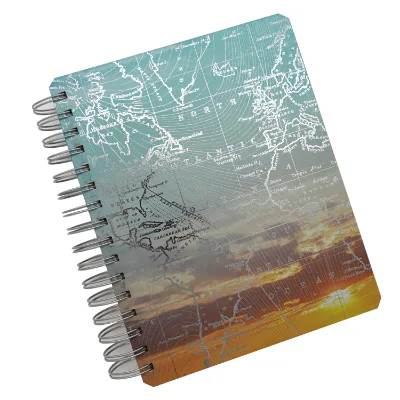
High Performance Spiral Notebook Popular Official Stationary Practical Notebook for Students
$0.9069 - $0.9279
MOQ: 100 pieces
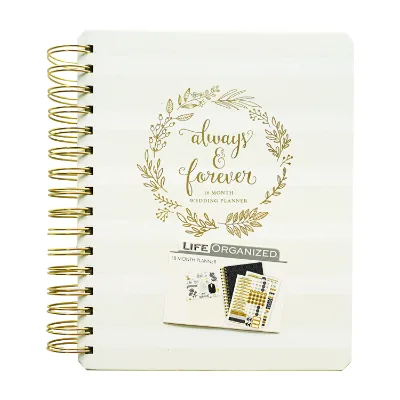
$1.0358 - $1.9457
MOQ: 100 bags
$0.6835 - $1.0868
MOQ: 200 bags
Hangzhou Ziyue International Trade Co., Ltd.
- Trading Company
- Zhejiang, China
- Lead time21 days
- Avg. response≤ 6h
Main productsplanner,journal,notebook,gift box,paper handbag
Main marketsNorth America(55.00%), Northern Europe(10.00%), South America(10.00%), Western Europe(10.00%), Southeast Asia(5.00%), Southern Europe(5.00%), Eastern Europe(5.00%)




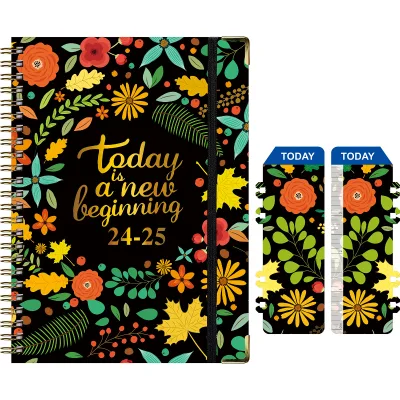


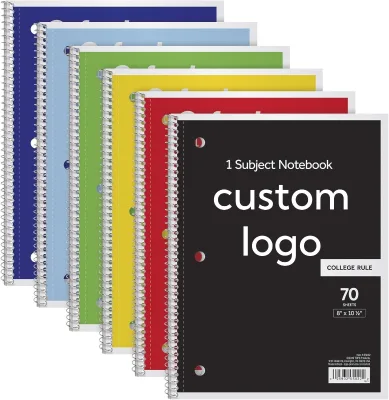
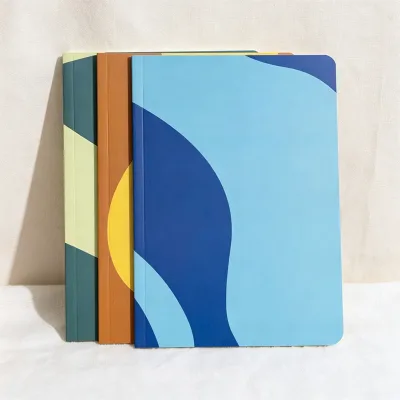
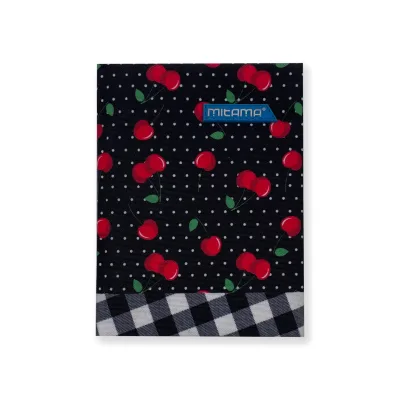




Comprehensive Sourcing Guide
Geography Learning School Notebook Supplier Concentration and Factory Types
The current supplier landscape for geography learning school notebooks reveals a distinct split between manufacturing hubs and trading entities, primarily located in China. Specific results indicate a concentration of manufacturers in Shandong, such as Jinan, which specialize in high-volume production of composition books, diaries, and promotional stationery. These factories often hold ISO 9001 and ISO 14001 certifications, signaling a focus on quality management and environmental standards. In contrast, other suppliers are identified as trading companies based in Guangdong, offering a broader range of promotional gifts alongside notebooks. This geographic and structural diversity allows buyers to choose between direct factory pricing and the diversified inventory of traders. Understanding this distinction is crucial for determining whether you need a dedicated production line for custom geography-themed notebooks or a consolidated shipment of various promotional items.
Factory types vary significantly in their capabilities and minimum order requirements. Manufacturers in Shandong often list OEM capabilities with substantial minimum order quantities, such as 100,000 units for basic composition notebooks, reflecting their scale and efficiency. These entities typically produce standard items like softcover or hardcover books with saddle-stitched or sewn bindings, using materials ranging from soft paper to leather. On the other hand, trading companies may offer lower MOQs, such as 500 or 1,000 units, making them suitable for smaller, targeted orders of geography learning materials. They often provide ODM services or own brands, allowing for quicker customization of covers and interiors. Buyers must assess whether their volume justifies the higher MOQs of factories or if the flexibility of trading companies better suits their immediate market needs for educational supplies.
How to Verify Geography Learning School Notebook Suppliers
Verification is a critical step when sourcing geography learning school notebooks, as the credibility of a supplier directly impacts product quality and delivery reliability. Current data shows that some suppliers hold BV (Bureau Veritas) verification, while others are verified by SGS. These third-party validations provide a baseline of trust regarding the company’s legal existence and operational capacity. Buyers should prioritize suppliers with these verifications, as they have undergone rigorous audits. Additionally, checking for system certifications like ISO 9001 is essential, particularly for manufacturers claiming to produce educational materials that must meet specific quality standards. The presence of these certifications indicates a structured approach to production and quality control, which is vital for ensuring that geography notebooks are durable and print accurately.
Beyond verification badges, buyers should examine the supplier’s response time and communication efficiency. Data indicates response times ranging from approximately 3.46 to 14.25 hours, which can influence the speed of negotiations and sample approvals. A faster response time often correlates with better customer service and more agile problem-solving during the production process. Furthermore, assessing the supplier’s main products helps determine their expertise. A supplier listing notebooks as a primary product alongside other stationery items is likely more specialized than one offering a wide array of unrelated promotional gifts. Buyers should request detailed product specifications, including paper weight, binding type, and printing methods, to ensure the supplier can meet the specific requirements for geography learning materials.
What to Compare Across Geography Learning School Notebook Suppliers
When evaluating potential suppliers for geography learning school notebooks, several key dimensions must be compared to ensure the best value and fit. Price is a primary factor, with observed ranges varying significantly based on product complexity. Basic composition notebooks may start as low as $0.10 per unit, while premium leather-bound diaries or customized promotional notebooks can cost between $1.50 and $2.50. Buyers should align their budget with the desired quality and customization level. Additionally, minimum order quantities (MOQ) vary widely, from 500 pieces for customized workbooks to 100,000 pieces for standard items. Understanding these thresholds helps in planning inventory and cash flow, ensuring that the order size matches the supplier’s production capabilities and your market demand.
Lead times and response speeds are equally important for effective supply chain management. Some suppliers report lead times of 15 to 30 workdays, while others may have different production schedules. It is crucial to confirm these timelines during the inquiry phase, as they can impact your ability to meet school year deadlines. Response times also play a role in the overall experience; faster responses can accelerate the sampling and approval process. Furthermore, comparing the specific product attributes, such as binding types (saddle stitch, spiral, or sewn), cover materials (paper, leather, or hard paper), and printing options (offset or digital), ensures that the final product meets the educational and aesthetic requirements of geography learning materials. Buyers should create a comparison matrix to visualize these differences clearly.
Common Geography Learning School Notebook Sourcing Risks
Sourcing geography learning school notebooks involves several potential risks that buyers must mitigate to ensure a smooth procurement process. One significant risk is the discrepancy between sample quality and bulk production. Suppliers may provide high-quality samples with premium paper and precise printing, but the bulk order might use inferior materials to meet lower price points. To mitigate this, buyers should include detailed specifications in their contracts, including paper weight, ink types, and binding standards. Additionally, the risk of delayed delivery is prevalent, especially if the supplier has multiple orders or faces production bottlenecks. Clear communication regarding lead times and regular updates during production can help manage these delays and prevent disruptions in your supply chain.
Another risk is the lack of customization flexibility, particularly for specialized geography learning content. Some suppliers may have rigid production lines that do not accommodate unique layouts or specific educational requirements. Buyers should verify the supplier’s OEM/ODM capabilities before placing large orders. Furthermore, there is a risk of non-compliance with safety or environmental standards, especially if the notebooks are intended for use in schools with strict regulations. Ensuring that the supplier holds relevant certifications, such as ISO 9001, and using eco-friendly materials can help address these concerns. Buyers should also be cautious of hidden costs, such as packaging or shipping fees, which can inflate the final price. A transparent pricing structure and clear terms of service are essential to avoid unexpected expenses.
Geography Learning School Notebook Regional Sourcing and Logistics
The geographic location of suppliers significantly influences logistics, shipping costs, and lead times for geography learning school notebooks. Current data highlights suppliers in Shandong and Guangdong, two major manufacturing regions in China. Shandong, particularly Jinan, is known for its paper and printing industry, offering competitive pricing for high-volume notebook production. Guangdong, on the other hand, is a hub for trading companies and diverse promotional products, often providing faster access to a variety of items. Buyers should consider the proximity of these regions to major ports, as this can affect shipping efficiency and costs. Understanding the logistical advantages of each region helps in selecting the most suitable supplier for your specific needs.
Logistics planning also involves considering the packaging and handling of notebooks, which are bulky and heavy items. Suppliers often use carton or shrink packaging to protect the products during transit. Buyers should verify the packaging standards to ensure that the notebooks arrive in good condition, without damage to covers or pages. Additionally, the choice between factory-direct shipping and trading company consolidation can impact logistics. Factories may offer direct shipping from their location, while trading companies might consolidate goods from multiple sources. This consolidation can simplify logistics for buyers ordering diverse products but may introduce additional handling steps. Buyers should work closely with their suppliers to optimize packaging and shipping methods, ensuring cost-effective and timely delivery of geography learning materials.
Geography Learning School Notebook Commercial Terms and Order Planning
Commercial terms and order planning are critical components of sourcing geography learning school notebooks, ensuring that transactions are secure and well-managed. Payment terms vary among suppliers, with options such as L/C (Letter of Credit) and T/T (Telegraphic Transfer) being common. Buyers should negotiate terms that protect their interests, such as partial payments upon order confirmation and the balance upon shipment. Additionally, understanding the supplier’s return and warranty policies is essential, especially for customized products. Clear commercial terms help prevent disputes and ensure that both parties are aligned on expectations. Buyers should also consider the use of escrow services or platform protections to safeguard their payments until the goods are received and verified.
Order planning involves aligning production schedules with market demand and school calendars. Given the lead times of 15 to 30 workdays, buyers must plan their orders well in advance to avoid stockouts. It is also important to consider the MOQs and price breaks offered by suppliers. Larger orders may qualify for better pricing, but they also require more storage space and capital. Buyers should forecast their needs accurately and communicate these forecasts to their suppliers to facilitate production planning. Furthermore, maintaining a good relationship with suppliers can lead to better service and flexibility in future orders. Regular communication and feedback on product quality and delivery performance help build a reliable supply chain for geography learning school notebooks.
FAQs
What is the price range for school notebooks?
Prices for school notebooks range from $0.10 to $2.50 per unit depending on specifications. Basic composition books start at $0.10 with a high minimum order quantity. Premium leather-bound diaries are priced at $2.00 with a lower minimum order requirement of 1000 units.
What are the minimum order quantities for notebooks?
Minimum order quantities vary significantly by product type. Standard exercise notebooks require a minimum order of 100,000 units. Custom promotional leather diaries have a minimum order of 1,000 units. Some customized school workbooks list a minimum order of 500 pieces for specific printing requirements.
Where are these notebook suppliers located?
Suppliers offering these notebooks are located in China. Specific manufacturing bases are found in Shandong and Guangdong provinces. Jinan in Shandong is noted as a production origin for certain high-quality promotional notebooks and diaries.
What certifications do the suppliers hold?
Many manufacturers hold ISO 9001 and ISO 14001 system certifications. Some product listings specifically mention ISO 9001 compliance for quality standards. Supplier verification is provided by BV and SGS for certain trading companies and factories.
How fast do suppliers respond to inquiries?
Response times vary between suppliers. Some trading companies respond within 3.46 hours. Others have an average response time of 8.23 hours. Factory suppliers in Shandong show an average response time of 14.25 hours for initial inquiries.
What customization options are available?
Customization is widely available for notebooks and diaries. Options include custom logos, specific sizes like A4, A5, and A6, and various cover materials such as leather or soft paper. Printing methods include offset printing with Pantone colors and custom page layouts.
What are the typical lead times for orders?
Lead times depend on the supplier type and product. Some promotional notebooks have a delivery time of 15 workdays. Trading companies may have a lead time of 30 days. Some factory listings indicate a lead time of zero days for immediate stock items.