Source waterproof pp plastic loose-leaf notebook for School, Gift, Promotion
Compare 30 waterproof pp plastic loose-leaf notebook options from verified suppliers. Buyers can review specifications like binding types, page counts, and cover materials to find the right product for school, gift, or promotion needs; compare the available evidence and request quotations based on your requirements.
Updated
Key considerations
Products List


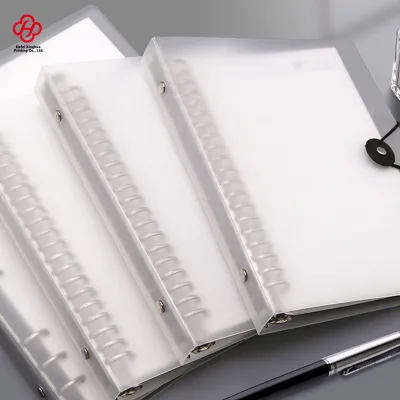
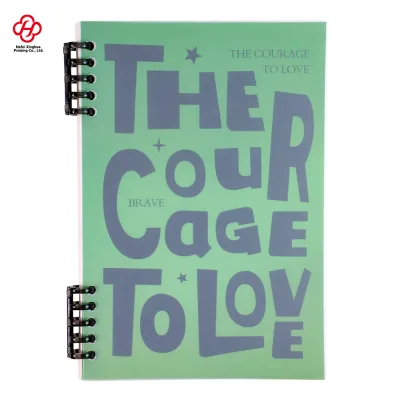
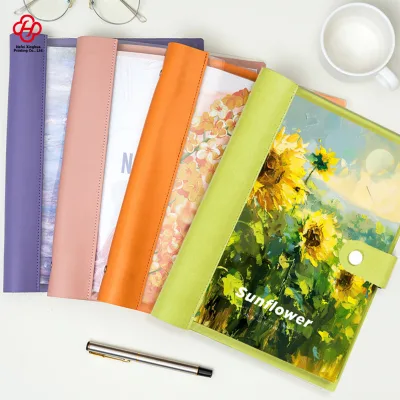
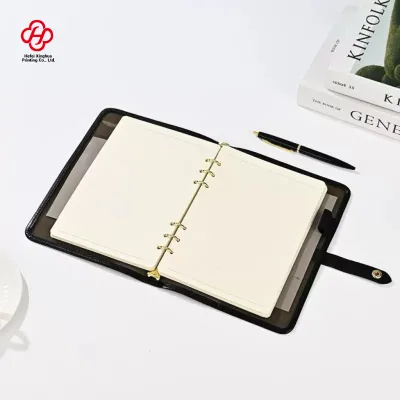
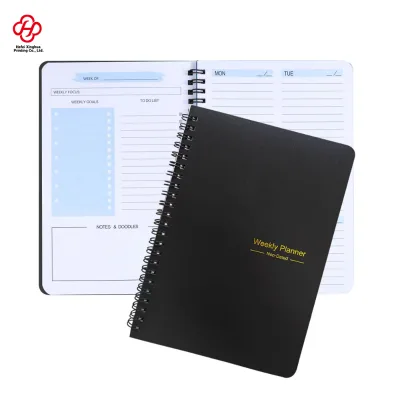
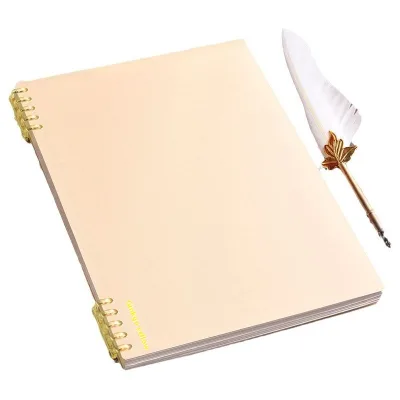
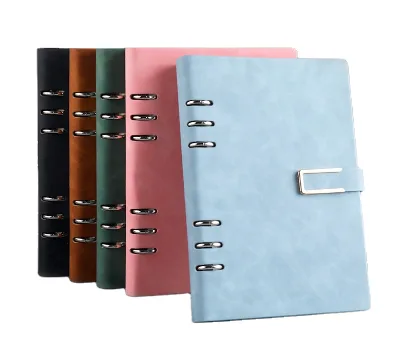
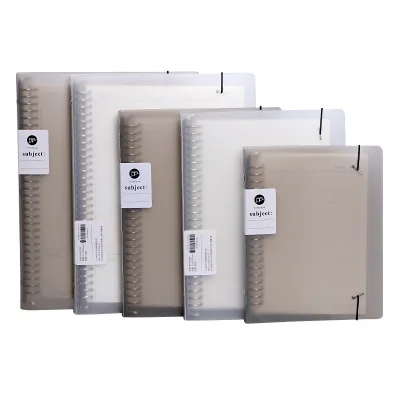
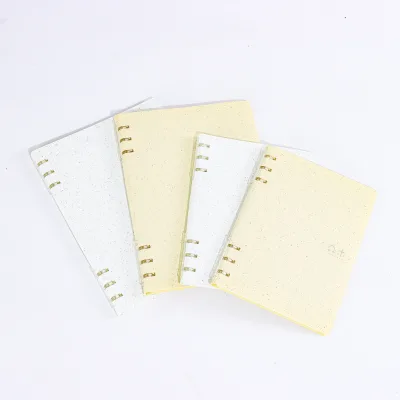
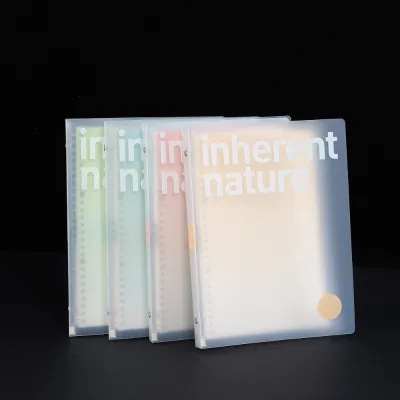
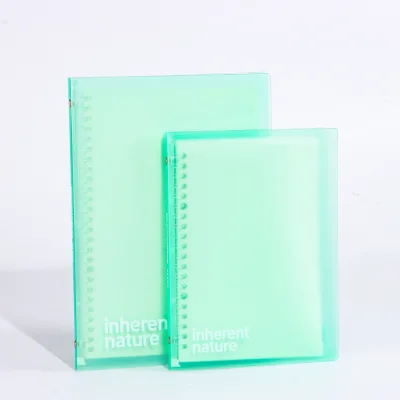
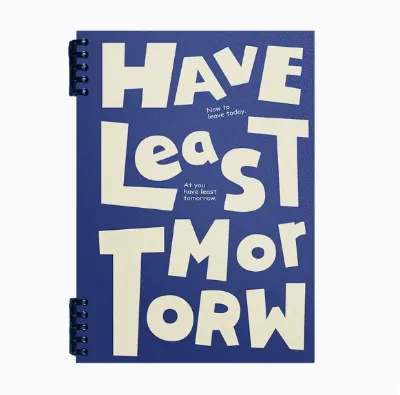


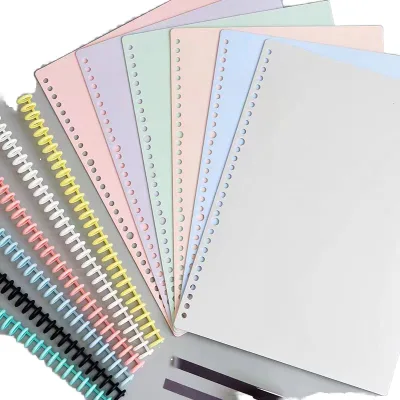
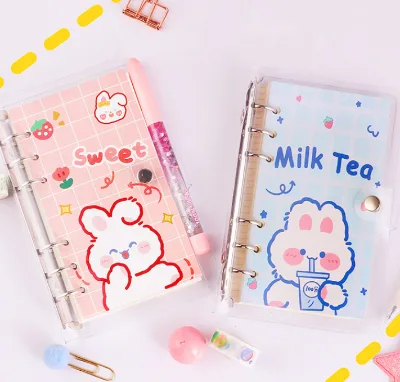
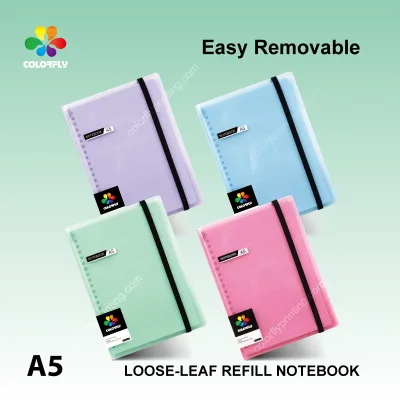

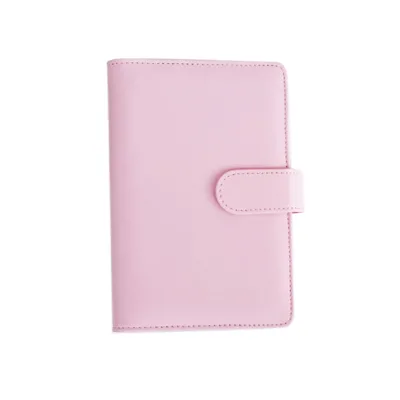
Custom Embossed Logo Waterproof Office Black Leather Loose-Leaf PU Notebook
$1.99 - $3.99
MOQ: 100 Pieces


Comprehensive Sourcing Guide
Waterproof PP Plastic Loose-Leaf Notebook Sourcing Guide
Procuring waterproof notebooks made from polypropylene (PP) plastic requires a strategic approach to balancing durability with functional design. Buyers must recognize that while the core material offers superior water resistance compared to traditional paper or cardboard covers, the internal page composition varies significantly across suppliers. The observed market data indicates a diverse range of inner page counts, from 40-60 sheets up to 120 sheets, which directly impacts the notebook’s thickness and usability for different professional or educational needs. Understanding these variations is critical for selecting the right product for specific use cases, such as field notes, laboratory records, or promotional gifts where moisture resistance is paramount.
The customization landscape for these items is extensive, allowing brands to tailor both the exterior and interior to their specific requirements. Suppliers frequently offer options for customized designs, logos, and binding styles, including spiral and loose-leaf configurations. This flexibility enables buyers to create unique products that stand out in competitive markets, whether for school promotions, corporate gifts, or specialized industrial applications. However, this customization potential must be weighed against the complexity of production, as varying inner core types—such as horizontal line, grid, or dot matrix—require precise manufacturing controls to ensure consistency and quality across large orders.
Product Scope and Observed Listing Signals
The current market for waterproof PP loose-leaf notebooks presents a wide array of product types, ranging from standard diaries to specialized organizers and composition books. Observed listings highlight models like N-246 and N-245, which feature PVC or PP covers with spiral or loose-leaf bindings, catering to diverse aesthetic and functional preferences. The color palette is equally varied, with options including brown, green, blue, yellow, pink, and gray, allowing for significant brand alignment. Buyers should note that while the cover material is consistently identified as plastic-based, the inner page specifications differ, with some models offering 60 sheets and others providing up to 120 sheets, necessitating careful selection based on intended usage volume.
Listing signals also reveal important details about packaging and origin, which are crucial for logistics planning. Most products originate from China, with specific mentions of Anhui as a production hub, and are typically packed in individual PP bags or customized OPP bags. The selling units are generally single items, but the single package size can vary, with some models measuring 31x24x7 cm. These physical dimensions and packaging methods directly influence shipping costs and storage requirements. Buyers must verify these details for each specific model, as the observed data shows a mix of A5, B5, and 48K sizes, ensuring that the selected notebook fits both the user’s ergonomic needs and the supply chain’s spatial constraints.
Technical Specifications to Verify
When evaluating technical specifications, the binding mechanism is a primary consideration, with loose-leaf and spiral options being the most common. Loose-leaf designs, such as those found in models like ULZ-0318379 and JD-20211020, offer the advantage of interchangeable pages, which is ideal for dynamic work environments. In contrast, spiral bindings, seen in models like N-246, provide a more traditional diary feel with enhanced page stability. Buyers must verify the specific binding type for each order, as this affects the notebook’s durability and ease of use. Additionally, the inner page count is a critical variable, ranging from 60 to 120 sheets, which determines the notebook’s overall thickness and capacity for long-term use.
The material composition of both the cover and the inner pages requires close scrutiny to ensure it meets the waterproof claim. While the cover is typically made from PP or PVC, the inner pages may consist of PU and paper combinations, which can affect water resistance. Buyers should confirm whether the inner pages are treated for water resistance or if only the cover provides this protection. Furthermore, the size specifications, including A5, B5, and 48K formats, must be aligned with the user’s requirements. The observed data indicates a variety of inner core types, such as horizontal line, cornell, and dot matrix, which should be selected based on the specific note-taking style required for the intended application.
Compliance and Safety Documentation
Compliance with international standards is essential for ensuring the quality and safety of waterproof PP notebooks. Many suppliers claim adherence to ISO 9001 and BV standards, which indicate a commitment to quality management systems. Buyers should request and verify these certifications to ensure that the manufacturing process meets recognized quality benchmarks. Additionally, the production standards mentioned, such as A4/A5/B5 or customized sizes, suggest a flexibility in meeting specific regulatory or industry requirements. It is crucial to confirm that the materials used, particularly the PP and PVC covers, comply with relevant safety regulations regarding chemical content and durability, especially if the notebooks are intended for use in educational or food-related environments.
Safety documentation should also include information on the materials’ environmental impact and recyclability. While PP is a recyclable plastic, buyers should inquire about the supplier’s practices regarding waste management and sustainable sourcing. The presence of PU and paper in some models adds complexity to the recycling process, so understanding the end-of-life options for these products is important for brands with sustainability goals. Buyers must ensure that all safety data sheets and compliance certificates are up-to-date and valid, as this protects against potential liabilities and ensures that the products meet the legal requirements of the destination market.
Cost Drivers and Commercial Terms
The cost of waterproof PP loose-leaf notebooks is influenced by several key factors, including the material quality, customization level, and order quantity. The observed price range of $0.07 to $5 USD reflects the diversity in product specifications, with higher prices typically associated with more complex designs, larger page counts, or premium materials. The minimum order quantity (MOQ) ranges from 2 to 2000 units, offering flexibility for both small-scale trials and large-volume purchases. Buyers should negotiate based on the desired customization and volume, as higher MOQs often result in lower per-unit costs. Understanding these cost drivers is essential for budgeting and ensuring that the final product aligns with the project’s financial constraints.
Commercial terms, including payment methods and lead times, are critical components of the procurement process. While specific lead times are not detailed in the observed data, buyers should establish clear timelines with suppliers to avoid delays. The packaging options, such as individual PP bags or customized OPP bags, can also impact costs, especially if custom branding is required. Buyers must clarify all commercial terms upfront, including shipping responsibilities and insurance, to avoid unexpected expenses. Transparent communication regarding these terms ensures a smooth transaction and helps in planning the supply chain effectively, minimizing risks associated with delays or additional charges.
Supplier Qualification and Quality Control
Supplier qualification is a vital step in ensuring the reliability and consistency of waterproof PP loose-leaf notebooks. Buyers should conduct thorough due diligence, verifying the supplier’s production capabilities, quality control processes, and past performance. The observed data indicates that many suppliers are located in China, with specific regions like Anhui being notable production hubs. Buyers should request samples to assess the quality of the materials, binding, and printing. Additionally, verifying the supplier’s certifications, such as ISO 9001, can provide confidence in their ability to maintain consistent quality standards. Establishing a strong relationship with a qualified supplier is key to long-term success and product reliability.
Quality control measures should be implemented throughout the production process to ensure that the final products meet the specified requirements. Buyers should define clear quality criteria, including acceptable tolerances for dimensions, color, and page count. Regular inspections, either in-house or through third-party agencies, can help identify and address any issues early in the production cycle. Feedback loops with the supplier are essential for continuous improvement, allowing for adjustments to be made based on performance data. By prioritizing quality control, buyers can minimize the risk of defects and ensure that the notebooks meet the high standards expected by their customers.
Long-Term Procurement Checks
Long-term procurement checks involve monitoring supplier performance and market trends to ensure ongoing value and reliability. Buyers should regularly review supplier metrics, such as on-time delivery rates, defect rates, and responsiveness to issues. This data-driven approach helps in identifying potential problems before they escalate and allows for proactive management of the supply chain. Additionally, staying informed about market trends, such as new material innovations or changes in consumer preferences, can help buyers stay competitive. Regular audits and performance reviews are essential for maintaining a high standard of quality and service, ensuring that the procurement strategy remains effective and aligned with business goals.
Sustainability and ethical sourcing are increasingly important considerations for long-term procurement. Buyers should evaluate suppliers’ practices regarding environmental impact, labor standards, and corporate social responsibility. Ensuring that suppliers adhere to ethical guidelines not only mitigates reputational risk but also aligns with the growing consumer demand for responsible products. Regularly updating procurement policies to reflect these values helps in building a resilient and ethical supply chain. By focusing on long-term checks, buyers can foster a sustainable procurement strategy that supports both business growth and positive social impact, ensuring that the procurement process remains robust and future-proof.
FAQs
What customization options are available for these notebooks?
Customization is available for these notebooks, allowing buyers to request specific designs or branding. The product page confirms that customized designs and logos can be applied to the cover. This flexibility supports promotional and gift uses while maintaining standard production capabilities.
Which binding types are offered for the loose-leaf notebooks?
The available binding types include loose leaf and spiral binding options. Some models feature a loose-leaf book design with horizontal inner cores, while others utilize spiral binding for durability. Buyers can select the binding style that best fits their specific usage requirements for school or office settings.
What are the standard inner page counts for these products?
Inner page counts vary by model, ranging from 40 to 120 sheets. Specific options include 60 sheets, 80 sheets, and up to 120 sheets depending on the selected model. These variations allow users to choose a notebook thickness suitable for different note-taking or planning needs.
Can I find suppliers with ISO 9001 certification for these items?
Yes, some products listed meet ISO 9001 and BV standards, indicating certified manufacturing processes. Buyers seeking verified quality can look for suppliers adhering to these specific standards. This certification ensures that the production of waterproof pp plastic loose-leaf notebooks follows established quality management protocols.
What materials are used for the covers of these notebooks?
Cover materials include PVC, PP, and PU combined with paper. The specific material depends on the model, with options like brown PVC or colorful PU covers available. These materials provide durability and a professional finish suitable for various promotional and personal uses.
How are these notebooks packaged for shipment?
Packaging options include 1PC per PP bag or OPP bags, with customized packaging also available. This ensures the notebooks are protected during transit while allowing for branding on the outer packaging. The standard packing method is designed to maintain product integrity until it reaches the buyer.
What sizes are available for the loose-leaf notebooks?
Available sizes include 48K, A5, and B5 dimensions. Specific measurements like B5 at 250 by 180 millimeters are listed for certain models. Buyers can choose the size that fits their organizational needs, whether for pocket use or larger desk planning.