Source Offset Printed Spiral Composition Notebook for School, Office, Gift
Find 30 options for Offset Printed Spiral Composition Notebook tailored for school, office, and promotional use. Compare specifications like binding, paper type, and customization to select the right supplier for your needs; compare the available evidence and request quotations based on your requirements.
Updated
Key considerations
Products List

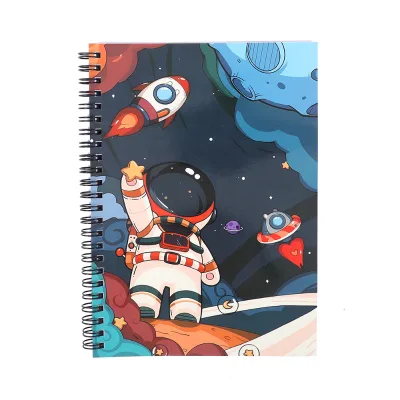
Spiral Notebook Printing Spiral Notebook Personalised Journals Note Book
$0.50 - $2.50
MOQ: 500 Pieces

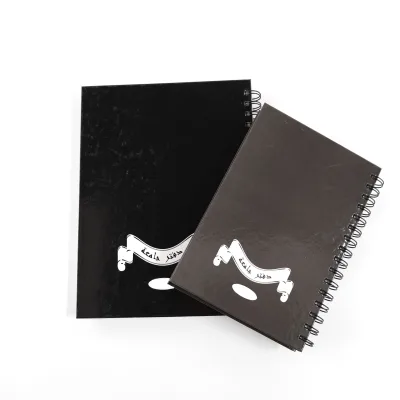
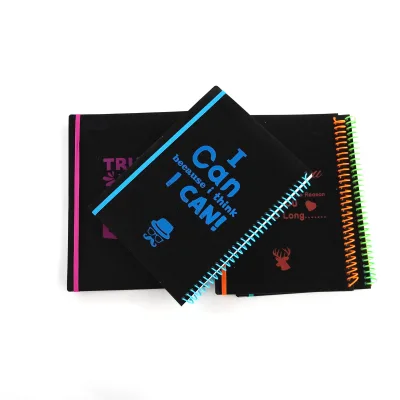
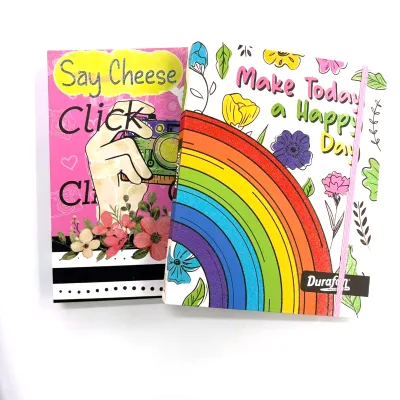
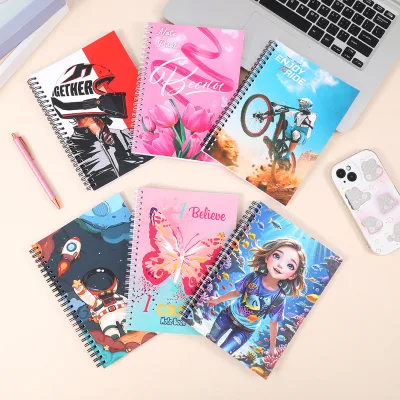

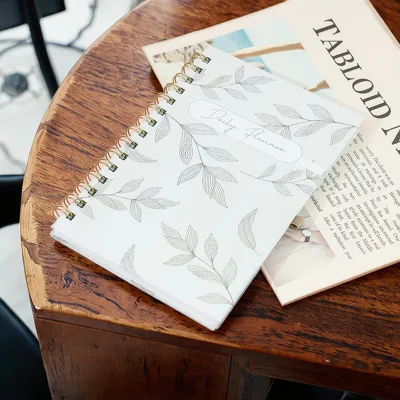


Blank Spiral Notebook Planner Journals Sketch Book for School Stationery
$0.40 - $2.20
MOQ: 100 Pieces

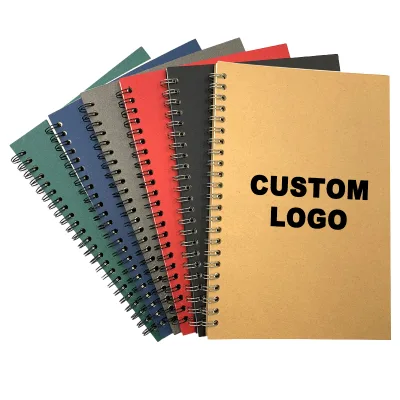
Hardcover Customized Logo Notebook Promotion Multi Color Spiral Paper Notebook
$1.20 - $3.00
MOQ: 250 pieces



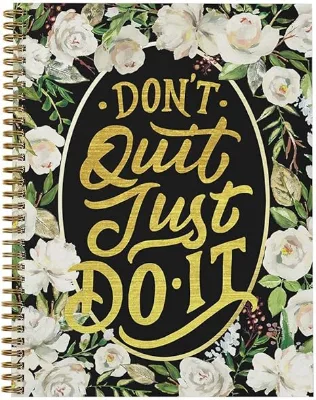
Paper Spiral Softcover Students Composition Book, Office Stationery Note Book
$0.03 - $0.35
MOQ: 10000 Pieces


Comprehensive Sourcing Guide
Offset Printed Spiral Composition Notebook Sourcing Guide
Sourcing offset printed spiral composition notebooks requires a clear understanding of how binding methods and printing techniques intersect to define product durability and aesthetic appeal. The observed market data indicates that while perfect binding is common for soft-cover books, spiral binding remains a distinct category often associated with composition books and planners. Buyers must distinguish between these structural formats early in the RFQ process, as spiral binding allows for 360-degree page rotation and flat-laying capability, which is critical for writing instruments and office use. This structural choice directly impacts the inner page attachment method and the overall lifespan of the notebook under heavy daily use.
The printing method, specifically offset printing, offers high-quality color reproduction and cost-efficiency for larger volumes, contrasting with digital printing which is better suited for short runs. Suppliers in China, particularly in hubs like Shanghai, Ningbo, and Anhui, provide a wide range of customization options including logo placement and cover material selection. Buyers should verify whether the supplier’s offset capabilities align with their required paper weight and finish, such as embossing or matte coatings, to ensure the final product meets brand standards. Understanding these technical nuances prevents miscommunication regarding production feasibility and ensures the selected supplier can deliver the specific visual and tactile qualities required for promotional or educational markets.
Product Scope and Observed Listing Signals
The current market landscape for spiral composition notebooks reveals a diverse array of product types, ranging from standard school supplies to promotional gifts and professional organizers. Observed listings show that inner page counts vary significantly, with common configurations including 100-sheet and 150-sheet options, catering to different usage intensities. The cover materials are equally varied, encompassing grey cardboard, white board, leather, PVC, and PP, allowing buyers to select based on durability needs and budget constraints. This variety suggests that buyers should not assume a one-size-fits-all approach but rather define their specific use case, whether for school, office, or advertising purposes, to narrow down the relevant supplier pool effectively.
Price points and minimum order quantities (MOQs) observed in the market range from $0.03 to $5.00 per unit, with MOQs typically starting at 100 units and extending up to 30,000 units. This wide range indicates that economies of scale play a significant role in pricing, with lower costs achievable at higher volumes. Additionally, lead times for delivery generally span from 7 to 25 days, depending on the complexity of customization and the supplier’s current production capacity. Buyers must factor in these commercial terms when planning their inventory, ensuring that the chosen supplier can meet their timeline requirements while maintaining the desired quality standards for their specific order volume.
Technical Specifications to Verify
When evaluating technical specifications, buyers must prioritize the verification of paper quality and binding integrity to ensure long-term usability. The inner pages are often made from woodfree paper or offset paper, which should be checked for weight, opacity, and smoothness to prevent ink bleed-through and ensure a pleasant writing experience. For spiral binding, the pitch of the coil and the strength of the wire or plastic spiral are critical factors that determine how well the notebook lays flat and resists tearing. Buyers should request physical samples to test the binding flexibility and the paper’s resistance to tearing, as these attributes are not always apparent from digital specifications alone.
Cover construction is another vital area for verification, as materials like PP, leather, or cardboard offer different levels of protection and aesthetic appeal. Buyers should confirm the exact thickness and finish of the cover material, as well as any additional surface treatments such as embossing or lamination, which can enhance durability and brand visibility. The size of the notebook, commonly A5 or custom dimensions like 22x28cm, must also be verified to ensure it fits the intended use case, whether for pocket carry or desk organization. Additionally, the presence of any locks or special features should be confirmed, as most observed products are lock-free, focusing on simplicity and ease of access for everyday use.
Compliance and Safety Documentation
Compliance with international safety standards is essential, particularly when sourcing notebooks for educational or children’s use. Certifications such as ISO and EN71 are observed in the market, indicating that suppliers adhere to specific quality and safety protocols. Buyers should request valid certification documents to verify that the materials used, including inks, adhesives, and cover materials, meet regulatory requirements for toxicity and durability. This is especially important for products intended for the European market, where EN71 standards are strictly enforced to ensure child safety. Without proper documentation, buyers risk facing customs delays or product recalls, which can damage brand reputation and incur significant financial losses.
In addition to safety certifications, buyers should inquire about environmental compliance and sustainability practices, as eco-friendly paper is a growing trend in the notebook industry. Suppliers may offer products made from recycled materials or produced using environmentally friendly processes, which can be a key differentiator for brands targeting conscious consumers. Buyers should verify the specific claims made by suppliers regarding eco-friendliness, such as FSC certification or biodegradable materials, to ensure these claims are substantiated. This due diligence not only mitigates regulatory risks but also aligns the procurement strategy with broader corporate social responsibility goals, enhancing the brand’s image in the marketplace.
Cost Drivers and Commercial Terms
Several factors influence the final cost of offset printed spiral composition notebooks, with paper type, cover material, and customization level being primary drivers. High-quality art paper and premium cover materials like leather or thick cardboard will increase the unit cost, while standard woodfree paper and basic cardboard covers offer more budget-friendly options. Customization, including logo printing and unique packaging, adds to the production complexity and cost, so buyers should carefully evaluate the necessity of each custom feature against their budget constraints. Understanding these cost drivers allows buyers to make informed trade-offs between quality, aesthetics, and price, ensuring they get the best value for their specific requirements.
Commercial terms such as payment methods, shipping arrangements, and return policies also play a crucial role in the overall procurement cost. Buyers should negotiate clear terms regarding sample costs, which are often provided by suppliers, and clarify who bears the responsibility for shipping and insurance during transit. Lead times, typically ranging from 7 to 25 days, should be factored into the total cost of ownership, as delays can result in stockouts and lost sales. Additionally, buyers should inquire about the supplier’s policy for defective goods and whether they offer any warranties or guarantees on the quality of the finished products, ensuring that any issues can be resolved efficiently without significant additional cost.
Supplier Qualification and Quality Control
Supplier qualification is a critical step in ensuring the reliability and consistency of the supply chain for spiral composition notebooks. Buyers should verify the supplier’s production capabilities, including their experience with offset printing and spiral binding, to ensure they can meet the required quality standards. Checking the supplier’s location, such as Shanghai, Ningbo, or Anhui, can provide insights into their logistical advantages and access to raw materials. Additionally, buyers should assess the supplier’s ability to handle custom orders and their responsiveness to communication, as these factors are essential for a smooth procurement process. A qualified supplier will have a robust quality control system in place to monitor production at every stage, from material sourcing to final packaging.
Quality control measures should include regular inspections of raw materials, in-process checks during production, and final random inspections before shipment. Buyers should request detailed quality control reports and, if necessary, arrange for third-party inspections to verify that the products meet the agreed-upon specifications. This proactive approach helps identify and rectify any issues early in the production process, reducing the risk of receiving defective goods. Furthermore, buyers should establish clear communication channels with the supplier to address any concerns promptly, ensuring that any deviations from the agreed standards are corrected before the products are shipped. This collaborative approach fosters a strong partnership and ensures consistent quality over time.
Long-Term Procurement Checks
Long-term procurement success depends on establishing a sustainable relationship with suppliers who can consistently deliver high-quality products at competitive prices. Buyers should conduct regular performance reviews to assess the supplier’s reliability, quality consistency, and responsiveness to changes in demand. This includes monitoring key performance indicators such as on-time delivery rates, defect rates, and customer satisfaction scores. By maintaining a close relationship with the supplier, buyers can gain insights into market trends and new product developments, allowing them to stay ahead of the competition. Additionally, buyers should periodically renegotiate terms to ensure they remain favorable, taking advantage of volume discounts or improved payment terms as the relationship matures.
Continuous improvement is another key aspect of long-term procurement, requiring buyers to stay informed about industry advancements in materials, printing techniques, and binding methods. Buyers should encourage suppliers to innovate and offer new solutions that can enhance product quality or reduce costs. This might include exploring new eco-friendly materials or more efficient production processes that benefit both parties. By fostering a culture of continuous improvement, buyers can ensure that their procurement strategy remains agile and responsive to changing market conditions. This proactive approach not only secures a reliable supply chain but also drives value creation for the business over the long term.
FAQs
Can I customize the logo on these notebooks?
Yes, customized logos are accepted for these notebooks. The supplier offers professional custom order services to meet specific branding needs. This allows businesses to add their unique identity to the product. The customization is available for various types of covers and materials, ensuring your brand stands out in promotional or school settings.
What is the delivery time for these notebooks?
The delivery date ranges from 7 to 25 days after order confirmation. This timeframe allows for production and quality checks. Buyers should plan their procurement schedules accordingly to ensure timely receipt. The lead time may vary slightly based on order volume and specific customization requirements requested by the client.
What materials are used for the notebook covers?
Cover materials include PP, leather, paper, PVC, grey cardboard, and white board. These options provide durability and aesthetic flexibility for different use cases. The choice of material depends on the specific product type and desired finish. Buyers can select from these grounded material options to match their functional and branding requirements.
Are samples available before placing a bulk order?
Samples are provided to help buyers evaluate quality before committing to large orders. The sample time is typically 3 to 5 working days. This allows for quick assessment of printing, binding, and material quality. Buyers can request samples to ensure the product meets their specific standards and expectations for their project.
What certifications do these notebooks have?
The products hold ISO and En71 certifications. These standards ensure safety and quality compliance for international markets. The certifications are particularly relevant for school and promotional items. Buyers can rely on these documented standards to meet regulatory requirements in their target regions without additional verification steps.
What is the minimum order quantity for these notebooks?
The minimum order quantity ranges from 100 to 30,000 units. This wide range accommodates both small promotional batches and large institutional orders. Buyers can choose a quantity that fits their budget and distribution needs. The flexibility in MOQ allows for scalable procurement strategies for various business sizes and project scopes.