PVC Offset Printing Student Notebook Suppliers and Manufacturers
Explore 29 verified options for PVC Offset Printing Student Notebook from manufacturers and trading companies. Compare ISO certifications, lead times, response speeds, and customization capabilities to find the right partner. Contact suppliers directly to request samples and pricing details; review the available evidence before requesting comparable quotations from suitable candidates.
Updated
Suppliers List
Anhui Kuaima Printing Co., Ltd.
- Verified by SGS Group
- Manufacturer, Trading Company
- Lead time20 days
- Avg. response≤ 2h
Main productsPaper Bag, Envelopes, Paper Box, Notebooks, Food Container
Main marketsDomestic Market(40%), North America(25%), Northern Europe(15%)

Qingdao Chenghaoda Science and Technology Co., Ltd.
- Verified by BV
- Manufacturer/Factory
- China Shandong
- Lead time23 days
- Avg. response≤ 16h
Main productsRFID Card, NFC Card, Pcv Card, RFID Wristbands, RFID Sticker/Tag
Main marketsSouth America,Eastern Europe,Mid East,North America,Southeast Asia,Eastern Asia,Oceania,Western Europe,Africa

Custom Print School Spiral Notebooks Student Exercise Book Manufacturer Student Notebook
$1.50 - $1.80
MOQ: 1000 Pieces


Factory Custom Notebook Printing Paper&Paperboard Printing Journal Notebook with Logo
$1.25 - $2.50
MOQ: 1000 Pieces


Fujian Juhui Printing Co., Ltd.
- Verified by BV
- Combined
- China Fujian
- Lead time15 days
- Avg. response≤ 5h
Main productsBooks Printing, Notebooks / Journals / Planners / Diaries / Memo, Paper Packaging, Specialty & Premium Printing, Children's Books / Coloring Books, Food Packaging, Notebook & Stationery Printing, Card & Game Printing, Paper Bags, Posters / Business Cards / Postcards / Booklets
Main marketsSoutheast Asia/ Mideast,Europe,Australia,North America

Custom Print School Spiral Notebooks Student Exercise Book Manufacturer Student Notebook
$0.90 - $2.40
MOQ: 500 pieces


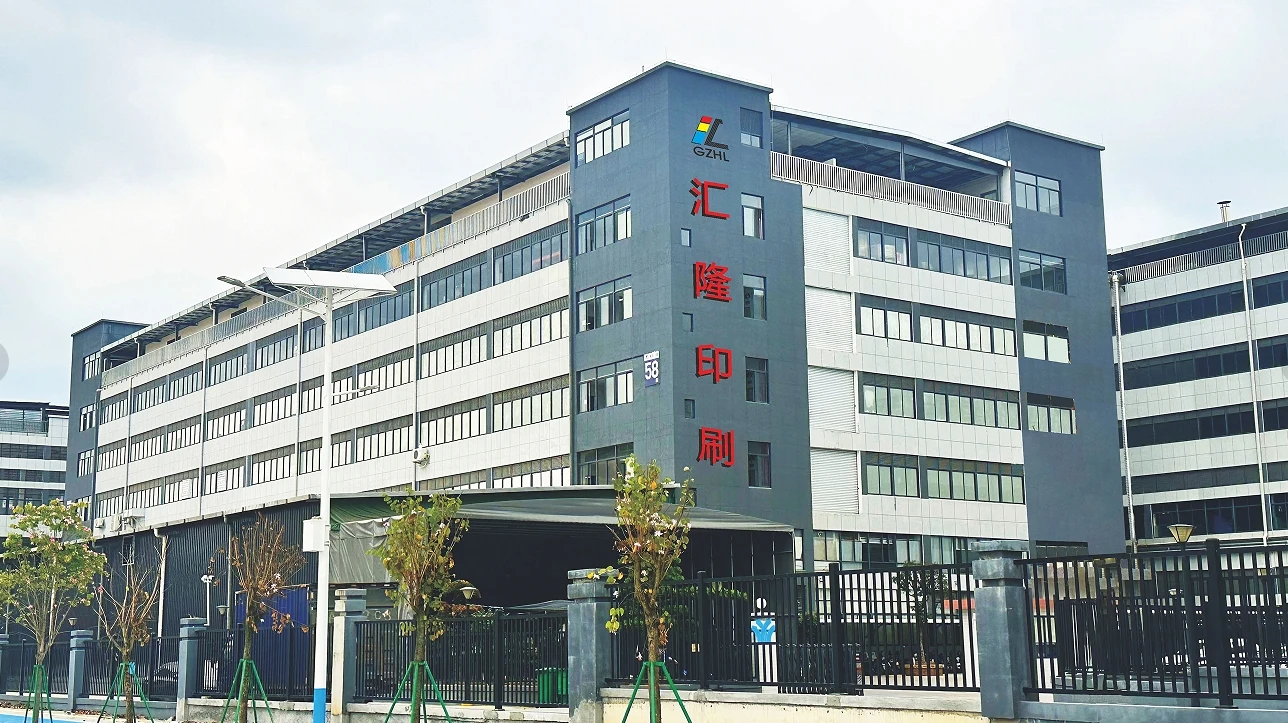
Guangzhou Huilong Printing Co., Ltd.
- Manufacturer
- Guangdong, China
- Lead time30 days
- Avg. response≤ 5h
Main productshardcover book,softcover book,bible,children book,gift boxes
Main marketsDomestic Market(80.00%), Mid East(15.00%), North America(5.00%)
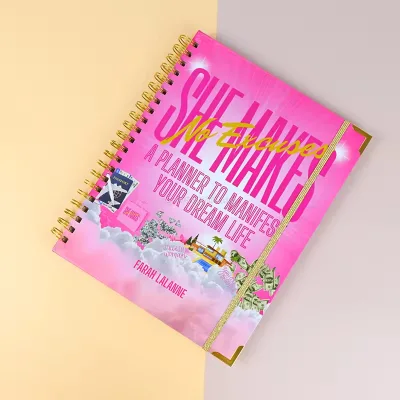
Custom Print School Notebooks Student Exercise Book Manufacturer Notebook
$0.70 - $1.00
MOQ: 500 pieces
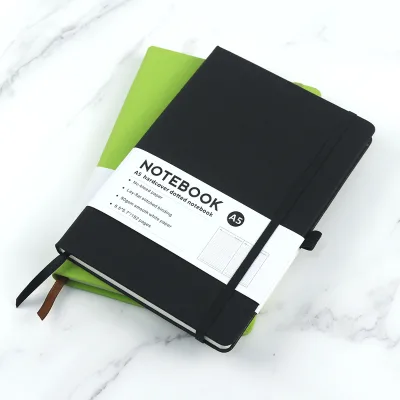
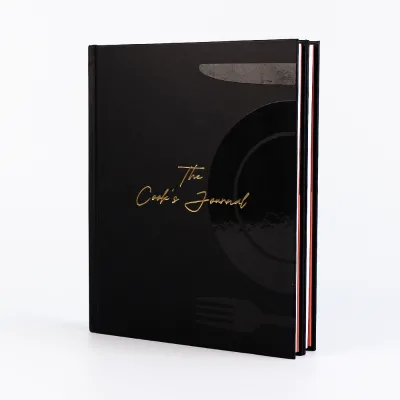
Custom Hardcover Notebooks for Students Journal Printing With Hot Stamping
$0.25 - $2.35
MOQ: 500 pieces
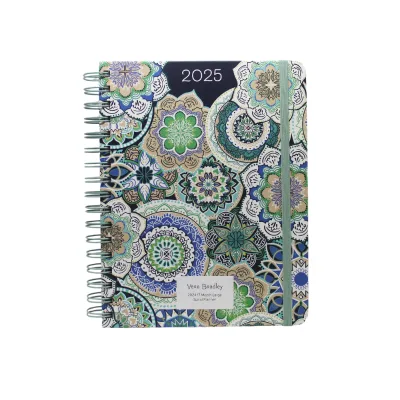
Customizable School Notebook in Bulk Fancy and Offset Paper with Offset Printing Book Type Product
$0.60 - $1.00
MOQ: 300 pieces
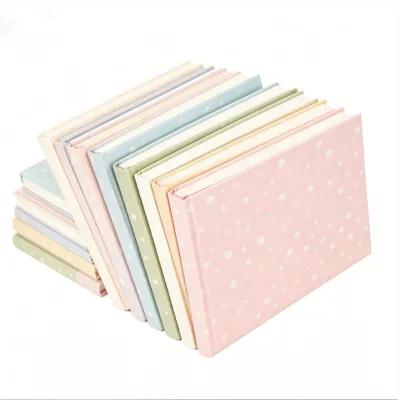

Guangzhou Zhongtian Paper Product Co., Ltd.
- Verified by TUVRHEINLAND
- Trading Company,Manufacturer/Factory,Group Corporation
- China Guangdong
- Lead time38 days
- Avg. response≤ 4h
Main productsBible, Book, Children Book, Paper Box, Jigsaw Puzzle, Notebook Printing, Board Game, Calendar, Paper Bags, Seed Paper Cards
Main marketsSouth America,Eastern Europe,Mid East,North America,Southeast Asia,Oceania,Western Europe,Africa

2025 Custom Full Color Printing Pattern Student School Business Notebook
$1.76 - $1.98
MOQ: 1000 Pieces


Shenzhen Longyin Printing Packing Co., Ltd.
- Verified by SGS
- Trading Company
- China Guangdong
- Lead time15 days
- Avg. response≤ 4h
Main marketsSouth America,Africa,Southeast Asia/ Mideast,East Asia(Japan/ South Korea),Domestic,Europe,Australia,North America
Hebei Hongyun Tengda Printing Co., Ltd.
- Verified by Intertek
- Manufacturer, Trading Company
- Lead time20 days
- Avg. response≤ 1h
Main productsBooks, Package box
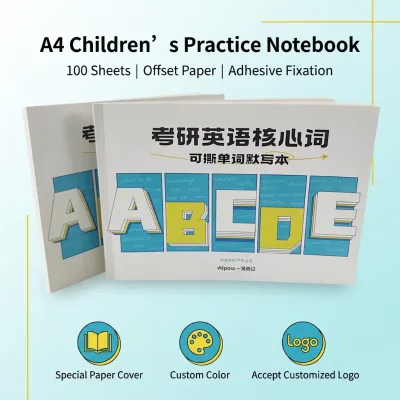
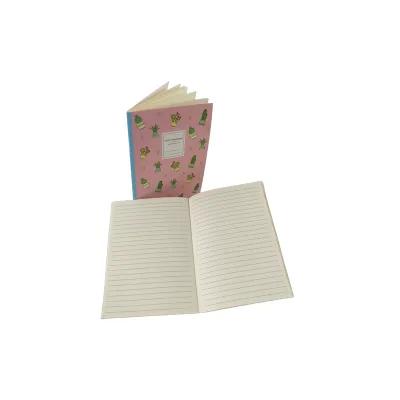
Custom Logo Undated Dotted Paper Office Composition Notebooks Note Book for Student Print
$0.1962 - $0.5153
MOQ: 100 pieces

GUANGZHOU TIMI PRINTING CO.,LIMITED
- Verified by SGS
- Manufacturer/Factory
- China Guangdong
- Lead time38 days
- Avg. response≤ 1h
Main productsBook Printing, Children Books, Planner and Notebook, Toys, Puzzles, Game Cards, Cloth Books, Magazine, Stationery, Hardcover and Softcover Book
Main marketsSouth America,Eastern Europe,Mid East,North America,Southeast Asia,Eastern Asia,Oceania,Western Europe,Africa


Custom Printed Teacher Planner Notebooks for School Organization and Classroom Planning
$0.50 - $2.50
MOQ: 500 piece

High Quality Printed School Notebook Diary Planner for Student Daily Organization
$0.50 - $2.50
MOQ: 500 piece


Hefei Colorfly Stationery Co., Ltd.
- Verified by SGS Group
- Manufacturer, Trading Company
- Lead time30 days
- Avg. response≤ 6h
Main productsExercise Book, Notebook, PU leather Book
Main marketsAfrica(40%), Mid East(15%), Domestic Market(10%)
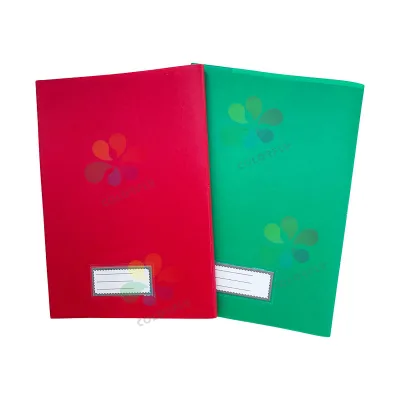
China Factory Wholesale PVC Notebook for Middle East Exercise Book for Student
$0.1543 - $0.3086
MOQ: 20 pieces
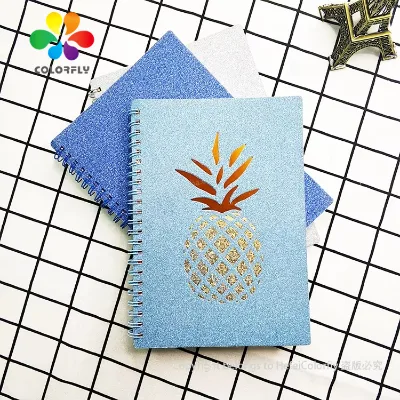
Wenzhou Myway Arts & Crafts Co., Ltd.
- Verified by TüVRheinland
- Manufacturer, Trading Company
- Lead time15 days
- Avg. response≤ 1h
Main productsNotebook, Stationery Set, Notepad, Card, Sticker
Main marketsNorth America(32%), Domestic Market(30%), South America(5%)

Hefei Colorfly Stationery Co., Ltd.
- Verified by SGS
- Combined
- China Anhui
- Lead time30 days
- Avg. response≤ 13h
Main productsExercise Book, Notebook, Spiral Notebook, Composition Book, Copy Book, Soft Cover Notebook, Stationery Set, Drawing Book, PP Exercise Book, Counter Book
Main marketsAfrica,Southeast Asia/ Mideast


Stationery Factory Customized Printing Notebook 17*22cm Student Books
$0.115 - $0.19
MOQ: 50000 Pieces


Hot Selling Personalized Design Student Composition Notebook with Tape Binding
$0.28 - $0.45
MOQ: 10000 Pieces

Cheap Paper Notebook, School Student A5 A6 Size Exercise Note Book with Custom Logo
$0.30 - $0.55
MOQ: 10000 Pieces

Wenzhou Bonvan Stationery & Gifts Co., Ltd.
- Trading Company
- Lead time旺季: "1 - 10000":30,"> 10000":"To be negotiated", 淡季: "1 - 10000":30,"> 10000":"To be negotiated"
- Avg. response≤ 3h
Main productsMarkers, Pens, School Stationery, Office Stationery, Art Material
Wenzhou Bonvan Stationery & Gifts Co., Ltd.
- Verified by TüVRheinland
- Trading Company
- Lead time20 days
- Avg. response≤ 4h
Main productsMarkers, Pens, School Stationery, Office Stationery, Art Material
Main marketsNorth America(20%), Domestic Market(20%), Western Europe(15%)
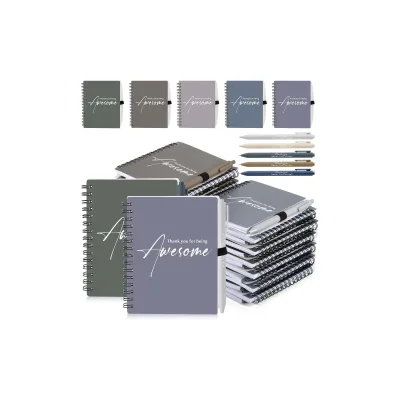
Wholesale Thickening Student Coil Notebook A5 Spiral Notebook for Student Horizontal Line Diary Book
$0.54 - $0.70
MOQ: 100 pieces
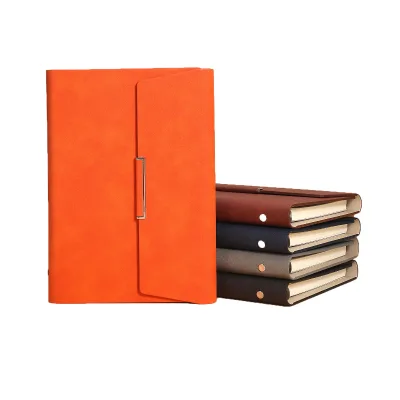
Student Tri-Fold Notebook PU Leather Cover Notebook Custom Logo Diary Notebook for School Supplies
$2.3264 - $2.7398
MOQ: 100 pieces

Round Color Printing (Shenzhen) Co., Ltd.
- Verified by BV
- Trading Company
- China Guangdong
- Lead time23 days
- Avg. response≤ 8h
Main productsBook Printing, Catalog Printing, Calendar Printing, Notebook Printing
Main marketsEurope,Australia,North America

$1.00 - $3.00
MOQ: 500 Pieces

$1.00 - $3.00
MOQ: 500 Pieces

Convenient to Write Recycled Paper Notebook for Students Spiral Notebook with Round Corner
$1.00 - $3.00
MOQ: 500 Pieces

High Quality Spiral Notebook with Custom Color Printing on Offset Paper and Custom Logo Design
$1.00 - $3.00
MOQ: 500 Pieces
Hangzhou Keteng Trade Co., Ltd.
- Verified by SGS Group
- Trading Company
- Lead time12 days
- Avg. response≤ 2h
Main productsStationery, Paper Box, Paper Bags, Packaging Bags, Promotion Gifts
Main marketsNorth America(50%), Oceania(15%), Western Europe(15%)
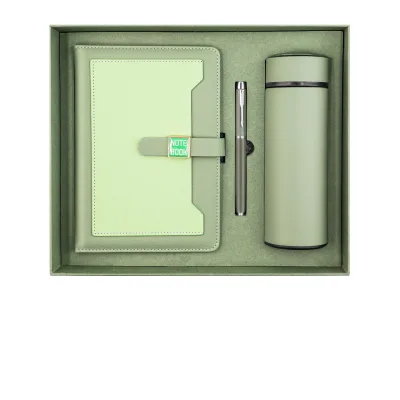
Customized A5 Student Notebook with Name Printing for Graduation Gifts School Planner
$1.9549 - $3.4948
MOQ: 100 pieces
Hefei Xinghua Printing Co., Ltd.
- Manufacturer, Trading Company
- Anhui, China
- Lead time0 days
- Avg. response≤ 6h
Main productsBook Printing, Boutique Packaging Box
Main marketsNorth America(60.00%), Africa(40.00%)

Guangzhou Vitality Manufacturing&Export Co., Ltd
- Verified by CTI
- Trading Company
- China Guangdong
- Lead time15 days
- Avg. response≤ 4h
Main productsNotebook, Exercise Book, School Cloth, Textbook, School Bag, Pens, Stationery Set, Ruler Set, Calculator, Jigsaw Puzzle
Main marketsSouth America,Africa,Southeast Asia/ Mideast

School Student 100 Sheets Composition Notebook for Stationery Supplier
$0.518 - $0.598
MOQ: 18600 Pieces

Printing Service Book Promotional Cheap Hardcover School Notebooks with Custom Logo
$0.99 - $1.99
MOQ: 1000 Pieces
Dongguan Haicheng Paper Products Co., Ltd.
- Manufacturer, Trading Company
- Guangdong, China
- Lead time15 days
- Avg. response≤ 2h
Main productsHardcover Book,Sprayed Edge Book,Children Book,Paper Box,Notebook & Journal
Main marketsNorth America(35.00%), Western Europe(34.00%), Southern Europe(8.00%), Oceania(5.00%), Northern Europe(5.00%), Africa(3.00%), Mid East(3.00%), Eastern Europe(3.00%), Eastern Asia(1.00%), Domestic Market(1.00%), South America(1.00%), Southeast Asia(0.50%), South Asia(0.50%)
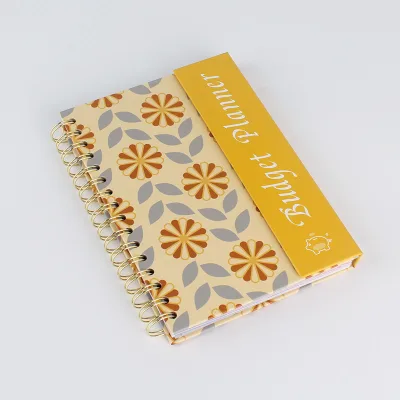
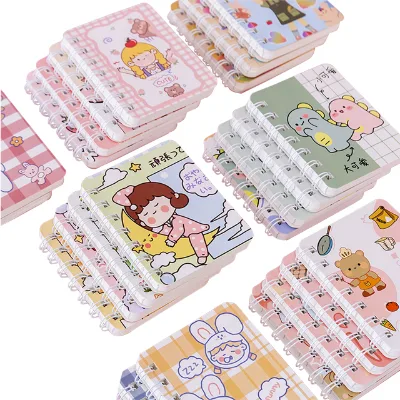
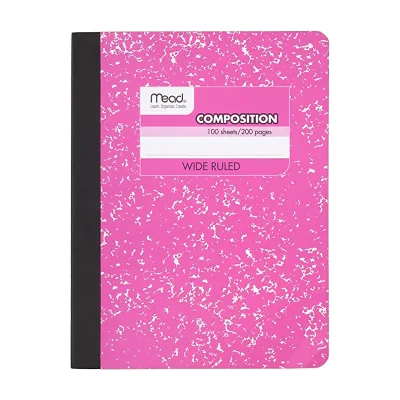
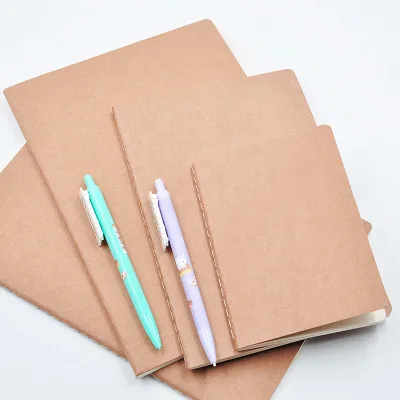
Factory B5 Exercise Book Softcover Notebooks Custom Printing Spiral Binding Planner for Students
$1.534 - $1.9429
MOQ: 1 pieces
Fuzhou Yintuan Printing Co., Ltd.
- Verified by TüVRheinland
- Manufacturer, Trading Company
- Lead time7 days
- Avg. response≤ 1h
Main productsBook Printing, Children Book, Coloring Book, Decor Book, Journal Notebook
Main marketsNorth America(45%), Southeast Asia(20%), Eastern Asia(15%)
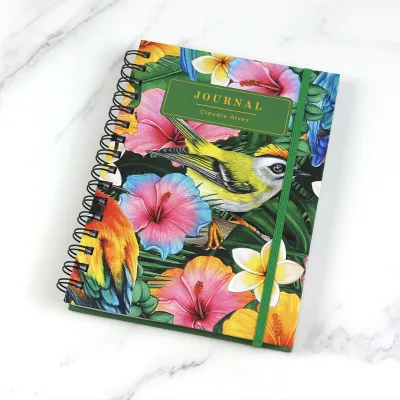
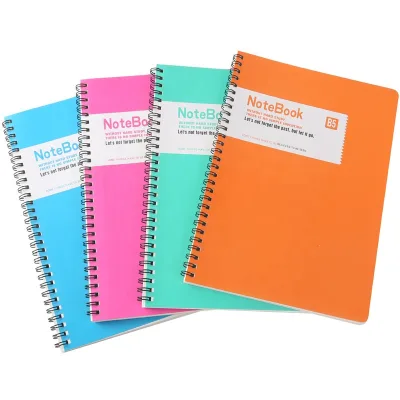
Customized School Supplies Spiral Notebooks Printing
$1.00 - $1.80
Yiwu Langyucai Stationery Co., Ltd.
- Verified by Intertek
- Manufacturer, Trading Company
- Lead time7 days
- Avg. response≤ 2h
Main productsNotebook, Sewn Notebook, Saddle Stitch Notebook, Spiral Notebook, Coloring&Copy Book
Main marketsNorth America(25%), Western Europe(25%), South America(10%)
Hohhot Xinze Technology Co., Ltd.
- Trading Company
- Inner Mongolia, China
- Lead time30 days
- Avg. response≤ 17h
Main productsPaper Shredder, Binding machine, Scanner gun
Main marketsDomestic Market(100.00%)
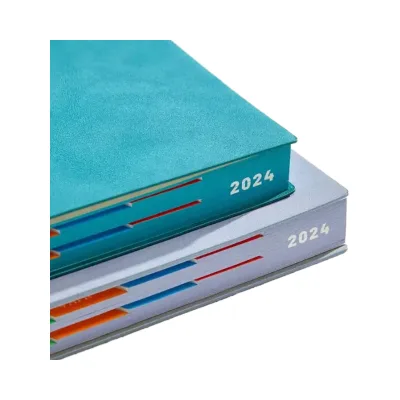
$2.5166 - $2.9361
MOQ: 100 pieces
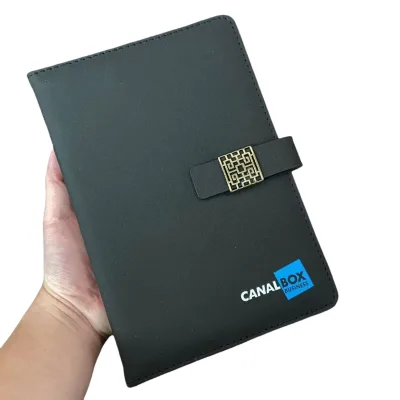
Guangzhou Bonroy Cultural Creativity Co., Ltd.
- Trading Company
- Lead time旺季: "1 - 200":15,"201 - 5000":18,"5001 - 10000":20,"> 10000":"To be negotiated", 淡季: "1 - 200":15,"201 - 5000":18,"5001 - 10000":20,"> 10000":"To be negotiated"
- Avg. response≤ 2h
Main productsNotebook Printing, Book Printing/Paper Box Printing/Card Set Printing/Paper Bag Printing

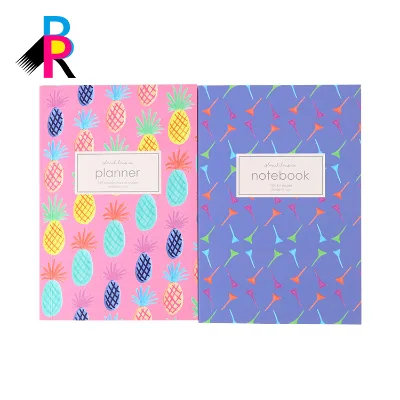
Custom A5 Lined Softcover Office Notebook for Schools Paper & Paperboard Exercise Books
$0.4629 - $0.8643
MOQ: 200 Minimum
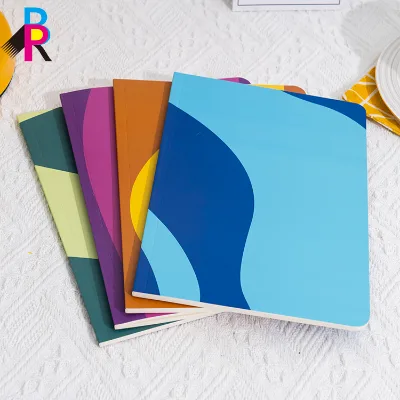
Shenzhen Cai Mei Plus Printing Co., Ltd.
- Verified by Intertek
- Manufacturer, Trading Company
- Lead time25 days
- Avg. response≤ 6h
Main productsChildren Book, Note Book, Bible, Paper Box, Calendar
Main marketsNorth America(60%), Western Europe(15%), Domestic Market(15%)
Guangzhou Hangtong Printing Products Co., Ltd.
- Verified by SGS Group
- Manufacturer, Trading Company
- Guangdong, China
- Lead time5 days
- Avg. response≤ 4h
Main productsNotebook Printing, Book Printing, Children Book Printing, Magazine Printing, Catalogue Printing
Main marketsNorth America(25%), Oceania(15%), South America(10%)
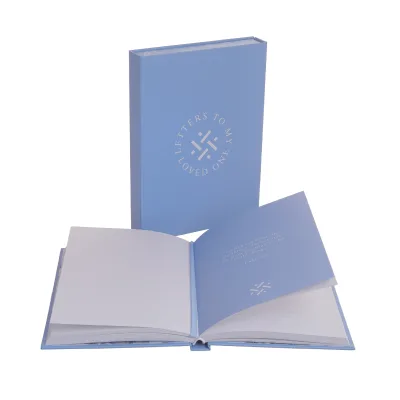
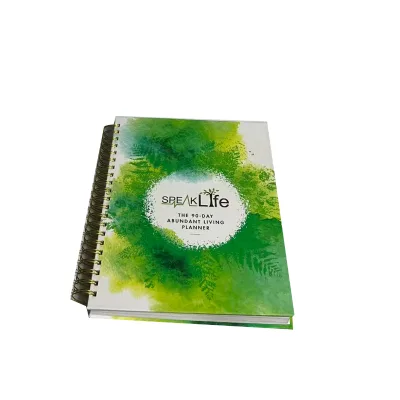
Exquisitely Made Student Notebook, Student Office Supplies, Coil Notebook
$0.50 - $2.00
MOQ: 300 Minimum
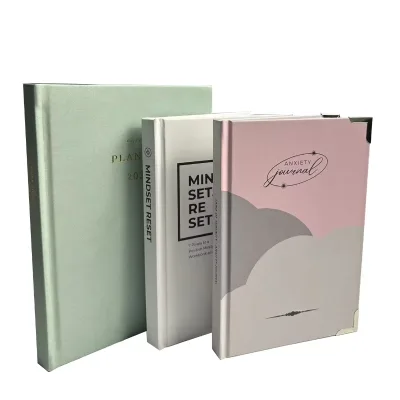
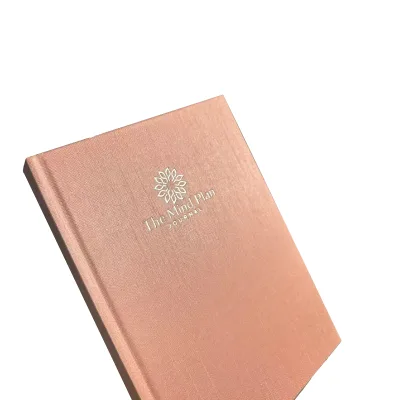
Leather-bound Notebooks Are Available in Customizable Business and Student Diaries
$0.50 - $2.00
MOQ: 300 Minimum
Guangzhou Yongxiang Color Printing Co., Ltd.
- Verified by SGS Group
- Manufacturer, Trading Company
- Lead time7 days
- Avg. response≤ 2h
Main productsBooks Print, Hardcover books, Coloring books, Publications, Children's board books
Main marketsNorth America(30%), Oceania(11%), Domestic Market(10%)
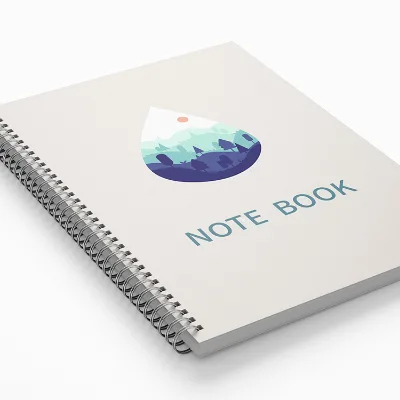
A5 Size Hardcover Spiral Notebook Simple Cover Design Custom Notebook for Students
$0.60 - $0.80
MOQ: 500
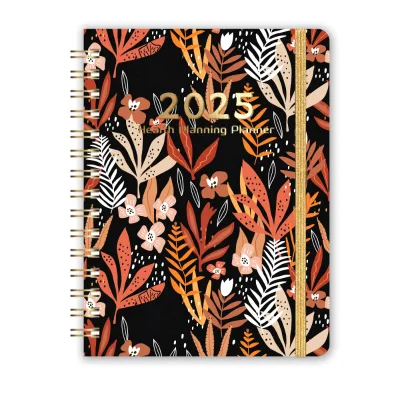
$0.60 - $0.80
MOQ: 500 sets

- Verified by BV
- Trading Company,Manufacturer/Factory
- China Shanghai
- Lead time23 days
- Avg. response≤ 1h
Main productsBook Printing, Book, Children's Book, Paper Bag, Gift Boxes, Puzzle, Board Game, Tabletop Game, Playing Card
Main marketsSouth America,Eastern Europe,Mid East,North America,Southeast Asia,Eastern Asia,Oceania,Western Europe,Africa

Zhangzhou Mass Paper Printing Co., Ltd.
- Verified by SGS
- Combined
- China Fujian
- Lead time15 days
- Avg. response≤ 2h
Main marketsDomestic

Design Practical Spiral Notebook with Custom Printing for Students and Office Staff
$0.55 - $3.00
MOQ: 1000 Pieces

Simple - Designed Spiral Notebook with Custom Printing for Business Students
$0.55 - $3.00
MOQ: 1000 Pieces

Custom Printing Customizable Spiral Notebook with Durable Cover for Students
$0.55 - $3.00
MOQ: 1000 Pieces

Custom Printing Notebook with Spiral Binding for Creative Professionals
$0.55 - $2.00
MOQ: 1000 Pieces

Custom Printing Customizable Spiral Notebook with FSC Certification for Students and Office
$0.55 - $3.00
MOQ: 1000 Pieces
Hefei Skyfly Enterprise Co., Ltd.
- Verified by Intertek
- Manufacturer, Trading Company
- Lead time30 days
- Avg. response≤ 2h
Main productsExercise Book, Notebook, PU Leather Book, Book Printing, Paper Bag Printing
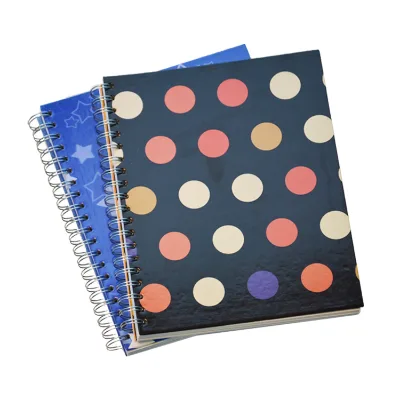
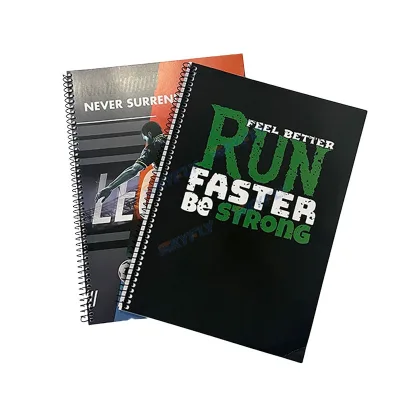
Wholesale Spiral Notebooks with Elastic Closure Secure for Traveling Students Professionals
$0.35 - $0.45
MOQ: 40000 pieces
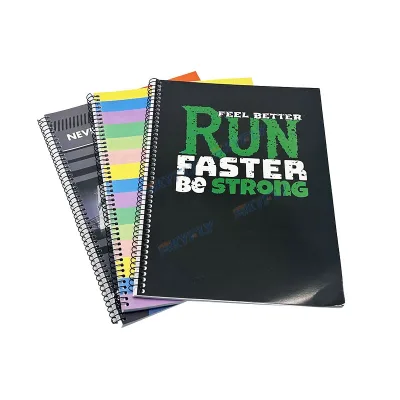
Wholesale Spiral Notebooks with Multilingual Labels Catering to International Students Office Staff
$0.3595 - $0.4629
MOQ: 40 pieces
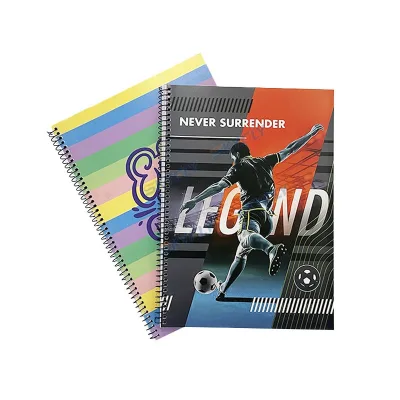
Assorted Color Spiral Notebooks Attractive for Kids in School Office Teams
$0.35 - $0.45
MOQ: 40000 pieces
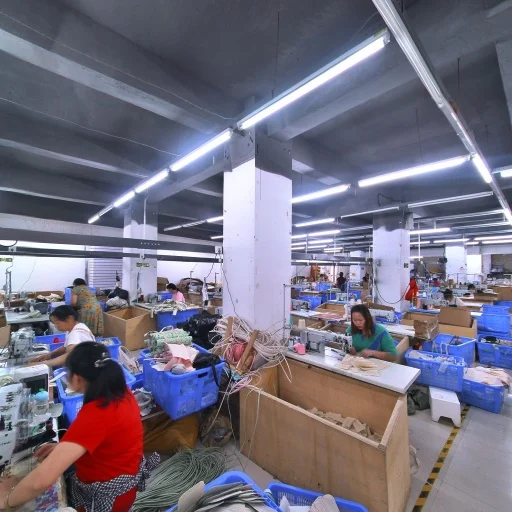
Guangzhou Daidong Future Stationery Products Co., Ltd.
- Manufacturer, Trading Company
- Guangdong, China
- Lead time0 days
- Avg. response≤ 1h
Main productsZipper Document Bag,Home Bookbags,Zipper Filling Products,Pencil Case,Briefcase
Main marketsDomestic Market(16.00%), Southeast Asia(12.00%), Central America(12.00%), North America(10.00%), Eastern Asia(8.00%), South America(8.00%), Southern Europe(5.00%), Oceania(5.00%), Northern Europe(5.00%), Western Europe(5.00%), Eastern Europe(5.00%), South Asia(5.00%), Africa(2.00%), Mid East(2.00%)




Comprehensive Sourcing Guide
PVC Offset Printing Student Notebook Supplier Concentration and Factory Types
The current supplier landscape for PVC offset printing student notebooks reveals a diverse mix of manufacturing capabilities and business models. Data indicates that the primary company types operating in this space are Manufacturers, Trading Companies, and Combined entities that offer both production and trading services. This variety allows buyers to select partners based on their specific needs for direct factory pricing versus the logistical support of trading firms. The presence of Manufacturer/Factory types suggests that some suppliers possess the direct machinery required for offset printing and PVC material processing, which can be critical for maintaining consistent quality control and reducing intermediary markups. Conversely, Trading Companies may offer a broader range of complementary products, such as RFID cards or NFC tags, providing a one-stop solution for buyers who need multiple stationery items. Understanding this distinction is vital for assessing whether a supplier can handle complex customization requests or if they rely on third-party production, which might impact lead times and communication efficiency.
In terms of production capacity, the available facts highlight significant flexibility in customization options. Suppliers demonstrate capabilities in OEM and ODM services, allowing for tailored designs that meet specific brand requirements. The rd_capacity data points to light customization, graphic processing, and sample processing as key strengths, indicating that many factories are equipped to handle small to medium batch orders with personalized elements. This is particularly relevant for student notebooks, where branding and educational content customization are common demands. The ability to process samples quickly is a crucial indicator of a supplier’s operational agility. Buyers looking for PVC notebooks with offset printing should look for suppliers who explicitly state their capacity for graphic processing and customized on-demand production. This ensures that the final product aligns with the intended aesthetic and functional specifications, whether it involves specific cover materials like PVC or paper, or particular binding styles such as spiral or glue binding.
How to Verify PVC Offset Printing Student Notebook Suppliers
Verifying the legitimacy and capability of suppliers requires a multi-layered approach that goes beyond simple profile reviews. The verification data shows that some suppliers are verified by SGS Group, while others hold BV verification. These third-party validations provide a baseline level of trust regarding the supplier’s business existence and operational compliance. Buyers should prioritize suppliers with these recognized verification badges, as they indicate that an independent agency has inspected the company’s facilities and business practices. Additionally, system certifications such as ISO 9001, ISO 14001, FSC, and RoHS are present in the supplier results. These certifications are critical for ensuring that the manufacturing processes meet international quality and environmental standards. For PVC-based products, RoHS compliance is particularly important as it restricts the use of hazardous substances, ensuring the notebooks are safe for student use. Buyers should request copies of these certificates and verify their validity through the issuing bodies to avoid fraudulent claims.
Beyond certifications, the response time and lead time metrics offer valuable insights into a supplier’s reliability and operational efficiency. The observed response times vary, with some suppliers responding within 2 hours and others taking up to 15.87 hours. A faster response time often correlates with better customer service and quicker issue resolution, which is essential during the negotiation and sampling phases. Similarly, lead times range from 15 to 23 days, indicating the typical production duration for orders. Buyers should use these metrics to set realistic expectations for their procurement timelines. It is also important to check the sample lead time, which is reported as 3-5 days for some products. This quick turnaround allows buyers to evaluate product quality before committing to large orders. By combining verification badges, certification checks, and performance metrics, buyers can build a comprehensive profile of each supplier’s reliability and suitability for their specific sourcing needs.
What to Compare Across PVC Offset Printing Student Notebook Suppliers
When evaluating multiple suppliers, buyers must compare several key dimensions to identify the best fit for their project. One critical factor is the main product focus. Some suppliers specialize in notebooks and stationery, while others offer a broader range of products including paper bags, food containers, or RFID cards. A supplier with a dedicated focus on notebooks may have more specialized expertise and equipment for offset printing and PVC processing. Additionally, the customization capabilities should be closely examined. The data shows that suppliers offer various printing methods, including digital, lamination, sublimation, UV, and offset printing. Buyers should ensure that the supplier’s printing technology aligns with their desired output quality and design complexity. For PVC notebooks, the ability to handle specific cover materials and binding styles, such as spiral or glue binding, is essential for meeting functional requirements.
Price and minimum order quantity (MOQ) are also pivotal comparison points. The price range for notebooks varies significantly, with some items priced as low as $0.20 and others up to $3.50. This variation reflects differences in material quality, printing complexity, and order volume. Buyers should request detailed quotes that break down costs for materials, printing, and packaging to understand the value proposition. The MOQs also differ, with some suppliers requiring as few as 500 pieces and others demanding 1000 or more. For startups or small businesses, suppliers with lower MOQs may be more attractive, despite potentially higher per-unit costs. Furthermore, the delivery time and sample availability should be compared. Suppliers offering free samples for stock items can help buyers assess quality without financial risk. By systematically comparing these factors, buyers can make informed decisions that balance cost, quality, and operational flexibility.
Common PVC Offset Printing Student Notebook Sourcing Risks
Sourcing PVC offset printing student notebooks comes with inherent risks that buyers must proactively manage. One significant risk is the variability in product quality, particularly regarding the durability of PVC covers and the clarity of offset printing. Without proper verification, buyers may receive products that do not meet their aesthetic or functional standards. The risk is compounded if the supplier lacks relevant certifications like RoHS, which ensures the safety of materials used in student products. Another risk is the discrepancy between sample quality and mass production output. Suppliers may provide high-quality samples but fail to maintain the same standard during bulk production. This is why verifying the supplier’s production capacity and quality control processes is crucial. Buyers should insist on pre-shipment inspections or third-party quality checks to mitigate this risk.
Communication and lead time delays are also common pitfalls in international sourcing. The observed response times vary widely, and slow communication can lead to misunderstandings regarding specifications and deadlines. Additionally, lead times can extend beyond the quoted 15-23 days due to unforeseen production issues or supply chain disruptions. Buyers should establish clear communication protocols and regular update schedules with their suppliers. Another risk is the lack of transparency in pricing and terms. Some suppliers may offer low initial prices but add hidden costs for packaging, shipping, or customization. Buyers should request comprehensive quotes that include all potential fees. Furthermore, the reliance on trading companies can introduce additional layers of complexity and potential miscommunication. Buyers should verify whether the supplier is a direct manufacturer or a trading company to better understand the supply chain dynamics and potential risks associated with each model.
PVC Offset Printing Student Notebook Regional Sourcing and Logistics
The geographic location of suppliers plays a significant role in logistics planning and cost management. The available data indicates that suppliers are located in regions such as China Shandong and China Fujian. These regions are known for their manufacturing clusters, particularly in the packaging and stationery industries. Sourcing from these areas can offer advantages in terms of supply chain efficiency and access to raw materials. However, buyers must consider the logistical implications of shipping from these locations. Proximity to major ports can reduce shipping times and costs, but this varies depending on the specific factory location within the province. Buyers should inquire about the supplier’s experience with international shipping and their ability to handle export documentation. Understanding the regional logistics landscape helps buyers anticipate potential delays and optimize their supply chain.
Additionally, the choice of supplier location can impact the overall cost structure. Suppliers in different regions may have varying labor and operational costs, which can influence pricing. Buyers should compare quotes from suppliers in different locations to identify the most cost-effective options. It is also important to consider the supplier’s ability to handle customized packaging and shipping requirements. The data shows that suppliers offer various packing options, including carton, pallet, or customized packaging. Buyers should ensure that the packaging meets their specific needs for protection and branding. Furthermore, the supplier’s location may affect their ability to comply with local regulations and export standards. Buyers should verify that the supplier is familiar with the import regulations of their target market to avoid customs delays or penalties. By carefully evaluating regional logistics, buyers can streamline their sourcing process and reduce overall procurement costs.
PVC Offset Printing Student Notebook Commercial Terms and Order Planning
Effective order planning requires a thorough understanding of the commercial terms offered by suppliers. The data indicates that payment terms often include a 30% deposit, which is a common practice in manufacturing orders. Buyers should negotiate clear payment terms that protect their interests, such as using escrow services or letter of credit for larger orders. The lead time for production is typically 7-15 days after the deposit is received, with total lead times ranging from 15 to 23 days. Buyers should factor in this timeline when planning their inventory and marketing campaigns. It is also important to clarify the sample lead time, which is reported as 3-5 days for some products. Quick sample turnaround allows for faster decision-making and reduces the overall procurement cycle. Buyers should ensure that the supplier can meet their required delivery dates to avoid stockouts or missed market opportunities.
Another critical aspect of order planning is the management of customization and branding requirements. The data shows that suppliers offer various customization options, including logo printing and custom sizes. Buyers should provide detailed specifications and artwork files to ensure accurate production. It is also important to confirm the MOQ for customized orders, as these may differ from standard product MOQs. The observed MOQs range from 500 to 1000 pieces, which can impact the initial investment required. Buyers should plan their orders accordingly to maximize economies of scale while minimizing inventory risk. Additionally, buyers should discuss the warranty and return policies with suppliers to address any potential quality issues. By carefully planning commercial terms and order logistics, buyers can ensure a smooth and successful sourcing experience for PVC offset printing student notebooks.
FAQs
What is the price range for PVC offset printing student notebooks?
Prices for these notebooks typically range from $0.20 to $3.50 per unit depending on specifications. Basic models start around $0.20, while premium options with custom covers or higher page counts can reach $3.50. Buyers should verify exact costs based on order volume and specific material choices.
What is the minimum order quantity for custom notebooks?
Minimum order quantities generally start at 500 pieces for standard items. Some suppliers require a minimum of 1000 units for certain customizations. Buyers must confirm the specific MOQ with the manufacturer, as requirements vary based on the complexity of the design and the type of binding selected.
How long does production take for custom notebooks?
Production lead times typically range from 7 to 23 days after deposit receipt. Sample preparation usually takes 3 to 5 days. The exact timeline depends on the supplier's current workload and the specific customization requirements, such as offset printing or special binding methods requested by the buyer.
What certifications do notebook manufacturers hold?
Manufacturers often hold ISO 9001 and ISO 14001 certifications. Some suppliers also possess FSC and RoHS credentials. These certifications ensure quality management and environmental standards. Buyers should verify specific certificates with the supplier to confirm compliance with their regional regulatory requirements and sustainability goals.
Where are these notebook suppliers located?
Suppliers are primarily located in China, specifically in regions like Anhui, Shandong, and Fujian. These areas are known for strong manufacturing capabilities in paper products. Buyers can filter results by location to find suppliers closer to their logistics hubs or with specific regional trade advantages.
What customization options are available for notebooks?
Options include custom sizes, logos, and cover materials like PVC or leather. Printing methods such as offset, digital, and UV printing are available. Suppliers offer OEM and ODM services. Buyers can request specific binding types, page counts, and inner page layouts to meet their unique branding and functional needs.