Source Geography Learning School Notebook for hiking, school, and daily planning
Find 30 options for the Geography Learning School Notebook suitable for outdoor travel, school use, and daily planning. Buyers can compare specifications like size, material, and customization to select the right product for their needs; compare the available evidence and request quotations based on your requirements.
Updated
Key considerations
Products List
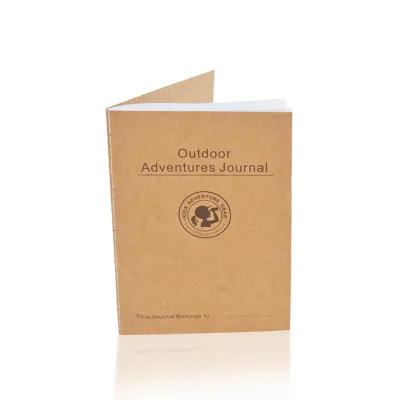
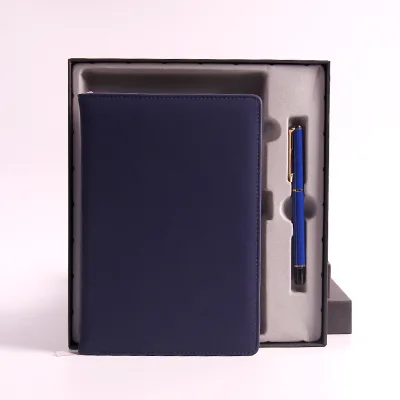


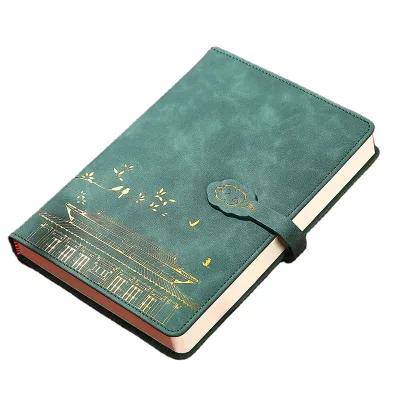


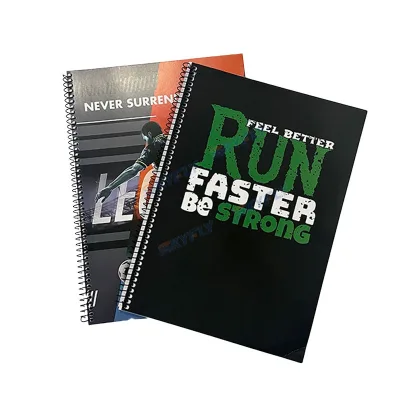
Waterproof Spiral Notebooks Suitable for Outdoor School Activities Office Field Work
$0.3613 - $0.4647
MOQ: 40 pieces
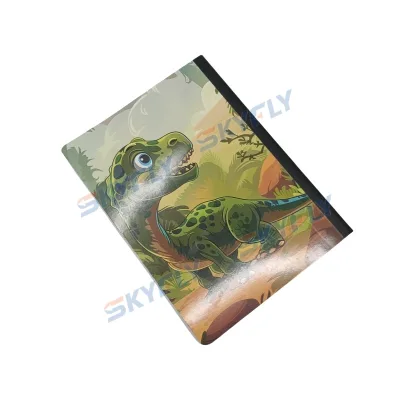
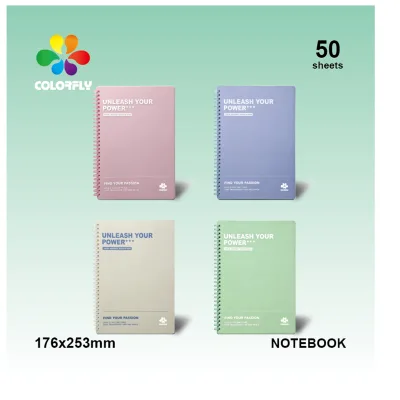

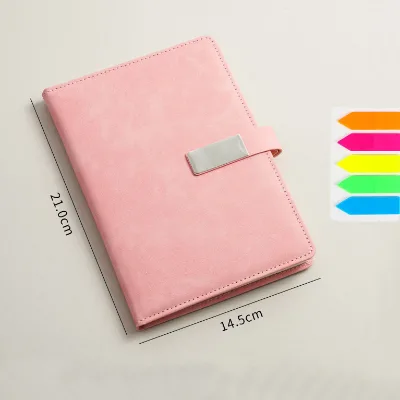
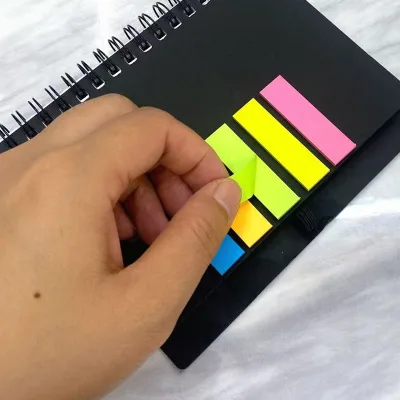
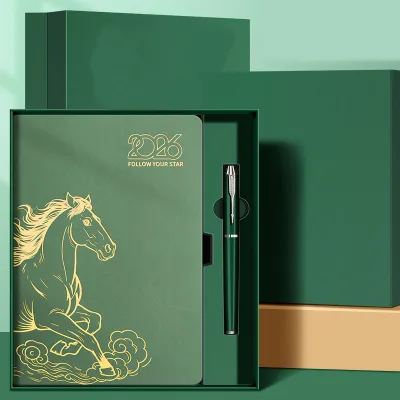
Notebook for Student School Supplies 2026 Study Planner Notebook with Custom Pages
$1.9667 - $3.6216
MOQ: 500 Minimum
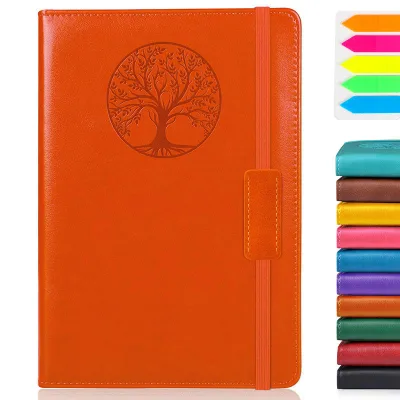
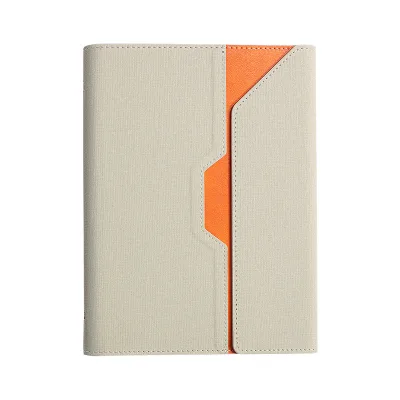


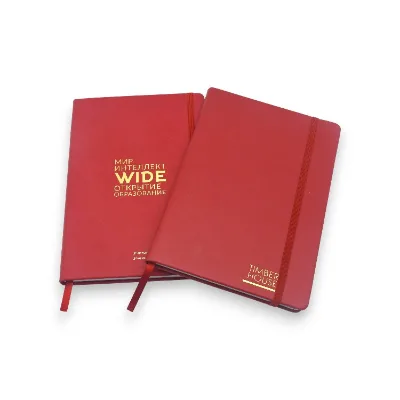

A5 Student Planner Notebook with 80 Pages for Study Organization and Daily Scheduling
$1.5545 - $2.9021
MOQ: 200 pieces
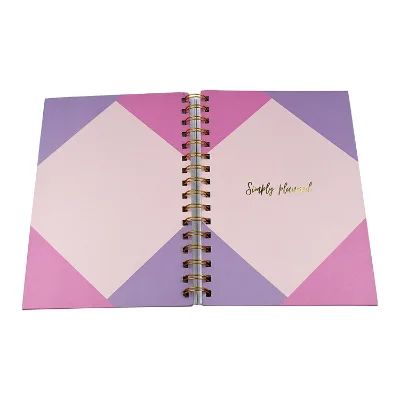
Comprehensive Sourcing Guide
Geography Learning School Notebook Sourcing Guide
Sourcing notebooks tailored for geography education requires balancing durable construction with specific functional attributes that support student engagement and practical fieldwork. The market offers a diverse range of options, from compact outdoor adventure journals designed for hiking and camping to structured school exercise books intended for classroom use. Buyers must carefully distinguish between products marketed for promotional gifts and those built for rigorous daily academic use. Understanding the intended application is the first step in selecting the correct product type, whether it is a hardcover planner for organizational tasks or a simple stitched workbook for note-taking.
The procurement landscape includes suppliers from key manufacturing hubs such as Zhejiang and Guangdong in China, offering various customization levels and material compositions. Products range from basic paper-based exercise books to more premium options featuring PU covers and film lamination finishes. Buyers should evaluate the target age group, which can span from early childhood to teenagers, ensuring the design and content layout align with the cognitive and physical needs of the end-users. This alignment is critical for maximizing the educational value and usability of the notebooks in both indoor and outdoor learning environments.
Product Scope and Observed Listing Signals
The current market signals indicate a wide variance in product specifications, with observed price points ranging from $0.05 to $10.31 USD per unit. This broad range reflects differences in material quality, binding methods, and customization depth. Minimum Order Quantities (MOQs) typically start at 40 units for basic items but can rise to 1,000 units for highly customized or premium products. Buyers should note that lower MOQs often correlate with higher per-unit costs, while bulk orders may unlock better pricing but require significant storage and distribution planning. Understanding these commercial thresholds is essential for aligning procurement volumes with budget constraints and inventory capacity.
Product attributes vary significantly, with some items featuring 20 pages and others offering up to 100 sheets of inner paper. Materials include standard paper, paperboard, and PU covers, with weights ranging from lightweight 80g options to heavier 1.000 kg packages. Sizes also differ, with A6 formats suitable for pocket use and larger 145*210mm dimensions ideal for detailed map drawing or extensive note-taking. Buyers must verify these physical specifications against their logistical requirements, ensuring that the selected notebooks fit within shipping constraints and meet the spatial needs of the intended educational activities.
Technical Specifications to Verify
Technical verification begins with confirming the binding method, as options like stitching and glue affect durability and page-flatness during heavy use. For geography notebooks that may be used outdoors, the cover material is critical; PU covers offer water resistance and durability, while standard paper covers may require additional lamination for protection. Buyers should inspect the inner paper quality, noting that 100 gsm paper provides a good balance of opacity and writeability, preventing ink bleed-through. The surface finish, such as film lamination, adds a layer of protection against moisture and wear, which is particularly important for field journals used in camping or hiking scenarios.
Model numbers and size specifications must be cross-referenced to ensure consistency across orders. For instance, models like RS-AJ001 and LB-PB220259 represent distinct product lines with different structural characteristics. Buyers should verify the single package dimensions, such as 15X21.5X3 cm, to optimize palletization and shipping efficiency. Additionally, the printing type, whether offset or custom, impacts the clarity of printed maps and diagrams. Ensuring that the printing quality meets high-resolution standards is vital for geography notebooks, where detailed topographical features and color-coded legends must be clearly visible to students.
Compliance and Safety Documentation
Safety compliance is paramount when sourcing notebooks for school-aged children, particularly those in the 2 to 14-year-old age range. Buyers must ensure that all materials, including inks and adhesives, meet relevant chemical safety standards to prevent exposure to harmful substances. While specific certification names are not provided in the current data, buyers should request documentation confirming compliance with international safety regulations for children's products. This includes verifying that the paper and board materials are free from toxic heavy metals and that any plastic components, such as PU covers, are non-toxic and durable.
Documentation should also cover the manufacturing standards and origin of the products. Products originating from Zhejiang and Guangdong should be accompanied by certificates of origin and quality control reports. Buyers should verify that the suppliers adhere to recognized quality management systems, ensuring consistent production standards across batches. Additionally, any custom logo or branding applied to the notebooks must comply with intellectual property laws and safety labeling requirements. Proper documentation not only mitigates legal risks but also enhances the credibility of the products in educational institutions and retail markets.
Cost Drivers and Commercial Terms
Cost drivers in notebook procurement include material selection, customization complexity, and order volume. Products with PU covers and film lamination typically command higher prices due to the additional processing steps and material costs. Customization options, such as accepting customized logos or specific page layouts, add to the production time and expense. Buyers should analyze the trade-off between customization and cost, determining which features are essential for their specific use case. For example, a basic school exercise book may suffice for internal classroom use, while a branded outdoor adventure journal may require premium materials for promotional purposes.
Commercial terms such as sample time and lead time significantly impact procurement planning. A sample time of 5 days allows for quick evaluation of product quality before committing to large orders. However, lead times of 12 working days or more require careful scheduling to avoid stockouts. Buyers should negotiate clear terms regarding payment schedules, shipping responsibilities, and return policies for defective items. Understanding these commercial dynamics helps in building a resilient supply chain that can adapt to fluctuating demand and ensure timely delivery of educational materials.
Supplier Qualification and Quality Control
Supplier qualification involves assessing the manufacturer's capability to produce consistent, high-quality notebooks. Buyers should verify the supplier's production capacity, quality control processes, and history of fulfilling orders. Suppliers offering customization services should demonstrate robust design and printing capabilities to ensure that custom elements are executed accurately. It is advisable to request samples from multiple suppliers to compare build quality, material feel, and printing clarity. This hands-on evaluation helps in identifying suppliers who can meet the specific requirements of geography learning tools, such as durable binding and clear map printing.
Quality control measures should be established to monitor production consistency. Buyers should define clear acceptance criteria for defects, such as misaligned pages, poor binding, or printing errors. Implementing pre-shipment inspections can help catch issues before products leave the factory, reducing the risk of receiving substandard goods. Additionally, maintaining open communication with suppliers regarding any changes in materials or processes ensures that quality standards are upheld. Regular audits and feedback loops contribute to long-term supplier relationships and continuous improvement in product quality.
Long-Term Procurement Checks
Long-term procurement success depends on continuous monitoring of supplier performance and market trends. Buyers should regularly review supplier delivery times, product quality, and responsiveness to issues. Establishing key performance indicators (KPIs) for suppliers helps in objectively evaluating their contributions to the supply chain. Additionally, staying informed about new materials and printing technologies can provide opportunities to enhance product quality or reduce costs. For instance, advancements in eco-friendly paper or durable cover materials may offer new options for sustainable geography notebooks.
Building a diversified supplier base mitigates the risk of supply chain disruptions. Relying on a single supplier can be risky, especially if they face production delays or quality issues. Buyers should identify alternative suppliers in different regions, such as Zhejiang and Guangdong, to ensure continuity of supply. Regularly updating the supplier database and conducting periodic re-evaluations help in maintaining a robust and flexible procurement strategy. This proactive approach ensures that the organization can meet the evolving needs of geography education programs with reliable and high-quality notebook supplies.
FAQs
What customization options are available for a Geography Learning School Notebook?
Customization is accepted, including customized logos on the cover and custom packaging arrangements. Suppliers listing these notebooks accept OEM orders with custom specifications and packing. You can typically adjust inner page counts, printing content, and size, though minimum order quantities apply, commonly 100 pieces for some models and 500 pieces for hardcover student workbook styles.
How many inner pages can these school notebooks include?
Inner page counts vary by model. Some listed student notebooks contain 80 sheets of inner pages, while other exercise book models offer 100 sheets. Since these products support custom production, you can often request a specific page count for geography learning content, subject to the supplier's minimum order quantity and quoted lead time.
What paper and material specifications are used for these notebooks?
Listed models use paper materials, with inner paper around 100 gsm and paper and paperboard construction. Hardcover styles feature stitched and glued binding with film lamination surface finish and offset printing. PU cover material appears on journal-style variants. Confirm exact paper weight and cover material with each supplier before ordering samples.
What is the typical minimum order quantity and lead time?
Minimum order quantities differ by model: some journal-style notebooks list an MOQ of 100 pieces, while hardcover student workbooks list 500 pieces. One listed model shows a production lead time of 12 working days, and sample time of about 5 days is noted. Always confirm current MOQ and lead time directly with suppliers, as values vary by customization level.
Which sizes and formats are these geography and school notebooks available in?
Available formats include A6 size journal-style notebooks weighing 80 grams and larger student notebook sizes around 145 by 210 millimeters with a total thickness near 20 millimeters. Hardcover and printed diary-style formats are also listed. Choose the format based on whether you need a compact field notebook or a full-size classroom exercise book.
Can I order notebook samples before placing a bulk order?
Yes, sample ordering is standard practice for these products. One listed model indicates a sample time of 5 days, so you can review paper quality, binding, and printing before committing to bulk production. Request samples reflecting your customized logo and inner page layout, and factor sample cost and shipping time into your sourcing schedule.
How are these notebooks packaged for shipping and delivery?
Packaging is customizable according to listed product information, with custom packing accepted on exercise book models. One student notebook lists a single package size of 15 by 21.5 by 3 centimeters with a single gross weight of about 1 kilogram. Selling units are single items. Discuss carton specifications and export packing details with your supplier before shipment.
Which age groups and uses do these notebooks suit?
Listed notebooks cover a broad age range, from 2 to 4 years up to 14 years and older, with unisex appeal. Uses include school study, business, daily planning, gifting, promotion, and outdoor activities such as hiking, camping, and climbing. Hardcover exercise book styles suit classroom geography work, while compact journal styles fit field trips and outdoor learning.