GRA Certified 3ct Moissanite Gemstone Suppliers and Manufacturers
Compare 19 verified suppliers offering GRA Certified 3ct Moissanite Gemstone with varying lead times, response speeds, and certifications. Review product attributes like clarity and hardness before contacting factories for quotes; review the available evidence before requesting comparable quotations from suitable candidates.
Updated
Suppliers List

Guangxi Wuzhou Xingyuegems Co., Ltd
- Verified by TUVRHEINLAND
- Combined
- China Guangxi
- Lead time15 days
- Avg. response≤ 4h
Main productsMoissanite, Moissanite Jewelry, Jewelry, Necklace, Lab Grwon Gems, Cuban Link Chain, 925 Silver Jewelry, Tennis Necklace, Tennis Bracelet, Hip Hop Jewelry
Main marketsSouth America,Africa,Southeast Asia/ Mideast,East Asia(Japan/ South Korea),Europe,Australia,North America

Moissanite Manufactory Plum Blossom Brilliant 10mm 4 Carat Moissanite Gemstones Gra Certified
$15.00 - $20.00
MOQ: 1 Carat

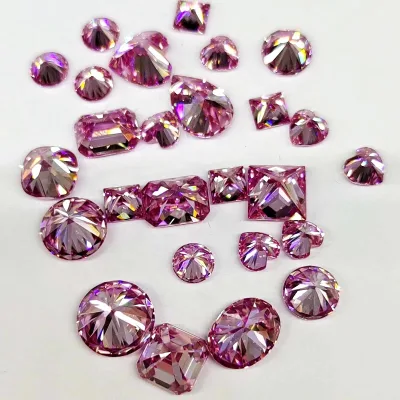
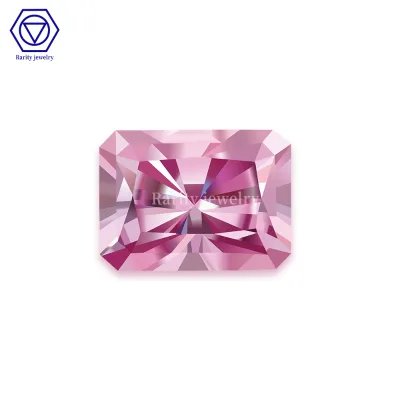
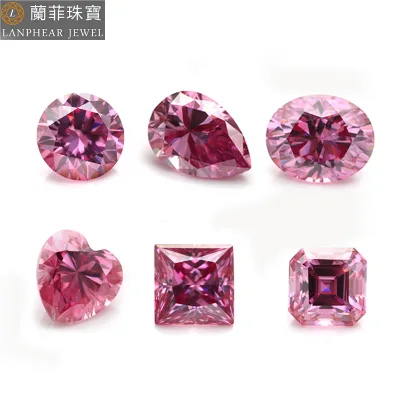
Pink Color Moissanite Gemstone with Gra Report Round Shape Moissanite Diamond
$9.00 - $11.00
MOQ: 1 Carat

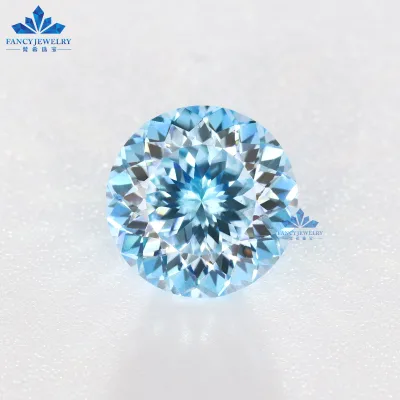
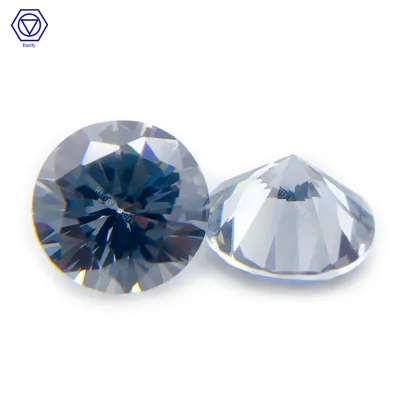
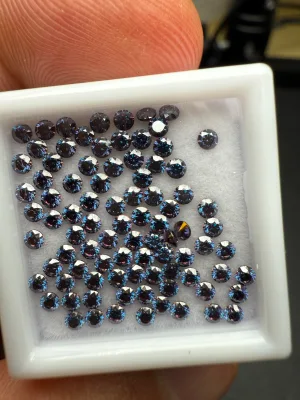
Ocean Blue Color Moissanite Loose Gemstone with Gra Certificate Round Shape
$9.00 - $11.00
MOQ: 1 Carat

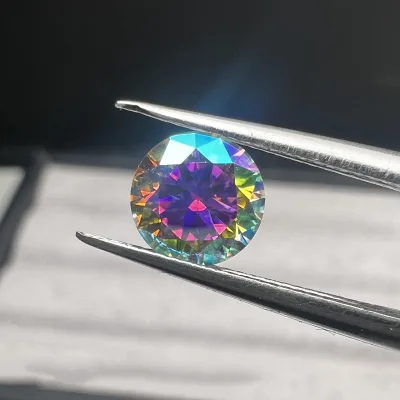
High Quality Colored Moissanite Round Brilliant Cut Loose Stones with Gra Certificate
$4.00 - $9.00
MOQ: 1 carat


Guangxi Rarity New Material Co., Ltd.
- Verified by SGS Group
- Manufacturer, Trading Company
- Lead time5 days
- Avg. response≤ 2h
Main productsCubic Zirconia, Moissinate, Jewelry, Corundum, Sapphire
Main marketsEastern Asia(25%), South America(20%), North America(15%)

Guangxi Wuzhou Starsgem Co., Limited
- Manufacturer/Factory
- China Guangxi
- Lead time15 days
- Avg. response≤ 20h
Main productsCubic Zirconia, Star Cut, Synthetic Gemstone, Synthetic Ruby, Synthetic Sapphire, Glass Bead, CZ, Zircon, Semi-Precious Stone, Gemstone
Main marketsSouth America,Eastern Europe,Mid East,North America,Southeast Asia,Eastern Asia,Oceania,Western Europe,Africa

Wuzhou Provence Jewelry Co., Ltd.
- Verified by CTI
- Combined
- China Guangxi
- Lead time23 days
- Avg. response≤ 9h
Main productsMoissanite, Moissanite Jewelry, Cubic Zirconia, Lab Grown Diamond, Gold Jewelry
Main marketsSoutheast Asia/ Mideast,Europe,North America


New Product Maple Cut Vvs Moissanite Diamond Round Cut Gra Certified Moissanite Loose Gemstone
$1.60 - $3.60
MOQ: 1 piece

Gra Round Brilliant Cut Color Moissanite Diamond Stone 3mm-12mm 1CT-10CT Vvs Loose Moissanite
$25.00 - $26.00
MOQ: 1 carat


Wuzhou Goldleaf Jewelry Co., Ltd.
- Verified by Intertek
- Manufacturer, Trading Company
- Lead time2 days
- Avg. response≤ 2h
Main productsGold Jewelry, Lab Grown Diamond, Silver Moissanite Diamond Jewelry, Lab Grown Diamond Jewelry, Moissanite
Main marketsNorth America(33%), Western Europe(24%), Mid East(22%)
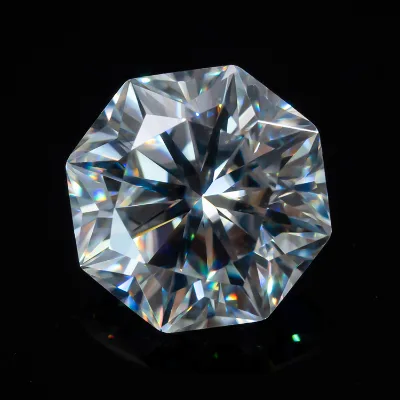
$41.1546 - $46.2987
MOQ: 1 Minimum
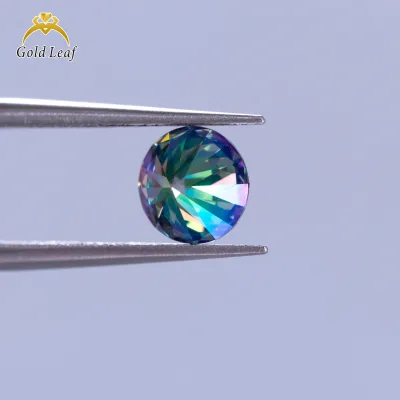
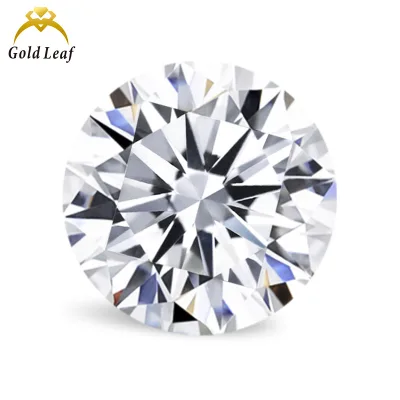
$10.2898 - $138.8946
MOQ: 10 Minimum
Wuzhou Lifeng Jewelry Co., Ltd.
- Verified by SGS Group
- Manufacturer, Trading Company
- Lead time3 days
- Avg. response≤ 3h
Main productsMoissanite, Cuban Chain, Tennis Chain, Lab-grown Diamond, Moissanite Pendant
Main marketsNorth America(81%), Domestic Market(8%), Southeast Asia(2%)
Shanghai Goldstones Jewelry Co.,Ltd.
- Manufacturer, Trading Company
- Shanghai, China
- Lead time7 days
- Avg. response≤ 4h
Main productsCVD/HPHT Diamonds,Moissanite Stones,K Gold Jewelry,S925 Jewelry,Semi-Precious Stones
Main marketsNorth America(32.00%), Domestic Market(23.00%), South America(9.00%), Eastern Europe(8.00%), Mid East(7.00%), South Asia(5.00%), Southern Europe(4.00%), Western Europe(3.00%), Southeast Asia(2.00%), Northern Europe(2.00%), Central America(2.00%), Oceania(1.00%), Eastern Asia(0.50%), Africa(0.20%)
Wuzhou Changzhou Fengzuan Jewelry Shop
- Verified by SGS Group
- Manufacturer, Trading Company
- Lead time2 days
- Avg. response≤ 2h
Main productsNatural Freshwater Pearl, Lab Grown Diamond, Cubic Zirconia, Synthetic Moissanite, Fine Jewelry
Main marketsNorth America(25%), Southeast Asia(12%), South America(10%)
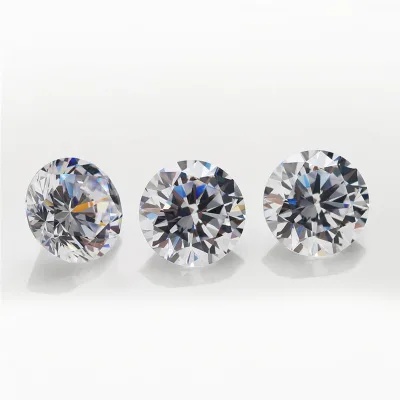
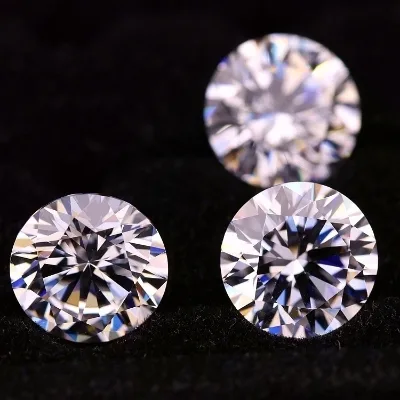
$0.9857 - $32.8332
MOQ: 5 Minimum
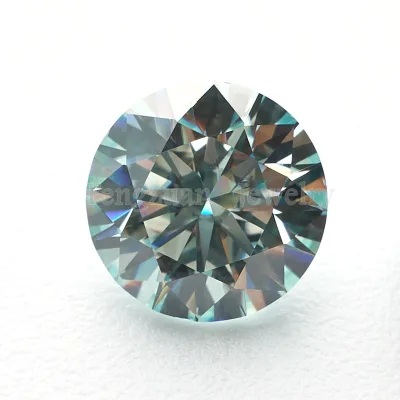
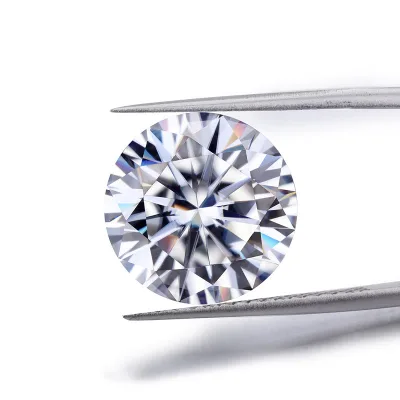
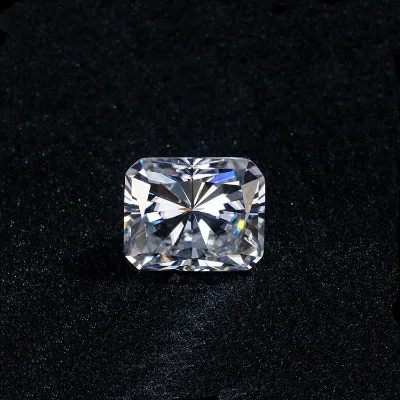
Yunge (shenzhen) Communications Tech Co., Ltd.
- Manufacturer, Trading Company
- Guangdong, China
- Lead time15 days
- Avg. response≤ 1h
Main productsWireless Carplay Adapter,Android Box,Carplay AI Box,Wireless CarPlay Adaptor,CarPlay Module
Main marketsNorth America(30.00%), Eastern Asia(20.00%), Western Europe(15.00%), Southeast Asia(10.00%), Mid East(5.00%), South America(5.00%)
Wuzhou Fancy Jewelry Co., Ltd.
- Verified by TüVRheinland
- Manufacturer, Trading Company
- Lead time5 days
- Avg. response≤ 2h
Main productsMoissanite Diamond, Cubic Zirconia, Hip Hop Jewelry, Solid Gold Jewelry, Lab Grown Diamond
Main marketsNorth America(30%), Southeast Asia(15%), Mid East(15%)
$9.8224 - $75.4692
MOQ: 1 Minimum

- Verified by TUVRHEINLAND
- Trading Company,Manufacturer/Factory
- China Guangxi
- Lead time15 days
- Avg. response≤ 4h
Main productsMoissanite, Lab Created Emerald, Cubic Zirconia, Moissanite Jewelry, Lab Grown Ruby, Lab Grown Sapphire, Four Leaf Clover Stone, Ruby Stone, Corundum
Main marketsSouth America,Eastern Europe,Mid East,North America,Southeast Asia,Eastern Asia,Oceania,Western Europe,Africa


Wholesale Price Moissanite Excellent Heart Cut Vvs D Color Loose Moissanite Gemstone
$1.80 - $120.00
MOQ: 1 Pieces

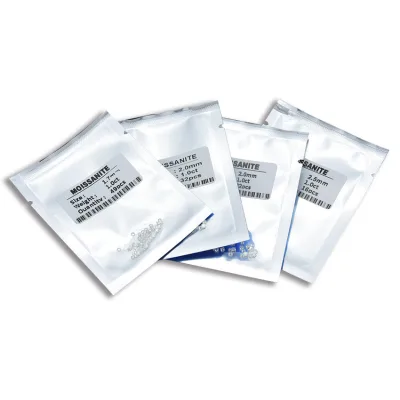
Small Size 1.5mm 2mm Round Brilliant Cut Moissanite Diamond Loose Moissanite Diamonds 1CT
$7.00 - $8.00
MOQ: 2 carat
Guangxi Wuzhou Goldstones Jewelry Co.,Ltd.
- Manufacturer, Trading Company
- Guangxi, China
- Lead time10 days
- Avg. response≤ 5h
Main productsLab Grown Diamonds/Moissanite/Lab Grown Gemstones/ Semi Precious Stones/K Gold Silver Brass Jewelry
Main marketsNorth America(40.00%), South America(10.00%), Northern Europe(10.00%), Eastern Europe(10.00%), Mid East(10.00%), Southeast Asia(10.00%), Africa(2.00%), Domestic Market(2.00%), South Asia(1.00%), Eastern Asia(1.00%), Oceania(1.00%), Western Europe(1.00%), Southern Europe(1.00%), Central America(1.00%)
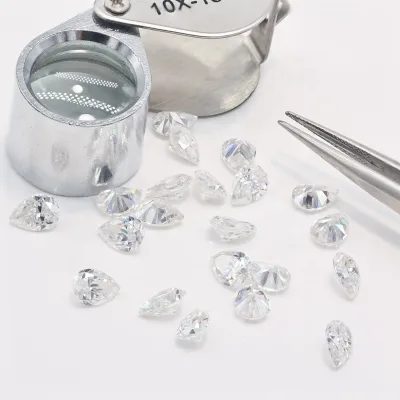
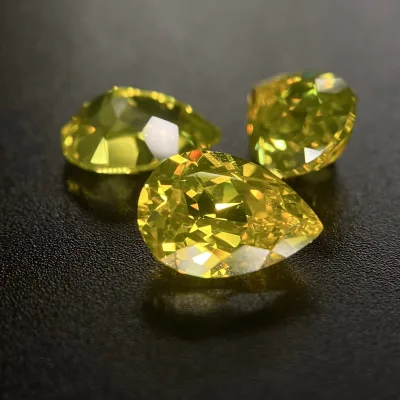
Manufacturer Moissanite Hot Sale GRA 5*8MM 1ct Pear Moissanite 5x8mm Pear Moissanite Stones
$7.1829 - $10.2613
MOQ: 1 carats
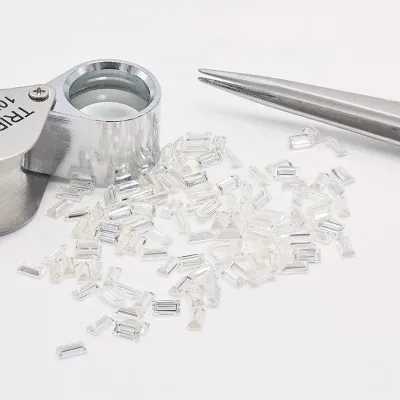
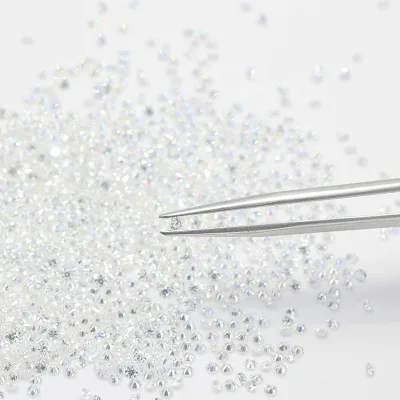
High Quality Gra Moissanite Stone Round Melee Stones White Round Melee Loose Moissanite
$5.71 - $8.00
MOQ: 1 carats
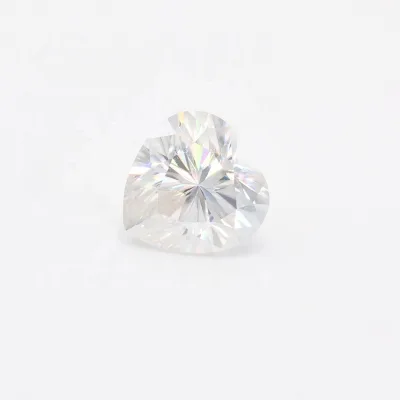
Goldstones High Quality Lab Diamond 0.05-5ct Heart Moissanites Loose Moissanite for Jewelry Setting
$9.00 - $45.00
MOQ: 2 Minimum
Astwo Environmental Protection Material Technology (Yancheng) Co., Ltd.
- Verified by SGS Group
- Manufacturer, Trading Company
- Lead time0 days
- Avg. response≤ 3h
Main productsLab Grown Diamond Jewelry, Loose Lab Grown Diamond, Moissanite Jewelry, Gemstone Jewelry, Loose Gemstone
Main marketsNorth America(25%), Domestic Market(25%), Western Europe(10%)
Wuzhou Luster Jewelry Co., Ltd.
- Verified by Intertek
- Manufacturer, Trading Company
- Lead time1 days
- Avg. response≤ 2h
Main productsSilver Product, Lab Grown Gemstones, Lab Grown Diamonds, Gold Product, Synthetic Gemstones
Main marketsDomestic Market(40%), North America(20%), South America(10%)
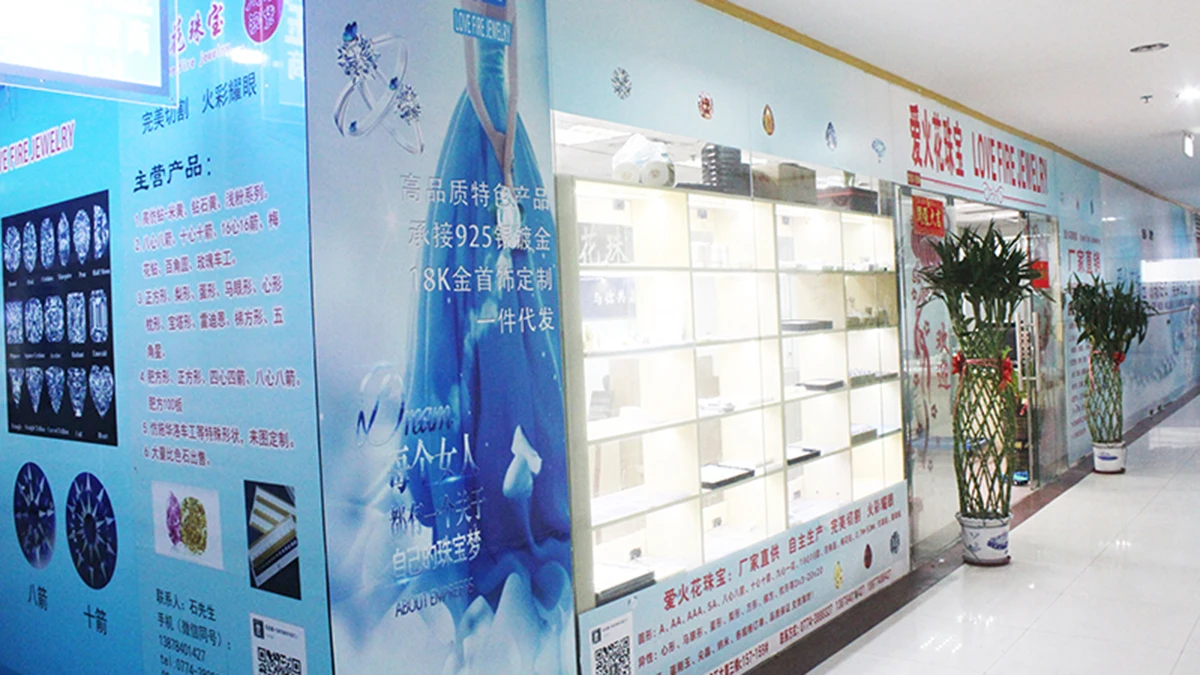
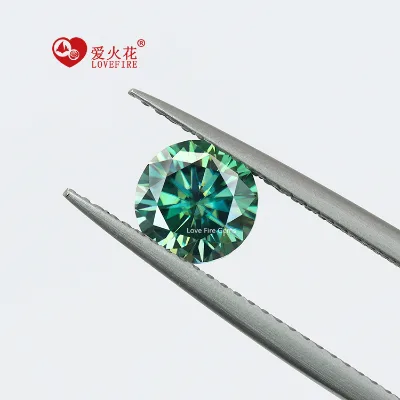
Wuzhou Love Fire Gems Co., Ltd.
- Manufacturer, Trading Company
- Guangxi, China
- Lead time5 days
- Avg. response≤ 4h
Main productsCubic Zirconia, Moissanites, Lab Grown Ruby, Fine Jewelry, Synthetic Corundum & Spinel
Main marketsDomestic Market(65.00%), Southeast Asia(13.00%), North America(12.00%), Western Europe(5.00%), Mid East(5.00%)
Richain (Shenzhen) Business Development Co., Ltd.
- Manufacturer
- Guangdong, China
- Lead time0 days
- Avg. response≤ 3h
Main productsmoissanite earrings,moissanite loose gemstone,Moissanite ring,Moissanite necklace,Moissanite bracelet
Main marketsMid East(25.00%), North America(15.00%), Northern Europe(10.00%), Western Europe(10.00%), Eastern Europe(10.00%), South Asia(5.00%), Southeast Asia(5.00%), South America(3.00%), Africa(3.00%), Central America(3.00%), Domestic Market(3.00%), Oceania(3.00%), Eastern Asia(3.00%), Southern Europe(2.00%)
Guangxi Wuzhou Lanphear Jewelry Co., Ltd.
- Manufacturer, Trading Company
- Guangxi, China
- Lead time15 days
- Avg. response≤ 3h
Main productsLab diamond,Moissanite,Jewelry,Genuine gems,Synthetic gems
Main marketsNorth America(30.00%), South America(20.00%), Western Europe(10.00%), Northern Europe(10.00%), Mid East(10.00%), Southeast Asia(10.00%), South Asia(5.00%), Central America(5.00%)

- Trading Company,Manufacturer/Factory
- China Guangdong
- Lead time23 days
- Avg. response≤ 8h
Main productsGemstone, Jewelry, Gemstone Jewelry, Loose Gemstone Beads, Jewelry Rings, Jewelry Set, Jewellery Earrings, Pendant, Created Emerald, Cubic Zirconia
Main marketsSouth America,Eastern Europe,North America,Western Europe


Factory Loose Moissanite Diamond Stones Round Brilliant Cut 1CT White Moissanite
$6.00 - $10.00
MOQ: 10 ct


Shanghai Madonna Jewelry Co., Ltd.
- Verified by Intertek
- Trading Company
- Lead time5 days
- Avg. response≤ 3h
Main productsRing, Diamond, Diamond Ring, Diamond Necklace, Cuban Link Chain
Main marketsNorth America(40%), Eastern Europe(20%), Western Europe(20%)


Comprehensive Sourcing Guide
GRA Certified 3ct Moissanite Gemstone Supplier Concentration and Factory Types
The sourcing landscape for high-value loose gemstones reveals a distinct concentration of manufacturing capabilities within specific industrial hubs, with Guangxi, China, emerging as a primary center for this trade. Suppliers operating in this region often leverage local access to raw materials and established processing infrastructure to offer competitive pricing on synthetic stones. The company types available to buyers typically fall into two main categories: pure manufacturers and combined entities that blend manufacturing with trading functions. Pure manufacturers generally provide deeper control over the cutting and polishing processes, which is critical for achieving the precise brilliance required in a three-carat stone. In contrast, combined suppliers may offer a broader inventory of finished jewelry components alongside loose stones, providing convenience for buyers who need integrated supply chain solutions. Understanding this distinction is vital because it directly impacts the flexibility of customization options and the transparency of the production timeline. Buyers seeking direct factory pricing should prioritize entities that explicitly list manufacturing as their core competency, while those needing rapid access to diverse stock might find trading companies more suitable for their immediate needs.
Within this ecosystem, the product range often extends beyond simple loose stones to include finished jewelry pieces such as necklaces, bracelets, and rings, indicating a mature supply chain capable of handling complex orders. Many suppliers in this cluster specialize in moissanite, cubic zirconia, and other lab-grown alternatives, allowing them to cross-utilize machinery and expertise. This specialization often results in higher quality control standards for the specific gemstone types they handle daily. The presence of verified certifications from third-party inspection groups like SGS Group or TÜV Rheinland adds a layer of credibility to these operations, suggesting that their internal processes meet international quality benchmarks. However, the specific certification for the gemstone itself, such as GRA or IGI, is a separate matter that requires individual verification for each lot. Buyers should recognize that while the factory type influences the base cost and production capacity, the actual quality of a three-carat stone depends heavily on the specific cutting grade and clarity achieved during the manufacturing process. Therefore, assessing the supplier’s primary product focus helps in determining whether they are the right partner for large-scale bulk orders or specialized custom requests.
How to Verify GRA Certified 3ct Moissanite Gemstone Suppliers
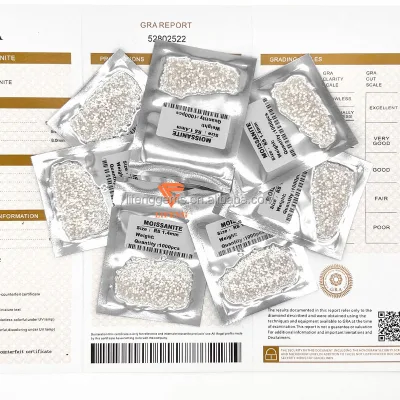
Verifying the authenticity of a GRA certificate for a three-carot moissanite stone is the most critical step in the sourcing process, as the certificate serves as the primary proof of quality and value. Buyers must ensure that the certificate number listed on the document matches the unique identification code often laser-inscribed on the girdle of the stone. This cross-referencing prevents the substitution of lower-quality stones for higher-graded ones after the order is placed. Additionally, it is essential to confirm that the supplier is authorized to issue or distribute certificates from recognized gemological laboratories. While some suppliers may display verification badges from inspection agencies like SGS Group or TÜV Rheinland, these badges typically verify the company’s business legitimacy or factory conditions rather than the specific gemological properties of the stones. Therefore, buyers should not conflate company verification with product certification. The GRA report itself should detail the stone’s color grade, clarity, cut proportions, and carat weight with precision. Any discrepancy between the physical stone’s appearance and the certificate’s description should trigger an immediate request for re-inspection or replacement.
Beyond the certificate, buyers should scrutinize the supplier’s response time and communication efficiency, as these metrics often reflect their operational maturity. A response time of under four hours, as observed in some verified listings, indicates a team that is actively engaged and capable of handling urgent inquiries or custom requests. This responsiveness is particularly important when dealing with high-value items like three-carat stones, where any delay in communication can impact the overall project timeline. Furthermore, buyers should request high-resolution images or videos of the actual stone, not just stock photos, to assess the fire and brilliance firsthand. The ability of the supplier to provide detailed product attributes, such as hardness, refraction index, and specific cut styles, demonstrates their technical knowledge and transparency. If a supplier is unwilling to provide such detailed information or hesitates to share the certificate for review, it may be a red flag regarding their reliability. Establishing a clear channel for verification before placing a large order ensures that the buyer has the necessary evidence to resolve any potential disputes regarding the quality of the delivered goods.
What to Compare Across GRA Certified 3ct Moissanite Gemstone Suppliers
When evaluating multiple suppliers for three-carat moissanite gemstones, comparing lead times is a crucial factor that influences inventory planning and customer delivery promises. Some suppliers offer a lead time of five days, which is suitable for urgent restocking or small batch orders, while others may require fifteen days or more for larger production runs. This variance often correlates with the supplier’s capacity and whether they keep finished stock or produce to order. Buyers should also closely examine the minimum order quantity, as some suppliers allow orders as low as one piece, facilitating easy sampling and quality testing, while others may require a minimum of fifty carats or specific piece counts. This distinction is vital for buyers who are testing the market with new designs or those who need bulk quantities for established jewelry lines. Additionally, comparing the price ranges across different suppliers provides insight into the market value for specific quality grades. Prices can vary significantly based on the clarity, color, and cut quality, so buyers should ensure they are comparing stones with similar specifications to get an accurate cost assessment.
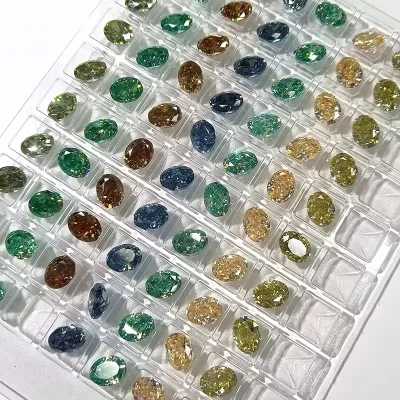
Another key dimension for comparison is the customization capability and the range of main products offered by each supplier. Suppliers that explicitly state customization is available can accommodate specific requests for shape, size, or setting preferences, which is essential for unique jewelry designs. The availability of various colors, such as pink, ocean blue, or grey, allows buyers to diversify their product offerings without needing multiple suppliers. Furthermore, the shipping methods and associated costs should be compared, as options like FedEx, DHL, and UPS vary in speed and reliability. Some suppliers may include the cost of the GRA certificate in the price, while others charge separately, which can affect the total landed cost. Buyers should also look at the payment terms, such as the acceptance of Trade Assurance or other secure payment methods, to mitigate financial risk. By systematically comparing these operational and commercial details, buyers can identify the supplier that best aligns with their specific business needs, whether that be speed, cost-efficiency, or customization flexibility. This holistic comparison ensures that the chosen partner can consistently deliver the required quality and service levels.
Common GRA Certified 3ct Moissanite Gemstone Sourcing Risks
One of the primary risks in sourcing three-carat moissanite gemstones is the potential for misrepresentation of quality attributes, particularly regarding clarity and color. While a GRA certificate provides a standardized assessment, there is always a risk that the physical stone received may not perfectly match the description on the paper, especially if the certificate is not linked to a specific inscribed stone. Buyers must be vigilant about this discrepancy and insist on verifying the stone’s identity upon receipt. Another significant risk is the variability in cut quality, which directly impacts the stone’s brilliance and fire. A stone with a poor cut may appear dull despite having a high clarity grade, leading to customer dissatisfaction. Suppliers may sometimes use vague terms like "very good cut" without providing detailed proportions, making it difficult for buyers to assess the true optical performance. This lack of transparency can result in receiving stones that do not meet the aesthetic expectations required for high-end jewelry pieces. Therefore, relying solely on the certificate without independent visual inspection or third-party verification can expose buyers to quality inconsistencies.
Logistical and financial risks also play a substantial role in the sourcing process, particularly when dealing with international suppliers. Delays in shipping can disrupt supply chains, especially if the supplier does not adhere to the promised lead time. Some suppliers may quote a short lead time but fail to meet it due to production bottlenecks or inventory shortages. Additionally, the cost of shipping and insurance for high-value items like three-carat stones can be significant, and buyers must ensure that these costs are clearly defined in the contract. There is also the risk of payment fraud if buyers do not use secure payment platforms that offer buyer protection. Without escrow services or trade assurance, buyers may lose their funds if the supplier fails to deliver or delivers substandard goods. Furthermore, the lack of standardized packaging can lead to damage during transit, resulting in additional costs and delays. To mitigate these risks, buyers should establish clear communication channels, verify the supplier’s track record, and use secure payment methods that provide recourse in case of non-delivery or quality issues.
GRA Certified 3ct Moissanite Gemstone Regional Sourcing and Logistics
Sourcing from regions like Guangxi, China, offers distinct advantages in terms of proximity to manufacturing clusters and established logistics networks. Suppliers in this area often benefit from a mature ecosystem of gemstone processing, which can lead to more efficient production cycles and competitive pricing. The concentration of factories in this region facilitates easier communication and collaboration, as many suppliers operate within the same industrial zones. This proximity can also reduce the time required for sampling and quality control visits, allowing buyers to build stronger relationships with their suppliers. However, buyers must still navigate the complexities of international shipping, as the final destination of the goods will determine the logistics strategy. The availability of multiple shipping options, including air freight via DHL, UPS, and FedEx, ensures that buyers can choose a method that balances speed and cost. For urgent orders, express shipping is often necessary, while bulk shipments may benefit from more economical sea freight options, although the latter is less common for high-value loose stones due to security concerns.
The logistics process also involves careful consideration of customs regulations and import duties in the buyer’s country. Different regions have varying requirements for the import of gemstones and jewelry components, and buyers must ensure that all necessary documentation, including the GRA certificate and commercial invoice, is accurate and complete. Failure to provide correct documentation can lead to delays at customs or even the seizure of goods. Additionally, buyers should consider the environmental and ethical implications of their sourcing decisions, although moissanite is a lab-grown stone and generally has a lower environmental impact than mined diamonds. Nevertheless, ensuring that the supplier adheres to responsible business practices is important for maintaining brand integrity. The choice of logistics partner can also impact the security of the shipment, so buyers should opt for carriers that offer tracking and insurance services. By understanding the regional advantages and logistical challenges, buyers can optimize their supply chain to ensure timely and secure delivery of their three-carat moissanite gemstones.
GRA Certified 3ct Moissanite Gemstone Commercial Terms and Order Planning
Effective order planning for three-carat moissanite gemstones requires a clear understanding of the commercial terms offered by suppliers, including pricing structures and payment conditions. Prices can vary widely based on the quality grade, with some suppliers offering competitive rates for standard clarity and color, while others charge a premium for exceptional quality. Buyers should request detailed quotes that break down the cost of the stone, the certificate, and any additional services such as custom cutting or packaging. Payment terms are another critical aspect, with many suppliers accepting secure methods like Trade Assurance, which provides protection for both parties. Some suppliers may require a deposit before production begins, while others may offer net terms for established customers. Understanding these terms helps buyers manage their cash flow and mitigate financial risk. Additionally, buyers should clarify the policy for returns or exchanges in case the received goods do not meet the agreed-upon specifications. This clarity ensures that there are no surprises during the transaction and that both parties are aligned on the expectations.
Customization services are often a key component of the commercial offering, allowing buyers to tailor the gemstones
FAQs
What does a GRA certificate confirm on a 3ct moissanite gemstone?
A GRA certificate is a third-party appraisal document that records attributes such as carat weight, shape, color grade, and clarity for the specific stone. On a 3ct moissanite it typically confirms the listed specifications like round brilliant cutting and VVS-level clarity. Buyers should verify that the certificate number matches the stone and ask whether per-stone report fees apply.
What sizes and cuts are available for gra certified 3ct moissanite gemstones?
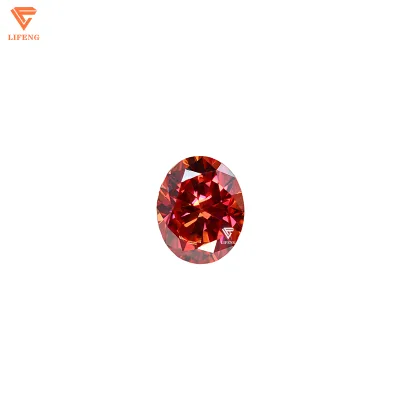
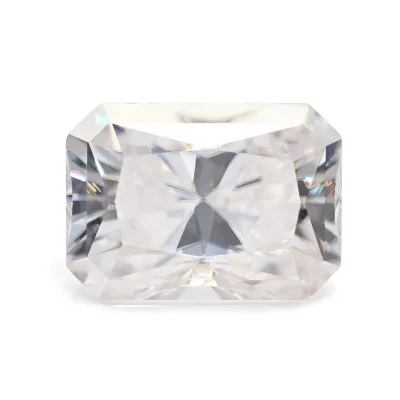
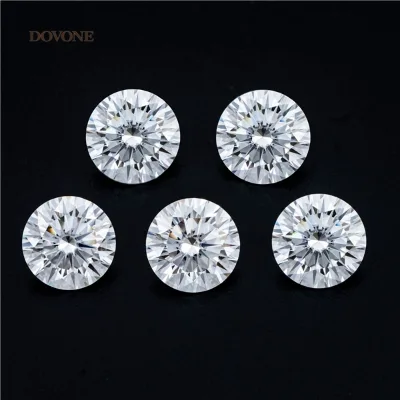
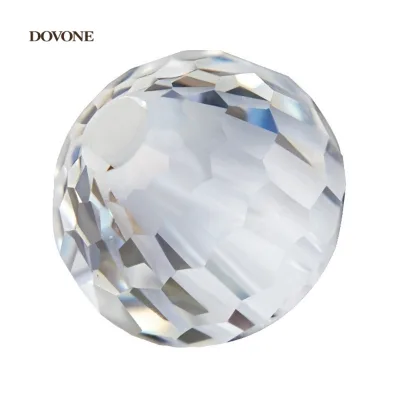
Listed moissanite products cover round stones in ranges from 3mm to 15mm, so a 3ct (roughly 9mm round) size falls within standard production. Cuts include round brilliant and plum blossom styles, with some suppliers also offering pear shapes. Confirm the exact millimeter size and cut diagram before ordering, since cutting quality affects fire and brilliance.
What clarity and color grades can I expect on certified moissanite?
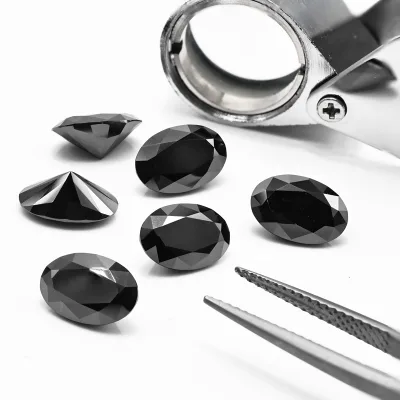
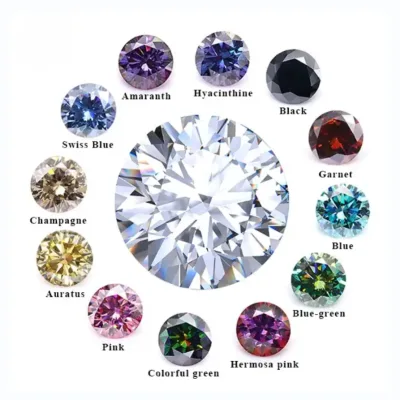
Supplier listings commonly state VVS1 to FL clarity and DEF color grades for white moissanite, with colored options in pink, ocean blue, green, gray, and other hues. Hardness is listed at Mohs 9.25 with a refraction index of 2.65-2.69. Request the GRA certificate copy for each lot so the documented grades match the stones you receive.
What is the typical MOQ for loose certified moissanite stones?
Minimum order quantities vary widely by listing: some stones can be ordered as a single piece, others from two pieces, and certain colored moissanite lots start at 50 carats. Unit prices in current listings range roughly from under one dollar to over one hundred dollars depending on size and grade. Always confirm MOQ and pricing for your exact specification before ordering.
How fast can suppliers ship gra certified moissanite orders?
Listed lead times range from about 5 to 15 days, with some suppliers quoting delivery within 5-7 working days after production. Shipping is typically by international couriers such as DHL, UPS, FedEx, TNT, or EMS, with ocean freight available for bulk volume. Ask the supplier to confirm current lead time for your quantity before confirming the order.
Which certifications and verifications should I check before ordering?
Beyond per-stone GRA reports, check supplier-level credentials: current listings show third-party verifications such as TUVRHEINLAND and SGS Group, and one manufacturer lists IGI system certification. Suppliers are located in Guangxi, China, a major moissanite production hub. Verify that verification badges are current, ask for recent business documents, and use platform escrow or trade assurance payment for protection.
Do suppliers offer customization and sample processing for moissanite orders?
Many listed suppliers state that customization is available, including OEM and ODM services, with capabilities covering sample processing, on-demand customization, and graphic processing. This can cover specific sizes, cuts, and colored moissanite in grades like VVS clarity. Expect per-piece certificate fees of roughly 0.3 to 0.5 dollars on some listings, and confirm customization costs in writing.
How quickly do moissanite suppliers usually respond to inquiries?
Response times in current supplier data range from about 2 to 3.3 hours, so most manufacturers and trading companies reply within a few hours during their working day. Guangxi-based suppliers often combine manufacturing with trading, letting them quote loose stones and finished jewelry quickly. Message several suppliers with identical specifications to compare speed, accuracy, and pricing.