Lab Created Heart Shape Ring Suppliers and Manufacturers
Source 30 verified suppliers for Lab Created Heart Shape Ring options from China. Compare key dimensions including IGI and NGTC certifications, 18K gold settings, and response times under 3 hours. Contact suppliers directly to request quotes and verify production lead times.
Updated
Suppliers List

Henan Huanghe Whirlwind International Co., Ltd.
- Verified by TUVRHEINLAND
- Combined
- China Henan
- Lead time15 days
- Avg. response≤ 3h
Main productsLab Grown Diamond
Main marketsOthers(foreignTradeCapacity.exportBusinessCapacityMarketOther)

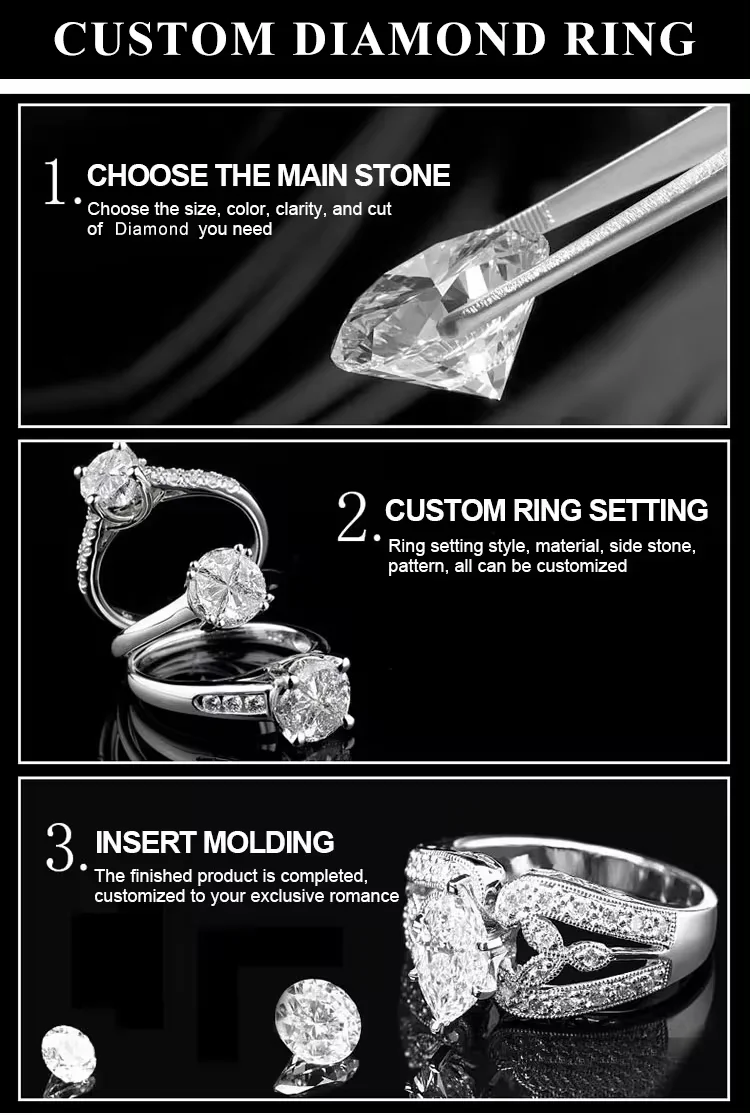
Double Heart Cut Lab Created Ruby Diamond Bow Design Engagement Ring
$1100.00 - $1550.00
MOQ: 1 Pieces

18K White Gold Ring Lab Created Diamond Jewelry Synthetic Diamond Engagement Ring
$580.00 - $1100.00
MOQ: 1 Pieces

18K Gold Designer Lab-Grown Diamond Engagement Ring with Four-Prong Setting
$1350.00 - $1500.00
MOQ: 1 Pieces

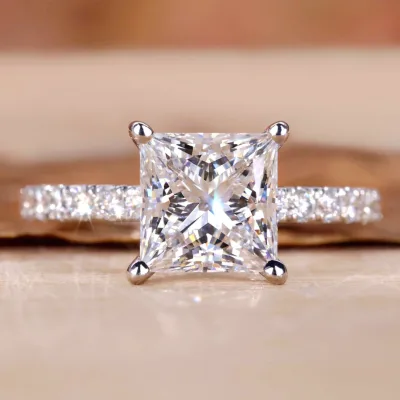
Wholesale Princess Cut Diamond Four-Prong Setting Ring Lab Grown Diamond Ring
$799.00 - $999.00
MOQ: 1 Pieces
Shenzhen Yilisha Jewelry Co., Ltd.
- Manufacturer, Trading Company
- Guangdong, China
- Lead time7 days
- Avg. response≤ 2h
Main productsRing,Lab Diamond,Necklace,Bracelet,Pendant
Main marketsNorth America(50.00%), Western Europe(40.00%), Oceania(10.00%)

Shenzhen Jinshengrun Technology Co., Ltd.
- Manufacturer/Factory
- China Guangdong
- Lead time0 days
- Avg. response≤ 3h
Main productsStainless Steel Bracelets and Necklaces, Tungsten Steel Ring, Tungsten Ring, Smartwatch(Activity Tracker), Smart Ring, Titanium Steel Necklace, Necklace Pendant, Smart Glasses

- Combined
- China Guangdong
- Lead time15 days
- Avg. response≤ 3h
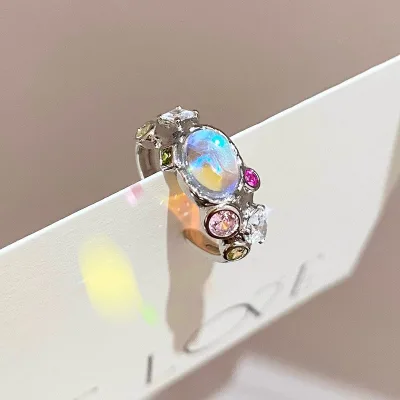
Main productsOpal
Main marketsDomestic,Europe,North America

Top Quality Lab Grown Ruby Wedding 925 Silver Bridal Engagement Classical Heart Shape Jewelry Ring
$18.60 - $21.70
MOQ: 30 pcs


Elegant Lab Diamond Ring 925 Sterling Silver Wedding Jewelry Engagement Ring for Lady
$3.20 - $3.70
MOQ: 30 pcs



Guangzhou Lefeng Jewelry Co., Ltd.
- Manufacturer, Trading Company
- Guangdong, China
- Lead time20 days
- Avg. response≤ 2h
Main productsNecklace/Bracelet/Earring/Anklet/Ring
Main marketsNorth America(45.00%), Western Europe(13.00%), Africa(8.00%), Southern Europe(8.00%), South America(5.00%), Domestic Market(4.00%), Oceania(3.00%), Eastern Europe(3.00%), Northern Europe(3.00%), Southeast Asia(2.00%), South Asia(2.00%), Central America(2.00%), Eastern Asia(1.00%), Mid East(1.00%)
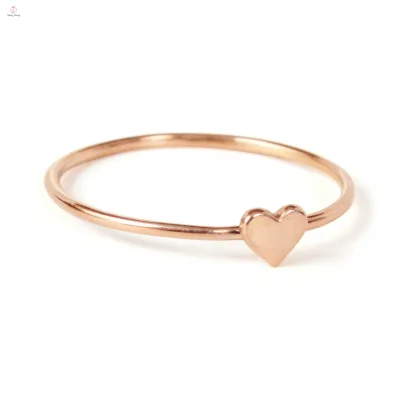
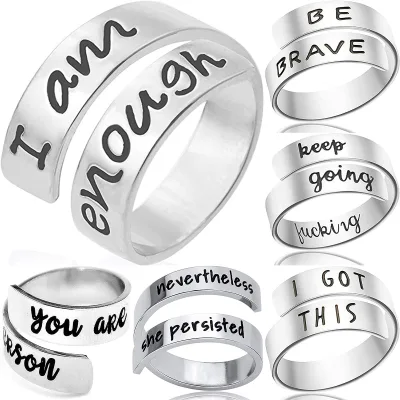
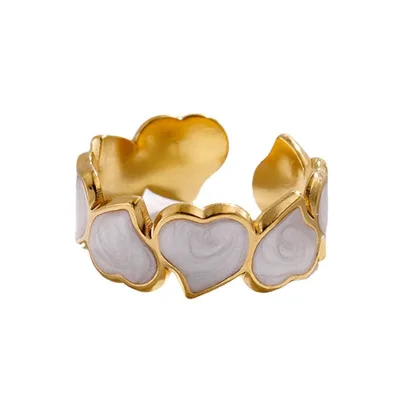
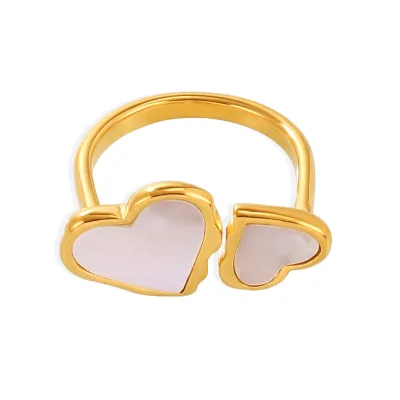
Fashion Ring Jewelry Custom Adjustable Heart Engrave Logo Gold Plated Stainless Steel Band Ring
$0.6666 - $1.7227
MOQ: 50 pieces

Hangzhou Candid I/E Corp. Ltd.
- Verified by SGS
- Trading Company,Manufacturer/Factory
- China Zhejiang
- Lead time60 days
- Avg. response≤ 3h
Main productsNail Making Machine, Wire Drawing Machine, Gabion Machine, Wire Mesh Machine, Galvanizing Production Line, Stationery Machine, Mine Machinery
Main marketsSouth America,Eastern Europe,Mid East,North America,Southeast Asia,Eastern Asia,Oceania,Western Europe


Engagement Ring White Gold Certified by Igi Laboratory-Grown Diamond Ring for Women
$1311.00
MOQ: 1 Pieces

- Verified by BV
- Trading Company,Manufacturer/Factory
- China Guangdong
- Lead time0 days
- Avg. response≤ 9h
Main productsSilver Jewelry, Brass Jewelry, Fashion Jewelry, Semi-Precious
Main marketsSouth America,Eastern Europe,Mid East,Southeast Asia,Eastern Asia,Oceania,Western Europe,Africa

Guangzhou Huifu Jewelry Co., Ltd.
- Verified by BV
- Manufacturer/Factory
- China Guangdong
- Lead time90 days
- Avg. response≤ 4h
Main productsJewelry, Stainless Steel Jewelry, Stainless Steel Ring, Stainless Steel Pendant, Stainless Steel Earring, Fashion Jewelry, Ring, Necklace, Pendant, Bracelet
Main marketsEastern Europe,Mid East,North America,Western Europe,Africa

Guangdong Kalen Jewelry Company Limited
- Verified by SGS
- Combined
- China Guangdong
- Lead time30 days
- Avg. response≤ 5h
Main productsStainless Steel Jewelry, Fashion Accessories, Bracelets, Necklaces, Rings, Earrings, Pendants, Bangles, Jewelry Sets, Cufflinks
Main marketsSouth America,Europe,Australia,North America
Haifeng County Beifei Jewelry Co., Ltd.
- Verified by TüVRheinland
- Manufacturer, Trading Company
- Lead time15 days
- Avg. response≤ 3h
Main productsNecklace, Earring, Bracelet, Ring
Main marketsNorth America(60%), Oceania(20%), Western Europe(20%)
- Verified by Intertek
- Trading Company
- Lead time4 days
- Avg. response≤ 2h
Main productsFashion Jewelry, Fine Jewelry, Necklace, Earring, Ring
Main marketsNorth America(40%), South America(5%), Eastern Europe(5%)

Qingdao Gemopia Jewelry Co., Ltd.
- Combined
- China Shandong
- Lead time30 days
- Avg. response≤ 5h
Main productsGold Jewelry, Silver Ring
Main marketsSouth America,Africa,Southeast Asia/ Mideast,East Asia(Japan/ South Korea),Domestic,Europe,Australia,North America


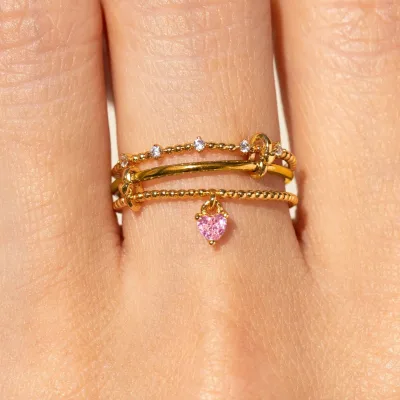
Lovely Design 925 Silver Gold Plaited Heart Shape Zirconia Engagement Ring
$10.00 - $20.00
MOQ: 5 Pieces


Shenzhen Dunshang Technology Co., Ltd.
- Manufacturer, Trading Company, Distributor/Wholesaler
- Guangdong, China
- Lead time7 days
- Avg. response≤ 4h
Main productsJewelry,Necklace,Bracelet,Earrings,Ring
Main marketsNorth America(40.00%), South Asia(5.00%), Southern Europe(5.00%), Northern Europe(5.00%), Central America(5.00%), Western Europe(5.00%), Eastern Asia(5.00%), Mid East(5.00%), Oceania(5.00%), Africa(5.00%), Southeast Asia(5.00%), Eastern Europe(5.00%), South America(5.00%)

Guangzhou IO Jewelry Co., Ltd.
- Combined
- China Guangdong
- Lead time30 days
- Avg. response≤ 6h
Main productsJewelry, Fashion Jewelry, Stainless Steel Jewelry, Custom Jewelry, Stainless Steel Beads, Stainless Steel Charms, Stainless Steel Rings, Stainless Steel Pendants, Beads, Charms
Main marketsSouth America,Domestic,Europe,Australia,North America


316L Stainless Steel Fashion Jewelry Heart Design Wedding Engagement Ring
$2.00 - $5.00
MOQ: 100 Pieces

Guangzhou Charmingbeads Jewelry Co., Ltd.
- Manufacturer, Trading Company
- Guangdong, China
- Lead time8 days
- Avg. response≤ 7h
Main productsJewelry Accessory
Main marketsNorth America(45.00%), South America(8.00%), Western Europe(8.00%), Central America(7.00%), Northern Europe(7.00%), South Asia(5.00%), Oceania(5.00%), Eastern Europe(5.00%), Mid East(3.00%), Southeast Asia(3.00%), Eastern Asia(2.00%), Africa(2.00%)
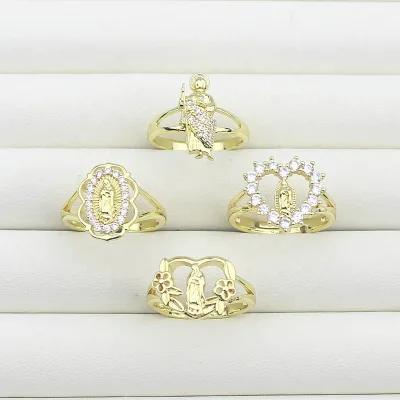
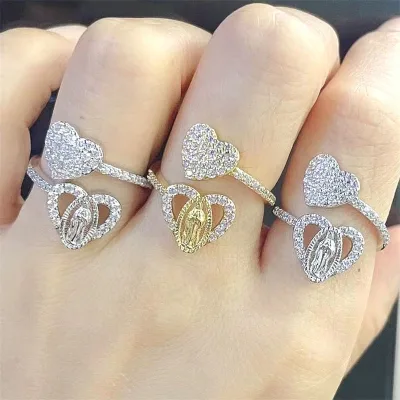
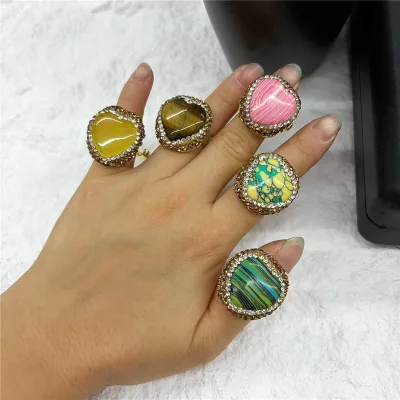
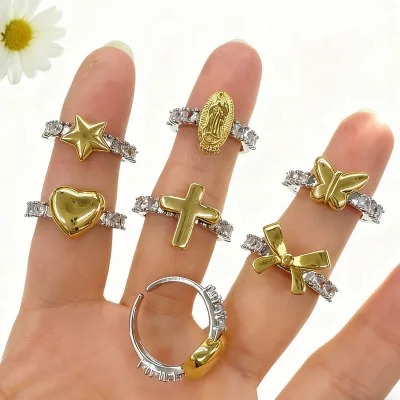
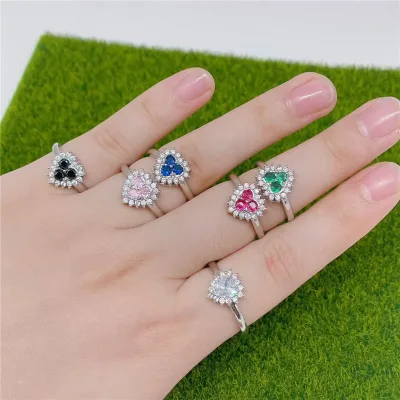
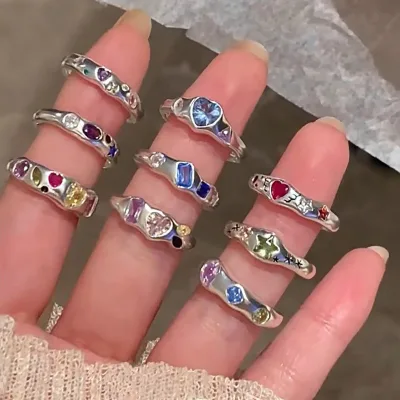
CH-CKR0190 Color cz heart rings,Adjustable cz ring jewelry,Plated cz ring wholesale
$1.2613 - $2.1017
MOQ: 30 pieces

Huainan Lanjin Trading Co., Ltd.
- Trading Company
- Anhui, China
- Lead time15 days
- Avg. response≤ 3h
Main productsnecklace,earrings,rings,body jewelry,Hair accessories
Main marketsWestern Europe(30.00%), North America(30.00%), Eastern Asia(20.00%), South Asia(10.00%), Africa(5.00%), Oceania(5.00%)
Hefei Xilanrui Trading Co., Ltd.
- Trading Company
- Anhui, China
- Lead time15 days
- Avg. response≤ 4h
Main productsnecklace,earring,ring,bracelet,Piercing Jewelry
Main marketsNorth America(40.00%), Western Europe(30.00%), Eastern Europe(20.00%), Southeast Asia(10.00%)

Jinjiang Jiaxing Supply Management Co., Ltd.
- Verified by TUVRHEINLAND
- Trading Company
- China Fujian
- Lead time30 days
- Avg. response≤ 2h
Main productsEVA Clogs, Flip Flop, Shoe Charms, Shopping Bags, Wristbands, Gifts, Promotional Gifts, Slipper, Sport Cap, Ball
Main marketsNorth America

Longyuan (Guangzhou) Industrial Development Co., Ltd.
- Verified by TUVRHEINLAND
- Manufacturer/Factory
- China Guangdong
- Lead time23 days
- Avg. response≤ 6h
Main productsJewelry, Fashion Watch, Hair Accessories, Men Jewelry, Women Jewelry, Pendants, Brooches, Bracelets, Crowns, Necklaces
Main marketsSouth America,Eastern Europe,Mid East,North America,Western Europe

- Verified by CTI
- Trading Company
- China Zhejiang
- Lead time15 days
- Avg. response≤ 6h
Main productsJewelry, Brooch, Belt, Necklace, Agent, Bracelet, China Trim, China Ring, China Hair Accessory, China Earring
Main marketsSouth America
Shenzhen Es Jewelry And Gift Co., Ltd.
- Verified by TüVRheinland
- Trading Company
- Lead time20 days
- Avg. response≤ 6h
Main productsRings, Bracelets, Necklace, Pendants, Earrings
Main marketsNorth America(30%), Eastern Europe(20%), Northern Europe(20%)
- Verified by TüVRheinland
- Manufacturer, Trading Company
- Zhejiang, China
- Lead time5 days
- Avg. response≤ 2h
Main productsFashion Jewelry
Main marketsNorth America(50%), Domestic Market(30%), South America(10%)

- Verified by SGS
- Combined
- China Guangdong
- Lead time30 days
- Avg. response≤ 18h
Main productsJewellery
Main marketsSoutheast Asia/ Mideast,Europe
- Verified by SGS Group
- Manufacturer, Trading Company
- Lead time7 days
- Avg. response≤ 2h
Main productsEarrings, Necklaces, Bracelets, Hair Accessories, Brooches
Main marketsNorth America(40%), Western Europe(20%), Oceania(10%)

Guangzhou Panyu Longlong Jewelry Factory
- Verified by CTI
- Combined
- China Guangdong
- Lead time15 days
- Avg. response≤ 7h
Main productsPendants Necklaces Earrings Rings Bracelets
Main marketsAfrica,Southeast Asia/ Mideast,Domestic,Europe,North America


Gold Vermeil Anti-Tarnish Heart Ring with CZ Wholesale Jewelry Factory Valentine's Gift
$7.25 - $7.85
MOQ: 30 pc

Heart Shape Fashion Ring with CZ/ Moissanite OEM 925 Jewelry Factory Gift for Lady
$5.55 - $5.78
MOQ: 30 Pieces
Qingdao Dadongsheng Jewelry Co., Ltd.
- Verified by SGS Group
- Manufacturer, Trading Company
- Lead time30 days
- Avg. response≤ 5h
Main productsJewelry
Main marketsNorth America(64%), Western Europe(20%), Southeast Asia(6%)

Guangzhou Angel jewellery co.,ltd
- Combined
- China Guangdong
- Lead time30 days
- Avg. response≤ 6h
Main products925 Silverjewellery, K Gold Jewellery, Brass Jewellery
Main marketsEurope

Fashion S925 Sterling Silver High Quality Gold Plated Elegant Heart Design Ring
$7.30 - $7.80
MOQ: 30 piece

- Manufacturer, Trading Company
- Guangdong, China
- Lead time25 days
- Avg. response≤ 2h
Main productsSterling SIlver Ring,Sterling Silver Necklace,Sterling Silver Earring,Sterling Silver Bracelet,Sterling Silver Jewelry
Main marketsWestern Europe(25.00%), North America(20.00%), Eastern Europe(10.00%), Southern Europe(10.00%), Domestic Market(10.00%), Southeast Asia(5.00%), Oceania(5.00%), Mid East(5.00%), Central America(4.00%), South America(3.00%), Northern Europe(3.00%)
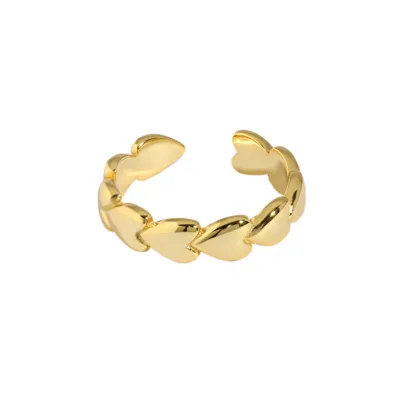
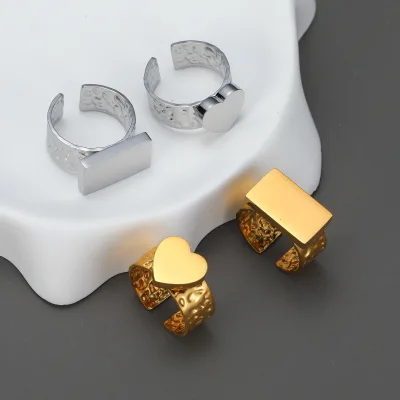
Heart Shape 925 Sterling Silver Ring Blanks Chunky Heart Ring S925 Ring Open
$6.1313 - $8.1761
MOQ: 2 pieces
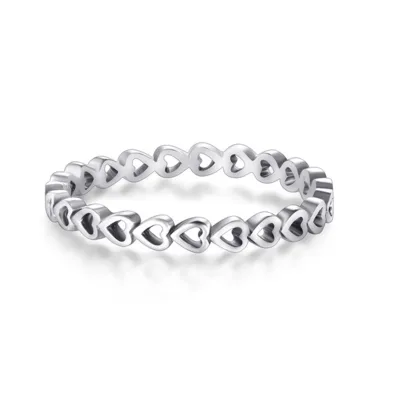
Girl Heart Rings in 925 Silver Hollow Ring With Heart Silver 925 Rings Plain Hypoallergenic
$3.20 - $5.00
MOQ: 3 pieces
Yiwu Chenyan Jewelry Co., Ltd.
- Trading Company
- Zhejiang, China
- Lead time20 days
- Avg. response≤ 3h
Main products925 silver jewelry,Rings,charms & pendant,necklace,bracelet & bangle
Main marketsNorth America(50.00%), Eastern Europe(10.00%), Oceania(10.00%), Southern Europe(5.00%), Northern Europe(5.00%), Western Europe(5.00%), Mid East(5.00%), South America(5.00%), Africa(5.00%)
Hangzhou Dengyiduohuakai Jewels Co., Ltd.
- Verified by Intertek
- Trading Company
- Lead time5 days
- Avg. response≤ 1h
Main productsPearl Jewelry, Pearl Raw Materials, Pearl Accessories, Fashion Necklaces
Main marketsDomestic Market(27%), Eastern Europe(17%), Western Europe(15%)


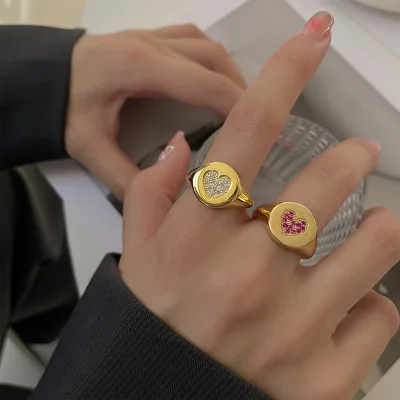
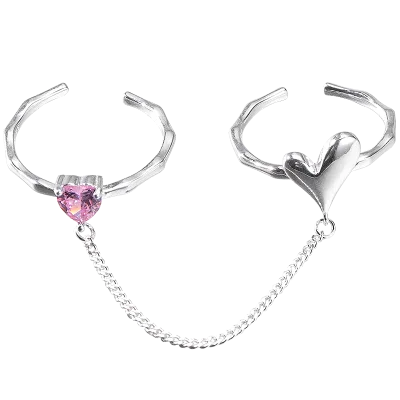
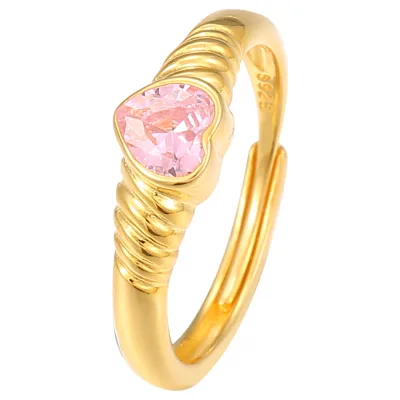
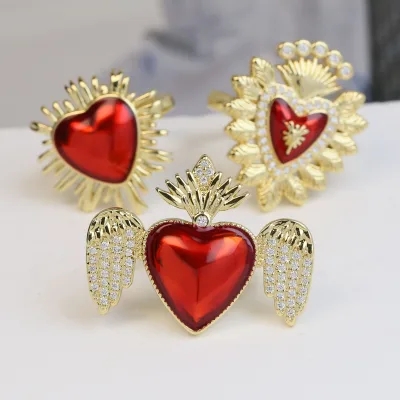
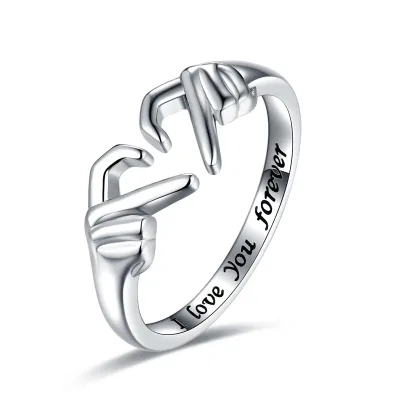
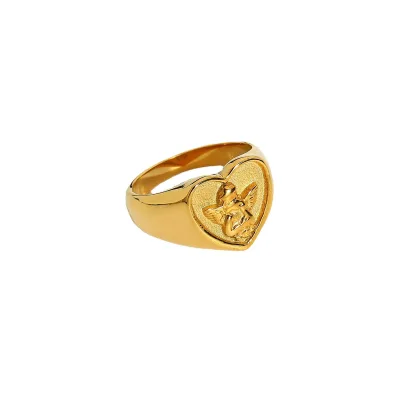
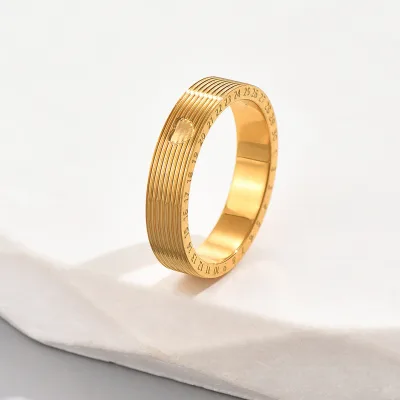
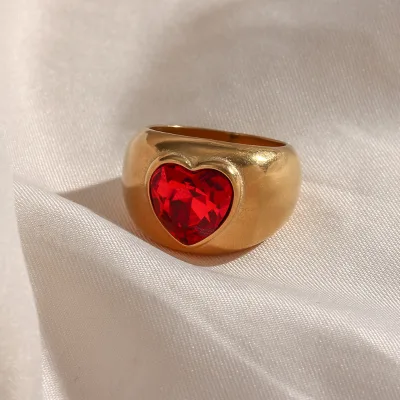




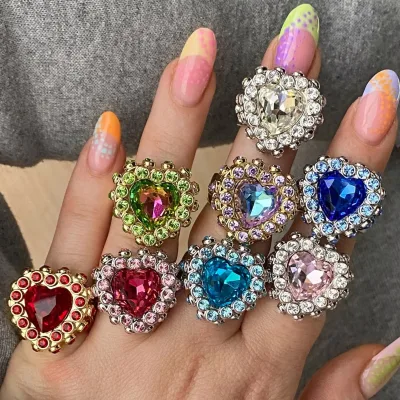
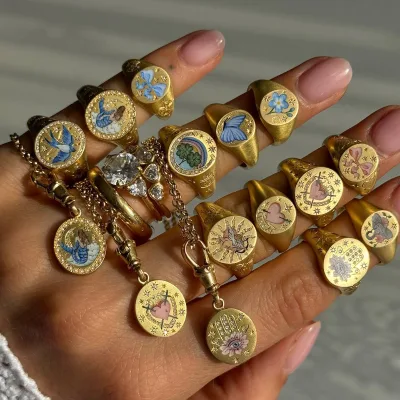
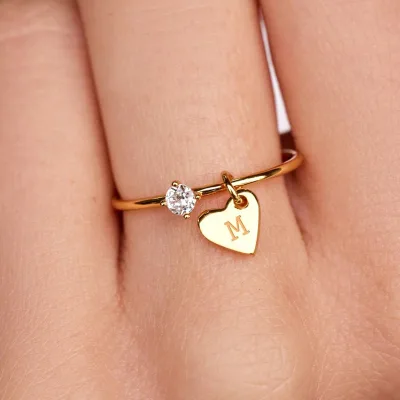
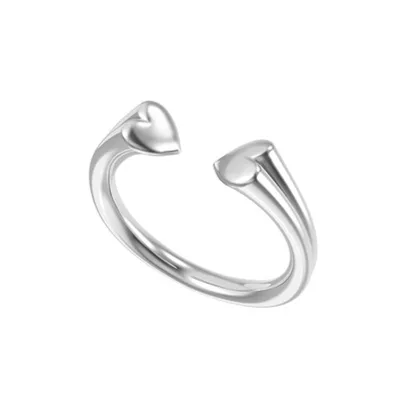
Comprehensive Sourcing Guide
Lab Created Heart Shape Ring Supplier Concentration and Factory Types
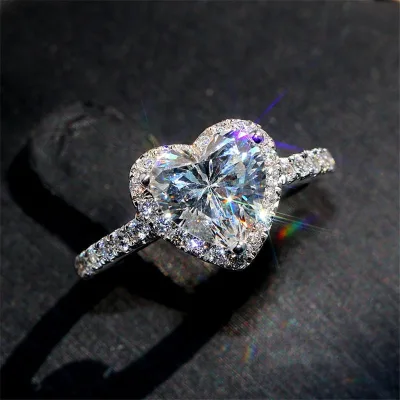
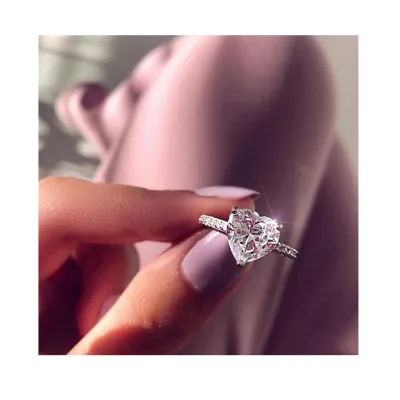
The current supplier landscape for Lab Created Heart Shape Ring products reveals a distinct geographic concentration in China, with specific operational hubs identified in Henan and Guangdong provinces. These regions serve as primary manufacturing centers for synthetic diamond jewelry, leveraging established industrial ecosystems to produce high-quality artificial gemstones and finished rings. Suppliers in these locations often operate as combined entities, functioning simultaneously as manufacturers and trading companies, which allows them to offer both direct factory pricing and broader product variety. This dual role is particularly evident in the availability of diverse ring styles, including four-prong settings, claw settings, and custom designs, catering to both wholesale buyers and individual retailers seeking unique pieces. The presence of these combined company types suggests a flexible supply chain where production capabilities are integrated with sales and distribution networks, enabling faster adaptation to market trends and customer specifications.
Beyond geographic location, the types of suppliers available vary significantly in their specialization and output capabilities. Some suppliers focus exclusively on fine jewelry, offering intricate designs such as double heart cut lab created ruby diamond bow design engagement rings or oval cut yellow gold diamond rings, while others provide a broader range of accessories including necklaces, bracelets, and smart wearables. This diversity means that buyers must carefully assess whether a supplier’s main products align with their specific sourcing needs. For instance, a supplier specializing in stainless steel and tungsten steel rings may not be the ideal partner for high-end 18K gold lab grown diamond rings, despite both being categorized under jewelry. Understanding these distinctions is crucial for ensuring that the selected supplier has the technical expertise and material sourcing capabilities required for the specific type of Lab Created Heart Shape Ring being procured, thereby reducing the risk of quality mismatches or production delays.
How to Verify Lab Created Heart Shape Ring Suppliers
Verifying the credibility and operational capacity of Lab Created Heart Shape Ring suppliers requires a multi-layered approach that goes beyond basic company profiles. One critical step is to examine third-party verification status, such as TUVRHEINLAND certification, which indicates that the supplier has undergone rigorous audits for business legitimacy and operational standards. Additionally, system certifications like ISO 9001 and ISO 20000 provide further assurance of quality management and service excellence, particularly for suppliers who also produce other items like smartwatches or stainless steel jewelry. Buyers should prioritize suppliers who display these verifications prominently, as they serve as objective indicators of reliability and compliance with international standards. It is also important to check for product-specific certifications, such as IGI or NGTC, which validate the quality and authenticity of the lab grown diamonds used in the rings, ensuring that the stones meet specified clarity, color, and cut grades.
Beyond certifications, buyers should assess the supplier’s responsiveness and communication efficiency, as these factors significantly impact the sourcing experience. Response times, such as those recorded at 2.62 hours or 2 hours, offer insight into how quickly a supplier can address inquiries, provide quotes, or resolve issues. A faster response time often correlates with better customer service and more agile operations, which are essential for managing custom orders or urgent requests. Furthermore, buyers should request detailed product attributes and specifications, including diamond clarity (e.g., VVS), color grades (e.g., D, E, F), and setting types, to ensure that the supplier can meet precise requirements. By combining verification checks with an evaluation of communication speed and product transparency, buyers can build a more comprehensive picture of a supplier’s reliability and capability, reducing the risk of partnering with unverified or inefficient vendors.
What to Compare Across Lab Created Heart Shape Ring Suppliers
When evaluating multiple suppliers for Lab Created Heart Shape Ring products, it is essential to compare key operational metrics such as lead times, minimum order quantities (MOQs), and price ranges to determine the best fit for your business needs. Lead times can vary significantly, with some suppliers offering delivery within 7 days, while others may require 15 to 30 days for production and shipping. This difference is crucial for buyers with tight inventory schedules or those launching time-sensitive marketing campaigns. Similarly, MOQs provide insight into a supplier’s flexibility, with some accepting orders as low as one piece, ideal for testing new designs or catering to small boutique retailers, while others may have higher thresholds suitable for large-scale wholesale operations. Comparing these metrics across suppliers allows buyers to balance cost efficiency with operational flexibility, ensuring that they can meet their specific business requirements without compromising on quality or delivery speed.
Price comparison is another critical factor, as costs for lab created heart shape rings can range widely depending on diamond carat, clarity, color, and metal type. For example, prices may range from as low as $108 for simpler designs to over $1,550 for high-carat, premium quality rings with intricate settings. Buyers should analyze these price ranges in conjunction with product specifications, such as diamond cut (e.g., Very Good Cut), shape (e.g., Heart, Oval, Square), and band material (e.g., 18K White Gold, Rose Gold), to ensure they are receiving fair value for the quality offered. Additionally, comparing the total weight of the rings and the number of accent stones can provide further clarity on cost structures. By systematically comparing these attributes across different suppliers, buyers can identify the most competitive offers while maintaining high standards for product quality and supplier reliability, ultimately optimizing their sourcing strategy for long-term success.
Common Lab Created Heart Shape Ring Sourcing Risks
One of the primary risks in sourcing lab created heart shape rings is the potential discrepancy between advertised product specifications and the actual items received. Buyers must be vigilant about verifying diamond attributes such as clarity (e.g., VVS), color (e.g., D, G), and carat weight (e.g., 1.00ct-1.50ct), as these factors significantly impact the final value and appearance of the ring. Suppliers may sometimes list generic specifications that do not accurately reflect the quality of the stones used, leading to customer dissatisfaction and returns. To mitigate this risk, buyers should request detailed product certificates from recognized gemological laboratories like IGI or NGTC, which provide independent verification of the diamond’s characteristics. Additionally, asking for high-resolution images or videos of the actual product can help buyers assess the cut, setting, and overall craftsmanship before committing to a large order, ensuring that the supplier’s offerings align with their quality expectations.
Another significant risk is the variability in lead times and delivery reliability, which can disrupt supply chain operations and customer commitments. While some suppliers advertise short lead times of 7 days, others may take up to 30 days, and these estimates are not always guaranteed. Delays can occur due to production bottlenecks, material shortages, or logistical issues, particularly when dealing with custom orders or complex designs like four-prong settings or 3D designs. Buyers should establish clear communication channels with suppliers to monitor production progress and address any potential delays proactively. It is also advisable to include penalty clauses or flexible return policies in contracts to protect against non-performance. By anticipating these risks and implementing robust verification and communication strategies, buyers can minimize disruptions and ensure a smoother sourcing process for lab created heart shape rings.
Lab Created Heart Shape Ring Regional Sourcing and Logistics
Sourcing lab created heart shape rings from specific regions in China, such as Henan and Guangdong, offers distinct advantages in terms of supply chain efficiency and cost management. Henan is known for its strong industrial base in synthetic diamond production, providing suppliers with direct access to raw materials and advanced manufacturing technologies. This proximity to production sources can result in shorter lead times and more competitive pricing for buyers. On the other hand, Guangdong is a major hub for jewelry manufacturing and trading, offering a diverse range of finished products and established logistics networks. Suppliers in this region often benefit from well-developed infrastructure for exporting goods, including efficient customs clearance and reliable shipping routes. By understanding the strengths of each region, buyers can strategically select suppliers based on their specific needs, whether prioritizing production cost, product variety, or logistical convenience.
Logistics considerations also play a crucial role in the overall sourcing strategy, as shipping times and costs can impact the final landed cost of the products. Buyers should evaluate the supplier’s packing methods, such as the use of jewelry boxes and strong cartons, to ensure that the rings are protected during transit. Additionally, considering the total weight of the orders, which can range from 2.477g to 2.829g per ring, helps in calculating accurate shipping fees and selecting the most cost-effective transport mode. For international buyers, understanding the supplier’s experience with export documentation and compliance with destination country regulations is essential to avoid customs delays or additional fees. By integrating regional insights with logistical planning, buyers can optimize their supply chain, reduce costs, and ensure timely delivery of lab created heart shape rings to their target markets.
Lab Created Heart Shape Ring Commercial Terms and Order Planning
Effective order planning for lab created heart shape rings requires a thorough understanding of commercial terms, including payment methods, customization options, and after-sales support. Many suppliers offer flexible customization services, allowing buyers to specify ring sizes, band materials, and design elements such as setting types and accent stone configurations. This level of customization is particularly valuable for brands seeking unique products that stand out in the market. However, customization can also impact lead times and costs, so buyers should discuss these details upfront to avoid unexpected delays or expenses. Additionally, understanding the supplier’s return and exchange policies is crucial, especially when dealing with custom orders that may not be eligible for returns. By establishing clear commercial terms and maintaining open communication with suppliers, buyers can ensure a smooth transaction process and build a reliable partnership for future orders.
Furthermore, buyers should consider the scalability of their orders and the supplier’s capacity to handle large volumes without compromising quality. Suppliers with established production lines and verified certifications are better equipped to manage bulk orders efficiently, ensuring consistent product quality and timely delivery. It is also important to evaluate the supplier’s ability to provide ongoing support, such as updates on production status, quality control reports, and assistance with any post-delivery issues. By planning orders strategically and selecting suppliers with robust commercial practices, buyers can minimize risks and maximize the value of their sourcing investments. This approach not only enhances operational efficiency but also strengthens the buyer’s position in the market by ensuring a steady supply of high-quality lab created heart shape rings that meet customer expectations.
FAQs
What carat range is typical for a Lab Created Heart Shape Ring?
Listings commonly fall between 1.50 and 2.00 carats for heart-cut lab grown diamond rings, with some suppliers also offering smaller center stones. Many manufacturers list a standard range from roughly 0.5ct up to 2ct, so buyers can choose a size that fits their budget. Confirm the exact carat weight and grading certificate before placing an order.
Which certifications should a Lab Created Heart Shape Ring come with?
Reputable listings reference certificates from IGI or NGTC, which independently grade lab grown diamonds for color, clarity, and cut quality. Request the certificate number for the specific stone and verify it on the issuing laboratory's database before shipment. Some listings show only one certificate, so clarify in advance which report accompanies your chosen ring and carat weight.
What clarity and color grades are offered for lab grown heart-cut diamonds?
Current listings commonly advertise VVS clarity, with some specifying a VS to VVS range, and top color grades of D, E, F, or G. Heart-shaped cuts show inclusions less than step cuts, so VS grades can offer value. Always request grading reports matching the advertised grades, since stated specifications should be verified against the actual certificate for each stone.
What ring band materials are available for heart-shaped lab diamond rings?
Listings typically offer 18K gold options, including 18K white gold, 18K yellow gold, and 18K rose gold bands, with several suppliers stating the band can be customized. Four-prong and claw settings are the most common setting types shown. Confirm the exact gold purity hallmark, band weight in grams, and plating details before production begins to avoid disputes later.
How long does production take for a custom Lab Created Heart Shape Ring?
Supplier profiles list lead times ranging from about 7 days to 15 days, while individual product pages quote delivery times of 15 to 20 days or 15 to 30 days. The longer estimates usually apply to fully customized sizes or settings. Ask the supplier to confirm the timeline in writing, including whether customization, engraving, or certification adds extra days.
Can I order a Lab Created Heart Shape Ring in small quantities?
Yes, several listings show a minimum order quantity as low as one or two pieces, which suits retailers testing designs or buying a single engagement ring. Unit pricing generally stays the same at low volumes, with discounts tied to larger batches. Verify the MOQ for your chosen carat size and band material, since customized specifications may carry different minimums.
What price range should I expect for these rings?
Observed listing prices vary widely, from roughly 108 to 1,550 US dollars per piece depending on carat weight, gold type, and stone grades. A 1.5 to 2 carat heart-cut design in 18K white gold was listed between 1,100 and 1,550 dollars, while smaller oval designs start lower. Treat listed prices as reference points and request quotes for your exact specification.
How should ring sizes be handled when ordering from China?
Many listings show a default size such as 11# or 13# and state that sizing can be customized, so provide your target market's standard sizing when ordering. Confirm whether resizing is free, how long it adds to production, and which sizing standard the supplier uses, since Chinese and US ring size scales differ. Request a size chart before finalizing the order.