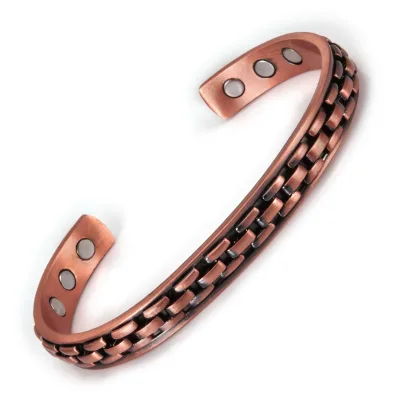
Handcrafted Magnetic Cuff Bracelet Suppliers and Manufacturers
Compare 23 verified suppliers offering Handcrafted Magnetic Cuff Bracelet options with varying lead times, MOQs, and certifications. Review response times and product attributes like material and plating before requesting quotes; review the available evidence before requesting comparable quotations from suitable candidates.
Updated
Suppliers List

Shenzhen Right Grand Jewelry Co., Ltd.
- Verified by SGS
- Manufacturer
- China Guangdong
- Lead time15 days
- Avg. response≤ 5h
Main productsNecklace, Bracelet, Earring, Ring, Nose Ring, Ear Piercing, Belly Ring, Nipple Ring
Main marketsSouth America,Europe,North America

Genuine Leather Jewelry Vintage Handmade Braided Magnetic Clasp Leather Bracelet
$1.48 - $1.81
MOQ: 12 Pieces

Men Jewelry Handmade Mixed Color Braided Alloy Magnetic Clasp Leather Bracelet
$1.00 - $1.33
MOQ: 6 Pieces


Luxury Jewelry Handmade Magnetic Clasp Braided Bangle Woman PU Leather Bracelet
$1.53 - $1.87
MOQ: 6 Pieces

Stainless Steel Jewelry Magnetic Clasp Custom Bar Braided Leather Bracelet
$1.83 - $2.26
MOQ: 2 Pieces

Xiamen Yuxiang Magnetic Materials Technology Co., Ltd.
- Trading Company
- China Fujian
- Lead time23 days
- Avg. response≤ 5h
Main productsNdFeB Magnet, SmCo Magnet, AlNiCo Magnet, Ferrite Magnet, Rubber Magnet, Fridge Magnet, Magnetic Powder, Magnetic Compound, Magnetic Core, Magnetic Materials
Main marketsSouth America,Africa,Southeast Asia/ Mideast,East Asia(Japan/ South Korea),Europe,Australia,North America

Hangzhou Lingke Material Co., Ltd.
- Verified by SGS
- Manufacturer/Factory
- China Zhejiang
- Lead time23 days
- Avg. response≤ 4h
Main productsMagnet, Neodymium Magnet, Pot Magnet, AlNiCo Magnet, Hook Magnet, Magnetic Name Badge, Rubber Coated Magnet, Ferrite Magnet, Magnetic Bar, Rubber Magnet
Main marketsSouth America,Eastern Europe,Mid East,North America,Southeast Asia,Eastern Asia,Oceania,Western Europe,Africa
Yiwu City Youtu Jewelry Co., Ltd.
- Trading Company
- Zhejiang Province, China
- Lead time15 days
- Avg. response≤ 5h
Main productscrystal keychain,leather keychain,genuine leather bracelet,metal pendants necklace,stainless steel necklace
Main marketsSouthern Europe(10.00%), Northern Europe(10.00%), Central America(10.00%), Western Europe(10.00%), Mid East(10.00%), Africa(10.00%), Southeast Asia(10.00%), Eastern Europe(10.00%), South America(10.00%), North America(10.00%)
Yiwu Silverworks Jewelry Co., Ltd.
- Trading Company
- Zhejiang, China
- Lead time25 days
- Avg. response≤ 2h
Main productsStainless Steel Jewelry,Stainless steel chain,Custom service,925 Sterling Silver Charm,925 Sterling Silver Jewelry
Main marketsSouthern Europe(11.11%), Northern Europe(11.11%), Central America(11.11%), Western Europe(11.11%), Oceania(11.11%), Southeast Asia(11.11%), Eastern Europe(11.11%), South America(11.11%), North America(11.11%)

Guangzhou Quancheng Important And Export Co., Ltd.
- Trading Company, Distributor/Wholesaler
- Guangdong, China
- Lead time15 days
- Avg. response≤ 3h
Main productsmagnet,Sintered Ndfeb,Bonded Ndfeb,Flexible Ndfeb,Ferrite magnet
Main marketsNorth America(50.00%), Southern Europe(10.00%), Northern Europe(10.00%), Central America(10.00%), Western Europe(10.00%), Eastern Europe(10.00%)

Jiuya Huitong (Qingdao) International Trade Co., Ltd.
- Verified by SGS
- Trading Company,Manufacturer/Factory
- China Shandong
- Lead time90 days
- Avg. response≤ 5h
Main productsClothes, Abaya, Camping Tent, Camping Furniture, Solar Light
Main marketsSouth America,Eastern Europe,Mid East,North America,Southeast Asia,Eastern Asia,Oceania,Western Europe,Africa

Dongguan Hongsheng Craft Gifts Co., Ltd.
- Verified by TUVRHEINLAND
- Trading Company
- China Guangdong
- Lead time30 days
- Avg. response≤ 5h
Main productsStainless Steel Ring, Stainless Steel Pendant Charm, Stainless Steel Leather Bracelet, Stainless Steel Bracelet Bangle, Stainless Steel Earring, Stainless Steel Chain, Leather Cord, Clothing Accessories, Key Chains, Rubber Products
Main marketsSouth America,Europe


Hot Selling Magnetic Leather Bracelet DIY Engraved Stainless Steel Couple Bracelet Jewelry
$2.10 - $2.30
MOQ: 20 Pieces

Natural Stone Handmade Stainless Steel Magnet Clasp Multilayer Leather Bracelet
$3.50 - $3.80
MOQ: 50 Pieces

Punk Bangle Fashion Simple Stainless Steel Charms Magnetic Clasp Leather Bracelet for Men
$3.90 - $4.20
MOQ: 50 Pieces

Wholesale Luxury Men's Magnetic Clasp Men Jewelry Bracelet Real Leather Bracelet
$2.30 - $2.70
MOQ: 20 Pieces
Yiwu Shichen Trading Co., Ltd.
- Verified by TüVRheinland
- Manufacturer, Trading Company
- Lead time180 days
- Avg. response≤ 5h
Main productsAnklets, Necklaces, Bracelets & Bangles, Earrings, Rings
Main marketsNorth America(60%), South America(10%), Oceania(10%)

Guangzhou IO Jewelry Co., Ltd.
- Combined
- China Guangdong
- Lead time30 days
- Avg. response≤ 6h
Main productsJewelry, Fashion Jewelry, Stainless Steel Jewelry, Custom Jewelry, Stainless Steel Beads, Stainless Steel Charms, Stainless Steel Rings, Stainless Steel Pendants, Beads, Charms
Main marketsSouth America,Domestic,Europe,Australia,North America

Braided Design Jewelry Black Leather Braided Bracelet with Magnetic Clasp
$2.00 - $6.00
MOQ: 100 Pieces


Guangzhou Chenzuan Crafts Co., Ltd.
- Manufacturer, Trading Company
- Guangdong, China
- Lead time15 days
- Avg. response≤ 8h
Main productsNecklace,Bracelets,Earring,Ring,Anklets
Main marketsNorth America(25.00%), Western Europe(15.00%), Eastern Europe(15.00%), South America(15.00%), Southern Europe(10.00%), Northern Europe(10.00%), Mid East(10.00%)

Jinjiang Jiaxing Supply Management Co., Ltd.
- Verified by TUVRHEINLAND
- Trading Company
- China Fujian
- Lead time30 days
- Avg. response≤ 2h
Main productsEVA Clogs, Flip Flop, Shoe Charms, Shopping Bags, Wristbands, Gifts, Promotional Gifts, Slipper, Sport Cap, Ball
Main marketsNorth America
Yiwu Noya Accessories Co., Ltd.
- Trading Company
- Zhejiang, China
- Lead time25 days
- Avg. response≤ 7h
Main productsaccessories,Jewelry,headband,bag,agent
Main marketsWestern Europe(30.00%), North America(30.00%), Domestic Market(10.00%), Northern Europe(10.00%), Eastern Europe(10.00%)

Shenzhen Marvel Electronic Co., Ltd.
- Verified by TUVRHEINLAND
- Trading Company
- China Guangdong
- Lead time15 days
- Avg. response≤ 9h
Main productsCustom Jewelry, Silver Jewelry, Earring, Necklace, Bracelet, Nose Ring, Jewelry Set, Fashion Jewelry, Brooch
Main marketsEurope,North America

- Verified by TUVRHEINLAND
- Trading Company,Manufacturer/Factory
- China Jiangsu
- Lead time23 days
- Avg. response≤ 4h
Main productsMedal, Coin, Lapel Pin, PVC Patch, Embroidery Patch, Keychain, Button Badge, Silicone Wristband, Lanyards, Gift
Main marketsSouth America,Eastern Europe,Mid East,North America,Oceania,Western Europe
Guangzhou Liwan Jingcai Jewelry Firm
- Distributor/Wholesaler
- Guangdong, China
- Lead time7 days
- Avg. response≤ 5h
Main productsJewelry,Body Jewelry,Bracelets & Bangles,Loose Gemstone,Necklaces
Main marketsNorth America(40.00%), Western Europe(20.00%), Eastern Asia(20.00%), Eastern Europe(10.00%), Northern Europe(5.00%), Oceania(5.00%)

GOODLINESS JEWELLERY CO., LIMITED
- Verified by SGS
- Manufacturer
- China Guangdong
- Lead time23 days
- Avg. response≤ 7h
Main products925 Silver Ring, Brass Jewelry, 925 Silver Earring, 925 Silver Necklace, 925 Silver Set, 925 Silver Bangle, Customer's Design, 925 Silver Bracelet, Silver Accessory, Brass Accessory
Main marketsSoutheast Asia/ Mideast,Europe,North America

Magnetic Adjustable Copper Gold Chain Pearl String Friendship Hand Bracelet
$3.24 - $5.61
MOQ: 20 Pieces

Adjustable Magnetic Chain Link Women String Rope Infinity Friendship Bracelet
$4.53 - $5.03
MOQ: 20 Pieces

Shenzhen Hengda Xin Jewelry Co., Ltd.
- Verified by BV
- Combined
- China Guangdong
- Lead time15 days
- Avg. response≤ 2h
Main productsJewelry, Stainless Steel Fittings, Stainless Steel Jewelry, Necklace, Bracelet, Stud Earrings, Ring, Pendant, Fashion Jewelry, Fashion Accessories
Main marketsSoutheast Asia/ Mideast,East Asia(Japan/ South Korea),Domestic,Europe,Australia,North America
- Trading Company
- Zhejiang, China
- Lead time5 days
- Avg. response≤ 2h
Main productsFashion Charm Bracelets,Fashion Jewelry,Hair Accessories,Hair Clips,Baseball Caps
Main marketsCentral America(80.00%), Western Europe(8.00%), Domestic Market(1.00%), South Asia(1.00%), Southern Europe(1.00%), Northern Europe(1.00%), North America(1.00%), South America(1.00%), Eastern Asia(1.00%), Mid East(1.00%), Oceania(1.00%), Africa(1.00%), Southeast Asia(1.00%), Eastern Europe(1.00%)
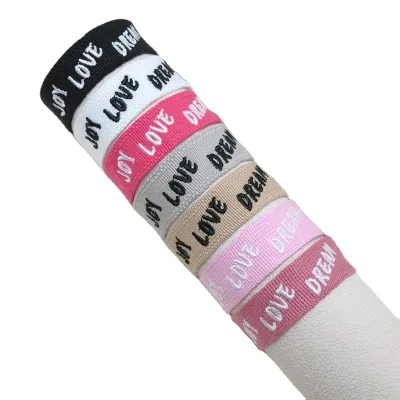
new custom name hand woven embroidery letter logo fabric wrist bands bracelets friendship for Gift
$0.77 - $1.1804
MOQ: 30 pieces
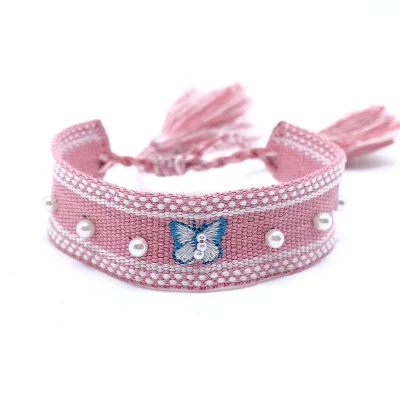
Butterfly Pearl Design Pink Color letter or word with bracelet handmade charm bracelets for women
$0.88 - $1.48
MOQ: 30 pieces
Shen Zhen E-Store Elec-Tech Co., Ltd.
- Verified by SGS Group
- Trading Company
- Guangdong, China
- Lead time7 days
- Avg. response≤ 5h
Main productsEnergy Pendant/Energy Bracelet, Anti Radiation Sticker, Face Roller, Alkaline Water
Main marketsNorth America(40%), Western Europe(20%), Southeast Asia(10%)

- Verified by SGS
- Manufacturer/Factory
- China Zhejiang
- Lead time30 days
- Avg. response≤ 2h
Main productsNecklace, Bracelets, Earring, Ring, Brooch, Phone Lanyard, Key Chain, Body Jewelry, Hair Clip, Hair Band
Main marketsSouth America,Eastern Europe,Mid East,North America,Southeast Asia,Eastern Asia,Oceania,Western Europe,Africa

- Verified by CTI
- Trading Company
- China Zhejiang
- Lead time15 days
- Avg. response≤ 6h
Main productsJewelry, Brooch, Belt, Necklace, Agent, Bracelet, China Trim, China Ring, China Hair Accessory, China Earring
Main marketsSouth America

Guangzhou Canotiv Jewelry Co., Ltd.
- Trading Company
- Guangdong, China
- Lead time0 days
- Avg. response≤ 1h
Main productsEnergy Magnetic jewelry,Stainless steel jewelry,Leather bracelets,Outdoor Survival Sports Products,Anchor bracelets
Main marketsNorth America(30.00%), Western Europe(22.00%), South America(20.00%), Northern Europe(18.00%), Southern Europe(10.00%)


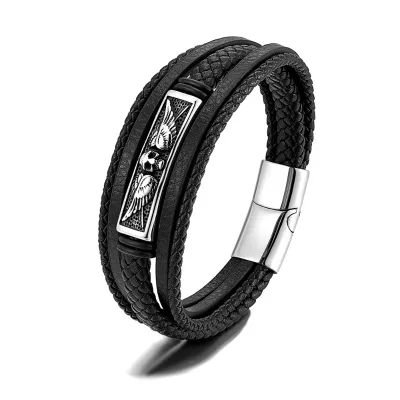
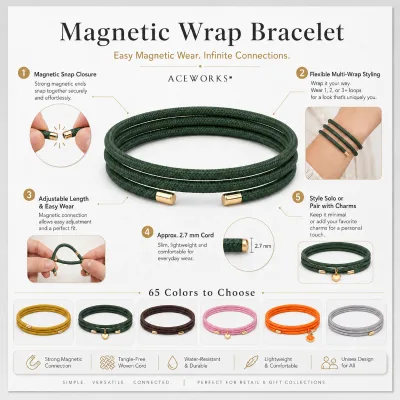
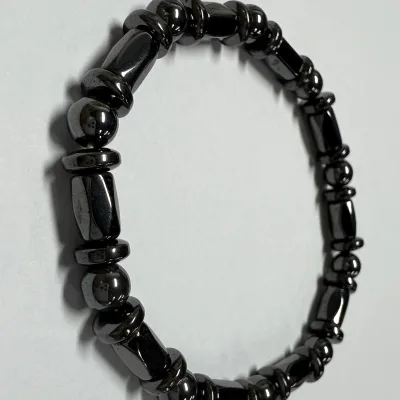
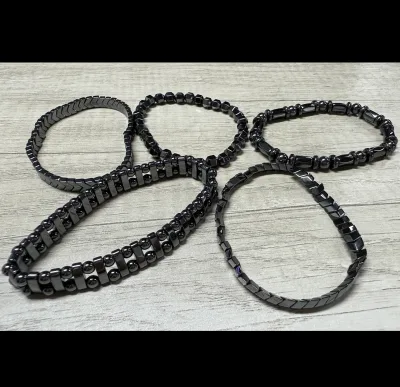













Comprehensive Sourcing Guide
Handcrafted Magnetic Cuff Bracelet Supplier Concentration and Factory Types
The current supplier landscape for handcrafted magnetic cuff bracelets reveals a distinct split between manufacturing capabilities and trading operations, primarily concentrated in specific Chinese provinces. Factories located in Guangdong are predominantly identified as manufacturers with established OEM and ODM capacities, focusing on fashion jewelry items such as leather bracelets, rings, and necklaces. These entities often utilize advanced plating technologies like PVD and IP plating to enhance the durability and aesthetic appeal of their magnetic clasps and metal components. The presence of SGS verification on some of these manufacturing profiles suggests a baseline level of operational transparency and quality control infrastructure that buyers can rely on when assessing production reliability. In contrast, suppliers based in Fujian are frequently categorized as trading companies, which may offer a broader variety of magnetic materials including NdFeB and SmCo magnets alongside finished jewelry pieces. This structural difference is critical for buyers to understand, as manufacturers typically provide more direct control over the customization process and material sourcing, while trading companies might offer greater flexibility in combining disparate components from various sources.
When evaluating the type of entity you are engaging with, it is essential to look beyond the general product category and examine the specific company type designation provided in the supplier results. A manufacturer in Guangdong might specialize in high-volume production of simple, stylish leather bracelets with magnetic closures, whereas a trading company in Fujian might focus on therapeutic or specialty magnetic bracelets using materials like rhinestones or crystals. The main products listed for these suppliers vary significantly, ranging from general fashion accessories to specialized magnetic materials and compounds. This divergence indicates that the supply chain for handcrafted magnetic cuff bracelets is not monolithic; instead, it is composed of specialized nodes that cater to different market needs. Buyers must therefore align their sourcing strategy with the specific capabilities of the supplier type, recognizing that a trading company may not have the same direct influence over the handcrafting process as a dedicated factory. Understanding this distinction helps in setting realistic expectations regarding production timelines, customization limits, and the overall quality assurance mechanisms in place for the final product.
How to Verify Handcrafted Magnetic Cuff Bracelet Suppliers
Verification of suppliers requires a multi-layered approach that goes beyond simple profile viewing, focusing on tangible evidence of quality and operational stability. One of the primary indicators of a supplier's credibility is the presence of third-party verification badges, such as SGS, which appears in the current results for certain manufacturers. This verification serves as a preliminary check on the supplier's business legitimacy and operational standards, providing buyers with a degree of confidence that the entity is not merely a shell company. However, verification badges alone are insufficient for assessing product quality, particularly for items involving magnetic components and metal plating. Buyers should actively seek out detailed product attributes that specify the materials used, such as the type of leather, the composition of the magnetic clasp, and the plating technology employed. For instance, some suppliers list PVD plating and high mirror polishing as key features, which are important for ensuring the longevity and aesthetic consistency of the bracelet. These specific technical details are strong indicators of a supplier's attention to detail and their ability to meet precise quality standards.
In addition to material specifications, buyers must scrutinize the certifications and standards claimed by the supplier, although current data shows that system certifications are often listed as NIL for some manufacturers. This absence of broad system certifications does not necessarily indicate poor quality, but it does require buyers to be more diligent in requesting specific product-level certifications. Some suppliers provide product attributes that mention compliance with standards such as ROHS, SGS, and CE, which are crucial for ensuring that the materials used are safe and environmentally compliant. Buyers should verify these claims by requesting actual test reports or certificates of conformity, rather than relying solely on the supplier's description. Furthermore, the response time of the supplier, which is recorded as a numerical value in the results, can serve as an indirect measure of their operational efficiency and customer service quality. A faster response time often correlates with a more organized and responsive supply chain, which is vital for resolving issues quickly during the sourcing process. By combining verification badges, detailed product attributes, and responsiveness metrics, buyers can build a comprehensive picture of a supplier's reliability and capability.
What to Compare Across Handcrafted Magnetic Cuff Bracelet Suppliers
When comparing suppliers, buyers should focus on key operational metrics such as lead time, minimum order quantity (MOQ), and response time, as these factors directly impact the efficiency and cost of the sourcing process. The current results show a range of lead times, with some suppliers offering a lead time of 15 days, while others may have longer production cycles. This variation is significant for buyers who need to plan their inventory and delivery schedules carefully. Similarly, the MOQ varies considerably, with some suppliers requiring as few as 2 pieces, while others may have MOQs of 2000 pieces or more. This disparity allows buyers to choose suppliers that align with their order volume, whether they are testing the market with small batches or placing large-scale orders. Response time is another critical metric, with recorded values indicating the speed at which suppliers communicate with potential buyers. A quicker response time can facilitate smoother negotiations and faster resolution of queries, which is essential for maintaining momentum in the sourcing process.
Beyond these operational metrics, buyers should also compare the customization options and product variety offered by different suppliers. Some suppliers explicitly state that customization is available and supported, which is a valuable feature for buyers looking to create unique products with specific branding or design elements. The product attributes also reveal differences in style, material, and suitability, such as whether the bracelet is suitable for males, females, or the elderly. For example, some products are described as simple and suitable for formal occasions, while others are marketed as therapeutic or athletic. These differences allow buyers to segment the supplier base according to their specific market needs. Additionally, the price range for similar products can vary, with some suppliers offering lower price points for basic designs and higher prices for more complex or luxury items. By systematically comparing these dimensions, buyers can identify the suppliers that offer the best balance of cost, quality, and service for their specific requirements. This comparative analysis helps in making informed decisions that align with the buyer's strategic goals and operational constraints.
Common Handcrafted Magnetic Cuff Bracelet Sourcing Risks
One of the primary risks in sourcing handcrafted magnetic cuff bracelets is the potential discrepancy between the claimed product specifications and the actual delivered goods. Suppliers may list attributes such as PVD plating or specific leather types, but without rigorous quality control, the final product may not meet these standards. This risk is particularly acute when dealing with suppliers who do not provide detailed test reports or certifications for their materials. Buyers must be vigilant in verifying the quality of the magnetic components, as the strength and durability of the magnets can vary significantly between suppliers. Weak or poorly secured magnets can lead to product failure and customer dissatisfaction, which can damage the buyer's brand reputation. Additionally, the handcrafting process itself introduces variability, as each piece may have slight differences in size, finish, or alignment. While this can be a selling point for unique, artisanal products, it can also be a source of inconsistency for buyers who require uniformity across large orders.
Another significant risk is the reliability of the supply chain, particularly regarding lead times and communication. Suppliers may promise short lead times, but external factors such as material shortages or production bottlenecks can cause delays. This is especially true for suppliers who are also trading companies, as they may rely on third-party manufacturers for production, adding another layer of complexity to the supply chain. Poor communication can exacerbate these issues, as delays in response can hinder the resolution of problems and slow down the overall process. Buyers should also be aware of the risk of intellectual property infringement, particularly when working with suppliers who offer customization services. It is essential to ensure that the designs and branding used are original and do not infringe on existing patents or trademarks. By identifying and mitigating these risks through careful supplier selection and contract terms, buyers can protect their interests and ensure a smoother sourcing experience. Proactive risk management is key to navigating the complexities of the Handcrafted Magnetic Cuff Bracelet market.
Handcrafted Magnetic Cuff Bracelet Regional Sourcing and Logistics
The geographical location of suppliers plays a crucial role in determining logistics costs and delivery times, with current results highlighting clusters in Guangdong and Fujian provinces in China. Guangdong is known for its robust manufacturing infrastructure and proximity to major ports, which can facilitate efficient export processes for fashion jewelry and accessories. Suppliers in this region often benefit from established supply chains for materials such as leather, metal, and magnetic components, which can reduce production costs and lead times. In contrast, suppliers in Fujian may have different logistical advantages, particularly if they are trading companies that source materials from various locations. Buyers should consider the shipping routes and customs procedures associated with each region, as these factors can impact the overall cost and speed of delivery. Additionally, the distance between the supplier's location and the buyer's destination will influence freight costs, making it important to factor these expenses into the total cost of ownership.
Logistics planning also involves considering the packaging and handling requirements of the products, which can vary based on the supplier's location and practices. Some suppliers may use neutral packing with wooden cases and paper cartons, which provides robust protection during transit but may increase shipping volume and cost. Buyers should work with suppliers to optimize packaging solutions that balance protection with cost-efficiency, ensuring that the products arrive in good condition without incurring unnecessary shipping fees. Furthermore, buyers should be aware of any regional trade regulations or tariffs that may apply to imports from China, as these can affect the final landed cost of the products. By understanding the logistical implications of sourcing from different regions, buyers can make more informed decisions about which suppliers to engage with and how to structure their supply chain for maximum efficiency. This regional awareness is a key component of effective sourcing strategy.
Handcrafted Magnetic Cuff Bracelet Commercial Terms and Order Planning
Commercial terms and order planning are critical components of a successful sourcing strategy, requiring careful attention to pricing, payment terms, and order quantities. The current results show a wide range of prices for similar products, with some suppliers offering prices as low as $1.00 per piece, while others charge up to $10.00 or more. This price variation reflects differences in material quality, craftsmanship, and brand positioning, and buyers should align their budget with the desired product tier. It is essential to negotiate clear pricing structures that include all costs, such as tooling, sampling, and shipping, to avoid unexpected expenses. Payment terms should also be discussed early in the process, with buyers seeking secure options such as escrow services to protect their funds until the goods are received and verified. Order planning involves determining the optimal MOQ that balances inventory costs with production efficiency, taking into account the supplier's minimum requirements and the buyer's sales forecasts.
Effective order planning also requires a clear understanding of the supplier's production capacity and lead times, which can impact the ability to meet market demand. Buyers should establish a timeline for sampling, production, and delivery, allowing for contingencies in case of delays. Communication with the supplier should be maintained throughout the process to ensure that any issues are addressed promptly and that the production remains on track. Additionally, buyers should consider the potential for repeat orders and long-term partnerships, which can lead to better pricing and priority treatment from the supplier. By developing a comprehensive commercial strategy that encompasses pricing, payment, and order planning, buyers can minimize risks and maximize the value of their sourcing investments. This strategic approach is essential for building a sustainable and profitable supply chain for handcrafted magnetic cuff bracelets.
FAQs
What is the typical lead time for magnetic cuff bracelets?
Lead times for these items range from 15 to 23 days depending on the supplier. Manufacturers in Guangdong typically offer 15-day lead times, while trading companies in Fujian may require 23 days. Buyers should confirm specific production schedules during the inquiry phase to align with their inventory planning.
What are the minimum order quantities for these bracelets?
MOQs vary significantly by supplier type and product complexity. Some manufacturers offer low MOQs starting at 2 pieces for custom designs, while others require 12 or 6 pieces. Trading companies often set higher thresholds, such as 2,000 units, for bulk magnetic therapy items. Verify the specific MOQ for your desired style.
What materials are used in handcrafted magnetic cuff bracelets?
Common materials include genuine leather, PU leather, and alloy components. Some designs incorporate rhinestones or crystal beads for decorative appeal. The magnetic clasp mechanism is a standard feature across most styles. Buyers should specify material preferences to ensure the final product matches their quality standards.
Are these bracelets suitable for both men and women?
Many designs are unisex, with specific models marketed for men or women. Leather braided styles often target male buyers, while PU leather bangles may appeal to female customers. Some magnetic therapy bracelets are designed for elderly users. Check the product attributes to confirm the intended demographic for your market.
What certifications are available for these jewelry items?
Suppliers may provide SGS, Reach, ROHS, or CE certifications depending on the product type. Some listings indicate no system certification, so buyers must request specific test reports. Verify which standards apply to your target market to ensure compliance. Do not assume certification without explicit documentation from the supplier.
Can I customize the design of the magnetic cuff bracelet?
Yes, customization is available for most suppliers, including OEM and ODM services. Buyers can request changes to size, color, and clasp type. Specific models support PVD or IP plating options. Provide detailed specifications and samples to the supplier to ensure the custom design meets your requirements before mass production.
What is the price range for these bracelets?
Prices range from $0.50 to $10.00 per unit depending on material and complexity. Simple leather bracelets may cost between $1.00 and $2.26, while premium magnetic therapy items can reach higher prices. Bulk orders often reduce the unit cost. Request a detailed quote based on your specific quantity and customization needs.