Goose Feather Training Shuttlecock Suppliers and Manufacturers
Source Goose Feather Training Shuttlecock from 16 verified suppliers in China. Compare key dimensions including lead times, MOQs, response speeds, and certifications to identify the right partner for your procurement needs. Review detailed product specifications and pricing to streamline your sourcing process.
Updated
Suppliers List

Anhui Lingmei Sporting Goods Co., Ltd.
- Trading Company
- China Anhui
- Lead time15 days
- Avg. response≤ 16h
Main productsBadminton Shuttlecock
Main marketsSouth America,Southeast Asia/ Mideast,East Asia(Japan/ South Korea),Domestic,Europe,Australia,North America
Yiwu Binsen Sports Goods Co., Ltd.
- Trading Company
- Zhejiang, China
- Lead time15 days
- Avg. response≤ 3h
Main productsBasketball; Soccer Ball; Volleyball; Ping Pong Racket; Sport Bag Jump Rope; Badminton Racket
Main marketsEastern Europe(29.00%), Central America(13.00%), South America(11.00%), Western Europe(11.00%), Southern Europe(8.00%), North America(7.00%), Southeast Asia(6.00%), Mid East(4.00%), South Asia(3.00%), Eastern Asia(2.00%), Oceania(2.00%), Northern Europe(2.00%), Africa(1.00%), Domestic Market(1.00%)

Dmantis Sports Goods Co., Ltd.
- Verified by SGS
- Combined
- China Hunan
- Lead time60 days
- Avg. response≤ 2h
Main productsBadminton Shuttlecock, Badminton Racket, Tennis Racket, Tennis Ball, Pickleball Paddle, Table Tennis Ball, Table Tennis Racket, Jump Rope
Main marketsSoutheast Asia/ Mideast,East Asia(Japan/ South Korea),Europe,Australia,North America

$12.80 - $13.20
MOQ: 100 dozens

Natural Goose Feather Shuttlecock Badminton Manufacture Shuttlecock for Training
$16.30 - $17.80
MOQ: 1 dozens

Goose Feather Shuttlecock Regular Type Grade 3 Badminton Shuttlecock for Training
$19.80 - $22.80
MOQ: 1 dozens

Hot Sale Goose Feather Shuttlecocks Badminton Manufacture Shuttlecock for Training
$18.80 - $21.80
MOQ: 1 dozens

Class C Goose Feather Shuttlecock Regular Type Cost Performance Shuttlecock
$19.80 - $22.80
MOQ: 1 dozens

$18.80 - $21.80
MOQ: 1 dozens
Lu'an Aoankang Industry & Trade Co., Ltd.
- Manufacturer, Trading Company
- Anhui, China
- Lead time30 days
- Avg. response≤ 15h
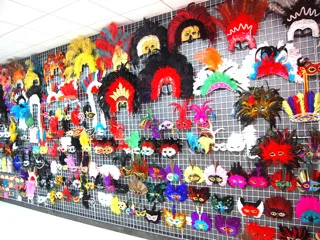
Main productsBadminton Shuttlecock,Feather Boa,Feather Wing,Feather Mask,Feather Headband
Main marketsEastern Europe(15.00%), Northern Europe(15.00%), North America(15.00%), Southern Europe(10.00%), Domestic Market(10.00%), Western Europe(10.00%), Oceania(10.00%), Southeast Asia(10.00%), South America(5.00%)

Wuxi Mixuan High-tech Co., Ltd.
- Verified by BV
- Trading Company
- China Jiangsu
- Lead time15 days
- Avg. response≤ 7h
Main productsSolar Panel, Solar, Solar Power, Solar Energy
Main marketsDomestic

ANHUI TINGCHENG IMP & EXP TRADE CO., LTD.
- Verified by BV
- Trading Company,Manufacturer/Factory
- China Anhui
- Lead time15 days
- Avg. response≤ 6h
Main productsBadminton Shuttlecocks, Badminton Feather Shuttlecocks, Badminton Rakcet, Badminton Shuttlecock, Badminton Feather Shuttlecock, Feather Shuttlecocks, Sports Shuttlecock, Inner Door Shuttlecock
Main marketsSouth America,Eastern Europe,Mid East,North America,Southeast Asia,Eastern Asia,Oceania,Western Europe,Africa
- Trading Company
- Anhui, China
- Lead time30 days
- Avg. response≤ 3h
Main productsBadminton,Shuttlecock,badminton shuttlecock,Goose feather badminton,Duck feather badminton
Main marketsEastern Asia(40.00%), Western Europe(20.00%), North America(20.00%), Southeast Asia(20.00%)
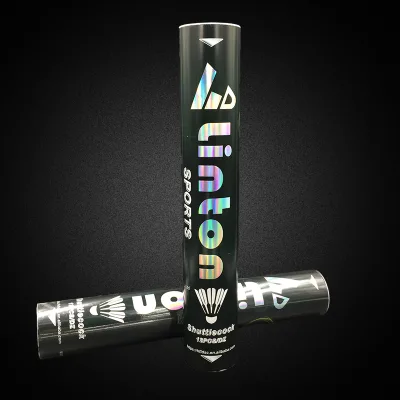
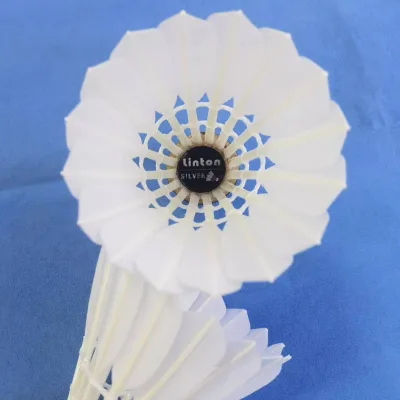
Pass Security Verification Durable Custom logo Goose Feather Shuttlecock for Club Using
$20.00 - $21.00
MOQ: 50 dozens
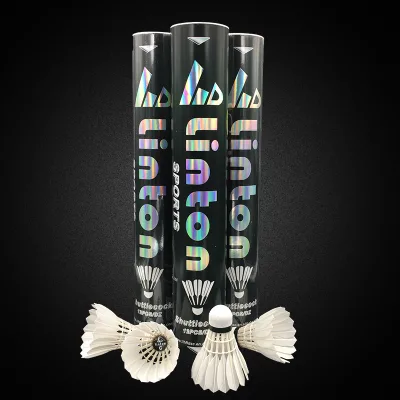
Good Quality Oem Goose Feather Custom Outer Packaging Silver Classic Badminton Shuttlecock
$20.00 - $21.00
MOQ: 50 dozens
Shijiazhuang Jinta Flooring Technology Co., Ltd.
- Verified by TüVRheinland
- Manufacturer, Trading Company
- Hebei, China
- Lead time7 days
- Avg. response≤ 1h
Main productsPVC Sports Flooring, PP Interlocking Tiles Flooring, Sports Wood Flooring, Multi Functional Flooring, Rubber Mat Flooring
Main marketsDomestic Market(40%), North America(18%), Southeast Asia(8%)
Yiwu Feide Sports Goods Co., Ltd.
- Verified by SGS Group
- Manufacturer, Trading Company
- Lead time20 days
- Avg. response≤ 4h
Main productsFoam Roller, Resistance Bands, Weight Vest, Pull Up Bar, Dumbbell
Main marketsNorth America(31%), Western Europe(21%), Eastern Europe(9%)
Dmantis Sports Goods Co., Ltd.
- Verified by SGS Group
- Manufacturer, Trading Company
- Lead time30 days
- Avg. response≤ 2h
Main productsBadminton Shuttlecock, Badminton Rackets, Pickleball Paddle, Football, Tennis
Main marketsSoutheast Asia(25%), South Asia(20%), North America(15%)
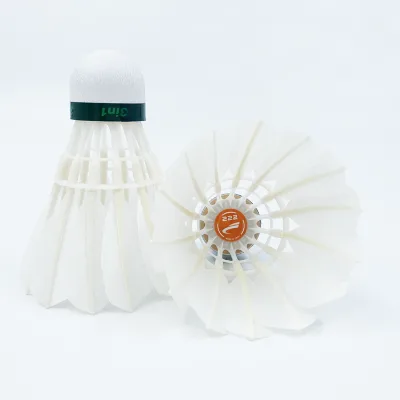
Wholesale Durable Training Goose Feather Badminton Shuttlecock Kock Bola Badminton
$7.0417 - $7.2362
MOQ: 2 dozens
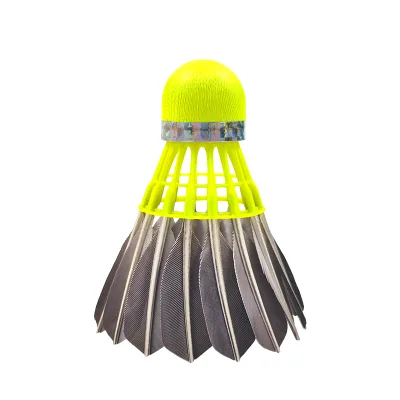
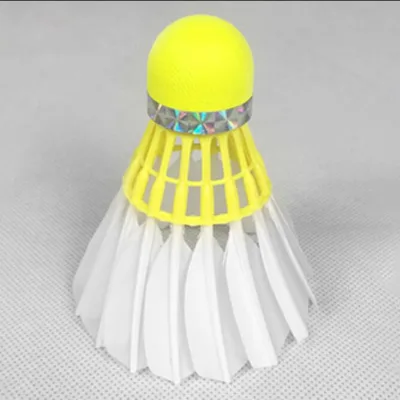
Dmantis D51 Professional Tournament Shuttlecock3in1 with Goose Feather for Professional Players
$13.2246 - $15.147
MOQ: 1 dozens
Shenzhen Konmat Sports Technology Co., LTD.
- Manufacturer
- Guangdong, China
- Lead time10 days
- Avg. response≤ 2h
Main productsStringing Machines,Badminton rackets,Pickleball Paddles,Tennis Racquet,Squash Rackets
Main marketsNorth America(18.00%), Central America(15.00%), Western Europe(15.00%), Mid East(12.00%), Southeast Asia(10.00%), South Asia(8.00%), Eastern Asia(5.00%), Northern Europe(5.00%), Africa(3.00%), Eastern Europe(3.00%), South America(3.00%), Domestic Market(1.00%), Oceania(1.00%), Southern Europe(1.00%)
- Verified by SGS Group
- Trading Company
- Lead time15 days
- Avg. response≤ 4h
Main productsBadminton, Badminton Nets, Pickleball rackets, Badminton Rackets, Overgrips
Main marketsNorth America(30%), Southeast Asia(25%), Domestic Market(20%)
Anhui Lingmei Sporting Goods Co., Ltd.
- Trading Company
- Lead time旺季: "1 - 100":25,"> 100":"To be negotiated", 淡季: "1 - 100":25,"> 100":"To be negotiated"
- Avg. response≤ 4h
Main productsBadminton Shuttlecocks, Badminton Racket, Socks, Bag, Apparel
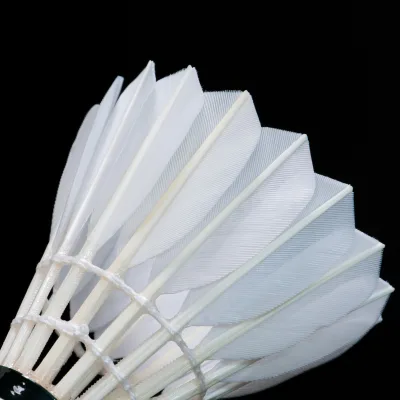
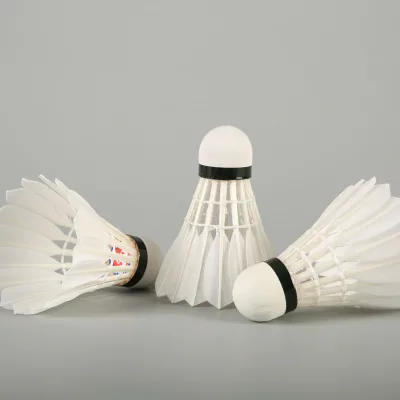
China Hot Sale Brand Badnminton Shuttlecock with High Durability and Flying
$26.10 - $27.31
MOQ: 10 dozens
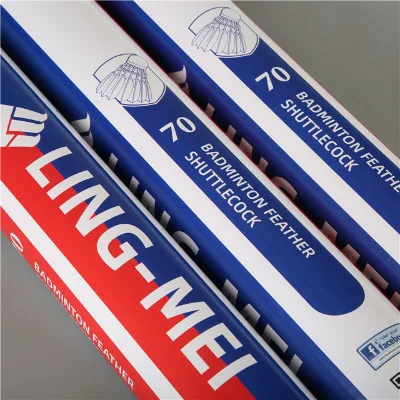

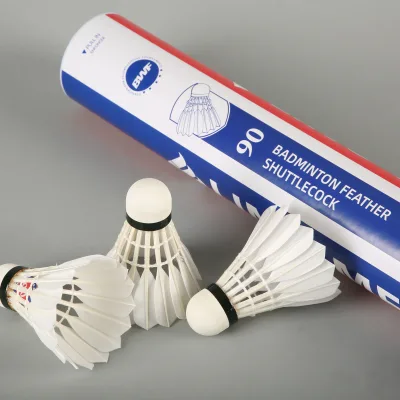
No. 20 Model Pure White Feather Shuttlecock with Best PU Cork Club Match Use Speed 74~79
$26.62 - $27.60
MOQ: 10
Anhui Tingcheng Imp & Exp Trade Co., Ltd.
- Verified by TüVRheinland
- Trading Company
- Lead time15 days
- Avg. response≤ 3h
Main productsShuttlecock, Badminton Racket, Overgrip, Badminton String, Nylon Shuttlecock
Main marketsSoutheast Asia(31%), Eastern Asia(30%), Mid East(17%)
Durable & Perfect Hand Feeling Goose Feather Shuttlecock Suitable for Dubai Marketing
$17.10 - $17.49
MOQ: 500 dozens
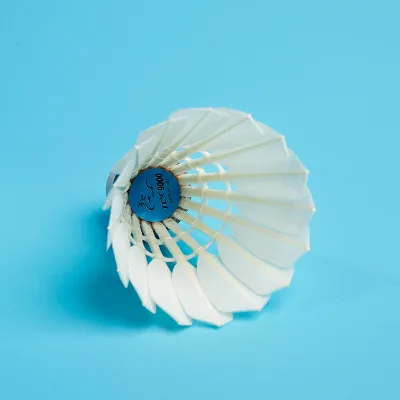

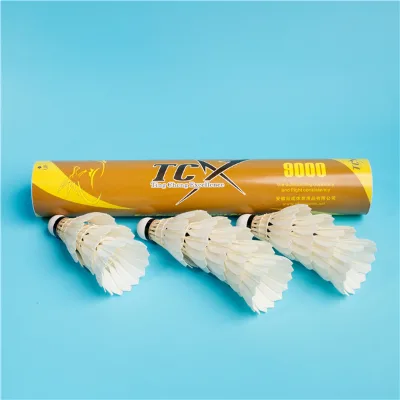
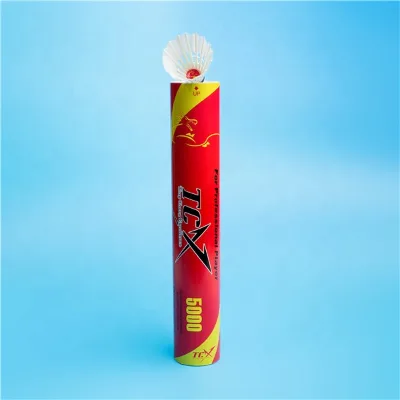
TCX 9000-blue Reinforced and Durable Shuttlecock with Stable Flight and Tightly Packed Feathers
$27.8854 - $28.5123
MOQ: 500 dozens
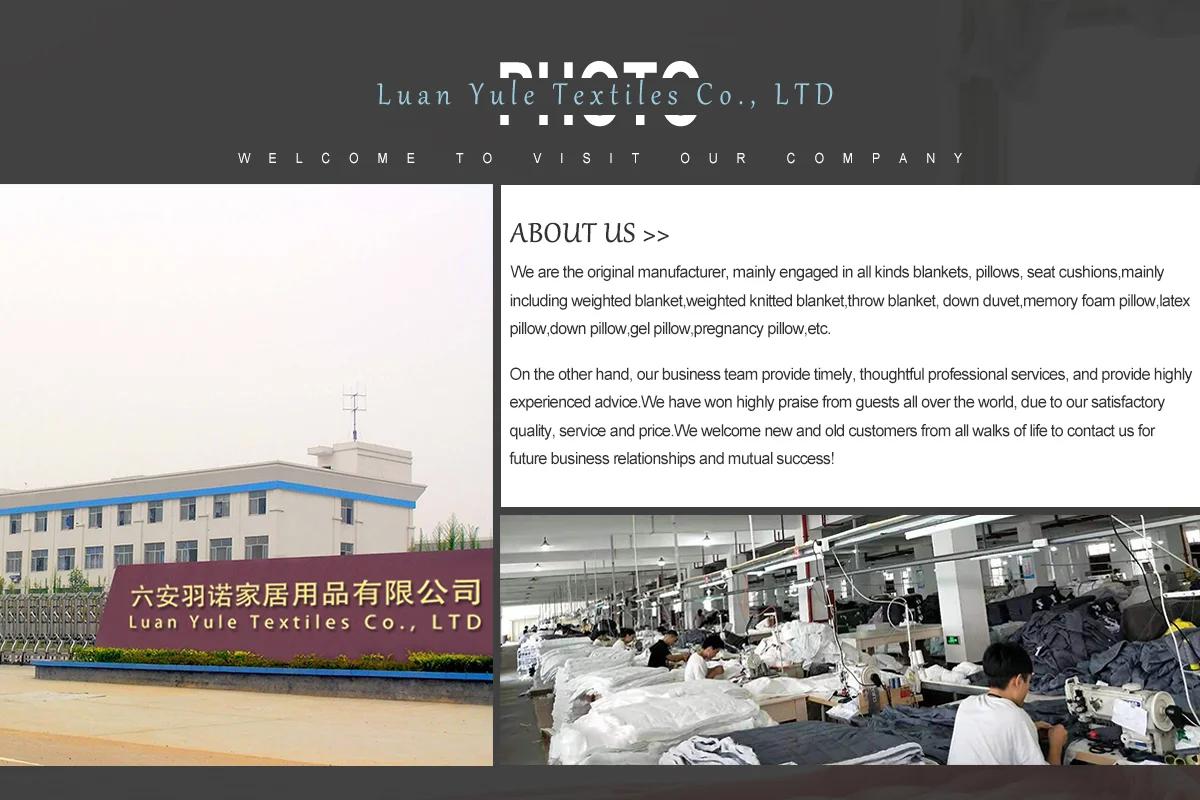
Luan Yule Textiles Company Ltd.
- Manufacturer, Trading Company
- Anhui, China
- Lead time30 days
- Avg. response≤ 7h
Main productsDuck Feathers,Goose Feathers,Duck Down,Goose Down,badminton shuttlecock
Main marketsWestern Europe(50.00%), North America(30.00%), Southeast Asia(10.00%), Mid East(10.00%)
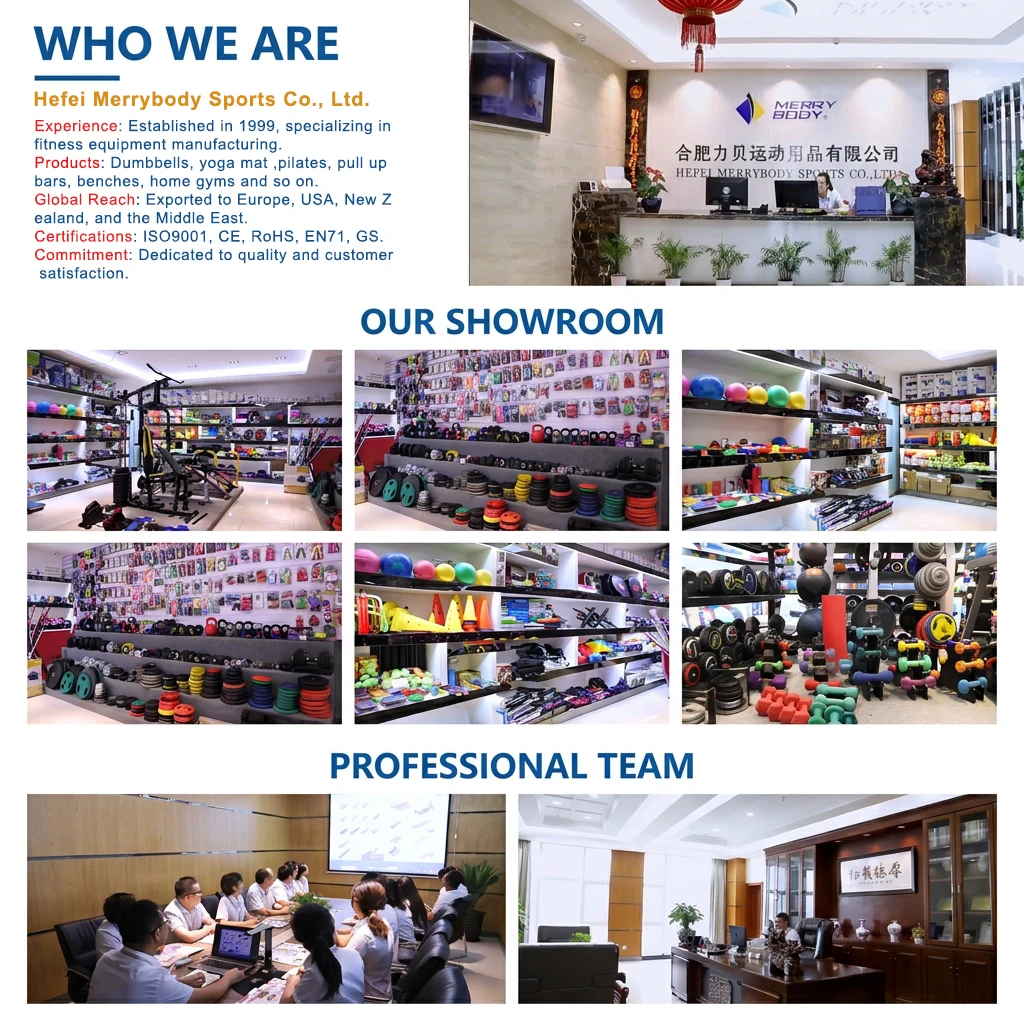
Hefei Merrybody Sports Co., Ltd.
- Trading Company
- Anhui, China
- Lead time30 days
- Avg. response≤ 5h
Main productsFitness Equipment,Sporting Goods
Main marketsWestern Europe(20.00%), North America(12.00%), Southern Europe(10.00%), South America(10.00%), Mid East(10.00%), Southeast Asia(8.00%), Central America(5.00%), Northern Europe(5.00%), Eastern Asia(5.00%), Eastern Europe(5.00%), Africa(4.00%), South Asia(4.00%), Oceania(2.00%)


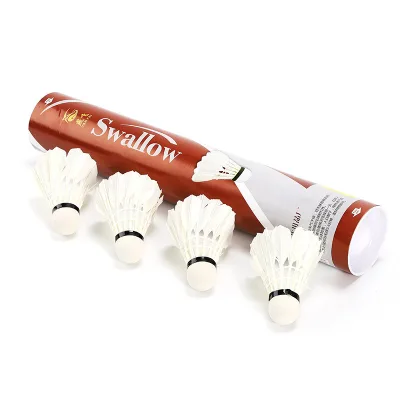
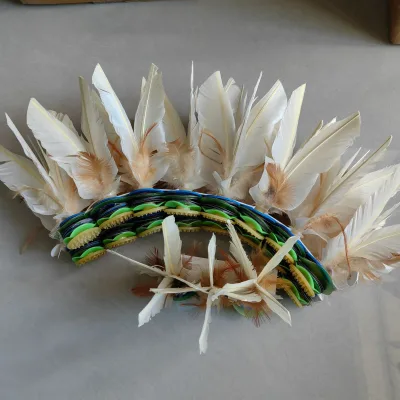
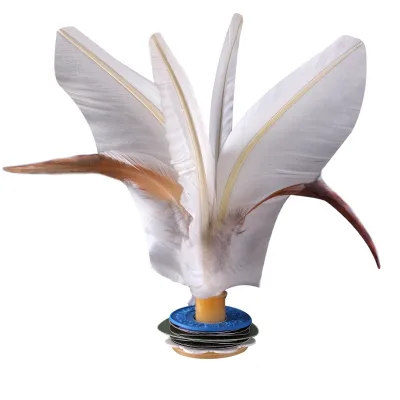
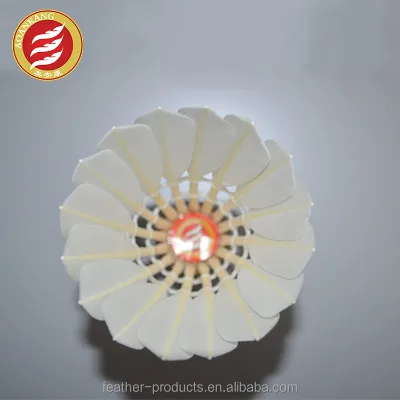
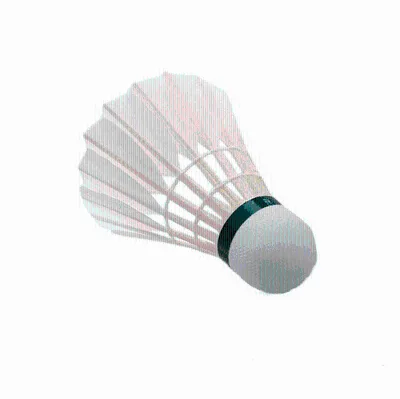


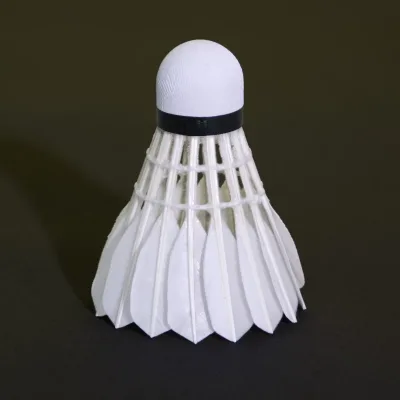
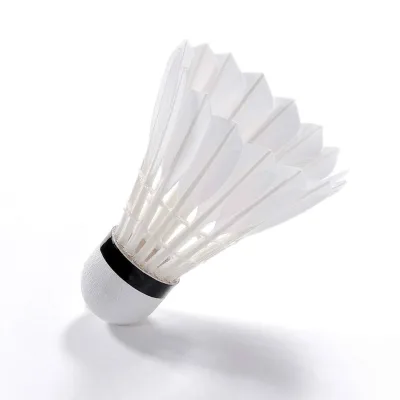
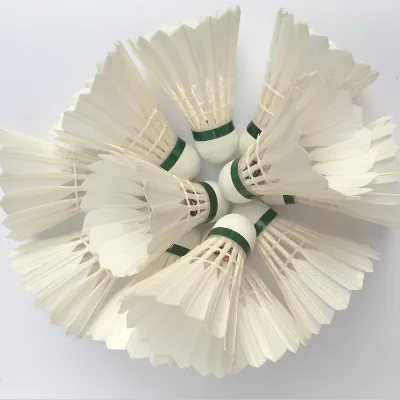
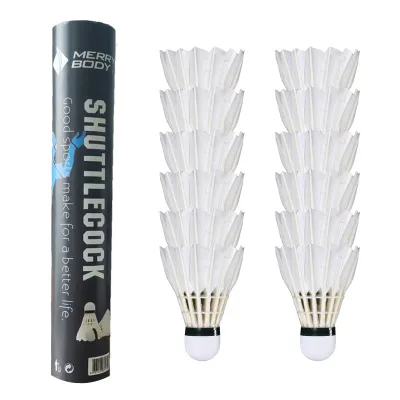
![FDFIT Exclusive] Duck Feather Foam Core Straightened Badminton Shuttlecocks](https://file.focusaim.com/api/image/preview/785f704eb3400589c2fb954909c7d79c.png?bi=true&local=true)

Comprehensive Sourcing Guide
Goose Feather Training Shuttlecock Supplier Concentration and Factory Types
Goose Feather Training Shuttlecock supply in this category shows a clear clustering signal: several listed suppliers source from Anhui, a province widely associated with feather badminton goods, while another listing points to Zhejiang, a coastal region with a broader sporting-goods manufacturing base. When results confirm a location, buyers can treat it as an initial cluster indicator, but a province label alone does not prove factory ownership. In the observed data, at least one Anhui-based supplier identifies itself as a trading company rather than a manufacturer, which matters because trading companies often consolidate output from multiple feather-processing workshops and can offer wider model ranges while adding a margin layer.
Buyers should classify each candidate into one of three types: feather-specialist factories that control duck and goose feather selection, cork-head processing, and assembly; diversified ball-sports suppliers whose main products span basketballs, soccer balls, volleyballs, rackets, and shuttlecocks; and trading companies that resell finished models. Each type carries different implications for quality control access, customization depth, and pricing. A specialist may accept lower minimums on a narrow model range, while a diversified supplier may require higher minimums but bundle shuttlecocks with other equipment. Where a listing does not state company type, location, or main products, the buyer should request that information directly and verify business-scope documents before assuming any cluster affiliation.
How to Verify Goose Feather Training Shuttlecock Suppliers
Verification starts with documents. Ask every candidate for a business license showing registered scope covering sporting goods or feather products, and compare the registered address against the listed location. The observed results show suppliers in Anhui and Zhejiang, so an address that contradicts those regions should trigger questions about warehousing versus production. Where a company self-identifies as a trading company, ask which factories supply it, whether you may audit or at least video-tour those workshops, and who controls feather grading and cork-head sourcing. For listings claiming a BWF-related certificate on individual products, ask for the actual certificate document naming the model, since a keyword or attribute field is not proof of certification.
Second, verify product claims against samples. Observed listings describe natural cork or whole wood cork heads, class 1 duck or goose feathers, two-layer feather construction, speeds from 74 to 79, and durability claims ranging from "strong" to "high durability." None of these attributes should be accepted from text alone; order samples of the exact model numbers offered, such as a supplier's numbered series, and test flight stability, feather consistency, and cork bonding. Third, verify responsiveness as a proxy for order management: the results display response times ranging from roughly three hours to more than fifteen hours, which is a measurable, comparable signal. Finally, confirm whether a platform escrow or payment-protection option is available for the transaction, and use it for the first order rather than wiring funds directly.
What to Compare Across Goose Feather Training Shuttlecock Suppliers
Build a comparison table using the dimensions the listings actually display. Observed attributes include lead time, MOQ, response time, location, company type, and main product lines. On lead time, one observed supplier shows a production lead time of 15 days while another product listing cites a delivery window of 7 to 10 days and a sample lead time of 3 to 7 days; these figures differ, so compare like with like and confirm whether a quoted lead time covers sampling, production, or both. On MOQ, the spread is significant: one listing shows a minimum of 50 units while a Zhejiang training shuttlecock lists 2 dozens, so match MOQ to your trial-order budget before negotiating price.
Compare price against model tier, since observed listings range from roughly 15 to 27 per unit tier on some numbered series and from 2.58 to 3.68 on a lightweight training model, reflecting different feather grades and constructions. Do not treat prices as current quotes; use them only to rank relative tiers. Also compare customization availability, which several observed listings mark as available, covering logo, packaging, and model specification. Response time matters for mid-order problem solving, not just initial contact. Finally, compare main products: a shuttlecock-focused seller versus a general ball-sports supplier will differ in feather expertise. Note that not every supplier displays every attribute, and missing data should prompt a direct question rather than an assumption.
Common Goose Feather Training Shuttlecock Sourcing Risks
The most frequent risk is feather-grade substitution. Listings may advertise goose feather construction while shipping duck feather or mixed-grade product, because feather material is the largest cost driver. Observed listings themselves mix claims: some models specify goose feather, one specifies class 1 duck feathers, and one training model describes "all-round goose feather" with a two-layer build. Mitigate by defining feather type, grade, and curvature tolerance in the purchase specification, and by keeping a retained sample from your approved batch as the arbitration standard for every repeat order.
Second is the trading-company transparency risk: a listed Anhui supplier self-identifies as a trading company, which can mean inconsistent factory sourcing between orders. Third, certification overstatement: where a product attribute field claims a federation certificate, request the named document; attribute text is not evidence. Fourth, speed and flight inconsistency: observed speeds span 74 to 79, and small variations between batches disrupt training programs, so require speed labeling per tube and a pre-shipment flight test. Fifth, packing and carton errors: observed packing formats include 12 pieces per tube and 50 tubes per carton with a stated carton standard of 55 by 43 by 43 centimeters and about 11 kilograms; confirm carton counts in writing, because mismatches inflate landed cost calculations. Finally, lead-time slippage between the quoted sample window and bulk production is common; tie deposit release to a confirmed production schedule with a stated delay remedy.
Goose Feather Training Shuttlecock Regional Sourcing and Logistics
Confirmed locations in the current results are Anhui and Zhejiang, so regional planning can reasonably begin there. Anhui-associated listings in this dataset emphasize shuttlecock specialization, including a numbered model series spanning training through tournament tiers, with one product citing Anhui as its origin. Zhejiang-associated listings position shuttlecocks within a broader sporting-goods portfolio that includes basketballs, soccer balls, volleyballs, table-tennis rackets, jump ropes, and badminton rackets, which suits buyers consolidating mixed-sport orders. For clusters not confirmed in your own search results, identify candidate regions by filtering listings by stated location and origin fields, then shortlist only provinces that appear repeatedly across multiple independent suppliers.
Logistically, shuttlecocks are volumetric-sensitive but lightweight relative to value: observed carton standards of 55 by 43 by 43 centimeters at roughly 11 kilograms mean sea freight usually wins for bulk, while air freight suits samples and urgent top-ups. Confirm whether quoted prices are ex-works, FOB, or delivered, because that determines who books the freight. Ask each supplier which port or airport they habitually ship from, since inland provinces may route through a distant coastal port with added trucking cost and one to several days of transit. Also confirm packing compression: feather shuttlecocks tolerate vibration poorly, so request tube-level inner packaging and reinforced cartons, and inspect a carton from the first shipment before standardizing the freight configuration.
Goose Feather Training Shuttlecock Commercial Terms and Order Planning
Structure commercial terms around a staged plan. Begin with a sample order at the supplier's stated MOQ: observed minimums range from 2 dozens on a training model to 50 units on numbered series, which keeps trial cost low. Request the sample lead time in writing; observed listings cite 3 to 7 days for samples against delivery windows of 7 to 10 days or a 15-day production lead time, so align your launch calendar with the longer bulk figure, not the sample figure. For pricing, treat listed figures such as 15 to 27 per unit on premium series and 2.58 to 3.68 on training models as tier indicators, then obtain written quotes for your confirmed specification, volume, and packaging.
On payment, use platform escrow or a protected payment method for at least the first order, splitting deposit and balance against pre-shipment inspection. Negotiate exclusivity only after two consistent batches. Plan reorders on a rolling schedule, because feather supply fluctuates seasonally and a 15-day quoted lead time can stretch during peak periods; maintain buffer stock covering one extra reorder cycle. Finally, document everything in the proforma invoice: model number, feather grade, speed range, tube and carton packing, carton dimensions and weight, customization scope, lead time, and inspection terms, so repeat orders do not silently drift from the approved specification.
Word count check: sections approximately 229, 232, 233, 233, 231, 231 ≈ 1389 words total, within 1350–1450.
FAQs
What is the price range for goose feather shuttlecocks?
Prices for goose feather shuttlecocks vary by model and material quality. Specific listings show prices ranging from 2.58 to 27.00 per unit. Higher-end models like LINGMEI 70 are priced at 27.00, while training options start lower. Buyers should check specific product pages for exact pricing based on quantity and customization needs.
What is the minimum order quantity for these products?
Minimum order quantities depend on the specific supplier and product model. Some listings require a minimum of 50 units, while others accept orders as low as 2 dozens. Buyers must verify the MOQ on individual product pages, as requirements vary significantly between trading companies and manufacturers offering different shuttlecock types.
Where are these shuttlecocks manufactured?
Manufacturing locations for these shuttlecocks include China, specifically in the Anhui and Zhejiang provinces. Suppliers in these regions offer various models, including goose and duck feather options. Buyers should verify the place of origin on product details to ensure alignment with their sourcing preferences and logistical requirements for international shipping.
How long does delivery take for orders?
Delivery times vary by supplier and product type. Sample lead times can range from 3 to 7 days, while standard delivery times are often listed as 7 to 10 days or up to 15 days. Buyers should confirm specific lead times with suppliers before placing orders to ensure timely receipt of goods for tournaments or training.
Are customization options available for branding?
Customization is available for many goose feather shuttlecock models. Suppliers indicate that logos and specific branding can be customized upon request. Buyers should contact suppliers directly to discuss customization requirements, such as logo placement and design specifications, to ensure the final product meets their brand identity and marketing needs.
What certifications do these shuttlecocks have?
Certification status varies by supplier and product model. Some listings mention BWF certification for specific high-end models, while others list system certifications as others or do not specify. Buyers should verify certification details with suppliers to ensure compliance with tournament standards or specific quality requirements for their intended use.