Grinding Spray Booth Suppliers and Manufacturers
Source 32 verified Grinding Spray Booth suppliers offering CE-certified units with 15-day lead times and 99% purification efficiency. Compare options from Guangdong and Shanghai factories with 1-year warranties and 24-hour online support to find the right fit; review the available evidence before requesting comparable quotations from suitable candidates.
Updated
Suppliers List
Guangzhou Aucare Automobile Technology Co., Ltd.
- Verified by TüVRheinland
- Trading Company
- Lead time15 days
- Avg. response≤ 1h
Main productsSpray Booths, Tire Repair Equiments And Tools, Automotive Repair Equipments, Powder Coating Equipments, Dust Collection Equipments
Main marketsNorth America(20%), Eastern Europe(20%), South America(10%)
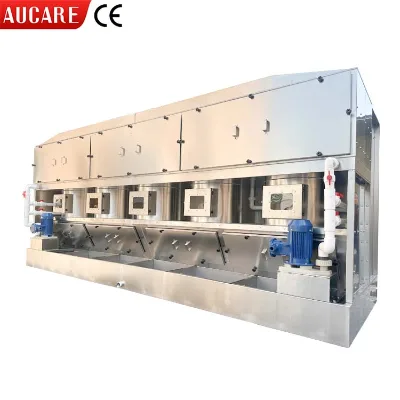
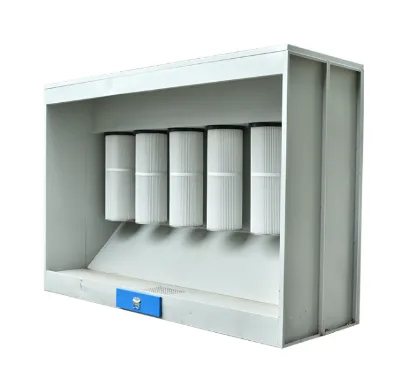
movable grinding booth water-based paint coating spray booth customized spray booth for wood working
$1500.00 - $1800.00
MOQ: 1 sets
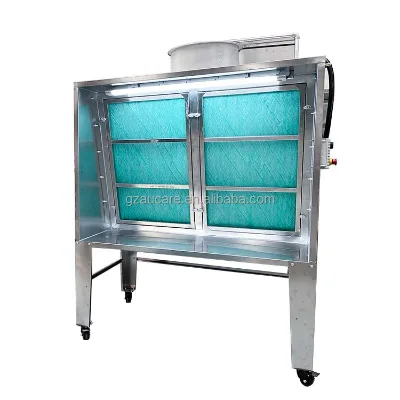
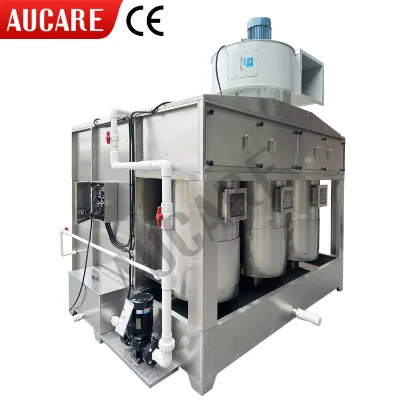
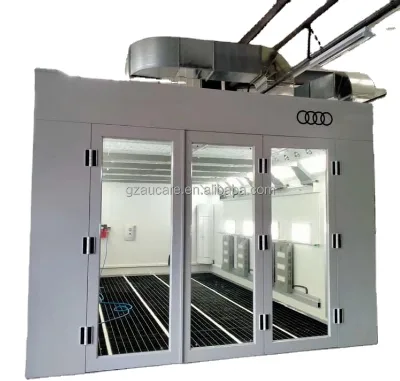
Shanghai Boscar Technology Co., Ltd.
- Verified by Intertek
- Trading Company
- Lead time15 days
- Avg. response≤ 3h
Main productsCar Lift, Tire Changer, Spray Booth, Wheel Alignment Machine, Wheel Balancer
Main marketsWestern Europe(30%), North America(20%), Oceania(20%)
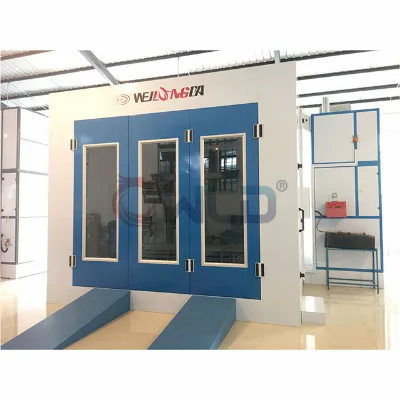
Guangzhou Weilongda Electromechanical Equipment Co., Ltd.
- Verified by SGS Group
- Manufacturer, Trading Company
- Lead time7 days
- Avg. response≤ 2h
Main productsSpray Booth/Powder Coating Booth/Prep Bay/Garage Equipment, Powder Coating Line
Main marketsAfrica(10%), Mid East(10%), Western Europe(10%)
Guangdong Chaomai Automation Technology Co., Ltd.
- Verified by Intertek
- Manufacturer, Trading Company
- Lead time0 days
- Avg. response≤ 3h
Main productsProduction Line, Automated Equipment, Spray Drying and Curing Equipment, Robots and Applications
Main marketsDomestic Market(50%), Mid East(10%), Southeast Asia(6%)
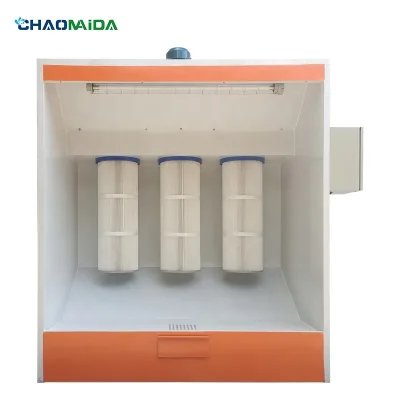
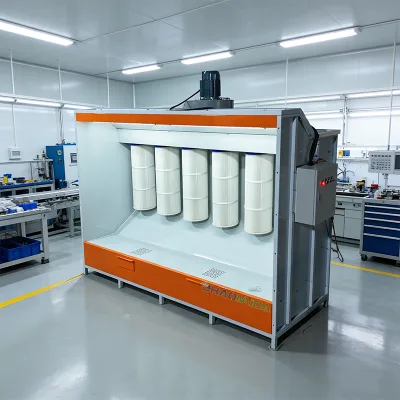
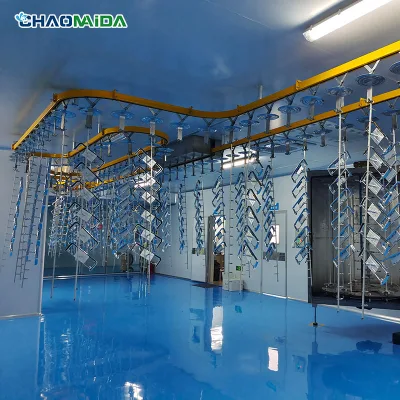
Spraying Booth Environmental Spraying Equipment Spray Paint Room
$3000.00 - $3200.00
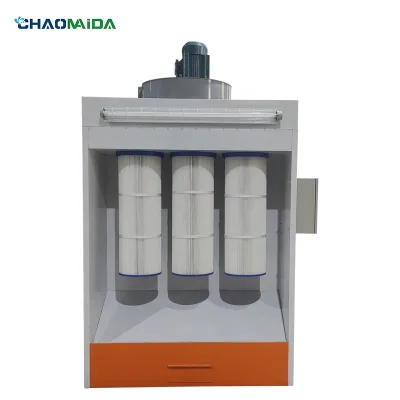
Can be equipped with a powder spray gun powder coating spray booth
$1835.00 - $1855.00
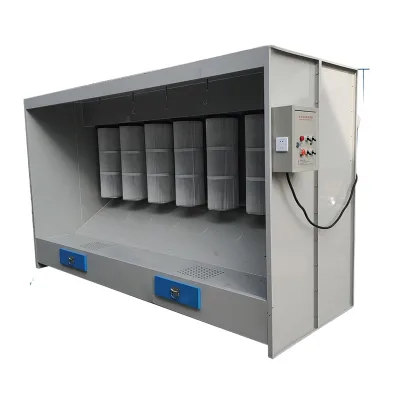
$380.00 - $410.00
MOQ: 1 pieces
Guangzhou Baohua Auto Maintenance Equipment Trade Co., Ltd.
- Verified by TüVRheinland
- Trading Company
- Lead time2 days
- Avg. response≤ 2h
Main productsSpray Booth, Car Lift, Dent Pulling Machine, Wheel Alignment Machine, Auto Frame Straightening Machine
Main marketsAfrica(25%), Southeast Asia(20%), Eastern Europe(10%)
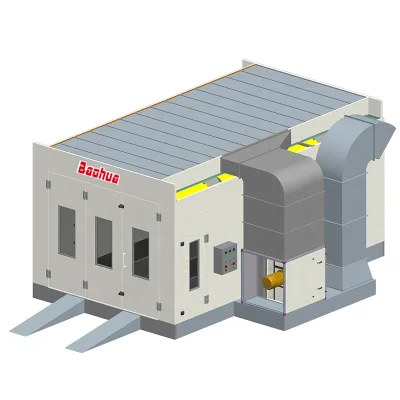
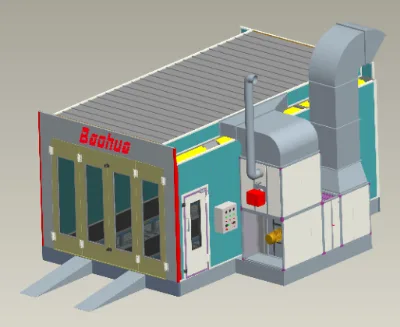
$4250.00 - $8500.00
MOQ: 1 Minimum
Guangzhou Shinely Import And Export Trade Co., Ltd.
- Verified by TüVRheinland
- Trading Company
- Lead time15 days
- Avg. response≤ 3h
Main productsVehicle Lift, Vehicle Testing Line, Spray Booth, Tire Changer, Auto Repair System
Main marketsMid East(30%), South Asia(20%), South America(10%)

Guangzhou Weilongda Electromechanical Equipment Co., Ltd.
- Combined
- China Guangdong
- Lead time23 days
- Avg. response≤ 2h
Main productsSpray Paint Booth, Powder Coating Line, Prep Station, Auto Lifter, Air Compressor, Car Frame Machine, Wheel Balancer, Wheel Alignment, Auto Repair Equipment, Tire Changer
Main marketsSouth America,Africa,Southeast Asia/ Mideast,Europe,Australia,North America

Hangzhou Color Powder Coating Equipment Co., Ltd.
- Verified by TUVRHEINLAND
- Combined
- China Zhejiang
- Lead time30 days
- Avg. response≤ 3h
Main productsPowder Coating Gun, Powder Coating Equipment, Powder Coating Machine, Powder Coating Booth, Powder Coating Oven, Powder Painting Line, Powder Coating Spare Parts
Main marketsAfrica,Europe
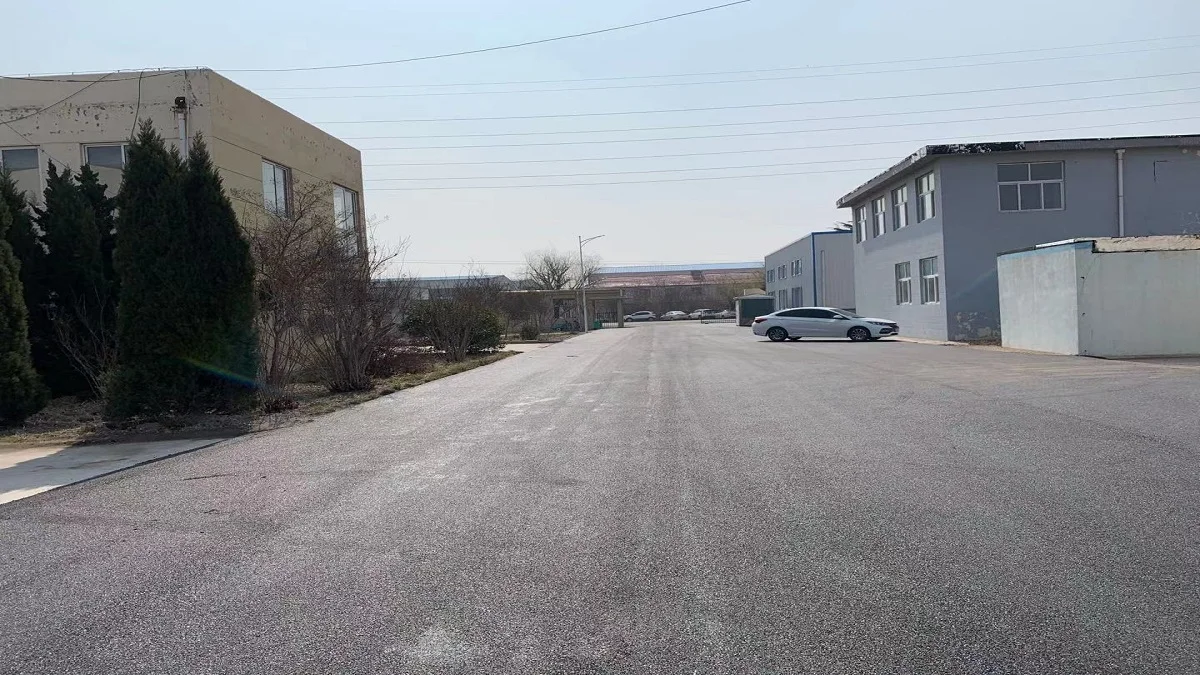
Qingdao Hua Yushun Commercial Co.,ltd
- Manufacturer, Trading Company
- Shandong, China
- Lead time7 days
- Avg. response≤ 10h
Main productsspray booth,powder coating booth,dust removal system,waste gas treatment,sandblasting booth
Main marketsEastern Europe(40.00%), Oceania(20.00%), Western Europe(10.00%), Southeast Asia(6.00%), Mid East(4.00%), Africa(4.00%), Eastern Asia(3.00%), Northern Europe(2.00%), Central America(2.00%), South America(2.00%), North America(2.00%), Domestic Market(1.00%), South Asia(1.00%), Southern Europe(1.00%)
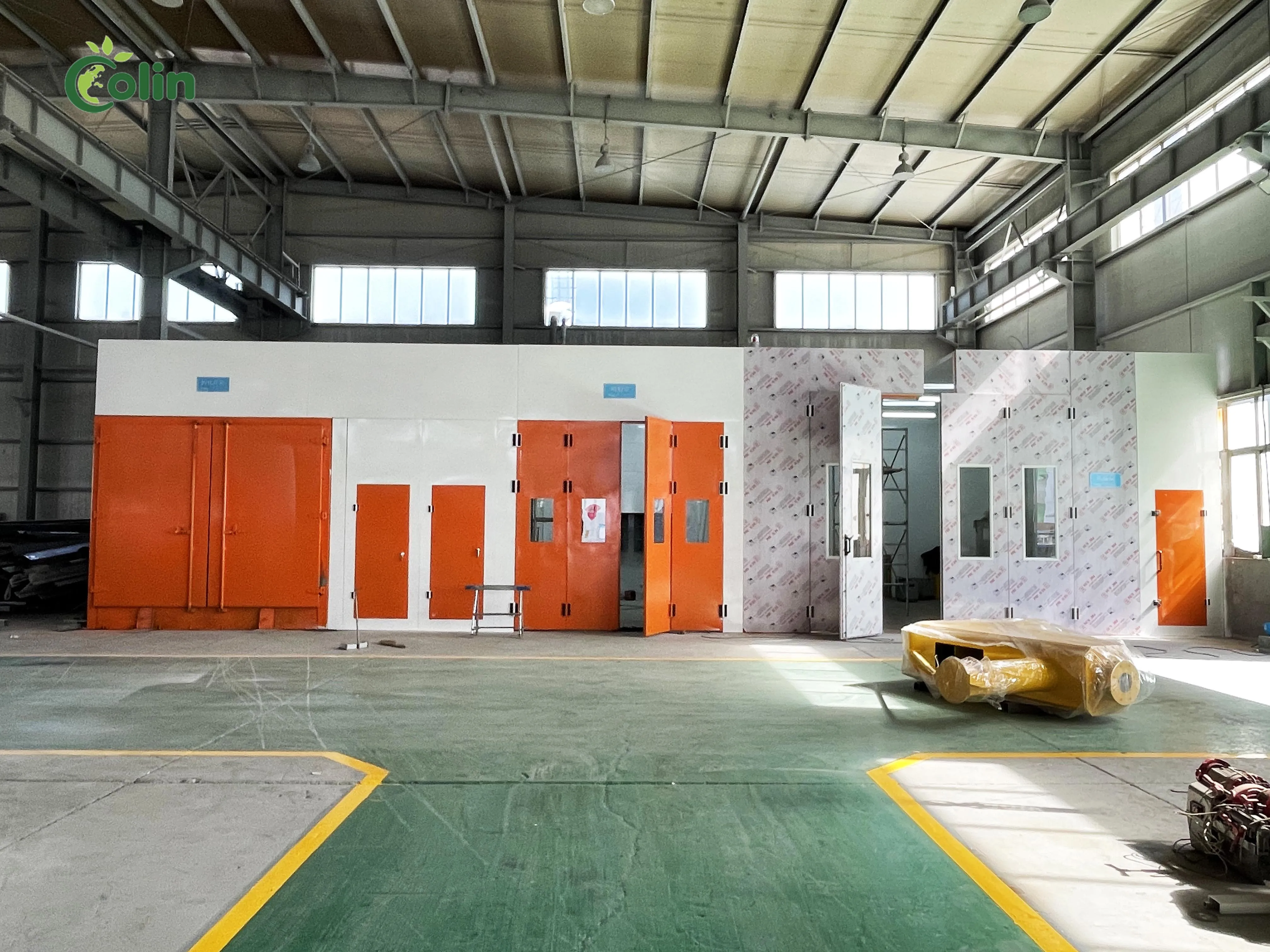
Shandong Aizhou Tech Co., Ltd.
- Manufacturer, Trading Company
- Shandong, China
- Lead time0 days
- Avg. response≤ 2h
Main productsPowder coating line,powder coating system,Automatic powder coating line,Manual powder coating line
Main marketsNorth America(15.00%), Northern Europe(10.00%), Oceania(10.00%), Eastern Asia(10.00%), Domestic Market(9.00%), Central America(8.00%), South Asia(5.00%), Southern Europe(5.00%), Southeast Asia(5.00%), Eastern Europe(5.00%), Western Europe(5.00%), Africa(5.00%), Mid East(5.00%), South America(3.00%)
- Manufacturer
- Guangdong, China
- Lead time15 days
- Avg. response≤ 3h
Main productsSpray booths,car lifts,car bench,retractable spray booth,preparation booth
Main marketsEastern Europe(15.00%), Western Europe(10.00%), Eastern Asia(10.00%), Mid East(10.00%), South Asia(10.00%), Southeast Asia(10.00%), Northern Europe(10.00%), Southern Europe(10.00%), South America(7.00%), North America(5.00%), Africa(3.00%)
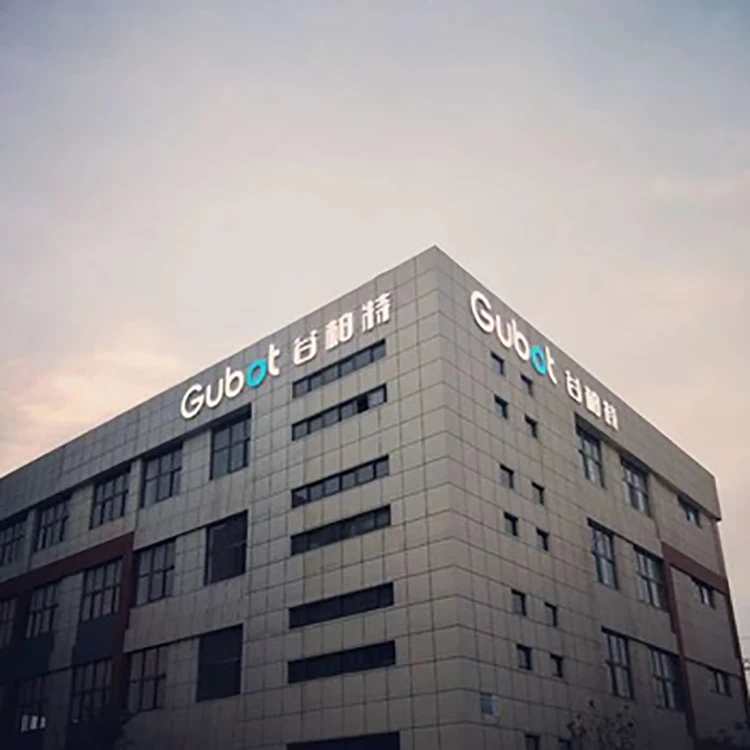
Shanghai Gubot Automobile Technology Co., Ltd.
- Manufacturer, Trading Company
- Shanghai, China
- Lead time10 days
- Avg. response≤ 2h
Main productsWheel diamond cut machine,Wheel Repair Machine,Smart Oven,Wheel straighten machine
Main marketsWestern Europe(35.00%), Domestic Market(20.00%), Africa(10.00%), South America(5.00%), Southern Europe(5.00%), North America(5.00%), Eastern Asia(5.00%), Mid East(5.00%), Oceania(5.00%), Southeast Asia(5.00%)

Guangzhou Infitech Mechanical and Electrical Equipment Co., Ltd.
- Manufacturer/Factory
- China Guangdong
- Lead time23 days
- Avg. response≤ 7h
Main productsSpray Booth, Automotive Spray Booth, Paint Baking Oven, Spray Baking Booth, Prep Station, Car/Auto Spray Booth, Industrial Paint Booth, Bus/Truck Paint Booth, Mixing Room, Car/Auto Painting Room
Main marketsSouth America,Eastern Europe,Mid East,North America,Southeast Asia,Eastern Asia,Oceania,Western Europe,Africa

Auto Spray Booths/Car Spray Booths/Spray Booths/Paint Spray Booths Price
$7000.00 - $25000.00
MOQ: 1 Sets

Spray Booth/Spray Booths/Garage Equipment/Paint Booth for Car Painting
$9000.00 - $25000.00
MOQ: 1 Sets


Spray Booth Paint Spray Booth Garage Equipments Paint Spray Booths Price
$9000.00 - $30000.00
MOQ: 1 Sets

Non-Standard Car Spray Booth/Paint Booth/Paint Spray Booth Price/Auto Spray Booth
$15000.00 - $18000.00
MOQ: 1 Sets

Shandong Longxiang Machinery Co., Ltd.
- Verified by BV
- Trading Company,Manufacturer/Factory
- China Shandong
- Lead time15 days
- Avg. response≤ 2h
Main productsAuto Spray Booth, Furniture Painting Oven, Downdraft Table, Water Curtain Spray Booth, Dry Type Spray Booth, Painting Line, Prep Station, Industrical Spray Booth, Bus Spray Booth
Main marketsSouth America,Eastern Europe,Mid East,North America,Southeast Asia,Eastern Asia,Oceania,Africa

Auto Spray Boothspray Booths Small Spray Booth Spray Booths for Car Painting
$3000.00 - $3500.00
MOQ: 1 Sets


Small Spray Booth Single Phase Retractable Mobile Spray Booth Advanced Painting Booth
$4900.00 - $5500.00
MOQ: 1 Sets

Paint Spray Booth High-Efficiency Paint Equipment Small Paint Spray Booth
$4900.00 - $5500.00
MOQ: 1 Sets

- Trading Company
- Sichuan, China
- Lead time0 days
- Avg. response≤ 3h
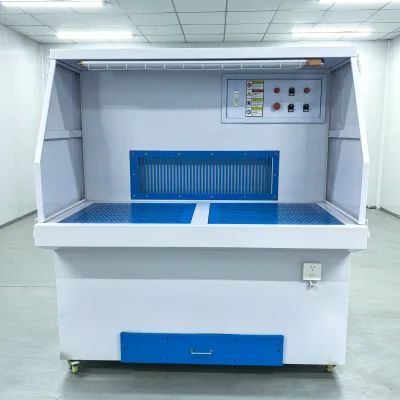
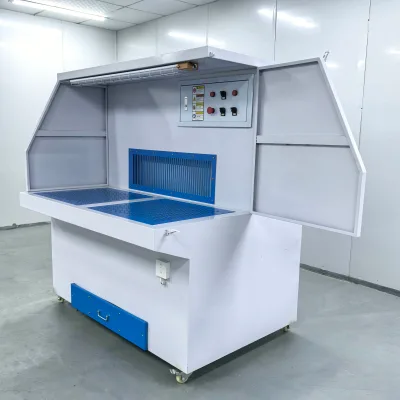
Powder Coating Booth Dust Removal Spray Booth for Painting
$1250.00 - $1450.00
Jinan Xin Aoxin Coating Equipment Co., Ltd.
- Verified by Intertek
- Manufacturer, Trading Company
- Lead time15 days
- Avg. response≤ 1h
Main productsPaint Spraying Room, Retractable Paint Booth, Car Lift, Auto Body Repair Equipment, Filter Cotton
Main marketsDomestic Market(30%), North America(15%), South America(15%)
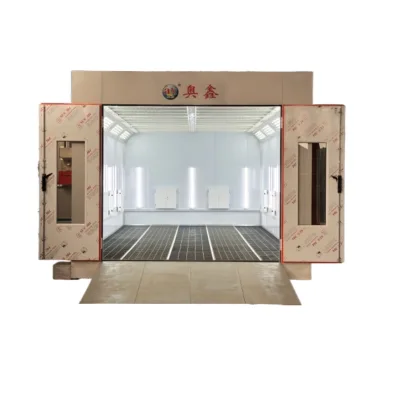
Paint Spray Booth Ceramics Filters for Automotive Paint Booth Dry Back Spray Booth
$3650.00 - $4650.00
MOQ: 1 sets
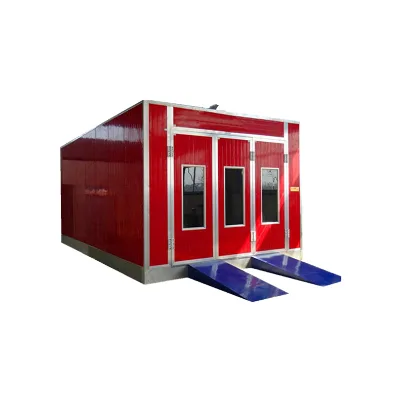
Paint Spray Cabinet for Spraying Finishes and Paints High Efficiency Spray Booths Product
$3200.00 - $4650.00
MOQ: 1 sets
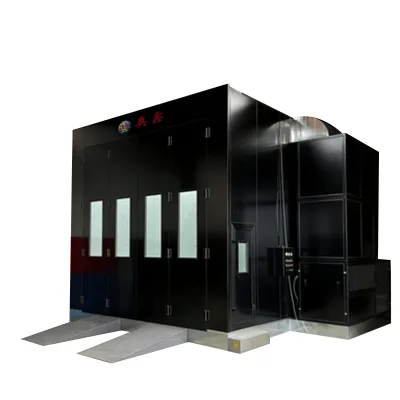
Energy-Saving Paint Booth from China Spray Booth for Sale Australia Wet Type Filtration System
$5123.2764 - $5840.5351
MOQ: 1 sets
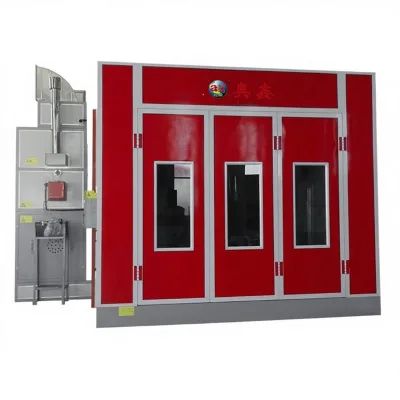
Professional Paint Booth With Heating and Filtration Systems for Auto Repair Shops
$3893.6901 - $6147.9317
MOQ: 1 Minimum

Yantai Lift Equipment Co., Ltd.
- Trading Company,Manufacturer/Factory
- China Shandong
- Lead time23 days
- Avg. response≤ 3h
Main productsCar Lift, Wheel Alignment, Tire Changer, Wheel Balancer, Auto Diagnostic Scanner, Auto Scanner, Car Jack, Garage Equipment, Auto Diagnostic Tool, Spray Booth
Main marketsSouth America,Eastern Europe,Mid East,North America,Southeast Asia,Eastern Asia,Oceania,Western Europe,Africa


Spray Booths/Paint Booth/Large Spray Booth/Auto Painting Drying Room/Car Spray Booth
$13552.00 - $14265.00
MOQ: 5 Pieces

Shandong Longxiang Machinery Co., Ltd.
- Verified by SGS Group
- Manufacturer, Trading Company
- Lead time10 days
- Avg. response≤ 1h
Main productsSpray Booth, Furniture Spray Booth, Prep-station, Car Lift, Car Bench
Main marketsMid East(26%), Southeast Asia(21%), Africa(18%)
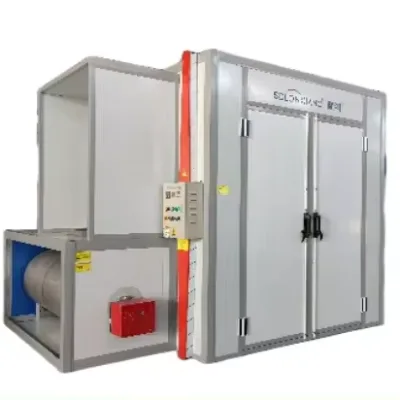
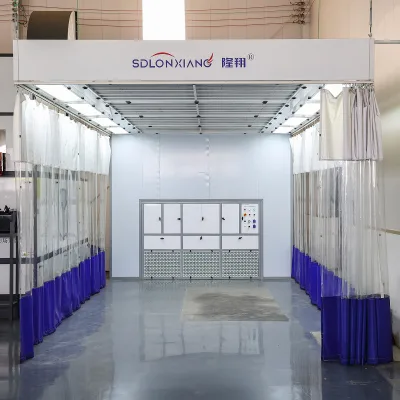
$3891.0182 - $4095.8086
MOQ: 1 sets

Yantai Care Machinery Co., Ltd.
- Trading Company,Manufacturer/Factory
- China Shandong
- Lead time23 days
- Avg. response≤ 13h
Main productsAuto Body Frame Machine, Spray Booth, Car Lift, Wheel Alignment, Tire Changer, Wheel Balancer, Air Compressor, Oil Drainer, Car Bench, Paint Booth
Main marketsSouth America,Eastern Europe,Mid East,North America,Southeast Asia,Eastern Asia,Oceania,Western Europe,Africa
Yantai Clear Coating Equipment Co.,Ltd.
- Verified by TüVRheinland
- Manufacturer, Trading Company
- Lead time20 days
- Avg. response≤ 3h
Main productsPowder Coating Line, Liquid Painting Line, Powder Coating Oven, Powder Coating Booth, Pre-treatment System
Main marketsDomestic Market(40%), North America(10%), Eastern Europe(10%)
Yancheng Honzo Machinery & Equipment Co., Ltd.
- Trading Company
- Jiangsu, China
- Lead time25 days
- Avg. response≤ 2h
Main productscar washing machine,spray booth,car wheel aligner,car test line,car lift
Main marketsMid East(20.00%), Southeast Asia(18.00%), North America(15.00%), South Asia(15.00%), South America(12.00%), Western Europe(7.00%), Southern Europe(7.00%), Africa(5.00%), Eastern Europe(1.00%)

Yantai Xingyue Coating Equipment Co., Ltd
- Verified by TUVRHEINLAND
- Combined
- China Shandong
- Lead time30 days
- Avg. response≤ 1h
Main productsSpray Booth, Powder Coating Line, Sandblasting Booth, Shot Blasting Booth, Painting Line, Customized Spray Booth, Environmental Protection Equipment, Pretreatment System, Drying Room, Baking Booth
Main marketsDomestic


High-Quality Diesel Burner Spray Booth Customized Automatic Spray Booth
$8000.00 - $10000.00
MOQ: 1 piece


Automatic Spray Booth Paint Booth with Integrated Heating and Filtration System
$5000.00 - $10000.00
MOQ: 1 piece


Qingdao Puhua Heavy Industrial Machinery Co., Ltd.
- Combined
- China Shandong
- Lead time30 days
- Avg. response≤ 3h
Main productsCNC Punching Machine, Shot Blasting Machine, CNC Machine, Sand Blasting Machine, CNC Punch Press, Sand Blasting Booths, Wheel Blasting Machine, CNC Press Brake, Shot Blasting Equipment, Cleaning Equipment
Main marketsSouth America,Africa,Southeast Asia/ Mideast,East Asia(Japan/ South Korea),Domestic,Europe,Australia,North America

Qingdao Antai Heavy Industry Machinery Co., Ltd.
- Verified by TUVRHEINLAND
- Combined
- China Shandong
- Lead time30 days
- Avg. response≤ 7h
Main productsShot Blasting Machine, Dust Collector, Sand Blasting Machine, Dustless Blasting, Air Compressor, Sand Blasting Room, Sand Conditioning Equipment, Moulding Machine, Sand Mixer, Foundry Equipment
Main marketsSouth America,Others(foreignTradeCapacity.exportBusinessCapacityMarketOther),Southeast Asia/ Mideast
Shandong Enshine Machinery Technology Co., Ltd.
- Manufacturer, Trading Company
- Shandong, China
- Lead time10 days
- Avg. response≤ 2h
Main productsPowder coating line,Spray booth,Powder coating oven,Car spray booth,Powder coating booth
Main marketsDomestic Market(10.00%), Africa(10.00%), South Asia(10.00%), Mid East(10.00%), Northern Europe(10.00%), North America(10.00%), Eastern Europe(6.00%), Southeast Asia(5.00%), Southern Europe(5.00%), South America(5.00%), Central America(5.00%), Western Europe(5.00%), Eastern Asia(5.00%), Oceania(4.00%)
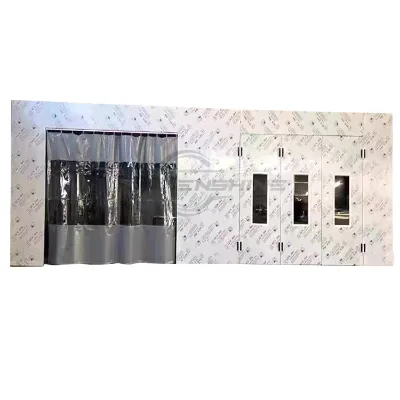
Customized Spray Tan Over-spray Extraction Booth Water Curtain Spray Booth Paintbooth for Sale
$4000.00 - $5000.00
MOQ: 1
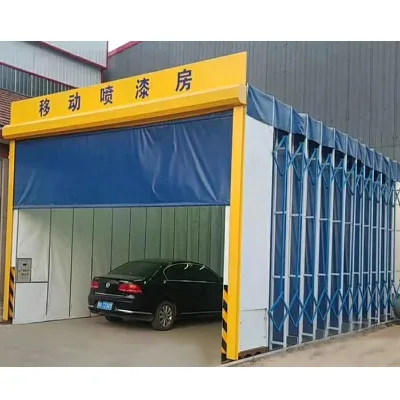
Hot Sale Mobile Retractable Spray Paint Booth with Dust Collection System for Big Bus
$4900.00 - $6250.00
MOQ: 1

- Trading Company
- Sichuan, China
- Lead time10 days
- Avg. response≤ 3h
Main productschrome machine,rim diamond cutting machine,rim straightening machine,hydro dipping machine,electropolishing machine
Main marketsNorth America(25.00%), South Asia(15.00%), Domestic Market(10.00%), Africa(6.00%), Mid East(6.00%), Eastern Europe(5.00%), South America(5.00%), Western Europe(5.00%), Eastern Asia(5.00%), Southeast Asia(5.00%), Southern Europe(5.00%), Central America(3.00%), Oceania(3.00%), Northern Europe(2.00%)
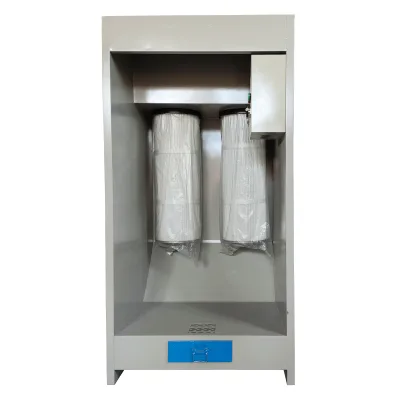
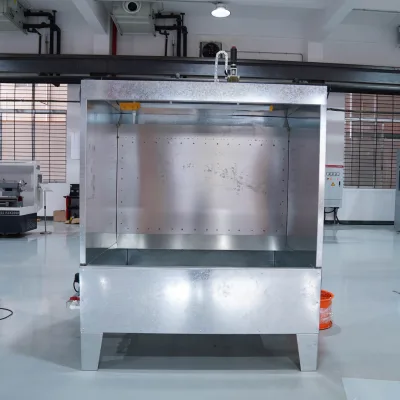
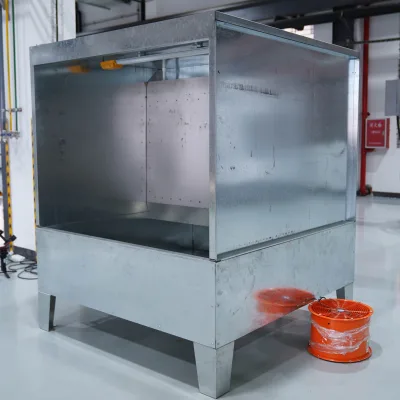
$614.3713 - $819.1617
MOQ: 2 sets
Linhai Jin Hai Coating Equipment Co., Ltd.
- Verified by TüVRheinland
- Manufacturer, Trading Company
- Lead time45 days
- Avg. response≤ 1h
Main productsElectrostatic Manual Powder Coating Plants, Automatic Powder Coating Lines, Powder Coating Spray Booths, Powder Curing Ovens, Powder Coating Machine And Gun Parts
Main marketsNorth America(20%), Oceania(15%), South America(12%)
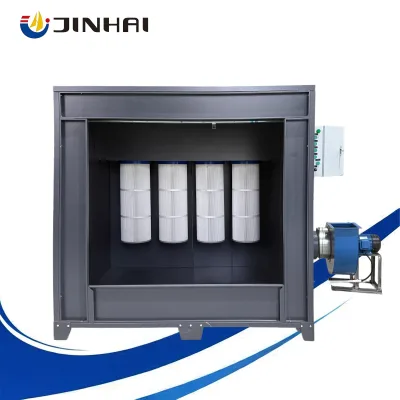
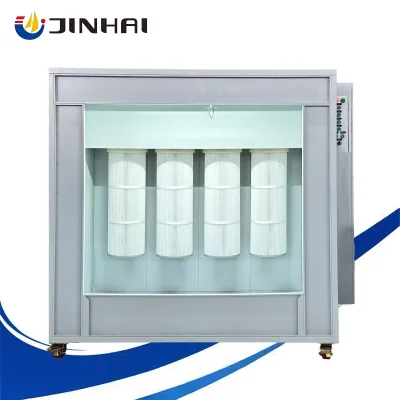
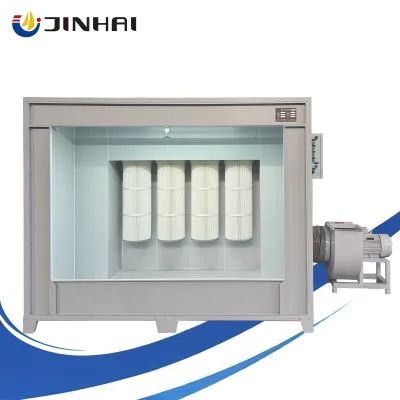
High Performance Powder Coating Booth with Advanced Filtration System
$2354.00 - $2575.00

Jinan Tiansheng Environmental Protection Equipment Co., Ltd.
- Verified by TUVRHEINLAND
- Manufacturer/Factory
- China Shandong
- Lead time45 days
- Avg. response≤ 4h
Main productsEnvironmental Protection Equipment, Central Dust Removal System, Catalytic Combustion Equipment, Cyclone Tower, Fixed Spray Booth
Main marketsSouth America,Eastern Europe,Mid East,North America,Southeast Asia,Eastern Asia,Oceania,Western Europe,Africa


Paint Booth /Mobile Spray Paint Booth Retractable Paint Spray Booth for Sale
$1000.00 - $6000.00
MOQ: 1 Sets


Spray Paint Booth Retractable Spray Booth Retractable Paint Cabinet for Sale
$1000.00 - $6000.00
MOQ: 1 Sets

Jinan Aos International Co., Ltd.
- Trading Company
- Shandong, China
- Lead time15 days
- Avg. response≤ 1h
Main productsSpray booth,tire triple machine,Car repair equipments,oil burner,car frame machine
Main marketsEastern Europe(20.00%), Western Europe(20.00%), South Asia(18.00%), Southeast Asia(15.00%), Eastern Asia(5.00%), Mid East(5.00%), Oceania(5.00%), Africa(5.00%), South America(3.00%), North America(3.00%), Domestic Market(1.00%)
Guangzhou Qiangxin Environmental Protection Electromechanical Equipment Co., Ltd.
- Verified by SGS Group
- Manufacturer, Trading Company
- Lead time10 days
- Avg. response≤ 3h
Main productsSpray Paint Booth, Car Paint Booth, Furniture Spray Booths, Industrial Spray Booth, Powder spray Booth Baking Oven
Main marketsAfrica(30%), Oceania(20%), Mid East(20%)
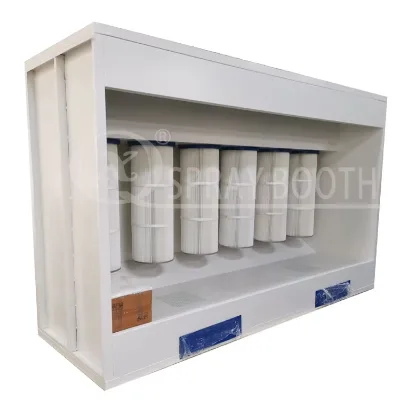
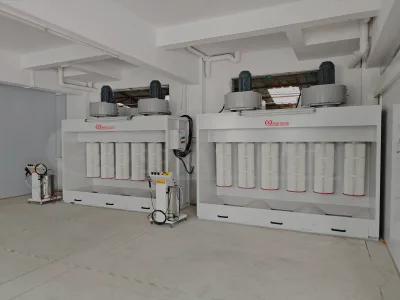
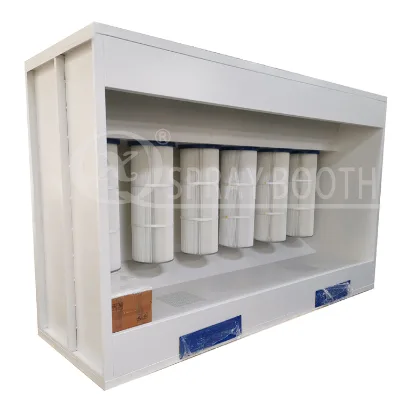
Customized 3 Meter Powder Coating Recovery Machine Powder Paint Booth for Metal Parts
$5176.4592 - $10352.9184
MOQ: 1 Minimum

Yancheng Biaosin Import&Export Co., Ltd.
- Trading Company
- Jiangsu, China
- Lead time0 days
- Avg. response≤ 7h
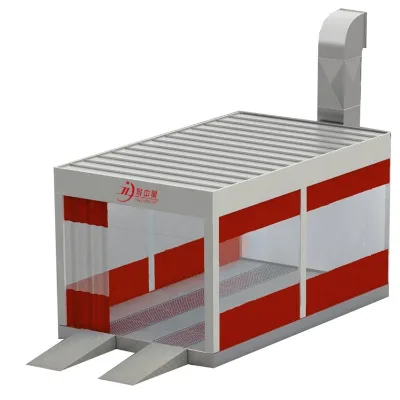
Main productsPaint Spray Booth, Retractable Spray Paint Booth, Powder Coating Line, Car Washing Equipment, Car Lift Machine
Main marketsSoutheast Asia(55.00%), Eastern Europe(20.00%), Domestic Market(10.00%), Mid East(10.00%), Oceania(5.00%)
$4300.5991 - $5119.7608
MOQ: 5 Minimum

- Verified by BV
- Trading Company,Manufacturer/Factory
- China Guangdong
- Lead time23 days
- Avg. response≤ 4h
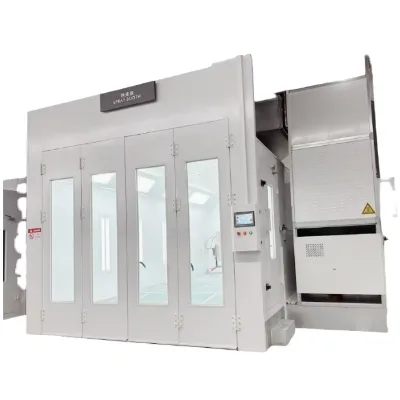
Main productsSpray Booth, Prep Station, Painting Mixing Room, Powder Coating Line, Man Lift, Spray Booth System for Auto Body Shop
Main marketsSouth America,Eastern Europe,Mid East,North America,Southeast Asia,Eastern Asia,Oceania,Western Europe,Africa








Comprehensive Sourcing Guide
Grinding Spray Booth Supplier Concentration and Factory Types
The current supplier landscape for grinding spray booths reveals a distinct concentration of trading companies rather than direct manufacturing entities. This structural characteristic significantly influences how buyers should approach their sourcing strategy, as trading companies often act as intermediaries between the factory floor and the end purchaser. When evaluating potential partners, it is crucial to understand that these entities may not possess the same level of direct control over production schedules or quality assurance protocols as original equipment manufacturers. The presence of trading companies does not inherently diminish the quality of the product, but it does introduce an additional layer of communication and potential variability in lead times. Buyers must therefore scrutinize the supply chain transparency of these intermediaries to ensure that the final product meets their specific technical requirements.
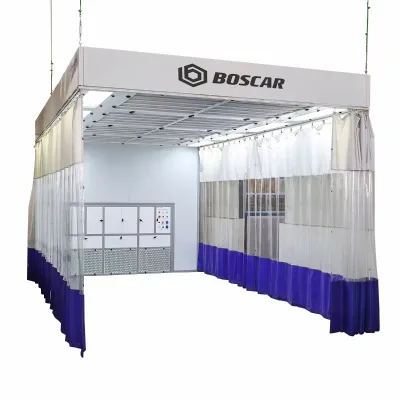
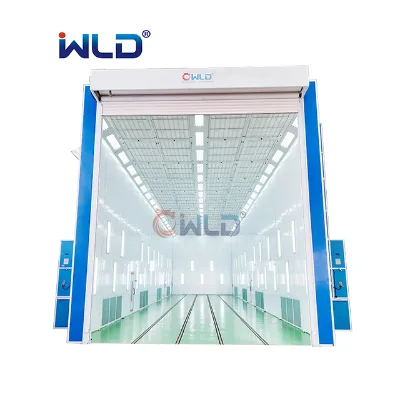
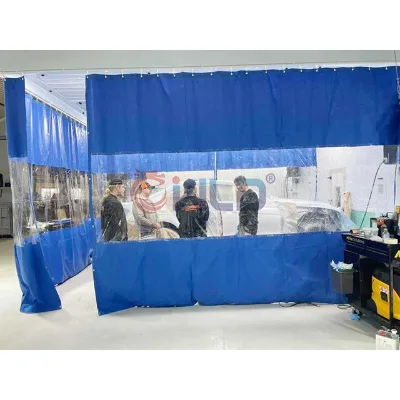
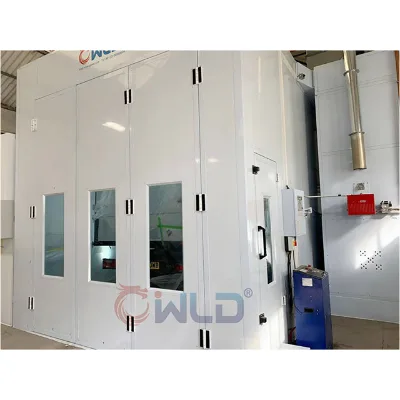
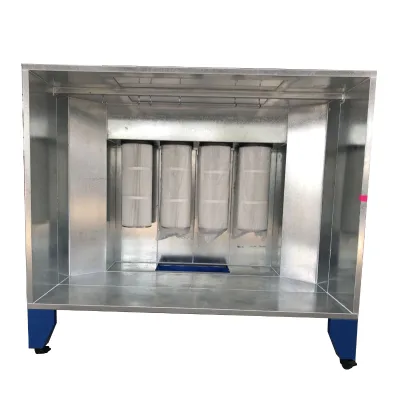
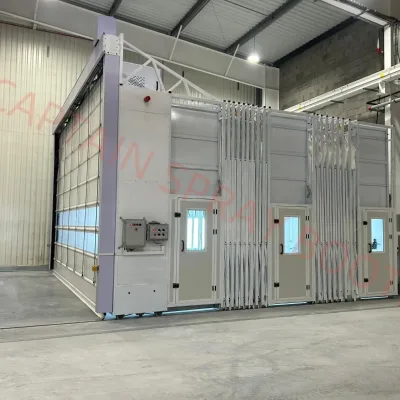
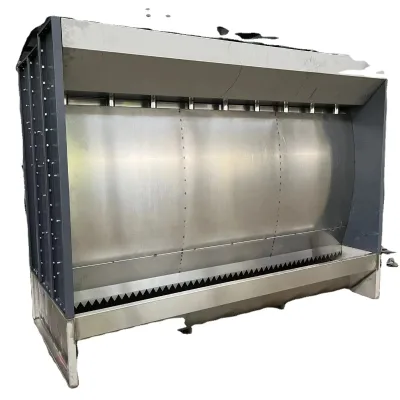
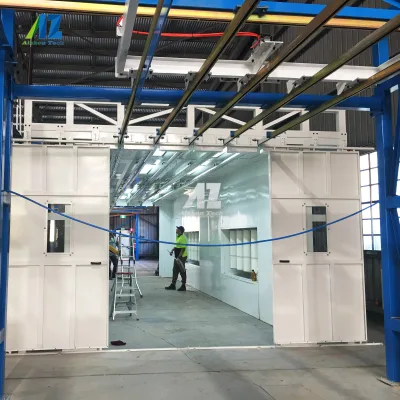
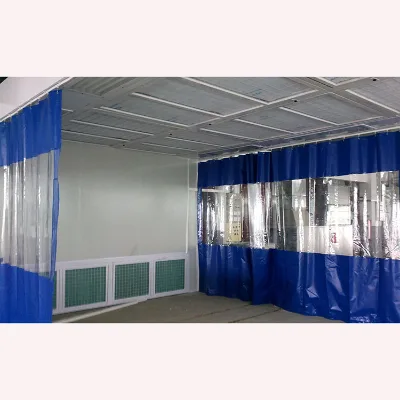
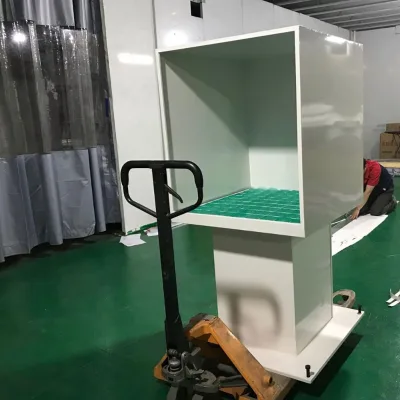
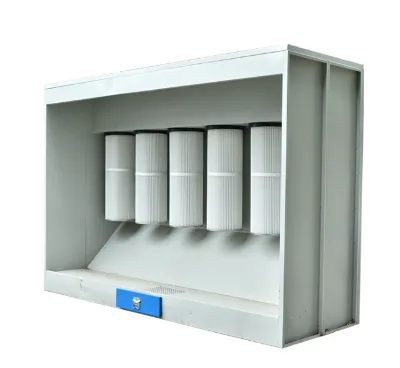
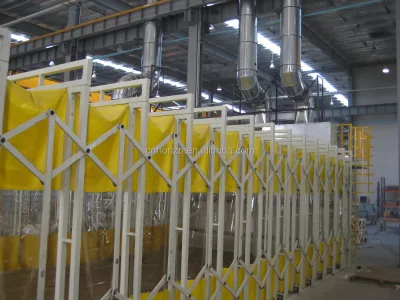
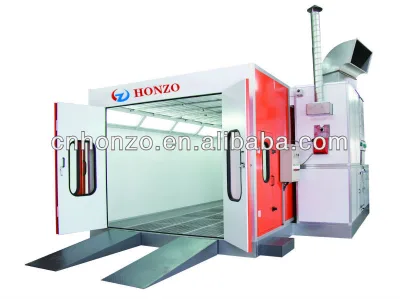
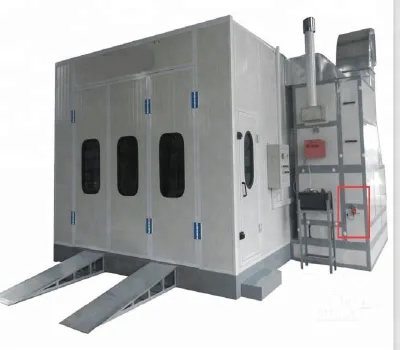
In addition to the company type, the product evidence indicates a variety of specialized configurations available in the market, ranging from water-based paint coating spray booths to portable paint spray stands. These variations suggest that suppliers are catering to diverse industrial needs, including wood working, automotive repair, and general industrial gas treatment. The diversity in product offerings, such as movable grinding booths and open-face paint cabinets, highlights the importance of matching the supplier’s specific expertise with the buyer’s operational context. Some suppliers focus on customized solutions with graphic processing capabilities, while others provide standardized models with fixed dimensions. Understanding this spectrum of factory types and product specializations allows buyers to narrow down their search to suppliers who align closely with their technical specifications and volume requirements.
How to Verify Grinding Spray Booth Suppliers
Verification is a critical step in mitigating risk when sourcing industrial machinery like grinding spray booths. Buyers should prioritize suppliers who have undergone third-party verification processes, as these provide an external validation of the company’s legitimacy and operational capabilities. In the current results, verification badges from recognized entities such as TÜV Rheinland and Intertek are present, indicating that these suppliers have met specific standards for business authenticity and potentially product safety. These certifications serve as a foundational layer of trust, suggesting that the supplier has been audited for basic compliance and operational integrity. However, buyers should not rely solely on these badges; they must also investigate the specific scope of the verification to ensure it covers the relevant aspects of the Grinding Spray Booth supply chain.
Beyond basic verification, buyers should assess the technical documentation and testing reports provided by the supplier. The availability of machinery test reports and video outgoing-inspections is a strong indicator of a supplier’s commitment to quality control and transparency. These documents allow buyers to verify that the core components, such as pumps and motors, meet the specified performance criteria before shipment. Additionally, the presence of system certifications like CE and ATEX is essential for ensuring that the equipment complies with international safety and environmental standards. Buyers should request these documents directly and cross-reference them with the supplier’s claims to ensure consistency. This due diligence process helps to identify suppliers who are not only verified but also technically competent and compliant with global regulatory requirements.
What to Compare Across Grinding Spray Booth Suppliers
When evaluating multiple suppliers, buyers must compare key operational metrics to determine the best fit for their procurement needs. Lead time is a critical factor, with some suppliers indicating a turnaround time of approximately fifteen days, which can significantly impact project schedules. Buyers should also consider the minimum order quantity, as some suppliers offer a low MOQ of one unit, providing flexibility for smaller projects or trial orders. Response time is another important metric, with some suppliers demonstrating a rapid response capability, which is essential for resolving technical queries and negotiating terms efficiently. These operational differences can have a substantial impact on the overall sourcing experience, making it vital to align supplier capabilities with the buyer’s timeline and volume requirements.
In addition to operational metrics, buyers should compare the technical specifications and customization options offered by each supplier. The availability of customized sizes, voltages, and power configurations allows buyers to tailor the Grinding Spray Booth to their specific facility constraints. Some suppliers offer advanced features such as explosion-proof lighting, energy-saving LED systems, and high-efficiency purification rates, which may be critical for certain industrial applications. The warranty terms, typically ranging from one year to twelve months, also vary and should be carefully reviewed to ensure adequate post-purchase support. By systematically comparing these technical and commercial attributes, buyers can identify suppliers who offer the best combination of performance, flexibility, and support for their specific Grinding Spray Booth requirements.
Common Grinding Spray Booth Sourcing Risks
One of the primary risks in sourcing grinding spray booths is the potential mismatch between advertised specifications and actual product performance. Buyers must be cautious of suppliers who provide vague or incomplete technical data, as this can lead to dissatisfaction upon delivery. The complexity of industrial machinery, involving components like pumps, motors, and filtration systems, requires precise engineering to ensure optimal functionality. If a supplier fails to provide detailed machinery test reports or video inspections, buyers may face difficulties in verifying the quality of these critical components before shipment. This lack of transparency can result in unexpected maintenance costs or operational inefficiencies, highlighting the importance of rigorous pre-purchase verification.
Another significant risk is the variability in after-sales service and warranty support. While many suppliers offer online support or a one-year warranty, the extent and quality of this support can vary widely. Buyers should clarify the specifics of the warranty coverage, including what components are included and the process for claiming repairs or replacements. Inadequate after-sales support can lead to prolonged downtime if the Grinding Spray Booth requires maintenance or repair shortly after installation. Additionally, the risk of communication barriers with trading companies or international suppliers can complicate the resolution of technical issues. Buyers should establish clear communication channels and document all agreements to mitigate these risks and ensure a smooth post-purchase experience.
Grinding Spray Booth Regional Sourcing and Logistics
The geographic origin of grinding spray booths can influence logistics costs, lead times, and regulatory compliance. In the current results, suppliers are identified as originating from regions such as Guangdong and Shanghai in China, which are known manufacturing hubs for industrial machinery. Sourcing from these regions may offer advantages in terms of supply chain maturity and component availability, but buyers must also consider the implications of international shipping and customs clearance. The distance between the supplier’s location and the buyer’s facility will impact transportation costs and delivery schedules, making it essential to factor these elements into the overall procurement budget. Buyers should also verify that the supplier is experienced in exporting to their specific region to ensure smooth logistics operations.
Logistics planning should also account for the physical dimensions and weight of the Grinding Spray Booth, as these factors affect shipping methods and handling requirements. Some models are designed as portable units with specific package sizes, while others are larger, fixed installations that may require specialized freight services. Buyers should request detailed packaging information, including single package size and gross weight, to determine the most cost-effective shipping option. Additionally, the voltage and power specifications of the equipment must be compatible with the buyer’s local electrical infrastructure to avoid the need for costly modifications. By carefully planning the logistics and ensuring technical compatibility, buyers can minimize disruptions and ensure that the Grinding Spray Booth is delivered and installed efficiently.
Grinding Spray Booth Commercial Terms and Order Planning
Commercial terms and order planning are essential components of a successful sourcing strategy for grinding spray booths. Buyers should negotiate clear pricing structures, noting that prices can vary significantly based on specifications and customization levels. In the current results, price ranges are observed, with some models starting at lower price points and others reaching higher thresholds for more advanced features. Buyers should request detailed quotations that break down the costs of the base unit, customization options, and any additional services such as installation or training. Understanding the total cost of ownership, including shipping, taxes, and potential maintenance, is crucial for accurate budgeting and financial planning.
Order planning should also include a clear timeline for production, delivery, and installation. Buyers should confirm the lead time with the supplier and build in buffer periods to account for potential delays in manufacturing or shipping. It is also important to establish a payment schedule that aligns with the project milestones, such as deposit upon order confirmation and balance upon shipment or delivery. Buyers should also consider the availability of escrow services or other secure payment methods to protect their financial interests until the goods are received and verified. By carefully planning the commercial terms and order timeline, buyers can ensure a smooth and predictable procurement process for their Grinding Spray Booth needs.
FAQs
What is the price range for a Grinding Spray Booth?
Prices for grinding spray booths typically range from $1,200 to $5,000 depending on specifications. Basic portable units start around $1,200, while larger custom stations with advanced filtration and higher power ratings can reach $5,000. Buyers should verify exact costs based on voltage requirements and internal dimensions.
What certifications do these spray booths have?
Manufacturers often provide CE and ATEX certifications for safety compliance. Some suppliers also hold 2006/42/EC certification for machinery standards. Independent verification services like TÜV Rheinland and Intertek may also validate product quality. Buyers should request specific certificates to ensure regulatory compliance for their region.
What is the typical lead time for delivery?
The standard lead time for manufacturing and delivery is approximately 15 days. This timeframe allows for production, quality testing, and packaging. Buyers should confirm specific schedules with suppliers, as custom sizes or complex configurations might require additional processing time beyond the standard period.
What is the minimum order quantity for these booths?
The minimum order quantity is generally one unit, allowing for single-item purchases. This flexibility supports buyers who need just one booth for testing or small-scale operations. Suppliers typically accept single orders without requiring bulk commitments, making it accessible for various business sizes.
What after-sales support is provided?
Suppliers typically offer 24-hour online after-sales service to assist with technical issues. This includes remote troubleshooting and guidance for installation or maintenance. Buyers can expect responsive support channels to address operational questions promptly, ensuring minimal downtime for their painting or grinding workflows.
What materials are used in construction?
Booths are commonly constructed from 304 or 201 stainless steel and galvanized sheet materials. These materials provide durability and resistance to corrosion from paint mist and chemicals. The choice of material ensures longevity and ease of cleaning, which is essential for maintaining a professional painting environment.
What is the purification efficiency of these booths?
The paint mist purification efficiency is typically rated at 99 percent. This high efficiency ensures effective removal of hazardous particles from the air during grinding and spraying. The water curtain or filter systems are designed to meet environmental standards, protecting both workers and the surrounding area.