Handmade Folk Art Wooden Box Suppliers and Manufacturers
Compare 24 verified suppliers offering handmade folk art wooden boxes with BSCI and FSC certifications. Review response times, lead times, and MOQs to select a manufacturer in Shandong, China, then request samples for quality verification; review the available evidence before requesting comparable quotations from suitable candidates.
Updated
Suppliers List
Caoxian Shuanglong Arts & Crafts Plant
- Verified by SGS Group
- Manufacturer, Trading Company
- Lead time30 days
- Avg. response≤ 1h
Main productsWooden packaging, Wooden pet products, Wooden holiday decoration, Wooden home decoration, Wooden box
Main marketsDomestic Market(45%), North America(8%), Southeast Asia(8%)
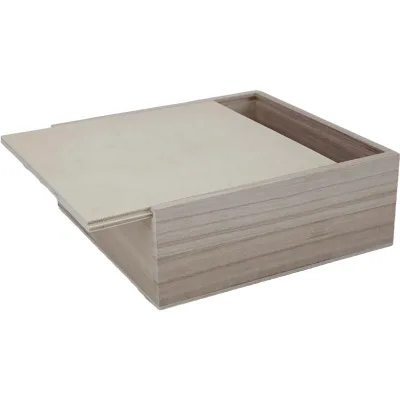
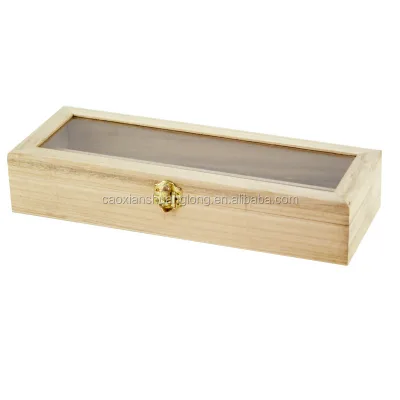
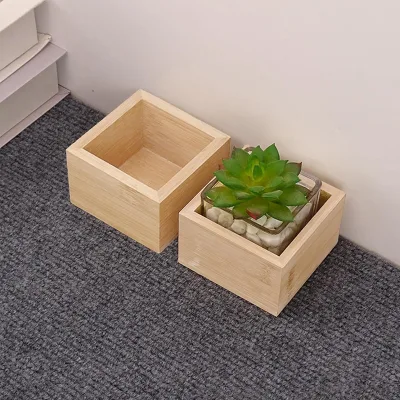
Natural Handmade Unfinished Wooden Box Unpainted Wooden Box Cheap Wooden Box
$5.56 - $5.88
MOQ: 500 pieces
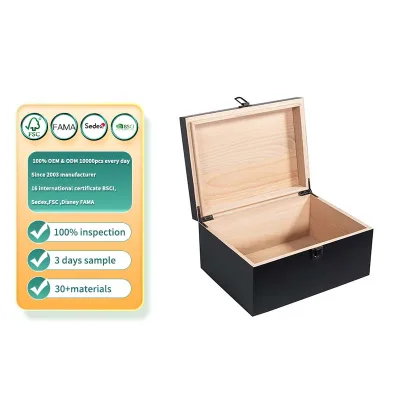

- Verified by BV
- Manufacturer/Factory
- China Shandong
- Lead time23 days
- Avg. response≤ 3h
Main productsShopping Bag, Cotton Bag, Cooler Bag, Wooden Box, Promotional Item, Promotional Product, PVC Bag, Suit Cover, RPET Bag, PP Woven Bag
Main marketsSouth America,Eastern Europe,Mid East,North America,Southeast Asia,Eastern Asia,Oceania,Western Europe,Africa

- Manufacturer/Factory
- China Fujian
- Lead time45 days
- Avg. response≤ 13h
Main productsBamboo Chopping Board, Bamboo Box, Bamboo Tray, Bamboo Bottle, Bamboo Products, Bamboo Cutlery, Bamboo Plywood, Bamboo Furniture, Bamboo Plate, Bamboo Broom
Main marketsSouth America,Eastern Europe,Mid East,North America,Southeast Asia,Oceania,Western Europe,Africa
Heze Mei Kai Lin Household Products Co.,ltd.
- Manufacturer, Trading Company
- Shandong, China
- Lead time0 days
- Avg. response≤ 6h
Main productshome decoration,arts and crafts,furniture,furniture accessories,wooden items
Main marketsWestern Europe(30.00%), North America(30.00%), Domestic Market(15.00%), Eastern Europe(10.00%), Northern Europe(10.00%), South America(5.00%)
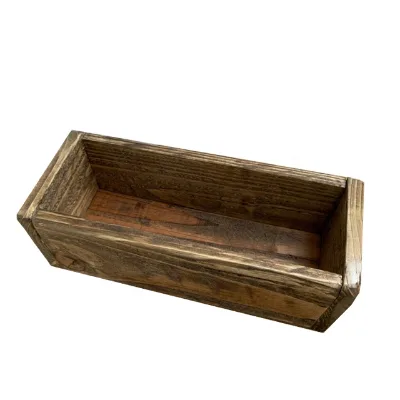
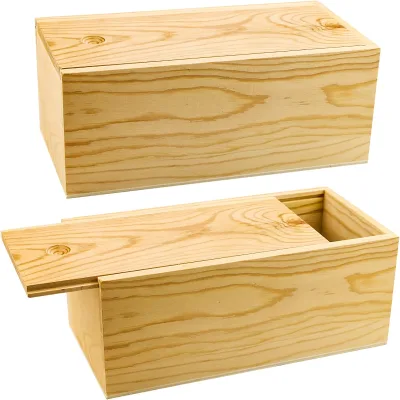
Handmade Rustic Wooden Storage Long Box
$1.80 - $2.00
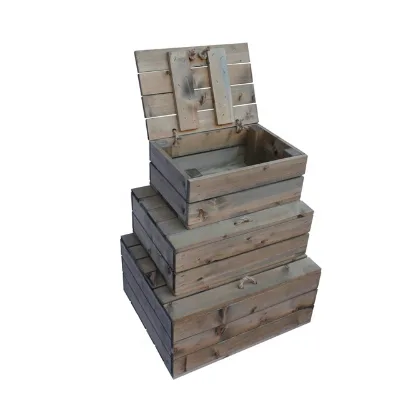
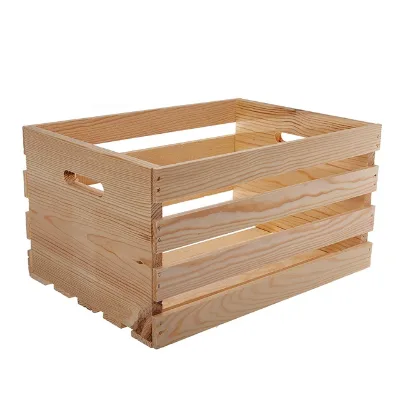
Home Wholesale Large Natural Wood Box
$1.70 - $1.80
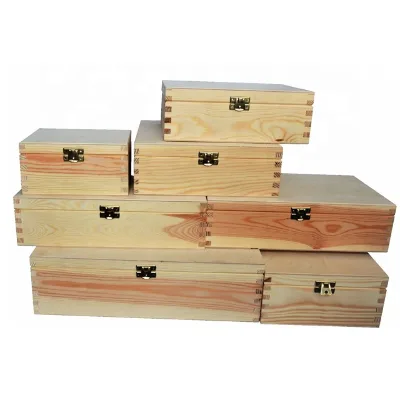
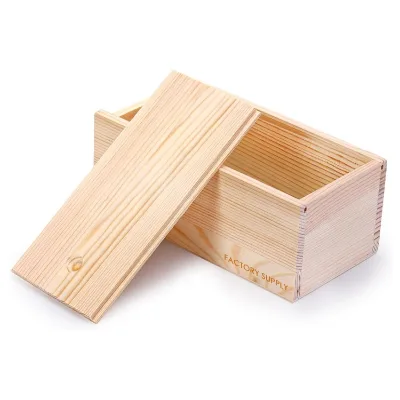
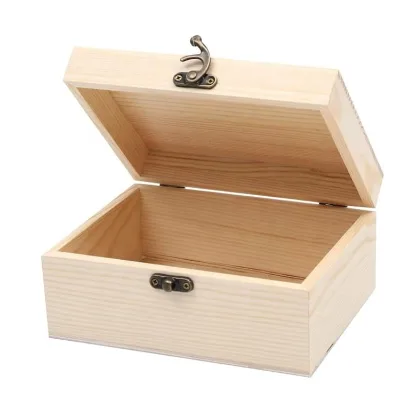
Cheap Natural Small Wood Gift Box for Art Hobbies
$1.00 - $1.20
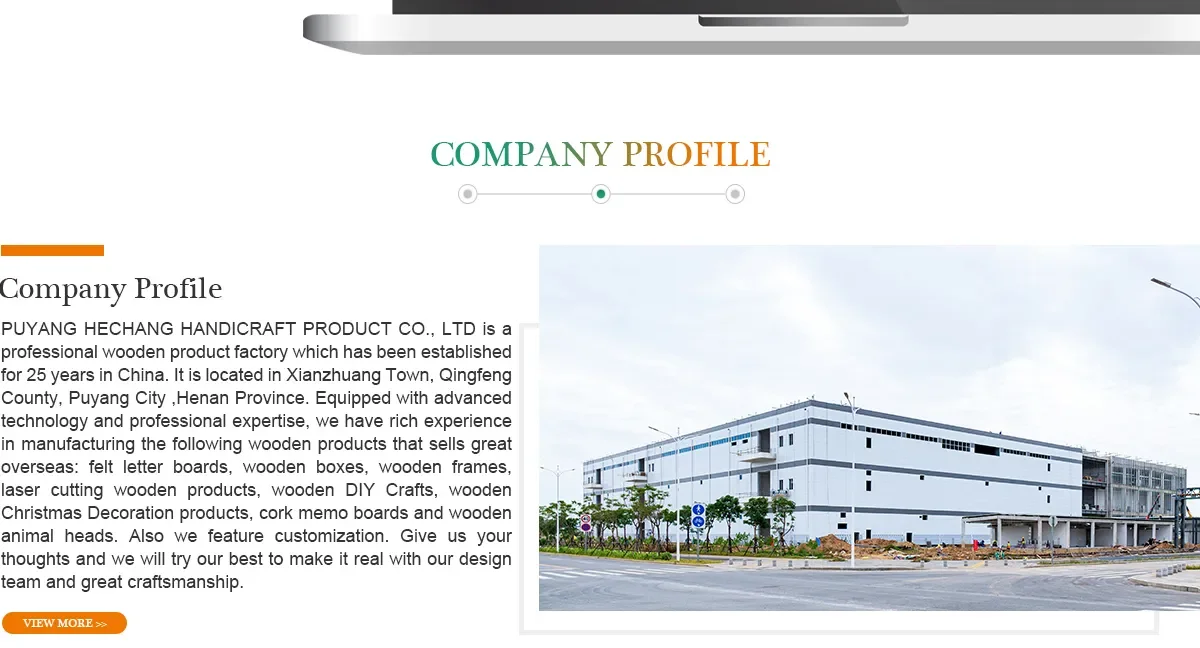
Puyang Hechang Handicraft Product Co., Ltd.
- Manufacturer, Trading Company
- Henan, China
- Lead time30 days
- Avg. response≤ 4h
Main productsWooden Crafts,Wooden Boxes,Wooden Decorations,Wooden DIY Products,Bamboo Products
Main marketsNorth America(29.00%), Western Europe(26.00%), Southeast Asia(16.00%), Mid East(9.00%), Africa(9.00%), South America(7.00%), Oceania(4.00%)
Shandong Junji Trading Co., Ltd.
- Verified by SGS Group
- Manufacturer, Trading Company
- Lead time15 days
- Avg. response≤ 2h
Main productsWood Crafts, Home Decor, Home Storage , Wall Shelf, Pet Product
Main marketsNorth America(25%), South America(15%), Western Europe(12%)

Caoxian Zhongyi Wooden Co.,Ltd
- Verified by BV
- Combined
- China Shandong
- Lead time30 days
- Avg. response≤ 15h
Main productsWoodwork
Main marketsEurope


Factory Custom Sample Natural Wood Handmade Wooden Storage Box for Home Decor
$3.99 - $6.79
MOQ: 500 Pieces


Guangzhou Yineng Technology Co., Ltd.
- Manufacturer, Trading Company, Distributor/Wholesaler
- Guangdong, China
- Lead time25 days
- Avg. response≤ 3h
Main productsPaper Box,Mailer Box,Wood box,Wood Storage Box,wood artware
Main marketsWestern Europe(40.00%), North America(40.00%), Africa(10.00%), Oceania(10.00%)
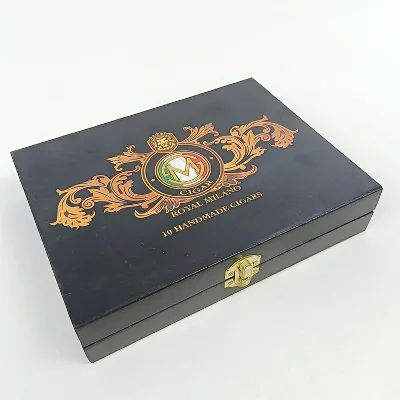
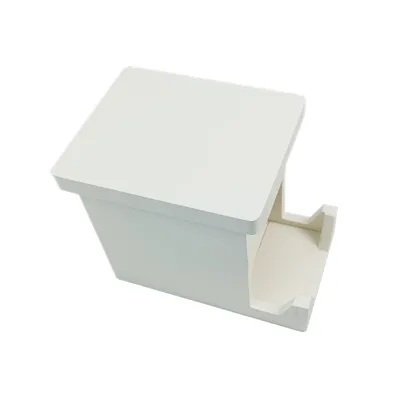
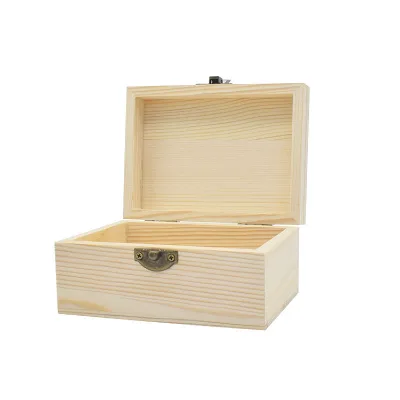
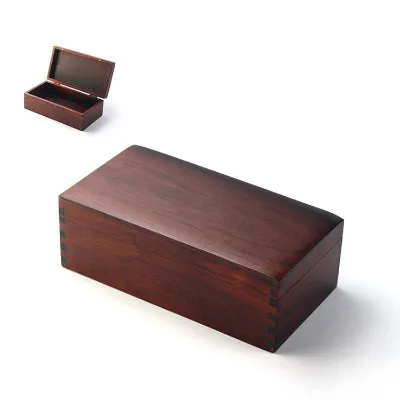
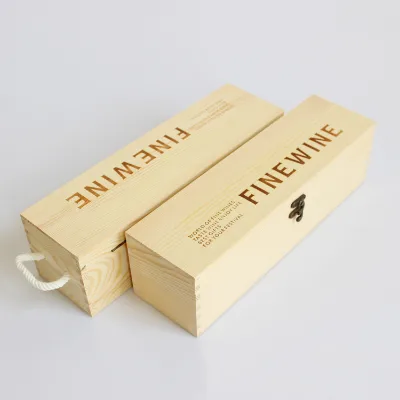
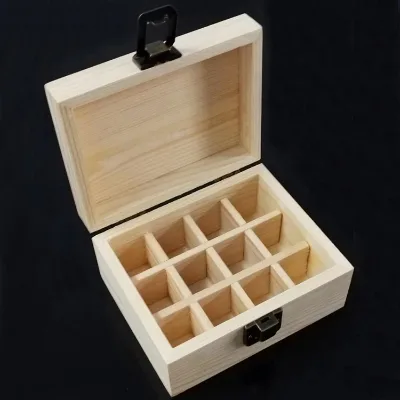
Solid Wooden Gift Craft Box With Hinged Lid Eco-Friendly Folk Art Home Decoration
$2.2605 - $2.8783
MOQ: 500 pieces
Hangzhou Packaging Household Products Co., Ltd.
- Verified by Intertek
- Trading Company
- Lead time30 days
- Avg. response≤ 2h
Main productsWooden Cutting Board, Wooden Tray, Wooden Box, Wooden Barrel
Main marketsNorth America(62%), Eastern Europe(12%), Northern Europe(10%)
Caoxian Dongxing Arts And Crafts Co., Ltd.
- Manufacturer, Trading Company
- Shandong, China
- Lead time30 days
- Avg. response≤ 5h
Main productswooden craft,wooden tray,wooden box,wooden home decor,wooden shelf
Main marketsNorth America(50.00%), Eastern Asia(30.00%), Western Europe(20.00%)
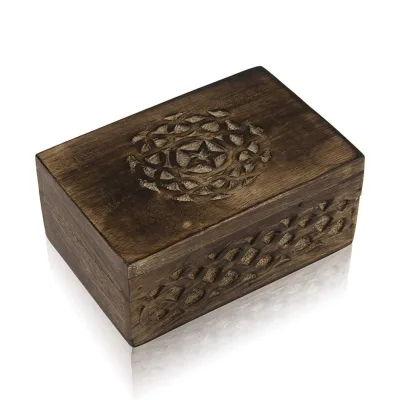
Antique Carved Handmade Decorative Wooden Jewelry Storage Box Custom Distressed Wooden Boxes
$2.59 - $3.69
MOQ: 500 pieces
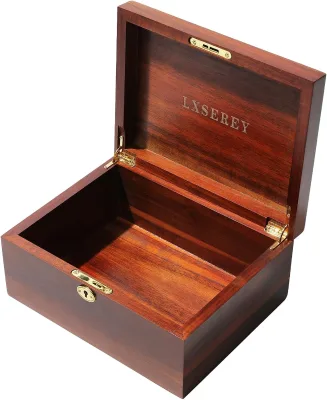
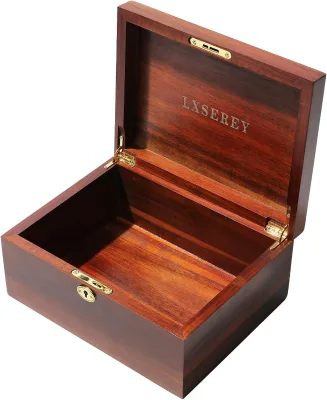
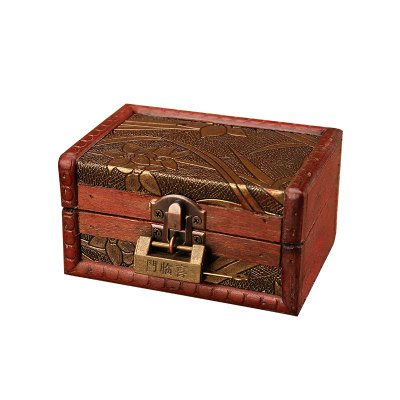
Handmade Wooden Box New Design Home Wooden Box 100% Solid Wood Storage Box With Lock
$6.00 - $8.00
MOQ: 500 pieces
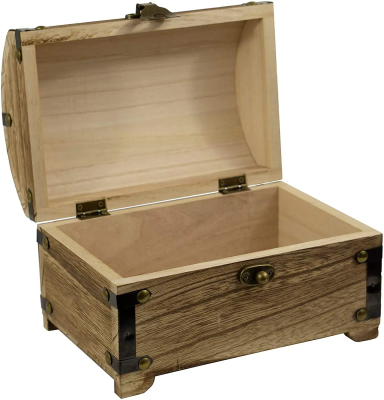
Solid Wood Box with Lid Eco-Friendly Rectangle Shape Carved Folk Art for Art & Collectible
$1.80 - $2.30
MOQ: 500 parcels
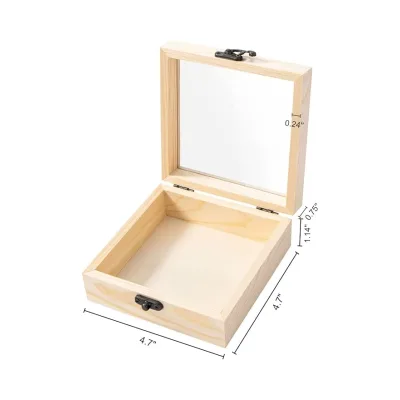
Caoxian Deqian Wood Products Co., Ltd.
- Manufacturer, Trading Company
- Shandong Province, China
- Lead time0 days
- Avg. response≤ 14h
Main productsWooden tray, Wooden box, Cutting boards, Wooden decor, Wooden holder
Main marketsDomestic Market(100.00%)
Caoxian Harmony Home Crafts Co., Ltd.
- Manufacturer, Trading Company
- Shandong, China
- Lead time0 days
- Avg. response≤ 2h
Main productsCrafts
Main marketsSouth America(40.00%), Eastern Asia(10.00%), Mid East(10.00%), Oceania(10.00%), Africa(10.00%), Eastern Europe(10.00%), North America(10.00%)
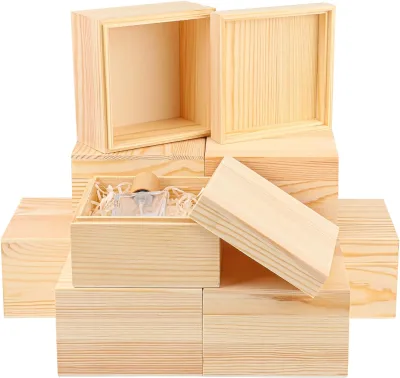
$5.0834 - $7.0312
MOQ: 100 pieces
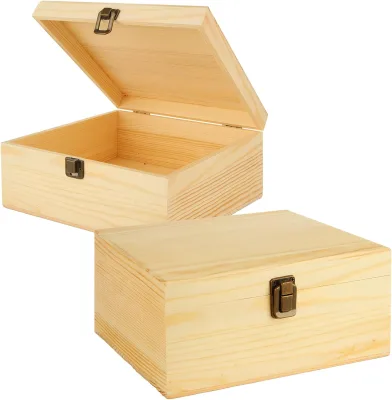
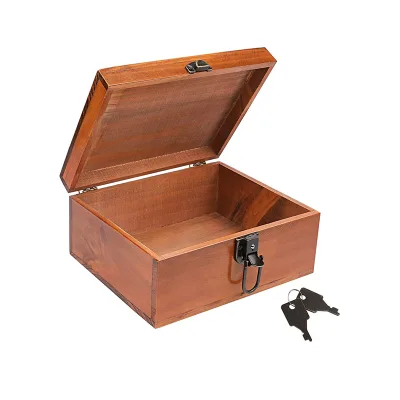
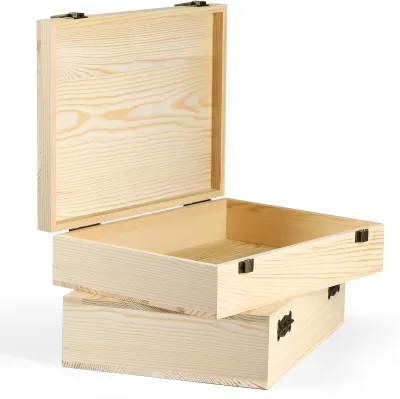
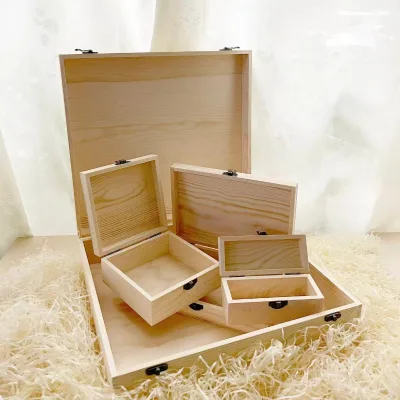
Custom Unpainted Wooden Box Plain Pine Wood Box for Crafts Storage Jewelry
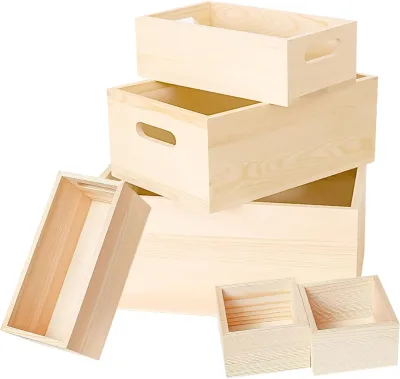
$1.3344 - $2.7407
MOQ: 100 pieces

- Verified by TUVRHEINLAND
- Combined
- China Fujian
- Lead time15 days
- Avg. response≤ 21h
Main productsFridge Magnet, Decorative Hook, Metal Plaque, Wood Plaque, Wooden Photo Frame, Wood Chalkboard, Book Mark, Linen Painting, Canvas Box, Cup Coasters
Main marketsSouth America,Africa,Southeast Asia/ Mideast,East Asia(Japan/ South Korea),Europe,Australia,North America


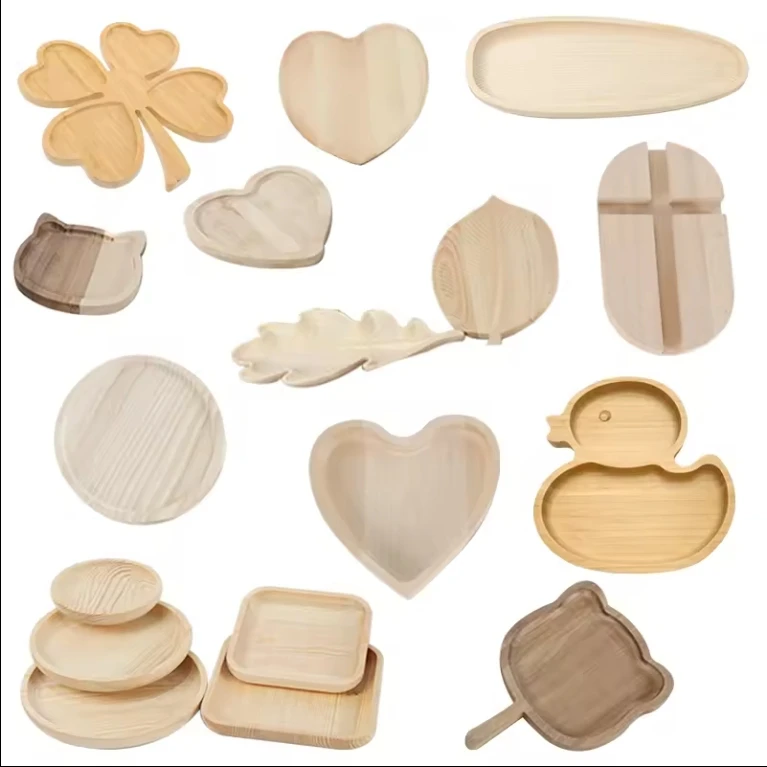
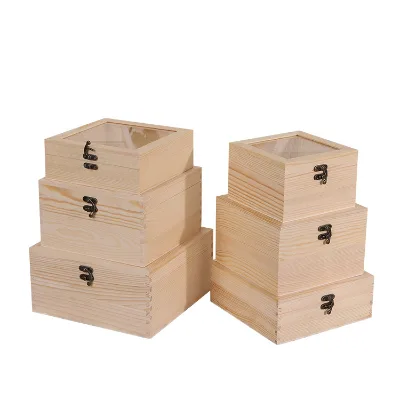
Unfinished Unpainted Wooden Box with Hinged Lid Handicraft DIY Storage Jewelry Ordinary Pine Box
$0.99 - $5.99
MOQ: 100 Pieces

Cao County Huiyifeng Crafts Co., Ltd.
- Manufacturer, Trading Company
- Shandong, China
- Lead time25 days
- Avg. response≤ 6h
Main productswood decor,wood box,wood coaster,wood craft,wood shelf
Main marketsNorth America(35.00%), Eastern Europe(20.00%), Western Europe(10.00%), Eastern Asia(10.00%), Central America(5.00%), Southeast Asia(5.00%), Northern Europe(4.00%), Mid East(3.00%), Africa(3.00%), South America(3.00%), Oceania(2.00%)
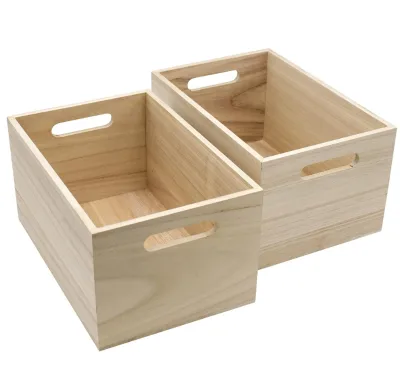
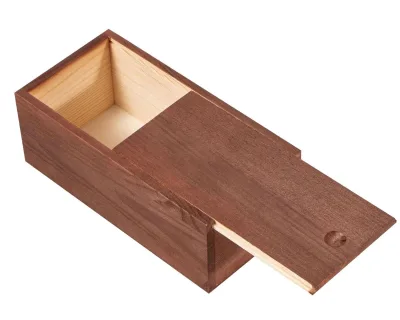
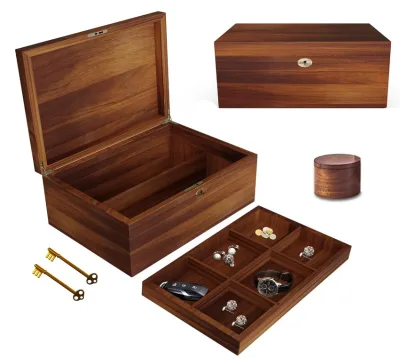
New Design Acacia Wood Brown Decorative Wooden Storage Box Wooden Gift Box
$4.29 - $4.68
MOQ: 200 pieces
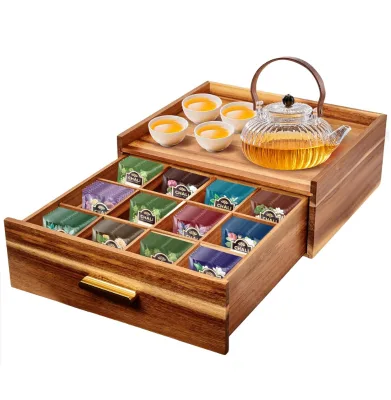
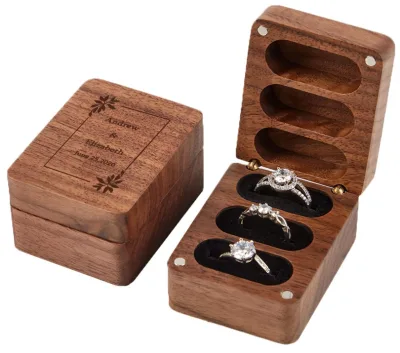
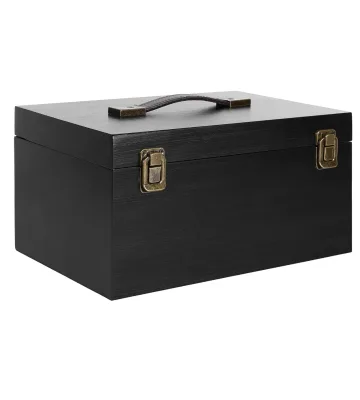
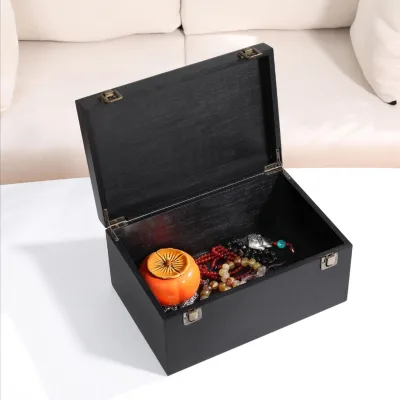
Best Selling Large Black Wood Gift Box Handmade Eco-Friendly Wooden Storage with Polished Hinged Lid
$3.4947 - $3.9868
MOQ: 200 pieces
Cao County Huiy Arts & Crafts Factory
- Verified by SGS Group
- Manufacturer, Trading Company
- Lead time30 days
- Avg. response≤ 3h
Main productsWooden Box, Wooden Decoration, Bird House, Wood Craft, Wood Homeware
Main marketsNorth America(22%), Western Europe(18%), Eastern Asia(16%)
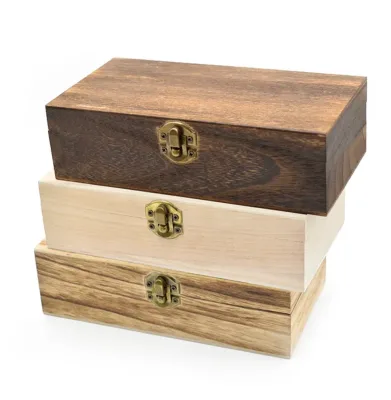
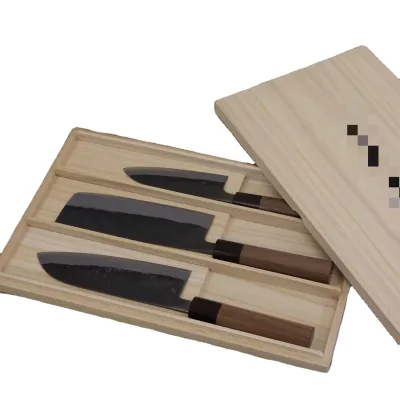
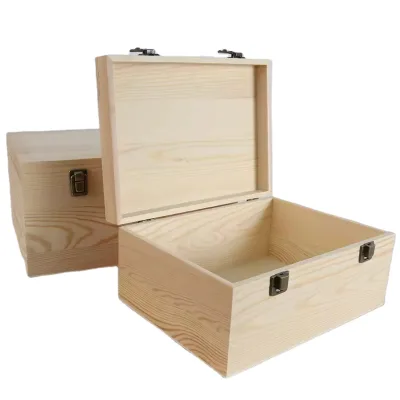
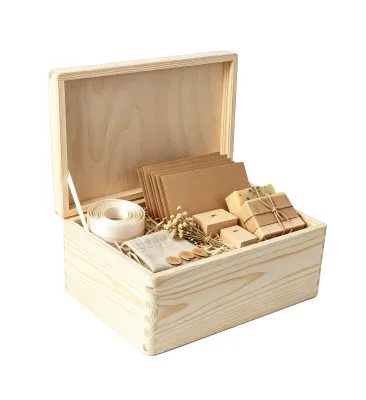
Wooden Storage Box with Hinged Lid Painted Gift Box
$2.38 - $4.75
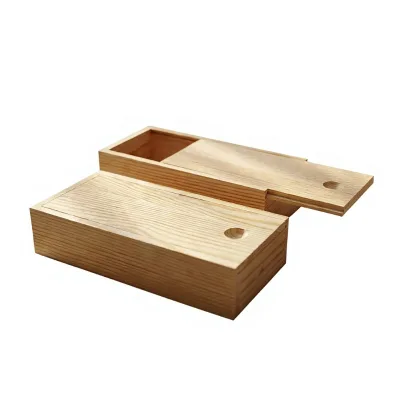

NINGBO XUANHENG OUTDOOR & HOME APPLIANCES CO., LTD.
- Trading Company,Manufacturer/Factory
- China Zhejiang
- Lead time45 days
- Avg. response≤ 2h
Main productsWooden Beach Chair, Beach Umbrella, Sling Chair, Wooden Beer Table, Bamboo Home Products, Bamboo Shelf, Canvas Bag, Outdoor Beach Furniture, Art Accessories, Wooden Box
Main marketsSouth America,Eastern Europe,Mid East,North America,Southeast Asia,Eastern Asia,Oceania,Western Europe,Africa

Forever Standing Stationery Co., Ltd.
- Combined
- China Guangdong
- Lead time30 days
- Avg. response≤ 22h
Main productsCosmetic Box, Jewelry Box, Make up Box, Wine Box, Wine Bags, Wine Rack, Storage Box, Gift Packing Box, Photo Albums, Stationery and Office Supply
Main marketsSouth America,Africa,Southeast Asia/ Mideast,East Asia(Japan/ South Korea),Domestic,Europe,Australia,North America


Factory Custom High Quality Wooden Decorative Storage Boxes with Handles
$12.50 - $17.50
MOQ: 1000 Pieces

- Trading Company
- China Shandong
- Lead time15 days
- Avg. response≤ 10h
Main productsThermal Printable Wristband, RFID Sticker and Labels, Fabric Wristbands, Packing Box, Wooden Box, Leather Box, EAS Labels and Tags, 8.2MHz RF Stickers, 58kHz Tags, Training Equiptment
Main marketsSouth America,Eastern Europe,Mid East,North America,Southeast Asia,Eastern Asia,Oceania,Western Europe,Africa

Ningbo Hongchuang Commodity Co., Ltd.
- Verified by SGS
- Trading Company,Manufacturer/Factory
- China Zhejiang
- Lead time45 days
- Avg. response≤ 13h
Main productsStorage, Home Decoration, Kitchenware, Housewares, Gifts & Crafts, Office & School, Beauty & Personal Care, Festival Items, Wooden Photo Frame, Garden Tools
Main marketsSouth America,Eastern Europe,Mid East,North America,Southeast Asia,Eastern Asia,Oceania,Western Europe,Africa
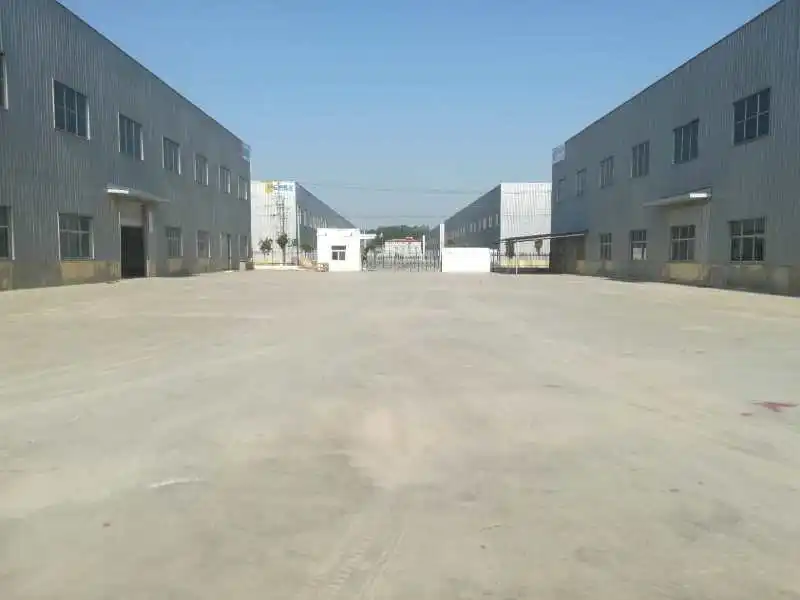
Cao County Dream Sun Furniture Co., Ltd.
- Manufacturer, Trading Company
- Shandong, China
- Lead time45 days
- Avg. response≤ 4h
Main productsWOODEN BOX,FURNITURE,WINE BARREL,Wall Storage Shelves,Kitchen&Bathroom Products
Main marketsDomestic Market(20.00%), Northern Europe(20.00%), Eastern Asia(10.00%), Mid East(10.00%), Western Europe(10.00%), Eastern Europe(10.00%), North America(5.00%), Southern Europe(5.00%), South Asia(5.00%), Central America(3.00%), South America(1.00%), Africa(1.00%)
- Verified by SGS Group
- Manufacturer, Trading Company
- Lead time20 days
- Avg. response≤ 2h
Main productsBird House, Wooden Box, Wooden Crafts, Wooden Furniture, Wooden Storage
Main marketsNorth America(40%), Western Europe(30%), Domestic Market(30%)
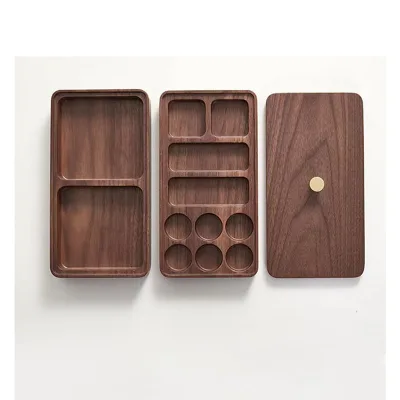
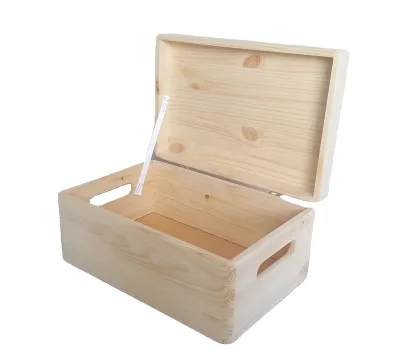
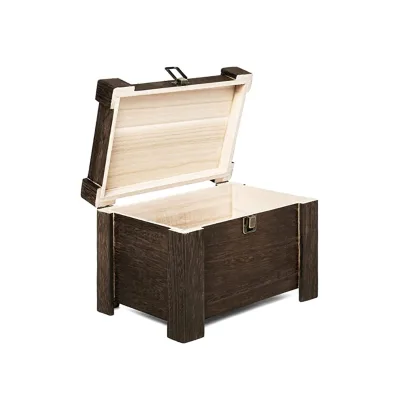
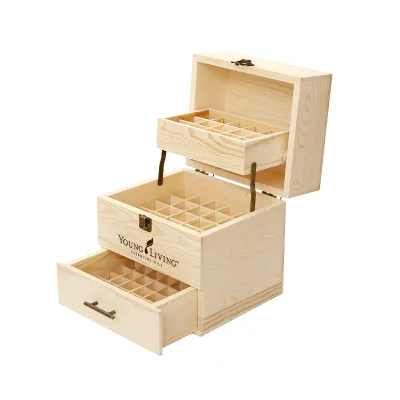
Jewellery Box Wood Box Handmade Craft Wood Small Parts Storage Solid Storage Boxes
$2.90 - $4.10
MOQ: 500

Anhui Yuxing Import and Export Co. , Ltd.
- Verified by SGS
- Trading Company,Manufacturer/Factory
- China Anhui
- Lead time90 days
- Avg. response≤ 8h
Main productsPackaging Supplies, Wooden Box, Packing Core, Fiber Drum
Main marketsSouth America,Eastern Europe,Mid East,North America,Southeast Asia,Eastern Asia,Oceania,Western Europe,Africa


Double Wooden Box Holiday Gift Box Wood Paint with Hand Gift Box Highlight Gift Box
$8.00 - $15.00
MOQ: 500 Pieces

Wooden Storage Box Customized Lacquered Wooden Box Packaging Wooden Jewelry Box Customized Packaging
$8.00 - $15.00
MOQ: 500 Pieces
Caoxian Dachuang Wood Art Co., Ltd.
- Verified by SGS Group
- Manufacturer, Trading Company
- Lead time0 days
- Avg. response≤ 2h
Main productsGifts and Crafts, Wood Box, Wooden Fitness Products, Home Decor, Kitchen Supplies
Main marketsNorth America(35%), Western Europe(25%), Eastern Asia(10%)
Caoxian Keyu Arts & Crafts Factory
- Verified by SGS Group
- Manufacturer, Trading Company
- Lead time30 days
- Avg. response≤ 3h
Main productsWood Crafts, Wooden Boxes, & Wall Signs, Wooden & Bamboo Packaging, Wooden Home & Garden Products
Main marketsNorth America(45%), Domestic Market(30%), Western Europe(10%)
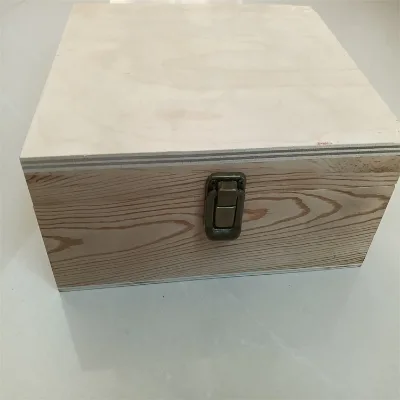
Factory Handmade Solid Pine Wood Gift Box With Lid
$2.3831 - $4.663
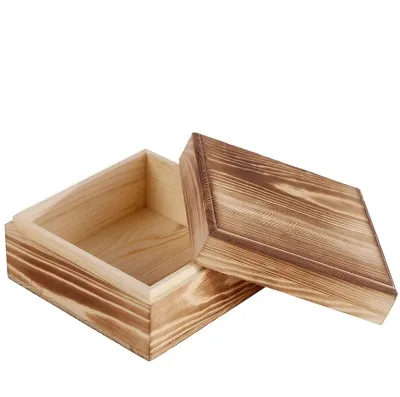
Custom Engraved Wooden Boxes for Gift Packaging - Wholesale Wooden Gift Box
$0.8303 - $1.2462
MOQ: 500 pieces
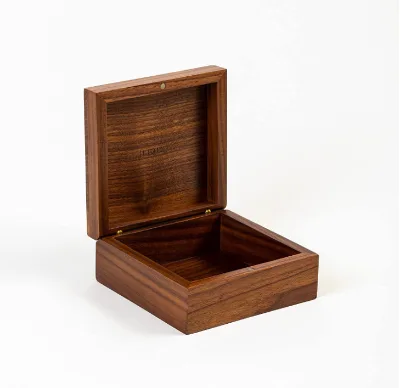
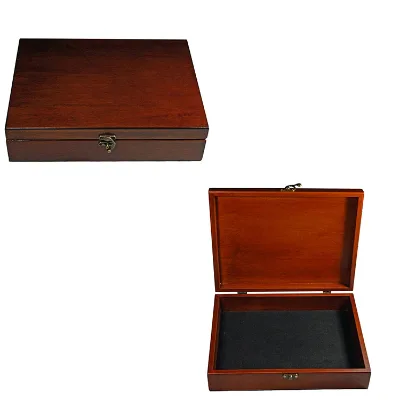


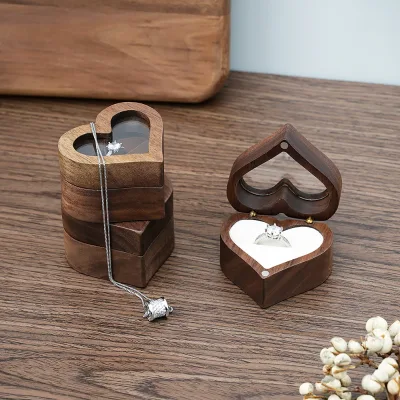
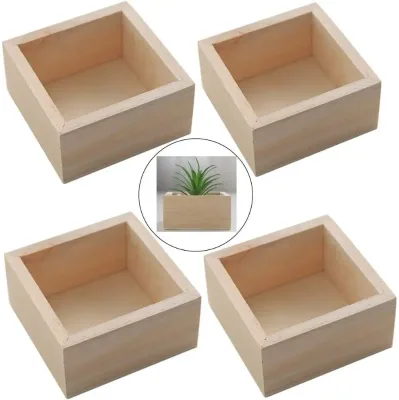


Comprehensive Sourcing Guide
Handmade Folk Art Wooden Box Supplier Concentration and Factory Types
The landscape for sourcing handmade folk art wooden boxes is defined by a mix of specialized manufacturers and broader trading companies, each offering distinct advantages for different procurement strategies. Current data indicates that the primary product categories include wooden packaging, pet products, holiday decorations, and home decor items, suggesting that many suppliers operate with versatile production lines rather than exclusive focus on folk art. This versatility allows for economies of scale but requires careful vetting to ensure the specific artisanal quality of folk art pieces is maintained. The presence of both manufacturer and trading company types in the results highlights a dual supply chain structure where factories handle the physical creation while traders manage logistics and client relations. Buyers must distinguish between these entities to understand who holds the actual production capability and quality control responsibility.
Geographic concentration plays a significant role in the availability and cost structure of these goods. Evidence points to Shandong, China, as a key origin point for many wooden box products, including unfinished and custom-painted variants. This regional clustering suggests that suppliers in this area may have established infrastructure for wood sourcing, processing, and skilled labor required for handmade techniques. However, not all suppliers display specific location data, so buyers should verify the actual factory location to assess logistics costs and supply chain resilience. The concentration in specific provinces often correlates with lower raw material costs and established export channels, but it also means that buyers should be aware of regional capacity constraints during peak seasons. Understanding this geographic distribution helps in predicting lead times and evaluating the reliability of the supply base for large-scale orders.
How to Verify Handmade Folk Art Wooden Box Suppliers
Verification is critical when sourcing handmade items, as the "handmade" claim can vary significantly in execution and consistency. Buyers should prioritize suppliers who hold recognized system certifications such as BSCI and FSC, which indicate adherence to social compliance and sustainable forestry practices. These certifications are particularly relevant for wooden products, as they ensure that the raw materials are sourced responsibly and that the working conditions in the factory meet international standards. Additionally, verification badges from third-party inspection groups like SGS Group provide an extra layer of trust, confirming that the supplier has undergone rigorous audits of their business operations and product quality. These credentials serve as a baseline filter, helping buyers eliminate suppliers who may lack the necessary infrastructure for reliable, ethical production.
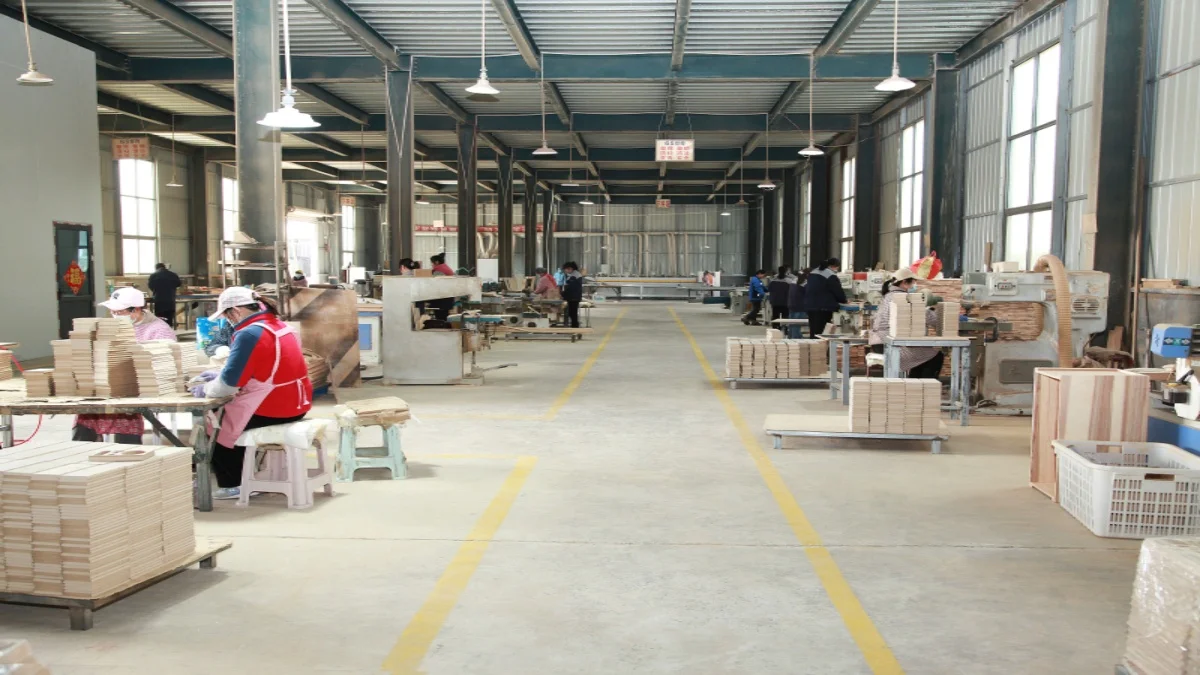
Beyond certifications, buyers must verify the supplier's actual production capabilities and response mechanisms. The data shows that some suppliers offer light customization, sample processing, and graphic processing, which are essential for folk art projects that often require unique designs or branding. Buyers should request samples to assess the quality of the handmade finish, checking for consistency in craftsmanship and the durability of the wood treatment. Furthermore, the response time metric is a key indicator of supplier reliability; a quick response time suggests a well-staffed and organized team capable of handling inquiries and order modifications efficiently. Buyers should also check if the supplier accepts custom orders and what their minimum order quantities are, as these factors directly impact the feasibility of sourcing small-batch or highly customized folk art pieces.
What to Compare Across Handmade Folk Art Wooden Box Suppliers
When evaluating multiple suppliers, buyers should compare key operational metrics such as lead times, minimum order quantities, and pricing structures to find the best fit for their needs. The available data shows a range of lead times, with some suppliers indicating a standard thirty-day production window, which is typical for custom wooden goods. Buyers should also note the minimum order quantities, which can vary significantly; for instance, some unfinished boxes may have an MOQ of 500 units, while more complex or luxury items might require 1000 units. Comparing these thresholds helps buyers determine which suppliers can accommodate their order volume without incurring excessive costs or delays. Additionally, price ranges should be analyzed in the context of the product specifications, such as material type, finish quality, and customization options, to ensure that the cost reflects the value provided.
Another critical aspect of comparison is the range of customization services offered by each supplier. Some suppliers provide custom sizes, colors, logos, and packing options, which are vital for creating unique folk art products that stand out in the market. Buyers should assess the flexibility of these customization options, including whether the supplier can handle complex designs or specific material requests. The product attributes also reveal important details, such as the use of MDF versus solid wood, the presence of lids or locks, and the overall style, which can influence the final aesthetic and functionality of the box. By comparing these detailed specifications across suppliers, buyers can identify those who offer the best balance of quality, customization, and cost, ensuring that the final product meets their specific requirements for handmade folk art wooden boxes.
Common Handmade Folk Art Wooden Box Sourcing Risks
One of the primary risks in sourcing handmade wooden boxes is the inconsistency in quality and craftsmanship, which can arise from the manual nature of the production process. Unlike machine-made products, handmade items may vary in size, finish, and detail, leading to potential discrepancies between samples and bulk orders. Buyers must mitigate this risk by establishing clear quality standards and conducting thorough inspections during production. The reliance on custom colors and finishes also introduces the risk of color matching errors, especially when dealing with large orders. Suppliers may use different batches of wood or stain, resulting in visible variations that can affect the overall aesthetic appeal of the product. To address this, buyers should request detailed color samples and approve them before mass production begins.
Another significant risk is the potential for delays in lead times, particularly when dealing with custom orders or peak seasons. The data indicates that lead times can be around thirty days, but this may extend if the supplier faces material shortages or production bottlenecks. Buyers should also be aware of the risks associated with packaging and shipping, as wooden boxes are susceptible to damage during transit if not packed correctly. Suppliers offering custom packing solutions can help mitigate this risk, but buyers must ensure that the packaging is robust enough to protect the goods. Additionally, there is a risk of intellectual property infringement if the supplier uses copyrighted designs without permission. Buyers should verify that the supplier respects intellectual property rights and that the designs are original or properly licensed to avoid legal issues.
Handmade Folk Art Wooden Box Regional Sourcing and Logistics
Sourcing from specific regions like Shandong, China, offers logistical advantages due to the established infrastructure for wood processing and export. Suppliers in this area often have access to raw materials and skilled labor, which can reduce production costs and improve lead times. However, buyers must consider the logistics of shipping these goods, as wooden boxes can be bulky and heavy, impacting freight costs. The single package sizes and weights provided in the data, such as 30x10x15 cm and 1.000 kg, help buyers estimate shipping volumes and costs accurately. Buyers should work with suppliers who offer optimized packing solutions to minimize void space and reduce shipping expenses. Additionally, understanding the regional export regulations and documentation requirements is essential to ensure smooth customs clearance and timely delivery.
Logistics planning also involves coordinating with freight forwarders to select the most cost-effective and reliable shipping methods. For handmade folk art wooden boxes, air freight may be too expensive for large orders, while sea freight offers a more economical option but with longer transit times. Buyers should evaluate the trade-off between speed and cost, considering the urgency of their orders and the storage capacity at their destination. Suppliers who provide tracking information and regular updates on production status can help buyers manage their inventory more effectively. Furthermore, buyers should consider the environmental impact of their shipping choices, opting for suppliers who use sustainable packaging and eco-friendly logistics practices to align with their brand values and meet the expectations of environmentally conscious consumers.
Handmade Folk Art Wooden Box Commercial Terms and Order Planning
Commercial terms such as payment methods, warranty policies, and after-sales support are crucial for protecting the buyer's interests when sourcing handmade wooden boxes. Buyers should negotiate clear terms that specify the conditions for refunds or replacements in case of quality issues or damage during transit. The availability of escrow services can provide an additional layer of security, ensuring that payment is only released once the goods are received and inspected. Buyers should also clarify the supplier's policy on sample costs and whether they can be credited against the bulk order. Understanding these commercial terms helps buyers manage their cash flow and reduce financial risks associated with international trade.
Order planning requires careful consideration of production schedules, inventory management, and market demand. Buyers should align their order quantities with their sales forecasts to avoid overstocking or stockouts. The minimum order quantities and lead times provided by suppliers should be factored into the planning process to ensure timely delivery. Buyers should also consider the seasonal nature of folk art products, which may see increased demand during holidays or special events. By planning orders well in advance, buyers can take advantage of lower production costs and secure production slots with suppliers. Additionally, maintaining open communication with suppliers allows buyers to adjust orders based on changing market conditions, ensuring that they meet customer demand efficiently and effectively.
FAQs
What is the typical lead time for handmade wooden boxes?
The standard lead time for these products is 30 days. This duration allows manufacturers to complete the necessary handcrafting and finishing processes. Buyers should confirm specific timelines with suppliers before placing orders to ensure production schedules align with delivery requirements.
What is the minimum order quantity for custom wooden boxes?
Minimum order quantities vary by product type, typically ranging from 500 to 1000 units. Some unfinished boxes require a minimum of 500 pieces, while luxury or custom-labeled options may start at 1000 units. Always verify the specific MOQ with the supplier.
Are these wooden boxes certified for international trade?
Many suppliers hold BSCI and FSC system certifications, ensuring ethical sourcing and sustainable forestry practices. Additionally, products are verified by SGS Group for quality assurance. These credentials help buyers meet compliance standards for export markets and responsible procurement policies.
What is the price range for handmade wooden boxes?
Prices generally range from $1.00 to $5.88 per unit depending on complexity and material. Simple unfinished boxes may cost around $1.00, while decorated or luxury items can reach $5.88. Customization options like logos or specific sizes also influence the final unit price.
Can I customize the size and logo on wooden boxes?
Yes, most suppliers offer custom sizes, colors, and logos. Products support graphic processing and customized packing to meet specific branding needs. Buyers can request tailored dimensions and designs, ensuring the final product aligns with their aesthetic and functional requirements for gifts or storage.
Where are these wooden boxes typically manufactured?
Most products originate from Shandong, China, a major hub for wood crafts and packaging. Suppliers in this region specialize in both natural unfinished boxes and finished decorative items. Buyers can expect consistent quality and established supply chains from manufacturers located in this specific geographic area.