Handmade Minimalist Men Wallet Suppliers and Manufacturers
Source 29 verified suppliers for Handmade Minimalist Men Wallet products. Compare key dimensions including ISO 9000 certification, China-based manufacturing, and response times. Review specific pricing and MOQ details to identify the right partner for your needs; review the available evidence before requesting comparable quotations from suitable candidates.
Updated
Suppliers List

Xiamen Le Young Imp. & Exp. Co., Ltd
- Verified by BV
- Trading Company,Manufacturer/Factory
- China Fujian
- Lead time23 days
- Avg. response≤ 4h
Main productsLeather Folder, Trave Wallet, Leather Notebook, Leather Compendium, Leather Portfolio, Leather Diary, Leather Journal, Hotel Supply, Leather Card Holder, Leather Wallet
Main marketsSouth America,Eastern Europe,Mid East,North America,Southeast Asia,Eastern Asia,Oceania,Western Europe,Africa
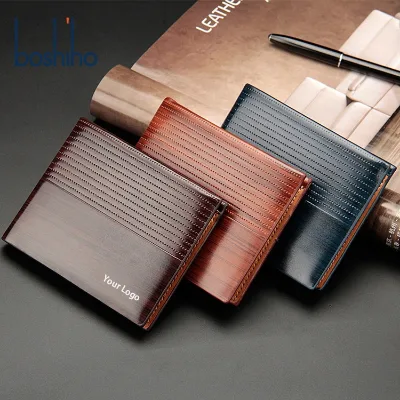
Shenzhen Boshiho Leather Co., Ltd.
- Manufacturer, Trading Company
- Lead time旺季: "1 - 5":9,"6 - 10":14,"11 - 300":20,"> 300":"To be negotiated", 淡季: "1 - 5":9,"6 - 10":14,"11 - 300":20,"> 300":"To be negotiated"
- Avg. response≤ 3h
Main productsLeather Wallet, Card Holder, Money Clip, Passport Holder, Golf Product
Guangzhou Shengjia Leather Clothing Co., Ltd.
- Manufacturer, Trading Company, Distributor/Wholesaler
- Guangdong Province, China
- Lead time30 days
- Avg. response≤ 16h
Main productspurse,card holder,clutch bag,handbag
Main marketsNorthern Europe(20.00%), Central America(20.00%), South America(20.00%), North America(20.00%), Western Europe(10.00%), Eastern Europe(10.00%)
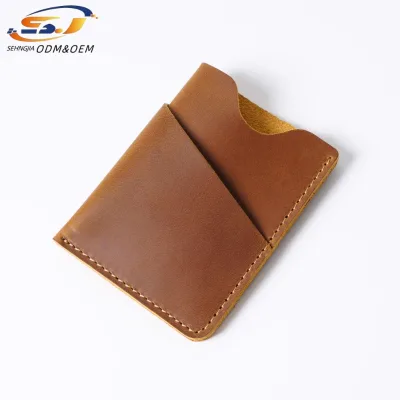
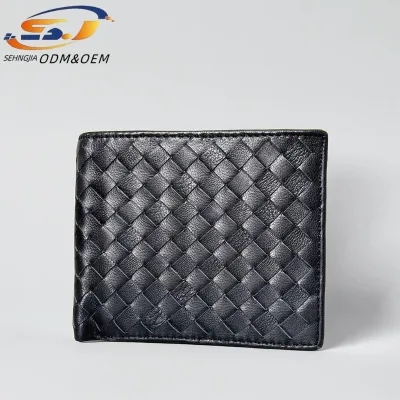
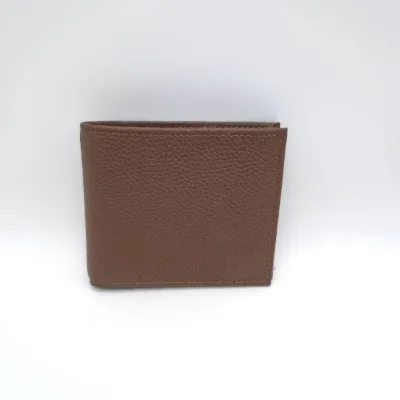
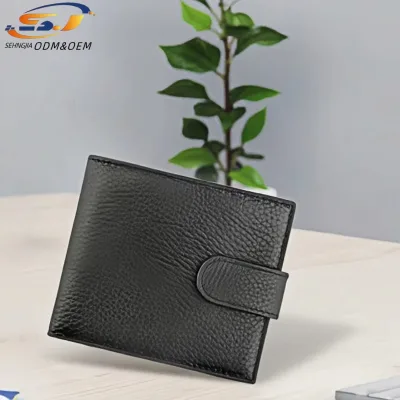
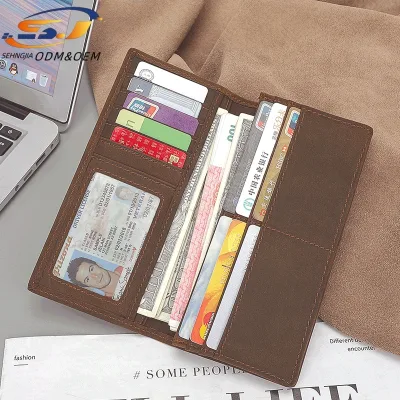
Men's Minimalist Style Wallet with Open Closure Genuine Cowhide Litchi Pattern
$2.8933 - $3.4109
MOQ: 100 pieces

Guangzhou Yujia Industrial Co., Ltd.
- Verified by SGS
- Combined
- China Guangdong
- Lead time15 days
- Avg. response≤ 2h
Main productsPU Leather, PVC Bar Mat, Mouse Pad, Wallets, Rubber Muse Pad, Men's Wallet, Passport Holder, Handbags, Wrist Keyboard Mat
Main marketsDomestic


$3.50 - $5.50
MOQ: 100 Piece

$3.50 - $5.50
MOQ: 100 Piece

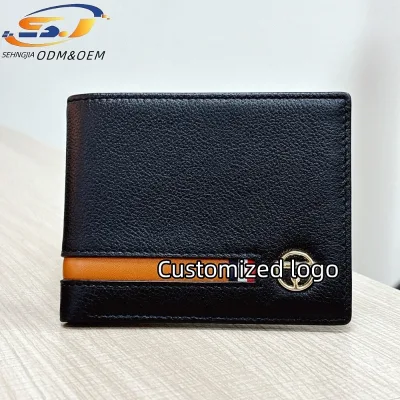
Promotion Gifts Stamp Logo Metal Logo Printing Genuine Leather Wallet for Men
$3.50 - $5.50
MOQ: 100 Piece

- Verified by CTI
- Trading Company
- China Zhejiang
- Lead time15 days
- Avg. response≤ 5h
Main productsJewelry, Brooch, Belt, Necklace, Agent, Bracelet, China Trim, China Ring, China Hair Accessory, China Earring
Main marketsSouth America
Guangzhou Bogia Leather Products Co., Ltd.
- Manufacturer, Distributor/Wholesaler
- Guangdong, China
- Lead time20 days
- Avg. response≤ 2h
Main productsWallet,Card Holder,Leather Bag,Phone Bag,Luggage tag
Main marketsNorth America(30.00%), Western Europe(16.00%), Eastern Europe(13.00%), South America(12.00%), Northern Europe(11.00%), Domestic Market(2.00%), South Asia(2.00%), Southern Europe(2.00%), Africa(2.00%), Central America(2.00%), Southeast Asia(2.00%), Eastern Asia(2.00%), Mid East(2.00%), Oceania(2.00%)
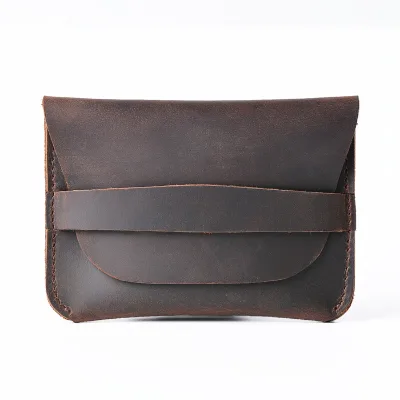
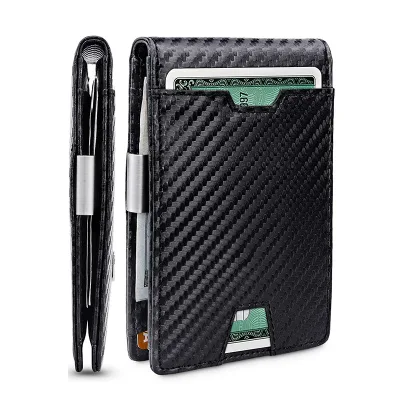
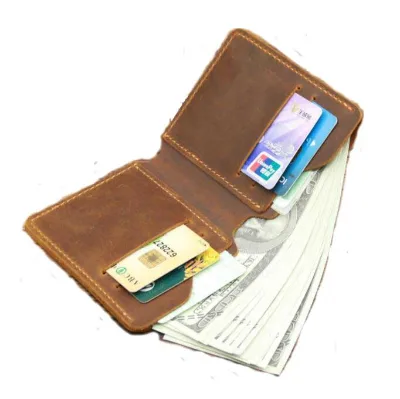
Simple Style Custom Embossed logo Stand-up Wallet Man 100% Genuine Leather Wallet for Men
$3.99 - $4.99
MOQ: 10 pieces

Dongguan Zhengyong Leather Co., Ltd.
- Verified by SGS
- Manufacturer
- China Guangdong
- Lead time15 days
- Avg. response≤ 18h
Main productsBelt, Handbags, Bracelet, Wallet, Card Holder, Dog Collar/Leash, Dog Harness, Carrier Bags, Camera Strap Series
Main marketsEurope,North America


Customize Logo Silm Cardholder Minimalist Genuine Leather Wallet for Men
$10.60 - $12.80
MOQ: 50 Pieces

Hengshui Liou Import And Export Trade Co., Ltd.
- Verified by SGS Group
- Trading Company
- Lead time15 days
- Avg. response≤ 3h
Main productsClothing, Camping Cart, Wallet and bags, Watch, Sport Brace
Main marketsNorth America(50%), South America(10%), Oceania(10%)

Dongguan Jianfeng Gifts Company
- Trading Company
- China Guangdong
- Lead time23 days
- Avg. response≤ 10h
Main productsMetal Product, Leather Product, RFID Card Holder, Wallet, Money Clip, Coin Purse, Card Holder, Gifts, Metal Accessories, Wallet Tracker
Main marketsSouth America,Eastern Europe,Mid East,North America,Southeast Asia,Eastern Asia,Oceania,Western Europe,Africa


Minimalist Aluminum Slim Leather Wallet Business ID Credi Card Holder Smart Pop up Wallet for Men
$6.78 - $7.48
MOQ: 100 Pieces


Shenzhen Blue Color Technology Co., Ltd.
- Verified by SGS
- Trading Company,Manufacturer/Factory
- China Guangdong
- Lead time0 days
- Avg. response≤ 3h
Main productsWomen's Bag, Men's Bag, Travel Bags, Backpack Bag, Leather Belt, Wallet, Scarf, Cap
Main marketsSouth America,Eastern Europe,Mid East,North America,Southeast Asia,Eastern Asia,Oceania,Western Europe,Africa
Dongguan Vision Sationery Gift Co., Ltd.
- Manufacturer, Trading Company
- Guangdong, China
- Lead time30 days
- Avg. response≤ 3h
Main productspu portfolio folder,Pu Diary,PUorganizer,Leather wallet,Leather card holder
Main marketsWestern Europe(50.00%), Eastern Europe(20.00%), Domestic Market(10.00%), South America(10.00%), Central America(5.00%), South Asia(5.00%)
Guangzhou Jiaye Leather Co., Ltd.
- Verified by SGS Group
- Manufacturer, Trading Company
- Lead time20 days
- Avg. response≤ 1h
Main productsLeather Bags, Men Backpack, Leather Belts, Leather Wallet, Leather Card Holder
Main marketsDomestic Market(17%), North America(15%), Eastern Europe(15%)
- Verified by Intertek
- Trading Company
- Fujian, China
- Lead time0 days
- Avg. response≤ 3h
Main productsBags
Main marketsNorth America(30%), Northern Europe(30%), South America(20%)
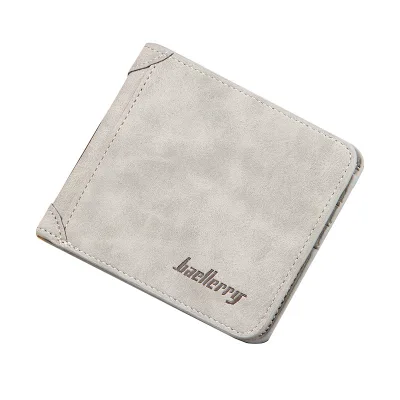
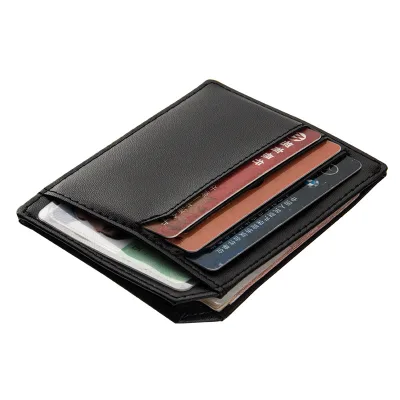
$0.9739 - $1.1998
MOQ: 500 pieces
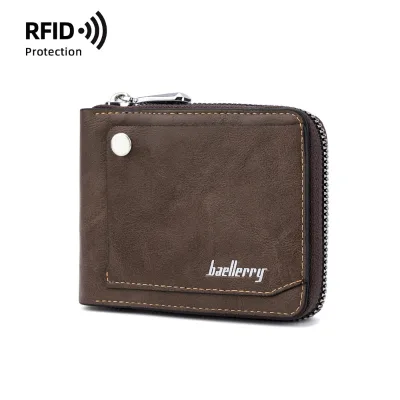
$1.7937 - $2.3981
MOQ: 10 pieces
Guangzhou Beslly Leather Co., Ltd.
- Verified by TüVRheinland
- Manufacturer, Trading Company
- Lead time15 days
- Avg. response≤ 3h
Main productsWallet, Card Holder, Handbag, Travel Bags, Backpacks
Main marketsNorth America(22%), Eastern Europe(15%), Western Europe(10%)

Shenzhen Gymtion Industrial Co., Ltd
- Verified by SGS
- Trading Company,Manufacturer/Factory
- China Guangdong
- Lead time23 days
- Avg. response≤ 4h
Main productsTote Bag, Shopping Bag, Clear Bag
Main marketsEastern Europe,Mid East,North America,Oceania,Western Europe

New Arrivals Leather RFID Blocking Minimalist Slim Credit Card Holder Wallet for Men
$1.50 - $2.50
MOQ: 100 Pieces

Custom Leather Credit Card Holder Front Pocket Slim Minimalist RFID Blocking Men's Wallet
$1.90 - $4.22
MOQ: 100 Pieces

2024 Hot Front Pocket Men's Wallet Thin Slim Minimalist Blocking Custom Leather Credit Card Holder
$1.90 - $3.20
MOQ: 100 Pieces

Hot Sale RFID Blocking Leather Aluminum Pop up Credit Card Holder Wallet for Men
$6.80 - $7.90
MOQ: 500 Pieces

WIDE SILVER (GUANGZHOU) LEATHER CO., LTD.
- Trading Company
- China Guangdong
- Lead time30 days
- Avg. response≤ 1h
Main productsHandbag, Tote Nag, Lady Handbag, Women Handbag, Wallets, Purses, Carteras, Cardholder, Bolsos, Portemonnaie
Main marketsAfrica,Europe,North America

Wide Silver Premium Wholesale Men Wallet - Genuine Cow Leather Minimalist Design
$6.76 - $7.68
MOQ: 100 Pieces


Stylish Wide Silver Leather Wallet for Men - Genuine Minimalist Card Holder
$7.86 - $8.93
MOQ: 100 Pieces


Wide Silver Trendy Minimalist Wallet - Stylish Genuine Leather Wallet for Modern Men
$4.09 - $4.64
MOQ: 100 Pieces


Heleyou Cultural and Creative(Wuxi) Co., Ltd.
- Verified by TUVRHEINLAND
- Trading Company
- China Jiangsu
- Lead time23 days
- Avg. response≤ 3h
Main productsBall Pen, Gel Pen, Customized Pen, Gift Pen, Signature Pen, Creative Stationery, Office School Supply, Bamboo Wooden Pen, Stationery Gift Box, Promotional Pen
Main marketsSouth America,Eastern Europe,Mid East,North America,Southeast Asia,Eastern Asia,Oceania,Western Europe,Africa


Minimalist Business Men Wallet Cowhide Material Multi-Card Slot Card Holder
$11.34 - $13.10
MOQ: 50 Pieces

Jiangxi Jiusi Trade Limited Co
- Trading Company
- Jiangxi, China
- Lead time0 days
- Avg. response≤ 4h
Main productsU pilow,washing bag,luggage cover,lock,office pen
Main marketsEastern Asia(20.00%), Mid East(20.00%), North America(20.00%)

Guangzhou Aaron Leather Co., Ltd.
- Manufacturer
- Guangdong, China
- Lead time7 days
- Avg. response≤ 3h
Main productsMobile phone leather case,Tablet leather case,Leather wallet,Leather card holder,etc
Main marketsNorth America(49.00%), Eastern Europe(16.00%), Southeast Asia(10.00%), Eastern Asia(7.00%), Western Europe(4.00%), Central America(2.00%), Domestic Market(2.00%), South America(2.00%), Mid East(2.00%), Northern Europe(2.00%), Africa(1.00%), South Asia(1.00%), Southern Europe(1.00%), Oceania(1.00%)

Fuzhou Yida Xinyang Industry and Trade Co., Ltd.
- Manufacturer/Factory
- China Fujian
- Lead time15 days
- Avg. response≤ 4h
Main productsLanyards, Wristbands, Tube Bandana, Flags, Bags, Luggage Belts, Sport Bags
Main marketsSouth America,Eastern Europe,Mid East,North America,Southeast Asia,Eastern Asia,Oceania,Western Europe,Africa
Wenzhou Yuanqiao Leather Goods Co., Ltd.
- Verified by SGS Group
- Manufacturer, Trading Company
- Lead time15 days
- Avg. response≤ 3h
Main productsBelt, Canvas Belt
Main marketsSoutheast Asia(60%), South America(15%), Eastern Europe(10%)

Hightop Lighting And Metal (Shenzhen) Ltd
- Manufacturer, Trading Company
- Guangdong, China
- Lead time15 days
- Avg. response≤ 2h
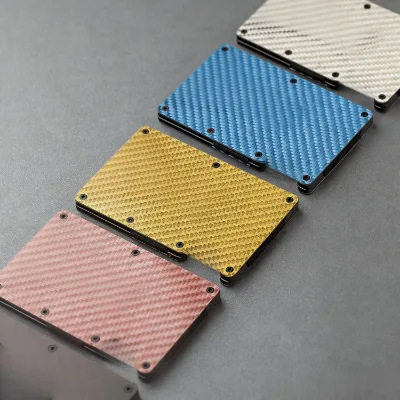
Main productsRFID card holder,aluminum wallet,leather aluminum wallet,carbon fiber wallet,carbon fiber card holder
Main marketsNorth America(45.00%), Northern Europe(20.00%), Western Europe(10.00%), Southern Europe(5.00%), Mid East(5.00%), Eastern Europe(5.00%), Central America(3.00%), Domestic Market(1.00%), South Asia(1.00%), Oceania(1.00%), South America(1.00%), Africa(1.00%), Southeast Asia(1.00%), Eastern Asia(1.00%)
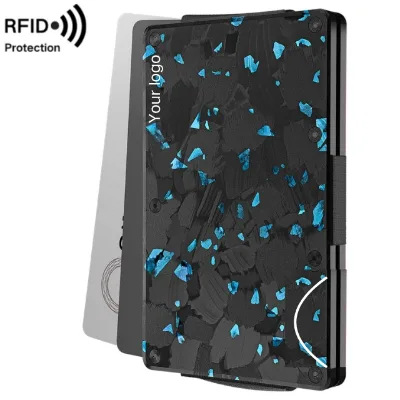
High Quality Forged Cmicrofiber Wallets for Men Minimalist Aluminum Metal Wallet with Money Clip
$2.10 - $4.85
MOQ: 100 Minimum
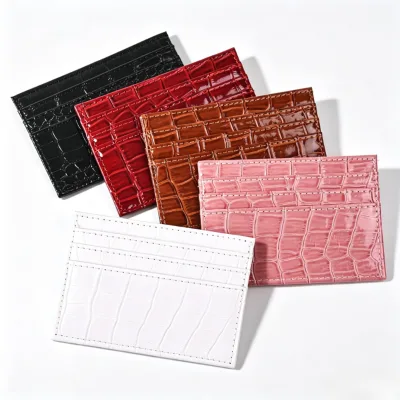
Guangzhou Baiyun District Sanyuanli Gusi Leather Firm
- Trading Company
- Guangdong, China
- Lead time22 days
- Avg. response≤ 23h
Main productsWallet, Cossbody Bags, Passport Holder, Handbags, Belts
Main marketsSouth Asia(25.00%), Mid East(20.00%), Eastern Asia(15.00%), North America(10.00%), South America(10.00%), Africa(10.00%), Eastern Europe(10.00%)
Xiamen Little Cherry Montessori Education Technology Co., Ltd.
- Manufacturer, Trading Company, Distributor/Wholesaler
- Fujian, China
- Lead time0 days
- Avg. response≤ 1h
Main productsBackpack,suitcase,Ladies' bag,travel bag,Tote Bags
Main marketsNorth America(55.00%), Eastern Europe(25.00%), South America(15.00%), Western Europe(5.00%)

Guangzhou Fashion Leather Bags Co., Ltd.
- Manufacturer, Trading Company, Distributor/Wholesaler
- Guangdong, China
- Lead time25 days
- Avg. response≤ 2h
Main productsHandbags,Beach Bags,Evening Bags,Wallets,gift set
Main marketsNorth America(35.00%), Northern Europe(20.00%), Eastern Europe(12.00%), Southern Europe(9.00%), South Asia(8.00%), Southeast Asia(6.00%), Oceania(3.00%), South America(3.00%), Mid East(2.00%), Africa(0.50%), Eastern Asia(0.50%), Western Europe(0.50%), Central America(0.50%)
Guangzhou Gao Fei Ya Leather Co., Ltd.
- Verified by SGS Group
- Manufacturer, Trading Company
- Lead time20 days
- Avg. response≤ 3h
Main productsHandbag, Backpack, Travel Bag, Waist Bag, Makeup Bag
Main marketsNorth America(60%), Southeast Asia(10%), Mid East(10%)

Xiamen Heanoo Industry and Trade Co., Ltd
- Trading Company
- China Fujian
- Lead time45 days
- Avg. response≤ 3h
Main productsBackpack, School Bag, Travel Bag, Promotion Bag, Laptop Bag, Outdoor Backpack, Waterproof Dry Bag, Sports Backpack, Business Backpack, Tactical Backpack
Main marketsEurope,Australia


Men's Wallets 15 Card Holder Slim RFID Leather 2 ID Wallet with Gift Box Men's Accessories
$4.50 - $6.00
MOQ: 100 Pieces

Wenzhou Fashion Leather Manufacture Co., Ltd.
- Combined
- China Zhejiang
- Lead time30 days
- Avg. response≤ 8h
Main productsBelt, Leather Belt, Fashion Lady Belt, Fashion Man Belt, Fashion Belt, Canvas Belt, PU Belt, Wallet, Purse, Man Wallet
Main marketsSouth America,Europe,North America

Guangzhou Kinglaiky Industrial Ltd.,
- Verified by TUVRHEINLAND
- Trading Company
- China Guangdong
- Lead time15 days
- Avg. response≤ 11h
Main productsPromotional Gifts, Pen, Leather Product, Wallet, Keyring, Namecard Holder, Mouse Mat, Flask, Wristband, USB Pen Drive
Main marketsAfrica




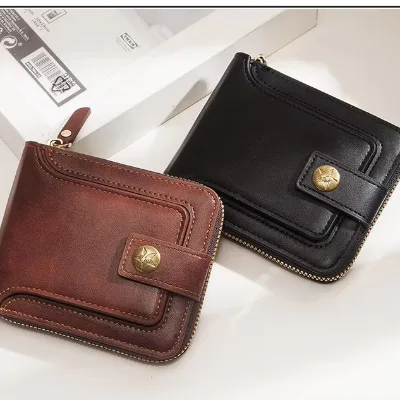
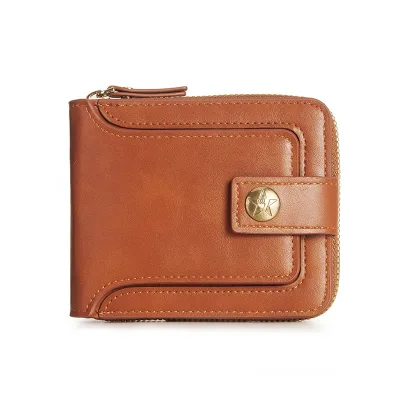
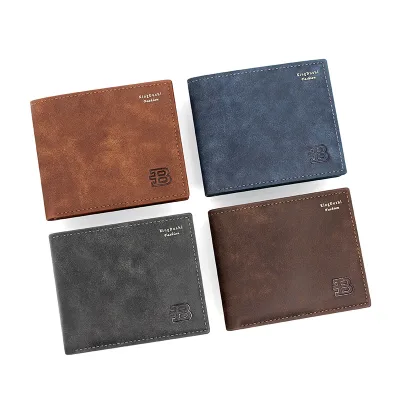
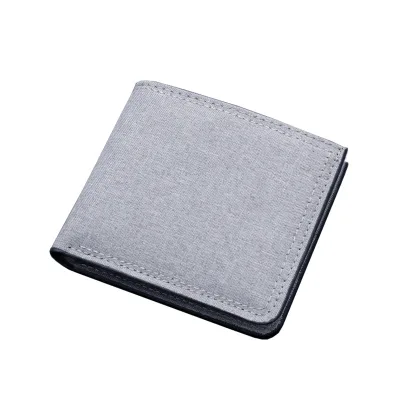


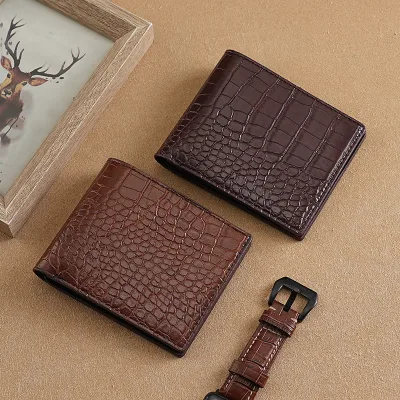
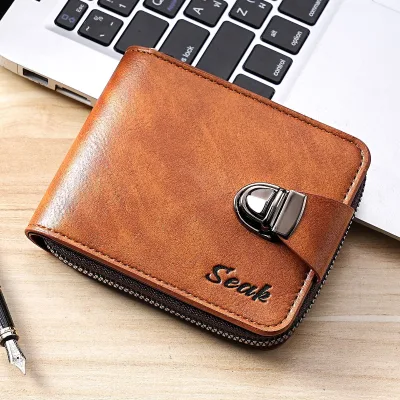
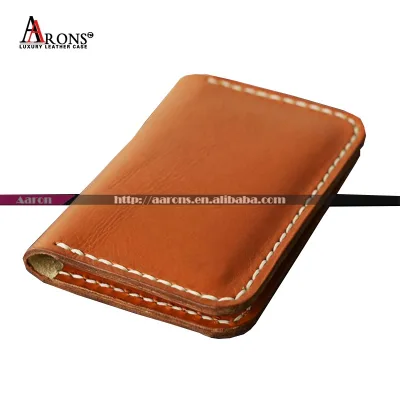
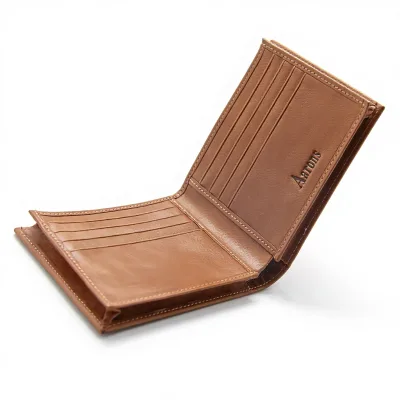




Comprehensive Sourcing Guide
Handmade Minimalist Men Wallet Supplier Concentration and Factory Types
Suppliers of the Handmade Minimalist Men Wallet in the current results cluster around two Chinese provinces. Fujian appears repeatedly as a company location and as a product origin, with listings explicitly marked "China (Fujian)," so Fujian can be treated as an active manufacturing cluster for this category. Guangdong also appears as a product place of origin in detailed attributes. When supplier results change, buyers should confirm clusters the same way: by reading the origin fields in product attributes rather than relying on search placement, and by asking each supplier where production actually happens versus where the office sits.
Company types in this category split between manufacturer/factory combinations and trading companies. Some results describe the business as a manufacturer and trading company at once, which usually means in-house production plus outsourced capacity during peak season. The category scope matters for fit: some suppliers list wallets and card holders as their core products, while others lead with leather folders, notebooks, compendia, diaries and hotel supplies, with wallets as one line among many. For a Handmade Minimalist Men Wallet program, a supplier whose main product list centers on small leather goods will generally be more familiar with slim bifold and card-wallet construction. Buyers should check whether the supplier offers OEM and ODM development, which some results confirm, and whether their catalog matches the stitching quality and hardware that minimalist designs demand.
How to Verify Handmade Minimalist Men Wallet Suppliers
Verification should start with what the platform actually displays. In the current results, one supplier carries ISO 9000 system certification and a third-party business verification mark, while other suppliers show no such credentials in the visible data. Treat a missing credential as unverified rather than disqualifying: ask the supplier directly for their certificate documents and check the certificate number with the issuing body. For a handmade leather product, where quality depends on hand stitching consistency, an on-site or third-party factory audit covering cutting, stitching, and finishing stations is more informative than paperwork alone.
The strongest verification signal is the product data itself. Detailed listings that specify item dimensions (such as wallet sizes around 9.5 by 11 centimeters), model numbers, packing format, and material declarations suggest the supplier understands its own production. Buyers should also cross-check claims: if a listing says "genuine leather" while attributes state PU, request clarification and physical samples of each material version. Ask for references from overseas buyers of comparable slim wallets, request photos or video of the handwork process, and confirm who performs the RFID-blocking lamination if that feature is claimed. Finally, verify the legal entity behind the store, its registration age, and whether the response behavior in negotiations matches the response time the platform displays, since fast replies that avoid specific production questions are a warning sign for handcrafted goods.
What to Compare Across Handmade Minimalist Men Wallet Suppliers
Compare suppliers on displayed, comparable dimensions rather than marketing copy. Lead time varies noticeably in this category: some suppliers report an overall average of around 23 days, others publish a tiered schedule with roughly 9 days for tiny trial quantities, 14 days for small orders, and 20 days for mid-volume runs, with larger quantities negotiated individually. One product listing states 20 to 25 working days for a trifold model, so expect product-level differences within the same supplier. Response speed also differs, with reported averages of about three to three-and-a-half hours; in a negotiation cycle, that difference compounds quickly.
Compare the commercial parameters on each product card: unit price ranges in the results span roughly two to sixteen dollars depending on model, material and size, and one slim wallet listing shows an MOQ of 300 pieces, which is a realistic trial volume. Also compare scope: main product lists, OEM and ODM capability, whether customization is marked available, packing standards (one listing uses one piece per OPP bag, another PVC bag plus carton), and trading status as manufacturer, trading company, or both. Do not assume every supplier displays every attribute; where a value is blank, ask. Weigh a combined manufacturer/trading profile against a pure trading profile by asking which operations are in-house, then verify with the audit. Score all suppliers on the same rubric so pricing and lead-time comparisons stay fair.
Common Handmade Minimalist Men Wallet Sourcing Risks
Material ambiguity is the leading risk in this category. Several listings simultaneously use phrases like "genuine leather" in titles while declaring PU as the material in attributes, and one wallet's material is simply "leather" with no grain specification. For a Handmade Minimalist Men Wallet, where the design hides nothing, this mismatch directly affects perceived quality. Require written material specifications, cut tests, and pull samples before mass production. Handwork variability is the second risk: stitching density, edge paint, and burnishing differ from batch to batch when production scales beyond the sample maker, so define an approved sample as the binding quality reference.
Feature-claim risks follow. RFID blocking is advertised on multiple models but is rarely documented; request test evidence or independently test a sample's shielding. One listing states the product is not waterproof, which is honest labeling—clarify which models resist moisture and how leather ages under normal use. Quantity and timing risks appear in lead-time tiers, where very small quantities carry short quoted windows but the largest volumes shift to "to be negotiated," meaning capacity may be outsourced precisely when you scale. Finally, risk concentrates in quality-control gaps at packing: specs list single-piece OPP or PVC packing, but carton drop tests, count accuracy, and mixed-model consolidation are rarely stated. Add these points to the purchase contract instead of assuming them.
Handmade Minimalist Men Wallet Regional Sourcing and Logistics
The regional picture for this category, based on current supplier data, centers on Fujian, which appears both as company location and product origin, with Guangdong also appearing as a product origin. Fujian's leather-goods ecosystem gives buyers access to nearby materials, hardware, and skilled hand-sewing labor, which matters for minimalist wallets where visible stitching is a design feature. When sourcing more broadly, identify clusters through product attribute origin fields, ask suppliers to name the production city, and request factory addresses that can be verified during an audit visit.
Logistics planning should follow from the product's physical profile. Minimalist wallets are compact and light—listing attributes show single gross weights around 0.25 kilograms including packaging—which makes air freight viable for samples and small urgent runs, while sea freight suits MOQ-scale orders. Build the quoted lead time into the plan: schedules in the results run from about 9 days for sample quantities to 20–25 days for production runs, and peak-season differences may apply for certain suppliers. Confirm export experience for small leather goods, correct HS classification for wallets, carton dimensions against your consolidation plan, and whether packing uses OPP bags or PVC bags plus corrugated cartons so retail-ready requirements are met. For mixed-model orders, ask how multiple wallet SKUs are packed and labeled together before confirming shipment terms.
Handmade Minimalist Men Wallet Commercial Terms and Order Planning
Plan the first order around the MOQ and price tiers actually displayed. One slim wallet listing shows a 300-piece MOQ with unit prices from roughly 6.17 to 11.98 dollars, while other models in the results range from about 2.15 to 16 dollars depending on model, size, and material. Use low-MOQ models to test a supplier's handwork before committing higher volumes, and request tiered pricing beyond the displayed range rather than assuming the published bracket extends downward for larger runs. Confirm what customization costs: several listings mark customization as available, but logo placement, lining color, and packaging changes may carry separate tooling or setup fees.
Payment and order terms deserve explicit negotiation. Ask whether platform escrow or a staged payment structure (deposit with balance before shipment) applies, and document the approved sample, material specification, size tolerance, packing format, and lead time in the contract. Because some suppliers publish lead times that escalate with quantity and reserve large volumes for individual negotiation, build a buffer into retail launch dates and confirm peak-season capacity in writing. For reorders, lock the model number, as results show numbered models with defined dimensions and packing, which makes repeat production easier to audit. Finally, agree on defect allowances, inspection timing, and remaking terms before the deposit, since handmade goods will always show minor variation that must be classified as acceptable or not.
Word count check: I need to verify. Sections each ~230. Let me count each roughly.
Section 1, para 1: ~110, para 2: ~120 → ~230. Section 2: ~115+~120=235. Section 3: ~115+~120. Section 4: similar. Section 5: similar. Section 6: similar. Total ~1380–1400. Good. I'll do a quick sanity count on section 4 para 2 to ensure under 235 — looks fine.
Estimated total ≈ 1385 words, within range. Ship it.
FAQs
What is the price range for handmade minimalist men wallets?
Prices typically range from $2.15 to $16.00 per unit depending on material and features. Basic PU leather options start around $2.15, while genuine leather models with RFID protection cost more. Buyers should check specific product listings for exact pricing tiers based on order volume and customization needs.
What is the minimum order quantity for these wallets?
The minimum order quantity is generally 300 pieces for standard items. Some suppliers may offer different MOQs for customized designs or specific materials. Buyers should verify the exact MOQ with the supplier before placing an order to ensure it aligns with their inventory requirements and budget constraints.
How long does production take for these wallets?
Lead times typically range from 20 to 25 working days for standard orders. Production schedules may vary based on order volume and seasonality, with peak seasons potentially requiring longer lead times. Buyers should confirm specific delivery timelines with the supplier to plan their inventory and sales strategies effectively.
Are these wallets made from genuine leather?
Options include both genuine leather and PU leather materials. Genuine leather wallets often feature handmade stitching and vintage styles, while PU options provide a more affordable alternative. Buyers should review product specifications to confirm the material type and ensure it meets their quality and aesthetic requirements.
Do these wallets include RFID protection features?
Many models include RFID blocking technology to protect against electronic theft. Features like anti-theft and RFID protection are common in minimalist designs. Buyers should check product attributes to confirm if RFID functionality is included and ensure it meets their security needs for daily use.
Where are these wallets manufactured?
Manufacturing locations include China, specifically Fujian and Guangdong provinces. These regions are known for leather goods production and offer various supplier types. Buyers should verify the place of origin for each product to ensure it aligns with their sourcing preferences and logistical requirements.