Handmade Metal Enamel Lapel Pin Suppliers and Manufacturers
Explore 33 verified options for Handmade Metal Enamel Lapel Pin from China Sichuan and Guangdong. Compare response times, lead times, certifications, and pricing to find the right partner. Review product details and request samples to proceed; review the available evidence before requesting comparable quotations from suitable candidates.
Updated
Suppliers List

Meishan Shunjieru Arts & Crafts Co., Ltd.
- Verified by SGS
- Trading Company
- China Sichuan
- Lead time15 days
- Avg. response≤ 2h
Main productsBadge Coin Emblem Medal
Main marketsSoutheast Asia/ Mideast,Europe,Australia,North America

Zhongshan Leon crafts and gifts Co., Ltd.
- Verified by SGS
- Trading Company,Manufacturer/Factory
- China Guangdong
- Lead time23 days
- Avg. response≤ 3h
Main productsMetal Pin Badge, Wallet Badge, Sports Medal, Honor Medal, Belt & Buckle, Challenge Coins, Fridge Magnet, Different Kind of Security Products, Keychain, Embroidery Patch
Main marketsSouth America,Eastern Europe,Mid East,North America,Southeast Asia,Eastern Asia,Oceania,Western Europe,Africa

Zhongshan Lucky Art & Crafts Gifts Co., Ltd.
- Verified by BV
- Combined
- China Guangdong
- Lead time15 days
- Avg. response≤ 3h
Main productsCustom Medal, Key Chain, Custom Coin, Custom Lapel Pin, Custom Lanyard, Custom Badge, Custom Patch, Custom Air Fresheners, Custom Silicone Bracelets, Custom Cufflinks
Main marketsEast Asia(Japan/ South Korea),Europe,North America

Zhongshan Xiangda Metal Arts & Crafts Co., Ltd.
- Verified by BV
- Combined
- China Guangdong
- Lead time15 days
- Avg. response≤ 4h
Main productsBadge, Keychain, Medal, Lapel Pin, Dog Tag, Fridge Magnet, Cufflink, Tie Clip, Bag Hanger, Wrist Band
Main marketsSouth America,Southeast Asia/ Mideast,Domestic,Europe,Australia,North America


High Quality Metal Custom Made Metal Lapel Pin Design Collection Hard Enamel Pin
$0.15 - $0.38
MOQ: 50 Pieces


Xiamen Miss Home Gifts Limited
- Trading Company,Manufacturer/Factory
- China Fujian
- Lead time15 days
- Avg. response≤ 24h
Main productsLanyards, ID Badge Accessories, Pocket Ashtrays, Bespoke Metal Gifts, Promotional Products
Main marketsEastern Europe,North America,Oceania,Western Europe

Jiuchuang International Limited
- Manufacturer, Trading Company
- Guangdong, China
- Lead time10 days
- Avg. response≤ 2h
Main productsmedal,keychain,silicone wristand,lanyard,embroidery patch
Main marketsNorth America(25.00%), South America(18.00%), Eastern Europe(15.00%), Southeast Asia(10.00%), Domestic Market(8.00%), Northern Europe(5.00%), Western Europe(3.00%), Oceania(3.00%), Central America(3.00%), Africa(2.00%), South Asia(2.00%), Southern Europe(2.00%), Eastern Asia(2.00%), Mid East(2.00%)

Golden One (Jiangmen) Gifts Co., Limited
- Verified by TUVRHEINLAND
- Combined
- China Guangdong
- Lead time15 days
- Avg. response≤ 3h
Main productsKey Chain, Pins, Coin, Keyring, Medals, Bottle Opener, Badge, Lanyards, Promotional Gifts, Souvenir
Main marketsEurope
Zhongshan Artilanyard Industrial Co., Ltd.
- Verified by Intertek
- Manufacturer, Trading Company
- Lead time15 days
- Avg. response≤ 2h
Main productsLanyard, Medal, Pin Badge, Key Chain
Main marketsNorth America(30%), Eastern Europe(10%), Eastern Asia(10%)

Dongguan JL Promotions Limited
- Manufacturer, Trading Company
- Guangdong, China
- Lead time10 days
- Avg. response≤ 4h
Main productsGolf Accessories,Medal & Coin,Lapel Pin & Badge,KeyChain,Promotional Gifts
Main marketsOceania(30.00%), Western Europe(30.00%), North America(20.00%), Domestic Market(10.00%), Northern Europe(10.00%)
Zhongshan Lucky Art And Crafts Gifts Co., Ltd.
- Manufacturer, Trading Company
- Lead time旺季: "1 - 1000":12,"> 1000":"To be negotiated", 淡季: "1 - 1000":12,"> 1000":"To be negotiated"
- Avg. response≤ 3h
Main productsCoin, Medal, Lanyards, Keychain, Lapel Pin

Zhongshan Yibao Gift Co., Ltd.
- Verified by SGS
- Combined
- China Guangdong
- Lead time15 days
- Avg. response≤ 2h
Main productsMedals, Badges, Keychains, Coins, Air Freshener, Lanyard, Embroidery Patch, Fridge Magnets, Cufflinks, Packing Box
Main marketsDomestic
Kunshan Lifeng Arts And Crafts Co., Ltd.
- Verified by SGS Group
- Trading Company
- Lead time15 days
- Avg. response≤ 3h
Main productsLapel Pin, Medal, Challenge Coin, Cufflinks, Keychain
Main marketsNorth America(25%), South America(15%), Eastern Europe(10%)
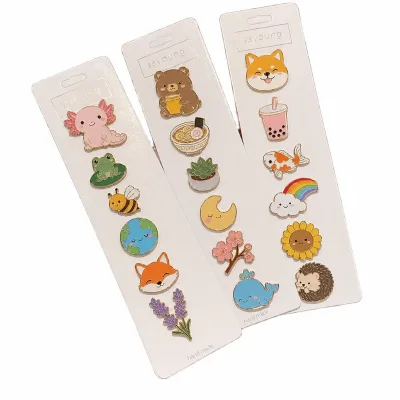
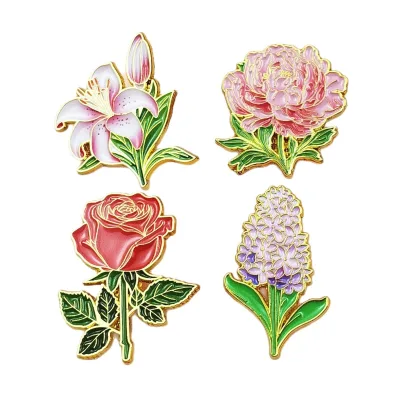
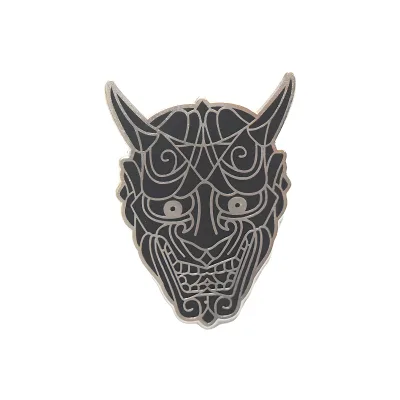
Custom Your Own Design Unique Enamel Pins Ghost Soft Enamel Gold Plated Lapel Pin Badges
$0.205 - $0.5116
MOQ: 10 pieces


Ningbo Inunion Import and Export Co., Ltd.
- Verified by SGS
- Trading Company
- China Zhejiang
- Lead time30 days
- Avg. response≤ 3h
Main productsBag Chain, Buckle, Hooks, Ring, Key Chain, Tags, Carabiner, Bag Lock, Puller
Main marketsSoutheast Asia/ Mideast,East Asia(Japan/ South Korea),Europe,Australia,North America
Kunshan Krell Cultural Development Co., Ltd.
- Trading Company
- Lead time旺季: "1 - 50":31,"> 50":"To be negotiated", 淡季: "1 - 50":31,"> 50":"To be negotiated"
- Avg. response≤ 2h
Main productsEnamel Pin Badges

- Manufacturer, Trading Company
- Hong Kong S.A.R.
- Lead time21 days
- Avg. response≤ 4h
Main productsDog Tag,Key Chain,Pin,Badge,Magnet
Main marketsNorth America(25.00%), Eastern Asia(20.00%), Western Europe(20.00%), South America(10.00%), Oceania(5.00%), Southern Europe(5.00%), Eastern Europe(5.00%), Southeast Asia(4.00%), Mid East(1.00%), Domestic Market(1.00%), Africa(1.00%), Northern Europe(1.00%), Central America(1.00%)
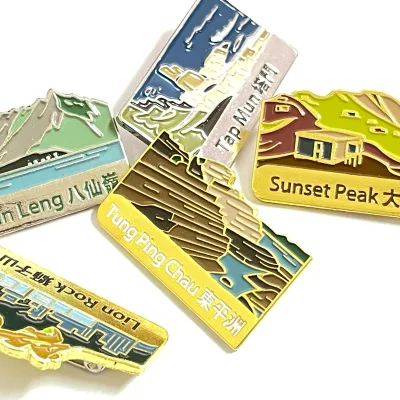
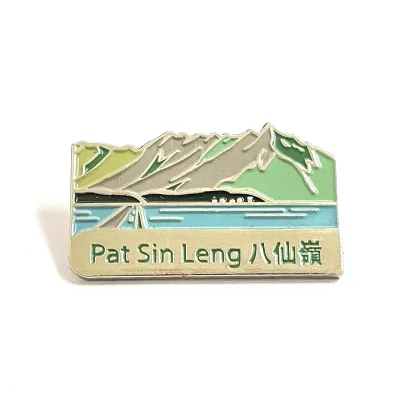
$0.10 - $0.99
MOQ: 1000 pieces
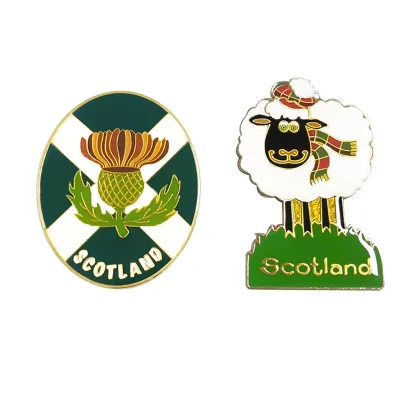
Cheap Custom logo Custom lapel pin Metal Custom sublimed Soft hard enamel pin badge
$0.10 - $0.99
MOQ: 1000

Zhongshan Xinyuan Silicone Rubber Co., Ltd.
- Verified by TUVRHEINLAND
- Combined
- China Guangdong
- Lead time15 days
- Avg. response≤ 2h
Main productsEmbroidery Patch, PVC Keychain, Pin Badge, Medal, Lanyard, Challenge Coin, Paper Air Freshener, Coffee Maker, Luggage Tag, Coffee Maker/Grinder
Main marketsSouth America,Southeast Asia/ Mideast,Domestic,Europe,North America
Zhongshan Vinee GP Gifts&Premium Factory
- Verified by Intertek
- Trading Company
- Lead time20 days
- Avg. response≤ 4h
Main productsMedal, Keychain, Pins
Main marketsNorth America(40%), Eastern Europe(30%), Northern Europe(25%)
Dongguan Jian Plastic & Metal Products Ltd.
- Manufacturer, Trading Company
- Lead time旺季: "1 - 5000":15,"> 5000":"To be negotiated", 淡季: "1 - 5000":15,"> 5000":"To be negotiated"
- Avg. response≤ 3h
Main productsPin Badges, Coins, Medals, Keychains, Cufflink & Tie Bar
Guangzhou Tomas Crafts Co., Limited
- Trading Company
- Lead time旺季: "1 - 100":15,"> 100":"To be negotiated", 淡季: "1 - 100":15,"> 100":"To be negotiated"
- Avg. response≤ 2h
Main productsPromotional Gift,Souvenir Gifts,Medals & Trophies Suppliers,Luggages & Bags,Party Supplies
Jian (Fuzhou) Arts Crafts Co., Ltd.
- Trading Company
- Fujian, China
- Lead time20 days
- Avg. response≤ 2h
Main productsEnamel Pin&Badge,Keychain,Hat Clips,Bookmark,Medal
Main marketsNorth America(30.00%), Western Europe(20.00%), Northern Europe(15.00%), Eastern Asia(10.00%), Oceania(10.00%), Southern Europe(10.00%), South America(2.00%), South Asia(1.00%), Africa(1.00%), Eastern Europe(1.00%)

Dongguan Jmny Craft & Gift Co., Ltd.
- Trading Company
- Guangdong, China
- Lead time10 days
- Avg. response≤ 4h
Main productsMetal Crafts,Plastic Crafts,Wooden Crafts,Promotional Gifts,Apparel and Textiles
Main marketsNorth America(23.80%), Western Europe(20.50%), Domestic Market(10.00%), Southern Europe(9.50%), South America(8.90%), Oceania(5.50%), Central America(5.30%), Eastern Asia(3.80%), Eastern Europe(3.00%), Northern Europe(2.50%), Mid East(2.30%), South Asia(2.20%), Africa(1.50%), Southeast Asia(1.20%)
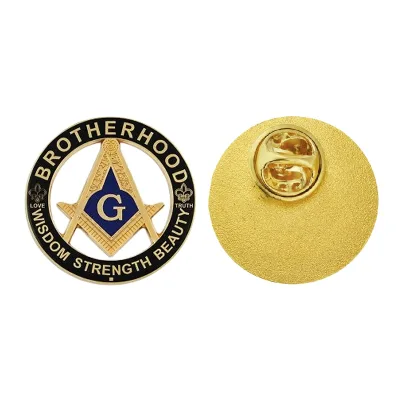
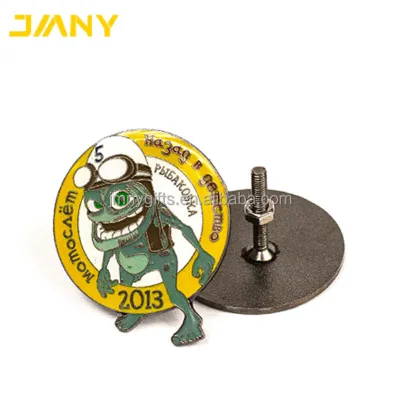
Factory Directly Gold Plated Round Shape Custom Masonic Lapel Pin for Sale
$0.2558 - $0.4608
MOQ: 100 Minimum
Wenzhou Bowei Labels Co., Ltd.
- Manufacturer, Trading Company
- Zhejiang, China
- Lead time8 days
- Avg. response≤ 3h
Main productsWine Label,Bottle Cap,Perfume Label,Perfume Cap,Cosmetic Label
Main marketsDomestic Market(12.00%), North America(11.00%), Western Europe(11.00%), Mid East(8.00%), Eastern Europe(7.00%), Southern Europe(7.00%), South America(7.00%), Africa(7.00%), Southeast Asia(6.00%), Northern Europe(6.00%), Central America(5.00%), Eastern Asia(5.00%), Oceania(5.00%), South Asia(3.00%)
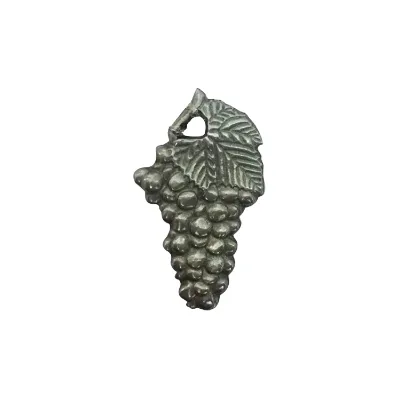
Custom Logo Metal Crafts Deer Lapel Pin Badges Soft Enamel Pins Lapel Pins for Clothes Decorative
$0.2798 - $0.4653
MOQ: 1500 pieces

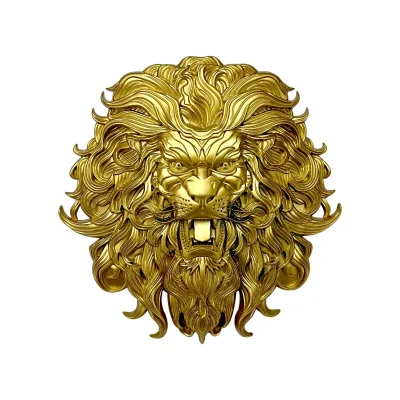
$0.3665 - $0.5236
MOQ: 1000 pieces
Ji'an Aili Arts Crafts Co., Ltd.
- Manufacturer, Trading Company
- Jiangxi, China
- Lead time0 days
- Avg. response≤ 1h
Main productslapel pin,keychain,badge,patches,Acrylic product
Main marketsNorth America(70.00%), Eastern Europe(15.00%), Southern Europe(10.00%), Western Europe(5.00%)

- Verified by TUVRHEINLAND
- Combined
- China Jiangsu
- Lead time15 days
- Avg. response≤ 4h
Main productsMetal Crafts, Embroidery Crafts, PVC Crafts, Acrylic Crafts, Key Chains, Promotional Gifts, Canvas Bag/Shopping Bag/Drawstring Bag, Baseball Cap/Bucket Hat/Other Caps, Ceramic Mug/PVC Mug/Stainless Steel Cup, Gift Boxes
Main marketsNorth America

China Lapel Pin Manufacturers Custom Metal Hard Enamel Lapel Pin Black Nickel Enamel Pins
$0.15 - $0.80
MOQ: 50 Pieces


Lapel Pins Custom Hard Soft Enamel Pin Personalized Metal Enamel Lapel Pins
$0.10 - $0.40
MOQ: 50 Pieces


Lapel Logo Pins Enamel Pin Manuafacture Hard Soft Enamel Lapel Pin Custom with Backing Card
$0.10 - $0.40
MOQ: 10 Pieces

Zhongshan Baojianlong Trading Co., Ltd.
- Trading Company
- Guangdong, China
- Lead time0 days
- Avg. response≤ 1h
Main productsMedal,Badge,Keychain,Lanyard,Fridge magnets
Main marketsNorth America(50.00%), Eastern Europe(20.00%), South America(20.00%), Mid East(10.00%)
Dongguan Jian Plastic & Metal Products Ltd.
- Verified by Intertek
- Manufacturer, Trading Company
- Lead time20 days
- Avg. response≤ 4h
Main productsLapel Pin, Metal Coin, Medal, Keychain, Cufflink
Main marketsNorth America(37%), Domestic Market(25%), Western Europe(8%)

Dingfeng Badge Factory Of Kunshan
- Manufacturer, Trading Company
- Jiangsu, China
- Lead time10 days
- Avg. response≤ 5h
Main productsBadge,Embroidery patch,Button badge,Keychains,Challenge coin
Main marketsNorth America(50.00%), Domestic Market(30.00%), Western Europe(15.00%), South America(5.00%)
- Verified by TüVRheinland
- Trading Company
- Lead time7 days
- Avg. response≤ 2h
Main productsGarment Accessories, Shoe Accessories, Jewelry, Jewelry Decorations
Main marketsNorth America(70%), South America(20%), Western Europe(10%)
HK MAIRUN INDUSTRIAL CO., LIMITED
- Manufacturer
- Lead time旺季: "1 - 500000":30,"> 500000":"To be negotiated", 淡季: "1 - 500000":30,"> 500000":"To be negotiated"
- Avg. response≤ 14h
Main productsPromotional Gifts,Souvenir Gifts,Party Supplies,Event Supplies,Custom Gift Set
$0.1032 - $0.3007
MOQ: 100 pieces

- Verified by SGS
- Combined
- China Hunan
- Lead time15 days
- Avg. response≤ 25h
Main productsBadge/Pin, Medal/Fiesta Medal, Coin/Challenge Coin, Pendant/Charm, Cufflink/Tie Clip/Money Clip, Golf Ball Marker/Hat Clip, Printed Pins/Patches/PVC, Belt Buckle, Keychain/Bottle Opener, Invitation Card
Main marketsSouth America,Africa,Southeast Asia/ Mideast,Europe,Australia,North America
- Trading Company
- Lead time旺季: "1 - 60":14,"> 60":"To be negotiated", 淡季: "1 - 60":14,"> 60":"To be negotiated"
- Avg. response≤ 6h
Main productsfashion jewelry,women necklace,women earrings,fashion rings jewelry,fashion bracelets jewelry
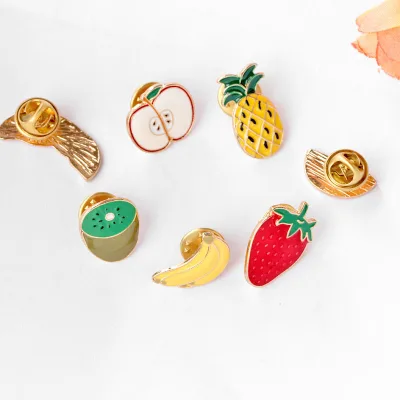
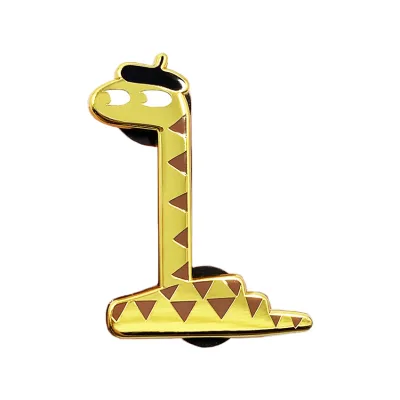
Custom Enamel Pin Brand logo Manufacturer wholesale hard enamel soft enamel
$0.3082 - $0.8198
MOQ: 36 pieces
- Manufacturer, Trading Company
- Jiangsu, China
- Lead time15 days
- Avg. response≤ 2h
Main productsEnamel Pin,Key chains,Challenge Coins,Metal Badge,Patches
Main marketsNorth America(50.00%), Oceania(10.00%), Africa(10.00%), Southeast Asia(10.00%), Eastern Europe(10.00%), South America(10.00%)

Zhongshan Lixin Crafts Co.,Ltd.
- Verified by BV
- Combined
- China Guangdong
- Lead time15 days
- Avg. response≤ 1h
Main productsPatch, Sports Event Medal, Enamel Pin, Custom Keychain, Challenge Coin, Fridge Magnet
Main marketsDomestic

Custom Hard Enamel Lapel Pin with Antique Gold Plating for Corporate Gift Collection
$0.35 - $0.73
MOQ: 100 Pieces

Custom Soft or Hard Enamel Lapel Pin with Gold Plating for Collectible Badge
$0.35 - $0.75
MOQ: 100 Pieces


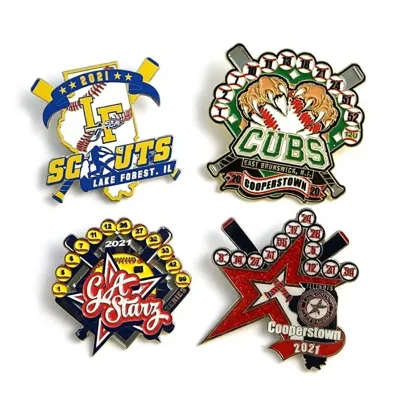
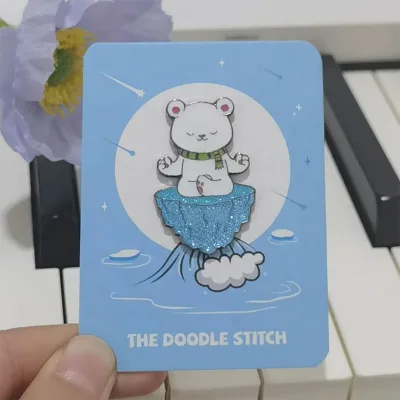


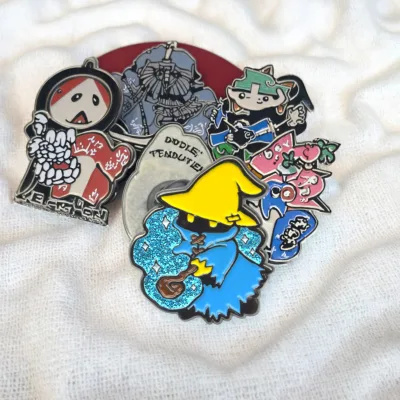
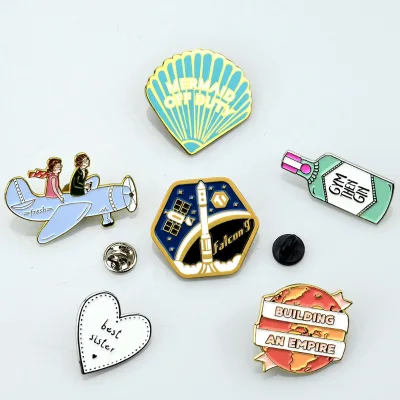


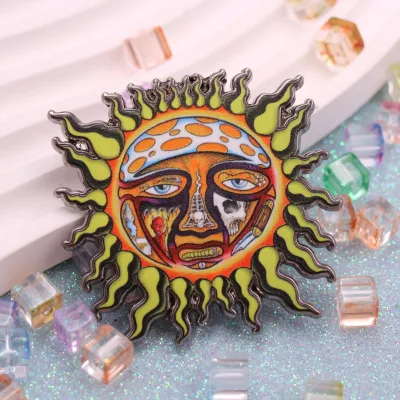
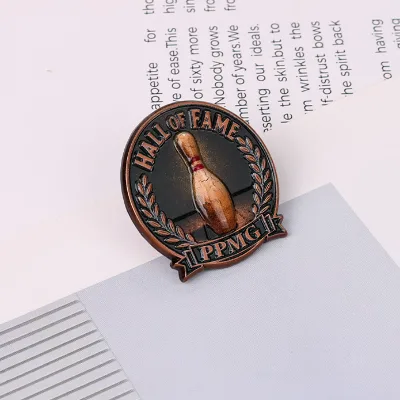



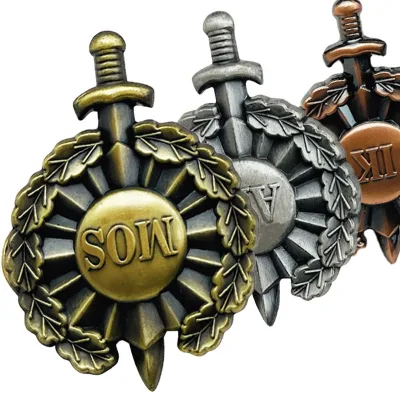

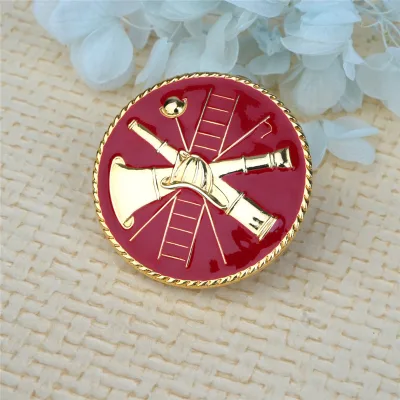






Comprehensive Sourcing Guide
Handmade Metal Enamel Lapel Pin Supplier Concentration and Factory Types
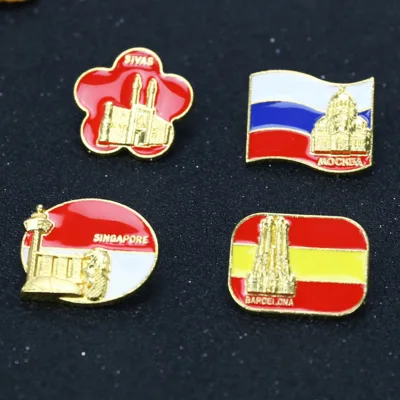
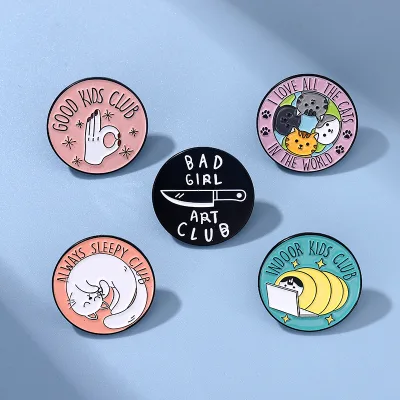
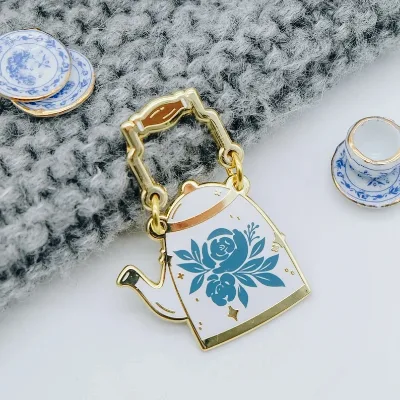
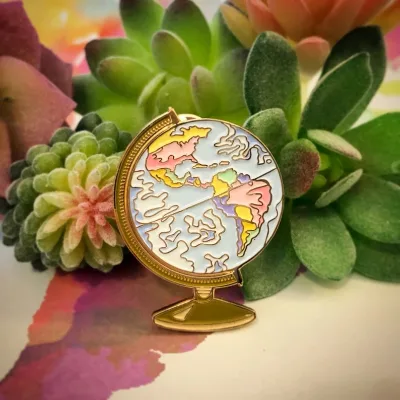
The current supplier landscape for handmade metal enamel lapel pins reveals a distinct concentration of manufacturing and trading entities within specific Chinese provinces, primarily Sichuan and Guangdong. These regions serve as critical hubs for metal craft production, offering varying degrees of vertical integration and supply chain maturity. In Sichuan, the available results indicate a predominance of trading companies that facilitate access to local metal craft capabilities. These entities often act as intermediaries, connecting buyers with factories that specialize in badge, coin, emblem, and medal production. The presence of trading companies in this region suggests a market structure where sourcing efficiency is prioritized through consolidated logistics and customer service, rather than direct factory ownership. Buyers engaging with suppliers in this cluster should anticipate a model where the supplier manages the relationship with the actual production unit, potentially adding a layer of communication but also providing a single point of contact for complex orders.
Conversely, the Guangdong cluster, particularly around Zhongshan, presents a more diversified supplier typology, including both trading companies and direct manufacturers or factories. This duality offers buyers the option to choose between the flexibility of a trading partner and the direct cost control of a factory. The Guangdong suppliers listed demonstrate a broader range of main products, extending beyond simple lapel pins to include wallet badges, sports medals, honor medals, belt buckles, challenge coins, fridge magnets, and various security products. This product diversity indicates a mature industrial ecosystem capable of handling mixed orders and leveraging shared tooling or material sources. The presence of OEM and ODM capabilities in this region further highlights the advanced manufacturing infrastructure available. Buyers evaluating this cluster can expect suppliers who are equipped to handle complex customization requests, from die casting and stamping to intricate enamel work, supported by a robust local supply chain for metals, plating chemicals, and packaging materials.
How to Verify Handmade Metal Enamel Lapel Pin Suppliers
Verification of suppliers in the Handmade Metal Enamel Lapel Pin sector requires a multi-layered approach that goes beyond basic company registration checks. One critical step is to examine the verification status provided by third-party inspection agencies. For instance, some suppliers in the current results are verified by SGS, a globally recognized testing and certification company. This verification adds a layer of credibility regarding the supplier’s operational legitimacy and compliance with international standards. Buyers should prioritize suppliers with such third-party verifications, as it indicates that an independent party has assessed their business practices, facility conditions, or product quality processes. Additionally, checking for specific system certifications is essential, although many suppliers in this niche may not display comprehensive certification lists. Some Guangdong-based suppliers, for example, list a wide array of certifications including ISO 9001, BSCI, and various environmental and safety standards. These certifications serve as proxies for the supplier’s commitment to quality management and ethical labor practices, which are crucial for long-term sourcing relationships.
Beyond certifications, buyers must verify the supplier’s response capabilities and production transparency. The response time is a key indicator of operational efficiency; suppliers with faster response times, such as those averaging around 1.27 hours, may offer more agile communication, which is vital for resolving issues during the sampling and production phases. Buyers should also request detailed information about the supplier’s main products to ensure alignment with their specific needs. For example, a supplier listing "Badge Coin Emblem Medal" as main products may have deeper expertise in metal stamping and enamel filling compared to a general merchandise trader. Furthermore, verifying the origin of the products is crucial, as some suppliers explicitly state their production origin, such as Zhongshan, China. Buyers should ask for recent factory audit reports or video tours to confirm that the supplier’s claimed capabilities match their actual production environment. This due diligence helps mitigate the risk of dealing with pure trading companies that may lack direct control over quality and lead times, ensuring that the supplier can reliably deliver the high-quality handmade metal enamel lapel pins required for the buyer’s brand.
What to Compare Across Handmade Metal Enamel Lapel Pin Suppliers
When evaluating multiple suppliers for handmade metal enamel lapel pins, buyers must systematically compare key operational metrics to identify the most suitable partner. One of the most significant differentiators is the minimum order quantity (MOQ). The current results show a wide range, from suppliers with no MOQ or an MOQ of just one piece to others requiring fifty pieces or more. This variance allows buyers to select suppliers based on their inventory needs; those seeking small batches for testing or boutique markets can opt for low-MOQ suppliers, while those planning large-scale promotional campaigns may find better economies of scale with higher-MOQ factories. Additionally, the price range is a critical factor, with observed prices varying from as low as $0.11 to $0.95 per piece. Buyers should not solely focus on the lowest price but rather analyze the cost structure relative to the complexity of the design, plating type, and attachment mechanism. A supplier offering a lower price for a simple butterfly clutch pin may not be competitive for a complex 3D die-cast pin with hard enamel, so buyers must compare apples to apples when evaluating quotes.
Another vital dimension for comparison is the lead time and sampling efficiency. The results indicate lead times ranging from 15 days to 23 days for mass production, with sampling times typically taking 7 to 10 days. Buyers should compare these timelines against their project deadlines to ensure feasibility. Suppliers with shorter lead times, such as those offering 12-15 days for production, may be preferable for urgent orders, provided their quality standards are met. Furthermore, the customization capabilities and technical specifications should be closely compared. Some suppliers specialize in specific techniques like die casting and stamping, while others focus on enamel work. Buyers should also compare the attachment options available, such as butterfly clutch, safety pin, or magnetic backs, as these can impact the final product’s usability and cost. Additionally, the payment terms and shipping methods offered by each supplier should be evaluated. Suppliers accepting a variety of payment methods, including T/T, PayPal, and Western Union, offer greater financial flexibility. By meticulously comparing these operational details, buyers can construct a balanced scorecard that weighs cost, speed, quality, and flexibility to select the optimal supplier for their specific Handmade Metal Enamel Lapel Pin requirements.
Common Handmade Metal Enamel Lapel Pin Sourcing Risks
Sourcing handmade metal enamel lapel pins involves several inherent risks that buyers must proactively manage to ensure successful procurement. One significant risk is the discrepancy between the sample and the mass production quality. Since these products often involve intricate manual processes like enamel filling and plating, slight variations in color, texture, or finish can occur between the approved sample and the final batch. Buyers should mitigate this risk by establishing clear quality standards and requesting pre-shipment inspections. Another risk is the potential for delays in lead times, which can disrupt supply chains and miss critical market windows. Suppliers may face bottlenecks due to material shortages, labor issues, or unexpected order volumes. To address this, buyers should maintain open communication with suppliers and request regular production updates. Additionally, the risk of intellectual property infringement is present, especially when dealing with custom designs. Buyers should ensure that their designs are protected and that suppliers adhere to confidentiality agreements to prevent unauthorized replication of their unique lapel pin designs.
Furthermore, buyers face the risk of hidden costs and unfavorable payment terms. While some suppliers offer competitive prices, additional costs for packaging, shipping, or custom tooling may not be immediately apparent. Buyers should request detailed quotations that break down all costs to avoid surprises. Another risk is the reliability of the supplier’s logistics partners. Suppliers may use various shipping methods, including sea, air, and express couriers, each with different reliability and cost structures. Buyers should verify the supplier’s track record with different logistics providers to ensure timely and safe delivery. Additionally, the risk of non-compliance with international standards or regulations, such as lead content limits in metal products, is a concern. Buyers should verify that suppliers adhere to relevant safety standards and request test reports to ensure their products meet the regulatory requirements of their target markets. By identifying and addressing these common risks through thorough due diligence, clear contracts, and active monitoring, buyers can minimize disruptions and ensure a smooth sourcing process for their handmade metal enamel lapel pins.
Handmade Metal Enamel Lapel Pin Regional Sourcing and Logistics
The regional concentration of suppliers in China, particularly in Sichuan and Guangdong, significantly influences logistics strategies and cost structures for handmade metal enamel lapel pins. Suppliers in Sichuan, often operating as trading companies, may offer consolidated shipping options that leverage local industrial clusters. This can simplify logistics for buyers sourcing from multiple suppliers in the same region, as the trading company can coordinate the collection and consolidation of goods. However, buyers should consider the transit time from inland Sichuan to major ports, which may be longer compared to suppliers located in coastal Guangdong. Guangdong, with its proximity to major shipping hubs like Shenzhen and Guangzhou, often offers faster and more cost-effective sea freight options. Suppliers in this region, including those in Zhongshan, benefit from a mature logistics infrastructure that supports efficient export operations. Buyers sourcing from Guangdong may find it easier to arrange expedited shipping via air or express couriers, which is crucial for time-sensitive orders.
Logistics planning must also account for the specific packaging requirements of metal enamel pins to prevent damage during transit. Suppliers typically use bubble bags, plastic bags, or velvet boxes for individual packaging, which must be securely packed in cartons to withstand handling. Buyers should verify the packaging standards with their chosen supplier to ensure that the pins are protected against scratches, tarnishing, and physical impact. Additionally, the weight and dimensions of the products, which can range from 3-30 grams per pin, affect shipping costs. Buyers should calculate the volumetric weight and actual weight to determine the most cost-effective shipping method. For large orders, sea freight is often the most economical choice, while smaller or urgent orders may require air freight or express delivery. Buyers should also consider the supplier’s experience with international shipping and their ability to handle customs documentation. Suppliers with experience in exporting to various markets can provide valuable assistance in navigating customs regulations and ensuring smooth clearance. By carefully evaluating the regional logistics advantages and packaging capabilities of suppliers, buyers can optimize their supply chain and reduce overall procurement costs.
Handmade Metal Enamel Lapel Pin Commercial Terms and Order Planning
Effective order planning for handmade metal enamel lapel pins requires a thorough understanding of commercial terms and payment structures to ensure financial security and operational efficiency. The current supplier results indicate a variety of payment methods, including T/T, PayPal, Western Union, L/C, and credit card. Buyers should select payment terms that align with their risk tolerance and cash flow needs. For new suppliers, using secure payment methods like PayPal or L/C can provide an additional layer of protection, while established relationships may allow for more flexible T/T arrangements. It is crucial to negotiate clear payment milestones, such as a deposit upon order confirmation and the balance upon completion of production or before shipment. This structure helps manage cash flow and ensures that the supplier is motivated to deliver on time. Additionally, buyers should clarify any additional costs, such as mold fees for custom designs or sample charges, to avoid unexpected expenses.
Order planning must also consider the production timeline and capacity constraints of the supplier. Suppliers with OEM and ODM capabilities, such as those in the Guangdong cluster, may have higher production capacities but also face higher demand. Buyers should plan their orders well in advance, especially during peak seasons, to secure production slots. The lead time for sampling, typically 7-10 days, and mass production, ranging from 10-25 days, should be factored into the overall project
FAQs
What is the price range for metal enamel lapel pins?
Prices typically range from $0.11 to $0.95 per piece depending on customization and quantity. Buyers can find options starting at $0.11 with no minimum order or $0.15 with a minimum of five units. Costs vary based on plating, attachment type, and packaging requirements selected for the final order.
What are the minimum order quantities for custom pins?
Minimum order quantities vary significantly by supplier. Some manufacturers offer no minimum order requirement, allowing single-unit purchases. Others require a minimum of five pieces or fifty pieces. Buyers should verify specific MOQs with suppliers to ensure the order volume meets their production or sampling needs effectively.
How long does production take for custom enamel pins?
Production lead times generally range from 12 to 25 days after sample approval. Sampling typically takes seven to ten days. Some suppliers list a standard lead time of fifteen days, while others may require up to twenty-three days. Buyers should confirm exact timelines based on order complexity and quantity.
What certifications do these suppliers hold?
Certifications vary by supplier location and type. Some suppliers hold ISO 9001, BSCI, or SGS verification. Others may possess extensive lists including ISO 14001, WRAP, or HACCP. Buyers should request specific certification documents to verify compliance with their quality standards and regulatory requirements before placing large orders.
Where are these metal pin suppliers located?
Suppliers are primarily located in China, specifically in Sichuan and Guangdong provinces. Guangdong suppliers often list Zhongshan as their origin. Buyers should verify the exact factory location to assess logistics costs, shipping times, and potential travel requirements for factory audits or quality inspections during the sourcing process.
What customization options are available for lapel pins?
Customization is widely available, including shape, size, plating, and attachment methods. Options include gold plating, butterfly clutch, safety pin, or magnetic backs. Techniques range from soft enamel to hard enamel, die casting, and stamping. Buyers can request custom logos, colors, and packaging to match their brand identity precisely.