Heavy Duty Galvanized Cantilever Racking Suppliers and Manufacturers
Source Heavy Duty Galvanized Cantilever Racking from 25 verified suppliers in China. Compare response times, lead times, MOQs, and certifications like ISO 9001 and CE to find the right fit. Request quotes today; review the available evidence before requesting comparable quotations from suitable candidates.
Updated
Suppliers List

Nanjing Victory Storage Equipment Manufacturing Co., Ltd.
- Verified by BV
- Combined
- China Jiangsu
- Lead time15 days
- Avg. response≤ 4h
Main productsPallet Rack, Drive in Rack, Light Duty Rack, Medium Duty Rack, Steel Structure, Mezzanine, Movable Rack, Flow Rack, Cantilever Rack
Main marketsDomestic,Europe

Nanjing Urgo Logistics Equipment Co., Ltd.
- Trading Company,Manufacturer/Factory
- China Jiangsu
- Lead time23 days
- Avg. response≤ 2h
Main productsPallet Rack, Warehouse Storage Rack, Teardrop Pallet Rack, Longspan Shelving, Cantilever Racking, Mezzanine Racking, Drive in Racking, Pallet Flow Racking, Push Back Racking, Mobile Racking
Main marketsSouth America,Eastern Europe,Mid East,North America,Southeast Asia,Eastern Asia,Oceania,Western Europe,Africa
- Verified by TüVRheinland
- Manufacturer, Trading Company
- Lead time20 days
- Avg. response≤ 3h
Main productsStorage Cage, Warehouse Rack, Steel Pallet, Logistics Trolley, Steel Tools
Main marketsOceania(20%), North America(10%), South America(10%)
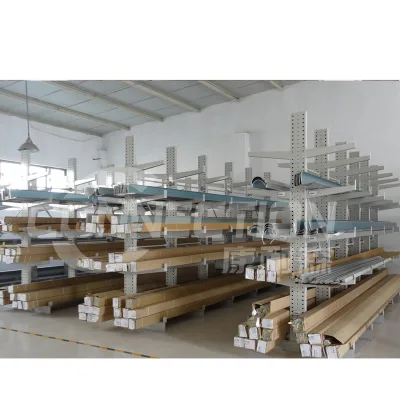
Low Cost Use Heavy Shelves Cantilever Racking
$12.90 - $25.00
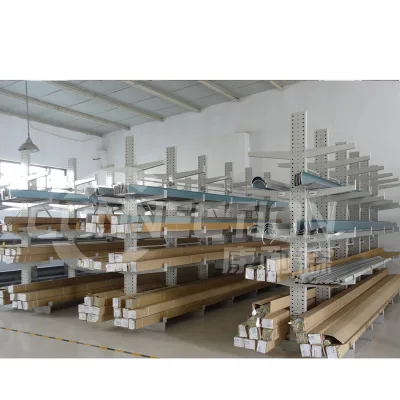
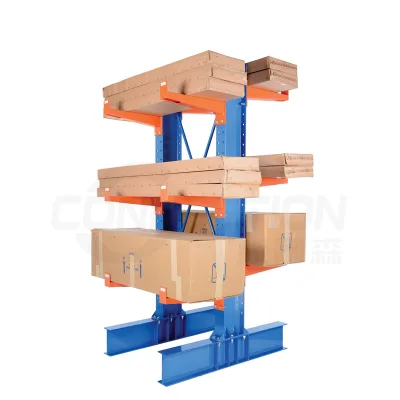
Arm Racking Cantilever Scaffold Racking for Rebar Storage Cantilever Racks
$12.90 - $25.00
MOQ: 2 sets
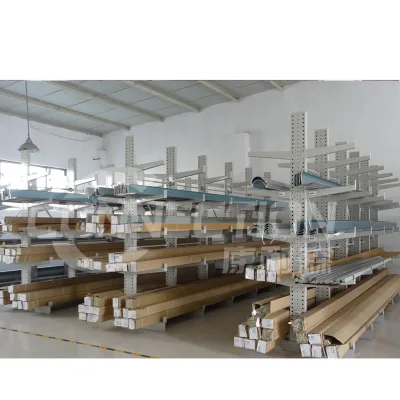
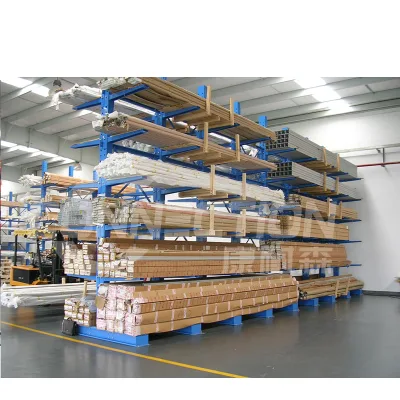
Customized Steel Manufacture Warehouse Metal Heavy Duty Shelves Cantilever Racking for Rebar Storage
$12.90 - $25.00
MOQ: 2 sets
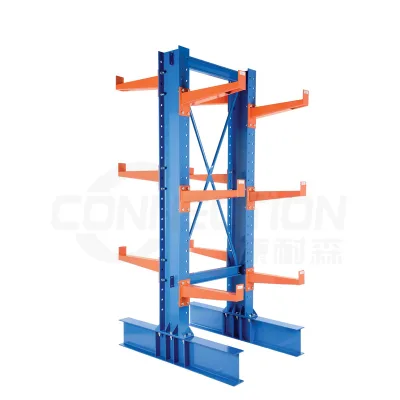
Industrial Pipe Rack System Metal Steel Cantilever Racking Plywood Storage Rack
$13.3099 - $25.794
MOQ: 2 sets

Jiangsu JISE Intelligent Storage Equipment Co., Ltd.
- Verified by CTI
- Combined
- China Jiangsu
- Lead time23 days
- Avg. response≤ 3h
Main productsSelective Pallet Rack, Drive in Rack, Two Way Shuttle Rack, Agv Shelf, Longspan Shelf, Mezzanine, Robotics Shelf, Four Way Shuttle, Rivet Shelves, Gravity Rack
Main marketsSoutheast Asia/ Mideast,Domestic,Europe,North America


Metal Storage Rack Galvanized Cantilever Racking in Warehouse with Custom Size
$0.90 - $1.50
MOQ: 1000 kg


Jiangsu Qifei Intelligent Storage Equipment Co., Ltd.
- Verified by SGS
- Combined
- China Anhui
- Lead time30 days
- Avg. response≤ 3h
Main productsRack, Sheft, Container, Platform, Cage, Racking, Storaging, Warehousing, Pallet, Mezzanine
Main marketsDomestic


Certificated Customized Adjustable Heavy Duty Storage Rack Cantilever Racking
$10.00 - $15.00
MOQ: 10 Pieces

Single Side Industrial Cantilever Rack Adjustable Heavy Duty Cantilever Racking
$10.00 - $15.00
MOQ: 10 Pieces


Hangzhou Shuangjiu Metal Technology Co., Ltd
- Verified by BV
- Trading Company
- China Zhejiang
- Lead time30 days
- Avg. response≤ 1h
Main productsShelf/Rack
Main marketsDomestic

Aceally (Xiamen) Technology Co., Ltd.
- Manufacturer, Trading Company
- Fujian, China
- Lead time35 days
- Avg. response≤ 2h
Main productsWarehouse Rack System,Light Duty Rack,Mezzanine Rack,Wire Mesh Deck,Plastic Products
Main marketsDomestic Market(30.00%), North America(28.00%), Mid East(14.00%), Southeast Asia(9.60%), Oceania(5.60%), Africa(5.60%), Northern Europe(1.40%), Central America(1.40%), Southern Europe(1.00%), South Asia(1.00%), Eastern Europe(1.00%), South America(0.70%), Western Europe(0.70%)

Nanjing Jinhui Storage Equipment Co., Ltd.
- Verified by BV
- Combined
- China Jiangsu
- Lead time15 days
- Avg. response≤ 1h
Main productsWarehouse Rack, Storage Rack, Rack, Pallet Rack, Cantilever Rack, Mezzanine, Automatic System, Flow Rack, Drive-in Rack, Warehouse Equipment
Main marketsSoutheast Asia/ Mideast,Europe

Jiangsu Welfor Storage Equipment Co., Ltd.
- Verified by BV
- Trading Company,Manufacturer/Factory
- China Jiangsu
- Lead time15 days
- Avg. response≤ 2h
Main productsStorage Rack, Shuttle Rack, Mezzanine Rack, Wire Mesh Container, Plastic Bin, Cantilever Rack, Warehouse Storage Equipment, Logistics Equipment
Main marketsSouth America,Eastern Europe,Mid East,North America,Southeast Asia,Eastern Asia,Oceania,Western Europe,Africa


Industrial Warehouse Storage Heavy Duty Steel Adjustable Cantilever Racking
$180.00 - $200.00
MOQ: 10 Pieces


Liaocheng Jiahe Warehousing Equipment Co., Ltd
- Verified by TUVRHEINLAND
- Combined
- China Shandong
- Lead time15 days
- Avg. response≤ 5h
Main productsCantilever Racks, Supermarket Shelves, Flat Panel Racks
Main marketsDomestic

Double-Sided Cantilever Racking Powder-Coated Heavy-Duty Cantilever Racking
$80.00 - $300.00
MOQ: 10 Sets


Jracking (china) Storage Solutions
- Verified by SGS Group
- Manufacturer, Trading Company
- Lead time15 days
- Avg. response≤ 4h
Main productsMetal Rack (Electric Mobile Rack/Pallet Rack/Drive In Rack/Cantilever Rack/Push Back Rack/Mezzanine/Radio Shuttle Rack)
Main marketsNorth America(30%), Mid East(30%), Oceania(20%)
Nanjing Ebil Metal Products Co., Ltd.
- Verified by SGS Group
- Manufacturer, Trading Company
- Lead time15 days
- Avg. response≤ 3h
Main productsStorage rack, Two Way Shuttle, Four Way Shuttle, Stacker Crane, Clad Racking Warehouse
Main marketsDomestic Market(30%), Southeast Asia(10%), Mid East(8%)
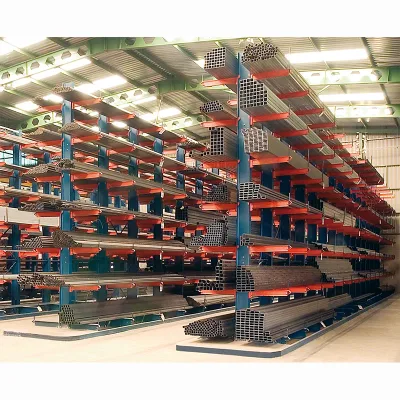
$0.85 - $1.20
MOQ: 1000 kilograms
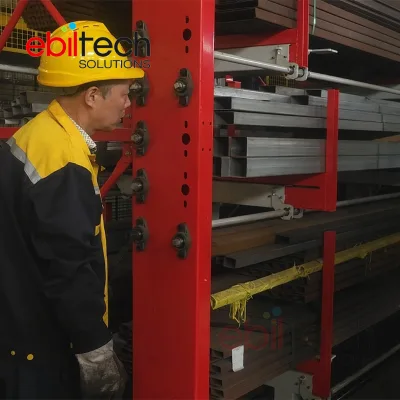
Rack Engineering Crank Out Cantilever Racks Cantilever Roll Out Racking for Storing Long Material
$69.6298 - $76.7972
MOQ: 2 kilograms

Shanghai Speed Logistics Equipment Co., Ltd.
- Manufacturer, Trading Company
- Shanghai, China
- Lead time20 days
- Avg. response≤ 8h
Main productsWarehouse Pallet Racking System,Logistic Equipment,Storage Solution,supply chain management
Main marketsSoutheast Asia(20.00%), Domestic Market(20.00%), Western Europe(20.00%), Oceania(15.00%), Eastern Europe(5.00%), Southern Europe(5.00%), Northern Europe(5.00%), South America(5.00%), Africa(5.00%)
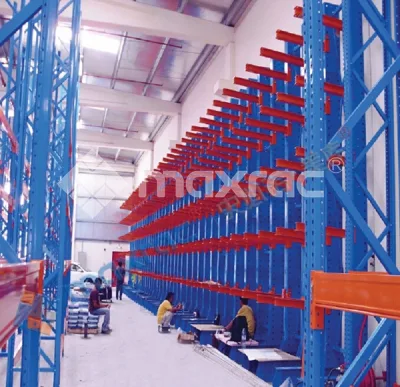
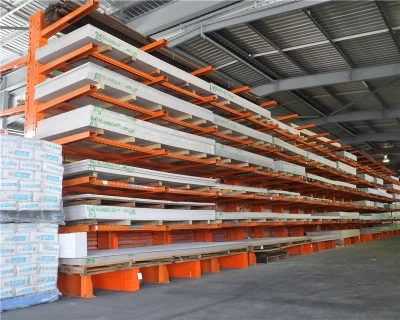
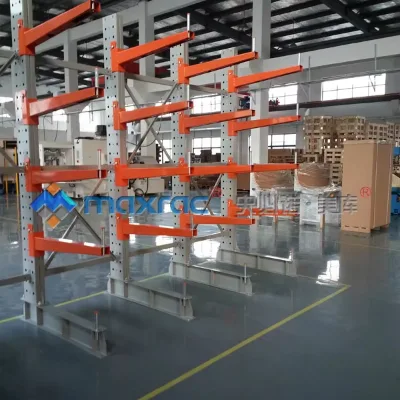
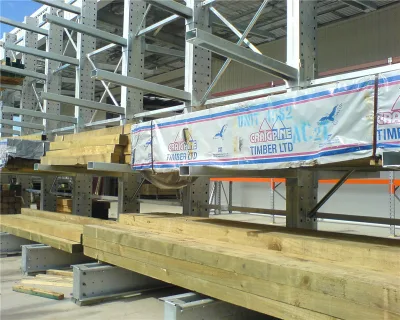
PVC Pipe Storage Steel Metal Sheet Cantilever Rack for Timber Storage Racking Cantilever Arm Rack
$900.00 - $1000.00
MOQ: 20 sets
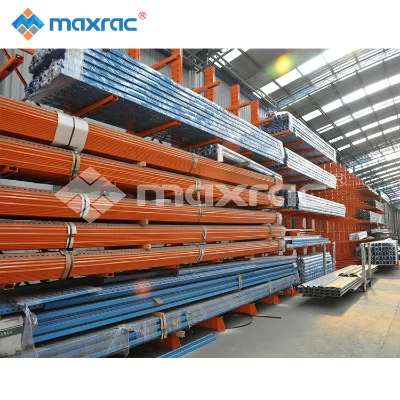
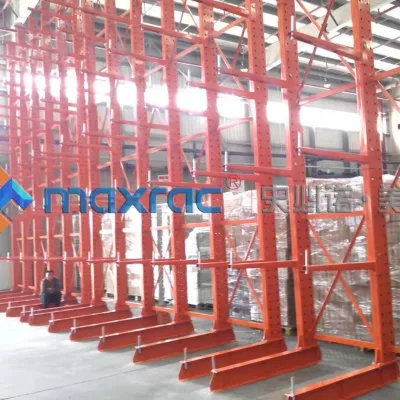
$36.2615 - $56.9811
MOQ: 1 sets
$320.00 - $350.00
MOQ: 100 kilograms
Nanjing Better Metallic Products Co.,Ltd.
- Verified by Intertek
- Manufacturer, Trading Company
- Lead time7 days
- Avg. response≤ 22h
Main productsPallet Racking, Drive In Racking, Mezzanine Racking
Linyi Yocho Storage Intelligent Manufacturing Co., Ltd.
- Manufacturer, Trading Company
- Shandong, China
- Lead time30 days
- Avg. response≤ 2h
Main productsSheet metal rack,Telescopic cantilever rack,Automated Pipe Storage System,Automated sheet metal storage system,Heavy-duty gantry loading and unloading robot for laser cutting
Main marketsWestern Europe(30.00%), Southern Europe(20.00%), South America(20.00%), Mid East(10.00%), Eastern Europe(8.00%), Eastern Asia(5.00%), Northern Europe(5.00%)
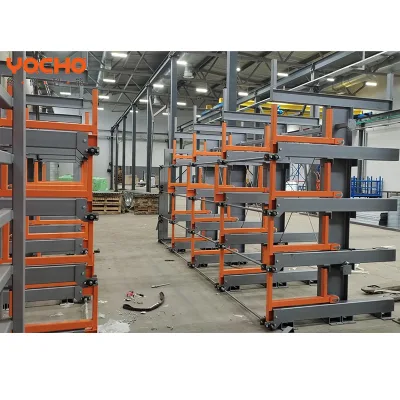
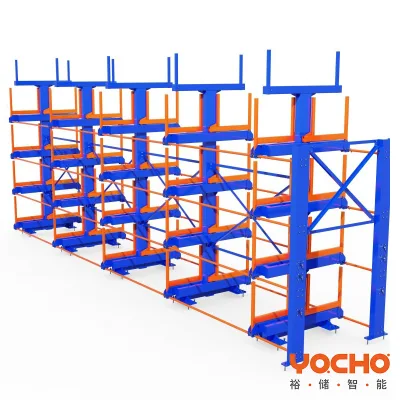
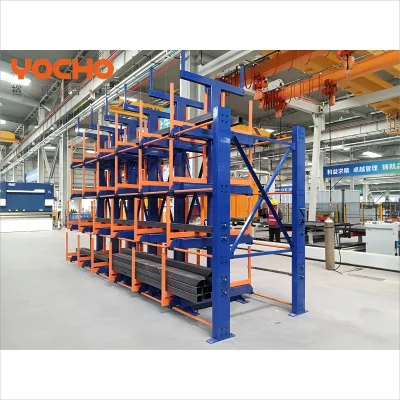
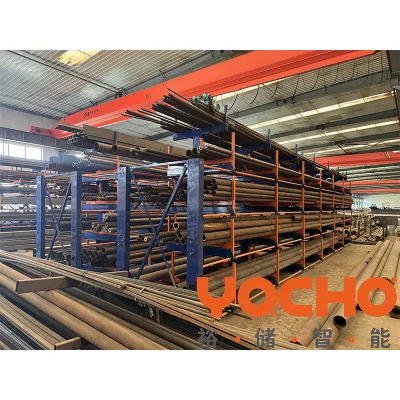
Heavy Duty Storage Shelving Double Side 3-9Layer Cantilever Racking Customized Cantilever Rack
$6164.8066 - $10788.4115
MOQ: 1 sets
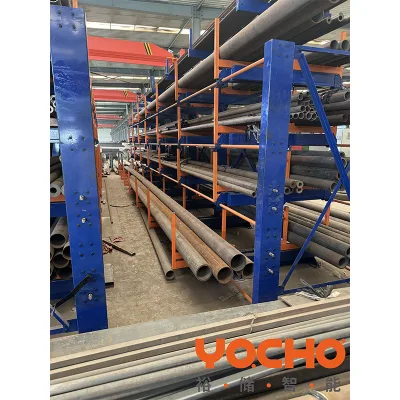
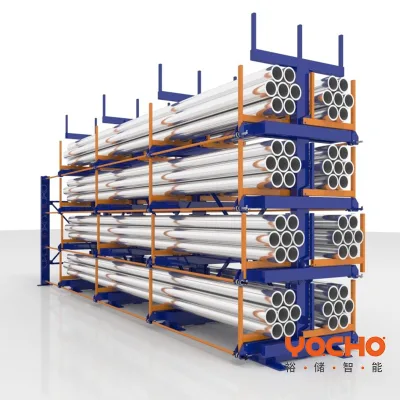
Versatile and Extendable Cantilever Racking for Efficient Storage Management
$5000.00 - $12000.00
MOQ: 1 sets
Dongguan Aofei Industrial Equipment Co., Ltd.
- Verified by Intertek
- Manufacturer, Trading Company
- Lead time0 days
- Avg. response≤ 1h
Main productsHeavy Duty Rack, Antistatic Table
Main marketsNorth America(15%), South America(15%), Eastern Europe(15%)

Nanjing Boracs Logistics Equipment Co., Ltd.
- Verified by BV
- Combined
- China Jiangsu
- Lead time15 days
- Avg. response≤ 7h
Main productsPallet Rack, Longspan Racking, Drive in Racking, Shuttle Racking, Cantilever Rack, Mezzanine Floor, Steel Platform, Wire Mesh Decking, Wire Mesh Container, Steel Pallet
Main marketsSouth America,Africa,Others(foreignTradeCapacity.exportBusinessCapacityMarketOther),Southeast Asia/ Mideast,East Asia(Japan/ South Korea),Europe,Australia,North America

Shanghai Calin Logistic Equipment Co., Ltd.
- Verified by TUVRHEINLAND
- Trading Company
- China Shanghai
- Lead time15 days
- Avg. response≤ 20h
Main productsSelective Pallet Rack, Mobile Pallet Racking, Pallet Shuttle System, as/RS Automated Warehouse Rack, Long Span Shelving, Steel Grating, Wire Mesh Deck, Gravity Flow Rack, Push Back Racking, Rack Mezzanine System
Main marketsSouth America,Others(foreignTradeCapacity.exportBusinessCapacityMarketOther),Southeast Asia/ Mideast,North America
Ji'nan Constant Storage Machinery Manufacturing Co., Ltd.
- Verified by Intertek
- Manufacturer, Trading Company
- Lead time30 days
- Avg. response≤ 2h
Main productsSheet Metal Rack, Heavy Duty Cantilever Tube Rack, Automated Pipe Storage Systems, Automated Sheet Metal Storage Systems, Heavy-duty Gantry Loading and Unloading Robots for Laser Cutting
Zhongcang Intelligent Manufacturing (jiangsu) Co., Ltd.
- Manufacturer, Trading Company
- Jiangsu, China
- Lead time0 days
- Avg. response≤ 23h
Main productsShelving and Racking,Pallet,Locker,Metal Container,Filing Cabinet
Main marketsMid East(33.00%), Eastern Asia(23.00%), Domestic Market(22.00%), Southeast Asia(13.00%), North America(5.00%)
Nanjing Di Ao Storage Equipment Manufacturing Co.,Ltd.
- Manufacturer, Trading Company
- Jiangsu, China
- Lead time10 days
- Avg. response≤ 2h
Main productsStorage Rack,Steel Pallet,Wire Container,Wire Decking,Roll Cage
Main marketsSoutheast Asia(19.70%), North America(17.30%), South America(14.20%), South Asia(13.80%), Domestic Market(11.35%), Eastern Europe(9.80%), Oceania(4.30%), Mid East(2.50%), Western Europe(2.37%), Africa(1.95%), Eastern Asia(1.24%), Southern Europe(0.86%), Northern Europe(0.51%), Central America(0.12%)
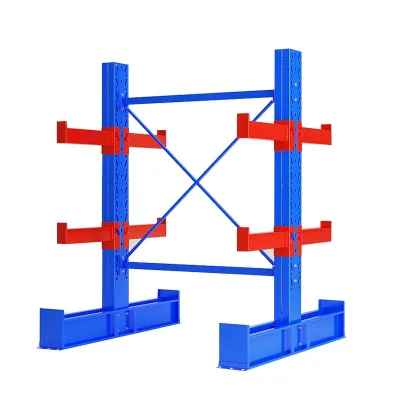
$0.96 - $1.45
MOQ: 1 kilograms
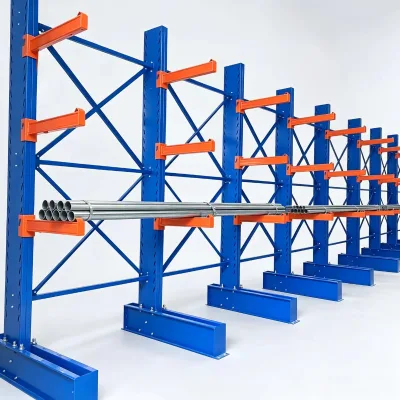
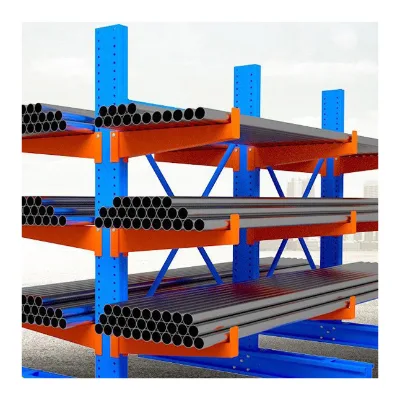
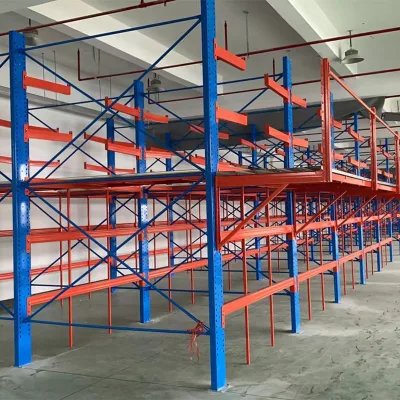
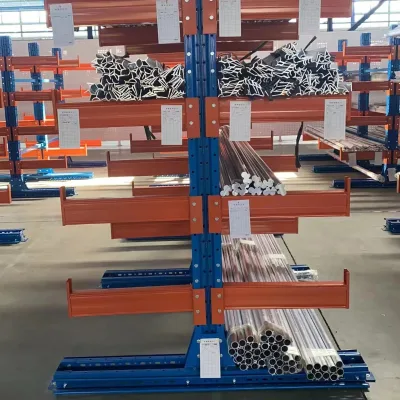
Guangzhou Heda Shelves Co., Ltd.
- Manufacturer, Trading Company
- Lead time旺季: "1 - 30000":25,"> 30000":"To be negotiated", 淡季: "1 - 30000":25,"> 30000":"To be negotiated"
- Avg. response≤ 3h
Main productsSupermarket Shelves, Mezzanine Racking, Shuttle Racking, Pallet Racking, Display Racks

Hebei Boto Storage Equipment Co., Ltd
- Verified by SGS
- Combined
- China Hebei
- Lead time30 days
- Avg. response≤ 6h
Main productsWarehouse Rack
Main marketsDomestic

Jinan Constant Storage Machinery Manufacturing Co., Ltd.
- Verified by TUVRHEINLAND
- Combined
- China Shandong
- Lead time15 days
- Avg. response≤ 1h
Main marketsSouth America,Southeast Asia/ Mideast,Europe,Australia,North America
Jinan Jiutong Storage Equipment Co., Ltd.
- Verified by SGS Group
- Manufacturer, Trading Company
- Lead time20 days
- Avg. response≤ 1h
Main productsStorage Shelves, Storage Bins
Main marketsNorth America(20%), Southeast Asia(20%), Oceania(15%)
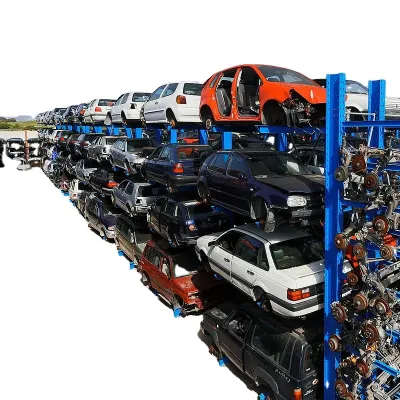
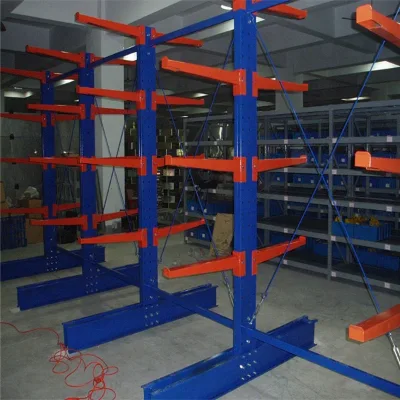
$1.0248 - $1.128
MOQ: 1 kilograms
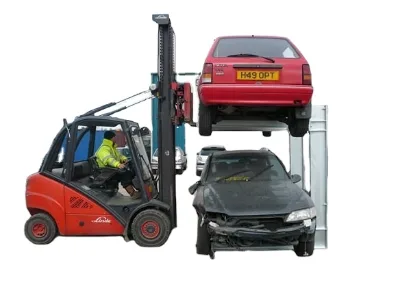
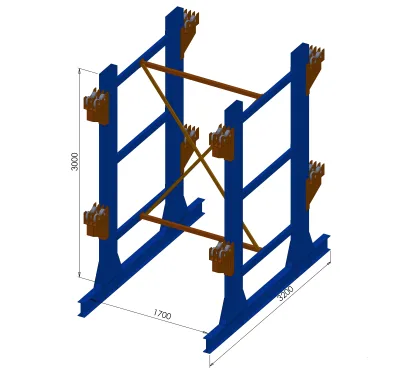
High Quality Industrial Stacking Cantilever Racks & Shelves Premium Cable Rack
$41.0532 - $61.6307
MOQ: 10 sets
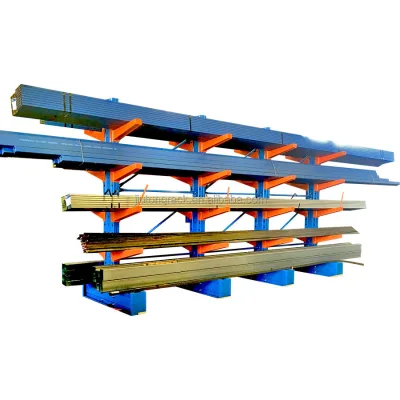
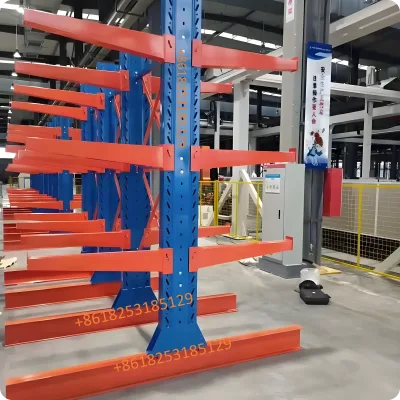
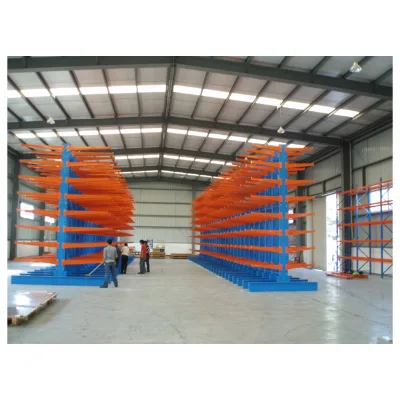
Professional Cantilever Racking Supplier Warehouse Storage System Manufacturer for Long Products
$0.9709 - $1.0113
MOQ: 1 kilograms




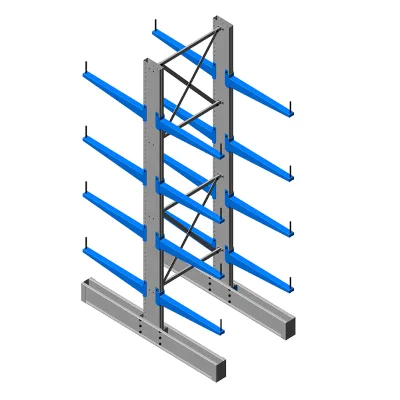
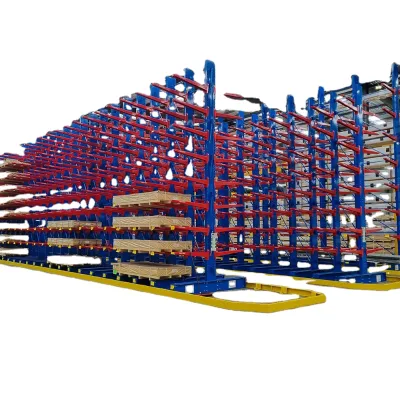
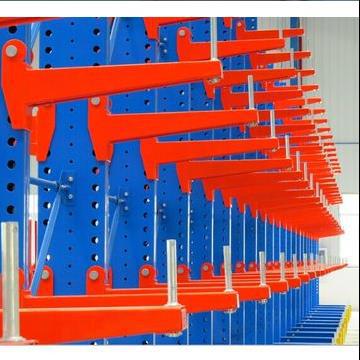
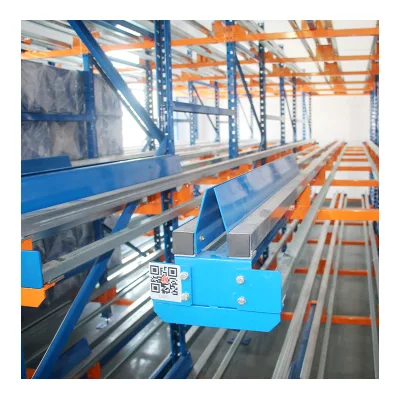
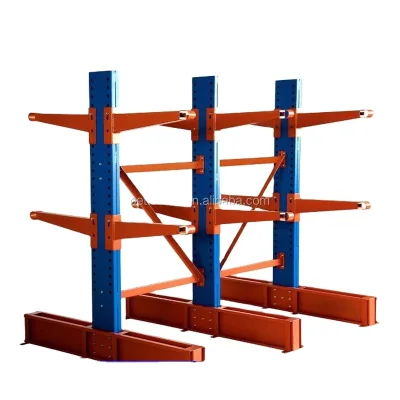
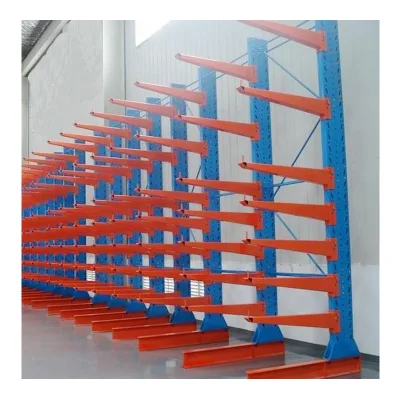
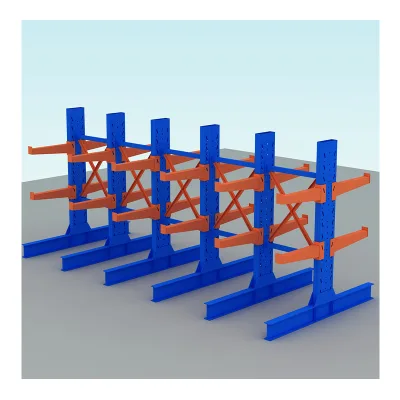
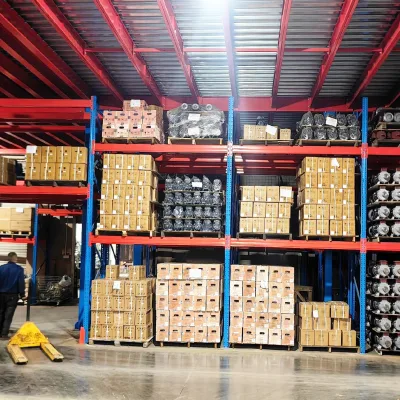


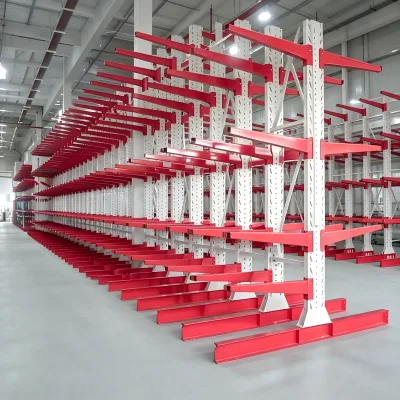
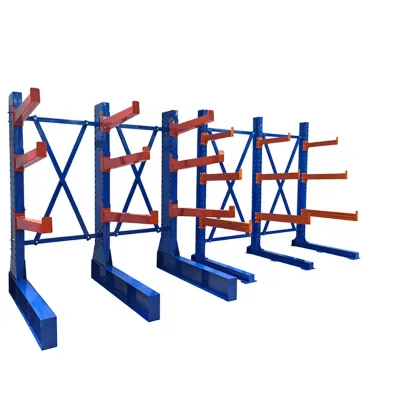
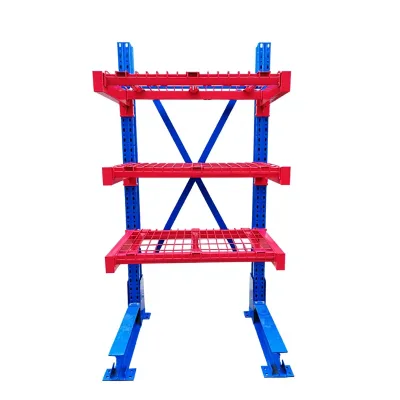


Comprehensive Sourcing Guide
Heavy Duty Galvanized Cantilever Racking Supplier Concentration and Factory Types
The current supplier landscape for Heavy Duty Galvanized Cantilever Racking reveals a distinct concentration of manufacturing and trading entities within China, specifically in the Jiangsu province. This regional clustering is significant because it indicates a mature industrial ecosystem where raw steel processing, structural fabrication, and surface treatment capabilities are co-located. Buyers evaluating suppliers should recognize that this geographic density often correlates with streamlined supply chains for steel profiles and powder coating materials, which are critical for producing durable racking systems. The presence of suppliers in Nanjing, a major city within Jiangsu, further suggests access to established logistics hubs and port infrastructure, facilitating efficient export operations for heavy industrial goods. When assessing potential partners, understanding this geographic concentration helps buyers anticipate the types of production capabilities available, as factories in this region are accustomed to meeting international standards for warehouse storage solutions.
Supplier types in this sector vary between pure manufacturers, trading companies, and combined entities that offer both production and sourcing services. The observed data indicates that many suppliers operate as combined firms or as manufacturers with trading arms, allowing them to offer a broader range of products such as pallet racks, mezzanines, and drive-in racks alongside cantilever systems. This diversification can be advantageous for buyers seeking a single source for multiple warehouse storage needs, as it simplifies coordination and potentially reduces shipping complexity. However, it is crucial to distinguish between suppliers who primarily manufacture their own goods and those who act as intermediaries, as this distinction impacts quality control processes and lead time management. Buyers should verify the actual production capacity and ownership of facilities to ensure they are dealing with direct manufacturers when specific customization or rigorous quality assurance is required for heavy duty applications.
How to Verify Heavy Duty Galvanized Cantilever Racking Suppliers
Verification of suppliers requires a multi-layered approach that goes beyond basic company profiles to ensure reliability and compliance with international standards. One critical step is to examine third-party verification badges, such as BV or TüV Rheinland, which indicate that an independent agency has audited the supplier’s business legitimacy and operational capabilities. These verifications provide a baseline of trust, confirming that the entity exists and operates as claimed, but they do not guarantee product quality or delivery performance. Buyers should prioritize suppliers who have undergone rigorous audits, as these entities are more likely to adhere to structured quality management systems and transparent business practices. Additionally, checking for specific system certifications like ISO 9001 or ISO 14001 can offer insights into the supplier’s commitment to quality control and environmental responsibility, which are increasingly important in global supply chains.
Beyond verification badges, buyers must assess the supplier’s response time and communication efficiency, as these metrics reflect their operational readiness and customer service quality. The observed response times for suppliers in this category range from approximately 1.38 to 3.83 hours, indicating varying levels of responsiveness. A faster response time often correlates with a more agile organization that can quickly address technical queries, provide samples, or resolve issues during the procurement process. Buyers should also look for evidence of product-specific certifications, such as CE marks, which may be required for certain markets or projects. It is essential to request and review actual test reports or certification documents rather than relying solely on claims made in product listings. By combining verification badges, certification checks, and responsiveness analysis, buyers can build a comprehensive profile of a supplier’s reliability and suitability for their specific heavy duty racking needs.
What to Compare Across Heavy Duty Galvanized Cantilever Racking Suppliers
When comparing suppliers, buyers should focus on key operational metrics such as lead time, minimum order quantity (MOQ), and pricing structures to determine the best fit for their project requirements. Lead times in this sector vary, with some suppliers offering production cycles of 15 days while others require up to 23 days. This difference can significantly impact project timelines, especially for large-scale warehouse installations with strict deadlines. Buyers should align their procurement schedule with the supplier’s stated lead time and factor in additional time for shipping and customs clearance. Similarly, MOQs can range widely, from as low as one unit for sample orders to 2000 units for bulk production. Understanding these thresholds helps buyers determine whether a supplier can accommodate their order size without incurring excessive costs or requiring minimum purchases that exceed their immediate needs.
Pricing and customization options are also critical factors in supplier comparison. The observed price ranges for cantilever racking components vary significantly, with some products listed between $0.60 and $1.50 per unit, while others range from $20.00 to $800.00, depending on specifications and quantity. Buyers should request detailed quotes that break down costs for materials, surface treatment, and assembly to ensure transparency. Additionally, customization capabilities, such as adjustable mobility, specific color options, or tailored structural designs, should be evaluated based on the supplier’s stated capacity for OEM and ODM services. Suppliers that offer flexible customization and clear pricing structures are often better equipped to meet unique project requirements. By systematically comparing lead times, MOQs, pricing, and customization options, buyers can make informed decisions that balance cost, speed, and quality.
Common Heavy Duty Galvanized Cantilever Racking Sourcing Risks
One of the primary risks in sourcing heavy duty cantilever racking is the potential discrepancy between advertised specifications and actual product quality, particularly regarding material thickness and load capacity. Suppliers may list products with generic attributes such as "heavy duty" without providing detailed engineering drawings or load test results. Buyers must verify that the steel grade and wall thickness meet their specific load requirements, as under-specification can lead to structural failures in warehouse environments. Additionally, the surface treatment process, whether galvanized or powder-coated, is critical for corrosion resistance, especially in humid or outdoor storage conditions. Buyers should request samples or detailed material certificates to confirm that the finish meets industry standards for durability and longevity. Failing to verify these technical details can result in premature rusting or structural compromise, leading to costly replacements and safety hazards.
Another significant risk is the variability in supplier reliability and after-sales support, which can impact project completion and maintenance. Suppliers with longer lead times or lower response rates may struggle to meet urgent project deadlines or provide timely technical assistance. Furthermore, the lack of standardized packaging or export procedures can lead to damage during transit, particularly for large and heavy racking components. Buyers should inquire about the supplier’s packing methods, such as the use of plywood pallets or bundled packaging, to ensure safe delivery. Additionally, the absence of comprehensive warranty terms or clear return policies can leave buyers vulnerable if products arrive defective or do not match specifications. To mitigate these risks, buyers should establish clear communication channels, request detailed product documentation, and consider using escrow services to protect their payments until satisfactory delivery is confirmed.
Heavy Duty Galvanized Cantilever Racking Regional Sourcing and Logistics
Sourcing from the Jiangsu region in China offers logistical advantages due to its proximity to major ports and established industrial infrastructure. This geographic location facilitates efficient export operations, reducing transit times and shipping costs for international buyers. The concentration of suppliers in this area also means that buyers can potentially consolidate orders from multiple vendors, simplifying logistics management and reducing the complexity of coordinating shipments from disparate locations. However, buyers must account for the specific shipping requirements of heavy steel products, which often require specialized handling and secure packaging to prevent damage during transit. Understanding the local logistics landscape helps buyers anticipate potential delays and plan their inventory replenishment strategies more effectively.
Logistics planning should also consider the impact of seasonal variations and global shipping trends on lead times and freight costs. Buyers should work with suppliers who have experience in exporting to their target market, as these partners are likely to have established relationships with freight forwarders and customs brokers. This expertise can streamline the clearance process and reduce the risk of delays at borders. Additionally, buyers should evaluate the supplier’s ability to provide accurate shipping documentation, including commercial invoices, packing lists, and certificates of origin, which are essential for customs compliance. By leveraging the logistical advantages of the Jiangsu region and working with experienced suppliers, buyers can optimize their supply chain efficiency and ensure timely delivery of heavy duty cantilever racking systems to their warehouses.
Heavy Duty Galvanized Cantilever Racking Commercial Terms and Order Planning
Commercial terms and order planning are critical components of a successful procurement strategy for heavy duty cantilever racking. Buyers should negotiate clear payment terms, such as partial upfront payments with the balance due upon shipment or completion, to manage cash flow and mitigate financial risk. The use of escrow services can provide an additional layer of security, ensuring that funds are only released when the buyer confirms receipt of goods that meet the agreed-upon specifications. Additionally, buyers should establish detailed delivery schedules and milestone checkpoints to monitor production progress and address any issues promptly. This proactive approach helps prevent delays and ensures that the project stays on track.
Order planning should also account for the supplier’s production capacity and customization requirements, which can impact lead times and pricing. Buyers should provide comprehensive technical specifications and drawings early in the process to allow suppliers to prepare accurate quotes and production plans. This transparency helps avoid misunderstandings and ensures that the final product meets the buyer’s exact needs. Furthermore, buyers should consider the long-term maintenance and expansion of their warehouse storage systems when placing orders, as this can influence the quantity and configuration of racking units required. By carefully planning commercial terms and order details, buyers can build a robust and flexible supply chain that supports their operational goals and minimizes disruptions.
FAQs
What is the price range for Heavy Duty Galvanized Cantilever Racking?
Prices typically range from $0.60 to $800.00 per unit depending on specifications. Lower-cost options start around $0.60 for basic steel models, while complex custom systems can reach $800.00. Buyers should verify exact pricing based on material thickness and load capacity requirements.
What is the minimum order quantity for cantilever racks?
Minimum order quantities vary significantly by supplier and product type. Some manufacturers require a minimum of 1,000 units for standard steel racks, while others accept orders as low as 1 unit for specialized heavy-duty configurations. Always confirm the specific MOQ with the supplier before placing an order.
How long does production take for these racks?
Production lead times generally range from 15 to 23 days. Suppliers located in China Jiangsu typically offer these timelines for standard manufacturing runs. Expedited options may be available for urgent orders, but buyers should confirm current production schedules directly with the supplier to ensure timely delivery.
Are these racks customizable for specific warehouse needs?
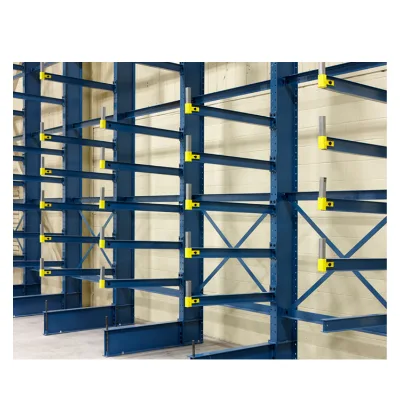
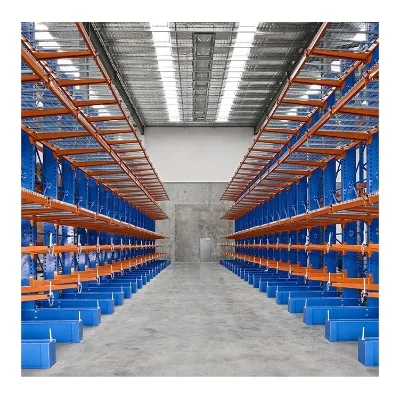
Yes, customization is widely available for Heavy Duty Galvanized Cantilever Racking. Suppliers offer adjustable mobility, custom colors like blue or orange, and tailored dimensions. OEM services are common, allowing buyers to specify load capacities, surface treatments, and structural configurations to meet unique industrial storage requirements.
What certifications do these suppliers hold?
Certifications vary by supplier, with some holding ISO 9001 and ISO 14001 for quality and environmental management. Others may provide CE certification for specific product lines. Verification services like BV or TüV Rheinland are also used to confirm supplier reliability. Buyers should request current certificates for compliance.
Where are these cantilever racks manufactured?
Most heavy duty galvanized cantilever racks are manufactured in China, specifically in the Jiangsu province. Cities like Nanjing are common production hubs for these steel storage solutions. Buyers should verify the exact place of origin on product listings to ensure alignment with their sourcing and logistics preferences.