Hot Water Electric Carpet Cleaner Suppliers and Manufacturers
Explore 21 verified suppliers offering Hot Water Electric Carpet Cleaner options with ISO9001:2015 certification and Guangdong origins. Compare response times, lead times, and product specifications like brush speed and tank capacity before requesting quotes; review the available evidence before requesting comparable quotations from suitable candidates.
Updated
Suppliers List

Guangzhou Super Clean Machinery Co., Ltd.
- Verified by TUVRHEINLAND
- Combined
- China Guangdong
- Lead time30 days
- Avg. response≤ 13h
Main productsVacuum Cleaner, Floor Scrubber, Cleaning Equipment, Cleaning Tools, Floor Machines, Guest Room Articles, Carpet Cleaning Machine, Floor Polisher, Air Mover
Main marketsSouth America,Domestic,Australia,North America
- Verified by SGS Group
- Manufacturer, Trading Company
- Lead time40 days
- Avg. response≤ 1h
Main productsAir Purifier, Fan, Electric Heater, Vacuum Cleaner, Humidifier
Main marketsEastern Asia(30%), North America(20%), Western Europe(20%)

Suzhou Purolf Technology Co.,Ltd
- Verified by BV
- Manufacturer/Factory
- China Jiangsu
- Lead time0 days
- Avg. response≤ 5h
Main productsVacuum Cleaner, Steam Mop, Cordless Vacuum Cleaner, Carpet Washer, Wet Dry Vacuum Cleaner, Garment Steamer, Spot Cleaner, Canister Vacuum Cleaner, Robot Vacuum Cleaner, Floor Sanitizer
Main marketsSouth America,Eastern Europe,Mid East,North America,Southeast Asia,Eastern Asia,Oceania,Western Europe,Africa


Sofa Carpet Spot Cleaner Wet and Dry spray Water Fabric Electric Vacuum Cleaner with Heating
$49.60 - $55.00
MOQ: 2 Pieces

Household 1.85L Hot Water Spray Spot Cleaner Portable Electric Sofa Carpet Washer
$41.99 - $53.00
MOQ: 1 Pieces

Household 1.85L Hot Water Spray Spot Cleaner Portable Electric Sofa Carpet Washer
$41.99 - $53.00
MOQ: 1 Pieces


Henan Pivot Machinery Co., Ltd.
- Verified by SGS
- Manufacturer/Factory
- China Henan
- Lead time15 days
- Avg. response≤ 12h
Main productsSweeper, Floor Sweeper, Floor Scrubber, Snow Sweeper, Snow Plow, Carpet Cleaner, Carpet Extractor, Floor Cleaning Machine, High Pressure Washer, Cleaning Machine
Main marketsSouth America,Eastern Europe,Mid East,North America,Southeast Asia,Eastern Asia,Oceania,Western Europe,Africa


Home Helper Multiple Use Electric Carpet Sofa Cleaning Machine/Carpet Cleaner
$500.00 - $2000.00
MOQ: 1 Set


Hot Sale Carpet Cleaning Machine Low-Foam Carpet Cleaner/Commercial Carpet Cleaner
$400.00 - $600.00
MOQ: 1 Set

Multi-Function Three in One Cable Electric Carpet Vacuum Cleaner for Sofa and Carpet Cleaning
$800.00 - $1000.00
MOQ: 1 Set
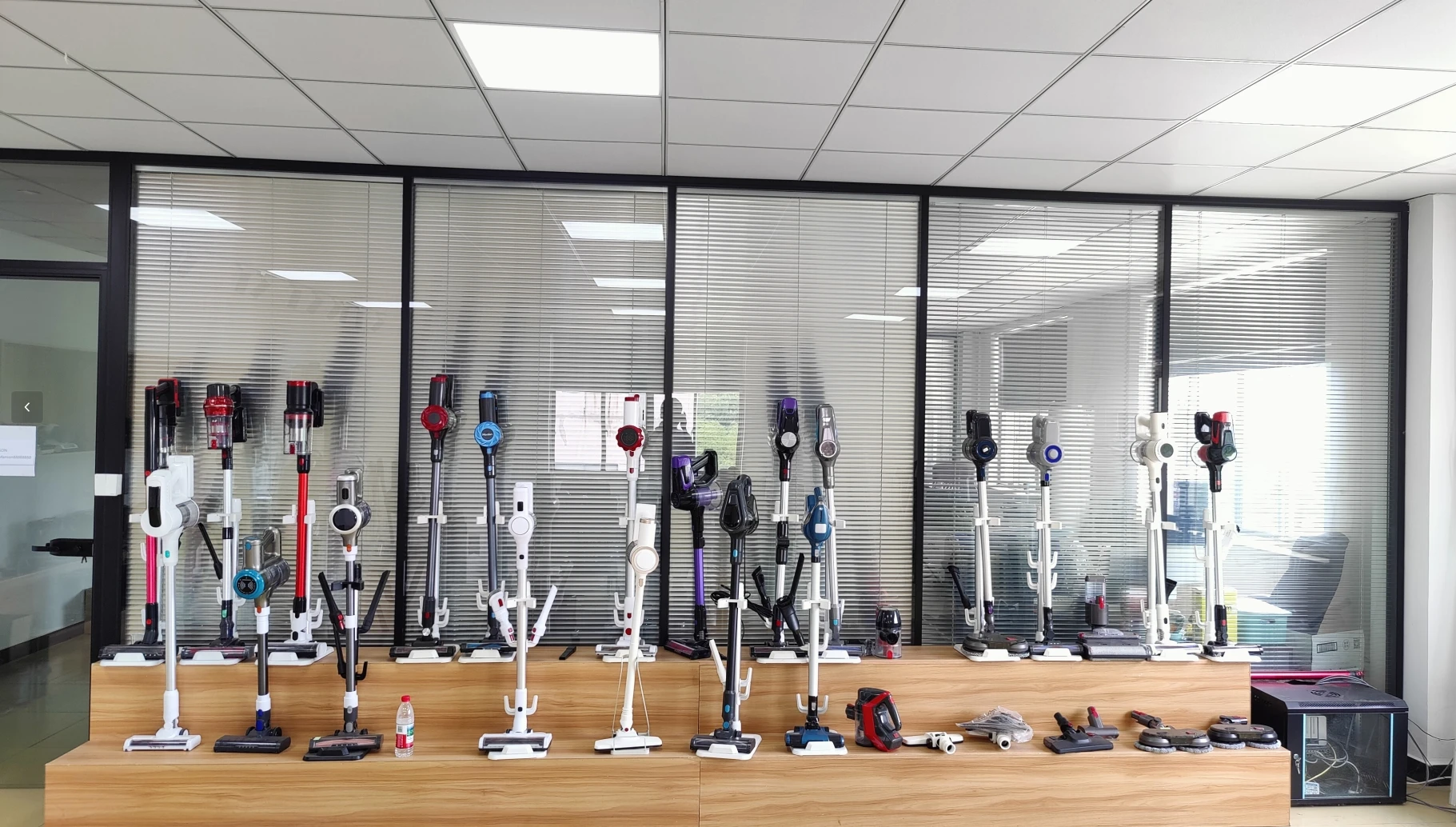
Suzhou Manson Electric Appliance Co., Ltd.
- Manufacturer, Trading Company
- Jiangsu, China
- Lead time40 days
- Avg. response≤ 3h
Main productsVacuum cleaner,UV-C mites bed vacuum cleaner,Spot washing machine,Carpet Cleaner Machine,Vacuum cleaner accessories
Main marketsEastern Europe(30.00%), Southeast Asia(20.00%), Mid East(10.00%), South America(10.00%), Domestic Market(10.00%), North America(5.00%), South Asia(5.00%), Southern Europe(5.00%), Western Europe(5.00%)
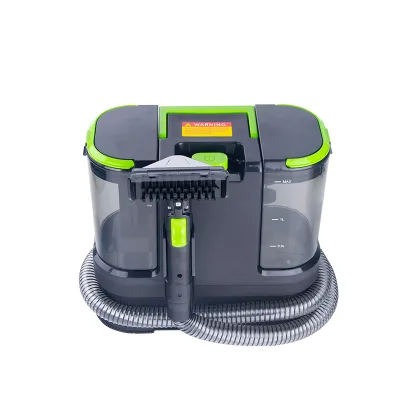
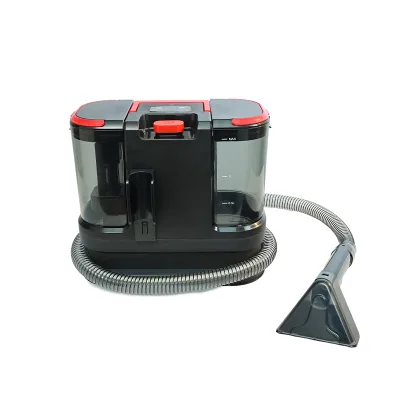
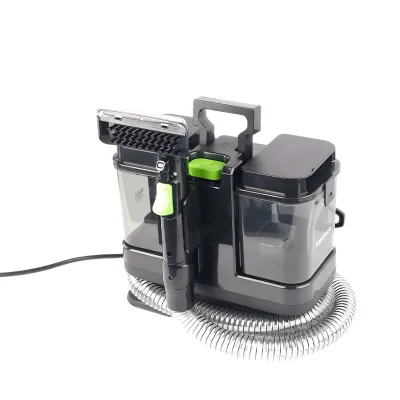
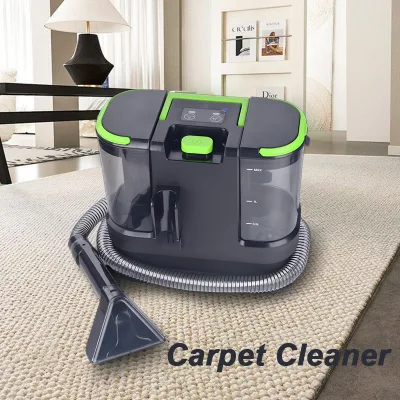
Car Application Carpet Cleaner Electric Power Carpet Cleaner Carpet Shampoo Machine
$56.5503 - $62.7198
MOQ: 2 pieces
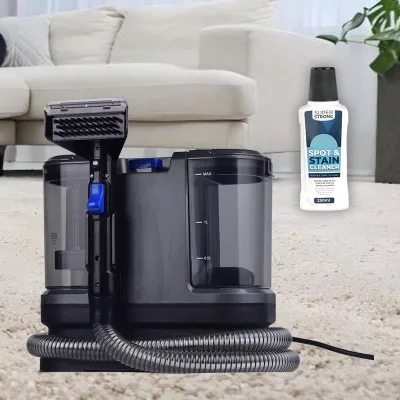
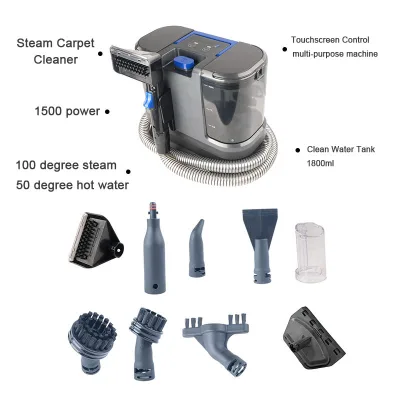
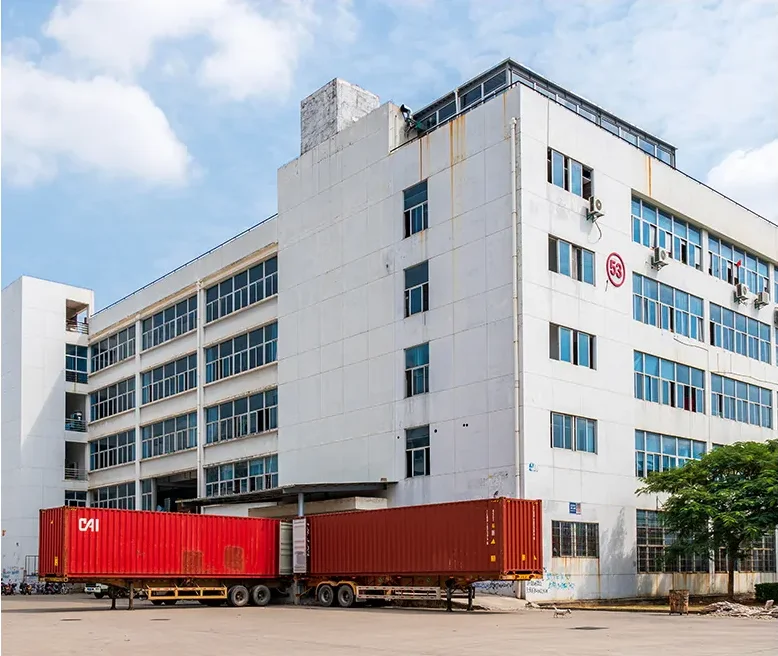
Jiaxing All-Link Houseware Products Co., Ltd.
- Verified by TüVRheinland
- Manufacturer, Trading Company
- Lead time40 days
- Avg. response≤ 2h
Main productsElectric Mop, Vacuum Cleaner, Smart Dustbin
Main marketsNorth America(20%), Southeast Asia(15%), Northern Europe(12%)
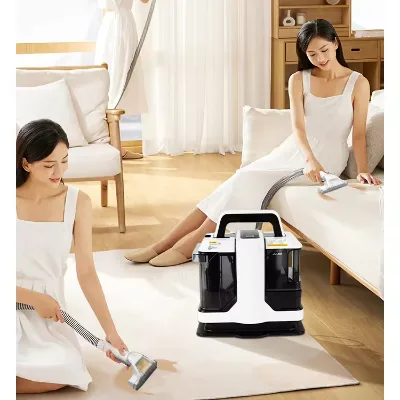
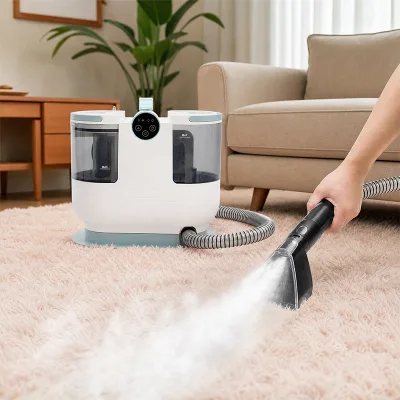
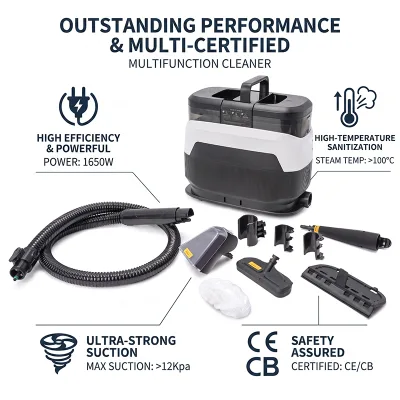
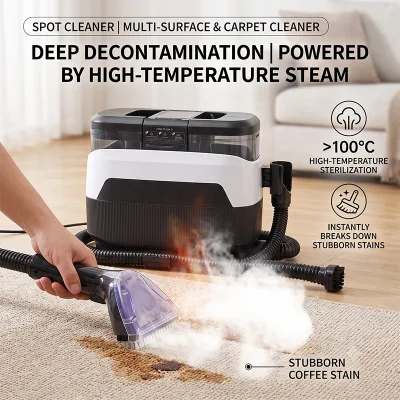
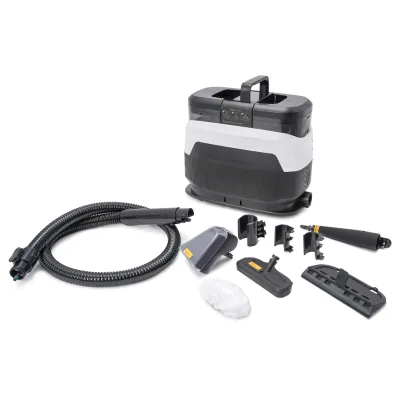
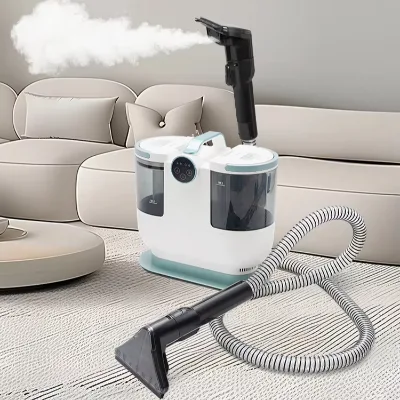
Wet and Dry Spot Cleaner Carpet Washer Vacuum Cleaner
$40.92 - $46.26
Shijiazhuang Jinqiu Trading Co., Ltd.
- Trading Company
- Hebei, China
- Lead time20 days
- Avg. response≤ 6h
Main productsScrubber Drier,Wet and Dry Vacuum Cleaner,Floor Burnisher,Mop Wringer Trolley,Part of Cleaning Machine
Main marketsSoutheast Asia(75.00%), South America(23.00%), Mid East(2.00%)
Henan Kellen Machinery Equipment Co., Ltd.
- Verified by Intertek
- Manufacturer, Trading Company
- Lead time10 days
- Avg. response≤ 2h
Main productsJaw Crusher , Hammer Crusher Machine , Sand Washing Machine, Screening Machine, Feeding Belt
Main marketsSouthern Europe(25%), North America(20%), South America(20%)
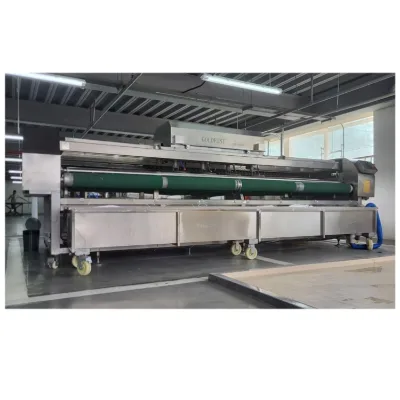
$11707.8082 - $12719.5934
MOQ: 1 sets
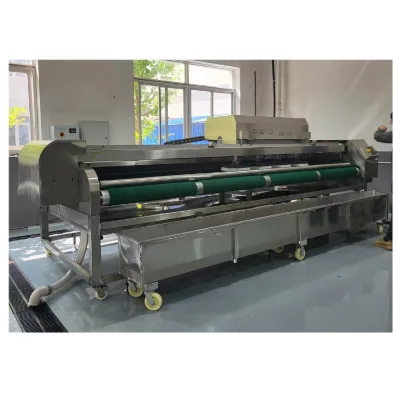
$11340.00 - $12320.00
MOQ: 1 sets
Ningbo Dwafer Electrical Appliances Co., Ltd.
- Verified by SGS Group
- Manufacturer, Trading Company
- Lead time45 days
- Avg. response≤ 4h
Main productsCarpet Cleaner, Spot Cleaner, Vaccum Cleaner, Portable Vaccum Cleaner, Pool Vaccum Cleaner
Main marketsDomestic Market(40%), Western Europe(15%), North America(10%)
Ningbo Huayi Electronic Appliance Technology Co., Ltd.
- Verified by Intertek
- Manufacturer, Trading Company
- Lead time30 days
- Avg. response≤ 2h
Main productsVacuum Cleaner, Carpet Cleaner
Main marketsWestern Europe(35%), South America(15%), Eastern Europe(10%)
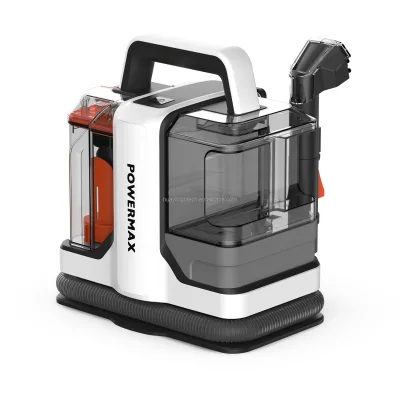
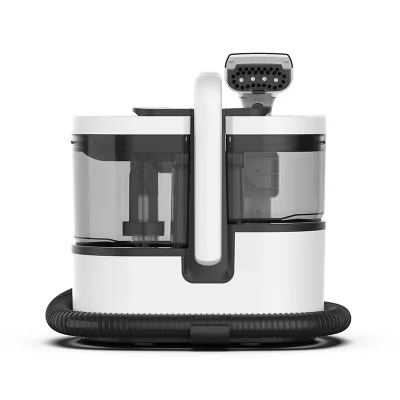
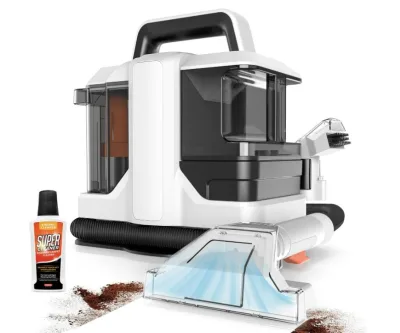
Factory Supply Professional Protective Carpet Spot Vacuum Cleaner Fabric Sofa Cleaning Machine
$33.7677 - $35.8142
MOQ: 1 pieces
Kunshan Dongzhimei Electronics Co., Ltd.
- Verified by SGS Group
- Trading Company
- Lead time7 days
- Avg. response≤ 3h
Main productsVacuum Cleaner/Floor Scrubber/Floor Sweeper/Grinding Machine, Tape
Main marketsSoutheast Asia(40%), Western Europe(20%), Mid East(10%)
- Manufacturer, Trading Company
- Jiangsu, China
- Lead time35 days
- Avg. response≤ 2h
Main productsPressure Water Jet,Power Scrubber,Air Inflator,Power Tools,Massager & Heater
Main marketsNorth America(50.00%), Western Europe(15.00%), South America(6.00%), South Asia(6.00%), Domestic Market(5.00%), Southeast Asia(3.00%), Eastern Europe(3.00%), Northern Europe(3.00%), Southern Europe(3.00%), Eastern Asia(2.00%), Africa(2.00%), Mid East(2.00%)
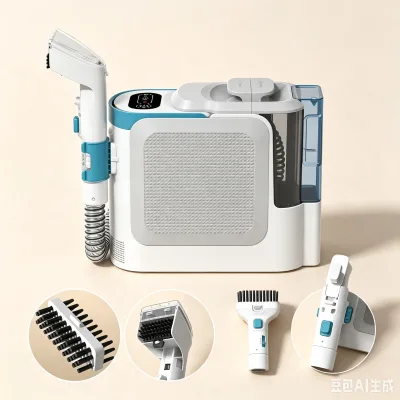
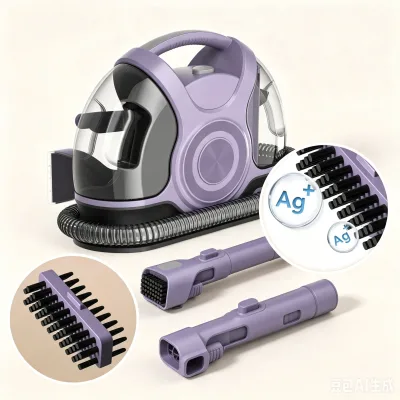
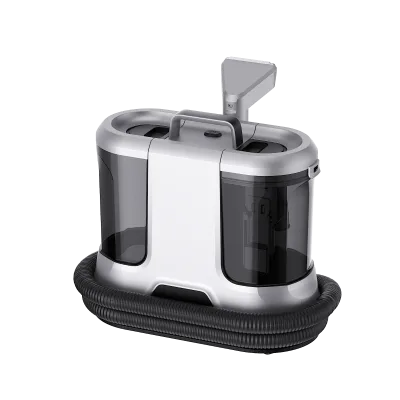
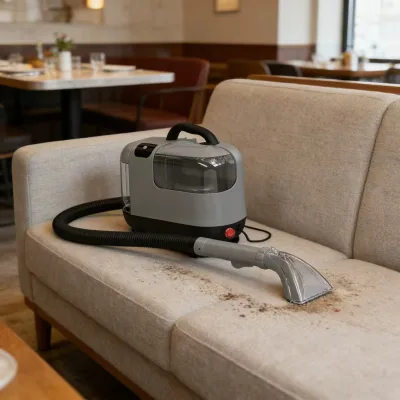
$46.1097 - $52.7699
MOQ: 500 sets

Suzhou Manson Electric Appliance Co., Ltd.
- Verified by TUVRHEINLAND
- Combined
- China Jiangsu
- Lead time15 days
- Avg. response≤ 9h
Main productsCarpet Cleaner Machine, Handheld Vacuum Cleaner, Floor Cleaning Machine, Commercial Vacuum Cleaner, Bed Vacuum Cleaner, Handheld Carpet Cleaner, Carpet Steam Cleaner, Vacuum Cleaner Accessories, Canister Vacuum Cleaner, Carpet Vacuum Cleaner
Main marketsEast Asia(Japan/ South Korea),Domestic,Europe


New Upholstery Steam Cleaners Portable Wet and Dry Cleaners Carpet Rug Cleaner
$55.00 - $61.00
MOQ: 2 pieces


800W 17kpa Electric Home Carpet Cleaner Spotclean Stain Remove Cleaner Machine
$28.65 - $42.00
MOQ: 2 pieces

Portable Carpet Cleaner Machine Professional Best Carpet and Floor Cleaner
$28.65 - $42.00
MOQ: 2 pieces
Eternal (jinzhai) Machinery Manufacturing Co., Ltd.
- Verified by TüVRheinland
- Manufacturer, Trading Company
- Lead time0 days
- Avg. response≤ 2h
Main productsHigh Pressure Washer, Chipper Shredder, Airless Sprayer, Tiller, Lawn Mower
Main marketsNorth America(51%), Eastern Europe(15%), South America(10%)
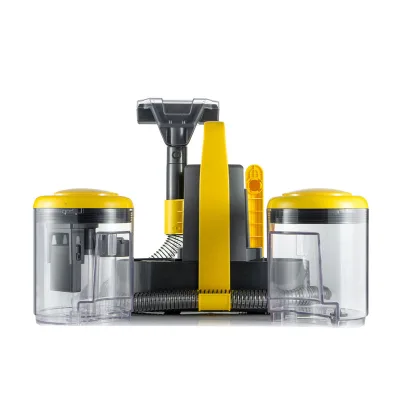
Household carpet cleaning machine
$47.50 - $59.50

- Verified by TUVRHEINLAND
- Trading Company
- China Zhejiang
- Lead time30 days
- Avg. response≤ 9h
Main productsVacuum Cleaner, Garment Steamer, Window Cleaner, Steam Cleaner, Low Sugar Cooker, Air Fryer, Floor Srubber, Robot Vacuum Cleaner, Wet Dry Hardfloor Washer, Pet Vacuum Cleaner
Main marketsSouth America,Southeast Asia/ Mideast,Europe
Shenzhen 3D Electronic Co.,Ltd
- Manufacturer
- Guangdong, China
- Lead time20 days
- Avg. response≤ 6h
Main productsRobot Cleaner,Electric Mop,Window Cleaner,Electric Brush,Electric Sweeper
Main marketsSoutheast Asia(30.00%), Southern Europe(20.00%), Domestic Market(10.00%), Eastern Europe(10.00%), Western Europe(10.00%), Eastern Asia(10.00%), North America(10.00%)
CLEANIC CLEANING EQUIPMENT LIMITED
- Verified by SGS Group
- Manufacturer, Trading Company
- Lead time30 days
- Avg. response≤ 2h
Main productsWindow Squeegee, Housekeeping Trolley, Cleaning Trolley, Microfiber Cleaning Cloth, Cleaning Chemicals, Housekeeping Trolley, Cleaning Trolley, Microfiber Cleaning Cloth, Cleaning Chemicals
Main marketsSoutheast Asia(40%), Africa(26%), Mid East(8%)

Suzhou Mag Automation Technology Co., Ltd.
- Trading Company
- Jiangsu Province, China
- Lead time15 days
- Avg. response≤ 9h
Main productsfloor scrubber,floor sweeper,industrial vacuum cleaner,high pressure,vacuum cleaner
Main marketsDomestic Market(40.00%), North America(13.00%), Oceania(8.00%), Southeast Asia(7.00%), Eastern Asia(6.00%), Northern Europe(5.00%), Western Europe(5.00%), Eastern Europe(5.00%), South America(3.00%), Southern Europe(2.00%), Africa(2.00%), South Asia(2.00%), Mid East(1.00%), Central America(1.00%)
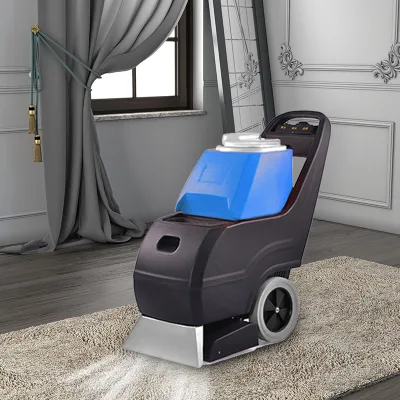
CP-300 3-in-one Automatic Large Area Carpet Cleaner
$755.00 - $825.00
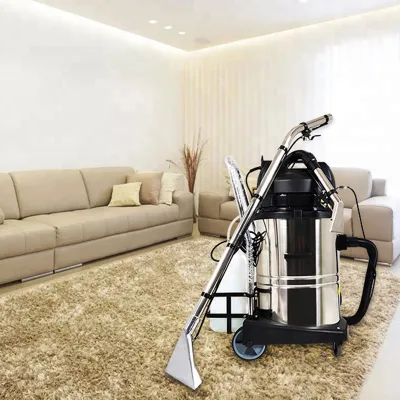
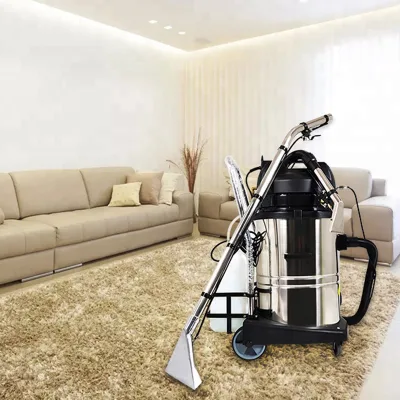
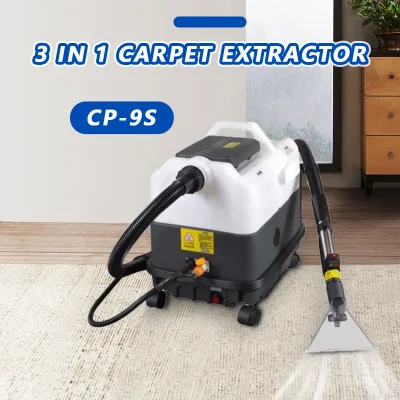
$163.3677 - $194.1928
MOQ: 1 pieces
Nantong Antusheng Camping Equipment Co., Ltd.
- Trading Company
- Jiangsu, China
- Lead time0 days
- Avg. response≤ 3h
Main productscoffee machine,washing machine,dehumidifier,cleaner,humidifiers
Main marketsNorthern Europe(10.00%), Western Europe(10.00%), Southeast Asia(10.00%), Eastern Europe(10.00%), South America(10.00%), North America(10.00%), Domestic Market(5.00%), South Asia(5.00%), Southern Europe(5.00%), Oceania(5.00%), Central America(5.00%), Africa(5.00%), Eastern Asia(5.00%), Mid East(5.00%)

Ningbo Haishu Halee International Trade Co., Ltd.
- Trading Company
- Zhejiang, China
- Lead time25 days
- Avg. response≤ 7h
Main productsSteam Brush Iron,Travel Steamer,Lint Remover,Garment Steamer,Steam Press
Main marketsNorth America(30.00%), Northern Europe(15.00%), Western Europe(15.00%), Southern Europe(15.00%), Eastern Europe(15.00%), South Asia(3.00%), Mid East(3.00%), Eastern Asia(2.00%), Southeast Asia(2.00%)
- Verified by Intertek
- Trading Company
- Lead time7 days
- Avg. response≤ 1h
Main productsFruit Vegetable Machine, Meat Processing Machine, Pastry Bakery Machine, Snack Machine, Feed Processing Machine


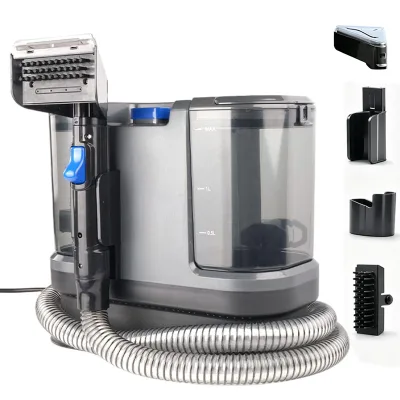
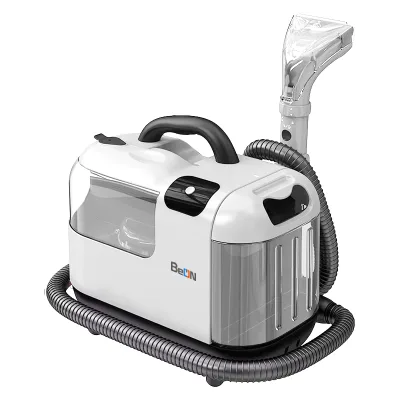
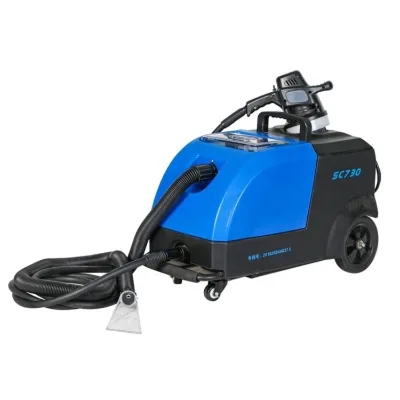
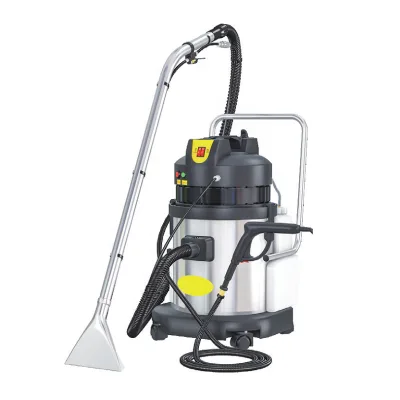
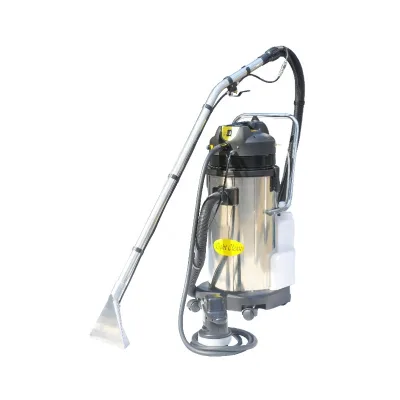
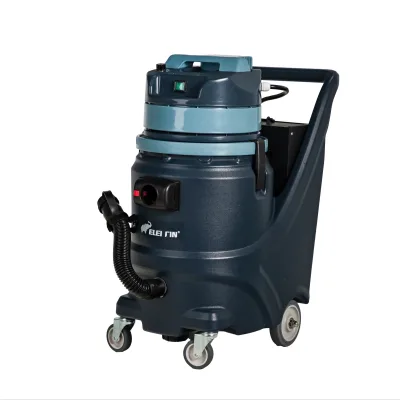


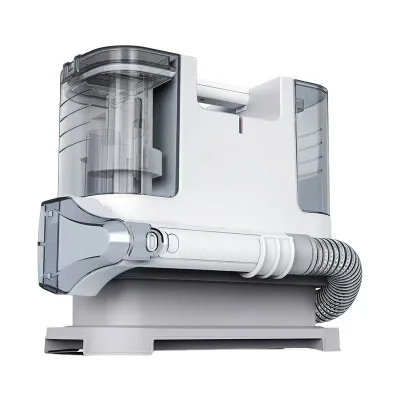
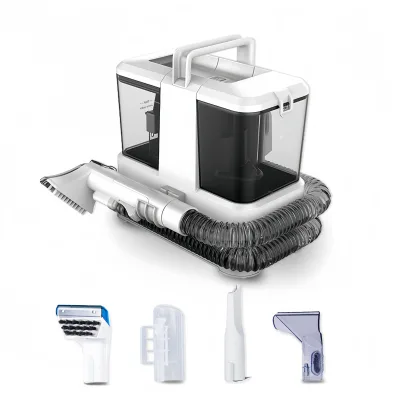
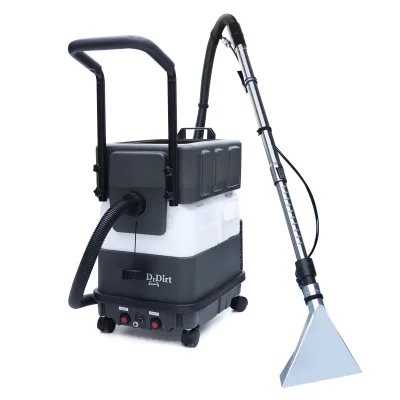
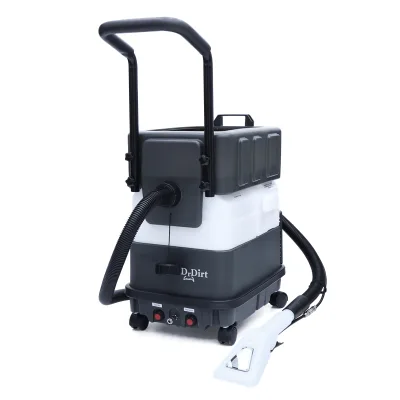
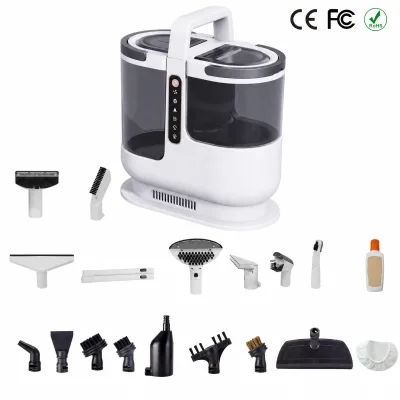
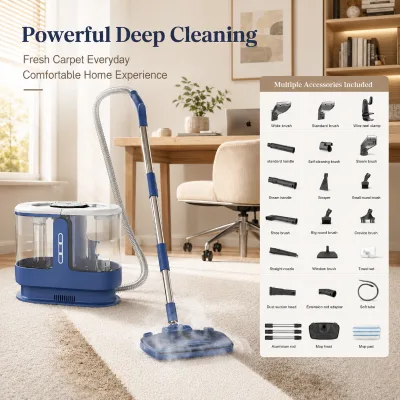
Comprehensive Sourcing Guide
Hot Water Electric Carpet Cleaner Supplier Concentration and Factory Types
The current supplier landscape for hot water electric carpet cleaners shows a distinct concentration in China, specifically within the Guangdong region. This geographic clustering is significant for buyers because it indicates a mature industrial ecosystem where specialized manufacturing capabilities are concentrated. Factories in this area often benefit from established supply chains for components such as motors, heating elements, and plastic housings, which are critical for producing reliable cleaning equipment. When evaluating potential partners, buyers should recognize that suppliers located in this hub may have optimized logistics networks for exporting heavy machinery. The presence of combined company types suggests that many entities operate as both manufacturers and trading companies, offering a hybrid service model. This structure allows for greater flexibility in order sizes and customization options, as the entity can leverage internal production lines while also managing external sourcing if needed. Understanding this factory type helps buyers anticipate the level of direct control they have over the production process versus relying on a middleman.
Buyers must carefully distinguish between pure manufacturing facilities and trading companies when assessing these Guangdong-based suppliers. Pure factories typically offer more competitive pricing on standard models due to lower overheads and direct access to raw materials. However, trading companies or combined entities might provide superior customer service, faster communication, and more flexible minimum order quantities. For hot water electric carpet cleaners, which require precise engineering for safety and performance, the distinction is crucial. A factory with its own R&D capacity can offer original design manufacturing (ODM) or original equipment manufacturing (OEM) services, allowing buyers to brand the equipment uniquely. Some suppliers in this region also maintain their own brands, which can serve as a benchmark for quality standards. Buyers should inquire about the specific nature of the supplier’s operations to ensure alignment with their procurement strategy. If a buyer requires strict quality control on-site, a factory with visible production lines is preferable. Conversely, if a buyer needs a wide variety of cleaning tools beyond just carpet cleaners, a combined supplier might offer better product diversity.
How to Verify Hot Water Electric Carpet Cleaner Suppliers
Verification is the most critical step in mitigating risk when sourcing industrial cleaning equipment from international suppliers. Buyers should prioritize suppliers who have undergone third-party verification processes, such as those conducted by TÜV Rheinland. This type of verification provides an additional layer of confidence regarding the supplier’s business legitimacy and operational capabilities. It is not enough to rely solely on self-reported information; independent audits offer objective evidence of the supplier’s existence and capacity. Buyers should request copies of these verification reports or check the verification status directly on the platform. Additionally, system certifications like ISO9001:2015 are essential indicators of a supplier’s commitment to quality management systems. This certification suggests that the supplier has standardized processes for manufacturing, quality control, and continuous improvement. For hot water electric carpet cleaners, which involve electrical components and high-temperature water systems, adherence to international quality standards is vital for ensuring product safety and reliability. Buyers should verify that the certification is current and covers the specific products they intend to purchase.
Beyond certifications, buyers should assess the supplier’s responsiveness and transparency as indicators of their professionalism. A quick response time, such as under 13 days, often reflects an organized sales and technical support team. Slow responses can signal potential issues with communication, which may lead to misunderstandings regarding product specifications or order details. Buyers should also look for detailed product evidence, including specific model numbers, technical specifications, and clear images. For instance, verifying that a supplier offers models with specific features like automatic controls or high roll brush speeds demonstrates technical competence. Buyers should ask for detailed product datasheets that include voltage requirements, power consumption, and tank capacities. These details are crucial for ensuring the equipment meets the operational needs of the end-user. Furthermore, buyers should inquire about the supplier’s ability to provide customization options, as many hot water carpet cleaners can be tailored for specific industrial applications. A supplier that readily provides this information is likely more reliable and customer-focused.
What to Compare Across Hot Water Electric Carpet Cleaner Suppliers
When comparing suppliers, buyers should focus on key operational metrics such as lead times, minimum order quantities (MOQ), and pricing structures. Lead times are a critical factor in supply chain planning, especially for bulky items like carpet cleaning machines. A standard lead time of around 30 days is common, but buyers should confirm if this duration includes production, testing, and packaging. Shorter lead times can be advantageous for urgent orders, but buyers must ensure that speed does not compromise quality. MOQs vary significantly among suppliers, with some offering low thresholds like one unit, which is ideal for testing the market or small-scale operations. Others may require higher volumes, which can reduce per-unit costs but increase inventory holding costs. Buyers should align their MOQ expectations with their sales forecasts and storage capabilities. Pricing is another major comparison point, with costs ranging from approximately $500 to over $1,200 depending on features and capacity. Buyers should compare the price-to-feature ratio rather than just the lowest price, considering factors like motor power, tank size, and included accessories.
Technical specifications and customization options are also vital comparison criteria. Buyers should evaluate the power output, water tank capacities, and brush speeds of different models. For example, some machines offer 3230W power with large 49-liter clean water tanks, suitable for heavy-duty commercial use, while others may have lower power outputs for lighter tasks. The type of control system, whether automatic or manual, also impacts usability and efficiency. Buyers should compare the inclusion of features like handle controls, filtration systems, and cable lengths. Customization availability is another key differentiator; some suppliers offer extensive customization for branding and technical specifications, while others provide non-customized standard models. Buyers should assess the supplier’s ability to meet specific technical requirements, such as voltage frequencies or brush widths. Additionally, comparing the packing standards, such as export-standard pallets versus simple cartons, can impact shipping costs and product protection. A thorough comparison of these technical and operational details will help buyers select the supplier that best fits their specific business needs.
Common Hot Water Electric Carpet Cleaner Sourcing Risks
One of the primary risks in sourcing hot water electric carpet cleaners is the potential for product quality inconsistencies. Without rigorous quality control, buyers may receive units with defective heating elements, leaking water tanks, or weak vacuum motors. These defects can lead to high return rates and damage to the buyer’s reputation. Buyers must ensure that suppliers have robust testing procedures in place before shipment. Another significant risk is the mismatch between advertised specifications and actual product performance. Some suppliers may exaggerate power outputs or tank capacities, leading to dissatisfaction among end-users. Buyers should verify technical claims by requesting detailed test reports or third-party certifications. Additionally, intellectual property risks exist, particularly when dealing with suppliers who offer OEM services. Buyers must ensure that their branding and design specifications are protected and that the supplier does not sell identical products to competitors. Clear contracts and non-disclosure agreements are essential to mitigate these risks.
Logistical and communication risks are also prevalent in international sourcing. Shipping heavy machinery can be complex, and improper packaging can result in damage during transit. Buyers should verify that suppliers use appropriate packing methods, such as pallets and reinforced cartons, to protect the equipment. Delays in shipping or customs clearance can disrupt supply chains, so buyers should maintain open communication with their suppliers to track order progress. Language barriers and time zone differences can also lead to misunderstandings regarding product details or order terms. Buyers should establish clear communication channels and confirm all specifications in writing. Furthermore, there is a risk of financial loss if a supplier fails to deliver or provides substandard goods. Using secure payment methods and escrow services can help protect buyers’ funds. Buyers should also be aware of potential changes in import regulations or tariffs that could affect the total cost of ownership. Staying informed about these regulatory changes is crucial for maintaining a profitable sourcing strategy.
Hot Water Electric Carpet Cleaner Regional Sourcing and Logistics
Sourcing from the Guangdong region in China offers distinct logistical advantages due to its proximity to major ports and established manufacturing infrastructure. This location facilitates efficient export processes, reducing transit times and shipping costs for international buyers. Buyers should consider the impact of regional logistics on their overall supply chain efficiency. Suppliers in this area are often experienced in handling international shipments, ensuring that products are packed and documented correctly for customs clearance. However, buyers must also account for the distance between the factory and the port, which can affect lead times. It is advisable to discuss shipping terms with the supplier to understand who is responsible for transportation and insurance. For buyers in distant markets, consolidating shipments with other products can help reduce per-unit shipping costs. Understanding the regional logistics landscape helps buyers plan their inventory levels and delivery schedules more effectively.
Buyers should also evaluate the supplier’s packaging standards to ensure product safety during transit. Hot water electric carpet cleaners are heavy and contain fragile components, so robust packaging is essential. Suppliers in this region typically use export-standard packaging, including pallets and strong cartons, to protect the equipment. Buyers should verify the packing dimensions and weight to calculate accurate shipping costs. Additionally, buyers should consider the environmental impact of packaging materials and whether the supplier offers sustainable options. For buyers who require specific labeling or documentation for their local markets, clear communication with the supplier is crucial. Buyers should provide detailed instructions for labeling and ensure that the supplier understands these requirements. By leveraging the logistical advantages of the Guangdong region and maintaining clear communication, buyers can streamline their sourcing process and reduce the risk of shipping-related issues.
Hot Water Electric Carpet Cleaner Commercial Terms and Order Planning
Commercial terms and order planning are essential for successful procurement of hot water electric carpet cleaners. Buyers should negotiate clear payment terms that protect their interests, such as using escrow services or letter of credit. These methods ensure that payment is only released upon satisfactory delivery and inspection of the goods. Buyers should also clarify the warranty terms, including the duration and coverage of the warranty. A comprehensive warranty can provide peace of mind and protect against unexpected repair costs. Additionally, buyers should discuss after-sales support, including the availability of spare parts and technical assistance. Suppliers that offer robust after-sales support are more likely to be reliable long-term partners. Buyers should also consider the total cost of ownership, including maintenance and energy consumption, when evaluating suppliers. Understanding these commercial terms helps buyers make informed decisions and build sustainable supplier relationships.
Order planning involves forecasting demand and aligning it with supplier lead times and MOQs. Buyers should develop a flexible order strategy that accounts for seasonal fluctuations and market changes. For example, ordering larger quantities during off-peak seasons can help secure better pricing and ensure stock availability during high-demand periods. Buyers should also maintain a buffer stock to mitigate the risk of supply chain disruptions. Regular communication with suppliers about sales forecasts can help them plan production more effectively. Buyers should also consider the impact of currency fluctuations on pricing and negotiate fixed-price contracts if possible. By carefully planning orders and managing commercial terms, buyers can optimize their inventory levels and reduce costs. Effective order planning also involves monitoring supplier performance and adjusting strategies as needed to ensure continuous improvement and reliability in the supply chain.
FAQs
What is the price range for hot water electric carpet cleaners?
Prices for these machines typically range from $524 to $1206 per unit. The cost varies based on specific features such as tank capacity, power output, and whether the unit includes steam cleaning capabilities. Buyers should check the exact model specifications to determine the final price for their specific operational needs.
What is the minimum order quantity for these cleaning machines?
The minimum order quantity is generally one unit. This low MOQ allows buyers to test the equipment quality before committing to larger bulk orders. It is ideal for small businesses or facilities looking to replace a single machine without the financial burden of purchasing a full fleet immediately.
How long does it take to manufacture and ship these units?
The standard lead time for production is 30 days. This duration covers the manufacturing process and preparation for export. Buyers should account for this timeframe when planning their procurement schedule to ensure the equipment arrives in time for their operational requirements without causing service disruptions.
Are these carpet cleaners suitable for industrial or commercial use?
Yes, many models are explicitly designed for industrial or commercial use. They feature robust motors, large water tank capacities, and high cleaning rates to handle heavy traffic areas. These machines are built to withstand frequent use in hotels, hospitals, and large commercial facilities requiring consistent cleaning performance.
What certifications do these suppliers typically hold?
Suppliers often hold ISO9001:2015 system certification, ensuring quality management standards are met. Additionally, products may undergo verification by TÜV Rheinland. These certifications indicate that the manufacturing processes and product safety meet international standards, providing buyers with confidence in the reliability and quality of the equipment.
Can these machines be customized for specific business needs?
Customization is available for many of these carpet cleaning machines. Buyers can often request specific voltage frequencies, cable lengths, or branding options. The suppliers offer OEM and ODM services, allowing for tailored solutions that fit unique operational requirements or specific branding guidelines for different market segments.