Hotel Glass Platter Suppliers and Manufacturers
Source Hotel Glass Platter suppliers with SourcingX and compare 30 suppliers on location, company type, lead time, response time, and verification status. Review product specifications such as material, size, MOQ, and price range, then request quotes from shortlisted suppliers to confirm details.
Updated
Suppliers List

Nanhai Homely Furniture Factory
- Verified by BV
- Trading Company
- China Guangdong
- Lead time30 days
- Avg. response≤ 4h
Main productsHotel Chair, Banquet Table, Wedding Sofa, Table Cloth, Chair Cover, Outdoor Chair, Outdoor Table, Dining Table, Stainless Steel Chair, Pedicure Chair
Main marketsSouth America,Southeast Asia/ Mideast,Europe,North America

$2.23 - $4.30
MOQ: 100 Pieces

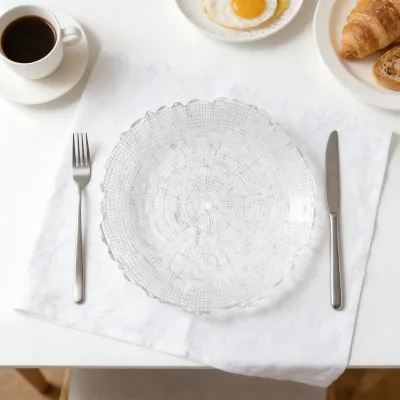
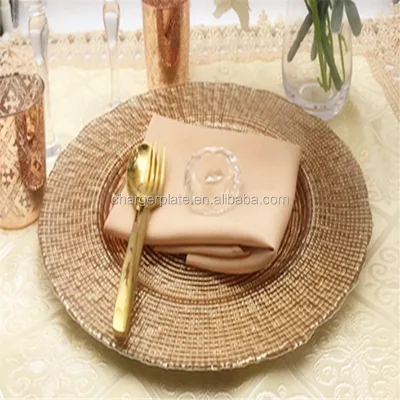
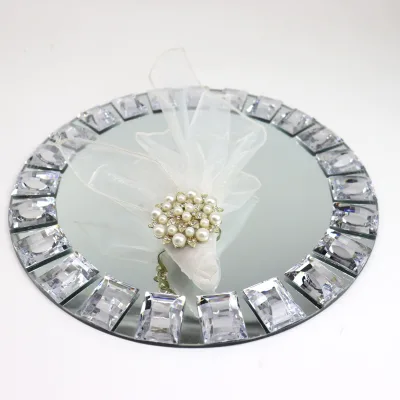
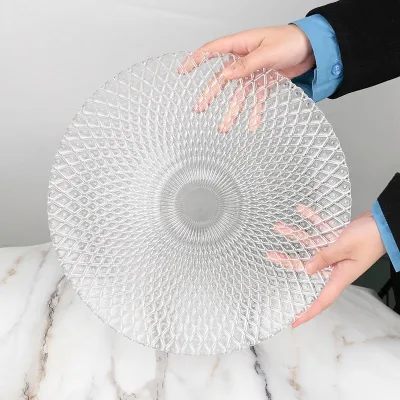
Hotel Restaurant Serving Wedding Clear Pearl Beaded Round Glass Charger Plate
$2.23 - $4.30
MOQ: 100 Pieces

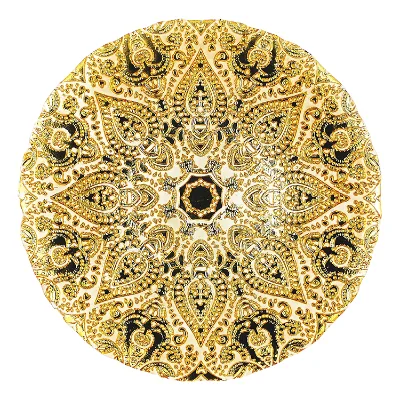
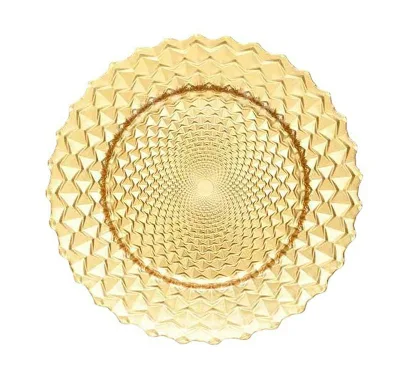
Wholesale Gold Glass Charger Plate Charger Plate Glass Plate for Wedding
$2.23 - $4.30
MOQ: 100 Pieces

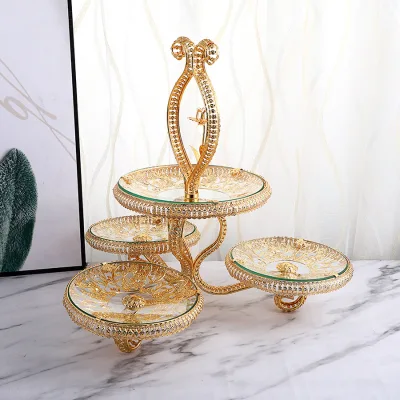
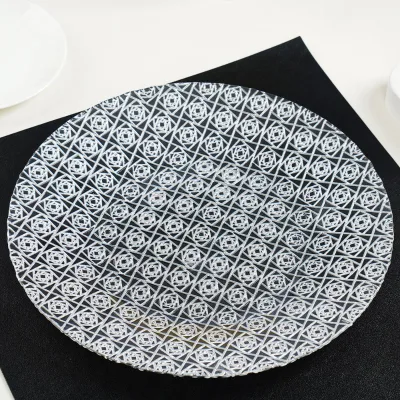
European Wedding Glass Charger Plates /Round White and Gold Charger Plates
$2.23 - $4.30
MOQ: 100 Pieces

Silver Beaded Clear Glass Charger Plates, Sliver Charger Plate, Sliver Wedding Charger Plate
$2.23 - $4.30
MOQ: 100 Pieces
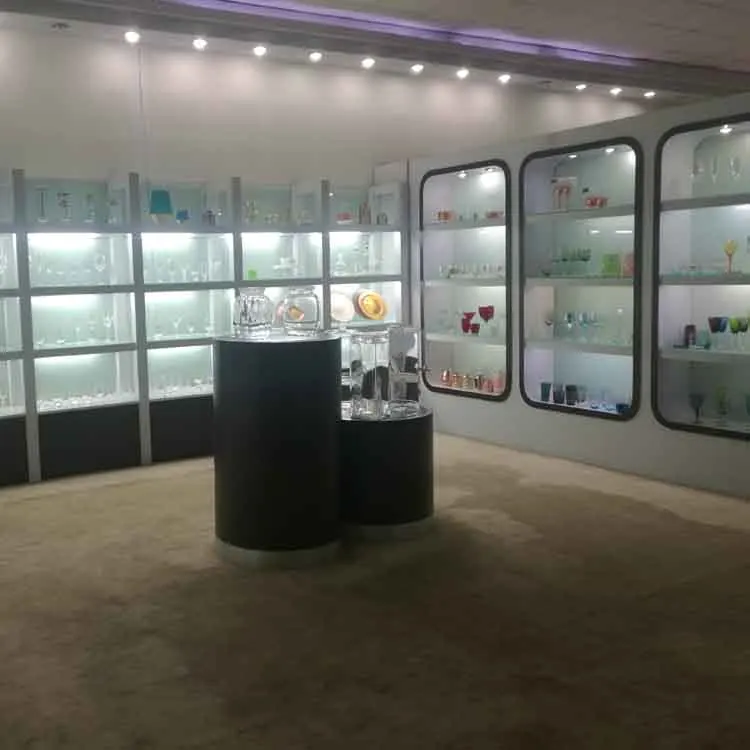
Shanxi Fly Glassware Co., Ltd.
- Manufacturer, Trading Company
- Shanxi, China
- Lead time45 days
- Avg. response≤ 3h
Main productsglassware,tableware,candle holder,glass plate,glass Vase
Main marketsWestern Europe(30.00%), North America(20.00%), Africa(10.00%), Mid East(10.00%), Southeast Asia(9.00%), South America(5.00%), Central America(3.00%), South Asia(3.00%), Southern Europe(3.00%), Oceania(2.00%), Eastern Europe(2.00%), Northern Europe(2.00%), Domestic Market(1.00%)
$2.3084 - $2.3593
MOQ: 500 pieces

- Verified by TUVRHEINLAND
- Trading Company
- China Hunan
- Lead time45 days
- Avg. response≤ 1h
Main productsCeramic Mug, Vacuum Flask, Dinner Set, Cup, Mug, Thermal Bottle, Ceramic Dinner Set, Glass Jar, Glass Cup, Wine Cup
Main marketsSoutheast Asia/ Mideast
Guangzhou Senno Import And Export Co., Ltd.
- Trading Company
- Lead time旺季: "1 - 5000":31,"> 5000":"To be negotiated", 淡季: "1 - 5000":31,"> 5000":"To be negotiated"
- Avg. response≤ 5h
Main productsBarware, Restaurantware, Glassware
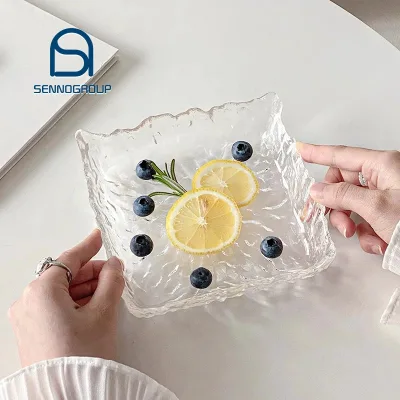
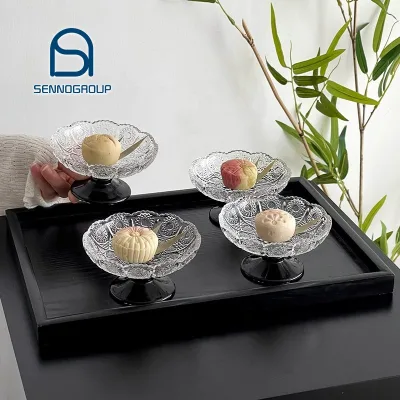
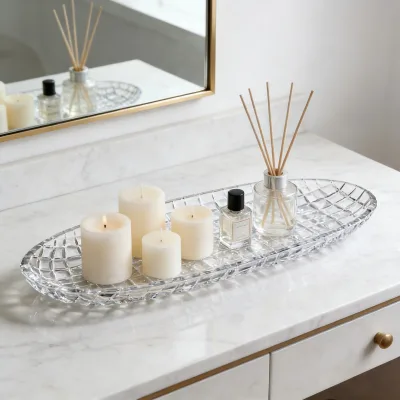
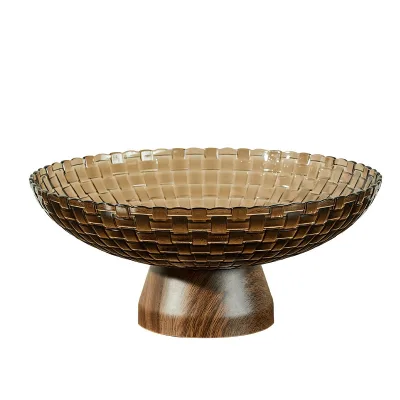
Creative Glacier Square Glass Plate Fruit Salad Bowl Home Restaurant Hotel Decorative Plates
$0.80 - $1.80
MOQ: 50 pieces
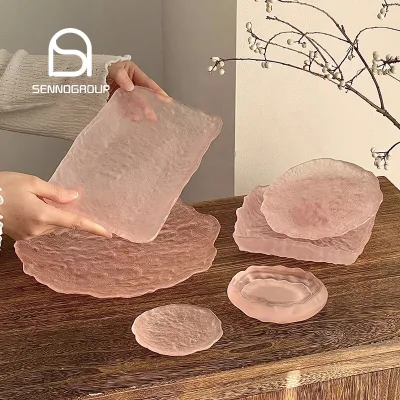
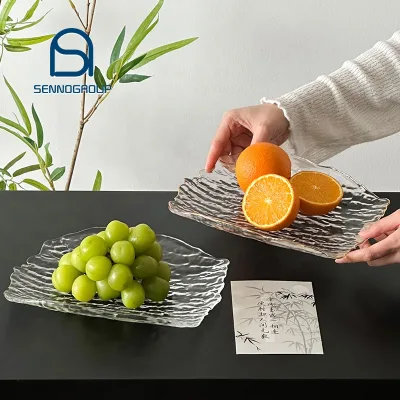
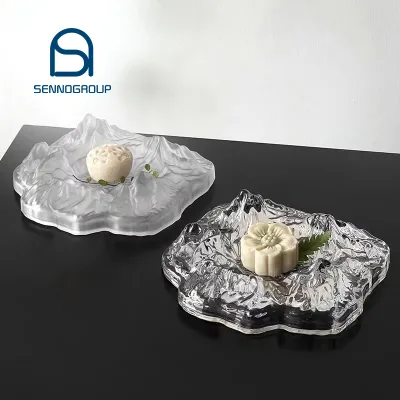
$0.88 - $1.90
MOQ: 50 pieces

Wenzhou Cathylin International Trade Co., Ltd.
- Verified by TUVRHEINLAND
- Trading Company
- China Zhejiang
- Lead time15 days
- Avg. response≤ 6h
Main productsFlatware, Cutlery, Kitchen Tools, Tableware, Cookware, Bakeware, Drinkware
Main marketsNorth America

Foshan Xinsheng Furniture Co., Ltd.
- Verified by BV
- Trading Company
- China Guangdong
- Lead time30 days
- Avg. response≤ 8h
Main productsWedding Table, Wedding Chair, Wedding Sofa, Acrylic Furniture, Backdrop, Table Centerpieces
Main marketsAfrica,Southeast Asia/ Mideast,East Asia(Japan/ South Korea),Europe,Australia,North America

High Grade Gold Edge Glass Plate Event Party Hotel Dining Table Decor Plates
$2.80 - $3.00
MOQ: 104 pieces

Gold Round Ripple Edge Glass Charger Plate for Wedding Restaurant Hotel Dining Events
$2.80 - $3.00
MOQ: 104 pieces

Classic Design Gold Trim Glass Serving Plate for Hotel Banquet Wedding Event Table Plates
$2.80 - $3.00
MOQ: 104 pieces

Wholesale 13" Silver Glass Charger Glass Plate for Events & Dining Restaurant Hotel Wedding
$2.80 - $3.00
MOQ: 104 pieces

$2.80 - $3.00
MOQ: 104 pieces

Champagne Round Charger Glass Plate for Wedding Restaurant Home Decor & Catering Events
$2.80 - $3.00
MOQ: 104 pieces
Guangzhou Garbo International Trading Co., Ltd.
- Trading Company
- Lead time旺季: "1 - 3000":45,"> 3000":"To be negotiated", 淡季: "1 - 3000":45,"> 3000":"To be negotiated"
- Avg. response≤ 2h
Main productsOpal Glassware, High Borosilicate Glassware, Stainless Steel Flatware, Kitchenware, Glassware, Ceramic Tableware
Shenzhen Alp Ocean Import And Export Co., Ltd.
- Manufacturer, Trading Company, Distributor/Wholesaler
- Guangdong, China
- Lead time0 days
- Avg. response≤ 13h
Main productsglass bowl,glass plate,glass cup,glass vase,glass candy box

Shanxi Midas Industrial Co., Ltd.
- Verified by CTI
- Manufacturer/Factory
- China Shanxi
- Lead time23 days
- Avg. response≤ 20h
Main productsDuctile Iron Pipe and Fitting, Steel Pipe and Fitting, Valve, Manhole Cover, Coupling, Flange, Water Meter, Dismantling Joint, Flange Adaptor, Pumps
Main marketsSouth America,Eastern Europe,Mid East,North America,Southeast Asia,Eastern Asia,Western Europe,Africa
Dalian Crystal Coast Glass Co., Ltd.
- Verified by TüVRheinland
- Trading Company
- Lead time45 days
- Avg. response≤ 10h
Main productsGlassware
Main marketsNorth America(20%), Mid East(20%), Western Europe(15%)
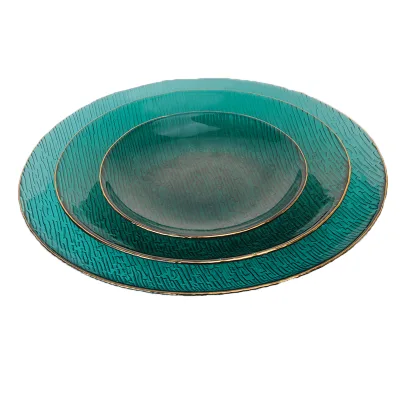
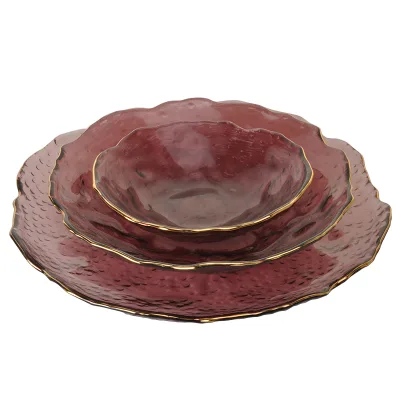
Wholesale Hot Selling Customized Beautiful Plate Decoration for Home Restaurants
$2.98
MOQ: 2000 pieces
Guangzhou Rocky Craft Co., Ltd.
- Manufacturer, Trading Company, Distributor/Wholesaler
- Guangdong, China
- Lead time45 days
- Avg. response≤ 4h
Main productsGlass Wine Set Series,Perfume Bottle Series,Ashtray Series,Vase/Plate Series,Bathroom Ware Series
Main marketsNorth America(25.00%), Western Europe(15.00%), Mid East(15.00%), Oceania(10.00%), Domestic Market(5.00%), Eastern Europe(5.00%), Northern Europe(5.00%), South America(5.00%), Southeast Asia(5.00%), Southern Europe(5.00%), Eastern Asia(2.00%), Central America(1.00%), South Asia(1.00%), Africa(1.00%)

Guangzhou Garbo International Trading Co., Ltd.
- Verified by TUVRHEINLAND
- Trading Company,Manufacturer/Factory
- China Guangdong
- Lead time45 days
- Avg. response≤ 5h
Main productsGlassware, Glass Cup, Glass Mug, Glass Bowl, Glass Candy Jar, Glass Pitcher, Glass Ice Cream Cup and Ice Bucket, Opal Glassware, Stainless Steel Cutlery, Ceramic Dinnerware
Main marketsSouth America,Eastern Europe,Mid East,North America,Southeast Asia,Eastern Asia,Oceania,Western Europe,Africa

Luxurious Handmade Pink Glass Plate for Wedding Hotel Family Gatherings
$1.47 - $1.86
MOQ: 5000 Pieces


Round Shape Glass Butter and Lemon Dish Home Restauant Serving Glass Plate with Cover
$2.498 - $2.601
MOQ: 7500 Pieces


Shanxi Midas Industrial Co., Ltd.
- Verified by TUVRHEINLAND
- Trading Company
- China Shanxi
- Lead time15 days
- Avg. response≤ 3h
Main productsWine Glass, Glass Plate, Wooden Tray, Scented Candle, Plastic Water Bottle, Stainless Steel Water Bottle, Dinnerware Set, Beer Glass
Main marketsEurope,North America


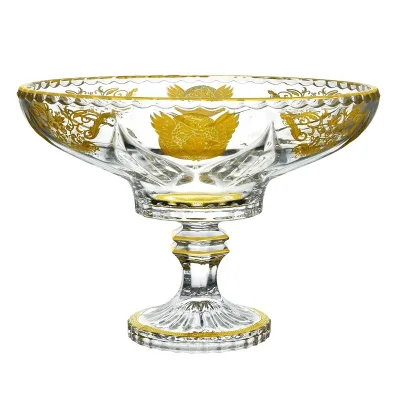
Wholesale Luxury Gold Plated Glass Charger Plates Polished Serving Tray Wedding Decoration
$1.68 - $1.88
MOQ: 500 Pieces
Zibo Comm-Mountain Glassware Co., Ltd.
- Manufacturer, Trading Company
- Shandong, China
- Lead time45 days
- Avg. response≤ 11h
Main productsGlassware and Accessories
Main marketsWestern Europe(45.00%), North America(20.00%), Domestic Market(16.00%), Southern Europe(7.00%), Eastern Europe(5.00%), Northern Europe(5.00%), Eastern Asia(2.00%)

Danyang Liou Kitchenware Co., Ltd.
- Verified by CTI
- Combined
- China Jiangsu
- Lead time23 days
- Avg. response≤ 7h
Main productsCutlery, Flatware, Charger Plate, Wine Glass, Bone China Plate, Glass Plate
Main marketsDomestic,North America
Shanxi Delight Houseware Co., Ltd.
- Verified by Intertek
- Trading Company
- Lead time30 days
- Avg. response≤ 4h
Main productsGlass Drinkware, Glass Plate and Bowl, Glass Candle Holder, Glass Decanter
Main marketsNorth America(20%), Mid East(15%), South America(10%)
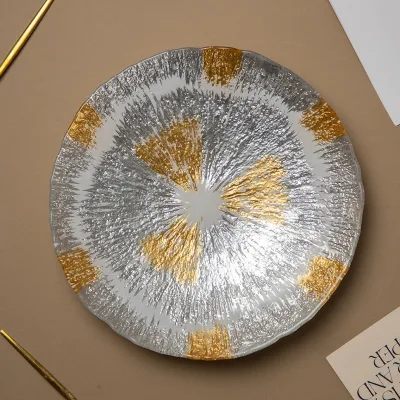
$3.00 - $4.50
MOQ: 2 Minimum
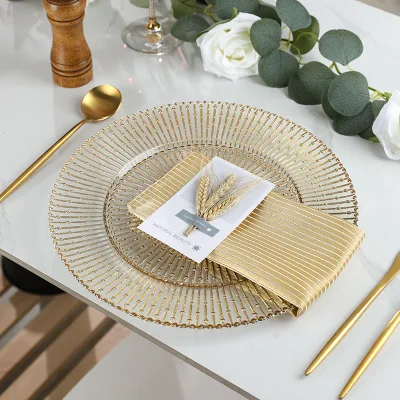
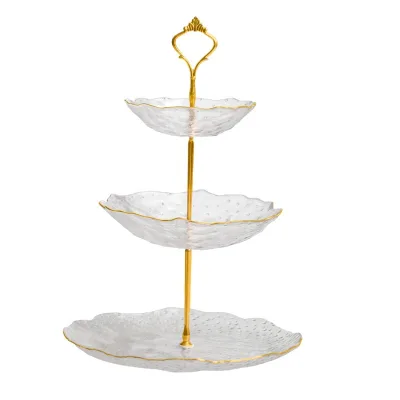
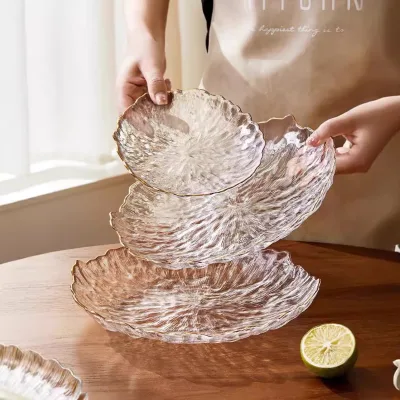

Rollin Porcelain Industrial Co., Ltd.
- Verified by BV
- Manufacturer/Factory
- China Guangdong
- Lead time45 days
- Avg. response≤ 6h
Main productsPorcelain Dinnerware, Tableware, Dinner Set, Dinner Plate, Hotel and Restaurant Tableware, Bone China, Cutlery, Glassware, Ceramic Plate, Porcelain
Main marketsEastern Europe,Mid East,North America,Southeast Asia,Eastern Asia,Oceania,Western Europe
Shanxi Midas Industrial Co., Ltd.
- Manufacturer, Trading Company
- Shanxi, China
- Lead time25 days
- Avg. response≤ 7h
Main productsWine glass,Beer glass,Whisky glass,Glass plate,Glass vase
Main marketsEastern Asia(100.00%), Oceania(100.00%), Africa(100.00%), Northern Europe(100.00%), Eastern Europe(100.00%), South Asia(100.00%), Domestic Market(100.00%), Southern Europe(100.00%), North America(50.00%), Western Europe(30.00%), South America(10.00%), Southeast Asia(5.00%), Central America(3.00%), Mid East(2.00%)
Shanxi Sonya Commercial And Trading Co., Ltd.
- Trading Company
- Shanxi, China
- Lead time15 days
- Avg. response≤ 2h
Main productsglass charger plate,Bone china dinner set,wedding tableware,wine glass,stainless steel flatware set
Main marketsNorth America(20.00%), Western Europe(15.00%), Northern Europe(10.00%), Domestic Market(10.00%), Mid East(10.00%), Oceania(10.00%), Africa(10.00%), Eastern Europe(10.00%), South America(5.00%)

Xiamen Athome Household Products Co., Ltd.
- Verified by SGS
- Trading Company
- China Fujian
- Lead time30 days
- Avg. response≤ 3h
Main productsXiamen Athome Household Products Co. Ltd. Is a, Custom Matcha Tea Set, Wooden &Bamboo Kitchenware, Custom Gifts & Souvenirs, Home & Seasonal Decor, Tableware &Dinner Set, Custom Candle Holer, Seasonal & Promotional Gifts, Drinkware, Sourdough & Baking Tools
Main marketsSoutheast Asia/ Mideast,East Asia(Japan/ South Korea)

Kitchenware Luxury Gold Rim Glass Charger Plate Wedding Glass Dinner Plate Dessert Serving Plate
$0.10 - $2.88
MOQ: 1 Pieces

Wholesale Kitchenware Premium Striped Glass Dinner Plate Gold Rim Serving Plate for Restaurant Hotel
$0.10 - $2.88
MOQ: 1 Pieces
Ningbo Akkodis Commodity Co., Ltd.
- Trading Company
- Zhejiang, China
- Lead time15 days
- Avg. response≤ 4h
Main productswooden cutlery,bamboo skewers,babmoo toothpicsk,PLA cutlery,kitchenwares
Main marketsEastern Asia(30.00%), North America(30.00%), Mid East(10.00%), South America(10.00%), Eastern Europe(10.00%), Northern Europe(5.00%), Africa(5.00%)

Qingdao Simpassic Import and Export Co., Ltd.
- Trading Company,Manufacturer/Factory
- China Shandong
- Lead time0 days
- Avg. response≤ 24h
Main productsGlass Cup, Glass Jar, Borosilicate Glass Food Containers, Glass Mug, Tableare, Glass Tumbler, Glassware, Glass Jug, Glass
Main marketsSouth America,Eastern Europe,Mid East,North America,Southeast Asia,Eastern Asia,Oceania,Western Europe,Africa
Shanxi Yan Yuan Ge Industry&Trade Co., Ltd.
- Trading Company
- Shanxi, China
- Lead time30 days
- Avg. response≤ 3h
Main productsGlass Plate, Glass Bowl, Wine Glass, Glass Decanter, Porcelain Plate
Main marketsNorth America(41.00%), South America(22.00%), Eastern Europe(15.00%), Africa(8.00%), Northern Europe(5.00%), Southeast Asia(5.00%), Southern Europe(4.00%), South Asia(0.00%), Eastern Asia(0.00%), Oceania(0.00%), Western Europe(0.00%), Central America(0.00%), Domestic Market(0.00%), Mid East(0.00%)
Yiwu Jiesiming E-Commerce Co., Ltd.
- Trading Company
- Jinhua, China
- Lead time0 days
- Avg. response≤ 3h
Main productsDaily provisions
Main marketsCentral America(30.00%), North America(30.00%), Mid East(20.00%), South Asia(10.00%), Southeast Asia(10.00%)
$5.7425 - $6.1527
MOQ: 10 pieces

Henan Zlovy Enterprise Co., Ltd.
- Trading Company
- Henan, China
- Lead time1 days
- Avg. response≤ 8h
Main productsCoffee Pot,Coffee Tools,Water Bottle,Home Appliances,Baking Tools
Main marketsNorth America(35.00%), Western Europe(20.00%), Mid East(20.00%), Southeast Asia(15.00%), South America(10.00%)
Qixian Kewantong Glassware Co., Ltd.
- Verified by Intertek
- Manufacturer, Trading Company
- Lead time30 days
- Avg. response≤ 6h
Main productsWine Glasses, Decanter, Whiskey Glasses, Champagne Glasses, Glass Plate
Main marketsDomestic Market(45%), North America(15%), Mid East(10%)
- Verified by TüVRheinland
- Manufacturer, Trading Company
- Lead time50 days
- Avg. response≤ 2h
Main productsBar And Wine Utensils, Tableware, Drinking Utensils, Kitchen Storage And Organization, Daily Using Glassware
Main marketsEastern Europe(35%), Southeast Asia(20%), South America(15%)
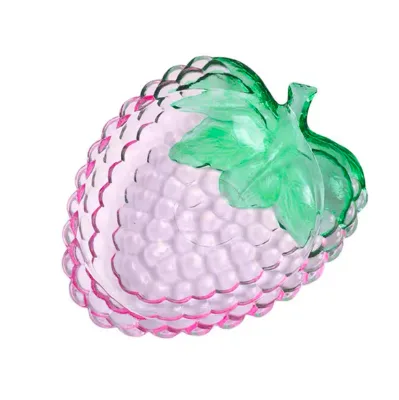
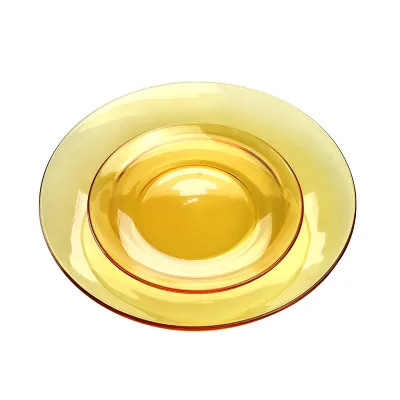
Plate Dish Dinner 7.5 Inch 9 Inch 11 Inch Amber Color Soda Lime Glass Plate
$0.64 - $1.08
MOQ: 10000 pieces
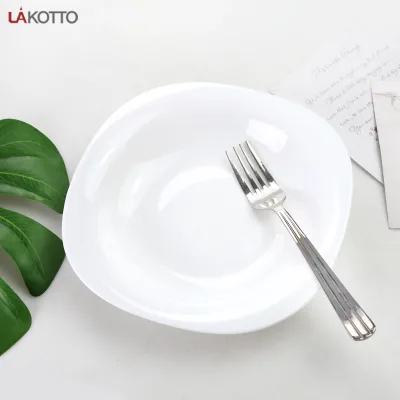
$0.2874 - $0.3593
MOQ: 3 pieces

Jinjiang Jiaxing Import and Export Co., Ltd.
- Verified by CTI
- Manufacturer/Factory
- China Fujian
- Lead time120 days
- Avg. response≤ 1h
Main productsShoes, Slipper, Clothes, Promotion Gifts, Silicone Products, Outdoor Sports Products, Bags, Fashion Accessories, Consumer Electronics
Main marketsSouth America,Eastern Europe,Mid East,North America,Southeast Asia,Eastern Asia,Oceania,Western Europe,Africa
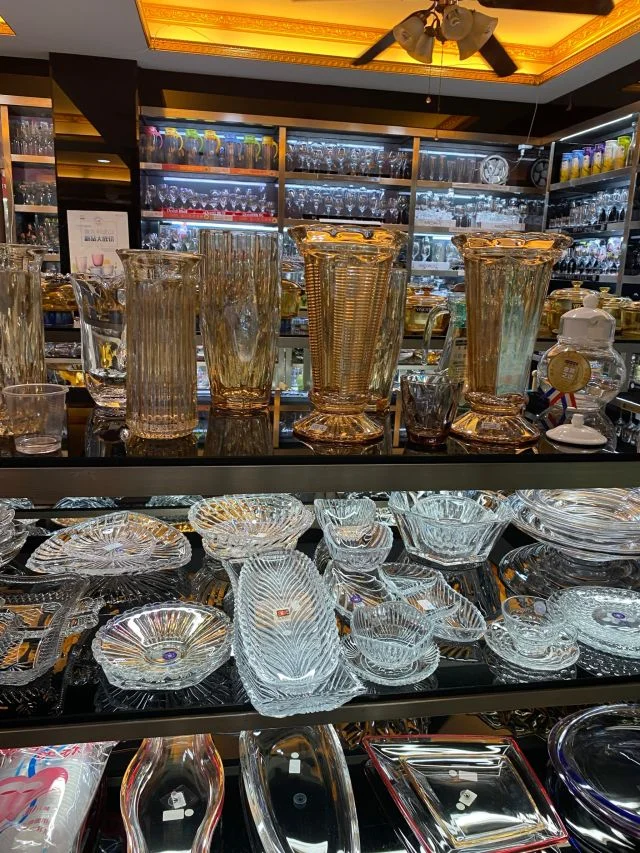
Shanxi Snw Science And Trade Co., Ltd.
- Trading Company
- Shanxi, China
- Lead time45 days
- Avg. response≤ 6h
Main productsWine glass,Glass Candle Jar,Glass Vase,Beer Glass,Glass Storage Jar
Main marketsSouth America(20.00%), North America(15.00%), Central America(10.00%), Eastern Europe(10.00%), Eastern Asia(8.00%), South Asia(6.00%), Northern Europe(5.00%), Southeast Asia(5.00%), Western Europe(5.00%), Oceania(5.00%), Mid East(4.00%), Southern Europe(4.00%), Domestic Market(3.00%)

Guangzhou Nantian Sources Co., Ltd.
- Manufacturer/Factory
- China Guangdong
- Lead time15 days
- Avg. response≤ 6h
Main productsKitchen Equipment, Kitchenware, Food Machine, Kitchen Appliance, Glassware, Food Machinery, Bakery Equipment, Dinnerware, Kitchen Utensils, Food Processor
Main marketsSouth America,Mid East,Southeast Asia,Eastern Asia,Oceania,Africa


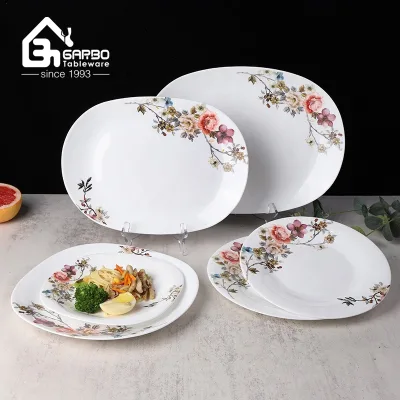











Comprehensive Sourcing Guide
Hotel Glass Platter Supplier Concentration and Factory Types
Current data indicates a concentration of suppliers in China, specifically within the Guangdong and Shanxi provinces. Guangdong-based entities often operate as trading companies, while Shanxi sources include both manufacturers and trading firms. This distinction is critical because manufacturers typically control the production line directly, whereas trading companies aggregate goods from various factories. Buyers should verify the company type listed in the supplier profile to understand the supply chain structure. A trading company might offer a broader range of products like banquet tables and chair covers alongside glass platters, while a manufacturer focuses on specific glassware output.
When evaluating the factory type, look for explicit labels such as "Manufacturer" or "Trading Company" in the supplier's company type field. If the profile lists both, the entity may have direct production capabilities but also acts as a distributor for other lines. In regions where specific factory clusters are not confirmed by high-confidence facts, buyers must request proof of factory ownership or visit reports. Do not assume a location implies a specific factory type without verification. The presence of a trading company in Guangdong suggests a hub for logistics and aggregation, while Shanxi's mix indicates a growing manufacturing base for glass products.
How to Verify Hotel Glass Platter Suppliers
Verification begins with checking for third-party audit badges like BV, which appear in the supplier's verification status. A BV badge indicates that an independent agency has inspected the company's business license and operational capabilities. Buyers should also examine the response time metric, as a lower number suggests a more active sales team ready to address inquiries quickly. For instance, a response time of 3.86 hours or 3 hours indicates a specific level of engagement that can be compared across different vendors. This metric helps gauge the supplier's operational readiness before placing an order.
Beyond badges and response times, buyers must scrutinize product attributes for consistency with the supplier's claims. Check if the product attributes list specific certifications like LFGB or standard compliance, which are essential for food-contact glassware. The presence of a "Standard" certificate or specific material details like "soda lime glass" provides tangible evidence of quality control. If a supplier claims to be a manufacturer but lacks detailed product specifications or fails to list a model number, this is a red flag. Always cross-reference the listed main products with the specific items being sourced to ensure the supplier specializes in the required category.
What to Compare Across Hotel Glass Platter Suppliers
When comparing suppliers, focus on the lead time and minimum order quantity (MOQ) as primary differentiators. One supplier may offer a lead time of 18 days for a 20-foot container, while another requires 45 days for production. These variations directly impact inventory planning and delivery schedules for hotel events. Similarly, MOQs can range significantly, with some suppliers requiring 100 pieces while others demand 500 pieces. Buyers must align these thresholds with their actual volume needs to avoid overstocking or incurring unnecessary costs. The price range also varies, with some items listed between $2.23 and $4.30, while others fall between $1.00 and $1.30.
Response speed and customization capabilities are additional critical comparison points. A supplier with a faster response time can resolve issues regarding custom logos or specific dimensions more efficiently. Check if the product attributes explicitly state "Customization: Available" or "Customized Logo" to determine flexibility. Some suppliers may offer eco-friendly features or specific shapes like oval or round, which must match the buyer's design requirements. Do not assume all suppliers offer the same level of service; verify the specific attributes for each product listing. Comparing these concrete data points ensures the selected partner can meet both volume and quality expectations.
Common Hotel Glass Platter Sourcing Risks
One significant risk involves the discrepancy between the stated lead time and actual delivery performance. While a supplier may advertise a lead time of 18 days, external factors like raw material shortages or production bottlenecks can cause delays. Buyers should verify the "Delivery on Time" claim by checking historical performance or requesting references. Another risk is the ambiguity in material specifications. If the product attributes list "soda lime glass" but do not specify thickness or durability standards, the final product may not meet hotel safety requirements. Always request detailed material test reports to confirm the glass quality.
Certification gaps pose another substantial risk, particularly for food-contact items. If a supplier lists a "Standard" certificate but lacks specific food safety approvals like LFGB, the product may not be compliant with local regulations in the destination market. Additionally, relying solely on a trading company without verifying the actual factory can lead to communication breakdowns and quality inconsistencies. If the supplier type is listed as a trading company, ensure they have direct access to the manufacturing floor. Buyers should also be wary of vague packaging details, as improper packing can lead to breakage during transit, especially for fragile glass items.
Hotel Glass Platter Regional Sourcing and Logistics
Geographic location plays a pivotal role in logistics costs and lead times. Suppliers in Guangdong and Shanxi, China, offer distinct advantages based on their proximity to ports and manufacturing hubs. Guangdong is a major export hub with established logistics networks, often resulting in faster shipping times for international orders. Shanxi, while also a production center, may have different logistical considerations depending on the specific factory location. Buyers should calculate the total landed cost, including freight, by considering the origin of the goods. The single package size and gross weight provided in product attributes are essential for accurate freight calculations.
Logistics planning must also account for the specific packing details listed in the product attributes. For example, some items are packed as 4 pieces per packing unit, while others use a single piece with white paper and bubble paper. These details affect how many units fit into a container and the overall shipping volume. Buyers should verify the supply ability, such as 100,000 pieces per month, to ensure the supplier can handle large orders without compromising quality. Understanding the regional strengths helps in selecting a supplier that minimizes transit time and maximizes cost efficiency. Always confirm the place of origin to align with your logistics strategy.
Hotel Glass Platter Commercial Terms and Order Planning
Commercial terms regarding payment and order planning are vital for a successful transaction. Buyers must clarify the payment structure, including any escrow options that protect funds until delivery. While specific escrow terms vary, the presence of a verified supplier often implies a secure transaction environment. Lead time is a critical component of order planning; a 45-day lead time requires earlier ordering than an 18-day lead time. Buyers should factor in buffer time for potential delays and ensure the production schedule aligns with their event dates. The MOQ of 100 or 500 pieces also dictates the initial investment required.
Pricing and customization costs must be clearly defined before finalizing the order. The price range for glass platters can vary from $1.00 to $4.30 depending on the design, material, and customization level. Buyers should request a detailed quotation that breaks down the cost per unit, including any fees for custom logos or special packaging. If the product attributes indicate "Customization: Available," confirm the additional costs and time required for these modifications. Ensure that the commercial terms include clear clauses for quality disputes and return policies. Proper planning of these terms prevents unexpected costs and ensures a smooth procurement process.
FAQs
What is the typical lead time for glass charger plates?
Manufacturers in China generally require 18 to 45 days for production and delivery. Specific timelines depend on order volume and customization needs. Some suppliers offer 18-day lead times for standard 20-foot container loads, while others may take up to 45 days for complex orders or larger quantities.
What is the minimum order quantity for glass platters?
Minimum order quantities vary by supplier and product type. Some manufacturers accept orders as low as 100 pieces, while others require a minimum of 500 pieces. Buyers should verify the specific MOQ with each supplier before placing an order to ensure it aligns with their procurement needs.
Are glass charger plates eco-friendly?
Many available glass charger plates are marketed as eco-friendly and non-disposable. These items are typically made from soda lime glass and designed for repeated use in hotels, weddings, and events. Buyers should check product attributes to confirm eco-friendly features and material composition before purchasing.
What certifications are available for glass dinnerware?
Suppliers may provide various certifications depending on the product and region. Some glass charger plates carry LFGB certification, ensuring safety for food contact. Other products may list standard certificates or no specific certification. Buyers should request relevant documentation to verify compliance with their local regulations.
What is the price range for glass charger plates?
Prices for glass charger plates typically range from $1.00 to $4.30 per piece. The cost depends on factors such as material quality, design complexity, and order quantity. Bulk orders often result in lower unit prices, making it advisable to compare quotes from multiple suppliers for the best value.
Can I customize glass charger plates with my logo?
Customization options are available from many suppliers, including logo printing and custom designs. Buyers can often choose from various colors, shapes, and styles to match their event or brand. It is important to confirm customization details, such as minimum order quantities for custom items, with the supplier.