Invisible Strapless Breast Patch Suppliers and Manufacturers
Compare 26 verified suppliers offering Invisible Strapless Breast Patch with ISO certifications and OEM services. Review lead times, MOQs, and response rates to select a factory in Guangdong, China for your order; review the available evidence before requesting comparable quotations from suitable candidates.
Suppliers List
Dongguan Jingrui Silicone Technology Co., Ltd.
- Verified by TüVRheinland
- Manufacturer, Trading Company
- Lead time7 days
- Avg. response≤ 9h
Main productsNipple Cover, Invisible Bra, Sticky Bra Inserts, Boob Tape
Main marketsNorth America(65%), Oceania(10%), Domestic Market(10%)
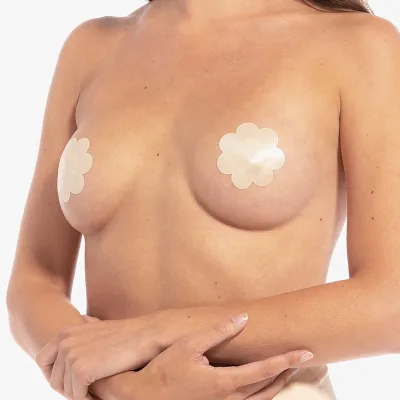

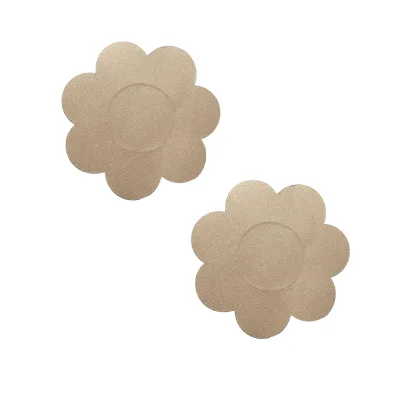

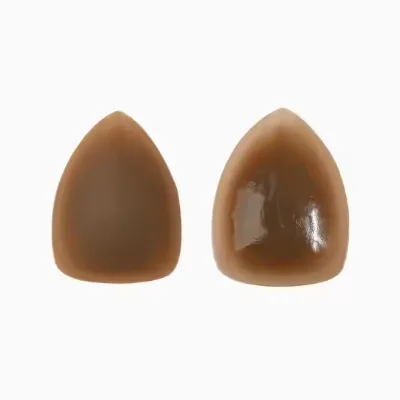
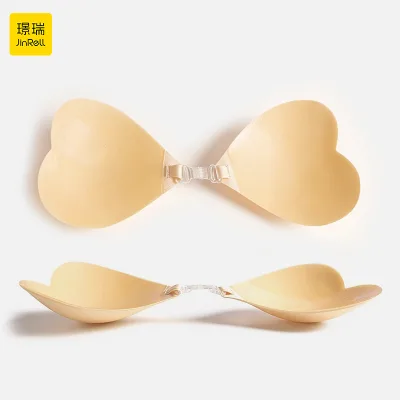
Contact supplier
MOQ: 50 Minimum

- Trading Company
- Zhejiang, China
- Lead time30 days
- Avg. response≤ 10h
Main productsgarment trimming,bra&underwear accessories,lace trim collection,bag parts and hardware,fabric and lining
Main marketsSoutheast Asia(40.0%), North America(15.0%), South America(15.0%), Western Europe(10.0%), Eastern Europe(10.0%), Domestic Market(5.0%), Mid East(5.0%)

YUEQING YUANTIANLI MEDICAL CO., LTD.
- Combined
- China Zhejiang
- Lead time23 days
- Avg. response≤ 10h
Main productsColostomy Bag, Cohesive Bandage, Kinesiology Tape
Main marketsSoutheast Asia/ Mideast,East Asia(Japan/ South Korea),Domestic,Europe,Australia,North America


Backless Disposable Strapless Silicone Bra Tape Lift Adhesive Invisible Bra
$0.80 - $1.00
MOQ: 144 Pieces


Dongguan Yifanyuan Apparel Co., LTD
- Verified by BV
- Combined
- China Guangdong
- Lead time23 days
- Avg. response≤ 4h
Main productsSilicone Nipple Cover, Invisible Bra, Panties
Main marketsSouth America,Southeast Asia/ Mideast,East Asia(Japan/ South Korea),Europe

$0.90 - $1.15
MOQ: 5 pieces

Strapless Invisible Strapless Bra Lace Breathable Wedding Dress Chest Patch Push up Chest Patch Bra
$0.90 - $1.15
MOQ: 5 pieces

New Arrival Ultra-Thin Breathable Smooth-Surface Sexy Style Strapless Adhesive Nipple Patch
$0.18 - $0.25
MOQ: 20 pieces

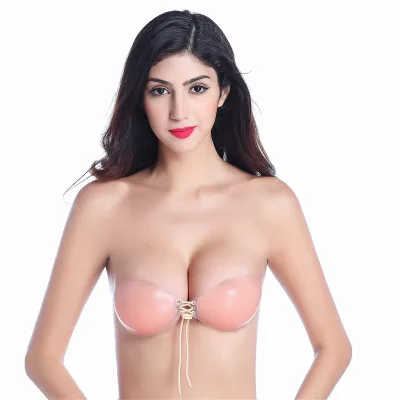
Lace Pull Bra Self-Adhesive Strapless Invisible Bra Adhesive Breast Invisible Bra Nipple Pad Bra
$0.90 - $1.15
MOQ: 5 pieces


Aupcon Medical Technology (Wuxi) Co., Ltd.
- Verified by TüVRheinland
- Manufacturer, Trading Company
- Lead time10 days
- Avg. response≤ 2h
Main productsKinesiology Tape, Boob Tape, Cohesive Bandage, Self Adhesive Bandage, Sports Tape
Main marketsNorth America(24%), Western Europe(15%), Domestic Market(15%)

Ningbo Ulrich Imp. & Exp. Co., Ltd.
- Verified by TUVRHEINLAND
- Manufacturer/Factory
- China Zhejiang
- Lead time15 days
- Avg. response≤ 13h
Main productsApparel, Pet Clothing, Socks and Tights, Shoes and Hats, Pet Toys, Pet Food Bowl, Pet Beds
Main marketsSouth America,Eastern Europe,Mid East,North America,Southeast Asia,Eastern Asia,Oceania,Western Europe,Africa

Yiwu Weiwang Trading Co., Ltd.
- Manufacturer, Trading Company
- Zhejiang, China
- Lead time7 days
- Avg. response≤ 3h
Main productsSilicone bra,Nipple sticker,panty,Underwear accessories,Underwear insert
Main marketsSouth America(60.0%), Eastern Europe(20.0%), Northern Europe(10.0%), North America(5.0%), Africa(5.0%)
Dongguan Huixin Garment Accessories Co., Ltd.
- Manufacturer, Trading Company
- Guangdong, China
- Lead time30 days
- Avg. response≤ 10h
Main productssilicone bra,invisible bra,nipple cover,adhesive bra,silicone pad
Main marketsNorth America(60.0%), Southeast Asia(20.0%), Domestic Market(10.0%), Western Europe(10.0%)

Wuhan Shunqiyan Technology Co., Ltd.
- Verified by SGS
- Trading Company,Manufacturer/Factory
- China Hubei
- Lead time23 days
- Avg. response≤ 1h
Main productsAcne Patch, Medical Wound Dressing, Hydrocolloid Dressing, Lip Mask, Bandage, Scar Removal Tape, Surgical Incision Drape, Kaolin Hemostatic Gauze, Nasal Strips, Eye Mask
Main marketsSouth America,Eastern Europe,Mid East,North America,Southeast Asia,Eastern Asia,Oceania,Western Europe,Africa


Disposable Non-Woven Breast Boob Covers Bra Pad Bra Chest Stickers Nipple Patch
$0.10 - $0.10
MOQ: 5000 pairs


Customizable Colorful Sexy Underwear Nipple Covers Sticker for Boob Breast
$0.10 - $0.10
MOQ: 5000 pairs

Shenzhen Kingod Silicone Products Co., Ltd
- Verified by TUVRHEINLAND
- Combined
- China Guangdong
- Lead time15 days
- Avg. response≤ 2h
Main productsBaby Set, Baby Products, Baby Goods, Breast Pump, Face Mask, Baby Bottle, Medical Components, Phone Case, Silicone Kitchen Products, Toys
Main marketsNorth America

Invisible No Glue Breast Pads Reusable Sexy Adhesive Silicone Nipple Cover
$0.65 - $0.70
MOQ: 100 Pieces


Custom Invisible Push up Breast Pads Reusable Pasties Sexy Adhesive Silicone Nipple Covers
$1.25 - $1.55
MOQ: 100 Pieces
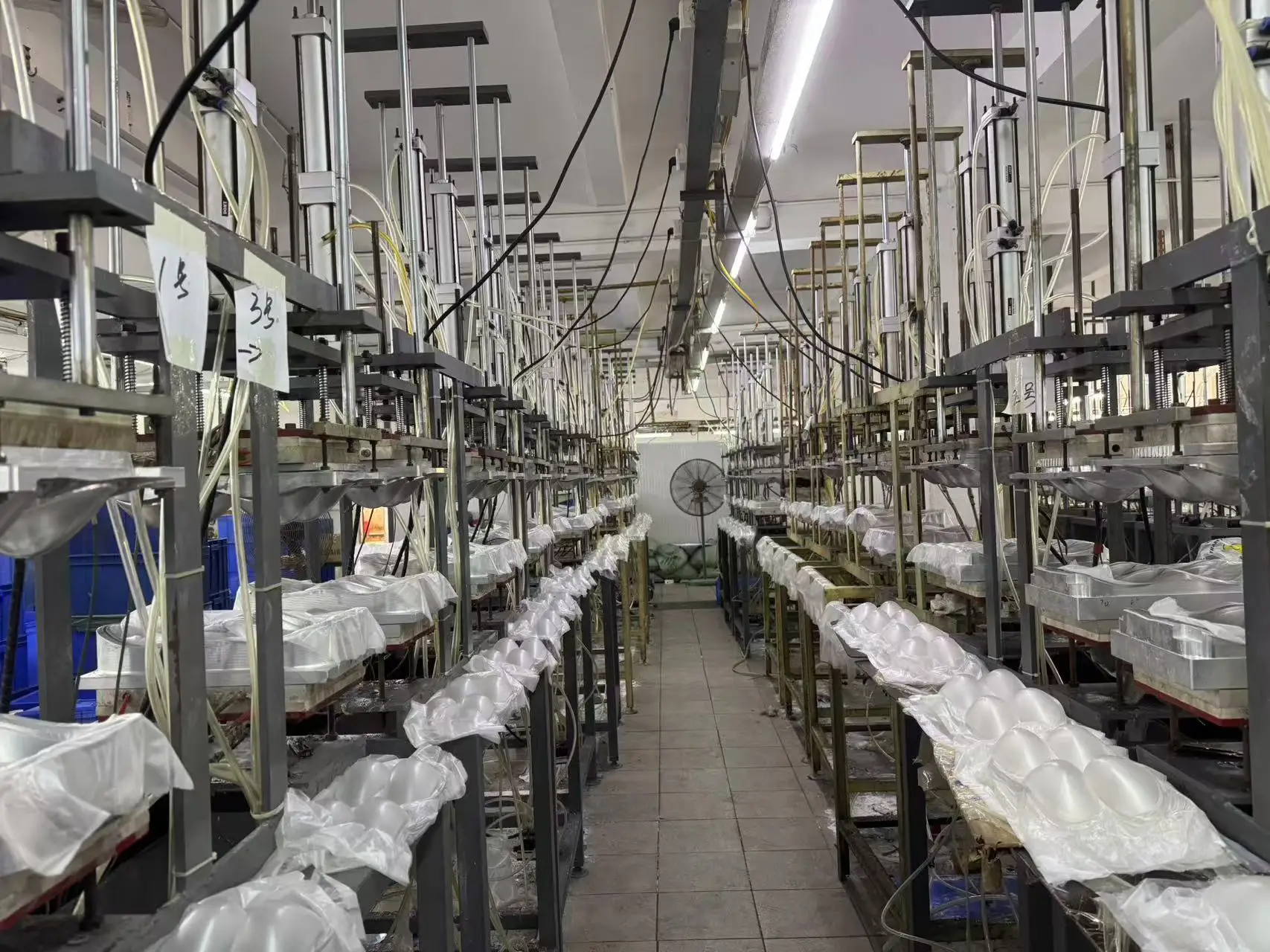
Guangzhou Hengqinlian Clothing Co., Ltd.
- Manufacturer, Distributor/Wholesaler, Other
- Guangdong, China
- Lead time7 days
- Avg. response≤ 1h
Main productssilicone bra,silicone gel bra,nipple cover,silicone bra insert,silicone pads
Main marketsDomestic Market(40.0%), Western Europe(8.0%), North America(8.0%), Northern Europe(8.0%), Eastern Europe(8.0%), South America(8.0%), Southern Europe(7.000000000000001%), Central America(6.0%), South Asia(2.0%), Eastern Asia(2.0%), Southeast Asia(2.0%), Mid East(1.0%)
Dongguan Aimeili Fashion Underwear Co., Ltd.
- Verified by SGS Group
- Manufacturer, Trading Company
- Lead time10 days
- Avg. response≤ 4h
Main productsSilicone Nipple Cover, Silicone Bra, Boob Tape, Stick On Bra, Camel Toe Concealer
Main marketsNorth America(30%), South America(10%), Eastern Europe(10%)
Henan Huainan Hall Biotechnology Co., Ltd.
- Verified by TüVRheinland
- Manufacturer, Trading Company
- Lead time25 days
- Avg. response≤ 1h
Main productsMicroneedle Patch, Pain Relief Patch, Slimming Patch, Scab Patch, Vitamin Chewable Tablets
Main marketsDomestic Market(50%), North America(20%), Africa(12%)

Puning Yiqiao Clothing Business Department
- Trading Company
- Guangdong, China
- Lead time15 days
- Avg. response≤ 4h
Main productsButt padded panties,Silicone Bra,Invisible Bra,Nipple cover,Underwear accessories (buttons/straps/cotton bowls)
Main marketsSoutheast Asia(50.0%), Domestic Market(43.5%), Eastern Asia(1.0%), South America(0.5%), South Asia(0.5%), Southern Europe(0.5%), Northern Europe(0.5%), Central America(0.5%), Western Europe(0.5%), Eastern Europe(0.5%), Mid East(0.5%), Oceania(0.5%), Africa(0.5%), North America(0.5%)

Quanzhou Weibo Clothing Co., Ltd.
- Verified by BV
- Manufacturer
- China Fujian
- Lead time15 days
- Avg. response≤ 2h
Main productsBra, Underwear, Nipple Covers, Breast Pads, Lingerie, T Shirt, Resin Craft, Ceramic
Main marketsSouth America,Southeast Asia/ Mideast,East Asia(Japan/ South Korea),Europe,Australia,North America


Invisible Push-up Breast Lifting Bandage Tape, Coverh Bra Sticky Anti-Sagging
$0.88 - $1.08
MOQ: 10 Pieces


Cross-Border Best-Selling Invisible Intimate Area Protection Patches Self-Adhesive Silicone Patches
$1.80 - $2.00
MOQ: 500 Pieces

Guangdong Heilan New Material Technology Co., Ltd.
- Manufacturer
- China Guangdong
- Lead time15 days
- Avg. response≤ 16h
Main productsGeneral Purpose Silicone Rubber, Silicone Rubber for Sex Dolls, Silicone Rubber Insulator, Food Grade Silicone Rubber, Htv/Hcr Silicone Rubber, High Tear Strength Silicone Rubber, Molding Silicone Rubber, High Transparent Silicone Rubber, Flame Retardant Silicone, High Transaparent Excusion Silicone Rubber
Main marketsSoutheast Asia/ Mideast,Europe,North America

Customized Invisible Silicone Bra with Reusable Ultra-Thin Chest Lifting Patch
$1.13 - $1.28
MOQ: 1000 Pieces

Guangzhou Jai Silicone Rubber Technology Co., Ltd.
- Verified by TüVRheinland
- Manufacturer, Trading Company
- Lead time25 days
- Avg. response≤ 3h
Main productsSilicone Bra, Adhesive Bra, Nipple Cover, Bra Insert, Boob Tape
Main marketsNorth America(20%), Southeast Asia(15%), Western Europe(15%)
Dongguan Jogogo Apparel Co., Ltd.
- Manufacturer, Trading Company
- Lead time旺季: "1 - 1000":31,"1001 - 3000":40,"> 3000":"To be negotiated", 淡季: "1 - 1000":31,"1001 - 3000":40,"> 3000":"To be negotiated"
- Avg. response≤ 4h
Main productsNipple Cover, Seamless Bra, Seamless Panties, Silicone Bra, Shapewear
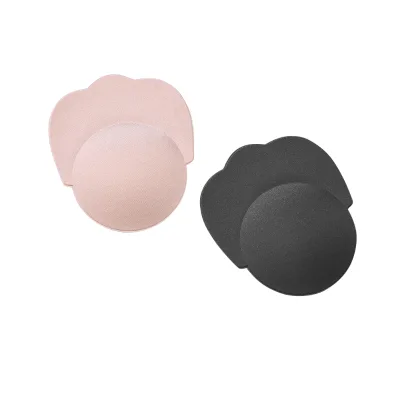
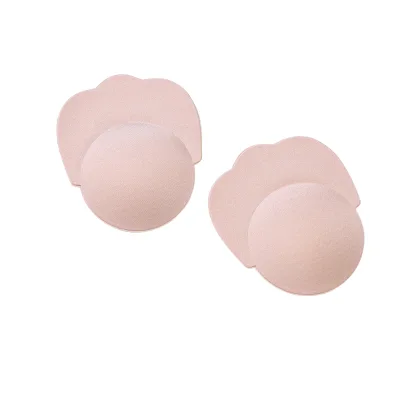
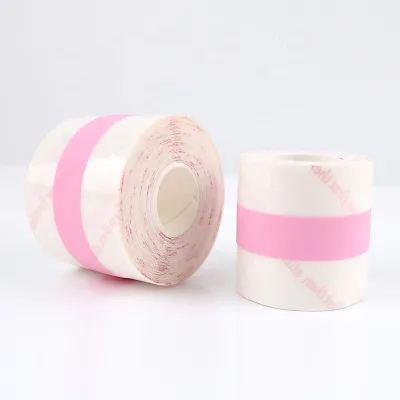
Transparent Adhesive Body Tape Lifting Breast Waterproof Seamless Invisible Clear Boob Tape
$0.85 - $0.95
MOQ: 50 rolls

Huaian Construction New Material CO., LTD.
- Verified by SGS
- Trading Company
- China Jiangsu
- Lead time15 days
- Avg. response≤ 5h
Main productsOrthopedic Cast Tape, Cast Padding, Elastic Bandage, Ice Cold Pack, Self Adhesive Bandage, Kinesiology Tape, Hot Water Bottle, Petrolatum Tape, Pipe Wrapping Tape, Pipe Repair Tape
Main marketsEurope,North America

$0.91 - $1.36
MOQ: 1000 Pieces


$0.91 - $1.36
MOQ: 1000 Pieces

Women Hypoallergenic Colorful Adhesive Boob Nipple Cover Breathable Waterproof Breast Tape
$0.91 - $1.36
MOQ: 1000 Pieces

$0.91 - $1.36
MOQ: 1000 Pieces

Fashion Free Waterproof Boob Tape Discreet Breast Lift Tape for Backless Dresses
$0.91 - $1.36
MOQ: 1000 Pieces
Anji Hongde Medical Products Co., Ltd
- Verified by TüVRheinland
- Manufacturer, Trading Company
- Lead time30 days
- Avg. response≤ 3h
Main productsSelf Adhesive Bandage, Elastic Bandage, Vaseline Gauze, Tongue Depressor, Plaster of Paris Bandage
Main marketsDomestic Market(40%), North America(30%), Mid East(10%)
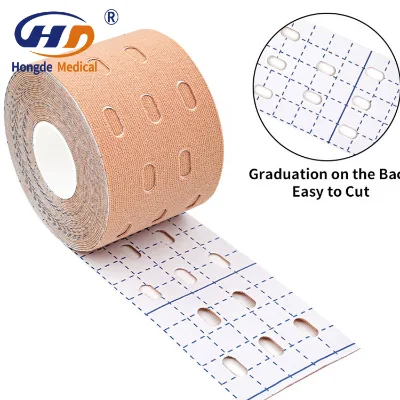
Wholesale Invisible Bra Diy Lift up Seethrough Transparent Body Tape for Breast Lifting Boob Tape
$1.13 - $1.24
MOQ: 2000 boxes
Henan Like Health Industry Co., Ltd.
- Verified by TüVRheinland
- Manufacturer, Trading Company
- Lead time40 days
- Avg. response≤ 1h
Main productsHealthcare Products, Medical Wound Dressing, Protective Sports Bandages
Main marketsDomestic Market(25%), Africa(16%), Mid East(15%)
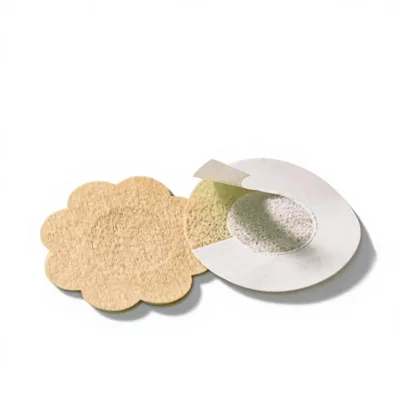
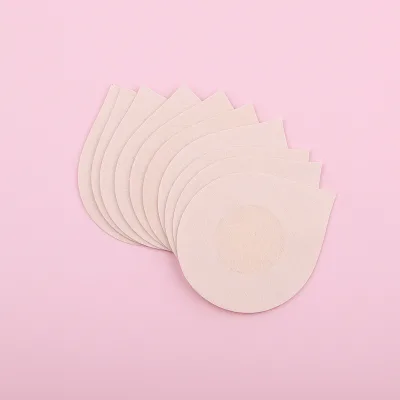
New Design Invisible Disposable Non-woven Water Drop Breast Patch Women Nipple Covers for Summer
$0.07 - $0.08
MOQ: 3000 pieces

- Verified by BV
- Manufacturer/Factory
- China Fujian
- Lead time15 days
- Avg. response≤ 25h
Main productsWater Bottle, Kitchen Ware, Shoes, Plastic Product, Bag, Toy
Main marketsSouth America,Eastern Europe,Mid East,North America,Southeast Asia,Eastern Asia,Oceania,Western Europe,Africa

Ningbo Multi Channel Co., Ltd.
- Trading Company
- China Zhejiang
- Lead time23 days
- Avg. response≤ 15h
Main productsFirst Aid Kit, Wound Dressing, Bandage, Outdoor Emergency Supplies, Hot/Cold Therapy, Surgery Supplies, Laboratory Supplies, Medical Devices, Anethesia Breathing Supplies, Daily Care
Main marketsSouth America,Southeast Asia/ Mideast,East Asia(Japan/ South Korea),Europe,North America

Hebei Fryan Technology Co., Ltd.
- Trading Company
- Hebei, China
- Lead time3 days
- Avg. response≤ 7h
Main productsHip Lifting Pants,Compression pants & Shirts,Sporsts Kneepads,Motorcycle Armor Jacket,Body Shaper
Main marketsNorth America(22.0%), South America(21.0%), Central America(20.0%), Southern Europe(10.0%), Eastern Europe(10.0%), Western Europe(10.0%), Domestic Market(1.0%), South Asia(1.0%), Oceania(1.0%), Africa(1.0%), Southeast Asia(1.0%), Eastern Asia(1.0%), Mid East(1.0%)

Beijing Chemeebio Pharma-Tech Co., Ltd.
- Verified by BV
- Trading Company
- China Beijing
- Lead time15 days
- Avg. response≤ 1h
Main productsKinesiology Tape, Guaze Tape, Underwrap, Infusion Set, Blood Bags, Industrial Corrosion Tape, Athlete Tape, Self Adhesive Fusing Silicone Tape, Water Activity Fiberglass Repair Wrap, Medical Bandage
Main marketsSoutheast Asia/ Mideast


Sticker Bra Tape Breathable Breast Lift Tape Push up Nipple Cover Self Adhesive Boob Tape
$0.27 - $1.20
MOQ: 3000 Pieces

Suzhou Greenway Biotech Co., Ltd.
- Verified by BV
- Trading Company,Manufacturer/Factory
- China Jiangsu
- Lead time15 days
- Avg. response≤ 7h
Main productsGlutathione, Nmn, Pharmaceutical Intermediates, Cosmetic Materials, Nutritional Supplements
Main marketsSouth America,Eastern Europe,Mid East,North America,Southeast Asia,Eastern Asia,Oceania,Western Europe,Africa

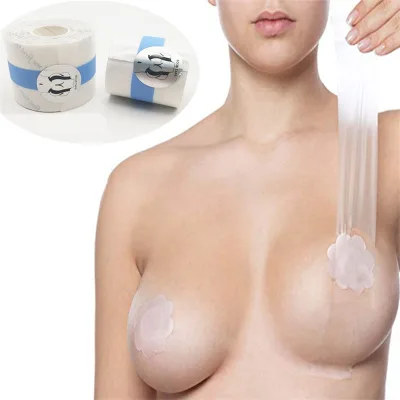
New Breast Tape Transparent Boob Tape for Cup a-G Latex Free Breast Lift Tape
$0.80 - $2.00
MOQ: 1 Pieces











Comprehensive Sourcing Guide
Invisible Strapless Breast Patch Supplier Concentration and Factory Types
The current supplier landscape for invisible strapless breast patches reveals a mix of manufacturers and trading companies operating within the apparel and accessories sector. These entities primarily focus on products such as nipple covers, invisible bras, sticky bra inserts, and boob tape, indicating a specialized concentration in intimate apparel accessories. The supply base demonstrates a capability for customized on-demand processing, including sample and graphic processing, which suggests that many suppliers possess in-house production facilities rather than acting solely as intermediaries. This dual presence of manufacturers and trading companies allows buyers to access both direct factory pricing and broader product ranges depending on their specific sourcing strategy.
When evaluating the concentration of these suppliers, it is essential to note that the available data points to a specific regional origin for the majority of listed products. The product attributes consistently indicate a place of origin in Guangdong, China, which serves as a significant manufacturing hub for textile and intimate apparel goods. Buyers should verify if this regional concentration holds true for their specific inquiries, as sourcing from this cluster can offer advantages in logistics and communication. However, without explicit confirmation of every supplier's physical location, buyers must treat this as a general trend rather than a universal rule for all potential partners.
How to Verify Invisible Strapless Breast Patch Suppliers
Verification of suppliers in this category requires a rigorous check of their system certifications and third-party validation status. The available data indicates that some suppliers hold ISO 9001, ISO 14001, and ISO 45001 certifications, alongside CE marks, which are critical for ensuring quality management and environmental compliance. Additionally, the presence of TüV Rheinland verification on certain supplier profiles provides a high-confidence layer of trust regarding their business legitimacy and operational standards. Buyers should prioritize partners who display these specific credentials to mitigate risks associated with substandard production or non-compliant materials.
Beyond certifications, the verification process must include an assessment of the supplier's response capabilities and sample handling procedures. The observed response time of nine units suggests a baseline for communication speed, though buyers should confirm if this applies to their specific time zone and inquiry volume. Furthermore, the availability of free samples and a sample lead time of one to three days serves as a practical metric for supplier reliability. Buyers should request samples to verify the physical quality of materials like non-woven fabric or 100% silicone before committing to larger orders, ensuring that the supplier can deliver on their promises regarding product care instructions and material composition.
What to Compare Across Invisible Strapless Breast Patch Suppliers
Comparing suppliers requires a detailed analysis of their minimum order quantities (MOQ) and pricing structures, which vary significantly across the product range. For instance, disposable nipple patches may have an MOQ of 50 pairs with a price range between 0.15 and 0.42 per unit, whereas solid silicone bras might offer an MOQ as low as one pair at a fixed price of 1.95. This disparity highlights the importance of aligning order volume with supplier capabilities, as some vendors cater to bulk wholesale while others accommodate small-batch or trial orders. Buyers must carefully calculate their total cost of ownership, including the impact of different MOQs on their inventory management and cash flow.
In addition to pricing and volume, the comparison should extend to lead times and service flexibility. The data shows a standard lead time of seven days for general orders, with specific support for seven-day sample order lead times. However, sample processing can be completed in as little as one to three days, indicating a tiered approach to fulfillment speed. Buyers should also evaluate the supply type, noting that many suppliers offer OEM and ODM services, allowing for customization of shapes, colors, and branding. Comparing these service dimensions ensures that the selected supplier can meet both immediate delivery needs and long-term branding requirements without compromising on quality or timeline.
Common Invisible Strapless Breast Patch Sourcing Risks
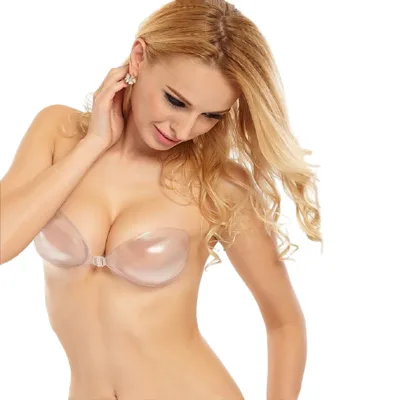
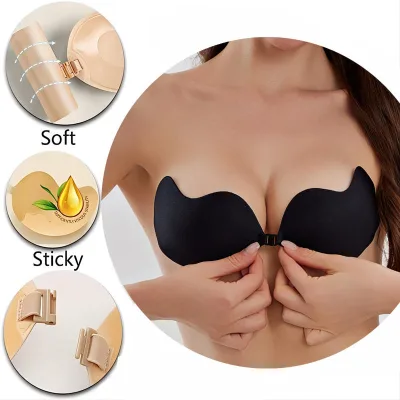
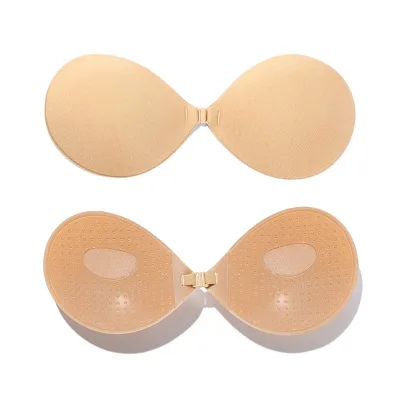
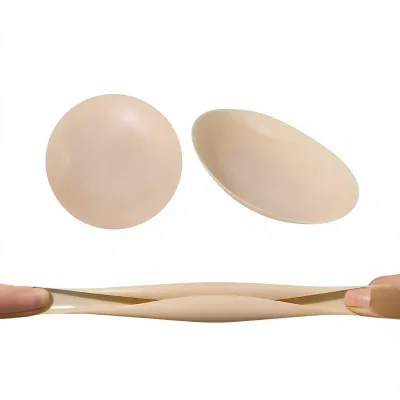
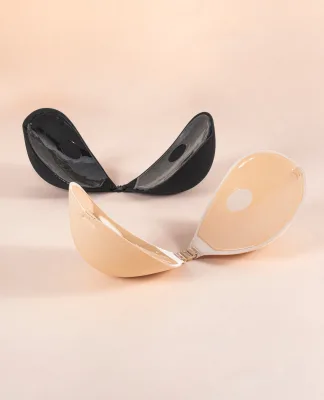
One significant risk in sourcing invisible strapless breast patches involves the variability in material composition and product durability. The product attributes list materials ranging from non-woven fabric to 100% silicone, with specific care instructions like handwashing only. If a buyer fails to verify the exact material specifications, they may receive products that do not meet the intended usage requirements, such as sweat resistance for sports or reusability for weddings. The distinction between removable and non-removable chest pads further complicates the selection process, as it directly impacts the user experience and the product's functional lifespan.
Another critical risk pertains to the consistency of quality control and safety standards across different suppliers. While some products list needle detection as a feature, this is not universally confirmed for all items in the category. Buyers must ensure that the supplier adheres to strict safety protocols, particularly regarding the adhesives used in nipple covers and breast patches, which come into direct contact with sensitive skin. The absence of explicit test results for every product in the current data set means that buyers cannot assume universal compliance with safety standards. Therefore, requesting specific test reports or certificates of analysis for adhesive strength and material safety is a necessary step to avoid potential liability and customer dissatisfaction.
Invisible Strapless Breast Patch Regional Sourcing and Logistics
The regional sourcing landscape for these products is heavily influenced by the concentration of manufacturing in Guangdong, China. This location is a well-established hub for textile production, offering efficient logistics networks and access to raw materials. The product attributes consistently cite Guangdong as the place of origin, suggesting that the majority of the supply chain is centralized in this region. Buyers should leverage this geographic concentration to negotiate favorable shipping terms and reduce lead times, as the proximity of factories to major ports can streamline the export process. However, buyers must verify the specific port of loading for each supplier to ensure accurate freight cost calculations.
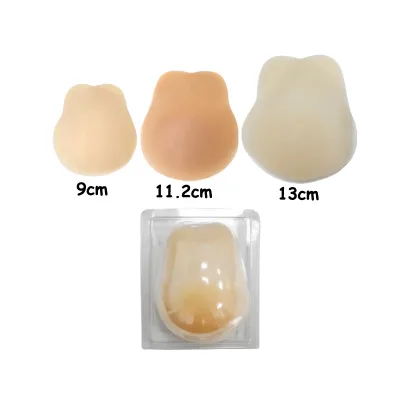
Logistics planning must also account for the specific packaging and weight characteristics of the products. The single package sizes vary from 8x8x2 cm for breast petals to 19x14x5.3 cm for silicone bras, with single gross weights ranging from 0.023 kg to 0.050 kg. These dimensions and weights are crucial for determining shipping costs, especially for air freight where volume and weight directly impact pricing. Buyers should request detailed packing lists and carton dimensions to optimize container loading and minimize shipping expenses. Additionally, understanding the seasonal demand patterns in the region can help in planning production schedules to avoid delays during peak manufacturing periods.
Invisible Strapless Breast Patch Commercial Terms and Order Planning
Commercial terms for invisible strapless breast patches often include flexible payment structures and clear service agreements. The data indicates that suppliers provide OEM and ODM services, which implies a need for detailed contracts covering design ownership, tooling costs, and production timelines. Buyers should clarify the terms for sample orders, noting that samples are freely provided but may have specific lead times of one to three days. Understanding the distinction between sample lead times and bulk order lead times is essential for effective inventory planning and market launch strategies.
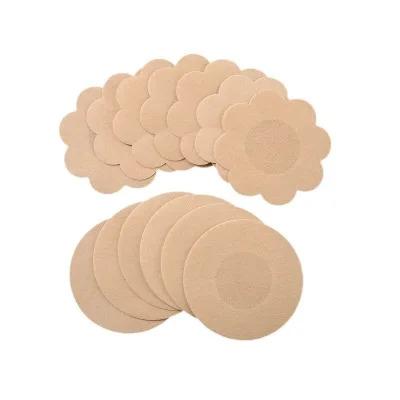
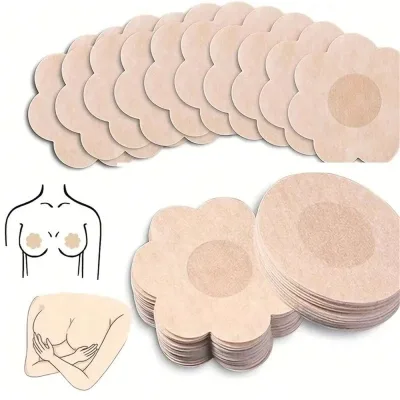
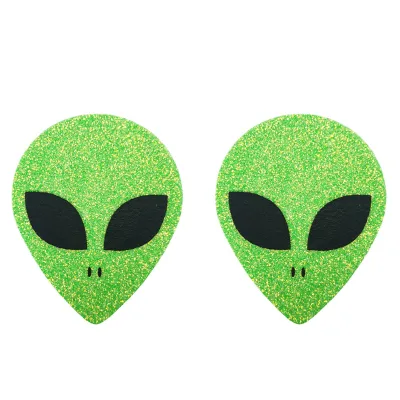
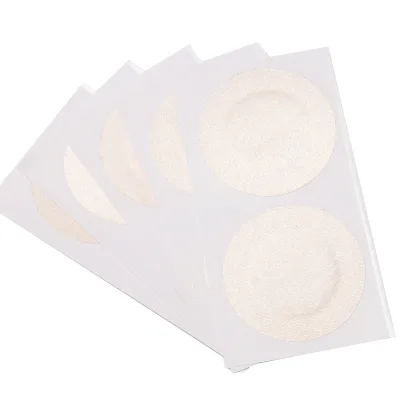
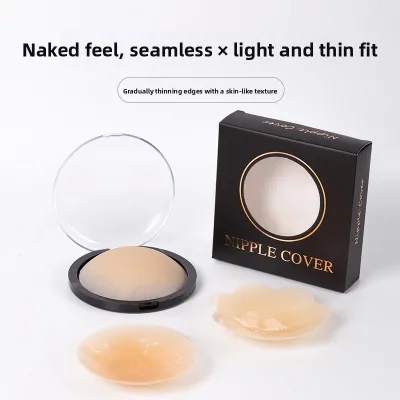
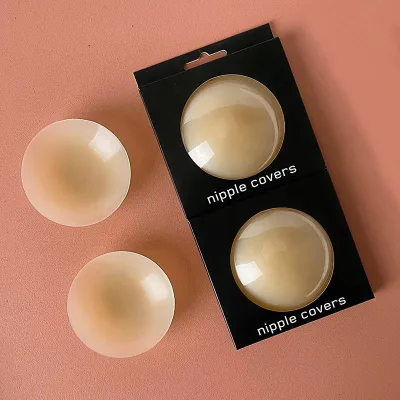
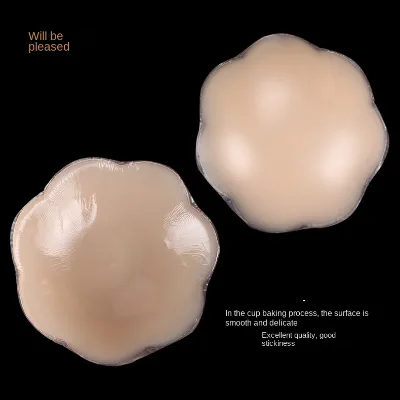
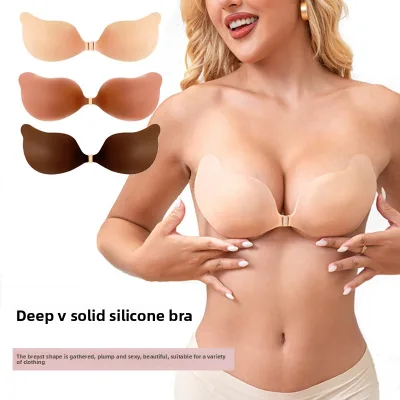
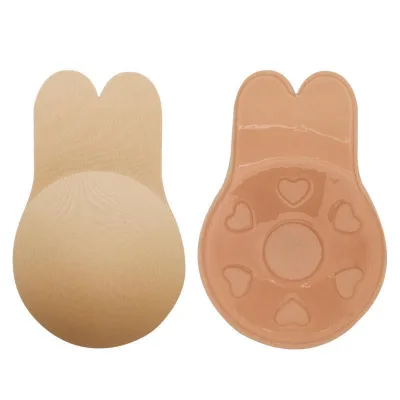
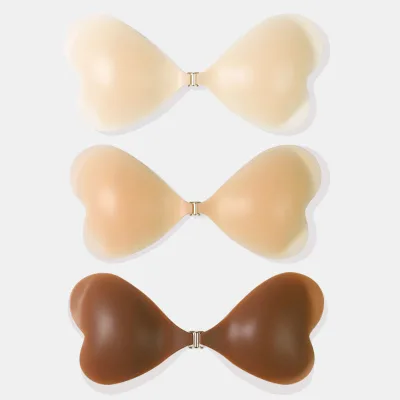
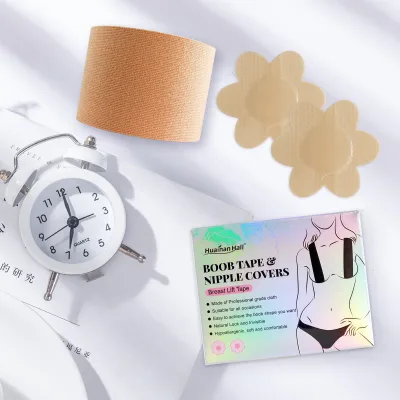
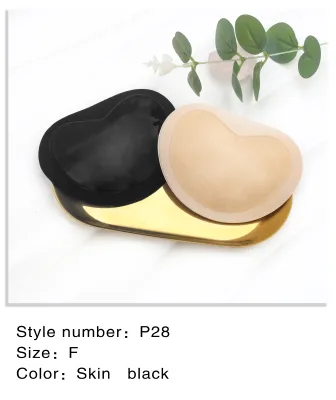
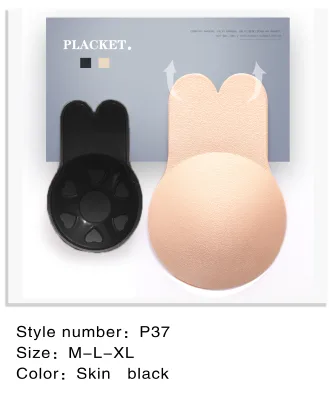
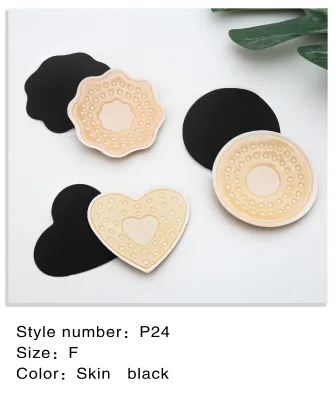
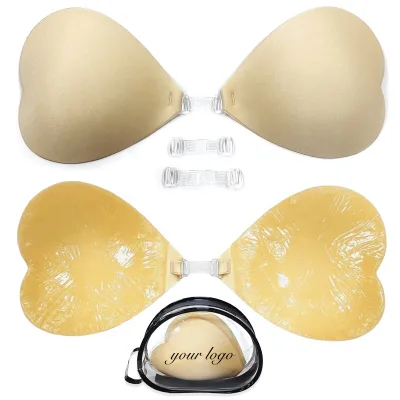
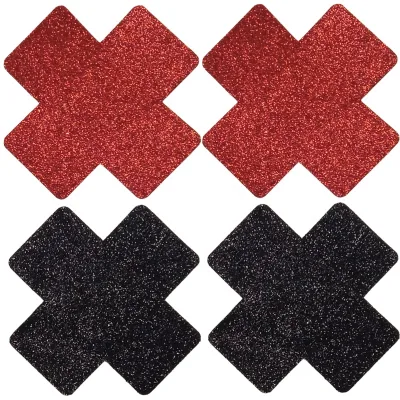
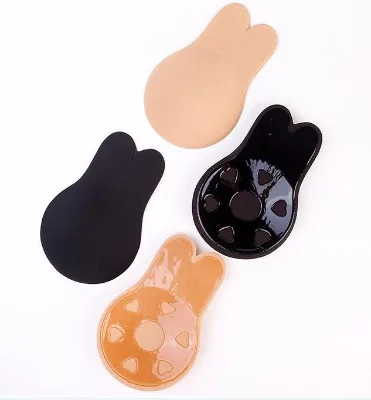
Order planning must also consider the specific product attributes that affect customization and final delivery. The availability of various shapes, such as round, flower, clover, and heart, along with different fabric types like satin and non-woven, requires precise communication with the supplier. Buyers should confirm the printing methods and logo placement options, as these details can significantly impact the final product appearance. Furthermore, the supply type being listed as OEM service suggests that buyers have the opportunity to brand the products, but this requires early engagement to ensure that all branding elements are correctly integrated into the production process.
FAQs
What are the typical lead times for sample orders?
Sample lead times are generally 1 to 3 days for most products. Some suppliers also support a 7-day sample order lead time for customized requests. This allows buyers to quickly evaluate product quality before placing larger bulk orders.
What is the minimum order quantity for nipple covers?
Minimum order quantities vary by product type. Disposable nipple covers often require a minimum of 50 pairs. However, some silicone bra options allow for a minimum order of just 1 pair. Buyers should check specific product details for exact requirements.
Are the products certified with international standards?
Yes, many suppliers hold ISO 9001, ISO 14001, and ISO 45001 certifications. Some products also carry CE certification. These certifications indicate adherence to quality management and safety standards for manufacturing processes and product safety.
What materials are used for invisible breast patches?
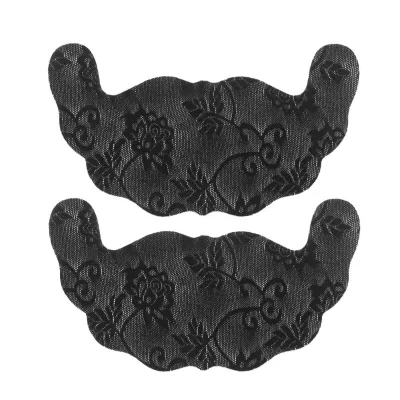
Products are commonly made from non-woven fabric or 100% silicone. Some variations include satin fabric or lace materials. The choice of material affects breathability and comfort, with options available for daily wear or specific events like weddings.
Do suppliers offer OEM and ODM services?
Yes, most suppliers provide OEM and ODM services for customization. Buyers can request specific designs, logos, or packaging. This service allows brands to create unique products tailored to their market needs while maintaining high quality standards.
How quickly do suppliers typically respond to inquiries?
Suppliers generally respond within 9 hours to buyer inquiries. This quick response time helps facilitate efficient communication regarding product specifications, pricing, and shipping details. Buyers can expect timely updates on their sourcing requests.
Where are these products manufactured?
The products are manufactured in Guangdong, China. This region is known for its extensive textile and lingerie manufacturing capabilities. Buyers sourcing from this location can access a wide variety of styles and materials for their specific needs.