Kids Wireless Walkie Talkie Suppliers and Manufacturers
Source 27 verified suppliers for Kids Wireless Walkie Talkie units. Compare grounded dimensions including lead times, MOQs, certifications, and response rates. Review product specs and request quotes to streamline procurement; review the available evidence before requesting comparable quotations from suitable candidates.
Suppliers List

BOND TELECOMMUNICATION CO., LIMITED
- Combined
- China Fujian
- Lead time15 days
- Avg. response≤ 20h
Main productsWalkie Talkie, Transceiver, Interphone, Two Way Radio, Portable Radio, Repeater Radio, Amateur Radio, Ham Radio, Marine Radio, Dual Band Radio
Main marketsSouth America,Africa,Southeast Asia/ Mideast,East Asia(Japan/ South Korea),Europe,Australia,North America

Dongguan Deluo Industry & Trade Co., Ltd.
- Verified by SGS
- Manufacturer/Factory
- China Guangdong
- Lead time23 days
- Avg. response≤ 4h
Main productsHeat Transfer Label, Label, Boxing Shorts, Heat Transfer Logo, Garment Logo, Silicone Label, Bjj Gi Kimono, Brazilian Jiu Jitsu Uniform, Muay Thai Shorts, PVC Patch
Main marketsSouth America,Eastern Europe,Mid East,North America,Southeast Asia,Eastern Asia,Oceania,Western Europe,Africa

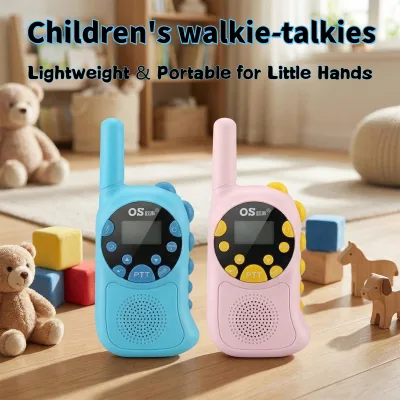
Two Way Radios Toys Children Mini Walkie Talkie Kids Zello Walkie Talkie
$8.99 - $9.90
MOQ: 120 Pieces

Walkie Talkies for Kids Adults Rechargeable Walkie Talkie with Charger Two-Way Radio Toy Set
$8.99 - $9.90
MOQ: 120 Pieces
Quanzhou Chierda Electronic Telecom Co., Ltd.
- Manufacturer, Trading Company
- Fujian, China
- Lead time1 days
- Avg. response≤ 7h
Main productsWalkie Talkie
Main marketsNorth America(20.0%), Southeast Asia(15.0%), Western Europe(10.0%), Southern Europe(10.0%), Africa(10.0%), Eastern Europe(10.0%), South Asia(5.0%), South America(5.0%), Oceania(5.0%), Northern Europe(5.0%), Mid East(5.0%)
Shenzhen Jiexunda Tech Co., Ltd.
- Verified by SGS Group
- Manufacturer, Trading Company
- Lead time15 days
- Avg. response≤ 2h
Main productsMagnetic Building Block, Education Toys, Seasonal Toys For Kids, Outdoor Kids Toys, Kids Electronic Toys
Main marketsWestern Europe(40%), North America(15%), Eastern Europe(8%)

Guangzhou Minxing Communication Equipment Co., Ltd.
- Verified by BV
- Trading Company
- China Guangdong
- Lead time15 days
- Avg. response≤ 4h
Main productsWalkie Talkie
Main marketsAfrica,Domestic,North America
Shenzhen Delanda Technology Co., Ltd.
- Verified by SGS Group
- Manufacturer, Trading Company
- Lead time3 days
- Avg. response≤ 2h
Main productsUnderwater camera, Kids Walkie Talkie, Digital Camera, Printing Camera, Screenless Retro camera
Main marketsDomestic Market(44%), Western Europe(25%), Eastern Europe(14%)
Nanning Hizbao Security Equipment Co., Ltd.
- Verified by SGS Group
- Trading Company
- Lead time15 days
- Avg. response≤ 3h
Main productsWalkie Talkie, Radio Accessories
Main marketsNorth America(20%), Western Europe(20%), Domestic Market(20%)

- Verified by BV
- Manufacturer/Factory
- China Fujian
- Lead time23 days
- Avg. response≤ 6h
Main productsTwo Way Radio, Walkie-Talkie, Mobile Radio, Repeater, Dmr Radio, Poc Radio
Main marketsSouth America,Eastern Europe,Mid East,North America,Southeast Asia,Eastern Asia,Oceania,Western Europe,Africa

Kids Walkie Talkie Tyt Th-M1 Walkie Talkie Kids 0.5W 2W Optional Walkie Talkie Kids
$18.00 - $25.00
MOQ: 100 Sets

Tyt Th-258 2 Way Radio Amateur Handheld Transceiver Portable Kids Walkie Talkie
$24.00 - $30.00
MOQ: 50 pieces


Tyt Walkie Talkie IP58 Rated Mobile Radio with Unlimited Communication Range
$93.00 - $100.00
MOQ: 50 units
Shanghai Biancheng Electronic Technology Co., Ltd.
- Manufacturer, Trading Company
- Shanghai, China
- Lead time7 days
- Avg. response≤ 2h
Main productswireless calling system,wireless guest calling system,coaster paging system,nurse call system,wireless tour guide system
Main marketsSouth Asia(40.0%), Northern Europe(20.0%), North America(15.0%), South America(10.0%), Eastern Europe(5.0%), Southern Europe(3.0%), Western Europe(3.0%), Africa(1.0%), Eastern Asia(1.0%), Southeast Asia(1.0%), Oceania(1.0%)
- Trading Company
- Zhejiang, China
- Lead time3 days
- Avg. response≤ 10h
Main productswalkie talkie,radio accessories,communication antenna,communication equipment,LED light
Main marketsSouth America(20.0%), North America(15.0%), Central America(10.0%), Western Europe(10.0%), Southern Europe(5.0%), Northern Europe(5.0%), Southeast Asia(5.0%), Eastern Europe(5.0%), Eastern Asia(5.0%), Mid East(5.0%), Oceania(5.0%), Africa(5.0%), South Asia(4.0%), Domestic Market(1.0%)
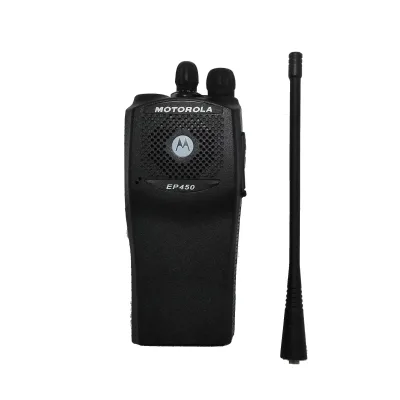
Best Quality Ep450 EP450 Two-way Radio
Contact supplier

Changsha Jiumo Security Technology Co., Ltd.
- Verified by BV
- Trading Company
- China Hunan
- Lead time15 days
- Avg. response≤ 2h
Main productsWalkie Talkie, Wireless Explainer, Wireless Pager, Anti-Theft Alarm
Main marketsDomestic


Mobile Radio Two-Way Wireless Walkie Talkie VHF Long Range Walkie Talkie
$158.00 - $168.00
MOQ: 2 Pieces

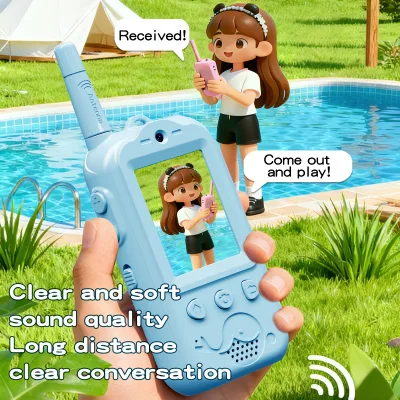
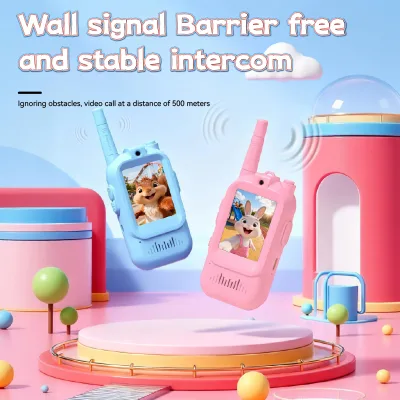
Parent-Child Interactive Birthday Gift 2.0 Inch IPS Video Call Walkie Talkie
$15.00 - $16.00
MOQ: 20 Pieces


IP68 Waterproof FM Radio Long Range Walkie Talkie VHF UHF Radio Portable Walkie Talkie
$40.00 - $45.00
MOQ: 2 Pieces


Jiangsu Crown Police Equipment Manufacturing Co., Ltd.
- Verified by SGS
- Combined
- China Jiangsu
- Lead time15 days
- Avg. response≤ 5h
Main productsAnti-Riot Helmet, Anti-Riot Shield, Pepper Spray, Tactical Vest, Helmet, Anti-Riot Suit
Main marketsSouth America,Africa,Southeast Asia/ Mideast,East Asia(Japan/ South Korea),Domestic,Europe,Australia,North America

Xiamen Aisite Technology Co., Ltd
- Verified by SGS
- Combined
- China Fujian
- Lead time15 days
- Avg. response≤ 2h
Main marketsDomestic


Portable Walkie Talkie Two Way Radio Handheld Walkie Talkie for Outdoor Communication
$85.00 - $89.00
MOQ: 2 Pieces

Factory Supply Mobile Phone Walkie Talkie Portable Two-Way Communication Radio
$100.00 - $105.00
MOQ: 10 Pieces

Shenzhen Xumeng Technology Co., Ltd.
- Verified by BV
- Trading Company,Manufacturer/Factory
- China Guangdong
- Lead time15 days
- Avg. response≤ 9h
Main productsEarphones, Phone Cases, Chargers, Data Cables, Memory Card, Smart Watch, Watch Straps, Speaker, Phone Battery
Main marketsSouth America,Eastern Europe,Mid East,North America,Southeast Asia,Eastern Asia,Oceania,Western Europe,Africa


Newest Video Walkie Talkie Children's Toy Supports Use at a Distance of 500 M
$9.65 - $11.15
MOQ: 60 Pieces

Quanzhou Jimao Electronic Commerce Co., Ltd.
- Verified by SGS
- Manufacturer/Factory
- China Fujian
- Lead time15 days
- Avg. response≤ 4h
Main productsWalkie Talkie, Two Way Radio, Walkie Talkie Repeater, Network Walkie Talkie, Mobile Car Radio, Walkie Talkie Antenna, Walkie Talkie Headset, Intercom, GSM Walkie Talkie, Walkie Talkie Accessories
Main marketsSouth America,Eastern Europe,Mid East,North America,Southeast Asia,Eastern Asia,Oceania,Western Europe,Africa
Shenzhen Gaodashang Electronics Co., Ltd.
- Verified by Intertek
- Manufacturer, Trading Company
- Lead time15 days
- Avg. response≤ 2h
Main productsKaraoke Microphone, Lavalier Microphone, Karaoke Machine, Kids Camera, Portable Speaker
Main marketsNorth America(30%), South America(18%), Eastern Europe(10%)

Quanzhou Hengluda Electronic Technology Co., Ltd.
- Manufacturer, Trading Company
- Fujian, China
- Lead time15 days
- Avg. response≤ 2h
Main productswalkie talkie,two way radio,intcom,poc radios,Analog radio
Main marketsNorth America(28.88%), Domestic Market(20.01%), South America(14.800000000000002%), South Asia(12.659999999999998%), Eastern Europe(7.9%), Africa(4.66%), Mid East(3.55%), Western Europe(3.0%), Southern Europe(2.88%), Northern Europe(1.66%)

Quanzhou Saiwei Technology Co., Ltd.
- Verified by SGS
- Combined
- China Fujian
- Lead time15 days
- Avg. response≤ 22h
Main marketsDomestic


LED Screen Customization Efficient Advanced Dmr Radio Walkie Talkie for Safe Communication
$79.00 - $89.00
MOQ: 1 Pieces


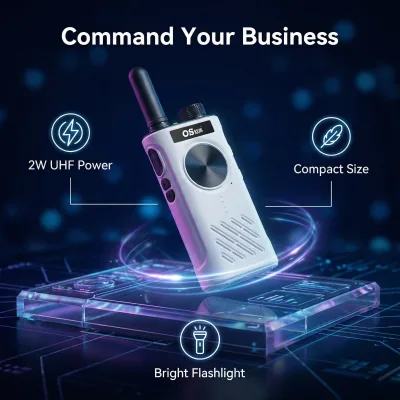
2W New Arrival License Free PMR446 Walkie Talkie Outdoor Radios Kids Radios Tc98
$9.80 - $12.80
MOQ: 10 Pieces

- Verified by SGS
- Trading Company,Manufacturer/Factory
- China Guangdong
- Lead time15 days
- Avg. response≤ 7h
Main productsPhone Case, PU Leather Cover, Earphone, Magsafe Card Holder
Main marketsSouth America,Eastern Europe,Mid East,North America,Southeast Asia,Eastern Asia,Oceania,Western Europe,Africa

$13.35 - $13.45
MOQ: 100 Pieces


- Verified by BV
- Trading Company
- China Fujian
- Lead time23 days
- Avg. response≤ 4h
Main productsMouth Care and Soap, Field Kitchen Trailer, Camping Tents, Boots and Shoes, Camo Uniform and Clothes, Outdoor Backpacks and Bags, Camouflage Net and Ghillie Suit, Blankets and Sleeping Bags, Canteens and Mess Tins, Tactical Helmet
Main marketsSouth America,Africa,Southeast Asia/ Mideast,East Asia(Japan/ South Korea),Europe,Australia,North America
Shenzhen Qianbao Technology Co., Ltd.
- Trading Company
- Guangzhou, China
- Lead time7 days
- Avg. response≤ 12h
Main productsGraphic card,CPU,Motherboard,Cooling plate,Fans
Main marketsNorth America(20.0%), Northern Europe(10.0%), Domestic Market(10.0%), Eastern Europe(10.0%), Mid East(10.0%), Western Europe(8.0%), Southern Europe(8.0%), Southeast Asia(5.0%), South America(5.0%), Eastern Asia(5.0%), Central America(3.0%), Africa(2.0%), South Asia(2.0%), Oceania(2.0%)

- Manufacturer, Trading Company
- Fujian, China
- Lead time60 days
- Avg. response≤ 1h
Main productsWalkie Talkie, RF Remote Control, Smart Switch Kits, PCBA
Main marketsNorth America(50.0%), Southern Europe(20.0%), South America(15.0%), Eastern Europe(15.0%)
Shenzhen Gotodo Technology Co., Ltd.
- Verified by TüVRheinland
- Trading Company
- Lead time21 days
Main productsStylus Pen, AI Glasses, AI Translator, Camping Lights, Smart Socket
Main marketsNorth America(41%), South America(21%), Eastern Europe(13%)

Fujian Belfone Communications Technology Co., Ltd.
- Verified by SGS
- Combined
- China Fujian
- Lead time30 days
- Avg. response≤ 4h
Main productsWalkie Talkie, Two Way Radio, Amateur Ham Radio, Dmr Radio, Mobile Radio, Poc Radio, VHF UHF Repeater Base Station, VHF UHF Radio Transceiver, Radio Communication System, ATEX Explosion-Proof Radio
Main marketsSoutheast Asia/ Mideast

- Combined
- China Guangdong
- Lead time23 days
- Avg. response≤ 3h
Main productsPromotion Gift, Toy, Flashing Item, Free Gift, Business Gift, Novelty
Main marketsAfrica,Europe,North America


New Uu Walkie Talkie Outdoor Hiking Cycling, Mini Wireless Micro High-Definition
$2.80 - $3.60
MOQ: 100 Pieces
Guangzhou Minxing Communications Equipment Co., Ltd.
- Verified by SGS Group
- Trading Company
- Lead time7 days
- Avg. response≤ 2h
Main productsDigital Two-Way Radio/Analog Two-Way Radio/Communication Equipment/Mobile Phones, CCTV
Main marketsDomestic Market(22%), Africa(11%), South America(10%)

- Verified by SGS
- Combined
- China Fujian
- Lead time45 days
- Avg. response≤ 1h
Main productsTwo Way Radio, Walkie Talkie, Transceiver, Interphone, Wireless Communication Device, Digital Mobile Radio, Mobile Radio, PMR Dmr, Intercome, Vehicle Station Repeater
Main marketsSoutheast Asia/ Mideast,Domestic


Iradio Mini Digital Dp-168 Walkie Talkie for Low Power and Best Selling Two Way Radio
$35.00 - $40.00
MOQ: 1 pieces


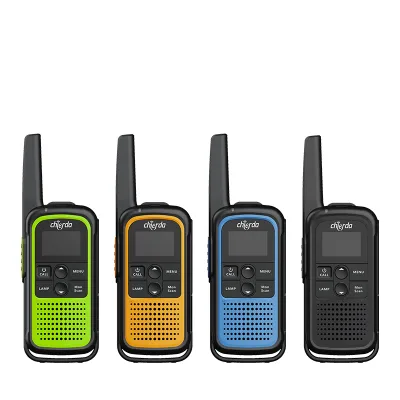
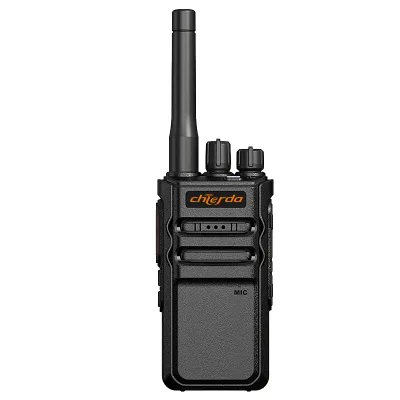
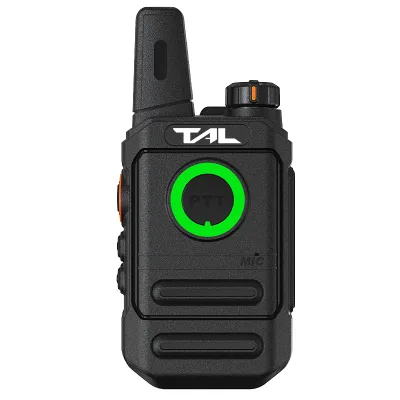
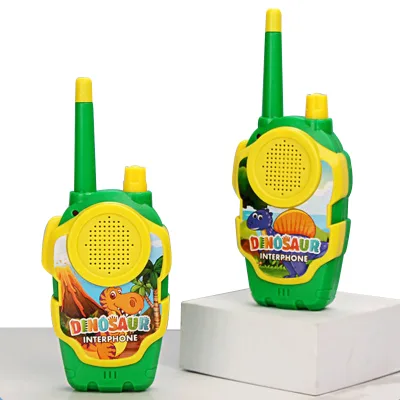


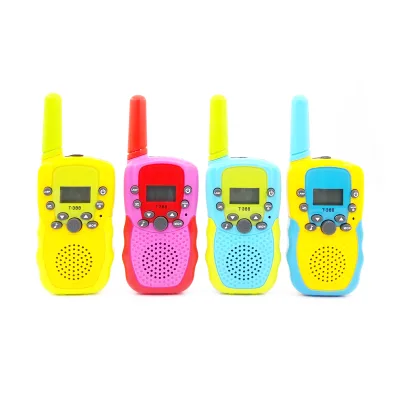
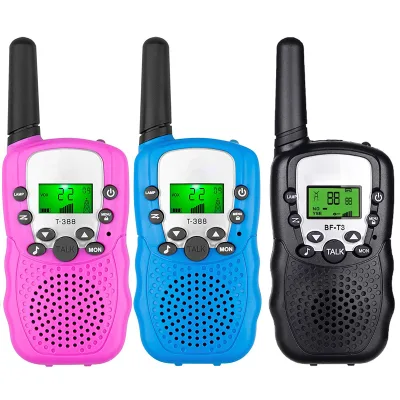
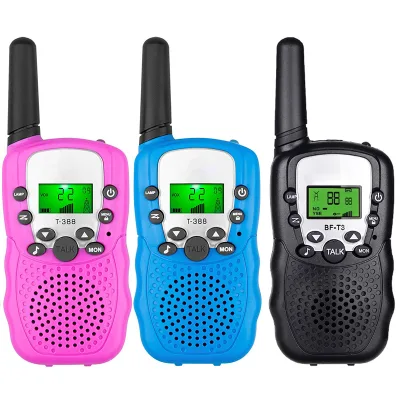
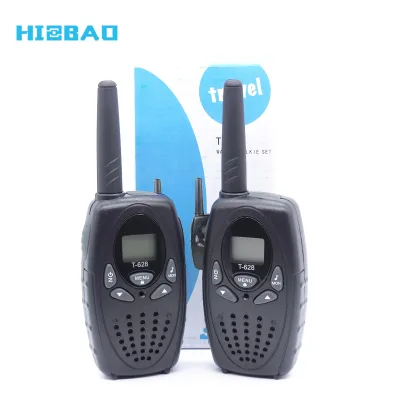




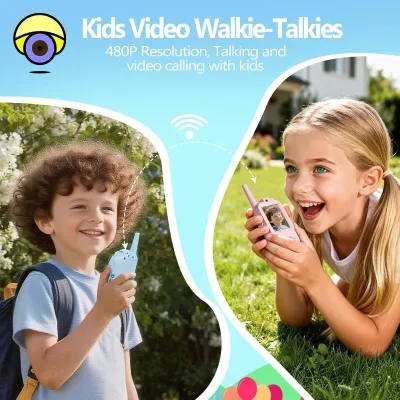


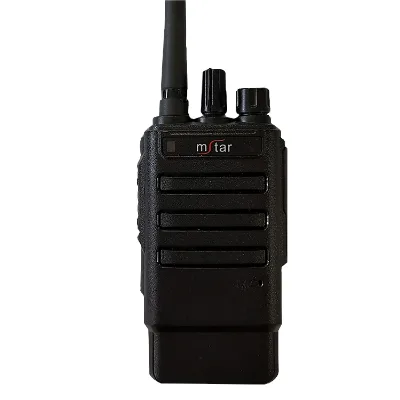
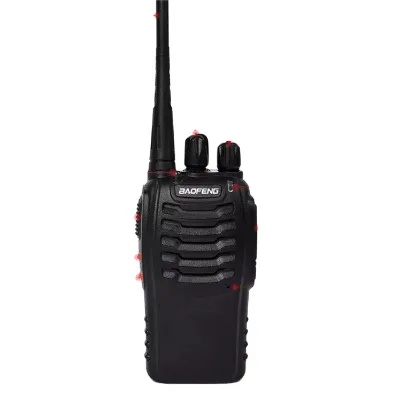
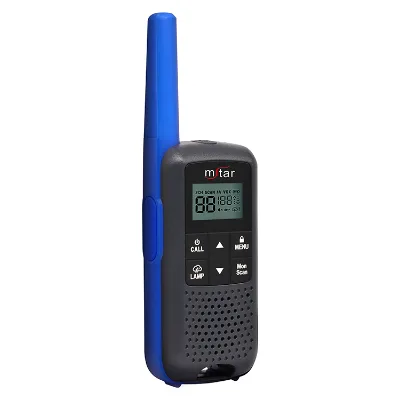
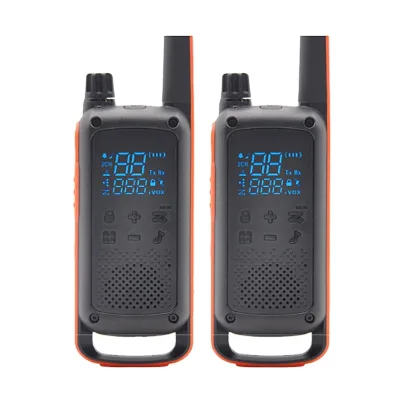
Comprehensive Sourcing Guide
Kids Wireless Walkie Talkie Supplier Concentration and Factory Types
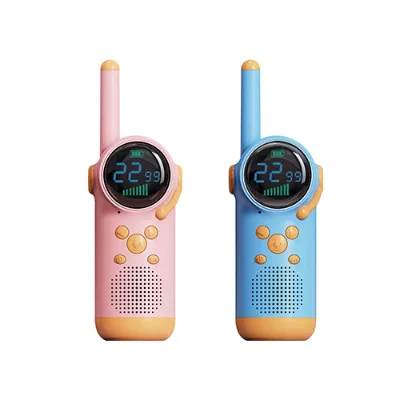
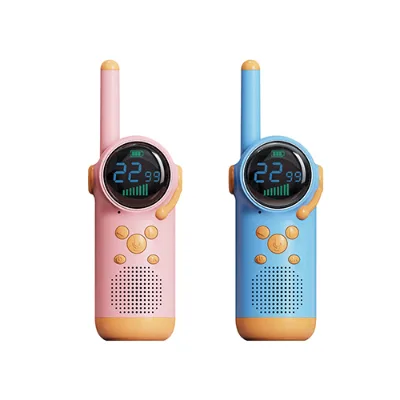
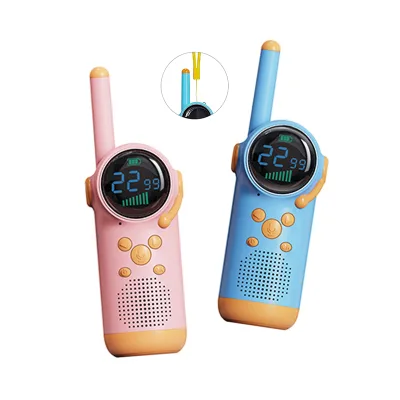
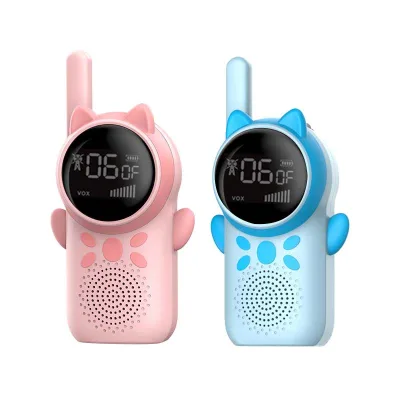
Current data indicates that suppliers for children's wireless walkie talkies are concentrated in specific Chinese provinces, with Fujian and Guangdong emerging as primary manufacturing hubs. Fact sheets show a mix of company types, including combined entities and dedicated manufacturers or factories. For instance, one observed supplier in Fujian lists a combined company type, while another in Guangdong operates explicitly as a manufacturer or factory. These locations often host facilities capable of handling both Original Design Manufacturing and Original Equipment Manufacturing, allowing for flexible production of handheld transceivers and dual-band radios. Buyers should verify if a supplier's stated location matches their actual factory presence, as some trading companies may list a city without owning production lines.
When assessing factory types, look for explicit labels such as "Manufacturer/Factory" versus "Combined" or "Trading Company" in the supplier profile. A manufacturer typically offers direct control over the production process, which can influence lead times and customization capabilities. In the observed results, some suppliers claim ODM and OEM capacities, suggesting they can adapt designs for specific frequency ranges or power outputs. However, the presence of a "Combined" type does not automatically imply a lack of manufacturing capability; it may indicate a hybrid model where the entity manages both sales and production. Buyers must confirm the physical location of the factory to ensure it aligns with the claimed origin, such as Quanzhou or other specific cities within the province, to avoid logistical misunderstandings.
How to Verify Kids Wireless Walkie Talkie Suppliers
Verification begins with checking for third-party audit reports and system certifications that validate the supplier's operational standards. Some observed suppliers display ISO 9001 certification, which indicates a commitment to quality management systems, while others may show specific product certifications like RoHS or CE on their item listings. It is crucial to distinguish between company-level system certifications and product-specific compliance marks. For example, a supplier might hold an ISO 9001 certificate but lack specific product testing data for the walkie talkies they sell. Buyers should request current audit reports from recognized agencies like SGS to confirm the supplier's verified status, as this provides a higher level of confidence than self-declared claims.
Response time and verification badges are also critical indicators of supplier reliability. Data shows response times varying significantly, with some suppliers responding in under four hours while others take nearly twenty hours. A faster response time often correlates with a more active sales team and better communication channels, which is vital for resolving technical queries about frequency ranges or battery specifications. Additionally, look for verification badges such as "SGS Verified" on the supplier profile. These badges suggest that an independent party has reviewed the company's business license and factory conditions. Buyers should not rely solely on the presence of a badge but should cross-reference it with the supplier's history and the specific products they claim to manufacture to ensure consistency.
What to Compare Across Kids Wireless Walkie Talkie Suppliers
When evaluating multiple suppliers, compare key operational metrics such as lead time, minimum order quantity, and response speed to determine the best fit for your project. Observed lead times range from fifteen days to twenty-three days, which can significantly impact your inventory planning and time-to-market. Similarly, minimum order quantities vary widely, with some suppliers requiring as few as fifty units while others demand five hundred or more. These thresholds directly affect your initial capital outlay and risk exposure. A supplier with a lower MOQ might be preferable for testing a new market, whereas a higher MOQ supplier might offer better unit economics for large-scale distribution.
Product specifications and customization options are another vital comparison point. Different suppliers offer varying frequency ranges, output powers, and channel counts, such as models with 16 channels versus those with 99 channels. Some products feature displays, while others do not, and output power can range from 1W to 5W. Buyers must match these technical attributes to their target audience's needs, ensuring the radio operates within legal frequency bands for their region. Additionally, check if customization is available for branding or specific feature sets. While some suppliers list customization as available, the extent of this service and the associated costs should be clarified before placing an order to avoid unexpected expenses or delays in production.
Common Kids Wireless Walkie Talkie Sourcing Risks
One significant risk involves the discrepancy between claimed product certifications and actual compliance. While many listings display RoHS and CE marks, these certifications must be valid for the specific model being purchased. A supplier might claim a product is CE certified, but without a valid test report, the product could fail to meet safety standards in your destination market. This is particularly critical for children's toys, where safety regulations are stringent. Buyers should request the specific test reports for the exact model number they intend to order, rather than accepting generic certification claims that may apply to a different product line.
Another risk is the inconsistency in lead times and production capacity. Some suppliers list a lead time of fifteen days, while others indicate twenty-three days, and these figures can fluctuate based on order volume or raw material availability. If a supplier promises a short lead time but lacks the capacity to handle your order volume, delays can occur, disrupting your supply chain. Furthermore, the "Combined" company type might imply a reliance on third-party factories, which introduces an additional layer of uncertainty regarding quality control and delivery schedules. Buyers should verify the supplier's ability to meet their specific volume requirements and confirm that the stated lead time is realistic for their current production load.
Kids Wireless Walkie Talkie Regional Sourcing and Logistics
Sourcing from China involves navigating logistics from specific manufacturing clusters, primarily in Fujian and Guangdong provinces. These regions are known for their electronics manufacturing ecosystems, which support the production of walkie talkies and related accessories. When sourcing from these areas, buyers should consider the proximity of the factory to major ports, as this can influence shipping costs and transit times. For instance, suppliers located in Quanzhou, Fujian, or other cities in Guangdong may have different logistical advantages depending on the destination port. Understanding the specific origin city helps in estimating the inland transportation costs before the goods reach the international shipping hub.
Logistics planning must also account for the packaging and dimensions of the products. Observed products come in various packaging types, such as paper boxes, and have specific dimensions that affect container loading efficiency. For example, some models have dimensions around 55.3x39x136.5mm, which impacts how many units can be shipped per container. Buyers should calculate the total volume and weight of their order to optimize shipping costs. Additionally, consider the lead time for production when planning the logistics schedule. A longer lead time, such as twenty-three days, requires earlier planning to ensure goods are ready for shipment before the desired delivery date, preventing stockouts or missed market opportunities.
Kids Wireless Walkie Talkie Commercial Terms and Order Planning
Commercial terms, including pricing and payment conditions, vary significantly across suppliers and must be carefully negotiated. Observed price ranges for similar products can differ, with some listings showing prices between 8.99 and 9.90 USD per unit, while others may have different pricing structures based on volume. Buyers should request detailed price quotes that include all costs, such as packaging, labeling, and any customization fees. It is essential to understand the total landed cost, which includes the product price, shipping, insurance, and duties, to ensure the project remains profitable. Clear communication about payment terms, such as deposit percentages and balance due dates, is necessary to avoid financial disputes.
Order planning requires aligning the supplier's capabilities with your business goals, particularly regarding customization and volume. Some suppliers offer customization for branding or specific features, but this may require a higher minimum order quantity or a longer lead time. Buyers should plan their orders to balance the need for customization with the constraints of the supplier's production capacity. Additionally, consider the scalability of the supplier; if your order volume increases, can the supplier handle the expansion without compromising quality or delivery times? Establishing a clear timeline for production, quality checks, and shipping is crucial for successful order execution. Regular communication with the supplier throughout the process helps mitigate risks and ensures that the final product meets your expectations.
FAQs
What certifications do the kids walkie talkies have?
Most models listed carry RoHS and CE certifications to ensure safety and compliance. Some products also include FCC certificates for broader market access. Buyers should verify specific product attributes for the exact certification status before placing an order.
What is the minimum order quantity for these radios?
Minimum order quantities vary significantly by model, ranging from 50 units for standard handhelds to 500 units for specific wholesale versions. Some educational toy sets require a minimum of 120 units. Please check the specific product page for the exact MOQ.
How long does it take to receive an order?
Lead times for these products typically range from 15 to 23 days depending on the supplier and order volume. Some manufacturers in Fujian offer faster turnaround times compared to those in Guangdong. Confirm the specific delivery schedule with the supplier before finalizing.
Can these walkie talkies be customized for branding?
Yes, customization is available for many models including OEM and ODM services. Suppliers offer options for custom logos, colors, and packaging to meet specific brand requirements. Buyers should discuss their customization needs directly with the manufacturer to confirm feasibility.
What is the typical talk range for these devices?
Talk ranges vary by model, with some offering up to 3 kilometers maximum distance in open areas. Basic toy versions may have a shorter range of around 1 kilometer. The actual distance depends on environmental factors and the specific frequency range used.
Where are these suppliers located and how fast do they respond?
Suppliers are primarily located in Fujian and Guangdong provinces in China. Response times vary, with some suppliers replying within 3.45 hours while others may take up to 19.34 hours. Faster response times often indicate more active sales teams ready to assist.
What frequency bands do these kids radios operate on?
These devices operate on various bands including UHF segments like 400-480MHz and specific PMR/LPD frequencies. Some models cover ranges from 67.5125MHz to 467.675MHz. Ensure the selected frequency complies with local regulations for children's toys and communication devices.