Mobile Phone Chain Suppliers and Manufacturers
Source 22 verified Mobile Phone Chain suppliers from China. Compare key dimensions including location, lead times, MOQ, and response rates. Review product specifications and pricing to identify suitable partners for your procurement needs; review the available evidence before requesting comparable quotations from suitable candidates.
Suppliers List

Jinjiang Jiaxing Supply Management Co., Ltd.
- Verified by TUVRHEINLAND
- Trading Company
- China Fujian
- Lead time30 days
- Avg. response≤ 1h
Main productsEVA Clogs, Flip Flop, Shoe Charms, Shopping Bags, Wristbands, Gifts, Promotional Gifts, Slipper, Sport Cap, Ball
Main marketsNorth America
Shenzhen Top Intelligence Co., Ltd.
- Manufacturer, Agent
- Guangdong, China
- Lead time7 days
- Avg. response≤ 2h
Main productssmart watches,watch straps,watch cases,earphones,earphone cover
Main marketsSouth America(20.0%), North America(20.0%), Southeast Asia(12.0%), Southern Europe(7.000000000000001%), Western Europe(7.000000000000001%), Central America(6.0%), Africa(5.0%), Eastern Europe(5.0%), Northern Europe(5.0%), Mid East(5.0%), Oceania(3.0%), South Asia(3.0%), Eastern Asia(2.0%)

- Verified by SGS
- Trading Company
- China Zhejiang
- Lead time23 days
- Avg. response≤ 3h
Main productsBaseball Cap, Hat, Handbag, Duffle Bag, UV Hat, Sport Cap, Sport Hat, Travel Bag, Cosmetic Bag, Storage Bag
Main marketsSouth America

Guangzhou Bida Trading Co., Ltd.
- Trading Company
- Guangdong, China
- Lead time5 days
- Avg. response≤ 4h
Main productsMobile Phone Protection Cases,Cell Phone USB Cable,Mobile Phone Screen Protector,Mobile Phone Touch Panel,Cell Phone Repairing Tools
Main marketsNorth America(47.5%), Western Europe(45.0%), Southeast Asia(5.0%), South America(2.5%)
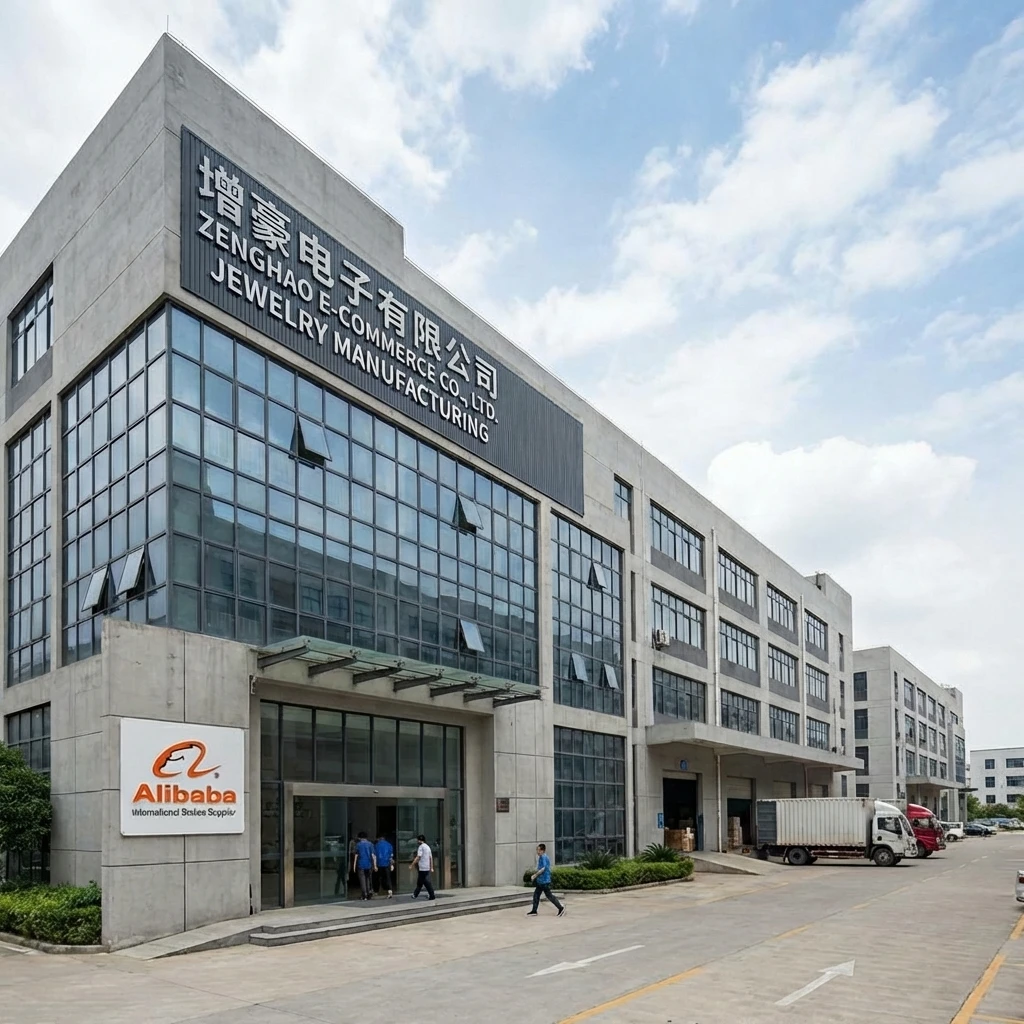
Yiwu Zenghao E Commerce Corporation
- Trading Company
- Zhejiang, China
- Lead time30 days
- Avg. response≤ 5h
Main productsnecklace,earring,bracelet,ring,keychain
Main marketsCentral America(40.0%), Eastern Europe(10.0%), Western Europe(10.0%), North America(5.0%), Domestic Market(5.0%), Mid East(5.0%), Oceania(5.0%), Southern Europe(5.0%), Northern Europe(5.0%), South Asia(3.0%), South America(2.0%), Africa(2.0%), Southeast Asia(2.0%), Eastern Asia(1.0%)

Shandong Rangde Garments Co.,Ltd
- Verified by CTI
- Trading Company
- China Shandong
- Lead time30 days
- Avg. response≤ 3h
Main productsT-Shirt, Clothing
Main marketsEast Asia(Japan/ South Korea)
Guangzhou Ding Xing Jewelry Co., Ltd.
- Manufacturer, Trading Company
- Guangdong, China
- Lead time15 days
- Avg. response≤ 4h
Main productsPhone Chain,Key Chain,Bag Strap Chain,Acrylic Beads,Phone Charm Strap
Main marketsWestern Europe(9.0%), Domestic Market(7.000000000000001%), South Asia(7.000000000000001%), Southern Europe(7.000000000000001%), Northern Europe(7.000000000000001%), Central America(7.000000000000001%), North America(7.000000000000001%), Eastern Asia(7.000000000000001%), Mid East(7.000000000000001%), Oceania(7.000000000000001%), Africa(7.000000000000001%), Southeast Asia(7.000000000000001%), Eastern Europe(7.000000000000001%), South America(7.000000000000001%)
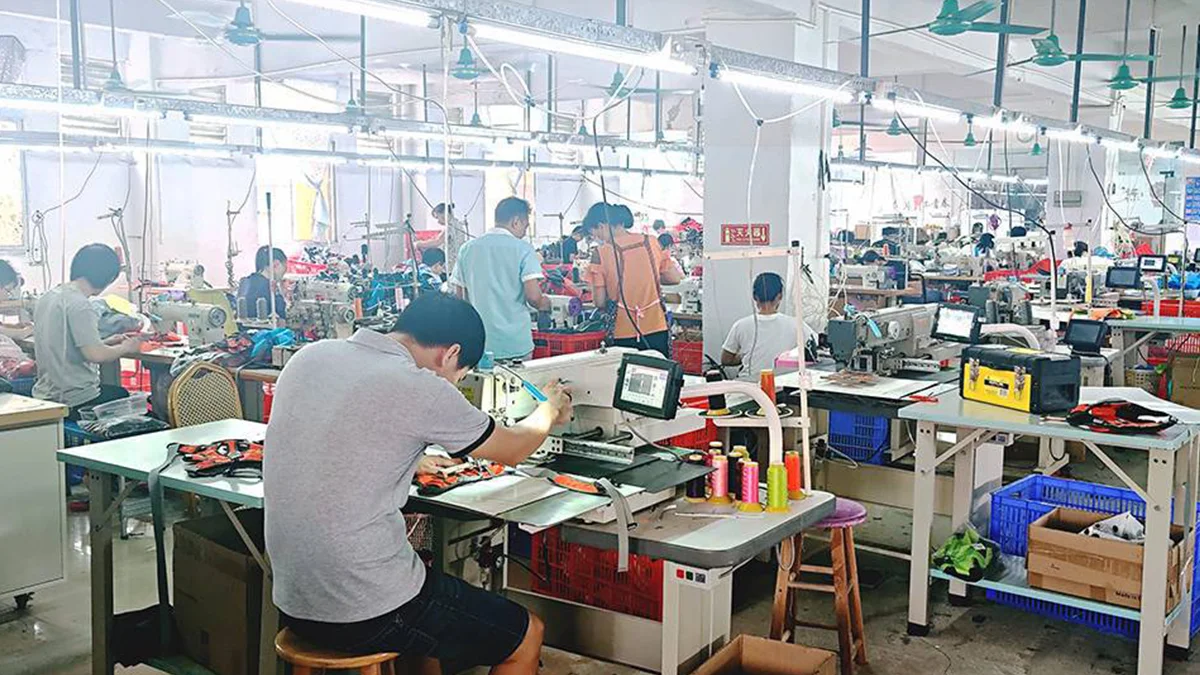
Dongguan Anfeng Outdoor Products Co., Ltd.
- Trading Company
- Guangdong, China
- Lead time35 days
- Avg. response≤ 20h
Main productsphone lanyard,webbing,Keychain,Mobile Phone Straps,mini bag
Main marketsEastern Asia(30.0%), Domestic Market(30.0%), Northern Europe(20.0%), North America(10.0%), Southern Europe(10.0%)

- Verified by SGS
- Trading Company,Manufacturer/Factory
- China Guangdong
- Lead time23 days
- Avg. response≤ 13h
Main productsPersonal Lanyard, Vape Lanyard, CPE Bag, PE Bag, PVC Bag, OPP Bag, Zip Bag, Bottle Lanyard, Fan Lanyard, Custom Lanyard
Main marketsSouth America,Eastern Europe,Mid East,North America,Southeast Asia,Eastern Asia,Oceania,Western Europe,Africa

- Verified by TUVRHEINLAND
- Trading Company,Manufacturer/Factory
- China Jiangsu
- Lead time23 days
- Avg. response≤ 3h
Main productsMedal, Coin, Lapel Pin, PVC Patch, Embroidery Patch, Keychain, Button Badge, Silicone Wristband, Lanyards, Gift
Main marketsSouth America,Eastern Europe,Mid East,North America,Oceania,Western Europe
Guangzhou Lumei Trading Co., Ltd.
- Trading Company
- Lead time旺季: "1 - 1000":16,"> 1000":"To be negotiated", 淡季: "1 - 1000":16,"> 1000":"To be negotiated"
- Avg. response≤ 5h
Main productsPhone Case,Screen Protector,Laptop Bags,Tablet Sleeve,Watch band

Jinjiang Naike Eco Technology Co., Ltd.
- Verified by SGS
- Trading Company
- China Fujian
- Lead time30 days
- Avg. response≤ 1h
Main productsKeychain, Promotional Gifts, Shoes Charm, Straw Toppers, Pencil Toppers, Christmas Decoration, Party Decoration, Toy, Metal Craft, Silicone Products
Main marketsEurope,North America


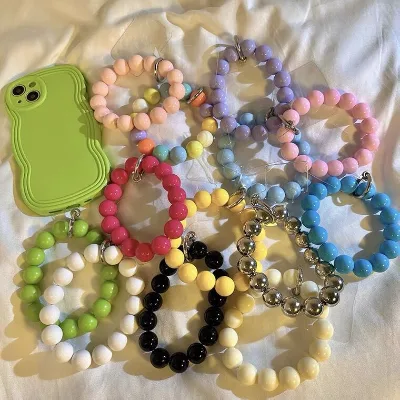
Hot Sale Sweet Cute Candy Color Mobile Phone Chain Anti Loss Cell Phone Beaded Lanyard
$0.58 - $0.75
Moq: 1000


Wholesale High Quality Multifunctional Mobile Phone Lanyard for Hanging Accessories
$0.61 - $0.75
Moq: 1000
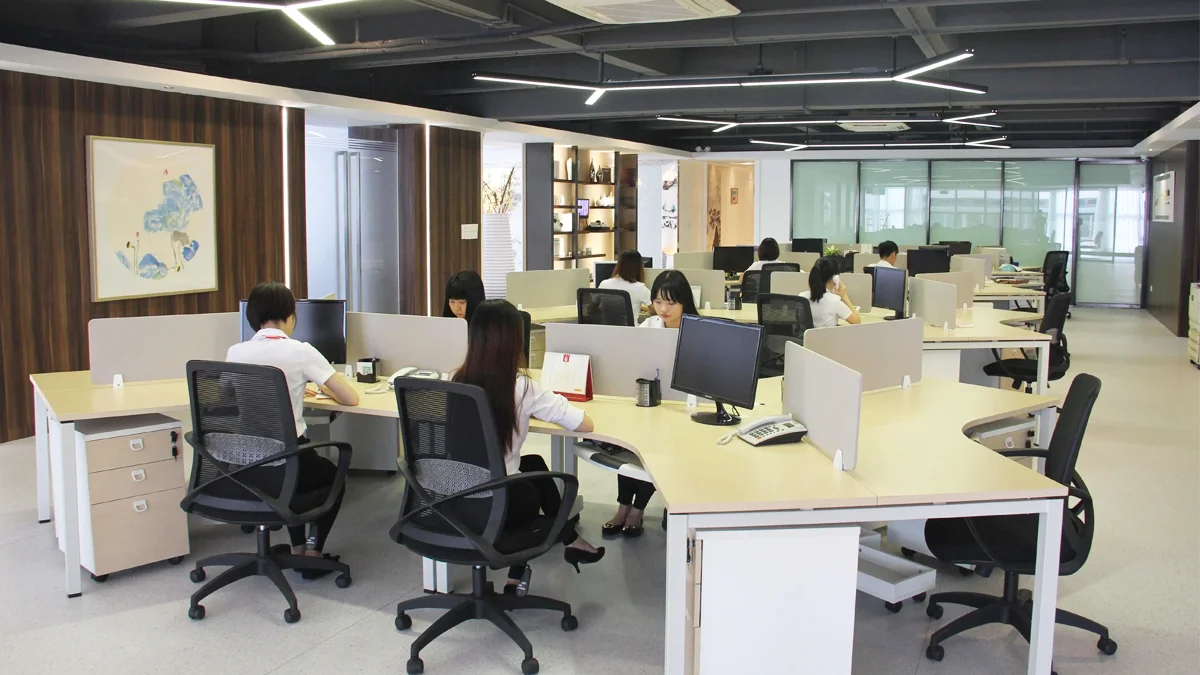
Shenzhen Eryi Craft Gift Co., Ltd.
- Manufacturer, Trading Company
- Guangdong, China
- Lead time20 days
- Avg. response≤ 2h
Main productsLanyard,Keychain,Phone lanyard,wrist lanyard,phone chain
Main marketsNorth America(50.0%), Eastern Europe(30.0%), Western Europe(10.0%), Mid East(10.0%), Oceania(10.0%)

- Manufacturer/Factory
- China Henan
- Lead time15 days
- Avg. response≤ 14h
Main productsRibbons and Printed Ribbons, Sticker Label, Hang String Seal /Seal Tags/ Hang Tags String, Cotton Tape, Silicone Products, Nail Files, Lanyard
Main marketsSouth America,Eastern Europe,Mid East,North America,Southeast Asia,Eastern Asia,Oceania,Western Europe,Africa
Dongguan Yide Craft Products Co., Ltd.
- Manufacturer
- Guangdong, China
- Lead time25 days
- Avg. response≤ 3h
Main productsWatch strap,Mobile phone lanyard,phone case,Mobile phone holder
Main marketsSouth America(50.0%), North America(50.0%)
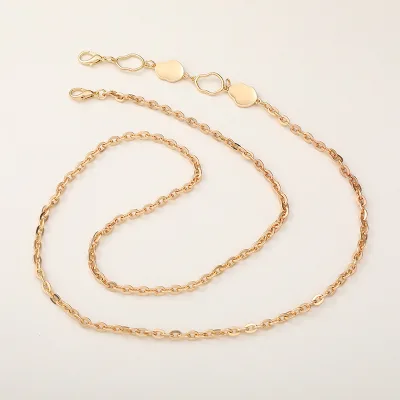
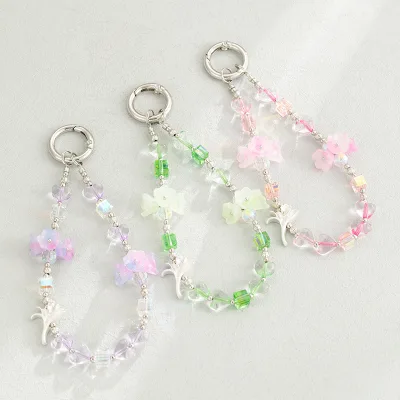
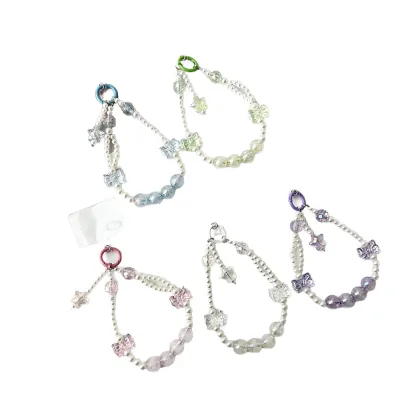
New Ins High-end Light Color Versatile Bead Chain, Anti-lost Ring Mobile Phone Pendant
Contact supplier
Moq: 20
Dongguan Huicai Rope Products Co., Ltd.
- Manufacturer, Trading Company
- Guangdong, China
- Lead time10 days
- Avg. response≤ 6h
Main productsPolyester Lanyard,Mobile Phone Straps
Main marketsDomestic Market(80.0%), North America(7.000000000000001%), Oceania(3.0%), Western Europe(3.0%), Southern Europe(2.0%), Northern Europe(2.0%), Mid East(1.0%), Southeast Asia(1.0%), Eastern Asia(1.0%)

- Verified by SGS
- Manufacturer/Factory
- China Zhejiang
- Lead time30 days
- Avg. response≤ 1h
Main productsNecklace, Bracelets, Earring, Ring, Brooch, Phone Lanyard, Key Chain, Body Jewelry, Hair Clip, Hair Band
Main marketsSouth America,Eastern Europe,Mid East,North America,Southeast Asia,Eastern Asia,Oceania,Western Europe,Africa
- Manufacturer, Trading Company
- Lead time旺季: "1 - 500":15,"> 500":"To be negotiated", 淡季: "1 - 500":15,"> 500":"To be negotiated"
- Avg. response≤ 2h
Main productsFashion Jewelry

Guangzhou Xuancai Technology Industrial Co.,Ltd
- Verified by TUVRHEINLAND
- Trading Company
- China Guangdong
- Lead time15 days
- Avg. response≤ 4h
Main productsMouse Pads, Desk Mats, Floor Mats, Play Mats, Yoga Mat, Jeans, T-Shirt
Main marketsEurope

- Manufacturer/Factory
- China Guangdong
- Lead time15 days
- Avg. response≤ 13h
Main productsDIN41612 Connectors, PCB Connectors, RJ45 with Magentic and PCB Jack, Wire to Board Conncetors, Terminal Block, Wire to Wire Connectors, Flat Cables, Board to Board Connectors, Wire Harness, Automotive Connector
Main marketsSouth America,Eastern Europe,Mid East,North America,Southeast Asia,Eastern Asia,Oceania,Western Europe
Guangzhou Bida Trading Co., Ltd.
- Trading Company
- Lead time旺季: "1 - 5000":20,"> 5000":"To be negotiated", 淡季: "1 - 5000":20,"> 5000":"To be negotiated"
- Avg. response≤ 4h
Main productsPhone Case,Screen Protector,Tablet Case,Mobile Phone Straps,Watch Band
Shenzhen Hong Xin Yang Technology Co., Ltd.
- Manufacturer, Trading Company, Distributor/Wholesaler
- Guangdong, China
- Lead time7 days
- Avg. response≤ 7h
Main productsmobile phone cases,mobile phone housing,phone accessories,digital products accessories,tablet PC cases and accessories
Main marketsWestern Europe(12.0%), Northern Europe(11.0%), Central America(11.0%), North America(11.0%), South America(9.0%), Mid East(8.0%), Eastern Europe(8.0%), Domestic Market(6.0%), Southern Europe(5.0%), Oceania(5.0%), Southeast Asia(5.0%), Eastern Asia(5.0%), South Asia(3.0%), Africa(1.0%)


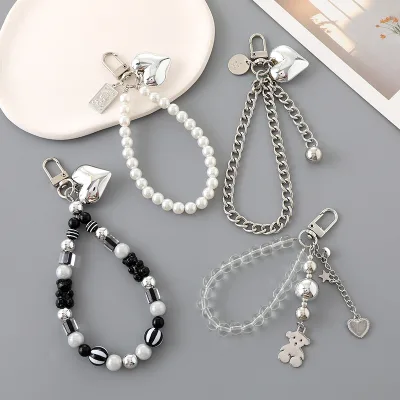
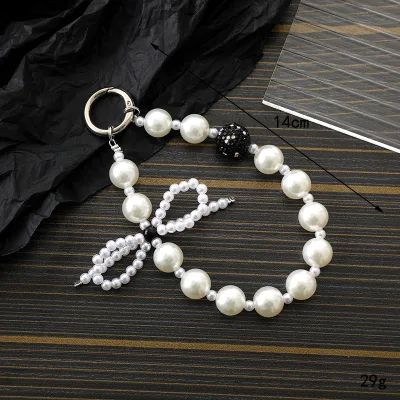
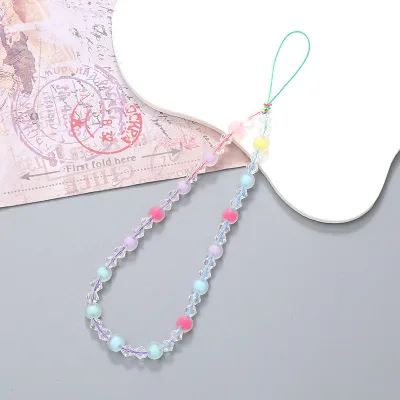
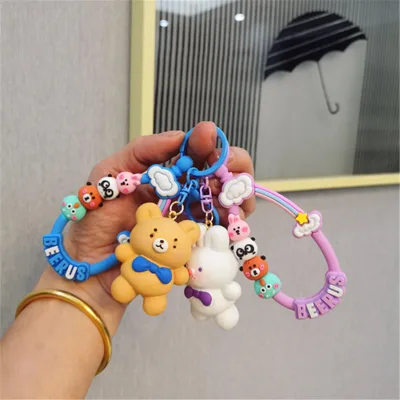




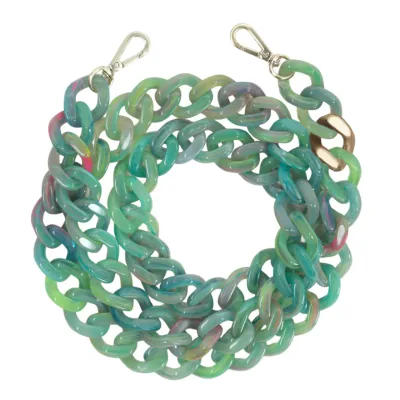
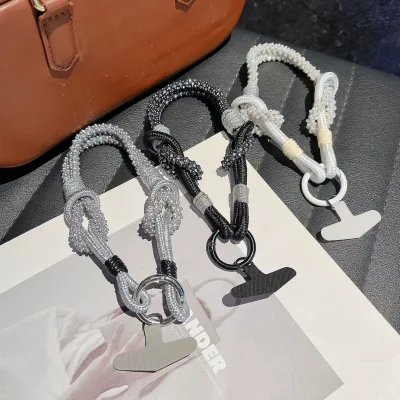


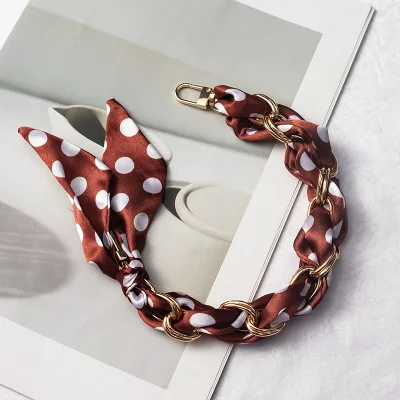
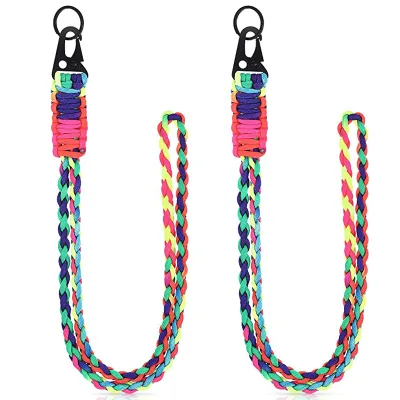
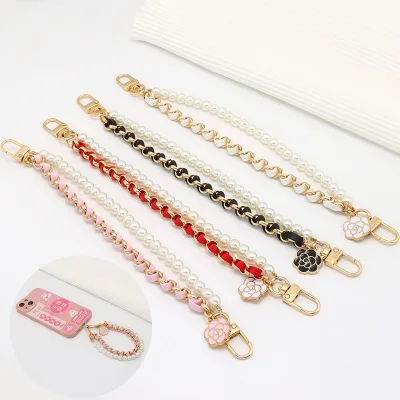
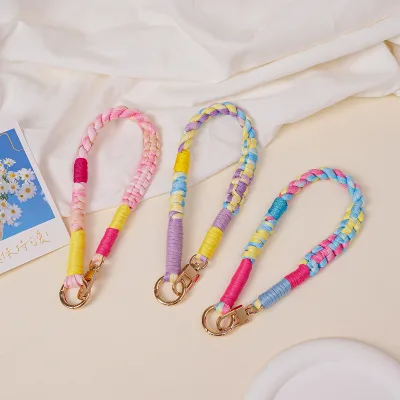
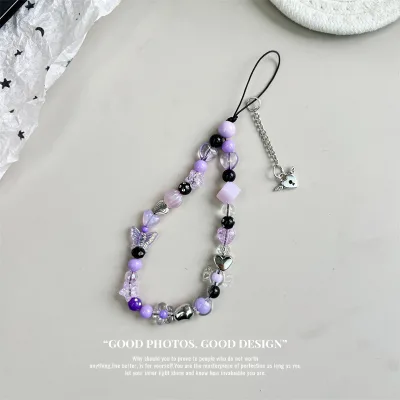
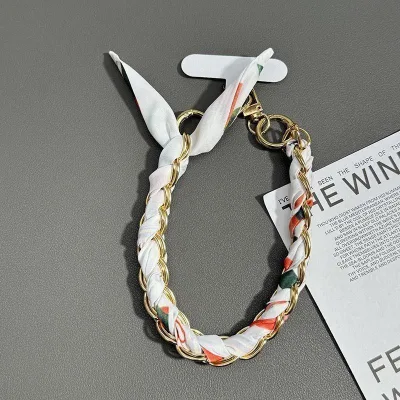
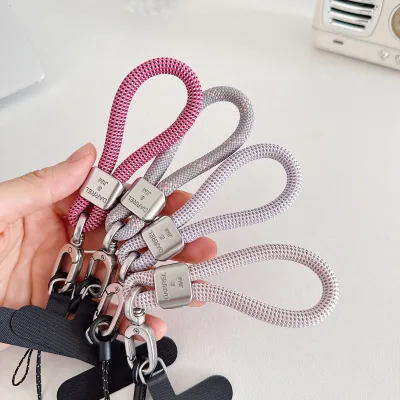
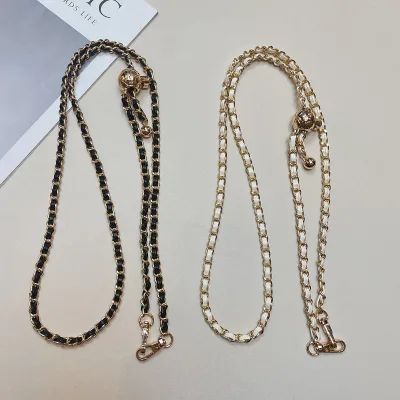


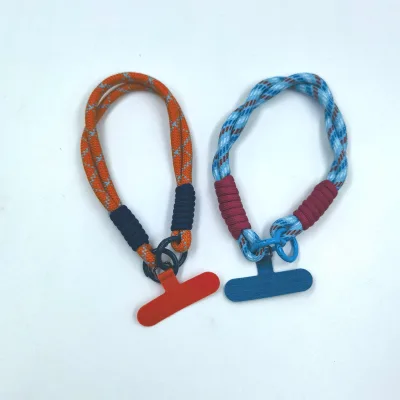
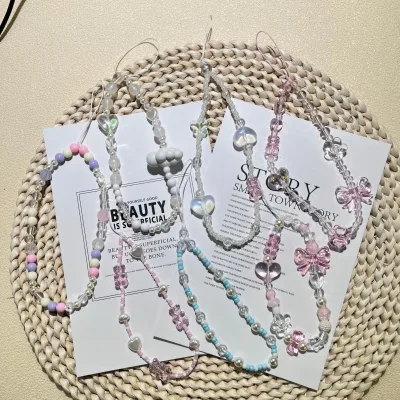


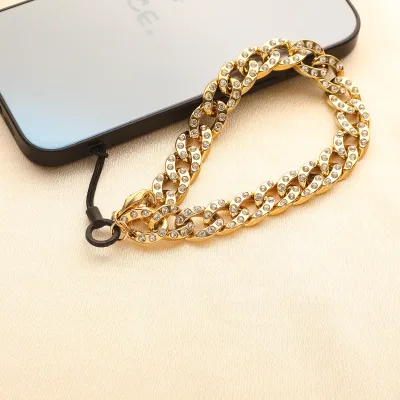
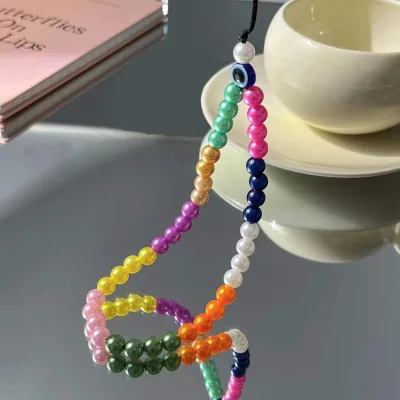


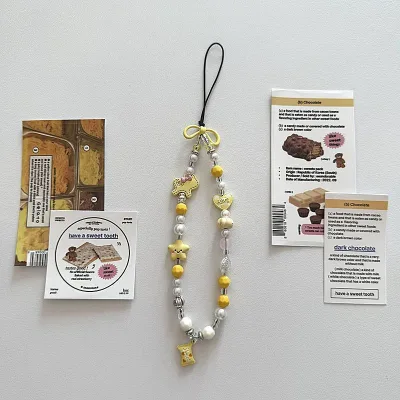
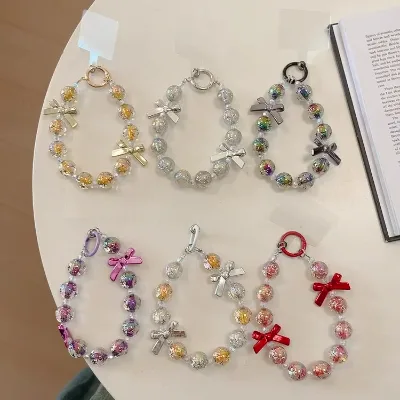
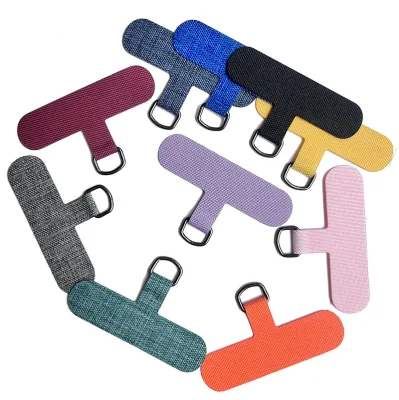
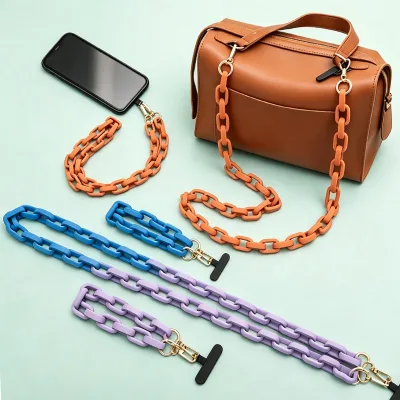
Comprehensive Sourcing Guide
Mobile Phone Chain Supplier Concentration and Factory Types
Current data indicates a concentration of Mobile Phone Chain manufacturers and trading companies within China, specifically in the Fujian and Guangdong provinces. Suppliers in Fujian often list diverse product lines including EVA clogs, flip flops, and promotional gifts alongside mobile phone accessories, suggesting a broader manufacturing ecosystem in that region. In contrast, suppliers located in Guangdong frequently specialize in smart watches, watch straps, and earphone covers, indicating a distinct cluster focused on electronic accessories and related hardware. This geographic split helps buyers identify potential sourcing hubs based on the specific material composition of the chain, such as PVC, alloy, or acrylic, which often correlates with regional manufacturing strengths.
The supplier landscape includes both trading companies and direct manufacturers, each offering different advantages for Mobile Phone Chain procurement. Trading companies in Fujian may provide a wider variety of styles, from cartoon-shaped charms to metal straps, by aggregating products from multiple factories. Meanwhile, manufacturers in Guangdong often emphasize private mold capabilities and specific advantages like over ten years of experience in producing high-quality phone chains. Buyers should verify the company type to understand the supply chain depth, as trading companies might offer faster access to diverse designs while manufacturers could provide more control over material specifications and production timelines for custom orders.
How to Verify Mobile Phone Chain Suppliers
Verification of Mobile Phone Chain suppliers requires checking for recognized third-party certifications and company status indicators. Some suppliers display verification badges from entities like TÜV Rheinland, which serves as a concrete indicator of a company's operational legitimacy and adherence to specific quality standards. Buyers should prioritize suppliers with such verified status to reduce the risk of engaging with unregistered entities. Additionally, checking the company type is essential; distinguishing between a trading company and a manufacturer helps confirm whether the supplier has direct control over the production process or acts as an intermediary, which impacts quality assurance and communication efficiency during the sourcing of mobile phone chains.
Response time and lead time data provide further evidence of a supplier's reliability and operational capacity. A response time of under one hour, such as 0.78 hours, suggests a highly active sales team capable of addressing inquiries about Mobile Phone Chain specifications quickly. Conversely, a response time of two hours may indicate a different operational scale or staffing model. Lead times also vary significantly, with some suppliers offering production windows as short as seven days, while others may require thirty days. Buyers must cross-reference these metrics with the supplier's stated capabilities to ensure they can meet project deadlines, especially when sourcing customized mobile phone chains that require specific design approvals and material sourcing.
What to Compare Across Mobile Phone Chain Suppliers
When evaluating Mobile Phone Chain suppliers, buyers should compare minimum order quantities (MOQ) and pricing structures to align with their budget and volume requirements. Product data shows that MOQs can range from 50 pieces for certain acrylic phone chains to 1,000 pieces for metal straps or lanyards. Pricing also varies by material and design complexity, with some PVC chains listed at very low unit costs while alloy or custom-printed options may carry higher price points. Understanding these thresholds is critical for small businesses or those testing new designs, as ordering below the MOQ might not be feasible, and exceeding it could tie up capital in inventory that exceeds immediate demand.
Material composition and customization options are equally vital comparison points for Mobile Phone Chain sourcing. Suppliers offer chains made from diverse materials including PVC, alloy, and acrylic, each with distinct characteristics such as radiation-proof properties or specific shapes like cartoons. Customization availability varies, with some suppliers accepting custom designs and logo printing while others offer products without logo printing. Buyers must verify if the supplier supports OEM orders and what specific design modifications are acceptable, such as custom sizes or specific packaging requirements. Comparing these attributes ensures the selected supplier can deliver a product that matches the intended market positioning and functional requirements of the Mobile Phone Chain.
Common Mobile Phone Chain Sourcing Risks
One significant risk in sourcing mobile phone chains involves discrepancies between product descriptions and actual deliverables, particularly regarding material quality and customization details. Some product listings claim radiation-proof characteristics or specific shapes like cartoons, but buyers must verify if these attributes are consistent across all units. There is also a risk associated with logo printing; while some suppliers offer customized logos, others explicitly state "without logo printing," which could lead to confusion if the buyer expects branding on the final product. Ensuring that the supplier's stated capabilities match the buyer's specific needs is essential to avoid receiving goods that do not meet the intended design or functional specifications.
Another risk pertains to lead time variability and the potential for delays in production or shipping. While some suppliers advertise lead times as short as seven days, others may require thirty days, and these estimates can fluctuate based on order volume or material availability. Buyers should be cautious of suppliers who do not provide clear lead time commitments or who fail to communicate delays promptly. Additionally, the use of escrow services or secure payment methods can mitigate financial risks, but buyers must confirm that the supplier accepts these terms. Without clear agreements on timelines and payment security, buyers may face challenges in managing inventory levels or meeting customer delivery expectations for mobile phone chains.
Mobile Phone Chain Regional Sourcing and Logistics
Sourcing mobile phone chains from China involves navigating logistics from specific manufacturing hubs like Fujian and Guangdong, each with distinct supply chain characteristics. Fujian-based suppliers often handle a wide range of products, including promotional gifts and footwear, which may influence their logistics capabilities for smaller accessory items. Guangdong suppliers, specializing in electronics and smart devices, might have more streamlined logistics for electronic accessories and related hardware. Buyers should consider the proximity of the supplier to major ports and their experience in handling international shipping to ensure efficient delivery of mobile phone chains. Understanding the regional logistics network helps in estimating transit times and potential shipping costs accurately.
Logistics planning also requires attention to packaging and shipping standards, which can vary by supplier and region. Some suppliers use standard packaging like OPP bags or PP bags, while others offer customized packing solutions to meet specific buyer requirements. The single package size and weight of the mobile phone chains can impact shipping costs, especially for bulk orders. Buyers should verify the packaging details provided in the product attributes to ensure they align with their storage and distribution needs. Additionally, understanding the origin of the product, such as Fujian or Guangdong, helps in assessing the reliability of the supply chain and the potential for any regional logistical bottlenecks that could affect the timely arrival of mobile phone chains.
Mobile Phone Chain Commercial Terms and Order Planning
Commercial terms for Mobile Phone Chain orders often include specific requirements regarding payment, customization, and order volume. Buyers must carefully review the minimum order quantities, which can range from 50 pieces to 1,000 pieces depending on the product type and material. Pricing is another critical factor, with unit costs varying based on the complexity of the design and the material used. Some suppliers offer competitive pricing for standard items, while custom designs or those with specific features like radiation-proof properties may command higher prices. Understanding these commercial terms helps buyers plan their budgets and ensure they can meet the financial requirements of the order.
Order planning for mobile phone chains should also account for lead times and the potential for customization delays. Suppliers may have different lead times for standard versus custom orders, with some offering production within a week and others requiring a month. Buyers should factor in these timelines when planning their inventory and marketing strategies to avoid stockouts or missed sales opportunities. Additionally, verifying the supplier's ability to handle custom designs and logo printing is crucial for brands looking to differentiate their mobile phone chains. By aligning commercial terms with realistic order planning, buyers can ensure a smooth procurement process and successful delivery of high-quality mobile phone chains.
FAQs
What is the typical lead time for mobile phone chains?
Lead times vary by supplier and product type. Some manufacturers in Guangdong offer a 7-day lead time, while trading companies in Fujian may require 30 days. Buyers should confirm specific timelines based on order volume and customization needs before placing an order.
What are the minimum order quantities for these products?
Minimum order quantities range from 50 pieces to 1000 pieces depending on the item. Acrylic phone chains often start at 50 units, while metal straps and lanyards typically require 500 or 1000 units. Custom designs may have different thresholds set by the supplier.
Which materials are commonly used for mobile phone chains?
Common materials include PVC, alloy, and acrylic. PVC is used for cute cartoon styles, while alloy offers a fashion metal look. Acrylic options provide high-quality durability. Buyers should check product attributes to confirm the specific material composition for their desired style.
Are customization and logo printing services available?
Yes, customization is widely available for mobile phone chains. Many suppliers accept custom designs and offer logo printing options. Some products support without logo printing, while others allow customized logos. Buyers must specify their requirements clearly to ensure the final product meets their branding needs.
What is the price range for mobile phone chains?
Prices vary significantly based on material and design. Basic PVC chains can cost as low as 0.03 USD per unit, while metal straps and lanyards may range from 0.04 to 0.55 USD. Buyers should request quotes for specific models to get accurate pricing for their order volume.
Where are the suppliers of mobile phone chains located?
Suppliers are primarily located in China, specifically in Fujian and Guangdong provinces. Fujian hosts trading companies, while Guangdong features manufacturers and agents. Buyers can filter results by these locations to find suppliers with specific capabilities or logistical advantages for their sourcing needs.
How quickly do suppliers typically respond to inquiries?
Response times vary among suppliers. Some trading companies in Fujian respond within 0.78 hours, while manufacturers in Guangdong may take up to 2 hours. Buyers should expect faster responses from suppliers with shorter lead times and prioritize those with verified status for better communication reliability.