Lab Use Stone Abrasion Tester Suppliers and Manufacturers
Compare 20 verified suppliers offering lab use stone abrasion testers with CE and ISO 17025 certifications. Review response times, lead times, and pricing to source reliable textile and footwear testing equipment from China Fujian, Guangdong, and Hunan factories today; review the available evidence before requesting comparable quotations from suitable candidates.
Suppliers List
- Verified by TUVRHEINLAND
- Trading Company,Manufacturer/Factory
- China Fujian
- Lead time23 days
- Avg. response≤ 3h
Main productsTextile Test Equipment, Footwear Test Equipment, Environmental Test Chamber, Toys Test Instrument, Polymer Test Equipment
Main marketsSouth America,Eastern Europe,Mid East,North America,Southeast Asia,Western Europe
Dongguan Huanyi Instrument Technology Co., Ltd.
- Verified by SGS
- Combined
- China Guangdong
- Lead time30 days
- Avg. response≤ 3h
Main productslaboratory instruments and equipment
Main marketsSoutheast Asia/ Mideast,Domestic,North America

CHANGSHA LANGSHUO TECHNOLOGY CO LTD
- Verified by BV
- Trading Company
- China Hunan
- Lead time15 days
- Avg. response≤ 8h
Main productsUniversal Tensile Testing Machine, Plastic Test Machine, Packaging Test Machine, Ink Proofers, Contact Angle Testers, Paint Coating Test Machine, Viscometer Densimeter Gloss Meter, Surface Roughness Meter Vibration Meter, Video Measuring Machine Profile Projector, Hardness Tester
Main marketsSoutheast Asia/ Mideast,Europe


LS-Z353 Laboratory Rock Ore Abrasion Index Tester Rock Impact Abrasion Index Testing Equipment
$1000.00 - $4000.00
Moq: 1


Dongguan Youbi Test Equipment Co.,Ltd
- Verified by SGS
- Trading Company
- China Guangdong
- Lead time15 days
- Avg. response≤ 7h
Main productsTensile Tester, Impact Tester, Abrasion Tester, Climate Chamber, Hardness Tester, Controller, Battery Test Machine, Testing Machine, Test Chamber, Test Equipment
Main marketsSoutheast Asia/ Mideast

Electronic Aggregate Testing Equipment Los Angeles Abrasion Tester Los Angeles Abrasion Tester
$299.00 - $2999.00
Moq: 1

Efficient Electronic Aggregate Testing Equipment Los Angeles Abrasion Tester
$299.00 - $2999.00
Moq: 1


Jinan Xinghua Instruments Co., Ltd.
- Trading Company,Manufacturer/Factory
- China Shandong
- Lead time23 days
- Avg. response≤ 10h
Main productsTextile Testing Equipments, Yarn Testing Equipments, Leather and Footwear Testing Equipment, Plastic Testing Equipment, Paper and Package Testing Equipment, Paint Testing Equipment, Metallographic Testing Equipment, Mask Testing Equipment, Protective Clothing Testing Equipment, Tensile Testing Machine
Main marketsSouth America,Eastern Europe,Mid East,North America,Southeast Asia,Eastern Asia,Western Europe,Africa

Martindale Abrasion Tester for Fabric Testing, Abrasion Tester Manufacturer
$2500.00 - $4500.00
Moq: 1

Martindale Abrasion Tester Abrasion Tester Martindale Abrasion and Pilling Tester
$2500.00 - $4500.00
Moq: 1

Martindale Abrasion and Pilling Tester Martindale Abrasion Resistance Tester
$2500.00 - $4500.00
Moq: 1

ASTM D3886 Martindale Abrasion and Pilling Tester Lab Abrasion Testing Equipment
$2800.00 - $6500.00
Moq: 1


Hunan Gonoava Instrument Co Ltd
- Verified by TUVRHEINLAND
- Trading Company
- China Hunan
- Lead time15 days
- Avg. response≤ 7h
Main productsThermal Gravimetric Analyzer, Differential Scanning Calorimeter, Helium Mass Spectrometer, Xrf Portable Analyzer, Fluorescence Spectrometer, RoHS Environmental Analyzer, Contact Angle Testers, Universal Tensile Compression Testing Machine, Climatic Test Chambers, Plastic Testing Machine
Main marketsSoutheast Asia/ Mideast,East Asia(Japan/ South Korea),North America

Guangdong Haida Equipment Co., Ltd.
- Verified by TUVRHEINLAND
- Manufacturer/Factory,Group Corporation
- China Guangdong
- Lead time23 days
- Avg. response≤ 6h
Main productsTesting Machine, Testing Equipment, Test Chamber, Universal Testing Machine, Package Testing Machine, Temperature Humidity Test Chamber, Climatic Chamber, Furniture Testing Machine, Tensile Testing Machine, Box Testing Machine
Main marketsSouth America,Eastern Europe,Mid East,North America,Southeast Asia,Eastern Asia,Oceania,Western Europe,Africa
Dongguan Astrand Electronic Technology Co.,Ltd
- Verified by BV
- Combined
- China Guangdong
- Lead time30 days
- Avg. response≤ 7h
Main productsUniversal Strength Tester, Martindale Pilling and Abrasion Tester, Ici Pilling Testing Machine, Color Fastness Testers, Temperature Humidity Test Chamber, Tensile Tester, Test Machine, Box Compression Tester, Textile Testing machine
Main marketsSouth America,Others(foreignTradeCapacity.exportBusinessCapacityMarketOther),North America

Qingdao Judong Industry Co., Ltd.
- Verified by TUVRHEINLAND
- Trading Company,Manufacturer/Factory,Group Corporation
- China Shandong
- Lead time38 days
- Avg. response≤ 23h
Main productsRubber Vulcanizing Press, Rubber Mixing Mill, Rubber Extruder Machine, Rubber Kneader, Plate Vulcanizing Press, Reclaimed Rubber, Rubber Calendar Machine, Conveyor Belt Machine, Banbury Mixer, Rotocure Machine
Main marketsSouth America,Eastern Europe,Mid East,North America,Southeast Asia,Eastern Asia,Oceania,Western Europe,Africa


Abrasion Resistance Tester (DIN Type)
Contact supplier

Abrasion Resistance Tester (UA-2076)
Contact supplier

Contact supplier

Guangdong Hongtuo Instrument Technology Co., Ltd.
- Verified by BV
- Combined
- China Guangdong
- Lead time15 days
- Avg. response≤ 3h
Main productsInstrument
Main marketsSouth America,Africa,Southeast Asia/ Mideast,East Asia(Japan/ South Korea),Europe,Australia,North America

DIN Abrasion Tester,Abrasive Test Machine,Friction Resistance Testing Equipment for Rubber
$689.00 - $1099.00
Moq: 1


Wuxi Serve Real Technology Co., Ltd.
- Verified by BV
- Trading Company,Manufacturer/Factory
- China Jiangsu
- Lead time15 days
- Avg. response≤ 3h
Main productsConstruction Material Test Equipment, Physical Property Testing Equipment, Quality Test Instruments, Oil Analysis Instruments, Coal & Coke Instruments, Analytical Instruments, General Lab Equipment, Agricultural Instruments
Main marketsSouth America,Eastern Europe,North America,Southeast Asia,Eastern Asia,Oceania,Western Europe,Africa


Falling Sand Coating Abrasion Tester ASTM D968 Coating Abrasion Test Equipment
$500.00 - $1000.00
Moq: 1


DIN Abrasion Tester Rubber Test Equipment DIN 53516 ISO 4649 Abrasive Testing Machine
$1500.00 - $2000.00
Moq: 1

Glazed Ceramic Tile Abrasion Tester ISO/Dis 10545/7 Ceramics Testing Equipment
$1000.00 - $2000.00
Moq: 1


TRYTE TECHNOLOGY (H.K.) LIMITED
- Combined
- China Hunan
- Lead time23 days
- Avg. response≤ 19h
Main productsLab Equipment, Lab Instrument, Testing Machine, Analyzer Instrument, Coal Testing Instrument, Oil Testing Instrument, Petroleum Testint Instrument, Bomb Calorimeter, Medical Equipment, PCB Board Related Equipment
Main marketsSouth America,Africa,Southeast Asia/ Mideast,East Asia(Japan/ South Korea),Domestic,Europe,Australia,North America
PW INSTRUMENTS (GUANGDONG) CO., LTD.
- Verified by BV
- Combined
- China Guangdong
- Lead time23 days
- Avg. response≤ 4h
Main productsUniversal Material Testing Machine, Climate Test Chamber, Optical Measurement Machine, Physical Property Testing Machine
Main marketsSouth America,Africa,Southeast Asia/ Mideast,East Asia(Japan/ South Korea),Domestic,Europe,Australia,North America


High Quality and Durable Anti-Static Surface Resistance Tester for Laboratory
$4500.00 - $5000.00
Moq: 1


Beijing Samyon Instruments Co., Ltd.
- Verified by SGS
- Trading Company,Manufacturer/Factory
- China Beijing
- Lead time15 days
- Avg. response≤ 2h
Main productsNDT Equipment, Concrete Migration Tester, Concrete Penetration Tester, Pile Intergrity Tester, Cross-Hole Pile Tester, Rebar Locator, Pile Dynamic Analyzer, Drillhole Monitor, Nonmetal Ultrasonic Detector, Magnetometer
Main marketsSouth America,Eastern Europe,Mid East,North America,Southeast Asia,Eastern Asia,Oceania,Western Europe,Africa
Guangzhou Silian Machinery Co., Ltd.
- Verified by CTI
- Combined
- China Guangdong
- Lead time30 days
- Avg. response≤ 3h
Main marketsAfrica,Southeast Asia/ Mideast,East Asia(Japan/ South Korea),Domestic,Europe,Australia,North America
Hunan Gonoava Instrument Co., Ltd.
- Trading Company
- Hunan, China
- Lead time10 days
- Avg. response≤ 4h
Main productsspectrophotometer,Petroleum oil tester,Environmental test chamber,Testing Machine,Contact Angle Tester
Main marketsEastern Asia(20.0%), Northern Europe(10.0%), North America(10.0%), Oceania(10.0%), Domestic Market(5.0%), South Asia(5.0%), Southern Europe(5.0%), Southeast Asia(5.0%), Central America(5.0%), Western Europe(5.0%), Eastern Europe(5.0%), Mid East(5.0%), South America(5.0%), Africa(5.0%)
Dongguan Weibang Instrument Equipment Co., Ltd.
- Verified by BV
- Combined
- China Guangdong
- Lead time23 days
- Avg. response≤ 18h
Main productsEnvironment Test Chamber, Rapid Temperature Change Test Chamber, Constant Temperature and Humidity Test Chambe, Thermal Shock Test Chamber, Walk-in Environmental Test Chamber, Bond Test Machine, Universal Testing Machine, Hast Highly Accelerated Stress Test Chamber, Vibration Test System
Main marketsSoutheast Asia/ Mideast

Weifang Runlian Economic and Trade Co., Ltd.
- Verified by BV
- Manufacturer/Factory
- China Shandong
- Lead time45 days
- Avg. response≤ 2h
Main productsVertical Machining Center, CNC Lathe Machine, CNC Cutting Tools, Turning Tool, Tool Holder, 5 Axis CNC Machine, Grinding Machine, Angle Head, Milling Head, Drilling
Main marketsEastern Europe

Suzhou Qiantong Instrument Equipment Co., Ltd.
- Combined
- China Jiangsu
- Lead time23 days
- Avg. response≤ 2h
Main productsUniversal Testing Machine, Solar Cell Temsile Testing Machine, Melt Flow Rate Measurer, Hydraulic Testing Machine
Main marketsSoutheast Asia/ Mideast,East Asia(Japan/ South Korea),Domestic,North America

Hebei Wanluda Testing Instrument Equipment Co., Ltd.
- Trading Company
- Hebei Province, China
- Lead time30 days
- Avg. response≤ 1h
Main productsElectronic balance series products,Rebound tester series products,Shangyu screening tool,Geotechnical instruments,Press universal machine series
Main marketsDomestic Market(10.0%), Africa(10.0%), Northern Europe(10.0%), Western Europe(10.0%), Mid East(10.0%), North America(10.0%), Oceania(5.0%), South Asia(5.0%), Southern Europe(5.0%), Southeast Asia(5.0%), Central America(5.0%), Eastern Europe(5.0%), Eastern Asia(5.0%), South America(5.0%)
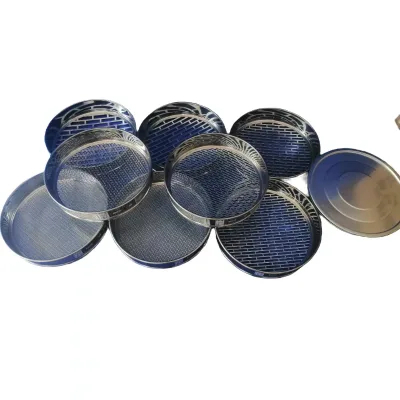
ASTM Standard Brass Laboratory for Test Sieves for Soil and Sand 1-Year Warranty
Contact supplier
Moq: 10
ASTM Standard Laboratory Test Sieve Soil Sand Brass Test Sieves
Contact supplier




Comprehensive Sourcing Guide
Lab Use Stone Abrasion Tester Supplier Concentration and Factory Types
The current supplier landscape for laboratory testing equipment reveals a distinct geographic concentration in China, with active manufacturing and trading entities located in Fujian, Guangdong, and Hunan provinces. This regional clustering suggests that buyers seeking lab use stone abrasion testers or related textile and footwear testing instruments will likely encounter suppliers operating within these specific industrial hubs. The presence of suppliers in Fujian indicates a strong base for specialized testing machinery, while Guangdong represents another significant node for laboratory instruments and equipment. Hunan-based suppliers appear to focus on a broader range of universal testing machines, including tensile testers and hardness testers, which may overlap with the capabilities required for stone abrasion testing. Understanding this geographic distribution is crucial for buyers, as it influences logistics, communication time zones, and the specific technical expertise available within each cluster. Buyers should recognize that these locations are not merely administrative addresses but represent established industrial ecosystems where supply chains for precision instruments are mature. The concentration in these provinces implies that raw materials, component suppliers, and skilled labor for assembling testing equipment are readily available locally, potentially reducing production lead times and facilitating faster prototyping for custom orders.
Supplier types in this sector vary between pure manufacturers, trading companies, and combined entities that offer both production and sourcing services. Many suppliers identify as manufacturers or factories, indicating they have direct control over the production process, which can be beneficial for quality control and customization. Others operate as trading companies, leveraging their network to source products from various factories, which might offer a wider variety of options but less direct oversight of the manufacturing process. Some suppliers are classified as combined entities, suggesting they may have their own manufacturing capabilities while also acting as agents for other brands. This diversity in company types means that buyers must carefully evaluate the specific nature of each supplier to determine if they are dealing with the actual producer or an intermediary. For lab use stone abrasion testers, the distinction is particularly important because the equipment often requires precise calibration and adherence to specific testing standards. Buyers should inquire about the supplier’s primary role to understand the level of technical support and after-sales service they can expect. A manufacturer might offer more direct engineering support, while a trading company might provide better flexibility in ordering multiple different types of testing equipment from a single source.
How to Verify Lab Use Stone Abrasion Tester Suppliers
Verifying the credibility and capabilities of suppliers requires a multi-layered approach that goes beyond simple profile reviews. One critical step is to examine the verification status provided by third-party inspection agencies. For instance, some suppliers in the current results are verified by TÜV Rheinland, SGS, or Bureau Veritas (BV). These verifications indicate that an independent party has assessed the supplier’s business legitimacy, factory conditions, or quality management systems. Buyers should prioritize suppliers with such verifications, as they provide an additional layer of confidence regarding the supplier’s operational stability. However, verification alone is not a guarantee of product quality; it primarily confirms that the supplier exists and operates as claimed. Therefore, buyers must also look for specific product certifications and compliance with international standards. Many testing instruments listed in the results carry CE certification and comply with ISO 17025 standards, which are crucial for laboratory equipment used in accredited testing environments. Buyers should request copies of these certificates and verify their validity with the issuing bodies. Additionally, checking for system certifications like ISO 9001:2015 and ISO 14001:2015 can provide insights into the supplier’s quality management and environmental practices, which are indicative of their overall operational discipline.
Beyond certifications, buyers should assess the supplier’s responsiveness and technical expertise through direct communication. The response time metric, which ranges from approximately 2.28 to 7.07 hours in the current data, serves as a preliminary indicator of the supplier’s customer service efficiency. A faster response time often correlates with better communication throughout the procurement process, which is vital when discussing technical specifications for lab use stone abrasion testers. Buyers should initiate conversations to ask detailed questions about the equipment’s testing standards, such as Satra TM 93 or Renault D44, to gauge the supplier’s technical knowledge. Suppliers who can provide clear, accurate, and prompt answers to technical queries are more likely to deliver equipment that meets specific laboratory requirements. Furthermore, buyers should inquire about the supplier’s customization capabilities, as many testing instruments offer OEM and ODM services. Understanding the extent of customization available, including power supply specifications, dimensions, and software interfaces, is essential for ensuring the equipment integrates seamlessly into existing laboratory workflows. Buyers should also verify the supplier’s ability to provide after-sales support, including installation guidance, training, and maintenance services, to ensure long-term operational reliability.
What to Compare Across Lab Use Stone Abrasion Tester Suppliers
When evaluating multiple suppliers, buyers should systematically compare key operational metrics to identify the most suitable partner for their needs. Lead time is a critical factor, as it directly impacts project timelines and inventory management. In the current results, lead times vary, with some suppliers indicating a lead time of 23 days and others up to 30 days. Buyers should clarify whether these lead times include production, testing, and shipping, or if they represent only the manufacturing duration. Understanding the full timeline helps in planning procurement schedules more accurately. Another important metric is the minimum order quantity (MOQ), which affects the initial investment and risk exposure. Some suppliers offer an MOQ of just one unit, which is ideal for small laboratories or trial orders, while others may have higher thresholds. Buyers should align their order quantity with their budget and usage requirements, considering whether a higher MOQ might result in better pricing or if a lower MOQ offers greater flexibility. Response time is also a comparative factor, as it reflects the supplier’s commitment to customer engagement. Suppliers with faster response times, such as those under 3 hours, may be more responsive to urgent inquiries or changes in order specifications.
Price and product specifications are equally important dimensions for comparison. The price range for testing instruments in the current results spans from approximately $100 to $4,000, depending on the complexity and features of the equipment. Buyers should not focus solely on the lowest price but should evaluate the value proposition, including build quality, accuracy, and compliance with relevant standards. For lab use stone abrasion testers, specific features such as automatic grade, power supply requirements, and testing standards compliance are crucial. Some suppliers offer automatic or semi-automatic models, while others may provide manual options. Buyers should compare these technical specifications to ensure they meet their laboratory’s operational needs. Additionally, buyers should inquire about the supplier’s main products to assess their specialization. Suppliers focusing on textile and footwear test equipment may have more expertise in abrasion testing compared to those offering a broader range of general laboratory instruments. By comparing these factors across suppliers, buyers can make a more informed decision that balances cost, quality, and service.
Common Lab Use Stone Abrasion Tester Sourcing Risks
Sourcing laboratory testing equipment from international suppliers involves several potential risks that buyers must proactively manage. One significant risk is the mismatch between product specifications and actual delivery. While suppliers may list detailed specifications, such as weight, dimensions, and power requirements, there is a possibility that the delivered equipment may differ slightly from the description. This risk is heightened when dealing with trading companies or suppliers with limited direct manufacturing oversight. Buyers should mitigate this risk by requesting detailed technical drawings, photos, and videos of the equipment before placing the order. Additionally, specifying the exact testing standards and calibration requirements in the purchase contract can help ensure that the equipment meets the necessary performance criteria. Another risk is the variability in quality control practices among suppliers. Even with ISO certifications, the actual quality of individual units can vary. Buyers should consider requesting pre-shipment inspections or third-party quality verification services to ensure that the equipment meets the agreed-upon standards before it leaves the factory. This step can prevent costly returns and delays associated with non-conforming products.
Communication and cultural barriers can also pose risks during the sourcing process. Differences in language and business practices may lead to misunderstandings regarding technical requirements, delivery terms, or after-sales support. Buyers should establish clear and documented communication channels, using written confirmations for all critical details. It is advisable to use simple, precise language and avoid ambiguous terms when discussing specifications. Furthermore, buyers should be aware of potential logistical risks, such as shipping delays or damage during transit. Laboratory testing equipment is often delicate and requires careful handling. Buyers should ensure that the supplier uses appropriate packaging, such as standard export wooden cases, to protect the equipment during shipping. Additionally, understanding the Incoterms and shipping responsibilities is crucial to avoid unexpected costs or delays. Buyers should also consider the risk of intellectual property infringement if they are ordering custom-designed equipment. Ensuring that the supplier has the necessary rights to produce and sell the equipment can prevent legal complications. By identifying and addressing these risks early in the sourcing process, buyers can enhance the reliability and success of their procurement efforts.
Lab Use Stone Abrasion Tester Regional Sourcing and Logistics
The geographic location of suppliers significantly influences logistics, shipping costs, and delivery times for lab use stone abrasion testers. Suppliers located in China, particularly in Fujian, Guangdong, and Hunan provinces, offer access to well-established manufacturing and export infrastructure. These regions benefit from proximity to major ports, which facilitates efficient international shipping. Buyers should consider the specific location of the supplier when estimating total landed costs, as shipping rates can vary based on the origin point. For instance, suppliers in Guangdong may have access to different port facilities compared to those in Fujian or Hunan, potentially affecting transit times. Additionally, the distance between the supplier’s factory and the port can impact inland transportation costs and lead times. Buyers should request detailed shipping quotes that include all relevant fees, such as origin handling charges, ocean freight, and destination port fees. Understanding these logistics details helps in creating a more accurate budget and timeline for the procurement project.
Logistics planning also involves considering the packaging and handling requirements of the testing equipment. Laboratory instruments are often heavy and sensitive, requiring robust packaging to prevent damage during transit. Suppliers in the current results mention using standard export wooden cases, which provide a high level of protection. Buyers should verify the packaging specifications and ensure that the equipment is adequately secured for international shipping. Additionally, buyers should be aware of any special handling requirements, such as temperature control or shock absorption, that may be necessary for certain types of testing equipment. Insurance coverage is another critical aspect of logistics planning. Buyers should ensure that the equipment is insured for its full value during transit to protect against loss or damage. Coordinating with a reliable freight forwarder can help streamline the shipping process and ensure compliance with international trade regulations. Buyers should also consider the impact of customs clearance on delivery times, as delays can occur if documentation is incomplete or incorrect. By planning logistics carefully, buyers can minimize disruptions and ensure timely delivery of their lab use stone abrasion testers.
Lab Use Stone Abrasion Tester Commercial Terms and Order Planning
Commercial terms and order planning are essential components of a successful procurement strategy for lab use stone abrasion testers. Buyers should carefully review the payment terms offered by suppliers, which can vary from advance payment to letters of credit or escrow services. Using escrow services can provide an additional layer of security, ensuring that funds are only released upon satisfactory delivery and inspection of the equipment. Buyers should also clarify the warranty terms and after-sales support policies, including the duration of coverage and the availability of spare parts. Understanding these commercial terms helps in assessing the total cost of ownership and the long-term reliability of the equipment. Additionally, buyers should consider the supplier’s return and refund policies in case the equipment does not meet the specified requirements. Clear communication of these terms in the purchase contract can prevent disputes and ensure a
FAQs
What is the price range for lab use abrasion testers?
Lab use abrasion testers typically range from $100 to $4,000 depending on the model and specifications. Basic units like the H048 start around $100, while advanced equipment such as the Mie Abrasion Tester can cost up to $4,000. Prices vary based on automation levels, certification requirements, and specific testing standards supported by the machine.
What certifications do these testing instruments carry?
Most lab use abrasion testers carry CE certification and ISO 17025 certificates. These documents ensure the equipment meets international safety and quality standards for laboratory environments. Buyers should verify specific certificate details with suppliers, as some models may offer additional compliance options depending on regional regulations and specific industry requirements for textile or footwear testing.
What is the typical lead time for these machines?
Typical lead times for lab use abrasion testers range from 15 to 30 days. Suppliers in China report varying production schedules, with some offering faster turnaround times of 15 days while others require up to 30 days for manufacturing and quality assurance. Buyers should confirm exact delivery windows with their chosen supplier before placing orders.
What is the minimum order quantity for these testers?
The minimum order quantity for lab use abrasion testers is generally one unit. Most suppliers accept single-unit purchases, making these instruments accessible for individual laboratories or small testing facilities. This low MOQ allows buyers to procure specific models without committing to bulk orders, facilitating easier budget management and equipment scaling.
What standards do these abrasion testers comply with?
Lab use abrasion testers comply with various international standards including Satra TM 93, Renault D44 1073, and PSA D44 1073. Specific models are designed to meet particular industry requirements for textile, footwear, or material testing. Buyers should verify which standards their selected machine supports to ensure compatibility with their specific testing protocols and regulatory needs.
Are these machines automatic or semi-automatic?
Lab use abrasion testers are available in both automatic and semi-automatic configurations. Some models feature fully automatic operation for consistent testing results, while others offer semi-automatic functionality for greater manual control. The choice depends on specific laboratory workflows and budget constraints, with automatic units generally offering higher precision and reduced operator intervention during testing procedures.