anti-pilling faux fur blanket Suppliers and Manufacturers
Browse 25 anti-pilling faux fur blanket suppliers and compare them by MOQ, lead time, response speed, location, certifications and material options such as acrylic, polyester and knitted constructions. Review the grounded supplier details here, then contact shortlisted companies to request samples and quotes.
Updated
Suppliers List

NINGBO IDEALFUR TEXTILE CO., LTD.
- Trading Company
- China Zhejiang
- Lead time15 days
- Avg. response≤ 4h
Main productsFake Fur, Long Pile Fur, Imitation Fur, Boa Plush, High Pile Fur, Tricot Fur, Suede Fabric, Faux Fur, Artificial Fur, PU Fabric
Main marketsAfrica,Southeast Asia/ Mideast,Domestic,Europe

Hangzhou Medo Home Products Co., Ltd.
- Manufacturer, Trading Company
- Zhejiang, China
- Lead time30 days
- Avg. response≤ 2h
Main productsKnitted Blanket,Woven Blanket,Flannel Blanket,Faux Fur Blanket,Floor mat
Main marketsNorth America(30.00%), Western Europe(20.00%), Oceania(10.00%), Africa(10.00%), Northern Europe(5.00%), Southeast Asia(5.00%), South America(5.00%), Eastern Asia(5.00%), Eastern Europe(5.00%), Mid East(5.00%)
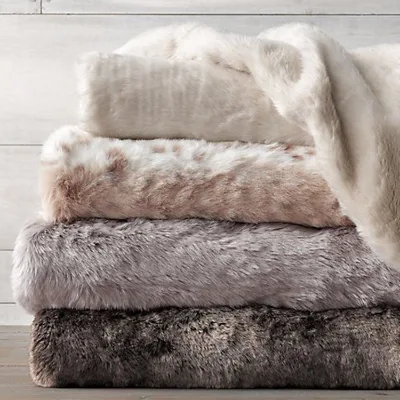
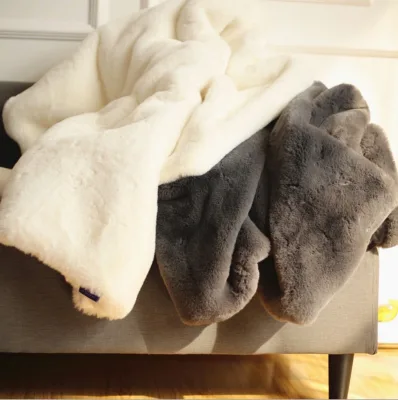
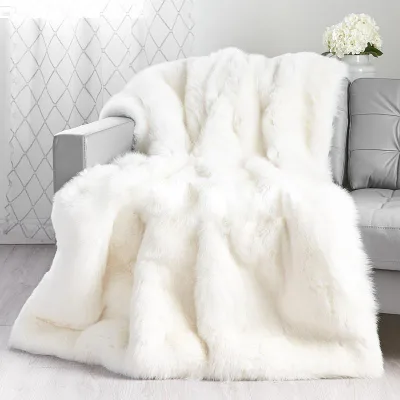
Soothing Warm Mechanical Washable Imitation Rabbit Fur Faux Fur Throw Blanket
$17.3652 - $19.4191
MOQ: 2 pieces
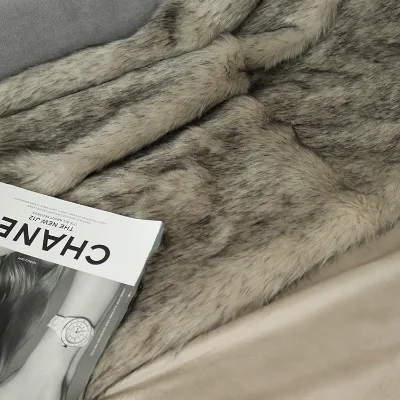
High Quality Warm Soft Throw Faux Fur Blanket
$22.00 - $30.00
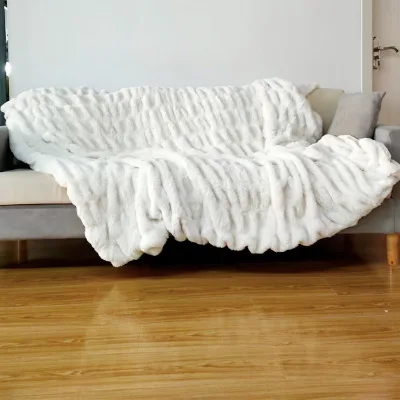
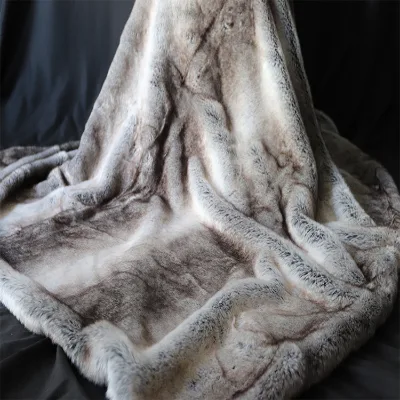
$25.90 - $29.80
MOQ: 1 pieces

Shanghai Green Willow Textile Technology Co., Ltd.
- Trading Company
- Shanghai, China
- Lead time30 days
- Avg. response≤ 17h
Main productsCustom Textile,Promotion,Custom products,Gift Set,Project Develop
Main marketsWestern Europe(30.00%), North America(20.00%), Southern Europe(15.00%), Domestic Market(10.00%), South America(5.00%), Eastern Europe(5.00%), Southeast Asia(5.00%), Eastern Asia(5.00%), Mid East(5.00%)
Shanghai Hongyangda International Trade Co., Ltd.
- Verified by TüVRheinland
- Trading Company
- Lead time30 days
- Avg. response≤ 3h
Main productsBlankets, Fabrics
Main marketsNorth America(70%), Mid East(10%), Western Europe(10%)
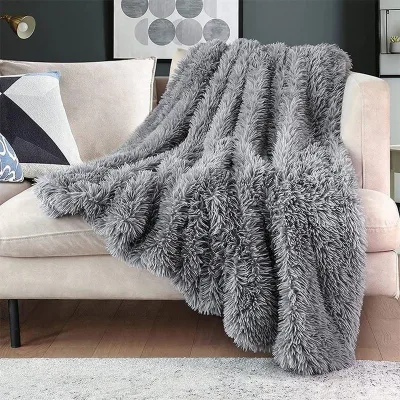
Super Soft Gray Fluffy Blanket Thick Fluffy Faux Fur Blankets for Winter
$0.50 - $6.00
MOQ: 500 pieces
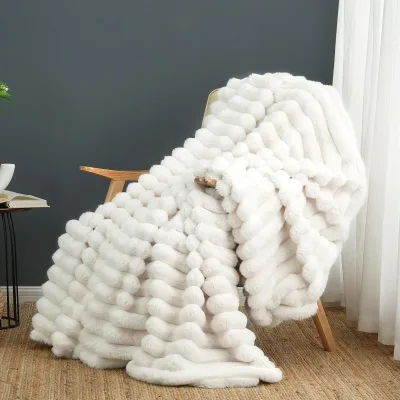
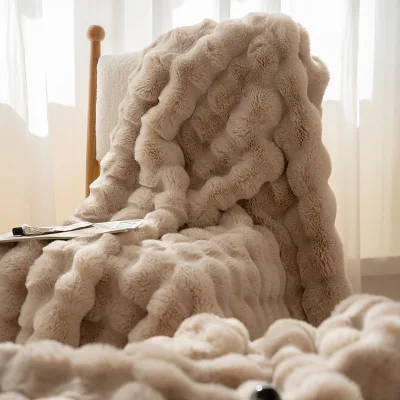
$0.5254 - $1.7859
MOQ: 30 pieces
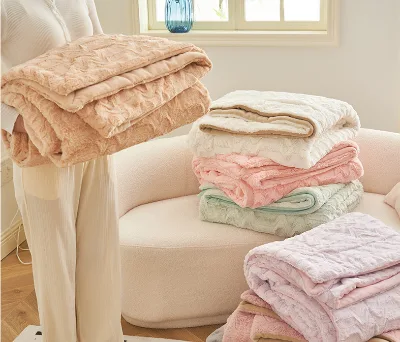
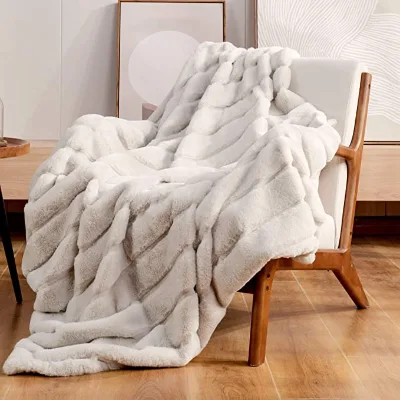
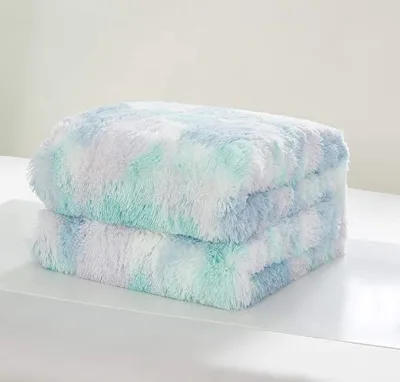

SHAOXING OLE LEISURE CO., LTD.
- Verified by BV
- Trading Company,Manufacturer/Factory
- China Zhejiang
- Lead time120 days
- Avg. response≤ 25h
Main productsRattan Furniture, Outdoor, Outdoor Furniture, Garden Furniture, Leisure Products, Great Leisure Life, Parasol, Garden Umbrella, Gazebo, Outdoor and Indoor Blanket
Main marketsSouth America,Eastern Europe,Southeast Asia,Oceania,Western Europe,Africa
Beijing Haihua Cheng Xin Import & Export Co., Ltd
- Verified by TüVRheinland
- Trading Company
- Lead time0 days
- Avg. response≤ 5h
Main productsFur Coats, Fur Scarves, Fur Bags, Fur Slippers, Fur Hats
Main marketsNorth America(40%), Western Europe(30%), South America(10%)
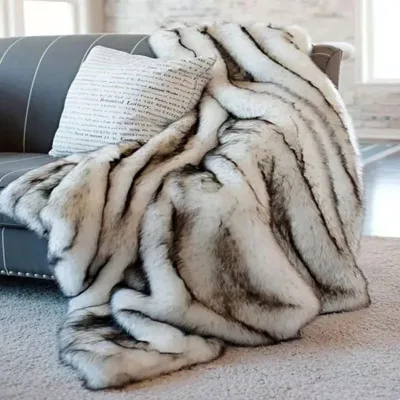
$46.6196 - $91.1673
MOQ: 1 Minimum
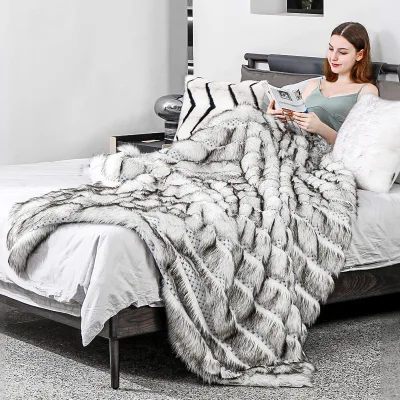
Custom Fluffy Faux Sheep Fur Raschel Blanket Modern Design Washable Shaggy Blankets for Bedroom
$57.00 - $95.00
MOQ: 1 Minimum
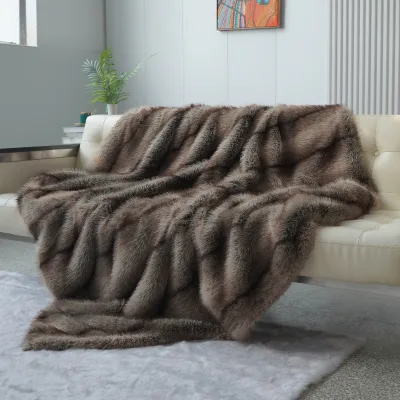

Hangzhou Yiying Trade Co., Ltd.
- Verified by CTI
- Trading Company,Manufacturer/Factory
- China Zhejiang
- Lead time23 days
- Avg. response≤ 23h
Main productsComforter, Bed Lines, Pillow, Mattress Topper, Mattress Protector, Blankets, Raw Material of Polyester Down Feather, Pet Bed, Down Products, Fabric
Main marketsSouth America,Eastern Europe,Mid East,North America,Southeast Asia,Eastern Asia,Oceania,Western Europe,Africa

Solid Lightweight Long Hair Shaggy Blanket Warm Faux Fur Blanket for Bed
$7.30 - $8.00
MOQ: 500 Pieces


Durable Double Side Microfiber Blanket Soft Plush Faux Fur Blanket for Bed
$7.90 - $8.60
MOQ: 500 Pieces

2022 Hot Sale Cozy Faux Fur Blankets Summer Blankets Soft Bedding Blankets Wholesale
$7.80 - $8.00
MOQ: 500 Pieces

Wuxi Glolinker Technology Co., Ltd.
- Verified by CTI
- Trading Company
- China Jiangsu
- Lead time15 days
- Avg. response≤ 14h
Main productsClothing Fabrics, Pillows, Blankets, Duvet Cover, Fabric, Bed Sheets, Satin Fabric, Pillowcase, Embroidery Fabric, Sequin Fabric
Main marketsDomestic
Shaoxing Dotex Textile Co., Ltd.
- Verified by TüVRheinland
- Manufacturer, Trading Company
- Lead time25 days
- Avg. response≤ 4h
Main productsBlanket, Bedding Sets
Main marketsWestern Europe(32%), North America(30%), Northern Europe(10%)
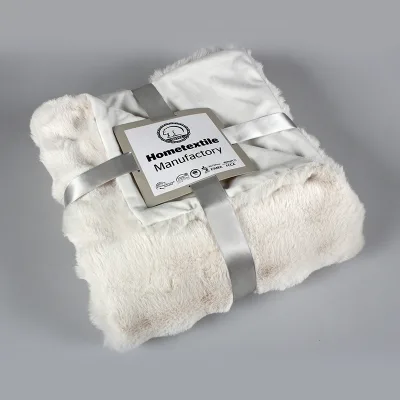
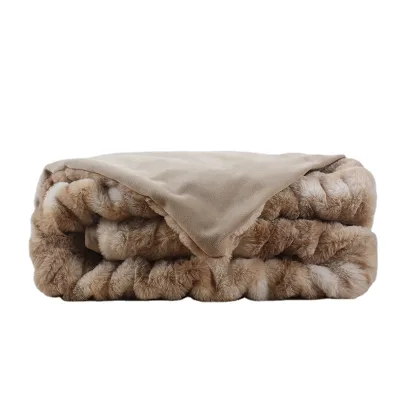
Brand New Product Super Soft Rabbit Faux Fur Fleece Blanket With Wholesale Low Price
$4.50 - $7.00
MOQ: 500 pieces
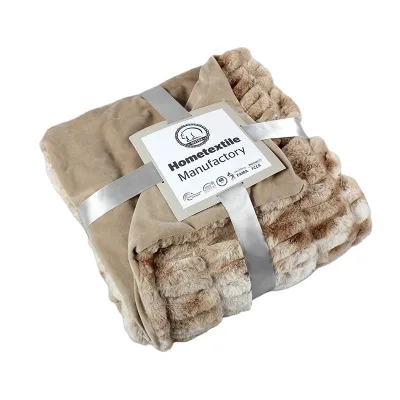
$7.00 - $8.50
MOQ: 2500 pieces

YANCHENG HUNTER TEXTILES CO.,LTD
- Manufacturer/Factory
- China Jiangsu
- Lead time23 days
- Avg. response≤ 9h
Main productsPV Rabbit Coral Flannel Fake Fur Fabric, Relative Fake Fur Blankets, Relative Fake Fur Cushion, All Kind Toys, Travel Blanket, Cute Animal Pillow Inside Flannel Blanket, Hoodie Pajama Blanket, Fake Fur Handbag, Outdoor Products, Pet Products
Main marketsSouth America,Eastern Europe,Mid East,North America,Southeast Asia,Eastern Asia,Oceania,Western Europe,Africa

- Verified by CTI
- Trading Company
- China Zhejiang
- Lead time23 days
- Avg. response≤ 15h
Main productsEarring, Vase, Scented Candles, Hair Ties, Bags
Main marketsSouth America,Europe,North America


Hot Sale Luxurious Ultra Soft Faux Fur Throw Blanket with Velvet Backing
$7.30 - $8.00
MOQ: 300 Pieces
Shaoxing Baolai Textile Co., Ltd.
- Verified by TüVRheinland
- Manufacturer, Trading Company
- Lead time25 days
- Avg. response≤ 2h
Main productsQuilts, Blanket, Bedding Sets, Fleece Pajamas, Pillow
Main marketsNorth America(20%), Western Europe(20%), Eastern Europe(10%)
Shaoxing Hengchen Textile Co., Ltd.
- Verified by TüVRheinland
- Manufacturer, Trading Company
- Lead time15 days
- Avg. response≤ 3h
Main productsBlanket, Pillow, Fabric
Main marketsNorth America(48%), Western Europe(15%), Domestic Market(11%)
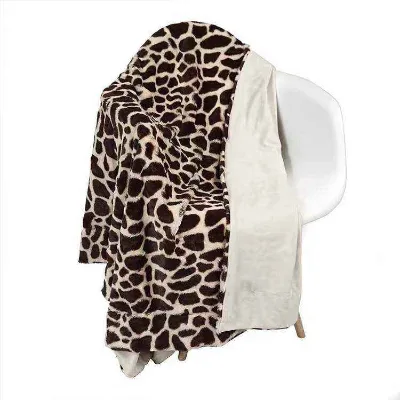
New Fashion Leopard Print Blanket Super Soft Faux Fur PV Fleece Throw Plush Blanket
$4.6078 - $6.1437
MOQ: 500 pieces
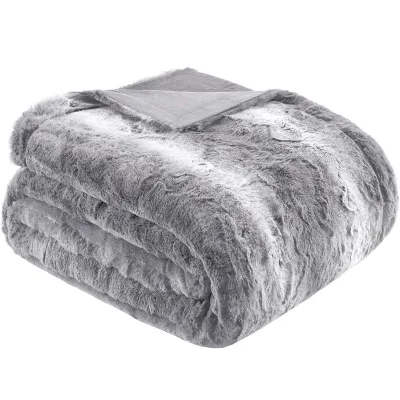
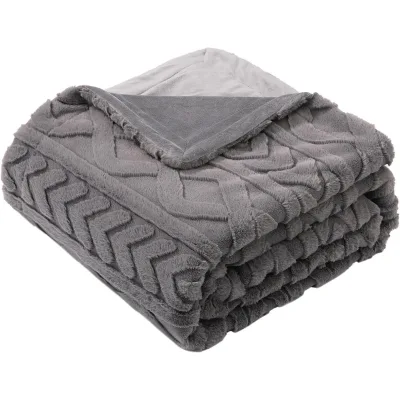
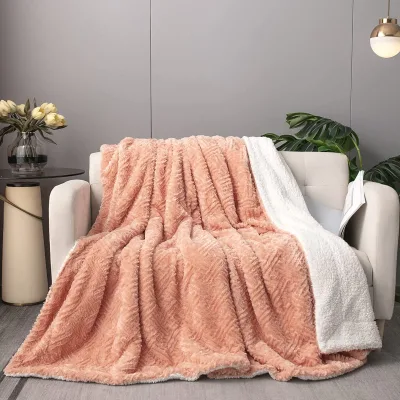
Wholesale Polyester 2-layer Soft Throw Blanket Faux Fur Fuzzy Winter Sherpa Fleece Blanket king Size
$4.6078 - $6.1437
MOQ: 100 pieces
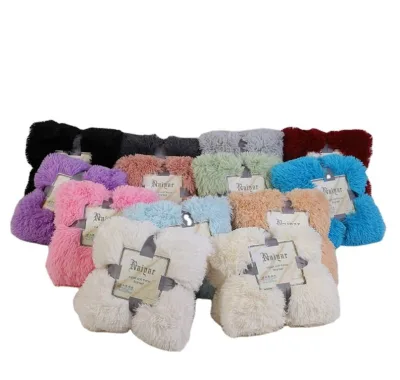
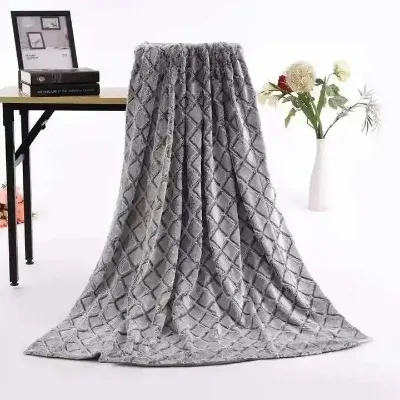
Super Soft 100% Polyester Diamond Jacquard Faux Fur PV Fleece Plush 2 Layers Thick Blanket for Home
$4.8383 - $6.2425
MOQ: 1000 pieces
Yiwu Cabin Houseware Co., Ltd.
- Verified by TüVRheinland
- Manufacturer, Trading Company
- Lead time7 days
- Avg. response≤ 2h
Main productsHome Textile
Main marketsCentral America(25%), South Asia(25%), Mid East(20%)
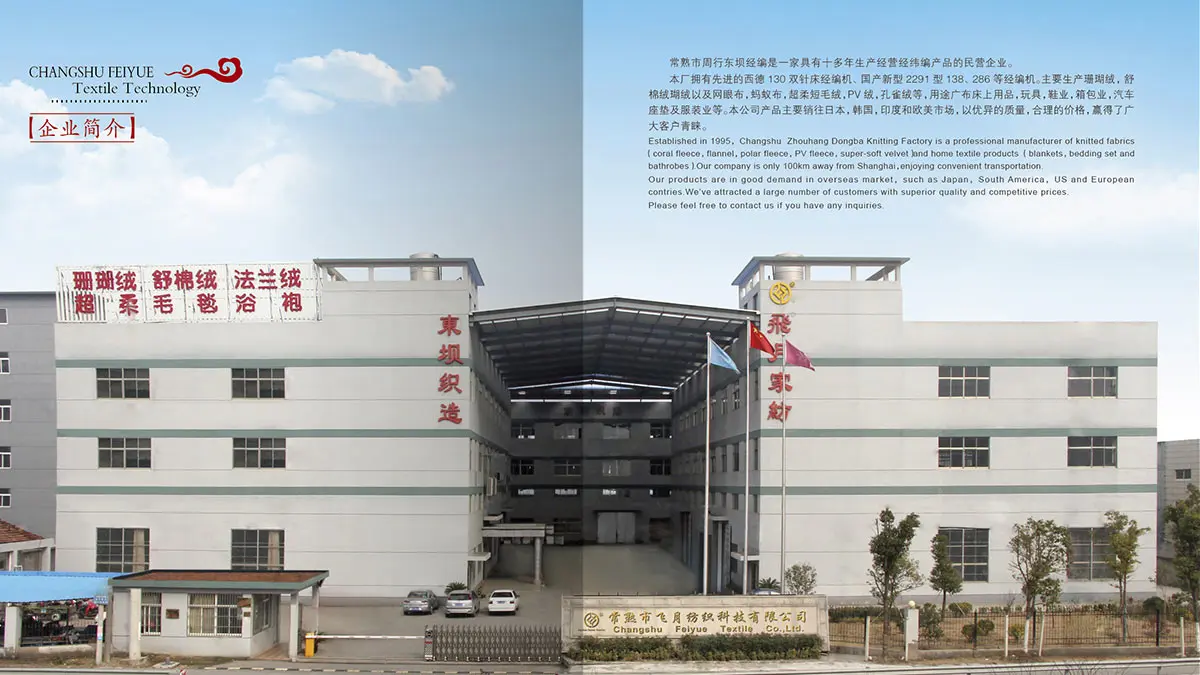
Changshu Feiyue Textile Technology Co., Ltd.
- Manufacturer, Trading Company
- Jiangsu, China
- Lead time40 days
- Avg. response≤ 3h
Main productsCushion Cover,Flannel Blanket,Bedding Sets,Sherpa,Mink
Main marketsEastern Europe(30.00%), Southern Europe(20.00%), North America(20.00%), Southeast Asia(10.00%), Northern Europe(10.00%), Western Europe(10.00%)
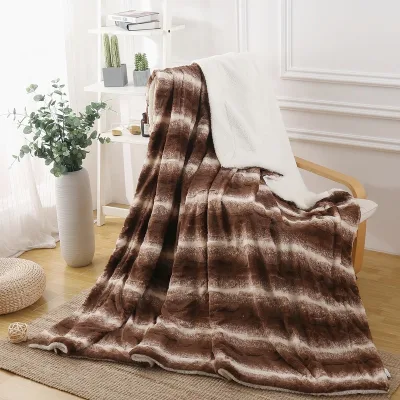
$7.1347 - $9.2021
MOQ: 1000 pieces
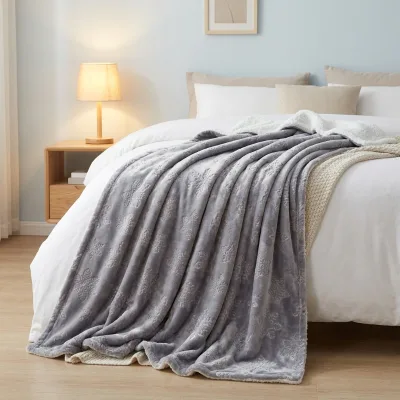
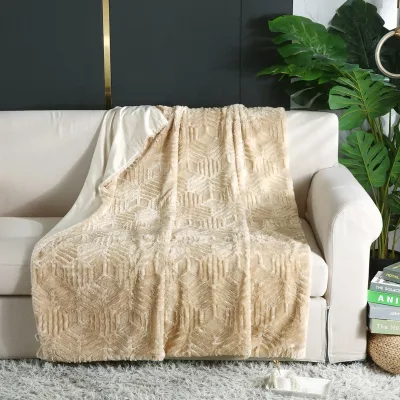
$4.6751 - $6.2335
MOQ: 1000 pieces

Hangzhou Winde Home Furnishing Co., Ltd.
- China Jiangsu
- Lead time0 days
- Avg. response≤ 4h
Main productsBedding, Bedding Set, Duvet Cover Set, Bed Sheet Set, Hotel Bedding, Crib Bedding, Baby Bedding, Blanket, Bedspread, Towel
Hangzhou Babycat Textile Co., Ltd.
- Manufacturer, Trading Company
- Zhejiang, China
- Lead time30 days
- Avg. response≤ 22h
Main productsBlanket, Bathrobe, Cushion
Main marketsNorth America(48.00%), Western Europe(20.00%), Southern Europe(10.00%), Northern Europe(10.00%), Eastern Europe(10.00%), Domestic Market(2.00%)
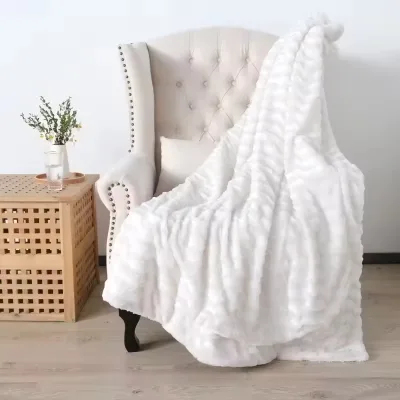
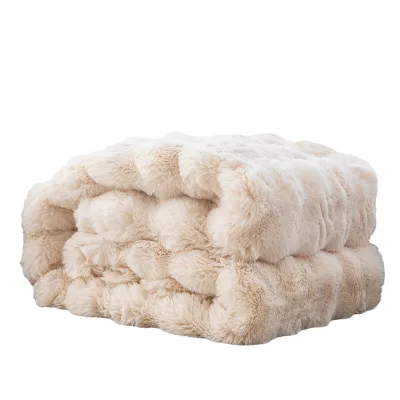
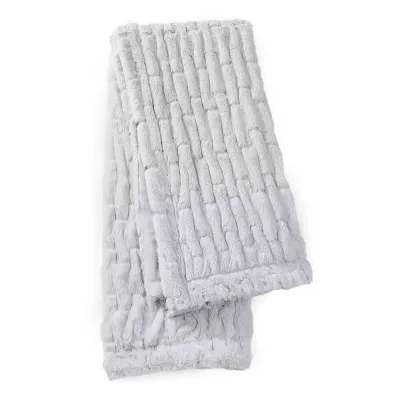
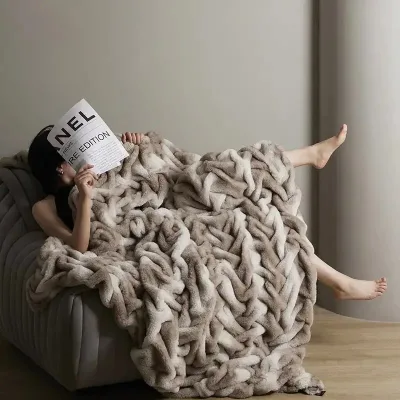
Luxury Custom Soft Faux Fur White and Solid Print Design Faux Fur Blanket for Winter
$8.0045 - $11.2724
MOQ: 100 pieces
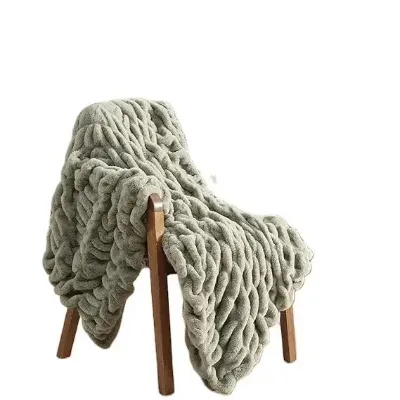
Tongxiang Bojay Trade Co., Ltd.
- Verified by TüVRheinland
- Trading Company
- Lead time15 days
- Avg. response≤ 8h
Main productsWeaving Blanket, Knitted Weighted Blanket, Weighted Blanket, Hand Knitted Blanket, Knitted Wool Blanket
Main marketsNorth America(30%), Western Europe(15%), South America(10%)
Shaoxing Fangzhuo Textiles Co., Ltd.
- Verified by TüVRheinland
- Trading Company
- Lead time10 days
- Avg. response≤ 2h
Main productsFlannel Print Blanket, Pashmina, Sherpa Blanket, Cushion, Neck Warmer
Main marketsNorth America(60%), Eastern Asia(15%), Eastern Europe(10%)
Zhangjiagang Acoshine Hometextile Co., Ltd.
- Manufacturer, Trading Company
- Jiangsu, China
- Lead time30 days
- Avg. response≤ 10h
Main productsBlanket,Cushion,Bathrobe
Main marketsWestern Europe(30.00%), North America(30.00%), Southeast Asia(20.00%), South Asia(2.00%), Southern Europe(2.00%), Northern Europe(2.00%), Central America(2.00%), South America(2.00%), Eastern Asia(2.00%), Mid East(2.00%), Oceania(2.00%), Africa(2.00%), Eastern Europe(2.00%)
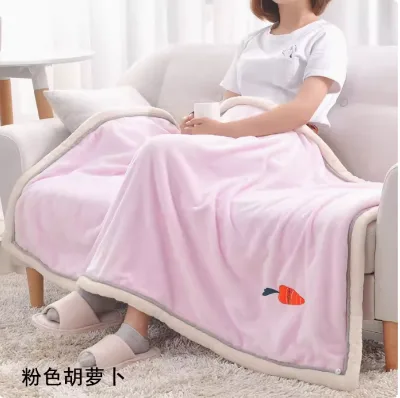
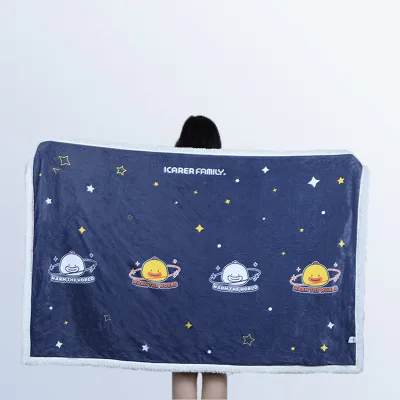
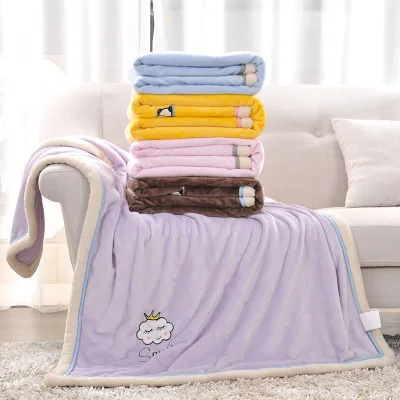
Solid Thick Fleece Blanket Coral Fleece Faux Fur Weighted Blanket For Winter
$4.9296 - $11.50
MOQ: 20 Minimum
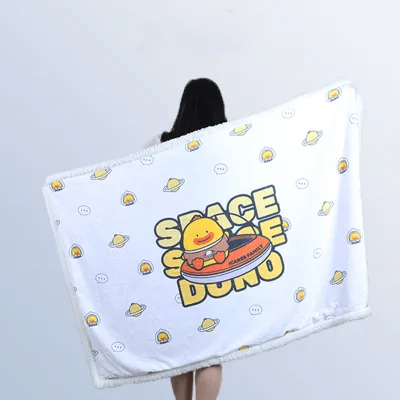
Warm Soft Fluffy Cozy Custom Fleece Throw Blanket Cozy Fleece Blanket
$4.9296 - $11.50
MOQ: 20 Minimum
Hangzhou Yanxin Trading Co., Ltd.
- Manufacturer, Trading Company
- Zhejiang, China
- Lead time35 days
- Avg. response≤ 1h
Main productsBlanket,Cushion,Hoodie Blanket,comforter sets
Main marketsNorth America(40.00%), Oceania(40.00%), Mid East(8.00%), Southeast Asia(5.00%), Southern Europe(5.00%), South Asia(2.00%)
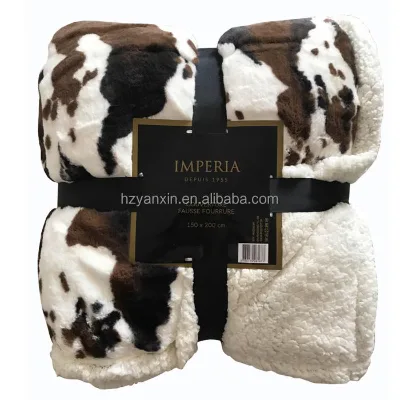
China Manufacture Soft Thick Faux Fur Blanket Microfiber Printed Sheepskin Fur Blanket
$5.6362 - $7.1736
MOQ: 500 pieces
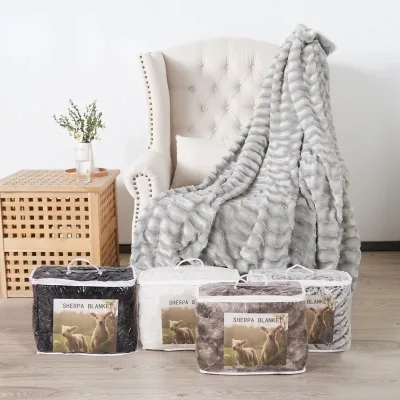
Shaoxing Xiaobao Textile Co., Ltd.
- Manufacturer, Trading Company
- Zhejiang, China
- Lead time20 days
- Avg. response≤ 6h
Main productsBlanket, Women Robes, Bedding Set, Fitted Sheet, Picnic Mat
Main marketsNorth America(40.00%), Western Europe(20.00%), Eastern Europe(20.00%), Eastern Asia(10.00%), Southern Europe(10.00%)
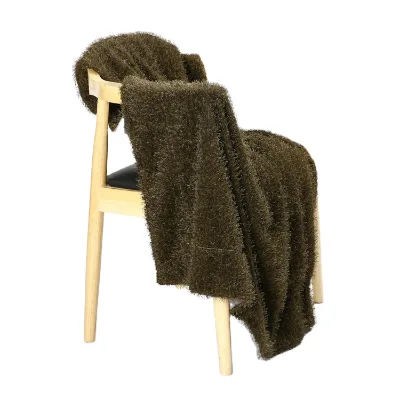
China's New Luxury Double-Deck Faux Mink Throw Coral Fleece Luxury Fake Fur Blanket
$3.70 - $4.00
MOQ: 500
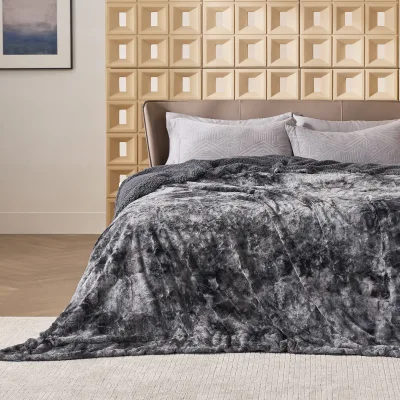
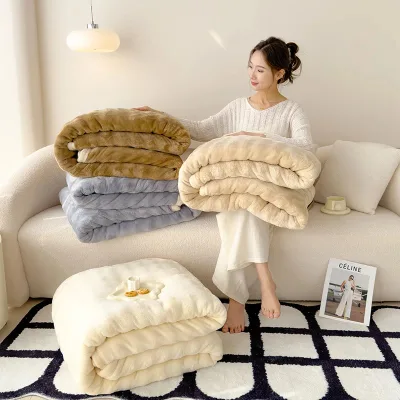
2024 New Stylish Anti-Pilling Knitted Faux Fur Wearable Blanket Versatile and Fashionable for Home
$3.00 - $8.00
MOQ: 500 pieces


- Manufacturer, Trading Company
- Jiangsu, China
- Lead time30 days
- Avg. response≤ 11h
Main productsTable linens,Blankets,Bed linens,Sofa cover chair Cover,Christmas series
Main marketsOceania(20.00%), North America(20.00%), Domestic Market(5.00%), South Asia(5.00%), Southern Europe(5.00%), Northern Europe(5.00%), Central America(5.00%), Western Europe(5.00%), Eastern Asia(5.00%), Mid East(5.00%), South America(5.00%), Africa(5.00%), Southeast Asia(5.00%), Eastern Europe(5.00%)
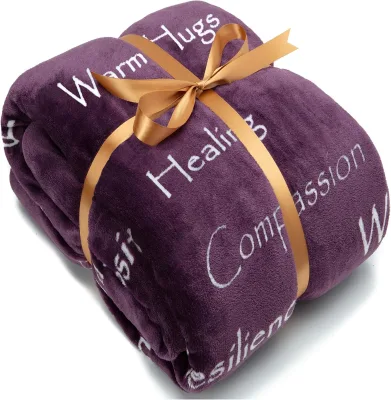
Luxury Plush Blankets for Bedroom & Living Room,Faux Fur Blanket Rabbit Fleece
$3.50 - $8.70
MOQ: 300 Minimum
Suzhou Megatex Import & Export Co., Ltd.
- Verified by TüVRheinland
- Trading Company
- Lead time45 days
- Avg. response≤ 16h
Main productsBlankets, Bedding Set, Silk Pillowcases
Main marketsNorth America(70%), Western Europe(13%), South America(5%)

CHANGZHOU KINGCASON PRINTING & DYEING CO., LTD.
- Verified by TUVRHEINLAND
- Combined
- China Jiangsu
- Lead time60 days
- Avg. response≤ 6h
Main productsFabric
Main marketsSouth America,Domestic


Custom Colors Brushed Rabbit Faux Fur Blanket Double Layer Reversible Blanket
$2.50 - $4.30
MOQ: 1000 Pieces






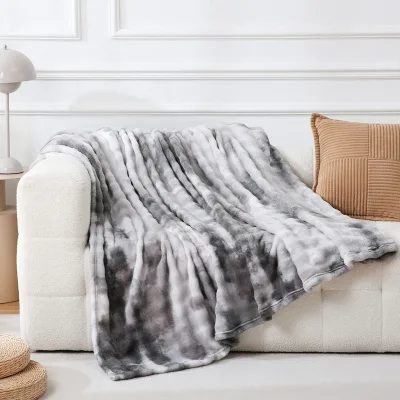
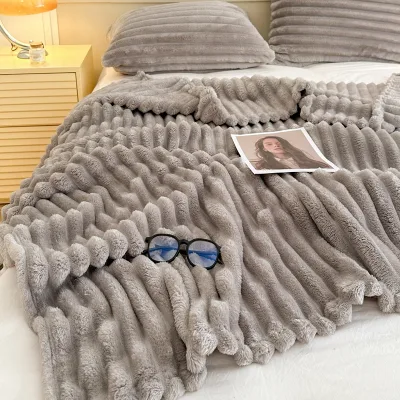
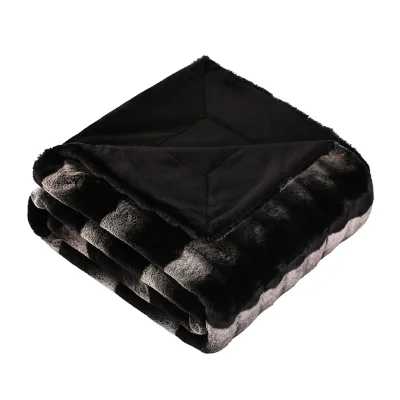
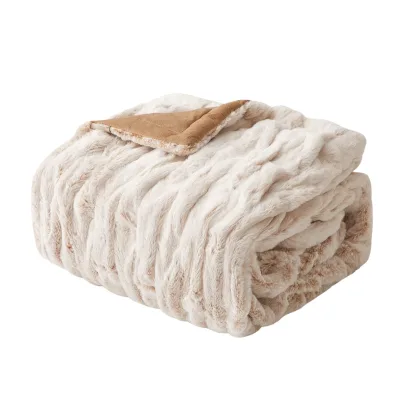
Comprehensive Sourcing Guide
Anti-Pilling Faux Fur Blanket Supplier Concentration and Factory Types
The available data indicates a concentration of suppliers in Zhejiang, China, specifically within the Zhejiang province region. This area hosts a mix of company types, including Trading Companies and entities that operate as both Manufacturers and Trading Companies. The primary product focus for these entities spans a wide range of faux fur materials, including long pile fur, imitation fur, boa plush, high pile fur, tricot fur, suede fabric, and various artificial fur options. Some suppliers also list knitted blankets, woven blankets, and flannel blankets alongside their faux fur offerings, suggesting a broader textile capability within the cluster.
When evaluating the factory types in this region, buyers should note that some suppliers are identified strictly as Trading Companies, while others claim dual roles as Manufacturers and Trading Companies. This distinction is critical for understanding the supply chain structure. A Trading Company may source from multiple factories, whereas a Manufacturer-Trading Company might control the production process directly. The presence of specific product attributes like knitted technics and warp knitting in the product evidence suggests that the manufacturing capabilities in this region are specialized in textile production techniques suitable for faux fur blankets. Buyers must verify the actual production capacity of each entity rather than relying solely on the listed company type.
How to Verify Anti-Pilling Faux Fur Blanket Suppliers
Verification begins with scrutinizing the specific product attributes provided in the supplier listings, such as material composition and technical specifications. For instance, some products are listed as 100% Acrylic or 100% Polyester, while others combine Polyester and Acrylic. The product evidence also highlights specific knitting technics like warp knitting and physical features such as high strength, which are relevant to durability and pilling resistance. Buyers should request detailed test reports or certificates that confirm these material claims, as the presence of "Anti-Pilling" in the keyword does not guarantee a specific test result in the provided data. The absence of a system certification in some records necessitates a direct inquiry into whether the supplier holds OEKO-TEX STANDARD 100 or similar standards, as one product listing explicitly mentions this certification.
Response time and lead time are also key verification metrics for supplier reliability. The observed data shows response times ranging from 2 to 3.84 hours, indicating varying levels of communication efficiency. Lead times are recorded as 15 days for some suppliers and 30 days for others, which impacts production planning. Buyers should verify if these lead times are consistent for custom orders or if they apply only to stock items. Additionally, the availability of customization is noted in several product attributes, but the extent of this customization must be confirmed. Buyers should ask for samples that match the specific material and technic claims, such as the 1000G/M or 1200G/M standards, to ensure the physical product matches the digital description before committing to a larger order.
What to Compare Across Anti-Pilling Faux Fur Blanket Suppliers
Comparing suppliers requires a detailed analysis of the commercial and logistical parameters provided in the search results. Key dimensions include the minimum order quantity (MOQ), which varies significantly, with some listings showing an MOQ of 300 units and others requiring 500 units. Pricing is another critical factor, with observed price points ranging from 3.90 to 25.50 per unit, depending on the product specifications and material composition. Buyers must compare these prices against the stated product standards, such as 850G/M, 1000G/M, or 1050m/g, to determine the value proposition. The variation in price often correlates with the complexity of the pattern, such as Jacquard or Tip-Dyed, and the specific fiber types used, like Plush or Short Fiber.
Beyond pricing and MOQ, the functional attributes and application scope of the products should be compared. Some blankets are designed for Home Textile and Garment use, while others extend to Auto Upholstery and Toy applications. The product evidence lists functions like Heat-Insulation and Shrink-Resistant, which are essential for performance. Buyers should also compare the packing methods, noting that some products are packed in Rolls while others accept Customization for packing. The style and pattern details, such as Plain, Bonded, or Light Luxury, further differentiate the offerings. A comprehensive comparison involves mapping these attributes against the buyer's specific end-use requirements to ensure the selected supplier can meet the technical and aesthetic demands of the project.
Common Anti-Pilling Faux Fur Blanket Sourcing Risks
One significant risk involves the discrepancy between marketing claims and actual product performance, particularly regarding pilling resistance. While the keyword focuses on "Anti-Pilling," the provided product evidence does not explicitly confirm a pilling test result for all items. Some listings mention "Shrink-Resistant" and "High Strength," but these do not automatically equate to anti-pilling certification. Buyers face the risk of receiving products that may pill after washing or use if the fiber type, such as Short Fiber or Plush, is not optimized for durability. The variation in material composition, including 100% Acrylic versus 100% Polyester, further complicates the assessment of long-term performance without physical testing.
Another risk stems from the variability in lead times and response times across different suppliers. With lead times ranging from 15 to 30 days and response times varying from 2 to 3.84 hours, supply chain consistency is not guaranteed. A supplier with a fast response time might have a longer lead time, or vice versa, creating potential bottlenecks in production scheduling. Additionally, the lack of a universal system certification in some records means that quality control standards may differ between suppliers. Buyers must be cautious of suppliers who do not provide clear evidence of their manufacturing processes or quality assurance protocols. The risk of inconsistent product quality is heightened when dealing with Trading Companies that may not have direct oversight of the production line.
Anti-Pilling Faux Fur Blanket Regional Sourcing and Logistics
The primary sourcing region identified in the data is Zhejiang, China, with specific mentions of Zhejiang, China as the place of origin for several products. This concentration suggests a robust logistics network for exporting textiles from this province. Buyers sourcing from this region should anticipate shipping routes that typically connect major Chinese ports to global destinations. The location data confirms that the manufacturing base is centralized, which can simplify the coordination of multiple orders from different suppliers within the same province. However, buyers should verify the specific port of loading for each supplier, as this can affect transit times and shipping costs.
Logistics planning must also account for the specific product dimensions and packing methods. The product evidence indicates standard sizes such as 100cm160cm and 160cm200cm, with packing options including Rolls or Customization. These factors influence the volume and weight of the shipment, which in turn affects freight costs. Buyers should calculate the total landed cost by considering the product price, MOQ, and shipping expenses. The regional concentration in Zhejiang may offer competitive shipping rates due to the high volume of textile exports from the area. However, buyers should confirm the packaging integrity to prevent damage during transit, especially for products with specific physical features like High Strength or specific fiber types that might be sensitive to compression.
Anti-Pilling Faux Fur Blanket Commercial Terms and Order Planning
Commercial terms for these products include specific pricing structures and minimum order quantities that vary by supplier. The observed price range spans from 3.90 to 25.50, with MOQs set at 300 or 500 units. Buyers must plan their orders to meet these thresholds while balancing inventory costs. The availability of customization is a key commercial term, as it allows for tailored specifications but may impact the lead time and unit price. Buyers should negotiate clear terms regarding customization fees and the timeline for sample approval before mass production begins. The product attributes also highlight functions like Heat-Insulation and Shrink-Resistant, which should be explicitly included in the purchase agreement to ensure compliance.
Order planning should also consider the response time and lead time to ensure timely delivery. With response times as low as 2 hours and lead times up to 30 days, buyers need to align their production schedules accordingly. The variation in lead times between suppliers means that a single order might require coordination with multiple vendors if different components are sourced separately. Buyers should establish a clear communication channel to monitor progress and address any delays promptly. Additionally, the product evidence mentions specific standards like 850G/M or 1200G/M, which should be verified in the final contract. Ensuring that all commercial terms, including payment methods and delivery schedules, are clearly defined will mitigate risks and facilitate a smooth procurement process.
FAQs
What materials are used in anti-pilling faux fur blankets?
Suppliers typically use 100% Acrylic or 100% Polyester for these blankets. Some options combine Polyester and Acrylic blends to enhance durability. These synthetic fibers are selected for their resistance to pilling and their ability to maintain a soft, plush texture over time. Buyers should verify the specific fiber type to ensure the desired level of softness and longevity for their intended application.
What is the typical lead time for faux fur blanket orders?
Lead times generally range from 15 to 30 days depending on the supplier type. Trading companies often offer faster turnaround times around 15 days, while manufacturers may require up to 30 days for production. Buyers should confirm the exact schedule with their chosen supplier, as custom patterns or large volume orders can extend these standard production windows significantly.
What are the minimum order quantities for faux fur blankets?
Minimum order quantities vary by product style, typically starting at 300 units for specific blanket models. Other fabric rolls may require a minimum of 500 units. Buyers should check the specific MOQ for their desired pattern and material, as customizations or special finishes might influence the required order volume and pricing tiers offered by the supplier.
Are faux fur blankets certified for safety and quality?
Some suppliers offer blankets certified under OEKO-TEX STANDARD 100, ensuring they are free from harmful substances. While many listings do not display specific system certifications, buyers should request proof of compliance for home textile applications. Verifying these standards is crucial for ensuring the product meets international safety requirements for direct skin contact and household use.
What is the price range for wholesale faux fur blankets?
Prices for faux fur blankets range from approximately $3.90 to $25.50 per unit. Basic polyester options start near $3.90, while premium acrylic or specialized designs can cost up to $25.50. The final price depends on the material weight, pattern complexity, and order volume, so buyers should request detailed quotes based on their specific quantity and customization needs.
How quickly do suppliers respond to sourcing inquiries?
Response times for sourcing inquiries typically average around 2 to 3.84 hours. Faster response rates are often associated with suppliers who prioritize quick communication for trade inquiries. Buyers can expect prompt replies when contacting manufacturers or trading companies directly, facilitating quicker negotiations and order placement for time-sensitive procurement projects.
Can faux fur blankets be customized for specific patterns?
Yes, customization is available for many faux fur blanket products. Suppliers offer options for different patterns, including Jacquard, Bonded, and Plush styles. Buyers can request specific colors, weights, and finishes to match their brand requirements. It is important to confirm customization availability and any associated costs or minimum order requirements before finalizing the design specifications.