Color-Coded Human Brain Model Suppliers and Manufacturers
Explore 23 verified options for Color-Coded Human Brain Model suppliers and manufacturers in China. Compare response times, lead times, certifications, and product specifications to find the right partner. Contact suppliers directly to request quotes and samples; review the available evidence before requesting comparable quotations from suitable candidates.
Suppliers List

- Trading Company
- China Zhejiang
- Lead time0 days
- Avg. response≤ 7h
Main productsAdditive Manufacturing/3D Printing, Dental Models, Hydration Bladder, Nursing and First Aid Models, Anatomical Model

Ningbo Finer Medical Instruments Co., Limited
- Trading Company,Manufacturer/Factory
- China Zhejiang
- Lead time23 days
- Avg. response≤ 21h
Main productsMedical Consumables, Medical Equipment, Hospital Furniture, Mobility Safety Aid, Daily Living Aid
Main marketsSouth America,Eastern Europe,Mid East,North America,Southeast Asia,Eastern Asia,Oceania,Western Europe,Africa
Guangzhou Mecan Medical Limited
- Verified by SGS Group
- Manufacturer, Trading Company
- Lead time3 days
- Avg. response≤ 4h
Main productsImaging Equipment, Operating Room Equipment, Hemodialysis Equipment, Laboratory Equipment, Veterinary Equipment
Main marketsAfrica(60%), Southeast Asia(20%), South America(6%)

Henan Green Education Equipment Co., Ltd.
- Trading Company
- Henan, China
- Lead time5 days
- Avg. response≤ 2h
Main productsAnatomical models,Nursing models,Dental models,Specimens,Silicone suture model
Main marketsSouth America(18.0%), Africa(18.0%), North America(10.0%), Southeast Asia(10.0%), Mid East(10.0%), Northern Europe(5.0%), South Asia(5.0%), Western Europe(5.0%), Eastern Asia(5.0%), Eastern Europe(5.0%), Southern Europe(5.0%), Central America(2.0%), Oceania(2.0%)
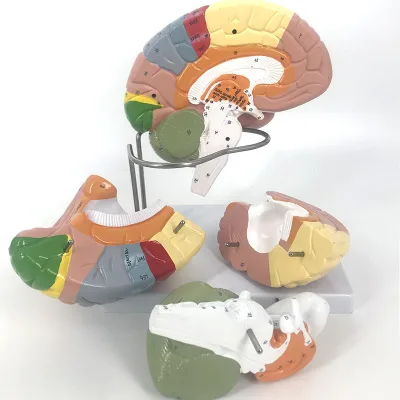
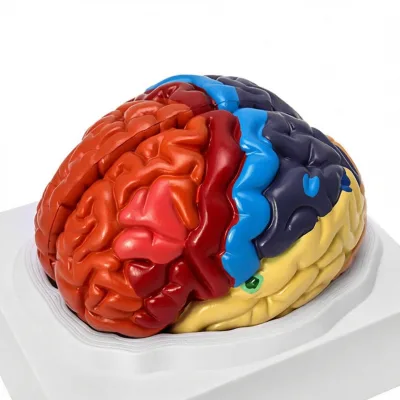
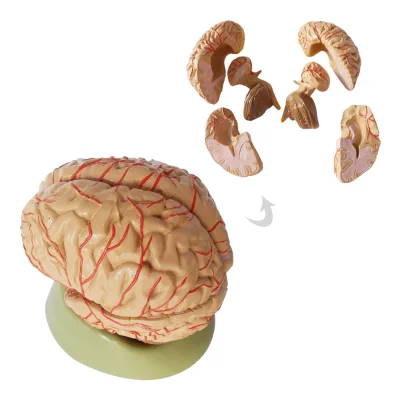
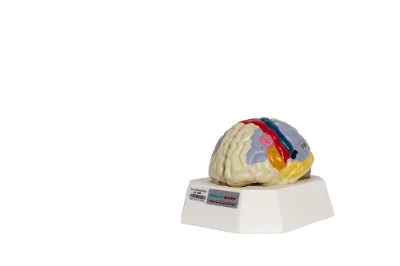
Life Size Detachable Colored Human Brain Partition Teaching Anatomical Model
$59.00 - $86.00
MOQ: 10 Minimum
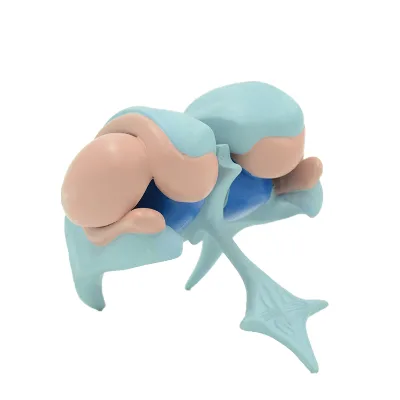
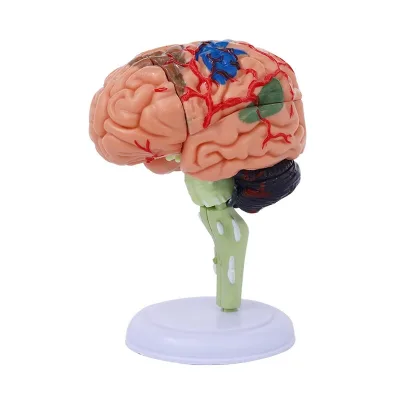
Human Anatomical Brain Cerebral Basal Ganglia Anatomy Model of Ventricle and Basal Nucleus of Brain
$19.98 - $33.30
MOQ: 10 Minimum

Guangzhou Med Equipment Limited
- Combined
- China Guangdong
- Lead time15 days
- Avg. response≤ 3h
Main productsMedical Equipment, Lab Equipment, Hospital Bed, Hospital Equipment, Autoclave, Operation Table, X-ray Machine, Endoscope, Refractometer, Dental Chair
Main marketsDomestic


Teaching Human Plastic Brain 3D Medical Model Medical Training Anatomy Model
$99.00 - $250.00
MOQ: 1 Pieces


Guangzhou MeCan Medical Limited
- Verified by CTI
- Combined
- China Guangdong
- Lead time15 days
- Avg. response≤ 2h
Main productsColor Doppler Ultrasound Scanner, Patient Monitor, Medical Fridge, Medical X-ray Machine, X-ray Film Processor, Colonoscope, Hospital Bed, Medical Freezer, Ventilator, Anaesthesia Machine
Main marketsAfrica,Southeast Asia/ Mideast

Hai Yang International Limited
- Verified by SGS
- Trading Company,Manufacturer/Factory
- China Zhejiang
- Lead time60 days
- Avg. response≤ 5h
Main productsWooden Toy, Montessori Material, Wooden Educational Toys, Wooden Puzzle, Wooden Blocks, Wooden Train Set, Wooden Nutcrackers, Wooden Crafts, Wooden Dolls, Wooden Chess
Main marketsEastern Europe,Mid East,North America,Southeast Asia,Eastern Asia,Oceania

Xinxiang Red Forest Edu. Instrument Co., Ltd.
- Manufacturer, Trading Company
- Henan, China
- Lead time15 days
- Avg. response≤ 2h
Main productsMicroscope Prepared Slides/Human Anatomical Model,Anatomical Model,Human skeleton model,Skull Model,microscope slides
Main marketsNorth America(34.0%), Western Europe(28.000000000000004%), Northern Europe(5.0%), South America(5.0%), Domestic Market(5.0%), Eastern Asia(5.0%), Eastern Europe(5.0%), Mid East(3.0%), South Asia(3.0%), Oceania(2.0%), Central America(2.0%), Africa(1.0%), Southeast Asia(1.0%), Southern Europe(1.0%)

- Combined
- China Guangdong
- Lead time30 days
- Avg. response≤ 8h
Main productsPharmaceutical Gifts Item, Anatomical Models, First Aid Kits, Medical Plastic Rulers, Medical Disposable Tourniquets, Customized Tissue Boxes, Plastic Pill Boxes Series, Medical Clipboards, Tongue Depressors Series, Medical Penlight
Main marketsSoutheast Asia/ Mideast,Europe,North America


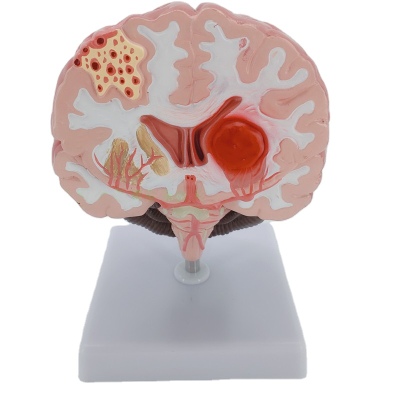
Brain stroke model, Human brain disease,Neurosurgery Brain, Education model
$19.00 - $23.00
MOQ: 1 Pieces



Ningbo Jingfeng Stationery Co., Ltd.
- Manufacturer, Trading Company
- Zhejiang, China
- Lead time10 days
- Avg. response≤ 5h
Main productsGlobe,Teaching Model,craft,gift,home decoration
Main marketsNorth America(52.0%), Mid East(22.0%), Southeast Asia(8.0%), Eastern Europe(5.0%), South Asia(3.0%), Southern Europe(2.0%), South America(2.0%), Northern Europe(2.0%), Africa(1.0%), Eastern Asia(1.0%), Oceania(1.0%), Western Europe(1.0%)
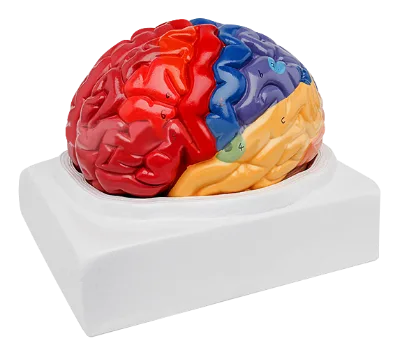
$5.20 - $7.50
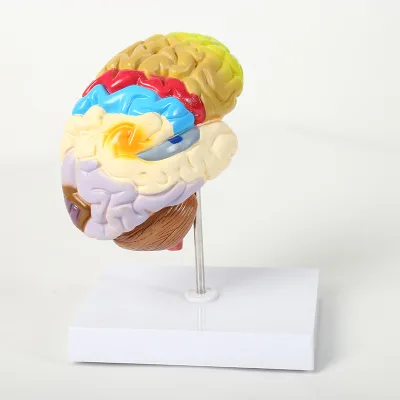
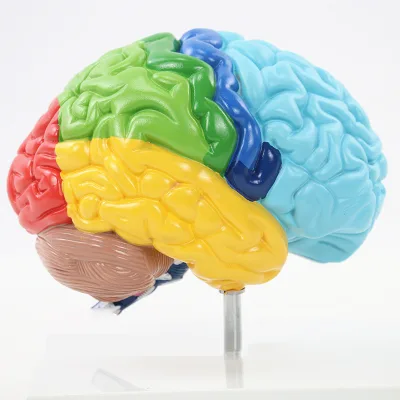
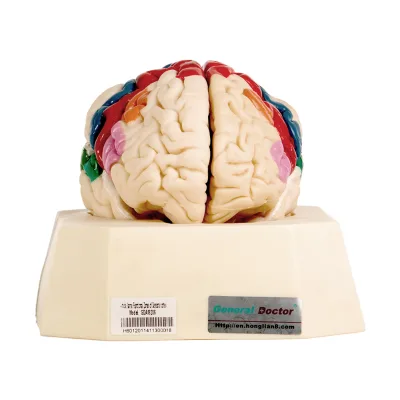
High Quality PVC Anatomical Model of the Brain Function Colorful Medical Science Product
Contact supplier
MOQ: 10
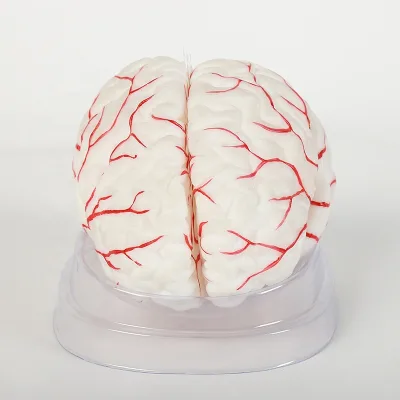
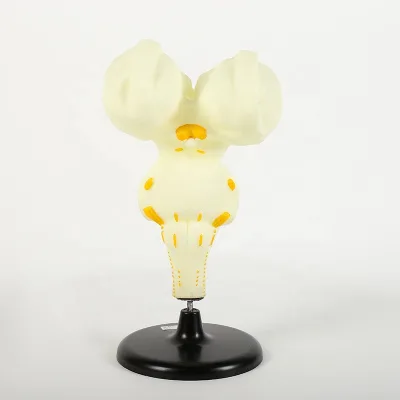
Silicone Brain Model for Medical Science
Contact supplier

Sunny Medical Equipment Limited
- Verified by SGS
- Manufacturer/Factory
- China Guangdong
- Lead time0 days
- Avg. response≤ 8h
Main productsEndoscope Camera, B-Ultrasound Scanner, Laboratory Equipment, ECG, Patient Monitor, Dental Equipment, Dialysis Machine, X-ray Machine, Veterinary Equipment


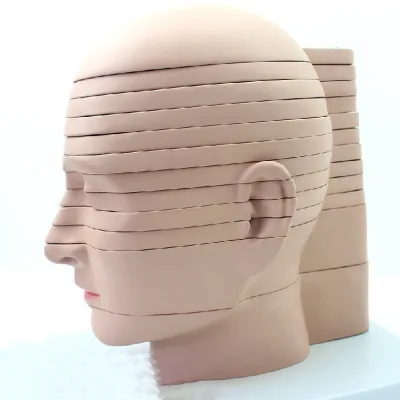
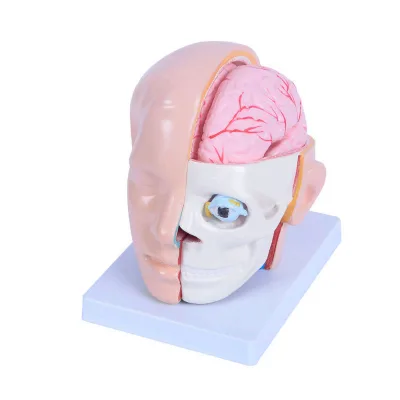
Sy-N012 Teaching Brain Head Model Sectioned Head and Face for Medical Education
$13.00 - $46.00
MOQ: 1 Pieces
Henan Yuyue Biotechnology Co., Ltd.
- Trading Company
- Henan, China
- Lead time10 days
- Avg. response≤ 1h
Main productsAnatomic Model,Human Skeleton model,Medical Simulator,Tooch Model,Acupuncture Model
Main marketsDomestic Market(30.0%), Southeast Asia(15.0%), South America(15.0%), North America(10.0%)
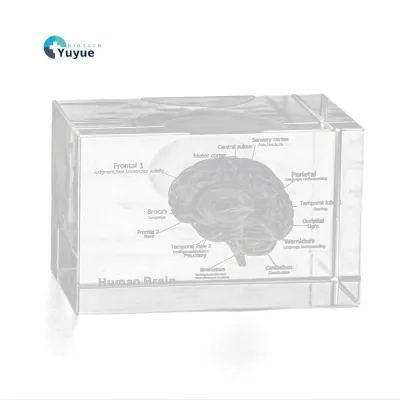
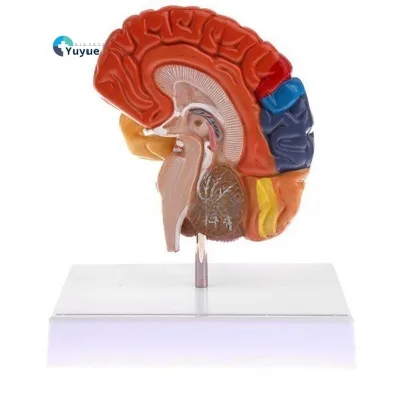
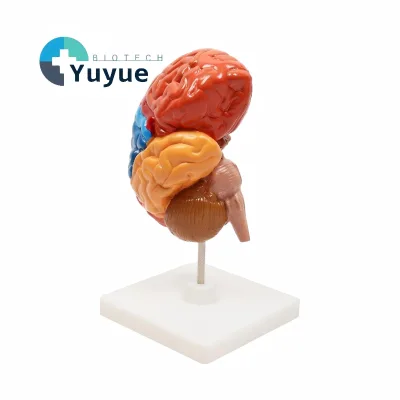
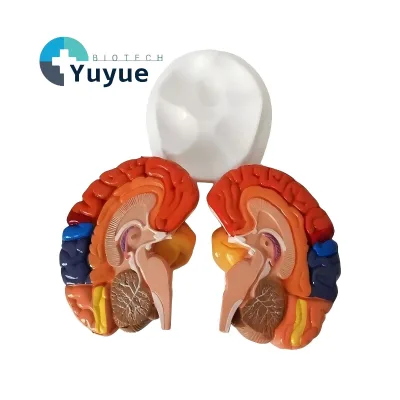
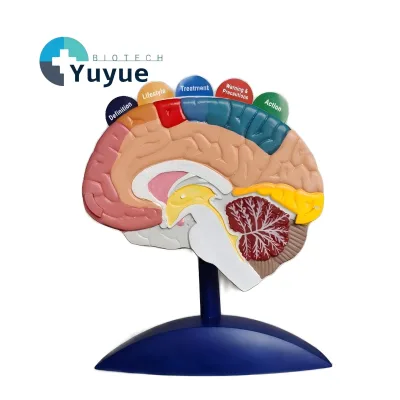
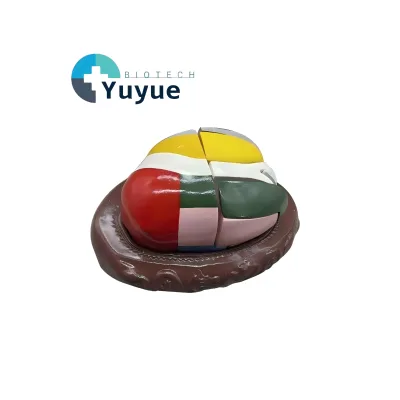
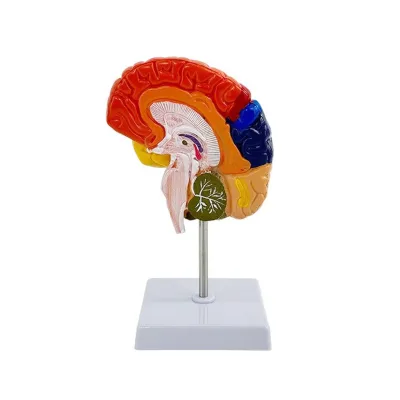
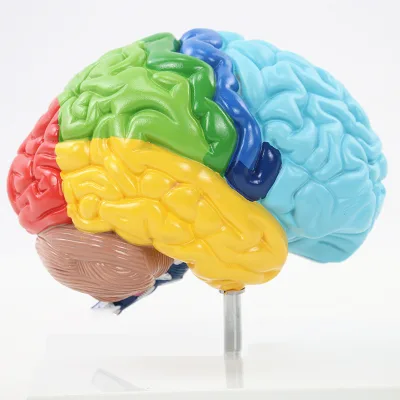
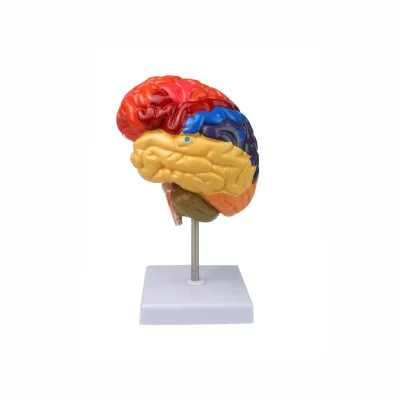
Color-Coded PVC Half Brain Model for Neurology Training & Effective Doctor-Patient Communication
$9.90 - $11.90
MOQ: 1 pieces

Yiwu Qinghua Sports & Cultural Supplies Store
- Verified by SGS
- Trading Company
- China Zhejiang
- Lead time23 days
- Avg. response≤ 3h
Main productsTeaching Models Teaching Aids Human Skeleto, Teaching Model, Human Body Teaching Model, Scientific and Educational Instruments
Main marketsSoutheast Asia/ Mideast,Domestic


Human Brain Model for Educational Purposes and Display Educational Equipment
$11.00 - $15.00
MOQ: 500 Pieces


High Quality PVC Colorful Human Brain Anatomical Model for Medical Education
$8.50 - $10.00
MOQ: 50 Pieces

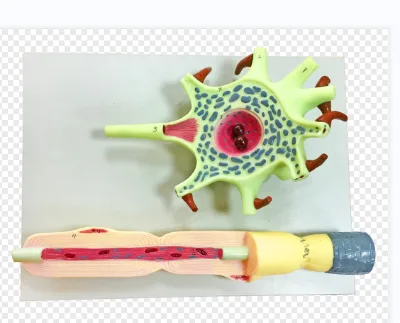
Detailed Advanced Human Neuron Model for Medical Education and Training Educational Equipment
$26.00 - $30.00
MOQ: 50 Pieces

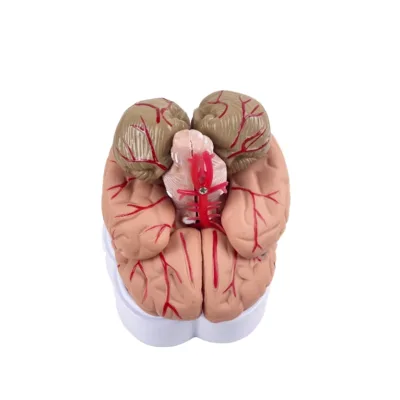
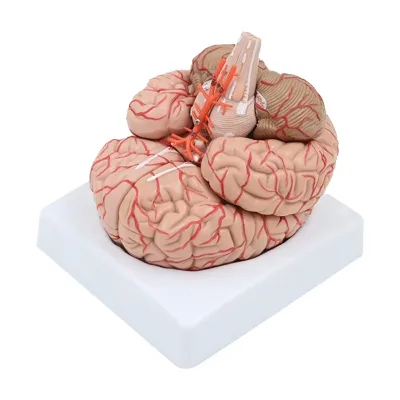
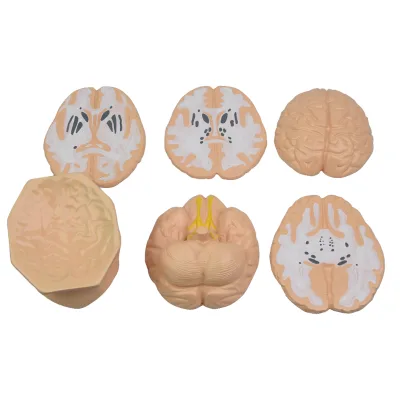
9 Parts Human Brain with Arteries Anatomical Model for Medical Teaching
$42.80 - $45.00
MOQ: 50 Pieces
Shenzhen Hantang Grand Tech. Co., Ltd.
- Manufacturer
- Guangdong, China
- Lead time10 days
- Avg. response≤ 4h
Main productsMetal Plastic Pipes tubes,Boards,Plastic OEM products,Hardware OEM products,Design
Main marketsNorth America(40.0%), South America(15.0%), Western Europe(10.0%), Eastern Europe(8.0%), Northern Europe(5.0%), Oceania(5.0%), Central America(5.0%), Mid East(3.0%), Domestic Market(2.0%), Africa(2.0%), Southern Europe(2.0%), Eastern Asia(1.0%), South Asia(1.0%), Southeast Asia(1.0%)
Shaoxing Kere Import & Export Co., Ltd.
- Trading Company
- Zhejiang, China
- Lead time0 days
- Avg. response≤ 6h
Main productsLab equipments,Lab plastic ware,Lab glassware,Teaching aids,Medical consumables
Main marketsNorth America(18.0%), Northern Europe(15.0%), Western Europe(12.0%), South America(12.0%), Eastern Europe(12.0%), South Asia(8.0%), Eastern Asia(8.0%), Africa(6.0%), Mid East(3.0%), Southeast Asia(2.0%), Central America(2.0%), Southern Europe(1.0%)
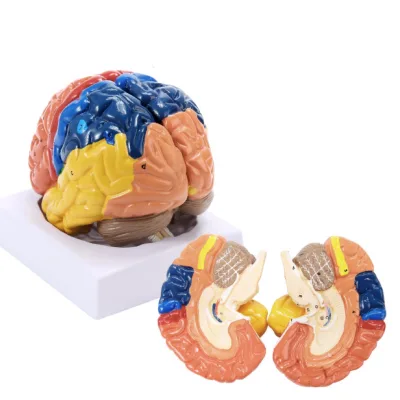
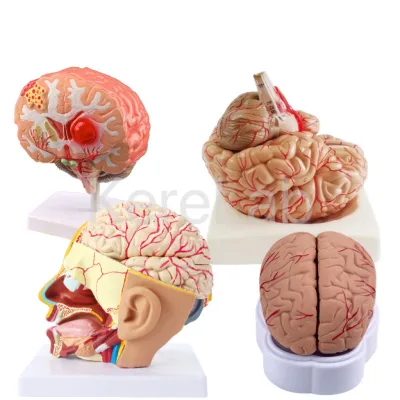
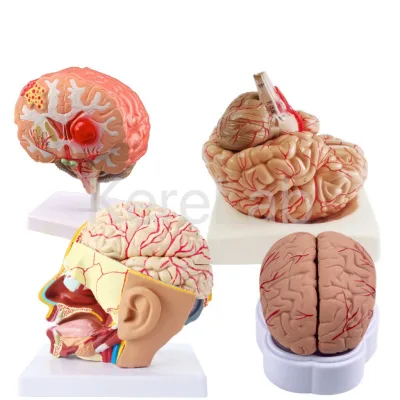
Medical Education Model Human Brain With Arteries and Nerves
$17.00 - $32.00
Henan Zhizao Teaching Instrument Co., Ltd.
- Trading Company
- Henan, China
- Lead time10 days
- Avg. response≤ 4h
Main productsteaching models,OMR machine,heating mantle,pigment,lab equipment
Main marketsCentral America(15.0%), North America(15.0%), Mid East(10.0%), Eastern Asia(9.0%), Southeast Asia(8.0%), South Asia(8.0%), South America(8.0%), Western Europe(8.0%), Africa(7.000000000000001%), Northern Europe(5.0%), Oceania(3.0%), Eastern Europe(2.0%), Southern Europe(2.0%)

Shanghai Evenk International Trading Co., Ltd.
- Trading Company
- Shanghai, China
- Lead time20 days
- Avg. response≤ 5h
Main productsEmergency training manikin,Physical examination training simulator,Nursing skills training simulator,Clinical skills training simulator,Maternal and infant training simulator
Main marketsDomestic Market(10.0%), Mid East(10.0%), Southeast Asia(10.0%), South Asia(10.0%), South America(10.0%), North America(10.0%), Africa(7.000000000000001%), Eastern Europe(5.0%), Southern Europe(5.0%), Northern Europe(5.0%), Central America(5.0%), Western Europe(5.0%), Eastern Asia(5.0%), Oceania(3.0%)

Shanghai Honglian Medical Instrument Development Co., Ltd.
- Manufacturer, Trading Company
- Shanghai, China
- Lead time20 days
- Avg. response≤ 14h
Main productsEmergency training manikin,Physical examination training simulator,Nursing skills training simulator,Clinical skills training simulator,Maternal and infant training simulator
Main marketsDomestic Market(10.0%), Mid East(10.0%), Southeast Asia(10.0%), South Asia(10.0%), South America(10.0%), North America(10.0%), Africa(7.000000000000001%), Eastern Europe(5.0%), Southern Europe(5.0%), Northern Europe(5.0%), Central America(5.0%), Western Europe(5.0%), Eastern Asia(5.0%), Oceania(3.0%)

LG IMPORT AND EXPORT CORPORATION
- Manufacturer/Factory
- China Jiangsu
- Lead time23 days
- Avg. response≤ 2h
Main productsMedical Equipment, Disposable Medical, Medical, Hospital Equipment, Disposable Medical Supplies, Hospital Bed, Medical Consumable, Ultrasound Scanner, Stretcher, Infant Incubator
Main marketsSouth America,Eastern Europe,Mid East,North America,Southeast Asia,Eastern Asia,Oceania,Western Europe,Africa

- Verified by CTI
- Combined
- China Guangdong
- Lead time15 days
- Avg. response≤ 2h
Main productsUltrasound Scanner, Laboratory Equipment, Patient Monitor, Operation Room Equipment, Endoscope, Dental Equipment, Medical X-ray Machine, Hospital Furniture, ECG, Gynecology Equipment
Main marketsSouth America,Africa,Southeast Asia/ Mideast,Europe,Australia,North America

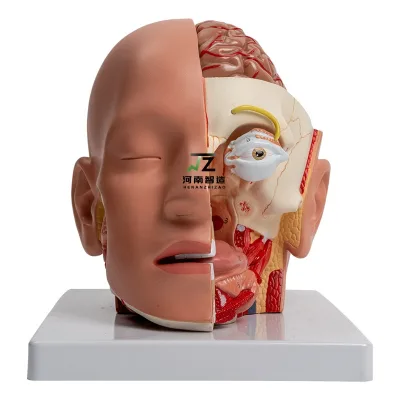
Sy-N027 Medical Brain Type Half Head Vessels Model Human Anatomical Head Model
$19.00 - $95.00
MOQ: 10 Pieces

Henan Yulin Edu. Project Co., Ltd.
- Manufacturer, Trading Company
- Lead time旺季: "1 - 1000":31,"> 1000":"To be negotiated", 淡季: "1 - 1000":31,"> 1000":"To be negotiated"
- Avg. response≤ 2h
Main productsBiological Specimen, Teaching Medical Model, Hospital Furniture, Medical Supplies and Accessories, Laboratory Equipment
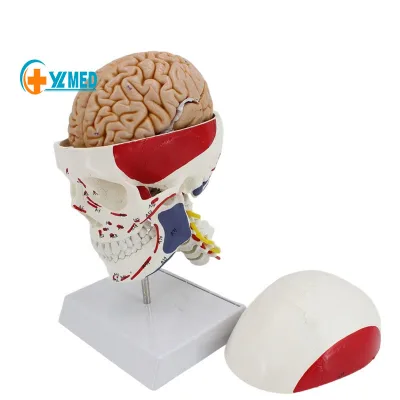
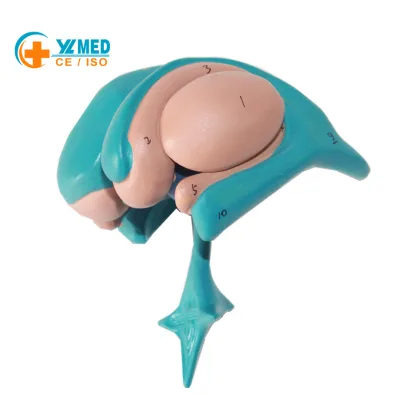
$27.57 - $29.62
MOQ: 2 pieces

SHANGHAI XINYI EDUCATION TECHNOLOGY CO.LTD
- Verified by BV
- Trading Company,Manufacturer/Factory
- China Shanghai
- Lead time15 days
- Avg. response≤ 10h
Main productsMedical Teaching Models, Human Skelton, Education Teaching Models, First Aid Kits, Aed, Electronic Equipments, Anatomical Models, Lab Equipments, Training Model, Human Care
Main marketsSouth America,Eastern Europe,Mid East,North America,Southeast Asia,Eastern Asia,Oceania,Western Europe,Africa


Brain Anatomical Model Anatomical Model Medical Education Training Simulator
$10.00 - $200.00
MOQ: 1 Pieces
Hangzhou Healer Medical Instruments Co., Ltd.
- Manufacturer, Trading Company
- Zhejiang, China
- Lead time15 days
- Avg. response≤ 5h
Main productsMedical Training And Teaching Products,Medical Instruments,Medical Training and Teaching Products,Medical Instruments,laparoscopic instruments
Main marketsDomestic Market(60.0%), North America(15.0%), Eastern Europe(10.0%), Southeast Asia(10.0%), Oceania(5.0%)






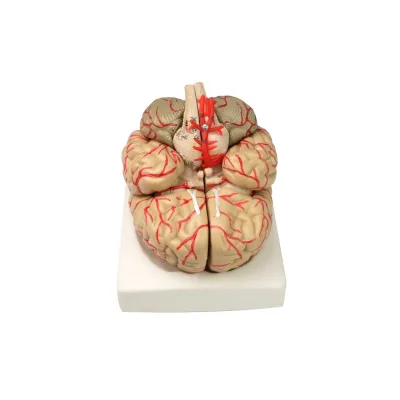
Comprehensive Sourcing Guide
Color-Coded Human Brain Model Supplier Concentration and Factory Types
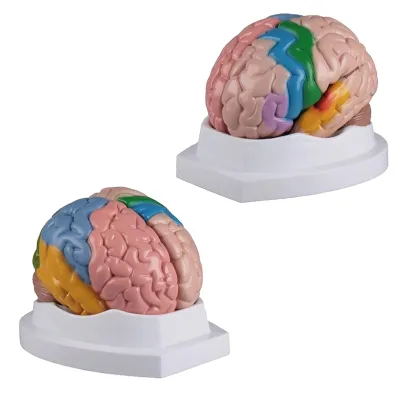
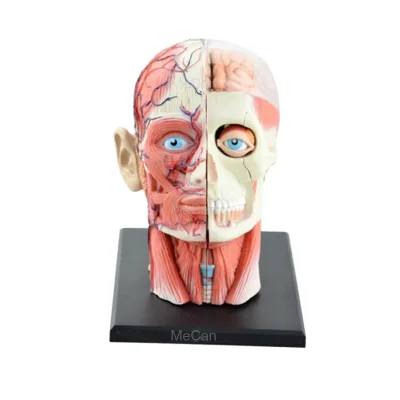
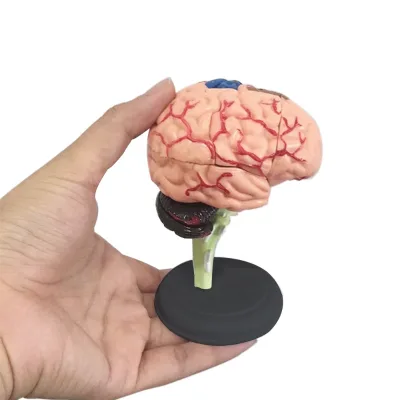
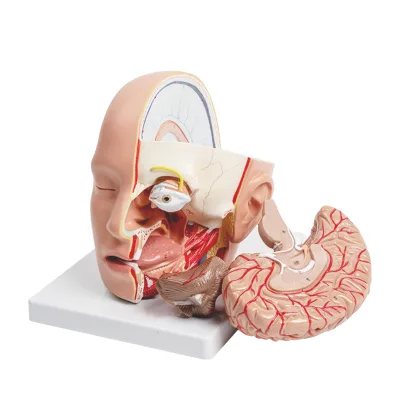
The current supplier landscape for color coded human brain models shows a distinct concentration of manufacturing and trading entities within China, specifically in the Zhejiang province. This regional clustering suggests a specialized supply chain for medical education tools, where facilities often produce anatomical models using materials like environmental PVC and medical-grade eco-friendly plastics. Buyers observing this data should note that the primary product categories include additive manufacturing, dental models, and various nursing and first aid models, indicating a broader capability in medical simulation equipment beyond just brain anatomy. The presence of these specific product lines within the same supplier profiles implies that factories in this region are equipped to handle complex, multi-part disassembled models that require high anatomical accuracy and color coding for visual learning.
Company types in this sector vary between trading companies and manufacturers, with some entities holding dual status as both a factory and a trading partner. This hybrid structure allows for flexibility in sourcing, where a single supplier might offer direct manufacturing capabilities for custom orders while also managing the logistics of broader product lines. The observed data indicates that some suppliers possess significant research and development capacity, offering OEM and ODM services for custom designs, which is crucial for institutions needing specific model configurations. However, the distinction between a pure trading company and a manufacturer remains a critical factor for buyers, as it directly impacts the ability to verify production standards, control quality during the molding process, and negotiate pricing for large volume orders of these detailed anatomical teaching tools.
How to Verify Color-Coded Human Brain Model Suppliers
Verification of suppliers for color coded human brain models requires a rigorous check of their system certifications and product-specific compliance standards. The available data highlights that credible suppliers often hold ISO 13485 and ISO 9001 certifications, which are essential for medical equipment manufacturers, alongside specific product certifications like CE, CCC, and SGS. Buyers must confirm that the supplier's claimed certifications are current and valid, as these documents verify that the manufacturing processes meet international safety and quality requirements for medical education tools. Additionally, the presence of third-party verification from groups like SGS Group adds a layer of trust, ensuring that the supplier's claims regarding their production capabilities and product safety are independently validated rather than self-reported.
Beyond certifications, buyers should scrutinize the specific product attributes listed for each model to ensure they match the intended educational or clinical application. For instance, verifying that a model is constructed from non-toxic, odorless, and shatter-proof PVC is vital for safety in classroom or laboratory settings. The data shows that some models feature detachable structures with magnetic or plug-in assemblies, which requires precise engineering to ensure the parts fit securely without compromising the model's integrity. Buyers should request detailed product specifications that confirm the material composition, such as medical-grade eco-friendly PVC, and verify that the customization options, if required, are genuinely available. This due diligence ensures that the purchased models are durable, safe for handling, and accurate enough to serve their purpose in medical teaching or art study.
What to Compare Across Color-Coded Human Brain Model Suppliers
When evaluating multiple suppliers for color coded human brain models, the response time and lead time are critical operational metrics that influence project timelines. The observed data reveals a significant variance in response speeds, with some suppliers responding within hours while others take over twenty hours, which can delay the initial stages of a procurement cycle. Similarly, lead times range from immediate availability to several weeks, with some suppliers indicating a lead time of zero days while others require up to twenty-three days for production. Buyers must compare these figures against their specific project deadlines, understanding that a shorter lead time often correlates with higher inventory levels or established production lines, whereas longer lead times may indicate a need for custom manufacturing or batch processing.
Another essential comparison point is the Minimum Order Quantity (MOQ) and the pricing structure associated with different model configurations. The data indicates that MOQs can vary widely, with some suppliers requiring a minimum of ten units for standard models while others accept single-unit orders for specialized or life-size versions. Pricing also fluctuates based on the complexity of the model, with basic plastic brain models appearing at lower price points compared to detailed, life-size, 22-part disassembled skull or brain sets. Buyers should analyze the cost per unit relative to the features offered, such as the number of dissectible parts, the quality of color coding, and the inclusion of display bases. This comparison helps in determining the most cost-effective supplier that meets both the budget constraints and the technical requirements of the educational or medical program.
Common Color-Coded Human Brain Model Sourcing Risks
One significant risk in sourcing color coded human brain models is the potential discrepancy between the advertised product attributes and the actual delivered goods, particularly regarding material quality and anatomical accuracy. While suppliers may claim their models are made from high-quality PVC or medical-grade materials, there is a risk that the final product may not meet the specified durability or safety standards, such as being non-toxic or shatter-proof. This risk is heightened when dealing with suppliers who offer extensive customization options, as the complexity of custom molds can introduce variability in the final product's finish and color fidelity. Buyers must mitigate this by requesting physical samples or detailed video evidence of the production process before committing to large orders.
Another prevalent risk involves the reliability of the supply chain and the consistency of product availability, especially for specialized models like life-size 22-part disassembled sets. The data shows that some suppliers have limited production capacity or rely on specific raw material sources, which can lead to delays or stockouts if demand spikes unexpectedly. Furthermore, the reliance on trading companies rather than direct manufacturers can obscure the true source of the product, making it difficult to trace quality issues back to the factory floor. Buyers should be cautious of suppliers who do not clearly disclose their production capacity or who lack verifiable certifications for their specific product lines, as these factors can lead to significant disruptions in educational or clinical operations if the models fail to arrive on time or do not meet the required specifications.
Color-Coded Human Brain Model Regional Sourcing and Logistics
The regional sourcing of color coded human brain models is heavily concentrated in China, with specific hubs in Zhejiang and Guangdong provinces playing a pivotal role in the global supply chain. These regions offer a mature ecosystem for medical education equipment, providing access to specialized manufacturing techniques and a wide range of raw materials like PVC. Buyers should consider the logistical advantages of sourcing from these established clusters, where the infrastructure for exporting medical supplies is well-developed. However, the distance from these manufacturing centers to international markets necessitates careful planning regarding shipping routes, customs clearance, and potential tariffs, which can impact the overall cost and delivery timeline of the order.
Logistics planning must also account for the specific packaging requirements of anatomical models, which are often fragile and require careful handling to prevent damage during transit. The data indicates that products are typically packed in boxes or cartons, with some suppliers offering standard export packaging designed to protect the models from shock and moisture. Buyers should verify the packaging details to ensure that the models, especially those with detachable parts or intricate color coding, will arrive in perfect condition. Additionally, the origin of the product, whether from Zhejiang or Guangdong, may influence the shipping costs and transit times, so buyers should request specific shipping quotes based on their destination port to accurately budget for the total landed cost of the color coded human brain models.
Color-Coded Human Brain Model Commercial Terms and Order Planning
Commercial terms for color coded human brain models often include specific conditions regarding customization, payment, and warranty that buyers must carefully review before finalizing an order. The data shows that customization is available for many models, allowing buyers to request specific color codes or part configurations, but this often comes with additional costs and longer lead times. Buyers should clarify the scope of the customization service, including whether it involves OEM or ODM capabilities, and ensure that the supplier has the necessary capacity to handle these requests without compromising the quality of the standard models. Understanding these terms is essential for planning the budget and timeline, as custom orders may require a different payment structure or deposit percentage compared to standard stock items.
Order planning for these models requires a strategic approach to inventory management and demand forecasting, particularly given the variability in MOQs and lead times across different suppliers. Buyers should assess their long-term needs to determine whether it is more cost-effective to place a larger order with a lower MOQ supplier or to split orders among multiple vendors to mitigate supply chain risks. The availability of escrow services and verified supplier status can provide additional security for these transactions, ensuring that funds are only released once the products meet the agreed-upon specifications. By carefully analyzing the commercial terms and aligning them with the specific requirements of their educational or medical programs, buyers can optimize their procurement strategy and ensure a steady supply of high-quality color coded human brain models.
FAQs
What is the price range for color coded human brain models?
Prices for color coded human brain models vary significantly based on complexity and features. Basic models start around 0.10 dollars, while detailed life-size anatomical sets can reach 83.00 dollars. Specific pricing depends on the model number and customization options selected by the buyer.
What materials are used to make these anatomical brain models?
Manufacturers primarily use high-quality PVC or medical-grade eco-friendly PVC for durability and safety. Some models feature environmental PVC that is non-toxic and odorless. These materials ensure the models are washable, shatter-proof, and suitable for repeated use in medical education settings.
Are these brain models available for customization or OEM orders?
Many suppliers offer customization services for color coded human brain models to meet specific educational needs. Buyers can request custom designs, specific labeling, or unique color coding schemes. However, some standard models are sold as non-customized items with fixed specifications and universal standards.
What certifications do suppliers of these models typically hold?
Reputable suppliers often hold ISO 9001 and ISO 13485 certifications for quality and medical device management. Additional certifications like CE, CCC, SGS, and RoHS are common to ensure product safety and compliance. Some manufacturers also adhere to specific European directives like 93/42/EEC for medical equipment.
How long does it take to receive an order for these models?
Lead times for color coded human brain models vary by supplier and order volume. Some manufacturers can ship within three days, while others may require up to twenty-three days for production. Buyers should verify specific delivery schedules with the supplier before placing an order to ensure timely arrival.
What is the minimum order quantity for purchasing these models?
Minimum order quantities differ depending on the specific product and supplier policies. Some listings require a minimum of one unit for specialized life-size models, while others set the threshold at ten units for standard teaching aids. Buyers must check the specific MOQ for each product listing before proceeding.
Where are these anatomical models typically manufactured and shipped from?
Most color coded human brain models are manufactured in China, specifically in regions like Zhejiang and Guangdong. Products are shipped from these locations to global markets including universities and clinics. Buyers should confirm the exact place of origin listed on the product page for accurate shipping estimates.