Leakproof Copper Radiator Suppliers and Manufacturers
Source 18 verified manufacturers for Leakproof Copper Radiator solutions. Compare grounded dimensions including Guangdong and Shandong locations, ISO certifications, and lead times. Request quotes to verify pricing and MOQ details; review the available evidence before requesting comparable quotations from suitable candidates.
Updated
Suppliers List
Dongguan Xinqiang Cooling Technology Co., Ltd
- Manufacturer
- Guangdong, China
- Lead time15 days
- Avg. response≤ 4h
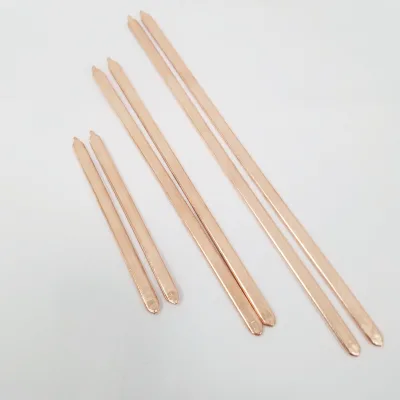
Main productsHeat pipe,CNC machining,heatsink,Metal stamping,Peltier
Main marketsNorth America(30.00%), South America(25.00%), Eastern Europe(20.00%), Southeast Asia(15.00%), Northern Europe(11.00%), Western Europe(10.00%), Africa(10.00%), Southern Europe(8.00%), South Asia(7.00%), Central America(7.00%), Oceania(2.00%), Eastern Asia(2.00%), Mid East(2.00%)
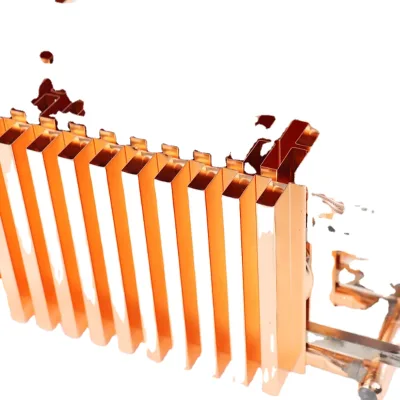
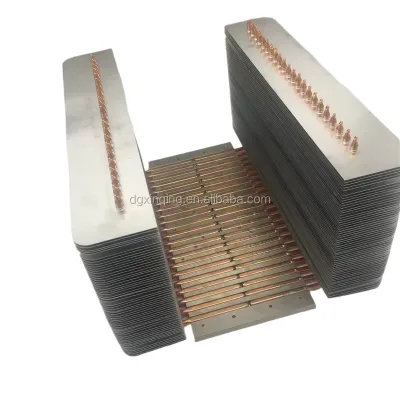
Customizable Heat Pipe Radiator with Copper Tube for Superior Heat Sink Solutions
$15.00 - $45.00
MOQ: 10 pieces
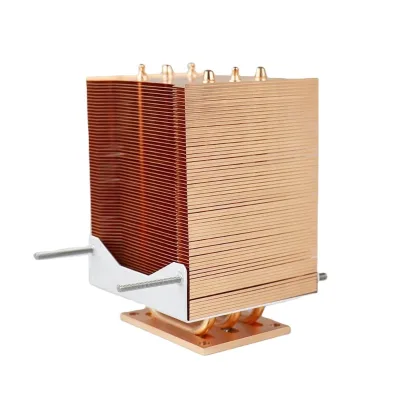
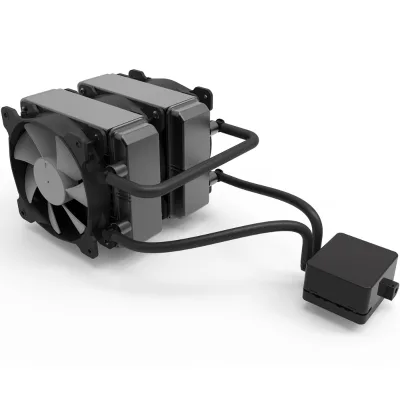
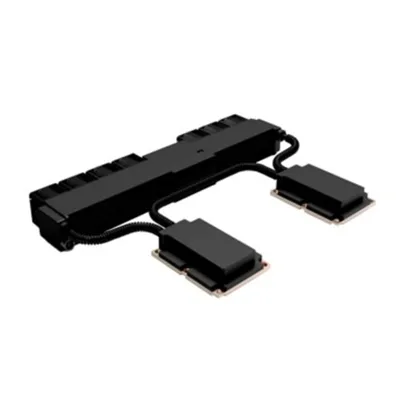
XQ6658 High Quality Copper Aluminum CPU Server Radiator Heat Sink Fan-Cooled
$25.5816 - $102.3249
MOQ: 1 pieces
HACST Heat Transfer Technology (Shandong) Co., Ltd.
- Manufacturer, Trading Company
- shandong, China
- Lead time20 days
- Avg. response≤ 2h
Main productsCooling Towers,Evaporative Condenser,open Cooling tower,adiabatic cooler,air-cooled heat exchanger
Main marketsDomestic Market(100.00%), Oceania(15.00%), South America(15.00%), South Asia(10.00%), Mid East(10.00%), Central America(10.00%), Africa(10.00%), Southeast Asia(10.00%), North America(5.00%), Eastern Europe(5.00%), Western Europe(5.00%), Northern Europe(2.00%), Southern Europe(2.00%), Eastern Asia(1.00%)
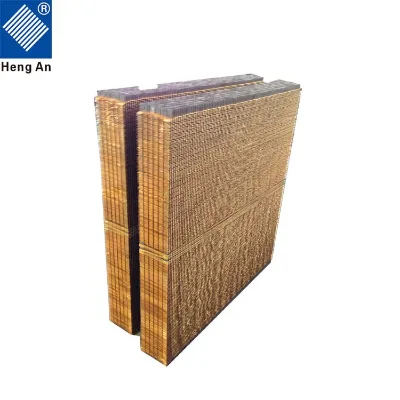
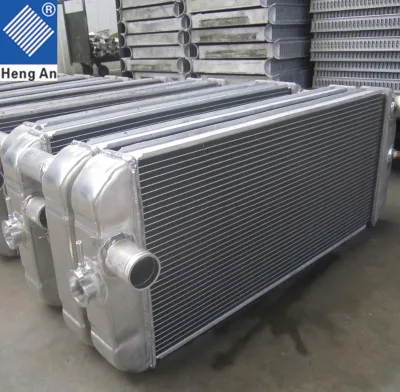
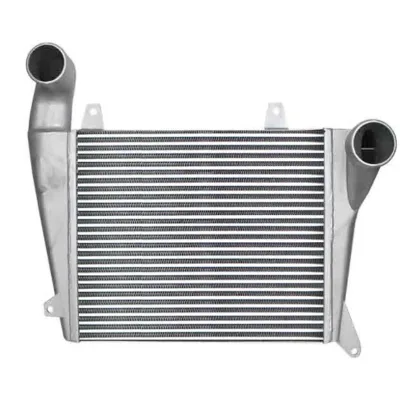
Water to air Intercooler Type air to Water Truck Intercooler, Heavy Duty Truck Radiator
$290.00 - $300.00
MOQ: 5 sets

Guangdong Fangyuyuan Refrigeration Industrial Co.,Ltd.
- Verified by TUVRHEINLAND
- Combined
- China Guangdong
- Lead time30 days
- Avg. response≤ 5h
Main productsAutomotive Air Conditioning Accessories, Automotive Air Conditioning, Bus Air Conditioner, Truck Refrigeration Units, Compressor, Condenser Assembly, Evaporator Core, Receiver Drier, Evaporator Blower, Alternator
Main marketsOthers(foreignTradeCapacity.exportBusinessCapacityMarketOther)

Shandong Sanye Radiator Co., Ltd.
- Verified by CTI
- Combined
- China Shandong
- Lead time30 days
- Avg. response≤ 9h
Main productsRadiator, Radiator Core, Radiator Cap, Oil Cooler, Heat Exchanger, Intercooler, Water Bladder, Injector, Air Filter, Other Mechanical Equipment Parts
Main marketsSoutheast Asia/ Mideast,Domestic


Reliable Radiator for Construction Machinery Crafted From Copper and Aluminum
$58.00 - $899.00
MOQ: 1 Pieces

Efficient Radiator for Construction Machinery Built with Copper and Aluminum
$58.00 - $899.00
MOQ: 1 Pieces
Cangzhou Datang Steel Pipe Co., Ltd.
- Verified by SGS Group
- Manufacturer, Trading Company
- Lead time20 days
- Avg. response≤ 2h
Main productsFin Tube, Heat Exchanger, Air Cooler, Economizer, Steel Pipe
Main marketsDomestic Market(28%), Mid East(25%), Southeast Asia(25%)

Liantu (Tangshan) International Trade Co., Ltd.
- Verified by BV
- Trading Company
- China Hebei
- Lead time30 days
- Avg. response≤ 4h
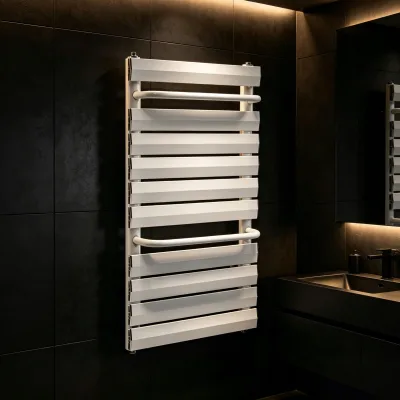
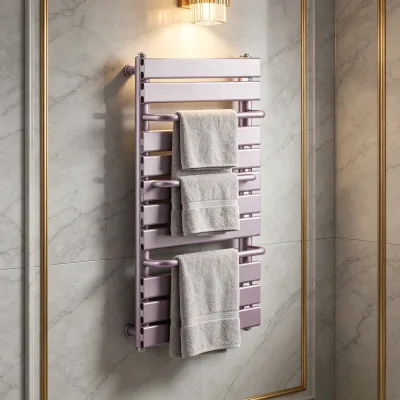
Main productsHeating Radiator, Steel Radiator, Aluminum Radiator, Copper-Aluminum Composite Radiator, Designer Radiator, Steel Towel Rack, Copper-Aluminum Composite Towel Rack, Electric Towel Rack, Electric Radiator
Main marketsSoutheast Asia/ Mideast,North America

NANJING MAJESTIC AUTO PARTS CO., LTD.
- Manufacturer/Factory
- China Jiangsu
- Lead time23 days
- Avg. response≤ 10h
Main productsRadiator Tube, Radiator, Cooling System, Heat Exchanger System, Aluminum Tube, High Frequency Welded Tube, Intercooler Tube, Oil Cooler Tube, Intercooler, Oil Cooler
Main marketsSouth America,Eastern Europe,Mid East,North America,Southeast Asia,Eastern Asia
Tianjin Fengxu Kunyao International Trade Co., Ltd.
- Verified by Intertek
- Manufacturer, Trading Company
- Lead time0 days
- Avg. response≤ 3h
Main productsHeating Radiator, Towel Rack
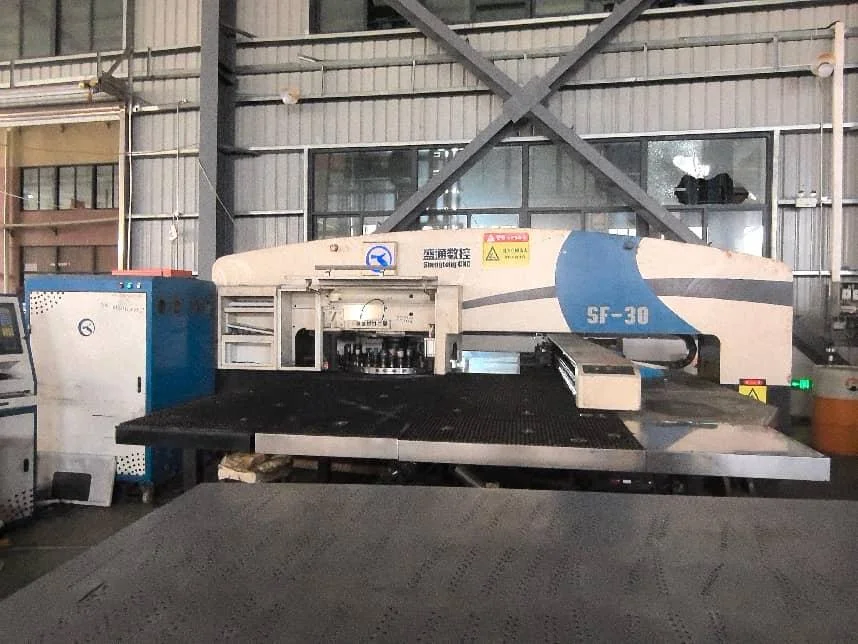
Guangzhou Heatcen Exchanger Co., Ltd
- Manufacturer, Trading Company, Buying Office, Other
- Guangdong, China
- Lead time7 days
- Avg. response≤ 3h
Main productsHeat Exchanger,Condenser,radiator,cooler,Refrigeration equipment
Main marketsNorth America(20.00%), Domestic Market(18.00%), Mid East(15.00%), Eastern Europe(10.00%), Central America(10.00%), South America(10.00%), Africa(10.00%), South Asia(7.00%)
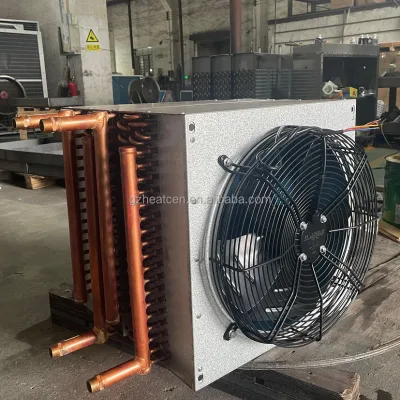
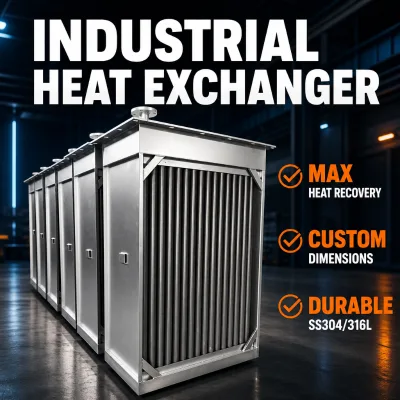
$20.7645 - $31.1452
MOQ: 2 sets

Henan Tuofang Energy Saving Technology Co., Ltd.
- Verified by SGS
- Combined
- China Henan
- Lead time60 days
- Avg. response≤ 1h
Main productsHeat Exchanger, Air Cooled Heat Exchanger, Shell and Tube Heat Exchanger, Plate Heat Exchanger, Finned Tube, Radiator, Spiral Plate Heat Exchanger
Main marketsOthers(foreignTradeCapacity.exportBusinessCapacityMarketOther)

Heavy Duty Mining Machinery Radiator Leakproof Copper Core ISO 9001 Certified
$95.00 - $100.00
MOQ: 1 Pieces


Shanghai Coxin Industrial Co., Ltd.
- Manufacturer/Factory
- China Shanghai
- Lead time23 days
- Avg. response≤ 2h
Main productsOil Cooler, Unit Cooler, Transformer Unit Oil Cooler, Hydraulic Oil Cooler, Air-Cooled Oil Cooler, Finned Radiator, Forced-Oil Cooling Unit for Transformer, Transformer Oil Pump, Oil Flow Indicator
Main marketsSouth America,Eastern Europe,Mid East,Southeast Asia,Eastern Asia,Oceania,Western Europe,Africa

Wuxi Yuda Heat-Exchanger Co., Ltd.
- Verified by BV
- Combined
- China Jiangsu
- Lead time23 days
- Avg. response≤ 10h
Main productsOil Cooler, Radiator, Heat Exchanger, Aluminum Plate Bar Cooler, Air Dryer Heat Exchanger, Intercooler, Intercooler Core, Plate Fin Cooler, Hydraulic Oil Cooler, Evaporator
Main marketsSouth America,Africa,Southeast Asia/ Mideast,East Asia(Japan/ South Korea),Domestic,Europe,Australia,North America
Dongguan Runhuang Electronic Technology Co., Ltd.
- Trading Company
- Guangdong, China
- Lead time35 days
- Avg. response≤ 7h
Main productsAxial cooling fan,Peltier,heatpipe,heat sink,Thermoelectric cooler
Main marketsNorth America(35.00%), Western Europe(25.00%)

Wuxi Kingful Corporation., Ltd
- Verified by BV
- Trading Company
- China Jiangsu
- Lead time23 days
- Avg. response≤ 14h
Main productsAluminum Plate Bar Cooler, Heat Exchanger, Radiators, Oil Coolers, Aftercoolers, Cooling Tower, Hydraulic Oil Cooler, Shell and Tube Heat Exchanger, Compressor Cooler, Excavator Radiator
Main marketsSoutheast Asia/ Mideast

NEW DIESEL MACHINERY CO., LTD.
- Verified by BV
- Trading Company
- China Jiangsu
- Lead time15 days
- Avg. response≤ 15h
Main productsMarine Engine, Marine Generator Set, Diesel Engine, Engine Spare Parts, Auxiliary Engine, Proplusion Engine, Alternator, Water Pump
Main marketsSoutheast Asia/ Mideast,Domestic,Australia,North America

Changzhou Santian Vehicle Industry Technology Co., Ltd.
- Verified by SGS
- Combined
- China Jiangsu
- Lead time30 days
- Avg. response≤ 2h
Main marketsDomestic


Efficient Engine Cooling Radiator for Custom Performance and Durability
$30.00 - $199.00
MOQ: 50 Pieces

Heavy-Duty Cooler Radiator for Reliable Engine Cooling Auto Spare Parts
$30.00 - $199.00
MOQ: 50 Pieces

Guangzhou Gele Heat Energy Equipment co., ltd.
- Manufacturer, Trading Company
- Guangdong, China
- Lead time30 days
- Avg. response≤ 4h
Main productsHeat Exchanger,Radiator,air heat exchanger,plate heat exchanger,shell and tube heat exchanger
Main marketsSouth Asia(30.00%), Southeast Asia(30.00%), South America(10.00%), North America(10.00%), Eastern Europe(10.00%), Mid East(5.00%), Eastern Asia(5.00%)
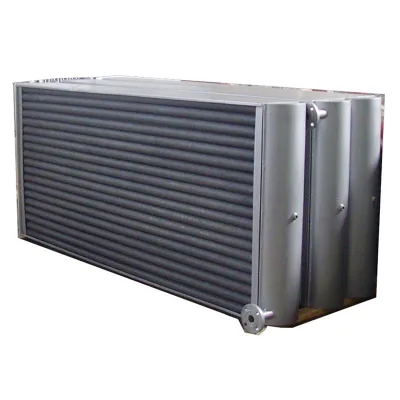
Copper-Core Finned Radiator, High Conductivity for Electronic Component Testing Equipment
$955.26
MOQ: 1 kilograms
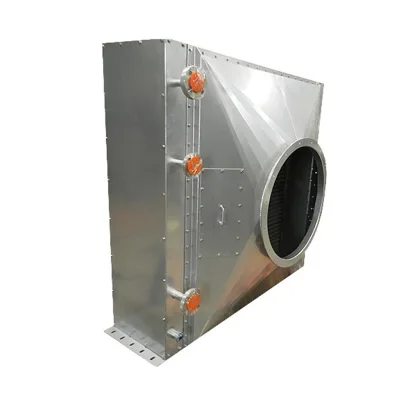
High-Density Copper Finned Radiator, Superior Conductivity for Semiconductor Wafer Cooling
$1345.00
MOQ: 1 kilograms
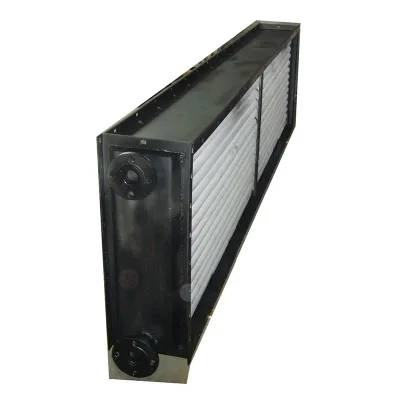
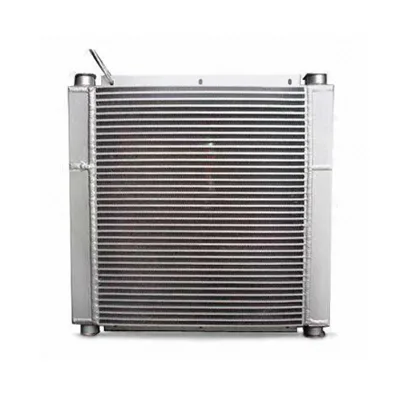
High-Resistance Finned Radiator, Suitable for Dusty Environments in Cement Manufacturing
$998.9914
MOQ: 1 Minimum

Yizheng Aoxing Auto Parts Co., Ltd.
- Combined
- China Jiangsu
- Lead time30 days
- Avg. response≤ 5h
Main productsAuto Radiator, Auto Parts, Engine Parts, Intercooler, Air Cooler, Heat Exchanger, Oiler, Water-Cooling Plate, Cooling Fan, Tank
Main marketsDomestic,Europe,North America








Comprehensive Sourcing Guide
Leakproof Copper Radiator Supplier Concentration and Factory Types
The current supplier landscape for leakproof copper radiators reveals a distinct geographic concentration in Guangdong, China, where manufacturers specialize in electronic thermal management solutions. These facilities primarily produce heat pipes, CNC machined components, and custom copper welding fin radiators designed for high-performance cooling applications. The presence of these specific product lines indicates a mature industrial cluster focused on precision metalworking and thermal engineering rather than general automotive parts. Buyers seeking electronic or server-grade cooling systems will find that suppliers in this region offer a wide array of materials, including pure copper and copper-aluminum bonding options, to meet diverse thermal dissipation requirements. This concentration allows for efficient supply chain logistics and rapid prototyping capabilities, which are critical for custom thermal solutions.
In contrast, sourcing from Shandong, China, presents a different manufacturing profile centered on automotive and industrial cooling systems. Suppliers in this region often operate as both manufacturers and trading companies, offering brass and copper fin tube radiators intended for aftermarket vehicle parts and heavy-duty equipment. This dual business model can provide flexibility in order sizes and product variety, though it may introduce complexity in verifying direct factory capabilities. The distinction between electronic thermal management in Guangdong and automotive radiator cores in Shandong is crucial for buyers to understand when evaluating potential partners. Each region serves a specific niche, and aligning your product requirements with the correct regional expertise ensures better quality control and technical support throughout the procurement process.
How to Verify Leakproof Copper Radiator Suppliers
Verifying the legitimacy and capability of suppliers requires a close examination of their stated certifications and system qualifications. For instance, some automotive radiator manufacturers in Shandong hold ISO/TS16949 certification, which is a critical standard for quality management in the automotive industry. Buyers should explicitly request proof of such certifications to ensure the supplier meets rigorous quality control standards. Additionally, electronic component suppliers may display ISO certifications and product patents, indicating a commitment to innovation and standardized manufacturing processes. It is essential to cross-reference these claims with official certification bodies or request valid certificate copies before proceeding with any orders. This verification step helps mitigate the risk of engaging with entities that may not adhere to international quality benchmarks.
Response time and communication efficiency are also key indicators of supplier reliability and operational maturity. Data shows that some suppliers in the Shandong region boast a response time of just two hours, suggesting a highly responsive customer service team. In contrast, suppliers in Guangdong may have a response time of four hours, which is still acceptable but requires buyers to plan their communication schedules accordingly. A quick response time often correlates with better project management and faster issue resolution during the production phase. Buyers should test supplier responsiveness by sending detailed inquiries and noting the speed and quality of the reply. This initial interaction provides valuable insight into how the supplier will handle future communications, technical queries, and potential problems during the manufacturing and shipping process.
What to Compare Across Leakproof Copper Radiator Suppliers
When comparing suppliers, lead time and production capacity are primary factors that influence project timelines and inventory management. Suppliers in Guangdong typically report a lead time of fifteen days for standard orders, while those in Shandong may require up to twenty days. However, specific product listings indicate delivery times ranging from ten to thirty-five days, depending on the complexity of the custom design and order volume. Buyers must clarify whether these lead times include material procurement, manufacturing, and quality assurance steps. Understanding the full production cycle helps in planning stock levels and avoiding delays in product launches. It is also important to note that custom designs, such as those with specific model numbers or dimensions, may extend these timelines significantly compared to off-the-shelf items.
Minimum Order Quantity (MOQ) and pricing structures vary widely across different supplier types and product categories. Some electronic heat sink suppliers offer an MOQ of just one piece, catering to prototyping and small-batch needs, while others may require ten units for customized copper welding fin radiators. Pricing for electronic components can range from fifteen to forty-five dollars per unit, whereas server-grade copper radiators may cost between twenty-five and one hundred dollars. Automotive brass and copper fin tube radiators often fall within a similar price bracket to electronic components but serve entirely different markets. Buyers should evaluate the total cost of ownership, including shipping and tariffs, rather than focusing solely on the unit price. Comparing MOQs helps determine which suppliers can accommodate your initial order size without excessive inventory risk.
Common Leakproof Copper Radiator Sourcing Risks
One significant risk in sourcing leakproof copper radiators is the discrepancy between advertised specifications and actual product performance. Product attributes often list generic dimensions such as "other" for size and length, which can lead to confusion regarding fitment and compatibility. For example, a radiator listed with a single package size of twenty-five by twenty by thirty centimeters may have internal dimensions that do not match the buyer's chassis or cooling loop requirements. Buyers must request detailed technical drawings and exact dimensional tolerances before placing an order. Relying solely on marketing keywords or vague product descriptions can result in receiving components that are physically incompatible with the intended application, leading to costly returns and project delays.
Another risk involves the variability in material composition and construction quality, particularly when dealing with mixed-material radiators. Some products are described as having copper-aluminum bonding, which offers a balance of thermal conductivity and cost-effectiveness but may have different durability characteristics compared to pure copper units. Additionally, the attachment method, such as fan-based cooling, must be compatible with the buyer's existing infrastructure. Noise levels and rotational speeds, such as a noise rating of thirty-two decibels and a rotational speed of two thousand six hundred fifty RPM, are critical for applications where acoustic performance matters. Buyers should verify these technical parameters through sample testing or third-party inspections to ensure the supplier's claims align with real-world performance metrics.
Leakproof Copper Radiator Regional Sourcing and Logistics
Logistics planning must account for the geographic location of suppliers and the associated shipping methods. Suppliers in Guangdong and Shandong, China, offer various shipping options, including sea freight, air freight, and express delivery services. The choice of shipping method significantly impacts lead times and costs, with sea freight being the most economical for large volumes but taking several weeks, while air freight and express services offer faster delivery at a higher price. Buyers should calculate the total landed cost, including freight, insurance, and customs duties, to determine the most cost-effective shipping strategy. Understanding the supplier's packaging dimensions, such as a carton size of forty-three by thirty-four by nineteen centimeters, helps in optimizing container space and reducing shipping costs.
Packaging and handling requirements are also critical to prevent damage during transit, especially for delicate copper and aluminum components. Suppliers often provide specific packaging details, such as single gross weights and package quantities per carton, which aid in logistics planning. For instance, a carton containing twenty-four pieces of a CPU copper server radiator requires careful handling to avoid crushing or deformation. Buyers should ensure that the supplier uses robust packaging materials and methods to protect the radiators during long-distance shipping. Additionally, verifying the supplier's experience with international shipping and their ability to handle export documentation can streamline the customs clearance process. Proper logistics planning ensures that products arrive in good condition and on time, maintaining the integrity of the supply chain.
Leakproof Copper Radiator Commercial Terms and Order Planning
Commercial terms, including payment methods and warranty policies, play a vital role in securing a safe transaction. Suppliers often accept multiple payment options, such as Telegraphic Transfer (TT), PayPal, Western Union, and Trade Assurance. Using Trade Assurance or similar escrow services provides an additional layer of security by holding funds until the buyer confirms receipt and satisfaction with the goods. Buyers should prioritize suppliers who offer these secure payment methods to mitigate financial risk. Additionally, understanding the warranty and return policies is essential, as defects in leakproof radiators can lead to significant operational issues. Clear communication regarding warranty coverage and the process for handling defective items ensures that buyers are protected in case of quality issues.
Order planning should also consider the scalability of the supplier's production capabilities and their ability to handle repeat orders. Suppliers with established certifications and consistent response times are better positioned to support long-term partnerships. Buyers should discuss volume discounts and tiered pricing structures for larger orders to optimize costs. Furthermore, establishing a clear communication channel for ongoing technical support and order tracking ensures smooth operations throughout the product lifecycle. By carefully evaluating commercial terms and planning for scalability, buyers can build a reliable supply chain for leakproof copper radiators that meets their quality, cost, and delivery requirements. This strategic approach minimizes risks and maximizes the value derived from supplier relationships.
FAQs
What is the typical lead time for copper radiators?
Manufacturers in Guangdong, China typically require 15 days for production, while suppliers in Shandong, China may need 20 days. Specific product listings indicate delivery windows ranging from 10 to 35 days depending on order complexity. Buyers should confirm exact timelines with the supplier before placing orders to ensure alignment with project schedules.
What is the minimum order quantity for these products?
Minimum order quantities vary significantly by supplier and product type. Some manufacturers accept orders as low as one piece, while others require a minimum of ten units. Buyers should verify the specific MOQ for their chosen model, as custom configurations or specialized cooling systems may have different threshold requirements than standard stock items.
Are these copper radiators certified for quality assurance?
Yes, many suppliers hold relevant certifications such as ISO standards and ISO/TS16949 for automotive applications. Some manufacturers also possess product patents and CE system certifications. Buyers should request current certification documents to verify compliance with industry standards and ensure the products meet specific regulatory requirements for their intended market or application.
What payment methods are accepted for these orders?
Suppliers generally accept multiple payment options including Telegraphic Transfer, PayPal, Western Union, and Trade Assurance. Trade Assurance provides additional protection for buyers by securing payments until order fulfillment. Buyers should confirm the preferred payment method with the supplier and consider using secure platforms to mitigate financial risks during international transactions.
How quickly do suppliers respond to inquiries?
Response times vary, with some suppliers responding within two hours and others taking up to four hours. Faster response rates often indicate higher operational efficiency and readiness to assist buyers. Prompt communication is crucial for clarifying technical specifications and negotiating terms, so buyers should prioritize suppliers with demonstrated quick response capabilities.
What materials are used in these copper radiators?
Common materials include pure copper, copper-aluminum bonding, and copper fins. Some products utilize sintered heat pipes for enhanced thermal conductivity. Buyers should specify their material requirements, as different applications may demand specific thermal properties or corrosion resistance levels provided by various copper alloys and composite structures.