LED License Plate Light Suppliers and Manufacturers
Compare 23 verified LED License Plate Light suppliers in China Guangdong by response time, lead time, and certifications like CCC, E-mark, and DOT. Review product specs and pricing to select a source for your next order; review the available evidence before requesting comparable quotations from suitable candidates.
Updated
Suppliers List

Shenzhen Hongrun Vehicle Parts Co., Ltd.
- Verified by SGS
- Trading Company
- China Guangdong
- Lead time30 days
- Avg. response≤ 24h
Main productsLED Trailer Light, Trailer LED Lamp, Excavator Part, Trailer Spare Part, Air Bag and Air Spring, Volvo Truck Part, Scania Truck Part, Daf Truck Part, Excavator Undercarriage Part, Bulldozer Part
Main marketsSoutheast Asia/ Mideast,Australia

Guangzhou Brad Auto Accessories Co., Ltd.
- Manufacturer, Trading Company
- Guang Dong, China
- Lead time0 days
- Avg. response≤ 7h
Main productsled headlight,led work light,projector light,drl light,courtesy
Main marketsSouth America(18.00%), North America(18.00%), Mid East(9.00%), Central America(9.00%), Domestic Market(9.00%), Eastern Europe(6.00%), Southern Europe(5.00%), Northern Europe(5.00%), Eastern Asia(4.00%), Africa(4.00%), Southeast Asia(4.00%), Western Europe(4.00%), South Asia(3.00%), Oceania(2.00%)
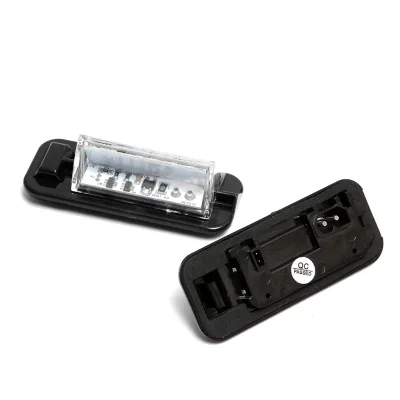
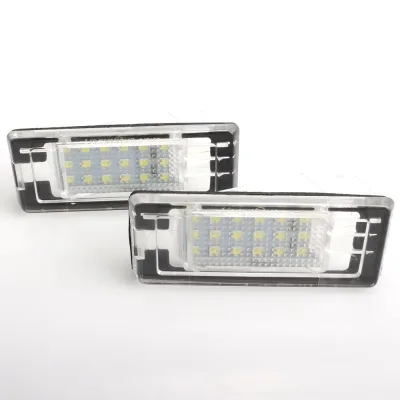
Car Led License Plate Light License Tag Lights Car License Number Plate Lamps
$1.8982 - $2.5943
MOQ: 2 pieces
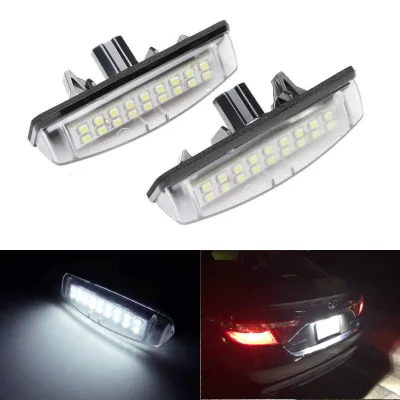
$1.9207 - $2.6272
MOQ: 2 pieces
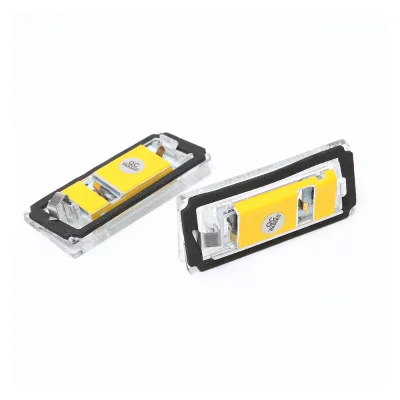

K-Lite (Shanghai) Industrial Co., Ltd.
- Verified by TUVRHEINLAND
- Trading Company
- China Shanghai
- Lead time30 days
- Avg. response≤ 13h
Main productsReflector, Motorcycle LED Lamps, Road Markers, Vehicle Lamps, Trailer LED Lamps, Pedestrian Reflector, Light Guide Strip, Road Stud, Auto Parts, Headlamp
Main marketsSoutheast Asia/ Mideast,East Asia(Japan/ South Korea)

Guangzhou B-King Auto Electronics Limited
- Verified by TUVRHEINLAND
- Trading Company
- China Guangdong
- Lead time15 days
- Avg. response≤ 8h
Main productsLED Headlight, LED Headlight Bulb, Auto Lights, Car Lights, HID, Car Camera, LED Work Light, Turn Signal Light, LED Fog Light
Main marketsSouth America
Guangzhou Jstar Industry and Trade Co., Ltd.
- Trading Company
- Guangdong, China
- Lead time15 days
- Avg. response≤ 1h
Main productsTruck Side light,Truck tail light,LED work light bar,Led warning light,LED headlight
Main marketsNorth America(25.00%), South America(12.00%), Mid East(10.00%), South Asia(5.00%), Southern Europe(5.00%), Northern Europe(5.00%), Central America(5.00%), Western Europe(5.00%), Eastern Asia(5.00%), Eastern Europe(5.00%), Oceania(5.00%), Africa(5.00%), Southeast Asia(5.00%), Domestic Market(3.00%)

Pingxiang Bowang Industry Co.,Ltd.
- Verified by TUVRHEINLAND
- Manufacturer/Factory
- China Jiangxi
- Lead time15 days
- Avg. response≤ 2h
Main productsLED Car Light, LED Marker Light, LED Work Light, Truck Lamp, Trailer Light, Tail Light, High Mount Brake Light, Whip Light, Boat Light, RV Light
Main marketsSouth America,Eastern Europe,Mid East,North America,Southeast Asia,Eastern Asia,Oceania,Western Europe,Africa
Guangzhou Ousucheng Lighting Technology Co., Ltd.
- Manufacturer, Trading Company, Distributor/Wholesaler
- Guangdong, China
- Lead time10 days
- Avg. response≤ 2h
Main productsCar Headlight Bulb,Motorcycle Headlight Bulb,1:1 direct-plug LED headlights,LED T10 bulb,LED taillights
Main marketsNorthern Europe(35.00%), North America(20.00%), Central America(10.00%), Mid East(8.00%), South Asia(8.00%), Southeast Asia(5.00%), Eastern Asia(2.00%), South America(2.00%), Eastern Europe(2.00%)
Shenzhen Idun Photoelectric Technology Co., Ltd.
- Verified by Intertek
- Manufacturer, Trading Company
- Lead time25 days
- Avg. response≤ 3h
Main productsVehicle Lights, Truck Lights
Main marketsNorth America(44%), Western Europe(16%), Domestic Market(12%)
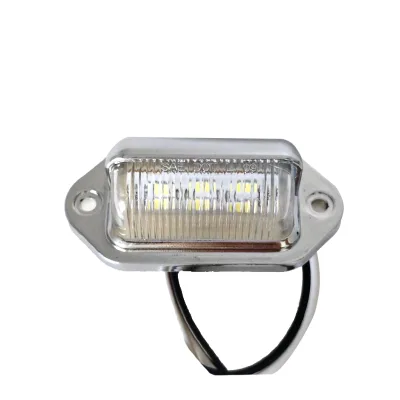
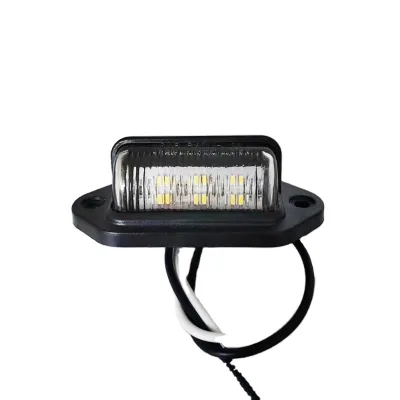
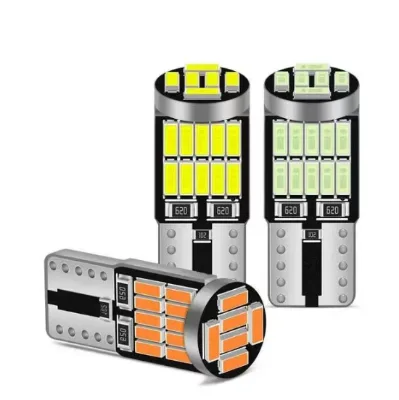
$0.8832 - $2.0314
MOQ: 10 pieces
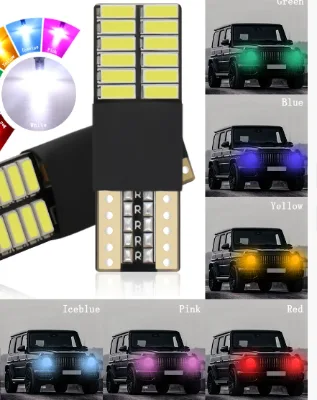
$0.8204 - $1.3338
MOQ: 10 pieces
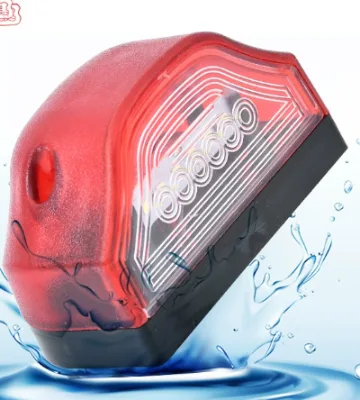
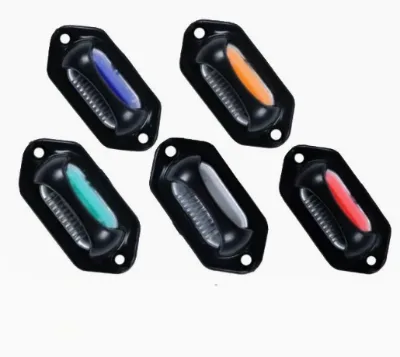
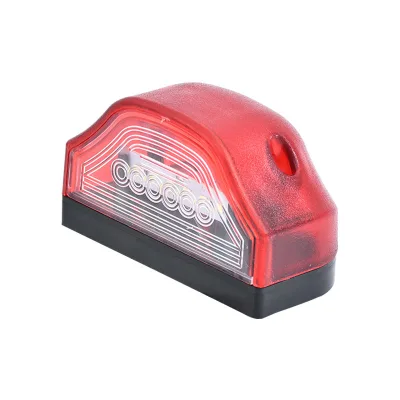
24VLED Truck Side Lights Truck Width Lights Tail Lights Truck LED License Plates
$1.70 - $2.08
MOQ: 10 pieces

Foshan Xingyuan Auto Accessories Co., Ltd.
- Verified by BV
- Manufacturer/Factory,Group Corporation
- China Guangdong
- Lead time60 days
- Avg. response≤ 4h
Main productsBeacon Light, LED Safety Whips, LED Truck Light, Forklift Warning Lights, Warning Light Bar, LED Strobe Light, LED Work Light, LED Trailer Light, Mine Light Bar, Side Marker Light
Main marketsSouth America,Eastern Europe,Mid East,North America,Southeast Asia,Eastern Asia,Oceania,Western Europe,Africa


European DC10V-30V 3LEDs Waterproof Compact High Brightness Car License Plate Light
$1.50 - $2.34
MOQ: 200 Pieces

DongGuan Qishi GuangYao Lighting Factory
- Verified by BV
- Combined
- China Guangdong
- Lead time15 days
- Avg. response≤ 2h
Main productsLED Fridge Bulbs, LED Sign Bulbs, LED Refrigerator Bulbs, LED Auto Lamps, LED Car Lights, LED Decoration Lamps, LED Motorcycle Light, LED Bulbs, LED Lamps, LED Strip Light
Main marketsSouth America,Europe,North America


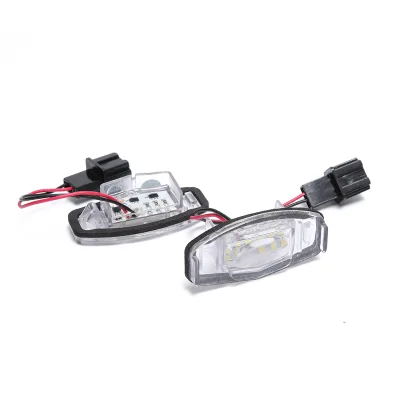
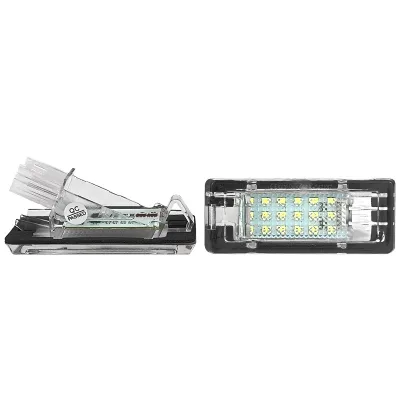
Direct Factory Car LED License Plate Lamps for Audi A2 A3 Vehicles Lights
$3.00 - $4.00
MOQ: 100 Pieces

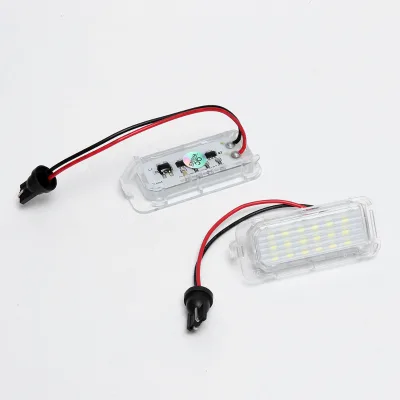
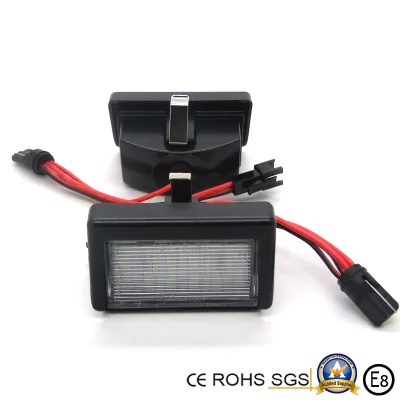
Specific LED Auto Lamp License Plate Lights for Ford Under Mirror Indicator Lighting
$3.00 - $4.00
MOQ: 100 Pieces


- Verified by SGS
- Trading Company
- China Zhejiang
- Lead time15 days
- Avg. response≤ 18h
Main productsCar Mat, Car Air Freshener, Car Seat Cover, Steering Wheel Cover, Car Phone Holder, Car Roof Tent, Car Sunshade, Jerry Can
Main marketsEurope,Australia

Wholesale Automobile General High Brightness White LED License Plate Light
$1.38 - $1.55
MOQ: 800 Pieces


Factory Price Car High Brightness LED Double Pointed License Plate Light
$0.23 - $0.25
MOQ: 4400 Pieces


Guangzhou Ilucky Electronic Technology Co., Ltd.
- Manufacturer, Trading Company
- Guangdong, China
- Lead time7 days
- Avg. response≤ 3h
Main productsCar LED Headlight,Auto LED Bulb,Car LED Projector,LED License Plate Lamp,LED Turn Signal
Main marketsEastern Europe(30.00%), North America(20.00%), South America(20.00%), Central America(5.00%), Western Europe(5.00%), Southeast Asia(5.00%), Northern Europe(3.00%), Southern Europe(2.00%), Mid East(2.00%), Oceania(2.00%), South Asia(2.00%), Eastern Asia(2.00%), Domestic Market(1.00%), Africa(1.00%)
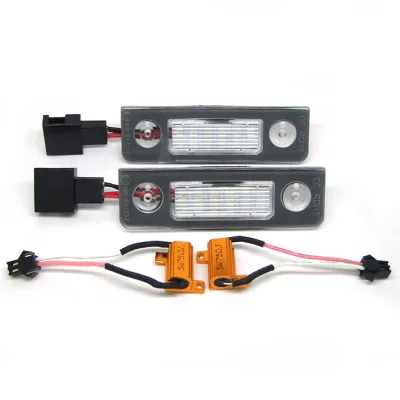
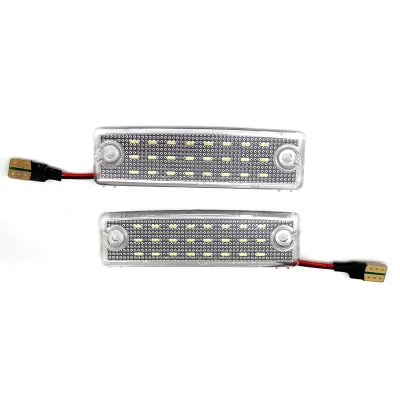
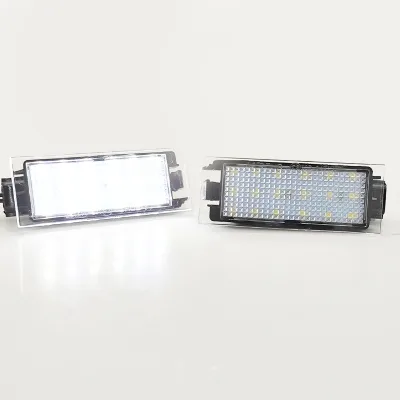
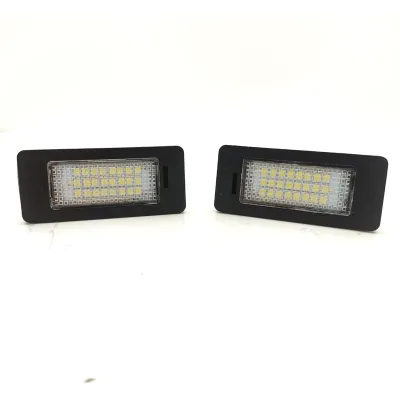
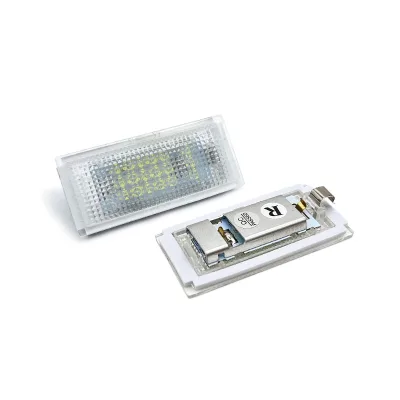
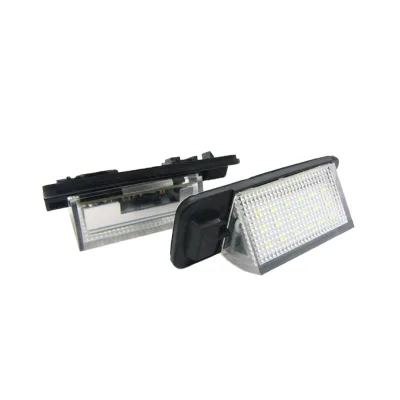
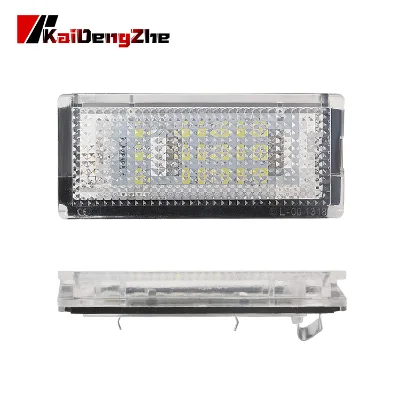
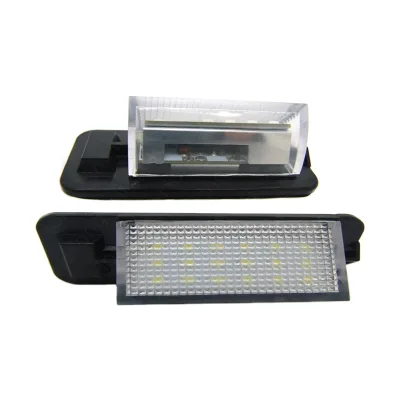
Auto Accessories Play & Plug 6000k OEM 51137031085 2PCS E46 License Plate Lights
$2.6692 - $2.9596
MOQ: 10 sets
Hopstyling Electronics Co., Limited.
- Trading Company
- Guangdong, China
- Lead time30 days
- Avg. response≤ 5h
Main productstruck trailer led lights,Motorcycle led,LED Bumper Side Marker,LED License Plate Light,LED DRL Angel eyes
Main marketsNorth America(30.00%), Western Europe(28.00%), Eastern Europe(12.00%), Southeast Asia(10.00%), South America(9.00%), Central America(4.00%), Northern Europe(4.00%), South Asia(1.00%), Southern Europe(1.00%), Eastern Asia(1.00%)
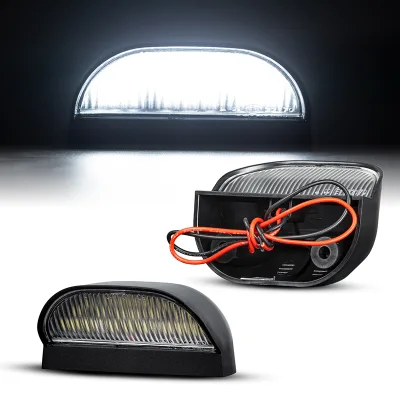
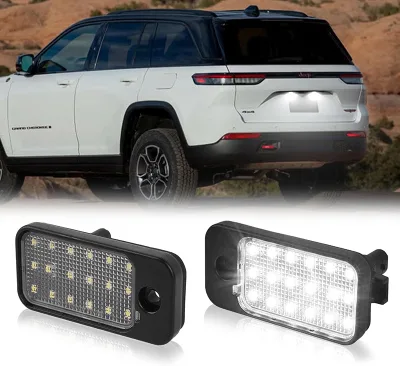
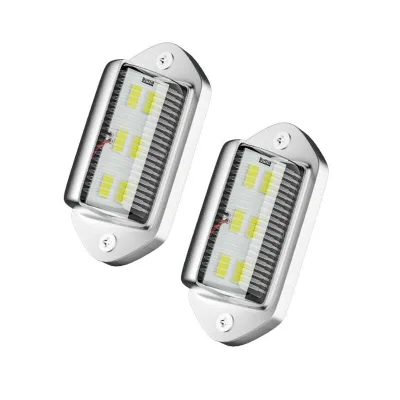
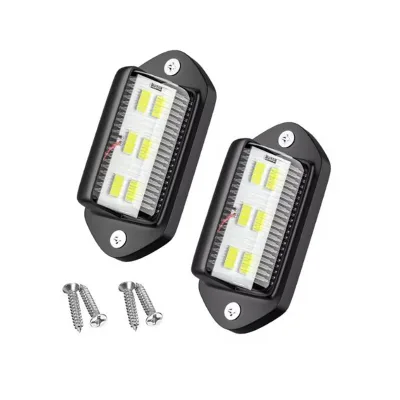
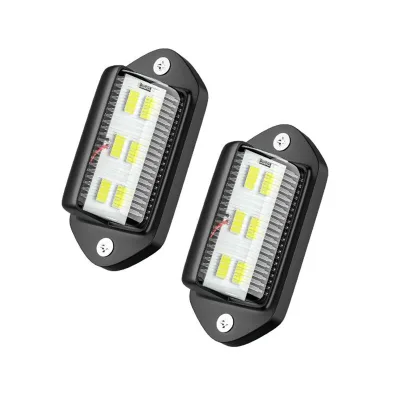
$0.4626 - $0.6153
MOQ: 100 pieces
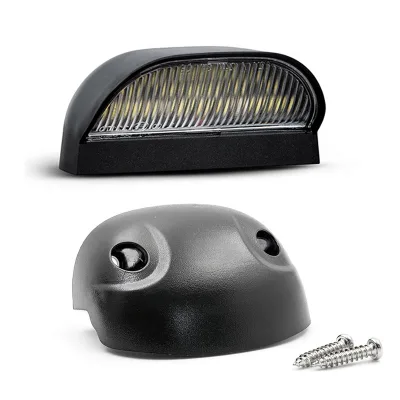
Dongguan Bestoem Lighting Co., Ltd.
- Manufacturer, Trading Company
- Guangdong, China
- Lead time15 days
- Avg. response≤ 3h
Main productstruck led lights,led car light,Led light for motorcyle,led boat light,trailer lights
Main marketsWestern Europe(40.00%), Northern Europe(10.00%), Southern Europe(10.00%), North America(10.00%), Eastern Europe(10.00%), Domestic Market(5.00%), Southeast Asia(5.00%), South America(5.00%), Central America(2.00%), Mid East(2.00%), South Asia(1.00%)
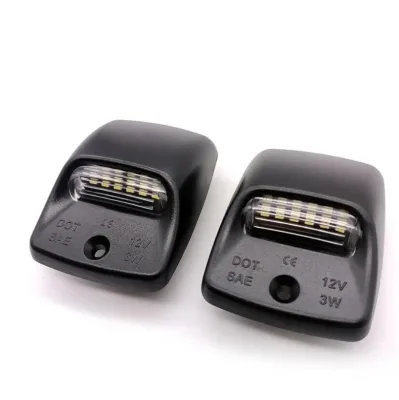
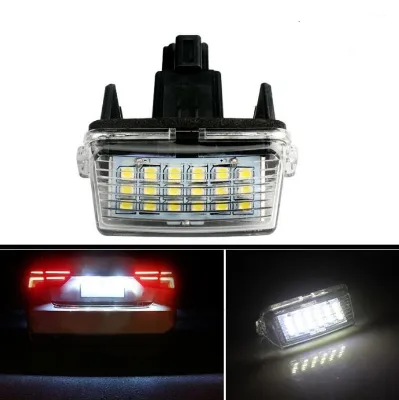
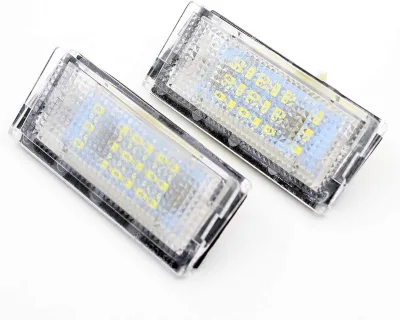
12V CanBus 200Lm LED License Plate Light for for for for for C Avalon 18SMD Xenon White
$2.7141 - $3.1332
MOQ: 10 sets
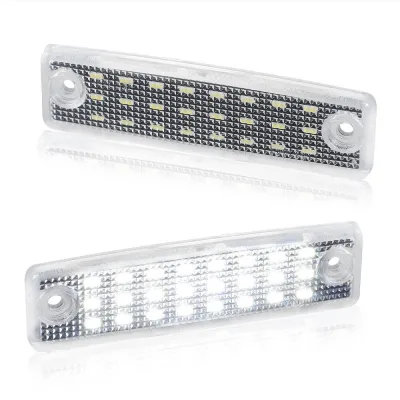
2x LED License Plate Light for 1996-2022 Toyota 4Runner 2001-2022 Toyota Sequoia
$3.38 - $3.84
MOQ: 10
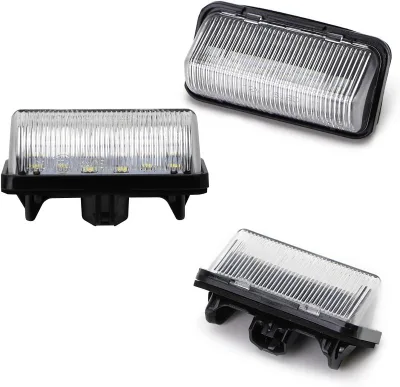
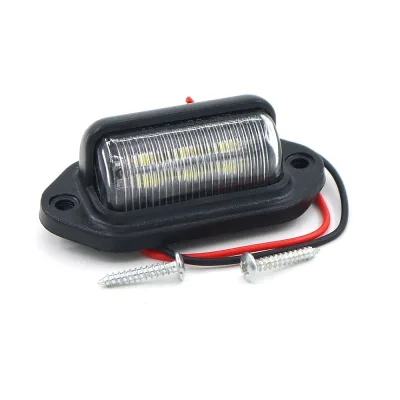
BESTOEMLED 2016-Up New 36W 12V LED License Plate Light for for with 18-SMD Xenon White LEDs
$1.4775 - $1.7111
MOQ: 20 pieces

Shandong North Autotech Co. Ltd
- Verified by SGS
- Trading Company
- China Shandong
- Lead time15 days
- Avg. response≤ 12h
Main products15K 12K 10K 8K 7K 5K 3500lbs Trailer Axle, Trailer Jacks Electric Manual Wheel Landingjack, Electric Brake Drum and Hub Euro & U. S. Market, Tailer Hardwares Hanger Kit Ubolt Tow Ball, Trailer Leaf Spring Eye Slipper Hook Type, Trailer Suspension Kit Trailer Axle Repair Kit, Straight Axle Drop Axle Torsion Axle Idler Axle, Ratchet Tie Down Chains Lashing Belt, Horse /Travel Trailer Axle Offroad, Axle for Utility RV ATV Enclosed Cargo Trailer
Main marketsSouth America,Africa,Others(foreignTradeCapacity.exportBusinessCapacityMarketOther),East Asia(Japan/ South Korea),Europe,Australia,North America


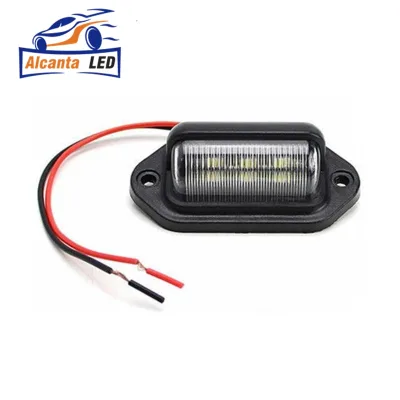
12V 6LEDs Van Number License Plate Lights White 24V License Lamps for Truck Trailer with Chrome
$1.00 - $5.00
MOQ: 100 Pieces
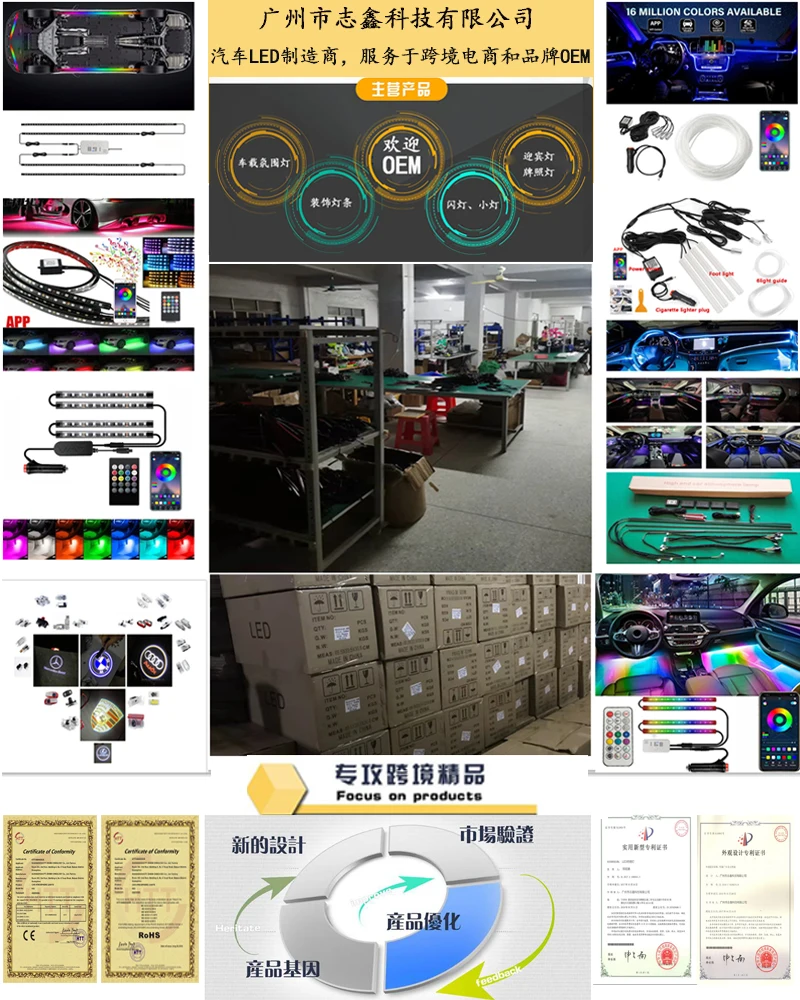
Guangzhou Zhixin Technology Co. , Ltd.
- Manufacturer, Trading Company, Distributor/Wholesaler
- Guangdong, China
- Lead time10 days
- Avg. response≤ 1h
Main productsDecorative lights for cars,Car mood lights,Turn signal,Fog lamps,Chassis lamp
Main marketsSouth America(22.00%), Eastern Europe(22.00%), Western Europe(10.00%), Domestic Market(10.00%), Southeast Asia(5.00%), Southern Europe(5.00%), Mid East(5.00%), Oceania(5.00%), Africa(5.00%), North America(2.00%), South Asia(2.00%), Eastern Asia(2.00%), Northern Europe(2.00%), Central America(2.00%)

Ningbo Langyan International Trade Co., Ltd.
- Trading Company
- China Zhejiang
- Lead time30 days
- Avg. response≤ 7h
Main productsAuto Motorcycle and Trailer Parts, Tools&Hardware, Outdoors&Promotion Items, Toys, Stationery, Daily Use, Arts & Crafts
Main marketsSouth America,Southeast Asia/ Mideast,Europe,Australia,North America


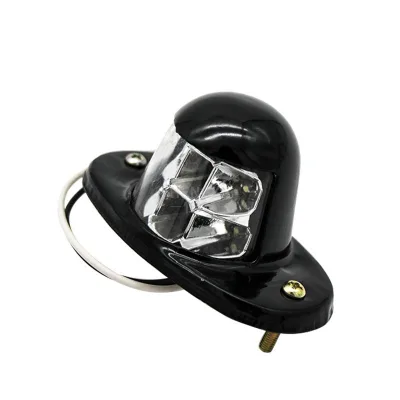
Waterproof LED 12V 24V Car License Number Plate Lights Trailer Rear Tail Lamp
$1.00 - $10.00
MOQ: 100 Pieces
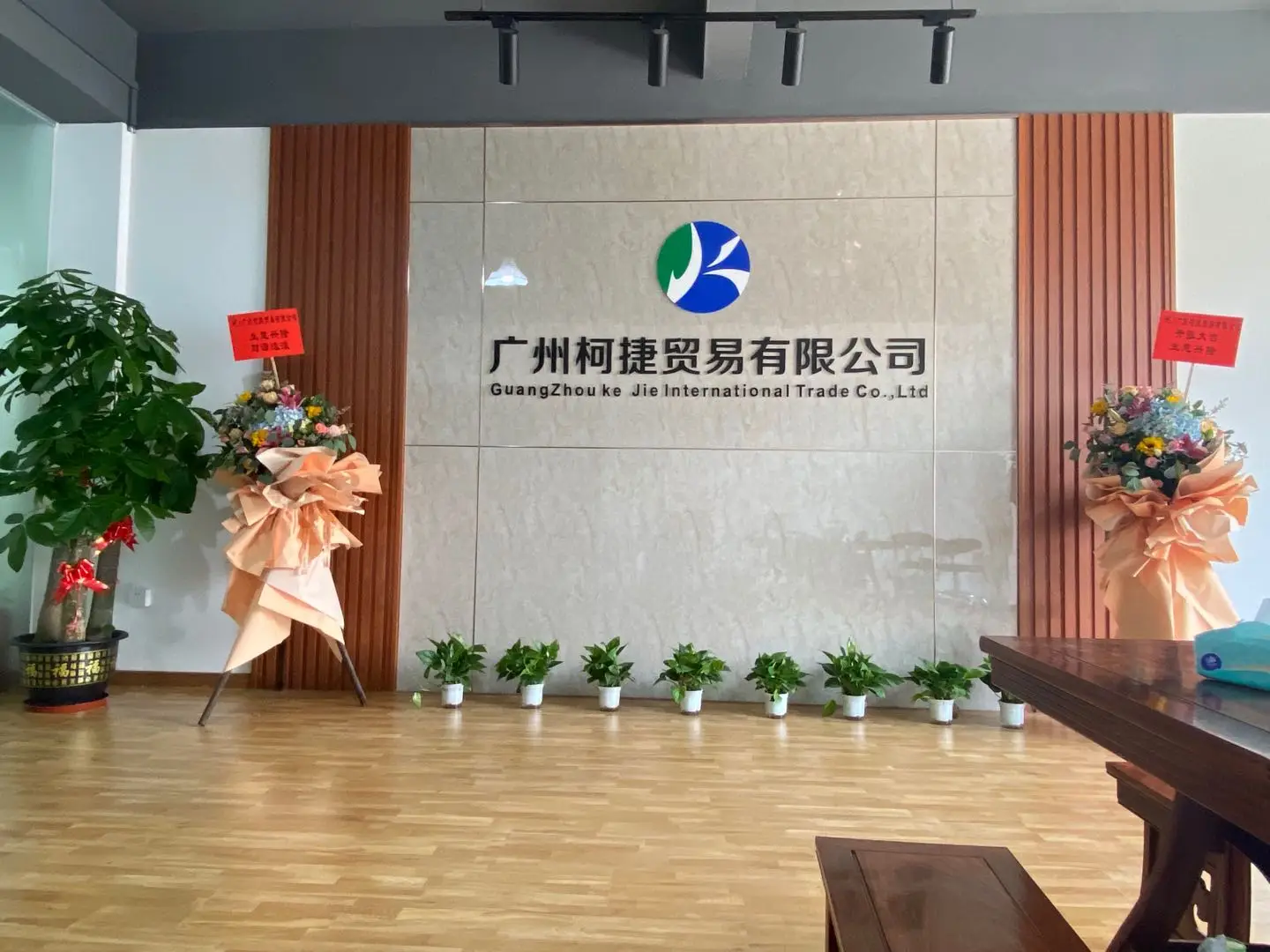
Guangzhou Kejie Trading Co., Ltd.
- Trading Company, Buying Office, Distributor/Wholesaler
- Guangdong, China
- Lead time0 days
- Avg. response≤ 10h
Main productsCar Light
Main marketsWestern Europe(21.00%), Eastern Europe(21.00%), North America(21.00%), South Asia(19.00%), Northern Europe(18.00%)
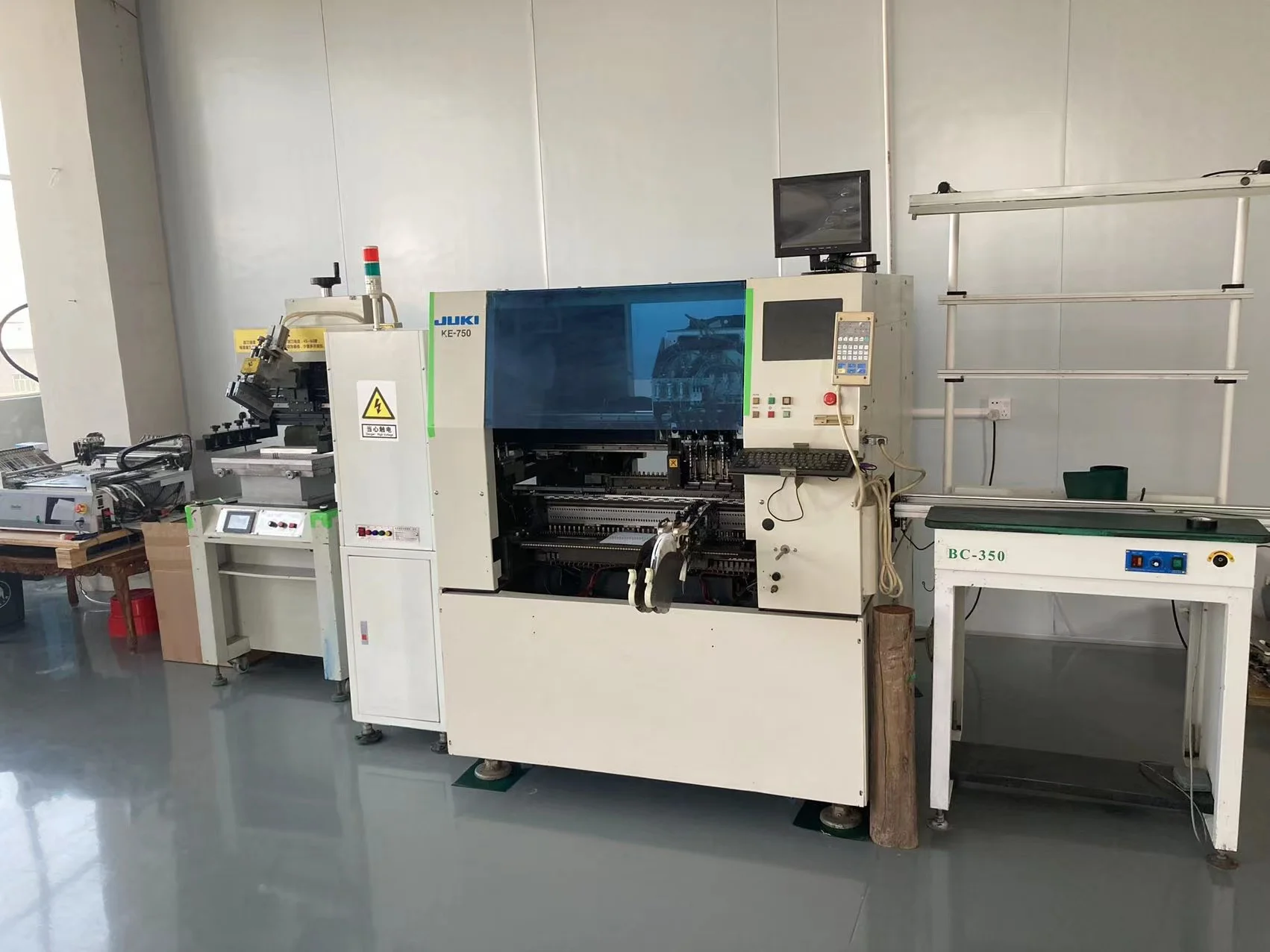
Dongguan Feiying Technology Co., Ltd.
- Manufacturer, Trading Company
- Guangdong, China
- Lead time0 days
- Avg. response≤ 1h
Main productsLED autolamp,car lights,led car light,solar street lamp,traffic lights
Main marketsSoutheast Asia(60.00%), Africa(10.00%), Eastern Asia(5.00%), South America(5.00%), North America(5.00%), South Asia(3.00%), Northern Europe(2.00%)

Ningbo Beilun Bonsen Auto Electron Co., Ltd.
- Verified by BV
- Trading Company,Manufacturer/Factory
- China Zhejiang
- Lead time38 days
- Avg. response≤ 7h
Main productsLED Trail Tail Lights, LED Headlights Bulb, Car Wash Machine, Low Pressure Die Casting Machine, Laptop Stand, Seasoning Meat Syringe, Stainless Steel Heating Manifold, Brazed Plate Heat Exchanger
Main marketsSouth America,Eastern Europe,Mid East,North America,Southeast Asia,Eastern Asia,Oceania,Western Europe,Africa
Guangzhou Alcanta Auto Accessories Factory
- Manufacturer
- Guangdong, China
- Lead time5 days
- Avg. response≤ 6h
Main productsCar LED Headlight,Bi-LED Projector Lens
Main marketsSouth America(60.00%), North America(30.00%), Eastern Europe(15.00%), Southeast Asia(10.00%), South Asia(5.00%), Africa(5.00%)

- Verified by BV
- Trading Company,Manufacturer/Factory
- China Zhejiang
- Lead time38 days
- Avg. response≤ 22h
Main productsAuto Connector, Terminal, Wire Harness, Car Modification Parts, Mold Development, Rubber Seals
Main marketsSouth America,Eastern Europe,Mid East,North America,Southeast Asia,Eastern Asia,Oceania,Western Europe,Africa

Changzhou Super Auto Parts Co., Ltd.
- Verified by CTI
- Combined
- China Jiangsu
- Lead time30 days
- Avg. response≤ 6h
Main productsAuto Lamp, Auto Mirror, Auto Parts, Bus Lamp, Bus Mirror, Bus Parts, Truck Light, Truck Mirror, Truck Parts, Bus Light
Main marketsSouth America,Southeast Asia/ Mideast,Europe,Australia




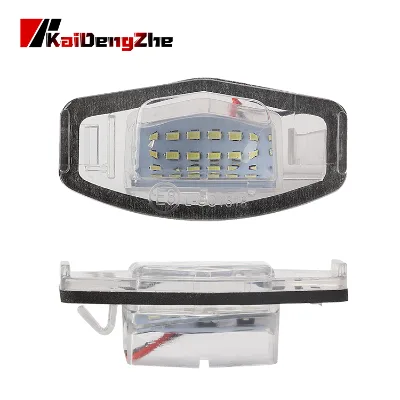
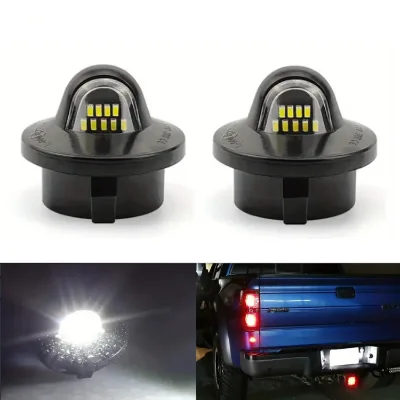
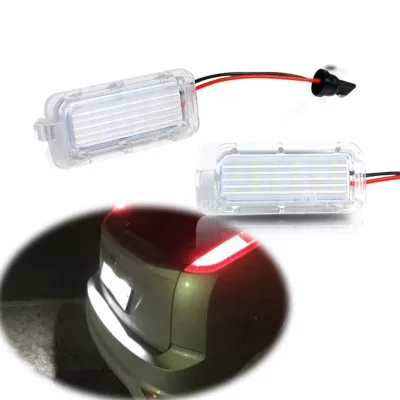
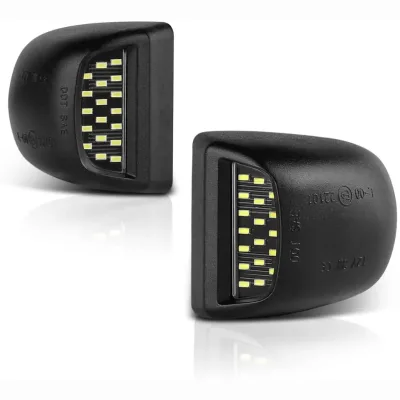
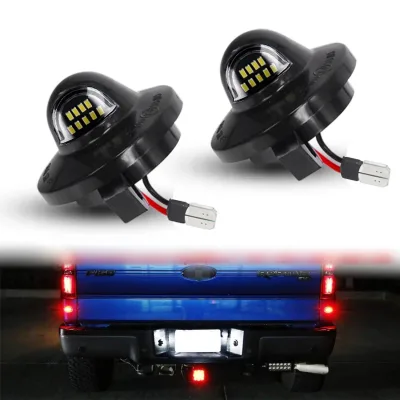
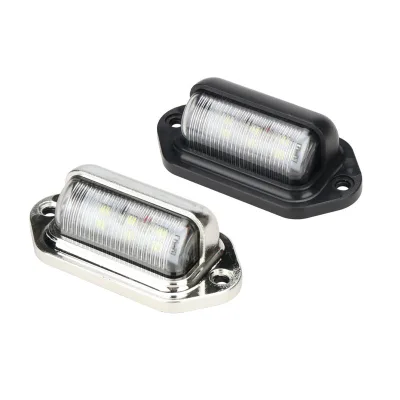




Comprehensive Sourcing Guide
LED License Plate Light Supplier Concentration and Factory Types
The suppliers visible for LED License Plate Light searches cluster heavily in southern China, with multiple listings tied to Guangdong province and at least one product origin explicitly recorded as Shenzhen. This concentration matters because it shapes what you will encounter on a typical results page: a mix of pure trading companies, manufacturer-plus-trading hybrids, and exporters whose main product ranges stretch well beyond license plate lamps into truck parts, trailer lighting, LED work lights, headlights and daytime running lights. When a supplier lists excavator undercarriage parts, air springs or Scania and Volvo truck components alongside LED plate lamps, you are likely looking at a diversified auto-parts trader rather than a dedicated lighting factory.
Understanding these company types changes how you approach each conversation. A trading company may offer breadth, faster quoting across product families and consolidation of mixed orders, but it adds a layer between you and the actual production line. A manufacturer-trading hybrid, as several listings self-declare, may support OEM customization directly — some product records note customization as available. Buyers should not assume a verified badge or a wide catalog proves in-house production. Ask each contact whether the license plate lamp is made on their own line or resourced, and request workshop photos or a video call showing the specific lamp assembly, since verification labels do not disclose factory floor ownership.
How to Verify LED License Plate Light Suppliers
Verification begins with the credentials that are actually displayed, then moves to what those credentials do not cover. On this results page, at least one supplier carries an SGS verification mark, and product records show certifications such as CE, CCC, E-mark and DOT declared on individual lamps. Treat these as starting points, not conclusions. E-mark and DOT claims in particular should be backed by certificate numbers you can cross-check against the applicable approval databases, because lighting products sold into regulated vehicle markets routinely overstate certification coverage in listings. Ask for the exact certificate documents, the holder's name and the lamp model numbers the certificate covers.
Beyond paperwork, verify operational reality. Response time is one of the few quantified supplier attributes on such pages — values in this set range from around seven hours to over twenty-three — so a slow first reply is a measurable warning signal worth weighing against other evidence. Confirm the declared location by requesting a business license and comparing the registered address with the province or city shown in the listing. For production claims, request recent photos of the license plate light line, sample units for destructive testing, and a reference customer in your market. If a supplier claims factory status, ask which products are manufactured in-house versus traded. Finally, check whether payment can route through a protected channel rather than a direct transfer, and record every claim in writing so later discrepancies in certification, origin or specification have a documented baseline.
What to Compare Across LED License Plate Light Suppliers
Build a comparison sheet using the attributes that supplier listings actually expose. On the current results, lead times range from effectively zero to thirty days, response times from roughly seven to twenty-three and a half hours, and company types span trading-only versus manufacturer-plus-trading. One product line shows a minimum order of one piece at a one-to-thirty dollar price range, while another shows a five-hundred-piece MOQ at a flat three dollars and a third sits at one hundred pieces around eight dollars fifty. These spreads illustrate why MOQ and unit price must be compared together, and why a single-item MOQ often signals a stockist or small-batch seller rather than volume production capacity.
Main product ranges are equally diagnostic. Some suppliers center on LED trailer lights, truck lamps and excavator parts; others focus on headlights, work lights and DRL products. A supplier whose catalog is adjacent to your application — trailer and truck lighting, for example — will likely understand waterproofing, 12V/24V operation and vibration requirements better than a general auto-parts trader. Compare declared capabilities too: OEM support appears in some records, and warranty statements, packing formats and customization availability appear in product attributes. Do not assume every supplier displays every attribute; absence of a stated lead time or establishment year is itself information. Score suppliers on quantified fields first, then on the specificity and consistency of their answers, ranking those who answer specification questions without prompting above those who only restate catalog text.
Common LED License Plate Light Sourcing Risks
The most frequent risk in this category is certification mismatch. Listings here declare E-mark, CCC, DOT and CE marks across different products, sometimes several on one lamp, but a declared mark on a product page is not evidence of a valid approval for the exact model and LED configuration you order. A modified LED count or lens change can void an approval. Other product-level risks visible in the data include inconsistent IP-rating notation — one record's IP field is populated with chip information rather than a rating — and vague attribute strings that combine unrelated fields. Any garbled or self-contradictory specification should trigger a request for a datasheet and a sample before commitment.
Commercial risks cluster around small MOQs and single-price listings. A one-piece MOQ with a wide price band usually means you are buying from stock with no control over production batch or consistency, which is problematic when lamps must match across a fleet or a retail line. A flat price with a high MOQ removes your negotiating room until volumes grow. Trading-company structures add a transparency risk: the party quoting you may not control the production schedule, and the thirty-day lead times some suppliers declare can stretch when a middleman is waiting on an upstream factory. Mitigate all of these by ordering pre-production samples, specifying packing in writing — some records mention neutral packing options — and confirming warranty terms, since one listing simply states "Warranty: Yes" without duration or coverage.
LED License Plate Light Regional Sourcing and Logistics
The verified regional picture for this search is narrow: suppliers are concentrated in Guangdong, China, with product origins recorded in Shenzhen and Guangdong province generally. That concentration is operationally convenient. Sourcing from a single province lets you visit multiple suppliers in one trip, consolidate mixed LED lighting orders into fewer shipments, and compare samples side by side within days rather than weeks. It also means regional disruption — port congestion, power rationing or a provincial holiday period such as Chinese New Year — can affect all of your candidate suppliers simultaneously, so build schedule buffer around those windows rather than assuming independent risk.
For logistics planning, the product itself is favorable: license plate lamps are small, light and non-hazardous, so air freight is viable for samples and small urgent orders while sea freight suits volume replenishment. Product records show single gross weights around one hundred grams and compact package dimensions for some lamps, and packing formats such as individual white boxes at one hundred pieces per carton appear in the data — confirm carton counts and weights in writing so freight quotes are accurate. One supplier declares a thirty-day lead time, which is a realistic planning anchor for production runs, while others show zero or unstated lead times that you must confirm directly. Before shipping, clarify Incoterms, who arranges export clearance, and whether certification documentation will accompany the commercial invoice for customs purposes in your destination market.
LED License Plate Light Commercial Terms and Order Planning
Order planning in this category should start from the MOQ-to-price structure. The visible listings span one-piece minimums with a one-to-thirty dollar band, hundred-piece minimums near eight dollars fifty, and five-hundred-piece minimums at three dollars flat — a pattern showing that unit economics improve sharply with volume but that the volume commitment varies by an order of magnitude between suppliers. Before negotiating, define your real first-order quantity and ask each shortlisted supplier for a tiered price sheet rather than a single point. Confirm what the quoted price includes: neutral or custom packing, certification copies, and any tooling or customization fees, since several records flag customization as available without stating its cost.
Payment and contract structure should match the supplier type. With trading companies, keep a portion of payment until goods pass inspection; wherever a platform or bank offers escrow or protected payment, prefer it over direct transfer, and verify independently what protection actually applies to your transaction. Set a written lead-time expectation — thirty days is a declared figure from one supplier, but treat it as a negotiating baseline, not a guarantee — with delay remedies attached. Plan a pilot order sized to expose real production quality, then scale in steps. Finally, lock specifications into the order documents: model numbers, LED counts, dimensions, voltage, waterproofing claims, certification marks and packing format, because the attribute inconsistencies visible across these listings will otherwise resurface as disputes at the container stage.
FAQs
What certifications should an LED License Plate Light have for export?
Look for E-mark, CE, DOT or CCC certification depending on the destination market. Many listings on this page show E-mark, CE, DOT and CCC approvals, so confirm which certificate applies to your target vehicle regulations before ordering. Always request copies of the actual certificates and verify the approval number is valid for the specific model you plan to import.
What is the typical MOQ for LED license plate lights?
MOQs vary widely by product and supplier. Examples on this page range from as low as 1 piece for a motorcycle lamp listing to 500 pieces for a 4PCS LED License Plate Light and 100 pieces for a truck version. Confirm the MOQ for your chosen model directly, since volume tiers often depend on customization and packaging requirements.
How much do LED license plate lights cost?
Prices differ by design and features. Listings here show single-unit prices from about 1 USD up to 30 USD for a motorcycle LED lamp, around 3 USD for a 4PCS LED plate light, and about 8.50 USD for a truck plate light. Treat these as reference points and request current quotations based on your quantity and specification.
Can suppliers customize LED license plate lights?
Yes, customization is listed as available across several product listings on this page, and one supplier indicates OEM capability. Customization can cover packaging, voltage configuration, lens color, branding and model variants. Ask whether tooling fees apply, what the minimum quantity for customized units is, and how long samples take before committing to a customized production run.
Are these LED license plate lights waterproof?
Several listings describe the lights as waterproof, with fully sealed epoxy resin encapsulation and polycarbonate diffusers mentioned in product attributes. One listing states an operating temperature range of -40 to +80 degrees Celsius. Confirm the exact IP rating in writing for the model you select, because the published attributes do not always specify a formal IP code.
What voltages do LED license plate lights support?
Most listings on this page support both 12V and 24V DC, which covers cars, motorcycles, trucks and trailers. One product lists voltage as 12V specifically, so check each model's specification before ordering. If your fleet uses a different system voltage, ask the supplier whether a compatible variant exists or whether customization can meet your electrical requirements.
What are typical lead times and response times?
One trading supplier on this page lists a lead time of about 30 days and an average response time of roughly 23.5 hours, while another supplier responds in about 7 hours. Lead times can shift with order size, customization and season. Always confirm current production schedules and sample lead times in writing before placing your purchase order.
How should I evaluate a supplier before ordering?
Check verification status, such as SGS verification shown for one supplier here, and confirm whether the company is a manufacturer or trading company since this affects pricing and quality control. Review main products for fit, request samples, verify certificates, and clarify packaging options like neutral packing. Escrow or secure payment terms should also be discussed before any deposit.