letter gold-plated stainless steel pendant Suppliers and Manufacturers
Compare 18 verified suppliers offering letter gold-plated stainless steel pendant options with varying lead times, MOQs, and certifications. Review response times and product attributes to select a partner for your custom jewelry needs; review the available evidence before requesting comparable quotations from suitable candidates.
Updated
Suppliers List

Dongguan Bosin Hardware Co., Ltd.
- Trading Company
- China Guangdong
- Lead time15 days
- Avg. response≤ 4h
Main productsKey Ring, Snap Hooks, Ball Chain, Carabiner, Metal Clips, Metal Rings, Metal Buckle, Stainless Steel Chains, Key Chain, Bottle Opener
Main marketsEurope,North America

Guangzhou Huifu Jewelry Co., Ltd.
- Verified by BV
- Manufacturer/Factory
- China Guangdong
- Lead time90 days
- Avg. response≤ 4h
Main productsJewelry, Stainless Steel Jewelry, Stainless Steel Ring, Stainless Steel Pendant, Stainless Steel Earring, Fashion Jewelry, Ring, Necklace, Pendant, Bracelet
Main marketsEastern Europe,Mid East,North America,Western Europe,Africa

Longyuan (Guangzhou) Industrial Development Co., Ltd.
- Verified by TUVRHEINLAND
- Manufacturer/Factory
- China Guangdong
- Lead time23 days
- Avg. response≤ 7h
Main productsJewelry, Fashion Watch, Hair Accessories, Men Jewelry, Women Jewelry, Pendants, Brooches, Bracelets, Crowns, Necklaces
Main marketsSouth America,Eastern Europe,Mid East,North America,Western Europe

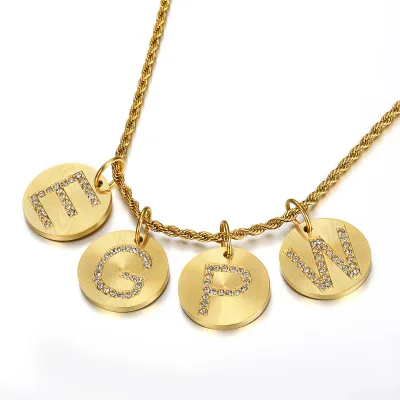
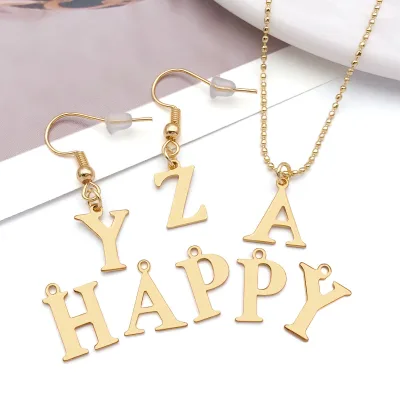
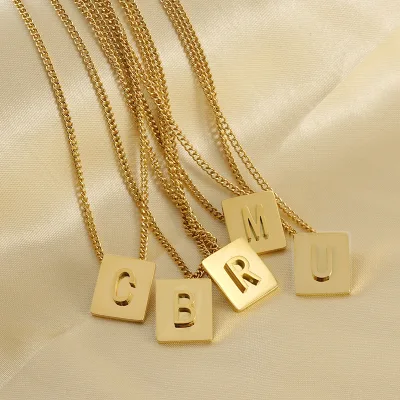
Wholesale Fashion Women Gold Plated Stainless Steel Pendant Letter Necklace
$0.85 - $1.08
MOQ: 30 Pieces


Shenzhen Right Grand Jewelry Co., Ltd.
- Verified by SGS
- Manufacturer
- China Guangdong
- Lead time15 days
- Avg. response≤ 5h
Main productsNecklace, Bracelet, Earring, Ring, Nose Ring, Ear Piercing, Belly Ring, Nipple Ring
Main marketsSouth America,Europe,North America

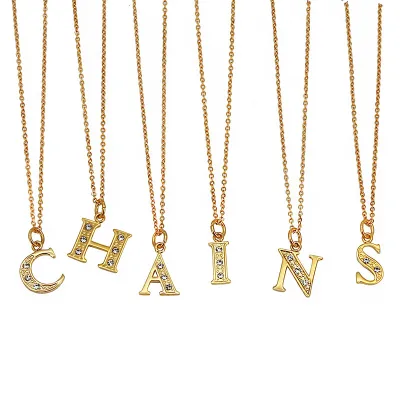
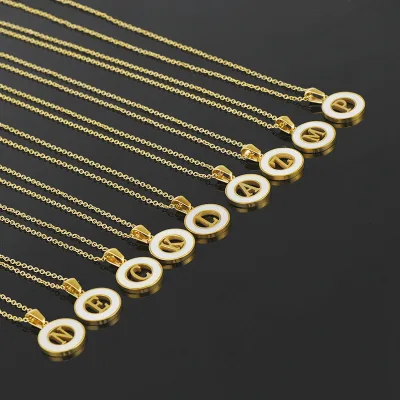
18K Gold Plated Initial Letter Pendant Stainless Steel Mini Letter Charm Necklace
$1.64 - $1.92
MOQ: 12 Pieces

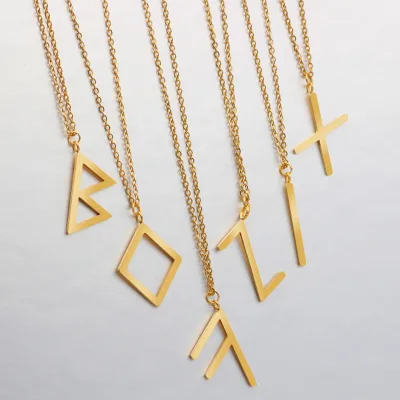
Fashion Jewelry Women Letter V Vertical Bar Pendant Gold Plated Stainless Steel Layered Necklace
$1.99 - $3.02
MOQ: 12 Pieces

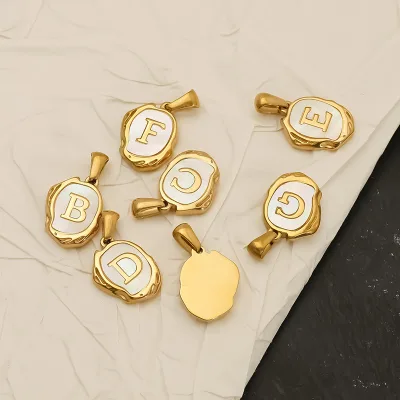
New Wholesale Stainless Steel Gold Plated Initial 26 Alphabet Letters Pendant Necklace
$1.07 - $1.43
MOQ: 6 Pieces

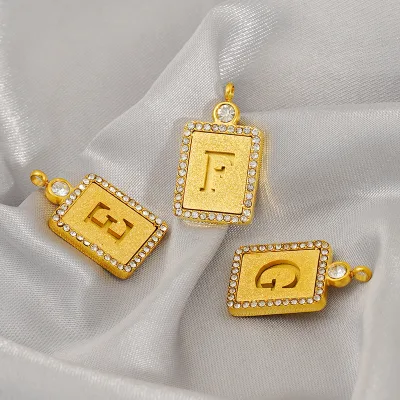
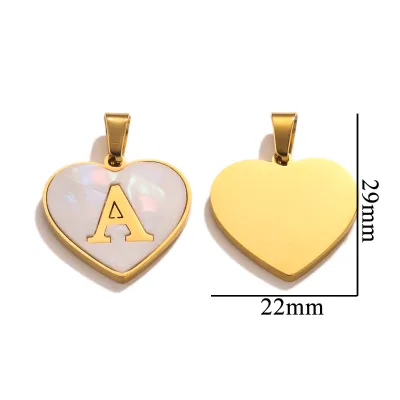
Customised Women Jewelry Pendant Letters Stainless Steel Nameplate Name Pendant Love Necklace
$1.30 - $1.70
MOQ: 6 Pieces
- Manufacturer, Trading Company
- Zhejiang, China
- Lead time10 days
- Avg. response≤ 4h
Main productsStainless Steel Jewelry,Fashion Jewelry,necklace,earrings,bracelet
Main marketsWestern Europe(50.00%), North America(45.00%), Domestic Market(5.00%)

- Verified by SGS
- Trading Company
- China Zhejiang
- Lead time15 days
- Avg. response≤ 13h
Main productsChristmas Decoration, Christmas Tree, Christmas Gift, Party Decoration, Promotional Product, Festival Items, Gift, Valentine, Party Items, Halloween Decorations
Main marketsEurope,Australia

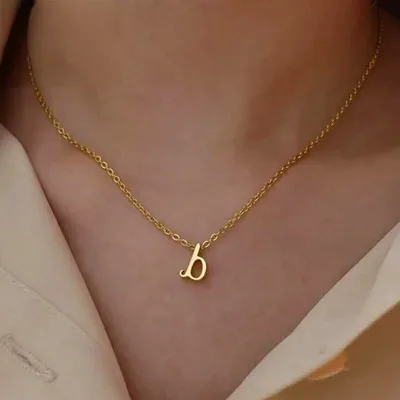
Factory Price Personalized 26 Letter Pendant Gift Stainless Steel Gold-Plated Short Necklace
$1.66 - $1.87
MOQ: 500 Pieces

Cross-Border Sleeve Engraving Stainless Steel Pendant Titanium Steel Necklace
$0.43 - $0.48
MOQ: 2100 Pieces
Dongguan Jingeer Jewelry Co., Ltd.
- Verified by SGS Group
- Manufacturer, Trading Company
- Lead time10 days
- Avg. response≤ 4h
Main productsNecklace, Bracelet, Earring, Ring, Charm Pendant
Main marketsNorth America(34%), Western Europe(30%), Southern Europe(14%)
- Verified by Intertek
- Trading Company
- Lead time30 days
- Avg. response≤ 5h
Main products14K Gold Filled Findings, Sterling Silver Findings, Stainless Findings, Brass Findings, Fresh Water Pearl
Main marketsNorth America(50%), Western Europe(20%), Oceania(10%)
- Verified by Intertek
- Manufacturer, Trading Company
- Lead time10 days
- Avg. response≤ 2h
Main productsStainless Steel Ring, Stainless Steel Necklace, Stainless Steel Earring, Bracelets, Trousers Chain
Main marketsNorth America(40%), Western Europe(30%), Oceania(20%)

Guangzhou Mimier Jewelry, Co, Ltd.
- Manufacturer/Factory
- China Guangdong
- Lead time120 days
- Avg. response≤ 20h
Main productsFashion Jewelry, Fashion Earrings, Fashion Bracelets, Fashion Rings, Fashion Necklace, Stainless Steel Jewelry, Jewellery Accessories, Jewellery Set
Main marketsEastern Europe,North America,Western Europe,Africa

Shenzhen Hengda Xin Jewelry Co., Ltd.
- Verified by BV
- Combined
- China Guangdong
- Lead time15 days
- Avg. response≤ 2h
Main productsJewelry, Stainless Steel Fittings, Stainless Steel Jewelry, Necklace, Bracelet, Stud Earrings, Ring, Pendant, Fashion Jewelry, Fashion Accessories
Main marketsSoutheast Asia/ Mideast,East Asia(Japan/ South Korea),Domestic,Europe,Australia,North America

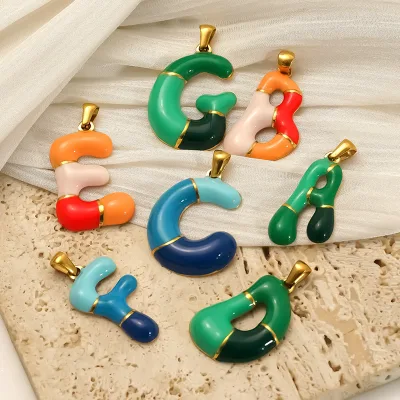
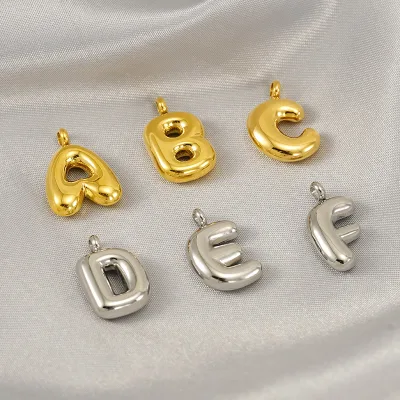
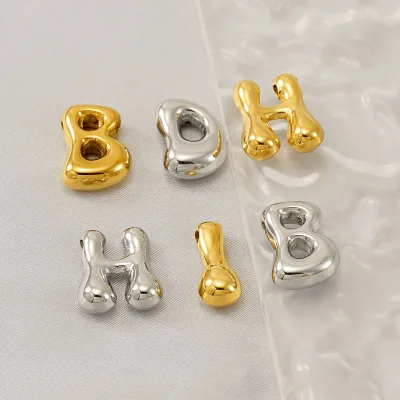
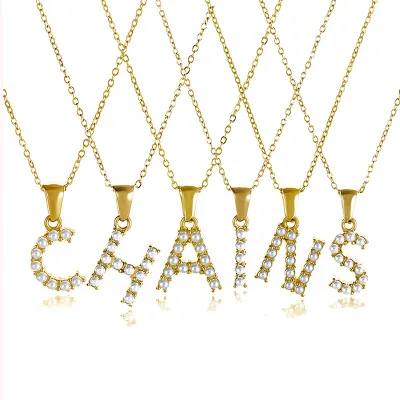
Exquisite Gold Chain Bubble Letter Stainless Steel Necklace 18K Real Gold Plated Jewelry
$1.98 - $2.45
MOQ: 50 Pieces


$1.80 - $2.30
MOQ: 100 Pieces


Shenzhen Crown Jewelry Co., Ltd.
- Manufacturer, Trading Company
- Guangdong, China
- Lead time0 days
- Avg. response≤ 7h
Main productsstainless steel jewelry,925 sterling silver jewelry,copper/brass jewelry,tungsten jewelry,alloy jewelry
Main marketsNorth America(35.00%), Eastern Europe(20.00%), Western Europe(10.00%), Oceania(10.00%), South Asia(5.00%), Southern Europe(5.00%), Northern Europe(5.00%), Southeast Asia(5.00%), South America(5.00%)
Dongguan Domi Jewelry Co., Ltd.
- Manufacturer, Trading Company
- Guangdong, China
- Lead time0 days
- Avg. response≤ 4h
Main productsstainless steel jewelry,necklace,bracelet/bangle,earrings,ring
Main marketsNorth America(40.00%), Eastern Europe(15.00%), Western Europe(15.00%), Mid East(10.00%), Domestic Market(5.00%), Northern Europe(5.00%), Central America(5.00%), South America(5.00%)
Yiwu Silverworks Jewelry Co., Ltd.
- Trading Company
- Zhejiang, China
- Lead time25 days
- Avg. response≤ 2h
Main productsStainless Steel Jewelry,Stainless steel chain,Custom service,925 Sterling Silver Charm,925 Sterling Silver Jewelry
Main marketsSouthern Europe(11.11%), Northern Europe(11.11%), Central America(11.11%), Western Europe(11.11%), Oceania(11.11%), Southeast Asia(11.11%), Eastern Europe(11.11%), South America(11.11%), North America(11.11%)
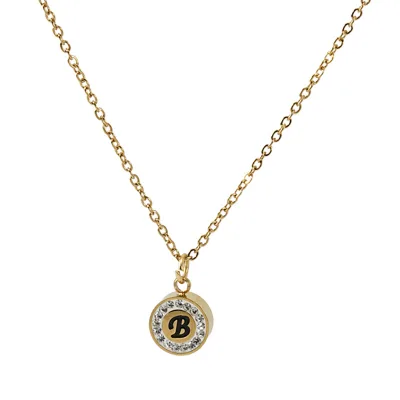
$1.8827 - $2.4644
MOQ: 2 pieces
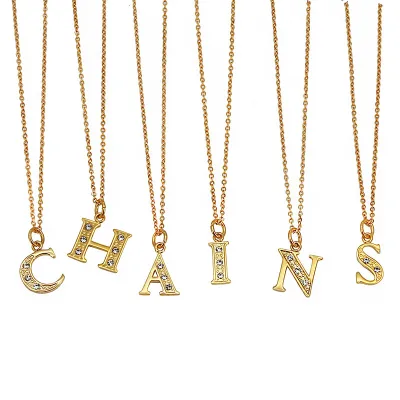
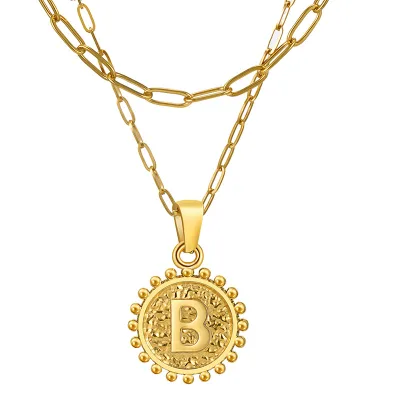
$2.6592 - $3.4807
MOQ: 2 pieces
Yiwu Hongri Import & Export Co., Ltd.
- Verified by TüVRheinland
- Trading Company
- Lead time0 days
- Avg. response≤ 9h
Main productsFashion Bracelets, Fashion Necklaces, Fashion Earrings, Fashion Rings, Fashion Jewelry Sets
Main marketsNorth America(80%), Western Europe(7%), Oceania(6%)

Guangdong Kalen Jewelry Company Limited
- Verified by SGS
- Combined
- China Guangdong
- Lead time30 days
- Avg. response≤ 6h
Main productsStainless Steel Jewelry, Fashion Accessories, Bracelets, Necklaces, Rings, Earrings, Pendants, Bangles, Jewelry Sets, Cufflinks
Main marketsSouth America,Europe,Australia,North America
Yiwu Shichen Trading Co., Ltd.
- Verified by TüVRheinland
- Manufacturer, Trading Company
- Lead time180 days
- Avg. response≤ 5h
Main productsAnklets, Necklaces, Bracelets & Bangles, Earrings, Rings
Main marketsNorth America(60%), South America(10%), Oceania(10%)
Yiwu City Duyizhao Jewelry Co., Ltd.
- Verified by SGS Group
- Trading Company
- Lead time15 days
- Avg. response≤ 3h
Main productsNugget Earrings, Hip hop Cuban Chain Necklace, Bracelet, Pendant, Rings
Main marketsNorth America(50%), Central America(20%), South America(5%)


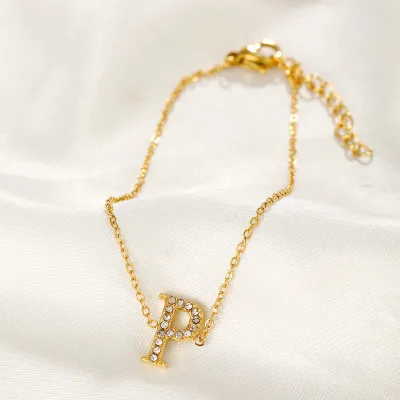
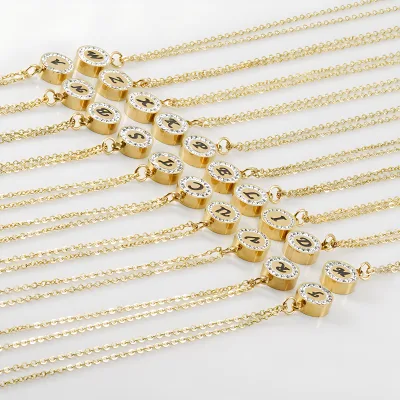
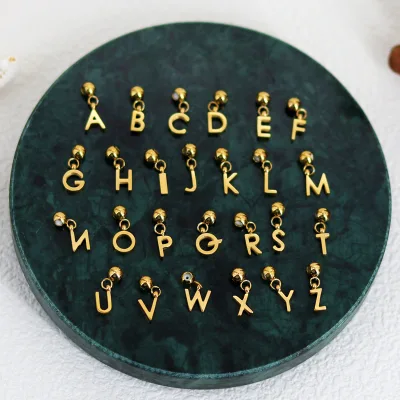
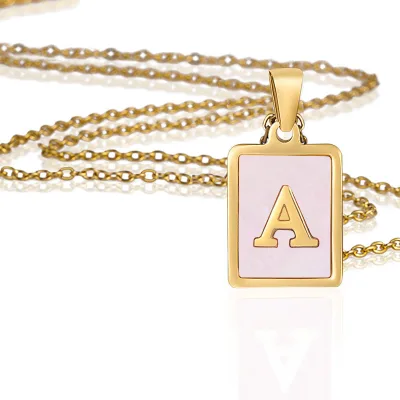




Comprehensive Sourcing Guide
Letter Gold-Plated Stainless Steel Pendant Supplier Concentration and Factory Types
The sourcing landscape for letter gold-plated stainless steel pendants is heavily concentrated in specific manufacturing hubs within China, particularly in Guangdong province. Data indicates that a significant portion of available suppliers operate from this region, leveraging established industrial clusters for metal jewelry production. Buyers should recognize that this geographic concentration often correlates with mature supply chains for raw materials like 304 stainless steel and specialized plating chemicals. When evaluating potential partners, it is crucial to distinguish between different company types, as the operational model significantly impacts pricing, flexibility, and quality control. The current market features a mix of trading companies and direct manufacturers, each offering distinct advantages for different procurement strategies. Trading companies often provide a broader catalog of accessories, such as snap hooks, ball chains, and metal clips, which can be bundled with pendants for complete jewelry sets. This consolidation of services can simplify logistics for buyers who need multiple components for their final products. However, trading companies may add a markup to the base cost of the pendant itself. In contrast, manufacturers or factories typically focus on deeper specialization in metalworking processes, including casting, polishing, and electroplating. These entities often possess the technical capability to handle complex customizations, such as specific letter fonts or unique charm shapes, directly from their production lines. Understanding whether a supplier is a trader or a factory helps buyers anticipate communication styles and negotiation leverage. Factories may be more rigid on minimum order quantities but offer better unit economics for large volumes. Traders might offer lower MOQs to accommodate smaller businesses but could have less direct control over the plating thickness or material grade. Buyers must assess which model aligns with their volume requirements and customization needs.
Furthermore, the diversity of main products listed by suppliers provides insight into their operational focus and capacity. Some suppliers list key rings, bottle openers, and metal buckles alongside jewelry, suggesting a broader hardware manufacturing capability that might appeal to buyers looking for versatile accessory partners. Others specialize exclusively in fashion jewelry, necklaces, and pendants, indicating a deeper expertise in aesthetic design and finishing techniques. This specialization often translates to higher quality consistency in decorative elements like gold plating and silver finishes. The presence of OEM and ODM services is a critical indicator of a supplier’s ability to adapt to brand-specific requirements. Many suppliers explicitly state that customization is available, allowing for tailored solutions in logo application, packaging, and product dimensions. For instance, some manufacturers offer services ranging from simple logo printing to full design development for unique pendant shapes. Buyers should verify the extent of these services, as not all suppliers have the same level of in-house design support. Additionally, the availability of own brands or private label options can be a significant factor for retailers looking to establish their market identity. Suppliers with established own brands may have proven quality standards and reliable production processes, whereas those focused solely on OEM might be more flexible but require more rigorous quality assurance protocols. Evaluating the balance between standard product offerings and custom capabilities helps buyers identify partners who can scale with their business growth. It is also important to consider the supplier’s experience with international markets, as this often influences their adherence to global standards and communication efficiency. By carefully analyzing the company type and product range, buyers can select suppliers that best fit their strategic goals, whether they prioritize cost efficiency, design innovation, or supply chain stability.
How to Verify Letter Gold-Plated Stainless Steel Pendant Suppliers
Verifying the legitimacy and capability of suppliers is a critical step in mitigating sourcing risks for letter gold-plated stainless steel pendants. Buyers should prioritize suppliers who have undergone third-party verification processes, as these audits provide an independent assessment of the company’s business practices and operational capacity. In the current market, several suppliers display verification badges from recognized agencies, such as BV (Bureau Veritas) or TÜV Rheinland. These certifications indicate that the supplier has met specific criteria regarding business legality, factory conditions, and quality management systems. For example, some manufacturers hold ISO 9001 certification, which demonstrates a structured approach to quality control and continuous improvement in their production processes. This standard is particularly relevant for stainless steel jewelry, where consistency in material grade and plating durability is essential. Buyers should request copies of these certificates and verify their validity through the issuing agency’s database. Additionally, the presence of verification badges often correlates with a higher level of transparency in supplier profiles, including detailed company information and product specifications. However, verification is not a guarantee of product quality; it is a baseline indicator of business reliability. Buyers must still conduct their own due diligence to ensure that the supplier’s actual output matches their claims. This includes reviewing product photos, requesting samples, and checking for consistency in product descriptions. Suppliers who provide detailed product attributes, such as material composition, plating type, and dimensions, are generally more trustworthy than those with vague or incomplete listings. The level of detail in product listings can also reflect the supplier’s professionalism and attention to quality. For instance, suppliers who specify the exact stainless steel grade, such as 304, and provide information on plating thickness or color options, demonstrate a higher level of technical knowledge. Buyers should also look for suppliers who offer clear information on their production capabilities, such as OEM/ODM services and customization options. This transparency suggests that the supplier is confident in their ability to meet specific buyer requirements. Furthermore, checking the supplier’s response time and communication quality can provide insights into their customer service standards. A quick and professional response to inquiries often indicates a well-organized internal team that can handle orders efficiently. By combining third-party verification with direct assessment of product details and communication, buyers can build a more accurate picture of a supplier’s reliability and capability.
In addition to third-party verifications, buyers should assess the supplier’s track record and market presence. While specific sales figures or customer reviews may not always be publicly available, indicators such as the number of years in business and the range of products offered can provide valuable context. Suppliers with a long history in the industry are likely to have established relationships with raw material suppliers and a refined production process. This experience can translate to better quality control and more reliable lead times. Buyers should also consider the supplier’s ability to handle complex orders, such as those requiring custom packaging or specific logo applications. Suppliers who offer these services often have dedicated teams for design and production coordination, which can reduce the risk of errors and delays. Additionally, checking the supplier’s compliance with international standards and regulations is crucial, especially for markets with strict requirements for jewelry materials, such as lead-free or nickel-free standards. Although specific test results may not be listed, suppliers who proactively mention their adherence to such standards are likely to have the necessary testing infrastructure in place. Buyers should ask for material safety data sheets or test reports to confirm compliance. Furthermore, evaluating the supplier’s financial stability and business reputation can help avoid partnerships with companies that may face operational challenges. This can be done by checking for any negative feedback or disputes in public forums or industry networks. Buyers should also consider the supplier’s willingness to provide references or case studies from previous clients, which can offer insights into their performance and reliability. By taking a comprehensive approach to verification, combining third-party audits, product assessments, and market research, buyers can make informed decisions and select suppliers who are capable of delivering high-quality letter gold-plated stainless steel pendants consistently. This thorough due diligence process helps build a strong foundation for a successful and sustainable sourcing relationship.
What to Compare Across Letter Gold-Plated Stainless Steel Pendant Suppliers
When evaluating multiple suppliers for letter gold-plated stainless steel pendants, buyers must systematically compare key operational metrics to identify the most suitable partner. One of the most critical factors is the minimum order quantity (MOQ), which varies significantly across the market. Some suppliers offer low MOQs, such as 30 or 50 pieces, which are ideal for small businesses or initial market testing. These lower thresholds allow buyers to minimize inventory risk and test product acceptance before committing to larger orders. In contrast, other suppliers may require MOQs of 100, 300, or even higher, which can be more cost-effective for established brands with steady demand. Buyers should align their MOQ requirements with their sales volume and cash flow capabilities. Another important metric is the lead time, which indicates how quickly a supplier can fulfill an order. Lead times can range from a few days for standard items to several weeks for custom orders. For instance, some suppliers list lead times of 5 to 15 days, while others may require up to 90 days for complex customizations or large volumes. Understanding these variations helps buyers plan their inventory and manage customer expectations. Buyers should also compare the response time of suppliers, as this reflects their efficiency in handling inquiries and resolving issues. A faster response time, such as under 4 hours, suggests a responsive customer service team that can address problems promptly. This is particularly important for custom orders where design approvals and sample confirmations are critical. Additionally, buyers should evaluate the price range offered by different suppliers. Prices for letter gold-plated stainless steel pendants can vary based on factors such as material quality, plating thickness, and customization complexity. Some suppliers may offer competitive prices for standard items, while others may charge a premium for high-quality finishes or unique designs. Buyers should request detailed quotes that break down costs for materials, labor, and customization to ensure transparency. Comparing these quotes helps buyers identify the best value proposition rather than just the lowest price. Furthermore, buyers should assess the range of plating options available, such as gold, silver, rhodium, or rose gold, as this can impact the final product’s appearance and durability. Suppliers who offer a wider variety of plating options provide greater flexibility for product differentiation. Buyers should also consider the supplier’s ability to handle different sizes and styles of pendants, as this affects the versatility of their offerings. By systematically comparing these operational metrics, buyers can make data-driven decisions that align with their business goals and operational capabilities.
In addition to operational metrics, buyers should compare the customization capabilities and service offerings of different suppliers. Customization is a key differentiator in the jewelry market, allowing brands to create unique products that stand out. Buyers should assess the extent of customization options available, such as logo engraving, custom packaging, and unique pendant shapes. Some suppliers offer comprehensive OEM/ODM services, allowing for full design development and production, while others may only provide basic logo printing. Buyers should determine which level of customization is necessary for their brand and select suppliers who can meet those requirements. The quality of customization is also crucial, as poor execution can damage brand reputation. Buyers should request samples of customized products to evaluate the precision of engraving, the durability of plating, and the overall finish. Additionally, buyers should compare the supplier’s approach to quality control during the customization process. Suppliers who have dedicated quality assurance teams and clear inspection protocols are more likely to deliver consistent results. Buyers should also consider the supplier’s flexibility in handling changes or revisions to orders. In the dynamic jewelry market, design changes are common, and suppliers who can accommodate these changes efficiently provide a significant advantage. Furthermore, buyers should evaluate the supplier’s packaging options, as this impacts the product’s presentation and protection during shipping. Some suppliers offer standard OPP bag packaging, while others provide more premium options like strong cartons or custom boxes. The choice of packaging can influence the perceived value of the product and the buyer’s shipping costs. Buyers should also compare the supplier’s payment terms and financial flexibility. Suppliers who offer flexible payment options, such as T/T, bank transfer, or PayPal, provide greater convenience for international transactions. Additionally, buyers should assess the supplier’s willingness to provide trade assurance or escrow services, which can protect payments until the goods are received and verified. By comparing these
FAQs
What is the minimum order quantity for letter pendants?
The minimum order quantity varies by supplier, with options starting at 30 pieces or 50 pieces. Some listings require 100 units while others accept 300 units. Buyers should check specific product pages to confirm the exact threshold before placing an order.
How long does production take for custom letter pendants?
Production lead times range from 5 days to 90 days depending on the supplier and order volume. Some manufacturers offer quick turnaround in 5 days, while others may require up to 90 days for larger custom runs. Verify the specific timeline with the vendor.
Are these pendants available in different plating colors?
Yes, suppliers offer plating in gold, silver, black, rose gold, and gunmetal. Many listings specify gold or silver options for stainless steel bases. Buyers can select from multiple color finishes to match their design requirements or brand identity needs.
What is the price range for stainless steel letter pendants?
Prices typically range from 0.85 to 6.00 per unit based on customization and order size. Lower costs apply to standard orders, while custom features may increase the price. Bulk purchasing often reduces the per-unit cost significantly for large volume buyers.
Do suppliers offer OEM and ODM services for these items?
Yes, many suppliers provide OEM and ODM services for custom letter pendants. Buyers can request specific logos, packaging, and designs. This allows for personalized branding while maintaining the quality of stainless steel materials used in the manufacturing process.
Where are the manufacturers of these pendants located?
Manufacturers are primarily located in Guangdong, China, with specific origins in Dongguan and Guangzhou. These regions are known for jewelry production. Buyers should verify the exact city of origin to ensure logistics compatibility and potential shipping cost savings.
Are the pendants hypoallergenic and fade resistant?
Yes, the stainless steel material is described as non-allergic and fade-resistant. The products do not oxidize easily and maintain their finish over time. This ensures durability for daily wear while meeting safety standards for sensitive skin types.