Letter Design Polymer Clay Bracelets Suppliers and Manufacturers
Explore 20 verified options for Letter Design Polymer Clay Bracelets from Zhejiang and Yiwu factories. Compare response times, lead times, MOQs, and certifications like Third Party Appraisal. Contact suppliers directly to request samples and confirm pricing details; review the available evidence before requesting comparable quotations from suitable candidates.
Updated
Suppliers List

- Manufacturer, Trading Company
- Zhejiang, China
- Lead time20 days
- Avg. response≤ 5h
Main productsBracelet,Necklace,Anklet,Key Ring
Main marketsNorth America(59.60%), Western Europe(37.80%), Africa(1.60%), Northern Europe(0.50%), Oceania(0.50%)
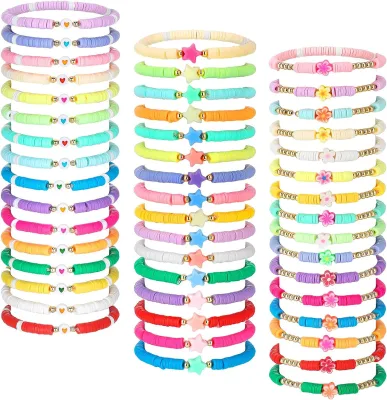
Pentagram Polymer Clay Bracelet Love Beaded Bracelet Flower Bracelet
$0.1559 - $0.2398
MOQ: 100 pieces
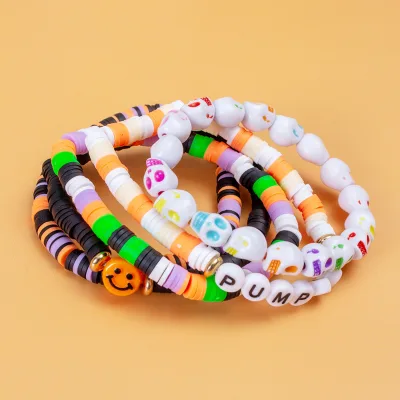
$0.6281 - $0.9788
MOQ: 120 pieces

- Verified by SGS
- Manufacturer/Factory
- China Zhejiang
- Lead time30 days
- Avg. response≤ 2h
Main productsNecklace, Bracelets, Earring, Ring, Brooch, Phone Lanyard, Key Chain, Body Jewelry, Hair Clip, Hair Band
Main marketsSouth America,Eastern Europe,Mid East,North America,Southeast Asia,Eastern Asia,Oceania,Western Europe,Africa

- Trading Company,Manufacturer/Factory
- China Zhejiang
- Lead time23 days
- Avg. response≤ 7h
Main productsKeychain, Patch, Paper Air Freshener, Car Perfume Bottle, Stickers, Badge, Packaging Box, Air Freshener Bottle
Main marketsSouth America,Eastern Europe,Mid East,North America,Southeast Asia,Eastern Asia,Western Europe
Yiwu Phonbon Import & Export Co., Ltd.
- Trading Company
- Zhejiang, China
- Lead time15 days
- Avg. response≤ 7h
Main productsmedal,lapel pin,metal coins,cross,rosary
Main marketsWestern Europe(16.67%), Southeast Asia(16.67%), Southern Europe(15.00%), Eastern Europe(15.00%), South America(10.00%), Africa(5.00%), Northern Europe(5.00%), Central America(5.00%), North America(5.00%), Mid East(3.00%), Eastern Asia(2.00%), South Asia(1.00%), Oceania(0.66%)
- Trading Company
- zhejiang, China
- Lead time30 days
- Avg. response≤ 4h
Main productsJewelry,Bag,Daily merchandise,Holiday Decoration,Apparel
Main marketsNorth America(70.00%), Oceania(10.00%), Southern Europe(5.00%), Western Europe(5.00%), Domestic Market(1.00%), South Asia(1.00%), Southeast Asia(1.00%), Northern Europe(1.00%), Central America(1.00%), Eastern Europe(1.00%), Eastern Asia(1.00%), Mid East(1.00%), South America(1.00%), Africa(1.00%)
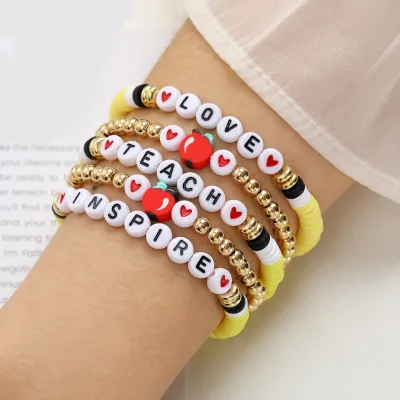
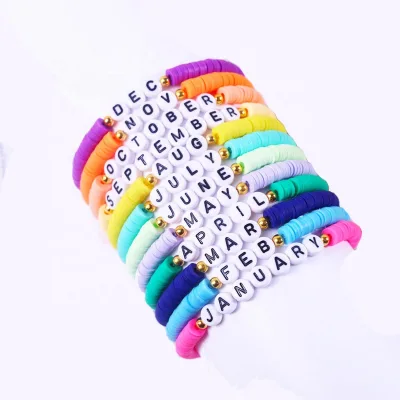
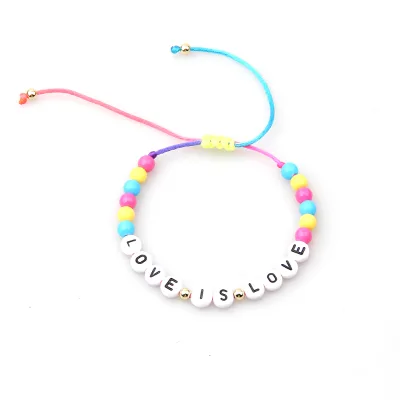
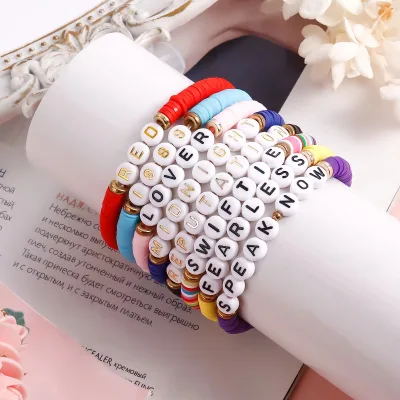
Hot Selling 12 Months Initial Letters Women Bracelet Bohemian Polymer Clay Beads Friendship Bracelet
$0.1964 - $0.712
MOQ: 30 pieces
Cangnan Jinduo Trading Co., Ltd.
- Trading Company
- Zhejiang, China
- Lead time10 days
- Avg. response≤ 1h
Main productshat,headbands,glove,scarf
Main marketsNorth America(75.00%), Oceania(10.00%), Eastern Europe(10.00%), Western Europe(5.00%)
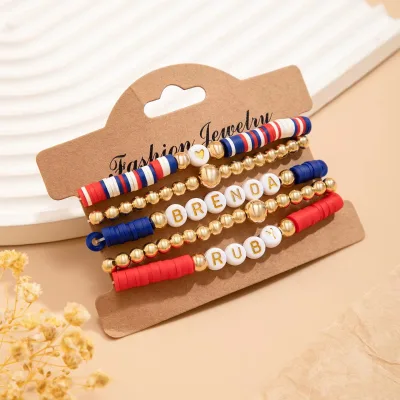
$0.1438 - $0.6895
MOQ: 20 pieces
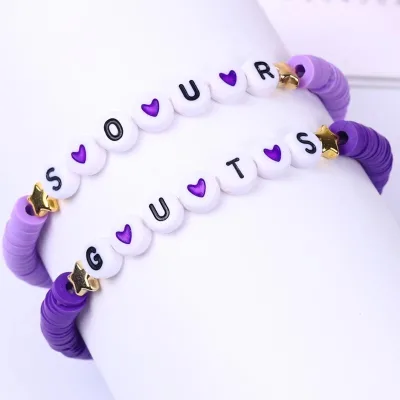
2024 Hot Selling Lavender Friendship Bracelet Set Music Fans Polymer Clay Taylor Bracelets
$0.1859 - $0.70
MOQ: 20 pieces
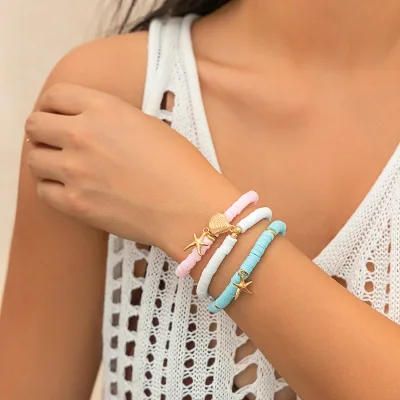

Shenzhen Hengda Xin Jewelry Co., Ltd.
- Verified by BV
- Combined
- China Guangdong
- Lead time15 days
- Avg. response≤ 2h
Main productsJewelry, Stainless Steel Fittings, Stainless Steel Jewelry, Necklace, Bracelet, Stud Earrings, Ring, Pendant, Fashion Jewelry, Fashion Accessories
Main marketsSoutheast Asia/ Mideast,East Asia(Japan/ South Korea),Domestic,Europe,Australia,North America
Sichuan Love Story Jewelry Co., Ltd.
- Trading Company
- Sichuan, China
- Lead time0 days
- Avg. response≤ 4h
Main productsnecklace,bracelet,ring,earrings,jewelry accessory
Main marketsNorth America(35.00%), South America(20.00%), Western Europe(15.00%), Southeast Asia(15.00%), Eastern Europe(15.00%)
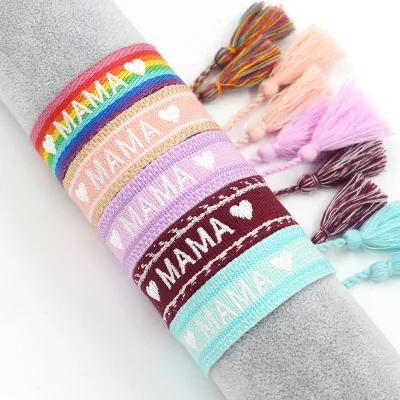
B2796 Handmade bracelet pull adjustable strand bracelet mama letter bracelet jewelry
$1.63 - $1.83
MOQ: 5 pieces
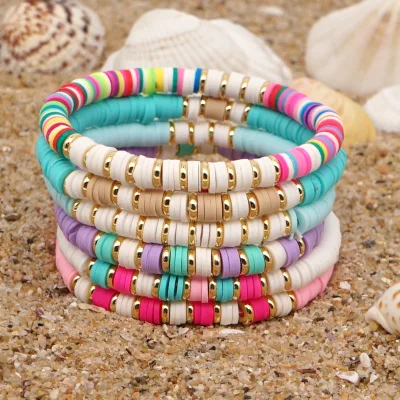
B2223 Bohemia women porcelain bracelet multi color clay beads bracelet fashion women jewelry
$1.44 - $1.64
MOQ: 5 pieces
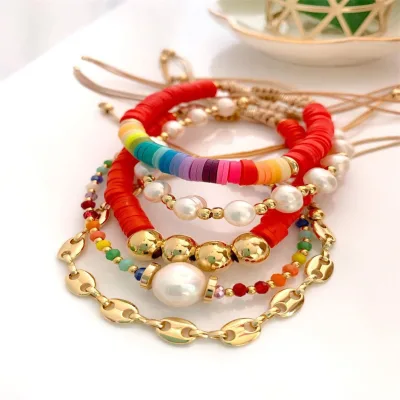
$1.04 - $8.79
MOQ: 5 Minimum

YIWU JINYE IMPORT AND EXPORT CO., LTD
- Verified by SGS
- Trading Company
- China Zhejiang
- Lead time15 days
- Avg. response≤ 25h
Main productsBangle, Wrist Band, Bracelet, Fashion Jewelry
Main marketsNorth America


Fashion European and American Letters Square Plate Drip Oil Bracelet Jewelry
$1.00 - $3.20
MOQ: 20 Pieces


Yiwu Huaiyan E-commerce Co.,Ltd
- Verified by SGS
- Trading Company
- China Zhejiang
- Lead time15 days
- Avg. response≤ 1h
Main productsNecklace, Bracelet, Bracelets, Earrings, Ring, Headwear, Leather Bracelet
Main marketsNorth America

Leather woven bracelet, genuine leather bracelet, leather bracelet for men
$3.20 - $3.90
MOQ: 6 Pieces


Jingzhou Luhang Electronic Commerce Co., Ltd.
- Trading Company
- Hubei, China
- Lead time7 days
- Avg. response≤ 10h
Main productsSemi-precious stone crafts,Semi-precious stone jewelry,Healing stone,Jade carving,Crystal point
Main marketsNorth America(25.00%), South America(15.00%), Western Europe(10.00%), Eastern Europe(10.00%), Southeast Asia(8.00%), Northern Europe(5.00%), Africa(5.00%), Eastern Asia(5.00%), Southern Europe(5.00%), Oceania(5.00%), South Asia(3.00%), Central America(2.00%), Mid East(2.00%)

Longyuan (Guangzhou) Industrial Development Co., Ltd.
- Verified by TUVRHEINLAND
- Manufacturer/Factory
- China Guangdong
- Lead time23 days
- Avg. response≤ 7h
Main productsJewelry, Fashion Watch, Hair Accessories, Men Jewelry, Women Jewelry, Pendants, Brooches, Bracelets, Crowns, Necklaces
Main marketsSouth America,Eastern Europe,Mid East,North America,Western Europe


Fashion Creative Stainless Steel Cutting Titanium English Letter Name Bracelet Jewelry
$3.50 - $3.80
MOQ: 20 Pieces


- Verified by CTI
- Trading Company
- China Zhejiang
- Lead time23 days
- Avg. response≤ 15h
Main productsEarring, Vase, Scented Candles, Hair Ties, Bags
Main marketsSouth America,Europe,North America


Unisex Leather Bangles Multi Layers Magnetic Buckle Round Shape Bracelets
$1.95 - $2.55
MOQ: 12 Pieces
- Trading Company
- Lead time旺季: "1 - 100":35,"> 100":"To be negotiated", 淡季: "1 - 100":35,"> 100":"To be negotiated"
- Avg. response≤ 8h
Main productsfashion jewelry,women necklace,women earrings,fashion rings jewelry,fashion bracelets jewelry

Guangzhou IO Jewelry Co., Ltd.
- Combined
- China Guangdong
- Lead time30 days
- Avg. response≤ 7h
Main productsJewelry, Fashion Jewelry, Stainless Steel Jewelry, Custom Jewelry, Stainless Steel Beads, Stainless Steel Charms, Stainless Steel Rings, Stainless Steel Pendants, Beads, Charms
Main marketsSouth America,Domestic,Europe,Australia,North America
Guangzhou Laursain Jewelry Co., Ltd.
- Manufacturer, Trading Company
- Lead time旺季: "1 - 30":15,"> 30":"To be negotiated", 淡季: "1 - 30":15,"> 30":"To be negotiated"
- Avg. response≤ 7h
Main productsFashion Necklace/ Fashion Bracelet/ Handmade Necklace/ Gemstone Bangle/ Chain Accessories
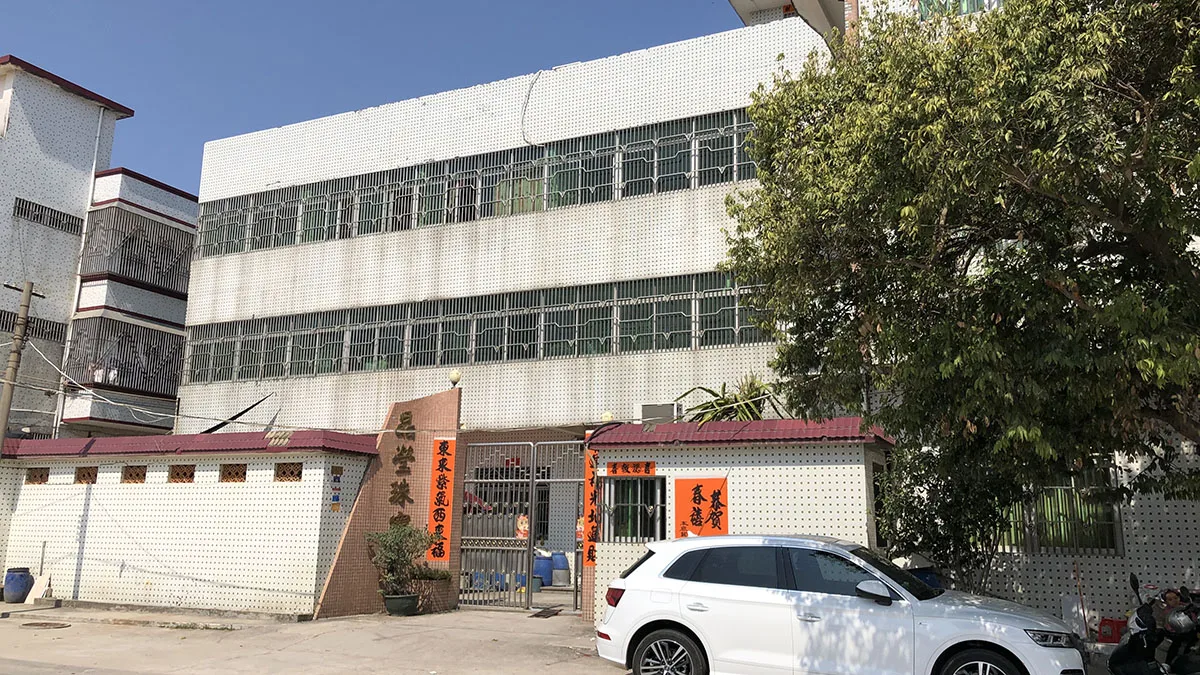
Guangzhou Liwan Jingcai Jewelry Firm
- Distributor/Wholesaler
- Guangdong, China
- Lead time7 days
- Avg. response≤ 5h
Main productsJewelry,Body Jewelry,Bracelets & Bangles,Loose Gemstone,Necklaces
Main marketsNorth America(40.00%), Western Europe(20.00%), Eastern Asia(20.00%), Eastern Europe(10.00%), Northern Europe(5.00%), Oceania(5.00%)

Shenzhen Right Grand Jewelry Co., Ltd.
- Verified by SGS
- Manufacturer
- China Guangdong
- Lead time15 days
- Avg. response≤ 5h
Main productsNecklace, Bracelet, Earring, Ring, Nose Ring, Ear Piercing, Belly Ring, Nipple Ring
Main marketsSouth America,Europe,North America

Stainless Steel Jewelry Magnetic Clasp Custom Bar Braided Leather Bracelet
$1.83 - $2.26
MOQ: 2 Pieces

Luxury Men Retro Jewelry Custom Multi Layer Braided Alloy Clasp Leather Bracelet
$1.52 - $2.03
MOQ: 6 Pieces

Stainless Steel Jewelry Magnetic Clasp Custom Braided Cross Leather Bracelet
$3.82 - $4.69
MOQ: 2 Pieces

Manufacturer Logo Name Gold Plated Stainless Steel Engraved Blank Custom Bracelet
$0.78 - $1.54
MOQ: 12 Pieces

Yiwu Noya Accessories Co., Ltd.
- Trading Company
- Zhejiang, China
- Lead time25 days
- Avg. response≤ 10h
Main productsaccessories,Jewelry,headband,bag,agent
Main marketsWestern Europe(30.00%), North America(30.00%), Domestic Market(10.00%), Northern Europe(10.00%), Eastern Europe(10.00%)

Fujian Junqing Trade Co., Ltd.
- Verified by CTI
- Trading Company
- China Fujian
- Lead time15 days
- Avg. response≤ 3h
Main productsDesign Necklace, Design Earring, Design Bracelet Bangle, Design Hair Accessories, Shoes, Bags, Watches, Sunglasses, Home Decoration
Main marketsSoutheast Asia/ Mideast,Europe,North America

26 English Letters Micro-Inlaid Zircon Men Women Stainless Steel Letter Bracelet Bangle
$3.00 - $5.56
MOQ: 2 Pieces

Changeable Letter Wristband Bangle CZ Rhinestone Letter Bling Bling Bracelet Bangle
$2.99 - $6.35
MOQ: 100 Pieces


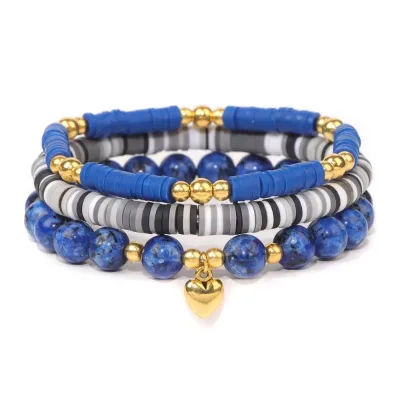




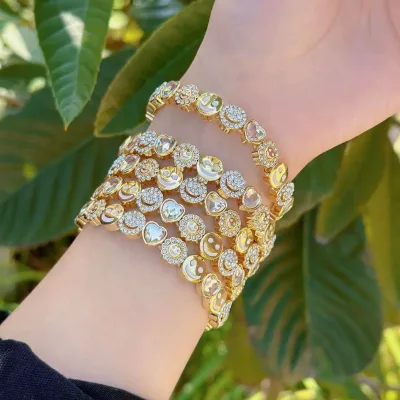

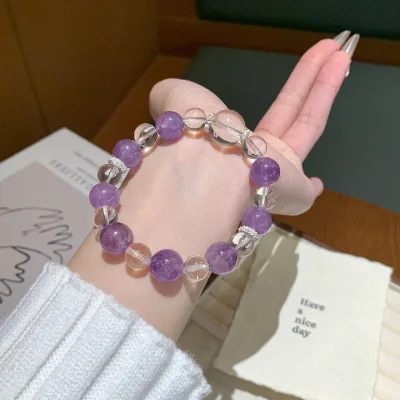
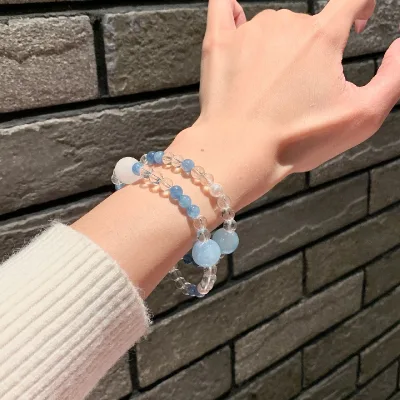
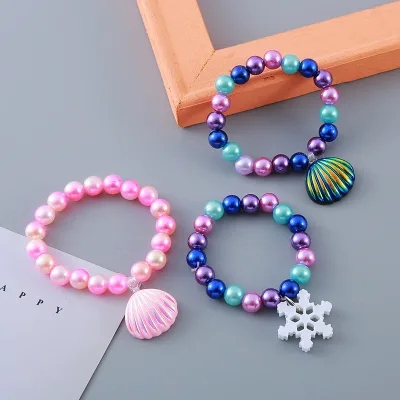
Comprehensive Sourcing Guide
Letter Design Polymer Clay Bracelets Supplier Concentration and Factory Types
The sourcing landscape for Letter Design Polymer Clay Bracelets reveals a distinct concentration of manufacturing activity within specific industrial hubs in China, with Zhejiang province emerging as a primary cluster for this category. Suppliers located in this region often benefit from established supply chains for raw materials like acrylic beads, soft clay, and elastic components, which are critical for producing the customizable and trendy styles frequently requested by global buyers. When evaluating potential partners, it is essential to distinguish between pure manufacturers and trading companies, as both appear in search results but offer different value propositions. Manufacturers typically provide greater control over the production process, allowing for more flexible OEM and ODM customization options, which is particularly relevant for brands seeking unique letter designs or specific color palettes. Trading companies, on the other hand, may offer a broader variety of existing stock items, such as Halloween-themed or bohemian style bracelets, but might have less direct influence over production timelines or material sourcing. Understanding this distinction helps buyers align their procurement strategy with their specific needs for customization versus speed to market.
Company types also influence the range of main products offered, with many suppliers listing bracelets alongside necklaces, earrings, and other fashion accessories. This diversification can be advantageous for buyers looking to consolidate orders across multiple jewelry categories, potentially reducing shipping costs and simplifying logistics. However, it is crucial to verify that the supplier’s primary expertise lies in polymer clay and beaded jewelry, as generalist manufacturers may lack the specialized techniques required for high-quality letter design execution. Some suppliers explicitly highlight their capability for custom logo printing or acrylic bead customization, indicating a stronger focus on personalized products. Buyers should review the supplier’s main product listings to ensure they have a proven track record with letter design elements, such as alphabet beads or engraved clay pieces. This verification step ensures that the supplier possesses the necessary technical proficiency to deliver products that meet specific branding requirements, rather than relying on generic inventory that may not align with the desired aesthetic or quality standards.
How to Verify Letter Design Polymer Clay Bracelets Suppliers
Verification is a critical step in mitigating risk when sourcing Letter Design Polymer Clay Bracelets, particularly given the prevalence of small-scale manufacturers and trading companies in the market. Buyers should prioritize suppliers who display third-party verification badges, such as SGS certification, which indicates that the company has undergone rigorous audits of its business operations, production capabilities, and quality management systems. These certifications provide a layer of assurance regarding the supplier’s legitimacy and operational stability, reducing the likelihood of encountering fraudulent entities or unreliable partners. Additionally, examining the supplier’s response time can offer insights into their operational efficiency and customer service quality. A rapid response time, often measured in hours, suggests that the supplier has dedicated staff available to address inquiries, negotiate terms, and resolve issues promptly. This responsiveness is particularly important for custom orders, where clear communication is essential to ensure that design specifications, such as letter fonts, colors, and packaging requirements, are accurately understood and executed.
Beyond verification badges and response metrics, buyers should scrutinize the detailed product attributes and specifications provided by the supplier. For instance, checking for third-party appraisal certificates on specific product listings can indicate a commitment to quality control and compliance with international standards. Buyers should also look for clear information regarding the materials used, such as the type of clay, the quality of acrylic beads, and the durability of elastic components. Suppliers that provide comprehensive product descriptions, including dimensions, weight, and packaging details, are often more transparent and reliable. Furthermore, examining the supplier’s history and establishment year can provide context about their experience in the industry. While not all suppliers display this information prominently, those with a longer track record may have more refined processes and a larger portfolio of successful projects. Buyers should also consider the supplier’s capacity for customization, as indicated by their willingness to accept OEM and ODM orders, which reflects their flexibility and ability to meet unique client requirements.
What to Compare Across Letter Design Polymer Clay Bracelets Suppliers
When evaluating multiple suppliers for Letter Design Polymer Clay Bracelets, buyers must systematically compare key operational metrics to identify the most suitable partner for their specific needs. One of the most critical factors is the minimum order quantity (MOQ), which can vary significantly depending on the supplier’s production model and the level of customization required. Some suppliers may offer low MOQs, such as 12 pieces, which are ideal for small businesses or startups testing the market, while others may require higher volumes, such as 100 or 120 pieces, to achieve economies of scale. Buyers should align their MOQ requirements with their inventory strategy and cash flow constraints, ensuring that they do not overcommit to large orders that may result in excess stock. Additionally, comparing lead times is essential for managing supply chain expectations and ensuring timely delivery to end customers. Lead times can range from 20 to 30 days, depending on the complexity of the design, the availability of materials, and the supplier’s current production load. Buyers should factor in these timelines when planning their sales cycles and marketing campaigns to avoid stockouts or delays.
Price is another crucial dimension for comparison, as it directly impacts profit margins and overall competitiveness. Buyers should analyze the price ranges offered by different suppliers, noting that costs can vary based on factors such as material quality, design complexity, and order volume. For example, simple letter design bracelets may be priced lower than those with intricate patterns or premium materials. It is also important to consider the total cost of ownership, including shipping, tariffs, and any additional fees for customization or packaging. Buyers should request detailed quotations that break down these costs to ensure transparency and avoid hidden expenses. Furthermore, comparing the supplier’s main products and product categories can help identify those with a strong focus on Letter Design Polymer Clay Bracelets versus those with a broader, less specialized inventory. Suppliers with a dedicated focus on this niche may offer better quality control, more innovative designs, and superior customer support. By systematically comparing these factors, buyers can make informed decisions that balance cost, quality, and service.
Common Letter Design Polymer Clay Bracelets Sourcing Risks
Sourcing Letter Design Polymer Clay Bracelets involves several inherent risks that buyers must proactively manage to ensure a successful procurement process. One significant risk is the potential for quality inconsistencies, particularly when dealing with handmade or semi-handmade products. Polymer clay bracelets often require manual assembly, which can lead to variations in bead placement, letter alignment, and overall finish. Buyers should establish clear quality standards and request samples before placing bulk orders to verify that the supplier can consistently meet these expectations. Additionally, the durability of the materials used, such as the elasticity of the string or the adhesion of the clay, can impact the product’s longevity and customer satisfaction. Buyers should inquire about the specific materials used and request information on any testing or quality control measures implemented by the supplier. Another risk is the potential for delays in production or shipping, which can disrupt supply chains and impact sales. Buyers should maintain open communication with their suppliers and establish clear timelines for production and delivery, including contingency plans for unexpected delays.
Intellectual property and design infringement is another critical risk, especially for buyers who invest in custom letter designs or unique branding elements. Buyers must ensure that their designs are protected and that the supplier does not share or replicate them for other clients. This requires clear contractual agreements and, in some cases, non-disclosure agreements (NDAs) to safeguard proprietary information. Additionally, buyers should be cautious of suppliers who offer extremely low prices, as this may indicate the use of substandard materials or unethical labor practices. Buyers should conduct due diligence on the supplier’s business practices and verify their compliance with international labor and environmental standards. Furthermore, the risk of miscommunication regarding design specifications can lead to costly errors and rework. Buyers should provide detailed design files, color codes, and packaging instructions, and confirm that the supplier fully understands these requirements before production begins. By identifying and addressing these risks early in the sourcing process, buyers can minimize disruptions and ensure a smoother procurement experience.
Letter Design Polymer Clay Bracelets Regional Sourcing and Logistics
Regional sourcing plays a pivotal role in determining the efficiency and cost-effectiveness of procuring Letter Design Polymer Clay Bracelets, with China, particularly Zhejiang province, serving as a major hub for this category. Suppliers in this region benefit from a mature ecosystem of raw material suppliers, component manufacturers, and logistics providers, which can streamline the production and shipping process. Buyers should consider the proximity of the supplier to major ports and transportation networks, as this can impact shipping times and costs. For instance, suppliers located in Yiwu or other industrial cities in Zhejiang may have easier access to export channels, facilitating faster and more reliable delivery to international markets. Additionally, buyers should evaluate the supplier’s experience with international shipping and their ability to handle customs clearance and documentation. Suppliers with a strong track record in exporting can provide valuable guidance on regulatory requirements and help avoid potential delays at borders.
Logistics planning is equally important, as buyers must account for various factors such as shipping methods, insurance, and tracking capabilities. Air freight may be suitable for smaller, urgent orders, while sea freight is more cost-effective for larger volumes. Buyers should compare the transit times and costs associated with different shipping options to determine the best fit for their needs. Additionally, buyers should consider the supplier’s packaging practices, as proper packaging is essential to protect the bracelets from damage during transit. Suppliers that use sturdy materials and clear labeling can help ensure that products arrive in good condition. Buyers should also explore the possibility of consolidating shipments from multiple suppliers to reduce shipping costs and simplify logistics. By carefully planning regional sourcing and logistics, buyers can optimize their supply chain and enhance the overall efficiency of their procurement operations.
Letter Design Polymer Clay Bracelets Commercial Terms and Order Planning
Commercial terms and order planning are fundamental to establishing a successful and sustainable relationship with letter design polymer clay bracelet suppliers. Buyers should negotiate clear payment terms that align with their financial policies and risk tolerance, such as using secure payment methods like escrow to protect their funds until the goods are received and verified. It is also important to define the scope of customization, including any additional costs for design changes, packaging, or branding, to avoid unexpected expenses. Buyers should request a detailed proforma invoice that outlines all costs, including product prices, shipping fees, and taxes, to ensure transparency and accuracy. Additionally, buyers should establish clear communication channels and regular update schedules with their suppliers to monitor production progress and address any issues promptly. This proactive approach helps build trust and ensures that both parties are aligned on expectations and deliverables.
Order planning should also consider the supplier’s capacity and lead times to ensure that production schedules align with market demand. Buyers should avoid placing orders during peak seasons or when the supplier’s production line is already at full capacity, as this can lead to delays. Instead, buyers should plan their orders strategically, taking into account seasonal trends, marketing campaigns, and inventory levels. Furthermore, buyers should establish a system for tracking and evaluating supplier performance, including metrics such as on-time delivery, product quality, and responsiveness. This data can help identify areas for improvement and inform future sourcing decisions. By carefully managing commercial terms and order planning, buyers can minimize risks, optimize costs, and build a resilient supply chain that supports their business growth.
FAQs
What is the price range for polymer clay letter bracelets?
Prices typically range from $0.16 to $0.98 per unit depending on the specific design and material complexity. Basic acrylic bead styles start near $0.16, while custom letter sets with polymer clay cost between $0.55 and $0.79. Bulk orders often secure the lower end of these brackets.
What is the minimum order quantity for these bracelets?
Minimum order quantities vary by product style, generally ranging from 12 to 120 pieces. Custom acrylic letter bracelets may require a minimum of 12 units, while standard beaded or polymer clay options often start at 100 or 120 pieces. Check specific product listings for exact thresholds.
How long does production take for these orders?
Standard lead times are approximately 20 to 30 days after order confirmation. Some suppliers offer faster turnaround times, while custom OEM or ODM requests may extend the production window. Confirm specific delivery schedules with the supplier before finalizing payment to ensure timely arrival.
Can I customize these bracelets with my own logo?
Yes, many suppliers offer OEM and ODM customization services for letter bracelets. You can often add custom logos, specific colors, or unique designs to acrylic or polymer clay pieces. Verify customization availability and any associated setup fees directly with the manufacturer before placing your order.
Where are these polymer clay bracelets manufactured?
Most suppliers are located in Zhejiang, China, including specific hubs like Yiwu. This region is known for its strong manufacturing capabilities in fashion jewelry and accessories. Buyers can expect efficient logistics and a wide variety of styles from these established production centers.
What certifications do these jewelry suppliers hold?
Some suppliers hold SGS verification and provide third-party appraisal certificates for their products. These certifications help ensure quality standards and material safety. Always request relevant documentation or test reports from the supplier to verify compliance with your specific market requirements.