Lens Stress Tester Suppliers and Manufacturers in China
Compare 10 verified Lens Stress Tester suppliers from China Shandong, Guangdong, and Fujian. Review response times, lead times, certifications, and pricing to source optical testing equipment. Contact suppliers directly to request quotes; review the available evidence before requesting comparable quotations from suitable candidates.
Updated
Suppliers List

JINAN JMLAB INSTRUMENT CO., LTD.
- Verified by BV
- Trading Company,Manufacturer/Factory
- China Shandong
- Lead time15 days
- Avg. response≤ 3h
Main productsHydraulic Universal Testing Machines, Electronic Universal Testing Machines, Fatigue Testing Machines, Horizontal Tensile Testing Machines, Glass Bottle Testing Machines, Packaging Material Testing Machine, Asphalt and Geotextile Testing Machine, Sample Making Machines and Cutters, Plastic Bottle Cutting and Slitting Machines, Rubber Deflashing Machines
Main marketsSouth America,Eastern Europe,Mid East,North America,Southeast Asia,Eastern Asia,Oceania,Western Europe,Africa


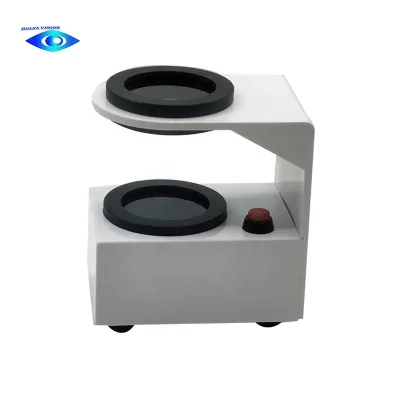
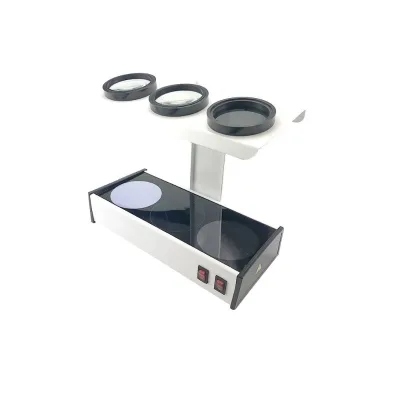
Digital Display Polarizing Stress Tester with Senarmont and Colorimetry Test Method
$999.00 - $2999.00
MOQ: 1 set
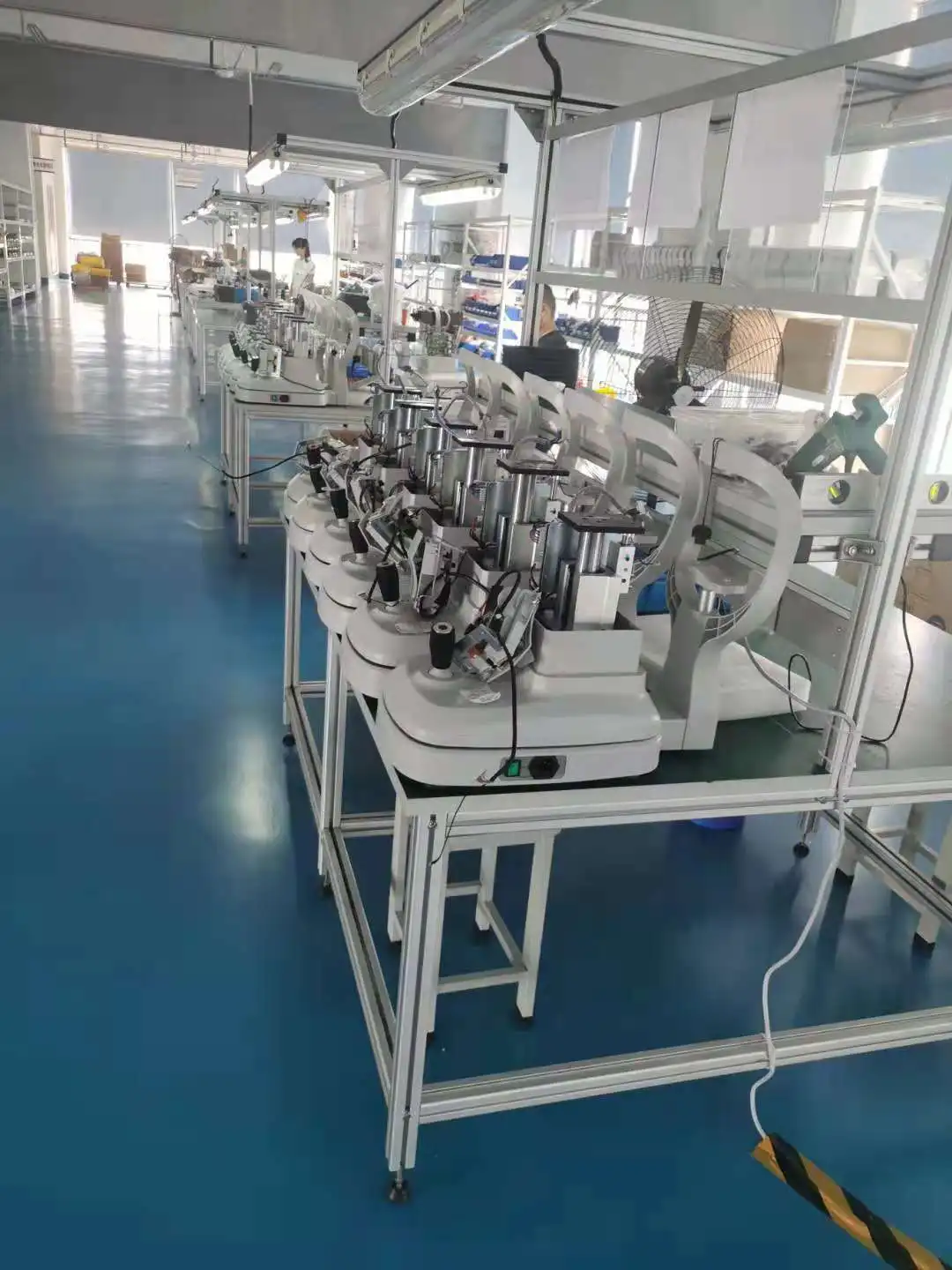
Shenzhen Holya Vision Optical Industrial Co.,Ltd
- Manufacturer, Trading Company
- Guangdong, China
- Lead time15 days
- Avg. response≤ 2h
Main productsOphthalmic equipment,Optical instrument,Auto Refractometer,Auto Lensmeter,Slit Lamp
Main marketsNorth America(40.00%), South America(30.00%), Eastern Europe(15.00%), Southeast Asia(10.00%), Africa(5.00%)

- Verified by TUVRHEINLAND
- Trading Company,Manufacturer/Factory
- China Fujian
- Lead time23 days
- Avg. response≤ 1h
Main productsTextile Test Equipment, Footwear Test Equipment, Environmental Test Chamber, Toys Test Instrument, Polymer Test Equipment, Yarn Testing Machine, Fiber Testing Machine, Nonwoven Testing Machines, Carpet Testing Equipment, Feather and Down Testing Machine
Main marketsSouth America,Eastern Europe,Mid East,North America,Southeast Asia,Western Europe

$100.00 - $1000.00
MOQ: 1 Sets


Jinan Chenji International Trade Co., Ltd.
- Verified by BV
- Trading Company,Manufacturer/Factory
- China Shandong
- Lead time23 days
- Avg. response≤ 2h
Main productsTensile Testing Machine, Hardness Tester, Plastic PVC Tester, Mining Machine Springs, Ethanol Distilling Equipment, Railway Spring, Metallographic Cutting Equipment, Pipes Pressure Testing Machines
Main marketsSouth America,Eastern Europe,Mid East,North America,Southeast Asia,Eastern Asia,Oceania,Western Europe,Africa

Stress Testers Strain Gauge for Glasses Optical Laboratory Equipment Lens Tester
$2350.00 - $3500.00
MOQ: 1 Sets

High Precision Meters Intelligent Polarized Stress Tester for Measure Stress Value
$2350.00 - $3500.00
MOQ: 1 Sets
Shandong Horde Electronic Technology Co., Ltd.
- Manufacturer, Trading Company
- Shandong, China
- Lead time7 days
- Avg. response≤ 1h
Main productsSoil/fertilizer testing equipment,Water testing equipment,Food testing equipment,Environmental testing and monitoring equipment,Molecular Biodetector
Main marketsSouth Asia(30.00%), Southeast Asia(20.00%), Africa(20.00%), Mid East(10.00%), South America(10.00%), Eastern Europe(5.00%), Northern Europe(5.00%)
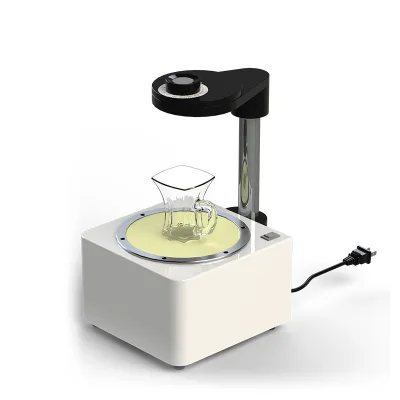
$1027.00 - $3333.00
MOQ: 1 Minimum
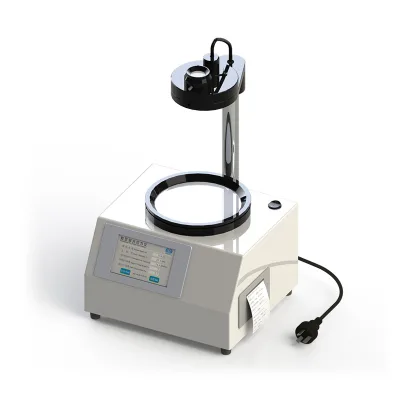
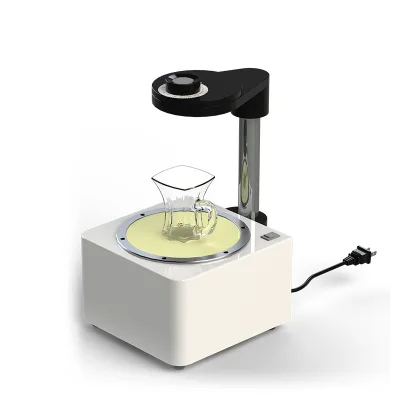

Jinan Saicheng Electronic Technology Co., Ltd.
- Verified by CTI
- Combined
- China Shandong
- Lead time15 days
- Avg. response≤ 1h
Main productsLeak Tester, Permeability Tester, Packaging Tester, Medical Packaging Tester, Adhesive Tester, Paper Carton Cardboard Tester, Tensile Tester, Integrity and Leak Tester, Plastic Packaging Tester, Plastic Film Testing Instruments
Main marketsSouth America,Africa,Southeast Asia/ Mideast,East Asia(Japan/ South Korea),Domestic,Europe,Australia,North America


Glass Stress Meter Polarizing Stress Tester for Glasses Shop Stress Meter Glasses
$1000.00 - $4000.00
MOQ: 1 Sets


$1000.00 - $4000.00
MOQ: 1 Sets

Qingdao Tlead International Co., Ltd.
- Trading Company
- China Shandong
- Lead time23 days
- Avg. response≤ 25h
Main productspH Meters, Counter Meters, Arbor Press, Tools, Ddvp
Main marketsSouth America,Africa,Southeast Asia/ Mideast,East Asia(Japan/ South Korea),Europe,Australia,North America

Paratronix Instruments Co., Ltd
- Verified by TUVRHEINLAND
- Combined
- China Shandong
- Lead time15 days
- Avg. response≤ 1h
Main productsAir Permeability Tester, Water Vapor Transmittance Tester, Oxygen Permeability Tester, Leak Tester, Bone Screw Performance Tester, Catheter Sliding Performance Tester, Thickness Tester, Tensile Tester, Hot Sealing Tester, Tearing Tester
Main marketsDomestic

Special Intelligent Polarized Stress Tester for Stress Test of Glass Products Factory
$2400.00 - $4500.00
MOQ: 1 Sets

ASTM C148 Glass Polarized Stress Tester for Stress Test of Glass/Digital Polarizing Stress Meter
$2400.00 - $4500.00
MOQ: 1 Sets

Qualitative and Quantitative Polarizing Stress Analyzer Light Bulb and Lamp Tube Stress Tester
$2400.00 - $4500.00
MOQ: 1 Sets

High Precision Measurement Intelligent Polarized Stress Tester Intelligent Polarizing Stress Meter
$2400.00 - $4500.00
MOQ: 1 Sets
Hubei Hong Tu Instrument Co., Ltd.
- Manufacturer, Trading Company
- Hubei, China
- Lead time30 days
- Avg. response≤ 1h
Main productsHelmet testing equipment,PPE testing equipment,furniture testing equipment,Automotive testing module testing equipment,Sports testing equipment
Main marketsSouth Asia(40.00%), Eastern Europe(20.00%), Mid East(10.00%), North America(5.00%)
Suzhou Engin Medical Technology Co., Ltd.
- Trading Company
- Jiangsu, China
- Lead time7 days
- Avg. response≤ 2h
Main productsOphthalmic Equipment,Ophthalmic Microsurgical Instruments,Optometry & Optical Equipment,Medical Equipment,Hair Transplant Instruments & Supplies
Main marketsAfrica(20.00%), Southeast Asia(20.00%), Eastern Europe(20.00%), South America(20.00%), North America(20.00%)


Comprehensive Sourcing Guide
Lens Stress Tester Supplier Concentration and Factory Types
The current supplier landscape for lens stress testers reveals a distinct geographic concentration in China, with active manufacturing and trading entities located in Shandong, Guangdong, and Fujian provinces. This regional clustering suggests established industrial ecosystems dedicated to optical testing instruments and general laboratory equipment. Buyers evaluating these suppliers will encounter a mix of company types, primarily categorized as manufacturers, trading companies, or hybrid entities that combine both roles. Understanding this structural diversity is critical for determining whether you are engaging directly with the production facility or an intermediary. In Shandong, suppliers often present themselves as trading companies or manufacturers with broad capabilities, including OEM and ODM services under their own brands. This dual nature allows for flexibility in order sizes but requires careful verification of actual production capacity versus sales volume. The presence of such entities indicates a mature supply chain where specialized testing equipment is produced alongside other industrial machinery, such as universal testing machines and fatigue testers.
In contrast, suppliers in Guangdong and Fujian offer different operational profiles that may better suit specific sourcing needs. Guangdong-based entities frequently focus on optical instruments and ophthalmic equipment, positioning themselves as manufacturers or trading companies with strong export orientations. These suppliers often highlight certifications like BV or TÜV Rheinland, which serve as third-party validations of their business legitimacy and operational standards. Fujian-based suppliers, while also engaged in textile and footwear testing, extend their capabilities to include glasses stress testers, demonstrating the versatility of regional manufacturing hubs. The variation in company types means that buyers must look beyond the title to understand the true nature of the supplier. A trading company may offer faster response times and broader product ranges, while a manufacturer might provide deeper customization options and stricter quality control over the production process. Recognizing these distinctions helps in aligning supplier selection with your specific procurement strategy, whether it prioritizes speed, customization, or verified manufacturing capabilities.
How to Verify Lens Stress Tester Suppliers
Verifying the legitimacy and capability of Lens Stress Tester suppliers requires a multi-layered approach that goes beyond basic company profiles. One of the most immediate indicators of supplier reliability is the presence of third-party verification badges, such as BV or TÜV Rheinland. These certifications indicate that an independent agency has audited the supplier’s business operations, providing a baseline level of trust regarding their legal standing and operational integrity. Buyers should prioritize suppliers who display these verifications, as they reduce the risk of engaging with fraudulent entities. Additionally, response time metrics offer valuable insight into the supplier’s operational efficiency and customer service commitment. A response time of under three days, or even under one day for some suppliers, suggests a responsive sales team that is likely to handle inquiries and post-sales support with greater agility. This metric is particularly useful for distinguishing between active, engaged suppliers and those who may be less committed to international trade.
Beyond verification badges and response speeds, buyers should scrutinize the specific product attributes and certifications listed for the lens stress testers themselves. For instance, some suppliers list CE certification or ISO 17025 compliance for their testing equipment, which are critical for ensuring that the instruments meet international safety and accuracy standards. The presence of detailed product specifications, such as measurement accuracy, polarization field diameter, and data storage capabilities, further demonstrates the supplier’s technical competence. Buyers should look for suppliers who provide comprehensive product data, including model numbers, warranty periods, and customization options like OEM or ODM support. These details indicate a supplier that is transparent about its offerings and capable of meeting specific technical requirements. Furthermore, checking the supplier’s main product list can reveal their core expertise; a supplier whose primary focus is on optical instruments or testing equipment is likely more specialized and reliable than one with a disparate product range. By combining these verification methods, buyers can build a robust assessment of supplier credibility.
What to Compare Across Lens Stress Tester Suppliers
When evaluating multiple suppliers for lens stress testers, buyers must compare a range of commercial and operational dimensions to identify the best fit for their needs. One critical factor is the lead time, which varies significantly across suppliers. For example, some suppliers may offer a lead time of 15 days, while others might require 23 days or more. This difference can impact your inventory planning and project timelines, making it essential to align supplier lead times with your operational requirements. Additionally, the minimum order quantity (MOQ) is a key consideration, especially for smaller buyers or those testing new markets. Some suppliers may have an MOQ of just one unit, offering flexibility for trial orders, while others might have higher thresholds. Comparing these MOQs helps buyers determine which suppliers can accommodate their order volume without excessive financial commitment. Response time is another comparative metric that influences the efficiency of the sourcing process; faster responses can accelerate negotiations and reduce the time to order placement.
Price and customization capabilities are also vital aspects of supplier comparison. The price range for lens stress testers can vary widely, from as low as $30 to nearly $3,000, depending on the complexity and features of the equipment. Buyers should analyze these price points in conjunction with the supplier’s customization options, such as OEM, ODM, or OBM support. Suppliers offering extensive customization may charge higher prices but provide greater value through tailored solutions. Furthermore, the supplier’s location can affect logistics costs and delivery times; suppliers in different provinces may have varying shipping efficiencies. Buyers should also consider the supplier’s warranty terms and after-sales support, as these factors contribute to the total cost of ownership. By systematically comparing these dimensions, buyers can create a weighted evaluation matrix that highlights the strengths and weaknesses of each supplier. This structured approach ensures that the final selection is based on comprehensive data rather than isolated factors, leading to more informed and successful sourcing decisions.
Common Lens Stress Tester Sourcing Risks
Sourcing lens stress testers from international suppliers introduces several risks that buyers must proactively manage to ensure a smooth procurement process. One significant risk is the potential mismatch between product specifications and actual delivery. While suppliers may list detailed attributes such as measurement accuracy, polarization field diameter, and data storage capabilities, there is a risk that the delivered product may not fully meet these claims. This discrepancy can be particularly problematic if the equipment is intended for critical quality control applications where precision is paramount. Buyers should mitigate this risk by requesting detailed product datasheets, certification documents, and, if possible, third-party test reports before placing orders. Additionally, the variability in warranty terms poses another risk; some suppliers offer a one-year warranty, while others may provide three years or no warranty at all. Understanding these differences is crucial for assessing the long-term reliability and support available for the equipment.
Another common risk is the inconsistency in supplier communication and responsiveness. While some suppliers demonstrate quick response times, others may be slower to engage, leading to delays in negotiations and order processing. This inconsistency can disrupt project timelines and create uncertainty in the supply chain. Buyers should also be cautious of suppliers who lack clear verification badges or transparent business information, as these may indicate higher risks of fraud or operational instability. Furthermore, the complexity of international logistics and customs clearance can introduce additional risks, such as delayed shipments or unexpected duties. Buyers should work with suppliers who have experience in exporting and can provide clear documentation to facilitate smooth customs processes. By identifying and addressing these risks early in the sourcing process, buyers can implement safeguards such as escrow payments, detailed contracts, and regular communication checkpoints. These measures help to minimize potential disruptions and ensure that the procurement of lens stress testers proceeds efficiently and securely.
Lens Stress Tester Regional Sourcing and Logistics
The geographic location of suppliers plays a pivotal role in determining logistics efficiency and overall sourcing costs for lens stress testers. Suppliers located in China, particularly in provinces like Shandong, Guangdong, and Fujian, benefit from well-established manufacturing clusters and robust export infrastructure. These regions are known for their specialization in optical instruments and testing equipment, which can lead to economies of scale and competitive pricing. However, the specific location within China can influence shipping times and costs. For instance, suppliers in Guangdong may have easier access to major ports like Shenzhen or Guangzhou, potentially reducing transit times to international destinations. Buyers should consider the supplier’s location when evaluating logistics options, as proximity to shipping hubs can significantly impact delivery speed. Additionally, the supplier’s experience with international shipping and customs documentation is crucial for ensuring smooth transit. Suppliers who regularly export their products are likely to have streamlined processes for handling export declarations, packing, and labeling, which can reduce the risk of delays or complications at customs.
Logistics planning also involves considering the packaging and handling requirements of the lens stress testers. Suppliers typically provide standard export packaging, but buyers should verify that the packaging is suitable for protecting the equipment during transit. The weight and dimensions of the packaged product, as listed in supplier attributes, are important for calculating shipping costs and selecting appropriate freight methods. Buyers should also be aware of any specific handling instructions or insurance requirements that may apply to the shipment. Working with suppliers who offer comprehensive logistics support, such as assistance with freight forwarding or insurance, can simplify the sourcing process and reduce the buyer’s administrative burden. Furthermore, understanding the lead time from order placement to shipment is essential for accurate inventory planning. By aligning logistics strategies with supplier capabilities and regional advantages, buyers can optimize their supply chain for efficiency and cost-effectiveness. This proactive approach to logistics management helps to mitigate risks and ensure timely delivery of lens stress testers.
Lens Stress Tester Commercial Terms and Order Planning
Effective order planning for lens stress testers requires a thorough understanding of the commercial terms offered by suppliers, including pricing structures, payment methods, and customization options. The price range for these instruments can vary significantly, from budget-friendly options around $30 to high-end models nearing $3,000. Buyers should analyze these prices in the context of the supplier’s value proposition, such as warranty coverage, certification status, and technical support. Additionally, the minimum order quantity (MOQ) is a critical factor in order planning; some suppliers allow orders as low as one unit, which is ideal for testing or small-scale procurement, while others may have higher thresholds. Buyers should align their order volumes with supplier MOQs to avoid unnecessary costs or inventory issues. Customization options, such as OEM or ODM services, can also impact pricing and lead times, so buyers should clarify these requirements early in the negotiation process. Understanding these commercial terms helps buyers to budget accurately and plan their procurement cycles effectively.
Payment terms and escrow services are another essential aspect of commercial planning. Using secure payment methods, such as escrow, can protect buyers from fraud and ensure that funds are only released upon satisfactory delivery of the goods. Buyers should inquire about the supplier’s preferred payment methods and any associated fees or conditions. Additionally, the supplier’s response time and communication style can influence the efficiency of the order process; suppliers with faster response times are likely to handle order confirmations and updates more promptly. Buyers should also consider the supplier’s after-sales support, including warranty terms and technical assistance, as these factors contribute to the long-term value of the purchase. By carefully reviewing and negotiating commercial terms, buyers can establish a clear and mutually beneficial agreement with their suppliers. This structured approach to order planning minimizes risks and ensures that the procurement of lens stress testers is conducted smoothly and efficiently, supporting the buyer’s operational goals.
FAQs
What is the price range for lens stress testers?
Prices for lens stress testers typically range from $30 to $2,999 depending on the model and features. Basic manual units are available for around $30, while advanced digital polarizing stress testers with data storage and high accuracy can cost up to $2,999. Buyers should check specific product listings for exact pricing based on customization and capacity requirements.
What is the minimum order quantity for these testers?
The minimum order quantity for lens stress testers is generally one unit. Suppliers offer flexible purchasing options allowing buyers to order single items for testing or small-scale operations. This low MOQ facilitates easy procurement for laboratories and optical shops without requiring bulk commitments, making it accessible for various business sizes and needs.
How long does delivery take for these machines?
Lead times for lens stress testers vary by supplier, typically ranging from 15 to 23 days. Manufacturers in China often provide these delivery windows for standard orders. Buyers should confirm specific lead times with suppliers before placing orders, as production schedules and customization needs can impact the final delivery date for the equipment.
Are these testers customizable for specific brands?
Yes, many suppliers offer OEM, ODM, and own brand customization for lens stress testers. Buyers can request custom branding, packaging, or specific technical adjustments to meet their requirements. This flexibility allows optical equipment distributors and manufacturers to brand the testers under their own labels while maintaining the core functionality and quality standards of the equipment.
What certifications do these testers have?
Lens stress testers often come with CE, ISO 17025, and other relevant certifications. These documents verify compliance with international safety and quality standards. Buyers should verify specific certification details with suppliers, as requirements may vary by region and application. Certified equipment ensures reliable performance and adherence to industry regulations for optical testing and analysis.
Where are these testers manufactured?
These testers are primarily manufactured in China, with production facilities located in regions like Shandong, Guangdong, and Fujian. Suppliers in these areas specialize in testing instruments and optical equipment. Buyers can source directly from these manufacturing hubs to access a wide range of models, from basic polarizing stress testers to advanced digital analysis instruments.