Black Zircon Cross Lapel Pin Suppliers and Manufacturers
Explore 28 verified options for Black Zircon Cross Lapel Pin from China Guangdong and Hunan. Compare response times, lead times, certifications, and pricing to find the right partner. Contact suppliers directly to request samples and confirm production details; review the available evidence before requesting comparable quotations from suitable candidates.
Updated
Suppliers List

Zhongshan Leon crafts and gifts Co., Ltd.
- Verified by SGS
- Trading Company,Manufacturer/Factory
- China Guangdong
- Lead time23 days
- Avg. response≤ 3h
Main productsMetal Pin Badge, Wallet Badge, Sports Medal, Honor Medal, Belt & Buckle, Challenge Coins, Fridge Magnet, Different Kind of Security Products, Keychain, Embroidery Patch
Main marketsSouth America,Eastern Europe,Mid East,North America,Southeast Asia,Eastern Asia,Oceania,Western Europe,Africa

- Verified by SGS
- Combined
- China Hunan
- Lead time15 days
- Avg. response≤ 25h
Main productsBadge/Pin, Medal/Fiesta Medal, Coin/Challenge Coin, Pendant/Charm, Cufflink/Tie Clip/Money Clip, Golf Ball Marker/Hat Clip, Printed Pins/Patches/PVC, Belt Buckle, Keychain/Bottle Opener, Invitation Card
Main marketsSouth America,Africa,Southeast Asia/ Mideast,Europe,Australia,North America

Zhongshan Lucky Art & Crafts Gifts Co., Ltd.
- Verified by BV
- Combined
- China Guangdong
- Lead time15 days
- Avg. response≤ 3h
Main productsCustom Medal, Key Chain, Custom Coin, Custom Lapel Pin, Custom Lanyard, Custom Badge, Custom Patch, Custom Air Fresheners, Custom Silicone Bracelets, Custom Cufflinks
Main marketsEast Asia(Japan/ South Korea),Europe,North America

Meishan Shunjieru Arts & Crafts Co., Ltd.
- Verified by SGS
- Trading Company
- China Sichuan
- Lead time15 days
- Avg. response≤ 2h
Main productsBadge Coin Emblem Medal
Main marketsSoutheast Asia/ Mideast,Europe,Australia,North America
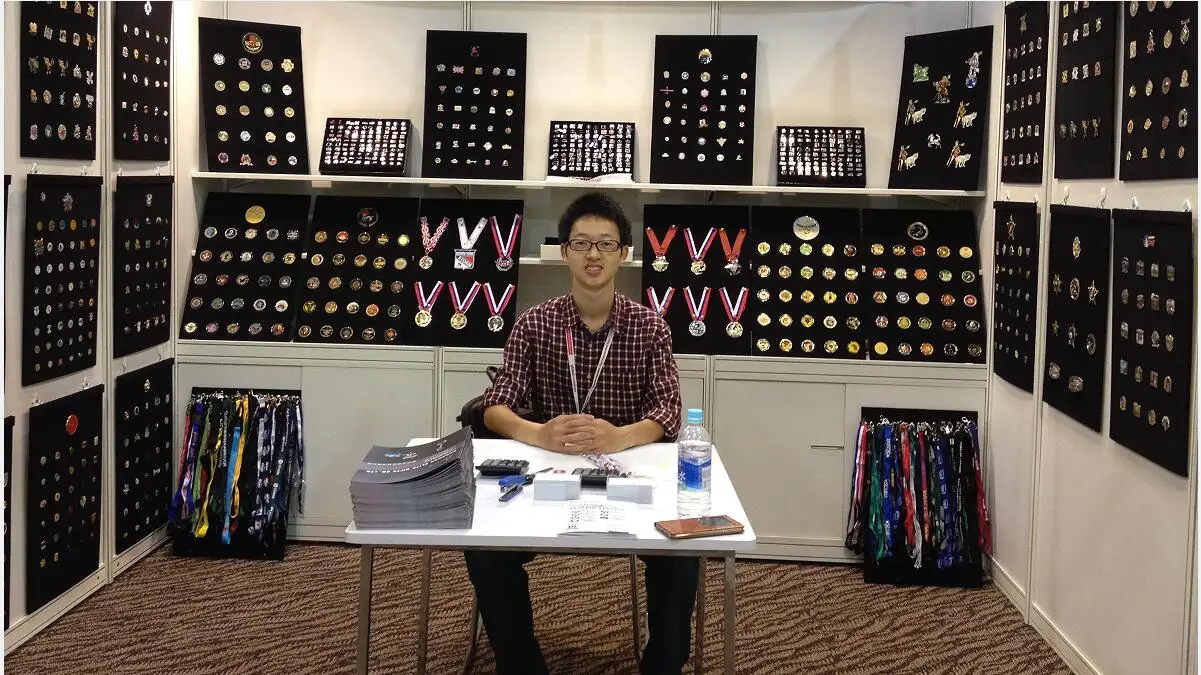
Kunshan Grepas Gifts Co., Ltd.
- Trading Company
- Jiangsu, China
- Lead time15 days
- Avg. response≤ 5h
Main productsLapel Pins,Keychains,Charms,Stickers,Promotional Gifts
Main marketsNorth America(50.00%), Western Europe(20.00%), Oceania(10.00%), Northern Europe(5.00%), Southeast Asia(5.00%), Mid East(2.00%), Domestic Market(1.00%), South Asia(1.00%), Southern Europe(1.00%), Africa(1.00%), Central America(1.00%), South America(1.00%), Eastern Asia(1.00%), Eastern Europe(1.00%)
Kunshan Lifeng Arts And Crafts Co., Ltd.
- Verified by SGS Group
- Trading Company
- Lead time15 days
- Avg. response≤ 3h
Main productsLapel Pin, Medal, Challenge Coin, Cufflinks, Keychain
Main marketsNorth America(25%), South America(15%), Eastern Europe(10%)
Zhong Shan Mao Qun Hardware Co., Ltd.
- Manufacturer, Trading Company
- Guangdong, China
- Lead time0 days
Main productslapel pins,medallions,keychains,coins,Golf products
Main marketsSouth America(25.00%), North America(25.00%), Central America(25.00%), Eastern Europe(10.00%), Southern Europe(10.00%), Domestic Market(5.00%)
Zhongshan Echo Crafts Co., Ltd.
- Verified by SGS Group
- Manufacturer, Trading Company
- Lead time10 days
- Avg. response≤ 2h
Main productsCoin/Badge/Medal/Keychain/Enamel Pin
Main marketsNorth America(50%), South America(10%), Eastern Europe(10%)
Zhongshan Unique Metal Gift Co., Limited
- Verified by SGS Group
- Manufacturer, Trading Company
- Lead time15 days
- Avg. response≤ 1h
Main productsEnamel Pins, Key chains, Belt Buckle, Medal, Challenge Coins
Main marketsNorth America(30%), South America(10%), Northern Europe(10%)
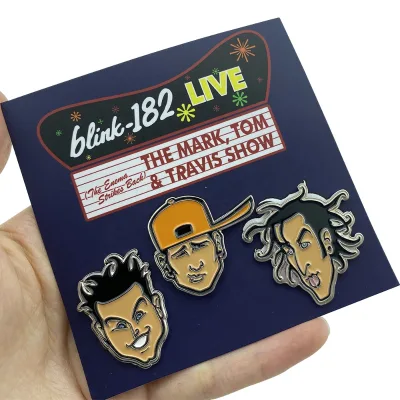
Fashion Clothing Decorative Custom Lapel Pins No Minimum Pearl Straight Pin for Lapel
$0.15 - $0.52
MOQ: 50 pieces
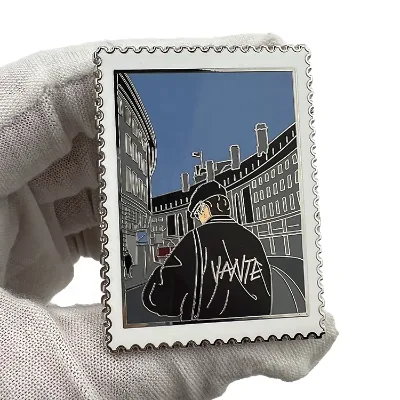
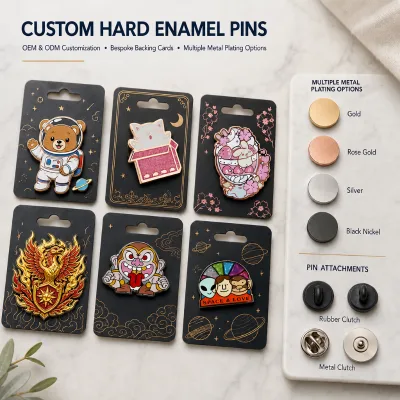
Customised Enamel Lapel Pin Manufacturers China Custom Hard Enamel Lapel Pin
$0.2593 - $0.6116
MOQ: 50 Minimum
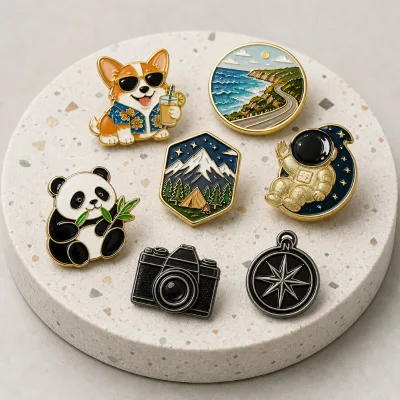
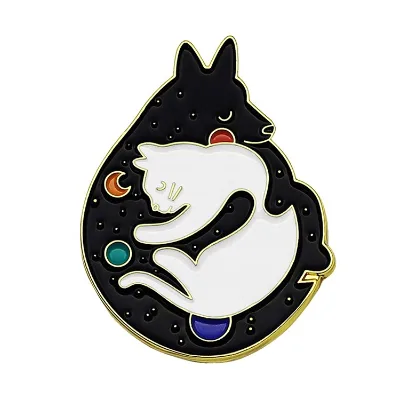
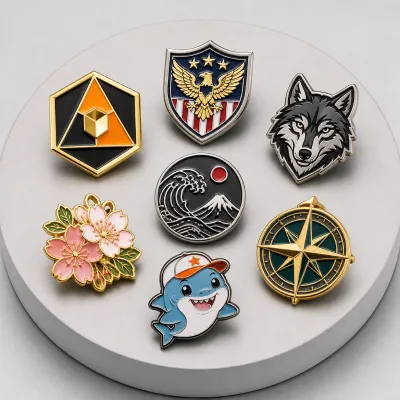
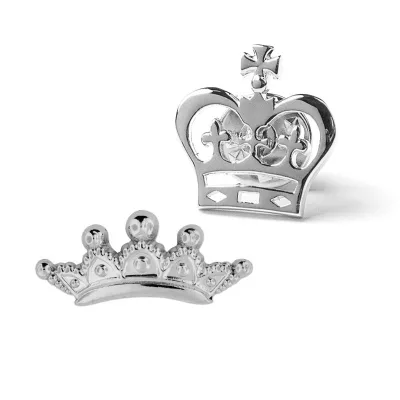
Made Any Custom logo Pin Blank Metal Soft Enamel Custom Crown Lapel Pin Mens
$0.1049 - $0.3568
MOQ: 50 pieces
Dongguan Jian Plastic & Metal Products Ltd.
- Manufacturer, Trading Company
- Lead time旺季: "1 - 5000":15,"> 5000":"To be negotiated", 淡季: "1 - 5000":15,"> 5000":"To be negotiated"
- Avg. response≤ 3h
Main productsPin Badges, Coins, Medals, Keychains, Cufflink & Tie Bar

Xiamen Miss Home Gifts Limited
- Trading Company,Manufacturer/Factory
- China Fujian
- Lead time15 days
- Avg. response≤ 24h
Main productsLanyards, ID Badge Accessories, Pocket Ashtrays, Bespoke Metal Gifts, Promotional Products
Main marketsEastern Europe,North America,Oceania,Western Europe

Kunshan Qiming Arts & Crafts Co., Ltd.
- Trading Company
- Jiangsu, China
- Lead time8 days
- Avg. response≤ 2h
Main productsLapel Pins,Challenge Coin,Medal,bottle openers,Silicone Bracelet
Main marketsNorthern Europe(100.00%), Central America(100.00%), Western Europe(100.00%), Eastern Asia(100.00%), Mid East(100.00%), Oceania(100.00%), Africa(100.00%), South Asia(100.00%), Eastern Europe(100.00%), Southern Europe(100.00%), South America(100.00%), Southeast Asia(40.00%), North America(40.00%), Domestic Market(20.00%)

Dongguan Jmny Craft & Gift Co., Ltd.
- Trading Company
- Guangdong, China
- Lead time10 days
- Avg. response≤ 4h
Main productsMetal Crafts,Plastic Crafts,Wooden Crafts,Promotional Gifts,Apparel and Textiles
Main marketsNorth America(23.80%), Western Europe(20.50%), Domestic Market(10.00%), Southern Europe(9.50%), South America(8.90%), Oceania(5.50%), Central America(5.30%), Eastern Asia(3.80%), Eastern Europe(3.00%), Northern Europe(2.50%), Mid East(2.30%), South Asia(2.20%), Africa(1.50%), Southeast Asia(1.20%)
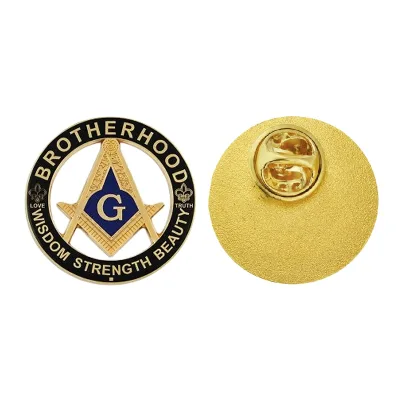
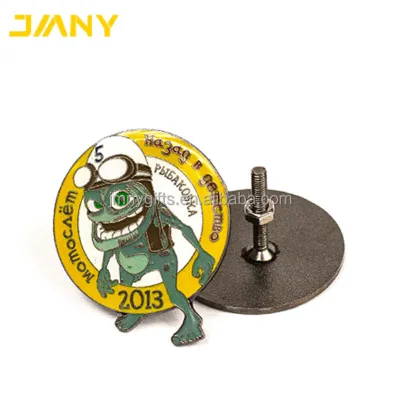
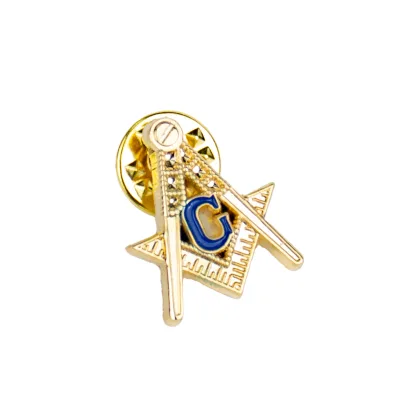
Factory Directly Gold Plated Round Shape Custom Masonic Lapel Pin for Sale
$0.2563 - $0.4617
MOQ: 100 Minimum

Logo Emblem Industries Co., Ltd.
- Verified by TUVRHEINLAND
- Combined
- China Guangdong
- Lead time15 days
- Avg. response≤ 12h
Main productsMetal Craft, Pin, Badge, Coin, Souvenirs, Medal, Golf, Bag Holder, Bottle Opener, Ornament
Main marketsNorth America

Zhongshan Xiangda Metal Arts & Crafts Co., Ltd.
- Verified by BV
- Combined
- China Guangdong
- Lead time15 days
- Avg. response≤ 4h
Main productsBadge, Keychain, Medal, Lapel Pin, Dog Tag, Fridge Magnet, Cufflink, Tie Clip, Bag Hanger, Wrist Band
Main marketsSouth America,Southeast Asia/ Mideast,Domestic,Europe,Australia,North America
- Trading Company
- Lead time旺季: "1 - 60":14,"> 60":"To be negotiated", 淡季: "1 - 60":14,"> 60":"To be negotiated"
- Avg. response≤ 8h
Main productsfashion jewelry,women necklace,women earrings,fashion rings jewelry,fashion bracelets jewelry
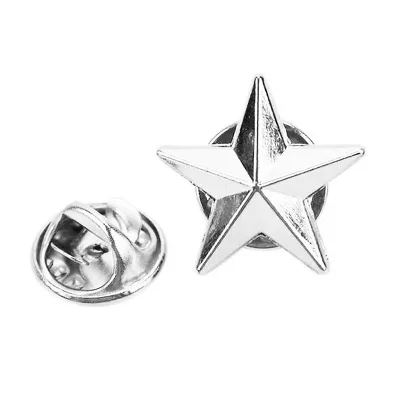
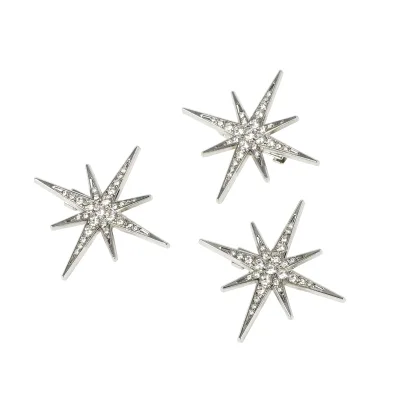
Customized S925 Silver Star Lapel Pins for Suit Men
$2.80 - $5.00
Foshan Eastern Gifts Co., Ltd.
- Trading Company
- Guangdong, China
- Lead time12 days
- Avg. response≤ 8h
Main productschallenge coin,enamel pin,metal badge,keychain,patches
Main marketsCentral America(40.00%), North America(23.00%), Western Europe(10.00%), Southern Europe(5.00%), South America(5.00%), Eastern Asia(3.00%), Northern Europe(2.00%), Domestic Market(2.00%), Southeast Asia(2.00%), Eastern Europe(2.00%), South Asia(2.00%), Mid East(2.00%), Africa(1.00%), Oceania(1.00%)
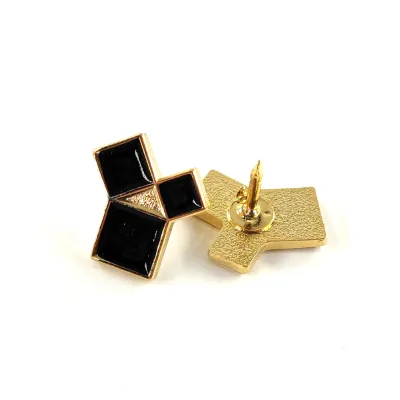
Personalized Pin Badge Masonic the 47th Problem of Euclid Three square Lapel Pin
$0.36 - $0.42
MOQ: 100

Jiuchuang International Limited
- Manufacturer, Trading Company
- Guangdong, China
- Lead time10 days
- Avg. response≤ 2h
Main productsmedal,keychain,silicone wristand,lanyard,embroidery patch
Main marketsNorth America(25.00%), South America(18.00%), Eastern Europe(15.00%), Southeast Asia(10.00%), Domestic Market(8.00%), Northern Europe(5.00%), Western Europe(3.00%), Oceania(3.00%), Central America(3.00%), Africa(2.00%), South Asia(2.00%), Southern Europe(2.00%), Eastern Asia(2.00%), Mid East(2.00%)

- Manufacturer, Trading Company
- Hong Kong S.A.R.
- Lead time21 days
- Avg. response≤ 4h
Main productsDog Tag,Key Chain,Pin,Badge,Magnet
Main marketsNorth America(25.00%), Eastern Asia(20.00%), Western Europe(20.00%), South America(10.00%), Oceania(5.00%), Southern Europe(5.00%), Eastern Europe(5.00%), Southeast Asia(4.00%), Mid East(1.00%), Domestic Market(1.00%), Africa(1.00%), Northern Europe(1.00%), Central America(1.00%)
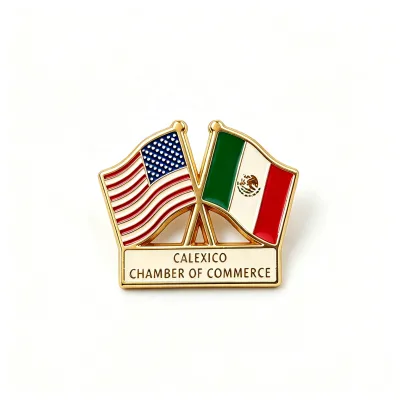
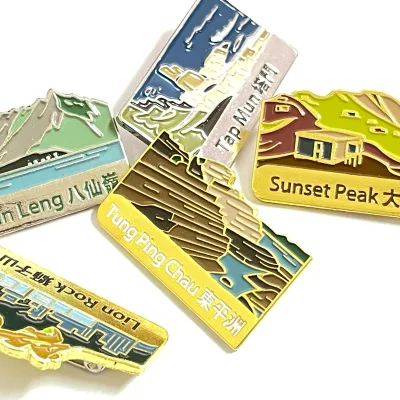
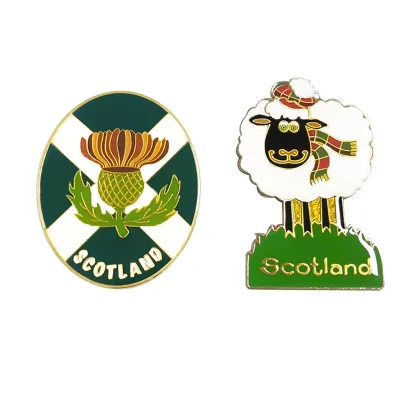
Cheap Custom logo Custom lapel pin Metal Custom sublimed Soft hard enamel pin badge
$0.10 - $0.99
MOQ: 1000

Zhongshan Ruijing Hardware Products Co., Ltd
- Verified by SGS
- Combined
- China Guangdong
- Lead time15 days
- Avg. response≤ 1h
Main marketsDomestic

Zhongshan Yibao Gift Co., Ltd.
- Verified by SGS
- Combined
- China Guangdong
- Lead time15 days
- Avg. response≤ 2h
Main productsMedals, Badges, Keychains, Coins, Air Freshener, Lanyard, Embroidery Patch, Fridge Magnets, Cufflinks, Packing Box
Main marketsDomestic
Wenzhou Bowei Labels Co., Ltd.
- Manufacturer, Trading Company
- Zhejiang, China
- Lead time8 days
- Avg. response≤ 4h
Main productsWine Label,Bottle Cap,Perfume Label,Perfume Cap,Cosmetic Label
Main marketsDomestic Market(12.00%), North America(11.00%), Western Europe(11.00%), Mid East(8.00%), Eastern Europe(7.00%), Southern Europe(7.00%), South America(7.00%), Africa(7.00%), Southeast Asia(6.00%), Northern Europe(6.00%), Central America(5.00%), Eastern Asia(5.00%), Oceania(5.00%), South Asia(3.00%)
Jian (Fuzhou) Arts Crafts Co., Ltd.
- Trading Company
- Fujian, China
- Lead time20 days
- Avg. response≤ 2h
Main productsEnamel Pin&Badge,Keychain,Hat Clips,Bookmark,Medal
Main marketsNorth America(30.00%), Western Europe(20.00%), Northern Europe(15.00%), Eastern Asia(10.00%), Oceania(10.00%), Southern Europe(10.00%), South America(2.00%), South Asia(1.00%), Africa(1.00%), Eastern Europe(1.00%)
Dongguan Brilliant International Co., Ltd.
- Verified by SGS Group
- Trading Company
- Lead time15 days
- Avg. response≤ 2h
Main productsMetal Craft, Embroidery Patch/Woven Patch, Lanyard, Soft PVC Products, Silicone Products
Main marketsNorth America(70%), Western Europe(20%), Eastern Europe(7%)

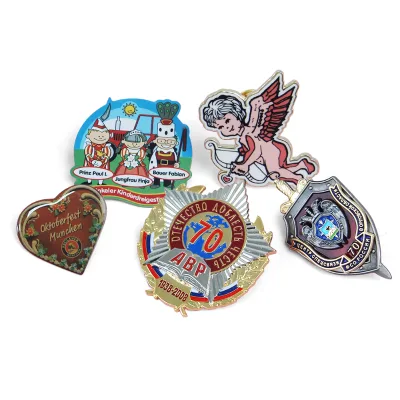
$0.20 - $0.45
MOQ: 100 pieces

Zhongshan Xinyuan Silicone Rubber Co., Ltd.
- Verified by TUVRHEINLAND
- Combined
- China Guangdong
- Lead time15 days
- Avg. response≤ 2h
Main productsEmbroidery Patch, PVC Keychain, Pin Badge, Medal, Lanyard, Challenge Coin, Paper Air Freshener, Coffee Maker, Luggage Tag, Coffee Maker/Grinder
Main marketsSouth America,Southeast Asia/ Mideast,Domestic,Europe,North America

Zhongshan Lixin Crafts Co.,Ltd.
- Verified by BV
- Combined
- China Guangdong
- Lead time15 days
- Avg. response≤ 1h
Main productsPatch, Sports Event Medal, Enamel Pin, Custom Keychain, Challenge Coin, Fridge Magnet
Main marketsDomestic
Shenzhen Xeebei Cosmetics Co., Ltd.
- Manufacturer, Trading Company
- Guangdong, China
- Lead time20 days
- Avg. response≤ 6h
Main productscrystal loose beads,stone beads,gemstone beads,natural loose beads,loose beads
Main marketsNorth America(30.00%), Eastern Europe(20.00%), Western Europe(20.00%), Domestic Market(15.00%), Southeast Asia(10.00%), South America(5.00%)
Jiangmen City Jia Wei Gifts Co., Ltd.
- Verified by SGS Group
- Manufacturer, Trading Company
- Lead time15 days
- Avg. response≤ 3h
Main productsKeychain, Medal, Challenge Coin, Lapel Pin, Gift Set
Main marketsWestern Europe(45%), North America(30%), Oceania(10%)















Comprehensive Sourcing Guide
Black Zircon Cross Lapel Pin Supplier Concentration and Factory Types
The current supplier landscape for metal lapel pins is heavily concentrated in China, with Guangdong province emerging as a primary manufacturing hub for these items. Suppliers located in this region often operate as either trading companies or direct manufacturers, offering a blend of sourcing flexibility and production control. The main products listed by these entities frequently include metal pin badges, wallet badges, sports medals, honor medals, and various security products, indicating a broad capability in metal craftsmanship. This concentration allows buyers to access a dense network of factories specialized in die casting and stamping techniques, which are essential for creating the intricate details required for cross-shaped designs. The presence of both trading companies and factories in this cluster means that buyers can choose between direct factory pricing or the added service layer of a trading partner who may handle logistics and communication more seamlessly.
In contrast, other regions such as Hunan also host suppliers capable of producing similar metal crafts, though their operational profiles may differ. Some suppliers in these areas are classified as combined entities, potentially offering a mix of trading and manufacturing services. The main products from these locations often include badges, pins, medals, challenge coins, and keychains, suggesting a versatile production environment. However, the certification landscape varies significantly between these regions. While some Guangdong-based suppliers display extensive system certifications including ISO 9001, BSCI, and SGS verification, suppliers in other locations may show no listed certifications. This disparity highlights the importance of verifying the specific factory type and its associated credentials rather than assuming uniform quality standards across all geographic clusters. Buyers must assess whether the supplier’s structure aligns with their need for direct production oversight or third-party trading support.
How to Verify Black Zircon Cross Lapel Pin Suppliers
Verifying the legitimacy and capability of a supplier requires a close examination of their verification status and system certifications. In the current results, some suppliers are explicitly marked as verified by SGS, a globally recognized inspection and certification company. This verification provides a baseline of trust regarding the supplier’s business operations and product quality. Additionally, the presence of various system certifications such as ISO 9001, ISO 14001, BSCI, and WRAP indicates adherence to international standards for quality management, environmental responsibility, and social compliance. Buyers should prioritize suppliers who display these credentials, as they suggest a mature operational framework. However, it is crucial to note that not all suppliers have displayed certifications; some may show "NIL" for system certifications. In such cases, buyers must request direct proof of compliance or rely on other verification methods, such as third-party audits or sample testing, to ensure the supplier meets their specific quality and ethical requirements.
Beyond certifications, the response time and verification details offer insights into a supplier’s operational efficiency and transparency. A response time of approximately 2.90 hours for some suppliers indicates a high level of responsiveness, which is critical for negotiating custom designs and resolving issues quickly. In contrast, other suppliers may have significantly longer response times, such as 25.00 hours, which could impact project timelines and communication flow. Buyers should also look for evidence of product-specific attributes, such as the use of die casting and stamping techniques, which are standard for metal lapel pins. The availability of customization options, including logo placement and material choices, should be confirmed through direct inquiry. Suppliers that provide detailed product attributes, such as weight, plating type, and attachment methods, demonstrate a higher level of professionalism and readiness to handle complex orders. Buyers must ensure that the supplier’s verification status and response capabilities align with their project’s urgency and quality standards.
What to Compare Across Black Zircon Cross Lapel Pin Suppliers
When evaluating multiple suppliers, buyers should compare key operational metrics such as lead time, minimum order quantity (MOQ), and pricing structures. The current data shows a lead time of 23 days for some suppliers, while others may have different production cycles. It is essential to clarify whether this lead time includes sample approval and mass production phases. Additionally, MOQs can vary significantly; some suppliers may require a minimum of 100 pieces, while others might offer no MOQ for certain items, allowing for smaller trial orders. Buyers should assess whether the MOQ aligns with their inventory needs and budget constraints. Pricing is another critical factor, with ranges observed from $0.11 to $0.65 per piece depending on the complexity of the design, material, and plating. Buyers must request detailed quotes that break down costs for tooling, plating, and packaging to avoid hidden fees. Comparing these metrics across suppliers helps in identifying the most cost-effective and efficient partner for the project.
Material quality and customization options are also vital comparison points. Suppliers may offer different materials such as zinc alloy, metal, or gold, each with distinct durability and aesthetic properties. The plating options, including gold, imitation gold, or silver, should be matched to the desired finish and budget. Customization features such as 3D effects, flashing, or magnetic attachments add value but may increase production time and cost. Buyers should compare the technical specifications provided by each supplier, such as weight ranges, attachment types (e.g., butterfly clutch), and coating methods. Additionally, the availability of OEM and ODM services indicates the supplier’s flexibility in adapting to unique design requirements. Suppliers that offer comprehensive customization options and clear technical details are better positioned to deliver high-quality products that meet specific brand standards. Buyers must ensure that the supplier’s capabilities align with their design vision and functional requirements before committing to an order.
Common Black Zircon Cross Lapel Pin Sourcing Risks
One significant risk in sourcing metal lapel pins is the potential discrepancy between sample quality and mass production output. Suppliers may provide high-quality samples that do not reflect the consistency of bulk orders, particularly when complex techniques like die casting and stamping are involved. Buyers must ensure that the supplier has robust quality control processes in place to maintain consistency across large volumes. Another risk is the variability in lead times, which can be affected by material availability, production capacity, and external factors. Suppliers with longer lead times or less transparent communication may struggle to meet tight deadlines, impacting the buyer’s launch schedule. Additionally, the lack of displayed certifications for some suppliers raises concerns about social compliance and environmental standards. Buyers must verify that the supplier adheres to relevant regulations to avoid reputational damage or legal issues.
Pricing volatility and hidden costs are also common risks. While initial quotes may appear competitive, additional charges for tooling, packaging, or shipping can inflate the final cost. Buyers should request all-inclusive quotes and clarify the terms of trade, such as EXW, FOB, or CIF, to understand who bears the shipping and insurance costs. Furthermore, the risk of intellectual property infringement exists if the supplier lacks proper confidentiality agreements or quality controls. Buyers must ensure that their designs are protected and that the supplier does not share them with competitors. Finally, the variability in attachment methods and finishing quality can lead to customer dissatisfaction if not properly specified. Buyers must provide detailed technical drawings and specifications to minimize the risk of defects and ensure that the final product meets their expectations.
Black Zircon Cross Lapel Pin Regional Sourcing and Logistics
Sourcing from China, particularly Guangdong province, offers logistical advantages due to its well-developed infrastructure and proximity to major ports. Suppliers in this region often list ports of loading such as Zhongshan, Guangzhou, and Shenzhen, facilitating efficient export operations. The availability of multiple shipping methods, including air freight, sea freight, and door-to-door express services, allows buyers to choose the most suitable option based on urgency and cost. Buyers should consider the impact of shipping distances and customs procedures on lead times and overall costs. Additionally, the concentration of suppliers in this region enables easier factory visits and audits, reducing the risk of miscommunication and quality issues. However, buyers must also be aware of potential logistical challenges, such as port congestion or seasonal shipping delays, and plan accordingly to ensure timely delivery.
For suppliers located in other regions, such as Hunan, logistical considerations may differ. Buyers should verify the nearest ports and shipping routes to estimate transit times accurately. The availability of local logistics partners and export documentation support can also impact the efficiency of the shipping process. Buyers must ensure that the supplier has experience in international shipping and can provide necessary documentation, such as commercial invoices and packing lists. Additionally, the choice of trade terms, such as EXW or FOB, determines the buyer’s responsibility for logistics and insurance. Buyers should select terms that align with their logistics capabilities and risk tolerance. By carefully evaluating the regional logistics infrastructure and shipping options, buyers can optimize their supply chain and minimize delays and costs associated with international trade.
Black Zircon Cross Lapel Pin Commercial Terms and Order Planning
Commercial terms and order planning are critical for ensuring a smooth transaction and successful delivery. Buyers must clearly define the payment terms, such as Western Union or T/T, and ensure they align with their financial policies. The availability of escrow services can provide an additional layer of security for both parties, protecting against fraud and non-delivery. Buyers should also clarify the sample policy, including costs and lead times, to ensure that samples are received and approved before mass production begins. The mass production lead time, typically ranging from 10 to 25 days, must be factored into the overall project timeline, allowing for buffer periods for quality checks and shipping. Buyers must ensure that the supplier’s production capacity can handle the order volume within the required timeframe.
Packaging and labeling requirements are also essential components of order planning. Suppliers may offer various packaging options, such as poly bags, OPP bags, or custom gift boxes, which can impact the final product presentation and shipping costs. Buyers must specify their packaging preferences to ensure that the products are protected during transit and meet their branding standards. Additionally, the labeling requirements, including barcodes and country-of-origin marks, must be clearly communicated to avoid compliance issues. Buyers should also plan for post-delivery activities, such as quality inspections and customer feedback collection, to ensure continuous improvement. By carefully managing commercial terms and order planning, buyers can mitigate risks and ensure a successful sourcing experience for their Black Zircon Cross Lapel Pin projects.
FAQs
What is the typical lead time for custom lapel pins?
Lead times vary by supplier and order volume. Some manufacturers report a general lead time of 23 days for production. Specific product lines may require 15 to 25 days for mass production. Sample creation typically takes 7 to 10 days before full manufacturing begins.
What materials are used for custom metal lapel pins?
Suppliers commonly use zinc alloy, metal, and alloy for these products. Plating options include gold, imitation gold, silver, copper, and antique finishes. The manufacturing techniques often involve die casting and stamping to achieve the desired shape and durability for the final badge.
What is the minimum order quantity for lapel pins?
Minimum order quantities differ across suppliers. Some listings indicate an MOQ of 100 pieces, while others specify 50 pieces. Certain vendors may offer options with no minimum order quantity. Buyers should verify the specific MOQ for their chosen design and supplier before placing an order.
Where are these lapel pin manufacturers located?
Manufacturers are primarily located in China, specifically in Guangdong and Hunan provinces. Products often ship from ports like Zhongshan, Guangzhou, or Shenzhen. Buyers should confirm the exact factory location to understand shipping logistics and potential lead time variations based on distance.
What certifications do these suppliers hold?
Many suppliers hold various system certifications such as ISO 9001, BSCI, and SGS verification. Some also possess standards like WRAP, ISO 14001, or HACCP. However, not all suppliers list certifications, with some showing NIL status. Buyers must verify specific credentials for their compliance needs.
How long does it take to get a sample?
Sample times generally range from 7 to 10 days for standard designs. Some suppliers may require up to 15 days depending on complexity. Mass production usually follows sample approval and takes between 15 and 25 days. Buyers should confirm sample costs and timelines with the specific vendor.
What payment terms are accepted for these orders?
Accepted payment methods often include Western Union and T/T transfers. Trade terms like EXW, FOB, CIF, and Dd are common for shipping arrangements. Buyers should discuss specific payment schedules and security measures directly with the supplier to ensure safe transaction completion for their order.