Makeup Setting Loose Powder Suppliers and Manufacturers
Source Makeup Setting Loose Powder from 27 suppliers and compare grounded dimensions such as factory or trading type, verification status, certifications, lead times, MOQs, pricing, and customization options. Request quotes and samples from shortlisted suppliers to validate quality before committing to an order.
Suppliers List
Shenzhen Bivanfe Cosmetics Co., Limited
- Verified by Intertek
- Trading Company
- Lead time30 days
Main productsLip Gloss, Lipstick, Foundation, Eye Shadow, Concealer
Main marketsNorth America(65%), Eastern Asia(10%), Western Europe(10%)

Guangzhou Mebamy Cosmetics Co., Ltd.
- Verified by TUVRHEINLAND
- Manufacturer/Factory
- China Guangdong
- Lead time15 days
- Avg. response≤ 5h
Main productsFace Serum, Soap, Face Cream, Sunscreen, Eyelash Growth Serum, Teeth Whitening, Face Mask, Facial Cleanser, Essential Oil, Hair Care Series
Main marketsNorth America,Western Europe

Shantou Una Cosmetics Co., Ltd
- Verified by CTI
- Trading Company
- China Guangdong
- Lead time45 days
- Avg. response≤ 15h
Main productsLipsticks, Lip Gloss, Cosmetics, Nail Polish, Makeup, Foundation, Mascara, Eye Shadow, Lip Balm
Main marketsSoutheast Asia/ Mideast,Europe,North America

Guangzhou King Style Trading Co., Ltd.
- Verified by TUVRHEINLAND
- Trading Company
- China Guangdong
- Lead time23 days
- Avg. response≤ 19h
Main productsPerfume, Cosmetics, Fragrance, Perfume Oil, Brand Perfume, Make up, Face Care
Main marketsSouth America,Eastern Europe,Mid East,North America,Southeast Asia,Eastern Asia,Western Europe,Africa
Guangzhou Congmei Biotechnology Co., Ltd.
- Verified by TüVRheinland
- Trading Company
- Lead time15 days
- Avg. response≤ 4h
Main productsEye Shadow, Lipgloss, Foundation, Eyelashes, Concealer
Main marketsNorth America(45%), South America(10%), Southeast Asia(10%)
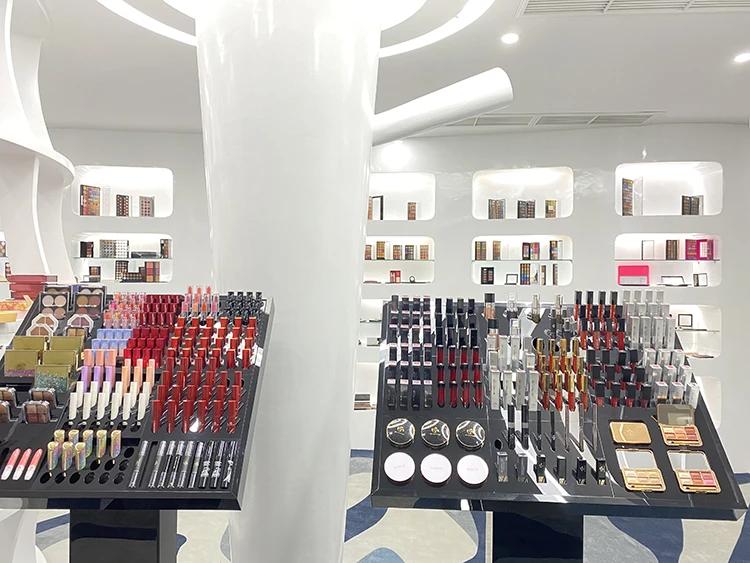
Hangzhou Charm Beauty Technology Co., Ltd.
- Trading Company
- Zhejiang, China
- Lead time15 days
- Avg. response≤ 7h
Main productsLipstick, Eyeshadow, Eyeliner, Eyebrow, Foundation
Main marketsNorth America(60.0%), Western Europe(25.0%), Eastern Asia(10.0%), South America(5.0%)

Guangzhou Rangecolor Cosmetics Co., Ltd.
- Trading Company,Manufacturer/Factory
- China Guangdong
- Lead time38 days
- Avg. response≤ 18h
Main productsEyeshadow, Blush, Lipgloss, Face Powder, Lipstick, Lip Balm, Facial Mask, Lotion, Makeup Remover, Liquid Foundation
Main marketsSouth America,Eastern Europe,Mid East,North America,Eastern Asia,Western Europe,Africa


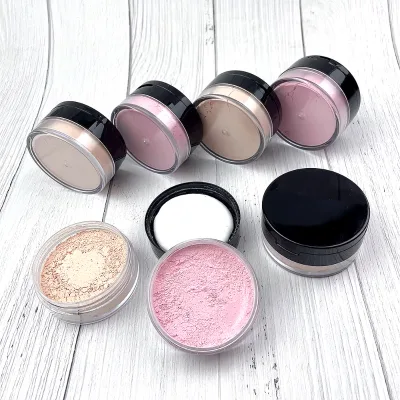
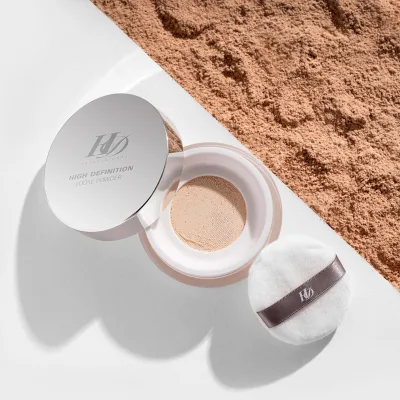
OEM Longlasting Waterproof Makeup Full Coverage Loose Setting Powder for Face Brightening Appearance
Contact supplier
Moq: 12000

Guangzhou Kanglixin Medical Biotechnology Co, Ltd.
- Verified by TUVRHEINLAND
- Manufacturer/Factory
- China Guangdong
- Lead time23 days
- Avg. response≤ 10h
Main productsSkin Care Products, Body Care, Hair Care Products, Makeup, Men's Care Products, Ferminine Care Products, Serum, Facial Mask, Face Cream, Scrub
Main marketsSouth America,Eastern Europe,Mid East,North America,Southeast Asia,Eastern Asia,Oceania,Western Europe,Africa

- Verified by SGS
- Combined
- China Jiangsu
- Lead time15 days
- Avg. response≤ 9h
Main productsPearl Pigments, Pearlescent Pigments, Aluminium Pigments, Mica Powders, Chameleon Pigments, Glitters, Thermochromic Pigments, Fluorescent Pigments, Glow in Dark Powders, Photochromic Pigments
Main marketsEurope,Australia,North America

Hangzhou Ditong Biotechnology Co.,Ltd.
- Verified by BV
- Trading Company
- China Zhejiang
- Lead time15 days
- Avg. response≤ 10h
Main productsCosmetics, Skin Care Product, Makeup, Perfume, Cosmetics OEM, Makeup OEM, Cosmetic Packaging Design, Beauty Supplies Wholesale, Beauty Instrument, Cosmetic Design Packaging
Main marketsDomestic
Xuchang Jinbang Hair Products Co., Ltd.
- Verified by SGS Group
- Manufacturer, Trading Company
- Lead time7 days
- Avg. response≤ 2h
Main productsFalse Eyelashes, Eyelash Packaging, Cosmetics Products, Makeup Tools, Lip Makeup
Main marketsNorth America(70%), Western Europe(11%), Oceania(10%)
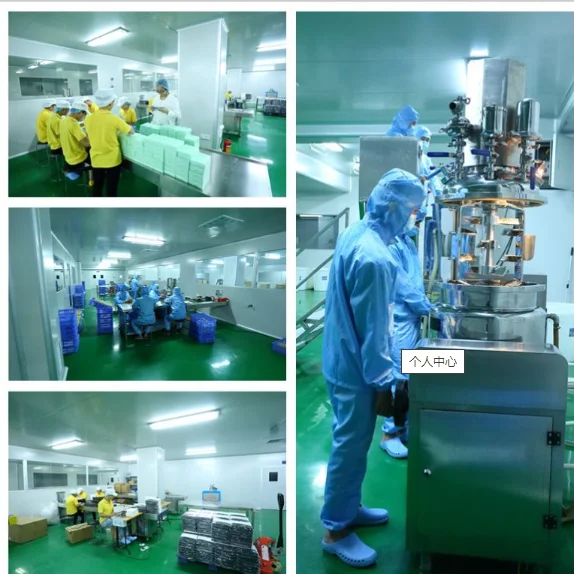
Shenzhen Huaxunneng Technology Co., Ltd.
- Manufacturer, Trading Company, Distributor/Wholesaler
- Guangdong, China
- Lead time5 days
- Avg. response≤ 6h
Main productsMakeup Brush,cosmetics,Makeup tools,Makeup sponge,nail art &tools
Main marketsNorth America(40.0%), South America(20.0%), Eastern Europe(15.0%), Eastern Asia(5.0%), Mid East(5.0%), Africa(5.0%), Western Europe(5.0%), Domestic Market(4.0%), Southeast Asia(1.0%)
Shenzhen Branpac Technology Co., Ltd.
- Manufacturer, Trading Company
- Guangdong, China
- Lead time7 days
- Avg. response≤ 3h
Main productsEye Shadow,Lip Gloss,Lipstick,Foundation,Makeup Brush
Main marketsNorth America(40.0%), South America(15.0%), Central America(5.0%), Northern Europe(5.0%), South Asia(5.0%), Southern Europe(5.0%), Oceania(5.0%), Africa(5.0%), Southeast Asia(5.0%), Eastern Europe(5.0%), Western Europe(3.0%), Eastern Asia(1.0%), Mid East(1.0%)
Xuchang Jinbang Hair Products Co., Ltd.
- Manufacturer, Trading Company
- Lead time旺季: "1 - 300":15,"> 300":"To be negotiated", 淡季: "1 - 300":15,"> 300":"To be negotiated"
- Avg. response≤ 2h
Main productsLip cosmetics, Face cosmetics, Eye cosmetics, False eyelash, Make up & tools

- Verified by SGS
- Trading Company
- China Zhejiang
- Lead time15 days
- Avg. response≤ 16h
Main productsEyelashes, Makeup Brush, Cosmetic Brush, Eyelash Extension, Lipstick, Eyeshadow, Mascara, Nail Sticker, Nail Lamp, Mask
Main marketsEurope,Australia

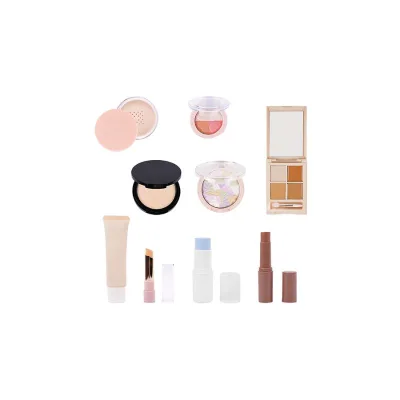
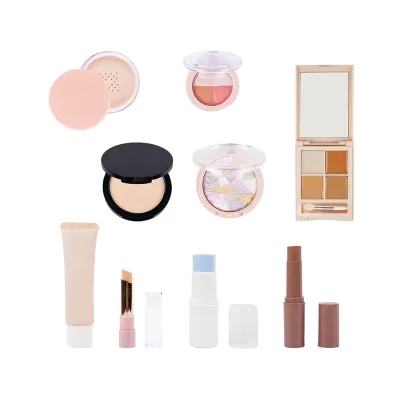
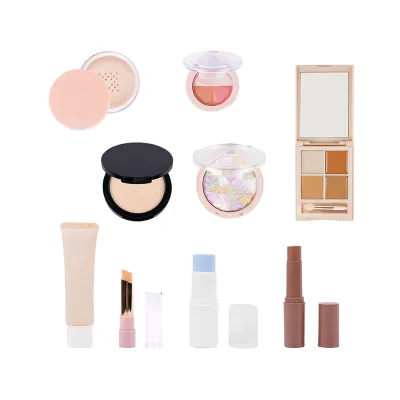
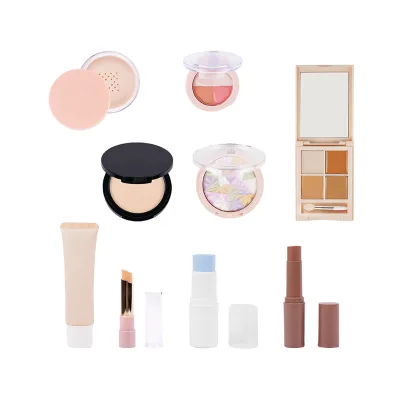
Japanese Concealer Set Makeup Whitening Long-Lasting Oil Control Moisturizing Powder
$1.89 - $1.93
Moq: 500


Shenzhen Beauty Secret Tech Co., Limited
- Verified by TüVRheinland
- Trading Company
- Lead time10 days
- Avg. response≤ 6h
Main productsLipstick, Lip Gloss, Eyeshadow
Main marketsNorth America(65%), South America(15%), Eastern Europe(10%)
Shenzhen Beauty Swan Tech Co., Limited
- Verified by TüVRheinland
- Trading Company
- Lead time0 days
- Avg. response≤ 2h
Main productsLipgloss, Foundation, Face Serum, Face Mask, Facial Cleanser
Main marketsNorth America(50%), Africa(20%), South America(10%)

- Manufacturer/Factory
- China Guangdong
- Lead time38 days
- Avg. response≤ 3h
Main productsCosmetic Packaging, PE Cosmetic Tubes, Aluminum Laminated Tubes, High Glossy Tubes, Beauty Packaging, Contract Packaging, Airless Cosmetic Tube Packaging, Makeup Tubes, Lip Balm Tubes, Skin Care Packaging
Main marketsSouth America,Eastern Europe,North America,Southeast Asia,Eastern Asia,Oceania,Western Europe,Africa

Brilliant Ocean Trading (Yiwu) Co., Ltd.
- Trading Company
- China Zhejiang
- Lead time30 days
- Avg. response≤ 20h
Main productsCloth Accessories, Glitter Powder, Hand Bag, Jewelry Accessories, Metallic Yarn, Hardware, Party Supplies, Extension Socket, Shopping Bag, Plush Toy
Main marketsSouth America,Southeast Asia/ Mideast

- Verified by CTI
- Trading Company
- China Zhejiang
- Lead time30 days
- Avg. response≤ 3h
Main productsAirless Bottle, Glass Bottle, Comb, Cosmetic Packaging, Food Packaging, Sprayer, Lotion Pump Machine, Gift, Roll on Ball
Main marketsAfrica,Southeast Asia/ Mideast
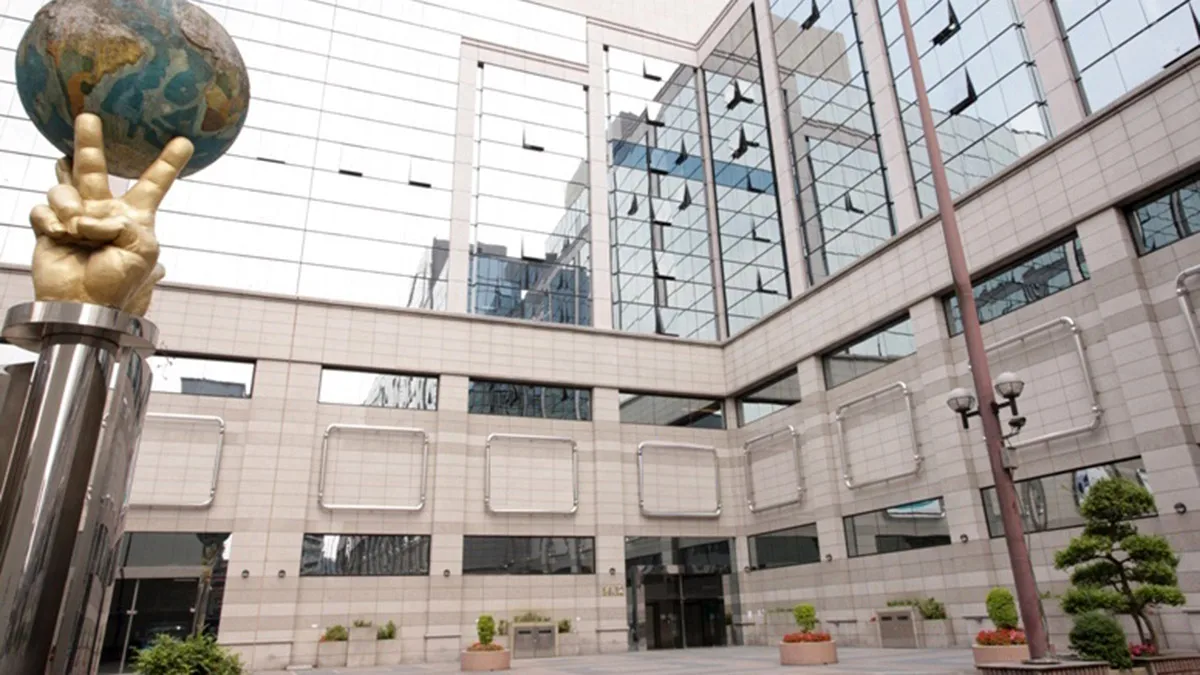
YEALINAN BEAUTY INTERNATIONAL CO., LTD
- Trading Company
- Taiwan, China
- Lead time7 days
- Avg. response≤ 1h
Main productsSkincare,Face Serum,Sunscreen,Face Cream,Facial Cleanser
Main marketsSoutheast Asia(40.0%), Domestic Market(20.0%), South Asia(20.0%), Eastern Asia(20.0%)
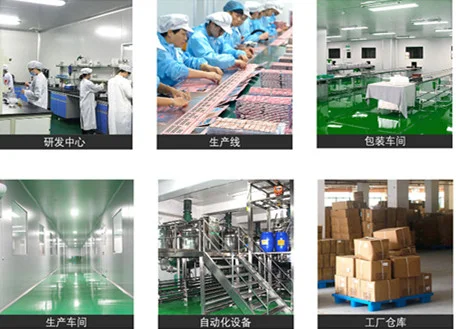
Xi'an Canal Fashion Bio-Tech Co., Ltd.
- Trading Company
- Shaanxi, China
- Lead time1 days
- Avg. response≤ 3h
Main productsPet clothing,Pet shoes and socks,Pet bowls and feeders,Pet toys,Pet beds and kennels
Main marketsNorth America(40.0%), Northern Europe(30.0%), South Asia(5.0%), South America(5.0%), Eastern Asia(5.0%), Mid East(5.0%), Africa(5.0%), Southeast Asia(5.0%)

Guangzhou Meiziying Cosmetics Co., Ltd.
- Trading Company
- Guangdong, China
- Lead time9 days
- Avg. response≤ 3h
Main productsLip gloss, Eyeshadow palette, Foundation, Blush, Eyeliner
Main marketsSoutheast Asia(18.0%), North America(12.0%), South America(12.0%), South Asia(10.0%), Eastern Asia(10.0%), Africa(8.0%), Eastern Europe(8.0%), Mid East(6.0%), Oceania(4.0%), Western Europe(4.0%), Southern Europe(4.0%), Northern Europe(4.0%)
Shenzhen Jermay Technology Co., Ltd.
- Verified by TüVRheinland
- Trading Company
- Lead time15 days
- Avg. response≤ 3h
Main productsEyeshadow, Lipgloss, Blush, Foundation, Highlighter
Main marketsNorth America(45%), Western Europe(18%), South Asia(18%)
- Manufacturer, Trading Company
- Taiwan, China
- Lead time0 days
- Avg. response≤ 4h
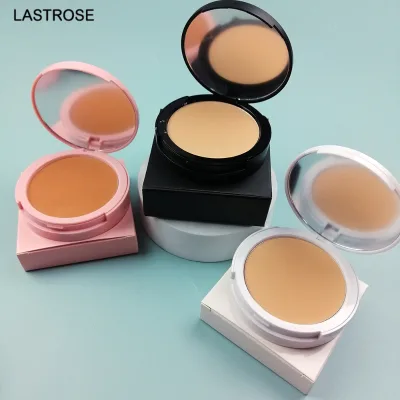
Main productsMakeup,Cosmetics,Lipstick,Lipgloss,Compact powder
Main marketsMid East(15.0%), Eastern Europe(15.0%), South America(15.0%), North America(15.0%), Domestic Market(5.0%), Southern Europe(5.0%), Northern Europe(5.0%), Central America(5.0%), Western Europe(5.0%), Southeast Asia(5.0%), Oceania(5.0%), Africa(5.0%)

Shenzhen Huazhong Sun May Technology Co., Ltd
- Verified by SGS
- Trading Company,Manufacturer/Factory
- China Guangdong
- Lead time15 days
- Avg. response≤ 5h
Main productsLipstick, Lip Gloss, Cosmetics, Eyeshadow, Blusher, Makeup, Skin Care, Makeup Brush, Perfume, Parfum
Main marketsSouth America,Eastern Europe,Mid East,North America,Southeast Asia,Eastern Asia,Oceania,Western Europe,Africa

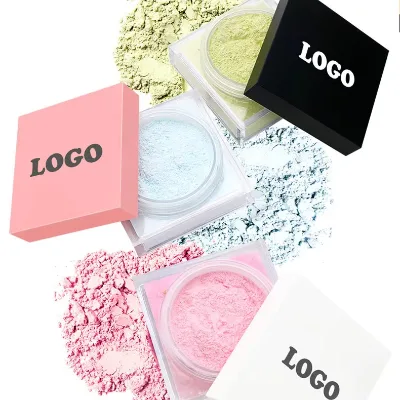
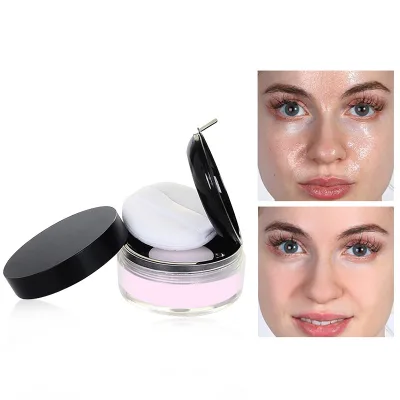
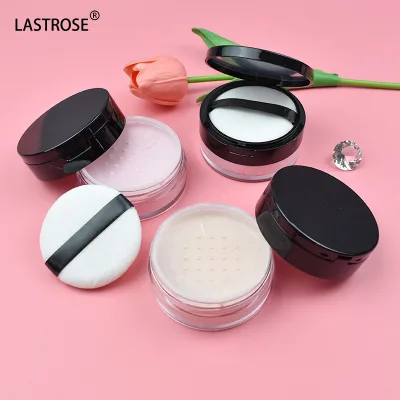
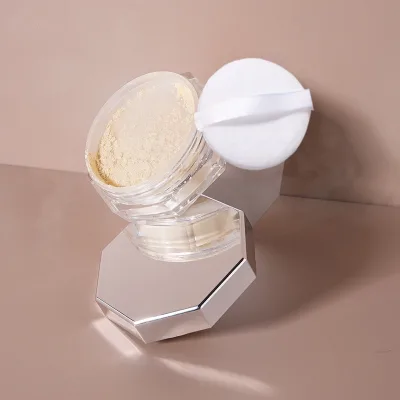
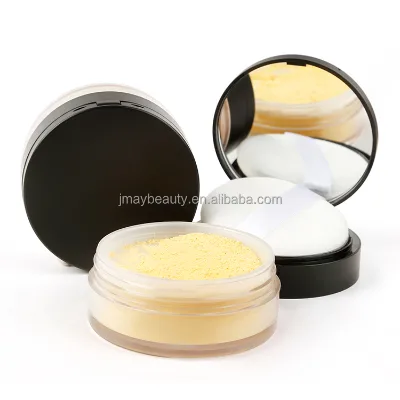
Waterproof Makeup Matte Finish Powder Translucent Setting Loose Powder with Puff
$1.80 - $2.30
Moq: 50


Guangzhou Choice Biological Technology Co., Ltd.
- Manufacturer, Distributor/Wholesaler
- Guangdong, China
- Lead time30 days
- Avg. response≤ 5h
Main productsCosmetics products,Skin care products
Main marketsSouth Asia(15.0%), North America(15.0%), South America(12.0%), Eastern Europe(10.0%), Mid East(10.0%), Southeast Asia(10.0%), Southern Europe(5.0%), Northern Europe(5.0%), Western Europe(5.0%), Eastern Asia(5.0%), Africa(5.0%), Oceania(3.0%)


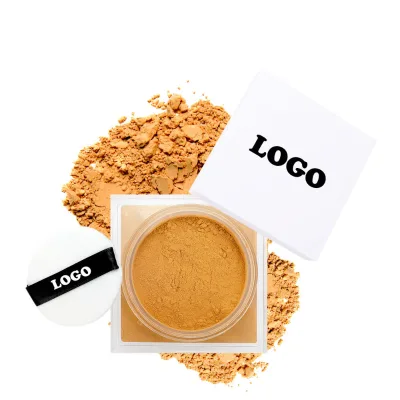
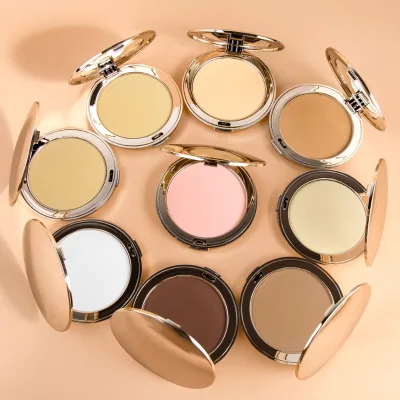
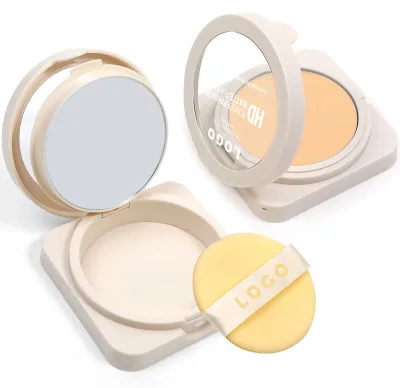
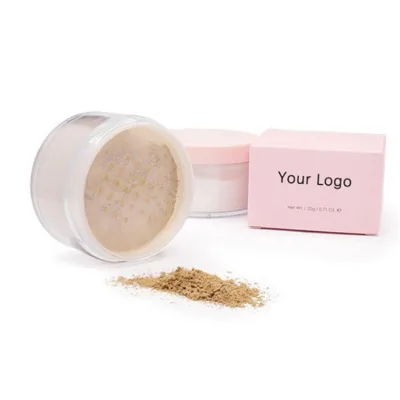




Comprehensive Sourcing Guide
Makeup Setting Loose Powder Supplier Concentration and Factory Types
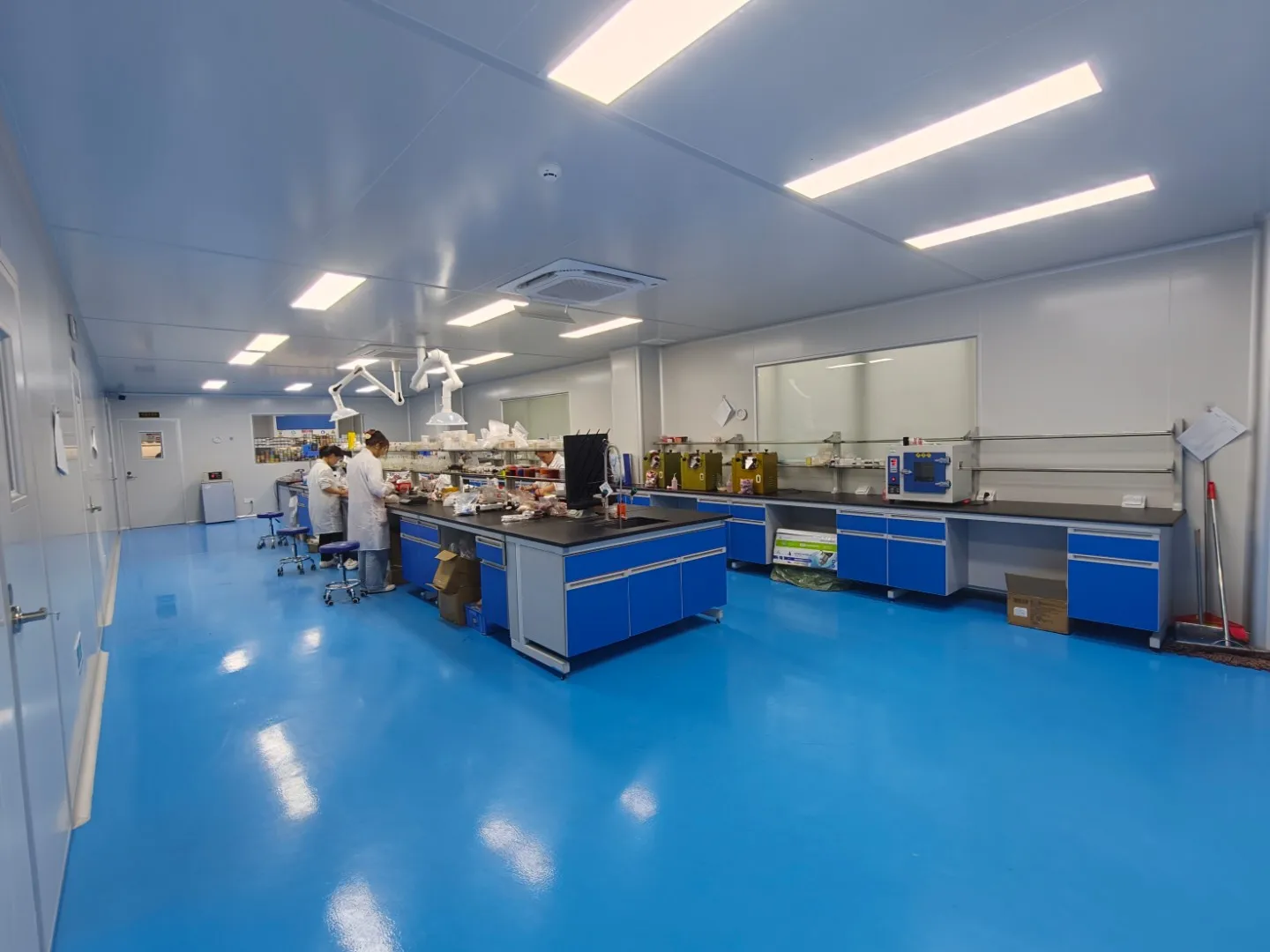
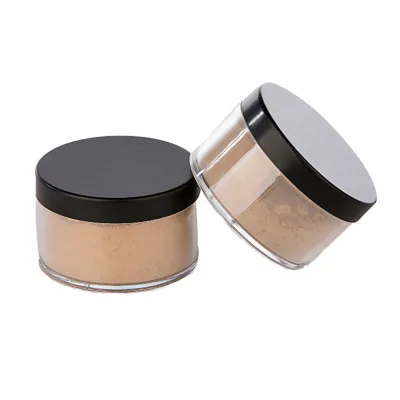
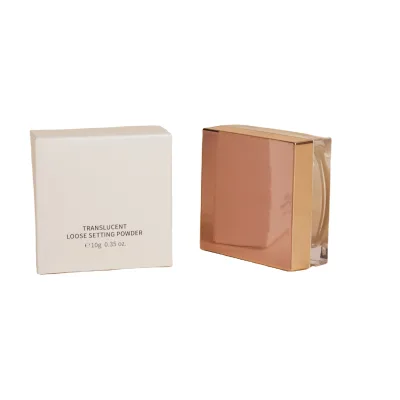
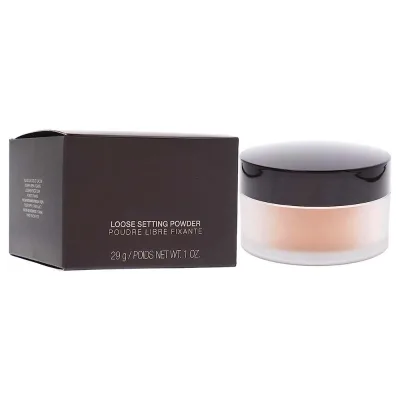
The Makeup Setting Loose Powder category draws two distinct supplier archetypes on sourcing platforms: manufacturers/factories and trading companies. Listing pages typically declare this classification directly, and the two types matter for different reasons. A factory listing for setting powder often pairs its company type with a system certification such as GMP, an OEM/ODM capability statement, and a lead time stated in days. A trading company listing may instead emphasize a broad makeup portfolio—lip gloss, lipstick, foundation, eye shadow, concealer—alongside powder products, which signals aggregation rather than in-house production. Neither type is inherently better; the right choice depends on whether your priority is production control or assortment consolidation.
Geographic concentration is real in this category, and one location appears with high confidence in the supplied evidence: Guangdong, China, cited as the place of origin for loose setting powder products. That makes Guangdong a reasonable anchor for cluster-based sourcing research. Beyond that confirmed region, do not assume every listing originates there—verify place of origin on each product's attribute table before shortlisting. When no location is displayed, identify clusters by cross-checking product origin fields, shipping port references, and factory addresses in verification documents rather than trusting a company profile alone. A supplier's declared main-product list also tells you whether loose powder is a core line or a filler item.
How to Verify Makeup Setting Loose Powder Suppliers
Start with third-party verification status, which is a displayed, checkable attribute. Supplier results in this category show verification by recognized inspection bodies such as Intertek and TÜV Rheinland. These are platform-issued audited verifications, not product certifications, so treat them as a baseline trust signal that the business exists and matches its registration. Next, read the certification claims attached to the products themselves. Evidence in this category includes a listing with CPNP and CE at the system level, another with GMP, and product-level attributes citing GMPC, ISO, MSDS, and GMP. Record exactly which certificates each candidate displays, then ask the supplier for certificate copies with scope and validity dates.
For loose powder specifically, product-level claims deserve scrutiny. One verified product cites MSDS as its certification, a 3-year shelf life, mineral ingredients, and vegan, talc-free positioning—claims that require documentation to substantiate for cosmetics retail in your market. Ask for MSDS sheets, ingredient lists, and stability or safety test reports for the exact powder formula, not a generic file. Confirm the customization promise is real: listings state OEM, ODM, and private label service with "customized your own brand" naming, sample availability, and graphic/customized-on-demand processing. Verification steps that matter here are asking whether samples come from actual production, whether shade matching is done in-house, and whether packaging customization is handled by the factory or a third party.
What to Compare Across Makeup Setting Loose Powder Suppliers
Build a comparison sheet from the attributes actually displayed on listings, and do not assume every supplier shows every field. Comparable dimensions in this category include lead time (evidence shows examples of 30 days and 15 days), MOQ (ranging from as low as 50 units on one loose powder listing to 10,000 units on another), response time (one result shows an average around 4.6 hours), company type, verification body, location, and main-product breadth. Lead time and MOQ interact: the low-MOQ listing supports sample-market and test launches, while the 10,000-unit MOQ listing implies a scaled production line and usually a lower unit price.
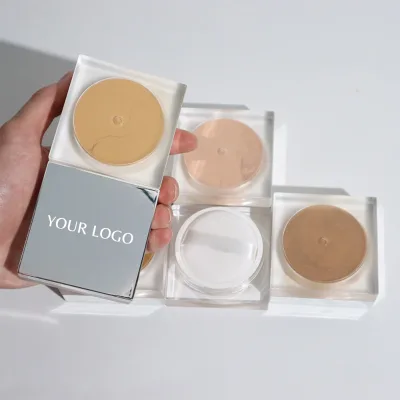
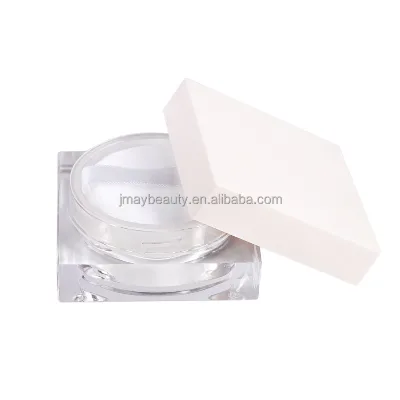
Price ranges are visible and comparable: loose setting powder listings in this evidence span roughly $1.20–$1.25 at the low end, $1.52–$1.79, $1.70, and $1.90–$2.50 for larger-format or multi-shade variants. Compare prices only at matched specifications—volume or weight (listings show 6g, 10mL, 15mL, and 30g options), finish (matte, shimmer), features (waterproof, oil-control, vegan, talc-free), and shade count (13 and 23 color options appear). Also compare customization depth: some listings state custom packaging by client, square or PET/PVC container formats, and multi-colored options. Weight response speed, lead time certainty, and product specialization—whether the supplier's main products center on makeup or spread across skincare—before price alone.
Common Makeup Setting Loose Powder Sourcing Risks
The most common risk is certificate ambiguity. This category shows mixed signals: system-level CPNP and CE on one listing, GMP on another, and product-level MSDS, GMPC, ISO, and GMP attributes elsewhere. A buyer who accepts a certificate name at face value may import powder that fails market-entry requirements in the EU or US, where CPNP notification or FDA facility registration may be needed beyond what a supplier displays. The second risk is formula and claim mismatch. Listings advertise waterproof, oil-control, whitening, sunscreen, sensitive-skin, vegan, and talc-free claims; if these claims are printed on your retail packaging without test evidence, you inherit regulatory and reputational liability.
Third is specification drift between sample and bulk. Because private-label service and customized-on-demand processing are standard offers here, a sample made on a small line may not match mass production in texture, shimmer density, or shade accuracy—especially across 13- or 23-color ranges. Fourth is packaging and format confusion: listings mix units (6g, 10mL, 15mL, 30g) and materials (PET, PVC), and single gross weights vary from 0.065 kg to 0.2 kg, which affects landed-cost math if not confirmed. Finally, beware stock-formula rebranding presented as true OEM. Mitigate all of these by writing specifications—shade codes, finish, ingredient exclusions, packaging material, net weight—into a signed document and requiring pre-shipment inspection against it.
Makeup Setting Loose Powder Regional Sourcing and Logistics
Guangdong, China is the high-confidence cluster for this category, appearing as the declared place of origin for loose setting powder listings in the supplied evidence. Sourcing from a confirmed Guangdong base offers practical logistics advantages: established cosmetics packaging supply chains, experienced freight forwarders for powder cosmetics, and short domestic distances between powder fillers and component suppliers. When comparing suppliers, note whether origin is declared at the product level—several listings in this category state China as origin within their attribute tables—versus only at company level, which is weaker evidence.
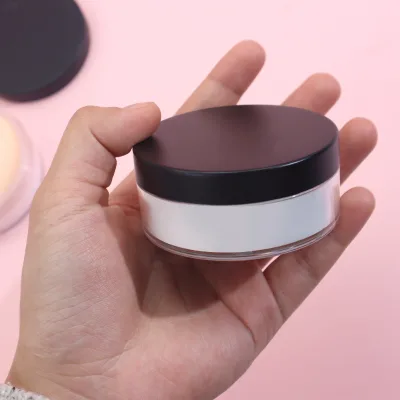
For suppliers without a declared location, verify logistics feasibility directly. Powder cosmetics are generally non-hazardous for air freight but may face restrictions depending on propellants or ingredients; loose powder in PET or PVC jars, as seen in listings here, is typically straightforward, but confirm with your forwarder using the MSDS. Weight matters in logistics planning: single gross weights of 0.065–0.2 kg per unit mean a 10,000-unit order can span roughly 650 kg to 2,000 kg before master cartons, so confirm packed dimensions (one listing shows 11.5 x 3.3 x 3.3 cm per unit) and pallet configuration. Lead times of 15 and 30 days should be read as production time only; add transit, customs clearance, and destination-market compliance checks. Build buffer time for shade-approval cycles, which are common in multi-color powder lines.
Makeup Setting Loose Powder Commercial Terms and Order Planning
Order planning in this category should start from the MOQ-to-price relationship visible in the evidence. One loose powder listing shows an MOQ of 50 with unit prices of $1.52–$1.79, suited to market testing; another shows an MOQ of 10,000 with a price near $1.25, suited to scaled private-label launches. Decide your launch volume first, then filter suppliers by MOQ rather than negotiating against a mismatched minimum. For mid-range options, listings at $1.20–$2.00 (30g format) and $1.90–$2.50 (15mL, 23 colors) show how format size and shade count move price, so lock net weight, format, and color count before discussing unit price.
On payment and risk control, request trade terms that keep funds protected through inspection—use platform escrow or staged payments (deposit plus balance after pre-shipment inspection) rather than full prepayment, since customization here spans formula, shade, and packaging. Note whether listings mention escrow or secure payment; if absent, raise it directly. Plan the order calendar backward from lead time: with production lead times of 15–30 days evidenced in this category, plus sampling, shade approval, and freight, a private-label launch realistically needs 3–4 months of runway. Confirm sample cost and whether sample fees are credited against bulk orders, specify shelf-life labeling (listings cite 3 years), and require batch coding and gross-weight confirmation on the final packing list before releasing the balance.
FAQs
What is the typical minimum order quantity for private label loose setting powder?
Minimum order quantities vary widely by supplier and product type. In current results, one supplier lists loose setting powder with an MOQ of 50 units, while another lists an MOQ of 10,000 units. Low MOQs usually apply to stock or semi-custom items, whereas full private label production with custom packaging generally requires higher volumes, so confirm MOQ before requesting samples.
How long does production take for customized loose setting powder orders?
Lead times reported in current results range from 15 to 30 days depending on the supplier. A manufacturer-type supplier lists 15 days, while a trading company lists 30 days. Custom shades, packaging, and private label printing can extend these timelines, so ask each supplier to confirm the lead time for your specific customization level before placing an order.
What formulations are available for Makeup Setting Loose Powder?
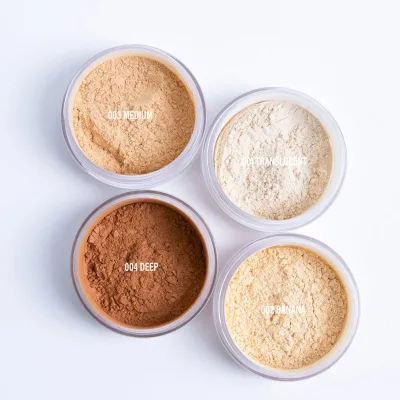
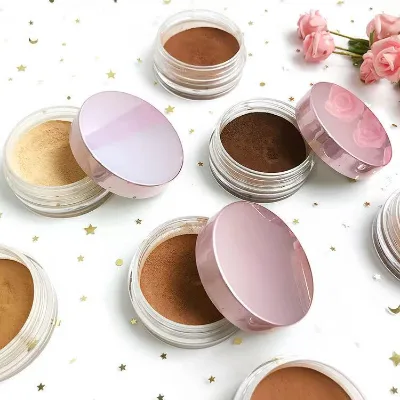
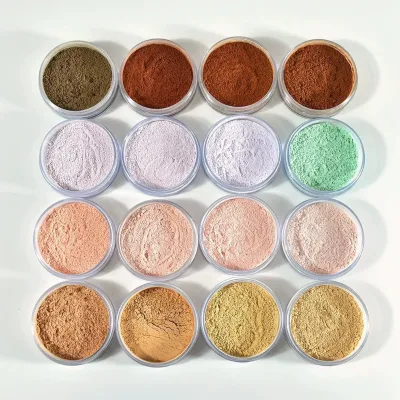
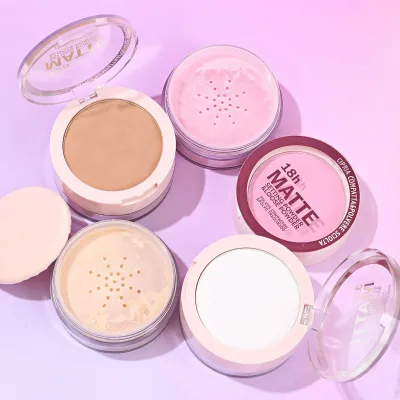
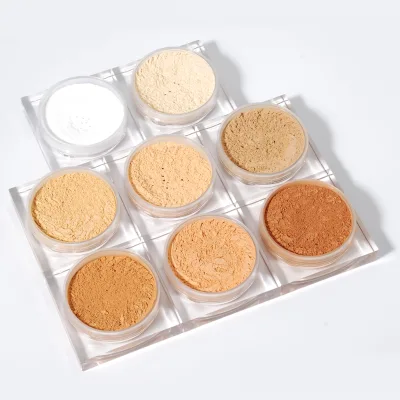
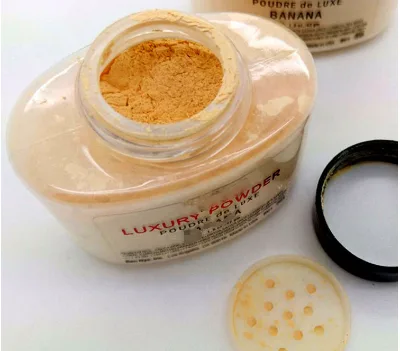
Listed products cover several formulation directions, including mineral-based loose powder, talc-free vegan options, translucent matte finishing powder, banana powder, and shimmer setting powder. Common claimed functions include long lasting, matte finish, oil control, and waterproof wear. Shades range from transparent to more than 20 color options, so verify ingredient lists and shade charts with each supplier directly.
Which certifications should I verify when sourcing setting powder?
Current listings reference certifications including GMP, GMPC, ISO, MSDS, CPNP, and CE. One manufacturer-type supplier shows GMP system certification and TUV Rheinland verification, while a trading company shows Intertek verification. Certification claims should be confirmed with copies of valid certificates, because they affect your ability to sell in regulated markets like the EU and US.
What price range can I expect for private label loose setting powder?
Prices in current results range from roughly 1.20 to 2.75 US dollars per unit. Simpler translucent formulas sit near the lower end, while larger formats or specialized finishes cost more. Final pricing depends on MOQ, packaging material, and customization depth, so request quotations with your exact specifications rather than relying on listed starting prices.
Do suppliers offer samples and customization before bulk production?
Yes, based on the listings reviewed. One supplier explicitly states samples are available and offers OEM, ODM, and private label service, with capabilities covering sample processing, graphic processing, and on-demand customization. Another manufacturer advertises OEM and ODM development. Sample policies, sample costs, and whether sample fees are credited against bulk orders should be confirmed with each supplier directly.
Should I buy loose setting powder from a factory or a trading company?
Both types appear in current results. A manufacturer or factory in Guangdong lists GMP certification, OEM and ODM capability, and a 15-day lead time, which suits brands wanting direct production control. A trading company offers broader product lines including lip gloss, lipstick, foundation, and eye shadow, which consolidates sourcing. Compare pricing, verification, and customization depth before deciding.