Magnetic Sewing Tweezers Suppliers and Manufacturers
Compare 29 verified suppliers offering Magnetic Sewing Tweezers with details on location, lead times, and certifications. Review product specs like material and hardness, then request quotes to finalize your sourcing decision; review the available evidence before requesting comparable quotations from suitable candidates.
Suppliers List

Xiamen Qianyu Technology Co., Ltd.
- Trading Company
- China Fujian
- Lead time15 days
- Avg. response≤ 5h
Main productsCleanroom Wipes, 100% Polyester Wipes, Cleanroom Double-Knit Polyester Wipes, SMT Roll Wipes, Microfiber Cloth, 2ply Cleanroom Wipes, SMT Stencil Wipes, Nonwoven Cleaning Paper, Industrial Cleaning Cloth, Cleanroom Swabs
Main marketsAfrica,Southeast Asia/ Mideast,Europe


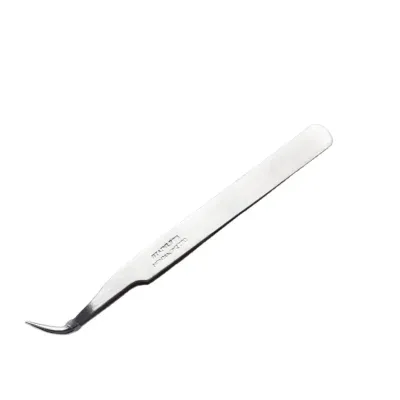
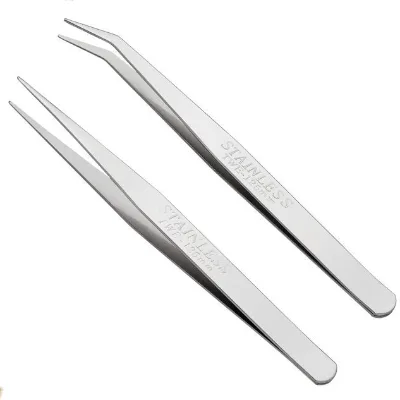
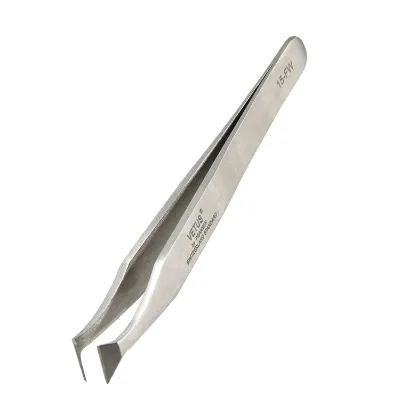
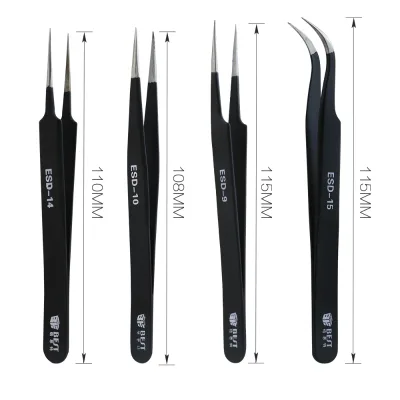
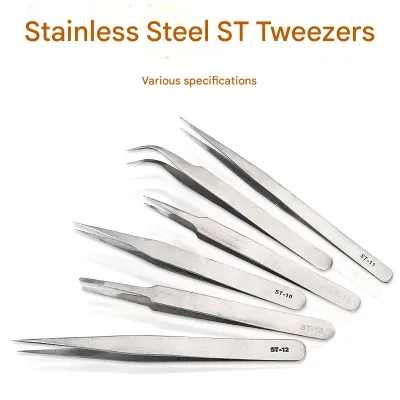
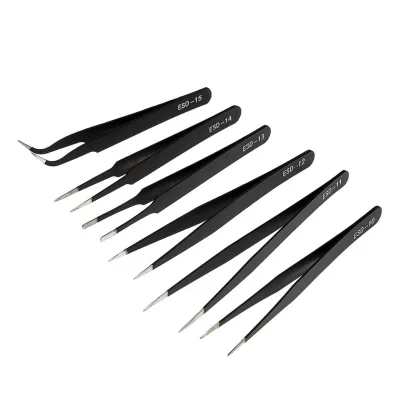
St-16 Professional Antistatic Precision Tweezers Anti-Magnetic ESD Tweezers
$1.50 - $1.70
MOQ: 50 Pieces

Yiwu Bingqiang Trading Co., Ltd.
- Verified by SGS Group
- Manufacturer, Trading Company
- Lead time15 days
- Avg. response≤ 4h
Main productssewing needle, , safety pin, , scissor, awl, crochet hook, Tailor's chalk
Main marketsDomestic Market(40%), North America(30%), Eastern Europe(10%)
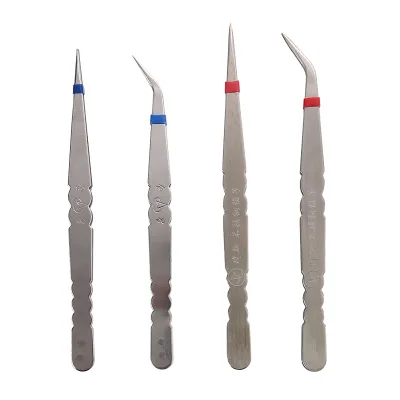
$0.11 - $0.13
MOQ: 1000 Minimum
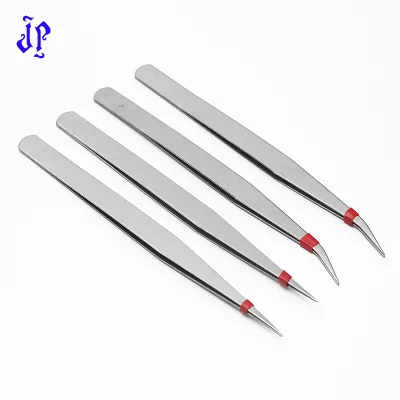
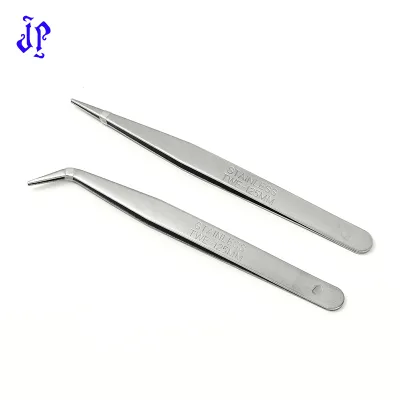
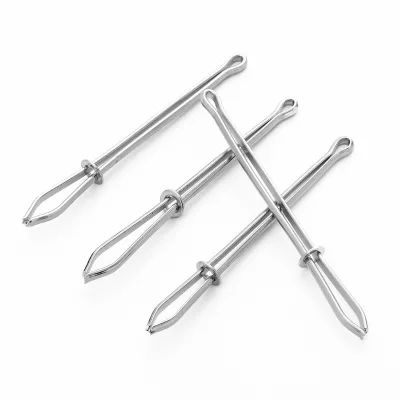
$0.04 - $0.05
MOQ: 2000 pieces
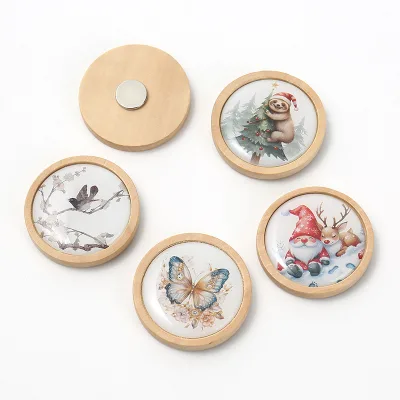
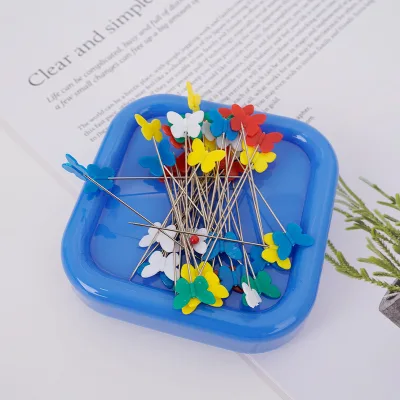
JP Needlework Sewing Accessories Tools Sewing Pin Storage Tool Sewing Needle Magnetic Tool
Contact supplier
MOQ: 300

Cangzhou Dean Safety & SPECIAL Type Tools Producing Co., Ltd.
- Verified by SGS
- Combined
- China Hebei
- Lead time15 days
- Avg. response≤ 7h
Main productsWrench, Non Sparking Tools, Hammer, Pliers, Screwdriver
Main marketsSouth America,East Asia(Japan/ South Korea),Europe
Dongyang Jinzhen Import & Export Co., Ltd.
- Verified by TüVRheinland
- Manufacturer, Trading Company
- Lead time15 days
- Avg. response≤ 4h
Main productsSewing Machine Needle, Sewing Machine Press Foot, Sewing Machine Rotary Hook, Sewing Machine Folder, Sewing Machine Needle Plate
Main marketsSoutheast Asia(30%), South Asia(20%), South America(10%)

Shenzhen Elitime Technology Co., Ltd.
- Manufacturer, Trading Company, Agent
- Guangdong, China
- Lead time15 days
- Avg. response≤ 4h
Main productsFalse eyelashes,Makeup Brushes,Earrings,nacklaces,rings
Main marketsNorth America(16.00%), Eastern Europe(15.00%), South America(12.00%), Southeast Asia(10.00%), Mid East(8.00%), Eastern Asia(8.00%), Africa(8.00%), Western Europe(5.00%), Southern Europe(5.00%), Oceania(4.00%), Central America(4.00%), South Asia(2.00%), Northern Europe(2.00%), Domestic Market(1.00%)
- Trading Company
- Zhejiang, China
- Lead time0 days
- Avg. response≤ 4h
Main productsSewing machine,Hook/Shuttle hook,Embroidery machine,Presser foot/ Folder,Needle plate
Main marketsEastern Asia(40.00%), South America(20.00%), Southeast Asia(20.00%), South Asia(20.00%)

Suzhou Shenglong Precision Plastic Hardware Co., Ltd.
- Verified by SGS
- Trading Company
- China Jiangsu
- Lead time0 days
- Avg. response≤ 6h
Main productsDispensing Machine, Dispensing Valve, Dispensing Needle, Metal Joint, Fixed Bracket
Main marketsSouth America,Eastern Europe,North America,Oceania,Western Europe

Ningbo DH Textile Industry&Trade Co., Ltd.
- Verified by TUVRHEINLAND
- Trading Company
- China Zhejiang
- Lead time15 days
- Avg. response≤ 13h
Main productsLace, Interlining, Embroidery Thread, Poplin, Hook and Loop, Satin Ribbon, Sewing Thread, Button, Zipper, Lace Fabric
Main marketsAfrica,Southeast Asia/ Mideast,North America


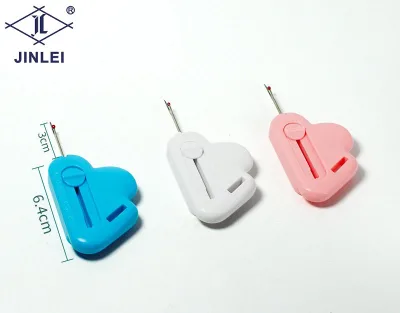
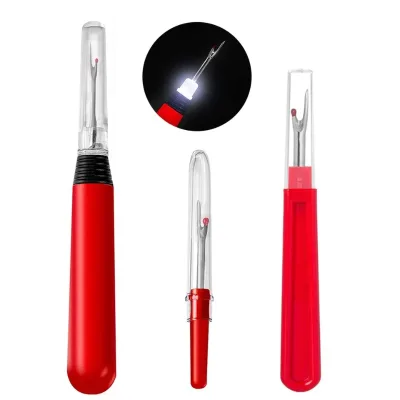
DIY Knitting Threader & Seam Ripper Needle Pin Storage Tool Bear 3 in 1 Sewing Tool
$0.90 - $2.00
MOQ: 1000 Pieces
- Trading Company
- Jilin, China
- Lead time10 days
- Avg. response≤ 2h
Main productsStorage box,Gardening supplies,Metal Crafts,lunch Box,Christmas Decorations
Main marketsDomestic Market(20.00%), North America(20.00%), South Asia(10.00%), Northern Europe(10.00%), Western Europe(10.00%), Eastern Asia(10.00%), Eastern Europe(10.00%), South America(5.00%), Southern Europe(5.00%)
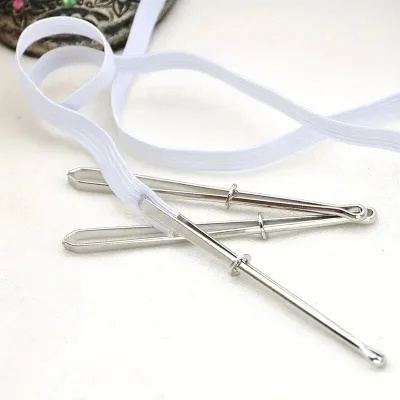
Wholesale Elastic Threader Tweezers Metal Easy Pull Waistband Drawstring Threader for Sewing
$0.04 - $0.07
MOQ: 1000 pieces
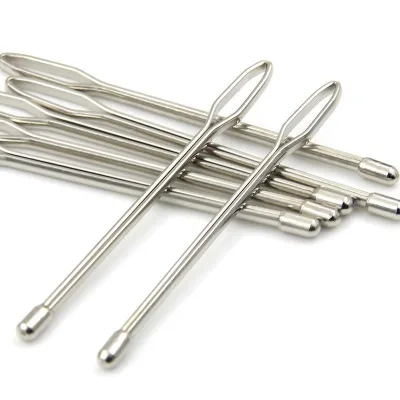
Bodkin Needle Elastic Threader Self-locking Tweezers Clip for Waist Band Household Threading Tool
$0.04 - $0.07
MOQ: 1000 pieces

- Trading Company
- Zhejiang, China
- Lead time5 days
- Avg. response≤ 18h
Main productsSewing Machine Parts,Presser Foot,Hook,Needle,bobbin
Main marketsDomestic Market(7.14%), South Asia(7.14%), Southern Europe(7.14%), Northern Europe(7.14%), Central America(7.14%), Western Europe(7.14%), Eastern Asia(7.14%), Mid East(7.14%), Oceania(7.14%), Africa(7.14%), Southeast Asia(7.14%), Eastern Europe(7.14%), South America(7.14%), North America(7.14%)
Ningbo New Swell Import&Export Co., Ltd.
- Verified by Intertek
- Trading Company
- Lead time7 days
- Avg. response≤ 3h
Main productsLace Trim, Ribbon, Sewing Accessories, Sewing Thread, Zipper
Main marketsMid East(50%), South America(20%), Southeast Asia(20%)

Ningbo Yuena Import & Export Co., Ltd.
- Verified by TUVRHEINLAND
- Trading Company
- China Zhejiang
- Lead time23 days
- Avg. response≤ 3h
Main productsLace, Thread, Button, Ribbon, Zipper, Tailors Materials, Fabric, Reflective Materials, Sewing Machine Part, Bra Parts
Main marketsSouth America,Africa,Southeast Asia/ Mideast,Europe,North America

Hand Sewing Needles Steel Self Threading Sewing Needle Thread Household DIY Tools Suppliers
$0.50 - $0.70
MOQ: 100 Bags


Dongyang Hulu Town Jinlei Joint Distribution Firm
- Trading Company
- Zhejiang, China
- Lead time0 days
- Avg. response≤ 4h
Main productsPresser Foot,Assorted Gauge Sets,Zig Zag Foot,Frilled Tube,Brother
Main marketsSouth Asia(70.00%), Eastern Europe(20.00%), Southeast Asia(10.00%)

Jinjiang Jiaxing Supply Management Co., Ltd.
- Verified by TUVRHEINLAND
- Trading Company
- China Fujian
- Lead time30 days
- Avg. response≤ 1h
Main productsEVA Clogs, Flip Flop, Shoe Charms, Shopping Bags, Wristbands, Gifts, Promotional Gifts, Slipper, Sport Cap, Ball
Main marketsNorth America
Ningbo Liberty Port Textile Co., Ltd.
- Combined
- China Zhejiang
- Lead time15 days
- Avg. response≤ 20h
Main productsSnap Button, Snap Fastener Set, Sewing Notions, Rotary Cutter, Cutting Mat, DIY Crafts, Storage Series, Knitting Needles, Crochet Hook, Zipper
Main marketsSouth America,Southeast Asia/ Mideast,East Asia(Japan/ South Korea),Europe,North America
Shenzhen Guste Technology Co., Ltd.
- Verified by TüVRheinland
- Trading Company
- Lead time0 days
- Avg. response≤ 2h
Main productsSoldering Tools, Glue Dispenser, Static Removal Equipment, Electric Tools, Electric Heating Equipment
Main marketsSoutheast Asia(30%), North America(15%), Africa(10%)
Shenzhen Jiulingsheng Technology Co., Ltd.
- Trading Company
- Guangdong, China
- Lead time0 days
- Avg. response≤ 4h
Main productsScrewdriver,Scraper,Suction Cup,Screwdriver Set,Tweezers
Main marketsSouth America(100.00%), Africa(100.00%), Domestic Market(50.00%), South Asia(20.00%), North America(10.00%), Mid East(4.00%), Southern Europe(2.00%), Eastern Europe(2.00%), Northern Europe(2.00%), Central America(2.00%), Western Europe(2.00%), Eastern Asia(2.00%), Oceania(2.00%), Southeast Asia(2.00%)

Nantong Braun Machinery Co., Ltd.
- Trading Company,Manufacturer/Factory
- China Jiangsu
- Lead time23 days
- Avg. response≤ 14h
Main productsPerforating Rollers, Vario Bars, Faller Bar, Braiding Machines, Embroidery Machine, Crochet Machine, Weft Yarn Machine, Doubling Winder, Bobbin Winder, Centrifuges
Main marketsSouth America,Eastern Europe,Mid East,North America,Southeast Asia,Eastern Asia,Oceania,Western Europe,Africa
Jinhua Chuangyijia Network Technology Co., Ltd
- Trading Company
- Zhejiang, China
- Lead time7 days
- Avg. response≤ 6h
Main productsSewing Machine Parts,Sewing Machine Bobbins,Sewing Awl Kit,Wall Hanging Crafts
Main marketsNorth America(40.00%), Domestic Market(20.00%), Western Europe(20.00%), Eastern Asia(20.00%)

Hangzhou Yangyi Magnetics Co., Ltd.
- Verified by TUVRHEINLAND
- Manufacturer/Factory
- China Zhejiang
- Lead time23 days
- Avg. response≤ 6h
Main productsPermanent Magnet, Neodymium Magnet, Pot Magnet, AlNiCo Magnet, Hook Magnet, Magnetic Name Badge, Rubber Coated Magnet, Ferrite Magnet, Magnetic Bar, Rubber Magnet
Main marketsSouth America,Mid East,North America,Southeast Asia,Eastern Asia,Oceania,Western Europe,Africa


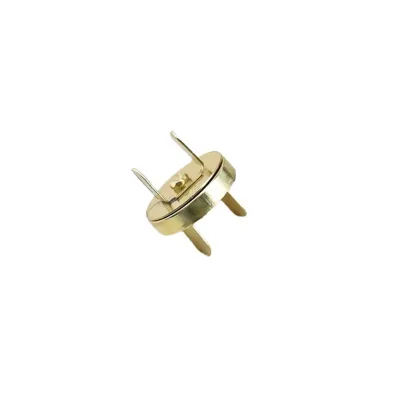
Waterproof Magnetic Snaps Strong Button Magnets PVC Covered Sew in Magnet
$0.01 - $1.00
MOQ: 100 piece

Shanghai Charmkey Textile Co., Ltd.
- Verified by BV
- Trading Company
- China Shanghai
- Lead time23 days
- Avg. response≤ 7h
Main productsYarn, Blended Yarn, Fancy Yarn, Acrylic Yarn, Cotton Yarn, Wool Yarn, Chenille Yarn, Chunky Yarn, T Shirt Yarn, Polyester Yarn
Main marketsEurope


Hand-Woven Sewing Kit Crochet DIY Tools Wool Marker Buckle Scissors Twist Crochet Set
$1.42 - $1.79
MOQ: 1000 Pieces

Portable Household Stitch Insertion Tool Threader for Sewing Machine Needle Inserter
$0.06
MOQ: 2000 Pieces
Jinhua Jinxiang Trading Co., Ltd.
- Verified by TüVRheinland
- Trading Company
- Lead time15 days
- Avg. response≤ 2h
Main productsHome Handmade Sewing Accessories
Main marketsNorth America(50%), Western Europe(30%), South America(20%)

Wuxi Wonderful Import & Export Co., Ltd.
- Verified by TUVRHEINLAND
- Trading Company
- China Jiangsu
- Lead time30 days
- Avg. response≤ 13h
Main productsHome & Garden Products
Main marketsSouth America,Southeast Asia/ Mideast,Europe,Australia,North America

Sewing Tools, Colored Magnets, Magnetic Bowls, Needle Suction Bowls, Patchwork Storage Tools
$1.23 - $1.54
MOQ: 10 Pieces


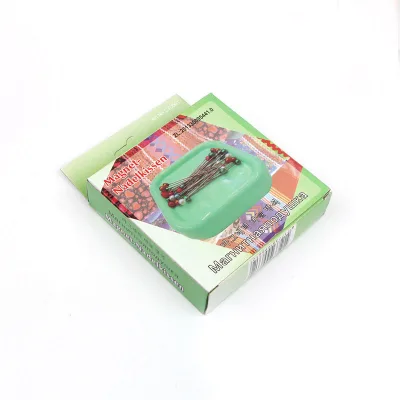
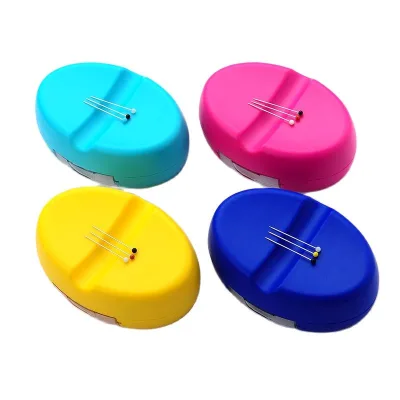
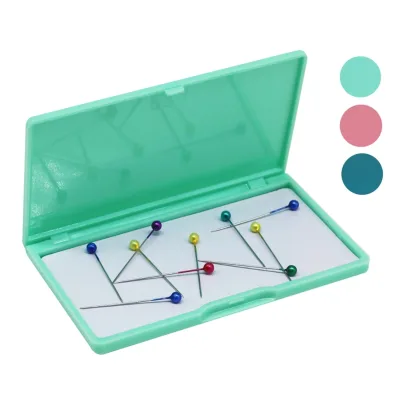
Magnetic Needle Box Storage Pins Case Lightweight Plastic Sewing Needle Box New Color
$0.98 - $1.08
MOQ: 625 Pieces


Ningbo Yinzhou Xindew Textile Co., Ltd.
- Trading Company
- China Zhejiang
- Lead time15 days
- Avg. response≤ 10h
Main productsKnitting Needles, Knitting Looms, Knitting Crochet Hook Set, Acrylic Yarn, Elastic Tape, Zipper, Thread, Hook and Loop, Baby Blankets, Baby Bibs
Main marketsSouth America,Africa,Southeast Asia/ Mideast,East Asia(Japan/ South Korea),Domestic,Europe,Australia,North America
- Trading Company
- Zhejiang, China
- Lead time15 days
- Avg. response≤ 3h
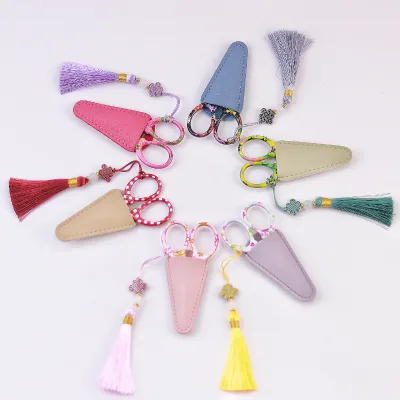
Main productsSewing notions,Needlework,cross stitch accessory,Knitting tools,embroidery scissors
Main marketsNorth America(60.00%), Northern Europe(15.00%), Eastern Europe(10.00%), Oceania(10.00%), Western Europe(5.00%)

Ningbo Sinobest Textile Company Limited
- Trading Company
- China Zhejiang
- Lead time30 days
- Avg. response≤ 5h
Main productsSewing Threads, Embroidery Threads, Garments Trimmings, Sewing Accessories, Embroidery Accessories, Tailor's Materials
Main marketsSouth America,Europe,North America

- Verified by TUVRHEINLAND
- Combined
- China Zhejiang
- Lead time30 days
- Avg. response≤ 7h
Main productsThread, Zipper, Lace, Button, Webbing & Tape, Ribbon, Interlining, Fabric, Tailoring Materials, Hook & Loop
Main marketsSouth America,Africa,Europe,Australia

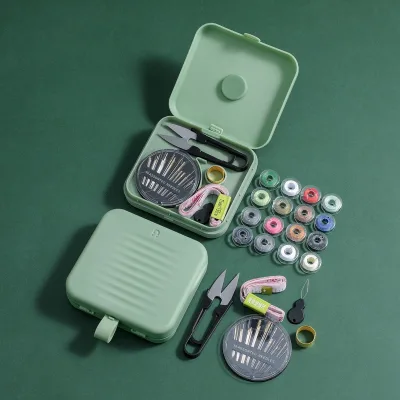
21PCS Magnetic Sewing Kit Multi-Function Sewing Set Box for Hand Quilting Stitching DIY Craft
$0.50 - $2.00
MOQ: 1000 box

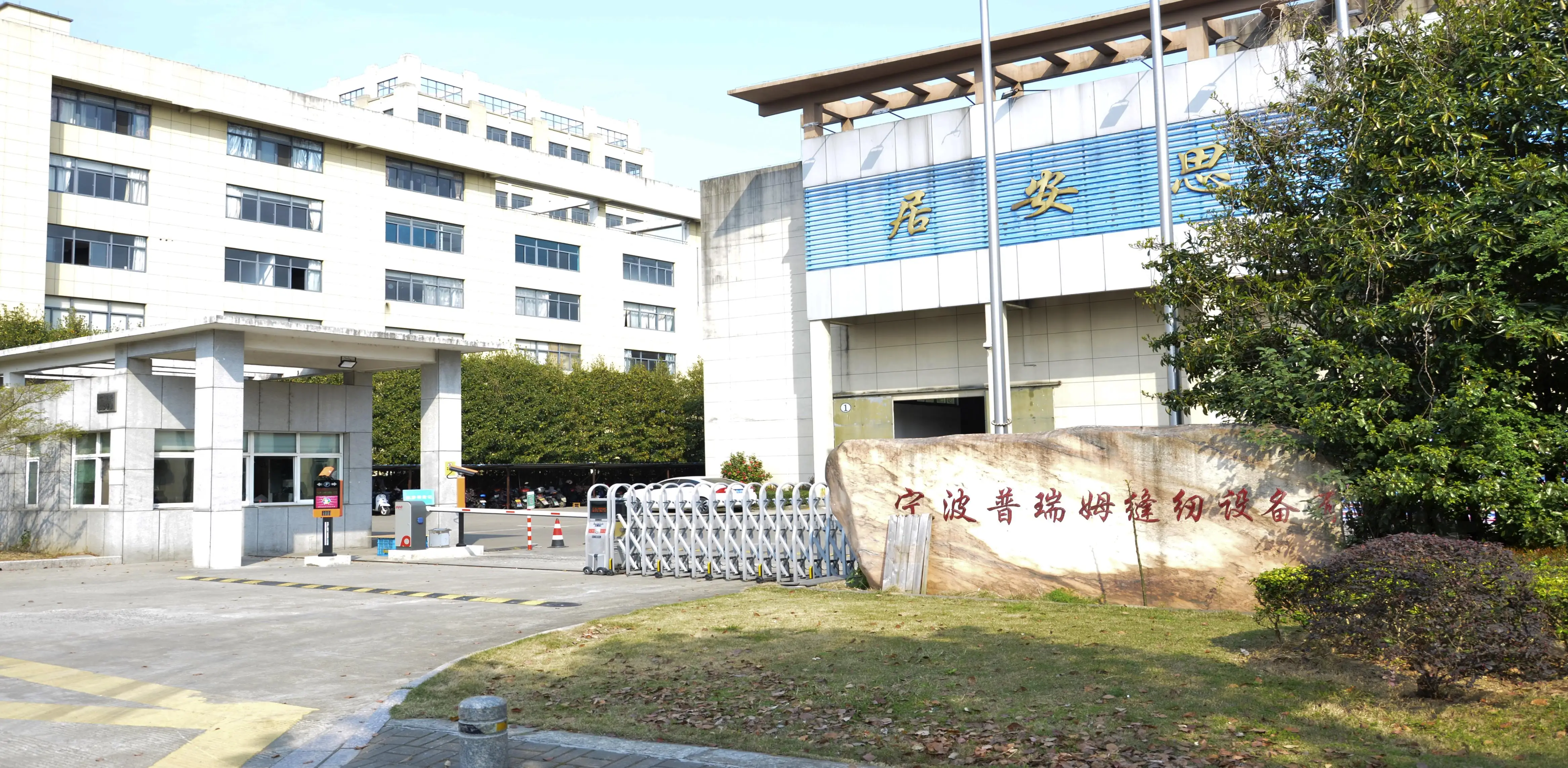
Ningbo Puruimu Sewing Equipment Co.,ltd.
- Trading Company
- Zhejiang, China
- Lead time0 days
- Avg. response≤ 3h
Main productscross-stitch products,knitting products,sewing products,quilting products,thread products
Main marketsWestern Europe(15.00%), Southeast Asia(15.00%), North America(15.00%), Domestic Market(10.00%), Mid East(10.00%), South America(10.00%), Northern Europe(5.00%), Eastern Europe(5.00%), Southern Europe(5.00%), Africa(5.00%), Oceania(3.00%), Eastern Asia(2.00%)

TAIZHOU FOXSEW SEWING MACHINE CO., LTD.
- Trading Company,Manufacturer/Factory
- China Zhejiang
- Lead time23 days
- Avg. response≤ 13h
Main productsSpecial Sewing Machine, Heavy Duty Sewing Machine, Programmable Pattern Sewing Machine, Mattress Sewing Machine, Shoes Sewing Machine, Zigzag Sewing Machine, Carpet Sewing Machine, Industrial Sewing Machine, Cutting Machine, Tape Cutting Machine
Main marketsSouth America,Eastern Europe,Mid East,North America,Southeast Asia,Eastern Asia,Oceania,Western Europe,Africa
















Comprehensive Sourcing Guide
Magnetic Sewing Tweezers Supplier Concentration and Factory Types
Search results for this category show a mix of manufacturer-plus-trading companies and pure trading companies rather than a single dominant factory type. One verified supplier type pairs manufacturer and trading operations, with an independent verification mark from an accredited inspection group and a response time of around four hours; its catalog spans sewing needles, safety pins, scissors, awls, crochet hooks and tailor's chalk, which signals a general needlework-tools manufacturer that treats tweezers as one line among many. Another result type is a trading company based in Fujian, China, whose main products are cleanroom wipes, SMT stencil wipes and cleanroom swabs, with ESD stainless-steel tweezers appearing as individual listed products.
This split matters because the two types serve different buyers. Manufacturers rooted in sewing notions are more likely to quote low unit prices and high minimums, while trading companies rooted in electronics-cleanroom supplies stock precision anti-magnetic tweezers at lower minimum order quantities. Buyers should therefore identify clusters by scanning where listed suppliers and their products originate — checking the place-of-origin attributes on individual product listings rather than assuming a region. Where a location is displayed in supplier results, use it to group candidates by province and compare nearby options for freight consolidation. Where no location is shown, ask directly for the production address and whether tweezers are made in-house or sourced from a partner workshop before drawing any cluster conclusions.
How to Verify Magnetic Sewing Tweezers Suppliers
Start with the verification signals the platform already displays. At least one supplier in current results carries an independent verification mark from a recognized inspection group, which is a stronger starting signal than an unverified listing. Confirm what that verification actually covered — a documented factory audit, a trading-company registration check or a product-only inspection — because the label does not always mean every catalog item was inspected. Next, test responsiveness with a real question about magnetic tweezers rather than a generic greeting; observed response times in this category run around four hours for one supplier and roughly four hours for another, so anything far slower during the inquiry stage is a reasonable warning sign.
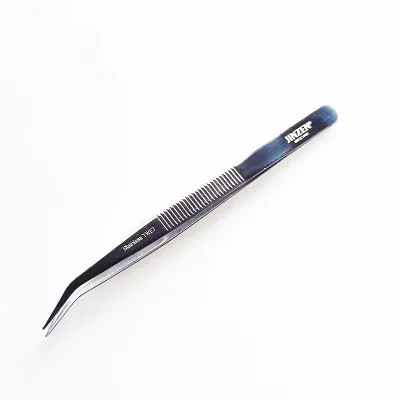
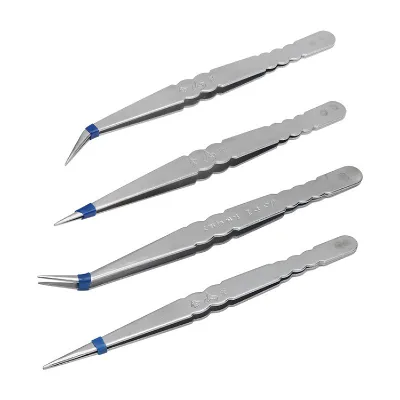
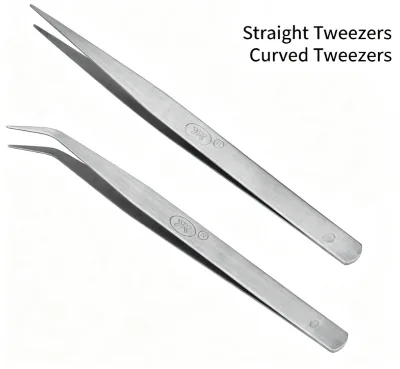
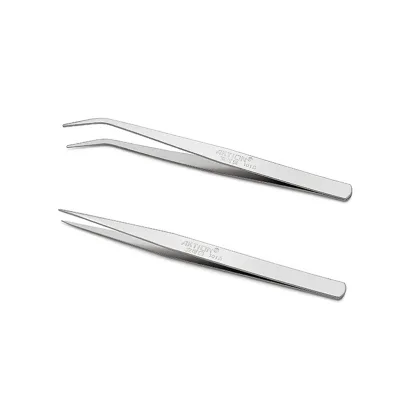
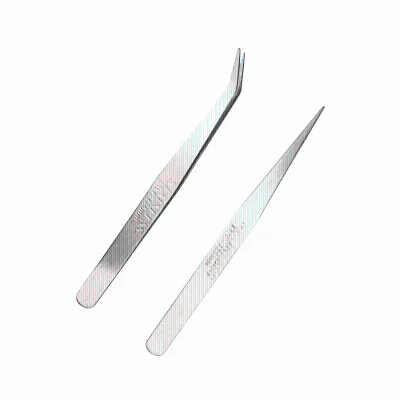
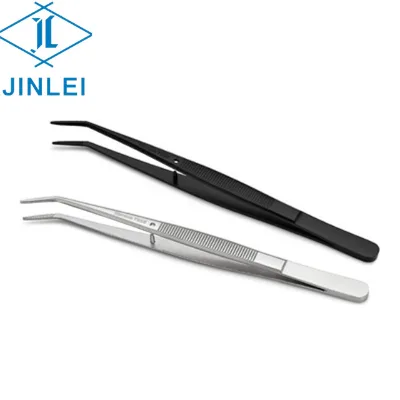
Then verify the product itself against listed attributes. For the sewing-oriented magnetic tweezers, listings state stainless-iron construction, 13.2 to 14.5 centimeter lengths in straight and elbow head variants, three-millimeter thickness and a silver finish; ask for photos or samples confirming the magnetic tip behaves as described and that the stated length options are actually available. For the ESD-style tweezers, listings show stainless-steel material, around 40HRC hardness, 110 to 125 millimeter standards and RoHS certification claims — request the actual certificate and check that the model number on the document matches the quoted model. Finally, confirm the supplier type directly: ask whether tweezers are produced in the supplier's own workshop or traded in, and request a business license or factory address you can cross-check. Suppliers whose product attributes are detailed and consistent across listings are generally easier to verify than those with sparse data.
What to Compare Across Magnetic Sewing Tweezers Suppliers
Build a comparison sheet using the dimensions visible on supplier and product listings. Price and quantity terms differ sharply between segments: sewing-accessory magnetic tweezers in current results are quoted at roughly 0.08 to 0.13 US dollars per piece with a 1,000-piece minimum order, while ESD anti-magnetic tweezers are quoted at 1.50 to 1.70 US dollars with a minimum of 50 pieces. That is not a quality ranking — it reflects different target markets, finishes and tolerances — but it shows why minimum order quantity and price must be compared within the same product type, not across segments. Lead time is another listing-level dimension: one trading-company result shows a 15-day lead time, and you should ask manufacturers to state theirs in writing for your specific quantity.
Also compare response time where displayed, noting that a supplier's published figure may not reflect weekend or holiday behavior. Compare main-products breadth: a supplier whose catalog is entirely sewing notions will handle your reorder differently from one whose core business is cleanroom consumables. Look for customization signals — one result explicitly lists customization as available, and another lists OEM and ODM support plus capabilities such as sample processing and customized-on-demand work. Check location against your logistics plan, and note company type (manufacturer, trading company, or both) as displayed. Do not assume every supplier displays every attribute; where a field such as establishment year or escrow status is missing, add it to your question list instead of guessing.
Common Magnetic Sewing Tweezers Sourcing Risks
The most common risk is category confusion. Because anti-magnetic, ESD and cleanroom tweezers share keywords with Magnetic Sewing Tweezers, search results mix electronics-assembly tools with sewing accessories, and a buyer can unknowingly quote a 120-millimeter ESD tweezer at 1.50 to 1.70 dollars when the actual need is a 14.5-centimeter sewing tweezer at a fraction of that price. Pin down the intended use, tip style (straight or elbow), length and magnetism expectation before soliciting quotes, and require suppliers to confirm the exact model number in writing. A second risk is magnetic-strength claims: listings may describe a tool as magnetic without stating pull force or coating, so samples should be tested against real needles before volume orders.
Other risks include minimum-order mismatch — sewing-style tweezers commonly carry 1,000-piece minimums that strand small buyers with inventory, while low-minimum ESD tweezers may not match sewing specifications — and packaging assumptions, since one listing specifies OPP-bag packing with stated unit weights while another specifies box packing. Confirm packing in the contract because retail-ready packaging versus bulk packing affects both cost and transit damage. Finally, beware of unverified listings with sparse attributes, quoted response times that do not hold in practice, and certificate claims (such as RoHS) that are never backed by documentation. Mitigate all of these by ordering pre-shipment samples, writing specifications into the purchase order, and staging payments rather than paying full amounts upfront to unverified counterparties.
Magnetic Sewing Tweezers Regional Sourcing and Logistics
Current results point to two Chinese origins with different logistics implications. The sewing-accessory tweezers list Zhejiang, China as their place of origin, and Zhejiang is consistent with the supplier's broader needlework catalog; sourcing there suits buyers consolidating mixed sewing-notion orders, since needles, pins, scissors and tweezers can ship together. The ESD tweezer supplier is located in Fujian, China, a coastal province with established export freight options, and its listed 15-day lead time is workable for routine replenishment though you should confirm whether that figure covers production only or production plus dispatch. Coastal origin in both cases favors sea freight for heavy volume and air courier for samples.
Plan logistics around weight and packaging data where listings provide it: one sewing-tweezer listing gives unit weights of roughly 12.3 to 12.5 grams per piece and a single-package size of 17.5 by 11 by 9 centimeters, with a stated single gross weight of 2.0 kilograms — use these figures to estimate carton counts and freight class before requesting shipping quotes. For cross-region consolidation, ask each supplier whether they can deliver to a forwarder's warehouse rather than shipping internationally from their own dock, which lets one consolidated container serve multiple suppliers. Confirm export documentation capability, incoterms and whether the supplier regularly ships to your market. Where a listing's origin attribute is missing, request the production address explicitly so your landed-cost model rests on facts rather than assumptions.
Magnetic Sewing Tweezers Commercial Terms and Order Planning
Commercial terms in this category split cleanly by segment, so plan orders per segment. For sewing-style magnetic tweezers, current listings show unit prices around 0.08 to 0.13 dollars, a 1,000-piece minimum, OEM and ODM support and a stated warranty of none — budget for samples and replacement tolerances rather than warranty claims. For ESD anti-magnetic tweezers, listings show 1.50 to 1.70 dollars per piece, a 50-piece minimum, customization availability and RoHS certification claims. When negotiating, ask whether the displayed price band corresponds to quantity breaks within your order size, and request the price applicable at your actual volume in writing, including packaging choice.
Structure the first order to test before committing: use the low-minimum supplier to trial ESD-style models, and consider a minimum-order sewing purchase only after sample approval, since 1,000 pieces of an unsuitable tweezer is costly to liquidate. Compare payment and protection options across suppliers — check whether transaction escrow or platform payment protection is offered, and do not assume it applies to every listing, since displayed terms vary. Record each supplier's response time, lead time (15 days is documented for one trading-company result), company type and location in your comparison sheet, and re-verify before repeat orders because listing data can change. Finally, align reorder cycles with the longer of lead time and your sales velocity, and keep a written specification sheet — model, length, tip type, finish and packing — attached to every purchase order so repeat orders match the approved sample exactly.
FAQs
What is the minimum order quantity for Magnetic Sewing Tweezers?
The minimum order quantity varies by supplier and product model. Some listings require 50 pieces for industrial tools, while others for sewing accessories start at 1000 pieces. Buyers should check specific product pages to confirm the exact MOQ before placing an order.
Where are these magnetic tweezers manufactured?
Manufacturing locations include China, specifically Fujian and Zhejiang provinces. These regions are known for producing stainless steel tools and sewing accessories. Buyers should verify the specific place of origin listed on the product details page to ensure it meets their sourcing requirements.
Do these tweezers meet RoHS certification standards?
Yes, many stainless steel anti-magnetic tweezers listed carry RoHS certification. This ensures the materials comply with restrictions on hazardous substances. Buyers looking for certified tools should verify the certification status in the product attributes section before finalizing their purchase decision.
What is the typical lead time for these products?
Lead times can vary, with some suppliers indicating a standard period of 15 days. Response times for inquiries are often around four hours. Buyers should confirm the specific delivery schedule with the supplier to ensure it aligns with their project timeline and production needs.
Are customization options available for these tweezers?
Customization is available for many models, including OEM and ODM support. Suppliers offer options for specific lengths, shapes, and finishes. Buyers needing tailored specifications should contact the supplier directly to discuss their unique requirements and confirm feasibility before placing a bulk order.
What materials are used to make these magnetic tweezers?
Most magnetic tweezers are constructed from high-quality stainless steel. Some models feature specific hardness ratings like 40HRC for durability. The material ensures they are non-magnetic and suitable for precision tasks in electronics assembly or detailed sewing work requiring fine control.
What is the price range for Magnetic Sewing Tweezers?
Prices vary significantly based on the model and quantity. Industrial tools may range from 1.50 to 1.70 per unit, while sewing accessories can be as low as 0.08 to 0.13 per unit. Buyers should review the specific price list for the desired product to get an accurate cost estimate.