Magnetic Therapy Back Stretcher Suppliers and Manufacturers
Explore 28 verified suppliers offering Magnetic Therapy Back Stretcher options with varying lead times, certifications, and response speeds. Buyers can compare product specifications, pricing, and customization availability to select the right partner. Contact suppliers directly to request quotes and verify production details.
Suppliers List
Guangzhou T&B Beauty Equipment Co., Ltd.
- Verified by BV
- Trading Company
- China Guangdong
- Lead time15 days
- Avg. response≤ 4h
Main productsTecar RF Physio Machine, Magneto Emtt Physio Machine, Shockwave Pain Relief Machine, Pressotherapy Slim Massage Machine, Hifu Face Lifting Machine, Fat Remove Machine, Endospheres Slim Machine, Trusculpt Flex ID Machine, RF Slim Machine
Main marketsSouth America,Southeast Asia/ Mideast,East Asia(Japan/ South Korea),Europe,Australia,North America


Electromagnetic Pulse Massage Pemf Mat Therapy Back Pain Relief Magnetic Mattress
$470.00 - $478.00
Moq: 1


Pulsed Electromagnetic Field Magnetic Therapy Bed Back Pain Pemf Mat Therapy
$999.00 - $1050.00
Moq: 1

Pemf Therapy Mat Magnetic Mattress Magnetotherapy Back Pain Physiotherapy Device
$775.00 - $785.00
Moq: 1

- Combined
- China Guangdong
- Lead time30 days
- Avg. response≤ 10h
Main productsFirst Aid Kits, Kinesiology Tape, Rigid Strapping Tape, Coach Tape, Lite Eab, Precut Kinesio, CPR Mask, Band Aid Box, Zinc Oxide Tape, Cohesive Bandage
Main marketsSouth America,Africa,Southeast Asia/ Mideast,East Asia(Japan/ South Korea),Domestic,Europe,Australia,North America

Guangzhou Kapha Electronic Technology Co., Ltd.
- Verified by TUVRHEINLAND
- Combined
- China Guangdong
- Lead time15 days
- Avg. response≤ 2h
Main productsShockwave Therapy, Magneto Therapy, Radio Frequency, Laser Therapy, Ultrasound Therapy, Ifc Therapy, Infrared Therapy
Main marketsOthers(foreignTradeCapacity.exportBusinessCapacityMarketOther),Europe,North America
HANGZHOU WEIZE IMP & EXP CO.,LTD
- Verified by SGS Group
- Trading Company
- Lead time3 days
- Avg. response≤ 2h
Main productsTourniquet, Gel Tube, Band Aid, Baby's Safety, Medical Compression Stockings
Main marketsWestern Europe(30%), North America(20%), Eastern Europe(10%)

- Verified by TUVRHEINLAND
- Trading Company
- China Anhui
- Lead time30 days
- Avg. response≤ 6h
Main productsDumbbells, Kettlebells, Barbells, Weight Plates, Crossfit Gym, Home Gym, Power Rack, Aerobic Step, Yoga Mat, Foam Roller
Main marketsEurope,Australia,North America

HEFEI MERRYBODY SPORTS CO., LTD.
- Verified by TUVRHEINLAND
- Trading Company
- China Anhui
- Lead time30 days
- Avg. response≤ 8h
Main productsDumbbell, Gym Ball, Exercise Mat, Boules Set, Bench, Foam Roller, Barbell, Pilate Ring, Pilate Products
Main marketsSouth America,Southeast Asia/ Mideast,East Asia(Japan/ South Korea),Europe,Australia,North America

Shanghai Pinxing Medical Equipment Co., Ltd.
- Verified by TUVRHEINLAND
- Combined
- China Shanghai
- Lead time15 days
- Avg. response≤ 6h
Main productsMobile Field Hospital, Medical Bed, Carbon Fiber Medical Equipment, ICU Bed, Mobile Operation Room, Emergency Rescue Equipment, Field Operation Lamp, Accessories for Medical Bed, Mobile Surgical Lamp, Portable Sink
Main marketsSoutheast Asia/ Mideast,Europe,North America

- Verified by TUVRHEINLAND
- Trading Company,Manufacturer/Factory
- China Jiangsu
- Lead time23 days
- Avg. response≤ 3h
Main productsMedal, Coin, Lapel Pin, PVC Patch, Embroidery Patch, Keychain, Button Badge, Silicone Wristband, Lanyards, Gift
Main marketsSouth America,Eastern Europe,Mid East,North America,Oceania,Western Europe

HANGZHOU WEIZE IMP & EXP CO., LTD.
- Verified by TUVRHEINLAND
- Trading Company
- China Zhejiang
- Lead time30 days
- Avg. response≤ 4h
Main productsProtective Mask
Main marketsAfrica,Southeast Asia/ Mideast,Europe,North America

Ningbo Finer Medical Instruments Co., Limited
- Trading Company,Manufacturer/Factory
- China Zhejiang
- Lead time23 days
- Avg. response≤ 21h
Main productsMedical Consumables, Medical Equipment, Hospital Furniture, Mobility Safety Aid, Daily Living Aid
Main marketsSouth America,Eastern Europe,Mid East,North America,Southeast Asia,Eastern Asia,Oceania,Western Europe,Africa

Beijing Sunrise Science&Technology Co., Ltd.
- Trading Company
- China Beijing
- Lead time15 days
- Avg. response≤ 4h
Main productsIPL Laser, Hair Removal Laser, 808nm Diode Laser, CO2 Fractional Laser, Cavitation, Hifu, ND YAG Laser, Tattoo Removal Laser, E-Light Beauty Machine
Main marketsSouth America,Africa,Southeast Asia/ Mideast,East Asia(Japan/ South Korea),Domestic,Europe,Australia,North America


Magnetic Ring Physical Therapy Equipment Magnetic Electromagnetic Therapy for Pain
$1799.00 - $1899.00
Moq: 1

Rehabilitation Physiotherapy Equipment Magnetic Ring EMS Ring Pain Relief Body Massage Machine
$1799.00 - $1899.00
Moq: 1


Guangzhou Shileva Medical Equipment Co., Ltd.
- Verified by TUVRHEINLAND
- Combined
- China Guangdong
- Lead time23 days
- Avg. response≤ 3h
Main productsHospital Bed, Medical Bed, ABS Trolley and Carts, ICU Bed, Hospital Trolley, Cabinet, Hospital Stretcher, Hospital Cart, Hospital Mattress, Stainless Steel Trolley and Carts
Main marketsSoutheast Asia/ Mideast,North America
Shanghai Tiger Fitness Industry Co., Ltd.
- Trading Company
- Shanghai, China
- Lead time30 days
- Avg. response≤ 4h
Main productsyoga mats,foam roller,massage products,yoga balls,stretch products
Main marketsWestern Europe(30.0%), Northern Europe(20.0%), North America(20.0%), Southern Europe(10.0%), Eastern Europe(10.0%), South America(10.0%)
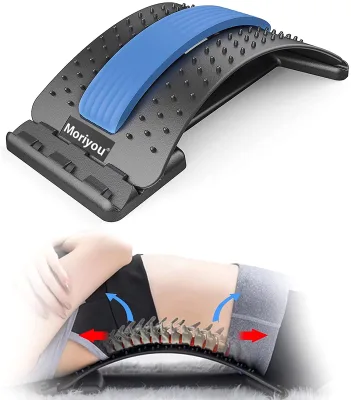
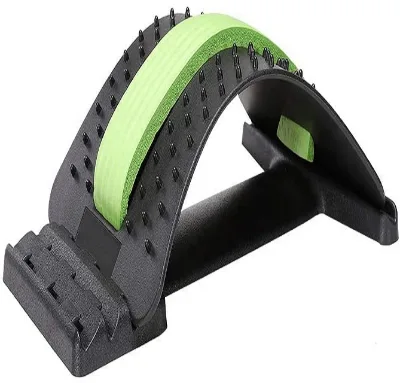
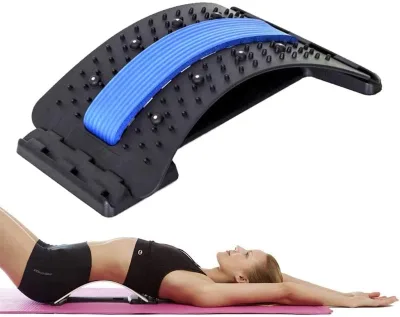
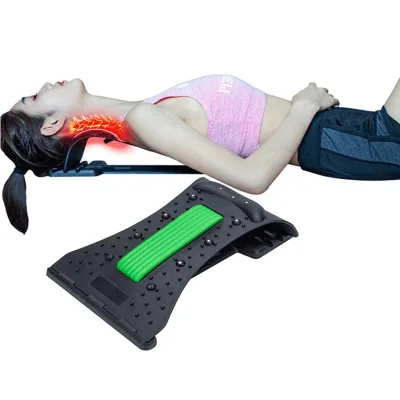
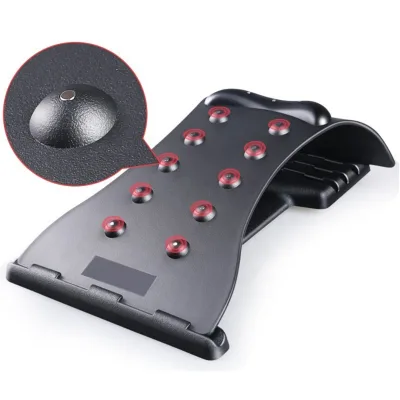
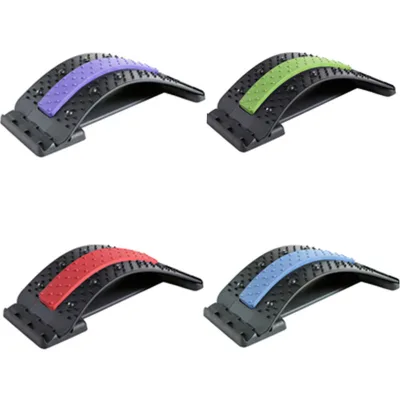
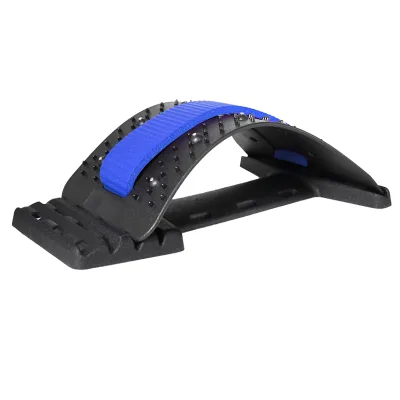
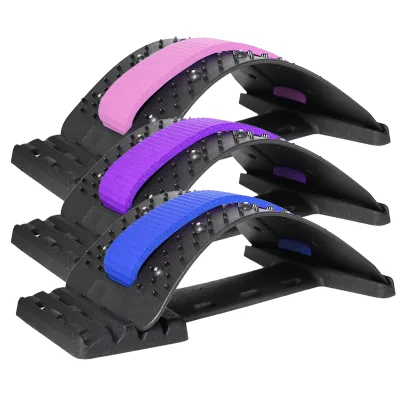
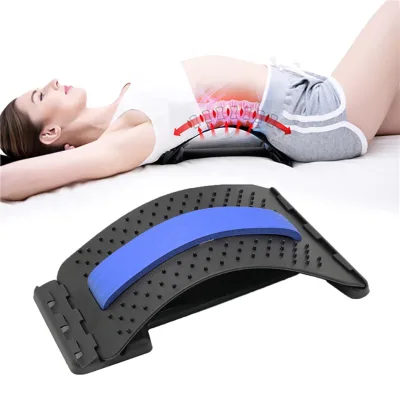
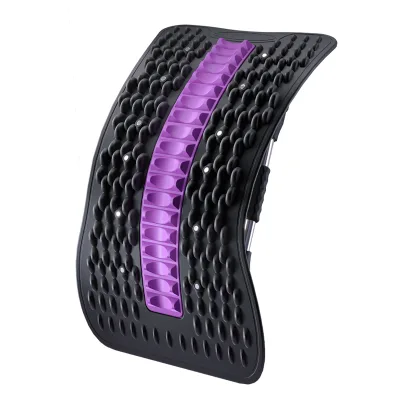
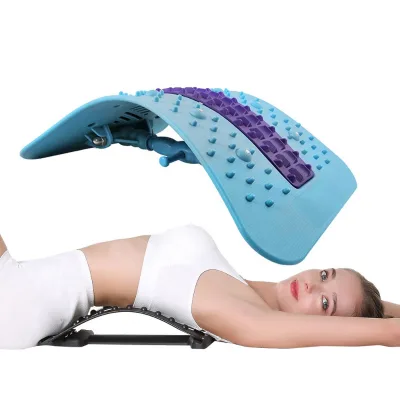
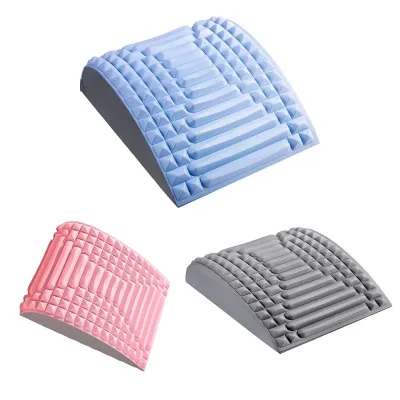
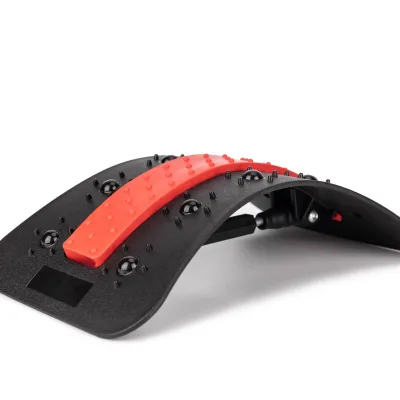
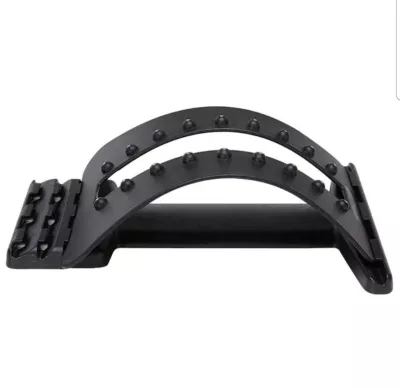
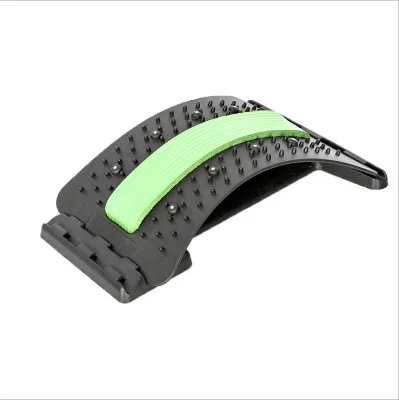
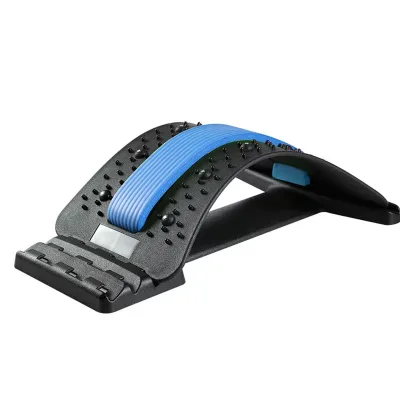
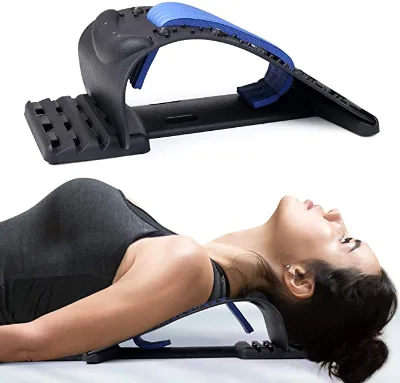
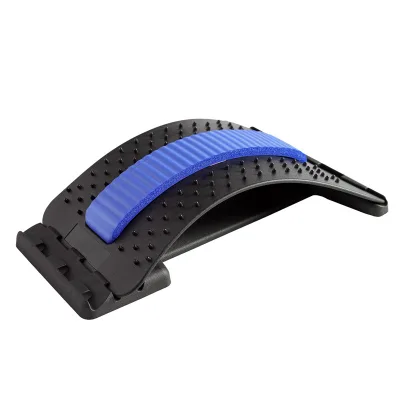
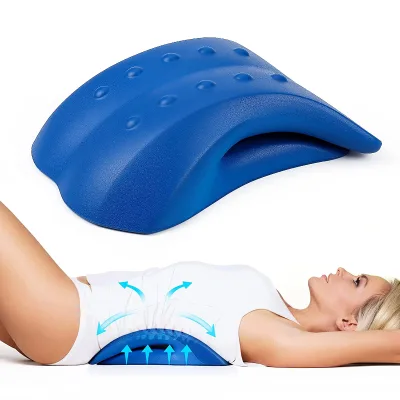
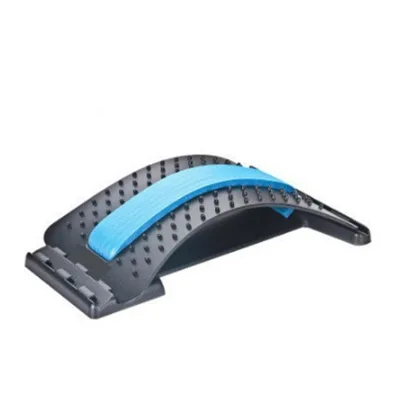
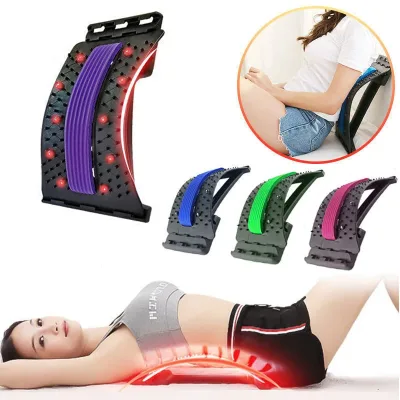
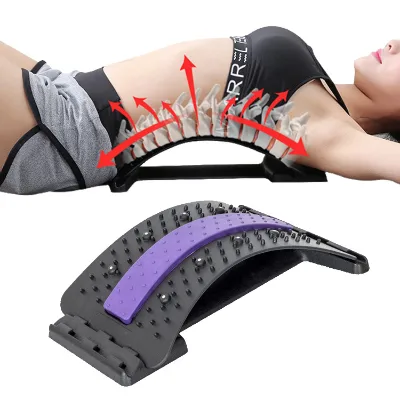
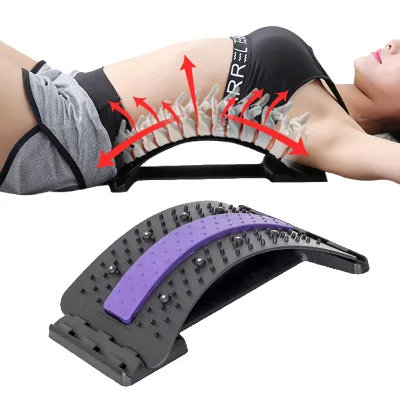
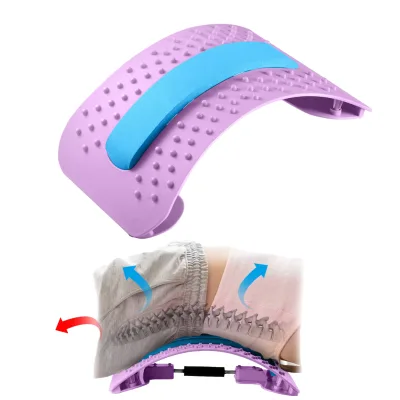
Best Selling Adjustable Lumbar Acupuncture Magnetic Massage Therapy Back Stretcher
$1.67 - $2.71
Moq: 100
Yigaote(Shenzhen) Technology Co., Ltd.
- Verified by TüVRheinland
- Trading Company
- Lead time0 days
Main productsBody Massager, LED Mask, Beauty Equipment, Toothbrush Sterilizer, Oral Care
Main marketsEastern Asia(40%), North America(30%), South America(10%)
Hubei Huangtai Electronic Technology Co., Ltd.
- Verified by SGS Group
- Manufacturer, Trading Company
- Lead time20 days
Main productsNeck Shoulder Massager, Massage Pillow, Massage Gun, Foot Massager
Main marketsNorth America(55%), Eastern Asia(20%), Domestic Market(10%)
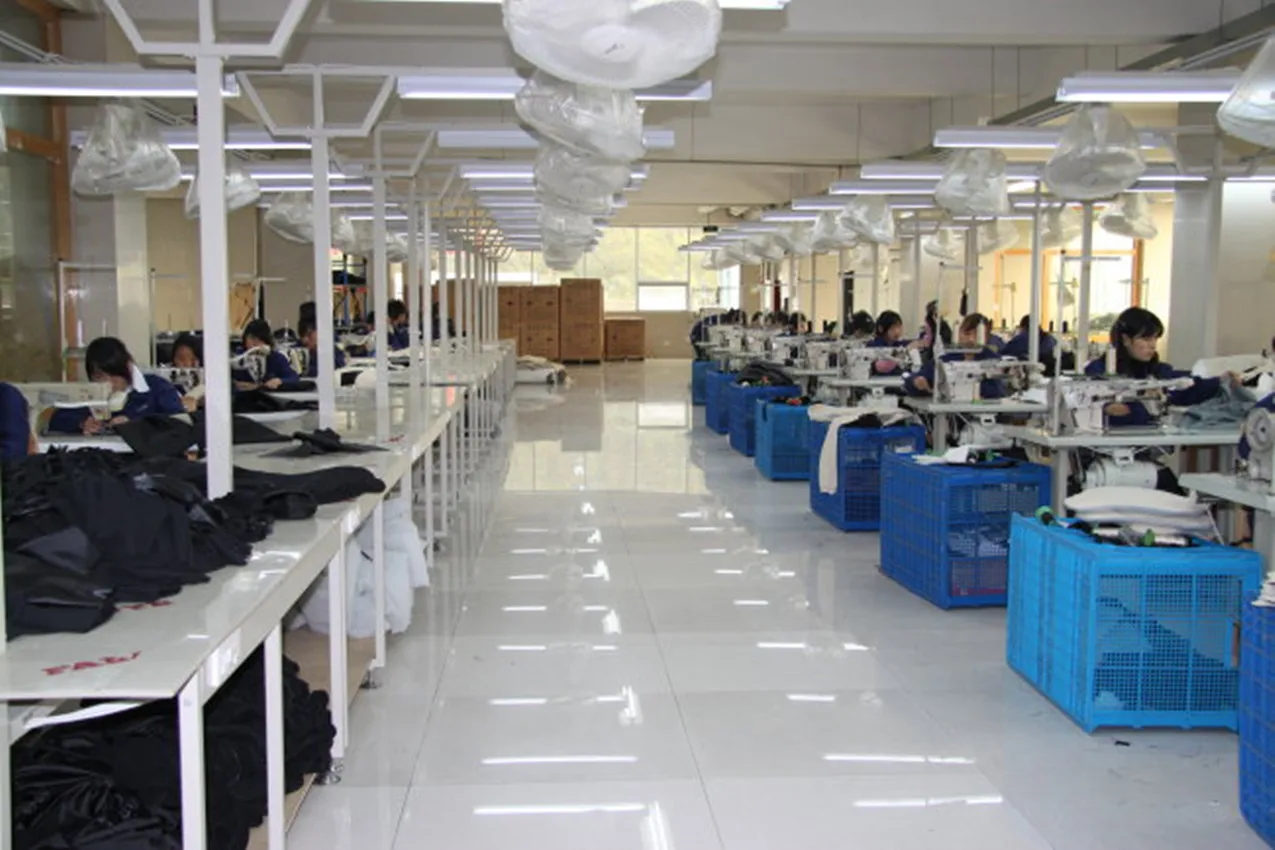
Hebei Zeyong Technology Co., Ltd.
- Trading Company
- Hebei, China
- Lead time15 days
- Avg. response≤ 2h
Main productsSports Protection,Sports clothes,Sports Shoes,Sports bags,outdoor products
Main marketsNorth America(30.0%), Eastern Europe(20.0%), Southern Europe(15.0%), Western Europe(10.0%), Eastern Asia(5.0%), Oceania(5.0%), South America(5.0%), Southeast Asia(5.0%), Northern Europe(3.0%), Mid East(1.0%), Africa(1.0%)
Shanghai Bylife Industrial Co., Ltd.
- Trading Company
- Lead time旺季: "1 - 1000":7,"> 1000":"To be negotiated", 淡季: "1 - 1000":7,"> 1000":"To be negotiated"
- Avg. response≤ 6h
Main productsHome textile,Bedding,pillow,baby product,comforter
- Verified by SGS
- Trading Company
- China Shaanxi
- Lead time15 days
- Avg. response≤ 7h
Main productsHifu Machine, Cryolipolysis Machine, Hair Removal Machine, Picosecond Machine, Slimming Machine, Hydra Cleaning Facial Machine, Shockwave Physical Machine, PDT LED Machine, Skin/Body/Scalp Analysis Machine, Skin Tightening
Main marketsSouth America
Shenzhen Youmei Electronics Co., Ltd.
- Manufacturer, Trading Company
- Guangdong, China
- Lead time15 days
- Avg. response≤ 9h
Main productsMassage Gun,High speed hair dryer,Health care,Fitness Accessories,Home Use Beauty Equipment
Main marketsNorth America(30.0%), Western Europe(20.0%), Northern Europe(10.0%), Southern Europe(10.0%), Southeast Asia(5.0%), Eastern Europe(5.0%), South America(5.0%), Eastern Asia(5.0%), Oceania(5.0%), Central America(3.0%), South Asia(2.0%)
Hebei Tebang Technology Co., Ltd.
- Verified by TüVRheinland
- Trading Company
- Lead time0 days
- Avg. response≤ 7h
Main productsMedical Bed, Protective Equipment, Wheelchairs, Outdoor Products, Sports And Fitness
Main marketsSoutheast Asia(18%), Africa(15%), Eastern Europe(10%)
Shenzhen Huayu Electronics Technology Co., Ltd.
- Manufacturer, Trading Company
- Guangdong, China
- Lead time15 days
- Avg. response≤ 3h
Main productsMenstrual Heating Pad, EMS Massage Belt, Light Shading Eye Mask, Heated Eye Massager Mask
Main marketsNorth America(30.0%), Western Europe(30.0%), Oceania(20.0%), Africa(10.0%), Southeast Asia(10.0%)
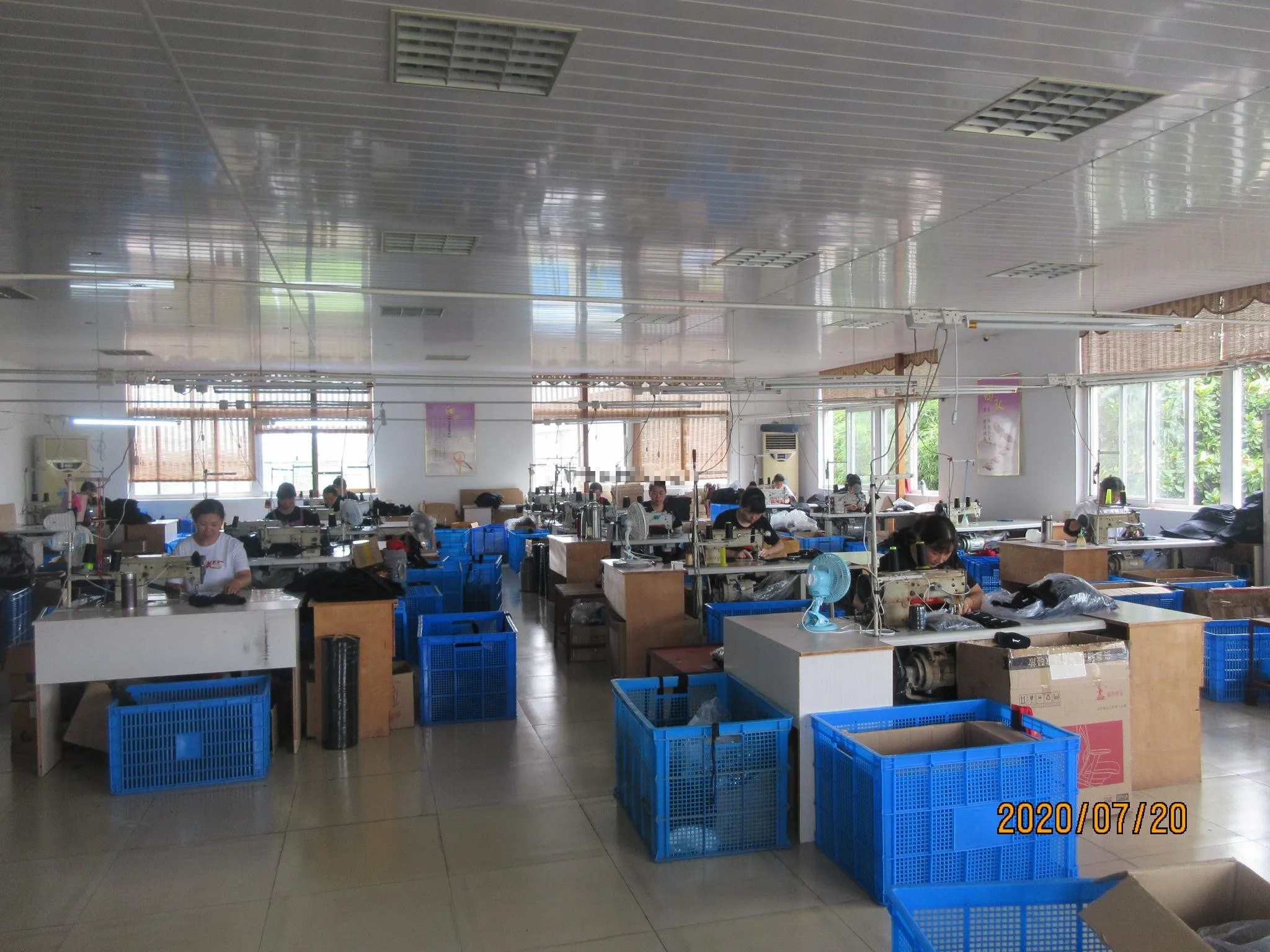
Shenzhen Baibaikang Technology Co., Ltd.
- Manufacturer
- Guangdong, China
- Lead time5 days
- Avg. response≤ 3h
Main productsNeck Stretcher,Migraine Ice Cap,Seat Cushion,Massage Gun,Sleep Pillow
Main marketsDomestic Market(30.0%), North America(25.0%), Southeast Asia(11.0%), Eastern Europe(10.0%), Oceania(6.0%), Mid East(3.0%), South America(3.0%), Western Europe(3.0%), Eastern Asia(2.0%), Northern Europe(2.0%), Africa(2.0%), Central America(1.0%), South Asia(1.0%), Southern Europe(1.0%)

PUYANG SELFAIDING INDUSTRIAL CO., LTD.
- Verified by SGS
- Manufacturer
- China Henan
- Lead time15 days
- Avg. response≤ 2h
Main productsAdult Bib, Pet Pad, Underpad, Baby Bib, Protective Panties, Washable Sanitary Pad, Compression Stockings, Patient Care Clothing, Pet Nest, Pet Toy

Henan Eminent Medical Devices Co., Ltd.
- Verified by TUVRHEINLAND
- Manufacturer/Factory
- China Henan
- Lead time23 days
- Avg. response≤ 3h
Main productsBarber Chair, Shampoo Chair/Bed, Massage Table, Nursing Bed/Hospital Bed, Medical Brace, Mirror Salon Station, Commder Chair, Bath Chair, Nail Table Desk, Wheelchair
Main marketsSouth America,Eastern Europe,Mid East,North America,Southeast Asia,Eastern Asia,Oceania,Western Europe,Africa

Henan Lebang Medical Instrument Co., Ltd
- Verified by SGS
- Combined
- China Henan
- Lead time15 days
- Avg. response≤ 2h
Main productsDiabetes Therapy Equipment, Transcranial Magnetic Stimulation Instrument, Brain Injury Therapy Instrument, Breast Disease Treatment Instrument, Chinese Medicine Directional Drug Penetration Th, Ultrasound Drug Introduction Instrument, Shockwave Therapy Machine, Neuromuscular Electrical Stimulation, Ultrasound Physical Therapy Instrument, Medium Frequency Electrotherapy Instrument
Main marketsSouth America,Africa,Domestic,Australia

Physical Therapy Magnetic Equipment Neck Pain Relief Magnetic Therapy China Physical Equipment
$1700.00 - $1900.00
Moq: 1

Magnetic Therapy Device and Physiotherapy Magnetic Therapy and Pemf Magnetic Therapy
$1650.00 - $2100.00
Moq: 1

Multifunctional Therapy Pain Relief Machine Magnetic Therapy for Pain Relief Therapy Equipment
$1700.00 - $1900.00
Moq: 1
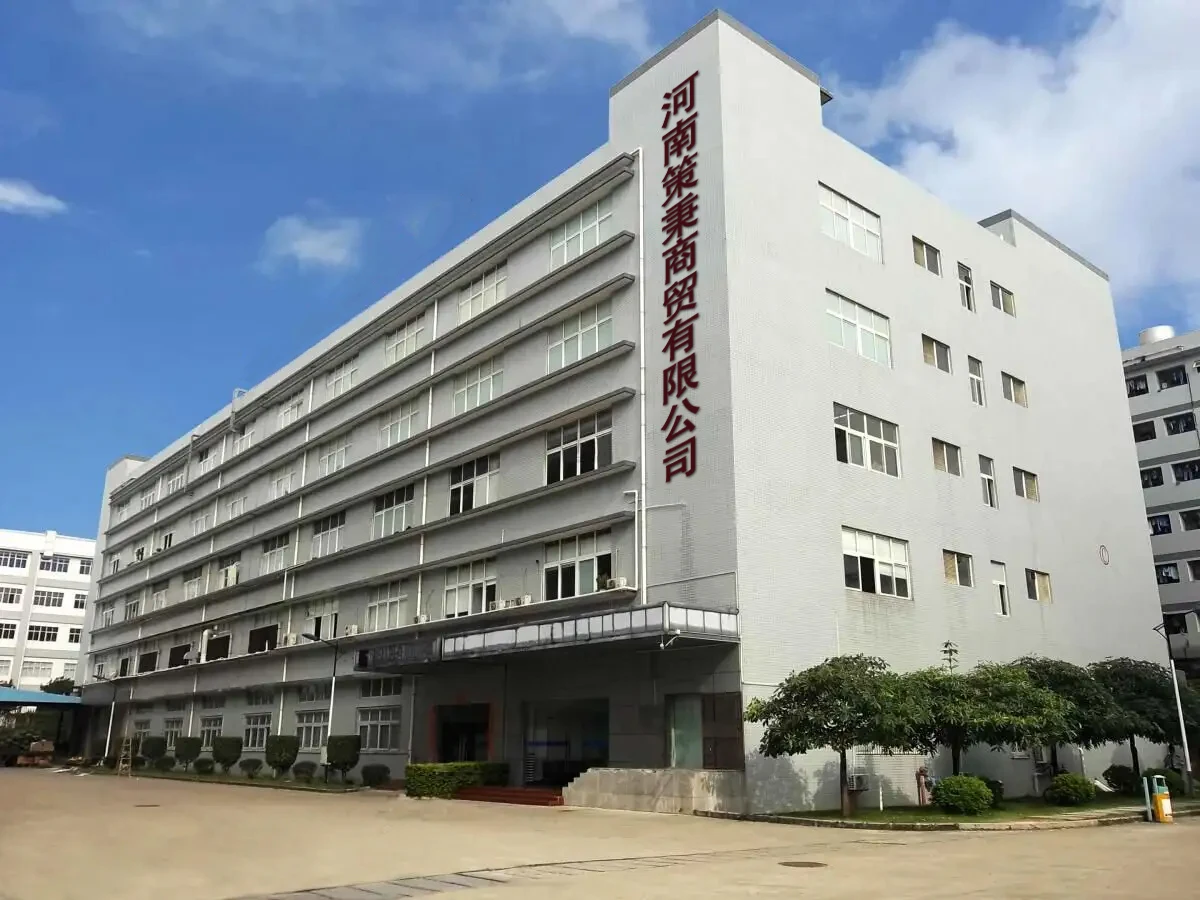
Zhengzhou Cebing Trading Co., Ltd.
- Trading Company
- Henan, China
- Lead time7 days
- Avg. response≤ 3h
Main productsHome & Gardening,Pet Supplies,Clothing & Accessories,Smoking Accessories,Consumer Electronics
Main marketsNorth America(80.0%), South Asia(2.0%), Southern Europe(2.0%), Northern Europe(2.0%), Central America(2.0%), Western Europe(2.0%), Mid East(2.0%), Oceania(2.0%), Africa(2.0%), Eastern Europe(2.0%), South America(2.0%)
Hengshui Hareselection Trading Co., Ltd.
- Trading Company
- Hebei, China
- Lead time0 days
- Avg. response≤ 1h
Main productsMen's Clothes,Sports Safety Goods,Yoga Wear,Sports Shoes
Main marketsNorthern Europe(20.0%), Africa(20.0%), North America(20.0%), South Asia(5.0%), Southern Europe(5.0%), Eastern Europe(5.0%), Central America(5.0%), Western Europe(5.0%), Mid East(5.0%), South America(5.0%), Southeast Asia(5.0%)
Leihu (Henan) Medical Devices Co., Ltd.
- Verified by SGS Group
- Manufacturer, Trading Company
- Lead time10 days
- Avg. response≤ 1h
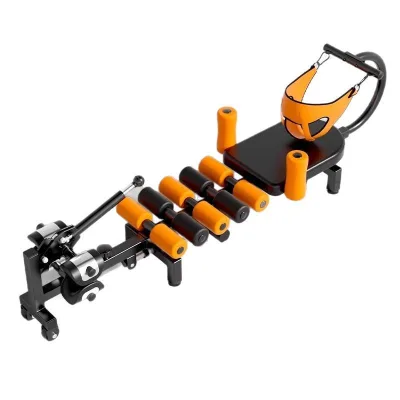
Main productsFull-Body Stretching Machine, Electric Wheelchair, Sleep Aid Device, External Fixation Brace
Main marketsMid East(17%), Southeast Asia(15%), Eastern Europe(12%)








Comprehensive Sourcing Guide
Magnetic Therapy Back Stretcher Supplier Concentration and Factory Types
The available data indicates a specific concentration of suppliers in China Guangdong, where trading companies and combined entities dominate the current results. These suppliers list diverse main products ranging from Tecar RF Physio Machines to First Aid Kits, suggesting that many vendors operate as multi-category trading firms rather than specialized single-product factories. The presence of a Trading Company type and a Combined company type in the observed results implies that buyers may encounter intermediaries who aggregate goods from various manufacturers rather than direct production units. This structure often allows for a broader catalog of items, such as magnetic therapy mats and emergency stretchers, but requires careful verification of the actual manufacturing source.
When evaluating the factory type, buyers should note that some suppliers offer OEM services and own brands, while others function primarily as trading entities. The observed results show a mix of capabilities, with some suppliers listing RD capacity for ODM and OEM work, which is a positive indicator for customization. However, the absence of specific factory establishment years in the provided facts means buyers cannot rely on historical data to gauge stability. Instead, the focus should be on the company type classification and the breadth of their product lines to determine if they are a dedicated manufacturer or a general trading partner. This distinction is critical for understanding the supply chain depth and the potential for direct communication with production teams.
How to Verify Magnetic Therapy Back Stretcher Suppliers
Verification processes for these suppliers often rely on third-party validation services, as evidenced by the BV verification status observed in the current results. Buyers should prioritize suppliers who have undergone such external audits to confirm their business legitimacy and operational capacity. The presence of BV verification is a concrete data point that distinguishes verified entities from unverified ones, providing a baseline level of trust regarding the company's existence and basic compliance. However, buyers must understand that verification status alone does not guarantee product quality or specific manufacturing capabilities, so it should be treated as a foundational step rather than a complete assurance.
Beyond basic verification, buyers must scrutinize product-specific certifications and standards to ensure safety and regulatory compliance. The observed product evidence includes CE certification for several magnetic therapy devices, which is a mandatory requirement for many international markets. Some listings also reference ISO and FDA certifications for related medical equipment like stretchers, indicating a higher level of regulatory adherence for those specific items. Buyers should request current certification documents for the exact models they intend to purchase, as the presence of a certification on one product does not automatically extend to all items in a supplier's catalog. This due diligence ensures that the specific Magnetic Therapy Back Stretcher meets the necessary safety standards for the target market.
What to Compare Across Magnetic Therapy Back Stretcher Suppliers
When comparing suppliers, response time is a critical metric for assessing communication efficiency and potential service quality. The observed data shows response times varying significantly, with some suppliers averaging around 3.18 hours while others take up to 9.14 hours. A faster response time often correlates with better customer service and a more agile supply chain, which is essential for resolving technical queries or customizing orders. Buyers should use this metric to filter out suppliers who may be slow to engage, as delayed communication can lead to misunderstandings regarding product specifications and order timelines.
Lead time and minimum order quantity (MOQ) are equally vital factors for planning inventory and cash flow. The current results indicate lead times ranging from 15 days to 30 days, with MOQs as low as 1 unit for some magnetic therapy mats and as high as 10 units for medical stretchers. These variations suggest that different suppliers have different production capacities and inventory strategies. Buyers must align their order volume with the supplier's MOQ to avoid unnecessary costs or stockouts. Additionally, the price range for similar products can vary, with some magnetic therapy mats listed between 470 and 478 dollars, while others range from 775 to 785 dollars. Comparing these price points alongside lead times helps buyers identify the most cost-effective and timely option for their specific needs.
Common Magnetic Therapy Back Stretcher Sourcing Risks
One significant risk involves the discrepancy between product descriptions and actual manufacturing capabilities, particularly when dealing with trading companies. The observed results show suppliers listing a wide array of main products, from physiotherapy machines to first aid kits, which may indicate a lack of specialized focus on magnetic therapy back stretchers. This broad product range can sometimes mask the fact that the supplier is merely reselling goods from third-party factories without direct quality control over the specific items. Buyers must verify that the supplier has direct access to the manufacturing process or a robust quality assurance protocol to ensure the product matches the advertised specifications.
Another risk is the potential for inconsistent certification coverage across a supplier's product line. While some products in the results display CE, ISO, or FDA certifications, others show no system certification or lack specific product-level validation. This inconsistency can lead to compliance issues if a buyer imports a product that lacks the necessary regulatory approvals for their region. The absence of a certification on a specific listing does not necessarily mean the product is non-compliant, but it requires immediate clarification from the supplier. Buyers should demand proof of certification for every unit they purchase, rather than assuming that a supplier's general reputation or the certification of a different product extends to the Magnetic Therapy Back Stretcher in question.
Magnetic Therapy Back Stretcher Regional Sourcing and Logistics
The primary sourcing region identified in the current data is China Guangdong, which serves as a major hub for medical and beauty equipment manufacturing. This concentration offers buyers access to a dense network of suppliers, potentially reducing shipping costs and lead times due to established logistics infrastructure. However, the specific origin of the products is listed as Guangdong, China (Mainland) for some items, while others simply state China. Buyers should confirm the exact port of origin to accurately calculate freight costs and transit times, as regional variations within China can impact shipping efficiency. Understanding the specific location helps in planning the logistics chain and anticipating any regional customs or regulatory requirements.
Logistics planning must also account for the physical dimensions and weight of the products, which vary significantly across different models. The observed product attributes include dimensions ranging from 67x42x13cm for smaller mats to 94x33x50cm for larger beds, with weights from 4kg to 8kg. These variations directly influence shipping costs, as larger and heavier items require more robust packaging and potentially different freight methods. Buyers should request detailed packing lists and standard dimensions for the specific models they are considering to ensure accurate freight quotes. Properly accounting for these physical attributes prevents unexpected cost overruns and ensures that the chosen shipping method can safely handle the product's size and weight during transit.
Magnetic Therapy Back Stretcher Commercial Terms and Order Planning
Commercial terms regarding customization and branding are essential for buyers looking to private label or modify products. The observed product evidence frequently lists customization as available, with some suppliers offering logo printing and others specifying "Without Logo Printing." This variation indicates that buyers must explicitly state their branding requirements during the inquiry phase to avoid receiving generic products. Additionally, the availability of OEM services suggests that suppliers can adapt the product design or features to meet specific market needs, but this often requires a higher MOQ or a longer lead time. Buyers should clarify these customization details early to ensure the final product aligns with their brand strategy.
Order planning must also consider the pricing structure and payment terms associated with different product models. The data shows price ranges for magnetic therapy mats varying from approximately 470 to 1050 dollars, depending on the model and features. Buyers should compare these prices against the MOQ and lead time to determine the total cost of ownership. For instance, a lower unit price might come with a higher minimum order requirement, affecting cash flow and storage costs. Furthermore, the presence of specific product models like TB-EM005B or SL-1A1 allows buyers to track inventory and request exact quotes for those SKUs. Clear communication about pricing tiers and order volumes ensures that the commercial agreement is transparent and mutually beneficial for both parties.
FAQs
What is the price range for magnetic therapy back stretchers?
Prices for magnetic therapy back stretchers vary by model and features. Some units start at 470 dollars while others reach 1999 dollars. Specific pricing depends on the product model and customization options selected by the buyer.
How long does it take to receive these magnetic therapy devices?
Lead times for magnetic therapy devices typically range from 15 to 30 days. The exact duration depends on the specific supplier and order volume. Buyers should confirm the estimated delivery date before placing an order.
Are these magnetic therapy machines available for customization?
Yes, many magnetic therapy machines offer customization options for buyers. Some models allow for logo printing and specific feature adjustments. Buyers should verify the customization availability with the supplier before finalizing their purchase.
What certifications do these magnetic therapy products hold?
Certifications for these products include CE, ISO, and FDA approvals. Some suppliers also hold BV verification status. Buyers must check the specific product listing to confirm which certifications apply to their selected model.
Where are these magnetic therapy back stretchers manufactured?
These magnetic therapy back stretchers are manufactured in Guangdong, China. The origin is listed as China Mainland for most products. Buyers should verify the specific production location on the product details page.
What is the minimum order quantity for these devices?
Minimum order quantities vary by product type and supplier. Some items require a minimum of one unit while others need ten units. Buyers must check the specific MOQ listed for each product model before ordering.
What types of magnetic therapy machines are available?
Available types include PEMF mats, magnetic therapy beds, and physical therapy machines. These devices often target pain relief, sports injuries, and blood circulation. Buyers can find various models with different frequencies and functions.