Modern Adjustable Wireless Ceiling Light Suppliers and Manufacturers
Find 31 verified suppliers offering Modern Adjustable Wireless Ceiling Light with ODM and OEM capabilities. Compare response times, lead times, certifications, and pricing ranges to source reliable products for engineering or home projects; review the available evidence before requesting comparable quotations from suitable candidates.
Updated
Suppliers List

Jiangmen Synno Lighting Co., Ltd.
- Verified by TUVRHEINLAND
- Combined
- China Guangdong
- Lead time30 days
- Avg. response≤ 4h
Main productsDownlight, Garden Light, Underground Light, Inground Light, Swimming Pool Light, LED Flood Lights, LED Track Lights, LED Under Water Light, LED Ceiling Light, Landscape Lighting
Main marketsSoutheast Asia/ Mideast

Ceiling Light Modern Indoor Ceiling LED Adjustable Downlight Recessed Down Light
$6.90 - $12.90
MOQ: 20 Pieces

Modern Indoor Adjustable Lighting Recessed Ceiling Downlight LED Down Light
$4.90 - $15.90
MOQ: 20 Pieces

Zhongshan Fansen Lighting CO., LTD.
- Verified by CTI
- Combined
- China Guangdong
- Lead time30 days
- Avg. response≤ 3h
Main productsLED Light, LED Downlight, LED Tracklight, LED Spotlight, LED Linearlight
Main marketsSoutheast Asia/ Mideast,Domestic


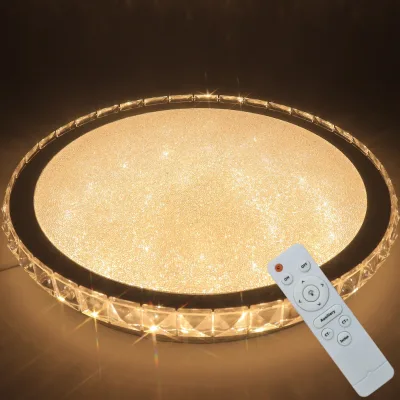
Adjustable Brightness Round LED Ceiling Light for Contemporary Interiors
$6.73 - $13.50
MOQ: 200 Pieces


- Manufacturer
- China Guangdong
- Lead time15 days
- Avg. response≤ 7h
Main productsChandelier, Crystal Chandelier, Ceiling Light, Pendant Light, Wall Light, Table Light, Floor Light, Modern Chandelier, LED Chandelier, Pendant Lamp
Main marketsEurope,North America

Shenzhen BBier Lighting Co., Ltd.
- Verified by BV
- Combined
- China Guangdong
- Lead time15 days
- Avg. response≤ 4h
Main productsE40/E27 LED Corn Lights, E40/E27 LED Garden Lights, E40/E27 LED High Bay Lights, Parking Lot LED Retrofit Kits, LED Wall Pack Lights, LED Canopy Lights, LED Gas Station Lights, LED Shoebox Street Lights, 360deg LED Tube Lights, 210deg LED Tube Lights
Main marketsSouth America,Africa,Southeast Asia/ Mideast,East Asia(Japan/ South Korea),Europe,Australia,North America


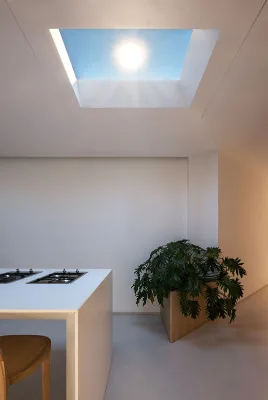
Smart Modern LED Ceiling Artificial Skylight Blue Sky Light for Living Room
$73.00 - $89.00
MOQ: 1 Pieces

90W Smart Control LED Skylight Ceiling Panel Light for Living Room Lighting
$90.00 - $150.00
MOQ: 5 Pieces

Smart Remote Control Embedded Clear Sky Light LED Skylight Ceiling Panel Light
$44.59 - $76.21
MOQ: 1 Pieces


Artificial Skylight Blue Sky Ceiling Lamp LED Skylight Ceiling Panel Light
$109.00 - $129.00
MOQ: 1 Pieces
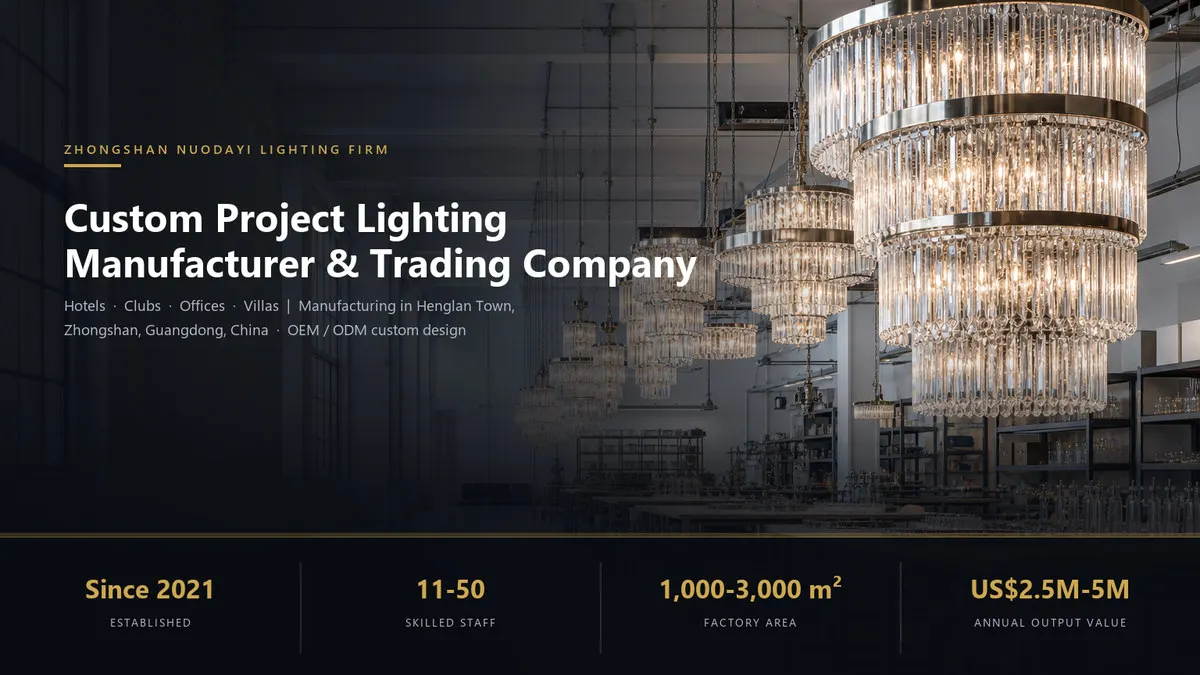
Zhongshan Nuodayi Lighting Firm
- Manufacturer, Trading Company
- Guangdong, China
- Lead time35 days
- Avg. response≤ 5h
Main productsChandelier,Table Lamp,Floor Lamp,Wall Sconce
Main marketsNorth America(55.00%), Western Europe(20.00%), Mid East(15.00%), Southeast Asia(10.00%)
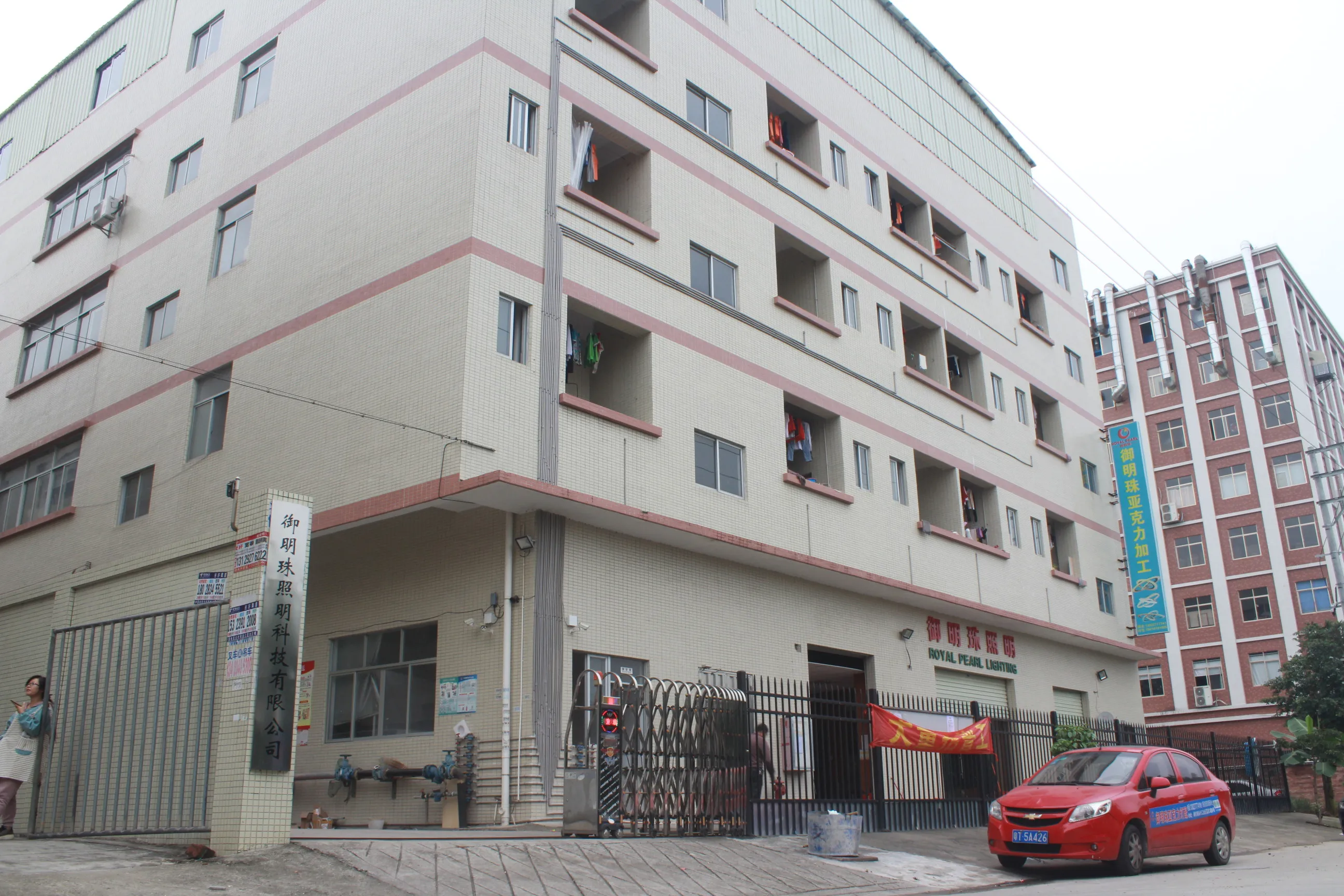
Zhongshan Kunyi Home Lighting Technology Co., Ltd.
- Manufacturer, Trading Company
- Guangdong Province, China
- Lead time45 days
- Avg. response≤ 14h
Main productspendant light,ceiling light,wall light,table light,floor light
Main marketsNorth America(50.00%), Central America(10.00%), Western Europe(10.00%), Mid East(10.00%), Eastern Europe(10.00%), South America(10.00%)
Zhongshan Kaijie Lighting Co., Ltd.
- Verified by SGS Group
- Manufacturer, Trading Company
- Lead time7 days
- Avg. response≤ 1h
Main productsChandeliers, Pendant Lamps, Ceiling Lamps, Wall Lamps, Aisle Lamps
Main marketsSouth America(35%), Eastern Europe(25%), Africa(11%)
Shanghai Homepower Industries Co., Ltd.
- Trading Company
- Shanghai, China
- Lead time5 days
- Avg. response≤ 7h
Main productsLed Swimming Pool Light,Led Innovative Gifts,Intellegient Toys,House hold tool,Promotional gifts
Main marketsNorth America(25.00%), Western Europe(15.00%), Eastern Europe(15.00%), South America(15.00%), Southern Europe(8.00%), South Asia(5.00%), Oceania(5.00%), Domestic Market(3.00%), Eastern Asia(3.00%), Northern Europe(2.00%), Southeast Asia(2.00%), Central America(2.00%)
Guangzhou Jiguang Lighting Co., Ltd.
- Verified by SGS Group
- Manufacturer, Trading Company
- Lead time15 days
- Avg. response≤ 5h
Main productsLED Light
Main marketsNorth America(80%), Eastern Asia(10%), Southeast Asia(5%)
- Verified by TüVRheinland
- Trading Company
- Lead time20 days
- Avg. response≤ 3h
Main productsChandelier, Wall Light, Ceiling Light, Toilet, Faucet
Main marketsAfrica(20%), Mid East(20%), Oceania(10%)
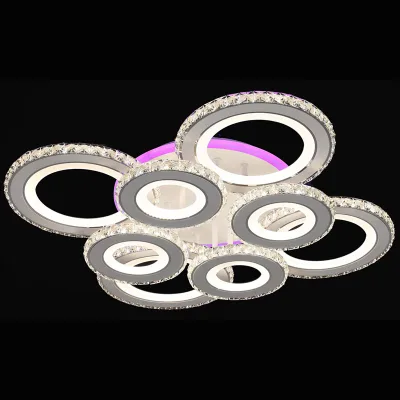
$21.9633 - $33.2538
MOQ: 5 pieces
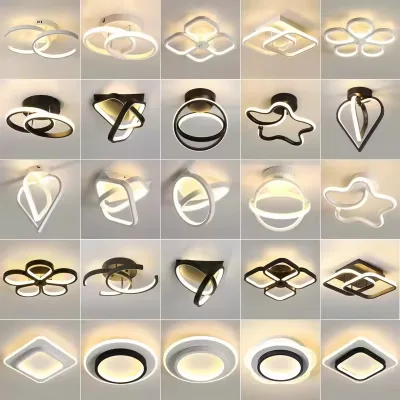
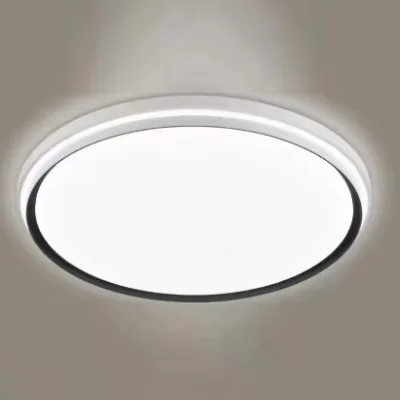
Zhejiang Cajoroy Optoelectronic Technology Co., Ltd.
- Verified by SGS Group
- Manufacturer, Trading Company
- Lead time15 days
- Avg. response≤ 3h
Main productsLed Solar Street Light, Led Stage Light, Led Ceiling Light, Led Panel Light, Led Flood Light
Main marketsNorth America(50%), Western Europe(30%), Mid East(10%)

Anhui Lanyou Lighting Technology Co., Ltd.
- Verified by BV
- Trading Company
- China Anhui
- Lead time15 days
- Avg. response≤ 7h
Main productsLED Sign, LED Bulb, LED Light, Project Design
Main marketsSouth America,Southeast Asia/ Mideast,East Asia(Japan/ South Korea),Europe,Australia
Zhongshan Hayvis Lighting Co., Ltd.
- Verified by Intertek
- Manufacturer, Trading Company
- Lead time30 days
- Avg. response≤ 6h
Main productsCeiling Light, Ceiling Fan Light, Chandelier, Floor Lamp, Table Lamp
Main marketsEastern Europe(36%), Western Europe(34%), North America(12%)
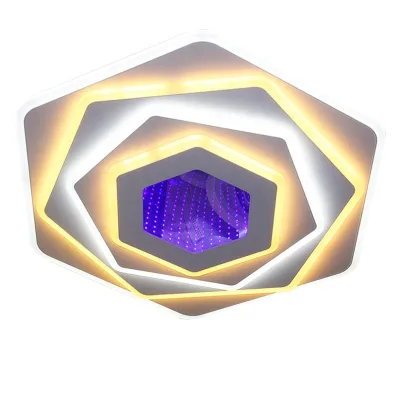
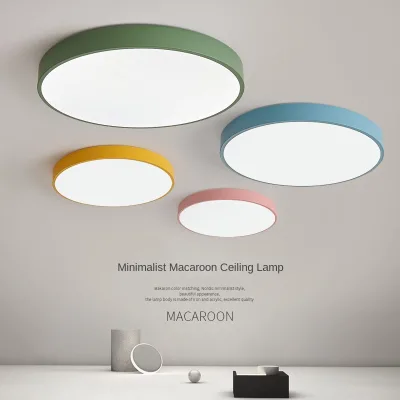
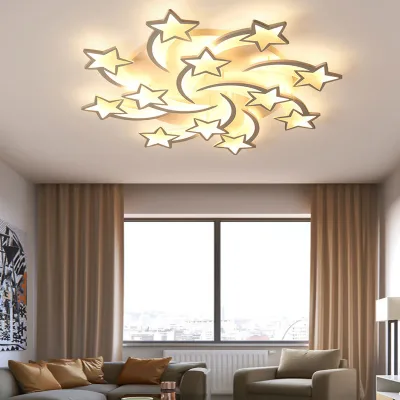
$17.3884 - $19.445
MOQ: 2 pieces
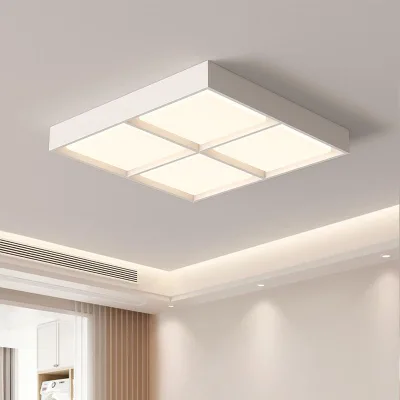
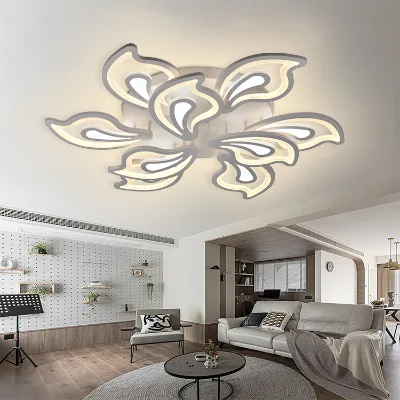

Zhongshan Chaolang Lighting Co., Ltd.
- Verified by SGS
- Combined
- China Guangdong
- Lead time30 days
- Avg. response≤ 1h
Main marketsEurope


Simple Creative Decor Adjustable Angle LED Ceiling Light for Living Room/Hotel/Bedroom
$4.00 - $6.00
MOQ: 100 Pieces


Modern Dual Color LED Ceiling Light with Multi-Head Design for Living Rooms
$20.00 - $25.00
MOQ: 100 Pieces

Zhongshan BeauLighting Technology Co.,Ltd
- Manufacturer, Trading Company
- Guangdong, China
- Lead time30 days
- Avg. response≤ 3h
Main productsCrystal Chandelier,Custom light,Outdoor lighting fixtures,wall lamp,ceiling light
Main marketsSoutheast Asia(25.00%), North America(20.00%), Africa(10.00%), Northern Europe(10.00%), Mid East(10.00%), Central America(5.00%), South Asia(5.00%), South America(5.00%), Southern Europe(5.00%), Eastern Asia(3.00%), Western Europe(1.00%), Eastern Europe(1.00%)

Shenzhen Enrich Lighting Co., Ltd.
- Trading Company,Manufacturer/Factory,Group Corporation,Other
- China Guangdong
- Lead time23 days
- Avg. response≤ 9h
Main productsLED Linear Light, LED Ceiling Light, Modern LED Pendant Lamp, LED Circular Chandeliers Light, LED Curved Profile Lighting, LED Curved Profile Light, LED Ring Suspended Light, LED Circular Suspended Light, LED Aluminium Profile Light, LED Ring Chandeliers Light
Main marketsSouth America,Eastern Europe,Mid East,North America,Southeast Asia,Eastern Asia,Oceania,Western Europe,Africa
Anhui Lanyou Lighting Technology Co., Ltd.
- Manufacturer, Trading Company
- Anhui Province, China
- Lead time30 days
- Avg. response≤ 4h
Main productsLED floodlight,LED panel light,LED downlight,LED corn light,LED light
Main marketsEastern Asia(25.00%), Africa(16.00%), Southern Europe(8.00%), Mid East(6.00%), South Asia(6.00%), South America(6.00%), Central America(6.00%), Northern Europe(5.00%), Southeast Asia(5.00%), Domestic Market(5.00%), North America(5.00%), Oceania(2.50%), Eastern Europe(2.50%), Western Europe(2.00%)
Zhongshan Lendian Opto-Electronic Technology Co., Ltd.
- Verified by SGS Group
- Manufacturer, Trading Company
- Lead time14 days
- Avg. response≤ 2h
Main productsLED Down Light/LED Panel Light/LED Track Light/LED Linear Light/LED Ceiling Light
Main marketsMid East(26%), Domestic Market(20%), Southeast Asia(15%)
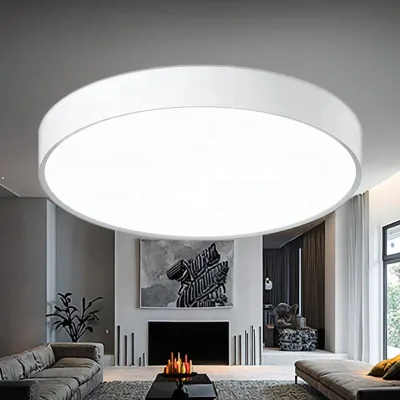
$22.6289 - $59.5927
MOQ: 100 Minimum
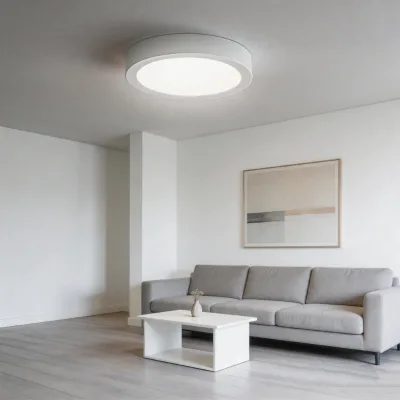
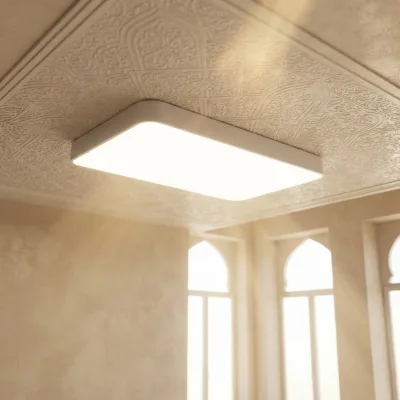

Zhong Shan Rima Lighting Co., Ltd.
- Verified by CTI
- Combined
- China Guangdong
- Lead time23 days
- Avg. response≤ 2h
Main marketsSoutheast Asia/ Mideast,Domestic,Europe,North America
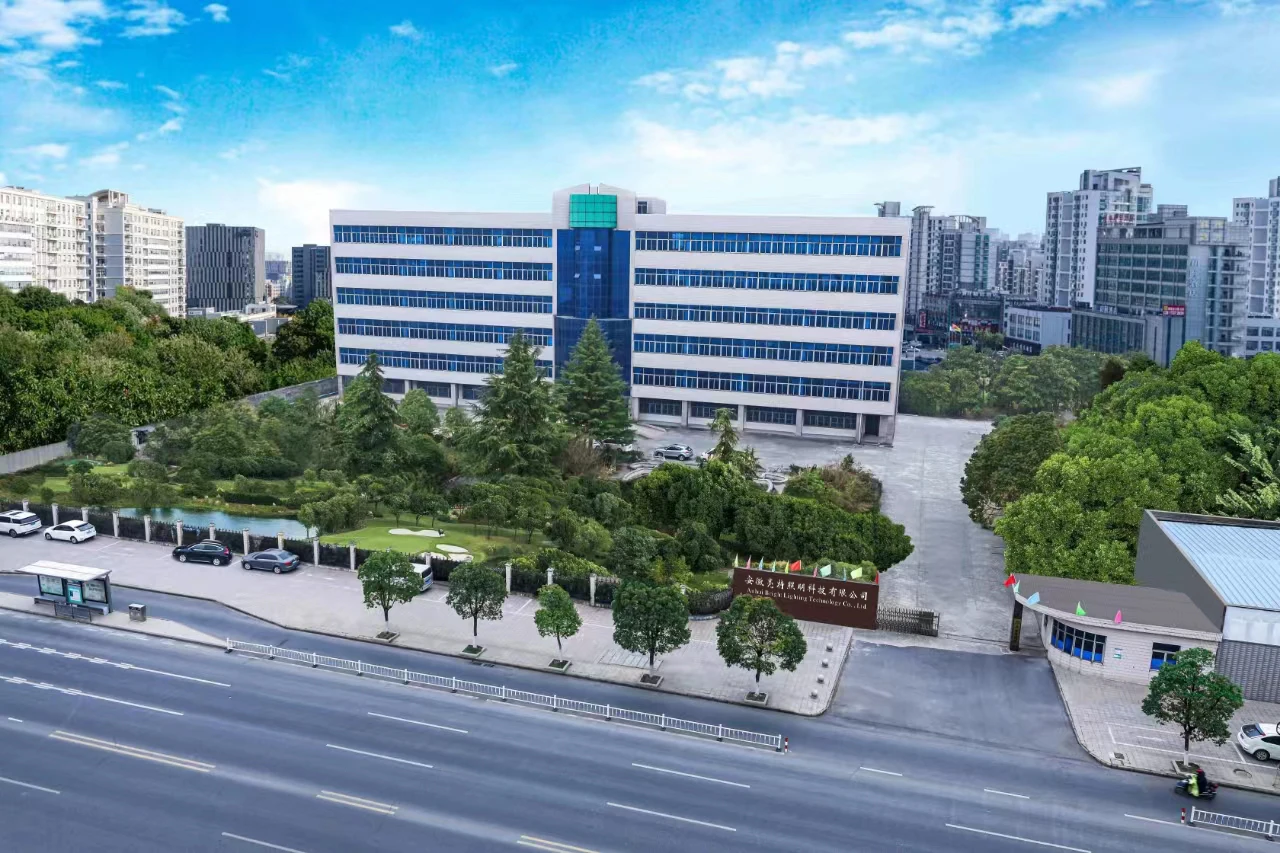
Anhui Lights Lighting Technology Ltd.
- Manufacturer
- Anhui, China
- Lead time7 days
- Avg. response≤ 2h
Main productsIndoor Lighting,Outdoor Lighting,Smart Lighting,Decorative & Home Lights,Commercial & Project Lighting
Main marketsNorth America(30.00%), Northern Europe(15.00%), Western Europe(10.00%), Eastern Asia(8.00%), Southeast Asia(7.00%), Central America(5.00%), South Asia(5.00%), Africa(5.00%), Mid East(5.00%), Southern Europe(4.00%), Eastern Europe(4.00%), South America(2.00%)
Shenzhen Lumin Lighting Co., Ltd.
- Manufacturer
- Guangdong, China
- Lead time15 days
- Avg. response≤ 7h
Main productsArtificial sky,health lighting,HCL lighting,LED linear light,smart led light
Main marketsWestern Europe(50.00%), Africa(30.00%), Southeast Asia(10.00%), Northern Europe(5.00%), North America(5.00%)
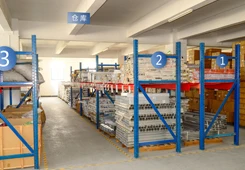
Zhongshan Haofeng Lighting Decoration Factory
- Manufacturer, Trading Company
- Guangdong, China
- Lead time15 days
- Avg. response≤ 5h
Main productsLinear Light,surface downlights,spotlights,Track spotlights,Office panel lights
Main marketsDomestic Market(50.00%), Southeast Asia(10.00%), North America(10.00%), Western Europe(8.00%), Southern Europe(3.00%), Africa(3.00%), Eastern Asia(3.00%), South Asia(2.00%), Mid East(2.00%), Eastern Europe(2.00%), Northern Europe(2.00%), Central America(2.00%), South America(2.00%), Oceania(1.00%)
Zhongshan Tpstarlite Lighting Co., Ltd.
- Manufacturer
- Guangdong, China
- Lead time15 days
- Avg. response≤ 3h
Main productsPendant Lamp,Wall Lamp,Mirror Lamp,Ceiling Lamp,Floor Lamp
Main marketsDomestic Market(100.00%), South Asia(100.00%), Southern Europe(100.00%), Northern Europe(100.00%), Central America(100.00%), Southeast Asia(100.00%), Western Europe(100.00%), Mid East(100.00%), Eastern Europe(30.00%), South America(30.00%), North America(15.00%), Oceania(10.00%), Africa(10.00%), Eastern Asia(5.00%)

Shenzhen Focus Lighting Co., Ltd.
- Verified by TUVRHEINLAND
- Manufacturer/Factory
- China Guangdong
- Lead time15 days
- Avg. response≤ 4h
Main productsMagnetic LED Track Lighting, LED Light Bulb LED Corn Light, LED Spot Light LED Downlight, LED Spotlight LED Track Light, LED Sensor Light Highbay LED High Bay Light, PAR20 PAR30 PAR38 LED Spotlight, LED Interior/Outdoor Lighting, LED Outdoor Lighting, LED Street Light LED Highmast Light, LED Flood Light
Main marketsSouth America,Eastern Europe,Mid East,North America,Western Europe

$44.80 - $49.80
MOQ: 10 Pieces

Contemporary Indoor High Power Round Mount WiFi Smart LED Ceiling Lights Light
$100.90 - $112.10
MOQ: 10 Pieces
Jianbian Lighting Technology (zhongshan) Co., Ltd.
- Verified by SGS Group
- Manufacturer, Trading Company
- Guangdong, China
- Lead time7 days
- Avg. response≤ 3h
Main productsRechargeable Cordless Table Lamp, Rechargeable Cordless Wall Lamp, Rechargeable Cordless Floor Lamp, Rechargeable Bulb, Rechargeable Light
Main marketsNorth America(20%), Western Europe(18%), Oceania(15%)

Guangzhou Guanhailou Building Materials Co., Ltd.
- Verified by TUVRHEINLAND
- Manufacturer/Factory
- China Guangdong
- Lead time15 days
- Avg. response≤ 24h
Main productsGypsum Boards, Galvanized Metal Profiles, Gypsum(Grg) Lighting Fixtures, Gypsum Grid Ceiling Tiles, Gfrp Moulds, Tee Grids, Gypsum Cornice Moulding, Gypsum 3D Wall Panels, Gfrg, MDF Boards
Main marketsSouth America,Eastern Europe,Mid East,North America,Southeast Asia,Eastern Asia,Oceania,Western Europe,Africa
Linyi Zhaohong Photoelectric Technology Co.. Ltd.
- Verified by SGS Group
- Trading Company
- Shandong, China
- Lead time30 days
- Avg. response≤ 3h
Main productsLED Lighting Products, Home Folding Desk Study Desk, Flower Mud, Outdoor Artificial Lawn, Home Decoration Crafts Artificial Plants
Main marketsEastern Asia(50%), Southeast Asia(20%), North America(8%)

Guangdong Laswim Water Environment Equipment Co., Ltd.
- Verified by BV
- Combined
- China Guangdong
- Lead time15 days
- Avg. response≤ 11h
Main productsSand Filter, Pool Pump, Pool Underwater Light, Salt Chlorinator, Heat Pump, Pool Ladder, Pool Plastic Fittings, Filtration Unit, Massage Products, Hydrotherapy Equipment
Main marketsSouth America,Africa,Southeast Asia/ Mideast,East Asia(Japan/ South Korea),Europe,Australia,North America

Yondon Lighting Technology (Guangzhou) Co., Ltd.
- Manufacturer
- Guangdong, China
- Lead time20 days
- Avg. response≤ 2h
Main productsSmart lighting fixtures,Smart LED Lighting System,Smart LED Dimmable Driver,Non-dimmable LED Driver,Smart Accessories
Main marketsDomestic Market(55.00%), South America(10.00%), North America(9.00%), Northern Europe(6.00%), Eastern Asia(6.00%), Western Europe(5.00%), Africa(5.00%), Southeast Asia(5.00%), Mid East(5.00%), South Asia(4.00%), Eastern Europe(2.00%)

How Bright Electronics Limited
- Trading Company
- China Guangdong
- Lead time23 days
- Avg. response≤ 3h
Main productsWall Lamp, Ceiling Lamp, Pendant Lamp, Spot Light, Down Light, Track Light
Main marketsSouth America,Africa,Southeast Asia/ Mideast,East Asia(Japan/ South Korea),Europe,Australia,North America

Hubei LiBaiChang Technology Co., Ltd.
- Verified by CTI
- Manufacturer/Factory
- China Hubei
- Lead time15 days
- Avg. response≤ 2h
Main productsSolar Home System, Outdoor Lighting, Emergency Products, Solar Aerator Pump, Solar Panel, Commercial Lighting Light, Solar Inverter, Indoor Light, Solar Fan, Solar Insect Killer Light
Main marketsSouth America,Eastern Europe,Mid East,North America,Southeast Asia,Eastern Asia,Oceania,Western Europe,Africa


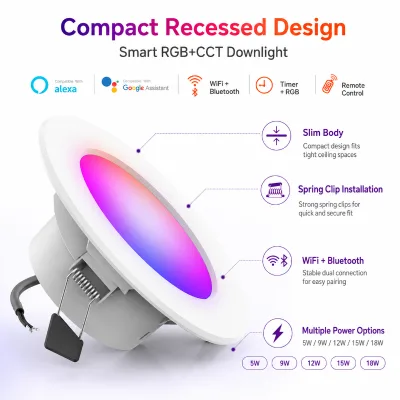
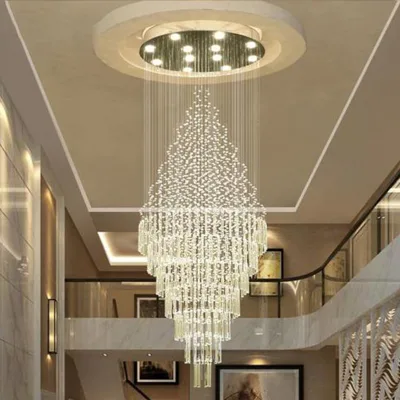


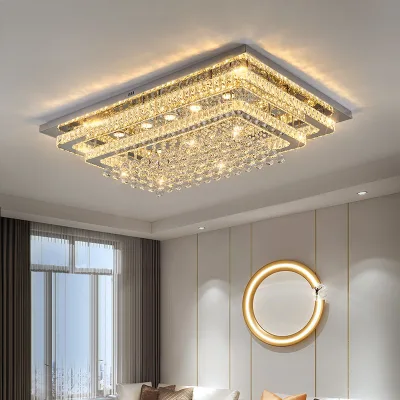
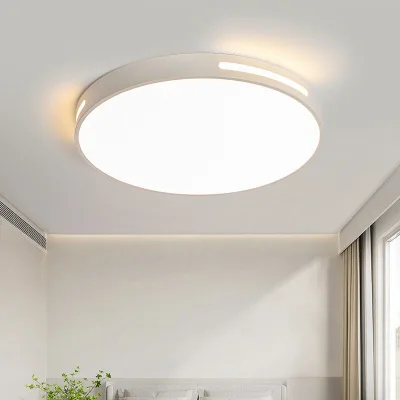




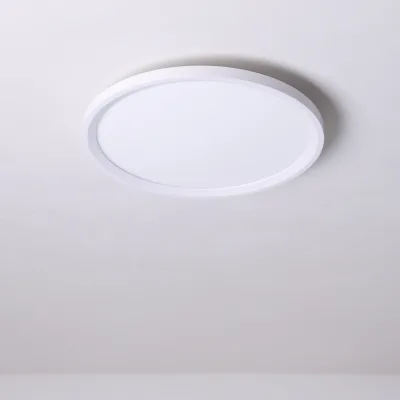
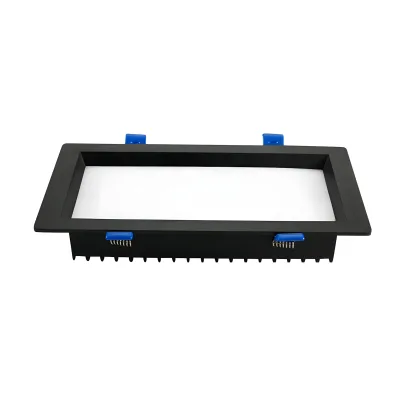






Comprehensive Sourcing Guide
Modern Adjustable Wireless Ceiling Light Supplier Concentration and Factory Types
The current supplier landscape for modern adjustable wireless ceiling lights reveals a distinct concentration in China’s Guangdong province, a region widely recognized for its robust electronics manufacturing ecosystem. This geographic clustering is not accidental but stems from decades of specialized infrastructure development that supports complex LED assembly and wireless component integration. When evaluating potential partners, buyers should prioritize suppliers located within this established industrial hub, as proximity to component suppliers often translates to faster prototyping cycles and more reliable supply chain resilience. The presence of combined company types in the results indicates a mix of trading entities and actual manufacturing facilities, requiring careful distinction during the initial vetting phase. Understanding this regional advantage helps buyers assess the likelihood of consistent quality control and the ability to scale production without significant logistical bottlenecks.
Factory types in this sector vary significantly, ranging from pure trading companies to integrated manufacturers with in-house research and development capabilities. The observed data highlights suppliers offering both OEM and ODM services, suggesting that many factories possess the technical agility to customize designs rather than merely producing off-the-shelf items. This distinction is crucial for buyers seeking unique product differentiation, as ODM capabilities imply access to proprietary designs and engineering support. Conversely, suppliers focusing solely on OEM may offer lower costs for standardized items but lack the flexibility for bespoke modifications. Buyers must therefore scrutinize the company type declaration to ensure alignment with their strategic goals, whether that involves rapid market entry with existing designs or long-term brand building through custom engineering. The concentration of such diverse operational models in Guangdong provides a competitive environment where buyers can negotiate better terms based on the specific service model required.
How to Verify Modern Adjustable Wireless Ceiling Light Suppliers
Verification of supplier credentials is a critical step in mitigating risk when sourcing modern adjustable wireless ceiling lights, particularly given the technical complexity of wireless integration and LED performance. The available data indicates that some suppliers hold third-party verification from entities like TÜV Rheinland and CTI, which serve as strong indicators of operational maturity and adherence to international quality standards. Buyers should actively seek out these verified badges, as they often correlate with rigorous internal processes and transparent business practices. However, verification alone is not a guarantee of product quality; it must be complemented by direct requests for specific product certifications. The observed product attributes list various certifications such as CE, EMC, LVD, RoHS, SAA, SASO, VDE, and CCC, which are essential for market access in different regions. Buyers must confirm that the specific models they intend to purchase carry the relevant certifications for their target markets, as generic supplier verification does not automatically extend to every SKU in a catalog.
Beyond certifications, buyers should evaluate the responsiveness and transparency of the supplier’s communication channels. The response times observed in the current results vary, with some suppliers demonstrating rapid engagement metrics while others show slower turnaround rates. A quick response time often reflects a well-organized sales team and efficient internal processes, which are vital for resolving technical queries regarding wireless protocols or dimming compatibility. Additionally, buyers should request detailed product specifications that match the observed attributes, such as LED chip brands (e.g., Bridgelux or CREE), base materials (aluminum), and diffuser types (polycarbonate). These details provide insight into the component quality and potential longevity of the fixtures. It is also advisable to ask for evidence of past performance, such as case studies or references from previous clients, to validate the supplier’s claims about their capabilities. By combining third-party verification badges with detailed technical due diligence, buyers can build a more accurate picture of a supplier’s reliability and technical competence.
What to Compare Across Modern Adjustable Wireless Ceiling Light Suppliers
When comparing suppliers, buyers should focus on key operational metrics that directly impact project timelines and cost efficiency. Lead time is a significant differentiator, with observed data showing a standard lead time of thirty days for production. This timeframe should be weighed against the buyer’s inventory requirements and project deadlines, as delays in wireless component sourcing can extend this period. Minimum order quantities (MOQ) also vary considerably, ranging from twenty units for certain models to two hundred units for others. Buyers with smaller initial orders may find the lower MOQs attractive, while those planning large-scale deployments might negotiate better pricing by meeting higher volume thresholds. Response time is another critical factor, with some suppliers demonstrating faster engagement speeds, which can be crucial for resolving urgent technical issues or customizing orders. Comparing these metrics side-by-side allows buyers to identify suppliers that best align with their operational pace and volume needs.
Product specifications and customization options provide further grounds for comparison, especially for modern adjustable wireless ceiling lights where design flexibility is paramount. The observed product attributes reveal variations in power ratings, ranging from nine watts to thirty watts, and different LED chip options that affect light quality and efficiency. Buyers should compare the warranty periods offered, which range from two to three years, as this reflects the manufacturer’s confidence in their product durability. Additionally, the availability of customization services, such as adjustable color temperature or specific dimming protocols, should be evaluated against the buyer’s specific application requirements. The observed certifications, including EMC and LVD, indicate compliance with electromagnetic compatibility and low voltage directives, which are essential for safety and performance. By systematically comparing these technical and commercial attributes, buyers can select suppliers that offer the best balance of quality, flexibility, and value for their specific sourcing objectives.
Common Modern Adjustable Wireless Ceiling Light Sourcing Risks
One of the primary risks in sourcing modern adjustable wireless ceiling lights is the potential mismatch between advertised wireless capabilities and actual performance. Buyers must be cautious of suppliers who do not provide detailed technical specifications regarding the wireless protocol, range, and compatibility with existing smart home systems. The observed product data mentions features like remote control switches and adjustable brightness, but it does not explicitly detail the wireless technology used, such as Zigbee, Wi-Fi, or Bluetooth. This ambiguity can lead to integration issues in the final installation, requiring costly retrofits or system replacements. To mitigate this risk, buyers should request comprehensive technical documentation that outlines the wireless architecture and testing results for interference and connectivity stability. Without this information, buyers risk investing in products that may not function seamlessly within their intended smart lighting ecosystems.
Another significant risk involves the variability in component quality, particularly regarding LED chips and drivers. The observed data lists various LED chip brands, including Bridgelux and CREE, but does not guarantee that every unit produced will use these specific components. Suppliers may substitute components to reduce costs, leading to inconsistencies in light output, color temperature, and lifespan. The observed warranty periods of two to three years suggest a baseline expectation of reliability, but buyers should verify the actual quality control processes in place. Additionally, the protection levels mentioned, such as IP20, indicate that some products are not suitable for damp or wet environments, which could lead to premature failure if installed incorrectly. Buyers must ensure that the selected products match the environmental conditions of their installation sites. By proactively addressing these technical and quality risks through detailed specification reviews and quality assurance protocols, buyers can avoid costly post-purchase issues and ensure long-term satisfaction with their lighting investments.
Modern Adjustable Wireless Ceiling Light Regional Sourcing and Logistics
Sourcing from the Guangdong region in China offers distinct logistical advantages due to its well-developed infrastructure and proximity to major shipping ports. This geographic concentration facilitates efficient transportation of goods, reducing transit times and costs for international buyers. The observed product origin data confirms that many suppliers are based in this province, leveraging the local ecosystem for raw materials and component sourcing. Buyers should consider the implications of this regional focus when planning their logistics, as consolidating orders from multiple suppliers in the same area can simplify shipping arrangements and reduce handling fees. Additionally, the established manufacturing clusters often have experience with export procedures, which can streamline customs clearance and documentation processes. Understanding these logistical benefits allows buyers to optimize their supply chain and reduce overall procurement costs.
However, buyers must also account for potential logistical challenges, such as customs regulations and import duties in their home countries. The observed certifications, including CE, RoHS, and CCC, indicate compliance with various international standards, but buyers must verify that these certifications are recognized in their specific markets. For instance, products intended for the European market must meet strict EMC and LVD requirements, while those for the US market may need UL or ETL certifications. Buyers should work with their freight forwarders to ensure that all necessary documentation is prepared correctly to avoid delays at customs. Additionally, the packaging standards observed, such as general boxes and cartons, should be evaluated for their ability to protect the fixtures during transit. Proper packaging is essential to prevent damage to the delicate wireless components and LED arrays. By carefully planning the logistics and ensuring regulatory compliance, buyers can leverage the regional advantages of Guangdong sourcing while minimizing potential disruptions.
Modern Adjustable Wireless Ceiling Light Commercial Terms and Order Planning
Commercial terms and order planning are critical components of a successful sourcing strategy for modern adjustable wireless ceiling lights. The observed price ranges, from approximately four dollars to nineteen dollars per unit, provide a baseline for budgeting, but buyers should negotiate based on volume and specific customization requirements. The minimum order quantities, ranging from twenty to two hundred units, offer flexibility for different order sizes, allowing buyers to start with smaller trials or commit to larger productions. Buyers should also consider the payment terms offered by suppliers, such as escrow services or letter of credit arrangements, to ensure financial security. The observed response times and lead times of thirty days should be factored into the order planning process to align with project schedules and inventory replenishment cycles. Effective communication with suppliers regarding these terms can help avoid misunderstandings and ensure smooth transaction execution.
Additionally, buyers should plan for post-order support and warranty claims, as these are integral to the total cost of ownership. The observed warranty periods of two to three years indicate a commitment to product reliability, but buyers should clarify the process for claiming warranty coverage, including return shipping costs and replacement procedures. Customization options, such as specific dimming protocols or aesthetic finishes, may incur additional costs and longer lead times, which should be accounted for in the initial order planning. Buyers should also consider the scalability of the supplier’s production capacity, especially if they plan to expand their orders in the future. By carefully evaluating commercial terms, order volumes, and support structures, buyers can develop a robust sourcing strategy that balances cost, quality, and reliability. This proactive approach ensures that the procurement process is efficient and aligned with the buyer’s long-term business objectives.
FAQs
What is the price range for modern adjustable ceiling lights?
Prices typically range from $4.90 to $19.20 per unit depending on specifications. Lower-cost options around $4.90 to $6.90 often feature basic aluminum construction and standard certifications. Higher-end models priced up to $19.20 may include advanced features like remote control switches or higher wattage outputs for brighter illumination in larger spaces.
What certifications are available for these LED ceiling lights?
Common certifications include CE, EMC, LVD, RoHS, SAA, SASO, VDE, and CCC. These ensure compliance with international safety and electromagnetic standards. Buyers should verify specific certificates for their target market, as availability varies by manufacturer and product model. Always request valid documentation before placing bulk orders to ensure regulatory compliance.
What is the typical lead time for manufacturing orders?
The standard lead time is approximately 30 days for production. This duration allows for material sourcing, assembly, quality testing, and packaging. Expedited options may be available for urgent requirements, but buyers should confirm specific timelines with suppliers. Planning for this window ensures timely delivery for project installations or inventory replenishment needs.
What is the minimum order quantity for these lights?
Minimum order quantities vary, with some suppliers requiring as few as 20 units. Others may set higher thresholds, such as 200 units, for certain models or pricing tiers. Buyers should check specific product listings for exact MOQs. Lower MOQs are ideal for testing new designs or small-scale renovation projects before committing to larger volumes.
Where are these suppliers located and how fast do they respond?
Most suppliers are located in Guangdong, China, a major hub for lighting manufacturing. Response times are generally efficient, averaging around 2.32 to 3.96 hours. This quick turnaround facilitates effective communication regarding customizations, pricing, and shipping details. Buyers can expect prompt replies when inquiring about product specifications or order status updates.
What materials and LED chips are used in these fixtures?
Housings are typically made from aluminum for durability and heat dissipation. Diffusers often use polycarbonate for even light distribution. LED chips commonly include Bridgelux or CREE brands, known for reliability and efficiency. These components ensure long lifespan and consistent performance. Buyers should confirm specific chip brands and material grades for quality assurance.
What warranty periods are offered for these ceiling lights?
Warranty periods typically range from 2 to 3 years. This coverage protects against manufacturing defects and premature failure. Buyers should verify the exact warranty terms with each supplier, as policies may vary. A longer warranty often indicates higher confidence in product quality and durability, providing greater peace of mind for commercial or residential installations.