Source Modern Adjustable Wireless Ceiling Light for Home, Engineering, Decoration
Find 30 Modern Adjustable Wireless Ceiling Light options from Guangdong suppliers. Compare models like SL-CL30B and FS3045-12 with varying wattages, certifications, and beam angles for room and engineering applications; compare the available evidence and request quotations based on your requirements.
Updated
Key considerations
Products List


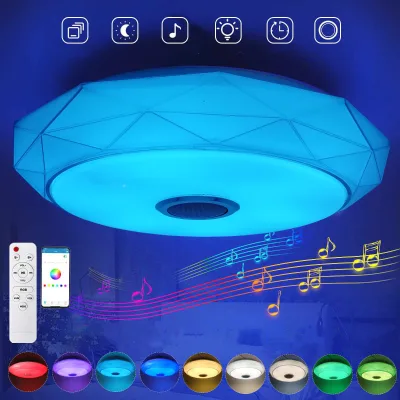
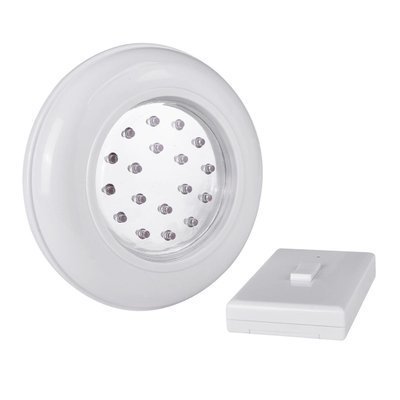
Adjustable Brightness Round LED Ceiling Light for Contemporary Interiors
$6.73 - $13.50
MOQ: 200 Pieces




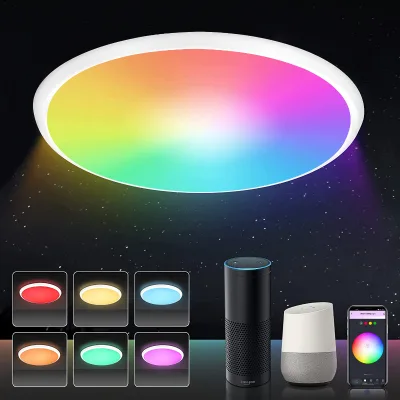
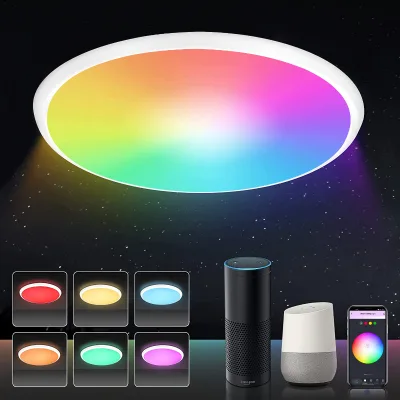
90W Smart Control LED Skylight Ceiling Panel Light for Living Room Lighting
$90.00 - $150.00
MOQ: 5 Pieces

Smart Remote Control Embedded Clear Sky Light LED Skylight Ceiling Panel Light
$44.59 - $76.21
MOQ: 1 Pieces


Artificial Skylight Blue Sky Ceiling Lamp LED Skylight Ceiling Panel Light
$109.00 - $129.00
MOQ: 1 Pieces

Indoor Smart APP Controlled LED Skylight Ceiling Panel Light for Living Room
$81.00 - $108.00
MOQ: 1 Pieces
Comprehensive Sourcing Guide
Modern Adjustable Wireless Ceiling Light Sourcing Guide
Procuring modern adjustable wireless ceiling lights requires a careful balance between aesthetic flexibility and technical reliability, particularly when integrating these fixtures into smart home ecosystems or commercial engineering projects. Buyers must first distinguish between true wireless battery-operated units and hardwired LED downlights that offer remote control or app-based adjustability, as the supplied data indicates a strong presence of AC-powered recessed models with remote capabilities. The observed product range includes specific models like the FS3045-12 and SL-CL30B, which feature aluminum construction and polycarbonate diffusers, suggesting a focus on durability and light quality rather than purely battery-dependent portability. Understanding this distinction is critical for defining the correct technical requirements, as wireless functionality often implies different maintenance cycles and power management strategies compared to traditional wired installations.
The sourcing landscape for these fixtures is dominated by manufacturers in Guangdong, China, who offer a wide variety of beam angles and color temperatures to suit diverse interior design needs. Observed listings highlight products suitable for indoor decoration and modern lamp applications, with power ratings ranging from 12W to 30W, allowing for precise lighting design in rooms or decorative settings. Buyers should note that while "wireless" is a key marketing term, many available units operate on standard AC input voltages of 100-240V, utilizing wireless remotes for control rather than battery power for illumination. This nuance affects installation complexity and long-term operational costs, making it essential for procurement teams to verify the actual power source and control mechanism before finalizing supplier selections.
Product Scope and Observed Listing Signals
The current market for modern adjustable ceiling lighting features a diverse array of recessed downlights designed for both home furnishing and engineering applications. Suppliers offer products with customizable features, including various beam angles such as 15, 24, and 36 degrees, which allow for targeted illumination in specific architectural contexts. The observed product models, including FS1060 and FS5223A-15, demonstrate a range of physical dimensions, from compact 60H75mm units to larger 142H113mm fixtures, catering to different ceiling cutout requirements and aesthetic preferences. This variety enables buyers to select fixtures that align precisely with their design specifications, ensuring seamless integration into modern interior spaces.
Packaging and origin data indicate that most suppliers are located in Guangdong, China, and utilize general boxes or cartons for shipping, which simplifies logistics for bulk orders. The presence of multiple LED chip options, such as Bridge Lux and CREE, suggests that buyers can prioritize specific light quality attributes based on their project requirements. Additionally, the availability of warm white emitting colors and high power factors of 0.9 highlights a focus on energy efficiency and visual comfort. These observed signals provide a clear picture of the available inventory, allowing procurement teams to make informed decisions based on tangible product attributes rather than vague marketing claims.
Technical Specifications to Verify
When evaluating modern adjustable ceiling lights, verifying the input voltage and electric current type is paramount to ensure compatibility with existing electrical infrastructure. The supplied data indicates that many units operate on AC input voltages ranging from 100-240V, which is standard for global markets, but buyers must confirm this for each specific model to avoid compatibility issues. Additionally, the power source classification is critical; while some products are described as having wireless remote controls, they often remain hardwired to the mains, which impacts installation requirements and safety considerations. Clarifying whether a unit is truly battery-powered or AC-powered with wireless control is a essential first step in the technical verification process.
Light quality and durability specifications, such as LED chip type, life expectancy, and protection levels, must be rigorously checked against project standards. Observed products feature LED chips from reputable brands like Bridgelux and CREE, with a stated life of 30,000 hours, which provides a baseline for long-term performance expectations. Buyers should also verify the IP rating, with many listed units offering IP20 protection, which is suitable for indoor dry environments but may not be appropriate for humid areas. Furthermore, the diffuser material, typically polycarbonate, affects light distribution and heat dissipation, so confirming these material properties ensures that the selected fixtures will meet both aesthetic and functional requirements over their operational lifespan.
Compliance and Safety Documentation
Certification requirements vary significantly by target market, and buyers must ensure that selected products meet the specific regulatory standards of their destination country. The observed listings frequently mention certifications such as CE, EMC, LVD, RoHS, and CCC, which are crucial for compliance in Europe and China. However, the presence of these certifications on a product page does not guarantee that every unit or batch is certified; buyers should request valid test reports and certificates from the supplier to verify authenticity. This due diligence is essential to avoid customs delays, legal liabilities, and potential safety hazards associated with non-compliant electrical products.
Beyond basic certifications, understanding the specific standards applied to each product model is vital for risk management. Some products reference standards like D75, D95, D115, and D145, which may relate to dimensional or performance criteria, while others cite electrical dimensions such as 83*70 mm. Buyers should clarify what these standards represent and ensure they align with local building codes and safety regulations. Additionally, verifying the warranty terms, which are often listed as two years, provides a layer of protection against early failures. A comprehensive review of all compliance documentation ensures that the procurement process remains robust and legally sound.
Cost Drivers and Commercial Terms
Pricing for modern adjustable ceiling lights is influenced by several factors, including LED chip quality, power output, and certification levels. The observed price range of 0.68 to 150 USD reflects this variability, with higher-priced units likely offering superior components, such as CREE chips, or additional features like advanced remote control systems. Buyers should analyze the cost per watt and the total cost of ownership, considering factors like energy efficiency and lifespan, rather than focusing solely on the initial purchase price. Understanding these cost drivers helps in making value-based decisions that align with budget constraints and performance expectations.
Minimum Order Quantities (MOQs) and lead times are critical commercial terms that impact supply chain planning. The observed MOQ range of 1 to 200 units offers flexibility for both small-scale projects and large bulk orders, allowing buyers to negotiate terms that suit their inventory needs. However, buyers should confirm lead times with suppliers, as production schedules can vary based on order volume and customization requirements. Additionally, packaging details, such as general boxes or cartons, affect shipping costs and handling requirements, so these should be factored into the overall commercial assessment. Clear communication on these terms ensures a smooth procurement process and minimizes unexpected costs.
Supplier Qualification and Quality Control
Selecting a reliable supplier is crucial for ensuring consistent product quality and timely delivery. Buyers should prioritize suppliers with a proven track record in manufacturing LED lighting products, particularly those located in established industrial hubs like Guangdong. Verifying the supplier's production capabilities, quality control processes, and after-sales support is essential to mitigate risks associated with defective products or poor customer service. Requesting samples before placing bulk orders allows buyers to physically inspect the product quality, including the build materials, light output, and control functionality, ensuring that the supplier meets their standards.
Quality control measures should be clearly defined and agreed upon with the supplier to maintain product consistency. This includes specifying acceptance criteria for visual defects, electrical performance, and packaging integrity. Buyers should also inquire about the supplier's testing procedures, such as burn-in tests and safety checks, to ensure that products meet the stated specifications. Establishing a clear communication channel for addressing quality issues and returns is equally important, as it facilitates quick resolution of any problems that may arise during the procurement process. A robust supplier qualification process lays the foundation for a successful and sustainable sourcing relationship.
Long-Term Procurement Checks
Long-term success in sourcing modern adjustable ceiling lights depends on continuous monitoring of product performance and supplier reliability. Buyers should establish key performance indicators (KPIs) to track metrics such as defect rates, delivery times, and customer satisfaction, allowing for data-driven decisions on future orders. Regularly reviewing supplier performance against these KPIs helps identify potential issues early and fosters a collaborative relationship focused on continuous improvement. Additionally, staying informed about industry trends and technological advancements ensures that the procurement strategy remains aligned with market demands and customer expectations.
Maintaining open communication with suppliers regarding product updates, certification renewals, and regulatory changes is essential for long-term compliance and competitiveness. Buyers should also consider the availability of spare parts and technical support, as these factors impact the total cost of ownership and customer satisfaction. By proactively managing these aspects, procurement teams can build a resilient supply chain that delivers high-quality products consistently. This strategic approach not only mitigates risks but also enhances the overall value proposition for end-users, ensuring that the sourced lighting solutions meet their functional and aesthetic requirements over time.
FAQs
What certifications do these LED downlights have?
These LED downlights hold CE, EMC, LVD, RoHS, SAA, SASO, VDE, and CCC certifications. This broad compliance ensures they meet international safety and electromagnetic standards for engineering and home furnishing applications. Buyers can verify specific certificates for their target markets before placing orders.
Can these lights be customized for specific projects?
Yes, customization is available for these LED downlights. Manufacturers offer options to tailor specifications to meet unique engineering or home furnishing requirements. Buyers should contact suppliers directly to discuss specific customization needs, such as beam angles or color temperatures, to ensure the final product matches their design intent.
What is the expected lifespan of these LED chips?
The expected lifespan of these LED downlights is 30,000 hours. They utilize high-quality Bridge Lux or CREE LED chips to ensure long-term reliability. This durability makes them suitable for continuous use in rooms and decoration projects, reducing maintenance frequency and long-term operational costs for buyers.
What input voltage range do these fixtures support?
These fixtures support an input voltage range of 100-240V AC. This wide range ensures compatibility with various global power standards. The power factor is 0.9, indicating efficient energy usage. Buyers can install these lights in different regions without needing additional voltage conversion equipment for standard operations.
What materials are used in the construction of these lights?
These LED downlights are constructed primarily from aluminum. The housing provides durability and heat dissipation, while the diffuser is made of polycarbonate. This material combination ensures structural integrity and effective light distribution. The aluminum body also contributes to the modern aesthetic suitable for indoor decoration and engineering applications.