Source Rechargeable Dimmable Table Lamp for Reading Room, Restaurant, Office
Find 30 Rechargeable Dimmable Table Lamp options with LED light sources and modern designs. Compare specifications like color temperature, power supply, and certifications from verified suppliers in Guangdong, China; compare the available evidence and request quotations based on your requirements.
Updated
Key considerations
Products List

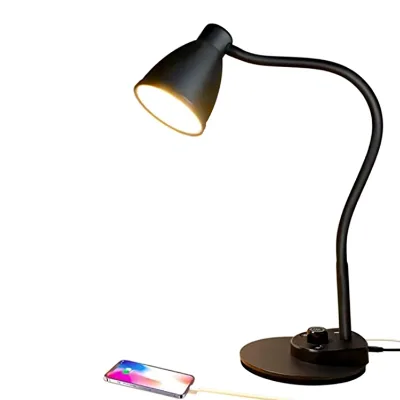


Dimmable Lamp with Color Changing RGB Portable Touch Lamp Rechargeable Table Lamp
$3.00 - $6.00
MOQ: 3000 Pieces
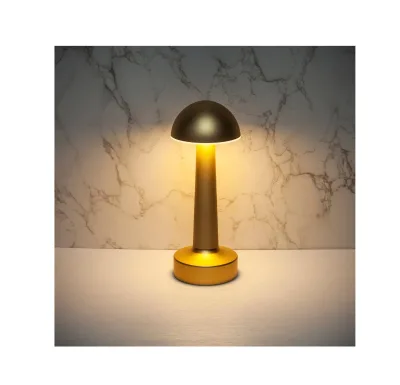


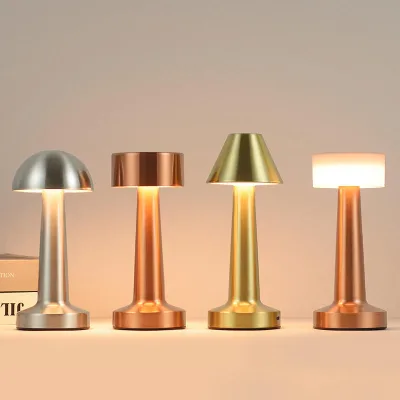


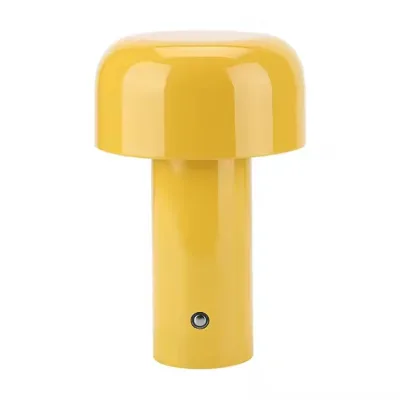
Mini Table Lamp Rechargeable Table Lamp Cordless Creative Bedroom Desk Lamp
$6.23 - $6.78
MOQ: 1000 pieces
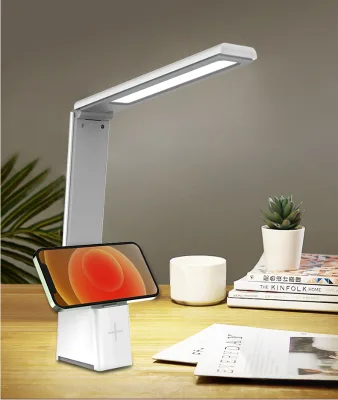
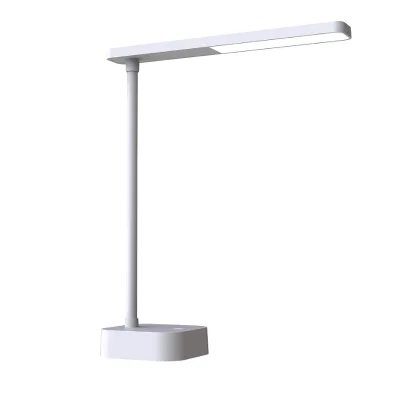
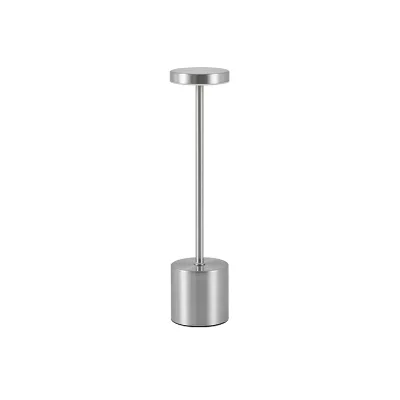
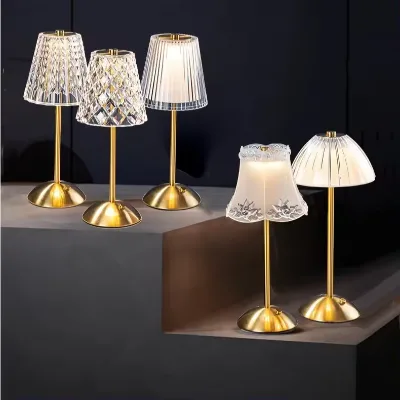
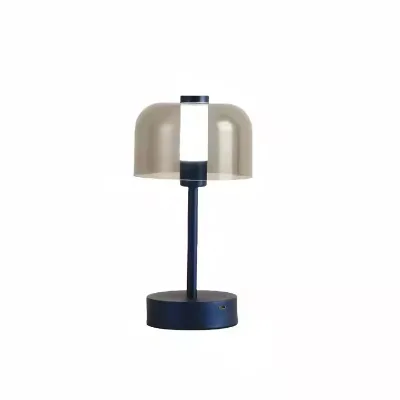

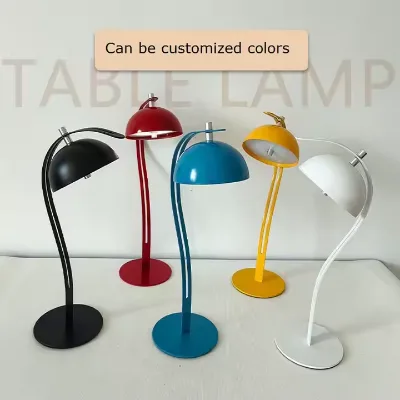
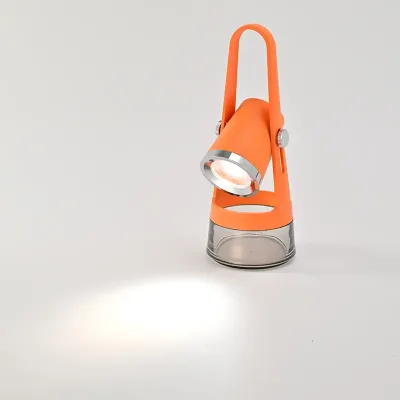
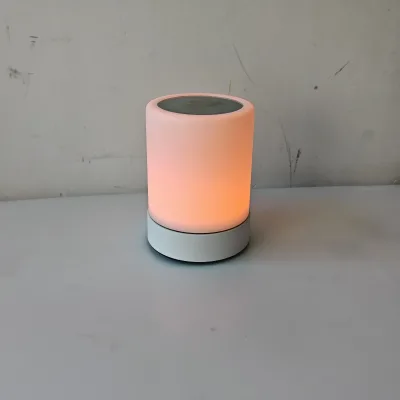
Comprehensive Sourcing Guide
Rechargeable Dimmable Table Lamp Sourcing Guide
Sourcing rechargeable dimmable table lamps requires a careful balance between portable convenience and reliable illumination for specific environments. Buyers must first define the intended use case, as observed listings indicate applications ranging from reading rooms to restaurant settings. The core appeal lies in the dual power capability, allowing devices to function on battery or direct current, which ensures uninterrupted service during power fluctuations or in off-grid locations. Understanding these operational contexts helps in selecting the correct form factor and light output specifications.
The market offers a variety of design styles, including modern and European aesthetics, with frame materials typically constructed from iron or aluminum. Buyers should note that customization is often available, allowing for tailored branding or specific color options such as black, white, or pink. However, the presence of a rechargeable feature does not always align with every listed product; some items may rely on standard AC input or specific battery configurations like AA cells. Clarifying the power source requirement early in the inquiry process prevents mismatches between supplier offerings and actual operational needs.
Product Scope and Observed Listing Signals
Current market signals reveal a diverse range of product attributes that buyers must navigate when evaluating suppliers. Observed listings show a price range from 1.1 to 35 USD, with minimum order quantities varying significantly from 2 to 5000 units. This wide variance suggests that both sample procurement and bulk manufacturing are feasible, but buyers must verify if the quoted price includes tooling or customization fees. The presence of foam packaging or inner color boxes indicates varying levels of retail readiness, which impacts logistics and final presentation costs.
Technical observations highlight specific performance metrics that define product quality. For instance, some units boast a color temperature range of 11000-13000K, while others offer a warmer 3000-6500K spectrum. Luminous flux values observed include 300 lumens and 160 lumens, with power consumption as low as 3 watts. Buyers should cross-reference these figures with the claimed lumen output to ensure consistency. Additionally, the inclusion of features like touch switches or three-stop dimming adds functional value but requires verification of the control mode, whether it is switch-based or touch-sensitive.
Technical Specifications to Verify
Verifying technical specifications is critical to ensuring the lamp meets functional requirements. Buyers must confirm the input voltage, which can range from DC 5V to 3.7V battery inputs, and ensure compatibility with existing charging infrastructure. The working temperature range is another vital parameter, with observed limits spanning from -20°C to 30°C or up to 50°C depending on the model. These ranges dictate where the lamp can be safely deployed, particularly in extreme climates or enclosed fixtures.
Light source characteristics also require close scrutiny. While many listings specify LED technology, the actual bulb base and shade material can vary, with plastic shades being common. The beaming angle, often observed at 60°, affects the spread of light and suitability for task lighting versus ambient illumination. Buyers should also verify the working time, with some units claiming up to 50,000 hours, and check the color rendering index, typically around Ra 80, to ensure accurate color representation in reading or dining environments.
Compliance and Safety Documentation
Compliance documentation is non-negotiable for international trade, particularly for electronic lighting products. Buyers must request certificates such as RoHS, CE, and VDE to ensure adherence to environmental and safety standards. Some suppliers may provide additional certifications like EMC, Energy Star, FCC, LVD, PSE, or SAA, which are crucial for specific regional markets. Verifying the validity and scope of these certificates prevents customs delays and ensures the product meets local regulatory requirements.
Electrical safety is paramount, especially for rechargeable devices. Buyers should inquire about the IP rating, with observed values like IP20 indicating protection against solid objects but not water. This rating suggests the lamp is suitable for indoor use only. Additionally, confirming the warranty period, typically observed as a 2-year warranty, provides assurance against manufacturing defects. Buyers must also verify that the power supply components, including batteries and charging circuits, meet relevant safety standards to prevent overheating or fire hazards.
Cost Drivers and Commercial Terms
Cost drivers in this category include material selection, certification complexity, and customization requirements. Iron and aluminum frames offer different price points and durability profiles, while plastic shades may reduce costs but affect perceived quality. Customization options, such as logo printing or specific color finishes, often incur additional setup fees. Buyers should clarify whether the MOQ of 2 to 5000 units affects the unit price significantly, as higher volumes typically yield better economies of scale.
Commercial terms also impact the total cost of ownership. Buyers must negotiate clear payment terms, shipping methods, and lead times. The observed packing standards, such as 14x13xH21.5CM dimensions and 0.02cbm volume, help calculate freight costs accurately. Additionally, buyers should confirm if the supplier offers lighting solutions services, including light drawing and design, which can add value but may increase project costs. Understanding these variables allows for more accurate budgeting and prevents unexpected expenses during the procurement process.
Supplier Qualification and Quality Control
Supplier qualification involves assessing manufacturing capabilities and quality assurance processes. Buyers should verify the supplier’s origin, with many products originating from Guangdong, China, a hub for lighting manufacturing. Checking the brand name, such as BI, can provide insight into market reputation and consistency. Buyers must also evaluate the supplier’s ability to handle customization requests, ensuring they have the necessary tooling and design expertise to meet specific requirements.
Quality control measures should be explicitly defined in the purchase agreement. Buyers should request pre-shipment inspections to verify product consistency, packaging integrity, and functional performance. Confirming the production standard, such as the observed 0.02cbm packing volume, helps ensure efficient logistics. Additionally, buyers should inquire about the supplier’s defect rate and return policy, ensuring they have recourse in case of non-conforming products. Establishing a clear quality control protocol minimizes risk and ensures consistent product quality across orders.
Long-Term Procurement Checks
Long-term procurement success depends on ongoing supplier performance and product lifecycle management. Buyers should monitor warranty claims and after-sales support to ensure the supplier stands behind their products. Regularly reviewing product updates and new certifications helps maintain compliance with evolving regulations. Buyers must also assess the availability of spare parts, such as batteries or chargers, to extend the product’s usable life and reduce waste.
Market trends and consumer preferences also influence long-term strategy. Buyers should stay informed about emerging technologies, such as improved battery efficiency or smart control features, to remain competitive. Regularly updating the supplier base and negotiating favorable terms based on volume commitments can enhance profitability. By maintaining a proactive approach to supplier management and product evaluation, buyers can ensure a steady supply of high-quality rechargeable dimmable table lamps that meet evolving market demands.
FAQs
Can this Rechargeable Dimmable Table Lamp be customized for branding?
Yes, customization is available for this Rechargeable Dimmable Table Lamp. Buyers can request specific design adjustments to meet their branding needs. The product supports light drawing and design services to ensure the final output aligns with your requirements. This flexibility allows for tailored solutions in various commercial settings.
What certifications does the Rechargeable Dimmable Table Lamp hold?
The Rechargeable Dimmable Table Lamp holds multiple safety and compliance certifications including RoHS, CE, VDE, EMC, Energy Star, FCC, LVD, PSE, and SAA. These certifications ensure the product meets international standards for electrical safety and environmental protection. Buyers can rely on these verified credentials for global sourcing compliance and market entry.
How long is the warranty period for the Rechargeable Dimmable Table Lamp?
The warranty period for the Rechargeable Dimmable Table Lamp is two years. This coverage provides assurance regarding the product's durability and performance over time. Buyers benefit from this support structure which covers potential manufacturing defects. The warranty applies to the lamp body and functional components under normal usage conditions.
What is the input voltage for the Rechargeable Dimmable Table Lamp?
The Rechargeable Dimmable Table Lamp operates on DC 5V input voltage. Some variants may also support 3.7V input depending on the specific model configuration. This low voltage requirement ensures safe operation in indoor environments like reading rooms or restaurants. The power supply is designed for efficient energy use and compatibility with standard USB charging sources.
What is the working temperature range for the Rechargeable Dimmable Table Lamp?
The working temperature range for the Rechargeable Dimmable Table Lamp is -20 to 30 degrees Celsius for some models, while others support -20 to 50 degrees Celsius. This wide range ensures reliable performance in various indoor climates. The lamp maintains stable operation within these thermal limits, making it suitable for diverse environmental conditions without risk of overheating or failure.
What is the packaging method for the Rechargeable Dimmable Table Lamp?
The Rechargeable Dimmable Table Lamp is packaged using foam protection or a single inner color box. The standard packaging dimensions are 14x13xH21.5CM for individual units. This secure packaging method protects the lamp during transit and storage. The foam package ensures minimal risk of damage, while the color box offers a premium presentation for retail or direct shipment.