Source Magnetic Charging Sensor Led Lamp for Hallways, Closets, and Stairs
Compare 30 Magnetic Charging Sensor Led Lamp options from verified suppliers. Buyers can evaluate models like KA-SL-103S and KA-NL346-2A based on PIR sensor features, battery capacity, and delivery times ranging from 2 to 26 days; compare the available evidence and request quotations based on your requirements.
Updated
Key considerations
Products List


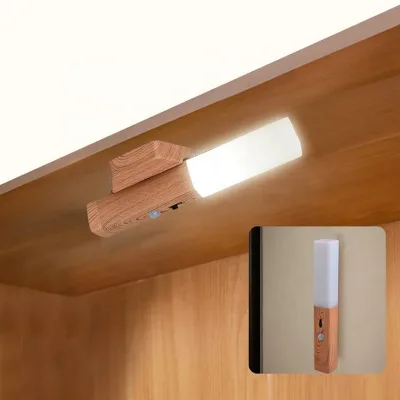


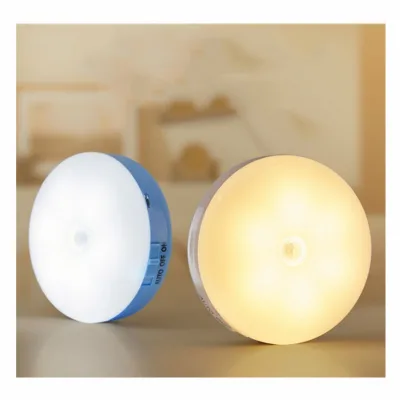
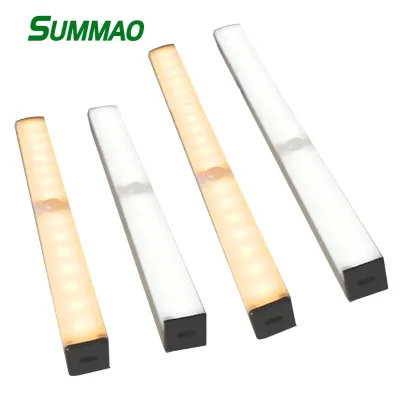
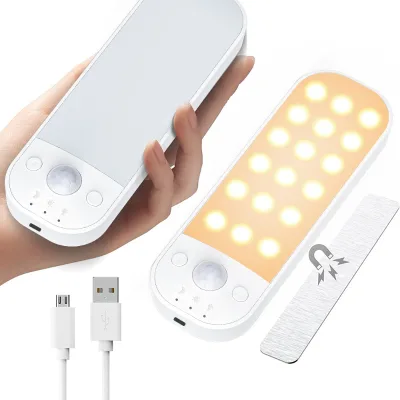


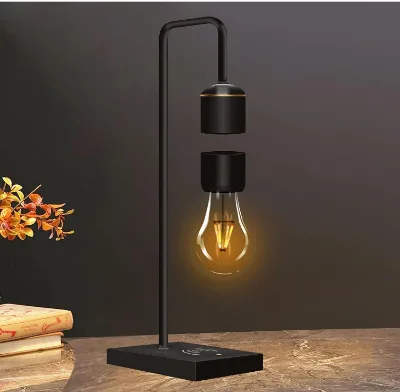

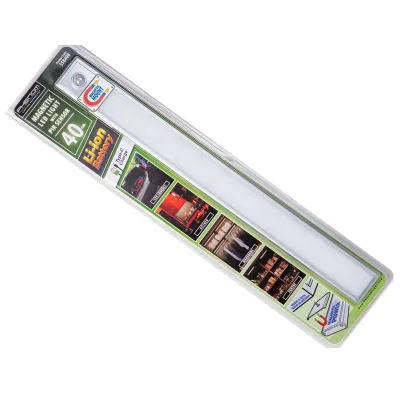
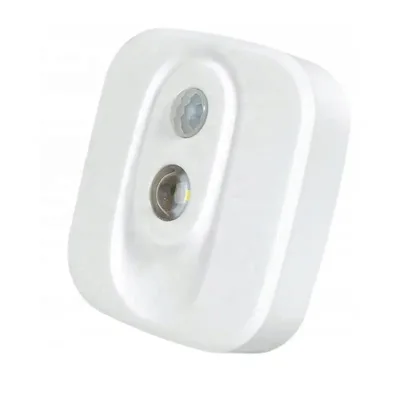
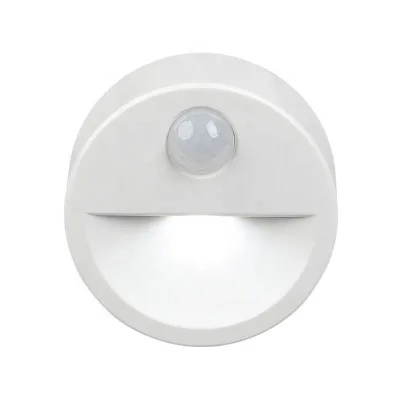
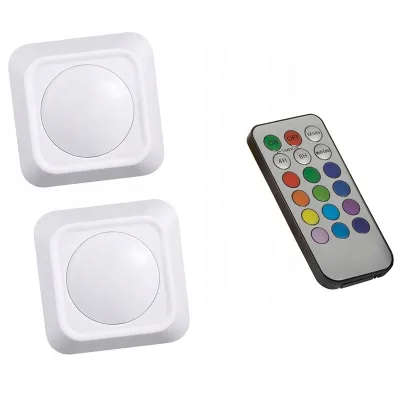


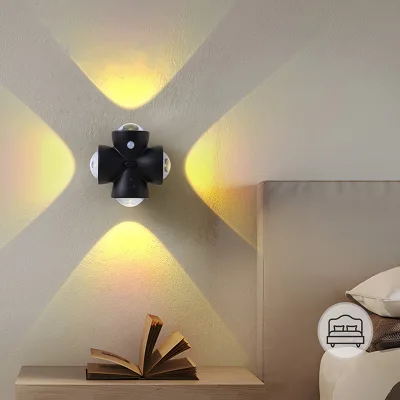

Comprehensive Sourcing Guide
Magnetic Charging Sensor Led Lamp Sourcing Guide
Procuring magnetic charging sensor LED lamps requires a careful balance of technical verification and commercial due diligence. These devices combine passive infrared (PIR) sensing with convenient magnetic mounting and rechargeable power sources, making them ideal for temporary or hard-to-wire installations. Buyers must distinguish between models that rely on USB charging versus those with integrated magnetic charging contacts, as this impacts both user convenience and supply chain complexity. The observed market includes a variety of form factors, from compact night lights to larger flexible strips, each serving distinct operational needs.
The sourcing landscape for these products is diverse, with manufacturers offering significant customization options to meet specific branding or functional requirements. Observed listings indicate a wide price range, reflecting differences in LED quantity, battery capacity, and sensor sensitivity. Buyers should prioritize suppliers who provide clear documentation on delivery times, as lead times can vary significantly between sample production and bulk orders. Understanding the specific model numbers and their associated specifications is crucial for ensuring that the selected product aligns with the intended deployment environment and performance expectations.
Product Scope and Observed Listing Signals
The current market for magnetic charging sensor LED lamps features a variety of product types, including night lights, flexible strips, and standard sensor lights. Observed models such as the KA-SL-103S and KA-NL346-2A highlight the prevalence of PIR sensor technology, which automatically activates the light upon detecting motion within a specific range. These devices typically utilize LED light sources, with some models featuring COB LEDs for uniform illumination and others using multiple SMD LEDs for higher brightness. The style of these products ranges from modern, minimalist designs to traditional forms, allowing buyers to select units that match the aesthetic of their target installation sites.
Battery technology is a critical differentiator in this product category, with many observed units employing rechargeable Li-Polymer batteries with capacities around 450mAh. This power source enables wireless operation, eliminating the need for constant wiring while maintaining a low profile. Some models support USB charging at DC4.5V, offering a familiar and accessible charging method for end-users. The inclusion of features like delay timers, such as a 30-second shut-off, ensures energy efficiency by preventing unnecessary illumination. Buyers should verify the specific battery type and charging interface for each model to ensure compatibility with their existing infrastructure and user preferences.
Technical Specifications to Verify
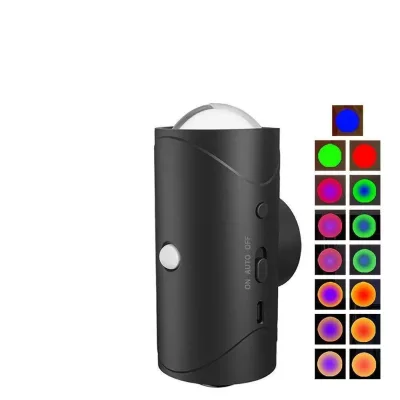
When evaluating technical specifications, the detection distance and working mode of the PIR sensor are paramount for ensuring reliable performance. Observed models indicate a detection distance of 2-3 meters, which is suitable for most indoor applications such as hallways, closets, and staircases. The working mode typically includes auto, on, and off settings, providing flexibility for different usage scenarios. Buyers must verify the input voltage and charging requirements, as some models operate on DC4.5V via USB, while others may have different power needs. Ensuring that the sensor sensitivity and delay time align with the intended environment is essential to avoid false triggers or premature shut-offs.
The physical attributes of the lamp, including its shape, material, and IP rating, also play a significant role in its suitability for specific applications. Observed products come in various shapes, such as round and square, and are constructed from durable plastic materials. The IP rating, often described as IPShape:Round in some listings, suggests a degree of protection against dust and moisture, though buyers should confirm the exact IP code for their specific use case. Additionally, the LED quantity and type, whether COB or SMD, affect the light output and coverage area. Verifying these details ensures that the selected lamp provides adequate illumination and durability for its intended purpose.
Compliance and Safety Documentation
Compliance with international safety and environmental standards is a non-negotiable aspect of sourcing magnetic charging sensor LED lamps. Observed products frequently carry CE and RoHS certifications, indicating adherence to European health, safety, and environmental protection standards. These certifications are critical for market access in many regions and provide assurance that the product does not contain hazardous substances. Buyers should request valid certification documents from suppliers to verify their authenticity and ensure that the specific model numbers are covered under the certification scope. This due diligence helps mitigate legal risks and ensures that the products meet the regulatory requirements of the destination market.
In addition to product-level certifications, buyers should be aware of broader standards that may apply to lighting equipment, such as EN 60598 for luminaires and EN 55015 for radio disturbance characteristics. While these standards are not explicitly confirmed for every listed product, they represent the typical regulatory framework for such devices. Verifying that the supplier has a robust quality management system in place is equally important, as it ensures consistent compliance across production batches. Buyers should inquire about the testing procedures used to validate compliance and request test reports from accredited laboratories to further substantiate the supplier's claims.
Cost Drivers and Commercial Terms
The cost of magnetic charging sensor LED lamps is influenced by several factors, including the complexity of the sensor technology, battery capacity, and customization options. Observed price ranges vary widely, from low-cost basic models to more expensive units with advanced features. Buyers should consider the total cost of ownership, which includes not only the unit price but also shipping, tariffs, and potential rework costs due to quality issues. Customization options, such as branded packaging or specific color boxes, can add to the overall cost but may provide significant marketing value. Understanding these cost drivers allows buyers to make informed decisions that balance budget constraints with product quality and functionality.
Commercial terms, including minimum order quantities (MOQ) and delivery times, are also critical considerations in the procurement process. Observed MOQs can range from small quantities of 5 pieces to larger orders of 500 pieces, depending on the supplier and product model. Delivery times vary as well, with sample delivery often taking within 2 days and bulk orders requiring up to 26 days. Buyers should negotiate clear terms regarding payment methods, warranty periods, and return policies to protect their interests. Establishing a strong relationship with the supplier can lead to more favorable terms and better support throughout the procurement lifecycle.
Supplier Qualification and Quality Control
Supplier qualification is a vital step in ensuring the reliability and consistency of magnetic charging sensor LED lamps. Buyers should assess the supplier's manufacturing capabilities, quality control processes, and track record in the industry. Observing the supplier's response to inquiries and their willingness to provide detailed product information can indicate their professionalism and commitment to quality. It is also important to verify the supplier's location, as many observed products originate from Mainland China, particularly from regions like Guangdong. Understanding the supplier's operational base can provide insights into their supply chain efficiency and logistical capabilities.
Quality control measures should be implemented at various stages of the production process to minimize defects and ensure product consistency. Buyers should request samples for thorough testing before placing bulk orders, evaluating factors such as sensor sensitivity, battery life, and build quality. Establishing clear quality standards and inspection criteria with the supplier is essential for maintaining product integrity. Additionally, buyers should consider implementing third-party inspections for bulk orders to verify that the products meet the agreed-upon specifications. This proactive approach helps mitigate risks and ensures that the final products meet the expectations of end-users.
Long-Term Procurement Checks
Long-term procurement success depends on continuous monitoring of supplier performance and product quality. Buyers should establish key performance indicators (KPIs) to track metrics such as on-time delivery, defect rates, and customer satisfaction. Regular communication with the supplier is essential to address any issues promptly and to foster a collaborative relationship. Buyers should also stay informed about changes in technology and market trends that may impact the relevance and competitiveness of the products. This ongoing engagement helps ensure that the procurement strategy remains aligned with business objectives and market demands.
Furthermore, buyers should periodically review the warranty and after-sales support provided by the supplier to ensure that it meets their needs. Observed products typically come with a two-year warranty, which provides a safety net for potential defects. However, buyers should verify the terms and conditions of the warranty to understand the scope of coverage and the process for claiming repairs or replacements. By maintaining a proactive approach to supplier management and quality assurance, buyers can secure a reliable supply of magnetic charging sensor LED lamps that deliver value and performance over the long term.
FAQs
What certifications do these magnetic charging sensor led lamps have?
These lamps hold CE and RoHS certifications, ensuring compliance with international safety and environmental standards. This validation supports their suitability for global B2B distribution channels and regulatory markets. Buyers can rely on these documented credentials for product listing and import clearance without additional testing requirements.
Can these lamps be customized for specific branding needs?
Yes, customization is available for these magnetic charging sensor led lamps. Suppliers offer options such as customized color boxes or specific packaging solutions like blister packs. This flexibility allows buyers to tailor the product presentation to their brand identity while maintaining the core functional specifications of the LED sensor technology.
What is the typical delivery time for bulk orders?
Bulk order delivery typically occurs within 18 to 30 days, depending on the specific model and supplier capacity. Sample delivery is faster, often completed within two days. This timeline allows procurement teams to plan inventory replenishment effectively, ensuring that stock levels are maintained without excessive lead time delays for large-scale shipments.
What is the minimum order quantity for these sensor lights?
The minimum order quantity is generally five pieces, making it accessible for small-scale testing or initial procurement batches. This low MOQ threshold reduces entry barriers for buyers evaluating product performance. It allows companies to order small quantities for quality checks before committing to larger volume purchases for full distribution.
How does the PIR sensor function in these LED lamps?
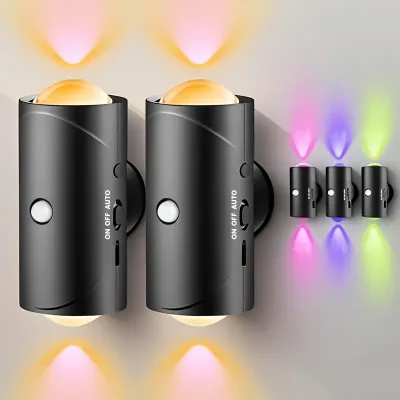
The lamps feature a PIR sensor switch that detects motion within a 2-3 meter range. They operate in auto mode, turning on when movement is detected and off after a 30-second delay. This functionality ensures energy efficiency and convenience, making them ideal for hallway, stairwell, or closet applications where automatic lighting is preferred.
What power source do these magnetic charging sensor led lamps use?
These lamps are powered by a rechargeable Li-Polymer battery with a 450mAh capacity. They support USB charging at DC 4.5V, providing a convenient and cordless installation option. This battery configuration ensures reliable operation without the need for hardwiring, making them suitable for various indoor environments where electrical outlets are not readily available.