Source slim design anti-glare led downlight for Bedroom, Study, Living Room
Find 30 slim design anti-glare led downlight options from verified suppliers. Compare specifications like power, voltage, and certifications to select the right recessed lighting for home and engineering projects; compare the available evidence and request quotations based on your requirements.
Updated
Key considerations
Products List


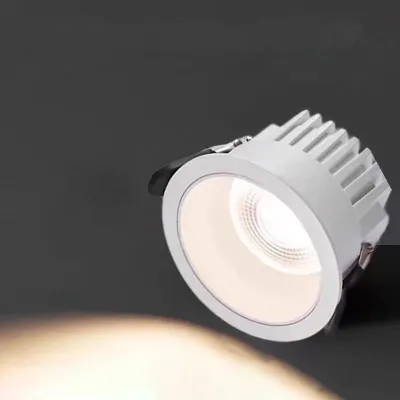
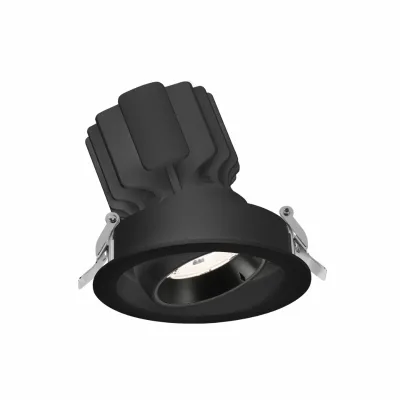
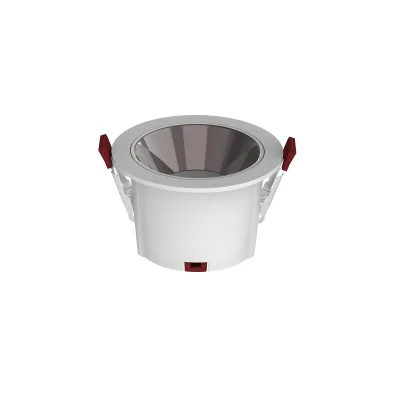
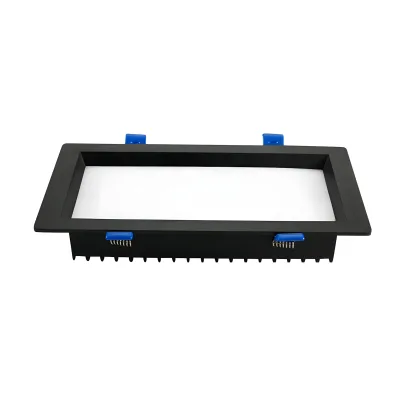
Aluminium LED Down Light Anti Glare Ceiling Recessed LED Trimless Downlight
$4.90 - $9.90
MOQ: 20 Pieces


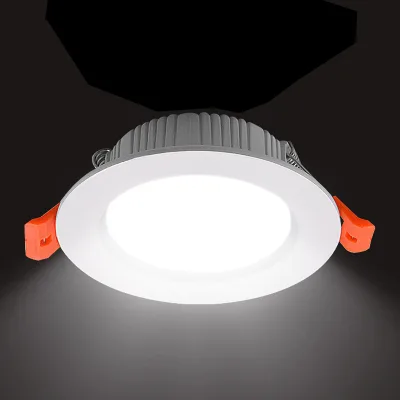
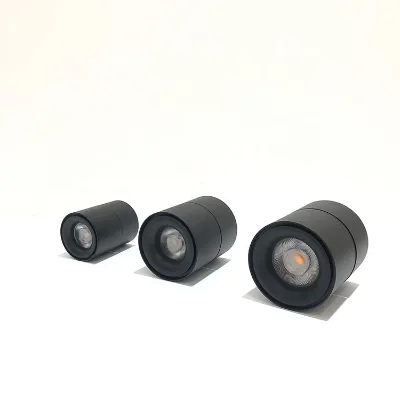
Round Black Ceiling Down Light Anti Glare Dimmable Recessed LED Downlight
$5.50 - $15.50
MOQ: 20 Pieces


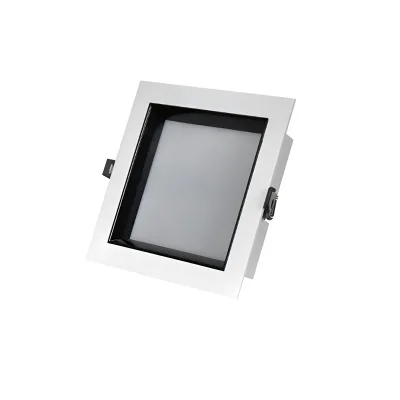
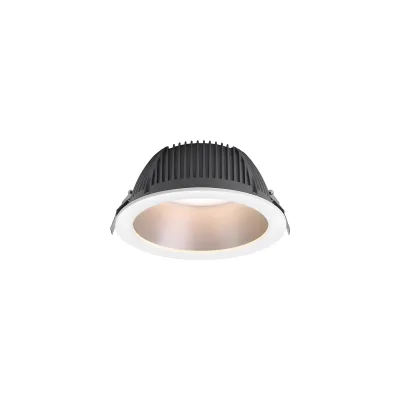


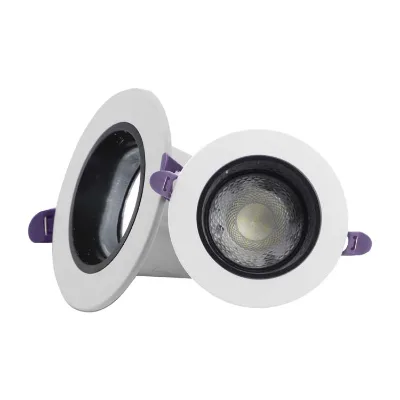
Comprehensive Sourcing Guide
Slim Design Anti-Glare Led Downlight Sourcing Guide
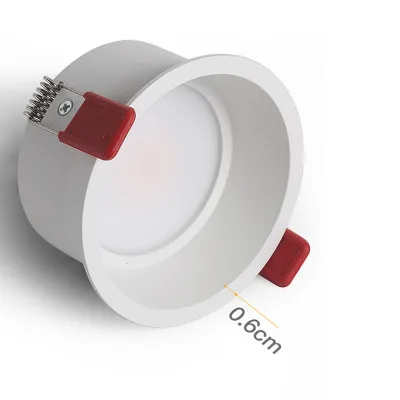
Procuring slim design anti-glare LED downlights requires a careful balance between aesthetic integration and optical performance. Buyers must prioritize fixtures that offer low profile dimensions while maintaining effective light distribution. The observed market data indicates a diverse range of models, with specific attributes such as a 50mm width and 117mm height suggesting compact form factors suitable for modern interiors. These physical constraints are critical for projects where ceiling depth is limited or where a minimalist visual impact is desired.
The sourcing landscape includes products originating from major manufacturing hubs like Shanghai and Guangdong, China. Suppliers in these regions often provide customization options, allowing buyers to tailor specifications to specific project needs. It is essential to verify the exact dimensions and cutout requirements, as observed listings show variations such as cutouts of 75, 95, or 120mm. Understanding these physical parameters ensures that the selected downlights will fit seamlessly into existing architectural plans without requiring extensive structural modifications.
Product Scope and Observed Listing Signals
The current market for slim design anti-glare LED downlights features a variety of product types, including recessed and plug-in configurations. Observed listings highlight models with specific identifiers such as LZ-4138.14-1 and SL-CL21A-R, indicating a broad spectrum of available options. These products are generally designed for both home furnishing and engineering applications, making them versatile for residential bedrooms, studies, and commercial spaces like restaurants and living rooms. The presence of single plug sources and embedded installation types suggests flexibility in wiring and mounting strategies.
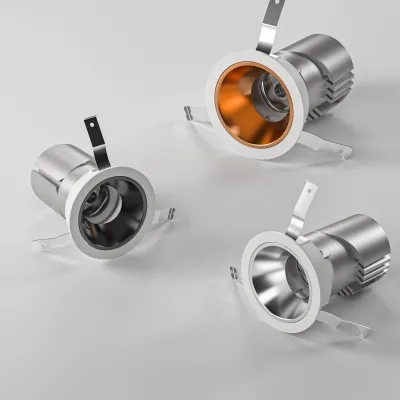
Visual and material attributes play a significant role in product selection. Many observed units utilize aluminum construction, which aids in heat dissipation and contributes to a sleek, modern appearance. The diffuser materials, often polycarbonate, are crucial for achieving the anti-glare effect by softening the light output. Buyers should note that while some listings specify round shapes, others may offer square options, so verifying the geometric design is essential. The inclusion of LED light sources with varying color temperatures, such as 2700-6500K, allows for precise ambiance control in different environments.
Technical Specifications to Verify
When evaluating technical specifications, input voltage compatibility is a primary concern. Observed data shows a range from AC85-265V to specific AC220-240V inputs, ensuring global adaptability. Buyers must confirm that the selected downlights match the local electrical infrastructure to prevent operational failures. Additionally, power ratings such as 14W are common, but verifying the actual lumen output and efficacy is necessary to ensure adequate illumination levels. The use of high-quality LED chips, including CREE or Bridgelux, can significantly impact longevity and color consistency.
Thermal management and lifespan are critical technical factors. Products with a stated life of 50,000 hours indicate robust construction, but this should be corroborated by thermal testing data. The IP rating, often listed as IP20 for indoor use, defines the level of protection against solid objects and water. For areas with higher humidity, such as kitchens or balconies, buyers should inquire about enhanced ingress protection ratings. Furthermore, verifying the center distance and overall length, such as 450mm for linear variants, ensures proper spacing and uniform light coverage across the installation area.
Compliance and Safety Documentation
Compliance with international standards is non-negotiable for safe and legal installation. Observed listings frequently cite CE, RoHS, and EMC certifications, which are essential for market access in many regions. Buyers must request valid certificates from accredited bodies to verify that the products meet electromagnetic compatibility and hazardous substance restrictions. The presence of ISO certification further indicates a supplier’s commitment to quality management systems, reducing the risk of manufacturing inconsistencies. These documents provide assurance that the electrical components and materials used are safe for consumer and commercial use.
In addition to certifications, buyers should verify adherence to specific product standards. The observed standard of PC+Aluminum construction suggests a focus on durable and recyclable materials. However, it is crucial to confirm that the polycarbonate diffuser meets flammability and UV resistance requirements. Documentation should also include test reports for photometric performance, ensuring that the anti-glare properties are effective and do not compromise light quality. Requesting detailed technical datasheets allows procurement teams to cross-reference specifications with project requirements, minimizing the risk of non-compliant deliveries.
Cost Drivers and Commercial Terms
Several factors influence the cost of slim design anti-glare LED downlights. The observed price range of 1-31.67 USD reflects variations in quality, brand, and feature sets. Higher-priced units often incorporate premium LED chips, advanced thermal management systems, and superior optical designs. Buyers should consider the total cost of ownership, including energy efficiency and lifespan, rather than focusing solely on the initial purchase price. Customization options, such as specific color temperatures or dimming capabilities, may also impact the final cost.
Commercial terms, including minimum order quantities (MOQ) and lead times, are critical for supply chain planning. Observed MOQs range from 1 to 200 units, offering flexibility for both small-scale renovations and large commercial projects. Lead times of approximately four weeks are typical, but this can vary based on production capacity and customization requirements. Buyers should negotiate clear payment terms and shipping conditions to avoid unexpected costs. Understanding these commercial dynamics helps in budgeting accurately and ensuring timely project completion.
Supplier Qualification and Quality Control
Selecting a qualified supplier is vital for ensuring product reliability and consistent quality. Buyers should prioritize manufacturers with a history of over 20 years in the industry, as this often correlates with established processes and expertise. Verifying the supplier’s production capabilities, including their factory location in regions like Shanghai or Guangdong, can provide insights into their logistical efficiency. Requesting samples before placing bulk orders allows for hands-on evaluation of build quality, light output, and anti-glare performance.
Quality control measures should be explicitly defined in the procurement agreement. Suppliers should provide evidence of rigorous testing procedures, including burn-in tests and photometric measurements. Buyers should inquire about the supplier’s defect rate and warranty policies, with observed warranties often lasting three years. Establishing clear communication channels for addressing quality issues is essential. Additionally, verifying the supplier’s ability to provide consistent packaging, such as carton or general boxes, helps protect products during transit and reduces the risk of damage upon arrival.
Long-Term Procurement Checks
Long-term success in sourcing LED downlights depends on ongoing supplier performance monitoring. Buyers should establish key performance indicators (KPIs) related to delivery times, product quality, and customer support. Regular audits of the supplier’s quality management systems can help identify potential issues before they impact production. Maintaining a diversified supplier base can mitigate risks associated with supply chain disruptions or sudden price fluctuations. Continuous feedback loops with the procurement team and end-users ensure that product selections remain aligned with evolving project requirements.
Future-proofing procurement strategies involves staying informed about technological advancements in LED lighting. Buyers should monitor trends in energy efficiency, smart lighting integration, and sustainable materials. Engaging with suppliers who invest in research and development can provide access to innovative products that offer better performance and lower operational costs. Regularly reviewing contract terms and market conditions allows for renegotiation and optimization of procurement strategies. By maintaining a proactive approach, buyers can ensure a steady supply of high-quality slim design anti-glare LED downlights for their projects.
FAQs
What certifications do these LED downlights have?
The products hold CE, RoHS, EMC, and ISO certifications. These standards ensure compliance with international safety and environmental regulations for both home furnishing and engineering applications. Buyers can verify these credentials to meet specific regional import requirements and quality assurance protocols.
What is the lead time for production?
The standard lead time is 4 weeks. This duration applies to the manufacturing and preparation of the aluminum recessed LED downlights. Buyers should account for this timeframe when planning inventory replenishment or large-scale project installations to ensure timely delivery.
Can the products be customized for specific projects?
Yes, customization is available for these LED downlights. Manufacturers offer options to tailor specifications to meet unique project requirements. This flexibility allows buyers to adapt the lighting solutions for various settings, including bedrooms, study rooms, and commercial spaces, ensuring optimal fit.
What is the warranty period for these lights?
The warranty period is 3 years. This coverage provides assurance regarding the durability and performance of the LED chips and aluminum housing. Buyers benefit from this guarantee, which supports long-term reliability for both residential and engineering applications in various indoor environments.
What is the expected lifespan of the LED source?
The expected lifespan is 50,000 hours. This duration indicates the longevity of the LED chips, such as CREE or Bridgelux options. Buyers can rely on this extended service life for reduced maintenance costs in commercial and residential installations over many years.
What input voltage ranges are supported?
The products support AC85-265V and AC220-240V input voltages. This wide range ensures compatibility with various global power standards. Buyers can deploy these downlights in different regions without needing additional voltage conversion equipment, simplifying installation for both home and commercial projects.