Common Rail Fuel Injector Tester Suppliers and Manufacturers
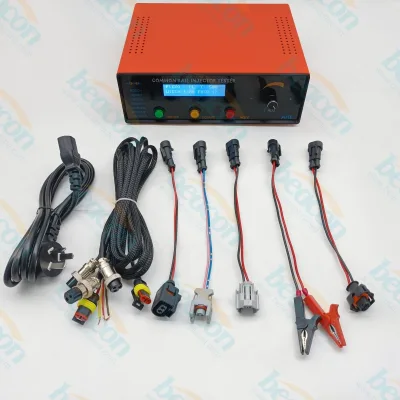
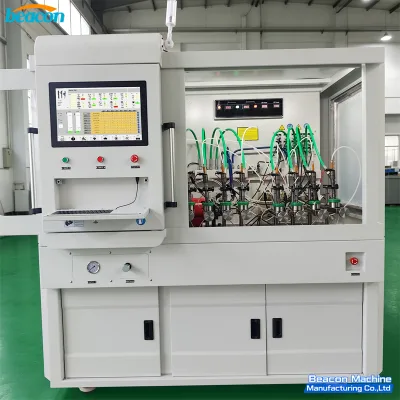
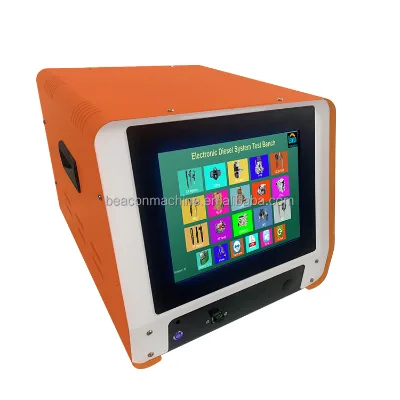
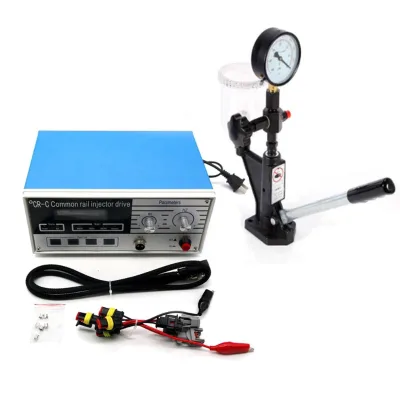
Explore 24 verified options for Common Rail Fuel Injector Tester units sourced from Shandong, China. Compare response times, lead times, certifications like CE and ISO, and pricing ranges from $120 to $5250. Contact suppliers directly to verify customization and delivery details.
Updated
Suppliers List

NANTAI AUTOMOTIVE TECHNOLOGY CO., LTD.
- Combined
- China Shandong
- Lead time15 days
- Avg. response≤ 9h
Main productsCommon Rail. Heui Eui Eup Test Bench, Diesel Fuel Injection Pump Test Bench, Nozzle Tester
Main marketsSouth America,Africa,Southeast Asia/ Mideast,East Asia(Japan/ South Korea),Domestic,Europe,Australia,North America
Shandong Messi Power Co., Ltd.
- Trading Company
- Shandong, China
- Lead time15 days
- Avg. response≤ 2h
Main productstest bench,diesel injector,diesel injection pump,engine part
Main marketsSouth America(50.00%), Africa(15.00%), Mid East(10.00%), North America(5.00%), Western Europe(3.00%), South Asia(2.00%), Southern Europe(2.00%), Northern Europe(2.00%), Central America(2.00%), Domestic Market(2.00%), Eastern Asia(2.00%), Eastern Europe(2.00%), Oceania(2.00%), Southeast Asia(1.00%)
Taian Boroadto Auto Testing Equipment Co., Ltd.
- Verified by Intertek
- Trading Company
- Shandong, China
- Lead time10 days
- Avg. response≤ 3h
Main productsInjector Pump Tester and Tools, Fuel Injection Pump Test Bench, Injector and Pump Repair Kits, Balancing Machine, Diesel Injector Pump and Parts
Main marketsSouth America(40%), Eastern Europe(20%), Western Europe(20%)

Taian Crystal Machinery Co., Ltd.
- Verified by BV
- Combined
- China Shandong
- Lead time30 days
- Avg. response≤ 3h
Main productsAlloy Wheel Repair Lathe, CNC Machine for Alloy Wheels, Wheel Repair Machine, Diamond Cut Wheel Repair Machine, Common Rail Test Bench, Diesel Pump Test Bench, Injector Test Bench
Main marketsSouth America,Africa,Southeast Asia/ Mideast,East Asia(Japan/ South Korea),Domestic,Europe,Australia,North America

Wuxi Chengshunda Automobile Technology Co., Ltd.
- Verified by CTI
- Combined
- China Jiangsu
- Lead time30 days
- Avg. response≤ 12h
Main productsTest Bench, Injectors, Pumps, Valve Rod, Valve Plate, Auto Repair Tools, Auto Diagnostic Tools, Test Equipment, Injector Spare Parts, Test Bed
Main marketsSouth America,Africa,Southeast Asia/ Mideast,East Asia(Japan/ South Korea),Domestic,Europe
Taian Haoshiyuan Auto Equipment Co., Ltd.
- Manufacturer, Trading Company
- Shandong, China
- Lead time7 days
- Avg. response≤ 2h
Main productsdiesel pump test bench,balacing machine,common rail test bench,nozzle tester,Fuel injection test bench
Main marketsSouth Asia(20.00%), Africa(20.00%), Southeast Asia(20.00%), South America(20.00%), Eastern Asia(10.00%), Oceania(5.00%), Mid East(5.00%)
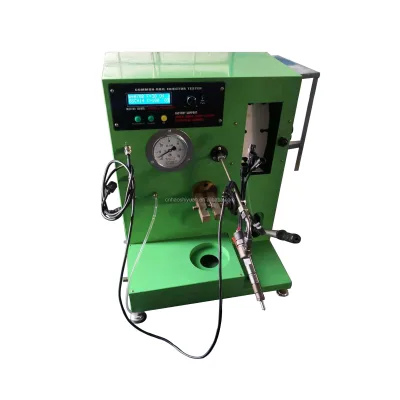
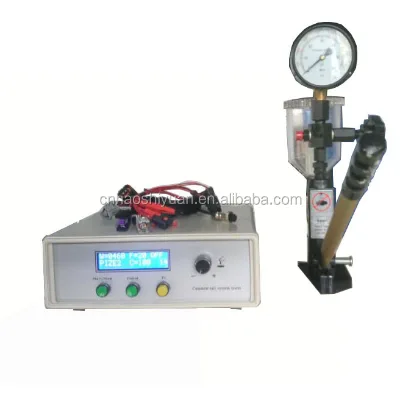
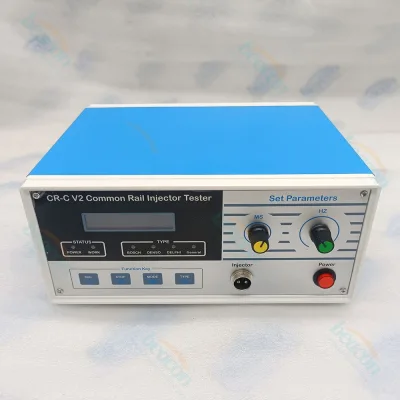
Fuel Injector Repair Tools Bo-sch Common Rail Injector Tester Cr1000a Electronic Injector test Tool
$180.00 - $185.00
MOQ: 1 sets
Shenzhen Deerose Technology Co., Ltd.
- Verified by TüVRheinland
- Trading Company
- Lead time7 days
- Avg. response≤ 3h
Main productsDiesel Engine Parts, Diesel Injectors, Diesel Injection Pump, Turbocharger, Sensor
Main marketsSouth America(20%), North America(15%), Africa(10%)
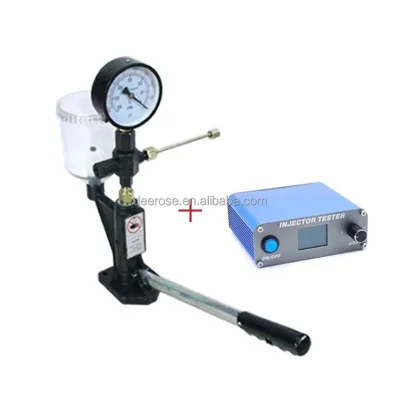
$49.00 - $60.00
MOQ: 5 pieces

Fuzhou Ruida Machinery Co., Ltd.
- Verified by TUVRHEINLAND
- Trading Company,Manufacturer/Factory
- China Fujian
- Lead time120 days
- Avg. response≤ 4h
Main productsDiesel Fuel Injector, Fuel Injector Nozzle, Head Rotor, Control Valve, Plunger Element, Common Rail Valve, Delivery Valve, Fuel Injector Pumps, Repair Kit, Pressure Sensor
Main marketsSouth America,North America,Southeast Asia,Oceania,Africa

Common Rail Injection Tester Diesel Fuel Injector Tester Bench 318A Testing Machine
$3142.30 - $3145.80
MOQ: 5 Pieces

Shijiazhuang Diou Trading Co., Ltd.
- Verified by Intertek
- Trading Company
- Lead time30 days
- Avg. response≤ 1h
Main productsPlunger, Nozzle, Injector, Head Rotor, Feed Pump
Main marketsMid East(35%), Southeast Asia(15%), Eastern Europe(15%)

Henan Perfect Auto Parts Co., Ltd.
- Manufacturer, Trading Company
- Henan, China
- Lead time2 days
- Avg. response≤ 9h
Main productsInjector,Nozzle,Valve,Injector nozzle,Common rail injector
Main marketsDomestic Market(19.00%), Southeast Asia(16.00%), North America(11.00%), Eastern Europe(10.00%), Northern Europe(9.00%), South America(8.00%), Western Europe(6.00%), South Asia(6.00%), Oceania(5.00%), Eastern Asia(2.00%), Southern Europe(2.00%), Africa(2.00%), Central America(2.00%), Mid East(2.00%)
Jinan Beacon Machine Co., Ltd.
- Manufacturer, Trading Company
- Shandong, China
- Lead time0 days
- Avg. response≤ 5h
Main productspump test bench,injector test bench,cr test bench,injector spare parts,injector repair tools
Main marketsSouth America(15.00%), Southeast Asia(15.00%), Mid East(8.00%), South Asia(8.00%), Northern Europe(8.00%), North America(8.00%), Central America(8.00%), Oceania(5.00%), Southern Europe(5.00%), Africa(5.00%), Eastern Europe(5.00%), Western Europe(5.00%), Eastern Asia(5.00%)
- Verified by SGS Group
- Manufacturer, Trading Company
- Lead time7 days
- Avg. response≤ 6h
Main productsAuto Repair tools (TWIST SOCKET), Auto Repair tools (COOLING SYSTEM), Auto Repair tools (ENGINE SYSTEM), Auto Repair tools (BRAKE SYSTEM), Auto Repair tools (SUSPENSION SYSTEM)
Main marketsNorth America(28%), Western Europe(22%), Northern Europe(19%)

Wuxi Weiman Fuel Injection system Co.,Ltd
- Trading Company
- Jiangsu, China
- Lead time0 days
- Avg. response≤ 3h
Main productsTest bench,Diesel pump,Diesel injector,Turbocharger,Spare parts
Main marketsSoutheast Asia(30.00%), South America(20.00%), South Asia(15.00%), Eastern Europe(10.00%), Mid East(10.00%), North America(10.00%), Domestic Market(5.00%)
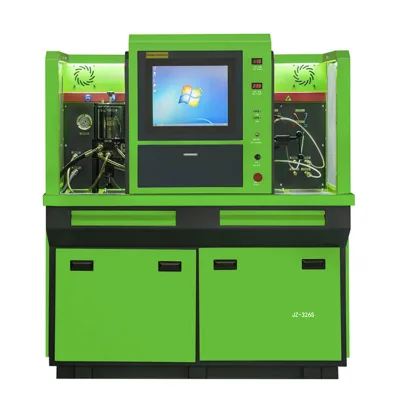
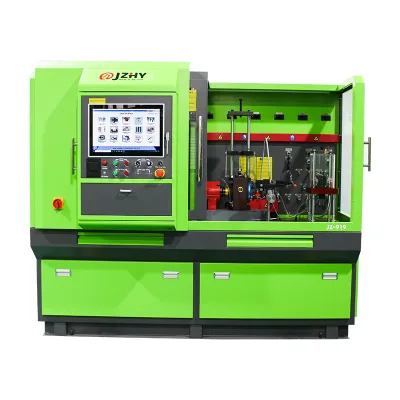
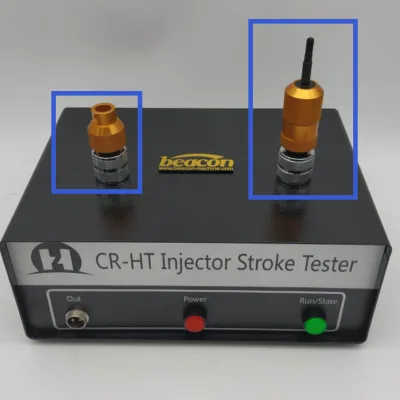
Common Rail Diesel Engine Injector Tester JZ-326S Heui Diagnostic Tool
$6600.00 - $7200.00

Jinan Tom Machinery Manufacturing Co., Ltd.
- Verified by SGS
- Trading Company
- China Shandong
- Lead time15 days
- Avg. response≤ 11h
Main productsInjector and Nozzle Tester, Common Rail Injector Tester, DPF Cleaning Machine, Balancing Machine, Testing Bench, CNC Machines, CNC Spare Parts, Diesel Spare Parts
Main marketsNorth America
Shandong Beacon Machine Manufacturing Co., Ltd.
- Verified by TüVRheinland
- Trading Company
- Lead time7 days
- Avg. response≤ 3h
Main productsMechanical Injector Pump Test Bench, Gasoline Fuel Injector Tester, Common Rail Injector Pump Test Bench, Diesel Fuel Injector Test Bench, Common Rail Tools
Main marketsSoutheast Asia(50%), South America(30%), Mid East(10%)
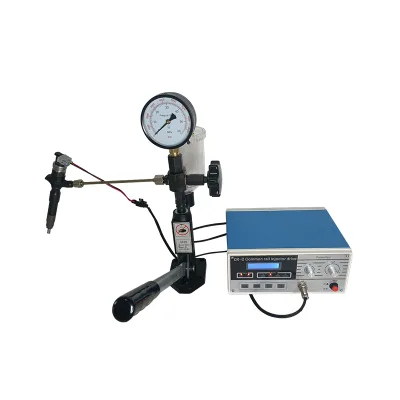
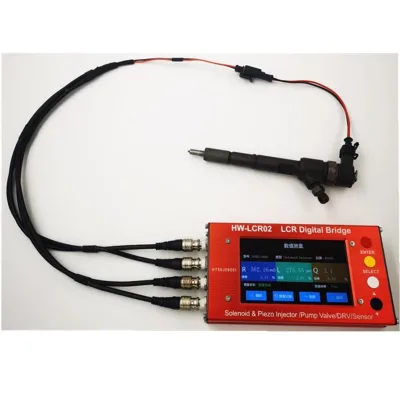
$103.6274 - $111.8359
MOQ: 1 sets
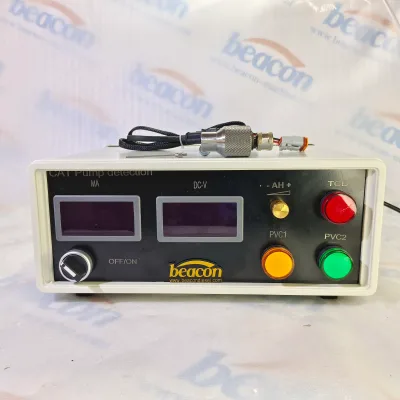
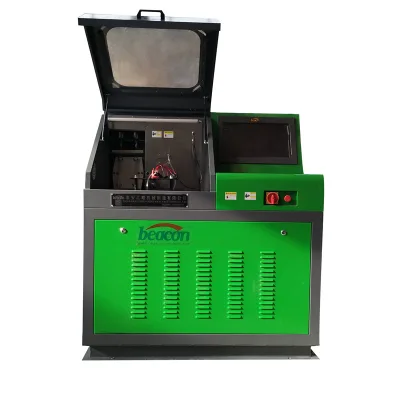
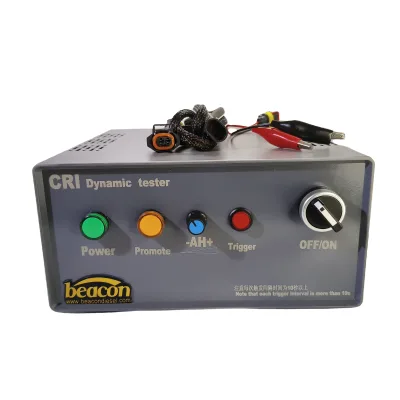
$178.3285 - $262.2471
MOQ: 1 Minimum
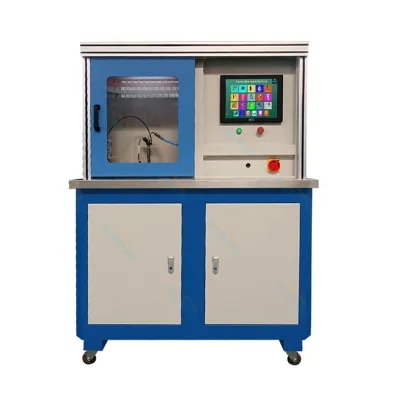
$92.3414 - $112.8612
MOQ: 1 sets

Taian Dongtai Machine Manufacturing Co., Ltd.
- Verified by BV
- Combined
- China Shandong
- Lead time15 days
- Avg. response≤ 13h
Main productsSimulator, Test Bench, Engine Parts, Tools
Main marketsSouth America,Africa,Southeast Asia/ Mideast,North America
Dongguan Top Machinery Co., Ltd.
- Trading Company
- Lead time旺季: "1 - 1":15,"> 1":"To be negotiated", 淡季: "1 - 1":15,"> 1":"To be negotiated"
- Avg. response≤ 3h
Main productsMetal Marking Machine,Badge Machine,Automotive Maintenance and Diagnostic products,Jewelry making machinery,Sports Machinery
Taian Labaodi Automobie Testing Equipment Co., Ltd.
- Manufacturer, Trading Company
- Shandong, China
- Lead time10 days
- Avg. response≤ 7h
Main productscommon rail injector and pump test bench,mechancail diesel injection pump test bench,balacing machine,common rail injector test bench,common rail injector and pump tester
Main marketsOceania(50.00%), Southeast Asia(20.00%), North America(10.00%), Central America(5.00%), South America(3.00%), Africa(2.00%), South Asia(2.00%)
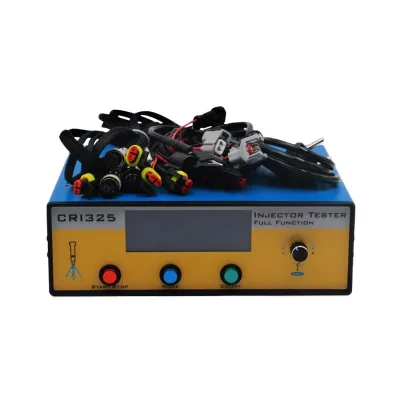
$194.7171 - $236.9574
MOQ: 1 Minimum
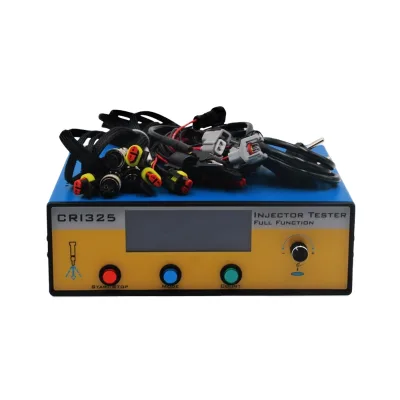
$189.00 - $220.00
MOQ: 1 Minimum
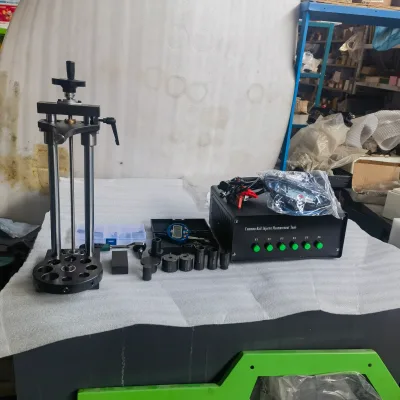
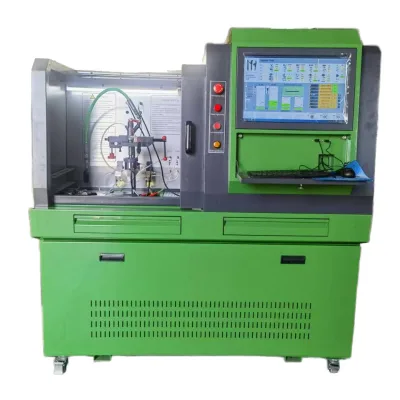
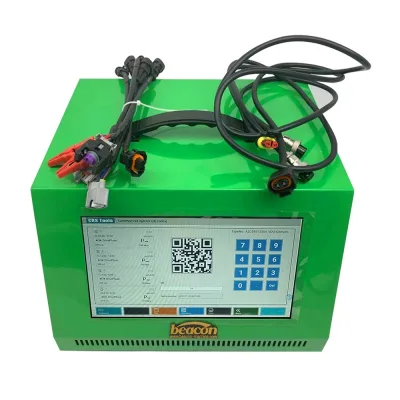
Common Rail for Test Equipment CR318 with HEUI Testing Function Testing Bench Bank
$4099.00 - $4400.00
MOQ: 10 Minimum
Zhengzhou Liseron Oil Pump & Nozzle Co., Ltd.
- Manufacturer, Trading Company
- Henan, China
- Lead time2 days
- Avg. response≤ 6h
Main productsNozzle,valve,injector,injector nozzle,common rail injector
Main marketsDomestic Market(20.00%), Southeast Asia(15.00%), North America(12.00%), Eastern Europe(12.00%), Northern Europe(8.00%), South America(8.00%), South Asia(5.00%), Western Europe(5.00%), Oceania(3.00%), Southern Europe(3.00%), Mid East(3.00%), Africa(2.00%), Eastern Asia(2.00%), Central America(2.00%)
Taian Beacon Machine Manufacturing Co., Ltd.
- Verified by SGS Group
- Trading Company
- Lead time10 days
- Avg. response≤ 4h
Main productsRepair Tools And Spare Parts, Hydraulic Pump Test Bench, Multifunctional Diesel Test Bench, Balancing Machine, CRDI Injector Tester
Main marketsSouth America(30%), Africa(11%), Mid East(8%)
Foshan Yalian Auto Parts Trade Co., Ltd.
- Verified by Intertek
- Trading Company
- Lead time15 days
- Avg. response≤ 3h
Main productsCar Jacks, Auto Repair Tools, Electrical Tools, Diagnostic Tools, Air Pump
Main marketsNorth America(10%), Africa(10%), Mid East(10%)
Guangzhou Keisger International Trade Co., Ltd.
- Manufacturer
- Guangdong, China
- Lead time7 days
- Avg. response≤ 6h
Main productsNozzle,Plunger,Pump,Control Valve,Testing equipment
Main marketsSoutheast Asia(30.00%), Eastern Asia(20.00%), South Asia(10.00%), Central America(10.00%), North America(10.00%), Mid East(10.00%), Africa(10.00%)
Taian Dongtai Machinery Manufacturing Co., Ltd.
- Manufacturer, Trading Company
- Shandong, China
- Lead time0 days
- Avg. response≤ 3h
Main productsdiesel injection pump test bench,spare parts,common rail tester,injector,pumps
Main marketsSouthern Europe(20.00%), Eastern Asia(20.00%), Mid East(20.00%), Africa(20.00%), South America(20.00%)
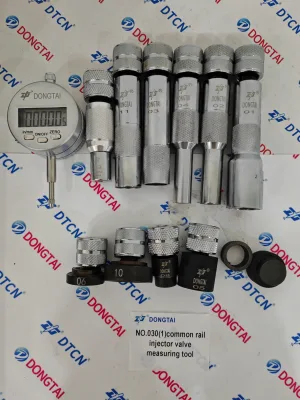
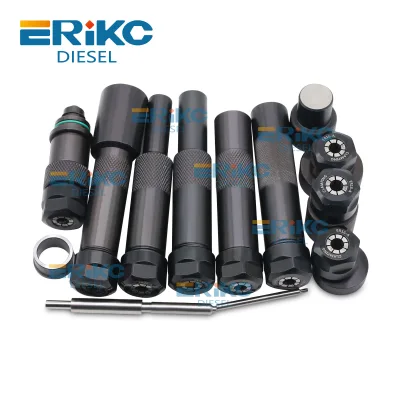
NO.030(1) Common Rail Injector Valve Measuring Tool
$160.00 - $180.00

SHANGHAI JUST BETTER TOOLS CO., LTD.
- Trading Company,Manufacturer/Factory
- China Shanghai
- Lead time0 days
- Avg. response≤ 14h
Main productsPdr Tools, Auto Tools, Paintless Dent Repair Tools, Car Dent Repair Tools, Dent Tool Kit, Dent Puller Kit, Pdr Car Body Repair Tool, Pdr Kit


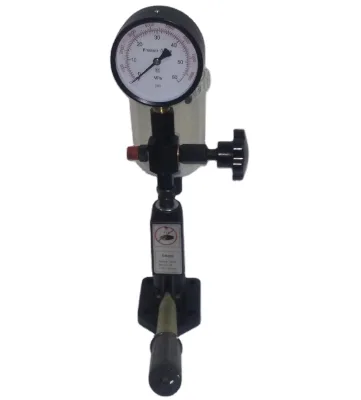
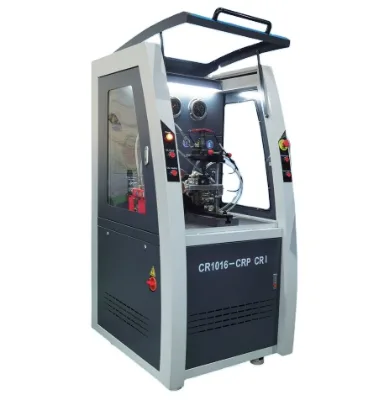
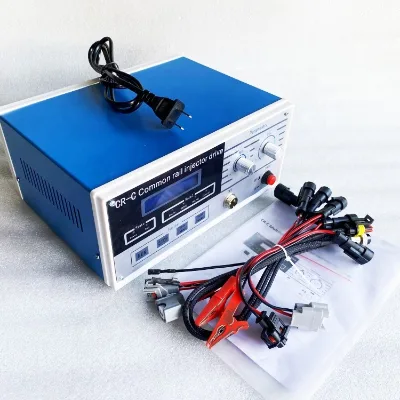
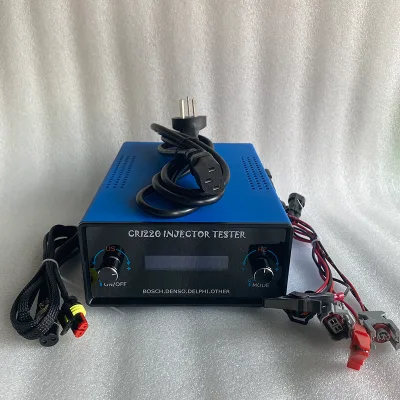


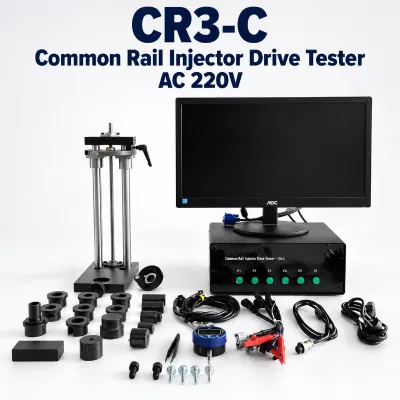
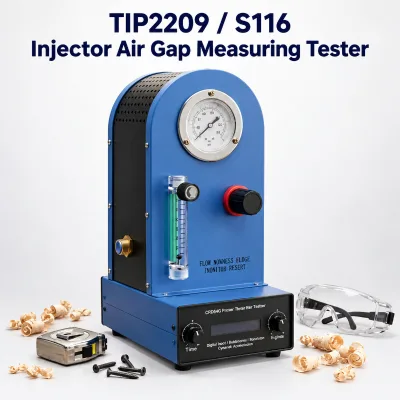
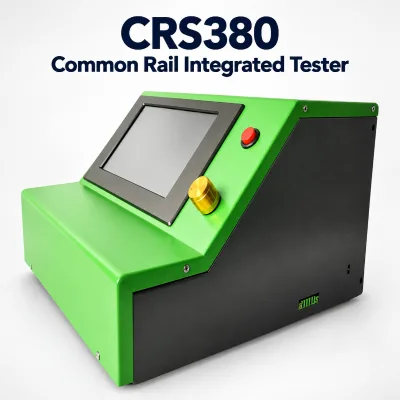
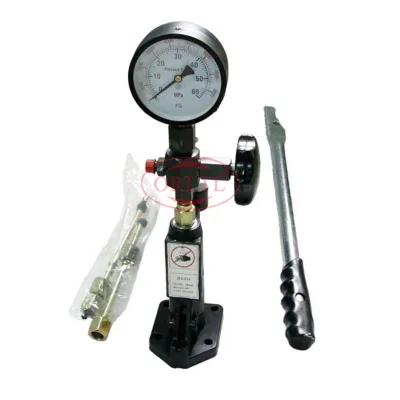
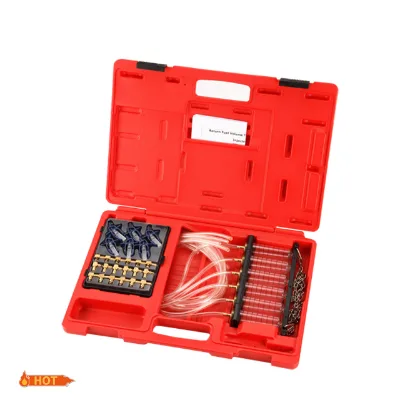


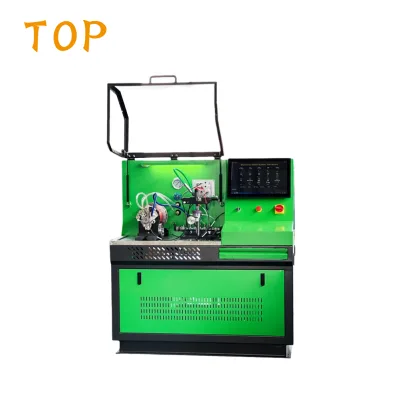
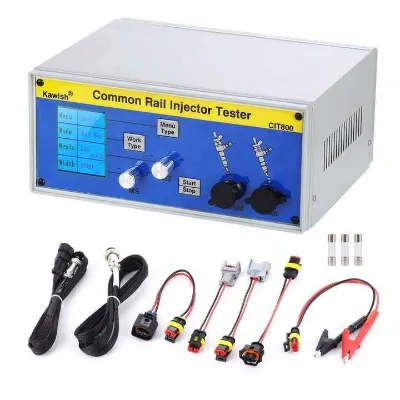
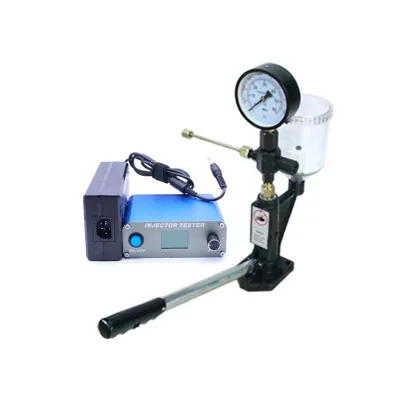
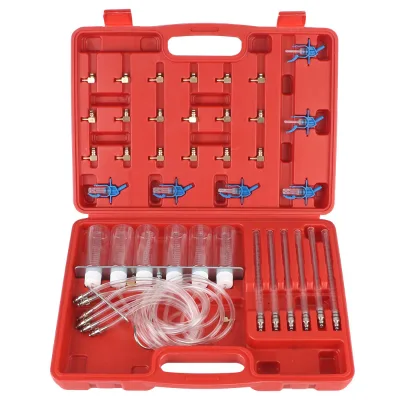
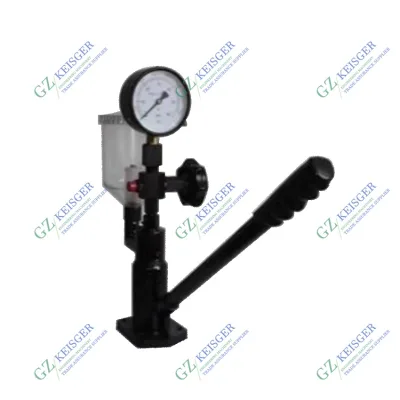
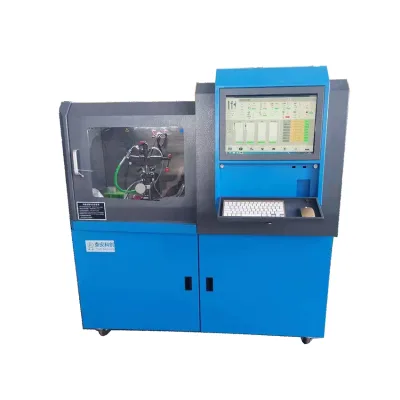


Comprehensive Sourcing Guide
Common Rail Fuel Injector Tester Supplier Concentration and Factory Types
The sourcing landscape for common rail fuel injector testers reveals a distinct concentration of manufacturing activity within specific industrial regions, with China’s Shandong province emerging as a primary hub for this specialized equipment. Suppliers located in this area often operate as combined entities or trading companies, blending direct manufacturing capabilities with commercial distribution networks to serve global markets. This structural diversity means that buyers may encounter firms that produce the test benches in-house while also managing the logistics and customer service aspects of the sale. The presence of both combined companies and pure trading entities in the results suggests that the supply chain is layered, allowing for flexible engagement models depending on whether a buyer prioritizes direct factory pricing or the logistical support of a trading partner. Understanding this mix is crucial for setting expectations regarding communication styles, production visibility, and the level of technical support available during the procurement process.
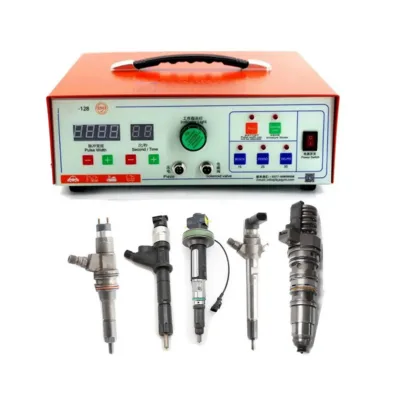
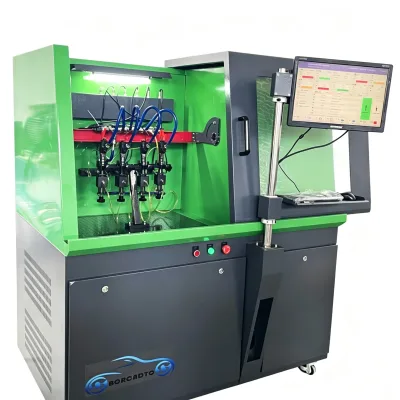
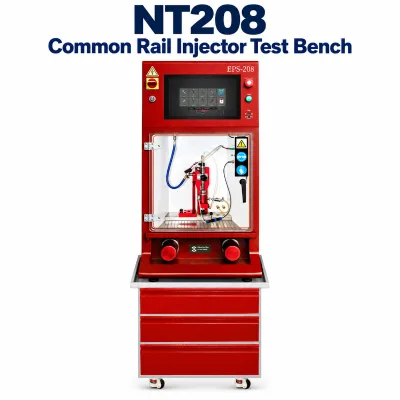
Within this regional cluster, the product offerings vary significantly in complexity and target application, ranging from basic diagnostic tools to comprehensive test benches capable of handling high-pressure common rail systems. Manufacturers in Shandong often highlight their ability to provide OEM customization, indicating a mature production environment that can adapt to specific brand requirements or technical specifications. The main products listed by these suppliers frequently include diesel fuel injection pump test benches, nozzle testers, and advanced injector simulators, suggesting a broad technical competency in diesel engine diagnostics. This variety allows buyers to source multiple related tools from a single regional source, potentially simplifying supply chain management. However, the distinction between a simple tester and a full-function test bench is critical, as it directly impacts the price point, operational complexity, and the specific maintenance requirements of the equipment. Buyers must carefully assess whether the supplier’s primary focus aligns with their specific testing needs, whether for routine maintenance or deep diagnostic analysis.
How to Verify Common Rail Fuel Injector Tester Suppliers
Verifying the legitimacy and capability of a Common Rail Fuel Injector Tester supplier requires a multi-layered approach that goes beyond surface-level profile reviews. One of the most immediate indicators of supplier reliability is the response time, which serves as a proxy for operational efficiency and customer service commitment. In the current market data, response times vary, with some suppliers demonstrating rapid engagement metrics while others show longer intervals. A faster response time often correlates with a more active sales team and better preparedness to handle technical inquiries or urgent order modifications. Buyers should prioritize suppliers who demonstrate consistent and quick communication, as this trait is essential for resolving complex technical questions regarding voltage requirements, software updates, or compatibility with specific injector models. Additionally, the availability of customization options, such as OEM support, can indicate a supplier’s willingness to engage in a deeper partnership rather than a transactional relationship.
Certification and standard compliance are equally critical verification points that must be rigorously checked before finalizing any procurement decision. The product evidence indicates that many suppliers claim certifications such as CE, ISO, and GS, which are vital for ensuring that the equipment meets international safety and quality standards. However, buyers must not take these claims at face value; instead, they should request valid certification documents and verify their authenticity with the issuing bodies. The presence of specific standards, such as standard language support or specific testing equipment types, also provides insight into the supplier’s attention to detail and market orientation. Furthermore, the condition of the products, typically listed as new, should be confirmed through detailed product descriptions and, if possible, third-party inspections. Buyers should also inquire about the update methods for the tester software, as internet-based updates suggest a more modern and maintainable system compared to offline-only solutions. This verification process helps mitigate the risk of purchasing outdated or non-compliant equipment.
What to Compare Across Common Rail Fuel Injector Tester Suppliers
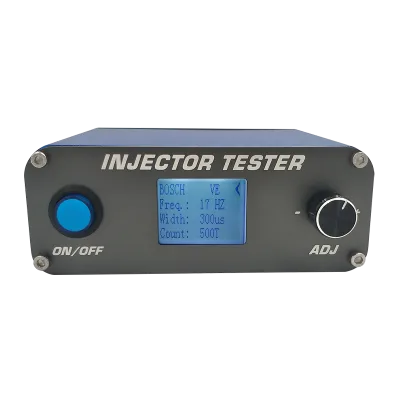
When evaluating multiple suppliers for common rail fuel injector testers, price is a significant but not solitary factor in the decision-making process. The available data shows a wide range of price points, from entry-level testers priced around $120 to advanced test benches exceeding $5,000. This disparity reflects differences in functionality, build quality, and target market positioning. Buyers must align their budget with their technical requirements, recognizing that a lower-priced unit may lack the precision or durability needed for high-volume workshop environments. It is essential to compare the price against the specific features offered, such as the ability to test conventional mechanical injectors versus high-pressure common rail systems. Additionally, the minimum order quantity (MOQ) is a key variable, with some suppliers offering an MOQ of just one unit, which is ideal for small workshops or individual technicians. In contrast, larger industrial buyers might benefit from suppliers who offer volume discounts or flexible MOQs for bulk orders.
Lead time and production capacity are other critical dimensions that influence the sourcing strategy. The lead time for these specialized machines can vary, with some suppliers indicating a standard production window of around 15 days. This timeframe is crucial for planning inventory and ensuring that the equipment is available when needed for workshop operations. Buyers should also consider the supplier’s capacity for OEM production, as this can impact lead times and customization options. The packaging method, whether it be express delivery, cartons, or wooden cases, also plays a role in the overall cost and safety of the shipment. Heavier test benches, weighing up to 900kg, require robust packaging to prevent damage during transit, which can affect the final landed cost. By comparing these logistical and production factors alongside price, buyers can develop a more holistic view of the total cost of ownership and select a supplier that offers the best balance of cost, speed, and reliability.
Common Common Rail Fuel Injector Tester Sourcing Risks
One of the primary risks in sourcing common rail fuel injector testers is the potential mismatch between the equipment’s technical specifications and the buyer’s actual testing needs. The market offers a variety of testers, from simple nozzle pressure testers to complex full-function test benches, and selecting the wrong type can lead to operational inefficiencies or inaccurate diagnostic results. Buyers must carefully review the product keywords and descriptions to ensure the tester supports the specific injector types and pressure ranges relevant to their fleet or workshop. For instance, a tester designed for conventional mechanical injectors may not be suitable for modern common rail systems, leading to wasted investment. Additionally, the voltage requirements of the equipment, which can vary between 220V and 380V, must be compatible with the buyer’s local power infrastructure. Failure to verify these technical details can result in significant delays and additional costs for modifications or replacements.
Another significant risk is the variability in product quality and after-sales support, which can be difficult to assess remotely. While suppliers may claim certifications and high-quality standards, the actual build quality of the test bench can vary based on the materials used, such as steel construction, and the precision of the internal components. Buyers should be cautious of suppliers who do not provide detailed specifications regarding weight, dimensions, or material composition, as these details are indicative of the equipment’s durability. Furthermore, the availability of spare parts and technical support is crucial for long-term usability. Some suppliers offer warranty periods, such as one year, but the extent of coverage and the ease of obtaining support can vary widely. Buyers should inquire about the supplier’s policy for handling defects or technical issues, as poor after-sales service can render even high-quality equipment useless. Mitigating these risks requires thorough due diligence and clear communication with the supplier regarding technical and support expectations.
Common Rail Fuel Injector Tester Regional Sourcing and Logistics
Sourcing common rail fuel injector testers from regional hubs like Shandong, China, offers logistical advantages but also presents specific challenges related to international shipping and customs clearance. The concentration of suppliers in this region means that buyers can often consolidate orders for multiple related products, such as diesel injectors and engine parts, from a single source. This consolidation can simplify logistics and potentially reduce shipping costs. However, the heavy nature of many test benches, which can weigh between 500kg and 900kg, necessitates careful planning for freight and handling. Buyers must consider the packaging requirements, such as wooden cases or plywood boxes, to ensure the equipment arrives without damage. The choice of shipping method, whether express delivery for smaller units or sea freight for larger benches, will significantly impact the lead time and overall cost. Understanding these logistical nuances is essential for accurate budgeting and timeline planning.
Customs and regulatory compliance are additional factors that buyers must navigate when importing equipment from international suppliers. The certifications claimed by suppliers, such as CE or ISO, are often required for customs clearance in various jurisdictions, but buyers must ensure that the documentation provided is valid and meets local regulations. The origin of the product, clearly stated as China in many cases, may also be subject to specific trade policies or tariffs that can affect the final cost. Buyers should work with their freight forwarders to understand the import duties and taxes applicable to their region. Additionally, the language support of the equipment, typically English, is important for ensuring that the user manual and software interface are accessible to the operators. By addressing these logistical and regulatory considerations early in the sourcing process, buyers can avoid unexpected delays and ensure a smooth transition from purchase to operation.
Common Rail Fuel Injector Tester Commercial Terms and Order Planning
Effective order planning for common rail fuel injector testers requires a clear understanding of the commercial terms offered by suppliers, including payment methods, warranty policies, and return procedures. While specific payment terms are not detailed in the current data, buyers should negotiate terms that protect their interests, such as using escrow services for secure transactions. The warranty period, often listed as one year for certain models, is a critical component of the commercial agreement, as it provides coverage for manufacturing defects. Buyers should clarify the scope of the warranty, including whether it covers parts, labor, or shipping costs for returns. Additionally, the customization support offered by suppliers, such as OEM or ODM services, can be a valuable commercial term for buyers seeking branded equipment. Understanding these terms helps buyers assess the total value of the offer and mitigate financial risks associated with the purchase.
Finalizing the order also involves planning for the installation and training required to operate the test bench effectively. Some suppliers may provide remote support or detailed manuals to assist with setup, but buyers should confirm the level of support included in the purchase price. The standard packaging and dimensions of the equipment, such as 0.01CBM for smaller units or larger wooden cases for heavy benches, should be factored into the logistics plan to ensure adequate space for storage and operation. Buyers should also consider the long-term maintenance needs of the equipment, including the availability of software updates and spare parts. By carefully reviewing the commercial terms and planning for the operational requirements, buyers can ensure a successful procurement experience and maximize the utility of their Common Rail Fuel Injector Tester investment. This proactive approach helps avoid post-purchase issues and ensures that the equipment integrates seamlessly into the buyer’s workflow.
FAQs
Where are common rail fuel injector testers manufactured?
Common rail fuel injector testers are manufactured in Shandong, China. This region is a known hub for diesel fuel injection equipment. Buyers should verify specific factory locations when requesting detailed shipping quotes or arranging factory audits for quality assurance purposes.
What is the typical lead time for these testers?
The typical lead time for these testers is 15 days. This duration applies to standard orders from suppliers in the Shandong region. Buyers should confirm current production schedules with the specific vendor before finalizing purchase agreements to avoid delays.
Do suppliers offer customization for these testing machines?
Yes, customization is available for many common rail fuel injector testers. Suppliers provide OEM support and allow modifications to meet specific testing requirements. Buyers should specify their needs clearly when requesting a quote to ensure the final product matches their operational standards.
What certifications do these testers typically hold?
These testers typically hold CE, ISO, and GS certifications. Some models also carry specific ISO standards for industrial measuring instruments. Buyers should request valid certification documents from the supplier to ensure compliance with safety and quality regulations in their target market.
What is the minimum order quantity for these testers?
The minimum order quantity for these testers is one unit. This low MOQ allows buyers to purchase single units for testing or small-scale operations. Bulk orders may be available, but the baseline requirement remains flexible for individual buyers seeking specific models.
How quickly do suppliers respond to inquiries?
Suppliers respond to inquiries within 2 to 8.54 hours on average. This rapid response time helps buyers get quick quotes and technical support. Buyers should expect timely communication when contacting verified suppliers in the Shandong region for urgent sourcing needs.
What is the price range for these testers?
The price range for these testers varies from 120 to 5250 depending on the model. Basic units start around 120, while advanced test benches can cost over 5000. Buyers should compare specific model features to determine the best value for their budget.