Modern Aluminum Flexible Track Light Suppliers and Manufacturers
Explore 27 verified options for Modern Aluminum Flexible Track Light from Guangdong factories. Compare response times, lead times, certifications like CCC and CE, and pricing details. Contact suppliers directly to request quotes for specific models; review the available evidence before requesting comparable quotations from suitable candidates.
Updated
Suppliers List

Zhongshan Xusheng Lighting Co., Ltd.
- Verified by SGS
- Manufacturer
- China Guangdong
- Lead time23 days
- Avg. response≤ 5h
Main productsDownlight, Spot Light, Track Light, Magnetic Track Light
Main marketsSouth America,Southeast Asia/ Mideast,Europe

How Bright Electronics Limited
- Trading Company
- China Guangdong
- Lead time23 days
- Avg. response≤ 3h
Main productsWall Lamp, Ceiling Lamp, Pendant Lamp, Spot Light, Down Light, Track Light
Main marketsSouth America,Africa,Southeast Asia/ Mideast,East Asia(Japan/ South Korea),Europe,Australia,North America


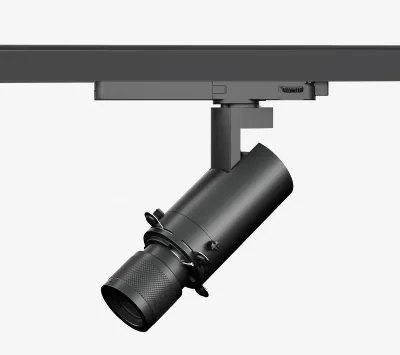
Aluminium Surface Mounted Downlight Spotlight Adjustable LED Aluminum 90 Modern Track Lights
$5.77 - $12.13
MOQ: 100 Pieces


Anboo (Shenzhen) Technology Co., Ltd
- Verified by TUVRHEINLAND
- Manufacturer/Factory
- China Guangdong
- Lead time23 days
- Avg. response≤ 1h
Main productsLED Linear Light, LED Downlight, LED Tri-Proof Light, LED Tubular Light, LED Spot Light, LED Track Light, LED Solar Light
Main marketsSouth America,Eastern Europe,North America,Southeast Asia,Eastern Asia,Western Europe

Jiangmen Keliang Lighting Technology Co., Ltd.
- Trading Company
- China Guangdong
- Lead time0 days
- Avg. response≤ 1h
Main productsLED Track Light, Magnetic Track Light, Track Light
Changsha Dengdu E-commerce Co., Ltd.
- Trading Company
- Hunan, China
- Lead time0 days
- Avg. response≤ 2h
Main productslighting
Main marketsNorth America(51.00%), Northern Europe(49.00%)
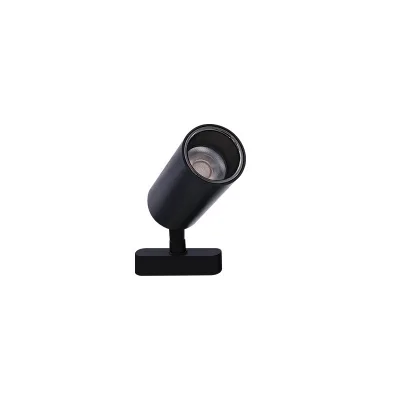
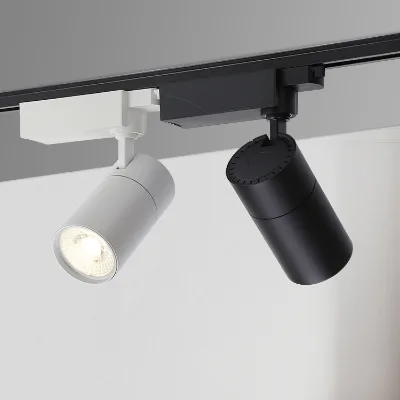
$8.20 - $15.60
MOQ: 10 Minimum
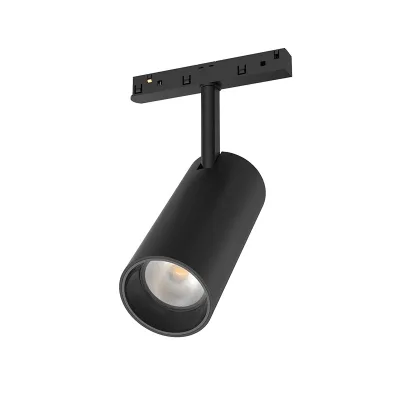
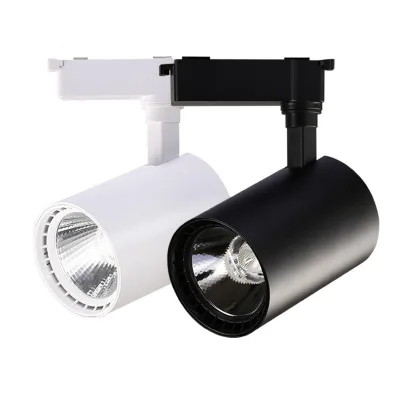
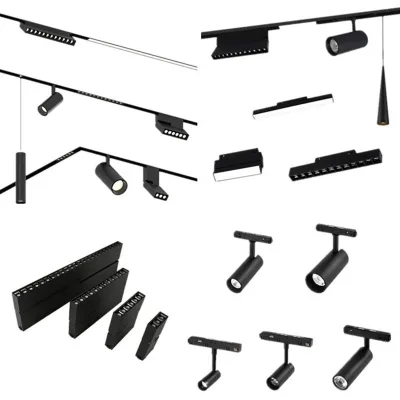
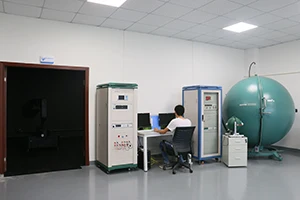
Shenzhen Encore Optoelectronic Technology Co., Ltd.
- Manufacturer, Trading Company
- Guangdong, China
- Lead time7 days
- Avg. response≤ 5h
Main productsLED Track Light, Led Downlight, Led Cylinder Light, Led Linear Light, Led Panel Light
Main marketsNorth America(40.00%), Oceania(15.00%), Domestic Market(15.00%), Northern Europe(10.00%), Western Europe(5.00%), Southern Europe(5.00%), Eastern Europe(5.00%), Mid East(5.00%)
Eze Lighting Technology Co., Ltd.
- Verified by TüVRheinland
- Manufacturer, Trading Company
- Lead time20 days
- Avg. response≤ 1h
Main productsTrack Light, Downlight, Spotlight, Linear Light, Magnetic Light
Main marketsSoutheast Asia(50%), Mid East(10%), Western Europe(10%)
Jiangmen Shaway Technology Co., Ltd.
- Verified by Intertek
- Manufacturer, Trading Company
- Lead time15 days
- Avg. response≤ 6h
Main productsMagnetic Track Light, Power Track Socket, Track Light, Spot Light, Strip Light
Main marketsSouth America(25%), Eastern Europe(20%), North America(15%)
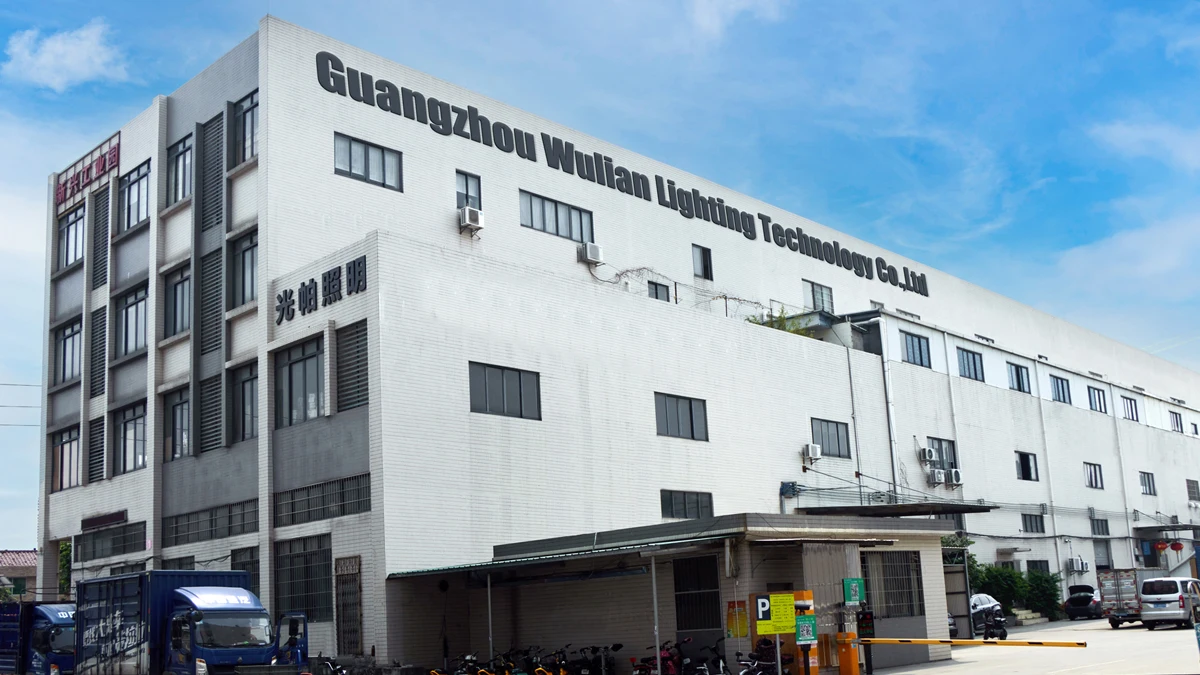
Guangzhou Wulian Lighting Technology Co., Ltd.
- Manufacturer
- Guangdong, China
- Lead time15 days
- Avg. response≤ 2h
Main productsLED down lights,LED spot lights,LED panel lights,LED track lights,led grille lights
Main marketsDomestic Market(40.00%), Eastern Europe(10.00%), Southern Europe(10.00%), Northern Europe(10.00%), Western Europe(10.00%), Eastern Asia(10.00%), Mid East(10.00%)
Foshan City Yingpeng Lighting Co., Ltd.
- Verified by Intertek
- Manufacturer, Trading Company
- Lead time20 days
- Avg. response≤ 4h
Main productsLED Downlight, LED Track Light, LED Magnetic Light, Track Rail
Main marketsDomestic Market(46%), Southeast Asia(26%), Eastern Europe(15%)
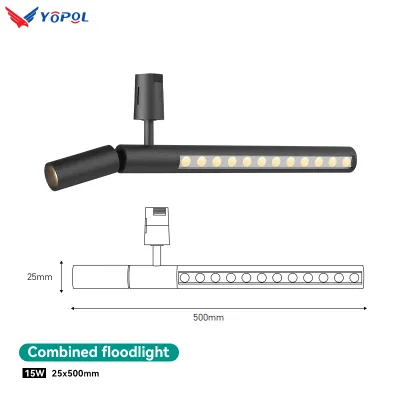
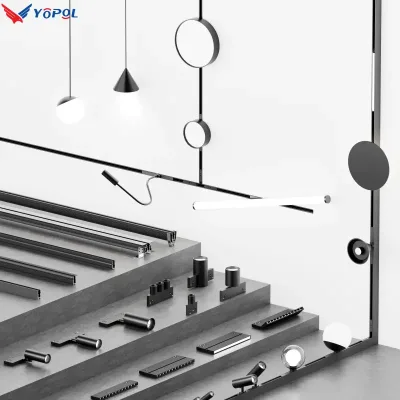
$4.1193 - $18.5321
MOQ: 10 pieces
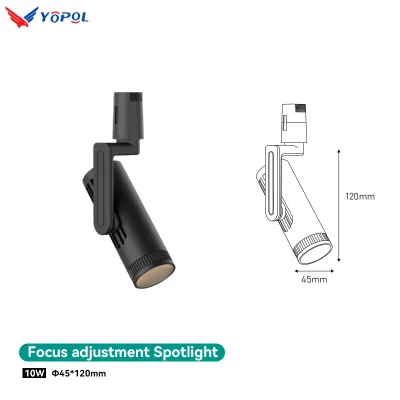
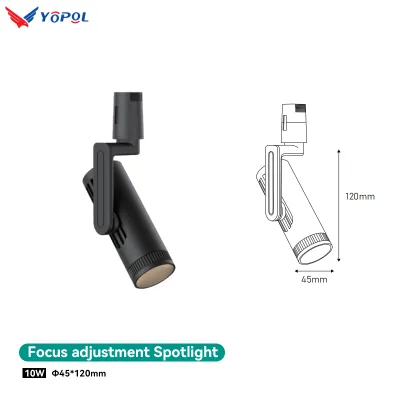
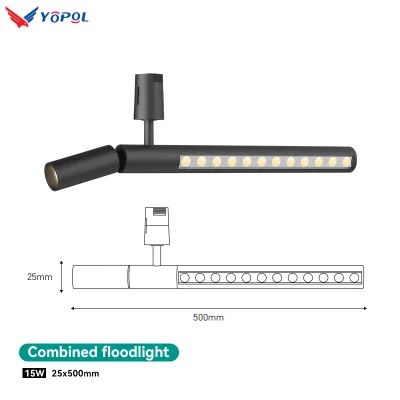
$3.0909 - $20.3999
MOQ: 10 pieces
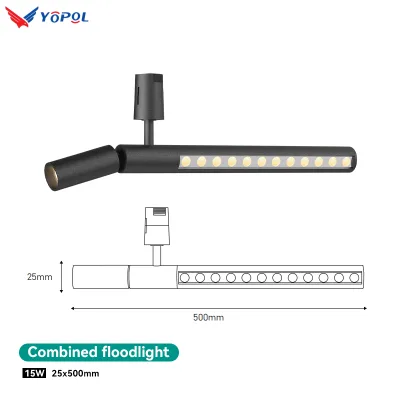
Sinofo Shenghong(Gz) Bio-Tech Co., Ltd
- Verified by TUVRHEINLAND
- Trading Company
- China Guangdong
- Lead time15 days
- Avg. response≤ 5h
Main productsChemicals, Cake, Skincare, Shampoo, Ingredient, Food Ingredient, Skincare Ingredient
Main marketsDomestic


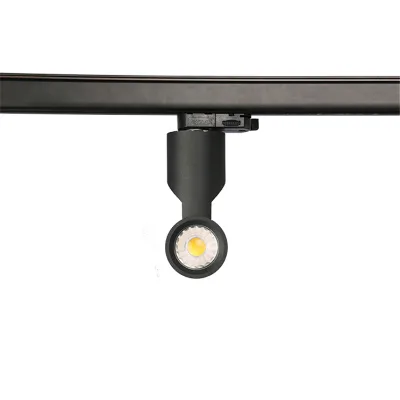
Adjustable Brightness Magnetic Track Light for Versatile Lighting Solutions
$7.50 - $12.50
MOQ: 5 Pieces


Guangdong Benhao Trading Co., Ltd.
- Verified by SGS
- Combined
- China Guangdong
- Lead time23 days
- Avg. response≤ 2h
Main productsLED Track Light, Ceiling Light, Spot Light, Magnetic Light
Main marketsAfrica,Southeast Asia/ Mideast,Europe

Zhongshan Fansen Lighting CO., LTD.
- Verified by CTI
- Combined
- China Guangdong
- Lead time30 days
- Avg. response≤ 3h
Main productsLED Light, LED Downlight, LED Tracklight, LED Spotlight, LED Linearlight
Main marketsSoutheast Asia/ Mideast,Domestic
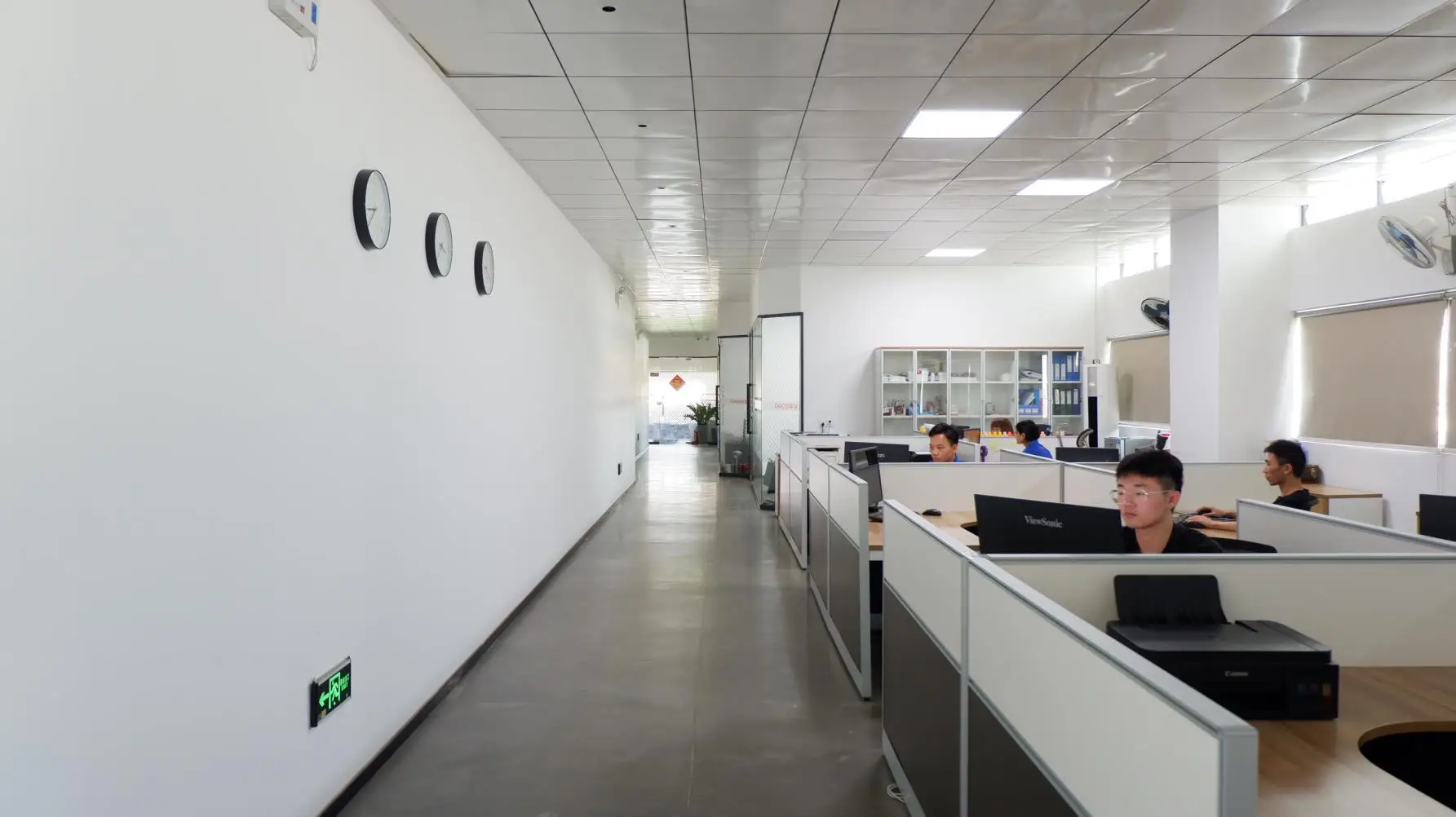
Zhongshan Fuyi Lighting Electrical Appliance Co., Ltd.
- Manufacturer, Trading Company
- Guangdong, China
- Lead time30 days
- Avg. response≤ 3h
Main productsLED Down Light, Track Light, Spot Light, Outdoor Lights
Main marketsDomestic Market(65.00%), Southern Europe(20.00%), Southeast Asia(10.00%), Mid East(5.00%)
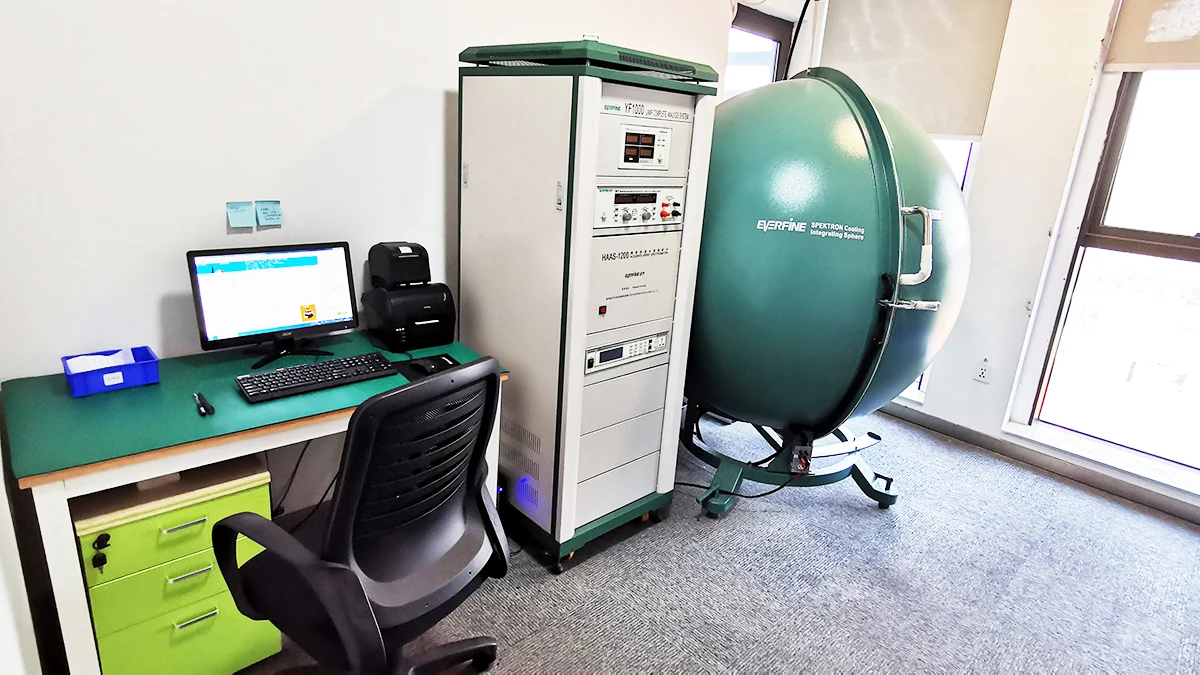
Ningbo Hanlux Lighting Co.,ltd
- Manufacturer, Trading Company
- Zhejiang, China
- Lead time35 days
- Avg. response≤ 3h
Main productsLED Lighting, Lighting Fixtures
Main marketsSouth America(21.00%), Eastern Europe(16.00%), Africa(12.00%), Western Europe(11.00%), Southeast Asia(9.00%), North America(7.00%), Northern Europe(7.00%), Mid East(6.00%), Oceania(4.00%), Southern Europe(4.00%), Central America(3.00%)
BESTCO Technology Co., Ltd. Guangdong
- Verified by TüVRheinland
- Manufacturer, Trading Company
- Lead time25 days
- Avg. response≤ 5h
Main productsLED Recessed Down Light, LED Surface Mounted Down Light, LED Linear Recessed Down Light, Extra Slim LED Down Light, LED Track Light
Main marketsNorth America(25%), Western Europe(25%), Mid East(20%)
How Bright Electronics Limited
- Verified by TüVRheinland
- Trading Company
- Lead time30 days
- Avg. response≤ 1h
Main productsLED Wall Lamp, Table Lamp, LED Downlight, Spotlight, Pendant Lights
Main marketsSouth America(30%), Eastern Europe(10%), Western Europe(10%)
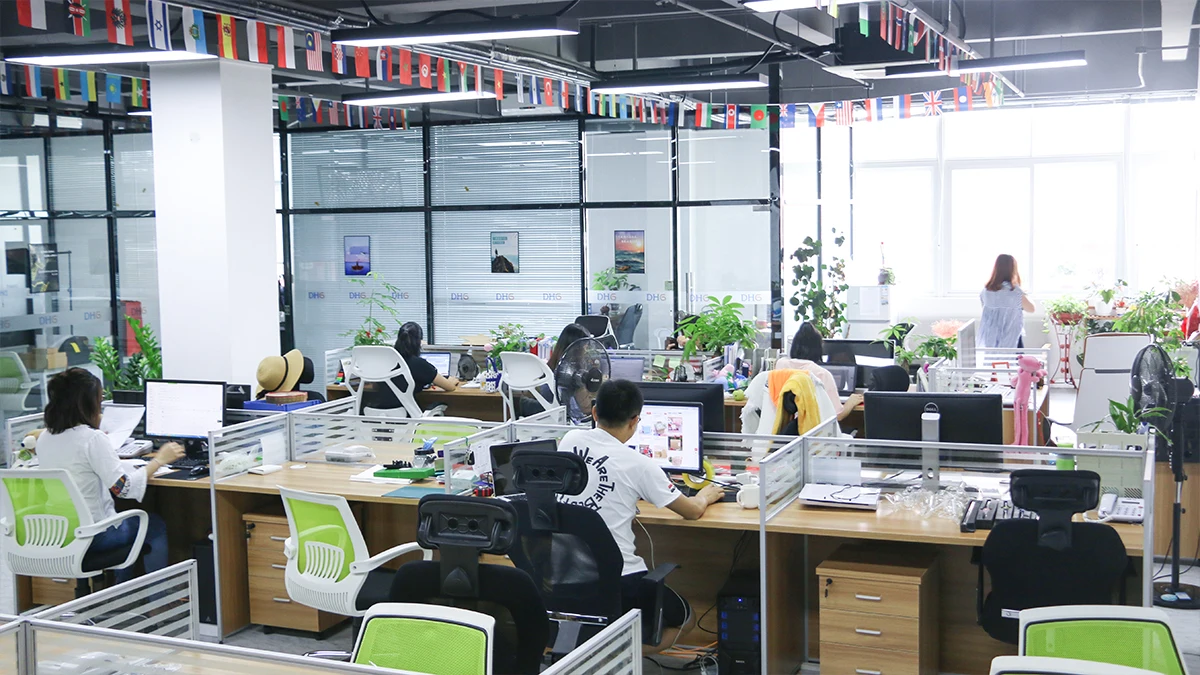
Xiamen Homejoy Technology Co., Ltd.
- Manufacturer, Trading Company
- Fujian, China
- Lead time25 days
- Avg. response≤ 7h
Main productsLED lights,Electronic devices,Home using appliance,Smart door lock
Main marketsWestern Europe(25.00%), Southeast Asia(25.00%), Eastern Europe(15.00%), North America(15.00%), Northern Europe(10.00%), Africa(10.00%)

Shenzhen Awelled Optoelectronics Co., Ltd
- Verified by SGS
- Trading Company
- China Guangdong
- Lead time15 days
- Avg. response≤ 3h
Main productsLED Display Lighting, LED Cabinet Light, LED Track Light, LED Showcase Light, LED PAR Light, LED Strip Light, LED Jewelry Case Light, LED Jewelry Light, Display Lighting, Jewelry Lighting
Main marketsSoutheast Asia/ Mideast,Europe,North America

Guangdong Allway Lighting Electric Company Limited
- Combined
- China Guangdong
- Lead time15 days
- Avg. response≤ 6h
Main productsLED Down Light, LED Panel Light, LED Bulb, LED Track Light, LED Ceiling Light, LED Spot Light, LED Grill Light
Main marketsSouth America,Southeast Asia/ Mideast,Europe
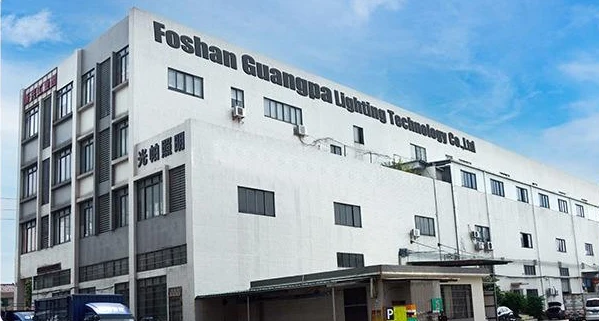
Foshan Guangpa Lighting Technology Co., Ltd.
- Manufacturer, Trading Company
- Gunagdong, China
- Lead time3 days
- Avg. response≤ 1h
Main productsTrack Spotlight Light, Ceiling Light, Showcase Light, Floodlight, Track Rail
Main marketsDomestic Market(60.00%), Southeast Asia(10.00%), South Asia(5.00%), Southern Europe(5.00%), Eastern Asia(5.00%), Central America(5.00%), Northern Europe(5.00%), Eastern Europe(3.00%), South America(2.00%)
Dongguan Fitlight Lighting Co., Ltd.
- Verified by TüVRheinland
- Manufacturer, Trading Company
- Lead time7 days
- Avg. response≤ 2h
Main productsLED Track Light , LED Down Light, LED Magnetic Light, LED Grille Down Light, LED Linear Light
Main marketsWestern Europe(25%), Domestic Market(25%), North America(15%)

Zhongshan Kyqee Lighting Co., Ltd.
- Manufacturer
- Guangdong, China
- Lead time15 days
- Avg. response≤ 3h
Main productsMagnetic Lighting Serise,Downlight series,Spot Light Series,Track Light Series,Linear Light Series
Main marketsEastern Europe(18.00%), Southern Europe(18.00%), Domestic Market(17.00%), Mid East(13.00%), Southeast Asia(10.00%), South Asia(10.00%), South America(5.00%), Northern Europe(2.00%), Eastern Asia(2.00%), Oceania(1.00%), Africa(1.00%), North America(1.00%), Western Europe(1.00%), Central America(1.00%)

Jiangmen Synno Lighting Co., Ltd.
- Verified by TUVRHEINLAND
- Combined
- China Guangdong
- Lead time30 days
- Avg. response≤ 4h
Main productsDownlight, Garden Light, Underground Light, Inground Light, Swimming Pool Light, LED Flood Lights, LED Track Lights, LED Under Water Light, LED Ceiling Light, Landscape Lighting
Main marketsSoutheast Asia/ Mideast
Guangzhou Oushang Lighting Technogy Co., Ltd.
- Verified by TüVRheinland
- Trading Company
- Lead time15 days
- Avg. response≤ 2h
Main productsMagnetic Track Light, LED Linear Light, LED Track Light, LED Ceiling Light, LED Downlight
Main marketsNorthern Europe(27%), South America(15%), Mid East(15%)
Shenzhen Fredlighting Technology Limited
- Verified by TüVRheinland
- Manufacturer, Trading Company
- Lead time7 days
- Avg. response≤ 3h
Main productsLED Neon Sign, LED Strip Light, LED Down Light Panel Light, Outdoor Solar Lamp
Main marketsNorth America(26%), South America(16%), Northern Europe(16%)
Guangdong Allway Lighting Electric Co., Ltd.
- Manufacturer, Trading Company
- Lead time旺季: "1 - 100":15,"101 - 1000":30,"> 1000":"To be negotiated", 淡季: "1 - 100":15,"101 - 1000":30,"> 1000":"To be negotiated"
- Avg. response≤ 2h
Main productsLED Downlight, LED Spotlight, LED Linear Light, LED Track Light, LED Panel Light


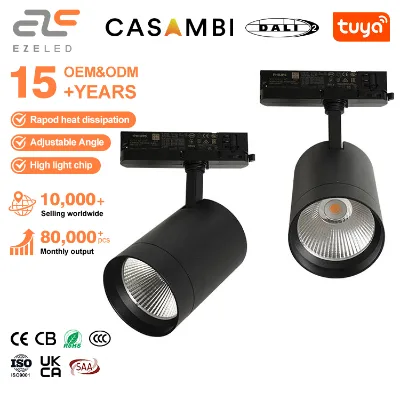
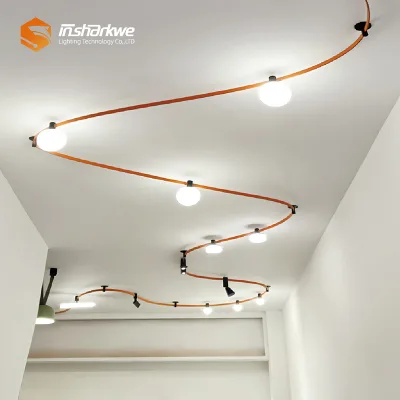
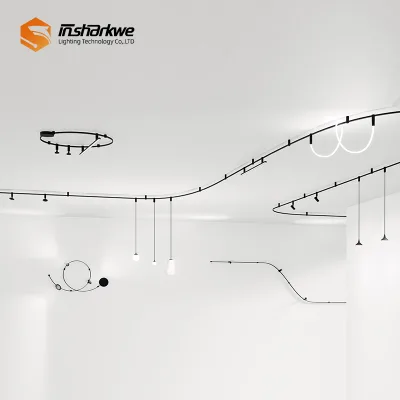
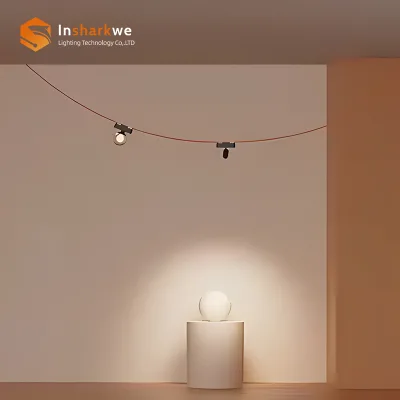
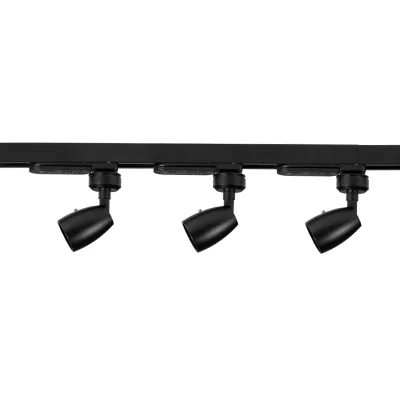
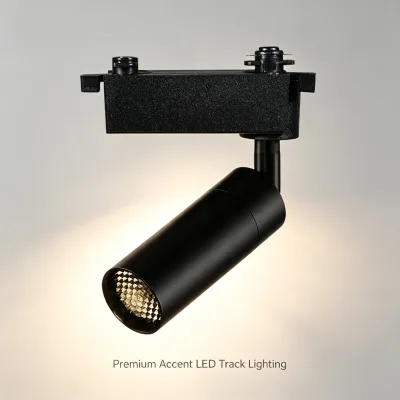
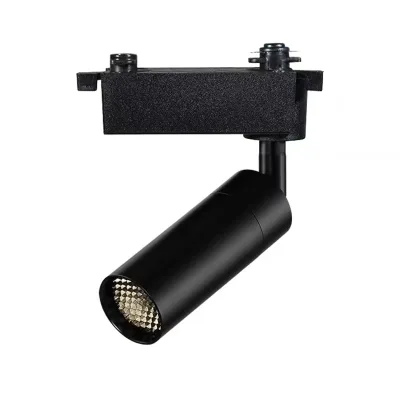


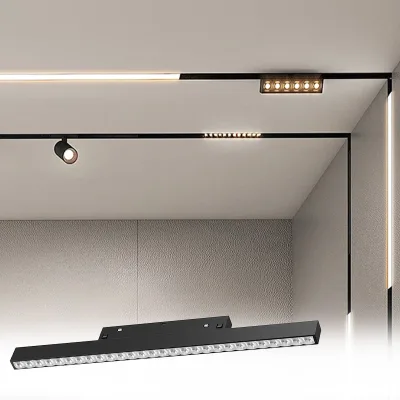
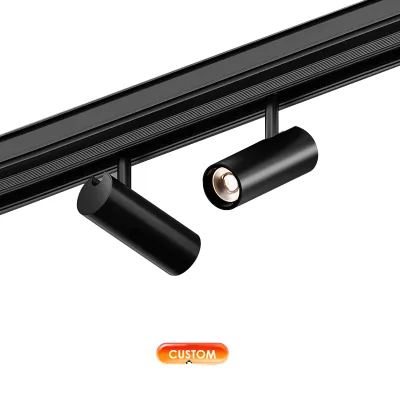
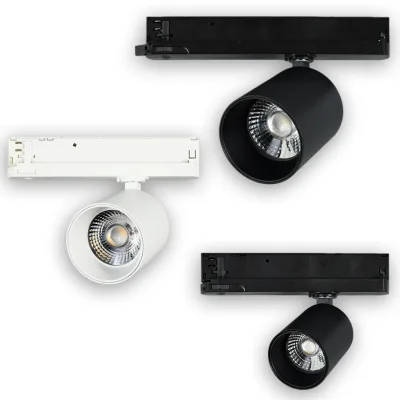
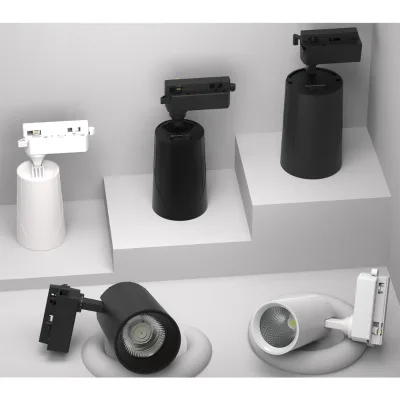
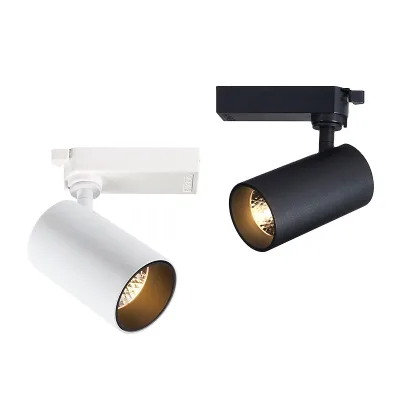
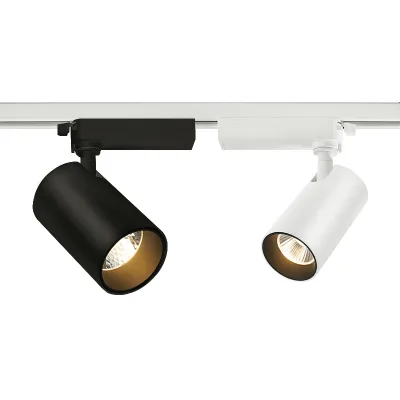
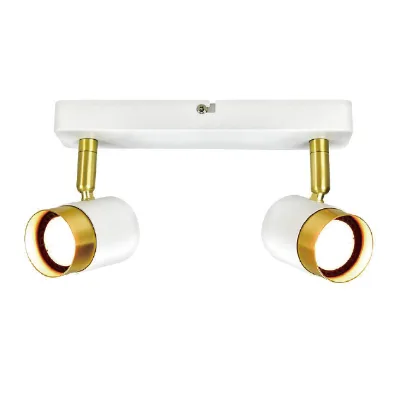
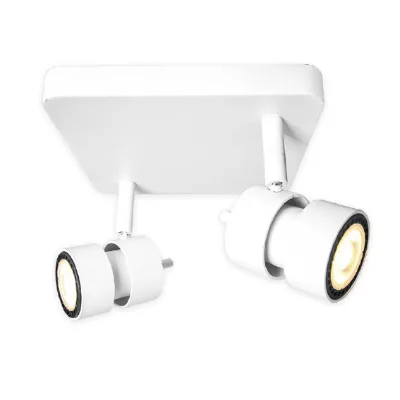
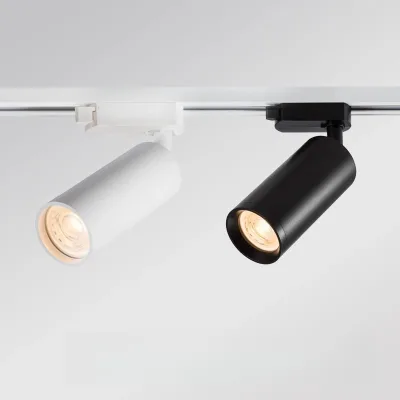
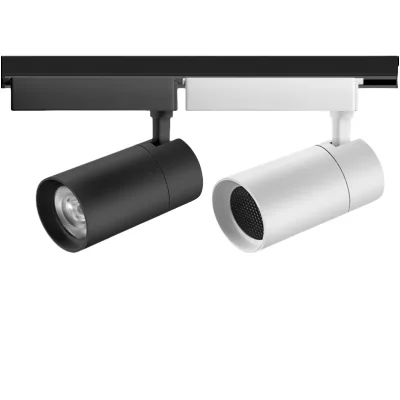


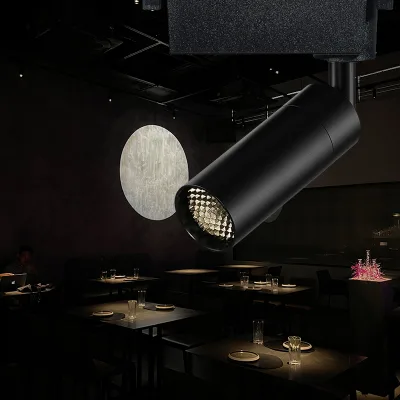
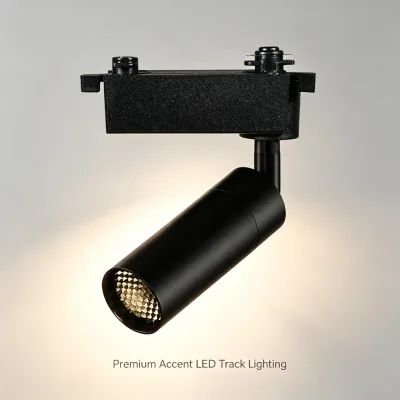
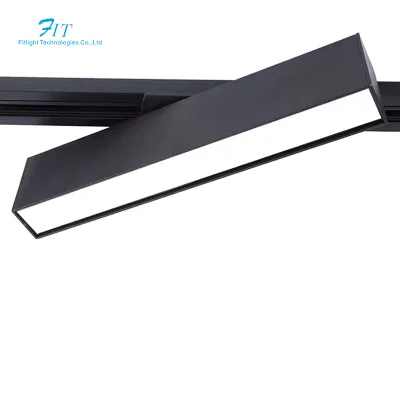
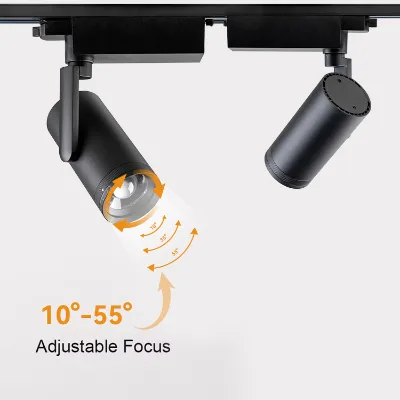

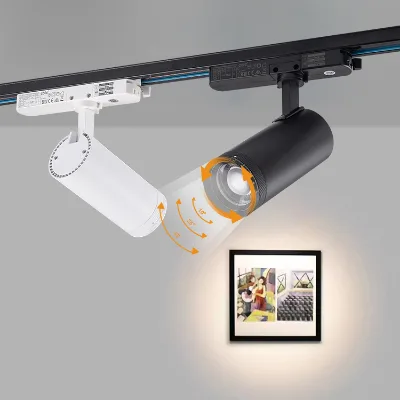
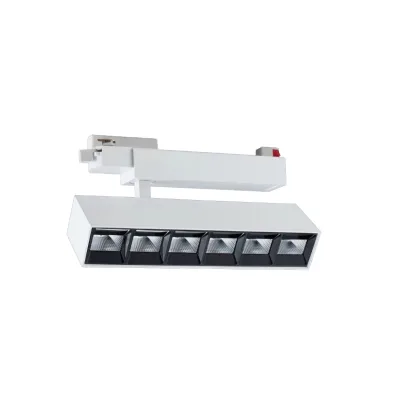
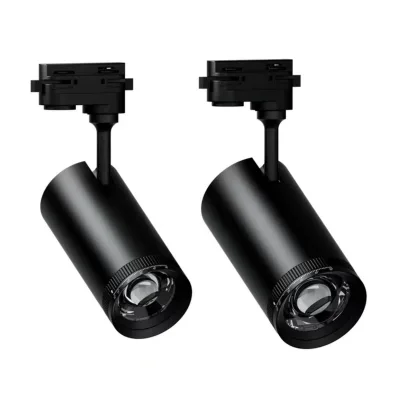
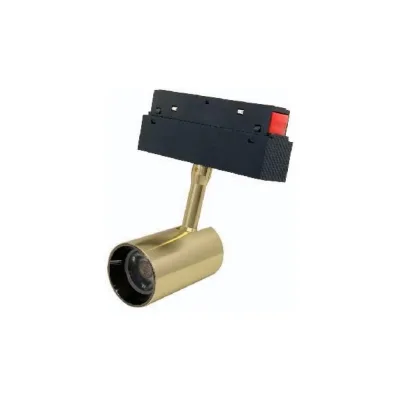


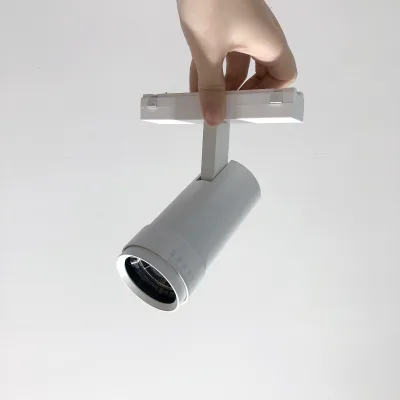
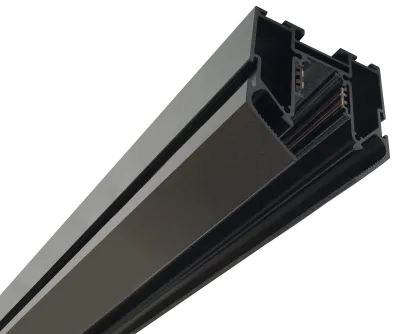
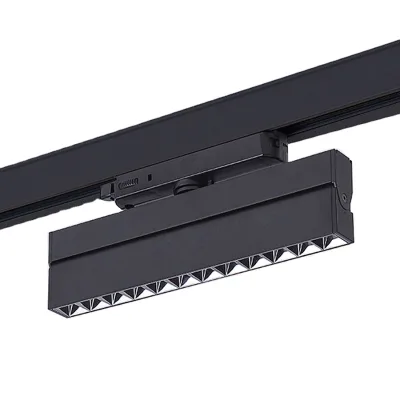
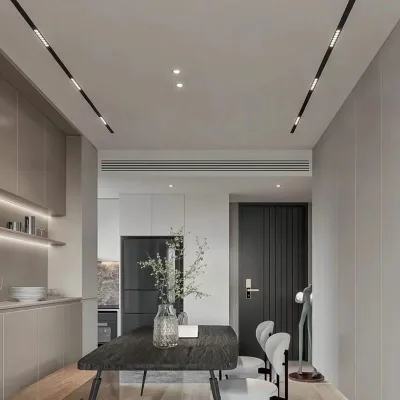
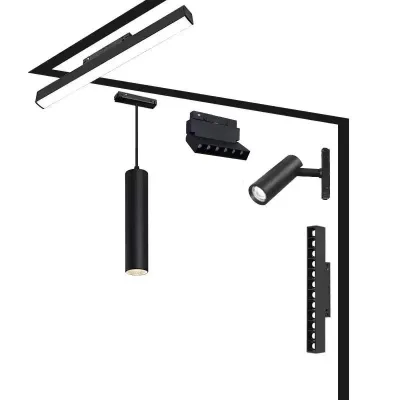
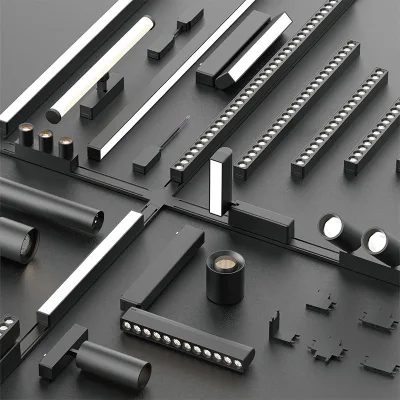
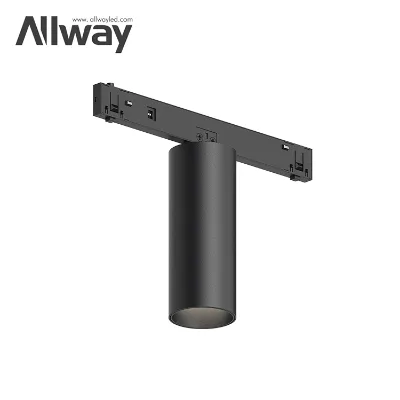
Comprehensive Sourcing Guide
Modern Aluminum Flexible Track Light Supplier Concentration and Factory Types
The current supplier landscape for modern aluminum flexible track lighting reveals a distinct split between manufacturing capabilities and trading operations, primarily concentrated in China’s Guangdong province. This region serves as a critical hub for lighting manufacturing, offering established supply chains for aluminum extrusions, LED chips, and electronic drivers. Buyers evaluating these suppliers will encounter two primary company types: manufacturers and trading companies. Manufacturers typically highlight their ability to handle Original Design Manufacturing (ODM) and Original Equipment Manufacturing (OEM) requests, allowing for significant customization of track systems, housing materials, and smart control integrations. These entities often possess direct control over production lines, which can facilitate tighter quality control and more flexible engineering adjustments for specialized architectural lighting projects. In contrast, trading companies may offer a broader aggregation of products from multiple factories, potentially simplifying the sourcing process for buyers who need diverse SKUs but lack the resources to manage multiple factory relationships directly.
Understanding the distinction between these entity types is crucial for assessing long-term partnership viability. Manufacturers often emphasize their internal research and development capacity, including the ability to produce own brands and customize components like magnetic track interfaces or adjustable beam angles. For instance, some suppliers list specific certifications such as CCC, CE, RoHS, and even ETL or LVD, indicating compliance with various international safety and electromagnetic compatibility standards. Trading companies, on the other hand, might display different verification statuses, such as SGS, and may not hold system certifications themselves but facilitate access to certified products. The presence of specific product attributes, such as aluminum lamp bodies, Bridgelux or CREE LED chips, and smart control features like DALI or Bluetooth, often correlates with the supplier’s technical depth. Buyers should scrutinize whether the supplier’s main products align with their specific needs, as some focus heavily on track lights while others offer a wider range of indoor lighting solutions including downlights and wall lamps.
How to Verify Modern Aluminum Flexible Track Light Suppliers
Verifying the legitimacy and capability of Modern Aluminum Flexible Track Light suppliers requires a multi-layered approach that goes beyond surface-level profile views. Buyers should prioritize suppliers who display third-party verification badges, such as SGS, which indicates that an independent agency has audited the company’s business operations. However, verification alone does not guarantee product quality or manufacturing consistency. It is essential to cross-reference these badges with specific product certifications listed in the technical specifications. For example, a supplier claiming to offer high-quality track lighting should provide detailed certification data for their specific models, such as CCC, CE, RoHS, EMC, ETL, or VDE. These certifications are not universal; they apply to specific product lines and must be validated against the exact models being ordered. Buyers should request copies of these certificates and verify their validity with the issuing bodies, especially when dealing with international shipments where customs clearance depends on accurate documentation.
Beyond certifications, assessing the supplier’s responsiveness and operational transparency is a key verification step. The response time metric provides insight into the supplier’s customer service efficiency, with lower numbers indicating faster communication. A supplier with a response time of 4.93 hours may be more accessible for urgent queries than one with a significantly higher delay, which can impact project timelines. Additionally, buyers should examine the supplier’s main product focus to ensure they are not a generalist trading company lacking specialized knowledge in track lighting systems. Suppliers that list specific technical attributes, such as adjustable beam angles, high CRI ratings, or specific LED chip brands like Bridgelux, demonstrate a deeper product expertise. It is also advisable to check for any discrepancies between the supplier’s stated capabilities and their actual product listings. For instance, if a supplier claims to be a manufacturer but lists no OEM/ODM capabilities, this may indicate a mismatch between their profile and their actual business model.
What to Compare Across Modern Aluminum Flexible Track Light Suppliers
When comparing suppliers, buyers must evaluate a range of operational and commercial metrics to determine the best fit for their specific procurement needs. Key dimensions include lead time, minimum order quantity (MOQ), price points, and customization options. Lead times can vary significantly, with some suppliers offering a 23-day turnaround, which is critical for projects with strict deadlines. MOQs also differ, ranging from as low as 50 units to as high as 300 units, influencing the initial investment and inventory risk for the buyer. Price comparisons should be conducted carefully, noting that costs can range from approximately $5.48 to $15.80 per unit depending on features such as smart control capabilities, material quality, and certification levels. Buyers should not rely solely on the lowest price but should consider the total value, including warranty periods, working lifetime, and the quality of components like aluminum housings and LED chips.
Customization capabilities are another vital comparison point, especially for modern aluminum flexible track lights that may require specific dimensions, colors, or control systems. Suppliers that offer available customization can tailor products to match architectural designs, such as providing sand black, white, or gold finishes, or adjusting beam angles to 24°, 36°, or 60°. The availability of smart control features, such as DALI or Bluetooth integration, adds value for modern interior lighting projects. Additionally, buyers should compare the supplier’s main product range to ensure they can meet future needs. A supplier focusing exclusively on track lights may offer more specialized support than one with a broad but shallow inventory. Response times also play a role in the comparison, as faster communication can facilitate quicker resolution of technical questions and order modifications. By systematically comparing these factors, buyers can identify suppliers that offer the best balance of cost, quality, and service for their specific requirements.
Common Modern Aluminum Flexible Track Light Sourcing Risks
Sourcing modern aluminum flexible track lights involves several potential risks that buyers must actively manage to ensure project success. One significant risk is the mismatch between advertised specifications and actual product performance. Suppliers may list high CRI values or specific LED chip brands, but without rigorous testing or third-party verification, these claims may not hold up in real-world applications. Buyers should be cautious of suppliers who do not provide detailed technical data or who have inconsistent certification listings across their product range. Another risk is the variability in manufacturing quality, particularly when dealing with trading companies that source from multiple factories. Inconsistent quality can lead to issues such as uneven light distribution, premature driver failure, or physical defects in the aluminum housing. This risk is heightened when orders are large and spread across different production batches, making it difficult to maintain uniformity.
Logistical and compliance risks are also prevalent in international lighting procurement. Shipping fragile electronic components requires careful packaging to prevent damage during transit, and suppliers must adhere to specific packing standards to ensure product integrity. Additionally, buyers must navigate varying regulatory requirements in their target markets, such as CE in Europe or ETL in North America. Failure to verify that the specific models ordered hold the necessary certifications for the destination country can result in customs delays or legal liabilities. Furthermore, the rapid evolution of smart lighting technologies means that suppliers must stay updated with the latest control protocols. Buyers should assess whether the supplier’s technical support is sufficient to address integration challenges with existing building management systems. By identifying these risks early and implementing strict verification processes, buyers can mitigate potential issues and ensure a smoother sourcing experience.
Modern Aluminum Flexible Track Light Regional Sourcing and Logistics
The geographic concentration of Modern Aluminum Flexible Track Light suppliers in China’s Guangdong province offers distinct logistical advantages and challenges for global buyers. This region benefits from a mature ecosystem of component suppliers, including aluminum extrusion manufacturers, LED chip producers, and electronic driver factories, which reduces lead times and enhances supply chain resilience. Buyers sourcing from this cluster can often benefit from faster production cycles and more competitive pricing due to the density of related industries. However, the concentration also means that buyers must be diligent in selecting suppliers who can handle international shipping requirements effectively. Logistics providers in the region are experienced in exporting lighting products, but buyers must ensure that packaging meets international standards to prevent damage during long-haul transit. The proximity to major ports facilitates efficient export processes, but buyers should still account for potential delays due to global shipping fluctuations or customs inspections.
For buyers outside of Asia, understanding the regional logistics landscape is crucial for accurate cost and time estimation. Shipping times from Guangdong to major international destinations can vary, and buyers should work with suppliers who have experience in their specific target markets. This experience ensures that suppliers are familiar with the necessary documentation, such as commercial invoices, packing lists, and certificates of origin, which are required for smooth customs clearance. Additionally, buyers should consider the environmental impact of their sourcing decisions, as the manufacturing processes in this region are subject to increasing environmental regulations. Suppliers who adhere to strict environmental standards may offer more sustainable products, which can be a valuable differentiator for eco-conscious buyers. By leveraging the logistical advantages of the Guangdong cluster while mitigating potential risks through careful supplier selection and logistics planning, buyers can optimize their sourcing strategy for modern aluminum flexible track lights.
Modern Aluminum Flexible Track Light Commercial Terms and Order Planning
Effective order planning for modern aluminum flexible track lights requires a thorough understanding of commercial terms, including pricing structures, payment conditions, and warranty policies. Buyers should negotiate clear pricing agreements that account for volume discounts, especially when ordering larger quantities that meet higher MOQ thresholds. It is essential to clarify whether the quoted prices include packaging, labeling, and any specific customization costs, as these can add to the final expense. Payment terms should be aligned with the supplier’s verification status and the buyer’s risk tolerance, with options such as escrow services providing an additional layer of security for transactions. Buyers should also establish clear expectations regarding warranty periods, which can range from two years to longer durations depending on the supplier and product quality. A robust warranty policy indicates the supplier’s confidence in their product’s durability and performance.
Beyond immediate transactional terms, buyers should plan for long-term commercial relationships that support future growth and product evolution. This includes discussing potential for ongoing customization, such as updates to smart control systems or changes in housing materials, as market trends shift. Suppliers that offer flexible commercial terms and responsive customer service are better positioned to support these long-term needs. Buyers should also consider the total cost of ownership, including maintenance and replacement costs, which can be influenced by the quality of components like LED chips and drivers. By establishing clear commercial terms and planning for future orders, buyers can build a sustainable sourcing strategy that balances cost efficiency with product quality and reliability. This approach ensures that the procurement process supports both current project requirements and future business objectives, fostering a productive and mutually beneficial relationship with the supplier.
FAQs
What certifications do modern aluminum track lights have?
Modern aluminum track lights typically carry CCC, CE, and RoHS certifications to ensure safety and environmental compliance. Some models also include EMC, ETL, and LVD approvals for broader market access. These certifications verify that the fixtures meet international electrical and material standards, providing assurance for commercial and residential installations.
What is the minimum order quantity for these lights?
The minimum order quantity varies by supplier and specific model. Some manufacturers require a minimum of 50 units, while others set the threshold at 100 or 300 pieces. Buyers should check the specific product listing to confirm the exact MOQ, as it directly impacts initial procurement costs and inventory planning.
How long does production take for these fixtures?
Production lead times for modern aluminum track lights generally average around 23 days. This timeframe allows for manufacturing quality control and packaging preparation. Buyers should confirm the exact schedule with the supplier, as rush orders or custom specifications may alter the standard delivery window significantly.
What LED chip brands are used in these lights?
Many modern aluminum track lights utilize high-quality LED chips from brands like Bridgelux and CREE. These components ensure consistent light output and longevity. The choice of chip brand often correlates with the color rendering index and overall efficiency of the fixture, which are critical for professional lighting applications.
Are these track lights dimmable and smart-controlled?
Yes, many modern aluminum track lights feature dimmable capabilities and smart control options. Some models support Bluetooth Dali or magnetic smart tracking systems. These features allow for precise light adjustment and integration with home or building automation systems, enhancing both functionality and energy efficiency for the end user.
What is the price range for these track lights?
Prices for modern aluminum track lights typically range from approximately $5.48 to $15.80 per unit. The cost depends on features such as smart controls, beam angles, and certification levels. Buyers can find budget-friendly options around $5.48 or premium models with advanced dimming capabilities closer to $15.80.