Source Modern Aluminum Flexible Track Light for Retail, Offices, and Showrooms
Find 30 Modern Aluminum Flexible Track Light options with customizable features and smart controls. Compare specifications like CRI, beam angles, and certifications from suppliers in Zhongshan, Guangdong, China to find the right fit for your project; compare the available evidence and request quotations based on your requirements.
Updated
Key considerations
Products List


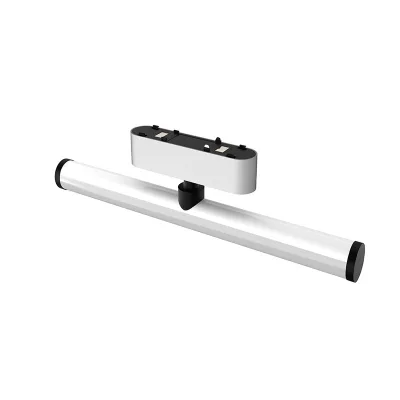


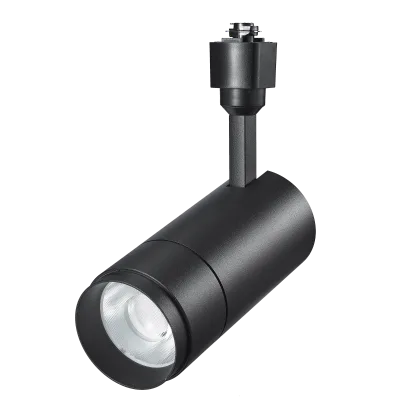


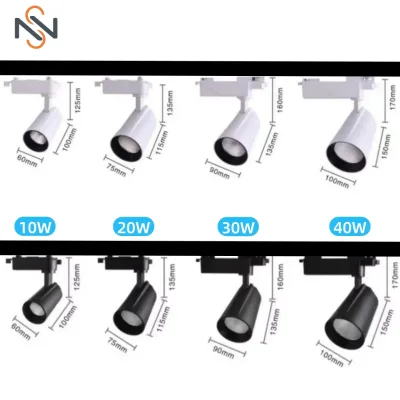
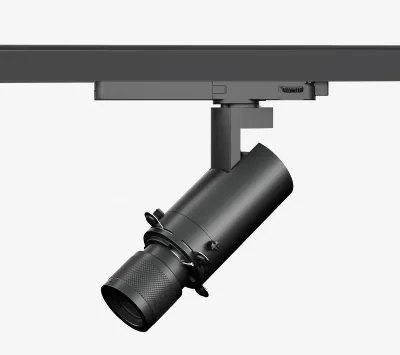
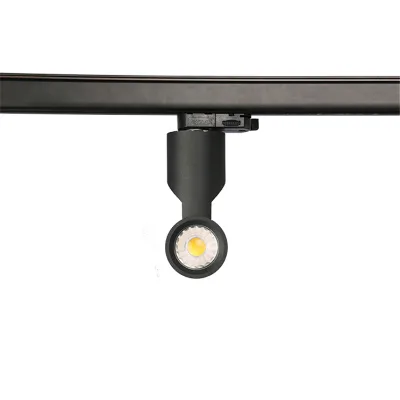
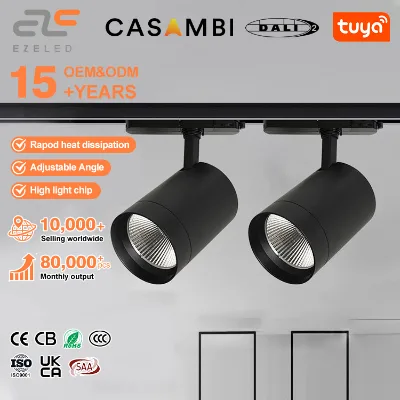
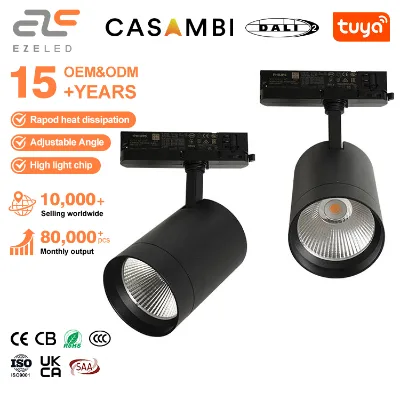
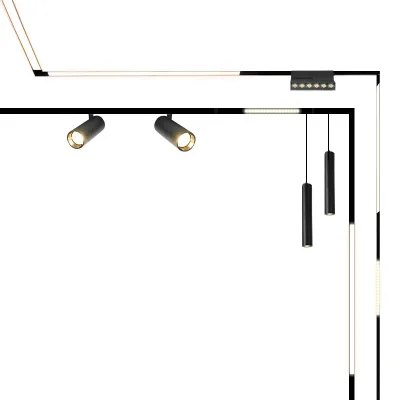
Comprehensive Sourcing Guide
Modern Aluminum Flexible Track Light Sourcing Guide
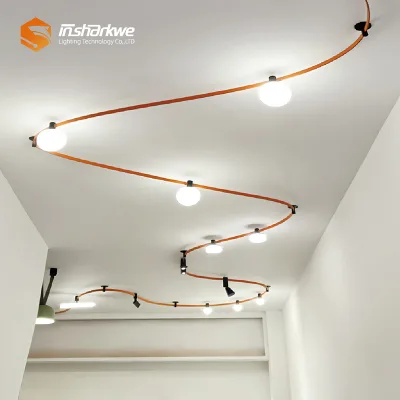
Procuring modern aluminum flexible track lights requires a strategic balance between aesthetic integration and technical performance, particularly for commercial and high-end residential projects. The aluminum body material provides essential heat dissipation, which is critical for maintaining the longevity of the LED chips, whether they are sourced from reputable brands like Bridgelux or CREE. Buyers must recognize that "flexible" in this context often refers to the track system's adaptability or the fixture's ability to be angled, rather than a bendable light head, ensuring structural integrity while allowing for dynamic lighting designs.
The observed market signals indicate a diverse range of models, such as the JK15S00206 and GD0430E, which vary significantly in their certification profiles and beam angles. Sourcing decisions should be driven by the specific application environment, as some units are rated for IP20 while others offer IP65 protection, directly impacting their suitability for damp or outdoor-adjacent spaces. Understanding these variations is the first step in building a reliable supply chain that meets both design specifications and safety regulations.
Product Scope and Observed Listing Signals
The current market landscape for these fixtures shows a wide price range from $1.39 to $182.88 USD, reflecting significant differences in component quality, brand reputation, and feature sets. Minimum order quantities (MOQs) vary from 1 to 300 units, allowing for both small-scale prototyping and large-volume commercial deployments. Buyers should note that customization is available, which can be crucial for maintaining brand consistency in hospitality or retail environments, but this often requires higher MOQs and longer lead times.
Observed product attributes include emitting colors ranging from standard white to changeable options, catering to different ambiance requirements. The lamp body is consistently made of aluminum, often finished in sand black or white/black combinations, which complements modern interior design trends. Packaging is typically handled in cartons with a gross weight of around 0.600kg per unit, facilitating easier logistics and inventory management for distributors and installers who need to handle multiple units efficiently.
Technical Specifications to Verify
Verifying the electrical and optical specifications is paramount to ensuring the lights perform as expected in the final installation. Input voltage is listed as 220V, which is standard for many international markets, but buyers must confirm compatibility with local grid standards to avoid damage or inefficiency. The wire configuration is noted as 2-wire, which simplifies installation but requires careful planning of the track layout to ensure adequate power distribution across long runs without significant voltage drop.
Optical performance metrics such as CRI (Color Rendering Index) and beam angle are critical for visual comfort and product highlighting. Some models boast a CRI greater than 90, ensuring accurate color representation, while others may offer a CRI of 80, which is acceptable for general ambient lighting. Beam angles vary widely, from narrow 15-degree spots to wide 100-degree floods, and some units offer multiple options like 15/24/36/50 degrees. Buyers must match these angles to the specific architectural features they intend to illuminate to avoid glare or insufficient coverage.
Compliance and Safety Documentation
Compliance with regional safety and environmental standards is non-negotiable for legal market entry and customer trust. The observed certifications include CCC, CE, RoHS, EMC, SAA, and VDE, indicating that different models are certified for different geographic regions. For instance, SAA certification is essential for the Australian market, while VDE is critical for Germany and other European countries. Buyers must ensure that the specific model they order carries the correct certification for their target market, as a single product line may have multiple certification variants.
Electromagnetic Compatibility (EMC) is another key area of verification, especially for installations in sensitive environments like hospitals or recording studios. The presence of EMC certification suggests that the drivers do not emit excessive interference that could disrupt other electronic equipment. Additionally, RoHS compliance ensures that the fixtures are free from hazardous substances, which is increasingly important for sustainable procurement policies. Buyers should request valid test reports and certificates from the supplier to verify these claims before placing large orders.
Cost Drivers and Commercial Terms
Several factors influence the final cost of modern aluminum flexible track lights, including the brand of the LED chips, the complexity of the driver, and the level of customization required. High-CRI chips and reputable brands like Bridgelux or CREE typically command a premium price but offer better long-term performance and consistency. Smart control capabilities, such as dimming or color-changing features, also add to the cost but can provide significant value in dynamic lighting scenarios.
Commercial terms such as MOQ and lead times are directly linked to the customization level and production schedule. Standard models with lower MOQs may be available for quicker shipment, while customized finishes or specific beam angles may require longer production runs. Buyers should negotiate clear terms regarding packaging, as the standard carton packing must be robust enough to prevent damage during transit. Understanding these cost drivers helps in budgeting accurately and avoiding unexpected expenses during the procurement process.
Supplier Qualification and Quality Control
Selecting a reliable supplier involves verifying their manufacturing capabilities and quality control processes. Suppliers located in hubs like Zhongshan, Guangdong, China, often have established supply chains for aluminum extrusions and LED components. Buyers should inquire about the supplier's experience with similar projects and their ability to provide samples for testing. A robust quality control process should include incoming material inspection, in-process checks, and final random inspection before shipment.
Warranty terms are a strong indicator of supplier confidence in their products. Some models offer a 2-year warranty, which is standard for LED lighting, but buyers should clarify what is covered, such as driver failure or lumen depreciation. Working lifetime claims of 30,000 hours are common, but these are based on specific operating conditions. Buyers should establish clear communication channels for after-sales support and ensure that the supplier can provide replacement parts or units in case of defects.
Long-Term Procurement Checks
Long-term success in sourcing these fixtures depends on continuous monitoring of product performance and supplier reliability. Buyers should track the actual lumen output and color consistency over time, as these metrics can degrade faster than expected if the heat dissipation is inadequate. Regular audits of the supplier's quality control processes can help identify potential issues before they result in large-scale failures. Maintaining a relationship with multiple suppliers can also mitigate risks associated with supply chain disruptions.
As technology evolves, staying updated on new LED chip efficiencies and smart control protocols is essential for remaining competitive. Buyers should periodically review their inventory to ensure that the models they stock remain relevant and compliant with changing regulations. Engaging with suppliers for feedback on installation challenges can lead to product improvements and better customer satisfaction. By focusing on these long-term checks, buyers can build a resilient and efficient procurement strategy for modern aluminum flexible track lights.
FAQs
What certifications are available for Modern Aluminum Flexible Track Light?
Certifications include CCC, CE, RoHS, EMC, SAA, and VDE depending on the specific model. These ensure compliance with regional safety and environmental standards. Buyers should verify the exact certificate list for their target market before ordering to guarantee regulatory acceptance and smooth customs clearance.
Can I customize the Modern Aluminum Flexible Track Light design?
Yes, customization is available for these products. Buyers can request specific modifications to meet unique project requirements. This flexibility allows for tailored solutions in various commercial and residential settings, ensuring the lighting fits seamlessly into the intended architectural or interior design scheme.
Which LED chips brands are used in these track lights?
The track lights utilize high-quality LED chips from brands such as Bridgelux and CREE. These brands are known for reliability and performance. Selecting the appropriate chip brand ensures optimal luminous efficiency and color consistency, which are critical for professional lighting applications and long-term durability.
What is the typical input voltage for these aluminum track lights?
The typical input voltage is 220V. This standard voltage supports operation in regions with compatible electrical grids. It is essential to match the product voltage with local supply standards to ensure safe and efficient performance, preventing potential damage to the electronic components or light source.
How does the smart control feature work on these lights?
Smart control is available, allowing for remote or automated management of the lighting. This feature enhances energy efficiency and user convenience by enabling adjustments to brightness or color temperature. It integrates well with modern building management systems, providing precise control over the illumination environment.
What is the minimum order quantity for these track lights?
The minimum order quantity ranges from 1 to 300 units. This flexibility accommodates both small trial orders and large bulk purchases. Buyers can select the MOQ that best fits their project scale, allowing for efficient inventory management and reduced initial investment risks for new suppliers.