Modern Stainless Steel Coffee Canister Suppliers and Manufacturers
Explore 29 verified options for Modern Stainless Steel Coffee Canister sourcing with dimensions, lead times, and MOQs. Compare Guangdong-based factories and trading companies to find the right fit for your order; review the available evidence before requesting comparable quotations from suitable candidates.
Updated
Suppliers List
Jiangmen Shenying Industry Co., Ltd.
- Manufacturer, Trading Company
- Guangdong, China
- Lead time0 days
- Avg. response≤ 16h
Main productsKitchenware,Coffeeware,Tableware,Coffee ware,Barware
Main marketsNorth America(30.00%), South Asia(10.00%), Western Europe(10.00%), Eastern Asia(10.00%), Mid East(10.00%), Oceania(5.00%), Southern Europe(5.00%), Northern Europe(5.00%), Southeast Asia(5.00%), Eastern Europe(5.00%), South America(5.00%)
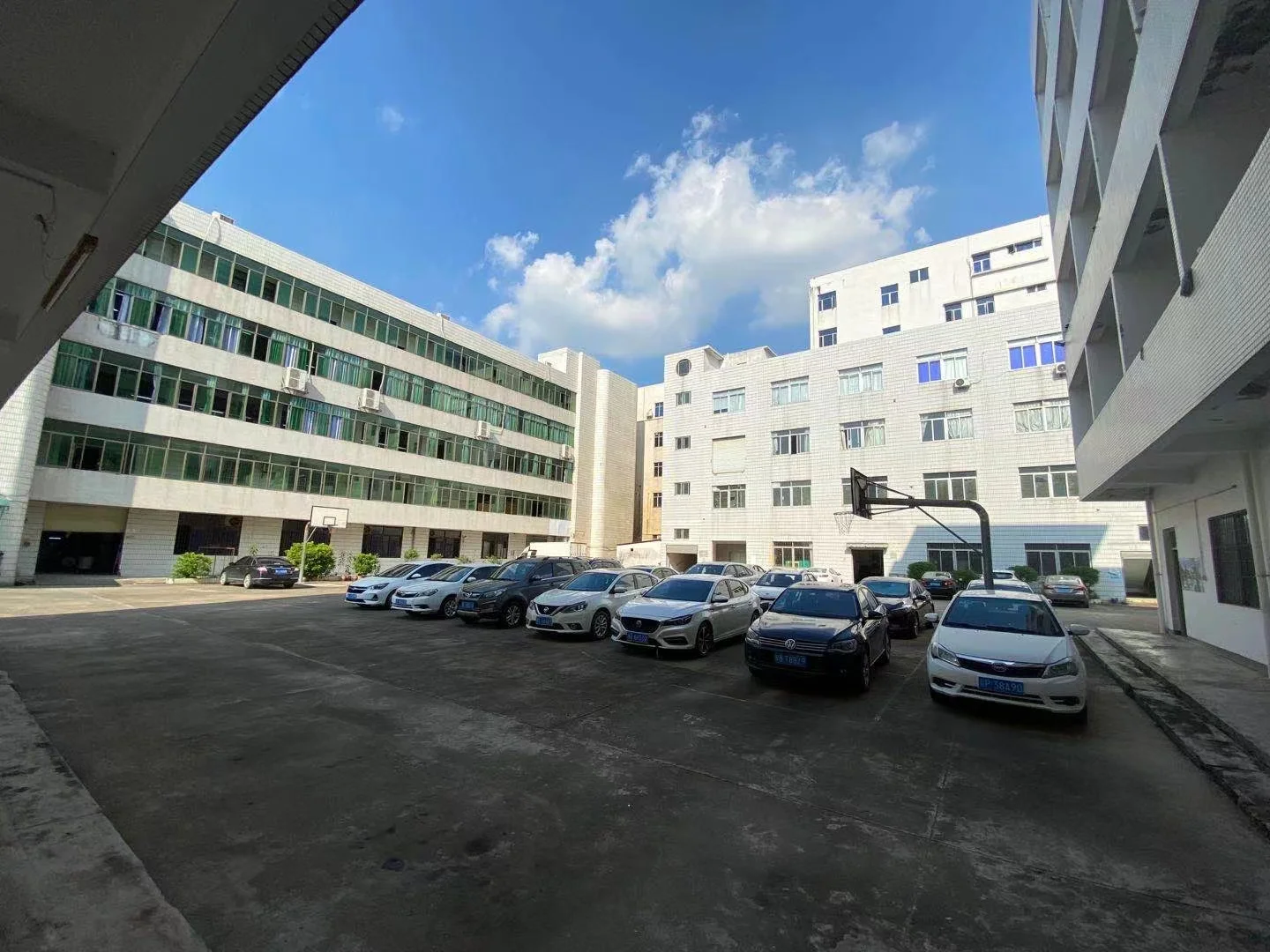
Huizhou Kingstar Industry And Trade Co., Ltd.
- Trading Company
- Guangdong, China
- Lead time15 days
- Avg. response≤ 5h
Main productsPepper Grinder,Coffee Distribution Tool,Milk Frother,Coffee Portafilter,Coffee Grinder
Main marketsMid East(40.00%), Domestic Market(25.00%), North America(15.00%), Southeast Asia(10.00%), South America(5.00%), Western Europe(5.00%)
Jiangmen HC Koinen Hardware Factory
- Manufacturer
- China Guangdong
- Lead time30 days
- Avg. response≤ 3h
Main productsStainless Steel and Wood Kitchenware, Coffee Maker, Camping Product, Chafing Dish, Cutting Board, Buffet Products
Main marketsSoutheast Asia/ Mideast,Europe,North America
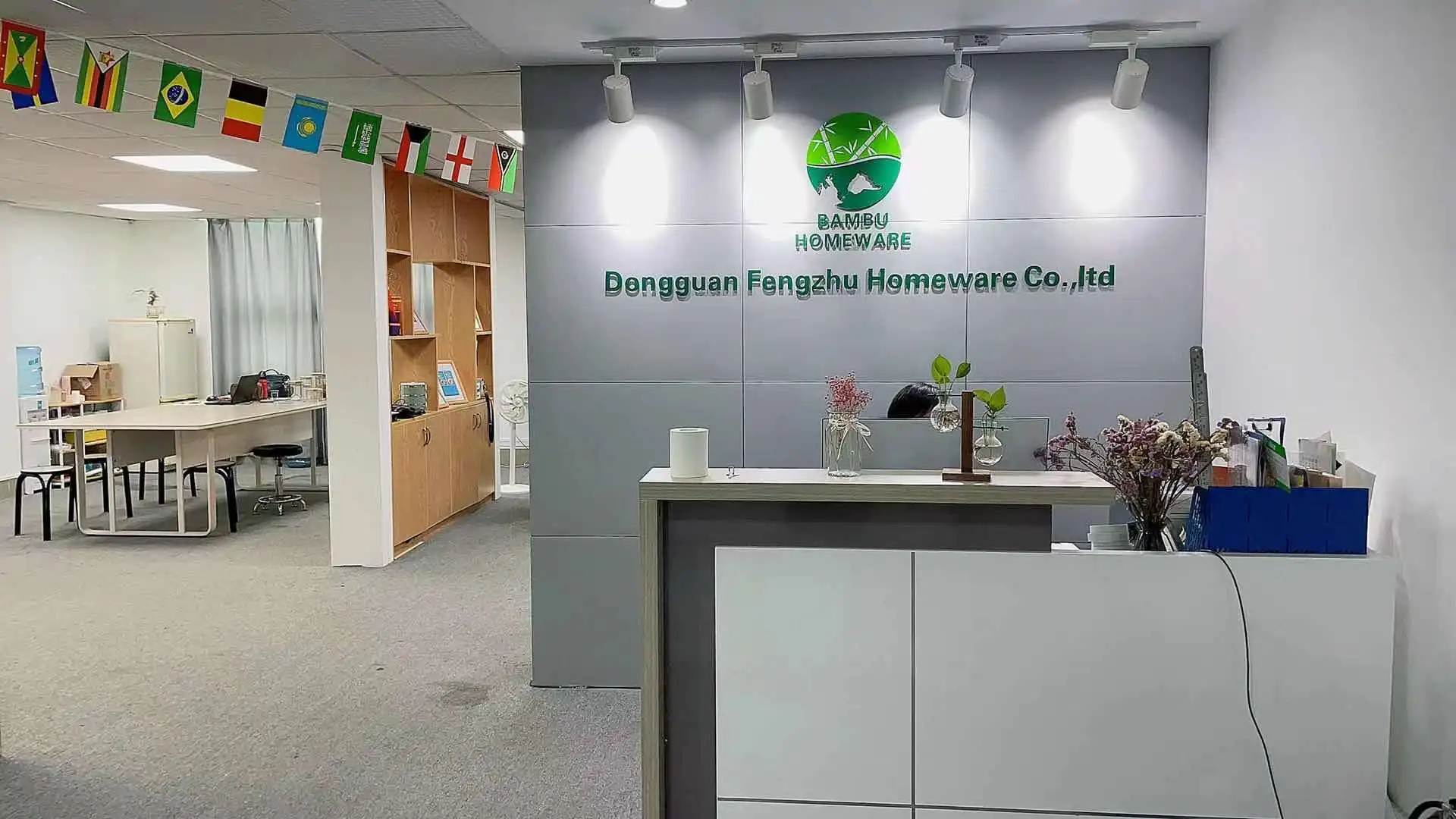
Dongguan Fengzhu Homeware Co., Ltd.
- Trading Company
- Guangdong, China
- Lead time15 days
- Avg. response≤ 7h
Main productsFood Storage & Container,home organizer,Storage Bottles & Jars,bakery tools,Coffee & Tea Sets
Main marketsNorth America(50.00%), Western Europe(20.00%), Southeast Asia(8.00%), Oceania(8.00%), South America(7.00%), Eastern Europe(7.00%)
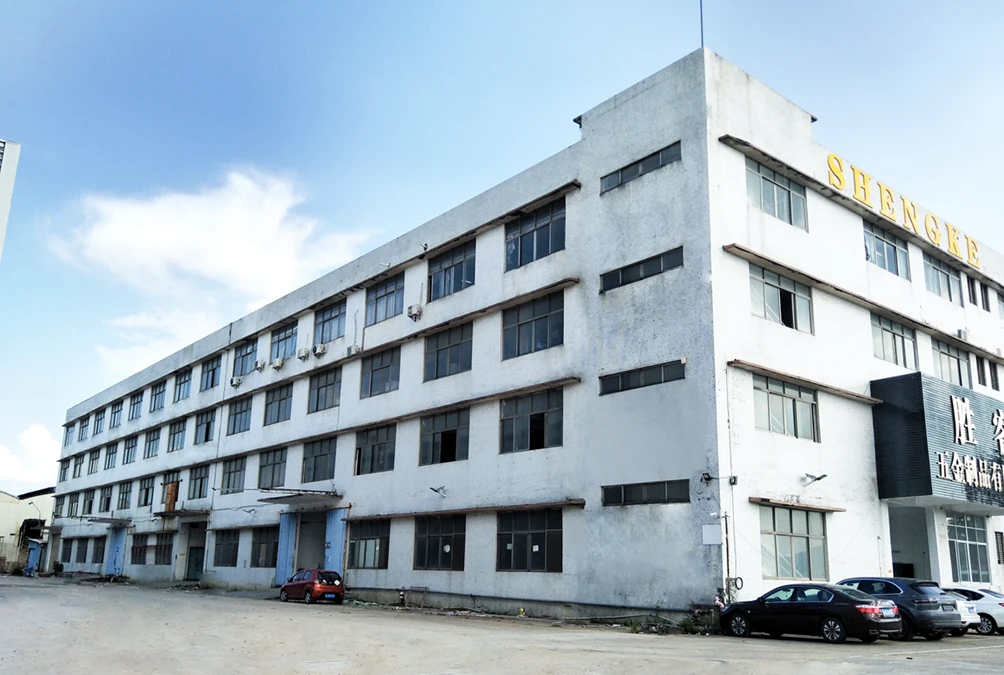
Jiangmen Haoke Household Products Co., Ltd.
- Trading Company
- Guangdong, China
- Lead time30 days
- Avg. response≤ 6h
Main productsMassage roller ball,Stainless Steel Ice Cube/ Ball,Stainless Steel Straw,Cryo Stick,Ice Globes
Main marketsDomestic Market(20.00%), Central America(20.00%), Western Europe(15.00%), North America(15.00%), Northern Europe(10.00%), South America(5.00%), Southern Europe(5.00%), Oceania(5.00%), Eastern Europe(5.00%)
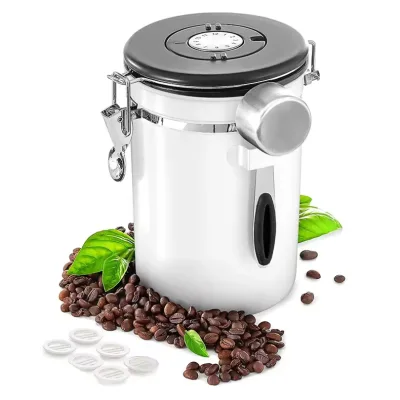
$4.50 - $5.60
MOQ: 500 Minimum
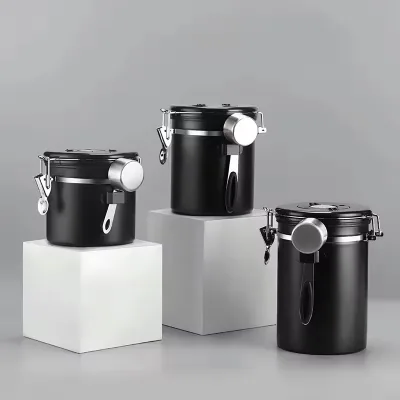
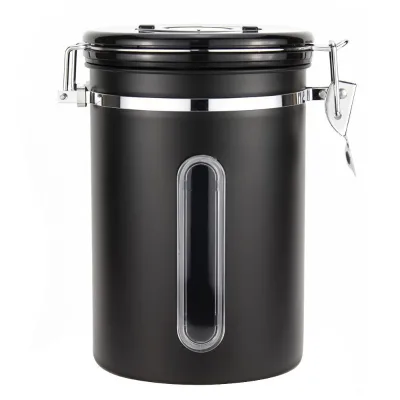
$6.1991 - $6.6122
MOQ: 100 Minimum
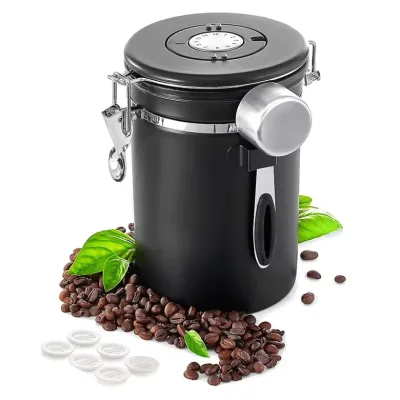

Yangjiang Feehome Tech Co., LTD
- Verified by TUVRHEINLAND
- Trading Company,Manufacturer/Factory,Group Corporation,Other
- China Guangdong
- Lead time23 days
- Avg. response≤ 3h
Main productsKitchen Knives, Outdoor Knives, Nail Clippers, Kitchen Ware, Tea Infuser, BBQ Tools, Multi Function Tools, Kitchen Tools, Baking Tools, Coffee Tools
Main marketsSouth America,Eastern Europe,Mid East,North America,Southeast Asia,Eastern Asia,Oceania,Western Europe,Africa


$5.18 - $5.59
MOQ: 200 Pieces

- Verified by SGS
- Trading Company,Manufacturer/Factory
- China Zhejiang
- Lead time23 days
- Avg. response≤ 5h
Main productsTent, Project Screen, Bicycle, Trampoline, Backpack, Kitchenware, Hammock, Pet Accessories, Garden Products
Main marketsSouth America,Eastern Europe,Mid East,North America,Southeast Asia,Eastern Asia,Oceania,Western Europe,Africa
Jiangmen Xinhui Yitai Stainless Steel Co., Ltd.
- Verified by TüVRheinland
- Manufacturer
- Lead time45 days
- Avg. response≤ 10h
Main productsFrench Press, Moka Pot, Teapot, Coffee Kettle, Whistling Kettle
Main marketsNorth America(50%), Western Europe(20%), South America(10%)
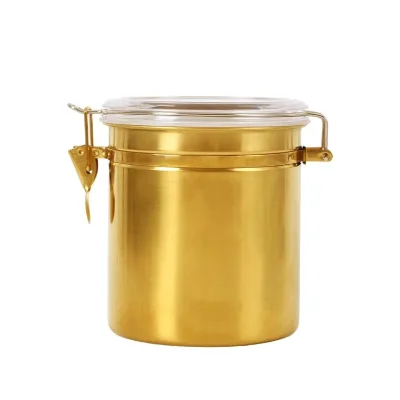
$3.9865 - $4.9326
MOQ: 100 pieces
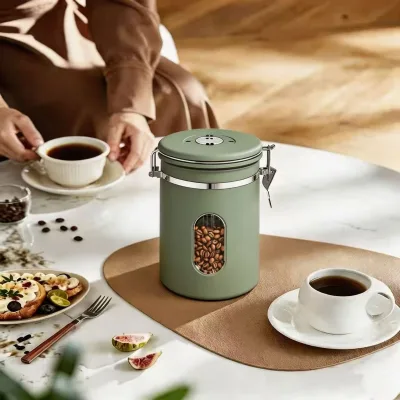
Hefei Ownswing Houseware Co., Ltd.
- Verified by SGS Group
- Manufacturer, Trading Company
- Lead time30 days
- Avg. response≤ 4h
Main productsPlastic Food Storage Container, Kitchen Organizer, Fridge Organizer, Cereal Container Set, Drawer Organizer
Main marketsNorth America(50%), Mid East(15%), Western Europe(10%)
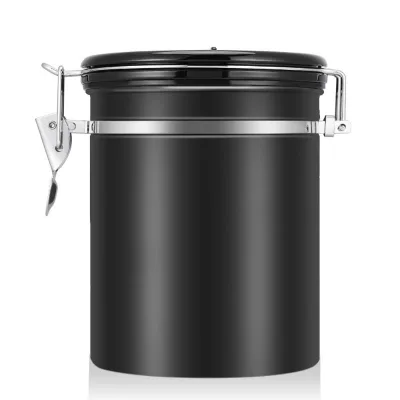
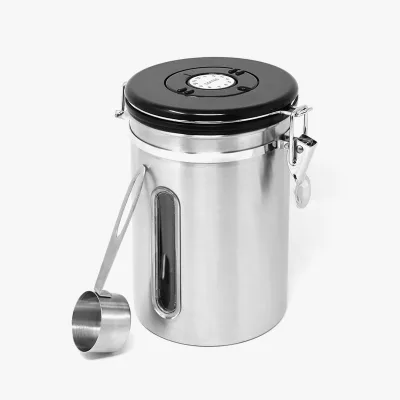
Premium Metal Stainless Steel Coffee Vacuum Canister With Co2 Valve Coffee Canister
$3.1003 - $6.1991
MOQ: 500 Minimum
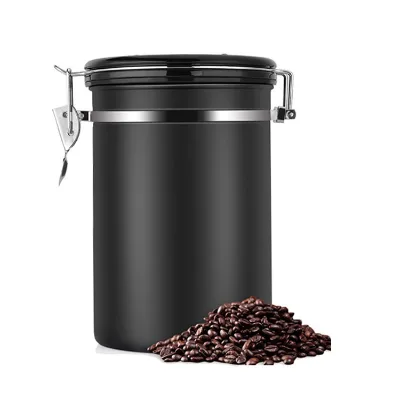
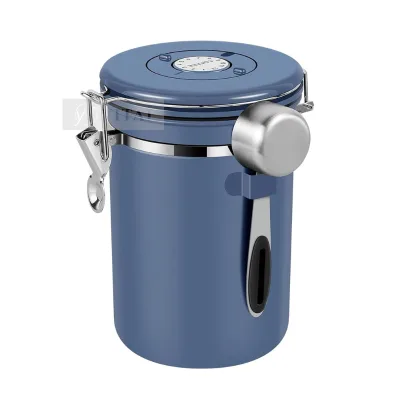
Airtight Stainless Steel Coffee Storage Vacuum Kitchen Food Storage Canisters with Spoon
$5.1063 - $5.259
MOQ: 100 pieces
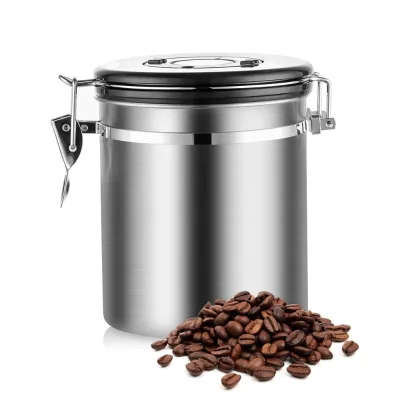
- Manufacturer, Trading Company, Distributor/Wholesaler
- Fujian, China
- Lead time30 days
- Avg. response≤ 2h
Main productscoffee product,coffee mug,coffee cup,coffee maker,nespresso
Main marketsEastern Europe(20.00%), Northern Europe(18.00%), Southern Europe(13.00%), Western Europe(12.00%), Mid East(11.00%), North America(10.00%), South America(5.00%), Africa(3.00%), Eastern Asia(2.00%), South Asia(2.00%), Domestic Market(1.00%), Central America(1.00%), Southeast Asia(1.00%), Oceania(1.00%)

Jiangmen Xinxin Houseware Co., Ltd.
- Verified by BV
- Trading Company,Manufacturer/Factory
- China Guangdong
- Lead time30 days
- Avg. response≤ 5h
Main productsLunch Box, Coffeeware, Kitchenware, Chafing Dishes, Gn Pan, Juice Dispenser, Trolley, Stock Pot, Bar Sets, Storages Box
Main marketsEastern Europe,Mid East,North America,Southeast Asia,Eastern Asia,Oceania,Western Europe

Stainless Steel Airtight Coffee Container Tea Cans Coffee Storage Canister for Kitchen
$2.99 - $6.99
MOQ: 300 Pieces

Stainless Wholesale Airtight Round Storage Tea Coffee Sugar Storage Containers
$2.85 - $3.25
MOQ: 600 pieces
Jiangmen Homemon Houseware Co., Ltd.
- Trading Company
- Guangdong, China
- Lead time40 days
- Avg. response≤ 1h
Main productsshower caddy,dish rack,coat hook,storage basket,paper towel holder
Main marketsNorth America(40.00%), Western Europe(30.00%), Southeast Asia(7.00%), Domestic Market(5.00%), South America(5.00%), Eastern Asia(5.00%), Eastern Europe(5.00%), Southern Europe(3.00%)
Jiangmen Banyan Metal Co., Ltd.
- Verified by SGS Group
- Manufacturer, Trading Company
- Lead time30 days
- Avg. response≤ 2h
Main productsKitchen Tools & Storage, Coffee accessories, Bathroom Accessory, Storage Rack & Hooks, Grills and Tools
Main marketsNorth America(25%), Eastern Europe(25%), Western Europe(25%)
Jiangmen Xinhui Y&Y Metal Products Co., Ltd.
- Manufacturer, Trading Company
- Guangdong, China
- Lead time30 days
- Avg. response≤ 4h
Main productsFrench Press,Coffee Tea Pot,Coffee Capsule Holder,Bakeware,Barthroom Accessories
Main marketsWestern Europe(60.60%), North America(24.20%), Oceania(12.10%), Northern Europe(3.10%)
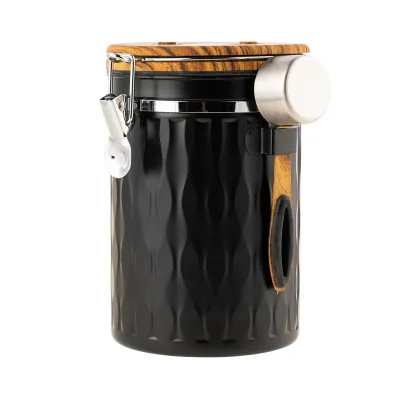
$4.90 - $6.90
MOQ: 100 pieces
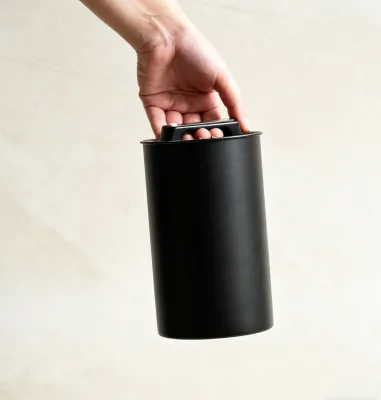
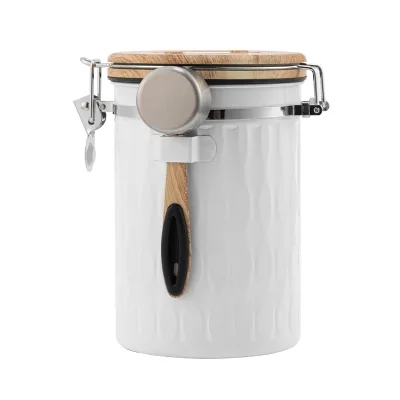

Guangzhou Changing Foodservice Supplies Co., Ltd.
- Verified by BV
- Trading Company
- China Guangdong
- Lead time15 days
- Avg. response≤ 8h
Main productsChafing Dish, Pots, Trolley, Frypans, Gastronorm Pans, Restaurant Equipment, Kitchen Sinks, Workbench, Shelving Unite, Tea & Coffee Pot
Main marketsDomestic

- Verified by BV
- Trading Company
- China Zhejiang
- Lead time30 days
- Avg. response≤ 12h
Main productsLunch Box
Main marketsSouth America,Africa,Southeast Asia/ Mideast,East Asia(Japan/ South Korea),Europe,Australia,North America

Shenzhen Timlife Industry Limited
- Verified by TUVRHEINLAND
- Manufacturer/Factory
- China Guangdong
- Lead time60 days
- Avg. response≤ 3h
Main productsKitchenware, Homeware, Electrical Appliances
Main marketsSouth America,Eastern Europe,Mid East,North America,Southeast Asia,Eastern Asia,Oceania,Western Europe,Africa
Jiangmen Shengke Hardware Co., Ltd.
- Manufacturer
- Guangdong, China
- Lead time15 days
- Avg. response≤ 5h
Main productsStainless Steel Whiskey stone,Cryo Stick,Ice globes,Ice roller,Wine Chiller Stick
Main marketsDomestic Market(35.93%), North America(34.95%), Western Europe(23.46%), Eastern Europe(4.78%), Northern Europe(0.57%), South America(0.31%)
HANFORD INDUSTRIAL GROUP GLOBAL LIMITED
- Trading Company
- Hong Kong S.A.R.
- Lead time30 days
- Avg. response≤ 3h
Main productsGlass Bottle,Plastic Shaker,Ceramic Mug,Stainless Steel Canister,Packaging Box
Main marketsSoutheast Asia(40.00%), North America(30.00%), Western Europe(20.00%), Mid East(10.00%)
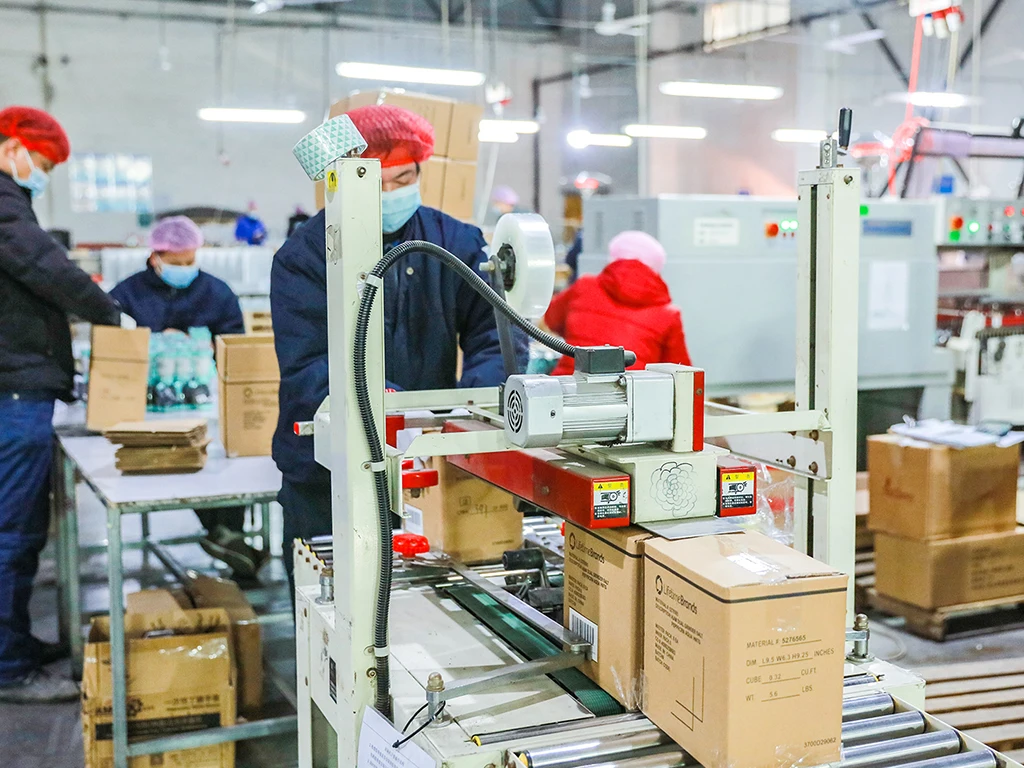
Qingdao Easylife Housewares Co., Limited
- Manufacturer, Trading Company
- Shandong, China
- Lead time50 days
- Avg. response≤ 3h
Main productsOil/Vinegar Bottle Set,Glass storage jar,Borosilicate Glass Containers,Spice Rack Set,Drinkingwares
Main marketsSoutheast Asia(30.00%), Northern Europe(20.00%), North America(15.00%), Mid East(10.00%), Western Europe(10.00%), Eastern Europe(5.00%), Oceania(5.00%), Domestic Market(2.00%)
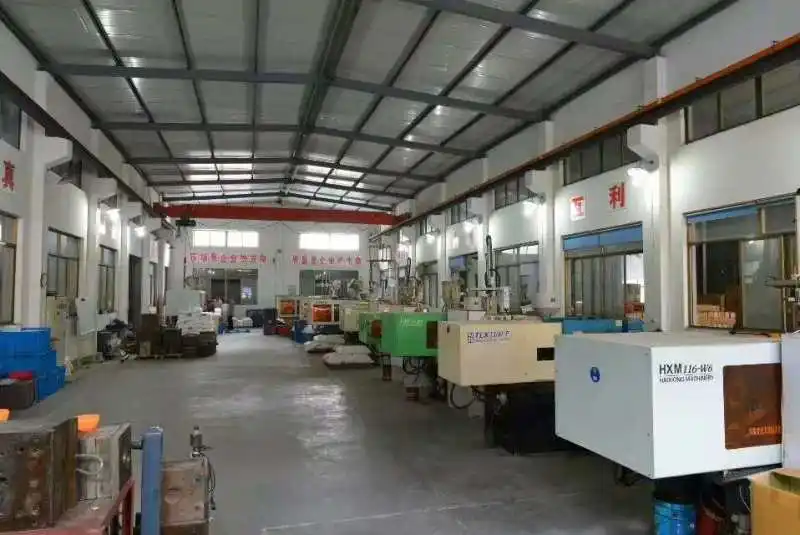
Guangzhou Kingpeak Household Product Co., Ltd.
- Manufacturer, Trading Company
- Guangdong, China
- Lead time25 days
- Avg. response≤ 2h
Main productsFood Container,tumbler,Vacuum Flasks & Thermoses,baby products,camping shovel
Main marketsNorth America(30.00%), Western Europe(27.00%), Oceania(10.00%), Central America(5.00%), South America(5.00%), Northern Europe(5.00%), Eastern Europe(5.00%), Southern Europe(5.00%), Southeast Asia(5.00%), Mid East(2.00%), Africa(1.00%)

FOSHAN BRILLIANT IMPORT & EXPORT CO., LTD
- Verified by SGS
- Trading Company
- China Guangdong
- Lead time23 days
- Avg. response≤ 8h
Main productsAerosol Can, Aluminum Bottle, Aluminum Can, Hair Color Chart, Collapsible Aluminum Tube, Pepper Spray, Camping Gas Canister, Butane Gas Cartridge, Cosmetic Containers, Valve&Actuator&Cap
Main marketsOthers(foreignTradeCapacity.exportBusinessCapacityMarketOther),Europe,North America

Vacuum Airtight Coffee Bean Container Jar Food Coffee Kitchen Storage Canister
$0.21 - $0.42
MOQ: 10000 Pieces

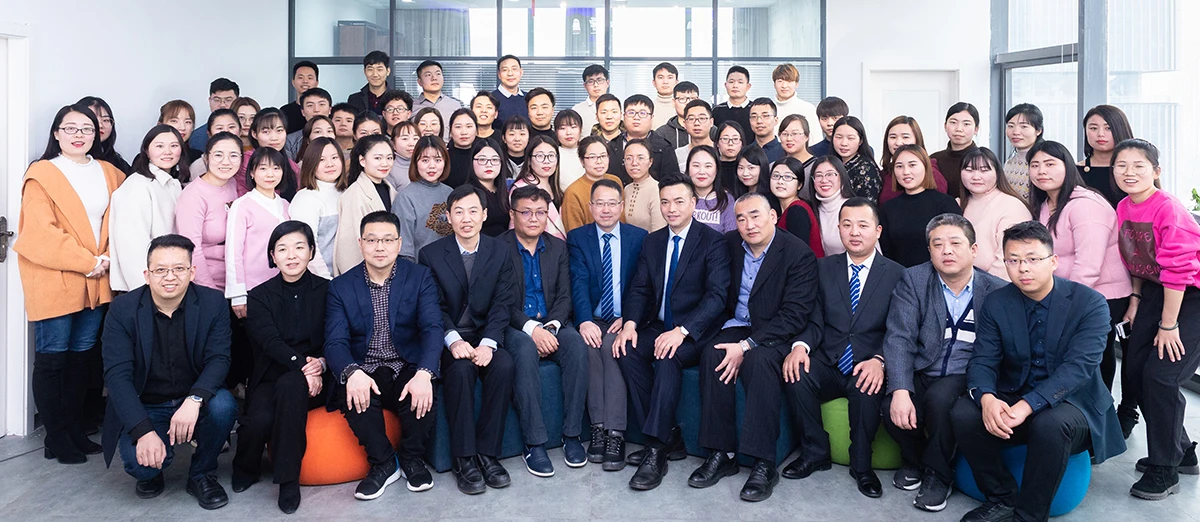
Henan Zlovy Enterprise Co., Ltd.
- Trading Company
- Henan, China
- Lead time1 days
- Avg. response≤ 7h
Main productsCoffee Pot,Coffee Tools,Water Bottle,Home Appliances,Baking Tools
Main marketsNorth America(35.00%), Western Europe(20.00%), Mid East(20.00%), Southeast Asia(15.00%), South America(10.00%)
- Trading Company
- Lead time旺季: "1 - 500":30,"> 500":"To be negotiated", 淡季: "1 - 500":30,"> 500":"To be negotiated"
- Avg. response≤ 4h
Main productsStainless Steel Cups/Stainless Steel Wine Glasses/Stainless Steel Ice Bucket

Ningbo Crede Creative Gift Co., Ltd.
- Trading Company
- Zhejiang, China
- Lead time30 days
- Avg. response≤ 6h
Main productsHome Storage Organizer,Drinkware,Food Container,Kitchen Gadgets And Accessories,Small Kitchen Appliances
Main marketsNorth America(40.00%), Eastern Europe(15.00%), Western Europe(15.00%), Southern Europe(10.00%), Southeast Asia(5.00%), Northern Europe(5.00%), South America(5.00%), Eastern Asia(5.00%)
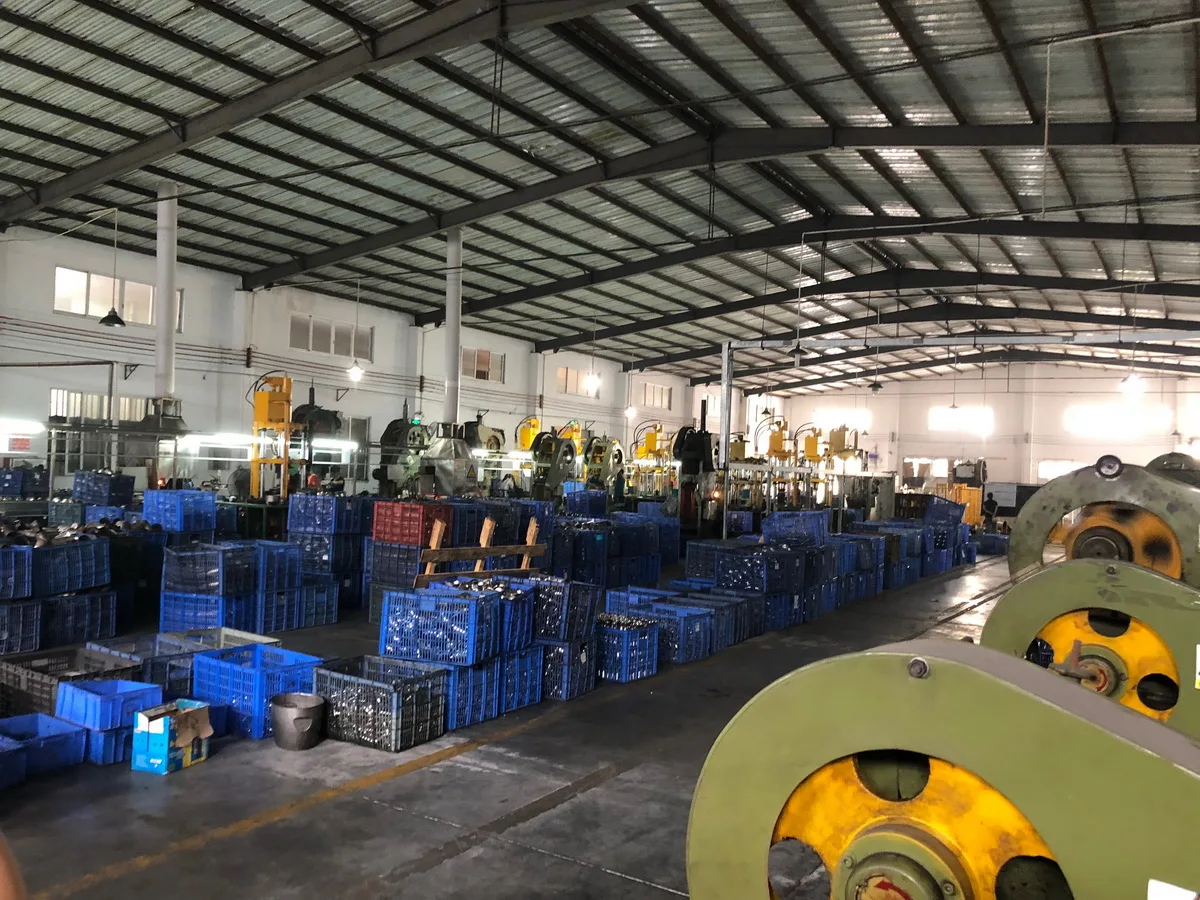
Jiangmen Hoffee Houseware Company Ltd.
- Manufacturer
- Guangdong, China
- Lead time35 days
- Avg. response≤ 2h
Main productsCoffee Accessories, Bar Tools, Kitchenware
Main marketsNorth America(30.00%), South America(15.00%), Oceania(10.00%), Northern Europe(10.00%), Domestic Market(9.00%), Western Europe(8.00%), Eastern Europe(5.00%), Mid East(5.00%), Southeast Asia(5.00%), Eastern Asia(3.00%)
Ningbo Homecrest Imp.& Exp. Co., Ltd.
- Trading Company
- Zhejiang, China
- Lead time20 days
- Avg. response≤ 5h
Main productsKitchen Organizer, Home Organizer, Bathroom Organizer, Home Decor
Main marketsNorth America(40.00%), Northern Europe(40.00%), Oceania(10.00%), Eastern Asia(10.00%)

- Verified by SGS
- Trading Company
- China Yunnan
- Lead time15 days
- Avg. response≤ 4h
Main marketsSoutheast Asia/ Mideast

Xiamen Ebei Import & Export Co., Ltd.
- Verified by CTI
- Trading Company,Manufacturer/Factory
- China Fujian
- Lead time45 days
- Avg. response≤ 2h
Main productsEco-Friendly Products, Bamboo Tableware, Bamboo Furniture, Bamboo Kitchenware, Bamboo Office Supply, Bamboo Fibre Products, Biodegradable Products, Bamboo Towel, Solar Energy Products, Bamboo Garden Products
Main marketsSouth America,Eastern Europe,Mid East,North America,Southeast Asia,Eastern Asia,Oceania,Western Europe,Africa








Comprehensive Sourcing Guide
Modern Stainless Steel Coffee Canister Supplier Concentration and Factory Types
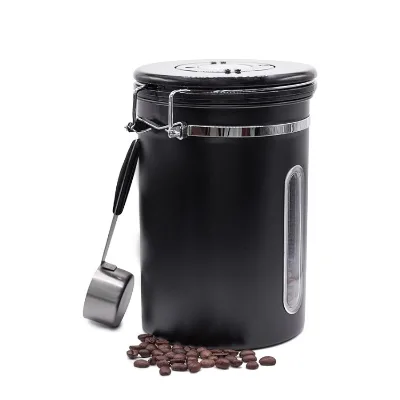
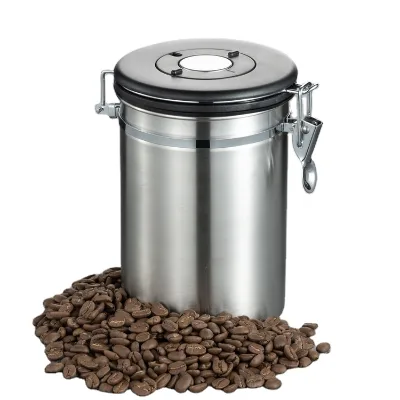
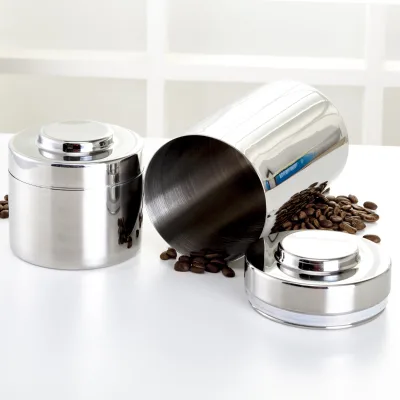
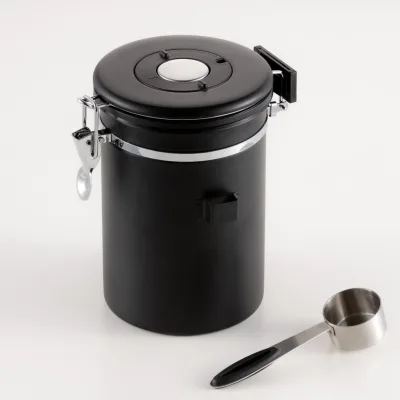
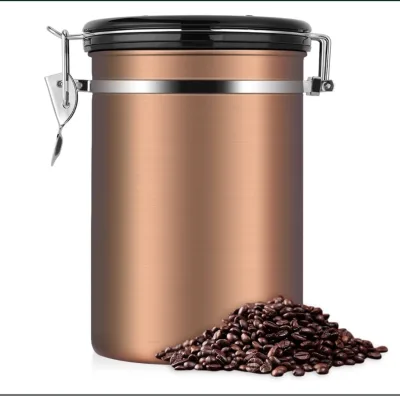
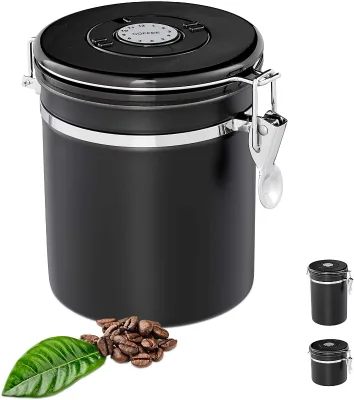
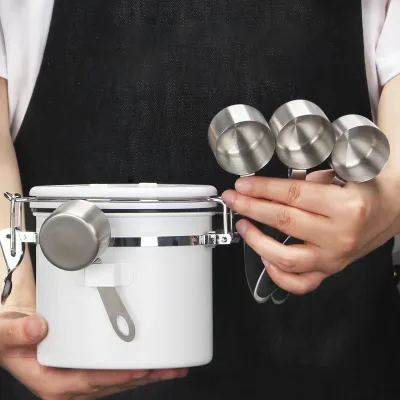
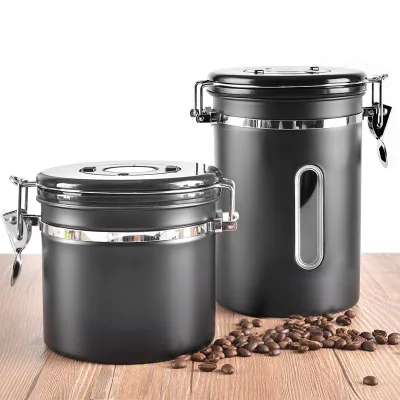
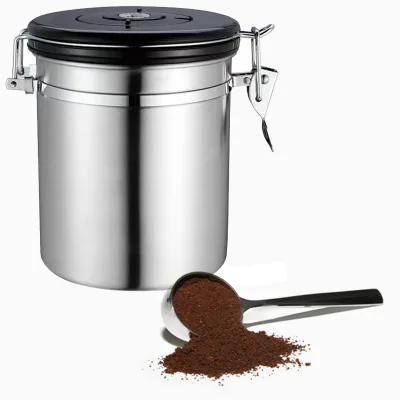
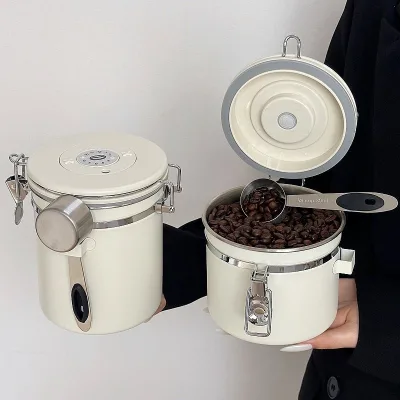
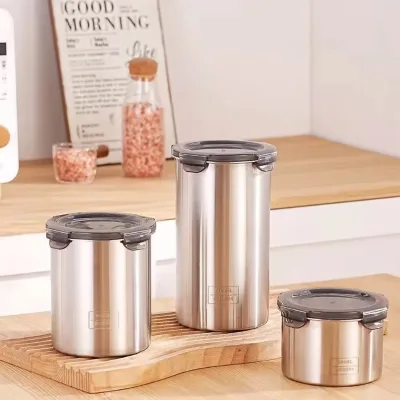
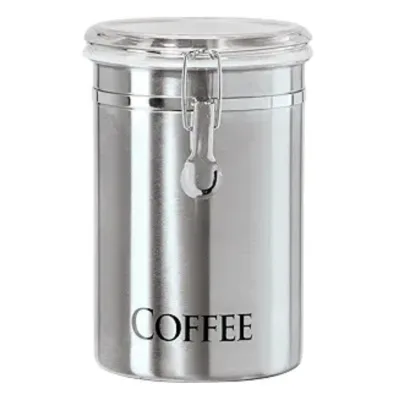
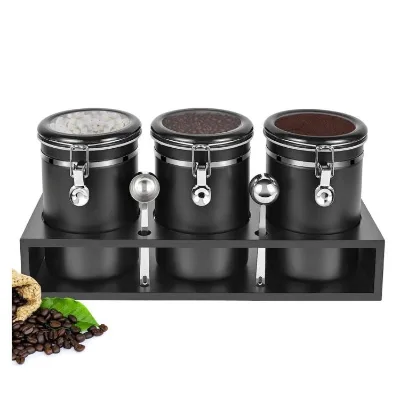
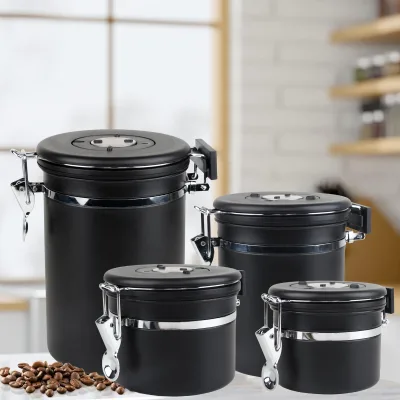
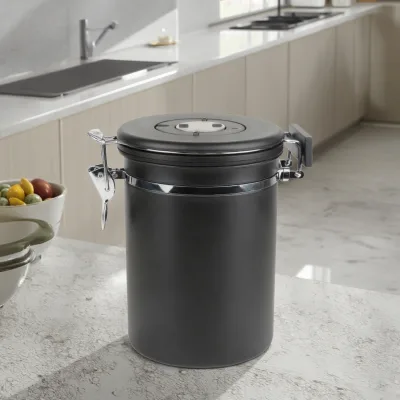
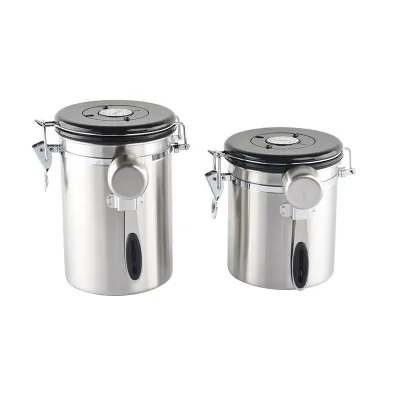
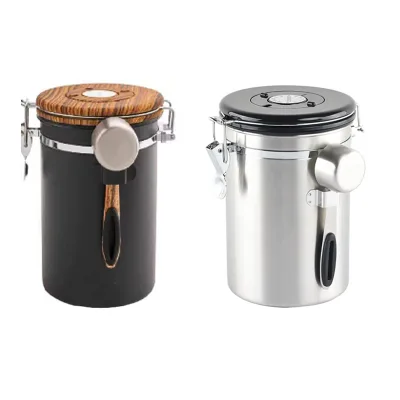
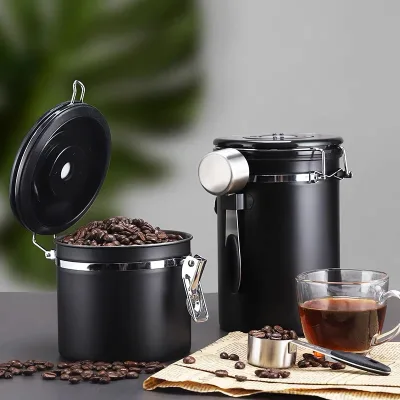
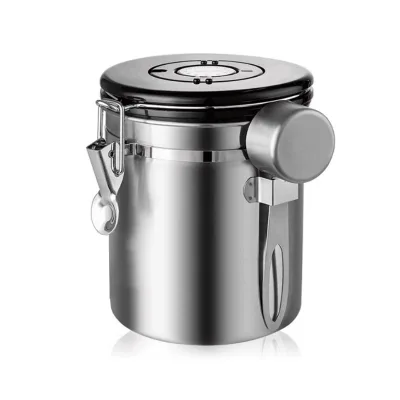
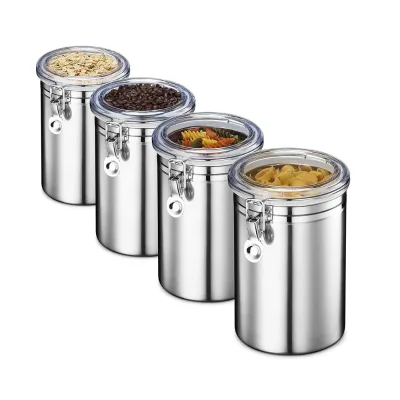
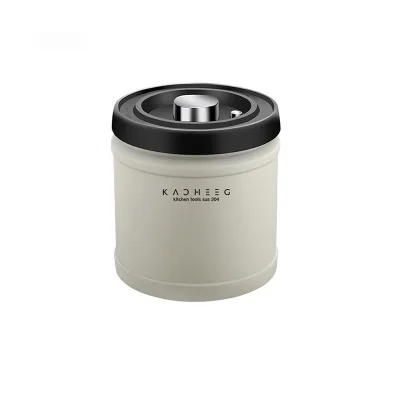
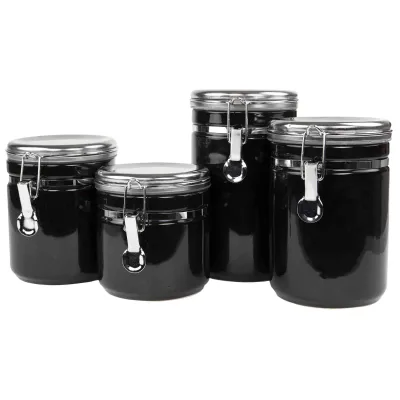
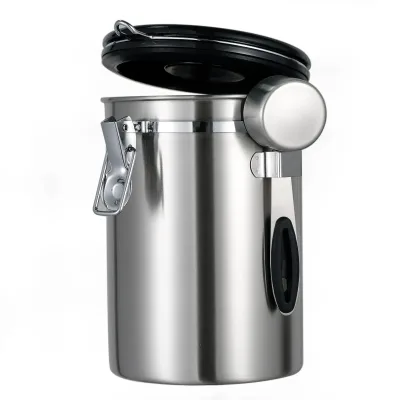
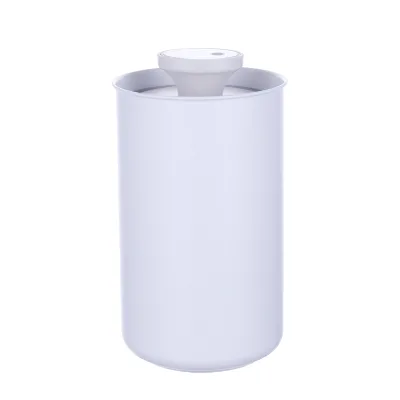
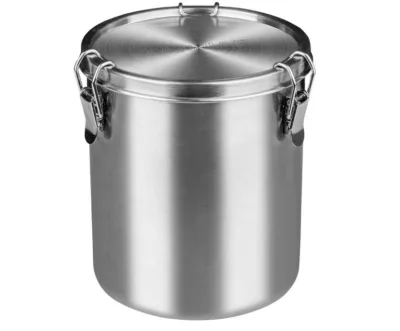
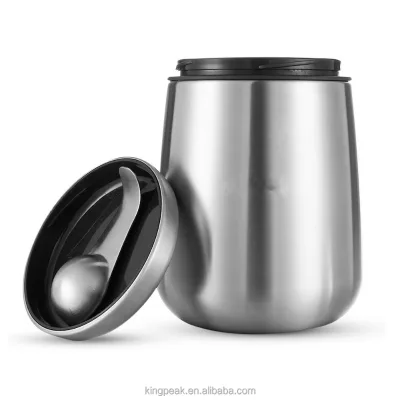
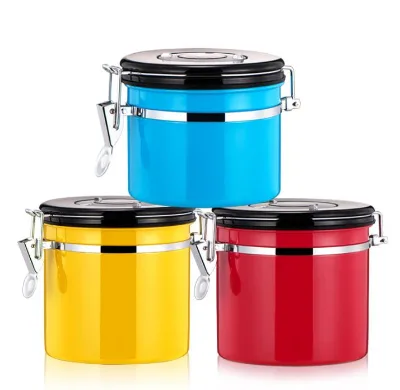
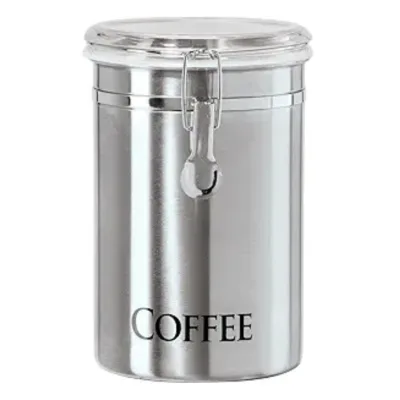
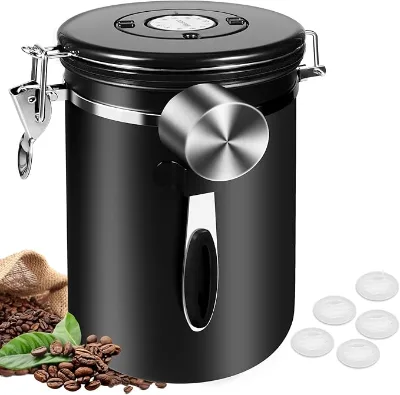
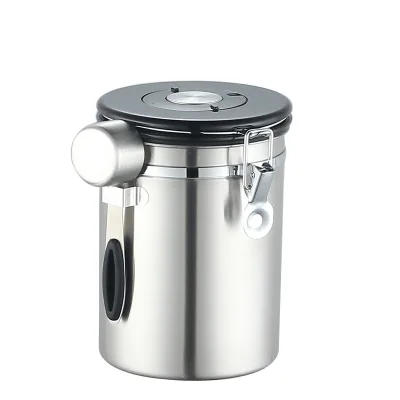
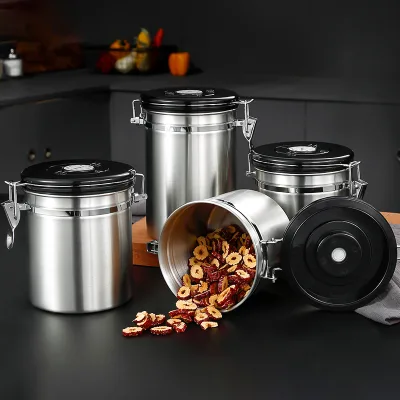
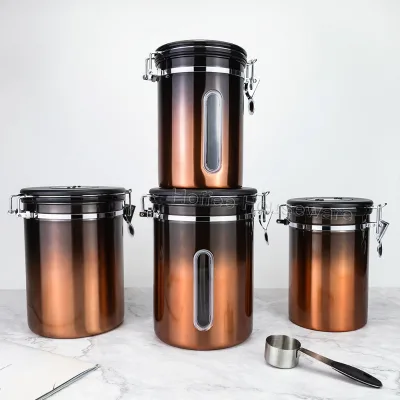
Supplier listings for the Modern Stainless Steel Coffee Canister category show a strong concentration in Guangdong, China, which appears repeatedly as the stated place of origin for airtight canisters with clear acrylic lids, polished bodies, CO2 valve designs, and stackable formats. This confirms the province as an active cluster for kitchen storage and coffee-related metalware. Because many companies in this niche describe themselves as both Manufacturer and Trading Company, buyers should not assume a listing is a factory even when a factory-style product sheet is shown. Some suppliers also carry adjacent product lines such as pepper grinders, milk frothers, coffee portafilters, and coffee grinders, which signals a coffee-accessory focus rather than a dedicated canister plant.
To identify clusters on your own when origin data is missing, filter product results by the stated place of origin attribute and note which province recurs across multiple listings. In this category the product sheets are unusually detailed, listing thickness, capacity in ounces and milliliters, model numbers, and packing options, which helps you judge whether a company specializes in stainless steel food storage or simply resells it. Companies whose main products center on kitchenware, coffeeware, tableware, and barware are more likely to have established tooling for canister bodies and lids. Verify the claimed origin and role during direct enquiry before committing to samples.
How to Verify Modern Stainless Steel Coffee Canister Suppliers
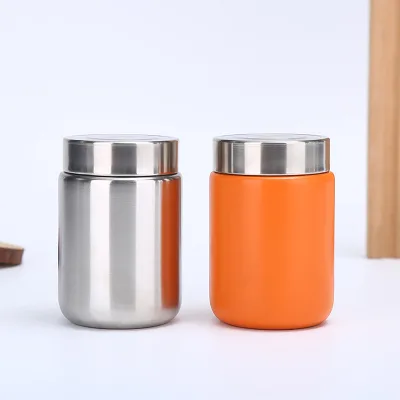
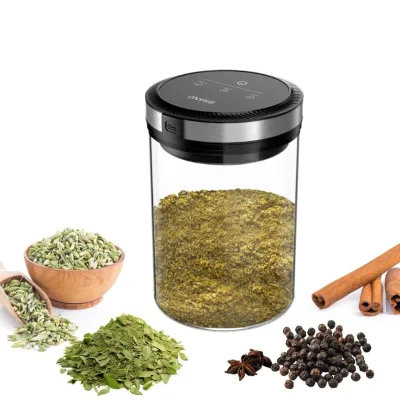
Verification should begin with the product attributes a supplier publishes, since these reveal both capability and consistency. For example, listings in this category declare MOQs of 1200 pieces on classic airtight canisters and 100 pieces on smaller vacuum-style stainless steel containers, with a noted stock-sample availability on the latter. A supplier willing to state a low MOQ and confirm samples in stock is generally easier to test cheaply. Ask the supplier to confirm in writing the exact material grade, thickness such as the 0.5mm body cited in some sheets, and whether the airtight lid and any CO2 valve are produced in-house or purchased.
Second, test responsiveness and operational transparency before sending artwork or specifications. Observed response times in this category range from around 5 hours to about 16 hours, which gives you a realistic benchmark; a company that takes several days to answer a simple question about lid seals will be harder to manage during production. Confirm the legal company name, the stated company type, and whether the location matches the Guangdong origin declared on product pages. For food-contact items, request documentation for the specific material and finish rather than accepting the Eco-Friendly or Stocked feature labels as proof. Cross-check the model numbers quoted in the quotation against those on the published listings so you know which exact variant you are pricing.
What to Compare Across Modern Stainless Steel Coffee Canister Suppliers
Build a comparison table using the attributes suppliers themselves display, because not every listing carries every field. Key dimensions include lead time, where this category shows examples ranging from an unstated or immediate value to roughly 15 days; response time, ranging from about 5 to 16 hours; MOQ, which varies sharply between 100 pieces and 1200 pieces depending on product type; and location, where Guangdong recurs as the declared origin. Main products also matter: a company listing kitchenware, coffeeware, tableware, and barware has a different production profile from one listing grinders, portafilters, and milk frothers, even if both can supply a canister.
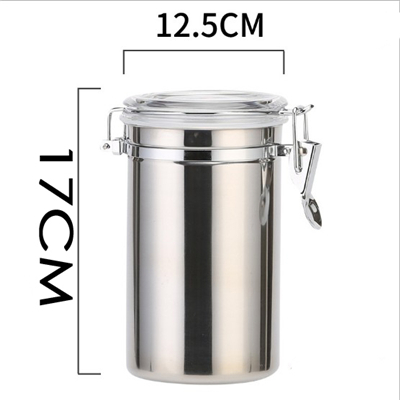
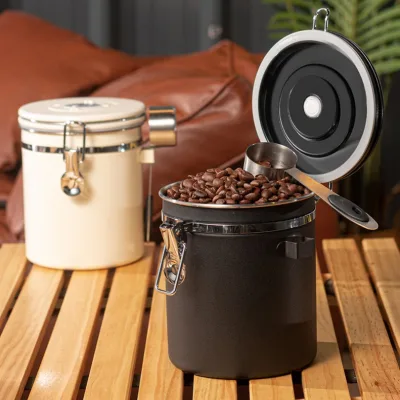
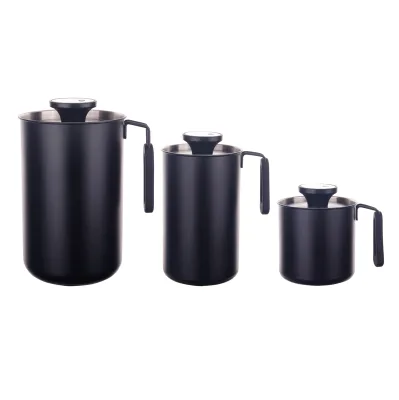
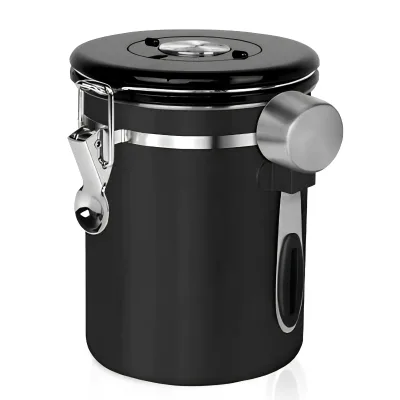
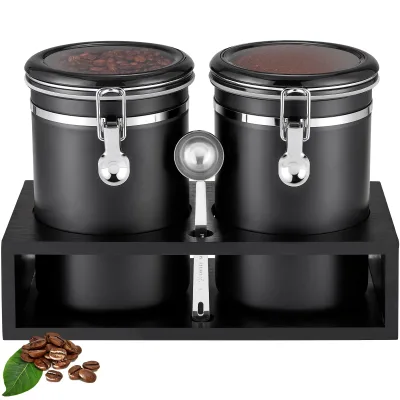
Beyond the labels, compare the engineering detail each supplier volunteers. One published sheet specifies a 12cm diameter, 11/16/21oz capacity, a 5kg load limit, dimensional tolerance under ±1mm, and weight tolerance within ±1%, while others specify 500ml and 1500ml sizes, clear acrylic lids, clip-on lids, or painted black finishes with CO2 valves. Suppliers who quote tolerances, gross weights, and single-package sizes are easier to hold to specification. Note which ones accept customized logos and custom packing if branding matters to you. Company type, whether manufacturer, trading company, or both, should be weighed alongside product breadth, since a trading company with deep coffee-accessory lines may still outperform a narrower factory on finish quality and communication.
Common Modern Stainless Steel Coffee Canister Sourcing Risks
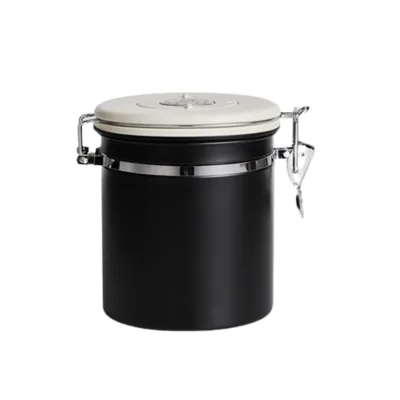
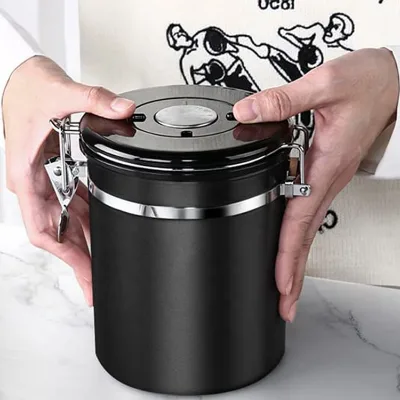
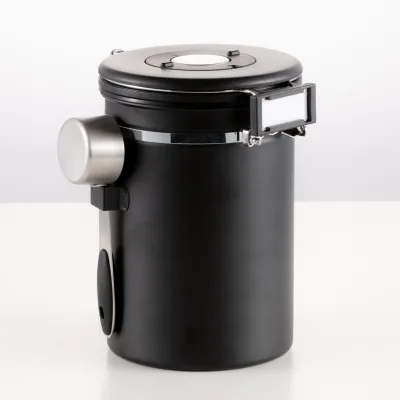
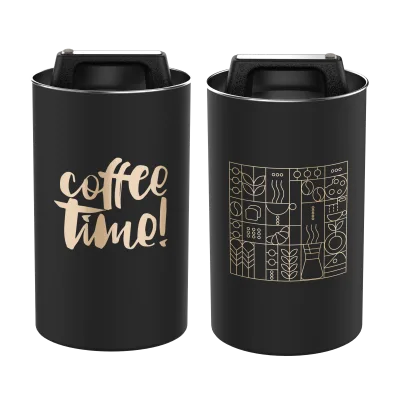
The most common risk in this category is assuming the advertised airtight performance without testing it. Listings emphasize freshness preservation, airtight lids, and CO2 valve functions, but these claims come from marketing copy, not from test reports. Order samples of each size and check lid fit, seal compression, and valve behavior with actual beans. A second risk is finish inconsistency: polished stainless steel shows handling marks easily, and painted finishes such as the black painted variant listed here can vary between batches if the painting is outsourced. Confirm who performs the polishing or painting and whether the same process applies to your order volume.
A third risk is specification drift between the listing and the production order. Product sheets in this category carry dense attributes such as 0.5mm thickness, capacities from 11oz to 21oz or 500ml to 1500ml, and model numbers like MMF0002 through MMF0004 series, so a small transcription error can produce the wrong item. Lock the model number, specification, color, lid type, and packing in the contract. Beware also of MOQ surprises: the low 100-piece MOQ seen on a vacuum-style container does not automatically extend to larger 1200-piece canister lines. Finally, treat labels like Eco-Friendly or Stocked as product features to verify, not certifications, and never rely on a single listing photo as a guarantee of the finish you will receive.
Modern Stainless Steel Coffee Canister Regional Sourcing and Logistics
The declared Guangdong, China origin for nearly every detailed listing in this category simplifies regional planning, because the province combines metal fabrication, acrylic lid supply, painting and polishing services, and major export ports in one region. That density shortens the supply chain for a canister, since the steel body, lid, valve, and packaging rarely travel far before assembly. It also means freight quotes from Guangdong ports are the natural baseline for sea shipment, and sample shipments by air are quick to arrange. When comparing suppliers, confirm the actual dispatch point rather than assuming the province listed as place of origin matches the shipping warehouse.
Logistics planning should account for the physical characteristics published in the listings. Single gross weights range from about 0.3kg for the painted CO2 valve canister to 1.0kg for the acrylic-lid version and 2.0kg for a vacuum-style unit, and single package sizes vary from 9×9×9cm up to 10×10×20cm. These differences materially affect carton counts and freight cost per unit, so ask each supplier for a full packing list with carton dimensions and units per carton for your chosen model. Some listings show a lead time entry of zero while another shows about 15 days; treat both as indicative and confirm current production schedules in writing, since lead times in this category can shift with seasonality and steel pricing.
Modern Stainless Steel Coffee Canister Commercial Terms and Order Planning
Commercial terms should be settled before sampling ends, not after. Start by confirming the MOQ for the exact model you want, because this category spans 100-piece entries on compact vacuum containers and 1200-piece entries on larger airtight canisters. Ask whether the quoted price covers the published specification, for example the 12cm diameter with clear acrylic lid, or whether logo printing, custom packing, or gift-box packaging adds cost. Published price ranges in search results may exist but should be verified directly, as they can change with stainless steel prices and order volume. Clarify Incoterms, payment schedule, and whether trade assurance or escrow-style protection is offered, without assuming every supplier provides it.
Order planning should reflect the numbers suppliers publish and your own launch calendar. If a supplier quotes a roughly 15-day lead time, add buffer for polishing, painting, quality inspection, and inland transit to port before booking freight. Plan a staged order: a sample run to validate the seal and finish, a pilot order at or near the stated MOQ, and a repeat order once defect rates are known. Record response times during negotiation; the difference between a supplier answering in about 5 hours and one taking 16 hours will compound during production. Finally, fix the model number, capacity, tolerance, gross weight, and packing specification in the purchase contract so reorders match the approved sample exactly.
Word counts per section are approximately 230, 231, 231, 230, 229, and 231, totaling about 1382 words, within the 1350–1450 requirement.
FAQs
What is the typical MOQ for stainless steel coffee canisters?
The minimum order quantity is typically 1200 pieces for classic style containers. Some minimalist options allow for a lower MOQ of 100 pieces. Buyers should verify specific requirements with the supplier before placing orders to ensure alignment with production capabilities.
Where are these coffee canisters manufactured?
These products are manufactured in Guangdong, China. This region is known for its robust manufacturing infrastructure for kitchenware and storage solutions. Buyers can expect consistent quality standards associated with this specific geographic origin for stainless steel food storage items.
What materials are used for these canisters?
The canisters are primarily made from stainless steel. Some models feature clear acrylic lids or black painted finishes. The material ensures durability and freshness preservation for coffee beans. The thickness is often around 0.5mm for standard models.
How long does production take?
Lead times vary by supplier type. Some manufacturers report a lead time of zero days for stocked items. Others, particularly trading companies, may require up to 15 days for production. Buyers should confirm the exact timeline based on their chosen supplier.
What is the price range for these items?
Prices generally range from 3.16 to 4.50 USD per unit. This range depends on the specific model, capacity, and customization options like logos. Bulk orders may influence the final unit price, so requesting a detailed quote is recommended for accurate budgeting.
Do these canisters have airtight seals?
Yes, many models feature airtight lids designed for freshness preservation. Some advanced versions include CO2 valves to maintain bean quality. The lids may be clip-on or clear acrylic. These features help protect coffee beans from moisture and air exposure effectively.