Modern Velvet Jewelry Box Suppliers and Manufacturers in China
Explore 30 verified options for Modern Velvet Jewelry Box sourcing with clear lead times, response speeds, and certifications. Compare dimensions, customization, and pricing to select the right factory for your needs; review the available evidence before requesting comparable quotations from suitable candidates.
Updated
Suppliers List

- Verified by BV
- Trading Company,Manufacturer/Factory
- China Zhejiang
- Lead time23 days
- Avg. response≤ 7h
Main productsGift Box, Watch Box, Paper Box, Packing Box, Gift Packing, Packing Bag, Cosmetic Box, Pen Box, Jewelry Box
Main marketsSouth America,Eastern Europe,Mid East,North America,Southeast Asia,Eastern Asia,Oceania,Western Europe,Africa

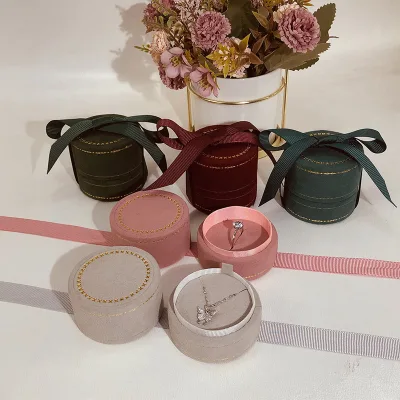
Velvet Jewelry Box High-End Velvet Bracelet Ring Necklace Box Velvet Jewelry Box Jewelry Box
$1.79 - $6.22
MOQ: 100 Pieces


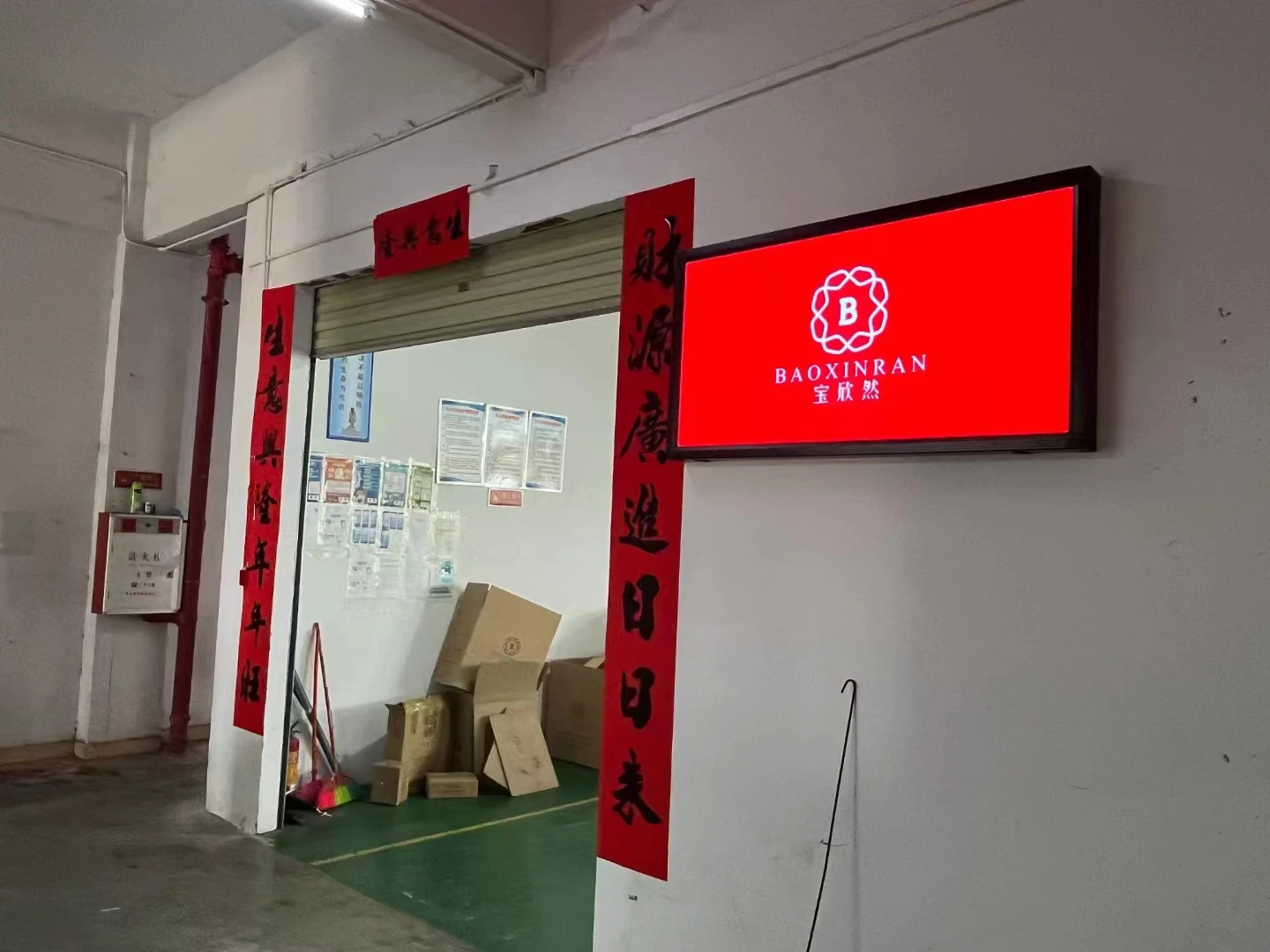
Shenzhen Baoxinran Jeweylr Packaging Co., Ltd.
- Manufacturer
- Guangdong Province, China
- Lead time30 days
- Avg. response≤ 4h
Main productsJewelry Eyewea,Watches & Accessories,Jewelry Packaging & Display,Jewelry Packaging,jewelry gift
Main marketsDomestic Market(20.00%), Southeast Asia(15.00%), Oceania(9.00%), Mid East(8.00%), Western Europe(8.00%), Southern Europe(8.00%), Eastern Europe(6.00%), South America(6.00%), Eastern Asia(5.00%), Northern Europe(5.00%), North America(5.00%), South Asia(3.00%), Central America(2.00%)
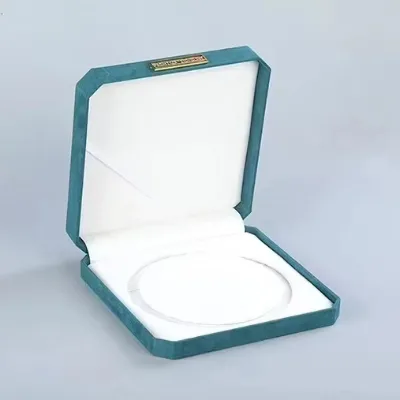
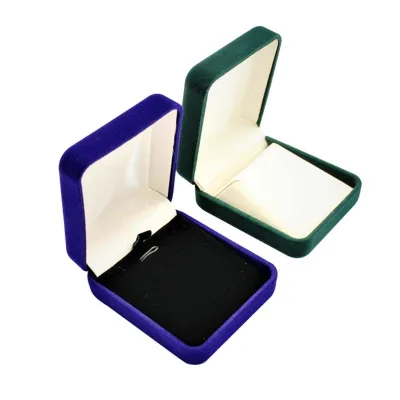
$1.75 - $1.78
MOQ: 500 pieces
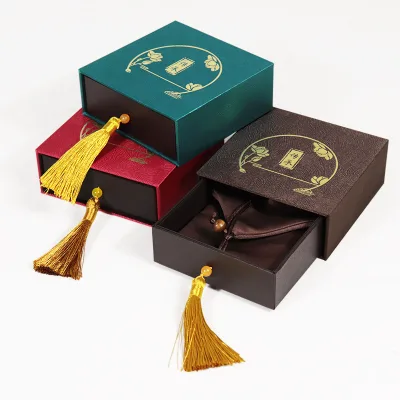

- Manufacturer/Factory
- China Guangdong
- Lead time23 days
- Avg. response≤ 9h
Main productsJewelry Box, Perfume Box, Watch Box, Paper Bag, Pouch, Jewelry Display&Tray, Gift Box, Cosmetic Box, Paper Packaging, Printing
Main marketsSouth America,Eastern Europe,Mid East,North America,Southeast Asia,Eastern Asia,Oceania,Western Europe,Africa

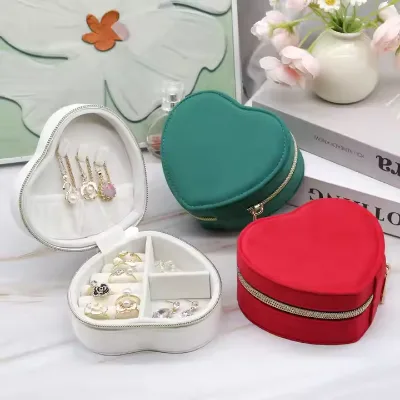
Velvet Two Piece Ring Box Necklace Earrings Box Velvet Velvet Jewelry Box for Set
$0.20 - $3.00
MOQ: 500 Pieces

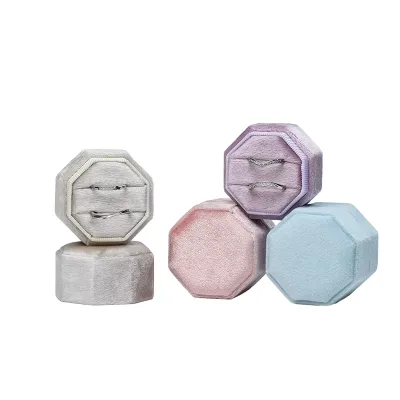
Cute Velvet Ring Box Velvet Jewellry Gift Box Velvet Ring Box for 3 Rings
$0.20 - $2.00
MOQ: 500 Pieces

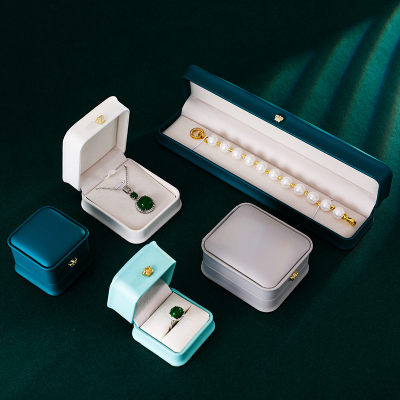
White Velvet Necklace Jewelry Box Velvet Jewelry Packaging Box Small Gift Box for Jewelry
$0.20 - $3.00
MOQ: 500 Pieces

Vintage Ring Box Velvet Velvet Large Necklace Box Velvet Jewelry Box for Set
$0.20 - $2.00
MOQ: 500 Pieces

Yiwu Leson Packing Share Co., Ltd.
- Manufacturer, Trading Company
- Zhejiang, China
- Lead time45 days
- Avg. response≤ 18h
Main productsJewelry Box, Watch Box, Custom Packaging Box, Gift Box, Paper Bag
Main marketsWestern Europe(42.00%), Northern Europe(36.00%), Eastern Europe(12.00%), Domestic Market(6.00%), Southern Europe(4.00%)

Xiamen Le Young Imp. & Exp. Co., Ltd
- Verified by BV
- Trading Company,Manufacturer/Factory
- China Fujian
- Lead time23 days
- Avg. response≤ 4h
Main productsLeather Folder, Trave Wallet, Leather Notebook, Leather Compendium, Leather Portfolio, Leather Diary, Leather Journal, Hotel Supply, Leather Card Holder, Leather Wallet
Main marketsSouth America,Eastern Europe,Mid East,North America,Southeast Asia,Eastern Asia,Oceania,Western Europe,Africa


Custom Ring Box Velvet Pendant Bracelet Earrings Boxes Fashion Jewellery Box
$1.76 - $2.12
MOQ: 300 Pieces

Necklaces Earrings Watches Storage Case Double Layer Velvet Jewelry Box with Lock
$4.35 - $5.09
MOQ: 50 Pieces

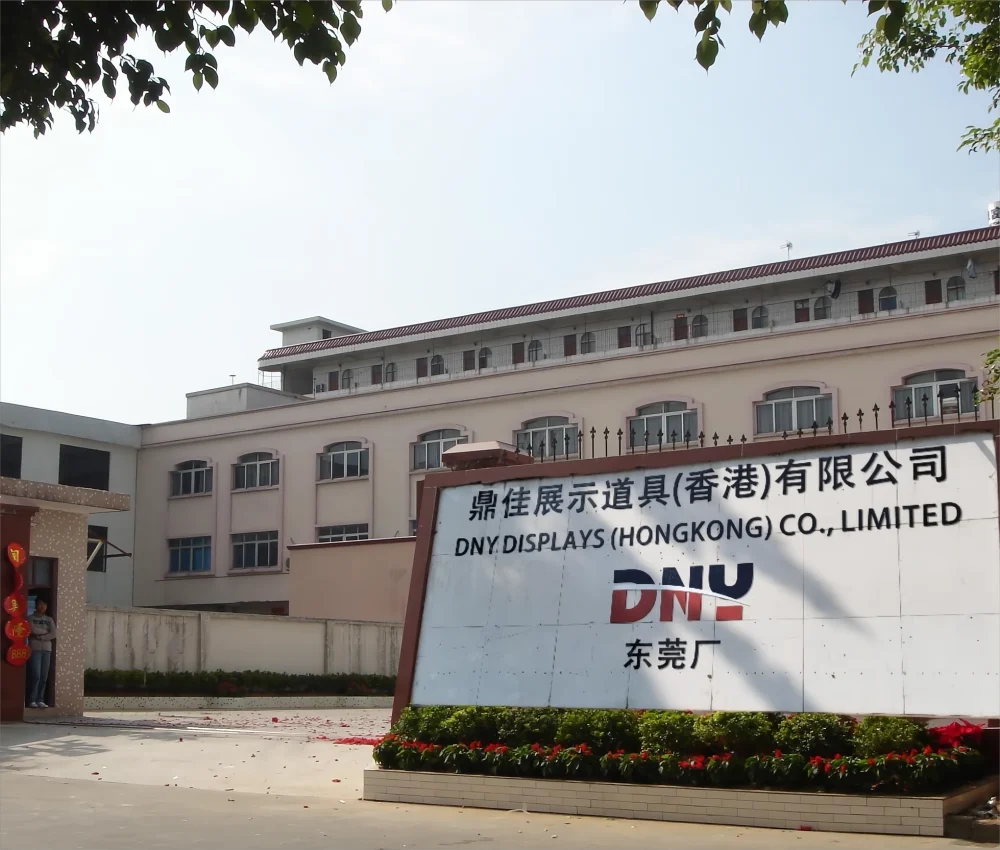
Dongguan Dingjia Display Props Products Co., Ltd.
- Manufacturer
- Guangdong, China
- Lead time25 days
- Avg. response≤ 5h
Main productsAcrylic And Wooden Watch Display,Acrylic And Wooden Glasses Display,Acrylic And Wooden Jewellery Display,Display Showcase,Wooden Box Packing
Main marketsEastern Europe(20.00%), Eastern Asia(10.00%), Mid East(10.00%), Oceania(10.00%), Southeast Asia(10.00%), North America(10.00%), South Asia(10.00%), Domestic Market(5.00%), South America(5.00%)

Xiamen Comfortlife Electronics Co., Ltd.
- Verified by SGS
- Manufacturer
- China Fujian
- Lead time30 days
- Avg. response≤ 8h
Main productsAnti Snore Device, Foot Massage, Personal Care Products
Main marketsSouth America,Australia,North America

Xiamen Airetion Technology Co., Ltd.
- Trading Company
- China Fujian
- Lead time0 days
- Avg. response≤ 3h
Main productsGift Box, Jewelry Box, Color Box, Food Box, Cosmetic Box, Electronic Packaging Box, Paper Bag

Wing Chun Packaging Product(Shenzhen)Co., Ltd
- Verified by BV
- Manufacturer/Factory
- China Guangdong
- Lead time23 days
- Avg. response≤ 2h
Main productsPrinting Gift Packaging, Bag, Paper Gift Box, Rigid Box, Paper Gift Bag, Shopping Bog, Www. Wing-Chun. COM. HK
Main marketsSouth America,Eastern Europe,Mid East,North America,Southeast Asia,Eastern Asia,Oceania,Africa
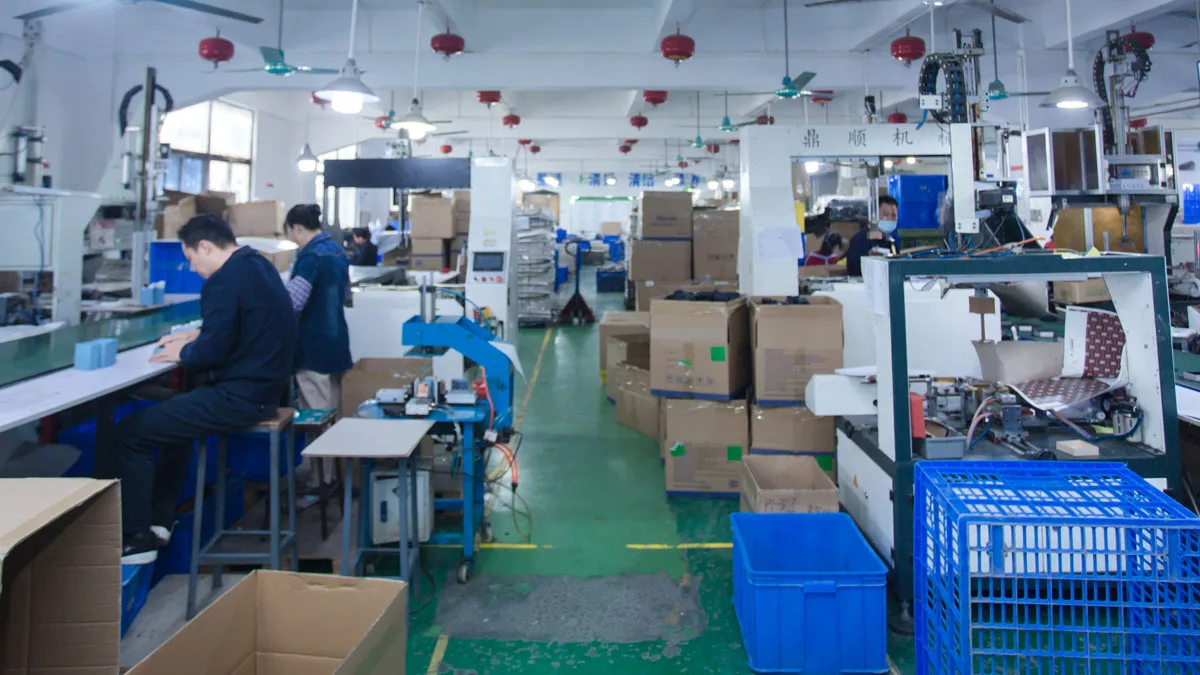
Shenzhen Fucheng Jewelry Package Co., Ltd.
- Trading Company
- Guangdong, China
- Lead time5 days
- Avg. response≤ 2h
Main productsJewelry Box, Jewelry Organizer, Jewelry Cleaning Cloth, Jewelry Display, Jewelry Pouch
Main marketsNorth America(20.00%), Western Europe(20.00%), Domestic Market(20.00%), Southeast Asia(15.00%), Oceania(8.00%), Mid East(5.00%), Northern Europe(3.00%), South America(2.00%), Eastern Europe(2.00%), South Asia(1.00%), Eastern Asia(1.00%), Southern Europe(1.00%), Central America(1.00%), Africa(1.00%)
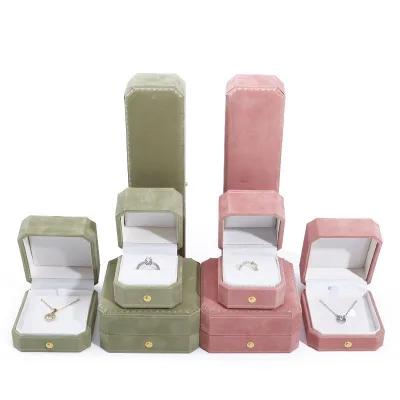
$1.6429 - $2.5363
MOQ: 10 Minimum
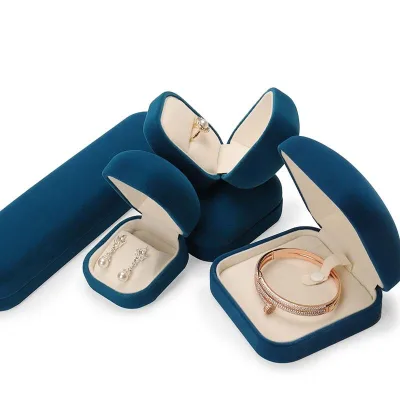
$1.30 - $2.50
MOQ: 100 Minimum
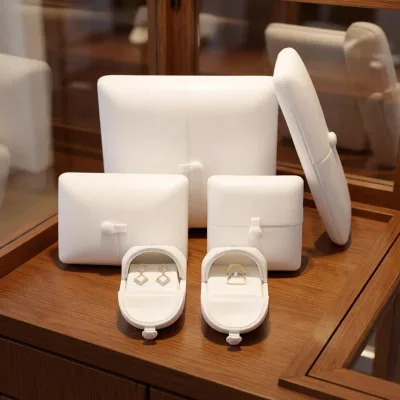

Dongguan Nodiman Packing Co., Ltd.
- Combined
- China Guangdong
- Lead time30 days
- Avg. response≤ 1h
Main productsWatch Box, Jewelry Box, Gift Box, Perfume Box, Paper Box, Wooden Box, Jewellry Box, Box, Pen Box, Coffee Box
Main marketsSouth America,Southeast Asia/ Mideast,East Asia(Japan/ South Korea),Europe,North America

Guangzhou Blf Packing Co., Ltd.
- Verified by TUVRHEINLAND
- Combined
- China Guangdong
- Lead time15 days
- Avg. response≤ 7h
Main productsPaper Bag, Paper Box, Gift Box, Non Woven Bag, Book, Tag, Sticker, Air Freshener, Cards, Jewelry Box
Main marketsOthers(foreignTradeCapacity.exportBusinessCapacityMarketOther),Europe,North America
Foshan Deqi Jewelry Packaging Manufacture Co., Ltd.
- Manufacturer, Trading Company
- Guangdong, China
- Lead time10 days
- Avg. response≤ 2h
Main productsJewelry Paper Box, Jewelry Plastic Box, Jewelry Pouch, Jewelry Display, Jewelry Paper Bag
Main marketsDomestic Market(17.00%), Mid East(10.00%), North America(9.00%), Southeast Asia(9.00%), Oceania(8.00%), Western Europe(8.00%), Eastern Asia(7.00%), Southern Europe(6.00%), Northern Europe(6.00%), Eastern Europe(6.00%), South America(5.00%), South Asia(3.00%), Central America(3.00%), Africa(3.00%)

Huizhou Green Foil Insulation Co., Ltd.
- Verified by BV
- Combined
- China Guangdong
- Lead time15 days
- Avg. response≤ 2h
Main productsCooler Bag, Gift Bag, Gift Box, Insulated Bag, Color Printed Box, Jewelry Box, Paper Bag, Paper Box, Packaging Box, Insulated Mailer
Main marketsEast Asia(Japan/ South Korea),Europe,North America

Xiamen Top Packing Industry Co., Ltd.
- Trading Company,Manufacturer/Factory
- China Fujian
- Lead time23 days
- Avg. response≤ 3h
Main productsPackaging Box, Kids Toy, Puzzle, Bag, Casino Supplies, Books/Magazine, Board Game/Playing Card, Office Supply, Photo Frame, Daily Supplies
Main marketsSouth America,Eastern Europe,Mid East,North America,Southeast Asia,Eastern Asia,Oceania,Western Europe,Africa


Factory Custom Velvet Jewelry Storage Box Ring Box High-End Window Display Jewelry Boxes
$0.99 - $2.99
MOQ: 500 Pieces
EVERWIN (H.K) PACKAGING DESIGN COMPANY LIMITED
- Trading Company
- Hong Kong S.A.R.
- Lead time15 days
- Avg. response≤ 2h
Main productsJewelry box,Watch box,Coin box,Medal box,Badge box
Main marketsNorth America(35.00%), Eastern Europe(20.00%), Western Europe(20.00%), Southern Europe(5.00%), Southeast Asia(5.00%), Northern Europe(5.00%), Eastern Asia(5.00%), Mid East(5.00%)
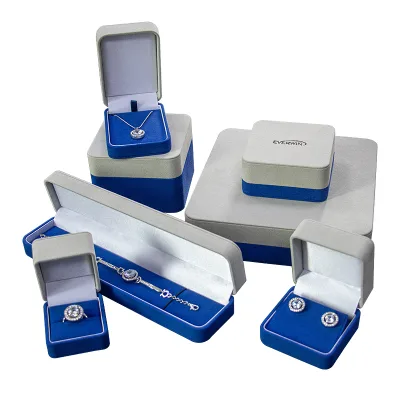
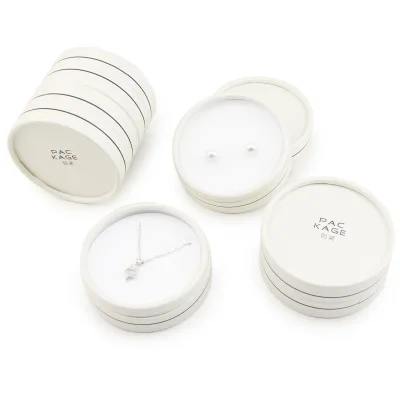
Hot Selling Custom Logo White Round Jewelry Box Ring Box Necklace Box
$0.4137 - $0.5172
MOQ: 1000 pieces
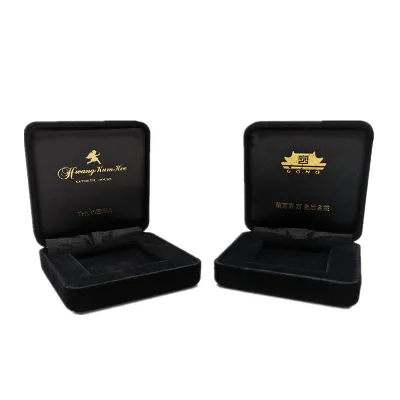
$0.6206 - $0.8274
MOQ: 500 pieces
Chuzhou Jincheng Home Decoration Manufactory
- Verified by SGS Group
- Manufacturer, Trading Company
- Lead time45 days
- Avg. response≤ 5h
Main productsStorage Tray, Metal Trunk, Jewelry Box, Desktop Organizer, Decorative Mirror
Main marketsNorth America(40%), Eastern Europe(15%), Oceania(10%)
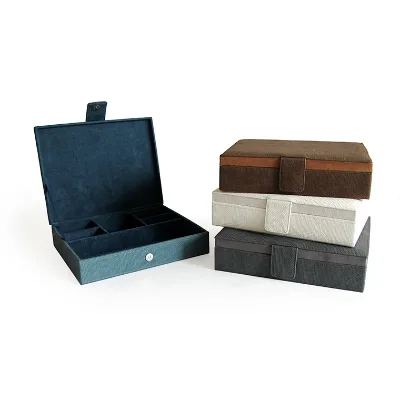
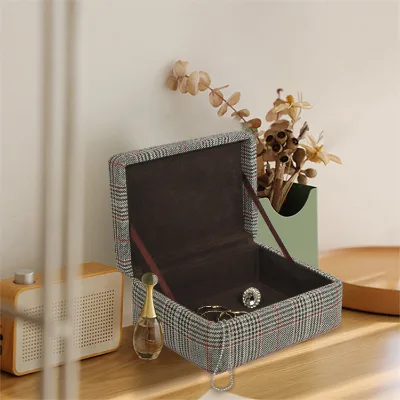
Vintage Simple Jewelry Box Wholesale Jewelry Boxes Portable Small Jewelry Box
$2.80 - $3.60
MOQ: 300 pieces
Shenzhen Meiman Jewelry Co., Ltd.
- Verified by Intertek
- Trading Company
- Lead time7 days
- Avg. response≤ 3h
Main productsJewelry Display Props, Jewelry Packaging Box, Jewelry Pouch, Jewelry Carton, Jewelry Storage Box
Main marketsDomestic Market(50%), North America(15%), South America(10%)

Shanghai Coffe Packing Group Co., Ltd.
- Verified by CTI
- Combined
- China Shanghai
- Lead time15 days
- Avg. response≤ 8h
Main productsPaper Gift Box, Carton Cardboard Box, Gift Box, Paper Box, Carton Box, Cardboard Box, Corrugated Box, Packaging Box, Paper Packaging, Paper Carton
Main marketsDomestic,Europe,Australia,North America
Hunan Big Tree Packaging Products Co., Ltd
- Trading Company
- Hunan, China
- Lead time30 days
- Avg. response≤ 3h
Main productsJewelry boxes,Jewelry display,jewelry pouch,Watch display,Watch box
Main marketsNorth America(75.00%), Eastern Europe(15.00%), Domestic Market(5.00%), Africa(5.00%)
Jinhua Weito Paper Products Co., Ltd.
- Verified by Intertek
- Manufacturer, Trading Company
- Lead time0 days
- Avg. response≤ 4h
Main productsJewelry Packaging Box, Jewelry Display, Jewelry Display Props
Main marketsDomestic Market(35%), North America(12%), Southeast Asia(9%)

Jinjiang Jiaxing Supply Management Co., Ltd.
- Verified by TUVRHEINLAND
- Trading Company
- China Fujian
- Lead time30 days
- Avg. response≤ 2h
Main productsEVA Clogs, Flip Flop, Shoe Charms, Shopping Bags, Wristbands, Gifts, Promotional Gifts, Slipper, Sport Cap, Ball
Main marketsNorth America
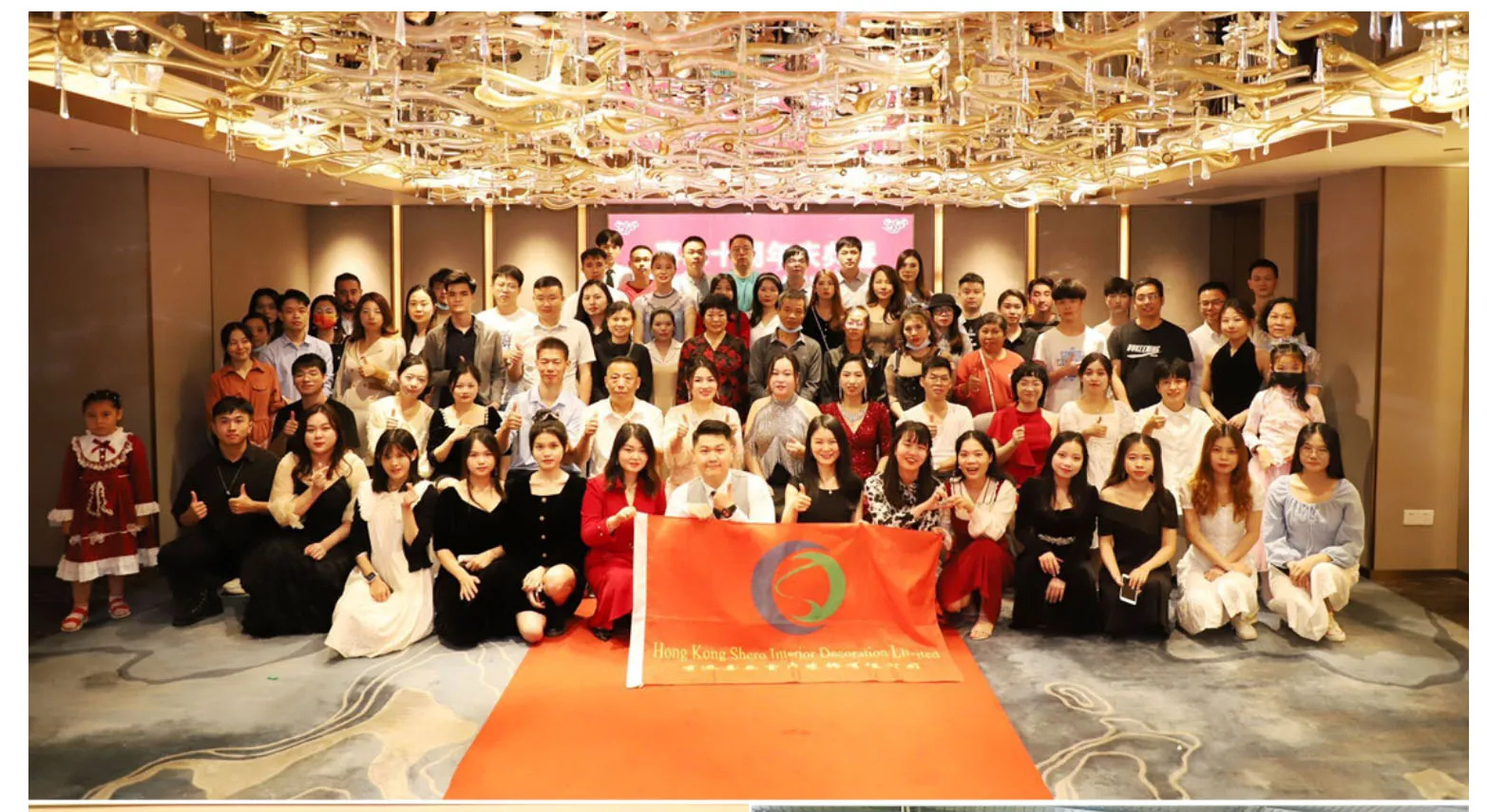
Hong Kong Shero Interior Decoration Limited
- Trading Company
- Hong Kong S.A.R.
- Lead time15 days
- Avg. response≤ 2h
Main productsShowcase, Jewelry Showcase, Store Fixture, Display Cabinet, Kiosk
Main marketsNorth America(40.00%), South America(15.00%), Eastern Europe(10.00%), Mid East(10.00%), Africa(5.00%), Southeast Asia(5.00%), Northern Europe(4.00%), Eastern Asia(3.00%), Oceania(2.00%), Central America(2.00%), South Asia(1.00%), Western Europe(1.00%), Southern Europe(1.00%), Domestic Market(1.00%)
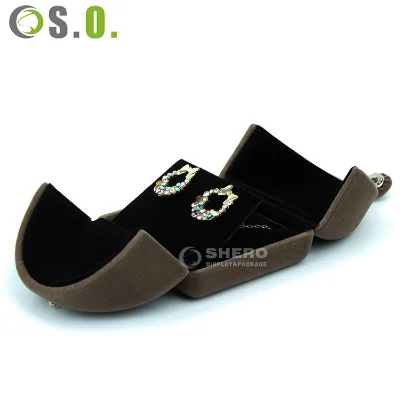
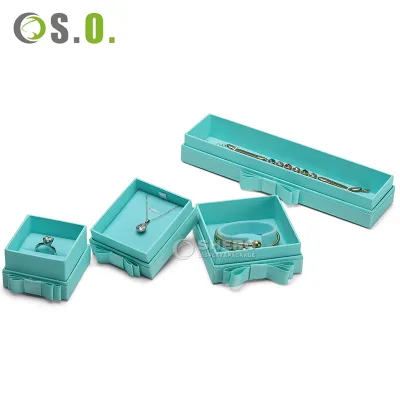
$0.46 - $0.62
MOQ: 1000 pieces
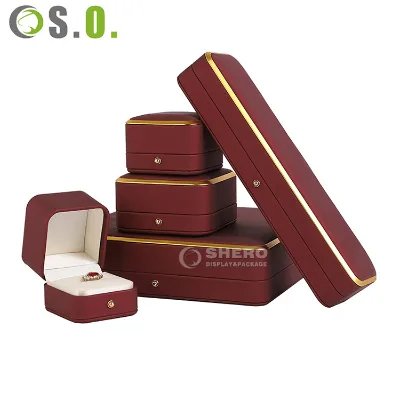
Luxury Jewelry Box Wedding Proposal Necklace Storage Box Jewelry Packaging Gold Gift Box
$1.05 - $1.20
MOQ: 1000 pieces
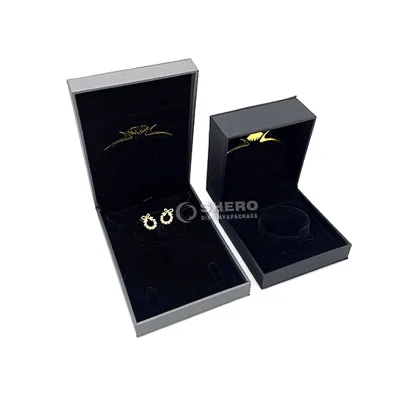
Jewellery Gift Box Customize Logo Color Jewelry Box Packaging Jewellery Boxes
$0.9204 - $1.463
MOQ: 5 sets
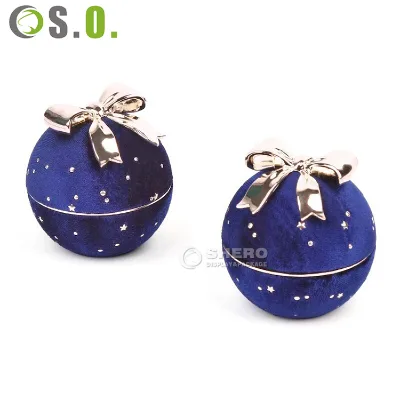
High Quality Vintage Small Velvet Jewelry Box Christmas Ball Storage Rings Necklaces Gift Packaging
$4.6799 - $4.8583
MOQ: 1000 pieces

Wenzhou Sunray Technology Co., Ltd.
- Verified by SGS
- Manufacturer/Factory
- China Zhejiang
- Lead time23 days
- Avg. response≤ 4h
Main productsSunglasses, Custom Sunglasses, Polarized Sunglass, Reading Glasses, Jewelry Boxes, Paper Boxes, Gift Boxes, Packaging Box, Custom Packaging Box, Packing Box
Main marketsSouth America,Eastern Europe,Mid East,North America,Southeast Asia,Eastern Asia,Oceania,Western Europe,Africa

Guangzhou Vitality Printing Co., Ltd
- Verified by SGS
- Trading Company,Manufacturer/Factory
- China Guangdong
- Lead time105 days
- Avg. response≤ 5h
Main productsPaper Packaging, Paper Folding Box, Booklet, Paper Can, Gift Box, Book Printing Service, PVC Box, Cosmetics Packaging, Food Container, Children Book Printing
Main marketsEastern Europe,North America,Southeast Asia,Eastern Asia,Western Europe,Africa

$0.95 - $1.55
MOQ: 500 Pieces

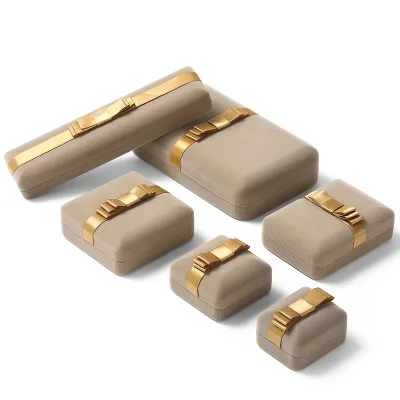
Factory Direct Velvet Jewelry Box Packaging Long Necklace Lightweight Box with Logo
$0.95 - $1.55
MOQ: 500 Pieces

Wholesale Custom Logo Jewelry Velvet Leather Storage Box for Ring and Bracelet Necklace
$0.95 - $1.55
MOQ: 500 Pieces

Custom Logo Velvet Jewelry Box Premium Elegant Packaging for Jewelry Findings with Printing Logo
$0.95 - $1.55
MOQ: 500 Pieces

Shenzhen Hengda Xin Jewelry Co., Ltd.
- Verified by BV
- Combined
- China Guangdong
- Lead time15 days
- Avg. response≤ 2h
Main productsJewelry, Stainless Steel Fittings, Stainless Steel Jewelry, Necklace, Bracelet, Stud Earrings, Ring, Pendant, Fashion Jewelry, Fashion Accessories
Main marketsSoutheast Asia/ Mideast,East Asia(Japan/ South Korea),Domestic,Europe,Australia,North America
Dongguan Leebay Hardware Craft Gifts Co., Ltd.
- Trading Company
- Guangdong, China
- Lead time10 days
- Avg. response≤ 11h
Main productsjewelry box,cufflink box,paperbag,bag accessories,gift bag
Main marketsWestern Europe(20.00%), North America(20.00%), Southern Europe(15.00%), Mid East(10.00%), Domestic Market(5.00%), South Asia(5.00%), Oceania(5.00%), Northern Europe(5.00%), Central America(5.00%), Africa(5.00%), Eastern Asia(5.00%)

Guangzhou Igiftbox Printing & Packaging Co., Ltd
- Verified by SGS
- Trading Company
- China Guangdong
- Lead time15 days
- Avg. response≤ 6h
Main productsPaper Gift Box, Paper Box, Paper Bags, Gift Box, Packaging Box, Chocolate Box, Cosmetic Box, Sticker Label, Cardboard Box, Book Printing
Main marketsSouth America,Southeast Asia/ Mideast,Europe,North America
Shenzhen Jinhongjue Trading Co., Ltd.
- Trading Company
- Lead time旺季: "1 - 100":31,"> 100":"To be negotiated", 淡季: "1 - 100":31,"> 100":"To be negotiated"
- Avg. response≤ 1h
Main productsJewelry Box, Silver Ornament, Jewelry Display Props, Paper Bag

Dongguan DianYa Packaging MFG. Co., Ltd.
- Verified by TUVRHEINLAND
- Manufacturer/Factory
- China Guangdong
- Lead time30 days
- Avg. response≤ 1h
Main productsBox, Paper Box, Wooden Box, Leather Box, Plastic Box, Jewellery Box, Watch Box, Wine Box, Perfume Box, Cigar Box
Main marketsSouth America,Eastern Europe,Mid East,North America


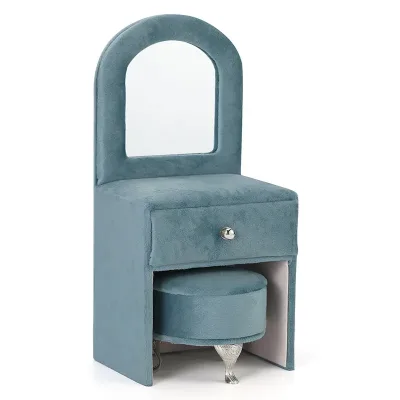
Luxury Leather Jewelry Box Custom Jewelry Organizer Gift Packaging Storage Case
$35.50 - $50.00
MOQ: 200 Pieces


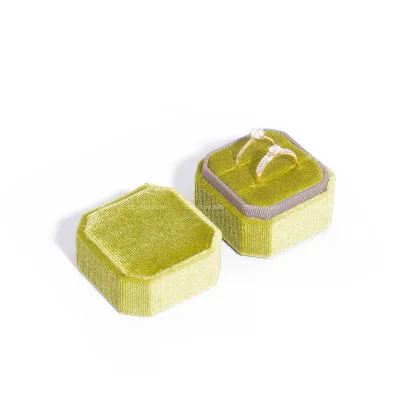
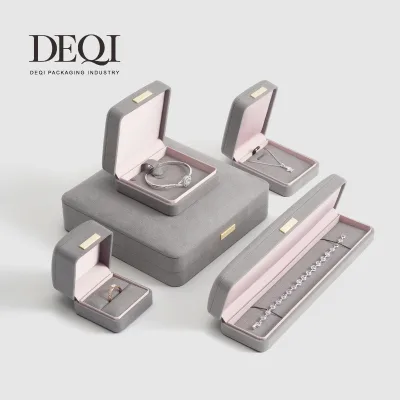


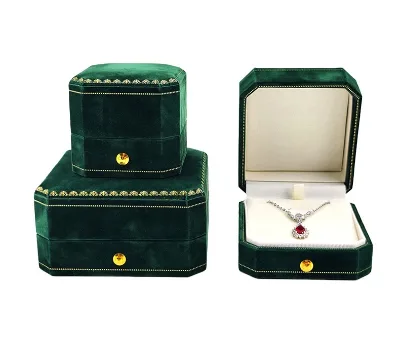
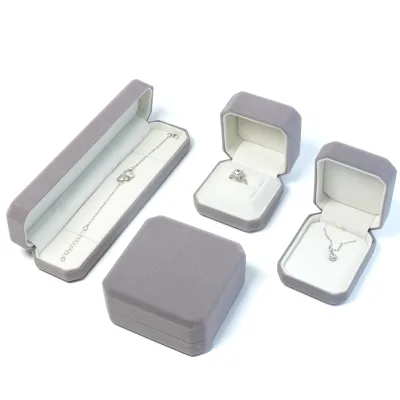


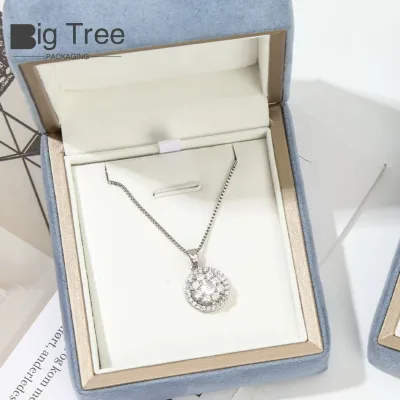
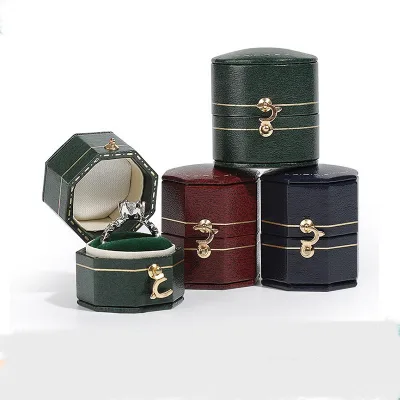
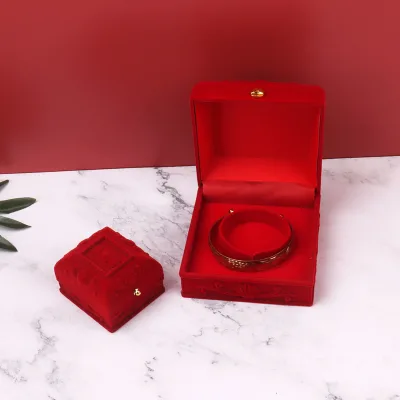
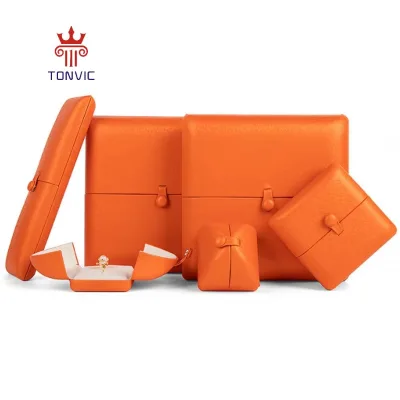


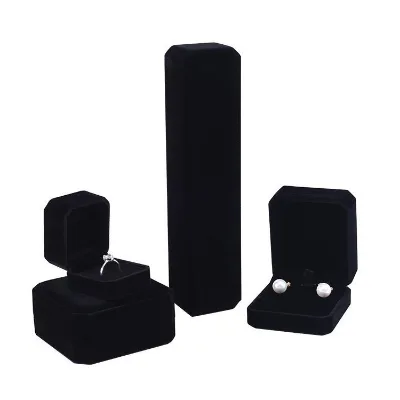
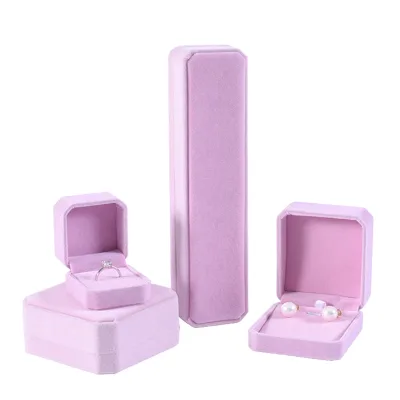


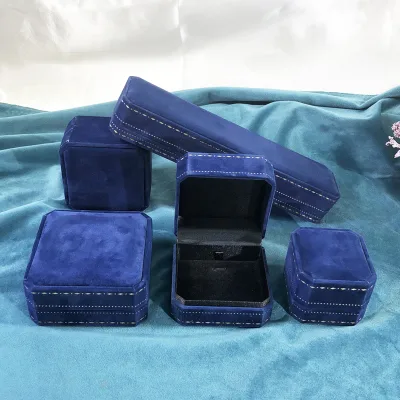
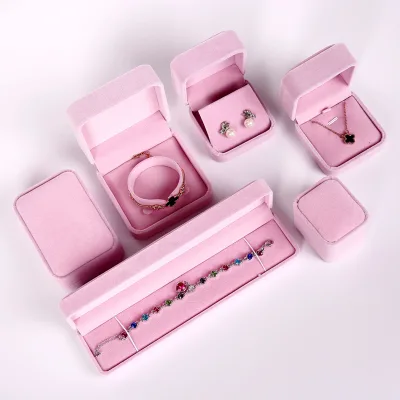
Comprehensive Sourcing Guide
Modern Velvet Jewelry Box Supplier Concentration and Factory Types
The current supplier landscape for modern velvet jewelry boxes reveals a distinct geographic and structural distribution that buyers must navigate carefully. Evidence indicates that manufacturing capabilities are concentrated in specific Chinese provinces, with Zhejiang and Guangdong Province emerging as primary hubs for this category. Suppliers located in Zhejiang often operate as either trading companies or manufacturer/factory hybrids, offering a blend of direct production access and broader sourcing flexibility. This dual nature allows them to handle complex orders that may require coordination across different material types or finishing techniques. In contrast, suppliers based in Guangdong Province are predominantly identified as pure manufacturers. This structural difference is critical for buyers who prioritize direct factory communication and control over the production process. The presence of both trading companies and factories in the results suggests that buyers can choose between the potentially lower costs and direct oversight of a factory or the logistical support and product variety often provided by a trading entity. Understanding this distinction helps in aligning supplier selection with specific project needs, whether that involves high-volume standard production or customized, multi-component packaging solutions.
Beyond geography, the type of company significantly influences the range of services and products available. Many suppliers list main products that extend beyond simple jewelry boxes to include gift boxes, watch boxes, and cosmetic packaging. This diversification indicates that these facilities possess versatile production lines capable of handling various packaging formats. For buyers seeking a Modern Velvet Jewelry Box, this versatility can be advantageous if they require complementary packaging for related products. However, it also means that buyers must verify the specific expertise of a supplier regarding velvet materials and luxury finishes. A supplier whose primary focus is general paper packaging might not have the same level of specialized craftsmanship for high-end velvet applications as one that specializes in jewelry display. Therefore, assessing the company type is not just about location but about understanding the depth of their specialization. Buyers should look for suppliers who explicitly mention jewelry packaging as a core competency, ensuring that the modern aesthetic and quality standards required for velvet boxes are met with precision and care.
How to Verify Modern Velvet Jewelry Box Suppliers
Verification is a critical step in ensuring that the suppliers offering modern velvet jewelry boxes meet your quality and operational standards. One of the primary indicators of reliability found in the current results is the BV verification status. This third-party verification provides a baseline level of confidence regarding the supplier's business legitimacy and operational capabilities. Buyers should prioritize suppliers who display this verification badge, as it signifies that an independent audit has been conducted to confirm their existence and basic business practices. However, verification alone is not sufficient. Buyers must also examine the system certifications held by the supplier. The presence of certifications such as ISO 9001, ISO 14001, BSCI, and HSE indicates a commitment to quality management, environmental responsibility, and social compliance. These certifications are particularly important for modern brands that prioritize sustainability and ethical sourcing. A supplier with a robust certification portfolio is more likely to have consistent quality control processes in place, which is essential for maintaining the premium look and feel of velvet jewelry boxes.
In addition to certifications, buyers should assess the supplier's responsiveness and track record. The response time metric provides insight into how quickly a supplier can engage with inquiries, which is crucial for efficient project management. A faster response time, such as those observed in the results, suggests a more agile and customer-focused operation. Buyers should also look for evidence of customization capabilities, as modern velvet jewelry boxes often require specific branding and design elements. Suppliers that explicitly state customization is available and offer options for logo printing, color matching, and size adjustments are better equipped to meet unique brand requirements. Furthermore, examining the product evidence, such as detailed attributes like material type, shape, and opening mechanism, can help verify the supplier's ability to produce the specific style of box you need. For instance, if you require a clamshell opening or a specific hexagonal shape, confirming that the supplier has produced similar items is a strong indicator of their technical competence. This holistic approach to verification ensures that you are partnering with a supplier who is not only legitimate but also capable of delivering high-quality, customized products.
What to Compare Across Modern Velvet Jewelry Box Suppliers
When evaluating multiple suppliers for modern velvet jewelry boxes, it is essential to compare key operational metrics to determine the best fit for your business. One of the most significant factors is the lead time, which varies among suppliers. For example, some suppliers may offer a lead time of 23 days, while others might require 30 days or more. This difference can impact your inventory planning and ability to meet market demand, especially during peak seasons. Buyers should align their choice with their timeline requirements, considering whether a shorter lead time justifies any potential cost premium. Additionally, the minimum order quantity (MOQ) is a critical consideration. Suppliers may have MOQs ranging from 100 to 500 units or higher. For startups or those testing new designs, a lower MOQ is advantageous, allowing for smaller initial investments and reduced risk. Conversely, established brands with high volume needs might benefit from suppliers with higher MOQs that offer better economies of scale. Comparing these metrics side-by-side helps in identifying suppliers that match your production volume and speed requirements.
Price and customization options are also vital comparison points. The price range for modern velvet jewelry boxes can vary significantly, with some products starting as low as $0.42 and others reaching up to $6.22 per unit. This wide range reflects differences in material quality, complexity of design, and customization levels. Buyers should not solely focus on the lowest price but should evaluate the value proposition, including the quality of the velvet, the durability of the box, and the precision of the finishing. Customization capabilities, such as the availability of logo printing, hot stamping, and custom sizes, should also be compared. Suppliers that offer flexible customization options can help you create a unique brand identity, which is crucial in the competitive jewelry market. Furthermore, the response time can indicate the supplier's willingness to engage in detailed discussions about your specific needs. A supplier with a quick response time is more likely to be proactive in addressing your questions and providing solutions. By systematically comparing lead times, MOQs, prices, and customization options, buyers can make informed decisions that balance cost, quality, and operational efficiency.
Common Modern Velvet Jewelry Box Sourcing Risks
Sourcing modern velvet jewelry boxes comes with specific risks that buyers must proactively manage to ensure a successful procurement process. One significant risk is the variability in material quality. Velvet can vary greatly in terms of texture, durability, and color fastness. Without clear specifications and quality control measures, buyers may receive products that do not meet their aesthetic or functional expectations. This risk is compounded by the fact that many suppliers offer customization, which can introduce inconsistencies if the production process is not tightly controlled. Buyers should request samples to evaluate the material quality firsthand before committing to large orders. Additionally, the risk of miscommunication regarding design specifications is high, especially when dealing with complex shapes or custom features. Suppliers may interpret design requirements differently, leading to products that do not match the intended vision. To mitigate this, buyers should provide detailed technical drawings and clear written specifications, and confirm understanding with the supplier before production begins.
Another common risk is the reliability of delivery and adherence to lead times. While suppliers may quote a specific lead time, external factors such as material shortages or production bottlenecks can cause delays. This is particularly relevant for suppliers with longer lead times, as any delay can disrupt your supply chain and impact sales. Buyers should establish clear communication channels and request regular updates on production progress. Furthermore, the risk of non-compliance with ethical and environmental standards is a growing concern. Suppliers without proper certifications may not adhere to labor laws or environmental regulations, which can pose reputational risks for your brand. Buyers should verify certifications such as BSCI and ISO 14001 to ensure that the supplier meets these standards. Additionally, the risk of intellectual property infringement is present if you are using unique designs. Buyers should ensure that the supplier respects confidentiality agreements and does not share your designs with competitors. By identifying and addressing these risks early in the sourcing process, buyers can protect their interests and ensure a smoother procurement experience.
Modern Velvet Jewelry Box Regional Sourcing and Logistics
The geographic location of suppliers plays a crucial role in determining logistics costs, lead times, and overall supply chain efficiency. Current results indicate that suppliers are primarily located in Zhejiang and Guangdong Province in China. Zhejiang is known for its robust manufacturing infrastructure and is often associated with a mix of trading companies and factories. This region's proximity to major ports can facilitate efficient export logistics, potentially reducing shipping times and costs. Buyers sourcing from Zhejiang should consider the logistical advantages of this location, especially if they are targeting markets in North America or Europe. On the other hand, Guangdong Province is a major manufacturing hub with a strong focus on pure manufacturers. This region's extensive supply chain network and specialized labor force can offer competitive pricing and high production capacity. However, buyers should also consider the logistical implications of sourcing from Guangdong, including potential congestion at major ports and the need for careful coordination to ensure timely delivery.
Logistics planning should also account for the specific requirements of velvet jewelry boxes, which are often delicate and require careful handling to prevent damage. Suppliers in both regions should provide appropriate packaging solutions, such as standard export cartons, to protect the products during transit. Buyers should verify that the supplier's packaging meets international shipping standards to minimize the risk of damage. Additionally, the choice of logistics provider and shipping method can impact the overall cost and speed of delivery. For urgent orders, air freight may be necessary, while bulk shipments can be more cost-effectively handled via sea freight. Buyers should work closely with their suppliers to determine the most efficient shipping strategy based on their specific needs. Furthermore, understanding the import regulations and duties in the destination country is essential for accurate cost calculation. By carefully considering the regional sourcing options and logistics implications, buyers can optimize their supply chain and ensure that modern velvet jewelry boxes are delivered efficiently and cost-effectively.
Modern Velvet Jewelry Box Commercial Terms and Order Planning
Effective order planning and clear commercial terms are essential for a successful sourcing experience with Modern Velvet Jewelry Box suppliers. One of the first steps is to negotiate payment terms that align with your cash flow and risk tolerance. Common terms include a deposit followed by the balance before shipment, or payment through secure escrow services. Using escrow can provide an additional layer of security, ensuring that funds are only released once the goods are received and verified. Buyers should also clarify the Incoterms, such as FOB or CIF, to understand who is responsible for shipping costs and risks at each stage of the journey. This clarity helps in avoiding unexpected costs and disputes. Additionally, buyers should establish clear quality acceptance criteria and procedures for handling defects or discrepancies. This includes defining the acceptable level of variation in color, size, and finish, as well as the process for returning or replacing non-conforming products. Having these terms in writing protects both parties and ensures a smooth transaction.
Order planning should also consider the scalability of the supplier's production capacity. Suppliers with OEM and ODM capabilities can offer greater flexibility, allowing you to adjust order quantities and designs as needed. However, buyers should verify that the supplier has the capacity to handle your volume requirements, especially during peak seasons. It is also important to plan for lead times accurately, accounting for potential delays due to holidays, material shortages, or other unforeseen circumstances. Buyers should maintain open communication with their suppliers to stay informed about production progress and any changes to the schedule. Furthermore, buyers should consider the long-term relationship with the supplier. Building a strong partnership can lead to better pricing, priority production, and improved service. By focusing on clear commercial terms and strategic order planning, buyers can minimize risks and maximize the value
FAQs
What is the price range for velvet jewelry boxes?
Prices typically range from $0.42 to $6.22 per unit depending on size and customization. Basic small boxes start near $0.42, while high-end clamshell styles cost up to $6.22. Bulk orders often secure lower rates within this bracket.
What are the minimum order quantities for these boxes?
MOQs vary by product style, generally ranging from 100 to 500 units. Small opaque boxes require 300 units, while simple square styles may start at 100. Luxury printed options often require a minimum of 500 units for production.
How long does production take for custom orders?
Standard lead times are approximately 23 to 30 days after order confirmation. Manufacturers in Zhejiang and Guangdong offer these timelines for velvet packaging. Custom shapes or logos may extend this window slightly, so early planning is recommended.
Can I customize the logo and color of the box?
Yes, customization is available for most velvet jewelry boxes. Suppliers accept custom logos, colors, and sizes. Options include hot stamping and specific color matching. You can request tailored dimensions to fit your specific jewelry items securely.
Where are these velvet jewelry box suppliers located?
Suppliers are primarily located in China, specifically in Zhejiang and Guangdong provinces. These regions are known for efficient manufacturing of gift and jewelry packaging. Buyers can verify supplier locations and certifications directly through the platform's verification tools.
What certifications do these manufacturers hold?
Many manufacturers hold ISO 9001, ISO 14001, and BSCI certifications. These verify quality management and social compliance standards. Some suppliers also display HSE and ISO 9000 credentials. Verified badges like BV indicate additional third-party assessments.