Modified Glass Engine Bonnet Suppliers and Manufacturers
Explore 33 verified suppliers offering Modified Glass Engine Bonnet options with varying lead times, response speeds, and certifications. Buyers can compare MOQs, material specs, and origin locations to select the right partner. Contact suppliers directly to request samples and confirm pricing details.
Suppliers List
Changzhou Carbon Tech Composite Material Co., Ltd.
- Verified by TüVRheinland
- Manufacturer, Trading Company
- Lead time7 days
- Avg. response≤ 5h
Main productsBody Kit, Bumpers, Carbon Fiber Parts, Head and Taillights, Hood
Main marketsDomestic Market(40%), Eastern Europe(20%), South America(10%)
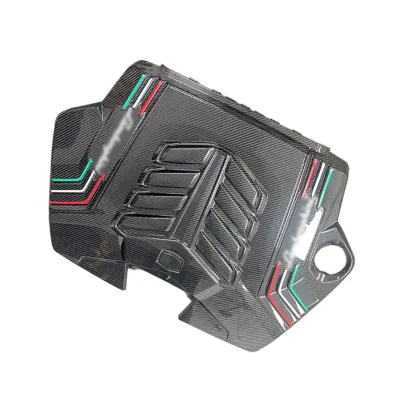
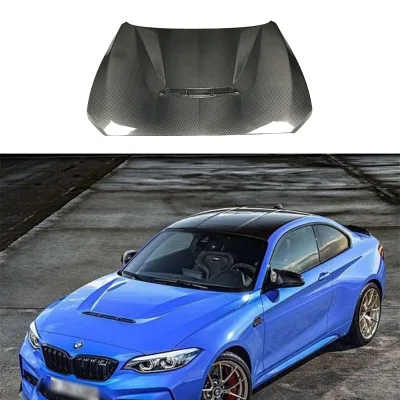
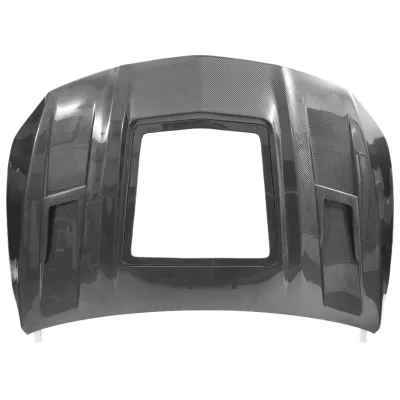
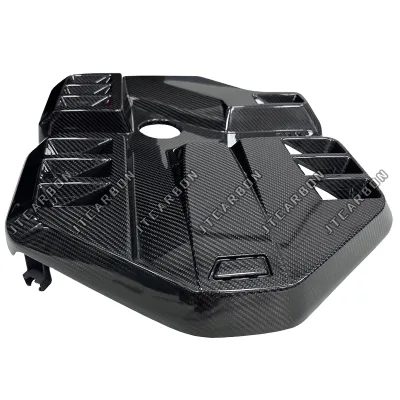
CS Style Dry Carbon Engine Bonnet for F87 M2 M2C Upgrade Original Aluminum Hood Replacement
$1200.00 - $1250.00
MOQ: 1

Changzhou Gemmeo Technology Co., Ltd.
- Trading Company
- Jiangsu, China
- Lead time15 days
- Avg. response≤ 7h
Main productsBody kit,Running board,Roof rack,Car floor mat,Front rear bumper
Main marketsWestern Europe(10.00%), Domestic Market(10.00%), Southern Europe(10.00%), Northern Europe(10.00%), Central America(10.00%), Eastern Europe(10.00%), South America(10.00%), North America(10.00%), Mid East(5.00%), Oceania(5.00%), Africa(5.00%), Southeast Asia(5.00%)
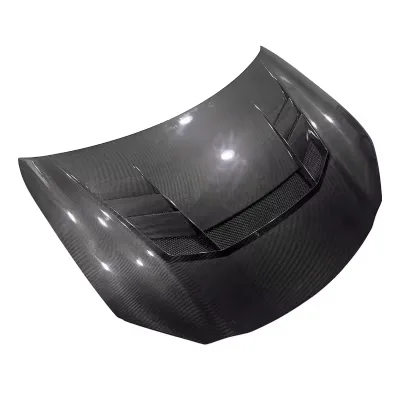
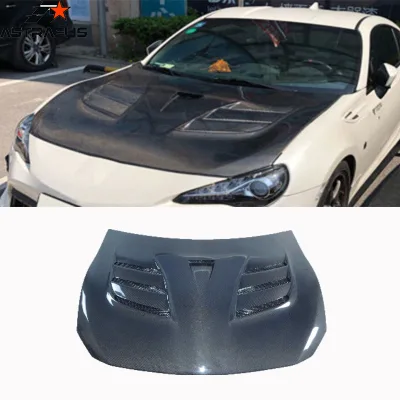
Car Modified Parts VA Style Carbon Fiber Engine Hood Bonnet for 2021-2022 GR86 BRZ
$290.00 - $450.00
MOQ: 1
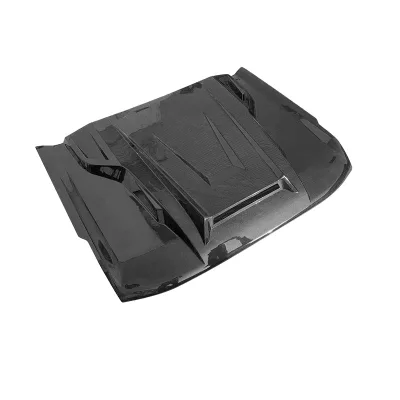
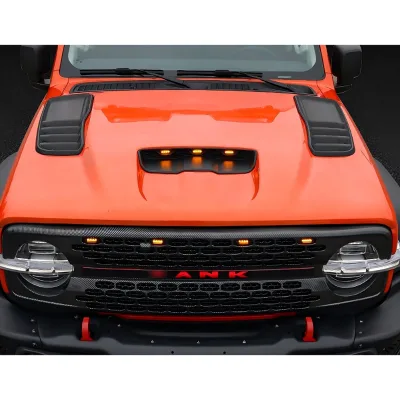
Conversion Engine Hood Cover Front Machine Cover Engine Bonnet Hood for Ford Bronco 2021-2025
$365.06 - $389.67
MOQ: 1 sets

Guangzhou CSS Auto Accessones Co.,Ltd
- Verified by SGS
- Trading Company
- China Guangdong
- Lead time15 days
- Avg. response≤ 5h
Main productsCar Bumpers, Engine Hoods, Rear Spoilers, Carbon Fiber Auto Body Parts, Carbon Fiber Car Interior Trims, Wheel Hub, Front Lip, Rear Diffuser, Front Bumper
Main marketsEurope,Australia,North America

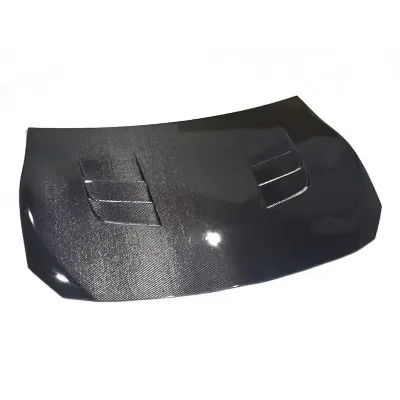
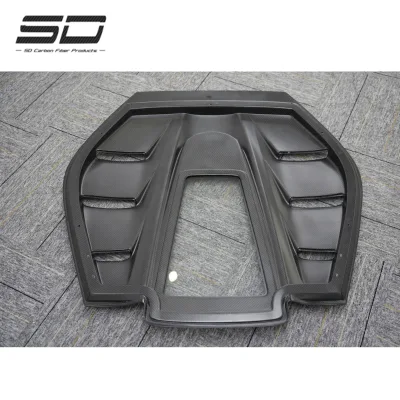
Car Parts Wholesale Transparent Glass Cover Bonnet for Gtr R35 Carbon Fiber Engine Hood
$1320.00 - $1450.00
MOQ: 1 Pieces

Carbon Fiber/Fiberglass Front Engine Bonnet Hood for Bentley Bentayga Upgrade to Msy Style
$2140.00 - $2340.00
MOQ: 1 Sets

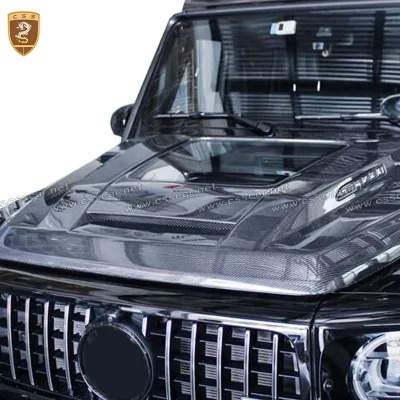
Upgrade to G900 Carbon Fiber B Style Front Engine Bonnet Hood Cover for Mercedes Benz G Class
$1200.00 - $2300.00
MOQ: 1 Sets


Upgrade to Msy Style Car Bonnet Front Bumper Hood Grill Body Kit for Bentley Bentayga Engine Hoods
$2100.00 - $2200.00
MOQ: 1 Pieces

Hangzhou lizhong shengteng Auto Parts Co., Ltd.
- Verified by TUVRHEINLAND
- Trading Company
- China Zhejiang
- Lead time23 days
- Avg. response≤ 10h
Main productsAuto Bumper, Auto Rear Bumper Cover, Auto Rear Mirror, Auto Hood, Auto Head Lamp, Auto Cooling Fan Cover, Auto Radiator
Main marketsSouth America,Eastern Europe,Mid East,North America,Southeast Asia,Eastern Asia,Western Europe


Auto Bonnet and Hood for OEM ODM - ISO9001 Certified Quality Assurance
$10.00 - $100.00
MOQ: 10 Pieces
Guangzhou Huaicarbon Automotive Technology Co., Ltd.
- Verified by SGS Group
- Trading Company
- Lead time15 days
- Avg. response≤ 2h
Main productsCarbon Fiber Spoiler, Carbon Fiber Fender, Carbon Fiber Hood, Carbon Fiber Front Lip, Carbon Fiber Rear Lip
Main marketsNorth America(35%), Mid East(20%), Southeast Asia(10%)

Changzhou Everon Machinery Parts Co., Ltd.
- Trading Company
- China Jiangsu
- Lead time15 days
- Avg. response≤ 17h
Main productsHead Lamp, Door Mirror, Car Grille, Car Body Kit, Bumper Guard, Rear Lamp, Car Bumper, Fog Lamp, Running Board
Main marketsAfrica,Southeast Asia/ Mideast,Europe

Modified E63 Amg Style Auto Engine Cover Hood Bonnet for Mercedes Benz E W213
$180.00 - $460.00
MOQ: 1 Pieces


M5 CS Style Aluminum Engine Bonnet Cover Bonnet Hood for BMW 5 Series G30 G38 F90
$350.00 - $650.00
MOQ: 1 Sets

Wonderful Auto Parts Co., Ltd.
- Verified by SGS
- Trading Company
- China Jiangsu
- Lead time30 days
- Avg. response≤ 21h
Main productsDashboard /Instrument Panel, Airbag Cover, Car Bumper Grille, Auto Plastic Parts, Car Metal Body Parts, Auto Accessories, Car Steps, Car Hood, Car Door, Car Fender
Main marketsEurope
Changzhou Wodisi Vehicle Parts Co., Ltd.
- Manufacturer
- Jiangsu, China
- Lead time15 days
- Avg. response≤ 3h
Main productsbody Kit,carbon products
Main marketsAfrica(45.00%), Southeast Asia(15.00%), Mid East(10.00%), Oceania(5.00%), Southern Europe(5.00%), South America(5.00%), Central America(4.00%), Eastern Asia(3.00%), North America(2.00%), Northern Europe(2.00%), Eastern Europe(2.00%), Western Europe(2.00%)
Guangzhou Css Auto Accessories Co., Ltd.
- Verified by SGS Group
- Trading Company
- Lead time10 days
- Avg. response≤ 2h
Main productsBody Kits/Car Bumpers/Carbon Fiber Auto Body Parts, Carbon Fiber Engine Hoods, Forged Wheel Rims, Carbon Fiber Interior Trims
Main marketsNorth America(18%), Southeast Asia(15%), Mid East(11%)
Lietuvo International Incorporation
- Verified by BV
- Trading Company
- China Beijing
- Lead time30 days
- Avg. response≤ 15h
Main productsAuto Parts, Auto Suspension Parts, Auto Engine Parts, Auto Brake Parts
Main marketsEurope

Car Engine Hoods for Dongfeng Carbon Fiber Engine Bonnet Cover Auto Parts
$77.62 - $84.67
MOQ: 1 Pieces

Car Engine Bonnet Cover for Greatwall Engine Hood Auto Parts 8402100-K24
$68.66 - $74.90
MOQ: 1 Pieces
Foshan Mingyang Auto Parts Co., Ltd.
- Verified by SGS
- Trading Company
- China Guangdong
- Lead time15 days
- Avg. response≤ 6h
Main productsCar Body Kit, Tonneau Cover, Hood, Grille, Headlight, Taillight, 4X4 Parts
Main marketsSoutheast Asia/ Mideast,Australia,North America

Car Accessories Carbon Fiber Engine Hoods Bonnets for Toyota Fortuner 2016 2022
$350.00 - $450.00
MOQ: 2 Sets

Auto Parts Carbon Fiber Hood Engine Bonnet Cover for Ford Mustang Mach-E 2021
$520.00 - $590.00
MOQ: 2 Sets


Carbon Fiber Bonnet Cover 2018-2024 for Mercedes Benz W463A W464 Engine Hood Cover
$250.00 - $280.00
MOQ: 2 Sets

$1240.00 - $1260.00
MOQ: 2 Sets
Chongqing Shiwei Technology Co., Ltd
- Verified by SGS
- Trading Company,Manufacturer/Factory
- China Chongqing
- Lead time0 days
- Avg. response≤ 4h
Main productsAuto Parts, Auto Spare Parts, Li Car Parts, Byd Car Parts, Geely Car Parts, Chery Car Parts, Nio Car Parts
Main marketsSouth America,Eastern Europe,Mid East,North America,Southeast Asia,Eastern Asia,Oceania,Western Europe,Africa

for Toyota Bz4X Hot Selling Replaced Aluminum Car Engine Hood Bonnet Accessories
$125.00 - $528.00
MOQ: 10 Pieces

Wholesale Byd Seagull Hood Front Bonnet Engine Cover for Seagull Accessories
$113.00 - $652.00
MOQ: 10 Pieces
Guangzhou Xinfei Auto Parts Trading Co., Ltd.
- Verified by TüVRheinland
- Manufacturer, Trading Company
- Lead time30 days
- Avg. response≤ 2h
Main productsAutomotive Parts, Automotive Modified Parts, Automotive Carbon Fibre Products, Automotive Exhaust Hardware Products, Car Bumpers
Main marketsNorth America(60%), Western Europe(20%), South America(3%)
Changzhou Bona Vehicle Industry Co., Ltd.
- Trading Company
- Jiangsu, China
- Lead time15 days
- Avg. response≤ 12h
Main productsMetal body parts,Automotive lamps,Automotive plastic parts
Main marketsNorth America(50.00%), Mid East(30.00%), Eastern Europe(20.00%)
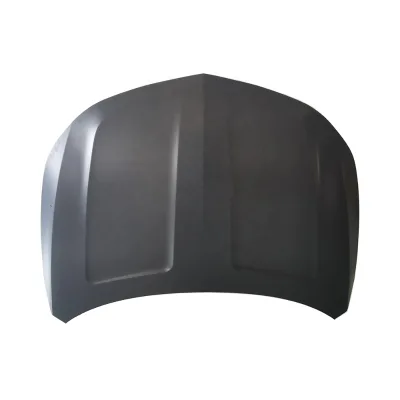
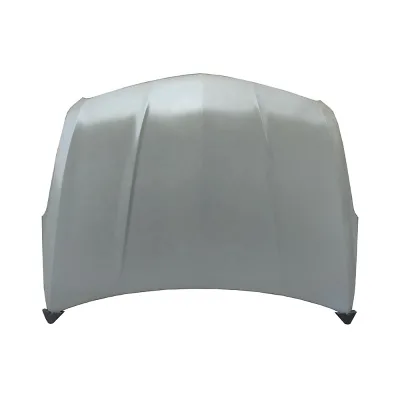
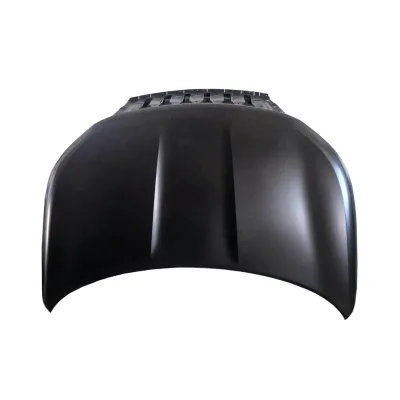
2018-2019 XTS Great Quality Replaced Aluminum Car Engine Hood Bonnet 84448649
$110.00 - $120.00
MOQ: 10
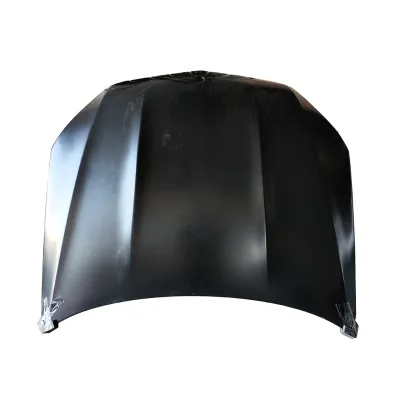
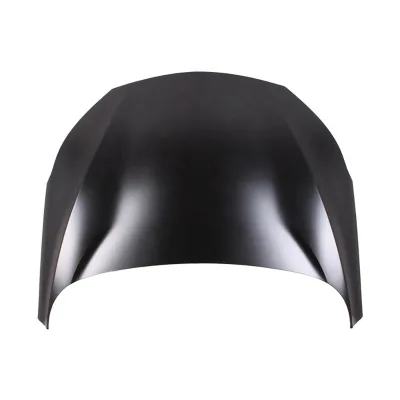
2022 to Now Outlander Hot Selling Replaced Steel Car Engine Hood Bonnet 65100W140P
$102.55 - $123.06
MOQ: 10 pieces
Dongguan Shengdong Carbon Fiber Technology Co., Ltd.
- Verified by TüVRheinland
- Manufacturer, Trading Company
- Lead time7 days
- Avg. response≤ 3h
Main productsFront Bumpers, Bonnets, Rear Spoilers, Body Kits & Accessories, Rear Bumpers
Main marketsDomestic Market(25%), North America(15%), South America(10%)

HENAN MYCAR AUTO PARTS TECHNOLOGY LTD.
- Verified by BV
- Trading Company
- China Henan
- Lead time15 days
- Avg. response≤ 7h
Main productsTire Pressure Sensors, Solar Tire Pressure Sensors, Car Stereo, Radar, Reverse Camera, Auto Diagnostic Tool, Fuel Filter, Programmable Tire Pressure Sensor, Dash Cam, Carplay Decoder
Main marketsSouth America,Africa,Southeast Asia/ Mideast,East Asia(Japan/ South Korea),Europe,Australia,North America

Carbon Fiber Engine Hood Bonnet Multiple Styles for Honda Civic 11th Generation 2023+
$350.00 - $400.00
MOQ: 1 Pieces


for to-Yota Hilux 2022 Carbon Fiber Engine Hood Bonnet Engine Cover Bodykit
$430.00 - $500.00
MOQ: 1 Pieces


Carbon Fiber Hood Engine Hood Bonnet for Gla 200 Amg 2015 2019 Gla 45 X156 Hood 2015-2019 Body Kit
$450.00 - $670.00
MOQ: 1 Pieces
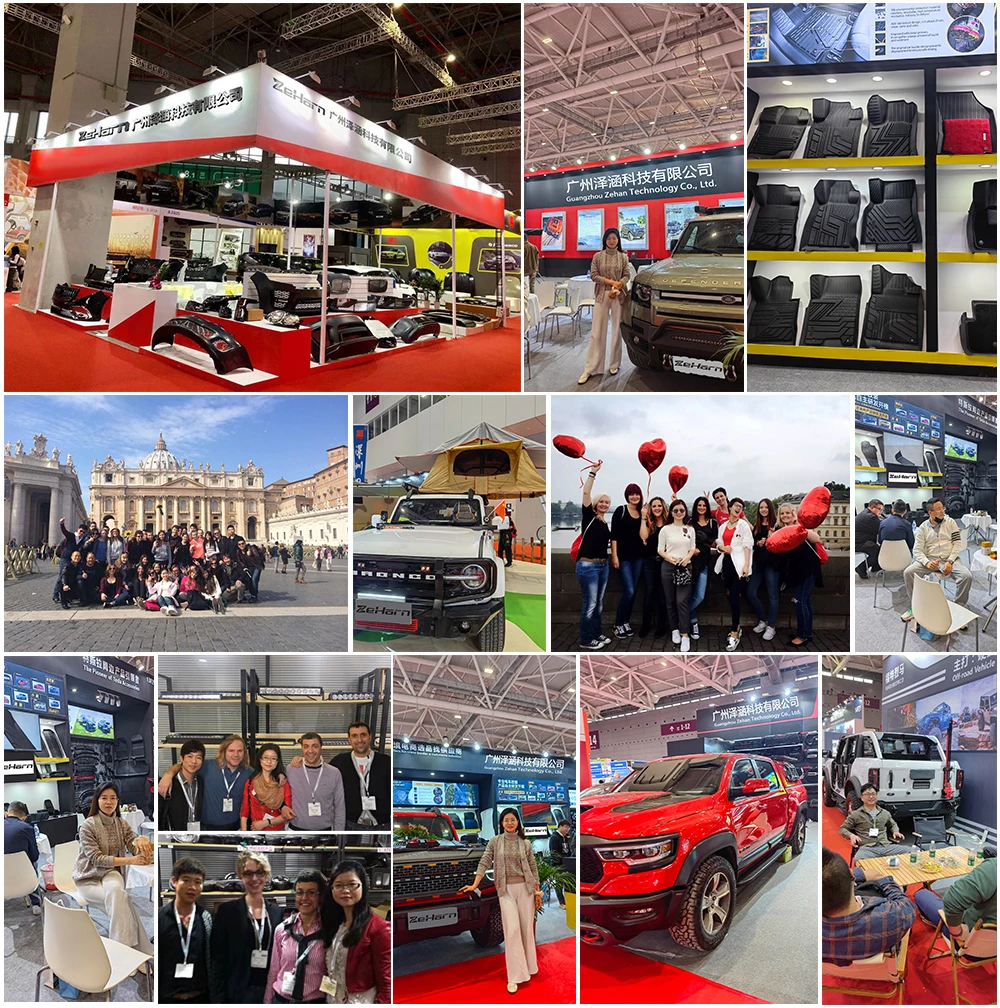
Nantong Zehan Technology Co., Ltd.
- Trading Company
- Jiangsu, China
- Lead time15 days
- Avg. response≤ 3h
Main productsOff-road vehicle modifications,Old to New Interior,Old to New Bodykit,Carbon fiber accessories,Luxury Car Modification
Main marketsNorth America(25.00%), Mid East(20.00%), South America(10.00%), Western Europe(10.00%), Eastern Europe(10.00%), South Asia(5.00%), Southern Europe(5.00%), Northern Europe(5.00%), Central America(5.00%), Africa(5.00%)

- Verified by TUVRHEINLAND
- Trading Company,Manufacturer/Factory
- China Beijing
- Lead time23 days
- Avg. response≤ 6h
Main productsTempered Glass, Aluminum Windows, Insulated Glass, Building Glass, Curtain Wall Glass, Windows and Doors, Low Iron Glass, Window Glass, Laminated Glass, Aluminum Clad Wood Windows
Main marketsSouth America,Eastern Europe,Mid East,North America,Southeast Asia,Eastern Asia,Oceania,Western Europe,Africa
Guangzhou Abinna Commerce Trading Co., Ltd.
- Verified by SGS Group
- Trading Company
- Lead time10 days
- Avg. response≤ 2h
Main productsCarbon Fiber Body Kit, Car Spoilers, Engine Hood, Car Interior Trims, Wheels Rims
Main marketsNorth America(30%), South America(20%), Eastern Europe(12%)
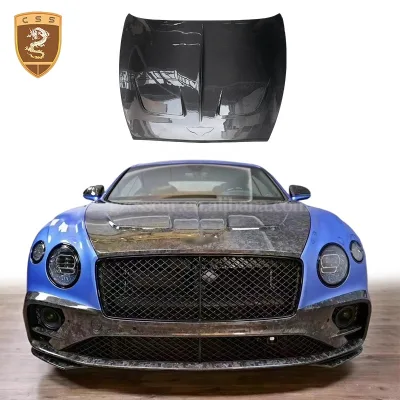
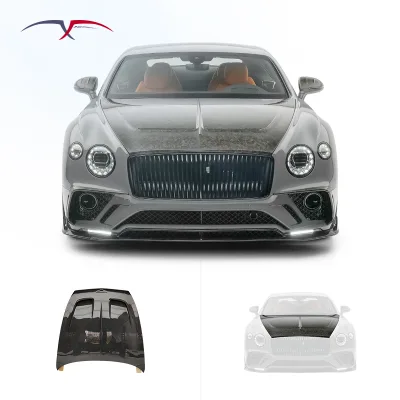
Auto Accessory Msy Style Carbon Fiber Engine Cover Hood Bonnet for Bentley Continental GT
$3109.00 - $3309.00
MOQ: 1
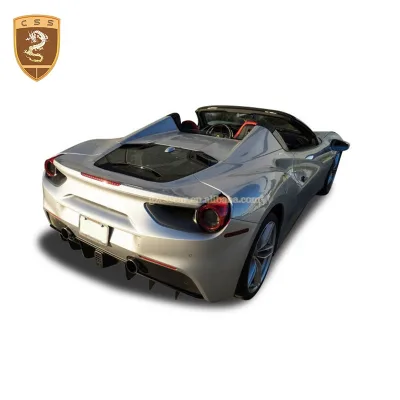
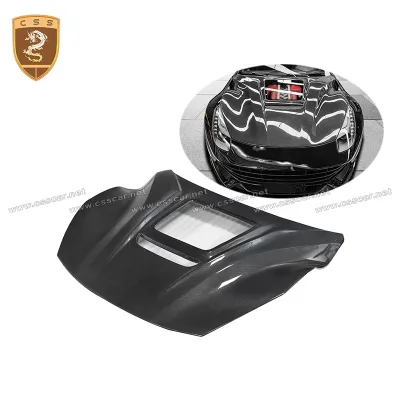
Hot Selling Carbon Fiber Transparent Glass Car Rear Engine Bonnet Scoop Cover for Ferrari 488 GTB
$2006.00 - $2206.00
MOQ: 1
Cangzhou Yingsheng Hardware Manufacturing Co., Ltd.
- Verified by SGS
- Combined
- China Hebei
- Lead time15 days
- Avg. response≤ 9h
Main marketsDomestic

Ningbo Newlite International Trade Co., Ltd.
- Trading Company
- China Zhejiang
- Lead time60 days
- Avg. response≤ 20h
Main productsOven Parts, Oven Components, Gas Cooker Part, Spark Igniter, Oven Switch, Gas Stove Part, Oven Timer, Gas Valve, Barbeque Grill Parts, Gas Water Heater Parts
Main marketsSoutheast Asia/ Mideast,Europe,North America

JINAN GUYUE AUTO PARTS CO., LTD.
- Verified by SGS
- Trading Company
- China Shandong
- Lead time15 days
- Avg. response≤ 9h
Main productsFAW Sinotruck Shacman Beiben Truck Spare Part, Bus Spare Parts, Light Truck Spare Parts, Tyre, Construction Machinery, Fuwa Ror BPW Trailer Spare Parts
Main marketsAfrica,Southeast Asia/ Mideast,North America

Linyi Yonggang Glass Products Co., Ltd.
- Verified by SGS
- Trading Company
- China Shandong
- Lead time15 days
- Avg. response≤ 4h
Main productsCurved Glass, Safety Glass, Automotive Glass, Auto Glass, Windshield, Irregular Glass, Agricultural Machinery Glass, Display Cabinet Glass, Purification Door Glass, Vehicle Lampshade Glass
Main marketsDomestic,North America

Shanghai Anma Industry Co., Ltd.
- Trading Company
- China Shanghai
- Lead time30 days
- Avg. response≤ 4h
Main productsCar Accessories, Car Spare Parts, Car Tools, Car Interior Accessories, Car Exterior Accessories, Car Electrical Accessories, Car Lights, Car Mirror, Car Emergency Kits, Car Care Products
Main marketsSouth America,Others(foreignTradeCapacity.exportBusinessCapacityMarketOther),Southeast Asia/ Mideast,Europe,North America

Qinhuangdao Shengze New Material Technology Co., Ltd.
- Combined
- China Hebei
- Lead time45 days
- Avg. response≤ 11h
Main productsFRP, Fiber Glass, FRP Roof Sheet, Fiberglass Roofing Sheet, Fiberglass Grating, Fiberglass Tank, Fiberglass Shell, Fiberglass Fence, FRP Meter Box, FRP Profiles
Main marketsSouth America,Southeast Asia/ Mideast,Domestic,Europe,Australia,North America

Guangzhou New Vision New Material Technology Co., Ltd.
- Trading Company
- China Guangdong
- Lead time15 days
- Avg. response≤ 12h
Main productsDouble Sided Tape, Reflective Tape, Adhesive Products
Main marketsSouth America,Southeast Asia/ Mideast,Europe


Upgrade The Movement Front Bar Protection Scratch Bar Front Lip Anti-Collision Bar
$2.50 - $4.00
MOQ: 25 Rolls

Car Anti-Collision Strip Front Rear Lip Carbon Thicken Rubber Protective Sticker
$2.80 - $3.50
MOQ: 2 Pieces

Car Real Dry Carbon Fiber Spoiler Plastic Car Rear Trunk Boot Lip Spoiler Wing Lip
$3.90 - $5.50
MOQ: 20 Rolls
Guangzhou Css Auto Accessories Co., Ltd.
- Trading Company
- Lead time旺季: "1 - 1":15,"2 - 10":30,"11 - 100":60,"> 100":"To be negotiated", 淡季: "1 - 1":15,"2 - 10":30,"11 - 100":60,"> 100":"To be negotiated"
- Avg. response≤ 2h
Main productsBody Kits, Car Bumpers, Car Spoiler, Carbon Fiber Auto Body Parts, Carbon Fiber Interior Trims
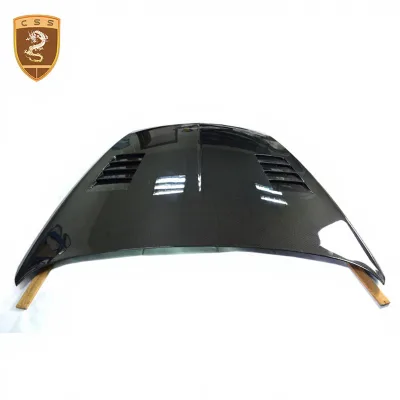
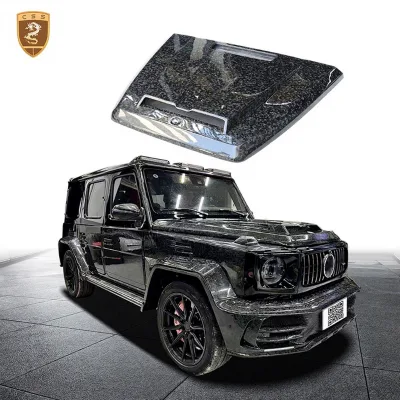
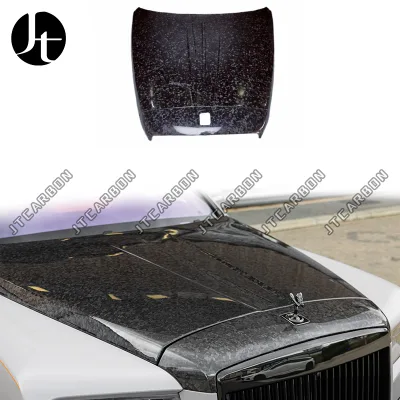
MSY Style Engine Cover for Mercedes Bens G Class W464 W463 W463A 2018-2022 Forged Carbon Hood Scoop
$2400.00 - $2980.00
MOQ: 1

GUANGZHOU XURI AUTOMOBILE GLASS CO.,LTD
- Trading Company
- China Guangdong
- Lead time23 days
- Avg. response≤ 23h
Main productsAutomobile Glass, Laminated Glass, Tempered Glass, Sliding Glass, Silicon/ Sealant
Main marketsAfrica
Guangzhou Winway Auto Accessories Co., Limited
- Verified by SGS
- Manufacturer/Factory
- China Guangdong
- Lead time45 days
- Avg. response≤ 8h
Main productsAuto Accessories, Front Bumper Guard, Roof Rack, Roll Bar, Car Mat, Snorkel, Side Step, Rain Shield, Fender Flare, Mud Guard
Main marketsSouth America,Eastern Europe,Mid East,North America,Southeast Asia,Eastern Asia,Oceania,Western Europe,Africa
Guangzhou Jituo Trade Co., Ltd.
- Manufacturer, Trading Company
- Guangdong, China
- Lead time7 days
- Avg. response≤ 3h
Main productsVehicle components,Auto parts,Portable car parts,Car body kit,Automobile refitting parts
Main marketsNorth America(20.00%), Central America(16.00%), Eastern Asia(15.00%), South America(15.00%), Western Europe(15.00%), Eastern Europe(13.00%), Northern Europe(10.00%), Southeast Asia(10.00%)

Linyi Carfly Composite Material Co., Ltd.
- Trading Company
- Shandong, China
- Lead time15 days
- Avg. response≤ 7h
Main productsCarbon fiber car body parts,Fiberglass auto body parts,carbon fiber automotive parts,carbon fiber furnitures,carbon custom parts
Main marketsNorth America(45.00%), Mid East(12.00%), Domestic Market(10.00%), Western Europe(8.00%), Southern Europe(5.00%), Oceania(4.00%), Southeast Asia(4.00%), Northern Europe(4.00%), South Asia(3.00%), Eastern Europe(3.00%), Central America(1.00%), Africa(1.00%)
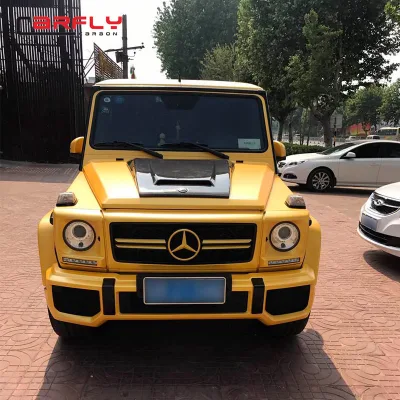
Carbon Fiber Bonnet Hood for Barbus Style G Class Hood
$550.00 - $650.00
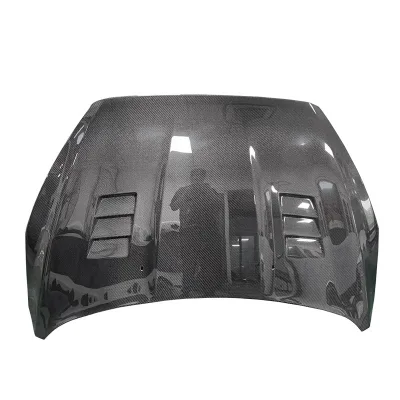
Double Side Full Carbon Fiber Hood for Focus 2015- 2017
$500.00 - $550.00

Zibo Baiwang Machinery Co., Ltd.
- Trading Company,Manufacturer/Factory
- China Shandong
- Lead time23 days
- Avg. response≤ 9h
Main productsBrake Discs Pad, Brake Drum S-Camshafts, Auto Brake Parts, Auto Parts for Byd Chery Jetour Tiggo, Milking Machine, Machining Parts, Auto Accessories, Secondhand Used Cars, Auto Parts of HOWO FAW Dongfeng Foton Haval, Accessories for Maxus Mg Baic Wuling
Main marketsSouth America,Eastern Europe,Mid East,North America,Southeast Asia,Eastern Asia,Oceania,Western Europe,Africa
Yangzhou Boom New Energy Electric Vehicle Technology Co., Ltd
- Verified by TUVRHEINLAND
- Trading Company
- China Jiangsu
- Lead time90 days
- Avg. response≤ 17h
Main productsGolf Cart, Golf Cart Lithium Battery, Hunting Cart, Sightseeing Vehicle, Vintage Car, UTV, ATV
Main marketsSouth America,Eastern Europe,North America,Western Europe






Comprehensive Sourcing Guide
Modified Glass Engine Bonnet Supplier Concentration and Factory Types
Sourcing a Modified Glass Engine Bonnet starts with understanding where suppliers actually operate. On current supplier results, two regions appear repeatedly as declared places of origin: Guangdong, China, and Jiangsu, China. Guangdong listings in this category lean toward carbon fiber body components, engine hoods, bumpers, spoilers, and related exterior parts, and the declared company types include both manufacturers and trading companies. Jiangsu listings focus on carbon fiber bonnets and aluminium alloy hoods for specific performance and truck models, with the sampled entries declaring themselves as trading companies. These two provinces are the only clusters you can reasonably treat as confirmed from the page itself; any broader cluster theory should be treated as unverified until you confirm it with the supplier directly.
Beyond geography, study the declared company type before contacting anyone. A listing that self-identifies as both manufacturer and trading company may run its own tooling for some product lines while reselling others, which affects quality control and pricing. Trading companies can be legitimate partners, especially for fitment-specific panels, but they add a layer between you and the factory. For a Modified Glass Engine Bonnet, where translucent panels and bonding quality matter, ask each supplier which processes they perform in-house versus outsource. Suppliers listing custom-on-demand, sample processing, or ODM capability signals are worth prioritizing in early screening.
How to Verify Modified Glass Engine Bonnet Suppliers
Verification for this category should combine the platform-displayed credentials with your own checks. Some listings in this dataset carry third-party verification badges, including TÜV Rheinland and SGS. These indicate that an inspection body has reviewed declared business information, but they are not product certifications; a verified company profile does not confirm that a glass bonnet meets impact, bonding, or fitment standards. Treat the badge as a screening filter, not a quality guarantee. Other suppliers on the same page may display no verification badge at all, so do not assume a uniform credential level across the results.
Next, verify operational claims through direct questions and evidence requests. Ask for the factory address behind the declared place of origin, then confirm the entity name matches the business license. For a Modified Glass Engine Bonnet, request material specifications in writing: glass type, thickness, resin or adhesive system, and any published test documentation. Ask whether the supplier holds molds for your specific vehicle model or whether the bonnet is produced to order, since sample processing and customized-on-demand capability appear in supplier capacity notes for some entries. Test the declared response time by sending a technical inquiry and timing the reply; listed figures in current results range from roughly four to seven hours, but your experience may differ. Finally, cross-check the main product line: a supplier whose catalog is dominated by bumpers, floor mats, or running boards may be reselling bonnets rather than producing them.
What to Compare Across Modified Glass Engine Bonnet Suppliers
Build a comparison table using the attributes actually displayed on supplier profiles, while remembering that not every supplier shows every field. Useful dimensions from the current results include: declared location (Guangdong versus Jiangsu), company type (manufacturer, trading company, or both), verification badge (TÜV Rheinland, SGS, or none), average response time, quoted lead time, minimum order quantity, and main product lines. Lead times declared on the page range from seven to fifteen days for sampled products, and some product pages separately state longer delivery windows of fifteen to thirty days, so reconcile profile-level and product-level figures before planning.
Then compare product-level attributes rather than supplier-level claims. For the Modified Glass Engine Bonnet specifically, compare declared MOQ (entries here range from one piece to one set), shipping method (air, sea, or express), gross weight, package dimensions, warranty period, and stated purpose (retrofit/upgrade versus replace/repair). One sampled carbon fiber bonnet declares a one-year warranty and 100% tested quality, which you should ask others to match or explain. Pricing spreads widely in this dataset, with bonnet-type products listing ranges from the low hundreds to over a thousand dollars per unit, reflecting material differences between carbon fiber, aluminium alloy, and glass-composite constructions. Compare like with like: a dry carbon bonnet for a performance model is not interchangeable with an alloy conversion hood, so segment your comparison by construction type before ranking suppliers on price.
Common Modified Glass Engine Bonnet Sourcing Risks
The first risk category is fitment misrepresentation. Product pages in this dataset show keywords aimed at multiple vehicle models, and one entry even lists conflicting car-make fields on the same product. For a Modified Glass Engine Bonnet, a few millimeters of error around the latch, hinges, or cowl can make the panel unusable. Ask every supplier for the actual mold or template dimensions and, where possible, photos of the bonnet installed on a real vehicle of your model and year rather than renderings. Confirm whether the listing is an original-engine-cover replacement or an aftermarket conversion, because several entries mix upgrade and replacement purposes in one catalog.
The second risk cluster is material and logistics. Glass-bonded or carbon-fiber panels are fragile and heavy relative to their value; declared gross weights here run from thirty to thirty-eight kilograms per unit with large package dimensions, which drives freight cost and damage probability. Standard packaging is the declared norm, so specify crate or reinforced packing requirements before ordering. Third, beware of unsupported quality claims: phrases like "high quality" material or "excellent fitment" appear without test data behind them. Fourth, watch the communication gap between declared and actual response times, and treat long quoted delivery windows flexibly. Finally, confirm warranty enforcement mechanics in writing, since a one-year warranty is only useful if the return process, freight responsibility, and remedy are defined before payment.
Modified Glass Engine Bonnet Regional Sourcing and Logistics
Regional logistics planning should anchor on the two confirmed origins in current results: Guangdong and Jiangsu. Both are inland-coastal provinces with declared air, sea, and express shipping options on product pages, but their port access and freight forwarding ecosystems differ, and you should confirm actual routing rather than assume. Because a Modified Glass Engine Bonnet is large (declared package sizes run up to 200 by 200 by 35 centimeters), sea freight usually becomes the economical default for volume orders, while air or express shipping suits samples and urgent replacements. Get dimensional-weight quotations for both modes before choosing, and ask whether the supplier ships door-to-door or to port only.
Plan the logistics sequence deliberately. Order a sample unit first, shipped express, to inspect glass clarity, bonding, edge finish, and latch alignment; declared lead times as short as seven days make sample iteration feasible for some suppliers. For production orders, reconcile the profile-level lead time with the product-page delivery window, since several entries quote fifteen to thirty days for bonnet products. Confirm packaging standards in writing, requesting crate reinforcement and shock indicators given the fragility of glass panels. Check whether the supplier supports consolidation with other body parts—several list bumpers, spoilers, and diffusers alongside hoods—because combined shipments reduce per-unit freight. Finally, document the gross weight and package dimensions from the listing and verify them against the actual shipped carton to catch disputes before customs clearance.
Modified Glass Engine Bonnet Commercial Terms and Order Planning
Commercial terms for this category are unusually favorable to small buyers: sampled product pages declare minimum orders of one piece or one set, meaning you can validate fitment and quality before committing to volume. Price ranges on current listings vary widely by material and model, from roughly three hundred dollars for carbon fiber and alloy bonnets to over twelve hundred dollars for dry-carbon performance panels, so request quotations against your exact model and specification rather than relying on listed ranges. Confirm whether quoted prices include packaging, and ask for tiered pricing at sample, pilot, and volume quantities so you can model landed cost before negotiating.
Order planning should sequence payments and milestones. Where the platform supports escrow or secured payment, use it; where escrow terms are unclear, ask the supplier to confirm the accepted payment structure and release conditions before depositing. Tie the balance payment to passing inspection—fitment check against your vehicle's hinge and latch positions, glass clarity, and cosmetic finish—with photos or third-party inspection before shipment. Lock the declared one-year warranty terms (where offered) into the contract, including defect definitions and freight responsibility for replacements. Set a realistic timeline: use the shortest declared lead time of seven days only as a best case, plan around fifteen to thirty days for production bonnets, and add freight and customs time on top. Reorder planning should record which supplier attributes—response time, verification status, declared origin—held true across the first transaction.
(Guide complete: approximately 1,390 words across six sections.)
FAQs
What is a typical minimum order quantity for modified glass engine bonnets?
Many suppliers list a minimum order quantity of 1 piece or 1 set for modified glass engine bonnets, including carbon fiber variants for popular performance models. Single-unit orders let buyers test fitment and quality before committing to larger volumes. Always confirm the MOQ in writing, since customized styles, special finishes, or glass-covered designs may carry different requirements than standard catalog hoods.
How long does production and delivery usually take for these bonnets?
Lead times reported by suppliers range from about 7 days to 15 days, while some carbon fiber engine hoods list delivery of 15 to 30 days depending on customization. Shipping method matters too, since bulky hoods around 30 to 38 kg gross weight are typically sent by air, sea, or express. Confirm both production and transit times before placing an order.
Which car models are commonly covered by modified glass or carbon fiber bonnets?
Listings commonly cover performance vehicles such as the URUS, BMW F87 M2 and M2C, the 2021-2022 GR86 and BRZ, Toyota Subaru GT86 and FT86, the Nissan GTR R35, and Ford Bronco 2021-2025 models. Fitment is usually described as original or designed for retrofit and upgrade purposes. Verify the model year and exact chassis code with the supplier before ordering.
What materials are used in these aftermarket engine hoods?
Suppliers offer carbon fiber, dry carbon, and aluminium alloy bonnets depending on the model and style. Glass-cover or transparent-window designs are typically built on a carbon fiber base, while some replacement hoods use aluminium alloy for durability. Product pages usually state the material and color directly, so review those attributes and request photos of the actual weave or finish you expect.
How much do modified glass engine bonnets typically cost?
Observed price ranges vary widely by model and material. Carbon fiber hoods for compact sports cars list roughly 290 to 450 dollars per set, aluminium alloy hoods around 365 to 390 dollars, and premium carbon bonnets for luxury performance vehicles around 798 to 819 dollars or 1,200 to 1,250 dollars. Request a current quotation because prices fluctuate with specifications and shipping.
Where are most of these bonnet suppliers located?
The suppliers in these results are based in China, specifically in Guangdong and Jiangsu provinces. Guangdong suppliers often focus on carbon fiber body parts, bumpers, and hoods, while Jiangsu suppliers list running boards, roof racks, and body kits alongside bonnets. Location affects shipping cost and lead time, so ask each supplier for door-to-door freight quotes to your destination port.
How quickly do these suppliers respond to inquiries?
Average response times in the current results range from roughly 4 hours to 7 hours, so buyers can generally expect a reply within the same business day. One supplier also advertises 24-hour service support. Response speed can vary by time zone and workload, so send a detailed inquiry with your car model, quantity, and delivery requirements to get faster, more accurate replies.
What should I verify about quality before ordering a modified bonnet?
Check for third-party verification status, since some suppliers hold TÜV Rheinland or SGS verification, and confirm whether the product is described as 100% tested. Ask for real product photos, packaging details such as standard packages sized around 100x100x50 cm or 200x200x35 cm, and warranty terms, which are sometimes listed as 1 year. Request a sample or inspect fitment data before bulk orders.