Modified Motorcycle Rearview Mirror Suppliers and Manufacturers
Explore 24 verified options for Modified Motorcycle Rearview Mirror suppliers in China Hebei and Zhejiang. Compare response times, lead times, certifications like SGS and CCC, and pricing ranges to find the right partner. Contact suppliers directly to request samples or custom orders.
Suppliers List

XINGTAI WINWAY IMPORT & EXPORT TRADING CO., LTD.
- Trading Company
- China Hebei
- Lead time23 days
- Avg. response≤ 21h
Main productsMotorcycle Shock Absorber, Motorcycle Brake Shoe, Motorcycle Cable, Motorcycle Sprocket, Motorcycle Mirror, Motorcycle Speedometer, Motorcycle Headlight, Motorcycle Oil Seal, Motorcycle Spark Plug, Motorcycle Kick Staerter
Main marketsSouth America,Africa,Southeast Asia/ Mideast

Ningbo Tofull Motorcycle Parts Co., Ltd.
- Verified by TUVRHEINLAND
- Trading Company
- China Zhejiang
- Lead time30 days
- Avg. response≤ 1h
Main productsMotorcycle Parts, UTV/ATV Parts, Motorcycle Cylinder, Motorcycle Clutch System, Motorcycle Helmet, Motorcycle Carburetor, Motorcycle Shock Absorber, Motorcycle Sprocket & Chain, Motorcycle Speedometer, Motorcycle Electronic Systems
Main marketsDomestic

Motorcycle Accessories Modification Motorcycle Rearview Mirror for Universal
$9.29 - $9.69
MOQ: 300 Pairs

High Quality off-Road Racing Motorcycle Rearview Mirror Modified Side Mirror for Street Motorcycles
$3.49 - $3.59
MOQ: 300 Pairs

ATV Motorcycle Parts Rearview Mirror Motorcycle Side Mirror Motorcycle Rearview Mirror
$4.50 - $5.00
MOQ: 300 Pairs


Ningbo Eightys International Co., Ltd.
- Verified by SGS Group
- Trading Company
- Lead time30 days
- Avg. response≤ 3h
Main productsMotocycle Cover, Motorcycle Tail Boxes, Motorcycle Licences, Motorcycle Luggage Bag, Motorcycle Stickers
Main marketsSoutheast Asia(20%), North America(19%), South America(15%)

Yog Auto Mobile Parts Co., Ltd.
- Verified by BV
- Trading Company,Manufacturer/Factory
- China Guangdong
- Lead time30 days
- Avg. response≤ 22h
Main productsMotorcycle Accessory, Motorcycle Chain, Motorcycle Engine Parts, Motorcycle Camshaft, Motorcycle Sprocket, Motorcycle Brake, Motorcycle Horn, Motorcycle Piston and Ring, Motorcycle C. D. I
Main marketsSouth America,Eastern Europe,Mid East,Southeast Asia,Eastern Asia,Oceania,Africa

Ningbo Jalyn International Trading Co., Ltd.
- Trading Company,Manufacturer/Factory
- China Zhejiang
- Lead time30 days
- Avg. response≤ 21h
Main productsMotorcycle Parts, Motorcycle Accessories, Aftermarket Motorcycle Parts, ATV Parts, Bicycle Parts, Motorcycle Plastic Parts, Motorcycle Mirror, Motorcycle Handle Grips, Motorcycle Engine, Bicycle Accessories
Main marketsSouth America,Eastern Europe,North America,Eastern Asia,Oceania,Western Europe,Africa

Changzhou Showhum Precision Technology Co., Ltd.
- Verified by SGS
- Manufacturer/Factory
- China Jiangsu
- Lead time45 days
- Avg. response≤ 3h
Main productsCNC Part, CNC Machine Part, Car Parts, CNC Milling Part, Plastic Products, Forged Part, Welding Part, Waterjet Cutting Parts, Motorcycle Parts, Bicycle Parts
Main marketsSouth America,Eastern Europe,Mid East,North America,Eastern Asia,Western Europe


Modified Motorcycle Rear View Reflex Mirror Handlebar Secondary Reversing Mirror
$2.50 - $3.00
MOQ: 20 Pieces


High-Quality Aluminum Motorcycle Side Mirrors - Adjustable Sizes Available
$5.00 - $6.00
MOQ: 50 pieces

Huangshan Benma Group Co., Ltd.
- Verified by TüVRheinland
- Manufacturer, Trading Company
- Lead time15 days
- Avg. response≤ 7h
Main productsMotorcycle Brake Pad, Motorcycle Clutch Shoes, Motorcycle Clutch Assembly, Motorcycle Clutch Disc
Main marketsDomestic Market(68%), South America(12%), Africa(5%)

DEZHOU HAVI ELECTRONICS CO., LTD.
- Verified by BV
- Combined
- China Shandong
- Lead time15 days
- Avg. response≤ 10h
Main productsAluminum Mirror, Tempered Glass, Convex Mirror, LED Mirror
Main marketsDomestic
Guangzhou Jiepu Commercial Co., Ltd.
- Trading Company
- guangdong, China
- Lead time15 days
- Avg. response≤ 6h
Main productsMotorcycle Mirror, Motorcycle Exhaust, Motorcycle Handlebar, Motorcycle Grips, Motorcycle Accessories
Main marketsNorth America(30.00%), Africa(18.00%), Eastern Asia(15.00%), Southeast Asia(12.00%), South America(10.00%), Oceania(6.00%), Western Europe(5.00%), Mid East(4.00%)

Ningbo Gaoqiao Saer Auto Parts Co., Ltd.
- Trading Company
- China Zhejiang
- Lead time30 days
- Avg. response≤ 3h
Main productsBicycle Accessories, Motorcycle Parts, LED Light, Auto Parts, Mechanical Hardware Tools, Electronics
Main marketsSouth America,Africa,Southeast Asia/ Mideast,East Asia(Japan/ South Korea),Europe,Australia,North America

Universal Motorcycle Handlebar Rearview Mirror Modified Mini Round Rearview Mirror
$4.80 - $5.40
MOQ: 200 Pieces

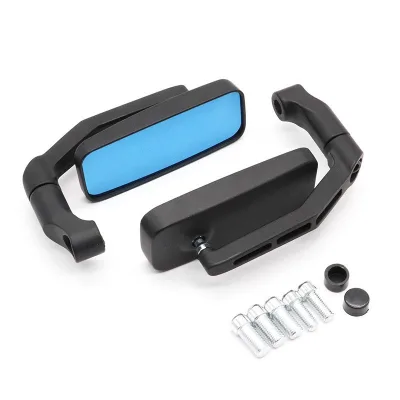
Motorcycle Rectangular Rearview Mirror Anti-Glare Modification Accessories
$4.96 - $5.40
MOQ: 1000 Pieces


Hefei Chipei Auto Parts Co., Ltd.
- Trading Company,Manufacturer/Factory
- China Anhui
- Lead time45 days
- Avg. response≤ 2h
Main productsAutomotive Parts, Motorcycle Parts, Auto Parts Supplier, Suspension Parts, Engine Parts, Car AC Compressor, Cooling System Parts, Ignition System Parts, Sway Bar Bushing, CV Axle / Drive Shaft
Main marketsEastern Europe,Mid East,North America,Southeast Asia,Eastern Asia,Oceania,Africa

Wide Angle Universal CNC Motorcycle Rearview Mirror for Enhanced Road Visibility
$2.90 - $3.55
MOQ: 1 Pieces

Standard Finish Corrosion-Proof Glossy Quick-Adjust Motorcycle Rearview Mirror
$2.90 - $3.55
MOQ: 1 Pieces


Hebei Jingkuo Vehicles Parts Co., Ltd.
- Trading Company
- Hebei, China
- Lead time30 days
- Avg. response≤ 15h
Main productsSide-view mirror,glass,Auto parts,Motorcycle accessories,Hollow glass accessories
Main marketsDomestic Market(28.00%), Africa(15.00%), Southeast Asia(12.30%), North America(11.00%), Mid East(8.70%), South America(7.00%), Eastern Asia(6.50%), South Asia(5.00%), Central America(5.00%)
$0.90 - $1.00
MOQ: 500 pairs
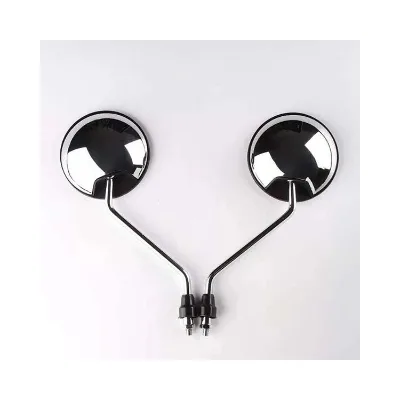
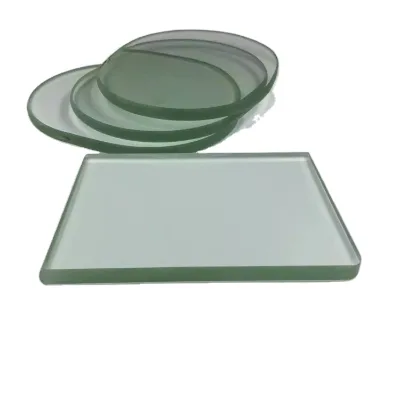
Cheap Latest Technology Glass Prices Mirror Looking Glass Mirror Customizable Size
$0.55 - $3.00
MOQ: 3000
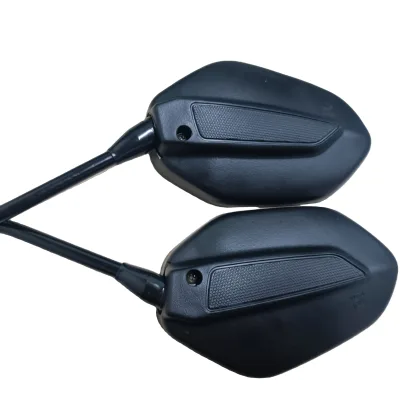
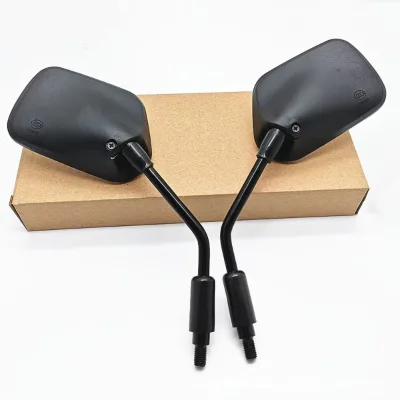
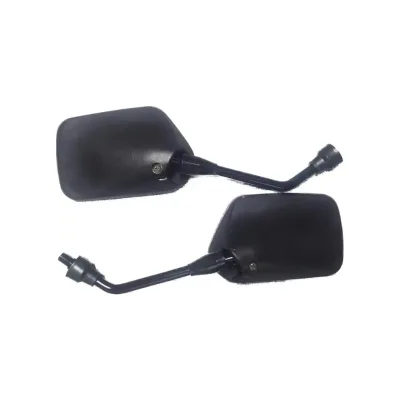
Black Motorcycle Hard Plastic Rearview Mirror
$0.50 - $1.00
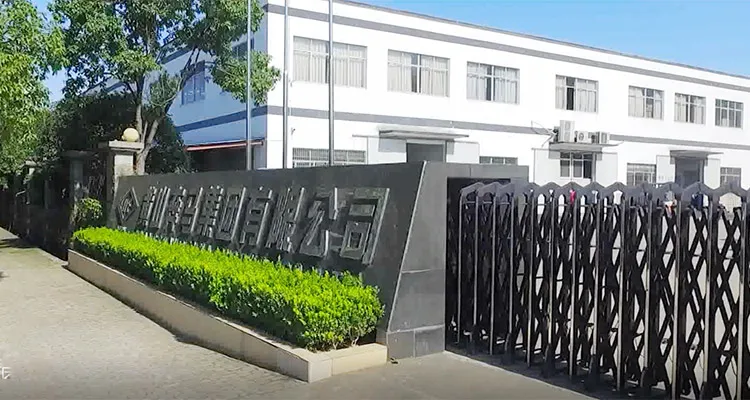
Chongqing Hanfan Technology Co., Ltd.
- Trading Company
- Chongqing, China
- Lead time7 days
- Avg. response≤ 6h
Main productsMotorcycle parts,Electric Motorcycle,Motorcycle Motor,Electronic motorcycle Motor,Hub Motor
Main marketsWestern Europe(20.00%), North America(20.00%), Northern Europe(10.00%), Southern Europe(10.00%), Eastern Europe(10.00%), South America(5.00%), South Asia(5.00%), Central America(5.00%), Southeast Asia(5.00%), Eastern Asia(3.00%), Mid East(3.00%), Africa(2.00%), Oceania(2.00%)
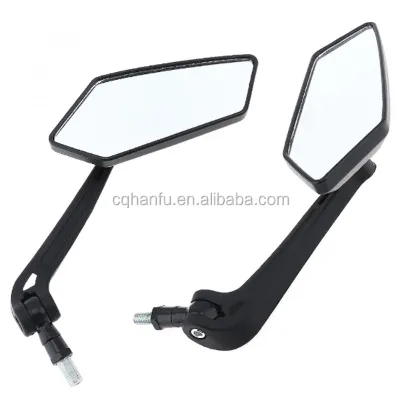
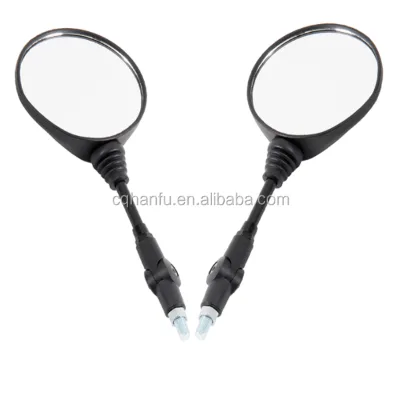
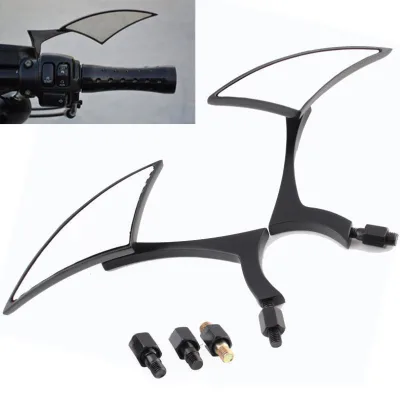
$2.00 - $5.00
MOQ: 200 pairs
Ruian Aorun Locomotive Parts Co., Ltd.
- Manufacturer, Trading Company
- Zhejiang, China
- Lead time0 days
- Avg. response≤ 2h
Main productsMotorcycle Accessories
Main marketsNorth America(30.00%), Mid East(20.00%), Eastern Europe(15.00%), South America(15.00%), Northern Europe(10.00%), Western Europe(10.00%)

Hangzhou Linker Motorcycle Parts Co., Ltd.
- Verified by SGS
- Manufacturer/Factory
- China Zhejiang
- Lead time30 days
- Avg. response≤ 1h
Main productsMotorcycle Accessories, Motorcycle Paddock Stand, Motorcycle Lights, Motorcycle Mirrors, Motorcycle Indicators, Motorcycle Tank Pads, Motorcycle Locks, Motorcycle Handle Bars, Motorcycle Bar Ends, Motorcycle Grips
Main marketsSouth America,Eastern Europe,North America,Oceania,Western Europe,Africa

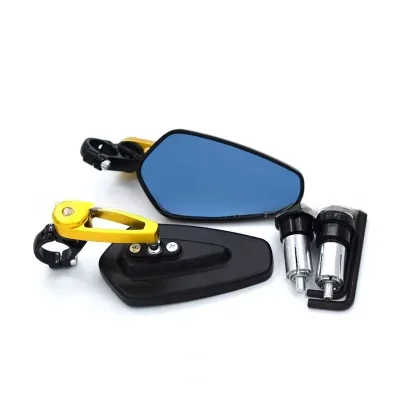
Motorcycle Modified Handlebar Rearview Mirror Universal Mirror Bar End Mirrors
$3.00 - $5.00
MOQ: 50 PAIR


- Verified by SGS
- Trading Company
- China Zhejiang
- Lead time15 days
- Avg. response≤ 19h
Main productsCar Mat, Car Air Freshener, Car Seat Cover, Steering Wheel Cover, Car Phone Holder, Car Roof Tent, Car Sunshade, Jerry Can
Main marketsEurope,Australia


Factory Price Motorcycle Modification Universal Large Field of View High-Definition Rearview Mirror
$9.80 - $11.03
MOQ: 100 Pieces


Runda Accessories Import and Export Co., Ltd
- Verified by SGS
- Trading Company
- China Hebei
- Lead time23 days
- Avg. response≤ 22h
Main productsMotorcycle Accessories, Motorcycle Parts
Main marketsSouth America,North America,Southeast Asia,Africa

Universal Motorcycle Rear Convex View Mirror Black Side Mirror Rearview Mirror
$1.51 - $1.52
MOQ: 1000 Pairs


Ningbo Borske Vehicle Parts Co., Ltd.
- Trading Company
- Lead time旺季: "1 - 500":25,"501 - 1000":30,"> 1000":"To be negotiated", 淡季: "1 - 500":25,"501 - 1000":30,"> 1000":"To be negotiated"
- Avg. response≤ 4h
Main productsMotorcycle Windshield,Motorcycle Tail Box,Motorcycle Rim,ATV wheels,Metal Parts
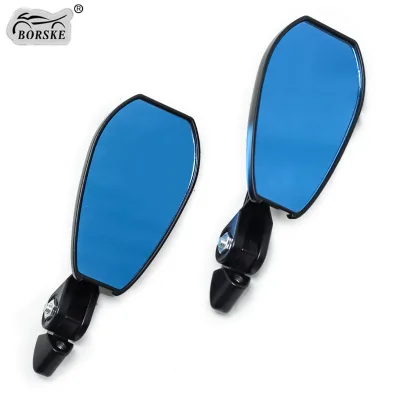
$6.50 - $7.50
MOQ: 300 pairs
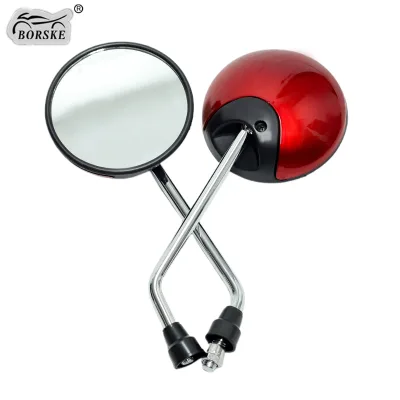
Universal Mounting Rear View Mirror Motorcycle Round Rear View Mirror for Dirt Bike Motocross
$2.90 - $3.40
MOQ: 500 pairs

Taizhou Spare Parts Expert Import & Export Co., Ltd.
- Trading Company
- China Zhejiang
- Lead time30 days
- Avg. response≤ 6h
Main productsMotorcycle Parts, Scooters Accessories, Motorcycle Accessories, Gy6 Engine Accessories, Italika Spare Parts, Bike Accessories, Cg125 Jog 50, Bajaj, Helmet, Remote Controller
Main marketsSouth America,Southeast Asia/ Mideast,Europe

Wuxi Boshenglian International Trade Co., Ltd.
- Verified by SGS
- Trading Company,Manufacturer/Factory
- China Jiangsu
- Lead time45 days
- Avg. response≤ 8h
Main productsMotorcycle, Scooter Motorcycle, Motorcycle Accessories, Electric Bike, Auto Part, Riding Bike, Cub Motorcycle, Cruise Motorcycl, Electric Motorcycle, Refitted Accessories
Main marketsSouth America,Eastern Europe,Mid East,North America,Southeast Asia,Eastern Asia,Oceania,Western Europe,Africa
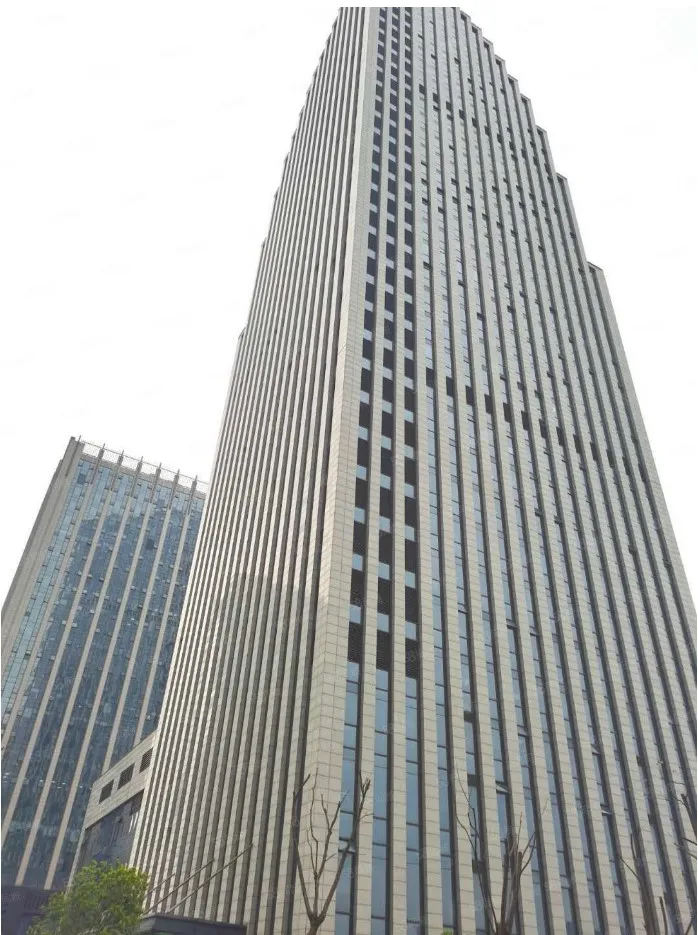
Zhuji Jiushun Technology Co., Ltd.
- Trading Company
- Zhejiang, China
- Lead time15 days
- Avg. response≤ 3h
Main productsMotorcycle Accessories,Bike Accessories,Car Accessories,Auto parts,Jerry Can
Main marketsSouth America(25.00%), North America(15.00%), Central America(10.00%), Southeast Asia(10.00%), Eastern Europe(10.00%), Southern Europe(5.00%), Western Europe(5.00%), Eastern Asia(5.00%), Mid East(5.00%), Northern Europe(5.00%), Africa(2.00%), Oceania(2.00%), South Asia(1.00%)

Hangzhou Riji Technology Co., Ltd.
- Verified by SGS
- Trading Company,Manufacturer/Factory,Group Corporation
- China Zhejiang
- Lead time45 days
- Avg. response≤ 14h
Main productsMotorcycle Spare Parts & Accessories, Scooter Spare Parts & Accessories, ATV/UTV Spare Parts & Accessories
Main marketsSouth America,Eastern Europe,Mid East,North America,Southeast Asia,Eastern Asia,Oceania,Western Europe,Africa


$2.00 - $6.00
MOQ: 500 Pairs


$2.00 - $6.00
MOQ: 500 Pairs

TTP Power Development Co., Ltd.
- Verified by SGS
- Trading Company
- China Guangdong
- Lead time30 days
- Avg. response≤ 9h
Main productsMotorcycle Parts, Motorcycle Accessory, Motorcycle Engine Parts, Motorcycle Body Parts, Motorcycle Electrical Parts, Pockit Bike, ATV, Scooter, Motorcycle Cylinder, Crankshaft
Main marketsEurope,North America


ABS Motorcycle Parts Rear Side View Mirror Universal
MOQ: 200 Sets

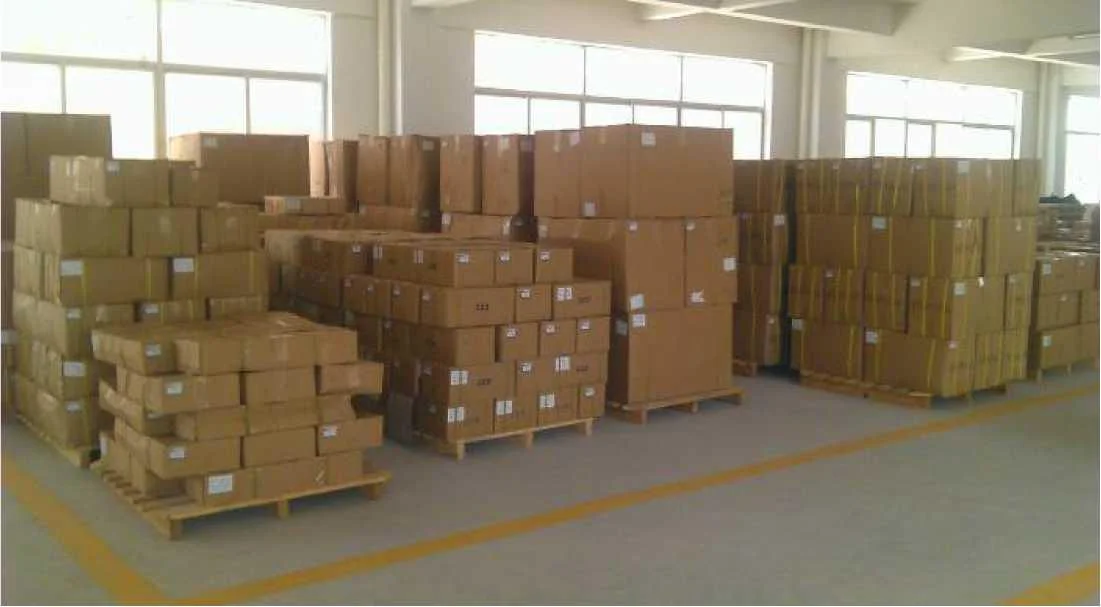
Jinan Uniwise International Limited
- Trading Company
- Shandong, China
- Lead time40 days
- Avg. response≤ 2h
Main productscar and car spare parts,motorcycle and motorcycle spare parts,electric motorcycle,agricultural tyre and industrial tyre,off the road tyre
Main marketsCentral America(40.00%), Southeast Asia(30.00%), Western Europe(20.00%), South America(10.00%)






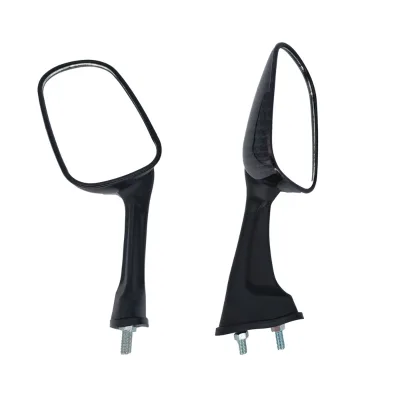
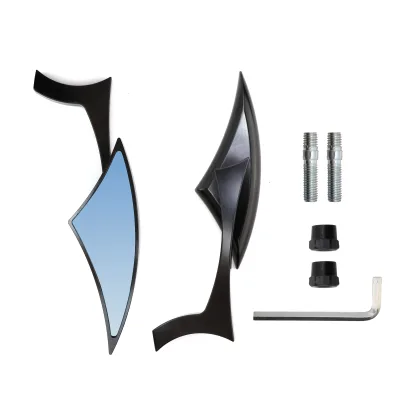
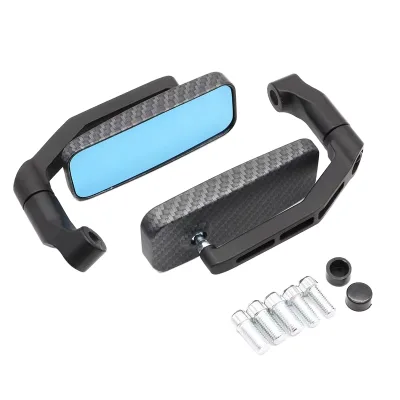


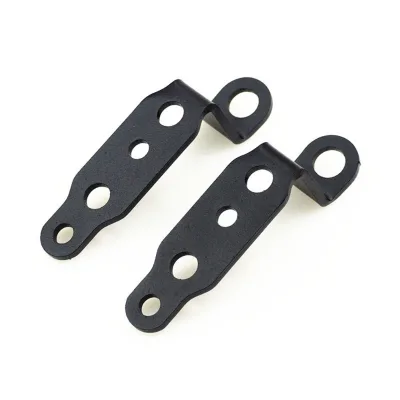
Comprehensive Sourcing Guide
Modified Motorcycle Rearview Mirror Supplier Concentration and Factory Types
The current supplier landscape for modified motorcycle rearview mirrors shows a distinct concentration in China Hebei, where multiple listings indicate this specific province as the origin for alloy and ABS components. These suppliers often operate as trading companies rather than direct manufacturers, which influences the structure of their product catalogs and the range of items they can source. The Hebei cluster appears to specialize in a broad array of motorcycle parts, including shock absorbers, brake shoes, and various mirrors, suggesting a regional ecosystem built around vehicle accessories. Buyers should verify if the specific factory producing the mirror is located within this cluster or if the trading company is simply aggregating goods from elsewhere.
In contrast, other regions like China Zhejiang also host suppliers offering similar modified rearview mirrors, though the data indicates a different mix of company types and verification statuses. Some suppliers in these areas hold specific certifications such as TUVRHEINLAND or SGS Group, which may signal a different operational model compared to the Hebei-based trading firms. When evaluating concentration, buyers must distinguish between a supplier claiming a location and the actual factory site, as trading companies often list their headquarters rather than their production facilities. Understanding this distinction is critical for assessing the true manufacturing capacity and the potential for direct factory communication regarding custom modifications.
How to Verify Modified Motorcycle Rearview Mirror Suppliers
Verification of suppliers for modified motorcycle rearview mirrors requires a careful examination of the specific credentials listed in the supplier profile, such as the presence of TUVRHEINLAND or SGS Group verification marks. These third-party validations provide a baseline of trust but do not guarantee the quality of every individual product listed. Buyers should cross-reference these verification statuses with the specific product details, such as the material composition of the mirror, which is listed as either Alloy or ABS in the available data. A supplier claiming SGS certification should be able to provide documentation that aligns with the specific product standards mentioned, such as the SGS standard noted for certain Hebei-origin mirrors.
Beyond general verification, buyers must scrutinize the response time and the depth of product attributes provided to gauge supplier reliability. The data shows response times varying significantly, with some suppliers responding in under a minute while others take over twenty hours, which can impact the speed of negotiation and order placement. A supplier with a fast response time and detailed attributes like inner diameter, width, and customization availability is often more reliable for complex modified parts. Buyers should also check for the presence of sample availability and OEM acceptance, as these factors indicate a supplier's willingness to engage in the specific customization process required for modified mirrors.
What to Compare Across Modified Motorcycle Rearview Mirror Suppliers
When comparing suppliers, the primary dimensions to evaluate include lead time, minimum order quantity (MOQ), and price ranges, as these factors directly impact procurement planning and budget. The available data reveals a wide variance in lead times, with some suppliers offering a 23-day turnaround while others require 30 days or more. Similarly, MOQs fluctuate significantly, ranging from as low as 100 units for universal models to 2000 units for specific model applications like the Bm150. Buyers must align these constraints with their inventory needs, ensuring that the selected supplier can meet the volume requirements without incurring excessive holding costs or delaying market entry.
Price and material specifications are equally critical comparison points, as the cost per unit can vary from approximately $0.71 to over $9.00 depending on the material and complexity. Alloy mirrors may be priced differently than ABS plastic versions, and specialized modifications like folding mechanisms or specific model compatibility (e.g., V100, CA250) often command higher price points. Buyers should compare the price ranges against the stated material properties and customization options to ensure value. Additionally, the main products listed by each supplier can indicate their core competency; a supplier focusing heavily on mirrors may offer better quality control than one with a broad, unfocused catalog of motorcycle parts.
Common Modified Motorcycle Rearview Mirror Sourcing Risks
One significant risk in sourcing modified motorcycle rearview mirrors is the potential mismatch between the claimed product attributes and the actual manufacturing capability, particularly regarding material consistency. The data shows products listed with materials like Alloy and ABS, but without direct factory verification, there is a risk that the final product may not meet the specified durability or aesthetic standards. Buyers should be cautious of suppliers who list generic keywords without providing detailed technical specifications, as this can lead to receiving mirrors that do not fit the intended motorcycle models or fail to withstand the required environmental conditions.
Another risk involves the variability in response times and the potential for communication delays, which can stall the customization process for modified parts. Suppliers with slower response times, such as those taking over twenty hours to reply, may struggle to address urgent design changes or quality issues that arise during production. This delay can be particularly problematic for modified mirrors that require specific adjustments to fit unique motorcycle frames. Buyers should prioritize suppliers with verified fast response times and clear communication channels to mitigate the risk of production bottlenecks and ensure that any necessary modifications are implemented correctly and on schedule.
Modified Motorcycle Rearview Mirror Regional Sourcing and Logistics
Regional sourcing strategies must account for the specific locations identified in the supplier data, such as China Hebei and China Zhejiang, as these regions influence shipping costs and delivery timelines. Suppliers in Hebei often list their origin as Hebei, which may affect the logistics chain depending on the buyer's location and the preferred shipping method. Buyers should verify the actual shipping terms, such as "by Sea" or other methods, to understand the total cost of ownership and the time required for goods to reach the destination. The choice of region can also impact the availability of specific certifications, as some areas may have stricter regulatory environments that affect the export process.
Logistics planning should also consider the packaging standards and the specific packing methods used by suppliers, which are listed as Carton, Box, or Bag in the product attributes. Proper packaging is essential for protecting modified mirrors during transit, especially for fragile components like glass or plastic mirrors. Buyers should confirm that the packaging meets the requirements for the specific shipping route and that the supplier has a track record of delivering goods without damage. Additionally, the main market destinations listed, such as the Middle East or South Africa, can provide insight into the supplier's experience with international logistics and their ability to handle customs and regulatory requirements for different regions.
Modified Motorcycle Rearview Mirror Commercial Terms and Order Planning
Commercial terms for modified motorcycle rearview mirrors often include specific requirements for customization, sample availability, and payment conditions that must be clearly defined before placing an order. The data indicates that many suppliers offer customization services and accept OEM requests, but the specific terms for these services can vary widely. Buyers should negotiate clear agreements on the customization process, including the timeline for sample approval and the cost implications of any design changes. Understanding these terms is crucial for managing expectations and ensuring that the final product meets the buyer's specifications without unexpected delays or additional costs.
Order planning must also factor in the minimum order quantities and the price tiers associated with different volume levels, as these can significantly impact the overall budget. With MOQs ranging from 100 to 2000 units, buyers need to calculate the optimal order size to balance inventory costs with the need for sufficient stock. Additionally, the lead times provided by suppliers, which range from 23 to 30 days, should be integrated into the production schedule to ensure timely delivery. Buyers should also consider the availability of samples and the process for obtaining them, as this can help validate the product quality before committing to a larger order.
FAQs
What is the typical lead time for modified motorcycle rearview mirrors?
Lead times for these mirrors typically range from 23 to 30 days depending on the supplier. Buyers should confirm specific production schedules during the inquiry phase. This duration accounts for manufacturing and quality checks before shipment.
What are the common minimum order quantities for these mirrors?
Minimum order quantities vary significantly, with some suppliers requiring as few as 100 units while others set thresholds at 2,000 units. Buyers should align their order volume with the supplier's MOQ to avoid additional costs or delays.
What materials are used in modified motorcycle rearview mirrors?
Common materials include alloy, ABS plastic, and general plastic. The choice of material affects durability and weight. Buyers should verify the specific material composition to ensure it meets their performance requirements.
Are these mirrors available for specific motorcycle models?
Yes, many mirrors are designed for specific models such as BM150, V100, and CA250. Universal options are also available for broader compatibility. Buyers should specify their motorcycle model to ensure the correct fitment.
What certifications do these motorcycle mirrors typically hold?
Suppliers often provide mirrors with SGS or CCC certifications. These standards indicate compliance with safety and quality regulations. Buyers should request certification documents to verify the product's compliance with their market requirements.
What is the price range for modified motorcycle rearview mirrors?
Prices generally range from $0.71 to $9.69 per unit. The variation depends on the material, model compatibility, and order quantity. Buyers should request detailed quotes based on their specific requirements and volume.
Can suppliers provide custom modifications for these mirrors?
Customization is available from many suppliers, allowing for specific design or functional adjustments. Buyers should discuss their modification needs early in the process. This ensures the supplier can accommodate the requested changes within the lead time.