Multi Collagen Peptides Capsules Suppliers and Manufacturers
Source 16 verified suppliers for Multi Collagen Peptides Capsules. Compare key dimensions including location, lead time, MOQ, response time, and certifications. Review product attributes and pricing to identify suitable partners for your procurement needs; review the available evidence before requesting comparable quotations from suitable candidates.
Suppliers List

Guangzhou Zhishi Molecular Technology Co., Ltd.
- Verified by SGS
- Trading Company
- China Guangdong
- Lead time15 days
- Avg. response≤ 2h
Main productsVitamin Drop, Vitamin Capsule, Maca, Maca Capsule
Main marketsDomestic


Multi Collagen Peptides Powder - Hydrolyzed Protein Peptides with Hyaluroni
$2.50 - $3.00
MOQ: 1000 Bags


- Trading Company
- China Anhui
- Lead time15 days
- Avg. response≤ 6h
Main productsFood Supplement, Slimming Tea, Chinese Medicine, Traditional Chinese Medicine, Plant Extract, Herbs, Health and Beauty Equipments
Main marketsSouth America,Africa,Southeast Asia/ Mideast,East Asia(Japan/ South Korea),Europe,Australia,North America


Vegan Friendly Plant Based Collagen Builder Formula Collagen Peptides Capsules
$2.20 - $2.90
MOQ: 10 bottle

High Potency Collagen Formula for Skin Hydration Collagen Peptides Capsules
$2.20 - $2.90
MOQ: 10 bottle

Anti Wrinkle Collagen Formula for Face Rejuvenation Collagen Peptides Capsules
$2.20 - $2.90
MOQ: 10 bottle

Collagen Protein Supplement for Joint Mobility Collagen Peptides Capsules
$2.20 - $2.90
MOQ: 10 bottle

Natural Collagen Boost for Youthful Appearance Collagen Peptides Capsules
$2.20 - $2.90
MOQ: 10 bottle
Henan Hongze Pharmaceutical Technology Co., Ltd.
- Verified by Intertek
- Trading Company
- Lead time20 days
- Avg. response≤ 2h
Main productsFish Oil Soft Capsules, Vitamin E Soft Capsules, Evening Primrose Oil Soft Capsules, Solid Protein Powder Drink, Health Product Raw Materials
Main marketsAfrica(38%), Domestic Market(21%), South America(10%)
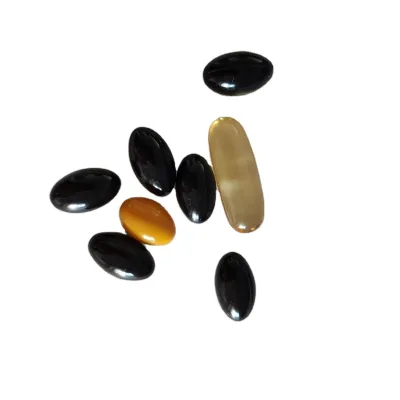
Skin Whitening Complex Vitamins Minerals Vitamin Collagen Peptide Softgel Capsules
$1.62 - $1.67
MOQ: 200 boxes
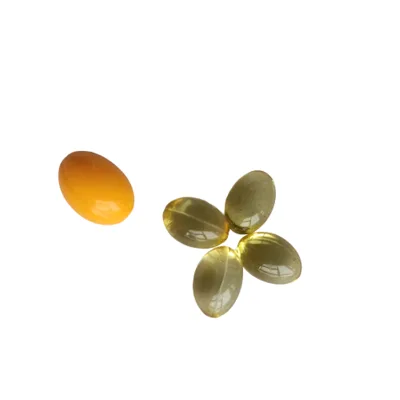
Hot Selling Fresh Collagen Peptide Skin Beauty Natural Beauty Products Softgel Capsules Adult
$0.03 - $0.05
MOQ: 200000 pieces
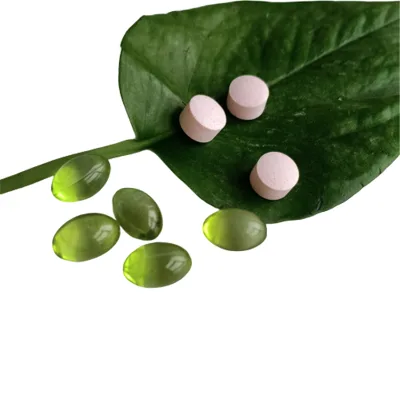
Private Label Collagen Peptide Softgel Capsule Hyaluronic Acid Vitamin C Supplement Beauty Skin
$0.03 - $0.05
MOQ: 200 pieces
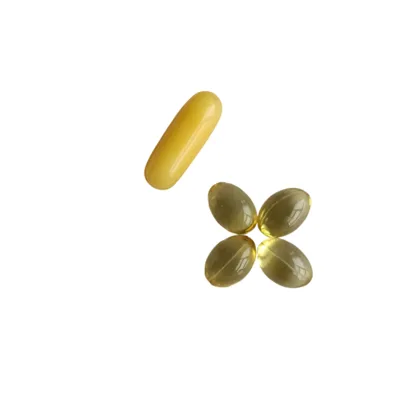
$0.03 - $0.05
MOQ: 20000 pieces

Shaanxi Haibo Biological Technology Co., Ltd
- Verified by CTI
- Trading Company
- China Shaanxi
- Lead time15 days
- Avg. response≤ 6h
Main productsPharmaceutical, Dietarysupplement, Food
Main marketsSouth America,Africa,Others(foreignTradeCapacity.exportBusinessCapacityMarketOther),Southeast Asia/ Mideast,East Asia(Japan/ South Korea),Domestic,Europe,Australia,North America

Top-Grade Multi Collagen Capsules for Nourish Skin Strengthen Bones Multi Collagen Capsules
$4.00 - $5.50
MOQ: 50 bottle

High Quality Collagen Peptide Capsules Anti-Aging Premium Collagen Peptide Capsules
$1.20 - $2.60
MOQ: 50 bottle


Factory Supply OEM High Quality Skin Care Health Supplement Collagen Peptide Capsules
$3.00 - $4.10
MOQ: 1 bottle


Xi'an Plant Source biotech Co.,Ltd.
- Verified by SGS
- Manufacturer/Factory
- China Shaanxi
- Lead time15 days
- Avg. response≤ 4h
Main productsOEM Capsules, Fenbendazole, Plant Extract, Nmn, Linocaine HCl, Creatine Monohydrate, OEM Gummies, Peptide, Shilajit, Tongkat Ali Extract
Main marketsSouth America,Eastern Europe,Mid East,North America,Southeast Asia,Eastern Asia,Oceania,Western Europe,Africa


OEM Private Label Multivitamin Collagen Tablets Hydrolyzed Collagen Peptides with Hyaluronic Acid
$2.50 - $4.50
MOQ: 20 bottle

Qingdao Hiseeking Enterprises Co., Ltd.
- Trading Company
- China Shandong
- Lead time30 days
- Avg. response≤ 25h
Main productsMedicine, Capsule, Western Medicine
Main marketsSouth America,Mid East,Eastern Asia,Africa


GMP Certificated, Health Care, High Quality Collagen Soft Capsules
Contact supplier
MOQ: 5000 Capsules


Guangzhou Kangmeihui Biotechnology Co., Ltd.
- Trading Company
- China Guangdong
- Lead time15 days
- Avg. response≤ 16h
Main productsSoft Capsule, Hard Capsule, Tablet Candy, Jelly, Oral Liquid, Fitness Underwear, Weight Loss, Whey Protein Powder, Facial Essence, Wipe Hair Essence
Main marketsSoutheast Asia/ Mideast,North America

OEM Private Label Multi Collagen Peptides Capsules with Hyaluronic Acid Vitamin C E
$2.30 - $3.00
MOQ: 10 Pieces


Shandong Shiyi Trading Co., Ltd.
- Verified by CTI
- Trading Company
- China Shandong
- Lead time15 days
- Avg. response≤ 13h
Main productsHealth and Care, Cosmetics
Main marketsAfrica,Europe,North America

OEM Health Supplement Factory Direct Delivery. Collagen Capsule - 60 Capsules.
$2.00 - $3.50
MOQ: 500 Pieces

OEM. Multi Collagen Collagen Soft Capsules, Biotin, Vitamin C. Health Supplements
$2.00 - $3.50
MOQ: 500 Pieces

OEM. Multi Collagen Collagen Soft Capsules Magnesium Quercetin. Health Supplements
$2.00 - $3.50
MOQ: 500 Pieces


OEM Factory Direct Delivery. Collagen Capsule - 60 Capsules Health Supplement
$2.00 - $3.50
MOQ: 500 Pieces

$2.00 - $3.50
MOQ: 500 Pieces

Xi'an Haoze Biotechnology Co., Ltd.
- Verified by BV
- Manufacturer/Factory
- China Shaanxi
- Lead time15 days
- Avg. response≤ 7h
Main productsNmn, Pharmaceutical Intermediates, Melatonin, Lidocaine, Coenzyme Q10, L-Carnitine, Plant Extract, Alpha Arbutin, Resveratrol, Quercetin
Main marketsSouth America,Eastern Europe,Mid East,North America,Southeast Asia,Eastern Asia,Oceania,Western Europe,Africa

Collagen Supplement Powder to Drink Skin Whitening Supplement Collagen Peptides Powder
$1.50 - $2.99
MOQ: 100 Bags


- Verified by BV
- Trading Company
- China Shaanxi
- Lead time15 days
- Avg. response≤ 3h
Main productsTianeptine Sodium, Tianeptine Sulfate, Tianeptine Free Acid, Melanotan 2, Mt2 Raw Powder, Mt2 Nasal Spray, Peptide Products, Shilajit Resin, Phenibut, API
Main marketsNorth America

Wuhan Huayuan Morning Thai Health Biotechnology Limited
- Verified by BV
- Combined
- China Hubei
- Lead time15 days
- Avg. response≤ 8h
Main productsHealth Food, Protein Powder, Vitamin Tablets, Kidney Tonifying Tablets, Dietary Supplement, Weight Loss Tablets/Powders, Collagen Capsules, L-Glutathione Capsules, Vitamin and Mineral Capsules, Herbal Capsules
Main marketsDomestic

- Verified by BV
- Trading Company,Manufacturer/Factory
- China Henan
- Lead time0 days
- Avg. response≤ 18h
Main productsGelatin, Collagen, High-Tech Biomaterials, Pharmaceutical Gelatine, Fish Collagen, Food Grade Gelatin, Bovine Collagen, Bovine Gelatin, Edible Gelatin, Hydrolyzed Collagen
Main marketsSouth America,Eastern Europe,Mid East,Southeast Asia,Eastern Asia,Oceania,Western Europe,Africa

Beijing Lingyan Biotechnology Co., Ltd.
- Verified by SGS
- Trading Company
- China Beijing
- Lead time15 days
- Avg. response≤ 7h
Main productsRaw Peptides, Cosmetic Peptides, Bioregulator Peptides
Main marketsNorth America

Kaifeng Red Maple Leaf Biotechnology Co., Ltd.
- Verified by TUVRHEINLAND
- Combined
- China Henan
- Lead time15 days
- Avg. response≤ 1h
Main productsDietary Supplement, Fish Oil Softgels, Spirulina Tablets, Weight Loss Capsuels
Main marketsSouth America,Southeast Asia/ Mideast,Europe

Baoding Faithful Industry Co., Ltd.
- Verified by TUVRHEINLAND
- Trading Company
- China Hebei
- Lead time15 days
- Avg. response≤ 4h
Main productsCollagen Powder, Pullulan Powder, Hyaluronic Acid Powder, Erythritol, Pepsin, Olive Leaf Extract, Plant Extract, Food Additives
Main marketsSoutheast Asia/ Mideast,East Asia(Japan/ South Korea),Europe,North America

Weihai Eurasia Foodtech Co., Ltd.
- Manufacturer
- China Shandong
- Lead time30 days
- Avg. response≤ 3h
Main productsVitamin C 85% Sustained Release Pellet, Vitamin B Complex Sr Capsule for Nervous System, Strong Bones Sr Tablets with Calcium+K2+D3, Sodium Butyrate 600mg Sustained Release Tablets, Sodium Butyrate 500mg Sr Pellet Capsules, Prostate Health Sustained Release Tablets, Multivitamin Sr Capsules for Woman, Multivitamin Sustained Release Capsules for Man, Magnesium Potassium Sustained Release Capsules, Diabetic Gymnema Sylvestre Cinnamomum Sr Tablets
Main marketsDomestic

Health Food Herbal Extract Collagen Production Aid Healthy Aging Support
Contact supplier
MOQ: 600000 Pieces


Comprehensive Sourcing Guide
Multi Collagen Peptides Capsules Supplier Concentration and Factory Types
The current supplier landscape for Multi Collagen Peptides Capsules shows a distinct concentration of manufacturing and trading entities within China, specifically in the Guangdong province. This region hosts a significant number of facilities offering ODM and OEM capabilities, indicating a mature ecosystem for custom formulation and production. These suppliers often list main products that include Vitamin Drops, Vitamin Capsules, and various Maca formulations alongside the core collagen offerings. The presence of Trading Companies in this cluster suggests a supply chain structure where intermediaries may aggregate goods from multiple factories, potentially streamlining the sourcing process for buyers seeking diverse product lines.
In contrast, other regions such as Anhui also appear in the results, though with a different product focus that includes Food Supplements, Slimming Tea, and Traditional Chinese Medicine. This geographic diversity implies that buyers must carefully distinguish between specialized collagen manufacturers and general health supplement traders. While some entities in Guangdong explicitly state their capacity for graphic processing and customized on-demand services, others in different provinces may prioritize different categories like plant extracts or herbal medicines. Identifying the correct factory type requires verifying whether the entity is a direct manufacturer with specific R&D capacity or a trading company that sources from various partners. This distinction is critical for ensuring quality control and supply chain transparency when sourcing Multi Collagen Peptides Capsules.
How to Verify Multi Collagen Peptides Capsules Suppliers
Verification of suppliers for Multi Collagen Peptides Capsules relies heavily on third-party audit reports and specific certification claims found in the product data. Several suppliers in the current results display verification status from recognized bodies such as SGS and Intertek, which serves as a primary indicator of operational legitimacy. Additionally, product attributes frequently list certifications including QS, HACCP, GMP, and ISO standards. These credentials are essential for confirming that the manufacturing processes meet international safety and quality benchmarks. Buyers should prioritize suppliers who explicitly display these certifications in their product attributes rather than relying on general claims, as the presence of specific standards like GMP directly correlates with the hygiene and consistency required for health supplements.
Beyond certifications, the response time and verification status provide further insight into supplier reliability. Data indicates response times ranging from approximately 1.21 to 5.80 hours, with some suppliers showing a response time of 2 hours. A faster response time often correlates with better communication channels and more active account management, which is vital for resolving issues during the sourcing process. Buyers should also examine the "is_verified" field to ensure the supplier has undergone a formal vetting process. It is important to note that not every supplier will have the same level of verification or response speed. Therefore, a thorough verification strategy involves cross-referencing the displayed certifications with the supplier's response metrics to build a comprehensive profile of their operational readiness and trustworthiness.
What to Compare Across Multi Collagen Peptides Capsules Suppliers
When evaluating potential partners for Multi Collagen Peptides Capsules, buyers must compare key operational dimensions such as lead time, minimum order quantity (MOQ), and pricing structures. The available data reveals a lead time of 15 days for some suppliers and 20 days for others, indicating variability in production scheduling and capacity. Pricing also fluctuates, with minimum prices observed as low as 1.61 and maximums reaching up to 3.00 per unit. These figures are critical for budgeting and determining the financial feasibility of different sourcing options. Additionally, MOQs vary significantly, with some suppliers requiring orders as low as 10 units while others mandate a minimum of 1000 units. This disparity allows buyers to select partners that align with their specific inventory needs and cash flow constraints.
Further comparison should focus on product attributes and customization capabilities. Suppliers offer diverse product types ranging from softgel capsules to peptide powders, with specific features like "Low-Fat," "Sugar-Free," and "Organic" listed in product attributes. The ability to customize, including logo printing and specific formulation requests, is another vital differentiator. Some suppliers explicitly state that customization is available, while others may have more rigid product lines. Buyers should also consider the main products listed by each supplier; those focusing primarily on health supplements may offer deeper expertise in collagen formulations compared to those with a broader range of herbal or chemical products. By systematically comparing these attributes, buyers can identify the most suitable supplier for their specific Multi Collagen Peptides Capsules requirements.
Common Multi Collagen Peptides Capsules Sourcing Risks
One significant risk in sourcing Multi Collagen Peptides Capsules involves the potential mismatch between product descriptions and actual manufacturing capabilities. The data shows product attributes listing "Product Type" as Beverage in some instances, while the actual product is a capsule. This inconsistency highlights the risk of relying solely on automated or generic product tags without verifying the physical nature of the item. Buyers must ensure that the product type, packaging, and standard specifications align with their expectations. For example, a listing claiming a beverage type for a capsule product could indicate a data error or a lack of attention to detail in the supplier's catalog, which may reflect broader quality control issues.
Another risk pertains to the variability in storage and handling requirements. Product attributes frequently mention storage notes such as "Mildew Proof" or "Moisture Proof," which are critical for maintaining the integrity of collagen supplements. If a supplier fails to adhere to these storage conditions during production or shipping, the product quality could degrade before reaching the buyer. Furthermore, the diversity of certifications like QS, HACCP, GMP, and ISO suggests that not all suppliers may hold every certification. Buyers should verify that the specific certifications claimed are relevant to the product category and are current. Relying on a supplier who claims broad capabilities without specific evidence for collagen production can lead to compliance issues and product failures in the target market.
Multi Collagen Peptides Capsules Regional Sourcing and Logistics
Sourcing Multi Collagen Peptides Capsules from China, particularly from the Guangdong province, offers logistical advantages due to the region's established manufacturing infrastructure. Suppliers in this area often have experience with international shipping and export procedures, which can streamline the logistics process. The concentration of trading companies and factories in Guangdong facilitates easier coordination for sample processing and graphic customization. However, buyers must also consider the distance and shipping times associated with sourcing from other regions like Anhui. While Anhui suppliers may offer competitive pricing or unique product lines, the logistics chain might differ, potentially affecting delivery timelines and costs.
Logistics planning should also account for the specific packaging requirements of the product. Product attributes indicate that items are often packed in cardboard boxes or bottles, with standards such as 120 tablets per bottle or 300g per bottle. These packaging specifications influence the volume and weight of the shipment, which directly impacts freight costs. Buyers should verify the packaging details with the supplier to ensure they match the requirements for their target market. Additionally, the origin of the product, listed as Guangdong or China, must be confirmed to ensure compliance with import regulations in the destination country. Understanding the regional logistics capabilities of the supplier is essential for minimizing delays and ensuring that the Multi Collagen Peptides Capsules arrive in optimal condition.
Multi Collagen Peptides Capsules Commercial Terms and Order Planning
Commercial terms for Multi Collagen Peptides Capsules vary significantly based on the supplier's capacity and the specific product configuration. Lead times observed in the data range from 15 to 20 days, which buyers must factor into their production and inventory planning. A lead time of 15 days allows for faster turnover, while 20 days may require earlier order placement to avoid stockouts. Minimum Order Quantities (MOQ) also play a crucial role in order planning, with some suppliers accepting orders as low as 10 units, while others require a minimum of 1000 units. Buyers should align their order volume with the supplier's MOQ to optimize costs and avoid unnecessary inventory buildup.
Pricing structures are another critical component of commercial terms, with observed price ranges from 1.61 to 3.00 per unit. These prices may fluctuate based on order volume, customization requirements, and the specific formulation of the collagen peptides. Buyers should negotiate based on the total cost of ownership, including shipping and potential tariffs, rather than focusing solely on the unit price. Additionally, the availability of customization services, such as logo printing and specific packaging, may incur additional costs that need to be factored into the budget. Understanding these commercial terms and planning orders accordingly ensures a smooth procurement process and helps maintain a healthy profit margin for the final product.
FAQs
What certifications do multi collagen peptide capsules have?
Suppliers offer products with QS, HACCP, GMP, and ISO certifications. These credentials ensure the manufacturing process meets strict quality and safety standards for adult consumers. Buyers should verify specific certificates for their target market requirements before placing bulk orders.
What is the typical lead time for these supplements?
Manufacturing lead times generally range from 15 to 20 days depending on the supplier and order volume. This timeframe covers production and initial packaging. Buyers should confirm exact delivery schedules with the supplier to align with their inventory planning needs.
What is the minimum order quantity for collagen capsules?
Minimum order quantities vary significantly, ranging from 10 units to 1000 units per product type. Some suppliers accept small trial orders while others require larger bulk commitments. Check the specific MOQ for each product to determine the best fit for your business.
Where are these collagen supplements manufactured?
Production facilities are located in China, specifically in Guangdong and Anhui provinces. These regions are known for their robust health supplement manufacturing infrastructure. Buyers can source directly from these locations to ensure authenticity and traceability of the raw materials used.
What is the price range for collagen peptide capsules?
Prices typically range from $1.62 to $3.00 per unit depending on the formulation and packaging. Factors like certification level and customization options influence the final cost. Buyers should request detailed quotes to understand the total landed cost for their specific requirements.
Can suppliers provide OEM and ODM services?
Yes, many suppliers offer both OEM and ODM capabilities for custom formulations. Services include logo printing, custom packaging, and tailored ingredient profiles. This allows brands to create unique products that meet specific market demands while leveraging the supplier's manufacturing expertise.