Nano Hydroxyapatite Cosmetic Raw Material Suppliers and Manufacturers
Compare 24 verified suppliers offering Nano Hydroxyapatite Cosmetic Raw Material from Shaanxi, China. Review response times, lead times, MOQs, and product specifications like purity and particle size before requesting quotes; review the available evidence before requesting comparable quotations from suitable candidates.
Updated
Suppliers List
- Manufacturer, Trading Company
- Shaanxi, China
- Lead time3 days
- Avg. response≤ 3h
Main productsPlant extract,Cosmetic raw material,Fruit&vegetable powder,Food additives,nutritional supplement
Main marketsSouth America(25.00%), Eastern Europe(20.00%), Southeast Asia(15.00%), North America(15.00%), Mid East(10.00%), Northern Europe(5.00%), Western Europe(5.00%), Africa(5.00%)
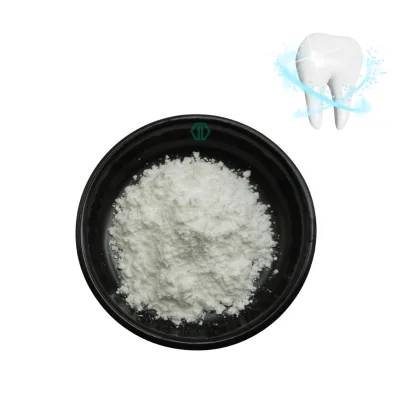
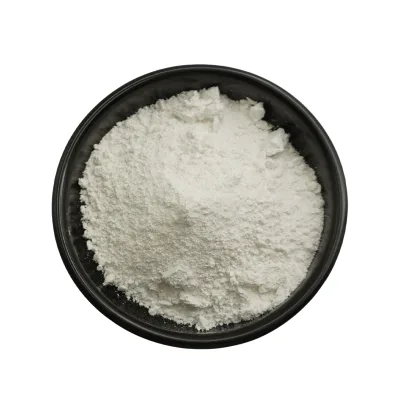
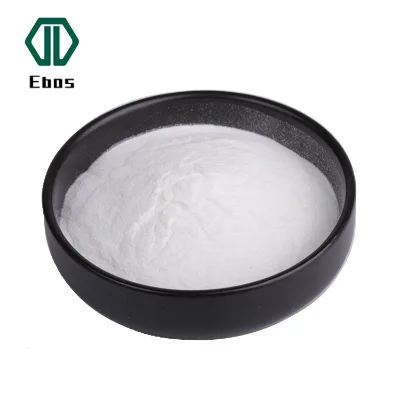
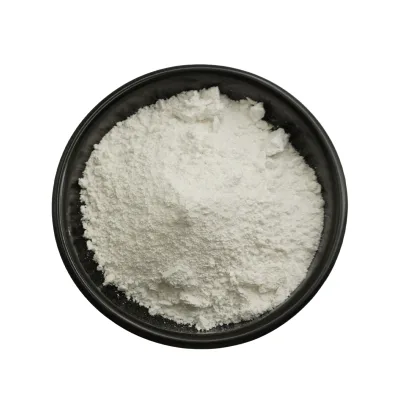
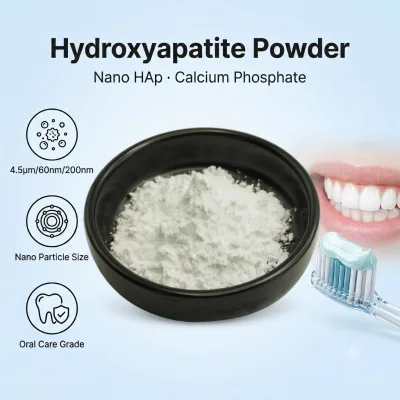
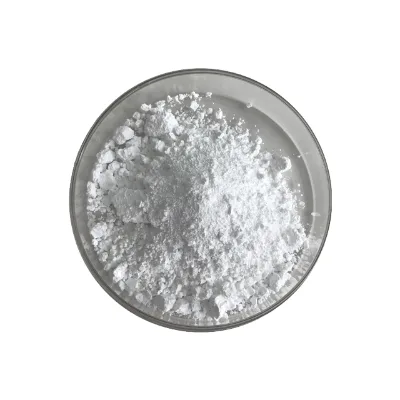
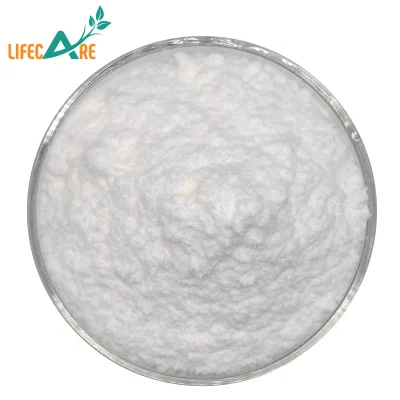
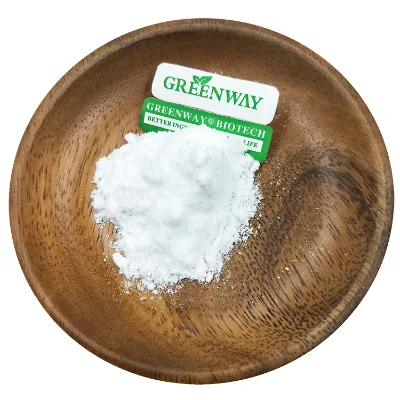
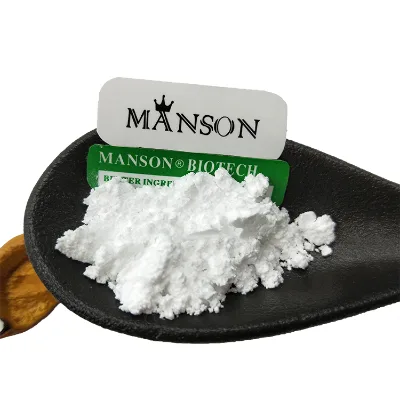
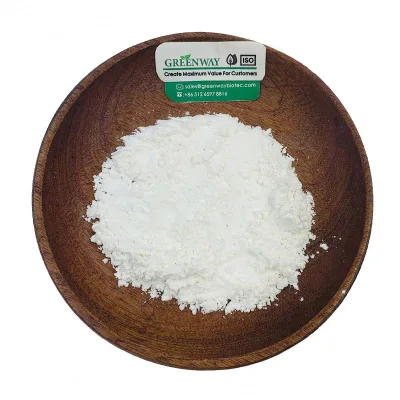
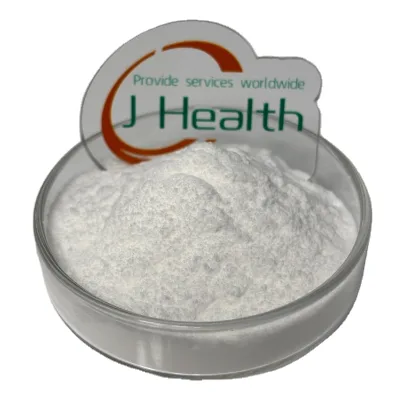
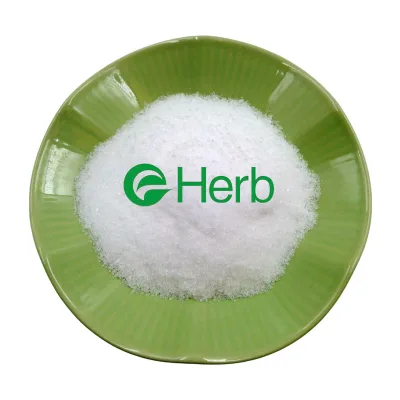
Wholesale Price Plants Nano Hydroxyapatite Powder Food Grade Hydroxyapatite
$28.7501 - $51.3382
MOQ: 1 kilograms
Shaanxi Dennis Biotechnology Co., Ltd.
- Verified by Intertek
- Trading Company
- Lead time0 days
- Avg. response≤ 2h
Main productsSolid Drinks, Xanthan Gum, Locust Bean Gum, White Tuckahoe Extract, American Ginseng Extract
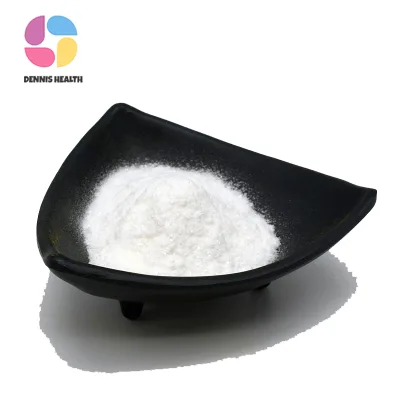
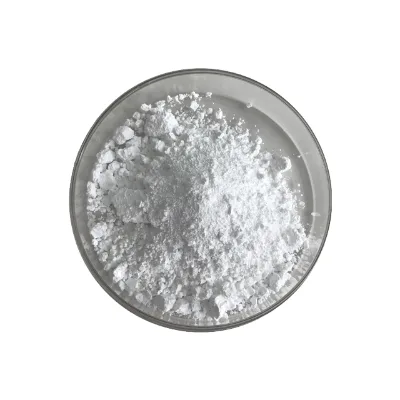
Skin Whitening Hydroxylapatite Cosmetic Raw Material Hydroxylapatite Powder
$25.6175 - $39.9626
MOQ: 1 Minimum
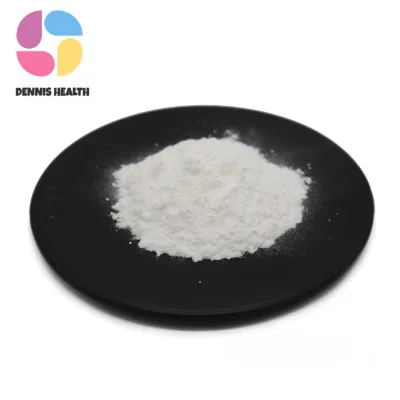
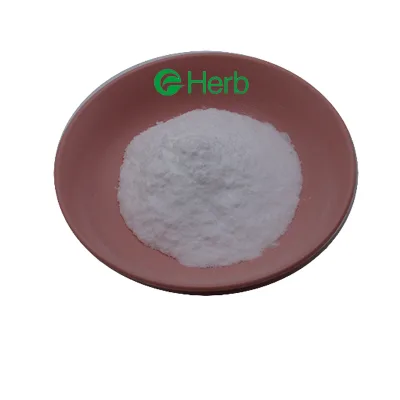
High Purity Cosmetic Grade Nano Hydroxyapatite Toothpaste Raw Materials Powder
$20.4653 - $30.6979
MOQ: 1 Minimum
$79.9238 - $112.20
MOQ: 1 kilometers
$44.0602 - $66.6034
MOQ: 1 kilograms
- Trading Company
- Jiagnsu, China
- Lead time0 days
- Avg. response≤ 4h
Main productsVC-IP,GHK-Cu,WS-23,Cosmetic Peptide,Nutrition Ingdredients
Main marketsSoutheast Asia(15.00%), Eastern Europe(15.00%), Domestic Market(10.00%), Africa(10.00%), South America(10.00%), North America(10.00%), Eastern Asia(5.00%), South Asia(5.00%), Southern Europe(5.00%), Northern Europe(5.00%), Central America(5.00%), Western Europe(5.00%)
Xi'an Ly Health Technology Co., Ltd.
- Trading Company
- Shaanxi, China
- Lead time3 days
- Avg. response≤ 3h
Main productsNMN,Resveratrol,Hyaluronic acid,Arbutin,Kojic acid
Main marketsNorth America(30.00%), Western Europe(20.00%), Northern Europe(10.00%), Oceania(10.00%), Southeast Asia(10.00%), South America(10.00%), Eastern Asia(5.00%), Eastern Europe(5.00%)
- Verified by TüVRheinland
- Trading Company
- Lead time3 days
- Avg. response≤ 7h
Main productsDietary Supplement, Cosmetic Raw Materials, Plant Extracts, Nutritional Ingredients, Organic Mushroom Extract
Main marketsNorth America(30%), Western Europe(30%), Oceania(10%)
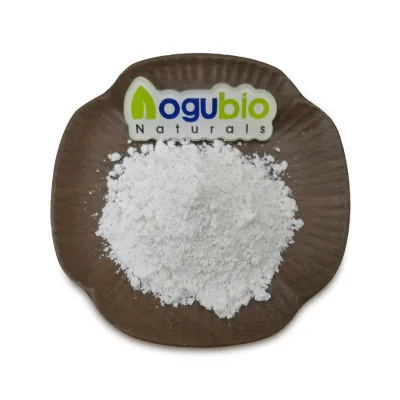
Factory Supply Nano-Hydroxyapatite Cometic Grade Whitening Nano Hydroxyapatite Powder
$43.9704 - $48.1577
MOQ: 1 kilograms
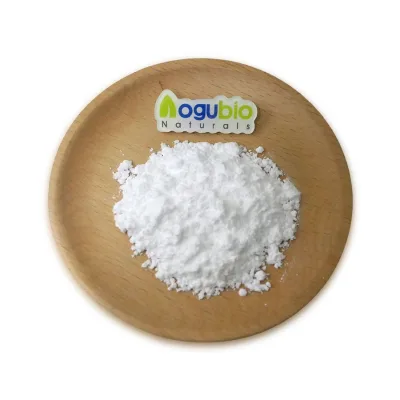
AOGUBIO Supply Hydroxyapatite Toothpaste CAS 1306-06-5 Cometic Grade Hydroxyapatite Powder
$8.3761 - $12.5634
MOQ: 1 Minimum
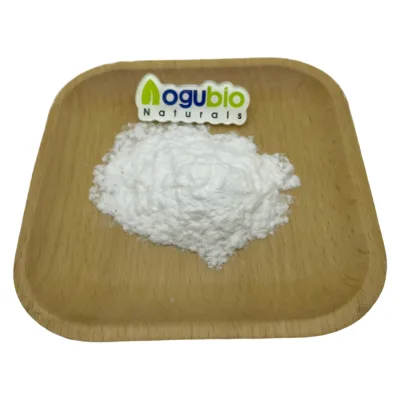
$31.06 - $41.4123
MOQ: 1 Minimum

Shandong Yingkete Chemical Co., Ltd.
- Verified by BV
- Trading Company
- China Shandong
- Lead time15 days
- Avg. response≤ 2h
Main productsCarbon Black, Pigment Powder, Pigment Paste, Pigment Chip, Coating and Paint, Industry Ink, Precipitated and Fumed Silica, Hydrated Silica for Toothpaste, Matting Silica, Silica Gel
Main marketsNorth America
Shaanxi Lifecare Biotechnology Co., Ltd.
- Verified by SGS Group
- Trading Company
- Lead time5 days
- Avg. response≤ 2h
Main productsPlant extract, Food additives, Cosmetic ingredients, Vitamins, Probiotics
Main marketsNorth America(14%), Eastern Europe(14%), Southeast Asia(13%)

- Trading Company
- Jiangsu, China
- Lead time5 days
- Avg. response≤ 3h
Main productsAlpha Arbutin,Glutathione,NMN,Tranexamic Acid,S-Acetyl Glutathione
Main marketsNorth America(60.00%), Southeast Asia(20.00%), Africa(10.00%), Mid East(5.00%), Oceania(5.00%)
Xi'an Jenifer Technology Co.,ltd.
- Trading Company
- Shanxi, China
- Lead time5 days
- Avg. response≤ 2h
Main productsPlant Extract/Food Additives/Health Food/Cosmetic Raw Material/Feed Additives
Main marketsNorth America(30.00%), Eastern Europe(30.00%), South America(30.00%), Northern Europe(10.00%)
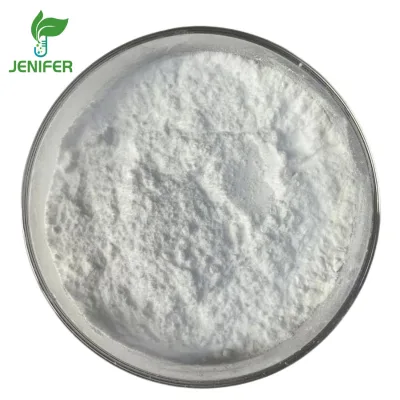
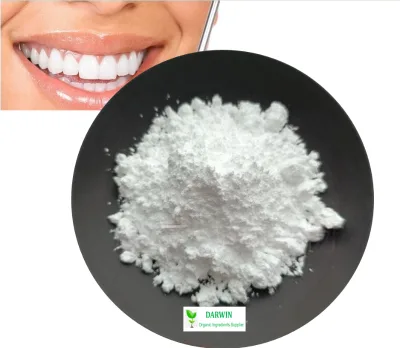
HAP Nano Hydroxyapatite Powder Toothpaste Hydroxyapatite Nano Hydroxyapatite
$49.00 - $119.00
MOQ: 1 Minimum
Shaanxi Bieyouth Biotech Co., Ltd.
- Verified by SGS Group
- Trading Company
- Lead time15 days
- Avg. response≤ 2h
Main productsFood Additives, Health Care Products Raw Materials, Cosmetic Raw Material
Main marketsMid East(25%), Eastern Europe(20%), Africa(10%)
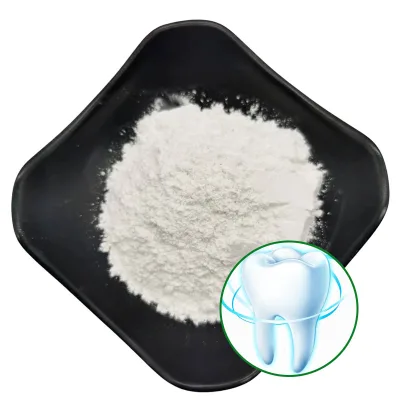
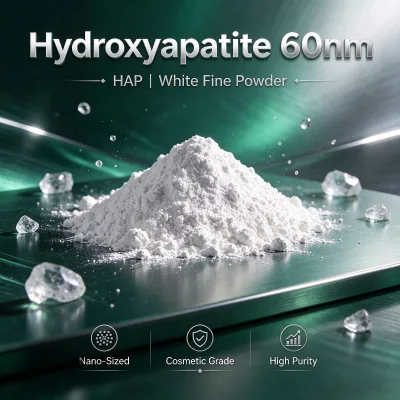
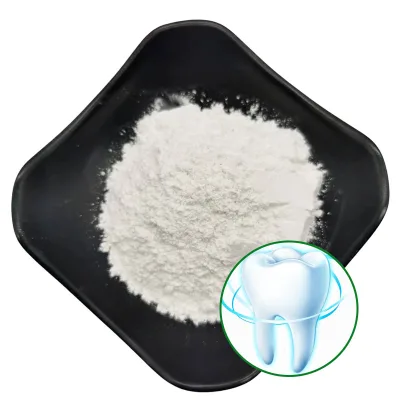
Nano Hydroxyapatite Powder 60NM Hydroxyapatite Powder - High Purity for Cosmetics & Oral Care
$76.8495 - $87.0971
MOQ: 1 Minimum
$20.4937 - $30.7398
MOQ: 1 Minimum
Xi'an July Health Bio-Tech Co., Ltd
- Trading Company
- Shaanxi, China
- Lead time7 days
- Avg. response≤ 1h
Main productsExtract Powder,Food additive,Cosmetic Ingredients,Health supplements,Enzyme
Main marketsNorth America(25.00%), Northern Europe(15.00%), Eastern Asia(10.00%), Oceania(8.00%), Southeast Asia(8.00%), Western Europe(5.00%), South America(5.00%), Southern Europe(5.00%), Domestic Market(2.00%), Africa(2.00%), Central America(1.00%), South Asia(1.00%), Mid East(1.00%)

Shanghai Richem International Co., Ltd.
- Verified by BV
- Trading Company
- China Shanghai
- Lead time23 days
- Avg. response≤ 1h
Main productsPolysorbate 60/80/20, Sorbitane Monostearate/Sorbitan Ester, Hydrogenated Castor Oil, Magnesium Myristate, Lanolin Anhydrous, Dimethyl Sulfone/Msm/MSN/Methyl Sulfonyl, Organic Notoginseng Powder/ Nature Pear Powder, Propylene Glycol Monostearate Sodium Stearyl Lac, Hydroxypropyl-Beta-Cyclodextrin, Alkyl Ketene Dimmer Wax AKD1840/1865/1895
Main marketsSouth America,Africa,Southeast Asia/ Mideast,East Asia(Japan/ South Korea),Domestic,Europe,Australia,North America


Nano Hydroxyapatite CAS 1306-06-5 Biocompatible for Tooth Remineralization & Skincare
$20.00 - $38.00
MOQ: 10 kg


Shaanxi Dongjiang Kangtai Health Industry Co., Ltd.
- Verified by SGS
- Manufacturer
- China Shaanxi
- Lead time15 days
- Avg. response≤ 5h

Nano Hydroxyapatite Powder CAS 1306-06-5 Cosmetic Grade for Toothpaste Oral Care
$30.00 - $80.00
MOQ: 25 kg


- Manufacturer, Trading Company
- Shaan'xi, China
- Lead time5 days
- Avg. response≤ 4h
Main productsOlivem 1000,Hyaluronic acid,Alpha Arbutin,BTMS,Neotame
Main marketsNorth America(34.00%), Eastern Europe(15.00%), Western Europe(14.00%), Eastern Asia(7.00%), Southeast Asia(7.00%), South Asia(5.00%), Central America(5.00%), South America(3.00%), Northern Europe(3.00%), Southern Europe(2.00%), Africa(2.00%), Oceania(2.00%), Mid East(1.00%)

Xi'an Tongze Biotech Co., Ltd.
- Verified by BV
- Manufacturer/Factory
- China Shaanxi
- Lead time15 days
- Avg. response≤ 1h
Main productsPlant Extract, Nutritional Supplements, Ivermectin, Weight Loss, Peptide, Glutathione, Nmn, Chemical Product, Veterinary Medicine, Pharmaceutical
Main marketsSouth America,Eastern Europe,Mid East,North America,Southeast Asia,Eastern Asia,Oceania,Western Europe,Africa

Shaanxi Zebrago Industrial Co., Limited
- Verified by SGS
- Trading Company,Manufacturer/Factory
- China Shaanxi
- Lead time23 days
- Avg. response≤ 10h
Main productsAmino Acid, Vitamin, Tianeptine Sodium, Pharmaceutical Intermediate, Nutritional Supplements, Chemicals Product, Peptide, Phenibut, Veterinary Medicine, Plant Extract
Main marketsSouth America,Eastern Europe,Mid East,North America,Southeast Asia,Eastern Asia,Oceania,Western Europe,Africa
Shandong Jinqi Chemical Co., Ltd.
- Verified by SGS Group
- Trading Company
- Lead time10 days
- Avg. response≤ 7h
Main productsPVC Resin, MDI, Caustic Soda, Paraffin Wax, Calcium Carbide
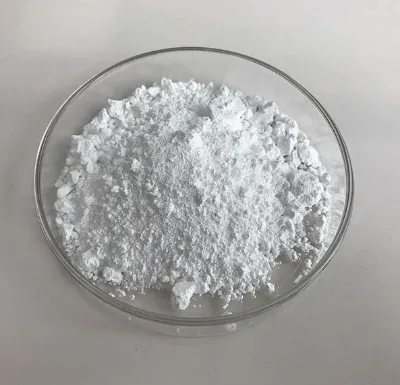
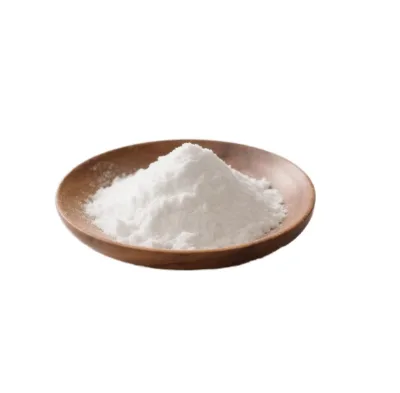
Manufacturer Supply Raw Material Hydroxyapatite Powder for Toothpaste CAS 1306-06-5
$7865.6224 - $8225.4867
MOQ: 1 tons
Shaanxi Darwin Biotech Co., Ltd.
- Verified by TüVRheinland
- Trading Company
- Lead time7 days
- Avg. response≤ 5h
Main productsPlant Extracts, Cosmetic Raw Materials, Customized Health Supplements, Fruit And Vegetable Powders
Main marketsNorth America(45%), Western Europe(25%), Southeast Asia(20%)

- Verified by TUVRHEINLAND
- Trading Company
- China Zhejiang
- Lead time15 days
- Avg. response≤ 4h
Main productsDermal Filler, Exosome, Collagen, Meso Therapy, Skin Booster, Plla, Caha Filler, Dermal Filler Powder, Hydroxyapatite Powder, Hap Filler
Main marketsSoutheast Asia/ Mideast


Top Grade Nano-Hydroxyapatite Nano Hydroxyapatite Powder Calcium Filler Hap Filler Caha Filler
$500.00 - $5000.00
MOQ: 1 kg


$500.00 - $5000.00
MOQ: 1 kg

Shaanxi Haibo Biological Technology Co., Ltd
- Verified by CTI
- Trading Company
- China Shaanxi
- Lead time15 days
- Avg. response≤ 5h
Main productsPharmaceutical, Dietarysupplement, Food
Main marketsSouth America,Africa,Others(foreignTradeCapacity.exportBusinessCapacityMarketOther),Southeast Asia/ Mideast,East Asia(Japan/ South Korea),Domestic,Europe,Australia,North America

- Verified by BV
- Manufacturer/Factory
- China Shaanxi
- Lead time15 days
- Avg. response≤ 6h
Main productsGhk-Cu, Herbal Extracts, Minoxidil, Thaumatin, Astaxanthin, Monk Fruit Extract, Ru58841, Raspberry Ketone, Nano Curcumin, Berberine
Main marketsSouth America,Eastern Europe,Mid East,North America,Southeast Asia,Eastern Asia,Oceania,Western Europe,Africa


Factory Directly Wholesale Large Capacity 99% 20nm Hap Powder Nano Calcium Hydroxyapatite
$50.00 - $330.00
MOQ: 1 kg

Shandong Sino Pharmaceutical Technology Co., Ltd.
- Verified by TUVRHEINLAND
- Trading Company
- China Shandong
- Lead time45 days
- Avg. response≤ 10h
Main productsGlutathione, Artesunate, Skin Whitening, Vitamin C/B, L-Carnitine, Orlistat, European Standard Products, Sodium Hyaluronate, Medical, API
Main marketsAfrica

Mikem Chemical (Shandong) Co., Ltd.
- Verified by BV
- Trading Company,Manufacturer/Factory,Group Corporation
- China Shandong
- Lead time15 days
- Avg. response≤ 13h
Main productsSurfactant, Flavors and Flagrances, Chemical Reagents, Catalyst and Auxiliary, Food Addtitives, Dyes and Pigments, Natural Products, Organic Chemitry, Inorganic Chemistry, API
Main marketsSouth America,Eastern Europe,Mid East,North America,Southeast Asia,Eastern Asia,Oceania,Western Europe,Africa

Lianyungang KANDS Chemical Co., Ltd.
- Trading Company,Manufacturer/Factory
- China Jiangsu
- Lead time15 days
- Avg. response≤ 5h
Main productsSodium Hexametaphosphate, Tetrasodium Pyrophosphate, Sodium Acid Pyrophosphate, Sodium Tripolyphosphate, Monosodium Phosphate, Disodium Phosphate, Trisodium Phosphate, Tricalcium Phosphate, Potassium Chloride, Magnesium Citrate
Main marketsSouth America,Eastern Europe,Mid East,North America,Southeast Asia,Eastern Asia,Oceania,Western Europe,Africa

Nutritional Fortification Substances Calcium Hydroxyapatite CAS: 1306-06-5
$1055.00 - $1255.00
MOQ: 23 Tons

Nutritional Fortification Substances Calcium Hydroxyapatite CAS: 62974-97-4
$1055.00 - $1255.00
MOQ: 23 Tons

Nutritional Fortification Substances Calcium Hydroxyapatite CAS: 7758-87-4
$1055.00 - $1255.00
MOQ: 23 Tons






Comprehensive Sourcing Guide
Nano Hydroxyapatite Cosmetic Raw Material Supplier Concentration and Factory Types
The current supplier landscape for Nano Hydroxyapatite Cosmetic Raw Material reveals a distinct concentration of manufacturing and trading entities within specific industrial zones. Evidence indicates that a significant portion of these suppliers are located in Shaanxi, China, establishing this region as a notable hub for the production of this specific chemical intermediate. This geographic clustering suggests that buyers seeking this material may find a higher density of options in this area, potentially facilitating easier communication and more streamlined logistics for regional shipments. The presence of both manufacturers and trading companies in these results highlights a diverse supply chain structure where direct factory sourcing is available alongside intermediary services that may offer broader product portfolios or consolidated shipping options.
Understanding the distinction between manufacturer and trading company types is crucial for evaluating the source of your nano hydroxyapatite. Manufacturers typically control the production process, which can offer advantages in quality consistency and customization, while trading companies may provide greater flexibility in order sizes and product variety. The observed data shows that suppliers in this category often list main products that include plant extracts, cosmetic raw materials, and food additives, indicating a broad operational scope. This diversification means that a single supplier might offer hydroxyapatite alongside other complementary ingredients, which could simplify procurement for buyers developing complex cosmetic formulations. However, it also requires careful verification to ensure that the specific nano hydroxyapatite product meets the stringent purity and particle size requirements necessary for cosmetic applications.
How to Verify Nano Hydroxyapatite Cosmetic Raw Material Suppliers
Verifying the legitimacy and capability of nano hydroxyapatite suppliers requires a rigorous examination of their product specifications and certification documentation. Buyers should prioritize suppliers who provide detailed product attributes, such as purity levels, particle size, and appearance, as these are critical for cosmetic formulation stability. For instance, some suppliers list purity at 99% with a specification of 20 micron, while others offer nano-grade particles with specifications like 25~45nm. It is essential to cross-reference these claims with available certificates, such as a Certificate of Analysis (COA) or ISO certification, which serve as tangible proof of quality control measures. The presence of specific identifiers like CAS numbers (e.g., 1306-06-5) and EINECS numbers further aids in verifying the chemical identity and regulatory compliance of the material being supplied.
Response time and communication efficiency are also key indicators of supplier reliability and operational maturity. In the current market, suppliers with a response time of 3 hours demonstrate a commitment to timely communication, which is vital for resolving technical queries or negotiating custom specifications. Buyers should assess whether the supplier’s main products align with their specific needs, as those listing cosmetic raw materials as a core offering are likely more specialized than general chemical traders. Additionally, verifying the shelf life and storage conditions recommended by the supplier, such as a 2-year shelf life, ensures that the material will remain stable upon receipt. It is advisable to request recent test results or batch-specific data to confirm that the current production run meets the required standards for enamel-friendly and remineralization support applications in oral care products.
What to Compare Across Nano Hydroxyapatite Cosmetic Raw Material Suppliers
When evaluating multiple suppliers, comparing minimum order quantities (MOQ) and pricing structures is fundamental to aligning procurement with budget and inventory constraints. The observed data shows a wide range in MOQs, with some suppliers offering a minimum order of just 1 kg, which is ideal for small-scale testing or pilot production runs. In contrast, others may have higher thresholds, requiring buyers to commit to larger volumes upfront. Pricing also varies significantly, with some listings showing prices as low as $8.80 per unit, while others reach up to $51.34, reflecting differences in purity, particle size, and packaging. Buyers should analyze these price points in conjunction with the specified purity levels, such as 99% versus 22%, to determine the true cost-effectiveness of each option. It is important to note that lower prices may correlate with industrial-grade specifications rather than the higher purity required for premium cosmetic applications.
Beyond price and MOQ, comparing lead times and supply ability provides insight into the supplier’s operational capacity and reliability. Some suppliers indicate a lead time of 3 days, suggesting a robust inventory or efficient production process, while others may have longer lead times depending on order volume. Supply ability metrics, such as 1000 kilograms per month, help buyers assess whether the supplier can scale to meet growing demand without compromising quality. Additionally, comparing the main products offered by each supplier can reveal their expertise; those specializing in cosmetic raw materials and nutritional supplements may have more refined quality control processes for hydroxyapatite than general chemical manufacturers. Buyers should also consider the packaging options, such as 1kg/bag or 25kg/drum, to ensure compatibility with their storage facilities and handling equipment.
Common Nano Hydroxyapatite Cosmetic Raw Material Sourcing Risks
One of the primary risks in sourcing nano hydroxyapatite is the variability in particle size and purity, which can significantly impact the efficacy of cosmetic formulations. Suppliers may list different specifications, such as 20 micron versus nano-grade particles, and failing to verify these details can lead to product performance issues. For example, a powder intended for industrial use may not possess the fine particle size required for smooth texture in toothpaste or mouthwash. Buyers must carefully review the product attributes, including appearance and main function, to ensure the material matches their specific application needs. Misalignment between the supplier’s specification and the buyer’s requirement can result in wasted resources and delayed product launches, making it crucial to request samples and conduct independent testing before committing to large orders.
Another significant risk involves the authenticity of certifications and the consistency of supply chain documentation. While some suppliers display certificates like COA or ISO, buyers should verify the validity of these documents through independent channels or by requesting updated versions for each batch. There is also a risk associated with the stability of the product during transit, especially if the supplier does not provide adequate packaging recommendations. The observed data mentions various packaging types, from bottles to vacuum-packed containers, but buyers must ensure that the chosen packaging protects the powder from moisture and contamination. Additionally, relying on suppliers with vague or incomplete product descriptions can lead to misunderstandings about the material’s chemical formula or molecular structure, which are critical for regulatory compliance in international markets.
Nano Hydroxyapatite Cosmetic Raw Material Regional Sourcing and Logistics
Sourcing nano hydroxyapatite from suppliers located in Shaanxi, China, offers logistical advantages due to the region’s established industrial infrastructure. Buyers should consider the proximity of the supplier to major shipping ports, such as Shanghai, which is listed as a port of dispatch for some products. This proximity can reduce transit times and shipping costs, making it a favorable option for international buyers. However, buyers must also account for the specific logistics requirements of chemical powders, including proper labeling and handling procedures to ensure safe transport. The lead time of 3 days observed in some listings suggests that suppliers in this region may have efficient internal logistics, but international shipping times will vary based on the destination country and chosen freight method.
Logistics planning should also include considerations for customs clearance and import regulations, which can vary significantly by region. Buyers must ensure that the supplier provides all necessary documentation, including material safety data sheets and certificates of origin, to facilitate smooth customs processing. The single gross weight and package dimensions listed for various products, such as 1.2 kg for a 23x14x11 cm package, help buyers calculate shipping volumes and costs accurately. Additionally, buyers should verify the supplier’s experience with international shipping to avoid delays or damages. Understanding the regional sourcing dynamics allows buyers to negotiate better freight terms and select suppliers who can reliably meet delivery deadlines, ensuring that production schedules are not disrupted by logistical bottlenecks.
Nano Hydroxyapatite Cosmetic Raw Material Commercial Terms and Order Planning
Effective order planning for nano hydroxyapatite requires a clear understanding of the commercial terms offered by suppliers, including payment methods and return policies. Buyers should prioritize suppliers who offer secure payment options, such as escrow services, to protect their financial interests until the goods are received and verified. The observed data indicates that some suppliers have a shelf life of 2 years, which allows for flexible inventory management, but buyers must plan their orders to ensure the material is used within this timeframe. It is also important to clarify the terms for sample orders, as many suppliers offer low MOQs of 1 kg, which can be used for quality testing before committing to larger purchases. Understanding these terms helps buyers mitigate financial risk and ensure a smooth transaction process.
Negotiating volume discounts and long-term supply agreements can further optimize the cost structure for nano hydroxyapatite procurement. Buyers should leverage the observed price ranges, from $8.80 to $51.34, to negotiate better rates for larger orders or recurring purchases. Establishing a clear communication channel with the supplier for regular updates on production status and shipping tracking is essential for maintaining supply chain visibility. Additionally, buyers should document all agreed-upon specifications, including purity, particle size, and packaging, in the purchase contract to avoid disputes. By carefully planning orders and understanding the commercial terms, buyers can build a reliable supply base that supports their cosmetic product development and market expansion goals.
FAQs
What is the typical purity of Nano Hydroxyapatite Cosmetic Raw Material?
The typical purity for this cosmetic raw material is 99%. Some industrial-grade options may have lower purity levels around 22%. Buyers should verify the specific purity percentage on the product specification sheet before ordering to ensure it meets their formulation requirements.
What is the minimum order quantity for nano hydroxyapatite powder?
The minimum order quantity is generally 1 kg. This low MOQ allows buyers to test samples or order small batches for initial production runs. It is advisable to confirm the exact MOQ with the supplier as policies can vary between different manufacturers and trading companies.
Where is nano hydroxyapatite typically manufactured?
Most nano hydroxyapatite is manufactured in Shaanxi, China. Some listings may simply state China as the place of origin. Buyers should check the specific product details to confirm the exact manufacturing location, as this can impact shipping logistics and supply chain reliability.
What is the shelf life of hydroxyapatite powder?
The standard shelf life for hydroxyapatite powder is two years. Some specific grades may offer a shelf life of 24 months. Proper storage conditions are essential to maintain product integrity. Buyers should always check the expiration date on the packaging upon receipt.
What certifications are available for hydroxyapatite suppliers?
Suppliers often provide a Certificate of Analysis (COA) to verify product quality. Some manufacturers also hold ISO certifications. Buyers should request these documents to ensure the material meets safety and quality standards for cosmetic or food-grade applications before finalizing any purchase agreements.
What is the typical response time for suppliers?
The typical response time for suppliers is three days. This timeframe allows buyers to receive initial quotes and product information. Faster responses may be available for urgent inquiries. Buyers should contact multiple suppliers to compare response speeds and service quality effectively.
What is the lead time for nano hydroxyapatite orders?
The typical lead time for orders is three days. This duration covers processing and preparation for shipment. Actual delivery times will depend on the shipping method and destination. Buyers should confirm the lead time with the supplier to plan their inventory and production schedules accordingly.