Natural Hydrating Facial Toner Suppliers and Manufacturers
Compare 28 verified suppliers offering Natural Hydrating Facial Toner with varying lead times, certifications, and MOQs. Review response times and customization options to select a partner for your skincare needs; review the available evidence before requesting comparable quotations from suitable candidates.
Updated
Suppliers List

Guangzhou Kanglixin Medical Biotechnology Co, Ltd.
- Verified by BV
- Combined
- China Guangdong
- Lead time30 days
- Avg. response≤ 9h
Main productsSkin Care Products, Body Care, Hair Care Products, Makeup, Men's Care Products, Ferminine Care Products, Serum, Facial Mask, Face Cream, Scrub
Main marketsSouth America,Africa,Southeast Asia/ Mideast,East Asia(Japan/ South Korea),Domestic,Europe,North America

$1.80 - $2.50
MOQ: 100 pieces

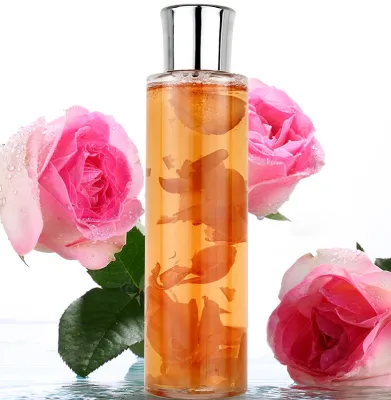
Private Label Flower Petal Water Face Moisturizing Hydrating Essence Facial Toner
$0.70 - $1.00
MOQ: 5000 pieces

Private Label Alcohol-Free Ginseng Facial Toner with Ginseng Formula Hydrating Face Toner
$1.80 - $2.50
MOQ: 100 pieces

Private Label Moisturizing Skin Care Skin Repair Toner Natural Organic Ginseng Soothing Face Toner
$1.80 - $2.50
MOQ: 100 pieces

Custom Natural Moisturizing Anti Wrinkle Whitening Rose Vitamin C Water Spray Facial Toner
$0.70 - $1.00
MOQ: 5000 pieces

Face Spray Pore Minimizer and Calming Skin Treatment Skin Care Rose Petal Facial Toner
$0.70 - $1.00
MOQ: 5000 pieces

Guangzhou Mebamy Cosmetics Co., Ltd.
- Verified by TUVRHEINLAND
- Manufacturer/Factory
- China Guangdong
- Lead time15 days
- Avg. response≤ 1h
Main productsFace Serum, Soap, Face Cream, Sunscreen, Eyelash Growth Serum, Teeth Whitening, Face Mask, Facial Cleanser, Essential Oil, Hair Care Series
Main marketsNorth America,Western Europe


Professional Custom Collagen Hyaluronic Acid Anti Aging Hydrating Face Toner
$1.98 - $2.99
MOQ: 3000 Pieces


Guangzhou Biosphere Cosmetics Co., Ltd.
- Verified by SGS Group
- Manufacturer, Trading Company
- Lead time15 days
- Avg. response≤ 5h
Main productsFace Care Products, Body Care Products, Skin Care Set, Hair Care Products, Make Up Products
Main marketsSoutheast Asia(35%), North America(25%), Domestic Market(15%)

Guangzhou Shiruoni Cosmetics Co., Ltd.
- Trading Company,Manufacturer/Factory,Group Corporation
- China Guangdong
- Lead time15 days
- Avg. response≤ 6h
Main productsSkin Care, Jelly Mask, Face Serum, Face Toner, Face Cream, Facial Mask, Sunscreen, Face Cleanser, Soap, Skin Care Set
Main marketsSouth America,Eastern Europe,Mid East,North America,Southeast Asia,Eastern Asia,Oceania,Western Europe,Africa


Directly Factory Anti Aging Hydrating Moisturizing Pomegranate Facial Toner
$1.20 - $2.30
MOQ: 1000 Pieces

High Quality Anti Aging Hydrating Moisturizing Pomegranate Facial Toner
$1.20 - $2.30
MOQ: 1000 Pieces


Private Label Vitamin C Brighten Toner Whitening 24 Hour Moisturizing Face Toner
$0.90 - $1.20
MOQ: 1000 Pieces


Guangzhou Aixin Cosmetic Co., Ltd.
- Verified by TUVRHEINLAND
- Trading Company
- China Guangdong
- Lead time15 days
- Avg. response≤ 5h
Main productsSkin Care, Cosmetic, Face Mask, Beauty, Body Scrub, Face Care, Body Care, Skin Care Product, Mask, Cream
Main marketsDomestic


Beauty Cosmetics Skin Care Hydrate Skin and Tighten Pores Watermelon Toner
$1.85 - $3.50
MOQ: 100 Pieces


Beauty Cosmetics Facial Toner Moisturized Strengthen Barrier Ceramide Soothing Toner
$3.15 - $3.85
MOQ: 100 Pieces

Beauty Cosmetics Skin Care Toner Exfoliate and Shrink Pores Mandelic Acid Toner
$2.20 - $3.00
MOQ: 50 Pieces

Guangzhou Aifujia Biotechnology Co., Ltd.
- Trading Company
- China Guangdong
- Lead time15 days
- Avg. response≤ 4h
Main productsFace Cream, Face Serum, 24K Serum, Rose Spray, Vitamin C Serum, Skin Care Set, Essential Oil, Facial Mask, Face Lotion, Anti Aging Whitening Face Cream
Main marketsSoutheast Asia/ Mideast,Europe,North America

Aloe Vera Toner Organic Firming Acne Face Facial Moisturizing Hydrating Toner
$1.50 - $3.50
MOQ: 1000 Pieces

Nourishing and Organic Tea Tree Hydrating Lightening Face Skin Water Facial Toner
$2.30 - $2.50
MOQ: 500 Pieces


$0.99 - $2.50
MOQ: 1000 Pieces

Custom Natural Ingredients Shrink Pores Hydrating Facial Toner Skin Care Balance Oil Control Toner
$1.99 - $2.99
MOQ: 1000 Pieces
Guangzhou Chengzhe Meifu Cosmetic Co., Ltd.
- Verified by Intertek
- Trading Company
- Lead time0 days
- Avg. response≤ 2h
Main productsFacial Care, Body Care, Pet Care, Oral Care, Men's Care
Main marketsNorth America(65%), Western Europe(15%), Northern Europe(10%)
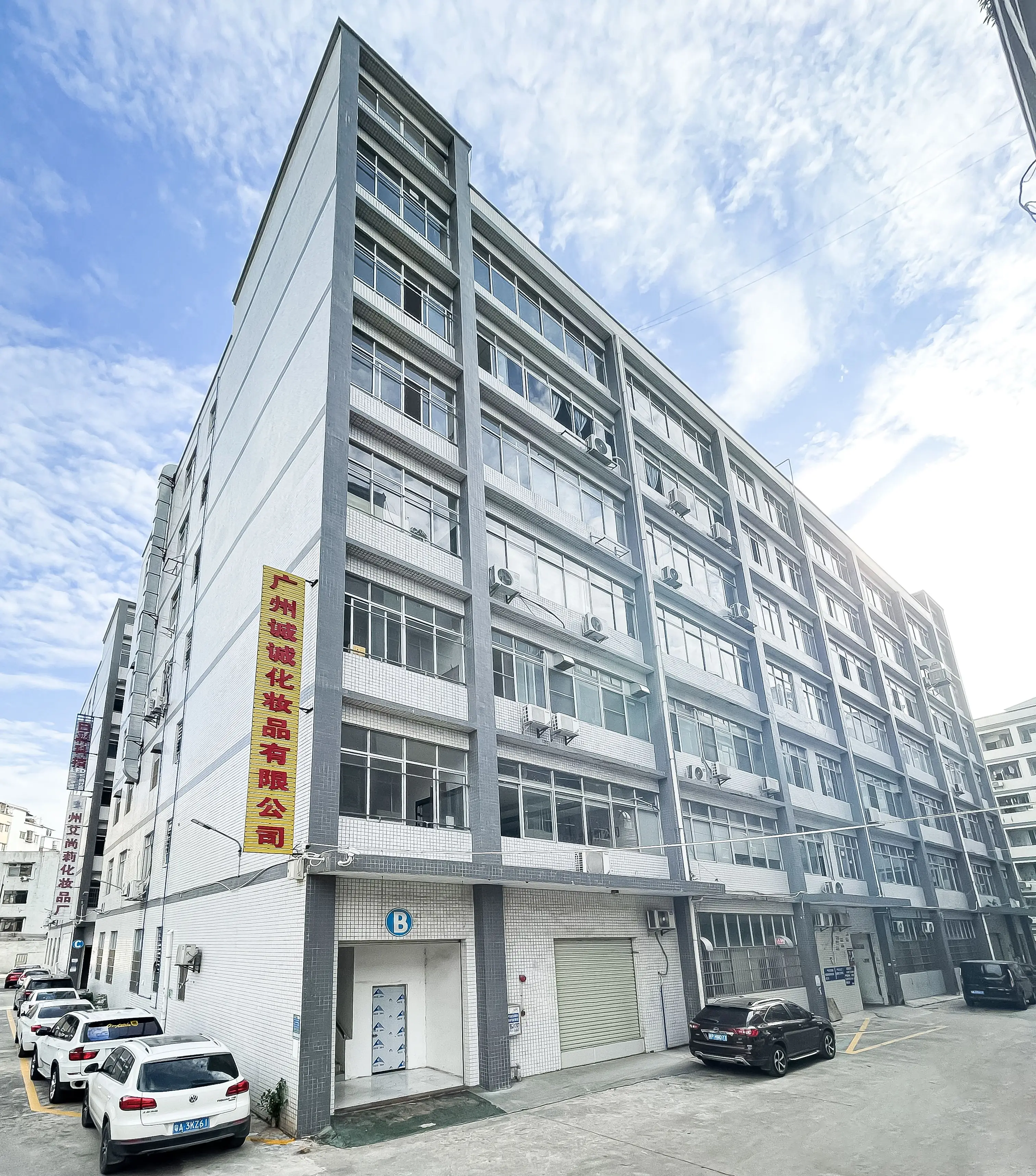
Guangzhou Chengcheng Cosmetics Co., Ltd.
- Manufacturer
- Guangdong, China
- Lead time15 days
- Avg. response≤ 5h
Main productsface care products,eye care products,lip care products,body care products,hair care products
Main marketsNorth America(58.00%), Western Europe(15.00%), Northern Europe(5.00%), South America(5.00%), Eastern Europe(5.00%), Southern Europe(3.00%), Oceania(2.00%), Domestic Market(1.00%), South Asia(1.00%), Africa(1.00%), Mid East(1.00%), Central America(1.00%), Southeast Asia(1.00%), Eastern Asia(1.00%)
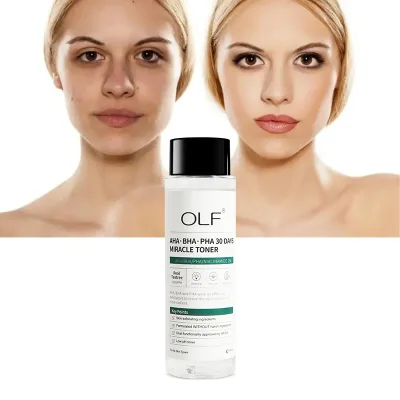
$2.8751 - $5.8536
MOQ: 100 pieces
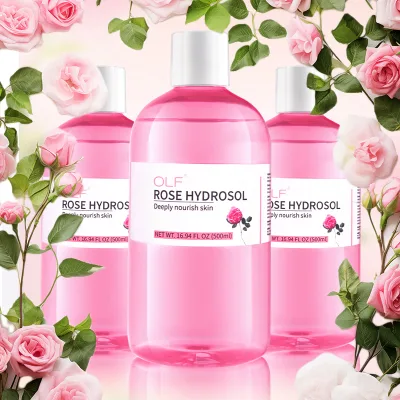
$3.9109 - $8.231
MOQ: 1 pieces
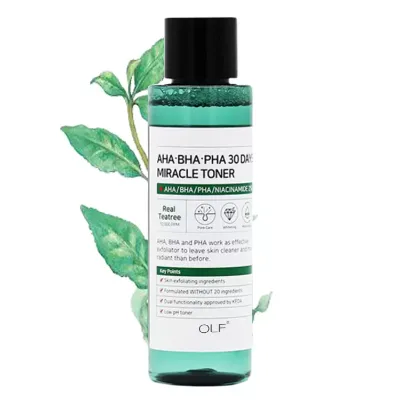
$2.8856 - $5.8731
MOQ: 2 pieces
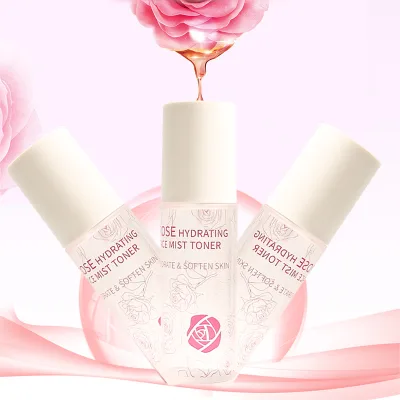
Vitamin C Bright Face Toner Oem for Hyperpigmentation Exfoliating Brightening Rose Water Hydrosol
$2.00 - $3.80
MOQ: 100 pieces

Guangzhou Lilytown Bio-Tech Co., Ltd.
- Manufacturer, Trading Company
- Guangdong, China
- Lead time15 days
- Avg. response≤ 6h
Main productsskin care products,face body care,essential oil,handmade soap,make-up
Main marketsWestern Europe(40.00%), North America(40.00%), Northern Europe(5.00%), Eastern Europe(5.00%), Oceania(5.00%), Southeast Asia(5.00%)
Shenzhen Beauty Swan Tech Co., Limited
- Verified by TüVRheinland
- Trading Company
- Lead time0 days
- Avg. response≤ 2h
Main productsLipgloss, Foundation, Face Serum, Face Mask, Facial Cleanser
Main marketsNorth America(50%), Africa(20%), South America(10%)
Ausmetics Daily Chemicals (Guangzhou) Co., Ltd.
- Verified by TüVRheinland
- Manufacturer, Trading Company
- Lead time40 days
- Avg. response≤ 8h
Main productsSkin Care, Bath & Body Care, Hair Care, Mom & Baby Care, Disinfectant
Main marketsDomestic Market(40%), Eastern Europe(10%), Western Europe(8%)

GUANGZHOU BANGTING COSMETICS CO., LTD.
- Verified by TUVRHEINLAND
- Combined
- China Guangdong
- Lead time30 days
- Avg. response≤ 14h
Main productsFacial Cleansing Products, Facial Care, Eye Care, Collagen Eye Mask, Shampoo, Hair Mask, Eye Cream, Hair Essential Oil, Shower Gel, Body Lotion
Main marketsSoutheast Asia/ Mideast

$1.98 - $2.76
MOQ: 100 pieces


Foshan Blackbird Trading Co., Ltd.
- Trading Company
- Guangdong, China
- Lead time30 days
- Avg. response≤ 13h
Main productsFacial Care/Lip & Oral Care/Hair & Scalp Care/Body Care/Self Tan
Main marketsNorth America(45.00%), Western Europe(25.00%), Oceania(10.00%), Central America(10.00%), Northern Europe(5.00%), Mid East(5.00%)

Guangzhou Yiyi Biotechnology Co., Ltd.
- Verified by BV
- Trading Company,Manufacturer/Factory
- China Guangdong
- Lead time45 days
- Avg. response≤ 3h
Main productsSkin Care, Hair Care, Body Care
Main marketsSouth America,Eastern Europe,Mid East,North America,Southeast Asia,Eastern Asia,Oceania,Western Europe,Africa


Plant Extracts Soothing Hydrating Face Toner Reduces Redness and Discomfort Skin Care
$1.80 - $2.50
MOQ: 5000 Pieces

$0.91 - $1.32
MOQ: 1000 Pieces
Guangzhou Fuan Cosmetics Co., Ltd.
- Manufacturer, Trading Company
- Guangdong, China
- Lead time20 days
- Avg. response≤ 3h
Main productsFace Care,Body Care,Hair Care,Makeup,Men Care
Main marketsNorth America(60.00%), Southeast Asia(20.00%), Northern Europe(6.00%), Mid East(5.00%), Eastern Europe(3.00%), South Asia(2.00%), South America(2.00%), Central America(2.00%)
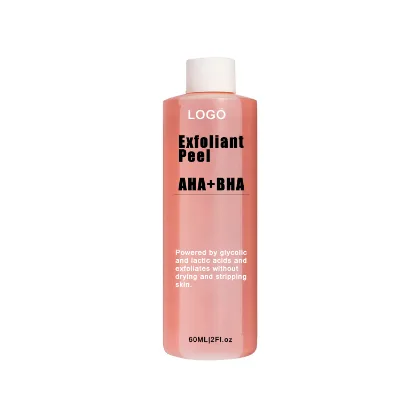
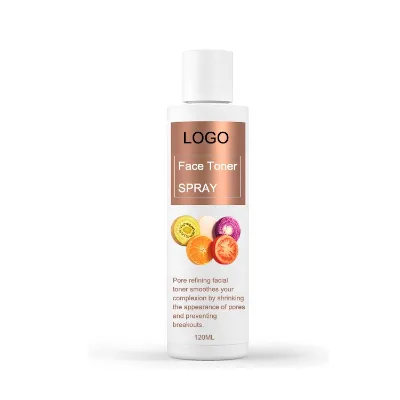
Glow Tonic Soothing Nourishing Skin Care Face Toner Skin Toner (new)
$1.3161 - $1.7283
MOQ: 1000 pieces
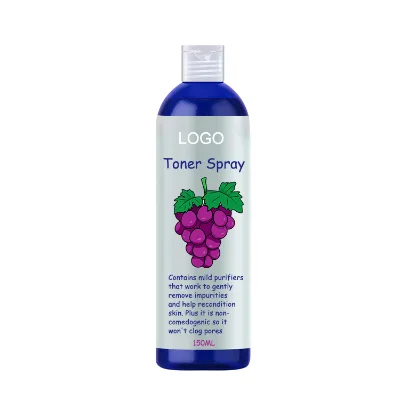
New Style Hot Selling Exfoliating Skin Balancing Toner Astringent Toner
$1.28 - $1.68
MOQ: 1000 pieces
Foshan Bonnieco Biotechnology Co., Ltd.
- Verified by SGS Group
- Manufacturer, Trading Company
- Lead time0 days
- Avg. response≤ 5h
Main productsSkin Care Set, Face Care, Body Care, Eyes Care, Hands & Feet Care
Main marketsEastern Europe(35%), Southeast Asia(20%), Africa(20%)
$1.4106 - $1.6369
MOQ: 1000 pieces
Ji'an Langjian Medical Supplies Co., Ltd.
- Trading Company
- Jiangxi, China
- Lead time30 days
- Avg. response≤ 1h
Main productsbody care,hair care,Skin Care,face care,essential oil
Main marketsSouthern Europe(14.00%), Africa(12.00%), South Asia(12.00%), Western Europe(12.00%), Eastern Asia(12.00%), Northern Europe(9.00%), South America(7.00%), Southeast Asia(6.00%), Eastern Europe(6.00%), Mid East(6.00%), North America(2.00%), Central America(1.00%), Oceania(1.00%)

Guangzhou EmbAroma Cosmetics Co., Ltd.
- Verified by BV
- Trading Company
- China Guangdong
- Lead time30 days
- Avg. response≤ 3h
Main productsSkincare, Cleanser, Moisturizer, Sunscreen, Toner, Serum, Exfoliant, Body Lotion, Hand Cream, Essential Oil
Main marketsDomestic


Vitamin C Facial Skin Toner Moisturizing Brightening Pore Tightening Whitening Face Toner
$0.78 - $0.90
MOQ: 192 Pieces

Hot Selling Customized Logo Face Care Brightening Anti-Acne Vitamin C Skin Toner
$0.78 - $0.90
MOQ: 192 Pieces
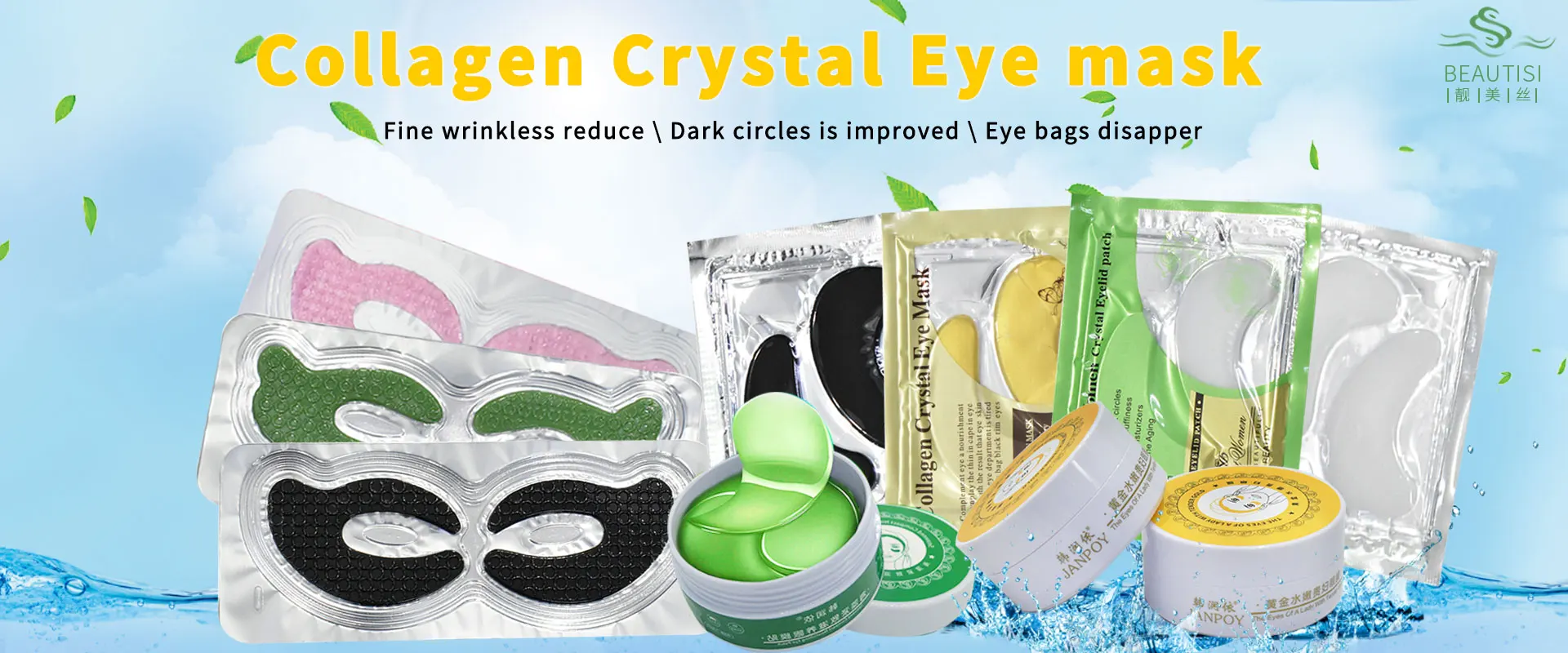
Guangzhou Weixin Biotechnology Co., Ltd.
- Manufacturer, Trading Company
- Guangdong, China
- Lead time10 days
- Avg. response≤ 2h
Main productsFacial Mask,Lip Mask,Body Scrub,Eye Mask,Hand And Foot Skin Care
Main marketsEastern Europe(20.00%), Domestic Market(16.00%), South America(15.00%), North America(10.00%), Southeast Asia(8.00%), South Asia(8.00%), Central America(5.00%), Southern Europe(5.00%), Africa(5.00%), Eastern Asia(3.00%), Mid East(2.00%), Northern Europe(2.00%), Western Europe(1.00%)
Guangzhou Fantesy Biotechnology Co., Ltd.
- Verified by TüVRheinland
- Manufacturer, Trading Company
- Lead time0 days
- Avg. response≤ 5h
Main productsFace Cream, Tanning Care, Eye Mask, Soap, Sunscreen Care
Main marketsNorth America(27%), Northern Europe(15%), Eastern Europe(12%)
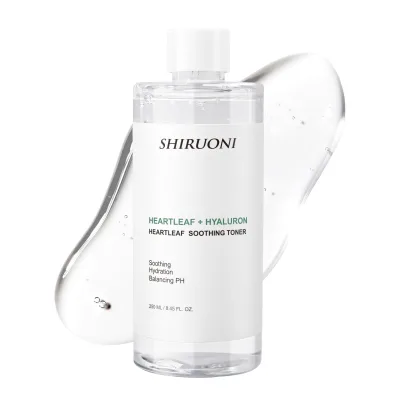
Private Label Face Toner Lightweight Hydrating Calming Refreshing Ph 5.5 Heartleaf Soothing Toner
$1.9532 - $2.2605
MOQ: 1 pieces
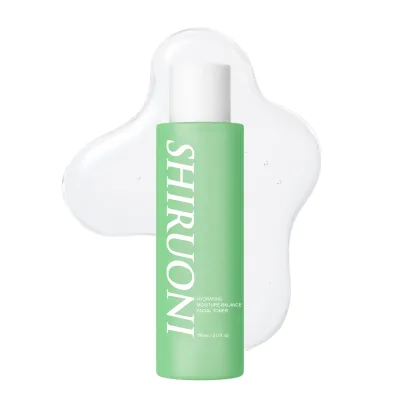
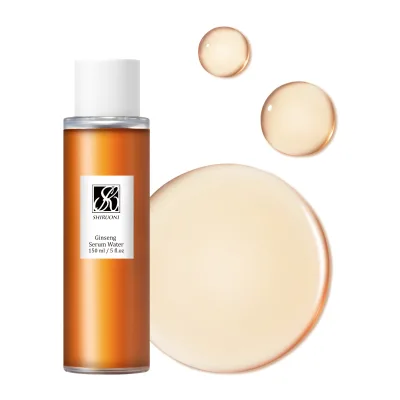
Facial Toner Rejuvenating Repair Fine Lines Deep Hydration Hydrating Niacinamide Ginseng Serum Water
$1.9532 - $2.5693
MOQ: 1 pieces
Guangzhou Dolai Cosmetics Co., Ltd.
- Verified by SGS Group
- Trading Company
- Lead time15 days
- Avg. response≤ 4h
Main productsSkin Care, Body Care, Hand and Foot Care, Facial Mask, Cosmetics
Main marketsNorth America(30%), Western Europe(20%), Southeast Asia(11%)
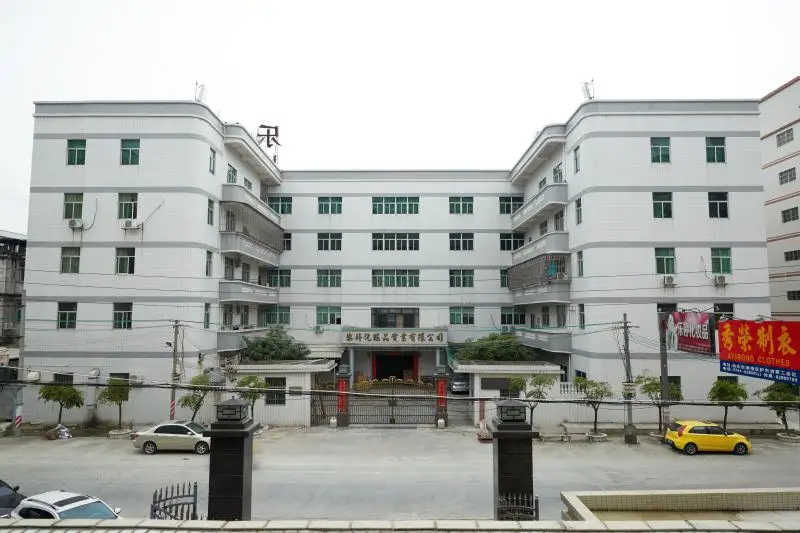
Guangdong Leting Cosmetics Industry Co., Ltd.
- Manufacturer
- Guangdong, China
- Lead time35 days
- Avg. response≤ 6h
Main productsOlive Massage Baby Oil, Shower Gel Children's Refreshing, Body Lotion Children's Moisturize, Moist Cream Sea Buckthorn Serum, Turmeric Deeply Cleanses Shampoo
Main marketsDomestic Market(88.00%), North America(2.00%), Western Europe(2.00%), Eastern Asia(2.00%), Mid East(2.00%), Southeast Asia(2.00%), Oceania(1.00%), Eastern Europe(1.00%)
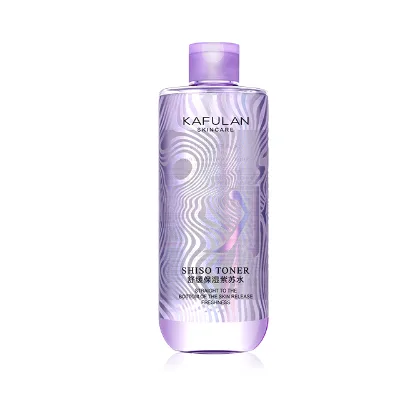
$0.778 - $1.0268
MOQ: 500 pieces
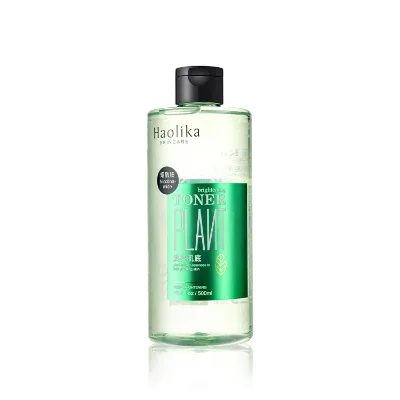
$1.4255 - $2.3789
MOQ: 500 pieces
Guangzhou Hisun Health Technology Co., Ltd.
- Verified by SGS Group
- Trading Company
- Lead time3 days
- Avg. response≤ 3h
Main productsWhitening Cream, Face Serum, Face Mask, Sunscreen, Beard Oil
Main marketsNorth America(25%), Africa(20%), South Asia(12%)
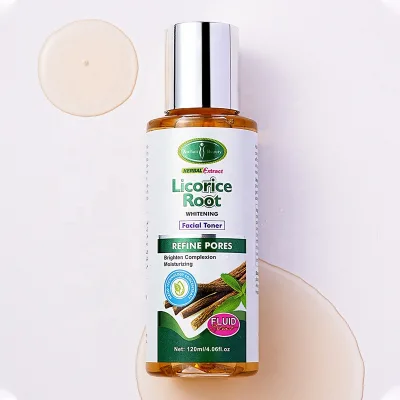
$0.7525 - $1.4405
MOQ: 48 pieces
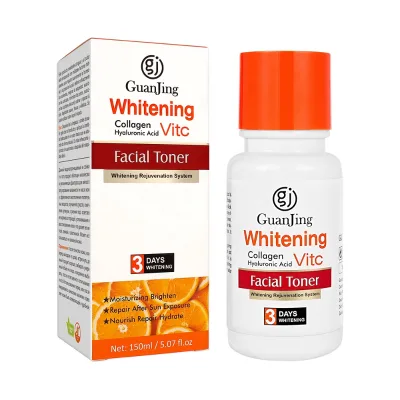
$0.7465 - $1.3266
MOQ: 48 pieces
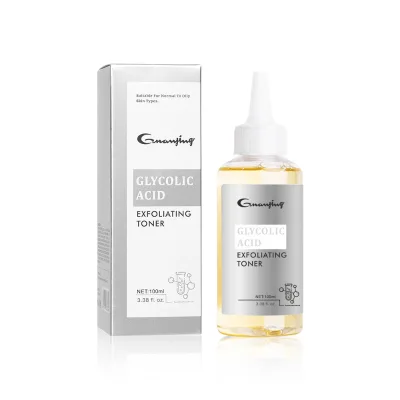
$0.6431 - $1.3056
MOQ: 48 pieces
Tianjin Haoyang Commercial Co., Ltd.
- Manufacturer, Trading Company
- Tianjin, China
- Lead time90 days
- Avg. response≤ 4h
Main productsGold eye mask,skin care serum,foot mask,jade roller,stretch cream
Main marketsNorth America(50.00%), South America(15.00%), Northern Europe(10.00%), Western Europe(10.00%), Eastern Europe(5.00%), Central America(5.00%), Africa(2.00%), Eastern Asia(2.00%), Domestic Market(1.00%)
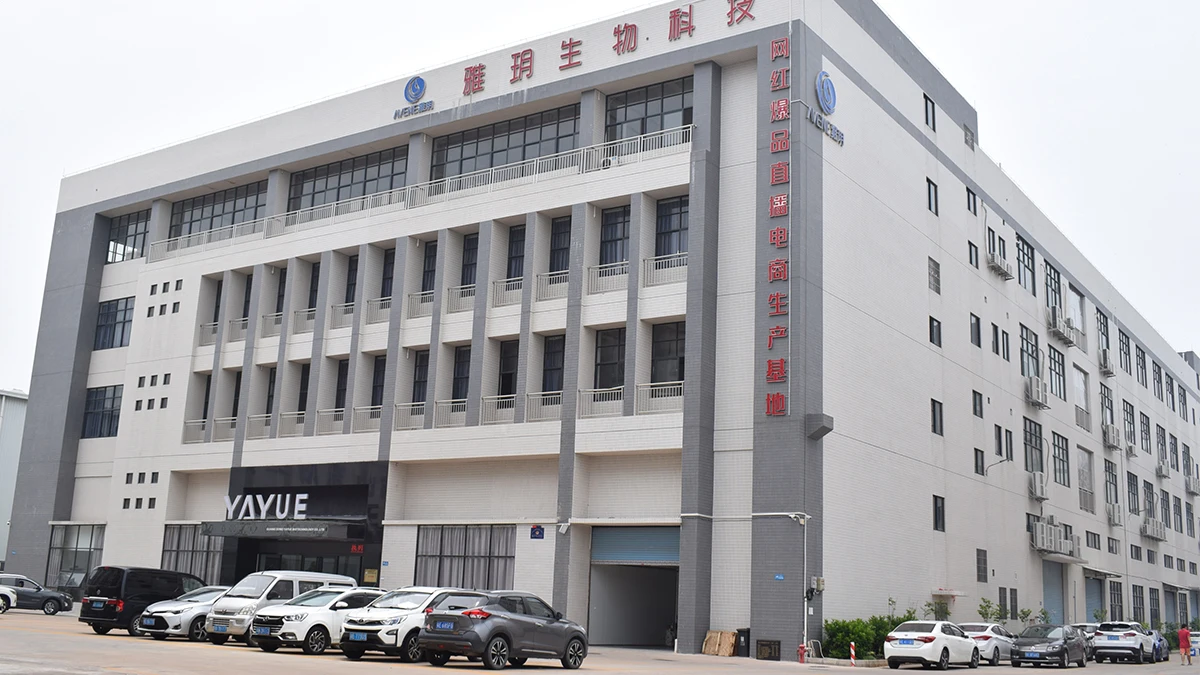
Foshan Yalaiyue Biotechnology Co., Ltd.
- Manufacturer, Trading Company
- Guangdong, China
- Lead time15 days
- Avg. response≤ 2h
Main productsSerum,Miconeedling,Deodorant & Antiperspirant,Cream Stick,Soft Capsule
Main marketsNorth America(25.00%), Southeast Asia(20.00%), Western Europe(13.00%), Northern Europe(10.00%), Domestic Market(10.00%), Mid East(5.00%), South America(5.00%), South Asia(3.00%), Africa(2.00%), Eastern Asia(2.00%), Southern Europe(2.00%), Oceania(1.00%), Central America(1.00%), Eastern Europe(1.00%)
Guangzhou Kaiyuan Biotechnology Co., Ltd.
- Verified by SGS Group
- Trading Company
- Lead time15 days
- Avg. response≤ 2h
Main productsFacial Mask, Serum, Face Cream, Toner
Main marketsNorth America(48%), South America(24%), Eastern Europe(16%)
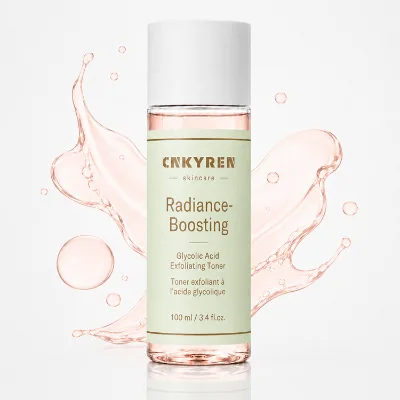
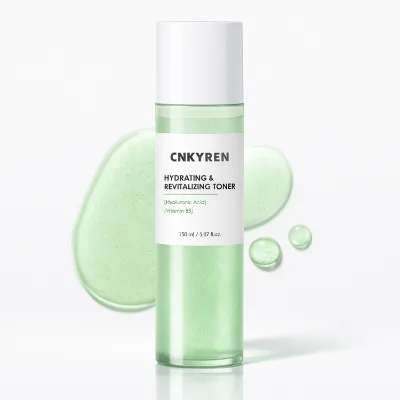
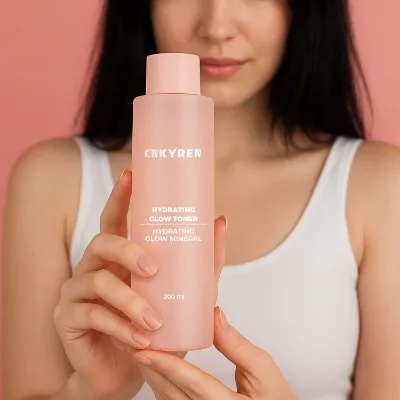
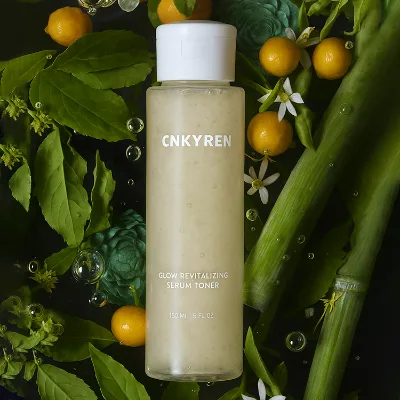
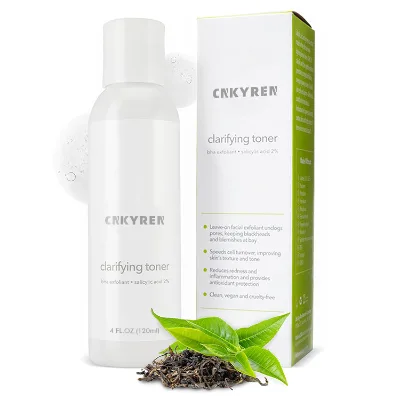
$1.20 - $2.50
MOQ: 100 pieces

Guangzhou Runqi Biotechnology Co., Ltd.
- Verified by BV
- Trading Company
- China Guangdong
- Lead time23 days
- Avg. response≤ 2h
Main marketsAfrica,Southeast Asia/ Mideast,Europe,North America

Hydrating Facial Soft Essence Toner Skin Comforting Toner, Private Label OEM Wholesale
$4.21 - $5.70
MOQ: 3000 Pieces

Moisturizing Toner Refreshing Soothing Facial Water, Private Label OEM Wholesale
$4.21 - $5.70
MOQ: 3000 Pieces

Sanli Biotechnology (Dalian) Co., Ltd
- Verified by SGS
- Combined
- China Liaoning
- Lead time15 days
- Avg. response≤ 6h
Main productsSkin Care Product
Main marketsDomestic


$44.57 - $58.29
MOQ: 100 kg
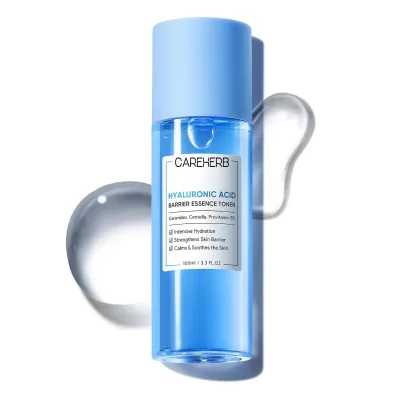
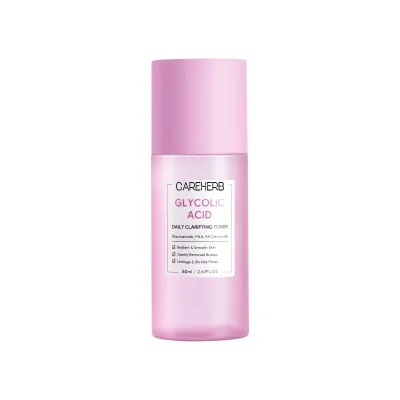
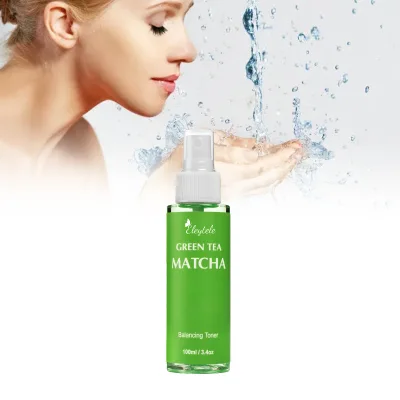
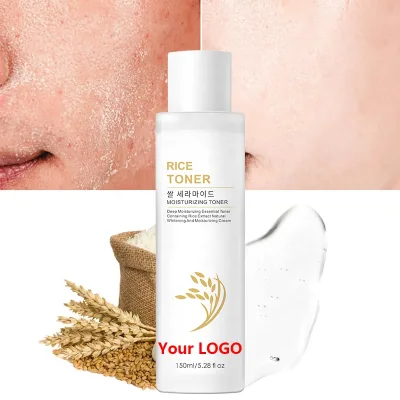
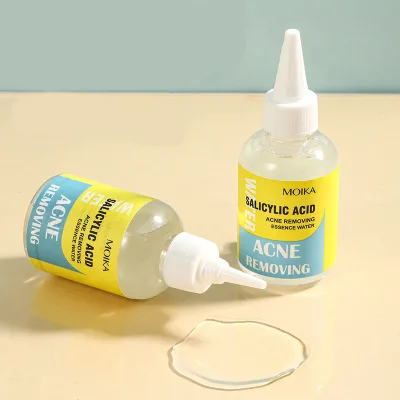
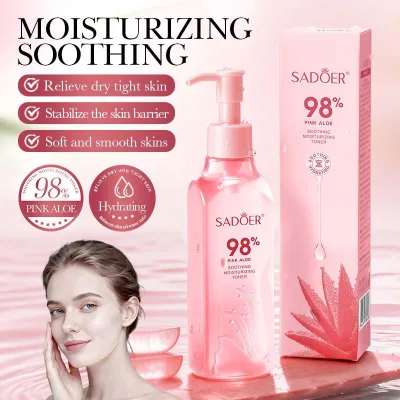
Comprehensive Sourcing Guide
Natural Hydrating Facial Toner Supplier Concentration and Factory Types
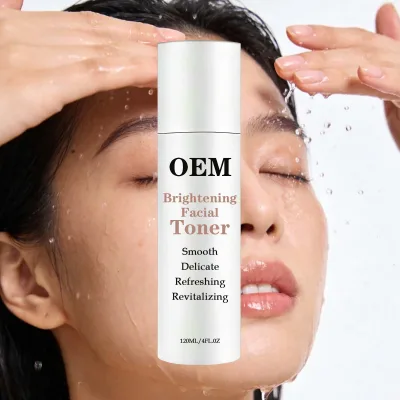
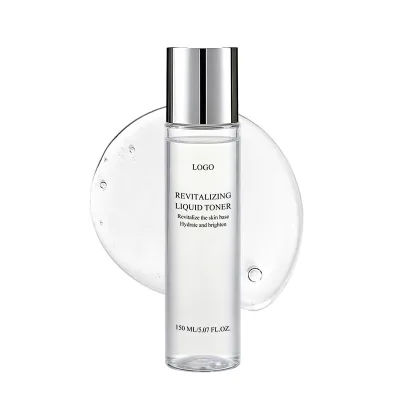
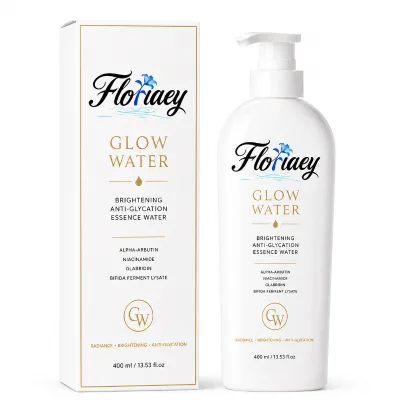
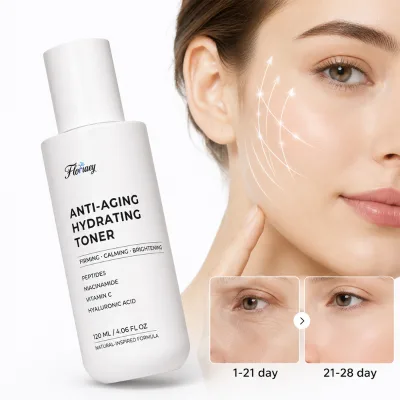
The current supplier landscape for Natural Hydrating Facial Toner reveals a distinct concentration of manufacturing and trading entities within China, specifically in the Guangdong region. This geographic clustering is significant for buyers seeking efficient supply chains, as it indicates a mature ecosystem for cosmetic production. The available data confirms that suppliers are located in China Guangdong, which serves as a primary hub for beauty product manufacturing. This location advantage often correlates with established infrastructure for raw material sourcing, particularly for botanical extracts like ginseng and rose, which are frequently highlighted in product keywords such as "Ginseng Face Toner" and "Rose Water Spray." Buyers evaluating this market should recognize that Guangdong-based facilities often benefit from proximity to ports and specialized logistics networks, potentially reducing transit times for international orders. However, the presence of suppliers in this region does not automatically guarantee uniform quality or pricing structures. The concentration also suggests a high level of competition, which can drive innovation in private labeling and customization options. Buyers must navigate this density by carefully distinguishing between pure manufacturers and trading companies, as the latter may offer broader product ranges but potentially less direct control over production processes. Understanding this geographic reality helps in setting realistic expectations for communication, sample delivery, and overall project management when engaging with suppliers from this specific industrial cluster.
Supplier types in this sector vary significantly, ranging from combined entities to dedicated manufacturers and factories. The observed data indicates a mix of company types, including "Combined," "Manufacturer/Factory," and combinations of "Manufacturer, Trading Company." This diversity impacts the buyer’s sourcing strategy, as each type offers different advantages regarding flexibility, cost, and quality assurance. For instance, combined companies may provide a one-stop solution for various skin care needs, including body care and hair care products, alongside facial toners. In contrast, dedicated manufacturers might offer deeper expertise in specific formulations, such as alcohol-free ginseng toners or hyaluronic acid-based hydrating essences. The presence of OEM and ODM capabilities across these supplier types highlights the industry’s readiness for private label development. Buyers should assess whether their brand requires extensive customization, such as unique packaging or specific ingredient profiles, or if they are satisfied with existing formulations. The variation in supplier types also influences the level of direct interaction with production teams. Manufacturers typically allow for more transparent oversight of the manufacturing process, while trading companies may streamline communication but act as intermediaries. Recognizing these structural differences is crucial for aligning supplier selection with specific business goals, whether they prioritize cost efficiency, speed to market, or product uniqueness.
How to Verify Natural Hydrating Facial Toner Suppliers
Verification is a critical step in mitigating risk when sourcing natural hydrating facial toners, as the beauty industry is subject to stringent regulatory requirements. Buyers should prioritize suppliers who display robust third-party verification badges, as these indicate a higher level of trust and operational transparency. The available data shows that some suppliers hold BV (Bureau Veritas) verification, while others are verified by TÜV Rheinland or SGS Group. These certifications serve as independent validations of a supplier’s business legitimacy and operational capabilities. Additionally, system certifications such as GMP (Good Manufacturing Practice) and HALAL are prominently featured, signaling adherence to specific quality and safety standards. GMP certification, in particular, is essential for cosmetic manufacturers, as it ensures that products are consistently produced and controlled according to quality standards. Buyers should actively seek out suppliers with these verifications, as they reduce the likelihood of encountering fraudulent or substandard operations. It is important to note that verification badges are not static; they may expire or be revoked, so buyers should confirm the current status of these credentials before finalizing any agreements. The presence of multiple verification layers, such as both business verification and product-specific certifications, provides a more comprehensive picture of a supplier’s reliability.
Beyond verification badges, buyers must scrutinize the specific certifications listed for individual products to ensure compliance with their target markets. The data indicates that many facial toners carry certifications such as CE, FDA, GMP, and MSDS. These labels suggest that the products have undergone testing for safety and efficacy, although the specific testing protocols may vary by region. For example, FDA registration is crucial for suppliers targeting the United States market, while CE marking is necessary for European Union compliance. Buyers should request copies of these certificates and verify their authenticity directly with the issuing bodies. Furthermore, the availability of free samples is a key indicator of supplier confidence and willingness to engage. Many suppliers offer samples within a week, allowing buyers to assess product quality, texture, and scent before committing to larger orders. This practice enables buyers to validate claims about ingredients, such as the presence of ginseng or hyaluronic acid, through direct sensory evaluation. Additionally, buyers should inquire about the validity period of the products, as the data suggests a standard shelf life of three years. Understanding these verification mechanisms helps buyers build a secure supply chain, ensuring that the natural hydrating facial toners they source meet both regulatory requirements and brand quality standards.
What to Compare Across Natural Hydrating Facial Toner Suppliers
When evaluating potential suppliers, buyers must compare key operational metrics to determine the best fit for their business needs. One of the most critical factors is the lead time, which varies significantly among suppliers. The data shows lead times ranging from 15 days to 30 days, depending on the supplier’s capacity and current order volume. Shorter lead times, such as 15 days, are advantageous for buyers seeking rapid restocking or responding to seasonal demand spikes. In contrast, longer lead times may indicate higher production complexity or limited capacity. Buyers should align their inventory planning with these lead times to avoid stockouts or excess inventory. Additionally, response time is a vital indicator of supplier professionalism and communication efficiency. The observed response times range from 0.82 hours to 8.42 hours, with faster responses often correlating with better customer service. A quick response time suggests that the supplier is attentive and capable of addressing queries or resolving issues promptly. Buyers should prioritize suppliers with shorter response times, as this can significantly streamline the negotiation and order placement process. Comparing these operational metrics helps buyers identify suppliers who can meet their logistical requirements and maintain smooth communication throughout the procurement cycle.
Another essential aspect of comparison is the Minimum Order Quantity (MOQ) and pricing structure, which directly impact cost efficiency and scalability. The data reveals a wide range of MOQs, from as low as 100 units to as high as 5000 units. Lower MOQs are beneficial for startups or brands testing new products, as they reduce initial investment risks. Higher MOQs, however, often come with lower unit prices, offering economies of scale for established brands. The price range for natural hydrating facial toners varies from $0.70 to $2.99 per unit, depending on factors such as ingredient quality, packaging complexity, and order volume. Buyers should analyze the price-to-MOQ ratio to determine the most cost-effective option for their specific volume requirements. Additionally, customization options, such as private labeling and custom packaging, should be compared across suppliers. The data indicates that customization is widely available, with options for logo, outer box, and product formulation. Buyers should assess the flexibility and cost implications of these customization services. Furthermore, trade terms such as EXW, FOB, CIF, CFR, DAP, and DDP influence the total landed cost and logistics responsibility. Comparing these commercial terms helps buyers understand the full scope of their procurement costs and logistical obligations. By systematically evaluating these dimensions, buyers can make informed decisions that balance cost, quality, and operational efficiency.
Common Natural Hydrating Facial Toner Sourcing Risks
Sourcing natural hydrating facial toners involves several inherent risks that buyers must proactively manage to ensure product integrity and supply chain stability. One significant risk is the variability in product quality, particularly regarding the authenticity and concentration of key ingredients such as ginseng, rose, or hyaluronic acid. While suppliers may claim their products are "organic" or "natural," these terms are not always strictly regulated, leading to potential discrepancies between marketing claims and actual formulation. Buyers should request detailed ingredient lists and third-party lab reports to verify the presence and concentration of active components. Additionally, the risk of inconsistent batch quality is heightened when working with suppliers who have high production volumes or limited quality control processes. Variations in texture, scent, or efficacy between batches can damage brand reputation and lead to customer dissatisfaction. To mitigate this risk, buyers should establish clear quality specifications and conduct regular audits or sample testing. The availability of free samples is a useful tool for initial quality assessment, but it does not guarantee consistency in mass production. Buyers must implement robust quality assurance protocols, including pre-shipment inspections and random batch testing, to maintain product standards.
Another critical risk is the potential for intellectual property infringement or unauthorized use of brand assets, especially when engaging in private label manufacturing. Suppliers with OEM/ODM capabilities may have access to sensitive brand information, including logos, packaging designs, and proprietary formulations. There is a risk that this information could be leaked or used to produce counterfeit goods for other clients. Buyers should take precautions by signing non-disclosure agreements (NDAs) and clearly defining intellectual property rights in their contracts. Additionally, the risk of supply chain disruptions due to raw material shortages or production delays is prevalent in the cosmetic industry. Fluctuations in the availability of botanical extracts or packaging materials can impact lead times and pricing. Buyers should diversify their supplier base and maintain buffer stock to mitigate these disruptions. Furthermore, regulatory compliance risks are significant, as different markets have varying requirements for cosmetic products. Suppliers may claim compliance with multiple standards, such as CE, FDA, and GMP, but buyers must verify that these certifications are valid and applicable to their target markets. Failure to comply with local regulations can result in product recalls, fines, or legal action. By identifying and addressing these risks early in the sourcing process, buyers can build a more resilient and compliant supply chain.
Natural Hydrating Facial Toner Regional Sourcing and Logistics
The geographic concentration of suppliers in China Guangdong offers distinct advantages for international buyers, particularly in terms of logistics efficiency and cost management. This region is well-connected to major global shipping routes, facilitating the export of cosmetic products to various markets. Buyers sourcing from this region can benefit from established logistics networks that specialize in handling beauty products, including temperature-controlled shipping for sensitive formulations. The proximity to ports reduces transit times and lowers freight costs, making it an attractive option for buyers seeking competitive pricing. However, buyers must also consider the complexities of international shipping, including customs clearance, import duties, and regulatory documentation. Different countries have varying requirements for cosmetic imports, such as product registration, labeling standards, and safety assessments. Buyers should work with suppliers who are experienced in exporting to their target markets and can provide necessary documentation, such as certificates of analysis and safety data sheets. Additionally, the choice of trade terms, such as FOB or CIF, determines who is responsible for shipping and insurance costs. Buyers should carefully evaluate these terms to understand their total landed cost and logistical responsibilities.
Regional sourcing also impacts the ability to manage inventory and respond to market demand. Suppliers in China Guangdong often have the capacity to handle large volumes, which is beneficial for buyers with high demand. However, buyers must account for lead times when planning their inventory levels. The data indicates lead times ranging from 15 to 30 days, which requires careful coordination to avoid stockouts. Buyers should implement just-in-time inventory strategies or maintain safety stock to buffer against potential delays. Furthermore, the regional concentration of suppliers allows for easier collaboration on product development and customization. Buyers can visit factories or conduct virtual tours to assess production capabilities and quality control measures. This direct engagement
FAQs
What certifications do natural hydrating facial toners have?
Products listed carry CE, FDA, GMP, and MSDS certifications. These standards ensure safety and quality for global markets. Buyers should verify specific certificates for their target region before placing large orders to ensure compliance with local regulations.
What is the typical lead time for custom orders?
Lead times vary between 15 and 30 days depending on the supplier. Some manufacturers offer faster turnaround of 15 days for standard items. Customization requests may extend the production schedule, so confirm the exact timeline before finalizing the purchase agreement.
What are the minimum order quantities for private label toners?
Minimum order quantities range from 100 units to 5000 units per product. Lower MOQs like 100 are available for specific items, while bulk orders often require 3000 or 5000 units. Buyers should check the specific product page for the exact threshold.
Are samples available for natural hydrating facial toners?
Free samples are available for most products listed on the platform. Sample preparation typically takes within one week. Buyers can request these to test texture and efficacy before committing to a larger production run or custom packaging arrangement.
What is the price range for private label facial toners?
Unit prices generally range from 0.70 to 2.99 USD depending on volume and formulation. Specific products like ginseng toners start around 1.80 USD, while specialized formulas may cost up to 2.99 USD. Final pricing depends on the selected quantity and customization level.
Where are these toner manufacturers located?
Most suppliers are located in Guangdong, China. This region is a major hub for cosmetic manufacturing with established supply chains. Buyers can expect efficient logistics from this location, though shipping costs will vary based on the final destination country.
Do suppliers offer OEM and ODM services?
Yes, most manufacturers provide both OEM and ODM capabilities. Buyers can customize formulas, packaging, and branding to meet specific market needs. This flexibility allows brands to create unique products without developing their own manufacturing facilities from scratch.
How quickly do suppliers respond to inquiries?
Response times vary, with some suppliers replying within less than one hour. Others may take up to 8.42 hours to respond to initial messages. Faster response times often indicate higher availability and readiness to discuss project details immediately.