Natural Nourishing Shampoo Suppliers and Manufacturers
Discover 19 verified suppliers offering Natural Nourishing Shampoo with ODM and OEM capabilities. Compare dimensions including location, lead times, certifications, and response times to find the right partner. Contact suppliers directly to request quotes and samples; review the available evidence before requesting comparable quotations from suitable candidates.
Suppliers List

Hangzhou Huiji Biotechnology Co., Ltd.
- Verified by BV
- Combined
- China Zhejiang
- Lead time30 days
- Avg. response≤ 6h
Main productsShampoo, Detergent, Dish Washing, Hand Liquid Soap, Air Freshener, Conditioner, Urinal Block, Shower Gel, Glass Cleaner, Floor Cleaner
Main marketsSouth America,Africa,Southeast Asia/ Mideast,East Asia(Japan/ South Korea),Domestic,Europe,Australia,North America

Herbal Essence Shampoo Natural Plant Shampoo Nourishing Hair Root Shampoo
$1.00 - $1.20
MOQ: 5000 Pieces


Suzhou Darpool Import and Export Co., Ltd.
- Verified by BV
- Trading Company
- China Jiangsu
- Lead time15 days
- Avg. response≤ 2h
Main productsShampoo, Body Lotion
Main marketsSoutheast Asia/ Mideast


Natural Organic Hair Growth Shampoo with Biotin to Strengthen Roots and Reduce Hair Loss Effectively
$0.40 - $0.60
MOQ: 5000 Pieces

Nourishing Shampoo for Dry Hair Infuses Moisture to Combat Brittleness and Restore Softness
$0.40 - $0.60
MOQ: 5000 Pieces

Yangzhou Nano Aviation Technology Co., Ltd.
- Verified by SGS
- Combined
- China Jiangsu
- Lead time15 days
- Avg. response≤ 2h
Main marketsSoutheast Asia/ Mideast,Domestic

Guangzhou Mebamy Cosmetics Co., Ltd.
- Verified by TUVRHEINLAND
- Manufacturer/Factory
- China Guangdong
- Lead time15 days
- Avg. response≤ 5h
Main productsFace Serum, Soap, Face Cream, Sunscreen, Eyelash Growth Serum, Teeth Whitening, Face Mask, Facial Cleanser, Essential Oil, Hair Care Series
Main marketsNorth America,Western Europe
Guangzhou Yucaitang Cosmetics Co., Ltd.
- Manufacturer, Trading Company
- Lead time旺季: "1 - 3000":3,"3001 - 30000":25,"> 30000":"To be negotiated", 淡季: "1 - 3000":3,"3001 - 30000":25,"> 30000":"To be negotiated"
- Avg. response≤ 3h
Main productsHair Dye Shampoo, Hair Building Fibers, Anti-hair Loss Shampoo, Hair Color Cream, Argan Oil
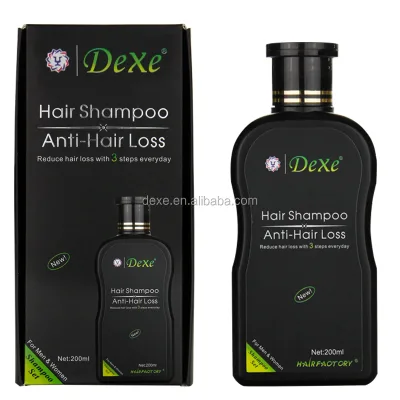
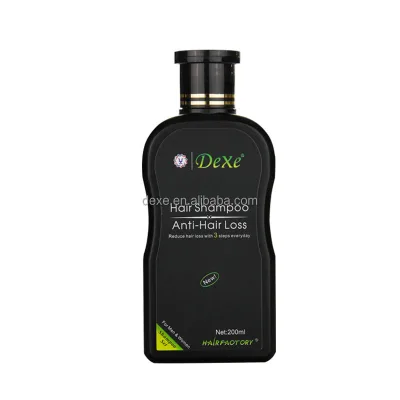
Natural Organic Anti Hair Loss Shampoo
$1.03 - $1.43

Guangdong Boda Cosmetics Co,.Ltd.
- Verified by BV
- Manufacturer/Factory
- China Guangdong
- Lead time23 days
- Avg. response≤ 6h
Main productsHair Bleaching Powder, Hair Dye, Hair Care, Shampoo, Hair Conditioner, Hair Bleach Cream, Silver Shampoo, Olaplex, Hair Perm, Hair Mask
Main marketsSouth America,Eastern Europe,Mid East,North America,Southeast Asia,Eastern Asia,Oceania,Western Europe,Africa


400ml Sulfate-Free Color Protection Shampoo for Nourishing Hair and Scalp
$1.71 - $2.45
MOQ: 24 Pieces
NANTONG TIANLAN COSMETICS CO., LTD.
- Combined
- China Jiangsu
- Lead time30 days
- Avg. response≤ 13h
Main productsSkin Whitening Cream, Toothpaste, Shampoo, Essential Balm, Balm, Cosmetics, Cream, Baby Powder, Inhaler, Hair Relaxer
Main marketsSouth America,Africa,Southeast Asia/ Mideast

MOQ: 30000 Pieces

MOQ: 30000 Pieces

MOQ: 30000 Pieces
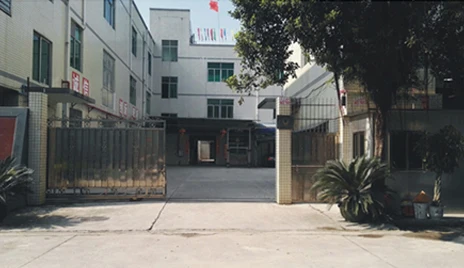
Guangzhou Colordream Cosmetics Factory
- Manufacturer, Trading Company
- Guangdong, China
- Lead time15 days
- Avg. response≤ 8h
Main productsConditioner, Hair Color Cream, Shampoo, Hair Perm, Hair Oil
Main marketsDomestic Market(35.00%), Southeast Asia(30.00%), North America(20.00%), South America(10.00%), Africa(5.00%)
Guangzhou Sun Young Cosmetics Co., Ltd.
- Verified by SGS Group
- Trading Company
- Lead time0 days
Main productsHair Care, Hair Dye, Hair Styling, Body Care, Hair Treatment

Guangzhou Kanglixin Medical Biotechnology Co, Ltd.
- Verified by TUVRHEINLAND
- Manufacturer/Factory
- China Guangdong
- Lead time23 days
- Avg. response≤ 10h
Main productsSkin Care Products, Body Care, Hair Care Products, Makeup, Men's Care Products, Ferminine Care Products, Serum, Facial Mask, Face Cream, Scrub
Main marketsSouth America,Eastern Europe,Mid East,North America,Southeast Asia,Eastern Asia,Oceania,Western Europe,Africa

$1.50 - $2.00
MOQ: 1000 pieces

Natural Repairing Nourishing Hair Shampoo Conditioner Natural Keratin Hair Conditioner Shampoo Set
$2.20 - $2.50
MOQ: 3000 Sets

Guangzhou Beaver Cosmetic Co., Ltd.
- Verified by BV
- Combined
- China Guangdong
- Lead time30 days
- Avg. response≤ 4h
Main productsHair Care, Hair Styling, Hair Building Fiber, Hair Smoothing Treatment, Body Care, Hand Care, Pet Care
Main marketsAfrica,Others(foreignTradeCapacity.exportBusinessCapacityMarketOther),Southeast Asia/ Mideast,East Asia(Japan/ South Korea),Europe,Australia,North America

Zhejiang Jifu Daily Chemical Co., Ltd
- Verified by SGS
- Combined
- China Zhejiang
- Lead time30 days
- Avg. response≤ 3h
Main productsDetergent, Laundry Detergent, Shampoo, Liquid Hand Soap, Hand Sanitizer, Softner, Shower Gel, Body Wash, Dishwash Detergent, Conditioner
Main marketsSouth America,Africa,East Asia(Japan/ South Korea),Domestic,Australia,North America

Black Hair Shampoo & Hair Dye Shampoo for Natural Hair Color, Hair Care, and Hair Treatment
$1.51 - $4.98
MOQ: 10000 Pieces


Linyi Wobel Pet Supply Co., Ltd.
- Verified by SGS
- Trading Company
- China Shandong
- Lead time15 days
- Avg. response≤ 2h
Main productsPet Supply, Pet Shower Gel, Pet Hair Conditioner, Pet Deodorizing Spray, Pet Oral Cleansing Products, Pet Local Cleaning Care Products, Pet Training Products, Pet Disposable Products, Pet Care, Pet Shampoo
Main marketsDomestic,Europe

Wobel Natural Herbal Shampoo Provides Gentle Yet Multi-Functional Cleansing and Conditioning.
$2.24 - $3.14
MOQ: 500 Pieces

Wobel Natural Herbal Shampoo Uses an Environmentally Friendly Herbal Formula.
$2.24 - $3.14
MOQ: 500 Pieces

Yangzhou Aplus Amenities International Co., Ltd.
- Verified by TUVRHEINLAND
- Combined
- China Jiangsu
- Lead time30 days
- Avg. response≤ 3h
Main productsHotel Amenity, Hotel Linen, Hotel Slipper, Hotel Soap, Hotel Shampoo, Hotel Shower Gel, Hotel Leather Products, Hotel Resin Tray, Plastic Tube, Plastic Bottle
Main marketsSoutheast Asia/ Mideast,Domestic,North America
Guangzhou Enpir Cosmetics Co., Ltd.
- Manufacturer
- Guangdong, China
- Lead time10 days
- Avg. response≤ 9h
Main productshair care products,argan oil products,keratin treatment,shampoo,hair conditioner
Main marketsDomestic Market(50.00%), Mid East(10.00%), Southeast Asia(10.00%), Eastern Europe(10.00%), South Asia(10.00%), North America(5.00%), South America(5.00%)

Guangzhou Yiyi Biotechnology Co., Ltd.
- Verified by BV
- Trading Company,Manufacturer/Factory
- China Guangdong
- Lead time45 days
- Avg. response≤ 4h
Main productsSkin Care, Hair Care, Body Care
Main marketsSouth America,Eastern Europe,Mid East,North America,Southeast Asia,Eastern Asia,Oceania,Western Europe,Africa

Yangzhou Yuezi Import & Export Co., Ltd.
- Trading Company
- China Jiangsu
- Lead time0 days
- Avg. response≤ 19h
Main productsHotel Shampoo, Bath Gel, Conditioner, Body Lotion

Yangzhou Shitong Hotel Supply Co., Ltd.
- Combined
- China Jiangsu
- Lead time15 days
- Avg. response≤ 2h
Main productsHotel Amenity, Hotel Slipper, Hotel Shampoo
Main marketsSoutheast Asia/ Mideast,Domestic
Guangzhou Chuyu Cosmetics Co., Ltd.
- Manufacturer, Trading Company
- Lead time旺季: "1 - 5000":7,"> 5000":"To be negotiated", 淡季: "1 - 5000":7,"> 5000":"To be negotiated"
- Avg. response≤ 2h
Main productsFacial Mask, Foot Mask, Facial Serum, Hair Care/Skin Care, Makeup/Bath Salt






Comprehensive Sourcing Guide
Natural Nourishing Shampoo Supplier Concentration and Factory Types
Current data indicates a concentration of manufacturing capabilities within China, specifically highlighting Zhejiang and Jiangsu provinces as key operational hubs for this category. Suppliers in these regions often operate as combined entities or trading companies, offering a mix of direct manufacturing and sourcing services. The Zhejiang cluster appears to feature companies with significant ODM and OEM capacities, suggesting a robust infrastructure for custom formulation and private label production. These facilities frequently list main products that extend beyond shampoo to include detergents, conditioners, and various household cleaning agents, indicating a versatile production line capable of handling diverse personal care and hygiene needs.
In contrast, suppliers located in Jiangsu may present a different operational profile, often identified as trading companies rather than direct manufacturers. This distinction is critical for buyers seeking specific factory controls versus those prioritizing a broader product portfolio. While some entities in the dataset display combined company types, others are explicitly categorized as trading firms, which may influence the depth of technical support available for complex formulations. Buyers should verify the specific nature of the entity to understand whether they are engaging with a production floor or a procurement intermediary. The presence of ISO9001:2015 certification among some suppliers suggests a baseline commitment to quality management systems, though this should be confirmed against the specific facility handling the order.
How to Verify Natural Nourishing Shampoo Suppliers
Verification of supplier credibility relies heavily on third-party validation and specific credential checks rather than self-reported claims. The dataset confirms that certain suppliers hold BV verification status, which serves as a tangible indicator of business legitimacy and operational stability. When evaluating potential partners, buyers must prioritize those with verified badges or certifications that align with industry standards. Additionally, the presence of specific product standards such as ISO, SGS, and GMPC (ISO22716:2007) in product attributes provides a layer of assurance regarding manufacturing hygiene and safety protocols. These standards are particularly relevant for natural and herbal formulations where ingredient integrity and production cleanliness are paramount.
Beyond certifications, response time serves as a practical metric for assessing supplier engagement and reliability. Data points show response times varying significantly, with some suppliers demonstrating a rapid 1.84-hour turnaround while others operate on a 5.11-hour cycle. A faster response time often correlates with better communication channels and a more active sales team, which is essential for resolving technical queries regarding natural ingredients or custom formulations. Buyers should also scrutinize the customization availability listed in product attributes, as this confirms the supplier's ability to adapt to specific brand requirements. Verifying that a supplier explicitly states customization is available ensures they possess the necessary flexibility for private label projects, rather than offering only generic stock items.
What to Compare Across Natural Nourishing Shampoo Suppliers
When comparing suppliers, lead time and minimum order quantity (MOQ) are primary differentiators that directly impact inventory planning and cash flow. The observed data reveals a wide range in lead times, with some suppliers offering a 15-day turnaround while others require 30 days. Similarly, MOQs vary from as low as 1 unit to 5,000 units, depending on the specific product configuration and supplier type. A trading company might offer lower MOQs to attract smaller buyers, whereas a factory with high ODM capacity may enforce higher volume thresholds to justify production setup costs. Buyers must align these constraints with their own sales forecasts to avoid overstocking or stockouts, ensuring the chosen supplier can meet volume requirements without excessive financial risk.
Price and product specifications also require careful cross-referencing to ensure value alignment. The dataset indicates price ranges from $0.30 to $1.20 per unit, with variations driven by factors such as ingredient composition, packaging type, and volume. Some products are listed as herbal or plant-based, while others utilize chemical ingredients, which will significantly affect the final cost and market positioning. Buyers should compare the specific attributes of the product, such as form (liquid, gel, cream), scent, and target hair type, against their brand requirements. It is essential to verify that the price includes all necessary components like packaging and labeling, as some listings may exclude these costs. Ensuring the product standard matches the intended market, such as specific weight or volume specifications, prevents costly mismatches during the final production phase.
Common Natural Nourishing Shampoo Sourcing Risks
One significant risk in sourcing natural nourishing shampoos involves the discrepancy between marketing claims and actual ingredient composition. While many products are marketed with keywords like "herbal," "plant essence," or "natural coconut water," the product attributes sometimes list the ingredient category as "chemical." This contradiction can lead to compliance issues if the final product does not meet the regulatory definitions of "natural" in the target market. Buyers must rigorously request detailed ingredient lists and safety data sheets to confirm that the formulation aligns with the product description. Relying solely on product keywords without verifying the underlying chemical composition can result in rejected shipments or brand reputation damage due to false advertising claims.
Another critical risk pertains to the consistency of production standards and the reliability of the supply chain. Variations in lead times and the presence of different company types, such as trading companies versus factories, can introduce uncertainty in delivery schedules. If a supplier is a trading company, they may rely on third-party manufacturers, adding a layer of complexity that can delay production or compromise quality control. Furthermore, the lack of a standardized response time across the supplier base means that communication delays can occur, potentially stalling the resolution of quality issues. Buyers should establish clear communication protocols and request sample approvals before mass production to mitigate these risks. Ensuring that the supplier has a proven track record of meeting specific standards like GMPC or ISO is vital for maintaining product integrity throughout the supply chain.
Natural Nourishing Shampoo Regional Sourcing and Logistics
Sourcing from China, particularly from the Zhejiang and Jiangsu provinces, offers distinct logistical advantages and challenges that buyers must navigate. The concentration of suppliers in these regions suggests a mature ecosystem for personal care manufacturing, with established infrastructure for raw material sourcing and finished goods distribution. However, the distance from these manufacturing hubs to international markets necessitates careful planning regarding shipping times and customs clearance. Buyers should account for the potential variability in lead times, which can range from 15 to 30 days, and factor this into their overall logistics timeline. Understanding the specific location of the factory within these provinces can also help in estimating transit times more accurately, as inland locations may have different shipping dynamics compared to coastal ports.
Logistics planning must also consider the packaging specifications and volume requirements of the order. Product attributes indicate various packing formats, from individual boxes to bulk cartons with specific dimensions like 38cm31cm19cm. These details are crucial for calculating container load efficiency and freight costs. Buyers should verify the packing details with the supplier to ensure that the product can be shipped safely without damage, especially for liquid formulations that require secure sealing. Additionally, the origin of the product, often listed as China, must be clearly documented for customs purposes. Ensuring that the supplier provides accurate documentation regarding the country of origin and product specifications will streamline the import process and prevent delays at the destination port.
Natural Nourishing Shampoo Commercial Terms and Order Planning
Commercial terms and order planning are heavily influenced by the specific MOQ and pricing structures offered by different suppliers. The data shows a broad spectrum of minimum order quantities, ranging from single units to 5,000 units, which allows for flexibility in order planning. Buyers can leverage this variation to test the market with smaller orders before committing to larger production runs. However, the price per unit often fluctuates based on the volume ordered, with lower prices typically associated with higher quantities. It is essential for buyers to negotiate terms that balance cost efficiency with inventory management goals, ensuring that the order size aligns with their sales projections and storage capabilities.
Payment terms and escrow services play a vital role in securing the transaction and protecting the buyer's interests. While the dataset does not explicitly detail all payment methods, the presence of BV verification suggests that these suppliers may participate in secure transaction platforms. Buyers should prioritize suppliers who offer escrow services or secure payment gateways to mitigate the risk of non-delivery or quality disputes. Additionally, understanding the response time of the supplier is crucial for negotiating terms, as a faster response often indicates a more responsive and reliable partner. Buyers should also clarify the customization process and any associated costs, as these can impact the overall commercial agreement. Ensuring that all terms are clearly defined in the contract will provide a solid foundation for a successful long-term partnership.
FAQs
What is the price range for Natural Nourishing Shampoo?
Prices for Natural Nourishing Shampoo typically range from $0.30 to $1.20 per unit depending on the specific formulation and packaging. For example, herbal plant essence options may cost between $0.70 and $0.80, while coconut water variants can be found around $0.30 to $0.60. Buyers should verify exact pricing based on order volume and customization requirements.
What is the minimum order quantity for these products?
Minimum order quantities vary significantly by supplier and product type. Some manufacturers require a minimum of 5,000 units for standard herbal shampoos, while others offer lower thresholds of 1,000 units for private label options. A few suppliers may accept orders as low as one unit for sampling or small-scale testing purposes before committing to larger production runs.
How long does production take for custom orders?
Production lead times generally range from 15 to 30 days depending on the supplier's location and capacity. Suppliers in Jiangsu often report faster turnaround times of approximately 15 days, whereas those in Zhejiang may require up to 30 days for manufacturing. Buyers should confirm specific timelines with their chosen supplier to ensure timely delivery for their inventory needs.
Are these shampoos suitable for all hair types?
Many natural nourishing shampoos are formulated for all hair types, including dry, damaged, and normal hair. Specific products may target particular needs, such as moisturizing formulas for dry hair or gentle cleansers for sensitive scalps. Buyers should review product attributes like ingredient lists and intended effects to ensure the shampoo meets the specific requirements of their target customer base.
What certifications do these manufacturers hold?
Manufacturers often hold ISO9001:2015 system certifications to ensure quality management standards. Some products also comply with ISO, SGS, and GMPC standards, which include ISO22716:2007 for cosmetics. Buyers should verify specific certification documents with suppliers to confirm compliance with international safety and quality regulations relevant to their target markets.
Can I customize the shampoo with my own brand?
Yes, many suppliers offer OEM and ODM services allowing for full customization of natural nourishing shampoos. Buyers can often choose specific ingredients, scents, and packaging options to create a unique product. Customization is typically available for bulk orders, and suppliers may provide samples for approval before mass production begins to ensure the final product meets brand expectations.