Desktop Fractional Co2 Laser Machine Suppliers and Manufacturers
Explore 28 verified suppliers offering Desktop Fractional Co2 Laser Machine options with varying lead times, prices, and certifications. Compare response times, customization capabilities, and origin locations to select the right partner for your needs; review the available evidence before requesting comparable quotations from suitable candidates.
Updated
Suppliers List

Beijing Globalipl Development Co., Ltd.
- Verified by TUVRHEINLAND
- Combined
- China Beijing
- Lead time15 days
- Avg. response≤ 9h
Main productsIPL Shr, Hair Removal IPL, Hair Removal Laser, IPL RF Elight YAG Laser Beauty Machine, 808nm Diode Laser Hair Removal Machine, Shr IPL +Diode Laser, Fat Freeze Cryolipolysis Slimming Machine, Ultrasonic Cavitation Slimming Machine, Q Switch ND YAG Laser Tattoo Removal Machine, Fractional CO2 Laser for Scar Removal
Main marketsOthers(foreignTradeCapacity.exportBusinessCapacityMarketOther),Europe,Australia,North America
Hangzhou Arfurla Science & Technology Co., Ltd.
- Trading Company
- Lead time旺季: "1 - 20":15,"> 20":"To be negotiated", 淡季: "1 - 20":15,"> 20":"To be negotiated"
- Avg. response≤ 1h
Main productsLipolysis laser,Varicose Veins removal laser,Endolift laser,Liposuction laser,Physical therapy
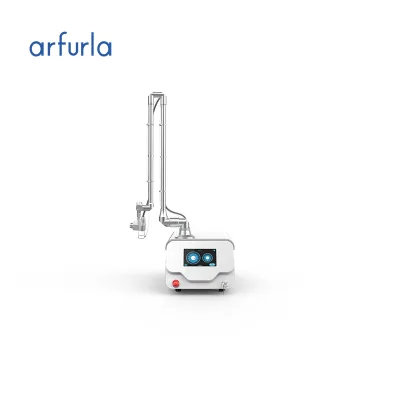
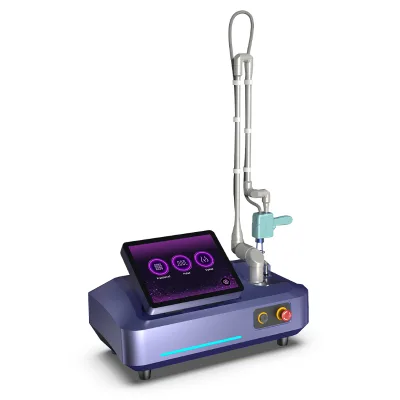
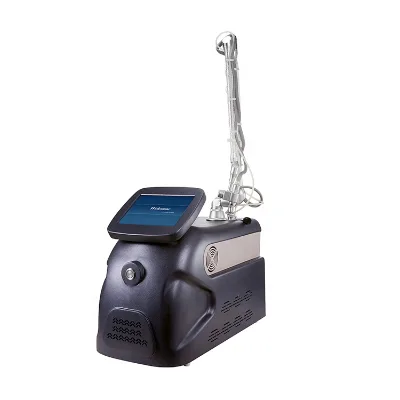
Co2 Fractional Laser Vaginal Fractional Laser Resurfacing Co2 Fractional Laser Machine
$2400.00 - $2700.00
MOQ: 1 sets
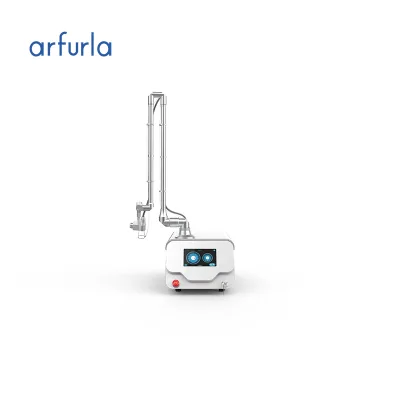
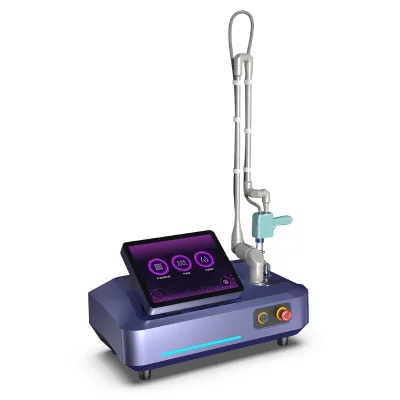
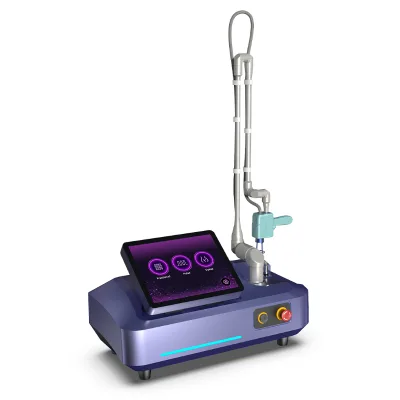
Newest Co2 Laser Machine Laser Co2 Fractional,fractional Co2 Laser Equipment
$2358.2385 - $2768.3669
MOQ: 1 sets
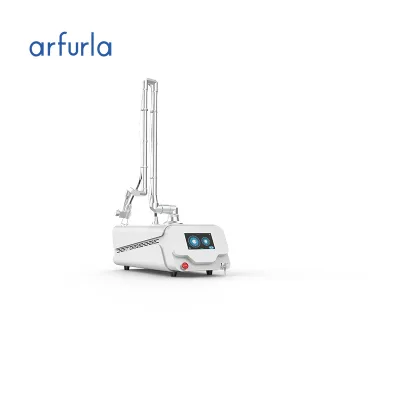
$2500.00 - $2700.00
MOQ: 1 sets

Beijing Perfectlaser Technology Co., Ltd
- Verified by BV
- Combined
- China Beijing
- Lead time15 days
- Avg. response≤ 3h
Main products808nm Diode Laser Hair Removal Machine, IPL Laser Hair Removal Machine, Picosecond Laser Tattoo Removal Machine, Alexandrite Laser Hair Removal Machine, Hifu Beauty Machine, Cryolipolysis Slimming Machine, Lipolaser Slimming Machine
Main marketsEurope,North America


Professional RF Metal Laser Tube CO2 Fractional Machine CO2 Fractional Laser Machine
$5959.00 - $6986.00
MOQ: 1 Pieces


Guangzhou Yingcai Beauty Instrument Co., Ltd.
- Verified by SGS
- Combined
- China Guangdong
- Lead time15 days
- Avg. response≤ 3h
Main productsHifu Machine, Hair Removal Machine, Pico Laser Machine, PDT Machine, Franctional Laser Machine, Electrolysis Hair Removal, Hydra Dermabrasion Facial Machine, Cavitation Machine, Cryolipolysis Machine
Main marketsSouth America,Africa,Southeast Asia/ Mideast,East Asia(Japan/ South Korea),Europe,Australia,North America


CO2 Fractional Laser Machine Portable Fractional CO2 Laser Skin Resurfacing Machine
$2330.00 - $2720.00
MOQ: 1 Sets


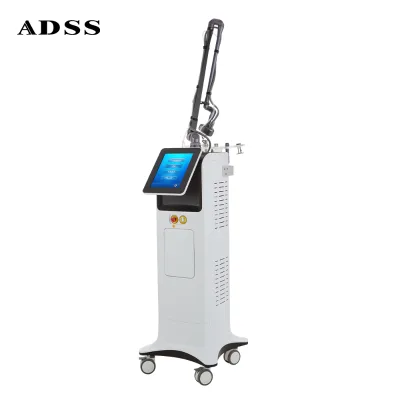
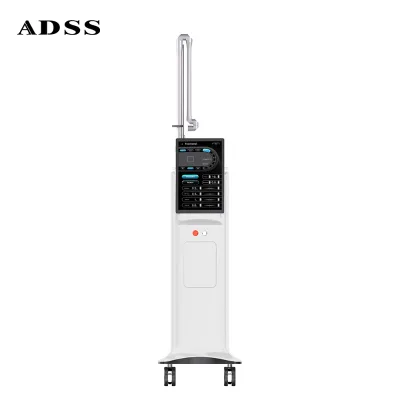
Beijing ADSS Development Co., Ltd.
- Verified by TUVRHEINLAND
- Combined
- China Beijing
- Lead time15 days
- Avg. response≤ 6h
Main productsHifu, Laser Vaginal Tightening, Digital Syringe Injector, 808nm Diode Laser Hair Remvoal, Fractional RF & Thermal RF, Vacuum Shape, 20MHz RF Thermal, Cryolipolysis Slimming Machine, Cavitation Slimming Machine, Fractional CO2 Laser
Main marketsSouth America,East Asia(Japan/ South Korea),Europe,Australia,North America
Hebei Mita Biotechnology Co., Ltd.
- Trading Company
- Lead time旺季: "1 - 1":8,"> 1":"To be negotiated", 淡季: "1 - 1":8,"> 1":"To be negotiated"
- Avg. response≤ 2h
Main productsLaser Hair Removal, hifu machine, cryolipolysis machine, beauty bed, Co2 Fractional Laser Mac
Beijing Globalipl Development Co., Ltd.
- Verified by SGS Group
- Manufacturer, Trading Company
- Lead time3 days
- Avg. response≤ 2h
Main products808 diode laser hair removal, CO2 fractional laser, IPL treatment, Nd:YAG laser machine, body slimming and shaping machine
Main marketsEastern Europe(15%), Mid East(10%), Eastern Asia(10%)
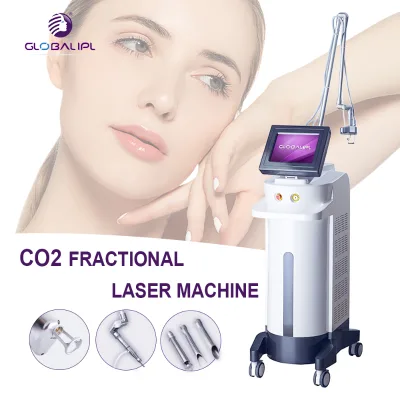
Clinic Equipment Co2 Fractional Laser Radio Frequency Fractional Laser Machine
$6200.00 - $9200.00
MOQ: 1 sets
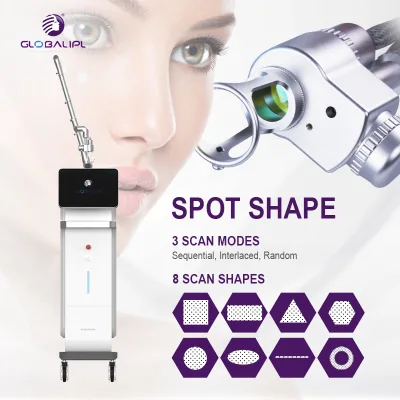
Factory Direct CO2 Laser Skin Machine for Acne Scar Removal and Skin Tightening
$7695.1886 - $9234.2263
MOQ: 1 sets

Weifang KM Electronics Co., Ltd.
- Verified by BV
- Combined
- China Shandong
- Lead time15 days
- Avg. response≤ 4h
Main products808 Diode Laser Hair Removal, Shr Hair Removal, Elight Hair Removal, IPL Machine, Cavitation Slimming, Diode Laser Slimming, Q-Switch ND YAG Laser, CO2 Fractional Laser, 980 Diode Laser, Multifunction Machine

Laser Equipment CO2 Fractional Fractional CO2 Laser CO2 Fractional Laser Machine
$4480.00
MOQ: 2 Pieces


60W Professional Laser Skin Resurfacing CO2 Fractional Laser Machine
$2999.00 - $4480.00
MOQ: 1 Pieces

Guangzhou RenLang electronic technology Co., LTD
- Verified by CTI
- Combined
- China Guangdong
- Lead time15 days
- Avg. response≤ 8h
Main productsBeauty Machine, Hair Removal Machine, Tattoo Removal Machine
Main marketsEurope
Shandong Star Beauty Laser Electronics Co.,LTD
- Verified by SGS Group
- Manufacturer, Trading Company
- Lead time3 days
- Avg. response≤ 2h
Main productsLaser Beauty Equipment
Main marketsSouth America(16%), North America(15%), Western Europe(13%)
Beijing Goldenlaser Development Co., Ltd.
- Verified by TüVRheinland
- Manufacturer, Trading Company
- Lead time3 days
- Avg. response≤ 4h
Main productsLaser Hair Removal Machine, CO2 Fractional Laser, IPL Hair Removal Machine, Picosecond Laser Machine, Facial Beauty Machine
Main marketsNorth America(10%), South America(10%), Southeast Asia(10%)
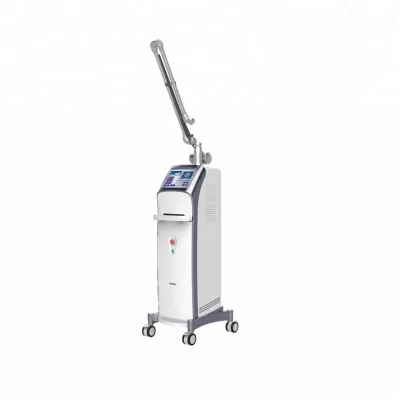
Newest CO2 Laser Machine Laser Co2 Fractional Equipment
$2800.00 - $3800.00
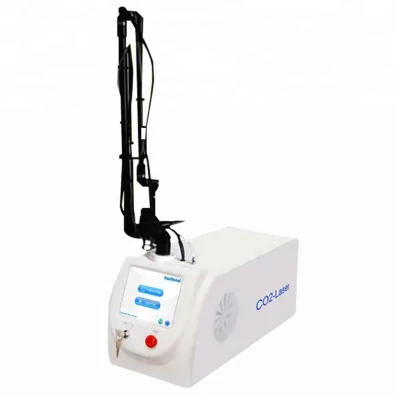
$4001.498 - $4617.1131
MOQ: 2 sets
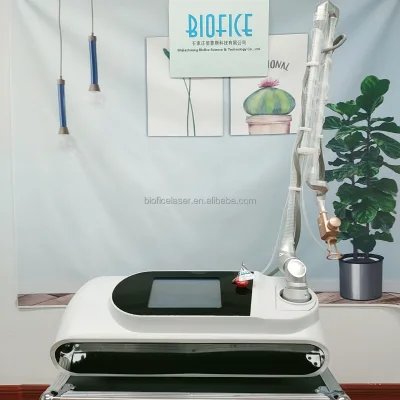
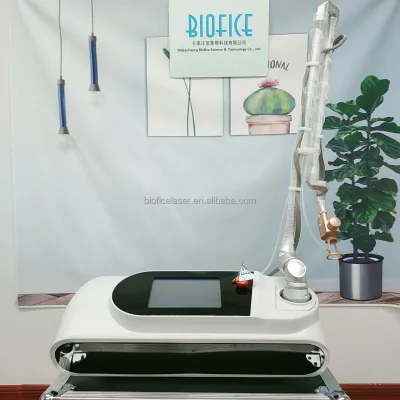
Shijiazhuang Biofice Science & Technology Co., Ltd.
- Trading Company
- Lead time旺季: "1 - 10":7,"> 10":"To be negotiated", 淡季: "1 - 10":7,"> 10":"To be negotiated"
- Avg. response≤ 4h
Main productsBody Contouring/Slimming Equipment,Hair Removal Equipment,Tattoo/Wrinkles Removal Equipment,Skin Rejuvenation Equipment,Anti-aging Equipment

Sanhe Jumei Technology Co., Ltd.
- Verified by TUVRHEINLAND
- Trading Company
- China Hebei
- Lead time15 days
- Avg. response≤ 5h
Main productsbeauty machines
Main marketsEurope


Professional Fractional CO2 Laser Machine Price Fractional CO2 Laser Equipment
$5959.00 - $6986.00
MOQ: 1 Pieces


Wuhan Meilimei Technology Co., Ltd.
- Verified by Intertek
- Trading Company
- Lead time5 days
- Avg. response≤ 1h
Main productsIpl Opt Shr Hair Removal Machine, Home Use Hair Removal
Main marketsSouth America(30%), Mid East(30%), Northern Europe(30%)
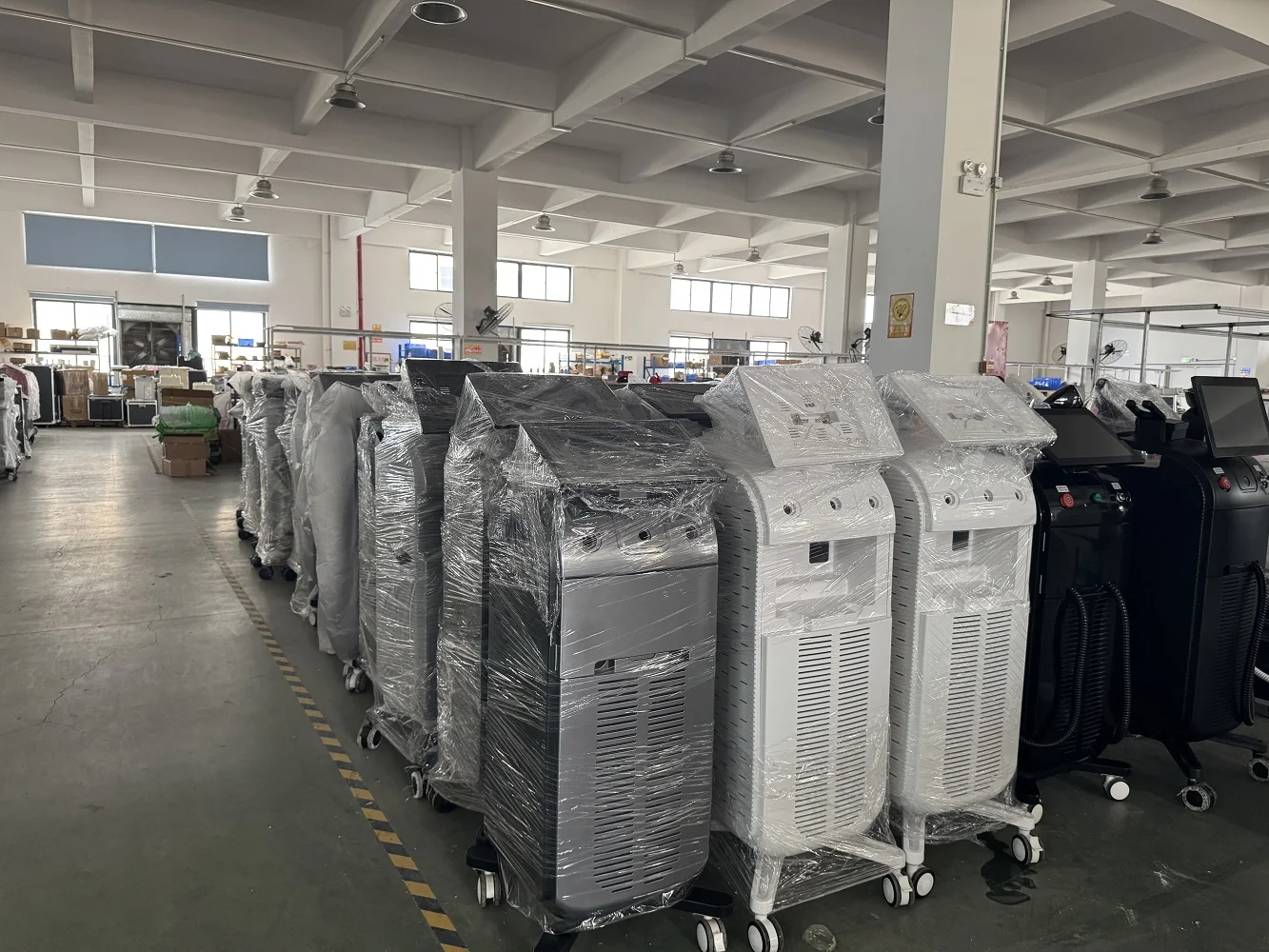
Guangzhou Etele Electronics Co., Ltd.
- Manufacturer, Trading Company
- Guangdong, China
- Lead time10 days
- Avg. response≤ 2h
Main productsLaser Hair Removal Machine,Slimming Machine,Hydro Dermabrasion Machine,RF Equipment,Intense Pulsed Light(IPL)
Main marketsDomestic Market(37.00%), North America(20.00%), Southern Europe(12.00%), Eastern Europe(10.00%), Western Europe(6.00%), South America(5.00%), Eastern Asia(3.00%), Northern Europe(2.00%), Mid East(1.00%), South Asia(1.00%), Southeast Asia(1.00%), Oceania(1.00%), Central America(1.00%)
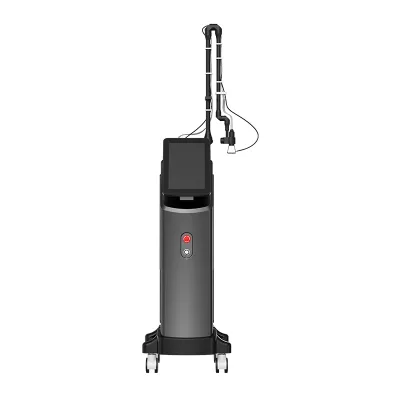
Co2 Laser Face ODM Fraccionado Fractional Machine
$3416.3343 - $3623.3849
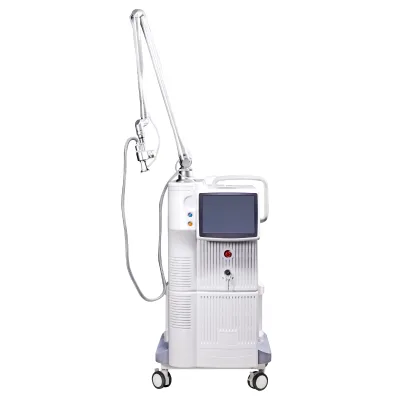
$2180.00 - $2270.00
MOQ: 1 cartons
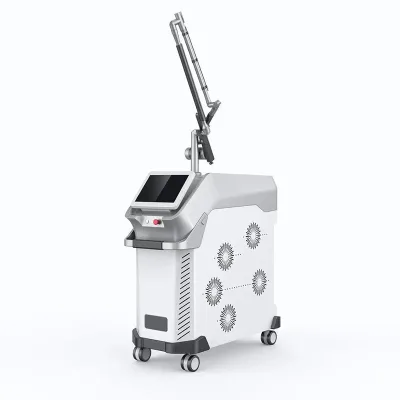
$2950.4713 - $3209.2837
MOQ: 1 cartons

Shaanxi Jixiya Technology Co., Ltd.
- Manufacturer, Trading Company
- Shannxi, China
- Lead time15 days
- Avg. response≤ 1h
Main productsoffice chair,Dining chair,bar chair,Rocking chair,living room chair
Main marketsOceania(9.00%), Central America(9.00%), Southeast Asia(9.00%), Western Europe(9.00%), South America(9.00%), Southern Europe(9.00%), North America(8.00%), South Asia(6.00%), Africa(6.00%), Eastern Europe(6.00%), Mid East(6.00%), Domestic Market(5.00%), Eastern Asia(5.00%), Northern Europe(4.00%)
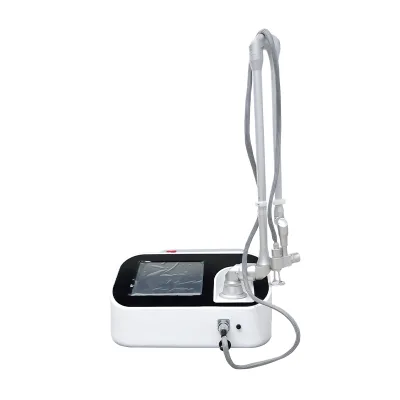
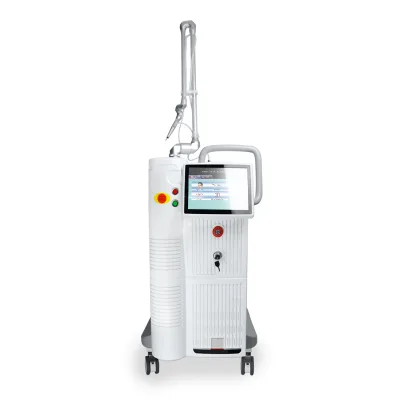
resurfacing machine co2 fractional laser machine with metal tube product
$1267.95 - $1305.27
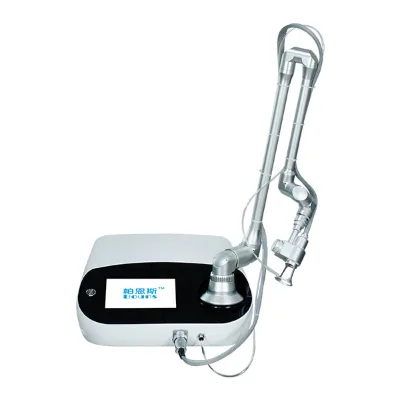
Standing Co2 Fractional Laser Machine RF Skin Resurfacing Domestic Fractional Co2 Laser
$1500.00 - $1599.00
MOQ: 1 pieces
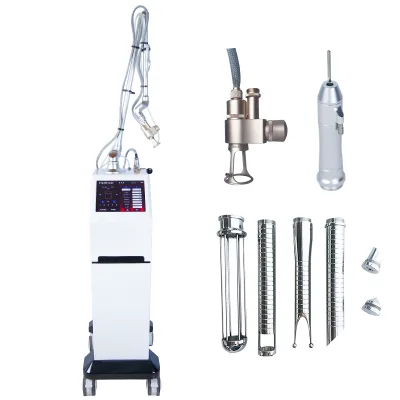
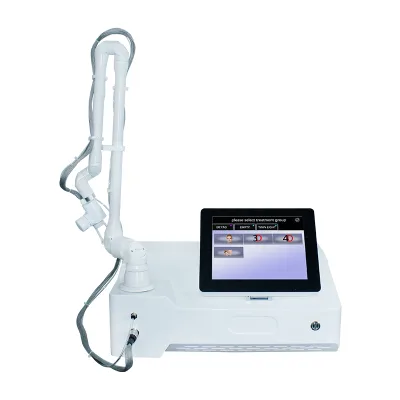
New Generation Fractional CO2 Laser Machine with Glass or RF Skin Resurfacing Beauty Equipment
$1299.00 - $1499.00
MOQ: 1 pieces
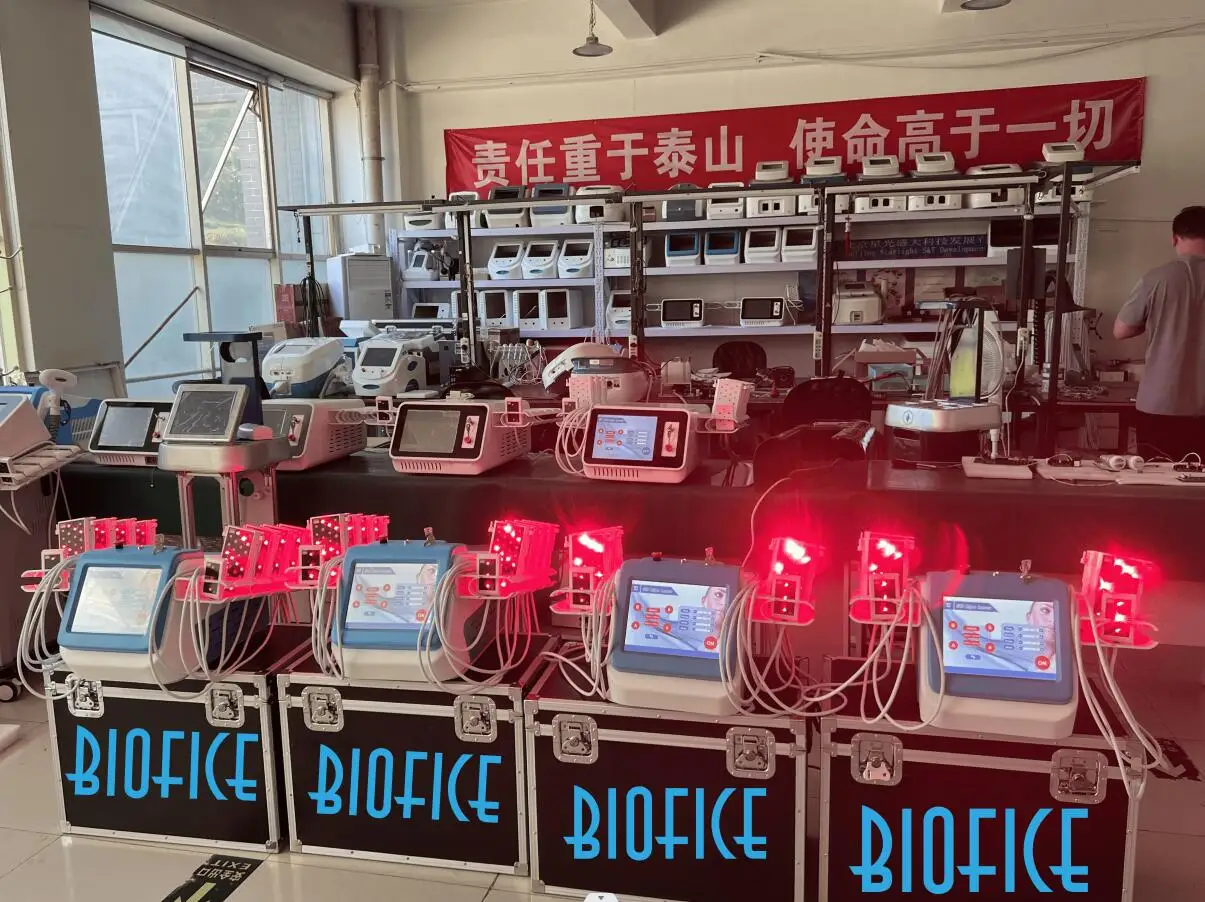
Shijiazhuang Biofice Science & Technology Co., Ltd.
- Trading Company
- Hebei, China
- Lead time5 days
- Avg. response≤ 4h
Main productsBody Contouring/Slimming Equipment,Hair Removal Equipment,Tattoo/Wrinkles Removal Equipment,Skin Rejuvenation Equipment,Anti-aging Equipment
Main marketsNorth America(40.00%), Northern Europe(20.00%), Central America(10.00%), Eastern Europe(10.00%), Mid East(10.00%), Southern Europe(5.00%), Western Europe(5.00%)
Guangzhou Yinaimei Electronic Technology Co., Ltd.
- Verified by TüVRheinland
- Trading Company
- Lead time0 days
- Avg. response≤ 2h
Main productsEndospheres Machine, Emsculpt Machine, Laser Hair Removal Machine, LPG Slimming Machine, CO2 Fractional Laser Machine
Main marketsDomestic Market(70%), North America(20%), South America(10%)
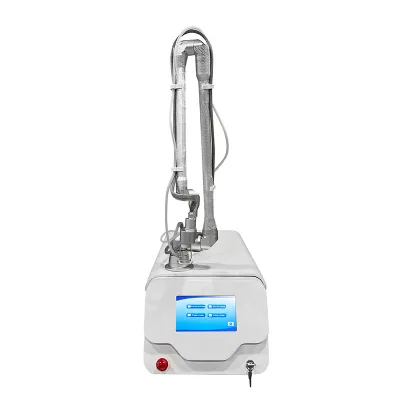
Co2 Laser Co2 Fractional Laser Machine Co2 Laser Machine for Skin Beauty Beauty Equipment
$926.6044 - $1750.2527
MOQ: 1 boxes
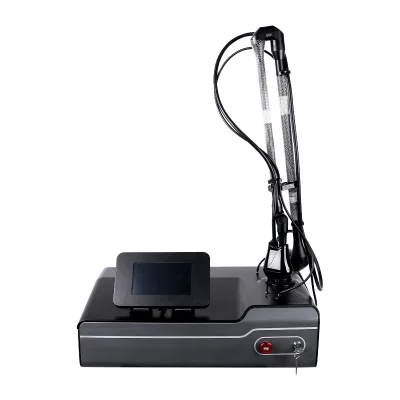
ABS Desktop Fractional CO2 Laser Machine for Scar Removal with AU Plug Compatibility Newest Model
$1026.0251 - $1539.0377
MOQ: 1 pieces
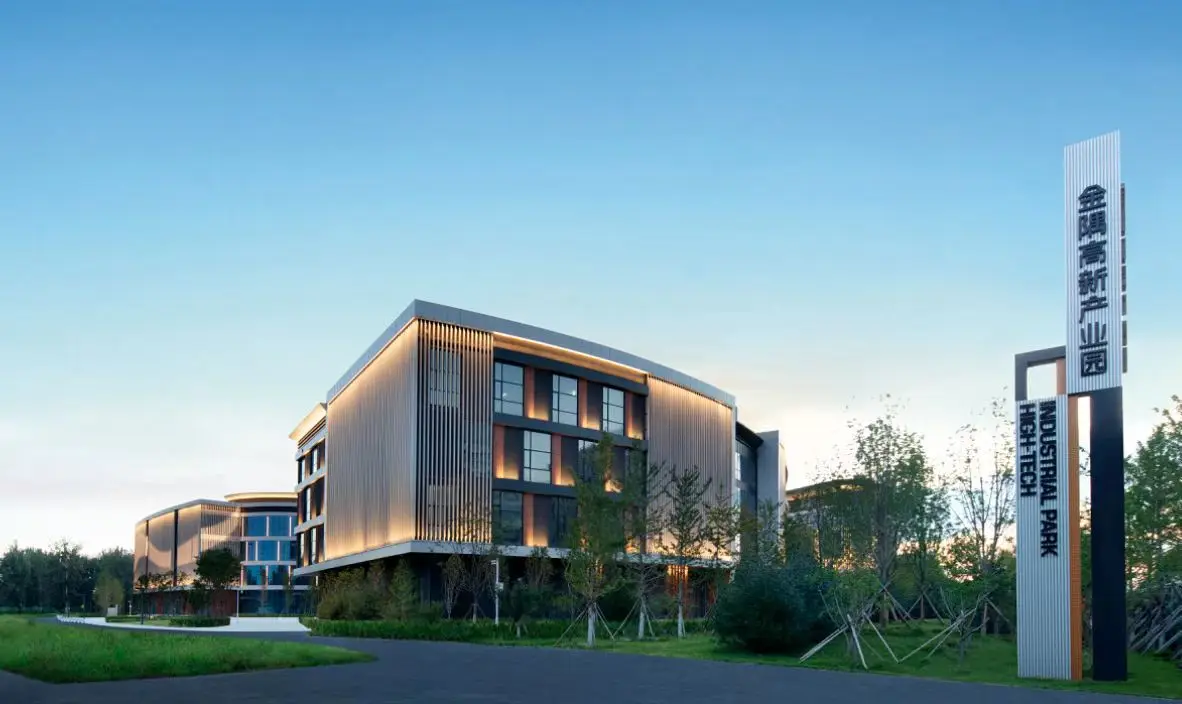
MeijinRanYan (Beijing) International Trade Co., Ltd
- Trading Company
- Beijing, China
- Lead time7 days
- Avg. response≤ 3h
Main productsBeauty machine,808 hair removal instrument,Weight loss equipment,Skin care equipment,Household beauty products
Main marketsNorth America(20.00%), Western Europe(13.00%), South Asia(10.00%), Eastern Europe(10.00%), Eastern Asia(7.00%), Southern Europe(5.00%), Northern Europe(5.00%), Central America(5.00%), South America(5.00%), Southeast Asia(5.00%), Mid East(5.00%), Africa(3.00%)
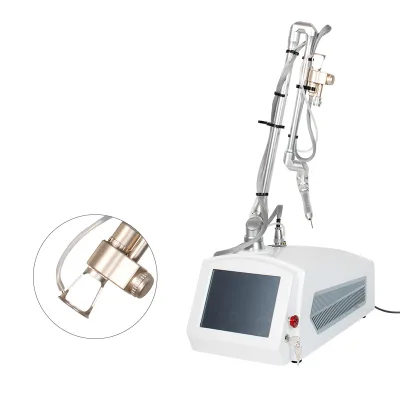
High-Tech Desktop CO2 Fractional Laser Machine with RF Tube Equipment for Skin Tightening
$3804.1081 - $4318.1767
MOQ: 1 pieces
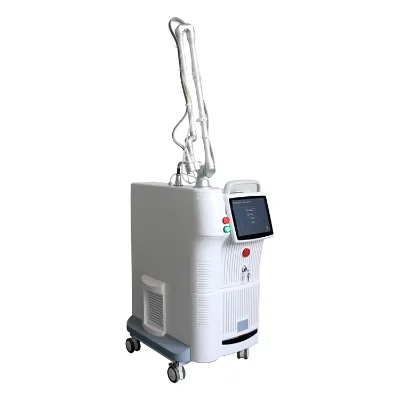
$3898.8955 - $4617.1131
MOQ: 1 pieces
Weifang Eva Electronic Technology Co., Ltd.
- Verified by SGS Group
- Manufacturer, Trading Company
- Shandong, China
- Lead time10 days
- Avg. response≤ 1h
Main productsDiode Laser Hair Removal Machine, CO2 Fractional Laser Machine, Nd:YAG Laser Machine, IPL Machine, PDT Machine
Main marketsEastern Asia(30%), North America(20%), Western Europe(20%)
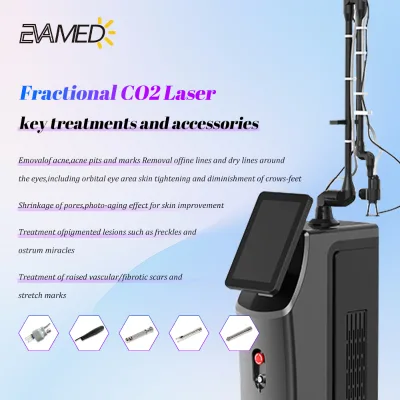
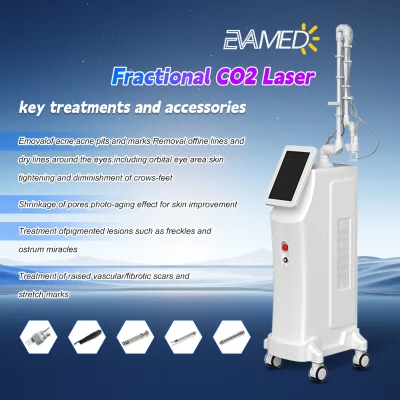
Wholesale Fraction Co2 Laser Fraccionado Laser Machine for Acne Scar Removal
$2500.00 - $5800.00
MOQ: 1 sets
Beijing Adss Development Co., Ltd.
- Verified by TüVRheinland
- Manufacturer, Trading Company
- Lead time3 days
- Avg. response≤ 3h
Main productsQ Switch ND YAG Laser System, Diode Laser Therapy System, Fractional Co2 Laser Therapy System, Cryo Lypolysis Slimming, Pico Laser Therapy System
Main marketsEastern Europe(20%), Mid East(20%), Domestic Market(20%)
Haidari Beauty Technology (beijing) Co., Ltd.
- Verified by SGS Group
- Manufacturer, Trading Company
- Lead time5 days
- Avg. response≤ 1h
Main productsBeauty Machine
Main marketsMid East(40%), North America(20%), South America(20%)
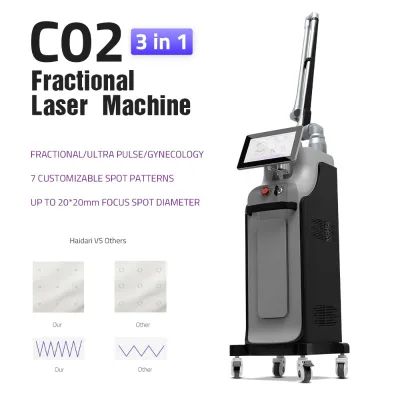
$3817.7848 - $4746.9373
MOQ: 1 pieces
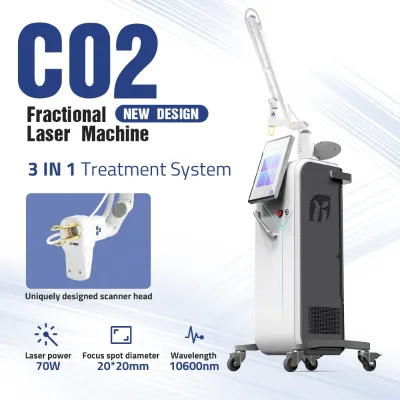
Sanhe Jumei Technology Co., Ltd.
- Verified by SGS Group
- Manufacturer, Trading Company
- Lead time14 days
- Avg. response≤ 2h
Main productsCo2 Fractional Laser Machine, EMS Machine, Laser Hair Removal Machine, Slimming Machine, Tattoo Removal Machine
Main marketsNorth America(70%), South America(10%), Western Europe(10%)

Guangzhou T&B Beauty Equipment Co., Ltd.
- Verified by BV
- Trading Company
- China Guangdong
- Lead time15 days
- Avg. response≤ 3h
Main productsTecar RF Physio Machine, Magneto Emtt Physio Machine, Shockwave Pain Relief Machine, Pressotherapy Slim Massage Machine, Hifu Face Lifting Machine, Fat Remove Machine, Endospheres Slim Machine, Trusculpt Flex ID Machine, RF Slim Machine
Main marketsSouth America,Southeast Asia/ Mideast,East Asia(Japan/ South Korea),Europe,Australia,North America

Perfect CO2 Laser Fractional CO2 Laser Machine for Skin Rejuvenating
$2899.00 - $2999.00
MOQ: 1 Pieces

Professional Fractional CO2 Laser Machine for Skin Resurfacing & Scar Removal - CE Certified
$1888.00 - $2888.00
MOQ: 1 Pieces
Beijing Lasertell Medical Co.,ltd.
- Manufacturer, Trading Company
- Beijing, China
- Lead time7 days
- Avg. response≤ 6h
Main products808nm Diode Laser,CO2 Fractional Laser,IPL,SHR,Vacuum RF
Main marketsEastern Asia(20.00%), Mid East(11.00%), Southern Europe(10.00%), Western Europe(10.00%), Southeast Asia(10.00%), South Asia(10.00%), South America(10.00%), Eastern Europe(7.00%), Oceania(5.00%), North America(5.00%), Africa(2.00%)
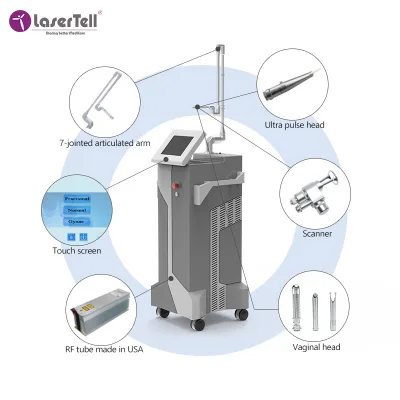
CE Easy Fractional CO2 Laser Rejuvenation CO2 Fractional Laser Machine Skin Resurfacing
$5936.61 - $6141.6742
MOQ: 1 sets
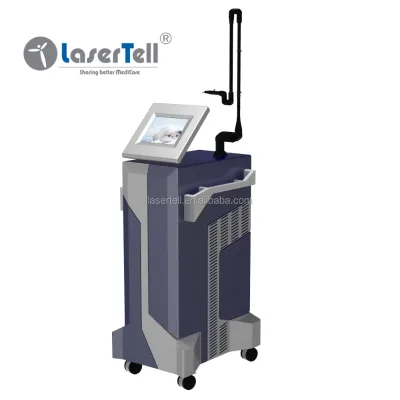
40W RF Fractional CO2 Laser Beauty Machine with Micro Needle Low Price Fractional Laser Equipment
$5790.00 - $5990.00
MOQ: 1 sets
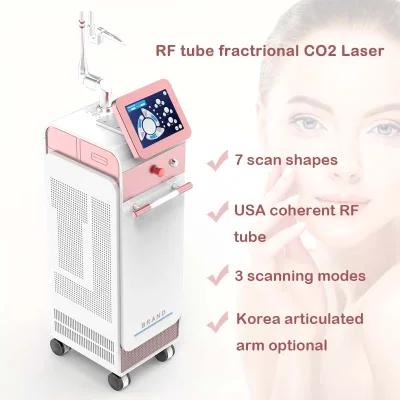
$5932.5339 - $6137.4573
MOQ: 1 sets
Guangzhou Allfond Electronics Co., Ltd.
- Verified by TüVRheinland
- Trading Company
- Lead time5 days
- Avg. response≤ 3h
Main productsBeauty Machine, Slimming Machine, Micro Needle System, Hair Removal Machine, HIFU
Main marketsSouthern Europe(25%), South America(20%), Eastern Europe(12%)
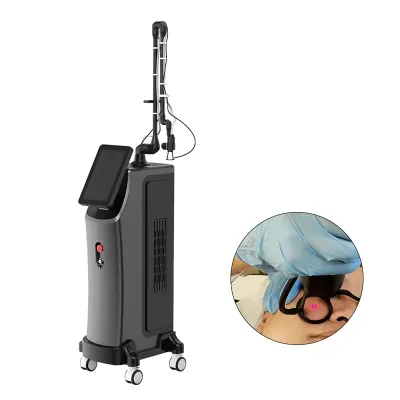
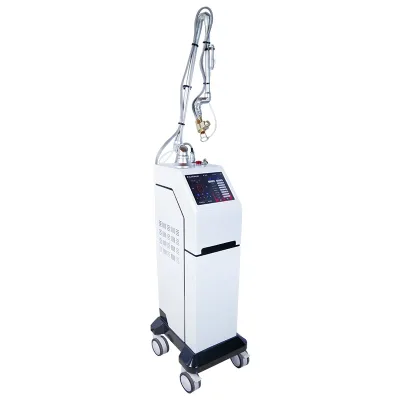
Standing Co2 Fractional Laser Machine Laser Beauty Equipment for Acne and Acne Marks Removal
$2049.00 - $2120.00
MOQ: 1 pieces
Guangzhou Lafo Electronic Technology Co., Ltd.
- Manufacturer, Trading Company
- Lead time旺季: "1 - 10":7,"> 10":"To be negotiated", 淡季: "1 - 10":7,"> 10":"To be negotiated"
- Avg. response≤ 2h
Main productsbeauty machine,face beauty machine,slimming machine,laser machine,hair removal machine
Hangzhou Sg Electronic Technology Co., Ltd.
- Trading Company
- Zhe Jiang, China
- Lead time15 days
- Avg. response≤ 12h
Main productsDiode laser,IPL Elight,ND yag laser,Picosecond laser,EMS
Main marketsWestern Europe(20.00%), Central America(10.00%), Southern Europe(10.00%), Mid East(10.00%), Eastern Europe(10.00%), South America(10.00%), Oceania(5.00%), North America(5.00%), Eastern Asia(5.00%), Northern Europe(5.00%), South Asia(4.00%), Southeast Asia(4.00%), Africa(2.00%)
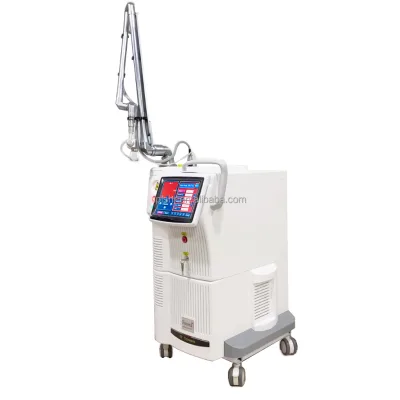
$2758.943 - $5926.6183
MOQ: 1 Minimum
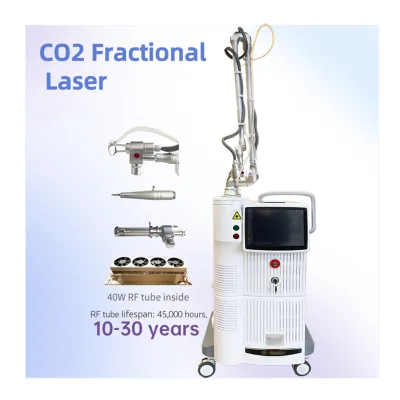
$1849.3799 - $3441.9022
MOQ: 1 Minimum


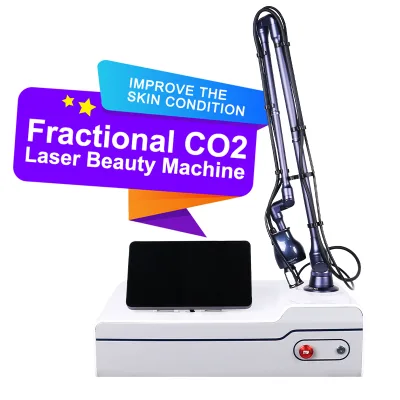


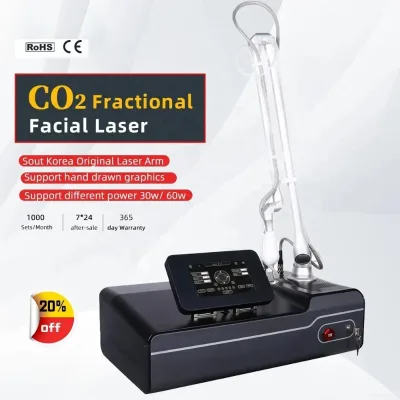
Comprehensive Sourcing Guide
Desktop Fractional Co2 Laser Machine Supplier Concentration and Factory Types
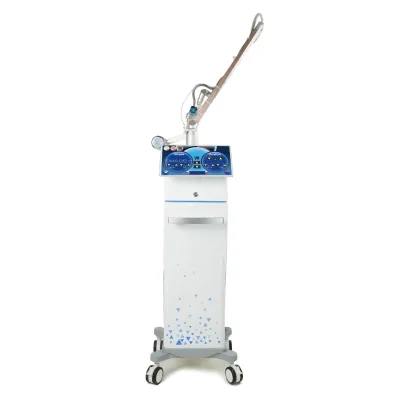
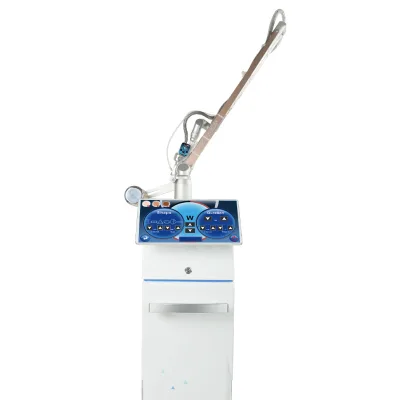
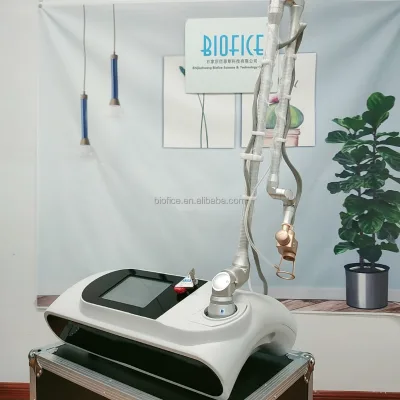
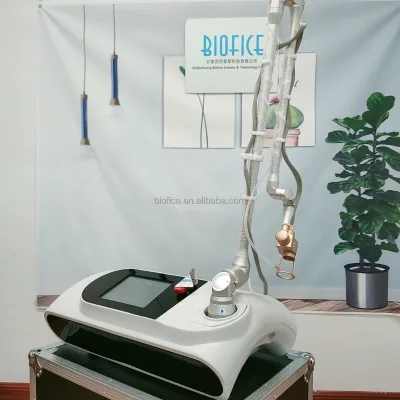
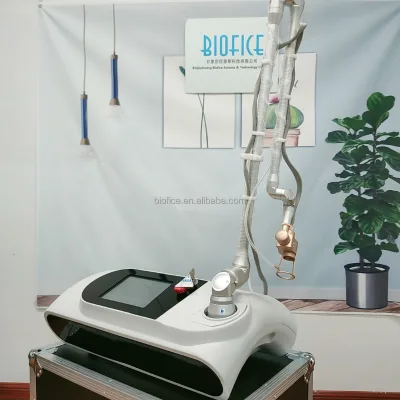
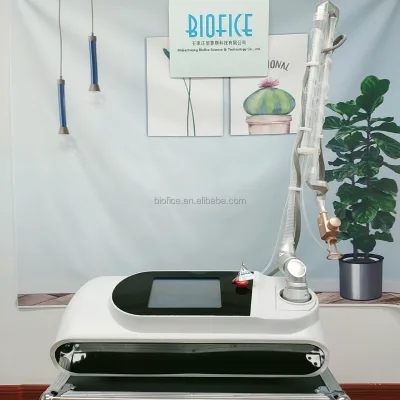
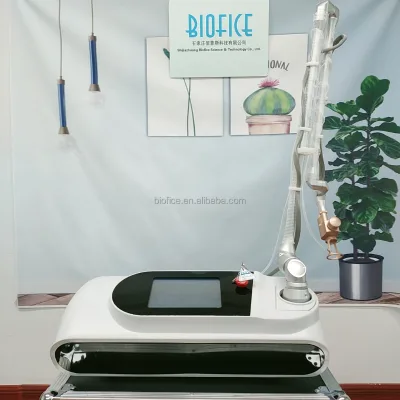
The current supplier landscape for desktop fractional CO2 laser machines reveals a distinct concentration of manufacturing and trading entities within specific geographic hubs. Evidence indicates that Beijing, China, serves as a primary origin point for these aesthetic devices, with multiple results explicitly listing this location as the place of origin. This clustering suggests a mature industrial ecosystem where supply chains for optical components, such as the USA Coherent RF laser emitters found in some models, are readily accessible. Buyers evaluating suppliers should recognize that this geographic concentration often correlates with specialized expertise in beauty equipment, allowing for faster iteration of designs and potentially more competitive pricing structures due to localized competition. The presence of combined company types and trading companies in the results further indicates a layered market structure where some entities may act as intermediaries while others operate as direct manufacturers or ODM/OEM providers.
Understanding the distinction between factory types is crucial for aligning procurement goals with supplier capabilities. The observed data highlights a mix of combined companies and trading companies, each offering different value propositions. Combined companies often possess integrated capabilities for both Original Design Manufacturing (ODM) and Original Equipment Manufacturing (OEM), providing flexibility for buyers seeking custom branding or specific technical modifications. In contrast, trading companies may offer a broader portfolio of related aesthetic devices, such as IPL hair removal systems or cryolipolysis machines, which could be beneficial for buyers looking to diversify their equipment inventory. However, trading entities might have less direct control over production timelines and quality assurance processes compared to pure manufacturing facilities. Buyers must carefully assess whether their priority lies in technical customization and direct factory communication or in product variety and streamlined procurement logistics, as this choice will significantly impact the supplier selection process and long-term partnership dynamics.
How to Verify Desktop Fractional Co2 Laser Machine Suppliers
Verification of suppliers requires a multi-layered approach that goes beyond basic profile reviews to ensure operational legitimacy and product safety. One critical step is to examine third-party verification badges, such as the TÜV Rheinland certification observed in some supplier profiles, which indicates that an independent body has audited the supplier’s business operations. This verification provides a baseline level of trust regarding the company’s legal standing and operational integrity. Additionally, buyers should scrutinize the specific certifications listed for the products themselves, such as CE approval, which is a mandatory standard for many markets and indicates compliance with European health, safety, and environmental protection standards. The presence of these certifications suggests that the supplier adheres to recognized quality management systems, although buyers should always request copies of the actual certificates to verify their validity and expiration dates directly with the issuing bodies.
Beyond certifications, assessing the supplier’s responsiveness and technical support infrastructure is essential for long-term reliability. The data shows varying response times, with some suppliers indicating a response time of approximately 8.69 hours, while others claim a one-hour response window. A faster response time often correlates with better customer service and more agile problem-solving capabilities, which are vital when dealing with complex medical or aesthetic equipment. Buyers should also evaluate the availability of after-sales services, such as the 24-hour online service and technology support mentioned in some product attributes. These services are crucial for minimizing downtime in a clinical or salon setting. Furthermore, verifying the supplier’s ability to provide OEM/ODM services can indicate their technical depth and willingness to collaborate on custom solutions. Buyers should initiate direct communication to test these response times and support channels before committing to large orders, ensuring that the supplier can meet their operational expectations effectively.
What to Compare Across Desktop Fractional Co2 Laser Machine Suppliers
When comparing suppliers, buyers must analyze a range of technical and commercial attributes to determine the best fit for their specific needs. Key technical specifications to compare include the laser wavelength, which is consistently listed as 10.6µm or 10600nm for far-infrared lasers, and the pulse frequency, which may vary between models. Buyers should also evaluate the cooling systems, noting differences between air cooling and air/water+air hybrid systems, as these impact the machine’s durability and maintenance requirements. Other critical parameters include the spot size, ranging from 0.01mm to 0.05mm in diameter, and the adjustable penetrating depth, which affects the treatment’s precision and efficacy. The display interface, whether a 10.4-inch or 12.1-inch color touch screen, and the working modes, such as continuous, single, or interval pulse, also influence user experience and operational flexibility. Comparing these technical details across different supplier offerings allows buyers to identify machines that align with their clinical protocols and patient needs.
Commercial terms and pricing structures are equally important in the comparison process. The observed price ranges for fractional CO2 laser machines vary significantly, from approximately $2,300 to over $30,000, reflecting differences in build quality, component origins, and brand positioning. Buyers should carefully review the minimum order quantity (MOQ), which is often listed as one unit, allowing for flexible trial orders. Lead times are another critical factor, with some suppliers indicating a standard 15-day lead time, while others specify shorter delivery windows of 3-7 working days for certain models. It is also important to note variations in warranty terms, such as 1-2 year warranties with lifelong technology support, and packaging standards, which may include aluminum alloy cases for enhanced protection during transit. By systematically comparing these commercial and technical attributes, buyers can make informed decisions that balance cost, quality, and service levels, ensuring they select a supplier that offers the best overall value proposition for their business.
Common Desktop Fractional Co2 Laser Machine Sourcing Risks
Sourcing fractional CO2 laser machines carries inherent risks related to product quality, regulatory compliance, and after-sales support. One significant risk is the variability in component quality, particularly regarding the laser emitter. While some suppliers specify the use of high-quality components like USA Coherent RF laser emitters, others may not disclose the origin or grade of their internal parts. This lack of transparency can lead to inconsistencies in performance and longevity, potentially resulting in higher maintenance costs and reduced treatment efficacy for end-users. Buyers must be vigilant in requesting detailed component specifications and verifying the authenticity of any branded parts claimed by the supplier. Additionally, the risk of receiving equipment that does not meet local regulatory standards is heightened if the supplier’s certifications are not properly validated. Buyers should ensure that the CE or other relevant certifications are current and applicable to their specific market, as non-compliant equipment can lead to legal liabilities and operational shutdowns.
Another critical risk is the potential for inadequate after-sales support and technical training. The complexity of fractional CO2 laser machines requires specialized knowledge for operation and maintenance. Suppliers that offer limited support, such as basic online assistance without comprehensive training programs, may leave buyers struggling with technical issues. The observed variation in response times and service offerings highlights this disparity. Buyers should assess the supplier’s commitment to long-term support, including the availability of spare parts, repair services, and software updates. Furthermore, the risk of logistical damage is present, especially for non-portable units that require robust packaging. While some suppliers use aluminum alloy packing cases, others may use less protective materials, increasing the likelihood of damage during transit. Buyers should carefully review packaging standards and consider insurance options to mitigate these risks. By proactively addressing these potential pitfalls, buyers can establish a more secure and reliable sourcing strategy for their fractional CO2 laser equipment.
Desktop Fractional Co2 Laser Machine Regional Sourcing and Logistics
Regional sourcing decisions are heavily influenced by the geographic concentration of suppliers and the associated logistical implications. With a significant number of suppliers located in Beijing, China, buyers often benefit from accessing a centralized hub of aesthetic equipment manufacturing. This concentration can streamline the sourcing process, as buyers can potentially visit multiple suppliers or factories in a single trip to conduct audits and negotiate terms. However, it also means that buyers must be prepared to navigate the specific export regulations and shipping requirements associated with Chinese manufacturing. The lead times observed, typically around 15 days, suggest a relatively efficient production cycle, but buyers should account for additional time required for customs clearance and international freight. Understanding the logistics chain from factory to final destination is crucial for accurate delivery planning and inventory management.
Logistics also involve considerations of packaging and handling, which vary among suppliers. The use of aluminum alloy packing cases for some models indicates a focus on protecting high-value equipment during transit, which is essential for maintaining product integrity. Buyers should inquire about the specific packaging standards employed by their chosen supplier to ensure that the machine arrives in optimal condition. Additionally, the weight and dimensions of the equipment, particularly for non-portable units, will impact shipping costs and handling requirements. Buyers may need to arrange for specialized freight services or local delivery partners to manage the final leg of the supply chain. Furthermore, regional sourcing can influence the availability of local service technicians and spare parts. Establishing a relationship with a supplier in a major manufacturing hub can facilitate easier access to technical support and replacement components, reducing downtime and enhancing operational continuity. Buyers should evaluate these logistical factors in conjunction with pricing and quality to determine the most efficient sourcing strategy for their business.
Desktop Fractional Co2 Laser Machine Commercial Terms and Order Planning
Effective order planning for fractional CO2 laser machines requires a thorough understanding of commercial terms and payment structures. The observed price ranges, from approximately $2,300 to $30,000, highlight the importance of budget alignment and value assessment. Buyers should negotiate clear pricing terms that include all costs, such as shipping, insurance, and taxes, to avoid unexpected expenses. The minimum order quantity (MOQ) of one unit for many suppliers offers flexibility for initial trials, allowing buyers to test the equipment and supplier reliability before committing to larger volumes. Lead times, typically around 15 days, should be factored into production schedules and client appointments to ensure timely delivery. Buyers should also clarify any potential variations in lead times based on order volume or seasonal demand, as some suppliers indicate different timelines for peak and off-peak seasons.
Payment terms and warranty policies are critical components of the commercial agreement. Buyers should seek transparent payment structures, such as secure escrow services, to protect their financial interests until the goods are received and verified. The warranty terms, often ranging from 1 to 2 years with lifelong technology support, provide a safety net for technical issues. However, buyers must understand the scope of the warranty, including what components are covered and the process for claiming repairs or replacements. Additionally, the availability of OEM/ODM services can be a valuable commercial term for buyers seeking custom branding or specific technical modifications. By carefully negotiating these commercial terms and planning orders with a clear understanding of lead times and costs, buyers can establish a robust procurement framework that supports their business growth and operational efficiency. This proactive approach minimizes risks and ensures a smooth transaction process from order placement to final delivery.
FAQs
What is the price range for desktop fractional CO2 laser machines?
Prices for these machines typically range from $2,300 to $30,000 depending on specifications. Basic models start around $2,358, while advanced units with higher power configurations can exceed $11,000. Buyers should verify specific pricing for their required configuration and order quantity.
What is the minimum order quantity for fractional CO2 lasers?
The minimum order quantity is generally one unit, allowing for single-unit purchases. This low MOQ facilitates trial orders for clinics or salons. Buyers should confirm if bulk discounts apply for larger orders, as some suppliers may offer negotiated terms for quantities exceeding twenty units.
How long does delivery take for these laser beauty machines?
Standard lead times are approximately 15 days for most orders. Some suppliers offer faster delivery within three to seven working days for smaller quantities. For orders exceeding twenty units during peak seasons, delivery times may extend and require negotiation with the supplier directly.
Are these machines certified for international safety standards?
Many suppliers provide machines with CE certification, ensuring compliance with European safety standards. Some units also undergo verification by TÜV Rheinland. Buyers should request specific certification documents to verify compliance with local regulations in their target market before finalizing any purchase agreement.
What customization options are available for fractional CO2 lasers?
Customization is available through OEM and ODM services for most suppliers. Buyers can often select specific configurations, such as 50W, 40W, or 30W power settings. Some manufacturers also offer multi-language support and tailored packaging solutions to meet specific brand or operational requirements.
Where are these laser machines manufactured?
These machines are primarily manufactured in Beijing, China. Suppliers located in this region often specialize in aesthetic medicine equipment. Buyers should verify the exact place of origin on product listings to ensure alignment with their sourcing preferences and logistical requirements.